After the Ōnin War broke the Ashikaga order, a century of Sengoku warfare armed nearly every province in Japan. The era rewards a discriminating eye: routine work exists in quantity, and beside it stand custom blades of the first rank.
 NihontoWatchNihontoWatch
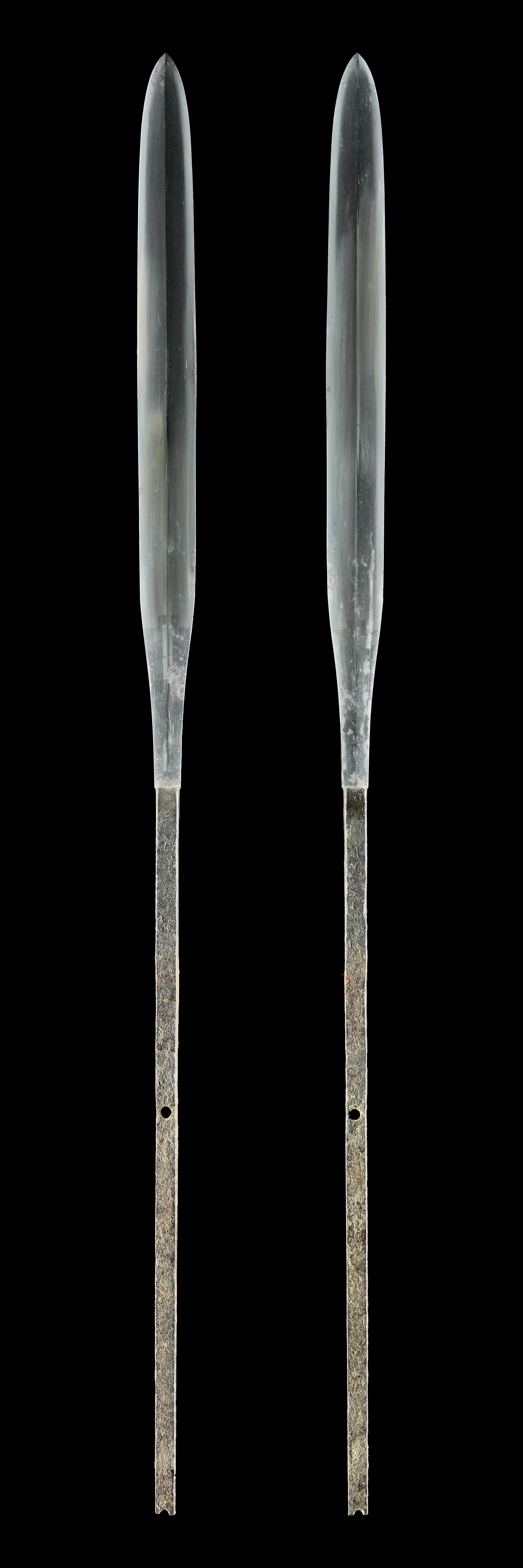
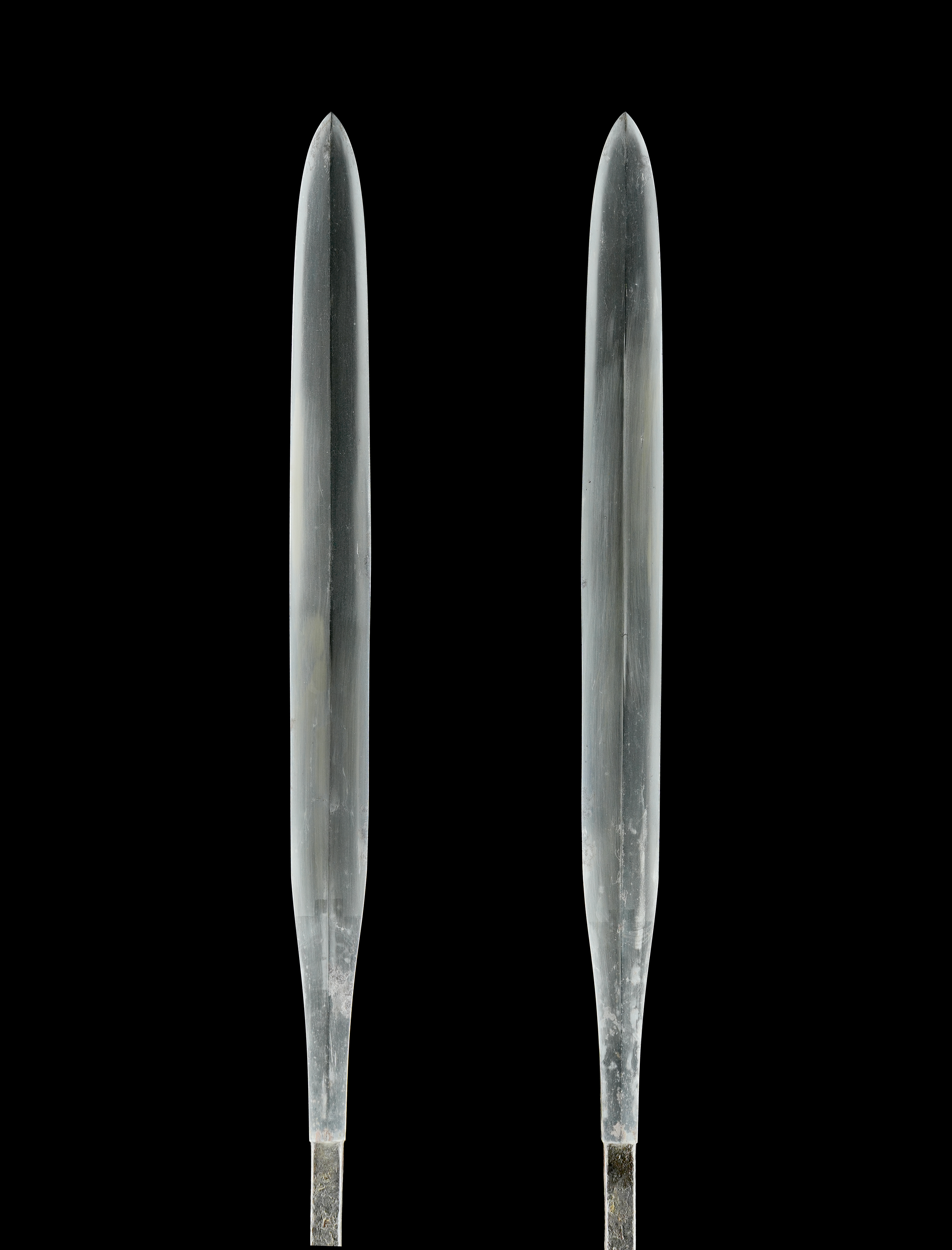
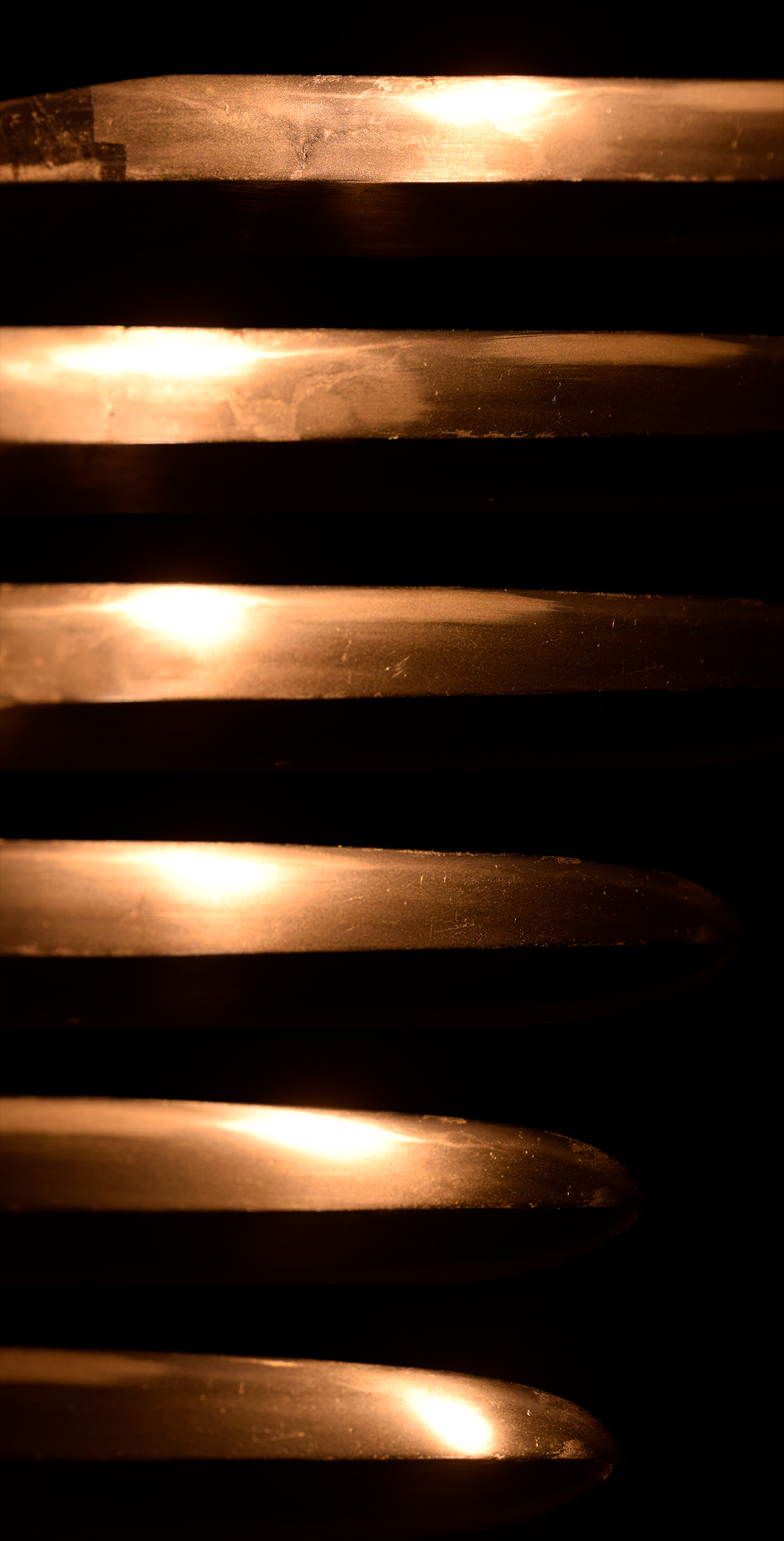
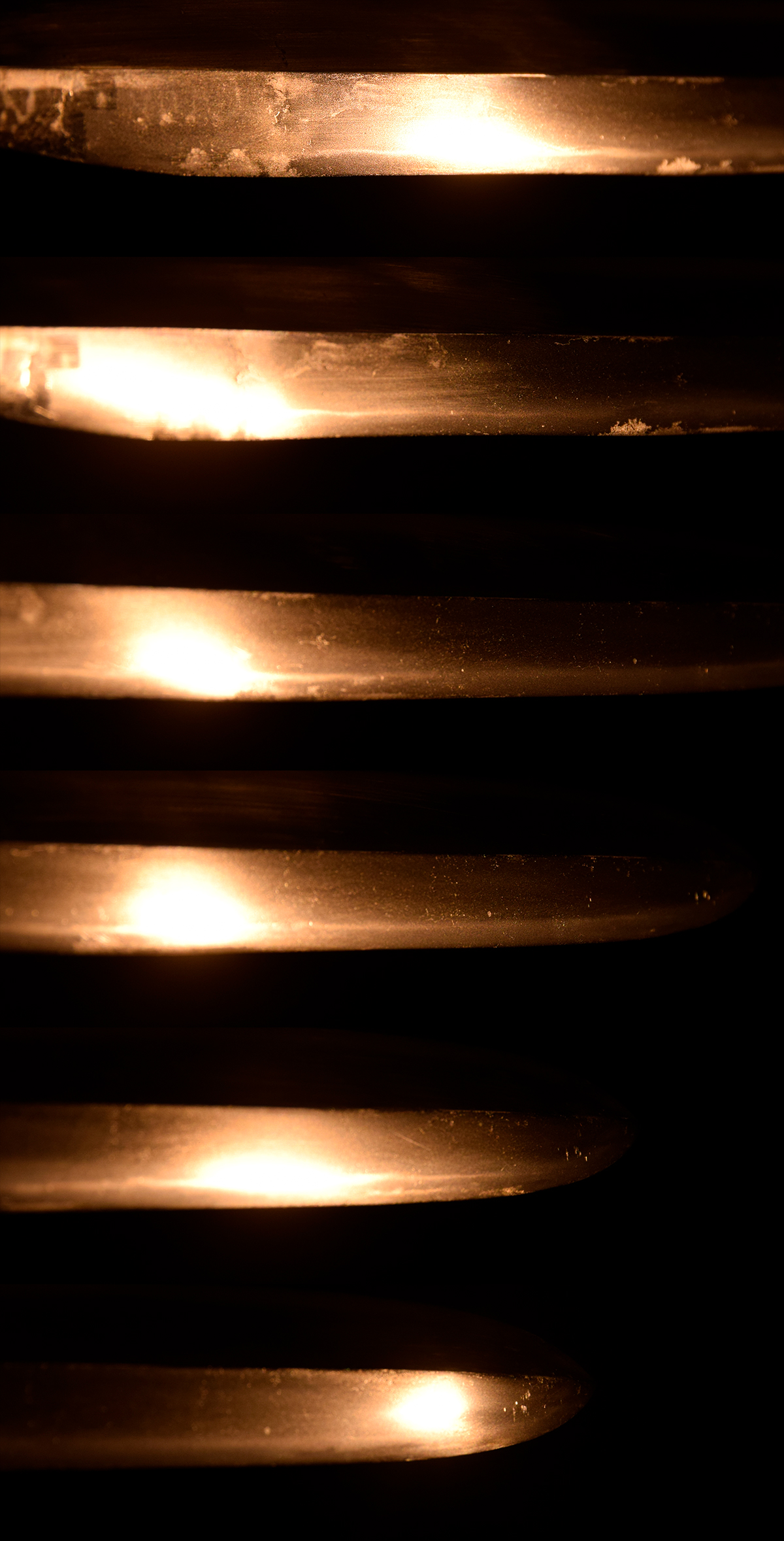
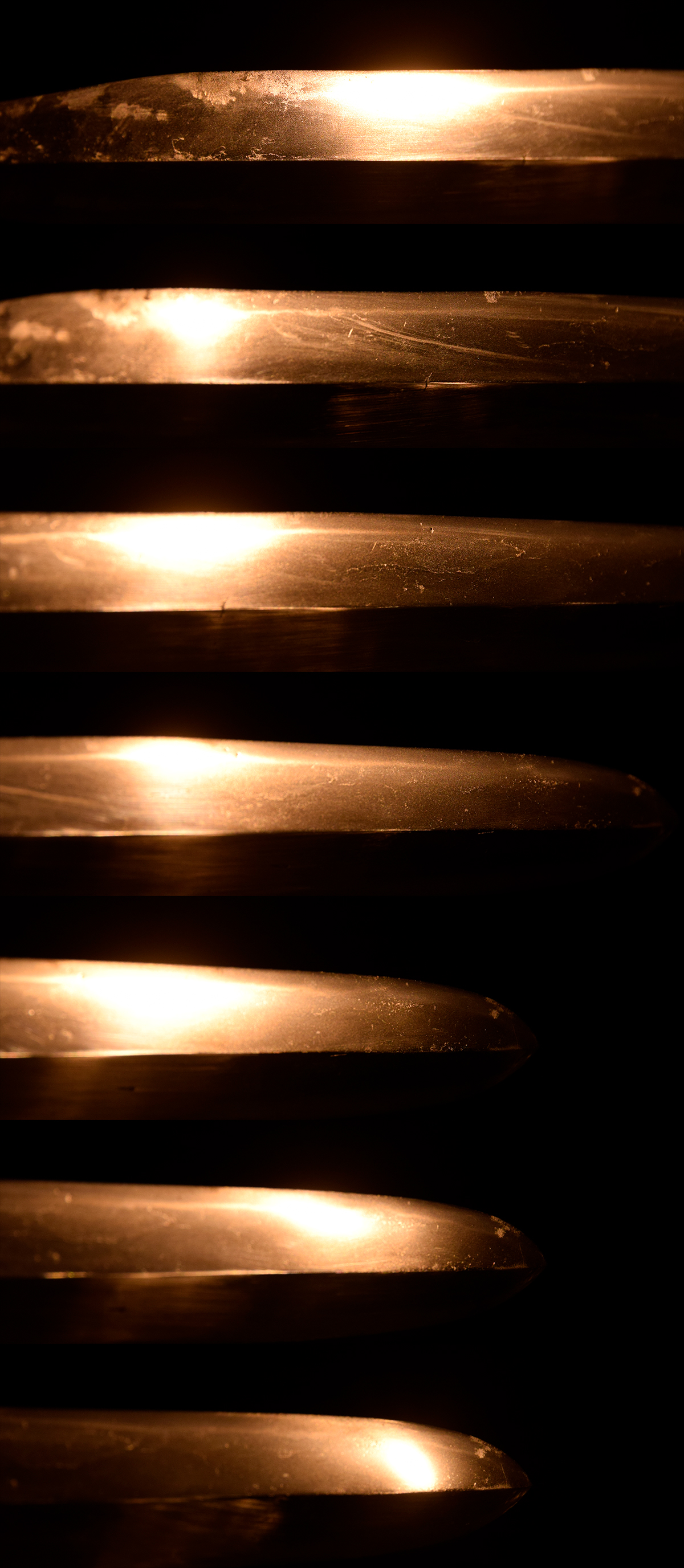
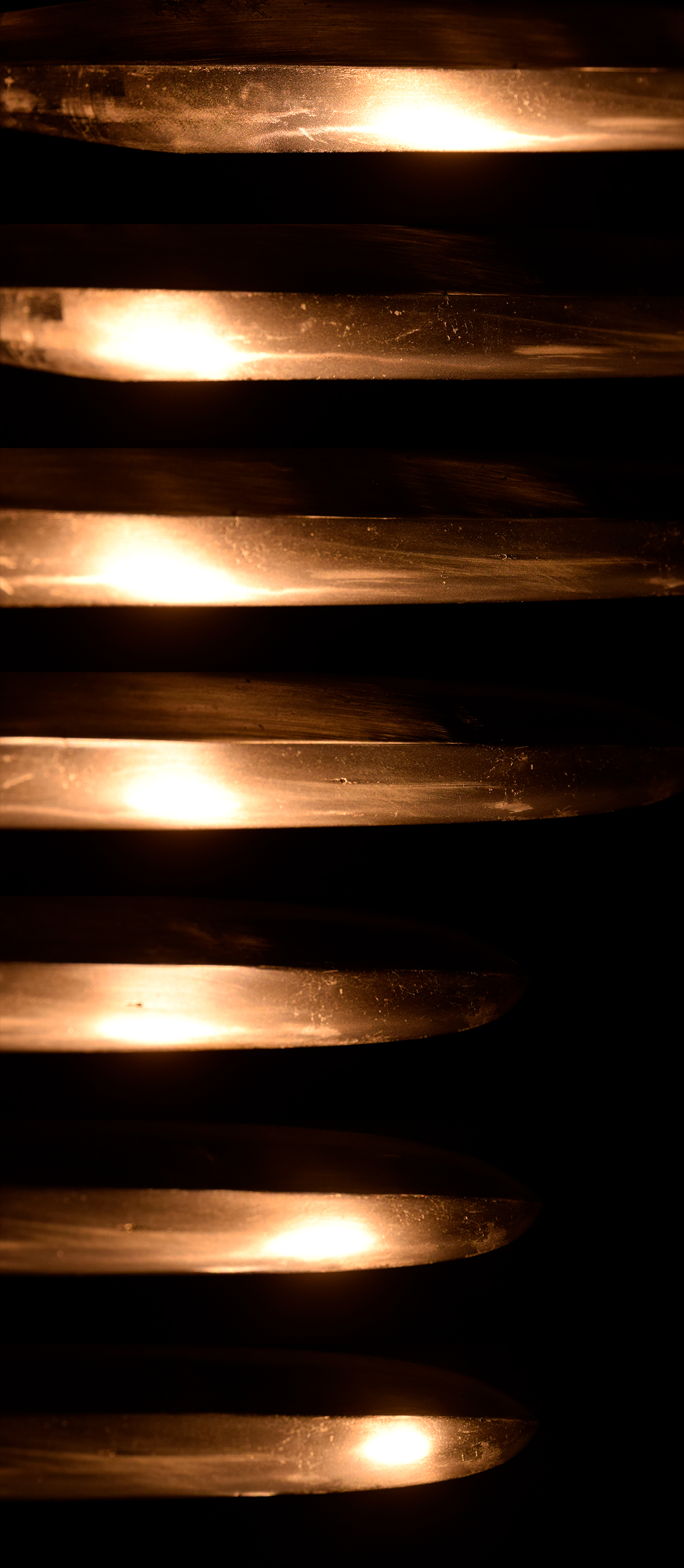
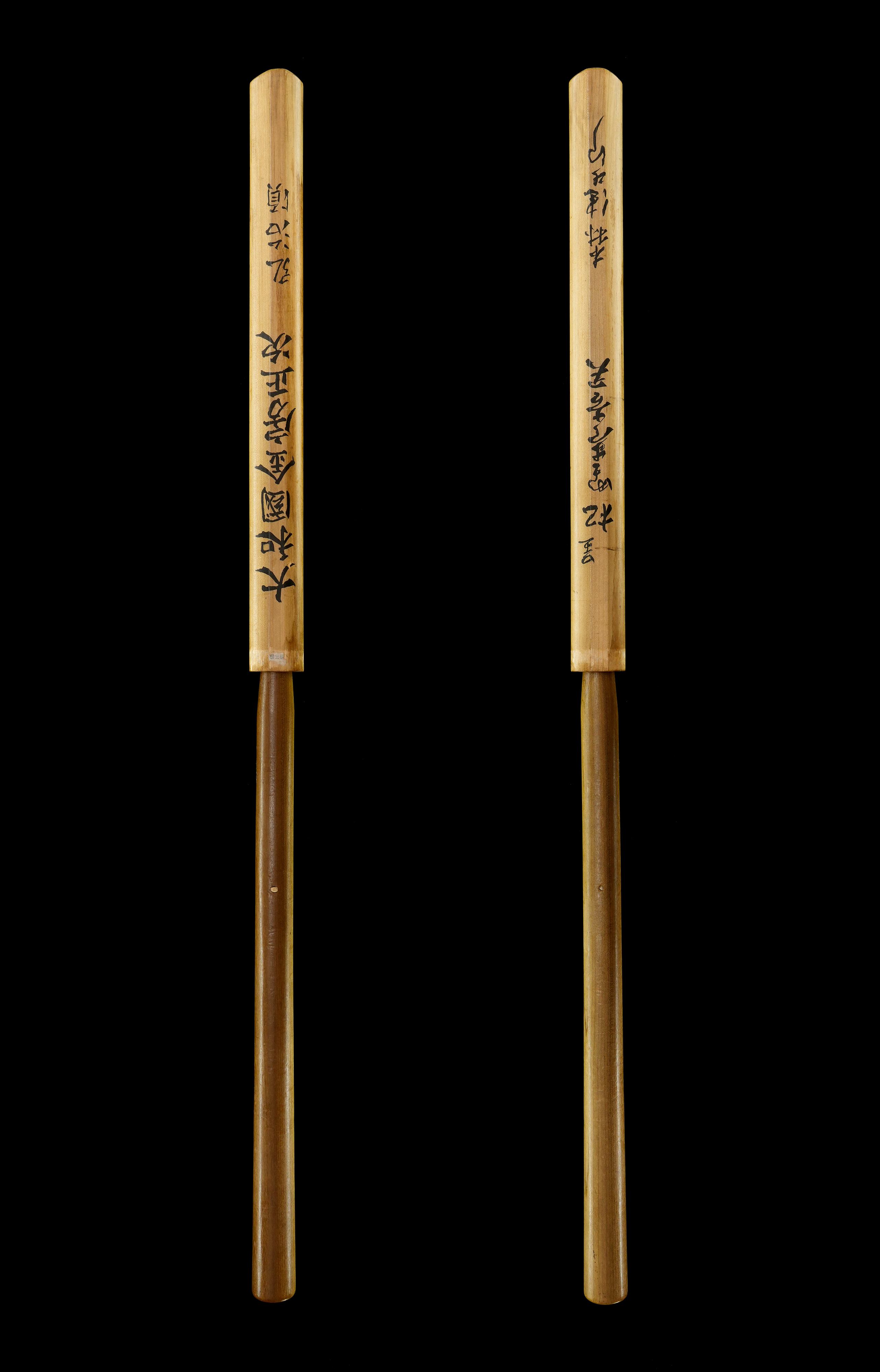
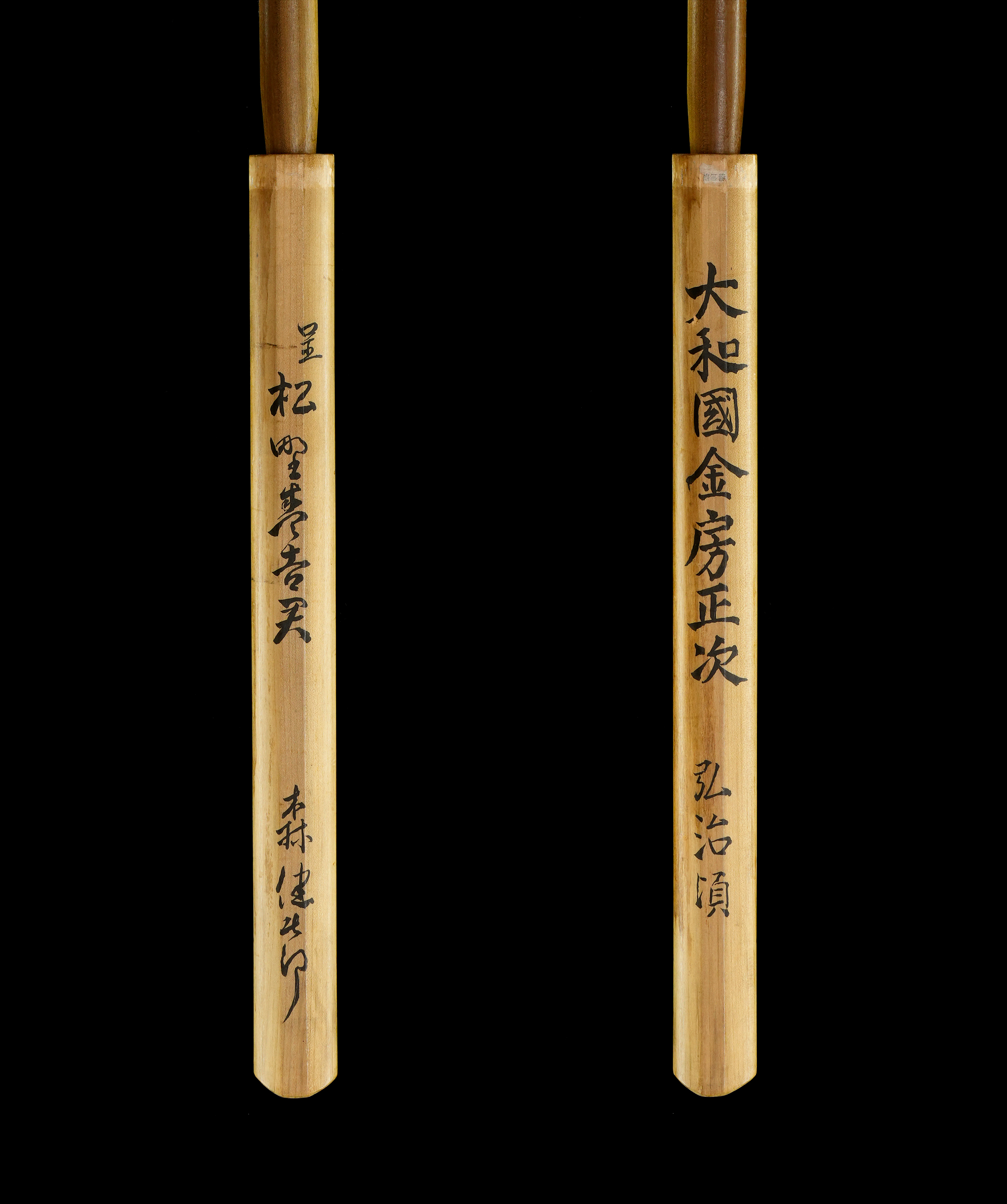
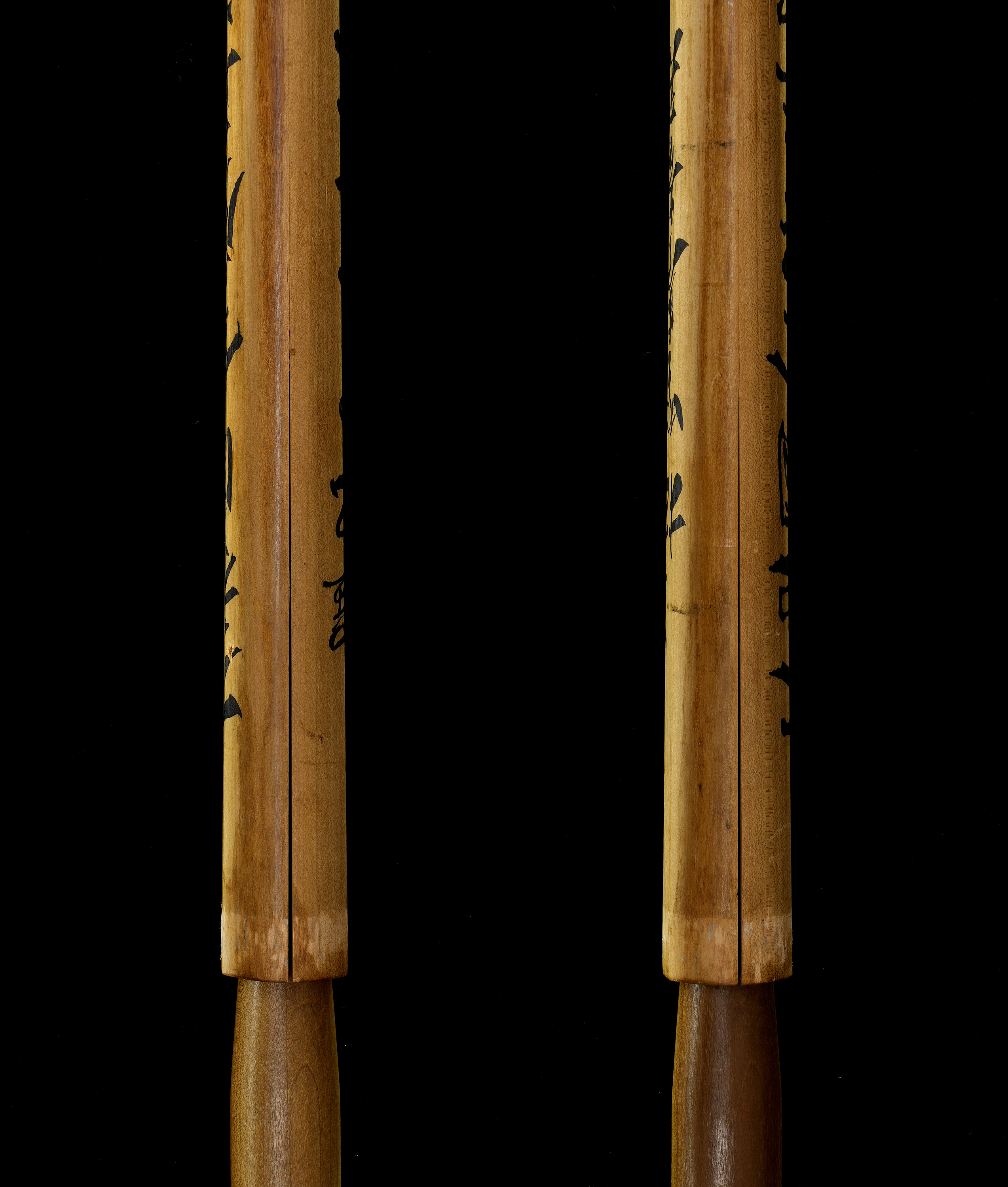
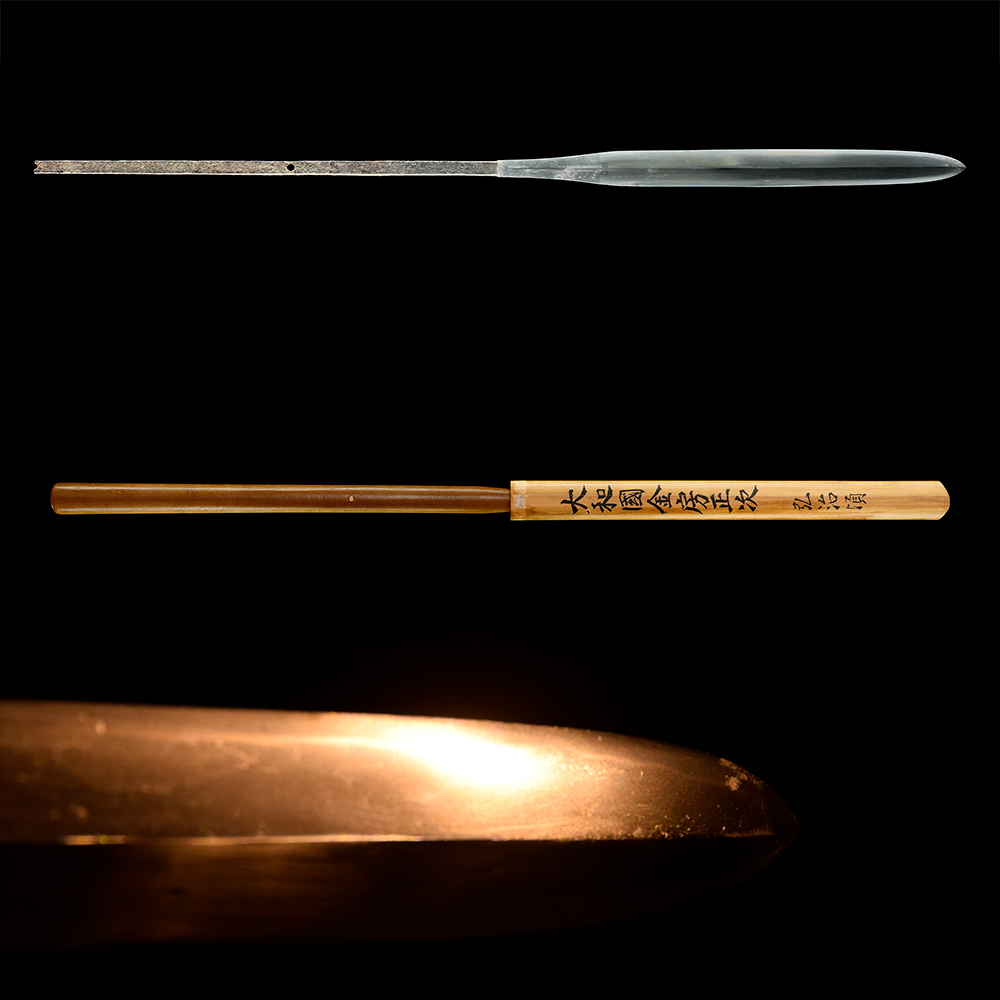
The Kanabo school was a group of Tegai descendant swordsmiths who flourished in Yamato Province, forging many swords for the monk-soldiers of the Nanto Hozoin, with Hyoe-no-jo Masatsugu and Hayato-no-jo Masazane being famous among them. The spears of Kakuzenbo Inei, the founder of the Hozoin-ryu spear technique famous for the jumonji-yari, were also forged by the hands of Kanabo school swordsmiths. Extant works consist mostly of katana, yari, and naginata, with few examples of tanto or kowakizashi; as for the workmanship, many feature a robust tsukurikomi with little difference in width between the moto and saki, and because they were also excellent as sharp blades, they seem to have received strong support from military commanders. This yari is in hirasankaku-zukuri with a long kerakubi, and although it is not in sasaho-gata, it is reminiscent of a sasaho with its ryoshinogi-zukuri construction; the jitetsu shows a strong masame due to it being a yari, and it has a bright nioguchi within a finished chu-suguha. Since a semicircular mekugi-ana remains in the nakago, it is easily inferred that the nakago was originally much longer. Because the polishing fees for yari and naginata are higher than for katana, they are rarely given a repolish, but I strongly desire for someone to please have it repolished and carefully pass it down to future generations. Length of the kerakubi 9.69 centimeters. Width of the kerakubi 15.4 millimeters. Length of the nakago 36.5 centimeters.
NihontoWatchOffered by Toushin
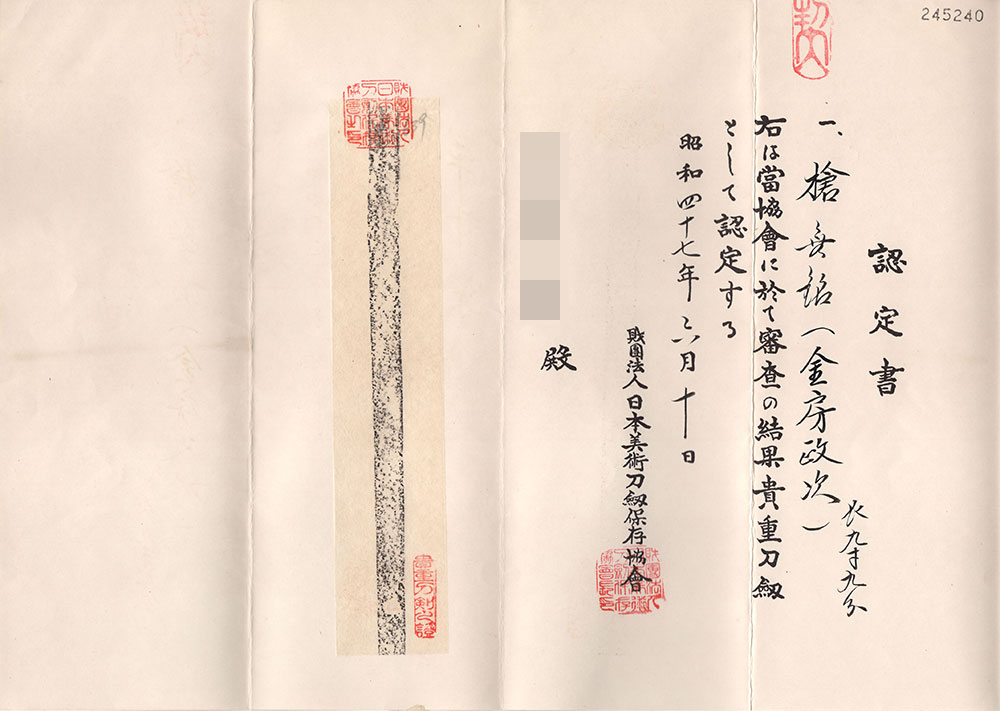
Its only papers are older green Kichō papers, which the NBTHK largely disavows today. Ask the dealer whether it has passed current shinsa. — Hoshi

As written by the shop
Machine translation from the shop's Japanese · may contain errors ·
The Muromachi period (1392 to 1573)
After the Ōnin War broke the Ashikaga order, a century of Sengoku warfare armed nearly every province in Japan. The era rewards a discriminating eye: routine work exists in quantity, and beside it stand custom blades of the first rank.
This work carries older NBTHK “Kichō”-era papers, which the NBTHK no longer issues and largely disavows today. To confirm the attribution, submission to an official Japanese examination body (such as the NBTHK or NTHK) for modern certification could be considered.
As a rule we do not accept returns, except when we have sent a different item from the one ordered or when there is a significant discrepancy between the description and the item. If you wish to return an item, please contact us within 3 days of its arrival and then send it back.
¥165,000