Edo was the sword’s age of connoisseurship: the Hon’ami appraisers, the shogunal register of famous blades of 1719, and a thriving literature turned the sword into an object of study even as it ceased to be drawn in war.
 NihontoWatchNihontoWatch
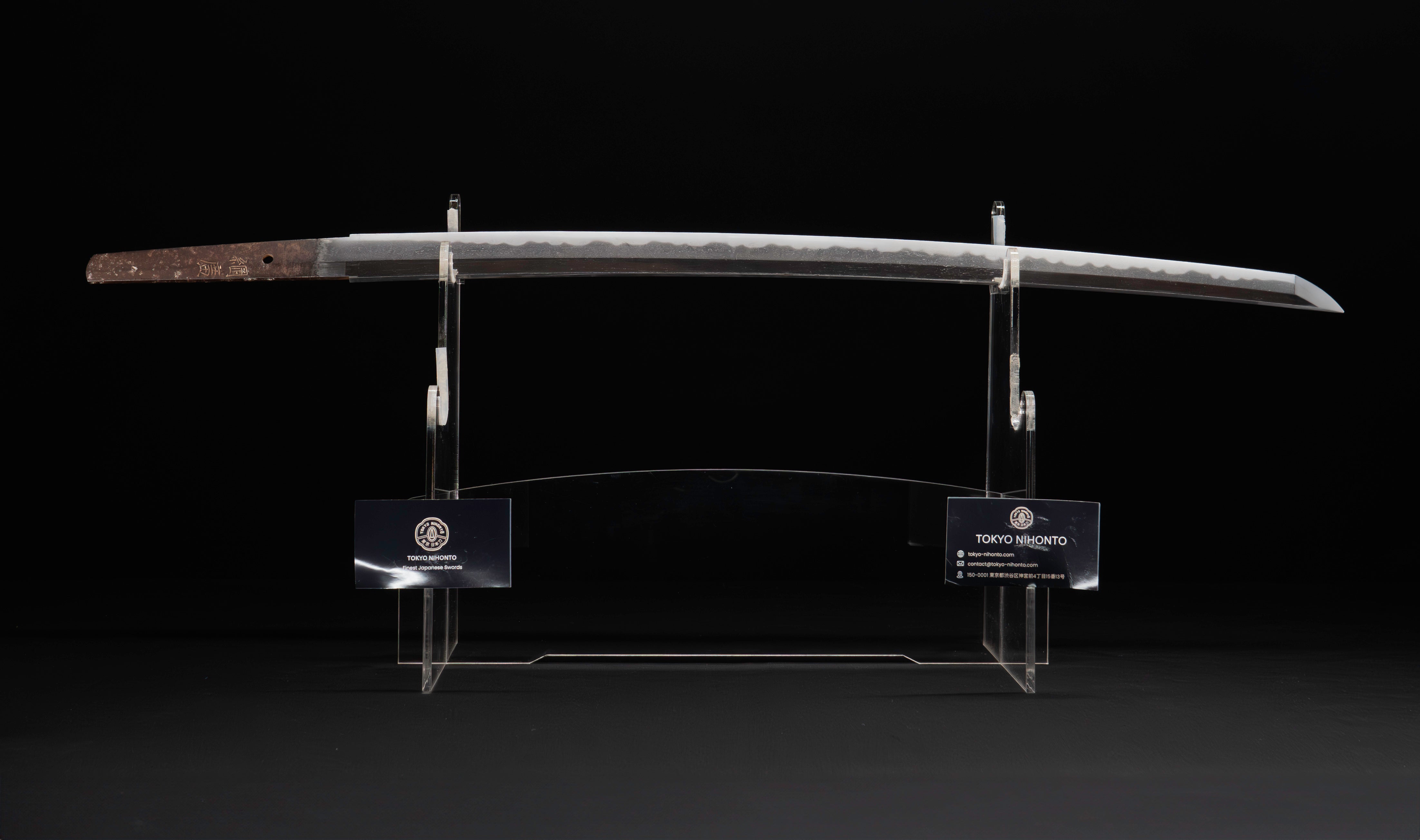
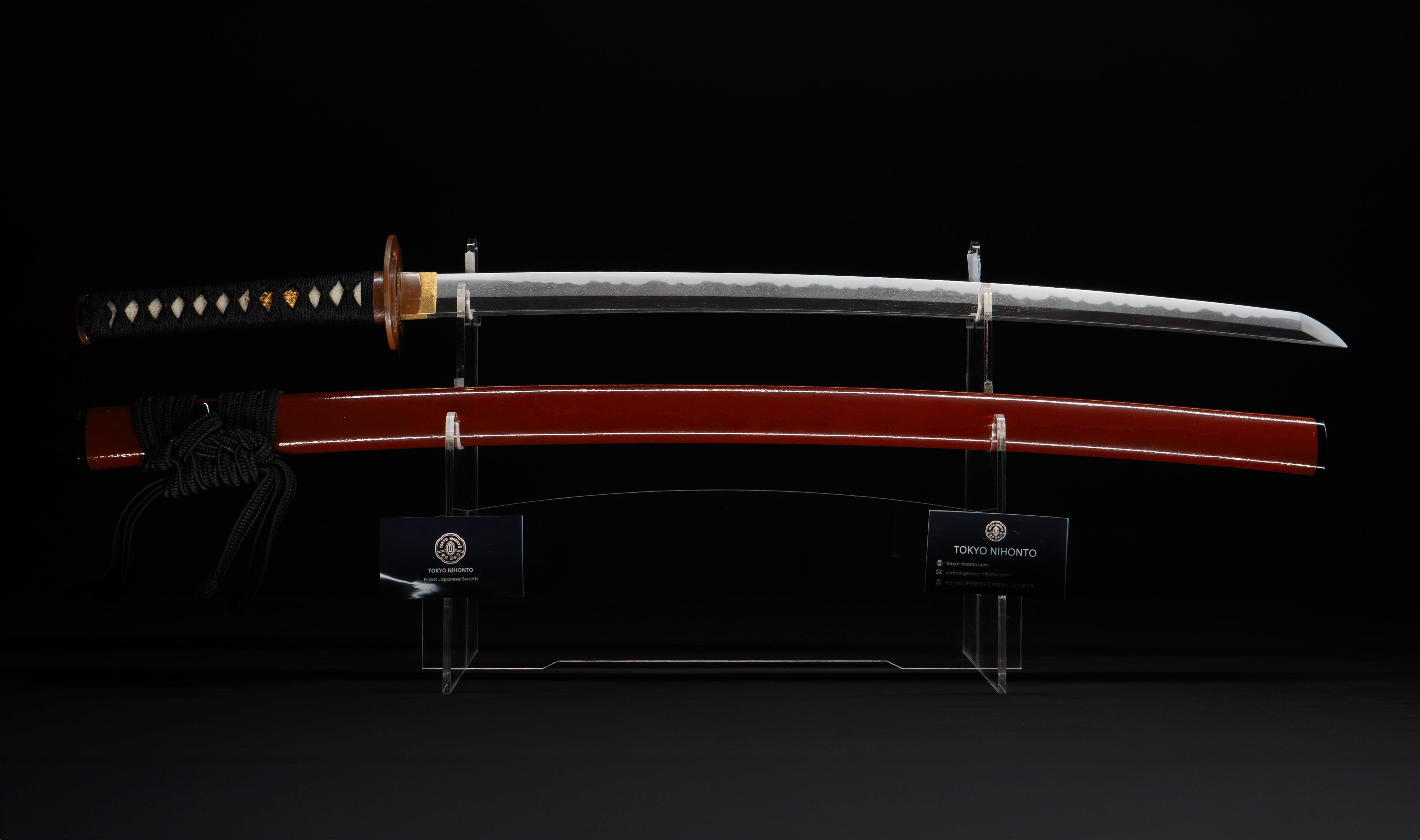
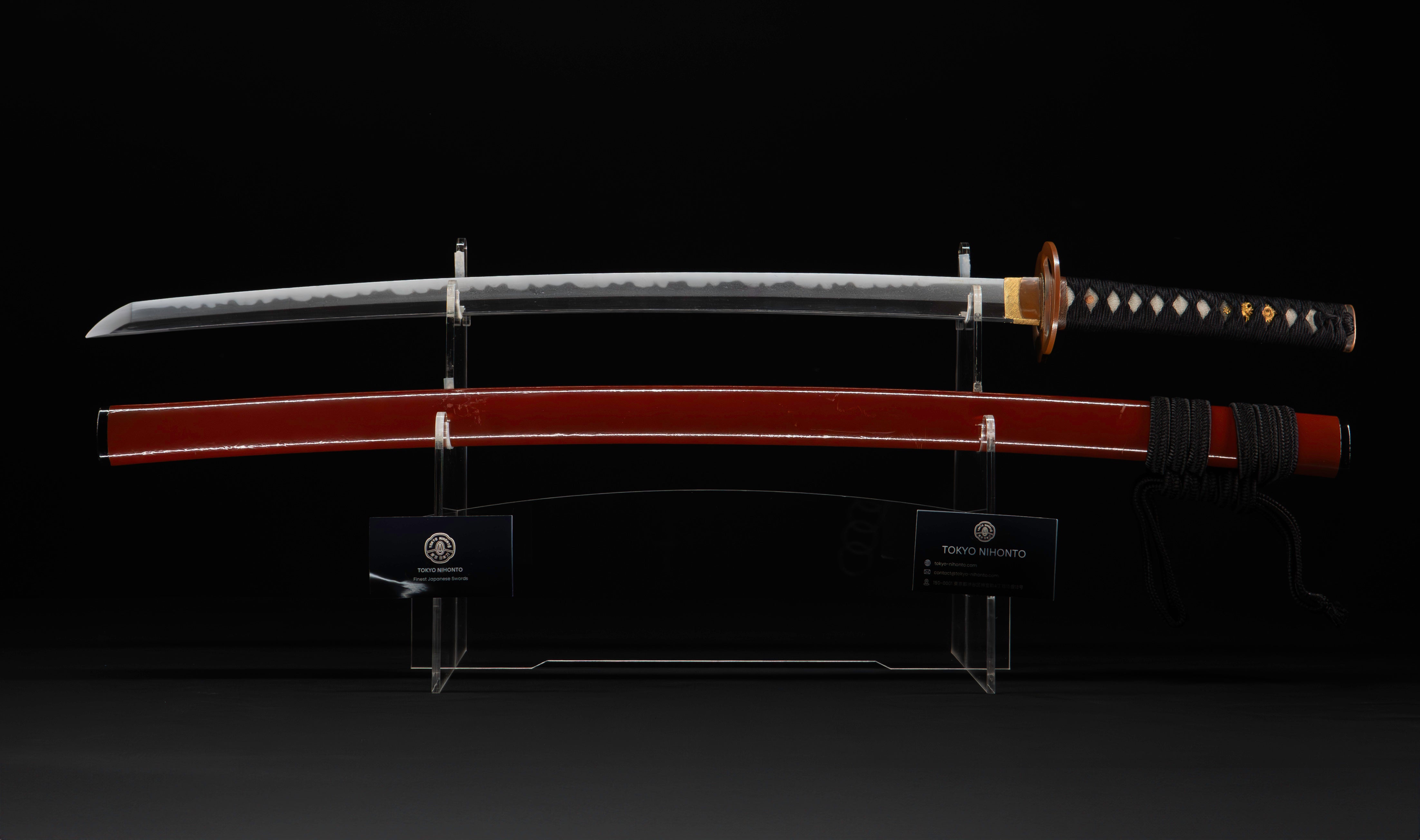
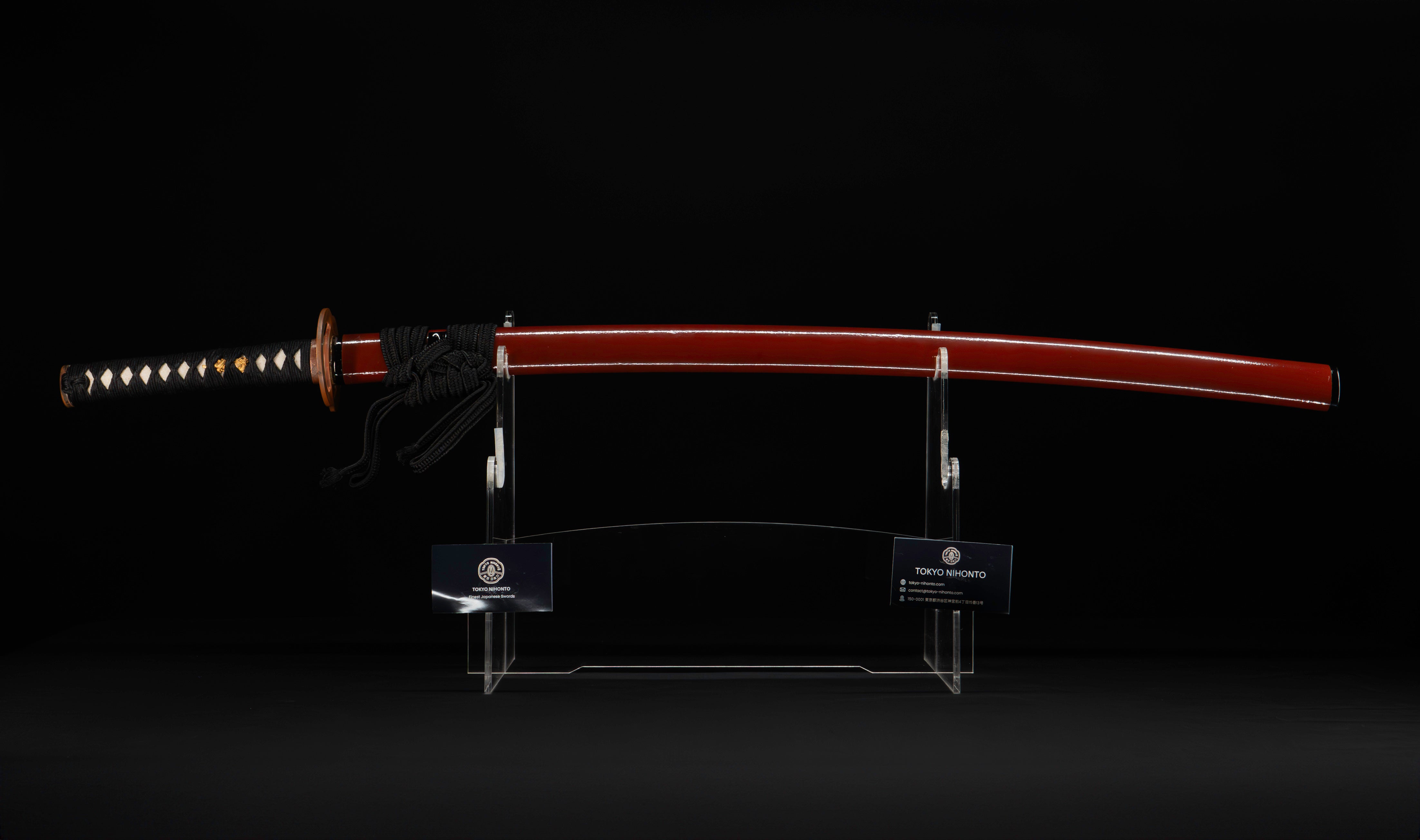
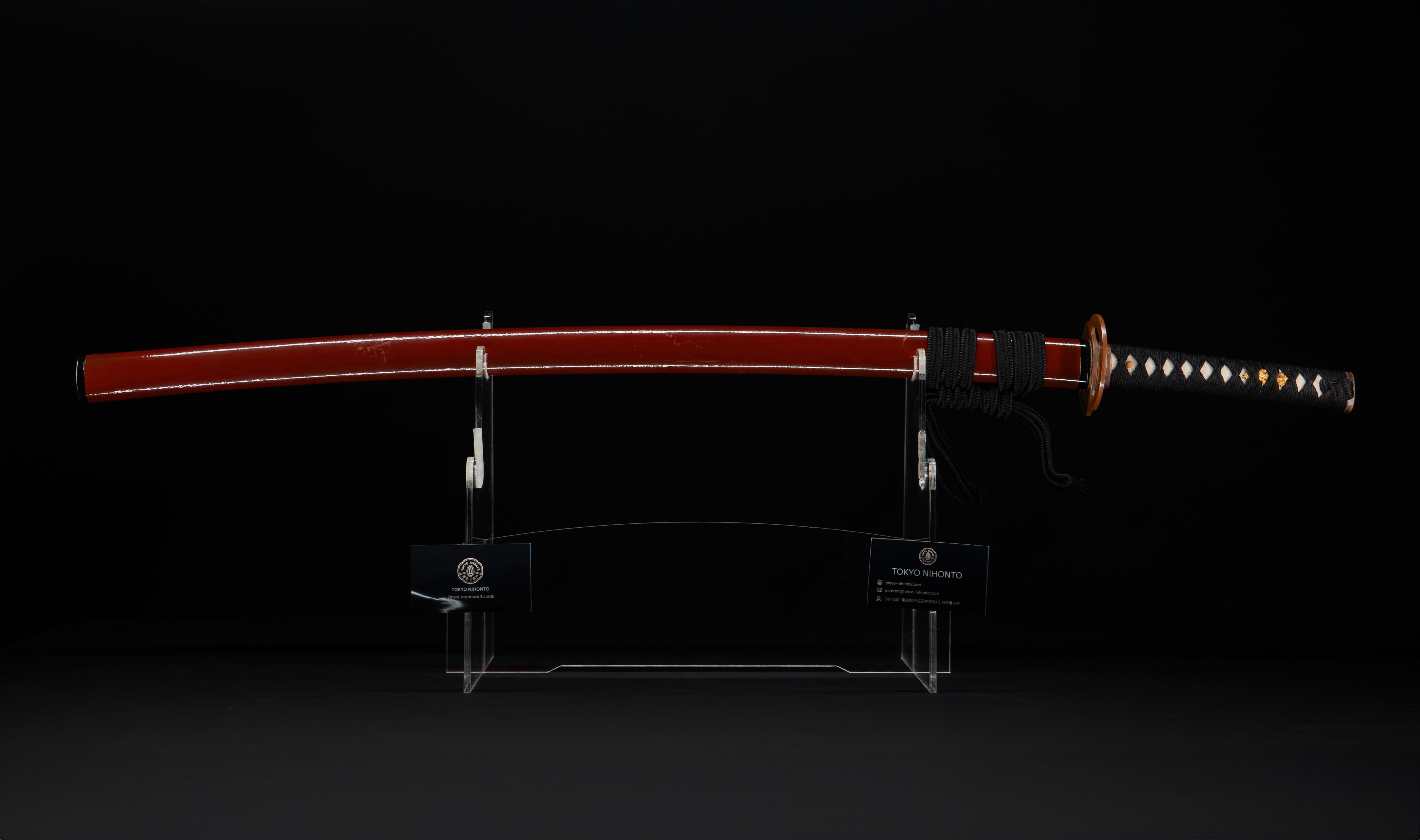
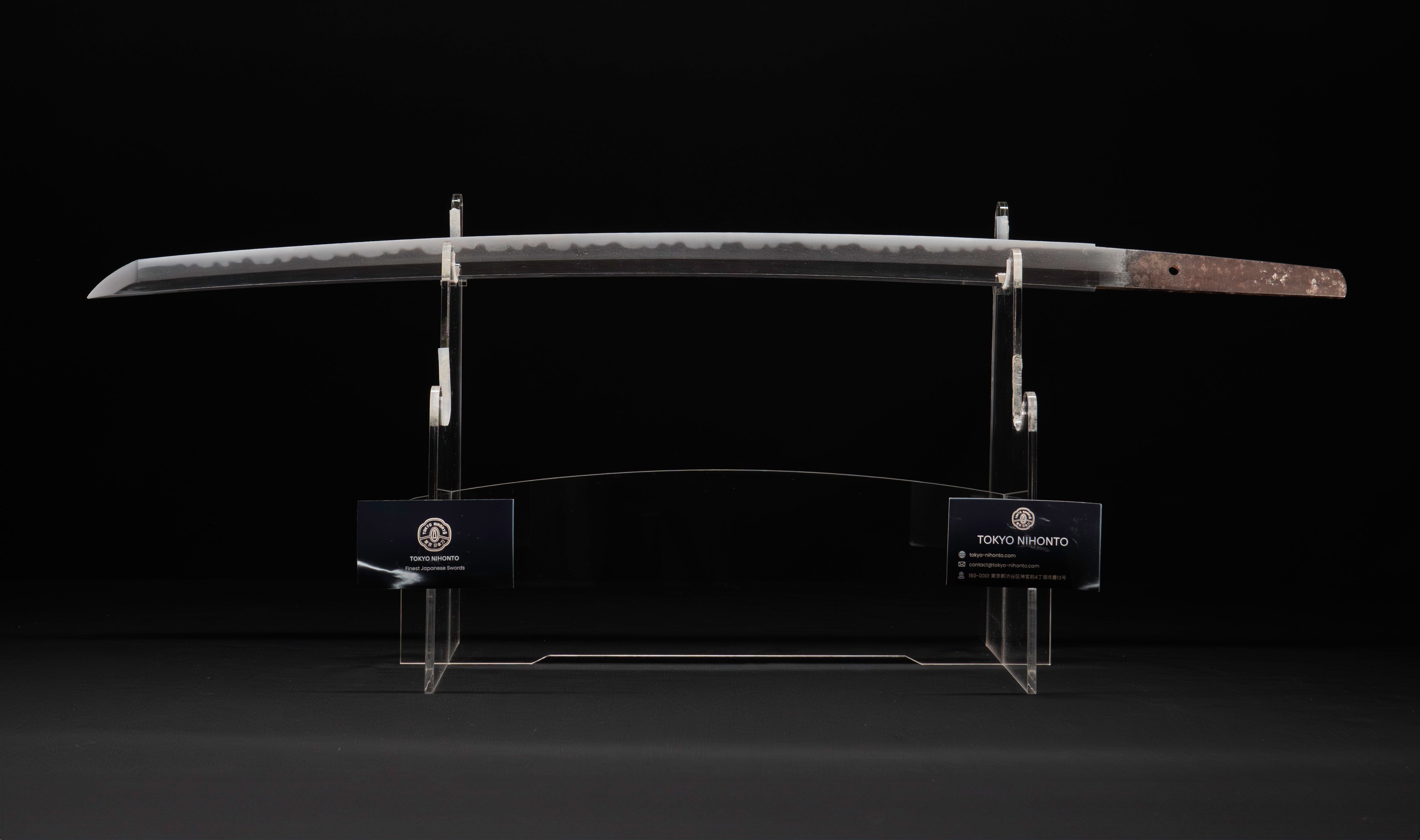
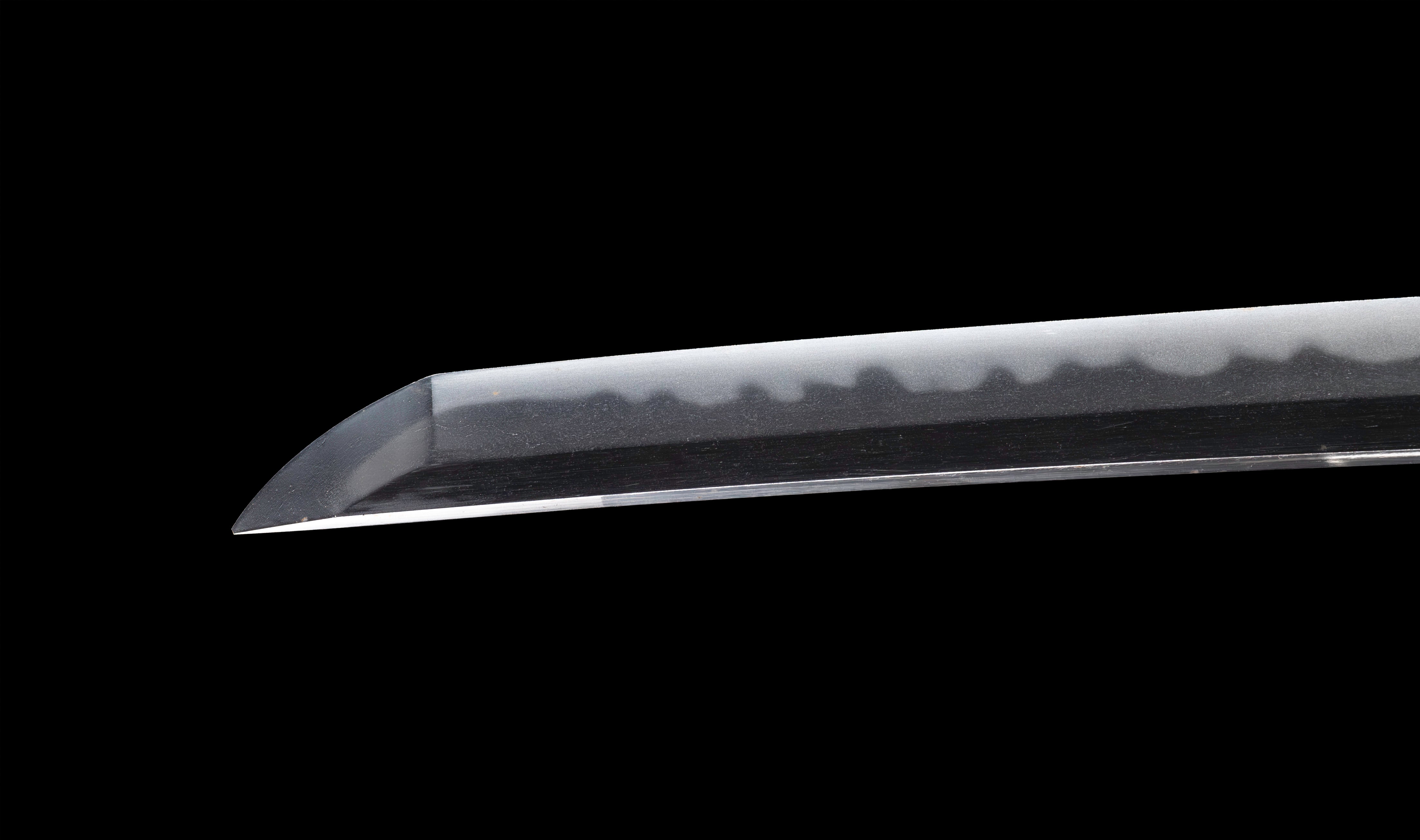
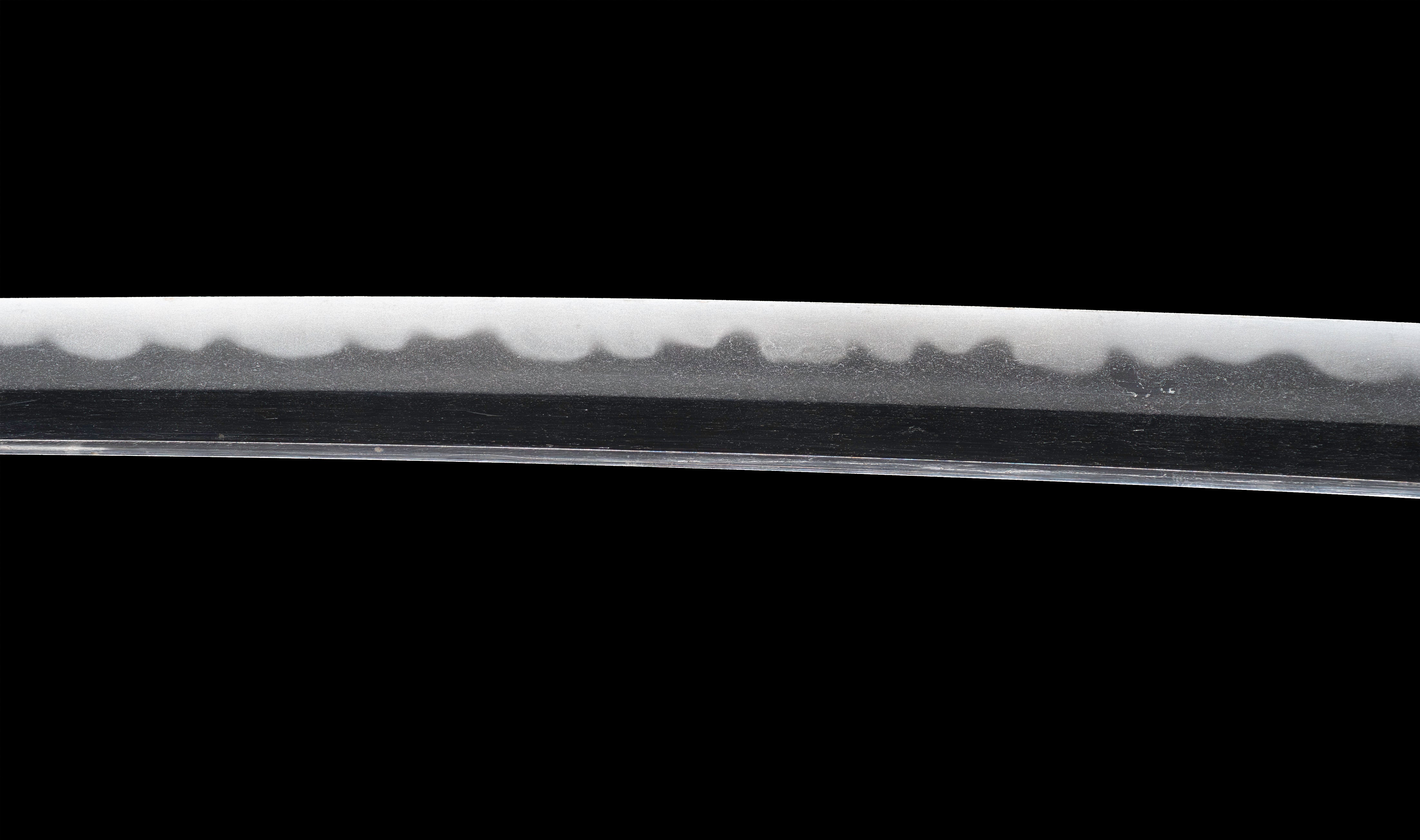
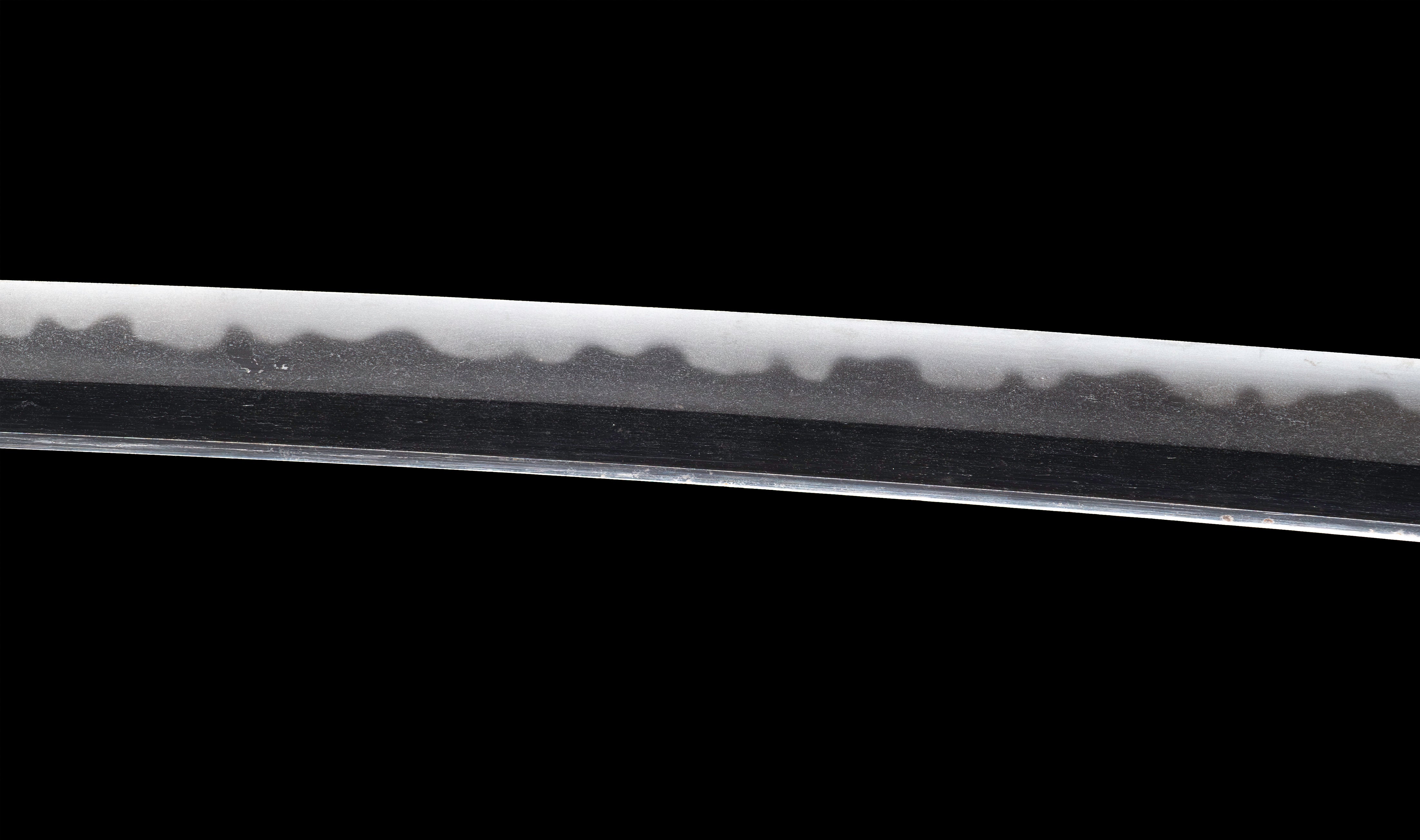
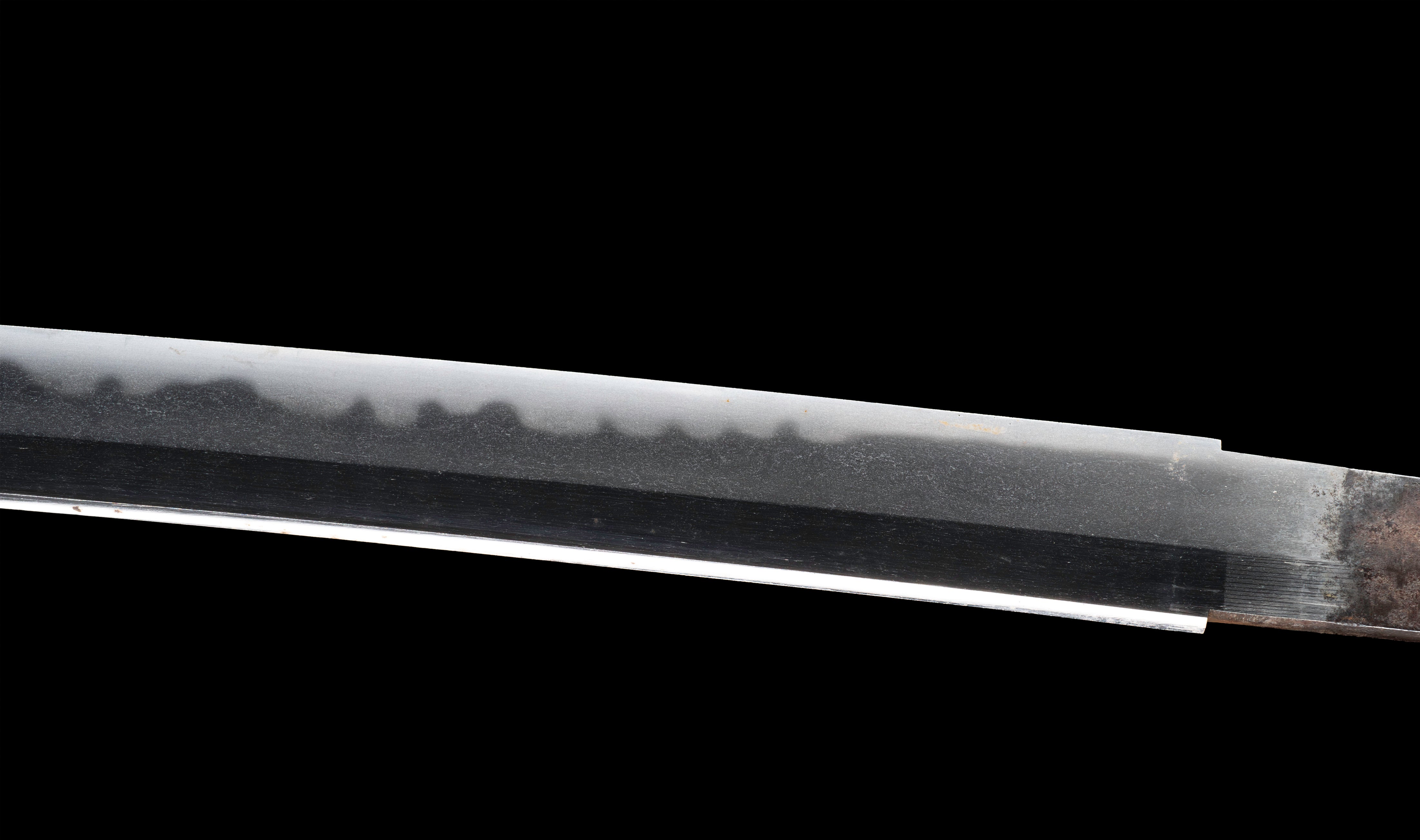
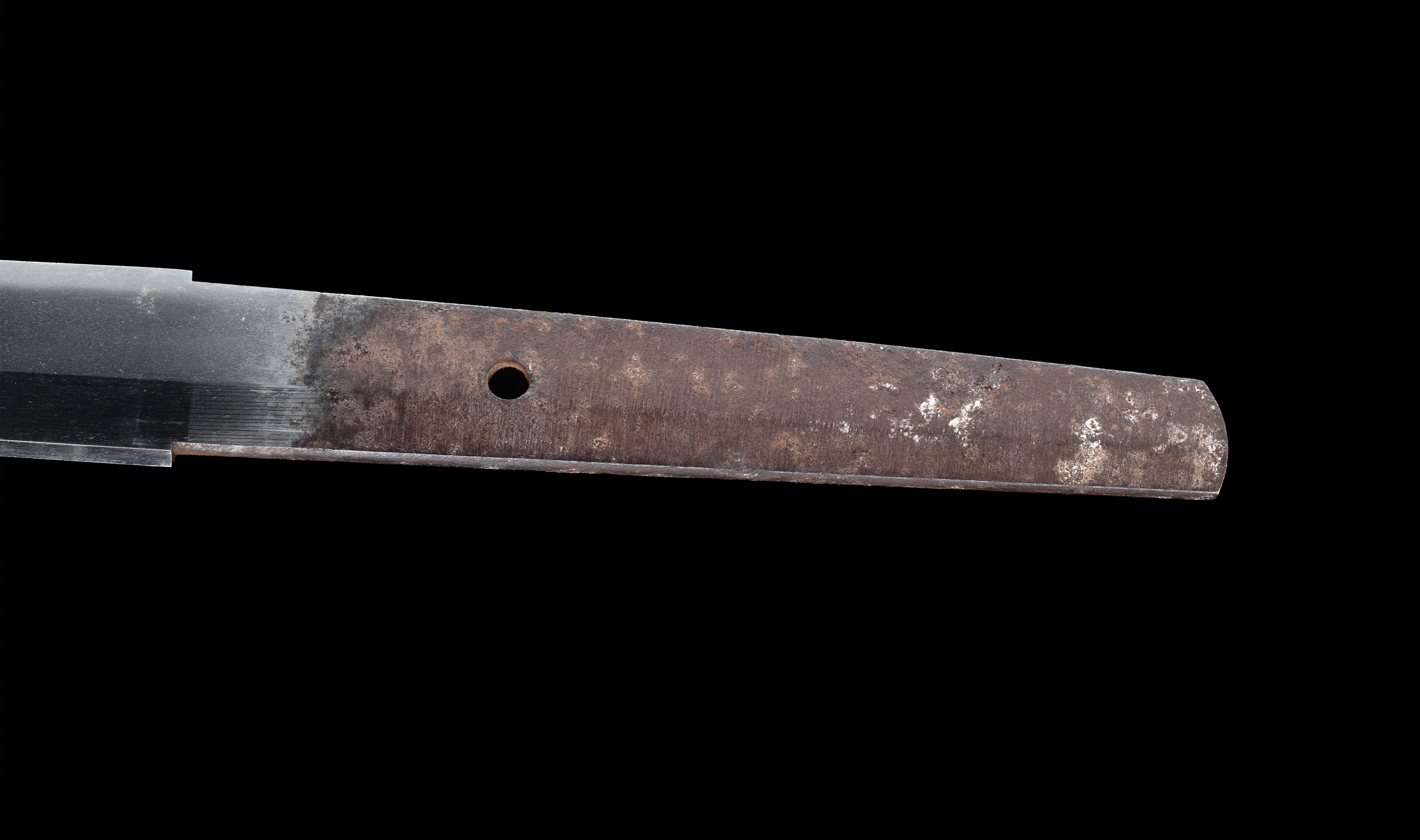
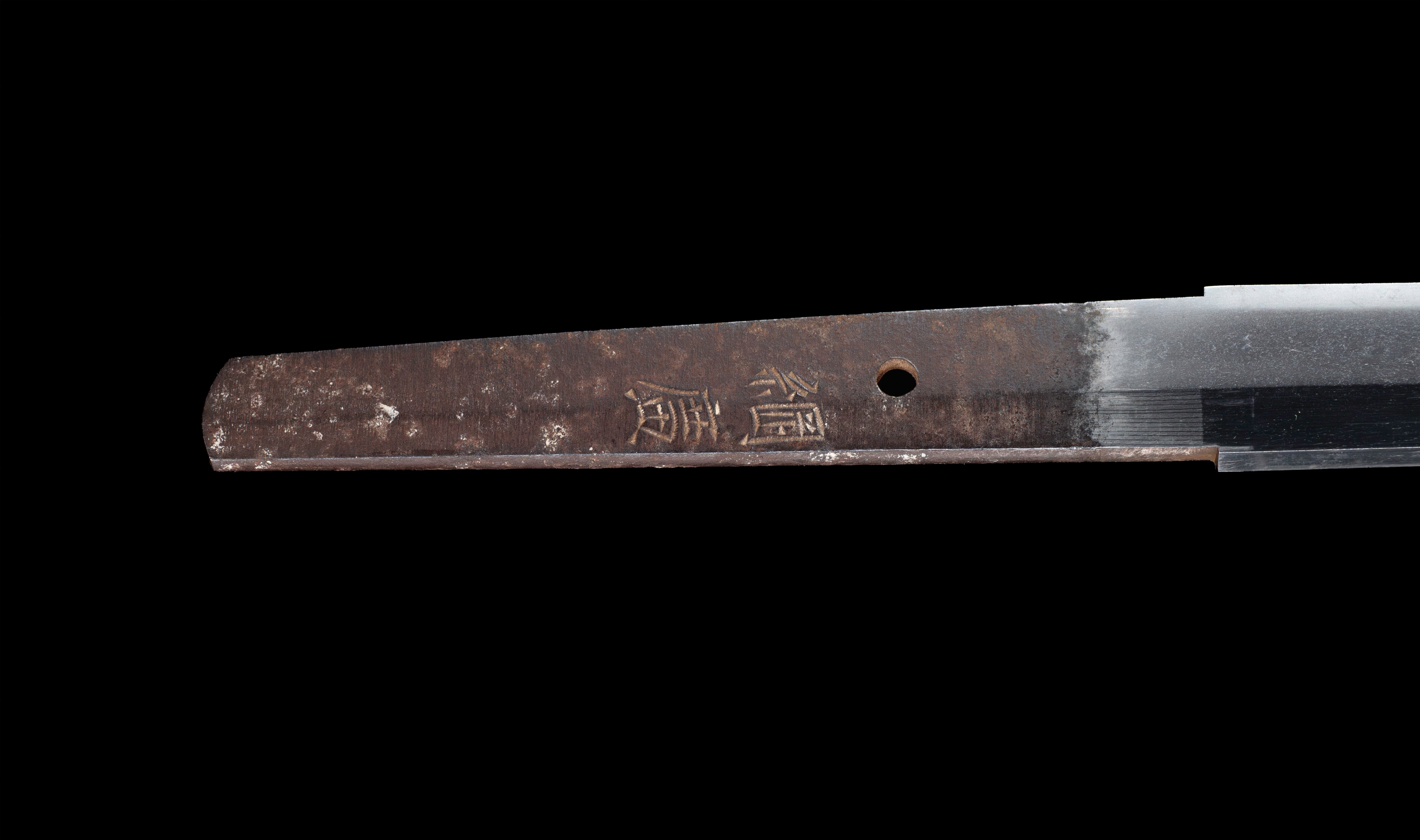
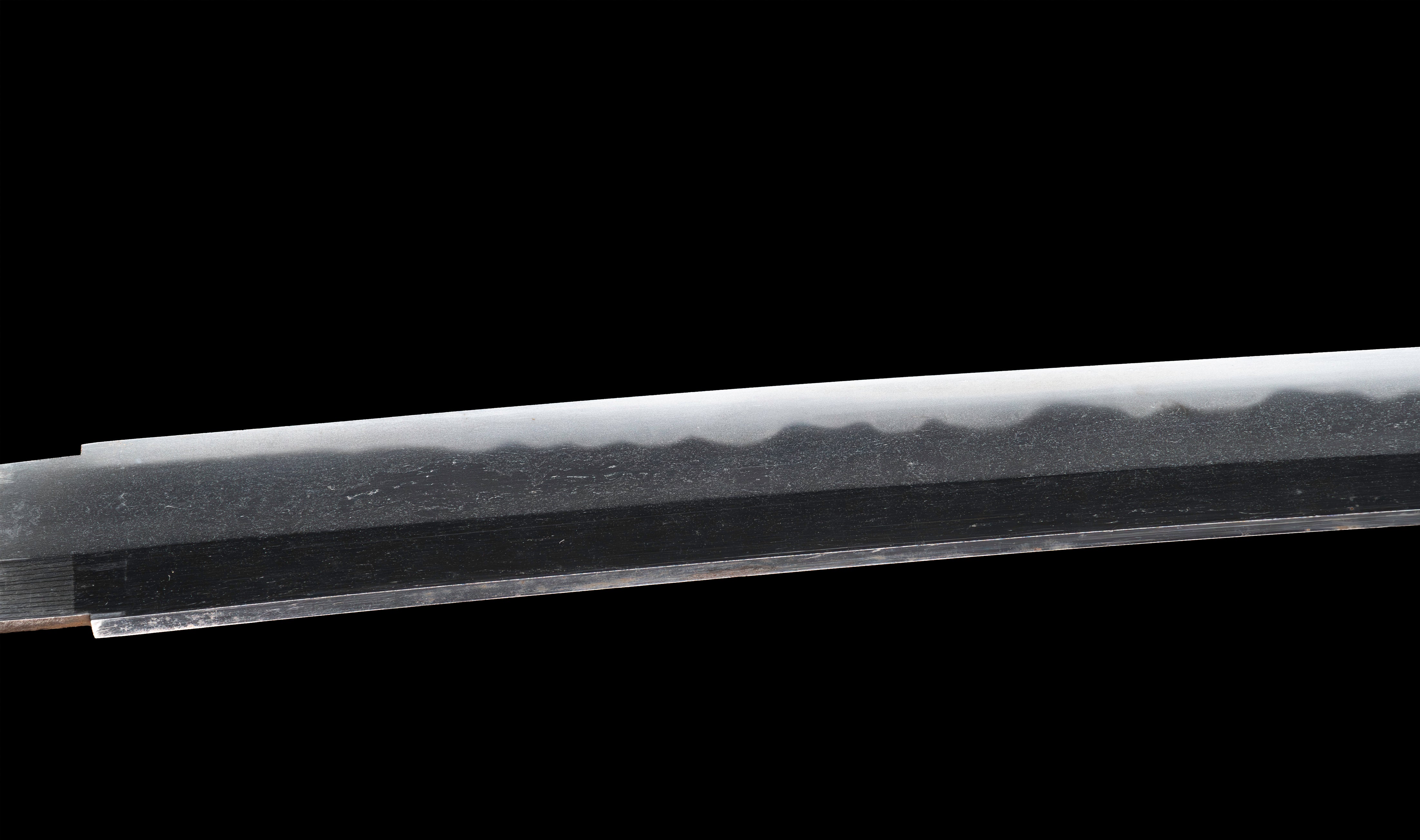
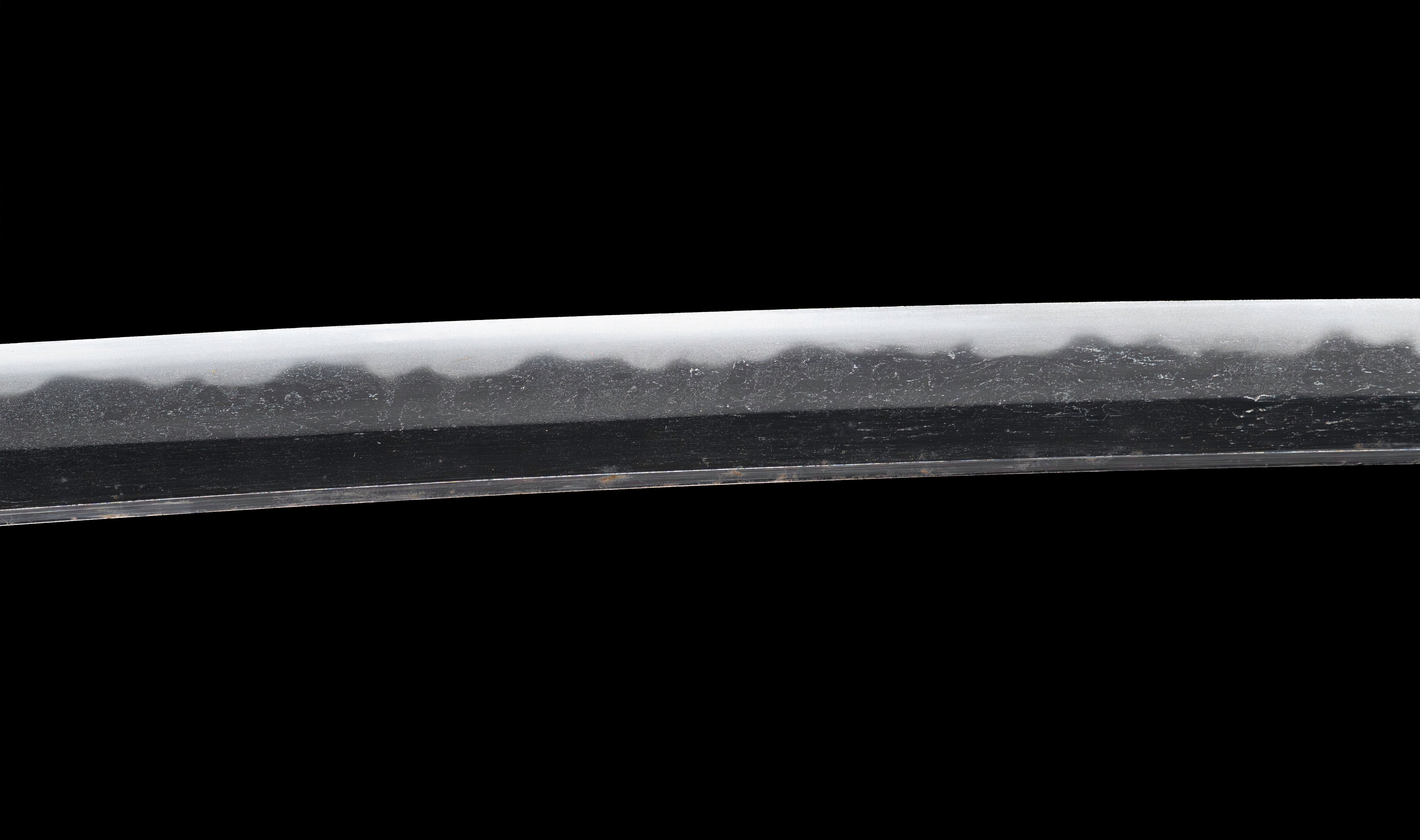
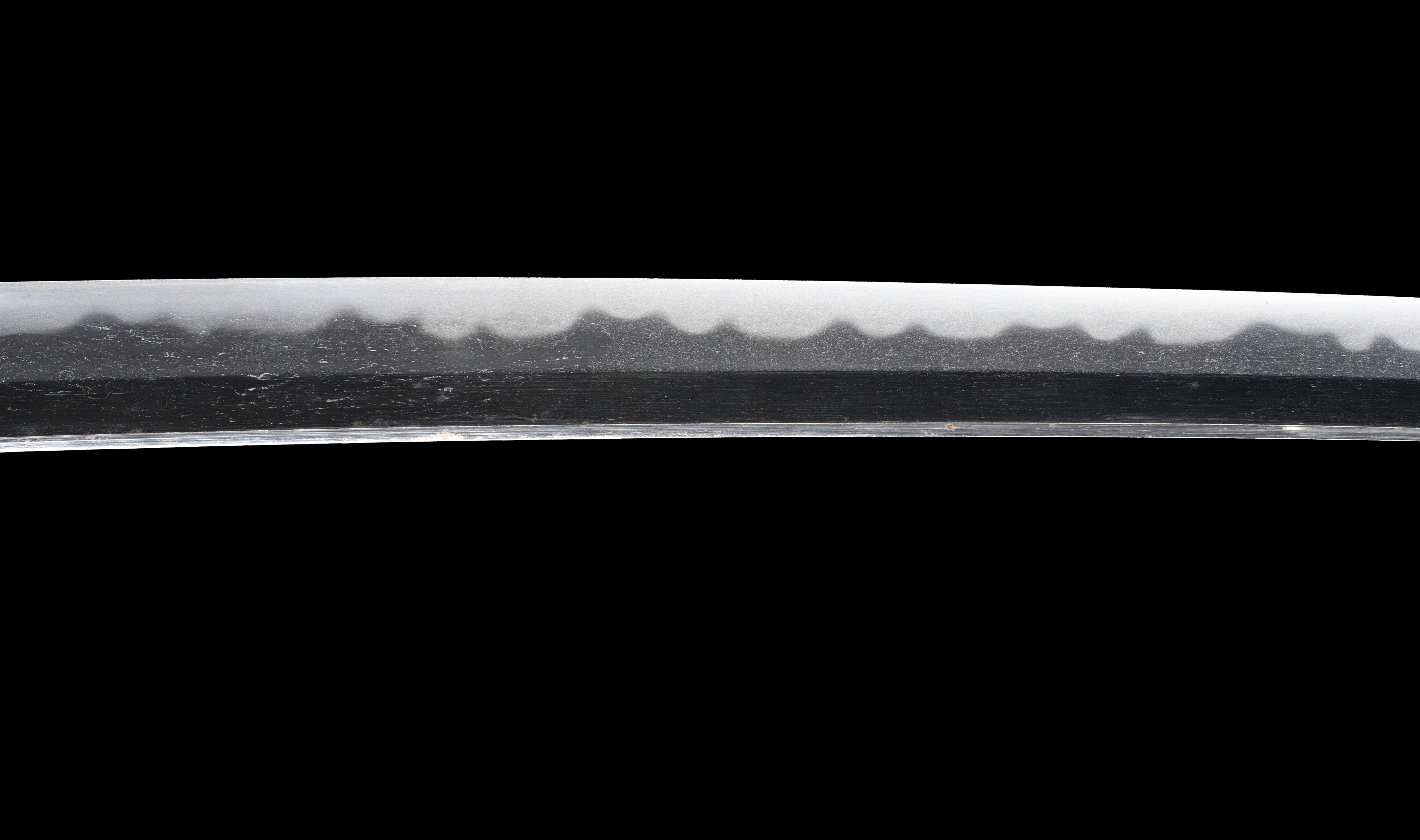
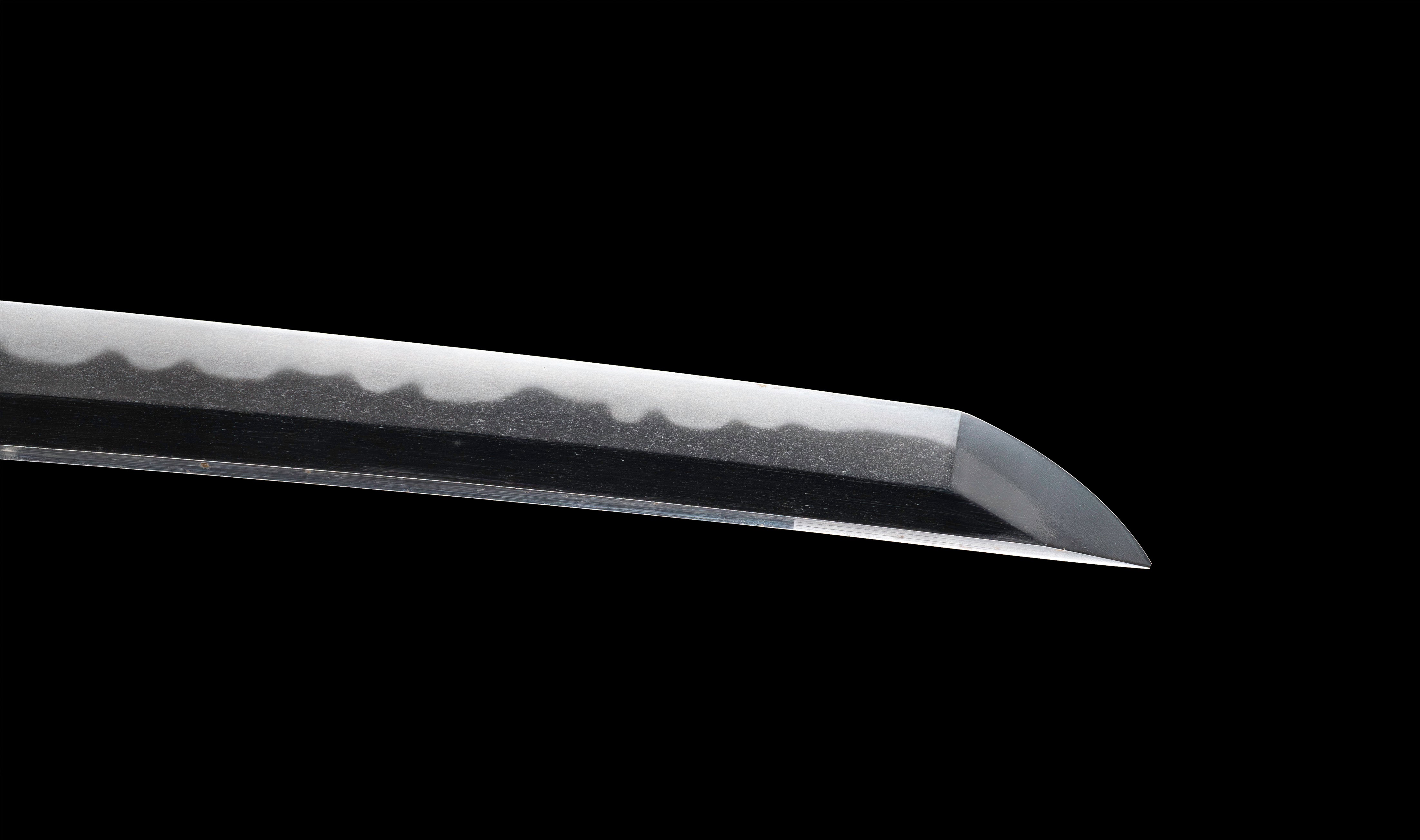
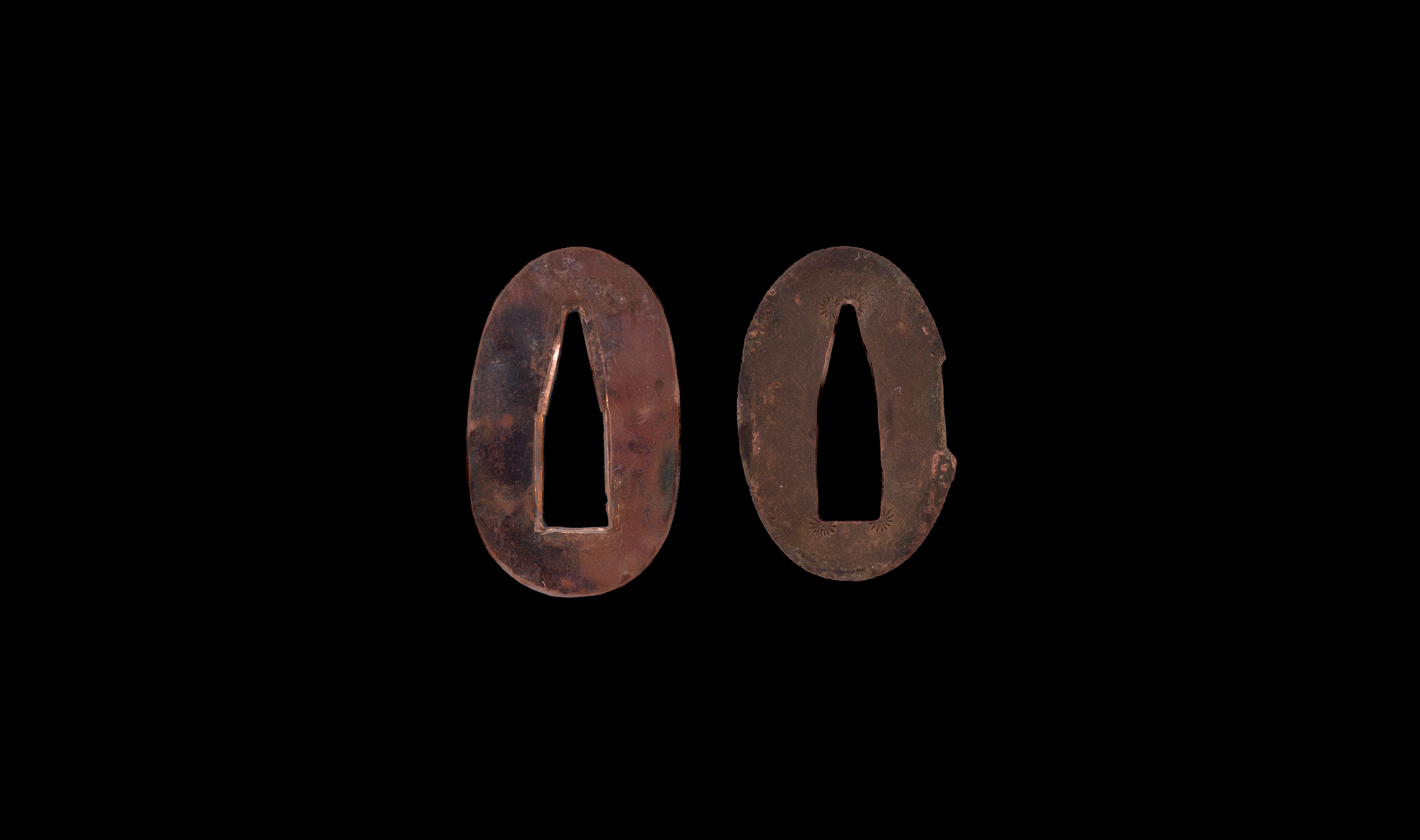
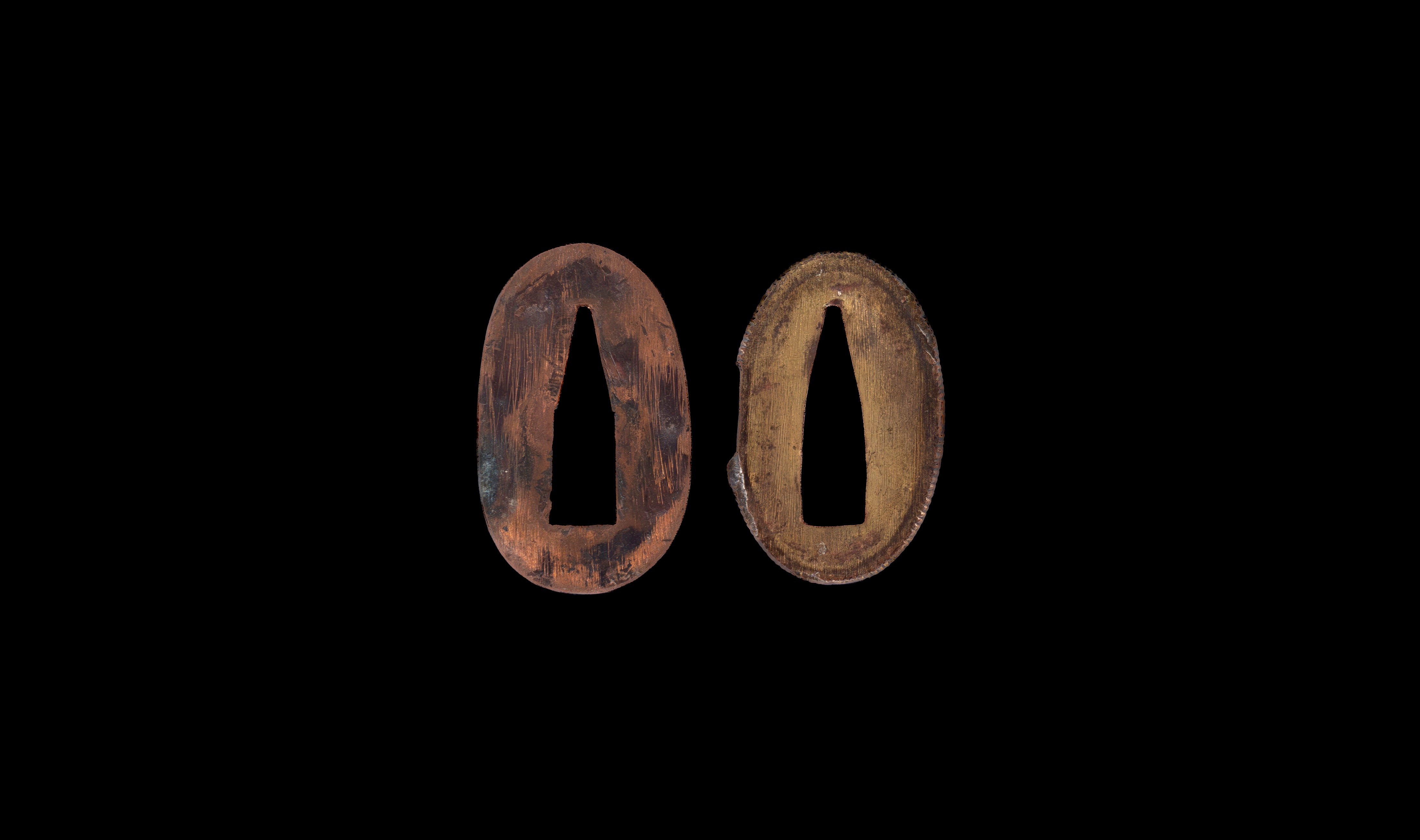
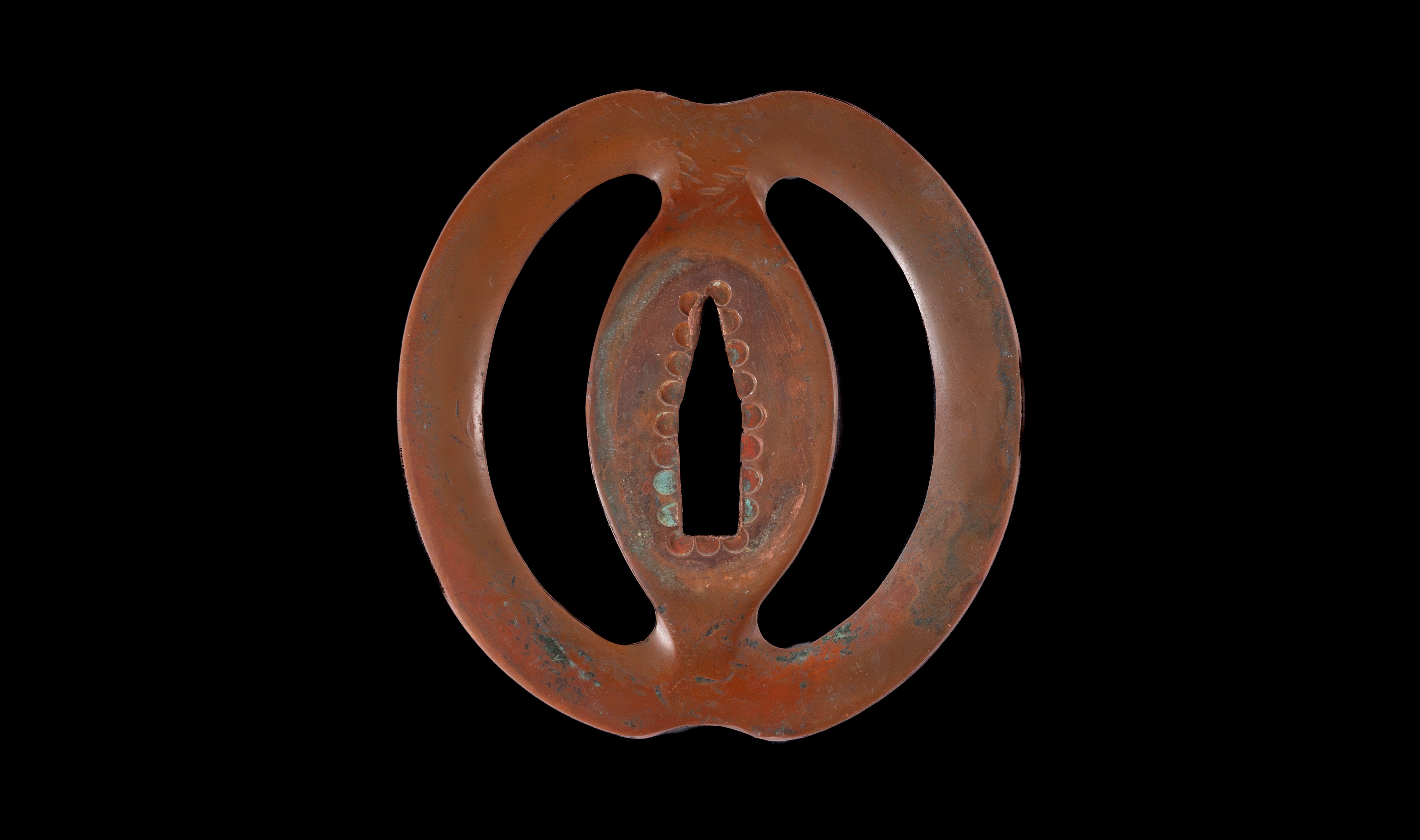
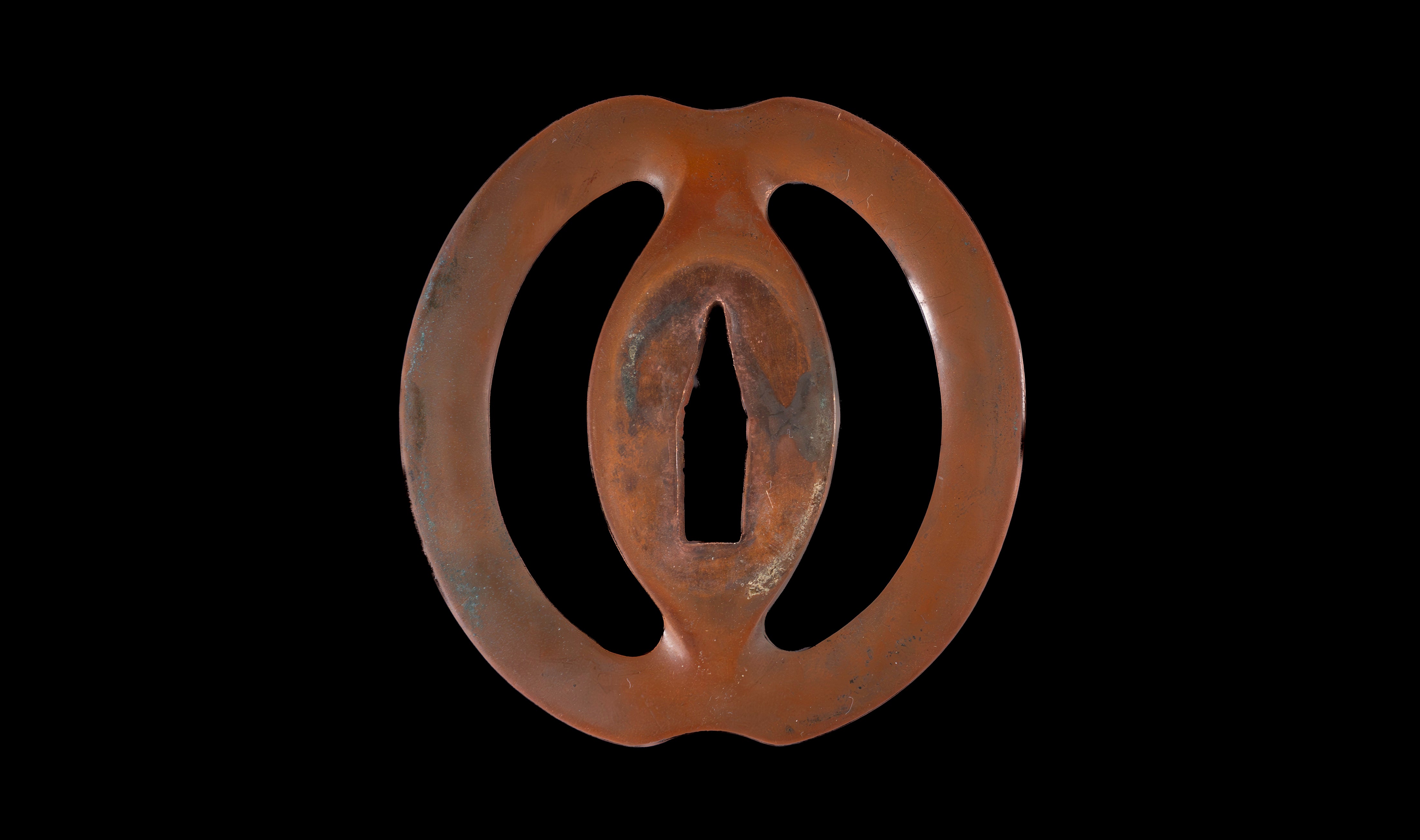
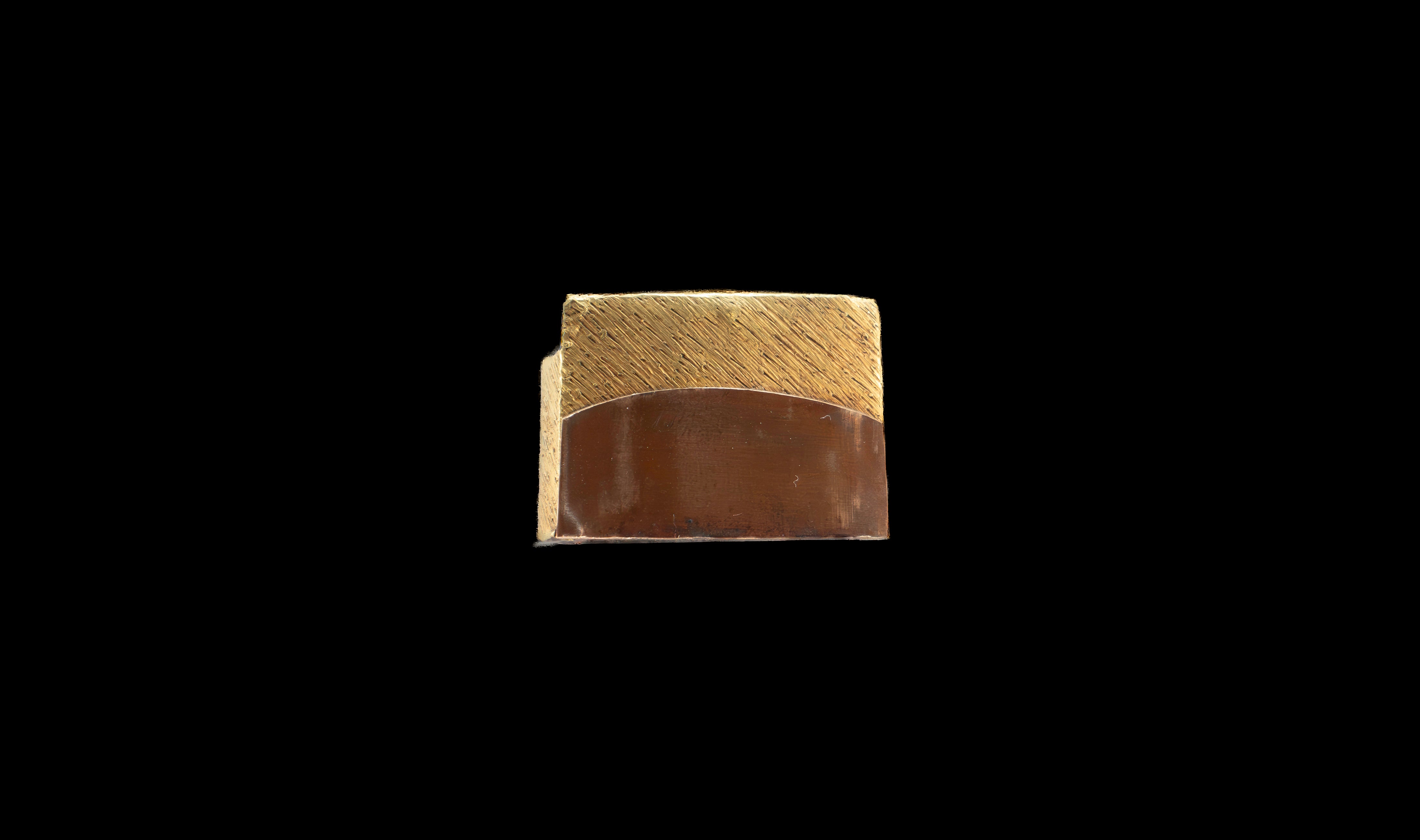
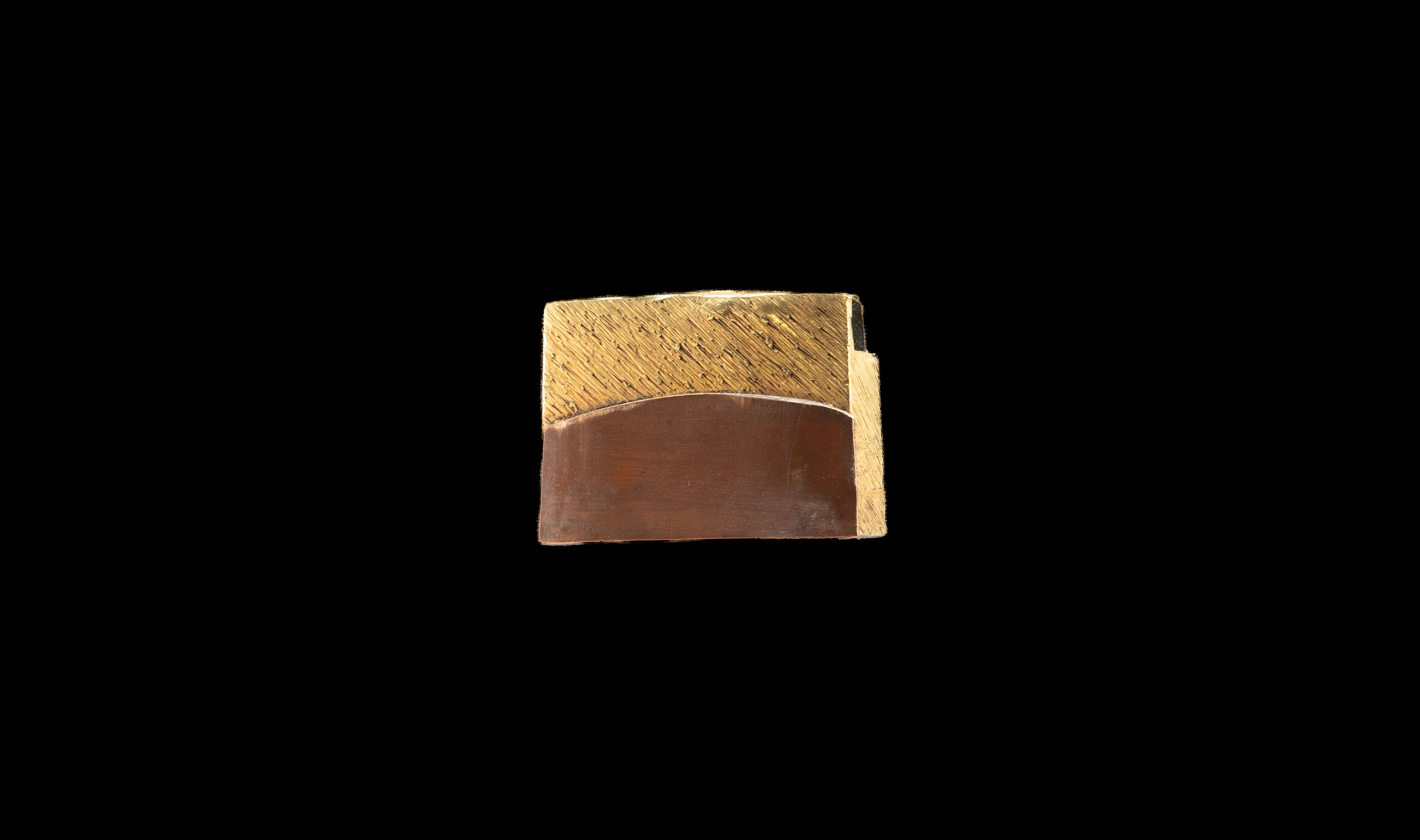
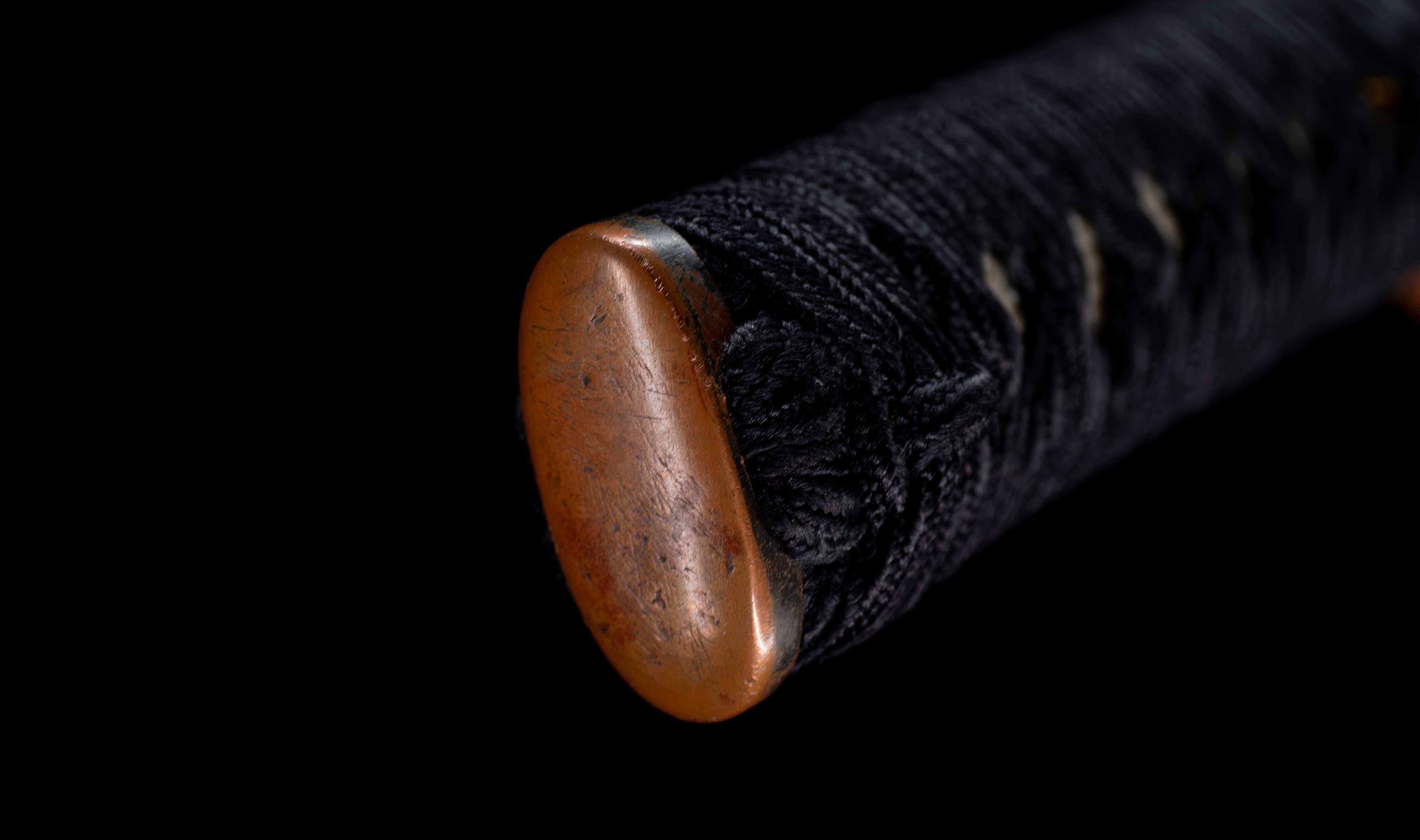
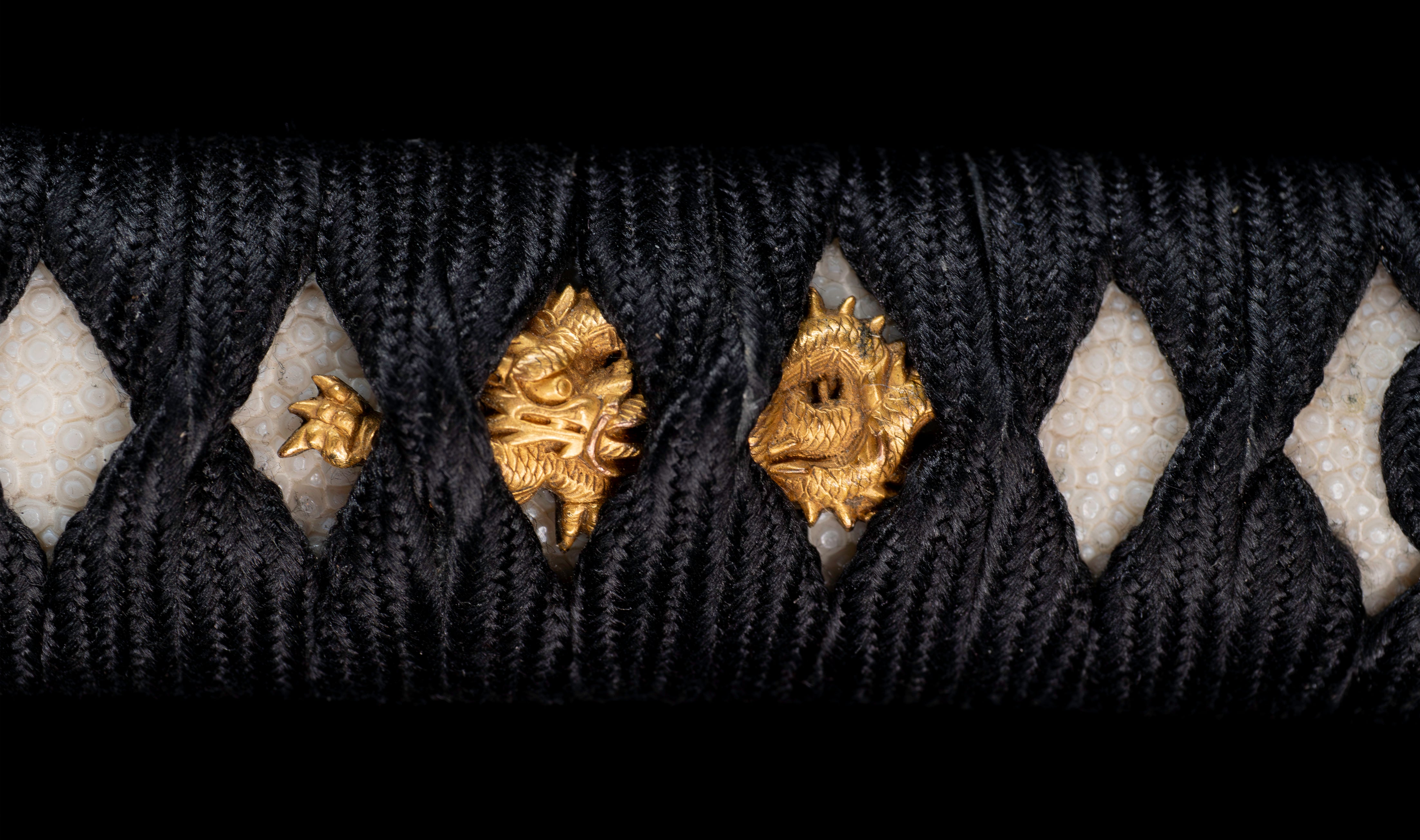
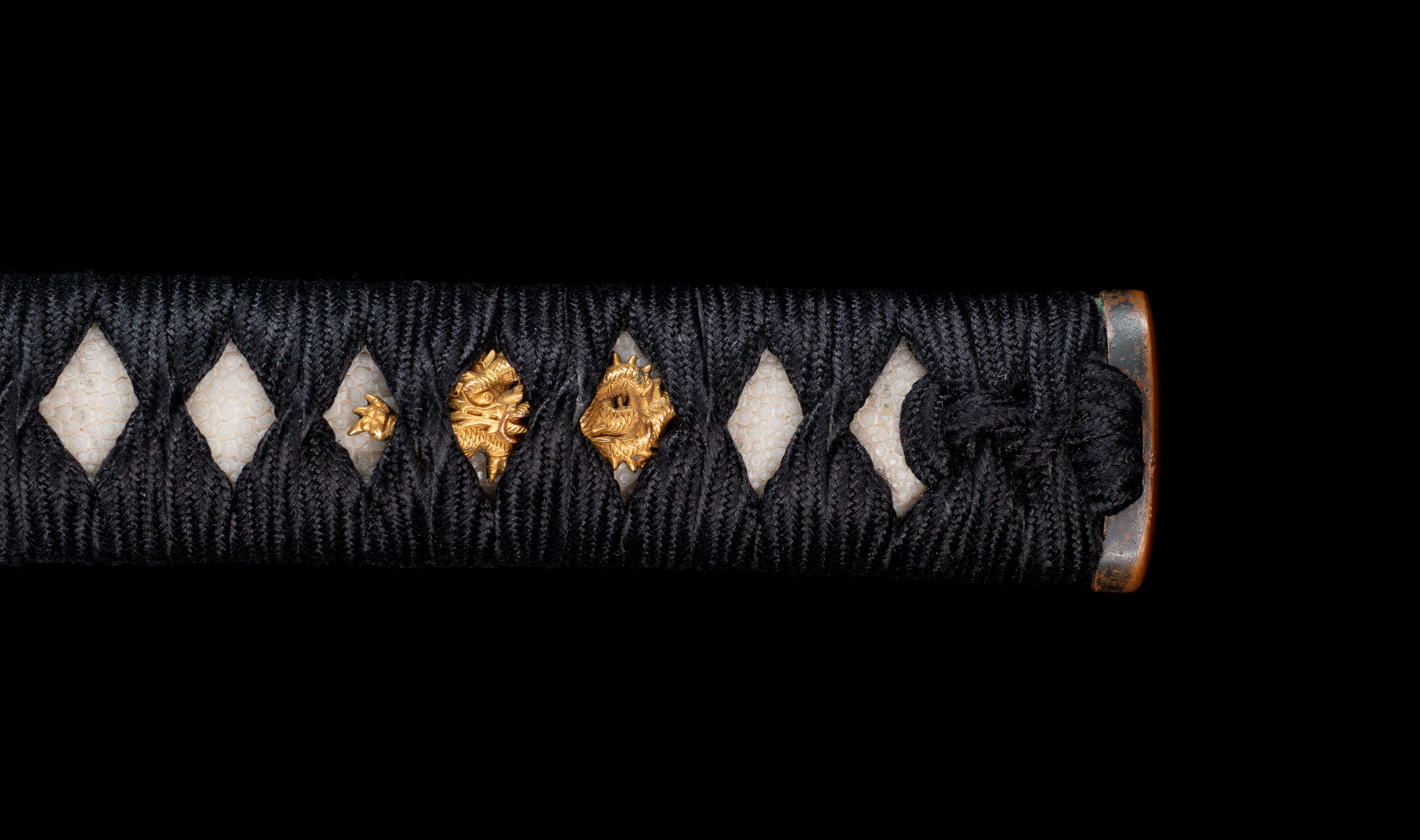
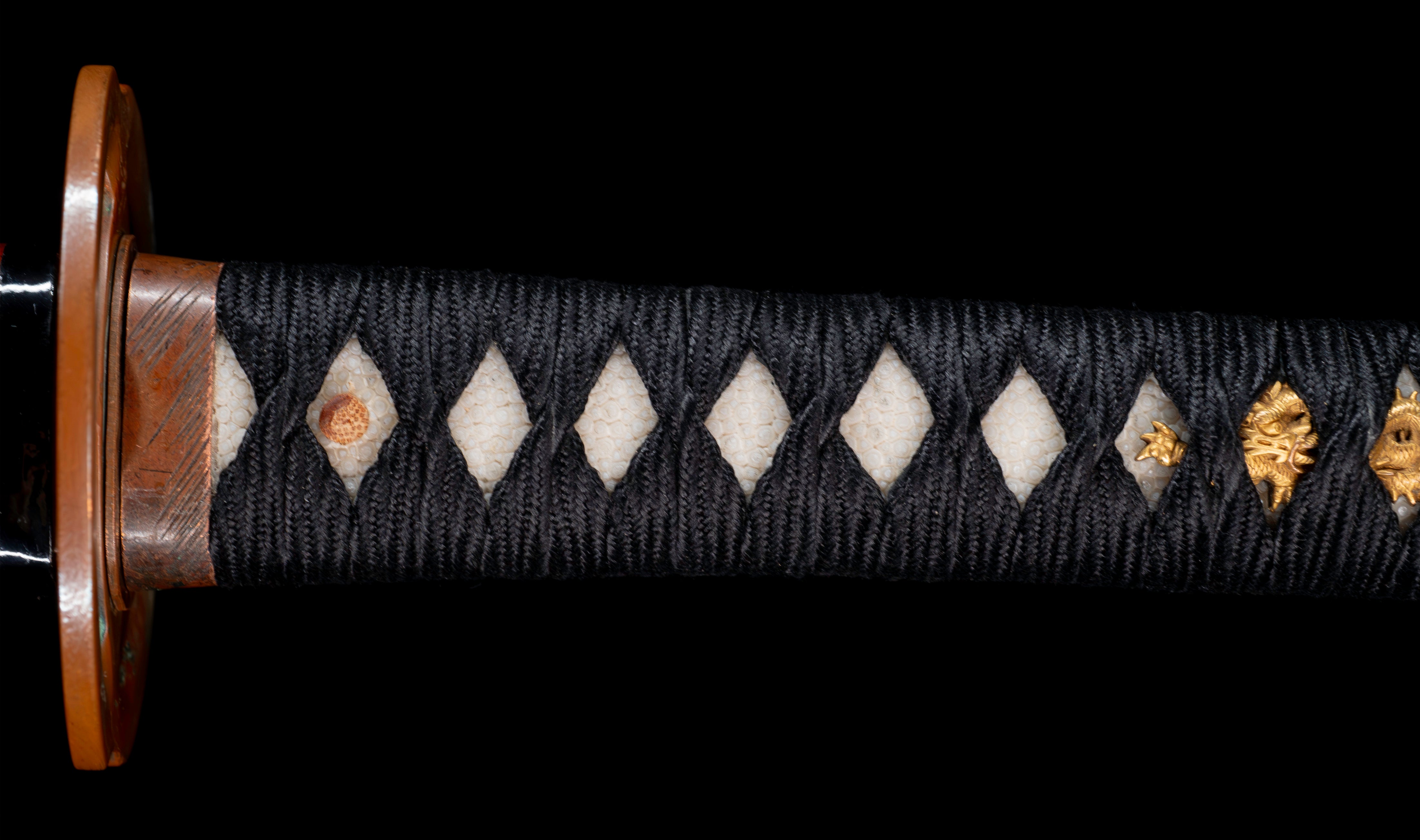
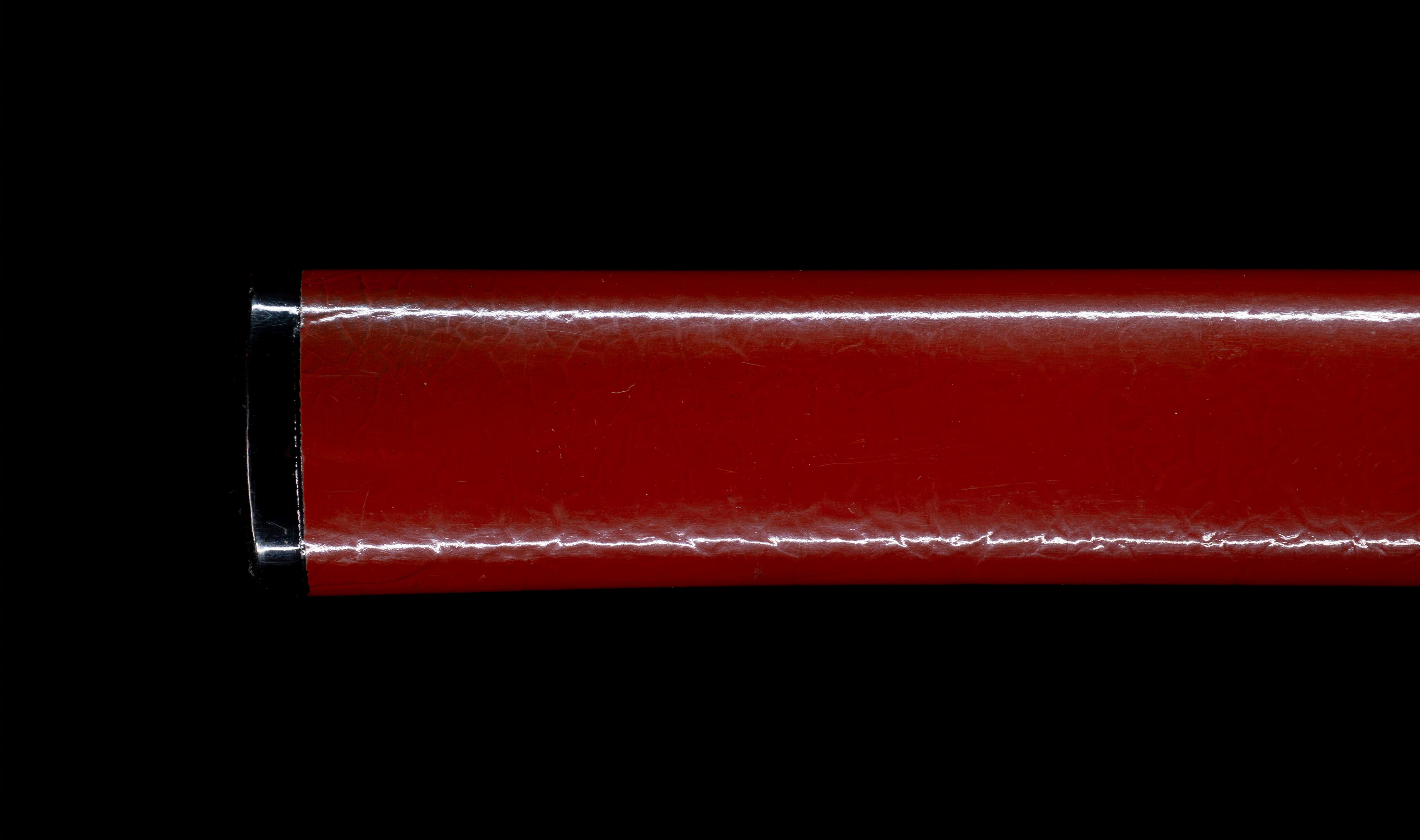
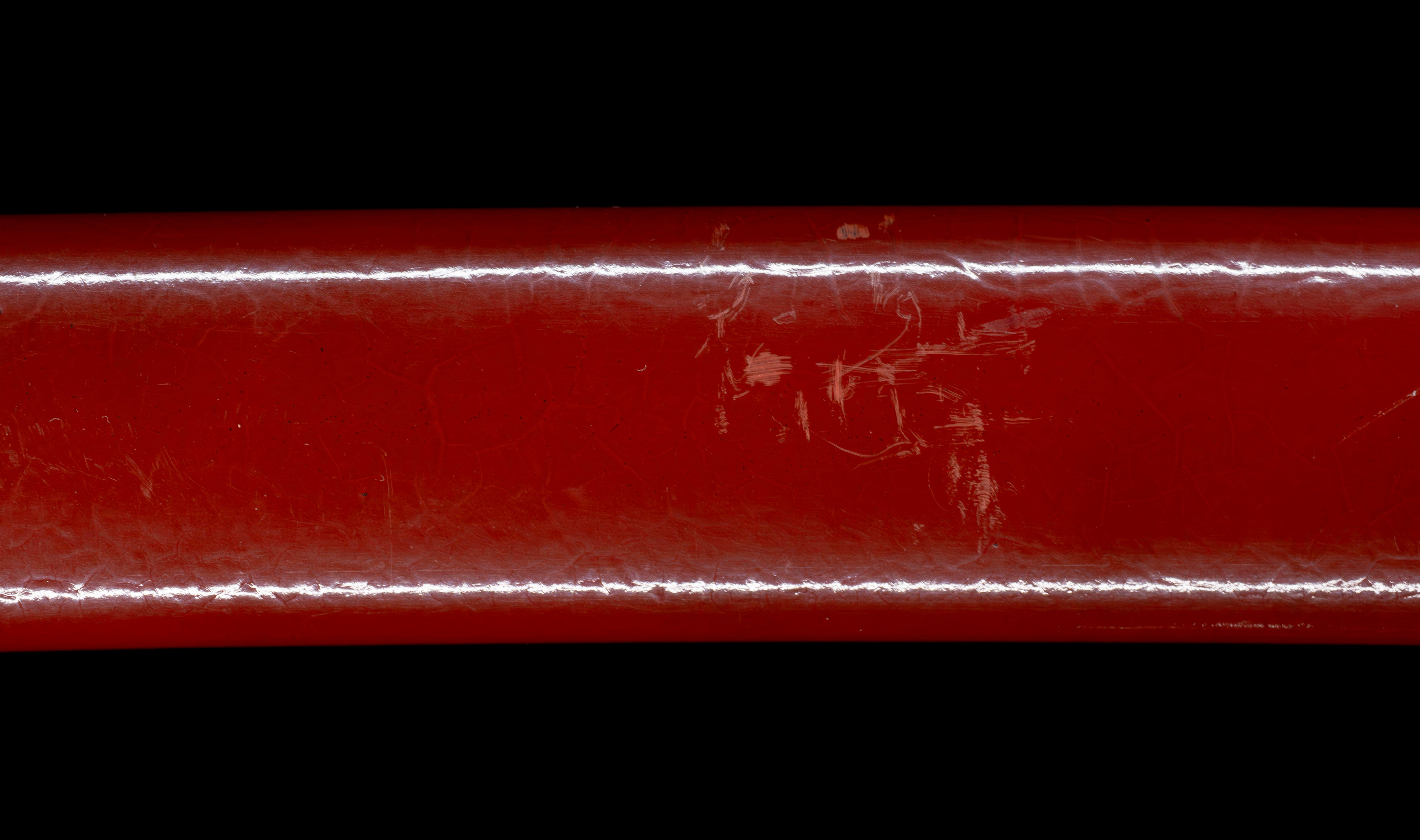
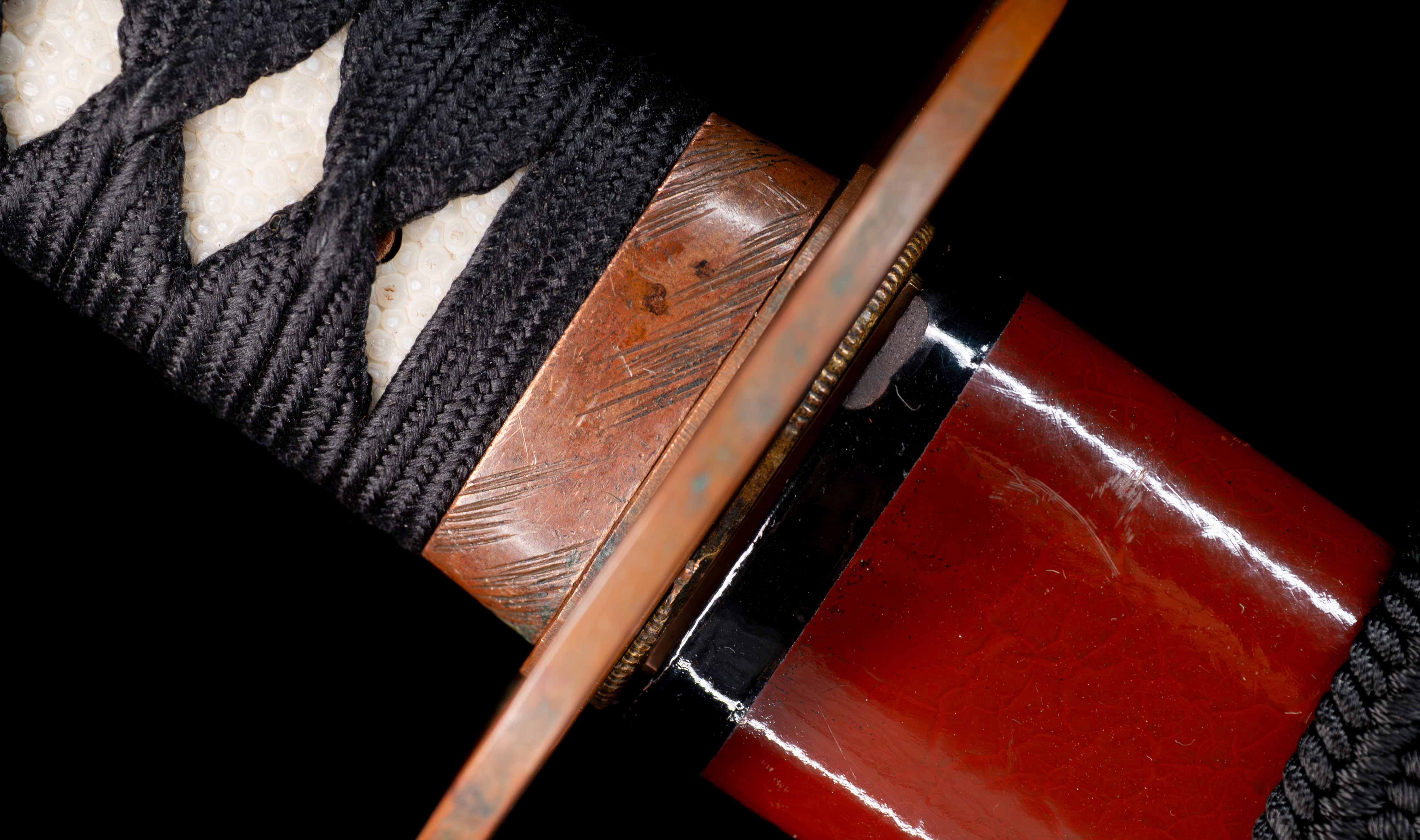
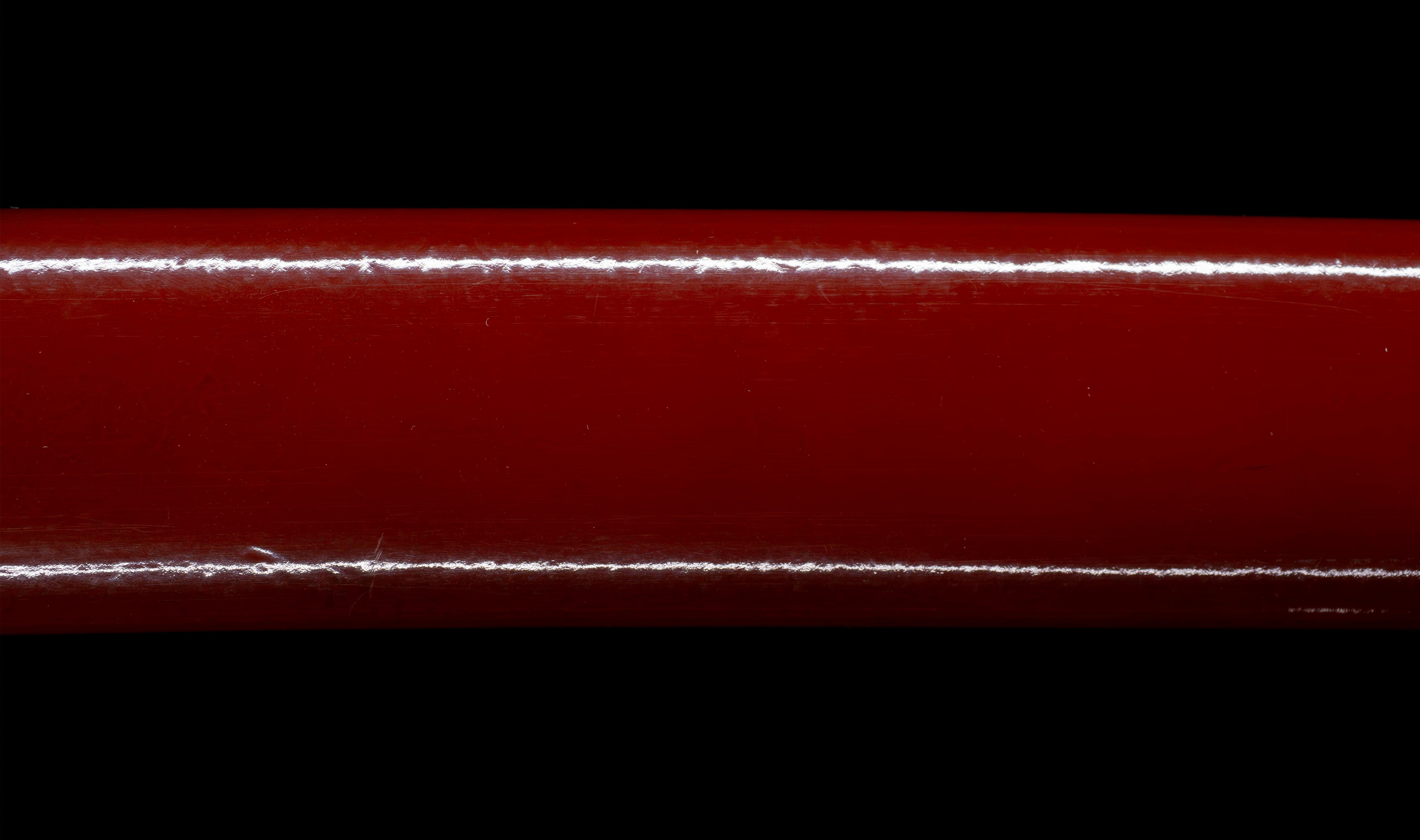
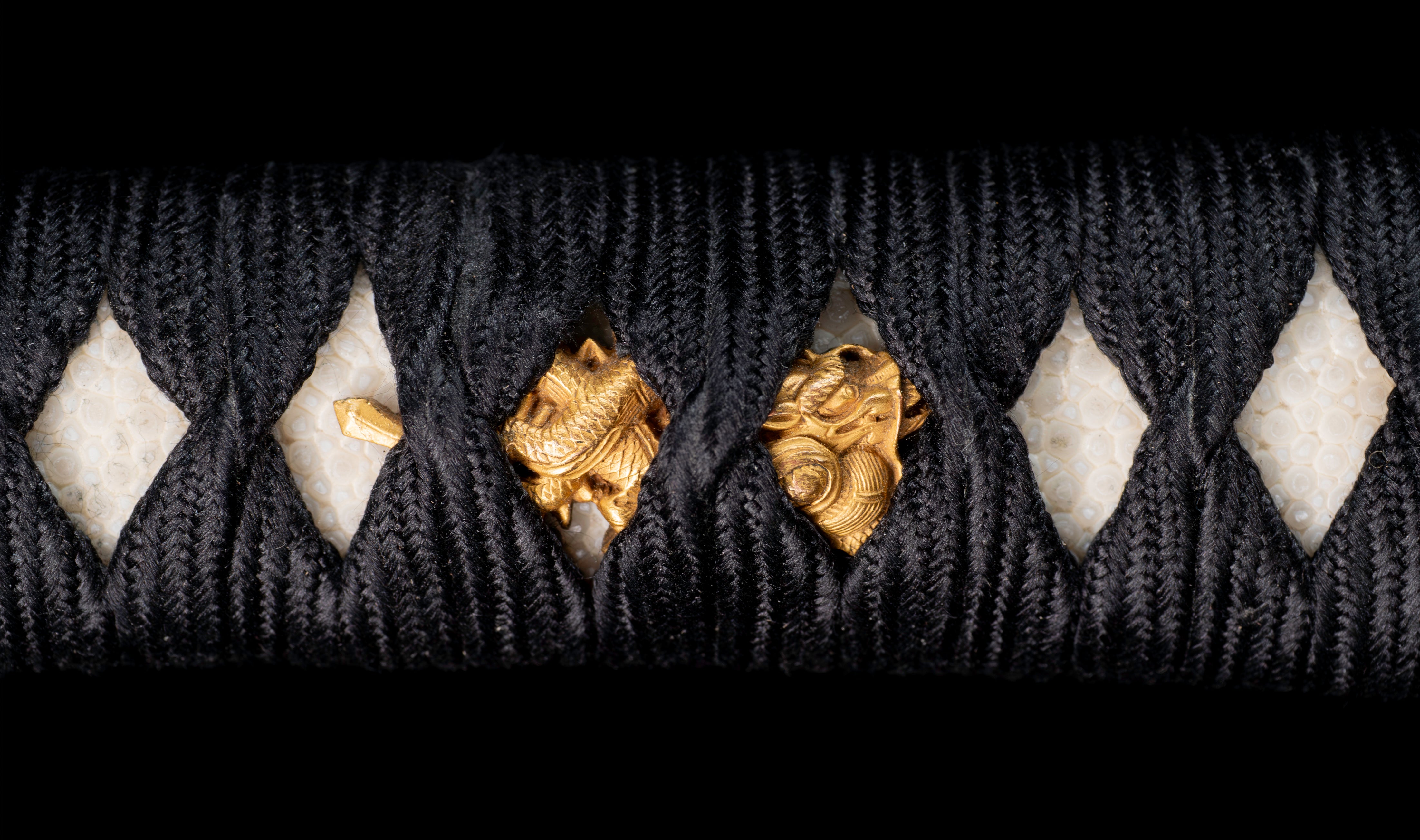
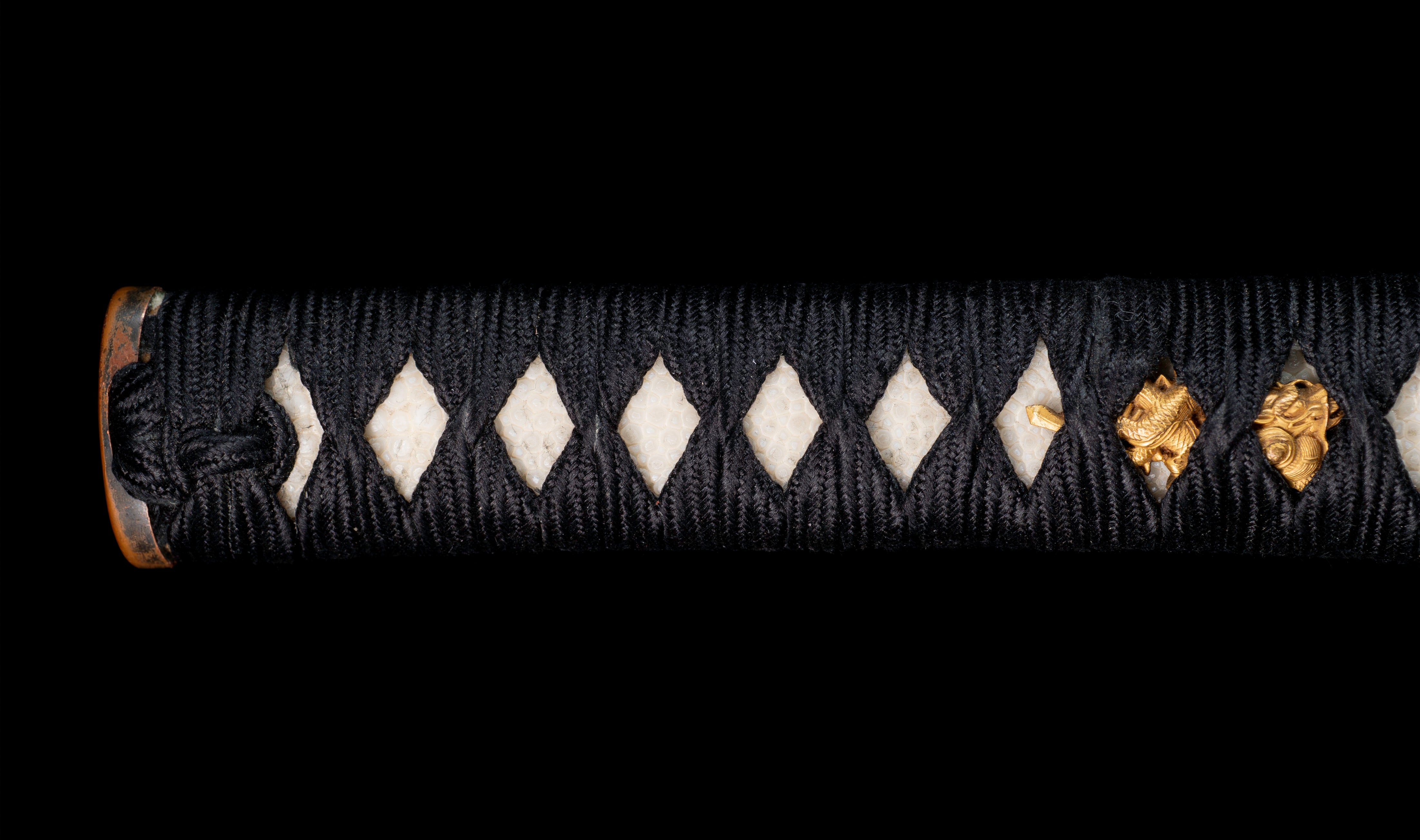
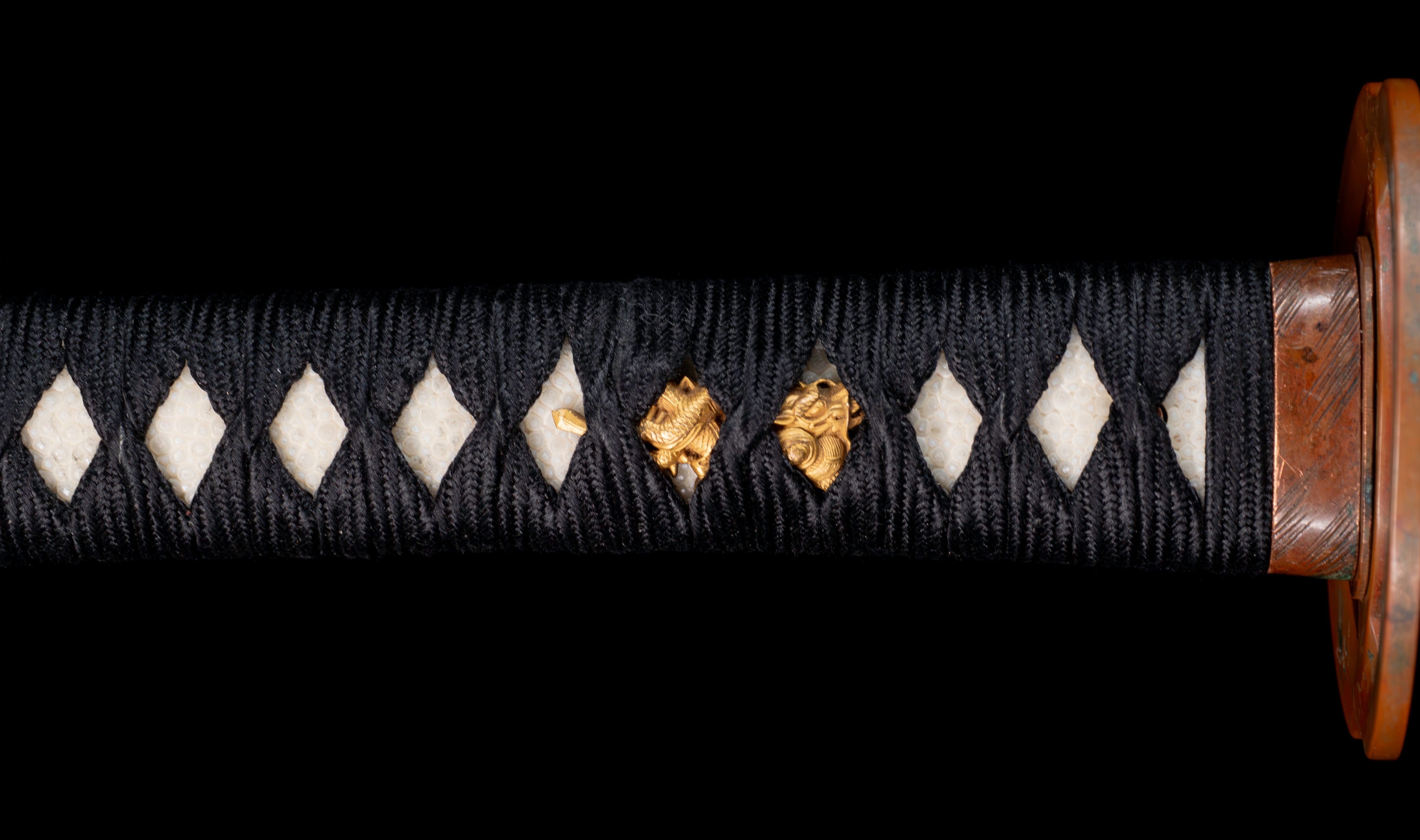
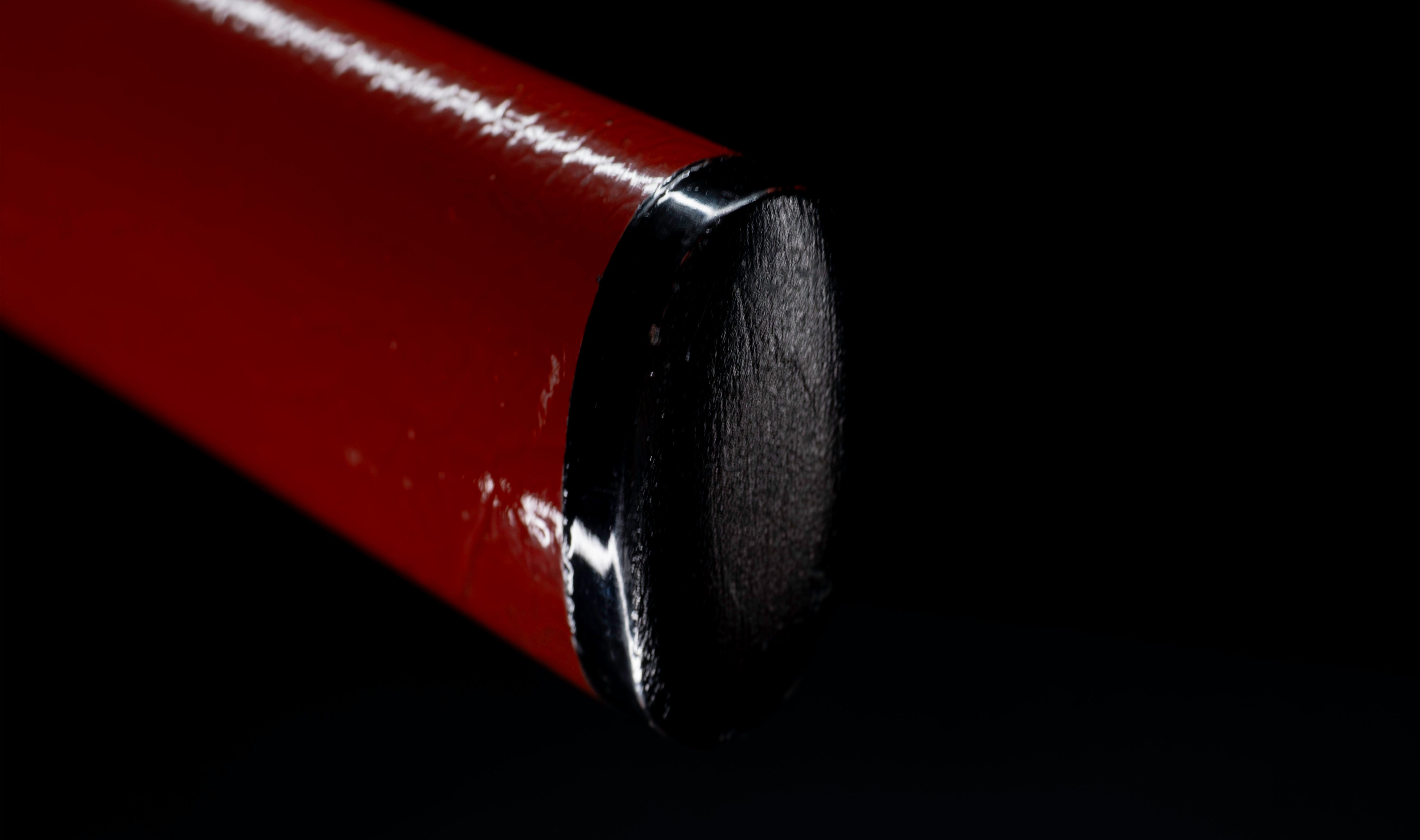
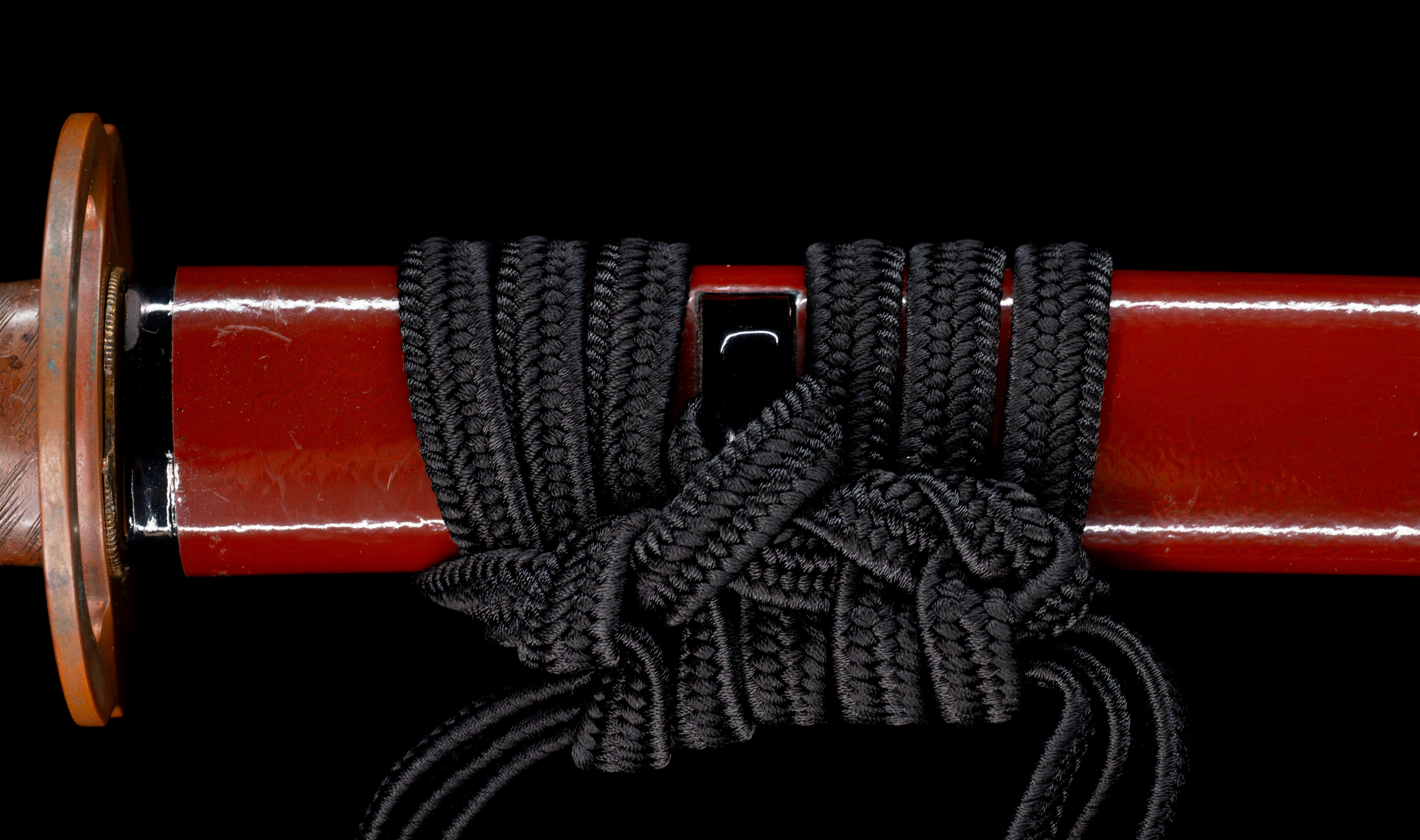
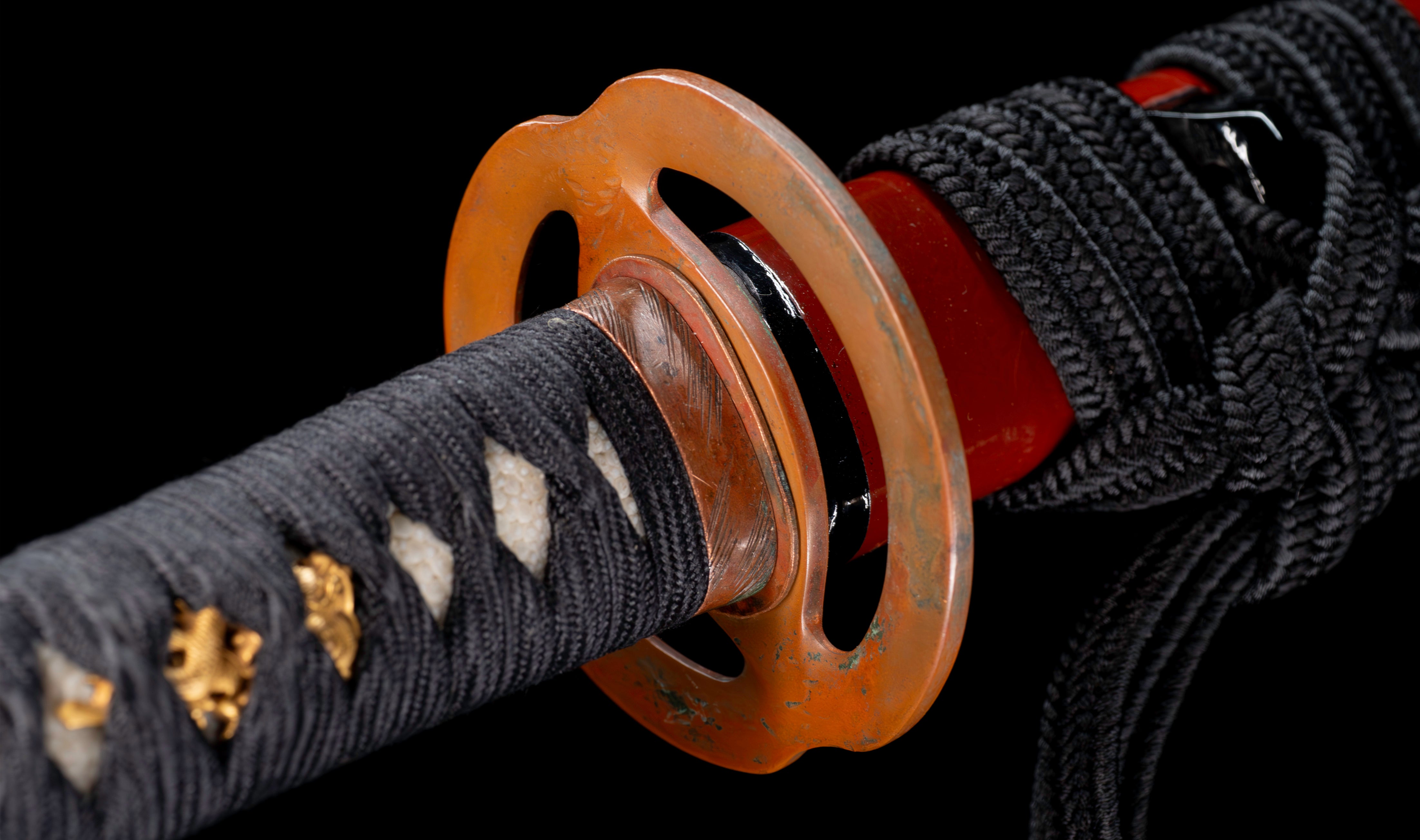
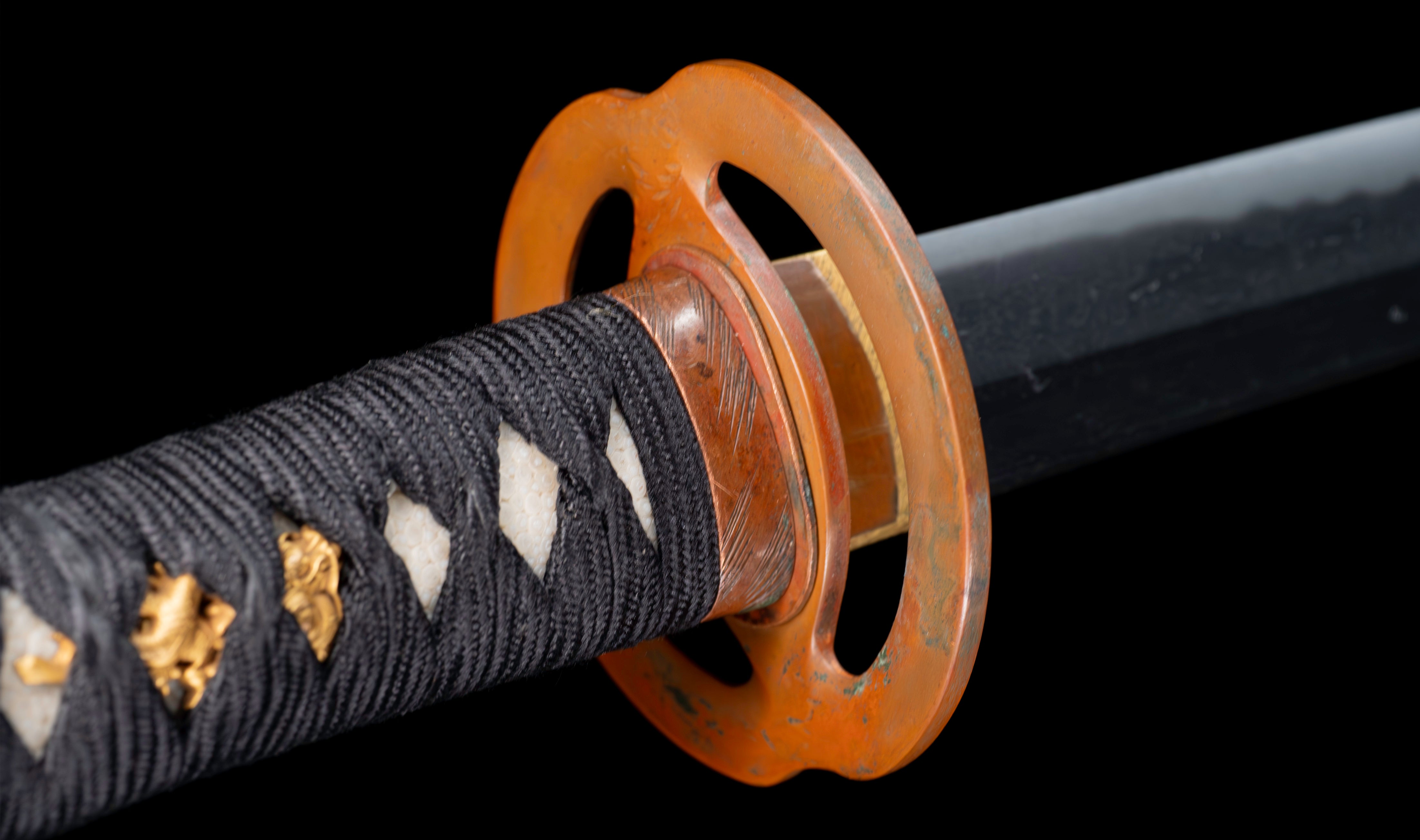
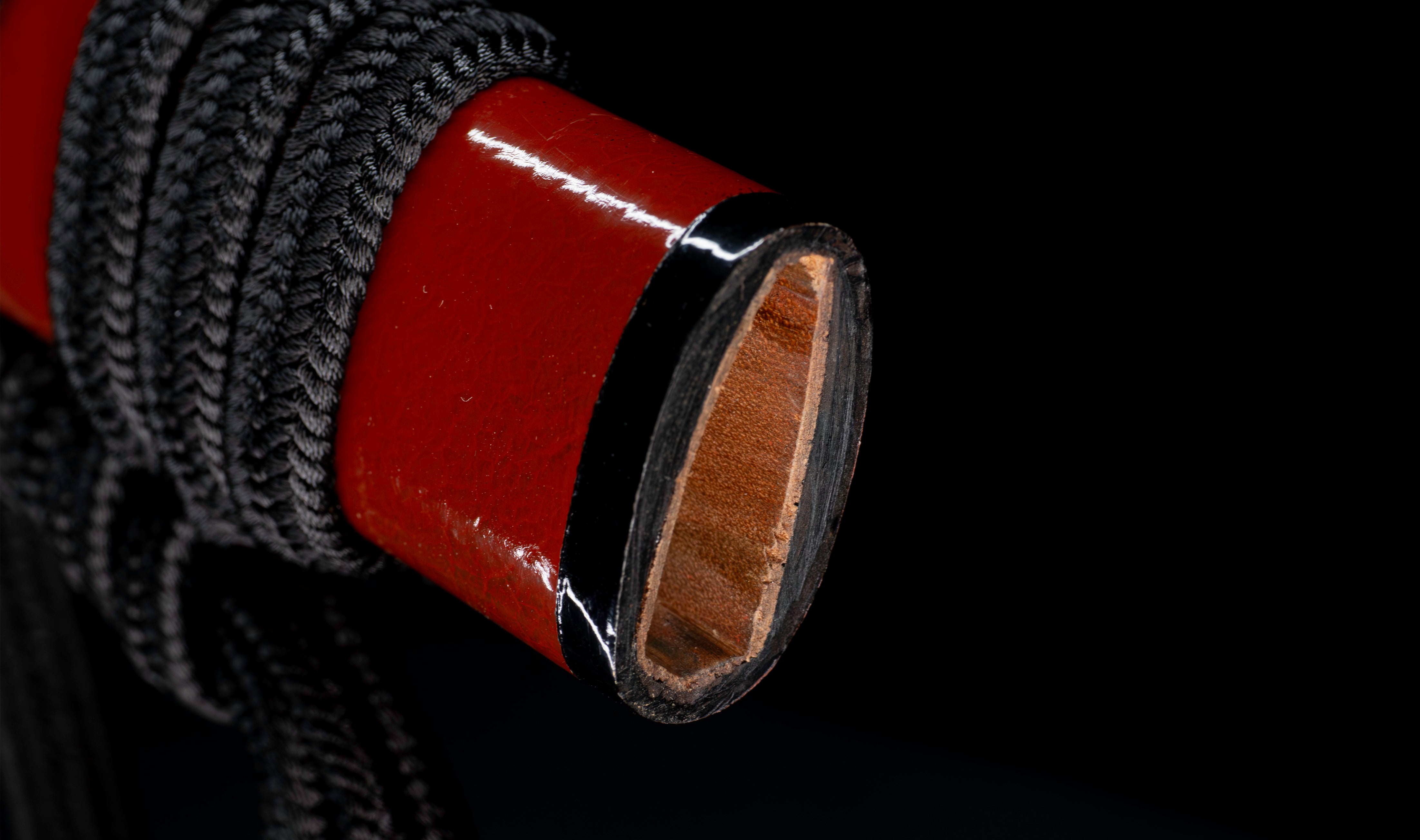
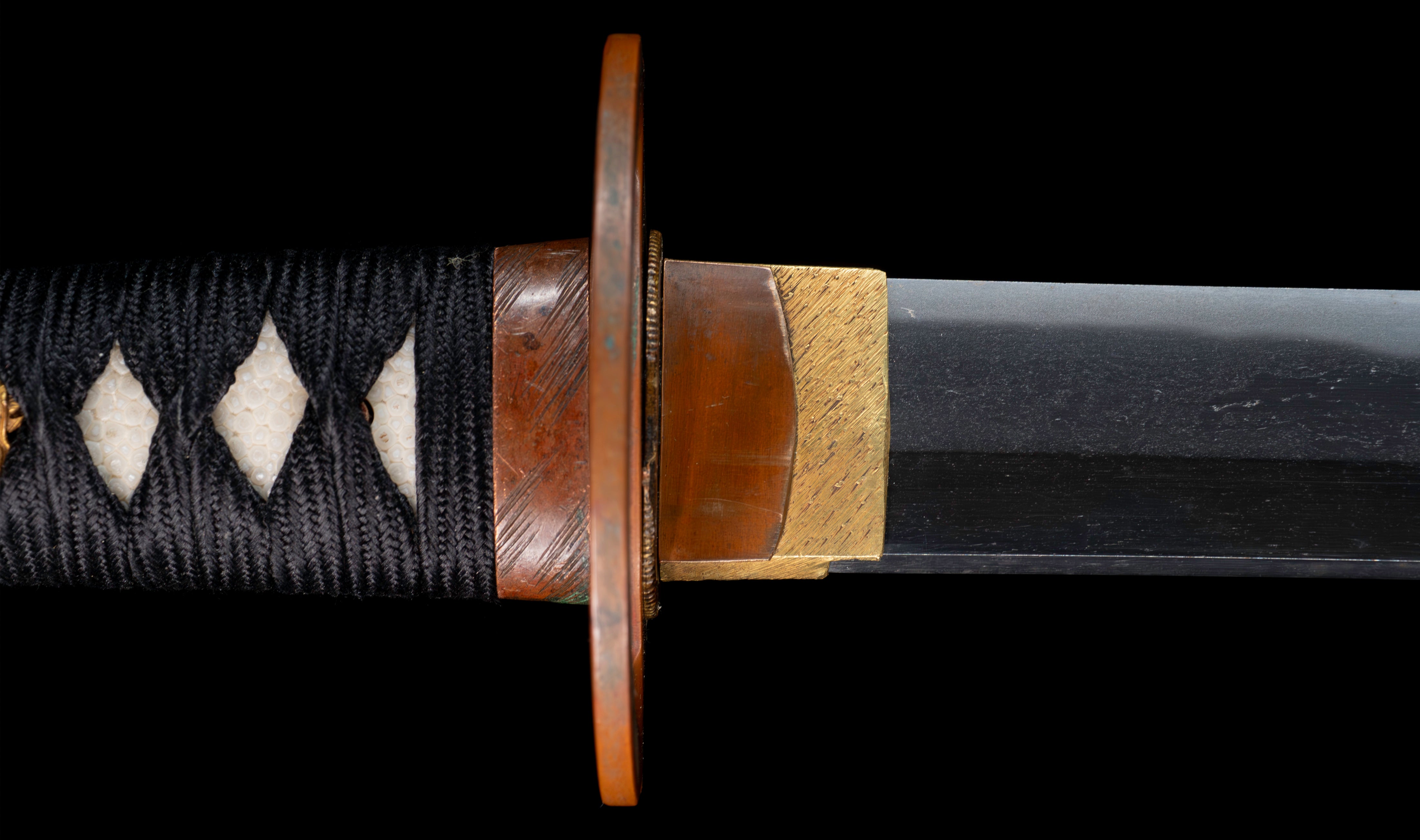
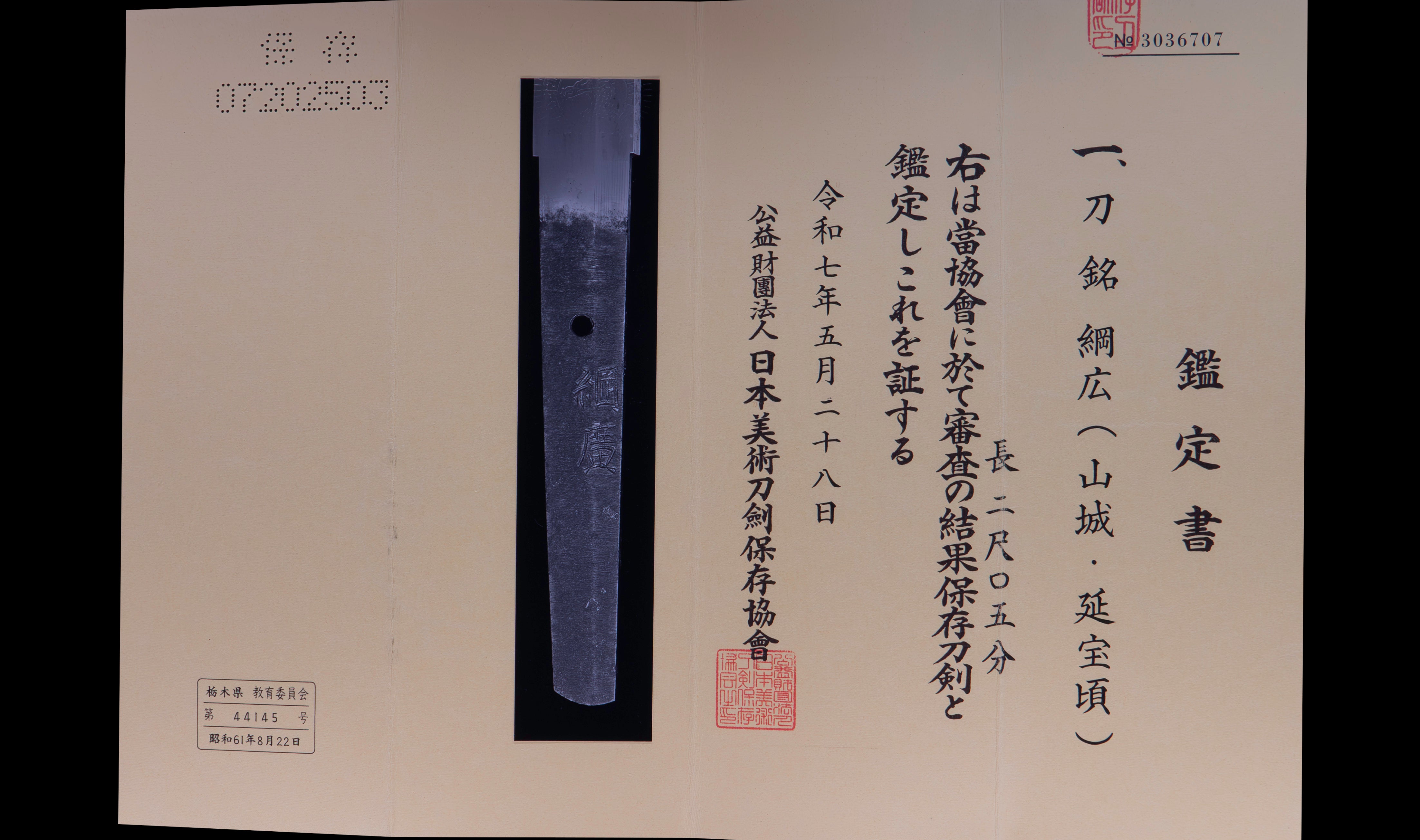
Signature (Mei): 綱廣 Tsunahiro (omote, two characters; ura unsigned) — carved in the classical kyūjitai form, transcribed 綱広 on the NBTHK paper Swordsmith: Tsunahiro of Yamashiro — certified by the NBTHK as 綱広(山城・延宝頃) School / Tradition: Yamashiro (Kyoto) — Shintō-period Kyoto workmanship Period / Province: Edo period, circa Enpō era (1673–1681) — Shintō classification / Yamashiro Province (modern Kyoto) Certificate: NBTHK Hozon Tōken (保存刀剣) No. 3036707 — issued 28 May Reiwa 7 (2025) Japanese Registration (Tōroku-shō): Tochigi Prefecture No. 44145, issued 22 August Shōwa 61 (1986) Mounting: Complete katana koshirae — russet-brown lacquered saya, black silk tsuka-ito, gold dragon menuki, copper-alloy sukashi tsuba Blade Length (Nagasa): 62.1 cm (2 shaku 0 sun 5 bu) Curvature (Sori): 1.1 cm — shallow, typical of mature Shintō geometry Mekugi-ana: 1 — ubu nakago, unshortened, signature intact Shape (Sugata): Shinogi-zukuri, iori-mune, chū-kissaki Hamon: Gunome-midare — large, rounded, openly spaced heads with a broad nioiguchi and nie in the valleys Boshi: Midare-komi with a rounded turnback Habaki: Gold-foiled (kin-kise) with neko-gaki file texturing A NBTHK Hozon-certified katana signed 綱廣 (Tsunahiro), placed by the NBTHK in Yamashiro province — Kyoto — around the Enpō era, 1673 to 1681 . It measures 62.1 cm nagasa with 1.1 cm of sori, and the nakago is ubu : original length, one mekugi-ana, the signature untouched. For an Edo-period blade to reach Hozon the shinsa panel must judge the mei genuine. This one did. The hamon is the reason to look twice. It runs as a bold gunome-midare of large, rounded heads set at generous intervals — an open, unhurried rhythm rather than the tight repetition of a workshop blade. The nioiguchi is broad and softly luminous, with nie collecting in the valleys between the heads, and the pattern widens confidently through the monouchi. This is tempering built to read at arm's length and across a room, which is precisely what a Kyoto smith o
NihontoWatchOffered by Tokyo Nihonto
This piece has sold
Get an email when a new Tsunahiro piece hits the market.

Yamashiro · around 1673-1681
1 piece on the market now
The Edo period (1615 to 1868)
Edo was the sword’s age of connoisseurship: the Hon’ami appraisers, the shogunal register of famous blades of 1719, and a thriving literature turned the sword into an object of study even as it ceased to be drawn in war.
Certifies a genuine blade worth preserving: a signature confirmed correct, or, if unsigned, an era, province, and school that the NBTHK can reliably identify.
The NBTHK (Nihon Bijutsu Tōken Hozon Kyōkai, the Society for the Preservation of Japanese Art Swords) is a public-interest incorporated foundation founded in 1948 and supervised by Japan’s Agency for Cultural Affairs (Bunkachō); it is based at the Japanese Sword Museum in Tokyo. Its expert panels physically examine each submitted work (shinsa) and issue a certificate (kanteishō) ranking it by artistic and historical merit. NBTHK papers are the most widely recognized standard of authentication for Japanese swords and fittings.
NBTHK official siteReturns/exchanges only for manufactured defects or incorrect products; notify within 72 hours of delivery. Cancellation only within 2 hours of placing. Customer pays return shipping. Refund within 3 business days of package arrival.