Muromachi turned sword making into an industry: the uchigatana rose with massed infantry warfare, Osafune and Seki produced bundle swords beside custom orders, and the Ming trade carried Japanese blades abroad by the tens of thousands.
 NihontoWatchNihontoWatch
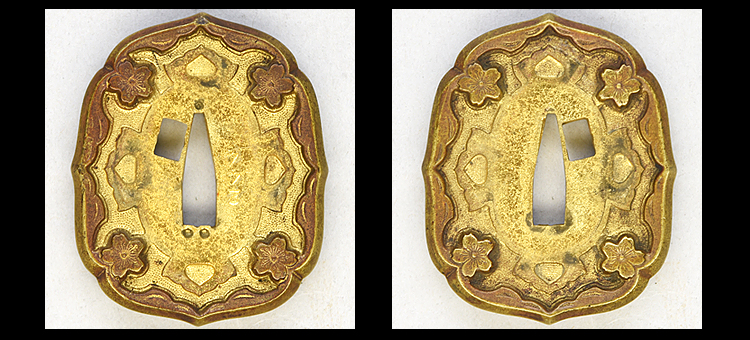
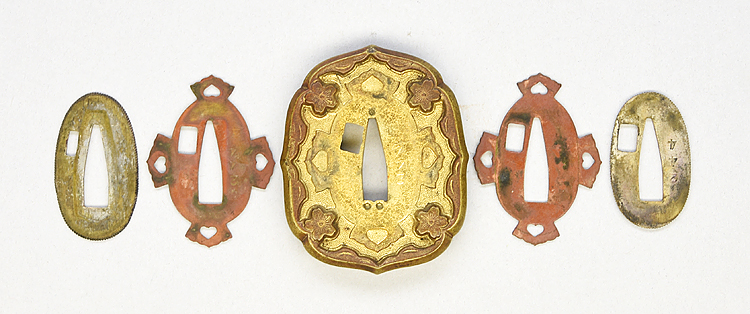
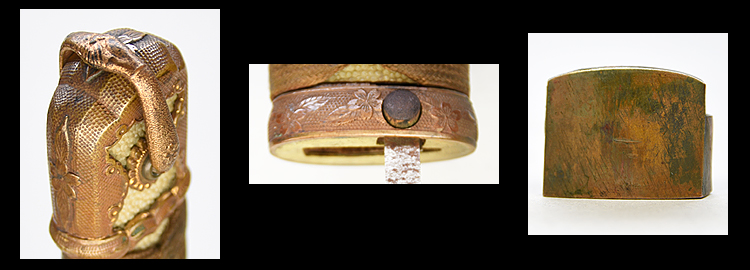
Hon-zukuri, iori-mune. Ubu-nakago. Itame-hada mixed with moku. Ji-nie attaches, chikei enters, and shirake-utsuri stands out. The hamon is gunome-midare mixed with togari-ba. Ko-nie attaches well, and it is bright and clear. Sue-koto. In Rikugun gunto-koshirae.
NihontoWatchOffered by Token-Net
We couldn’t find current papers for this piece. Ask the dealer whether it has been, or can be, submitted to shinsa. — Hoshi

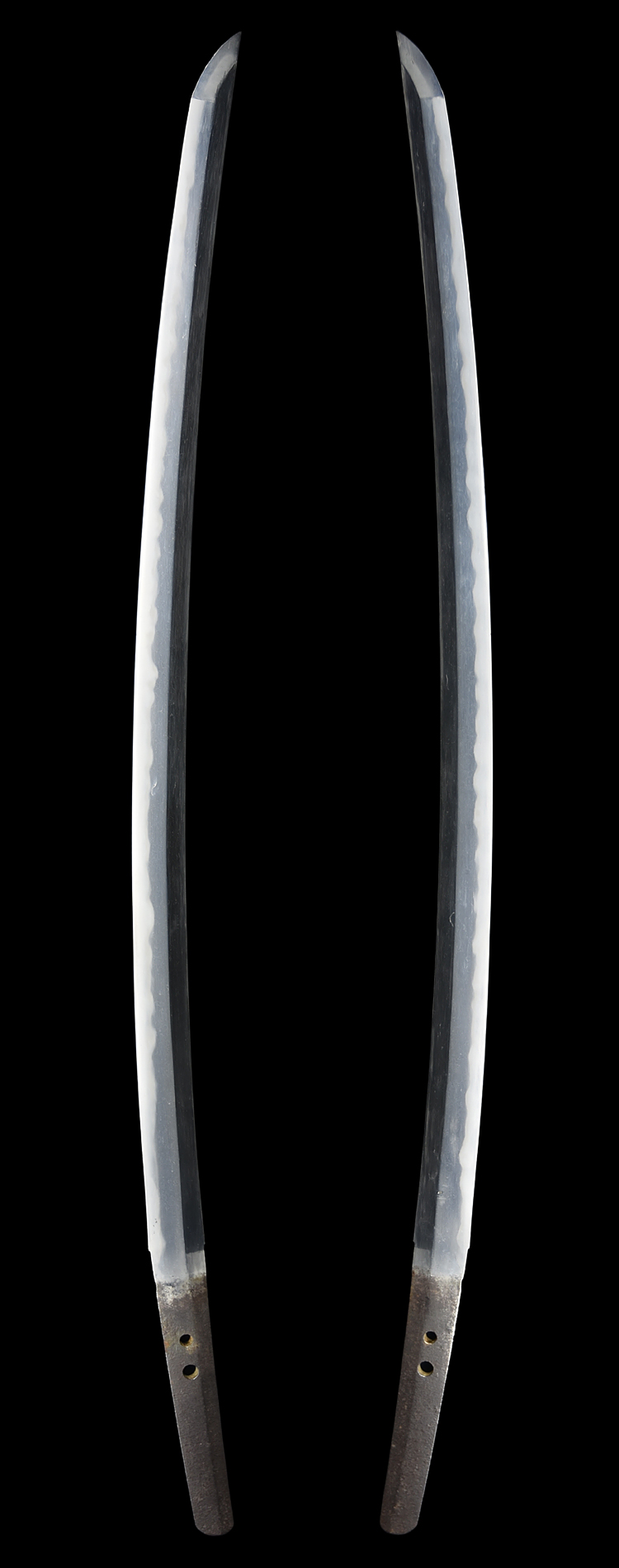



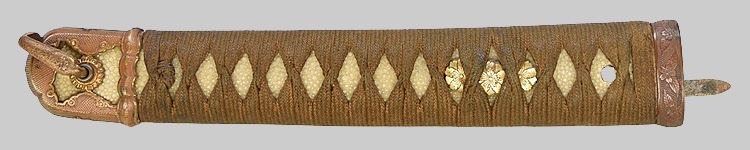
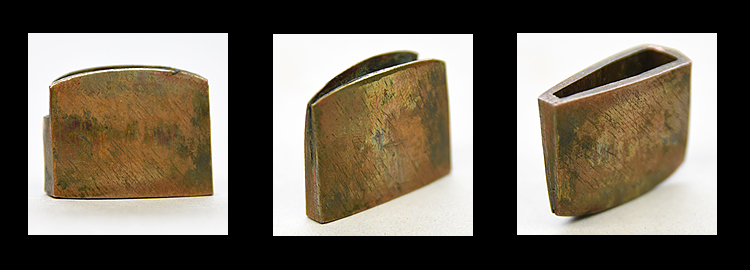
As written by the shop
Machine translation from the shop's Japanese · may contain errors ·
The Muromachi period (1392 to 1573)
Muromachi turned sword making into an industry: the uchigatana rose with massed infantry warfare, Osafune and Seki produced bundle swords beside custom orders, and the Ming trade carried Japanese blades abroad by the tens of thousands.
We could not find an authenticity certificate on the seller’s listing. Japanese swords and fittings are normally papered by the NBTHK (or the NTHK). Without one, the attribution is the seller’s own assessment and has not been independently verified — treat it with caution and ask the dealer about certification before buying.
Within one week of the item's arrival (cooling-off is possible within Japan only). For defects that differ from the purchase conditions, we will accept the return and refund the payment. For other cases such as overseas, we will consult separately.
¥200,000