Sengoku Seki was an industry: smiths organized under their tutelary Kasuga shrine, arming the war bands of central Japan. Magoroku Kanemoto’s sanbonsugi and the finest Kanesada work prove quality survived inside mass production.
 NihontoWatchNihontoWatch
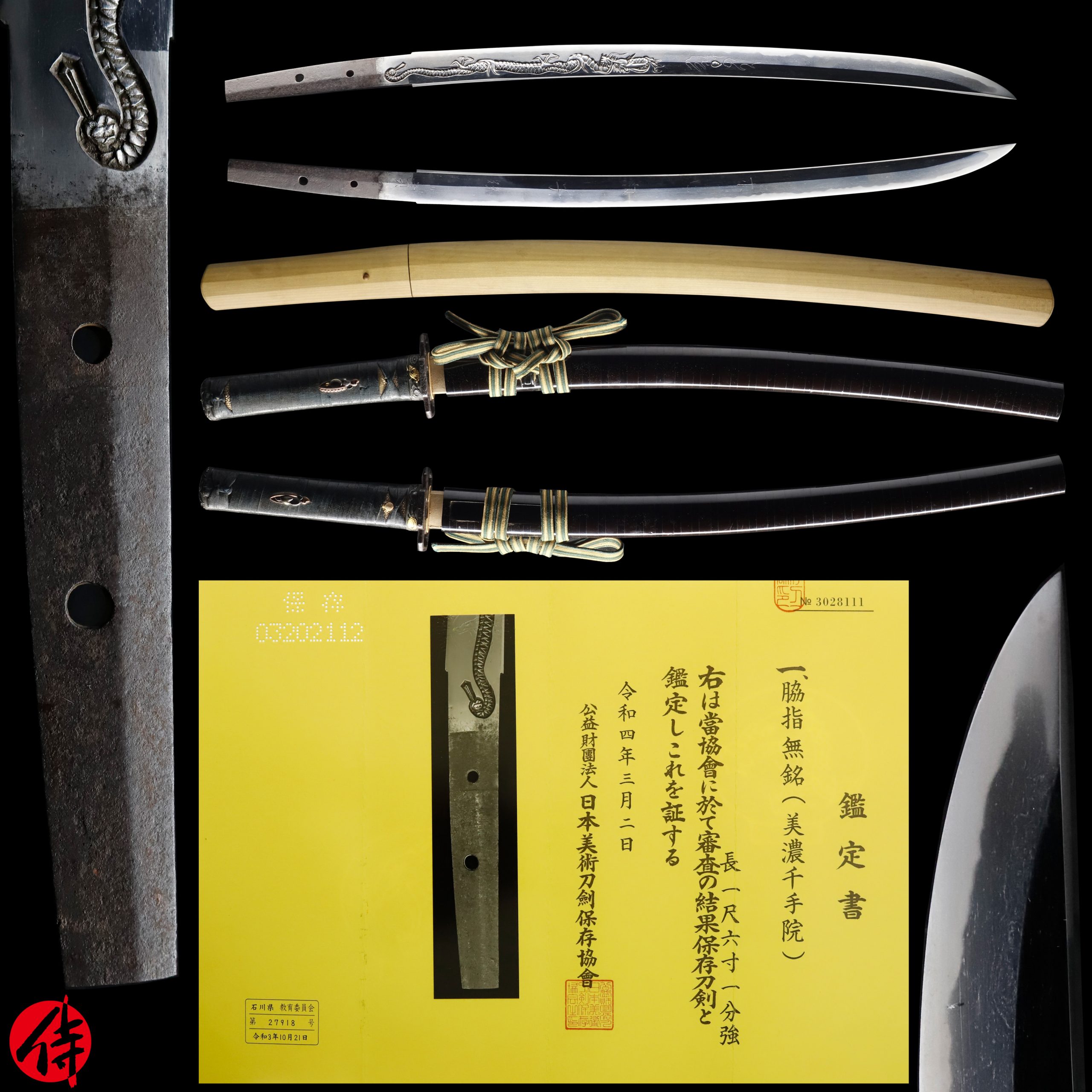
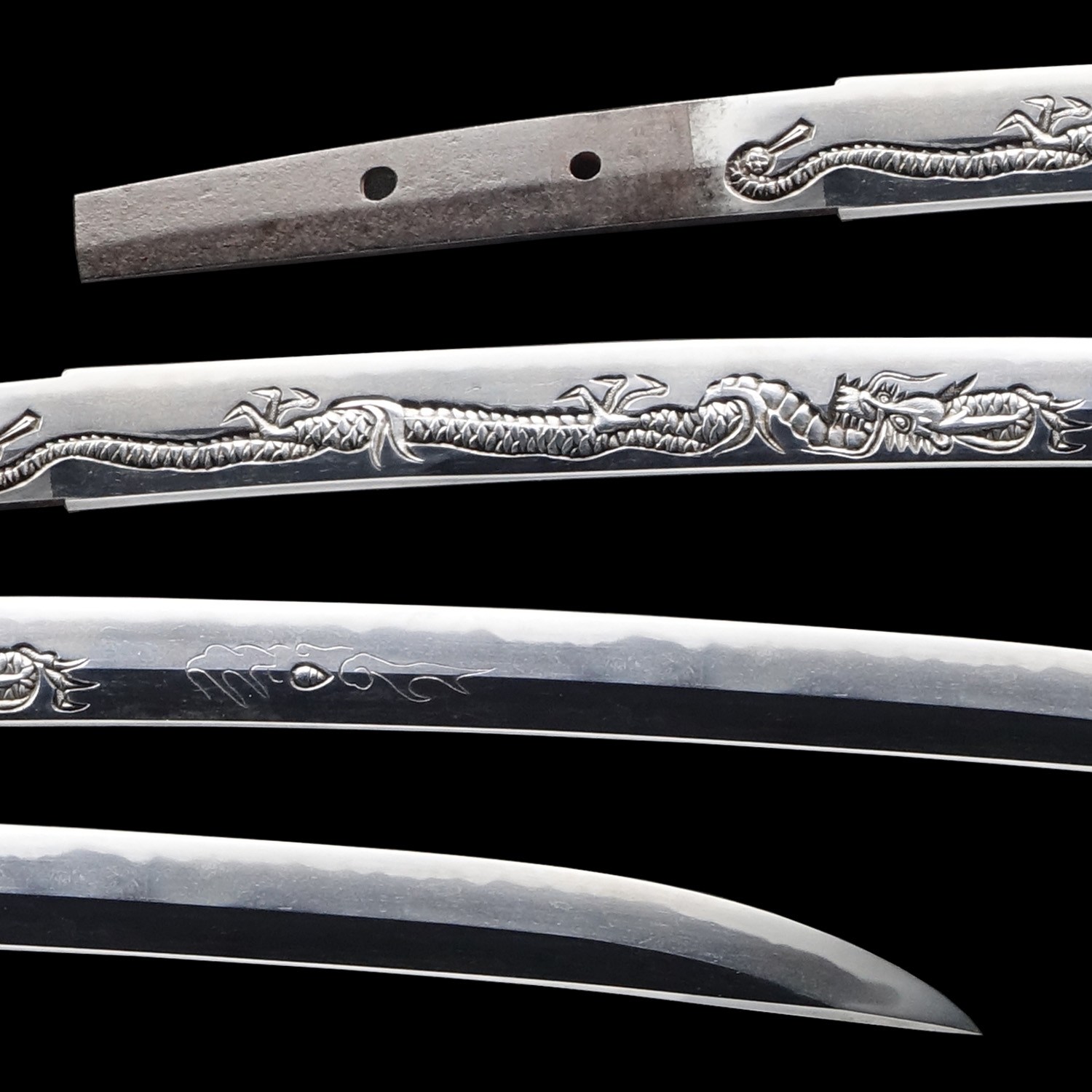
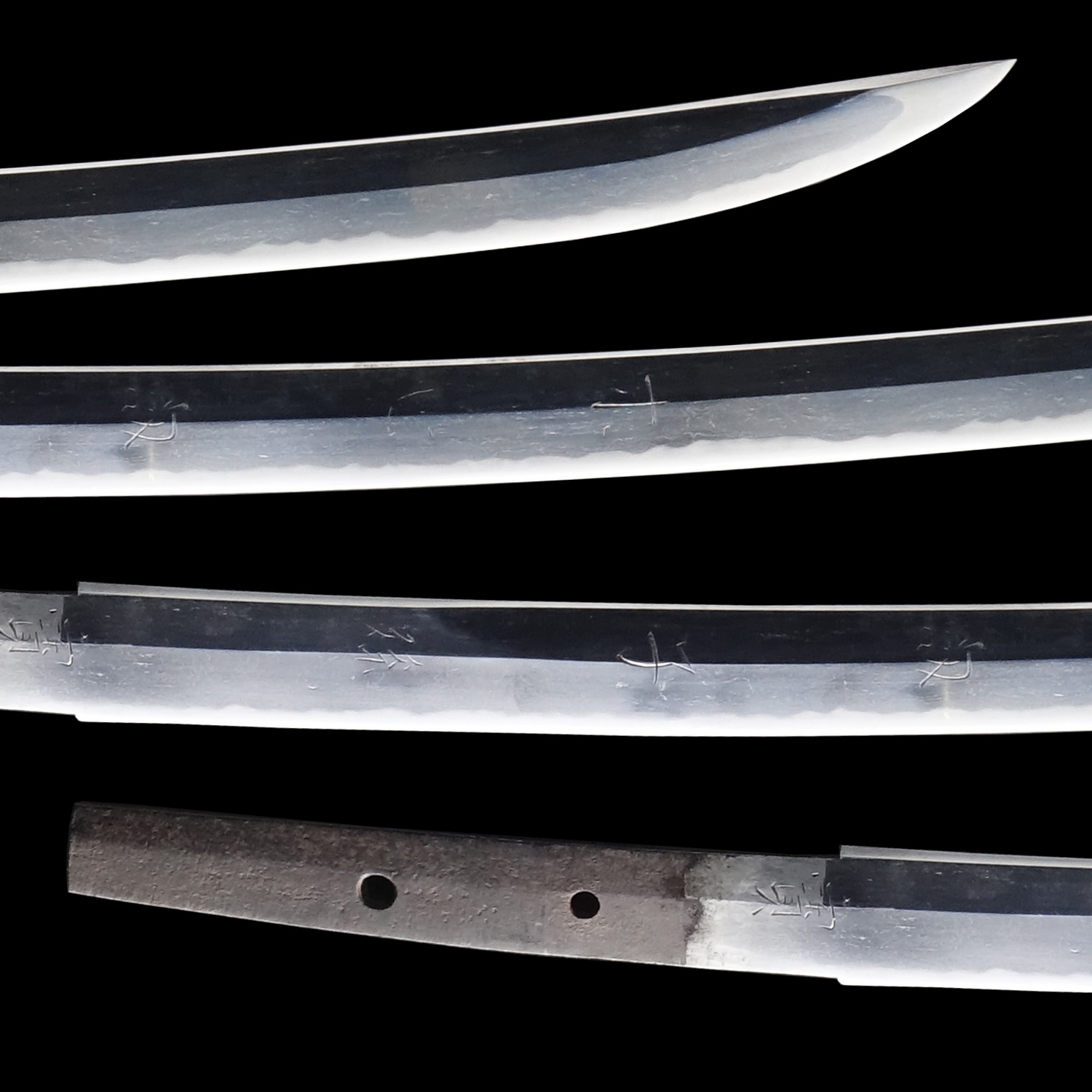
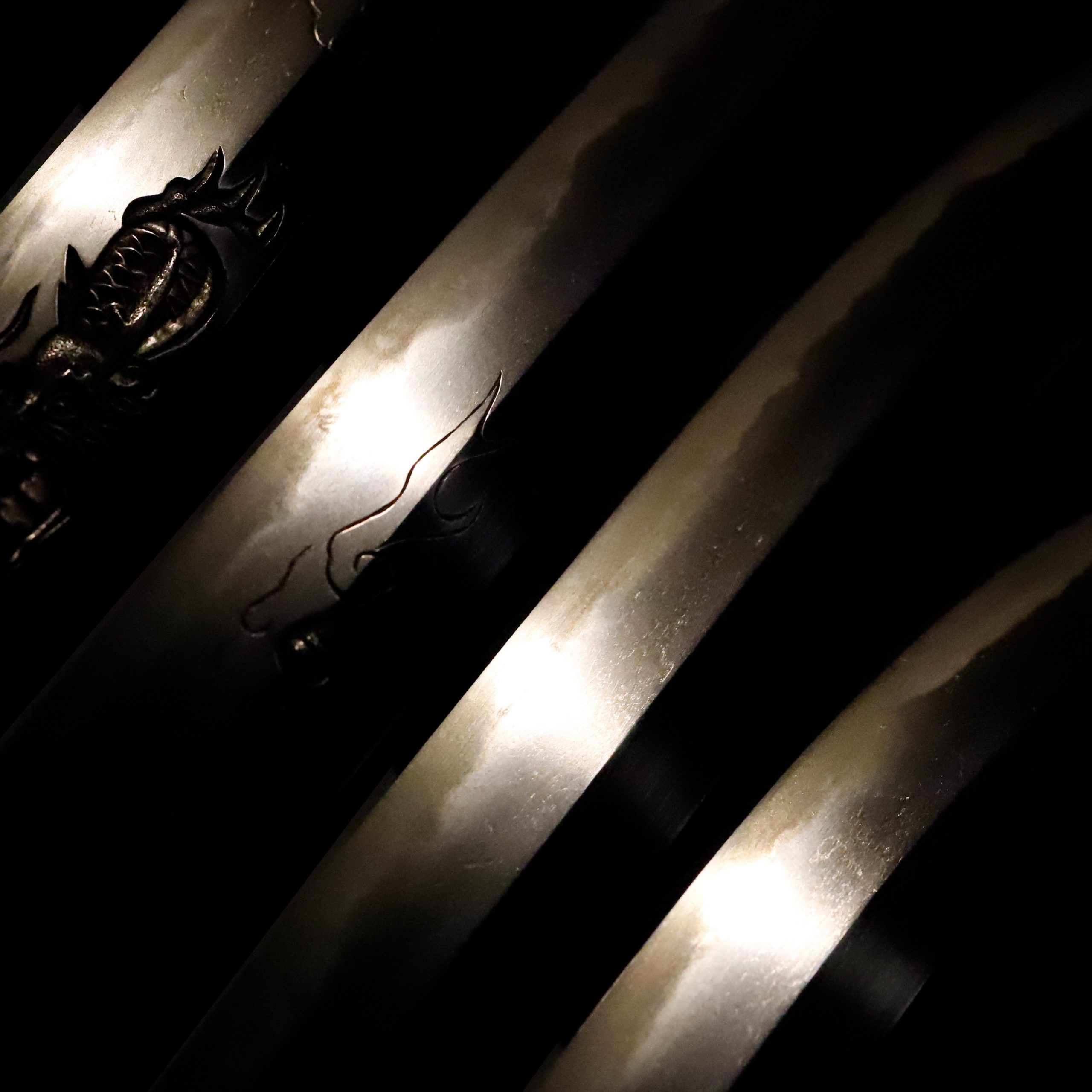
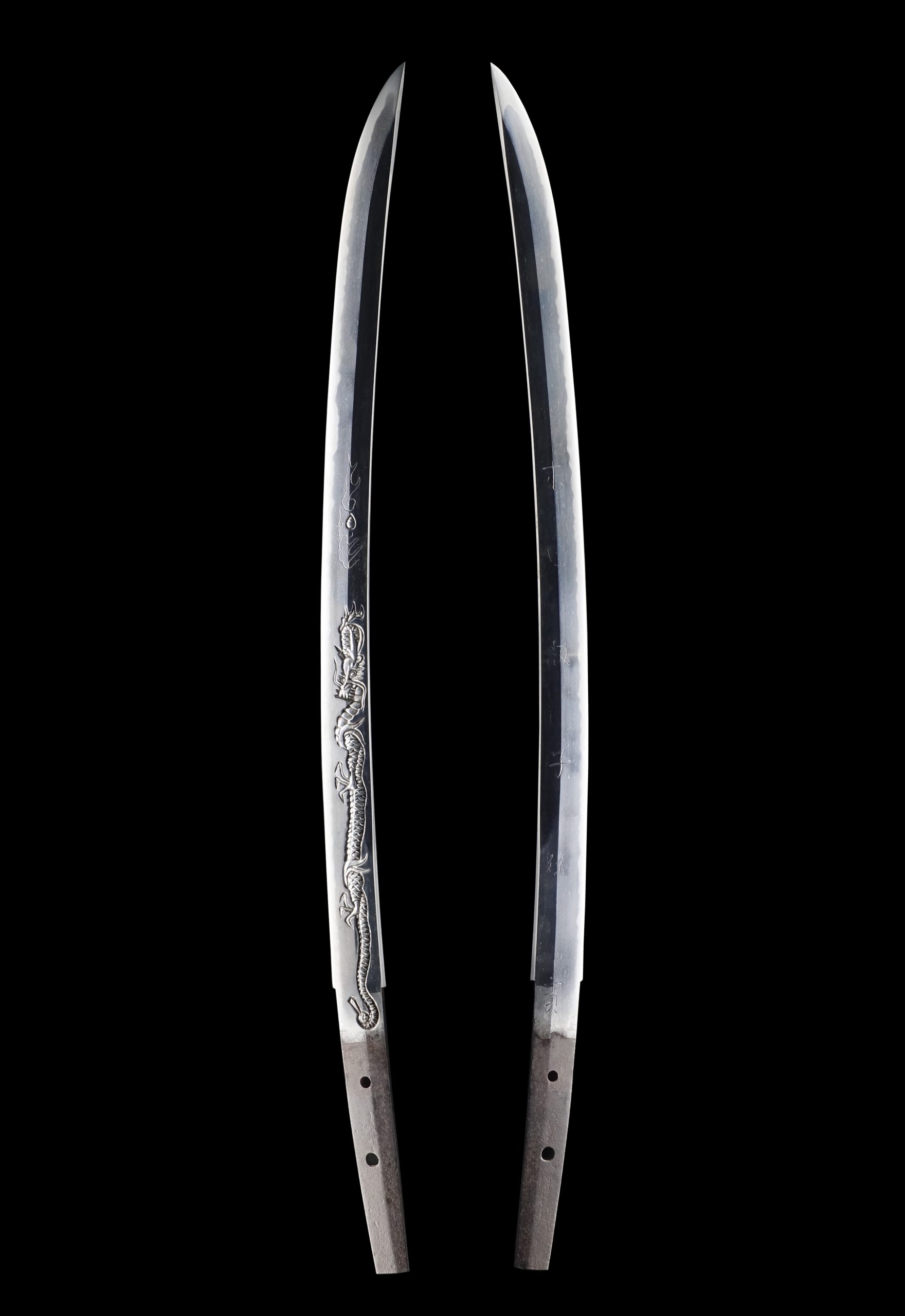
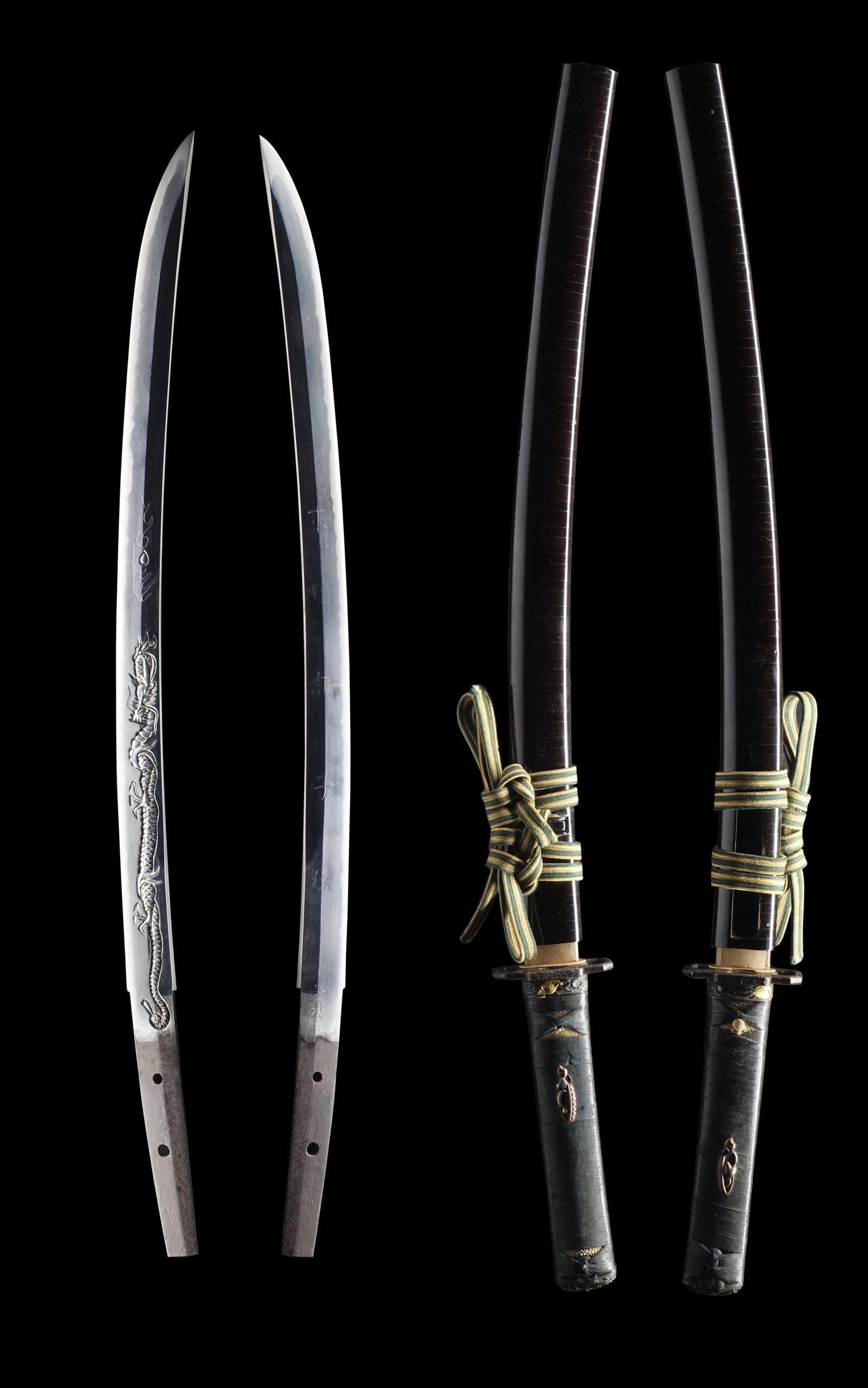
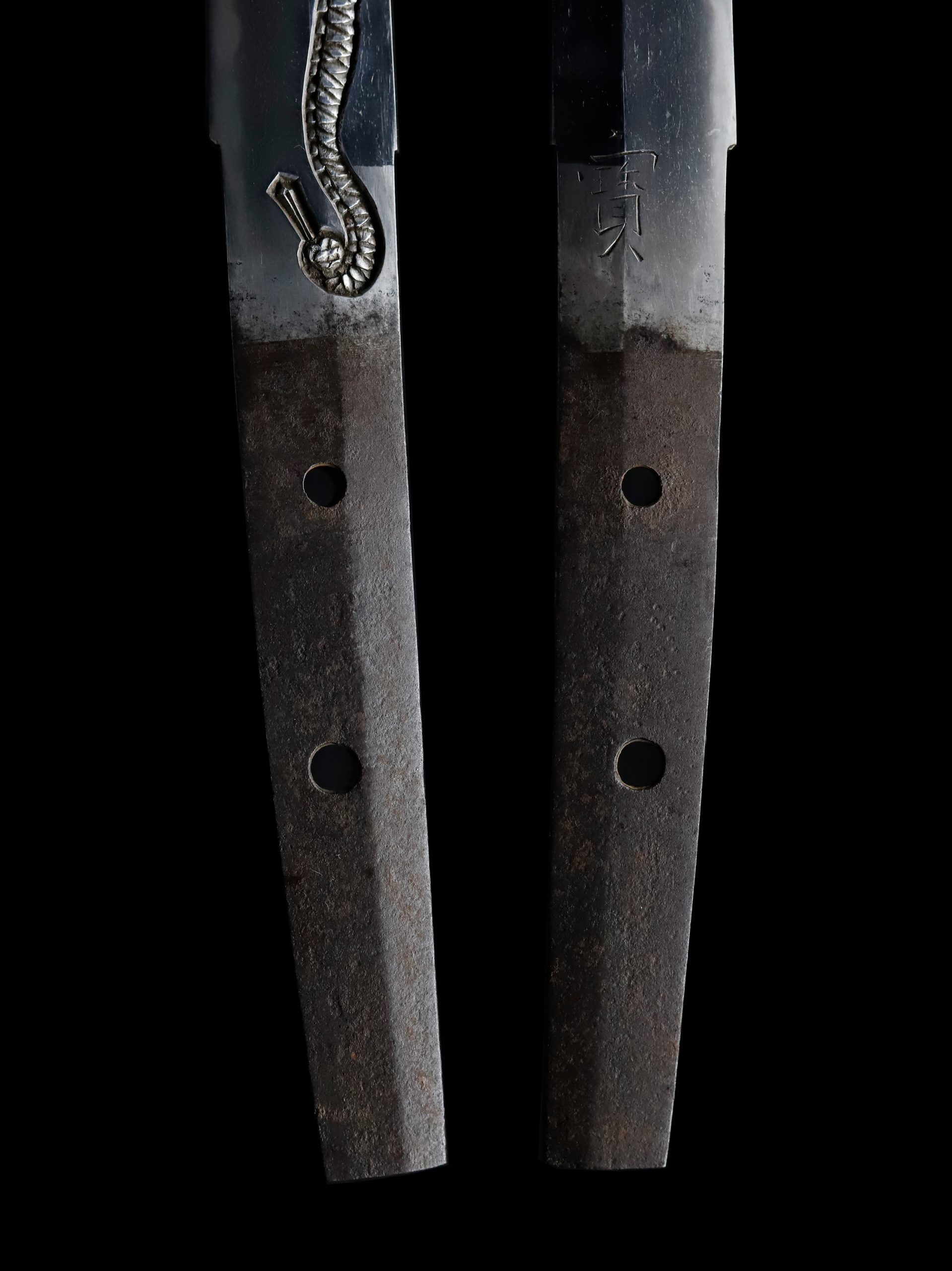
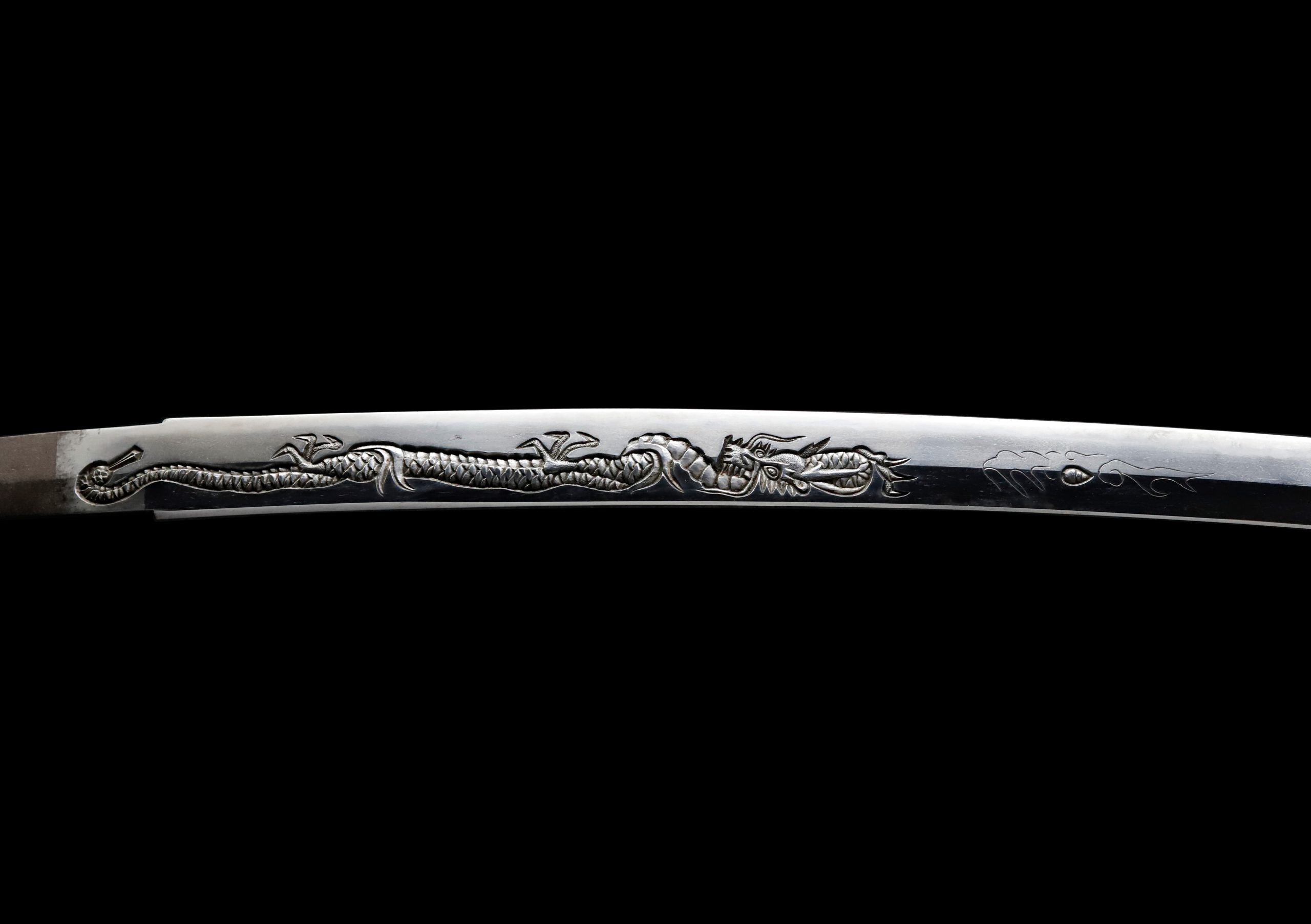
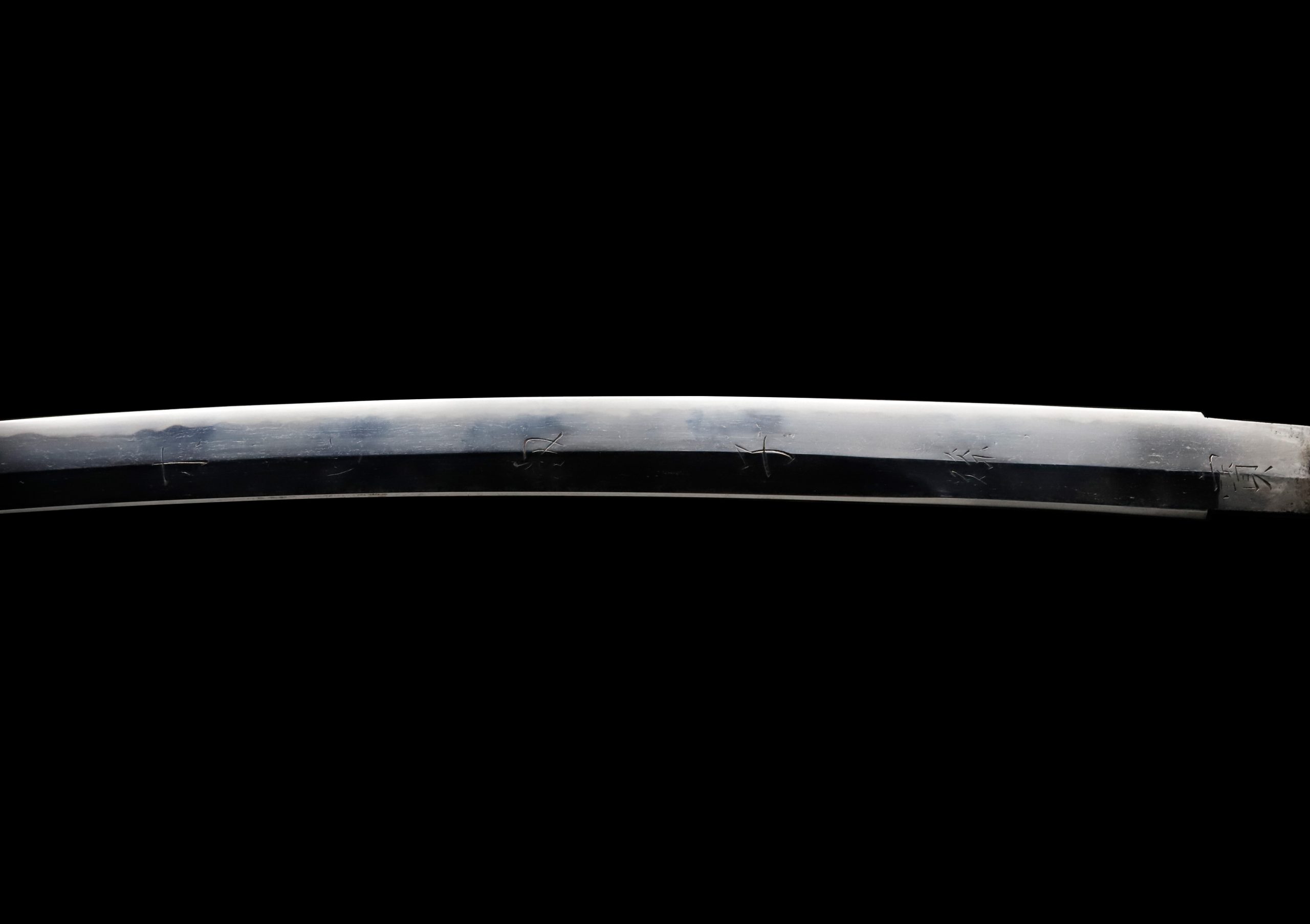
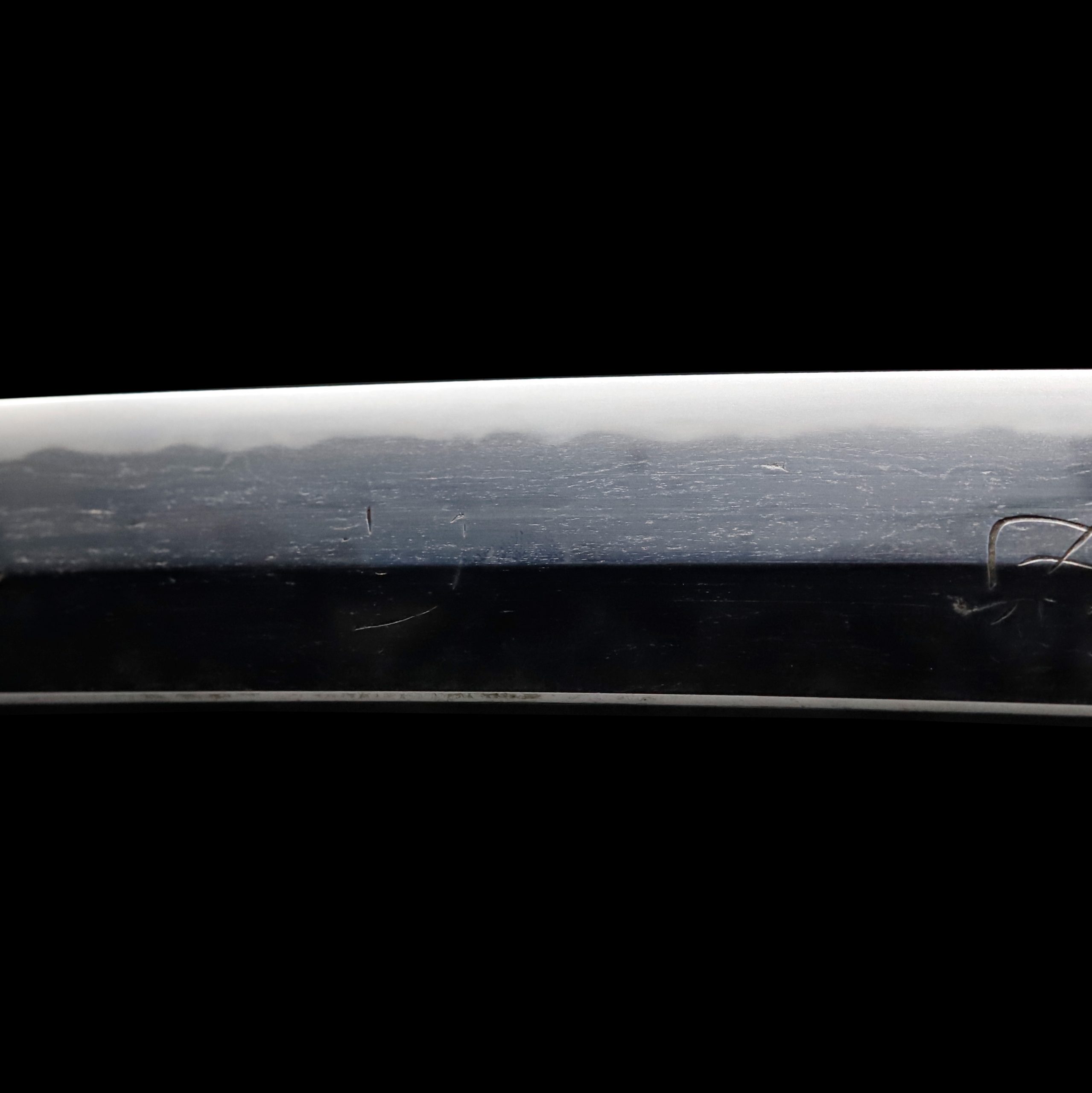
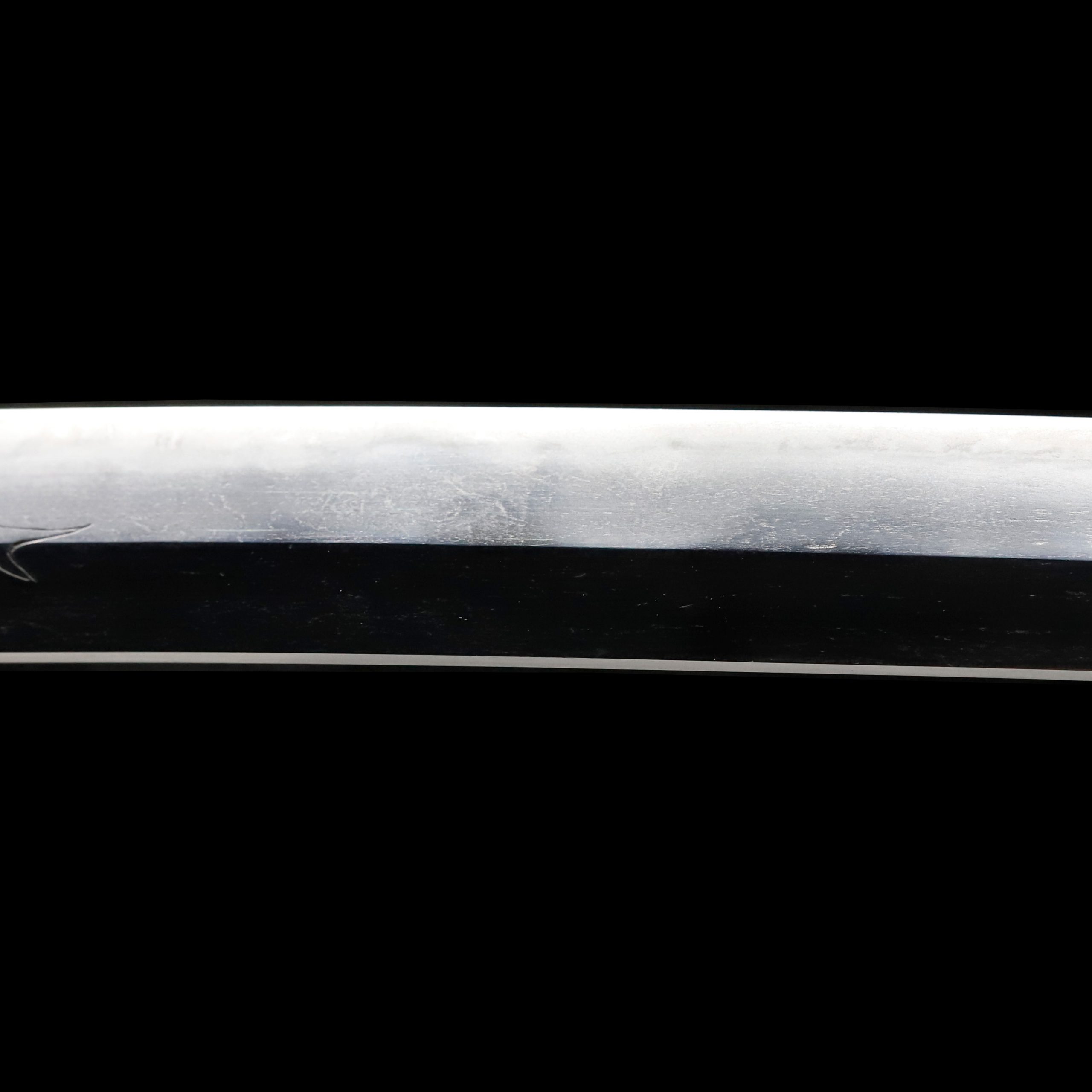
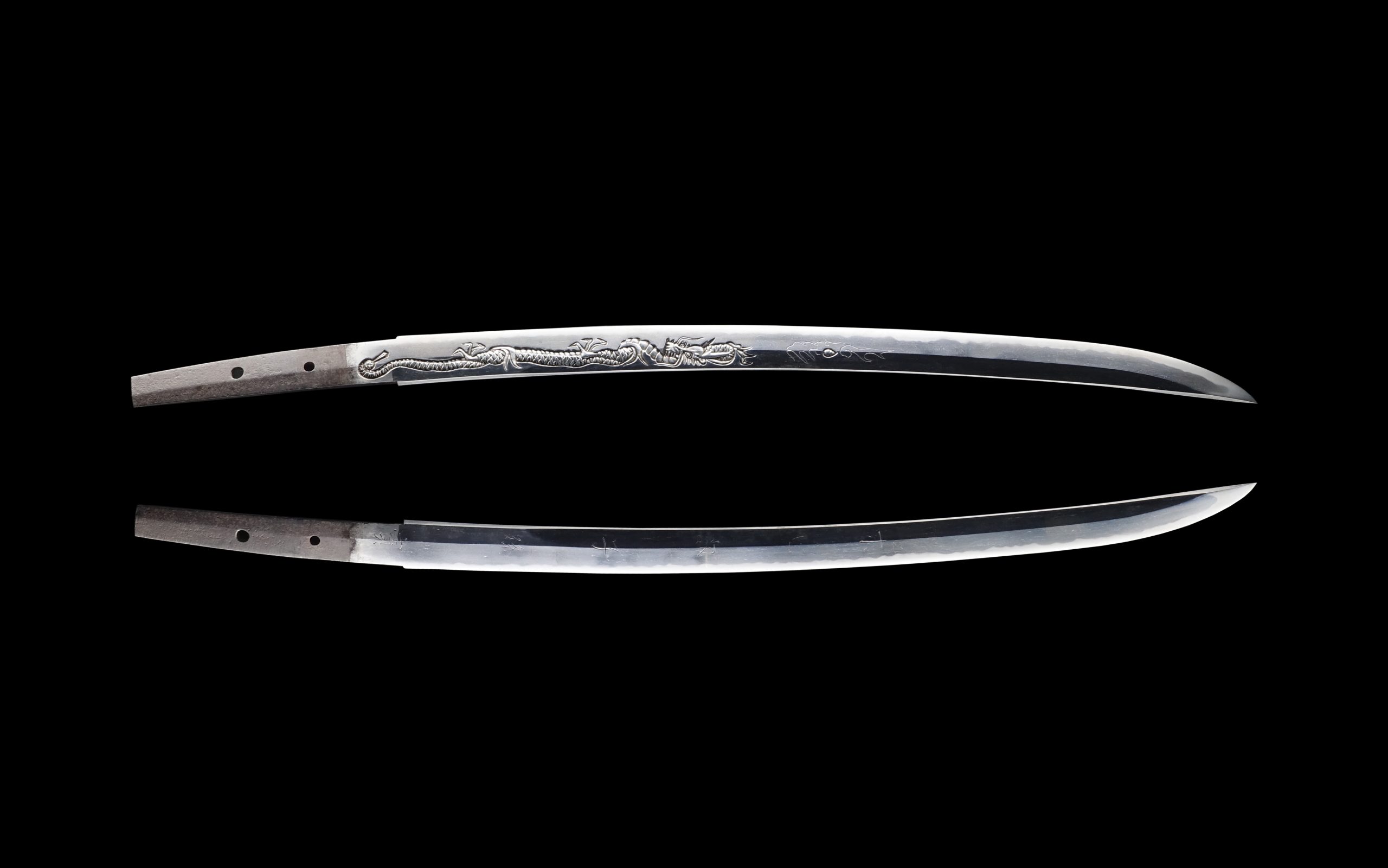
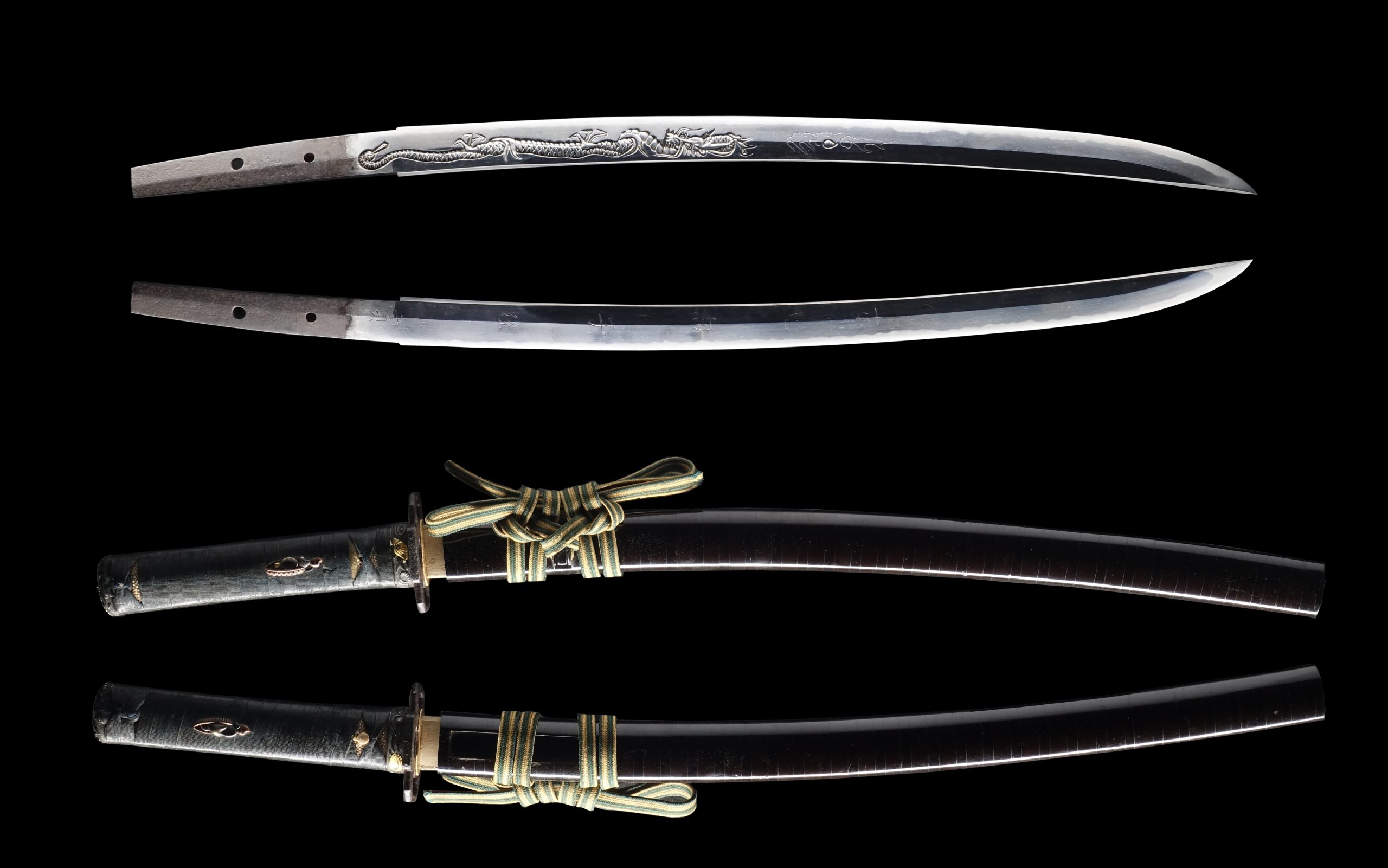
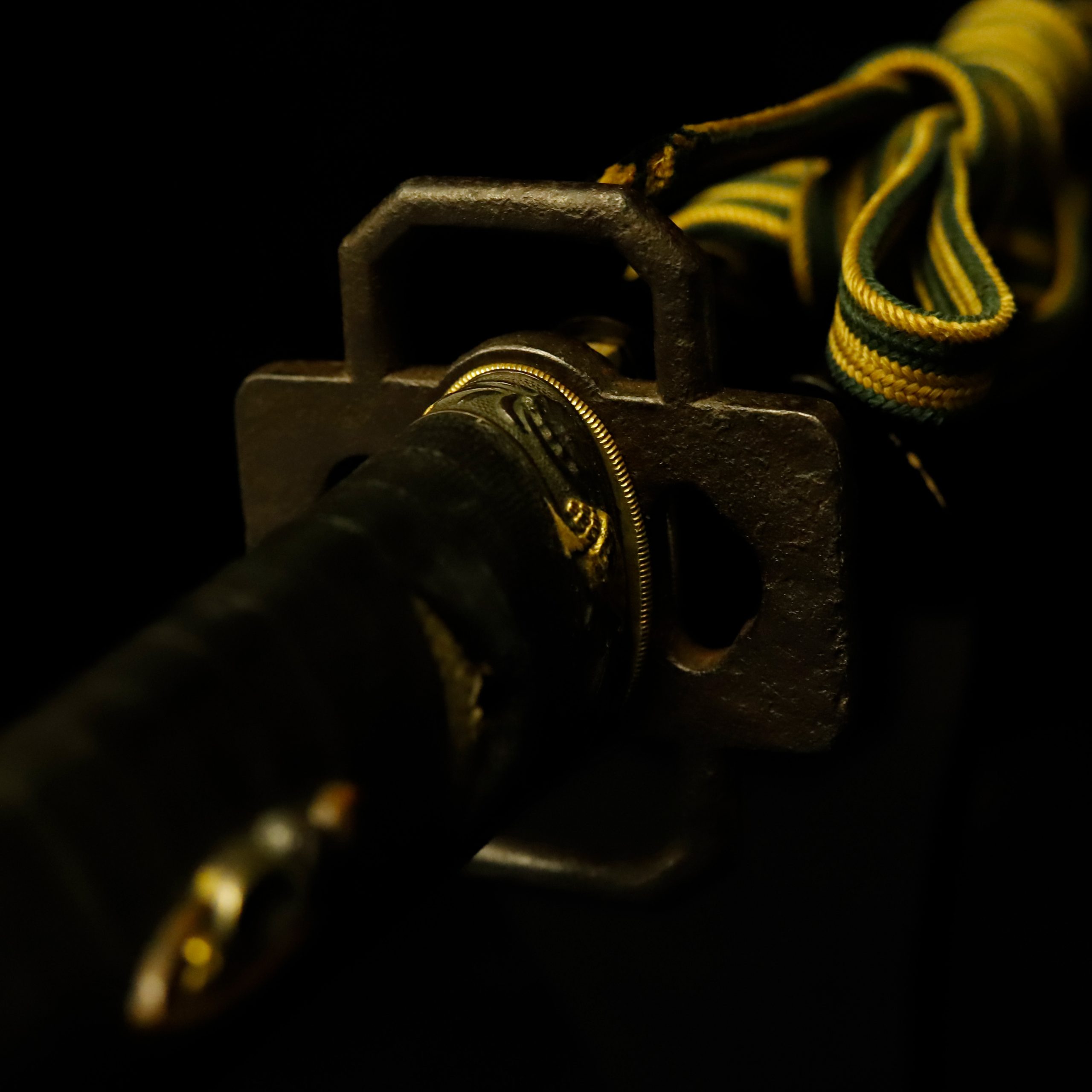
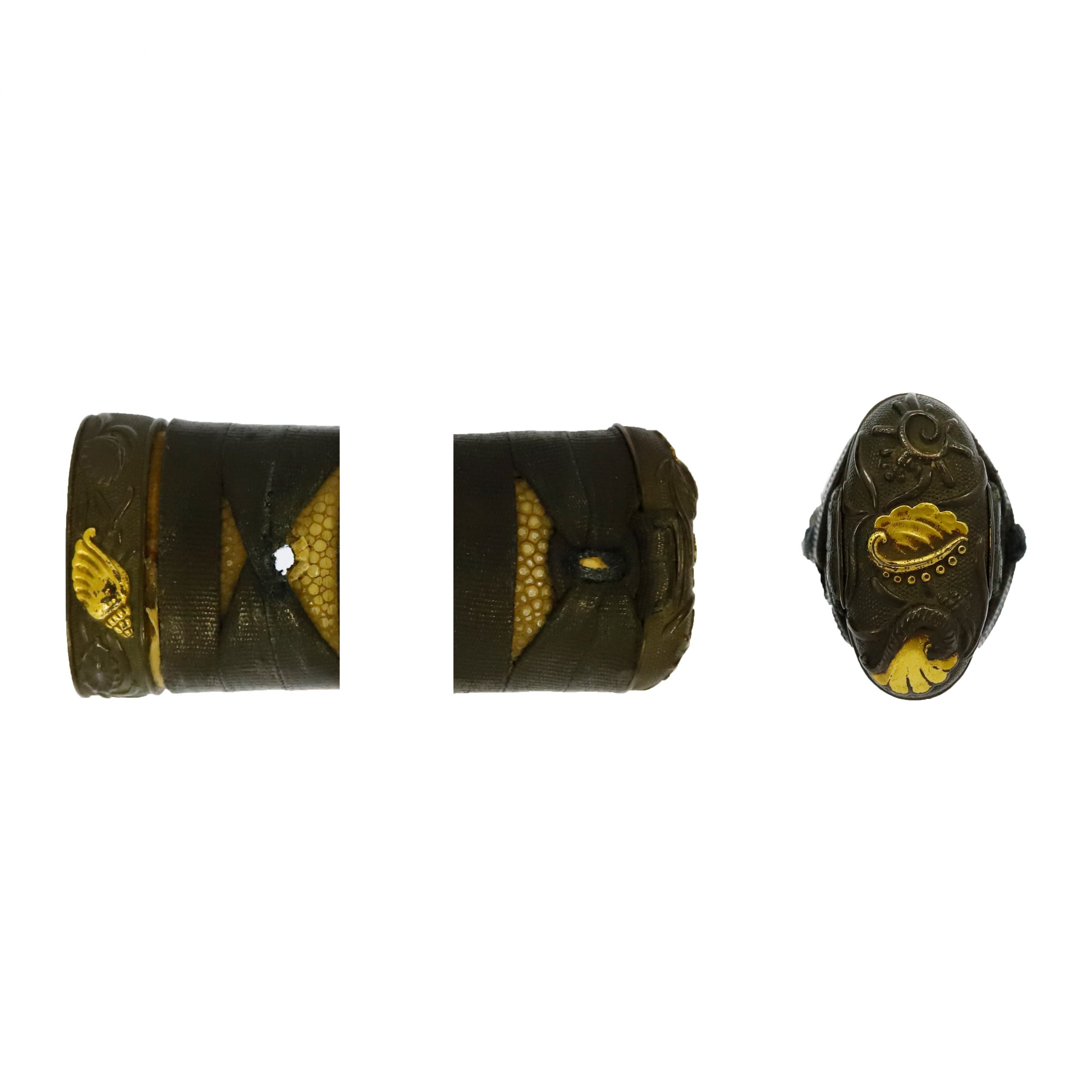
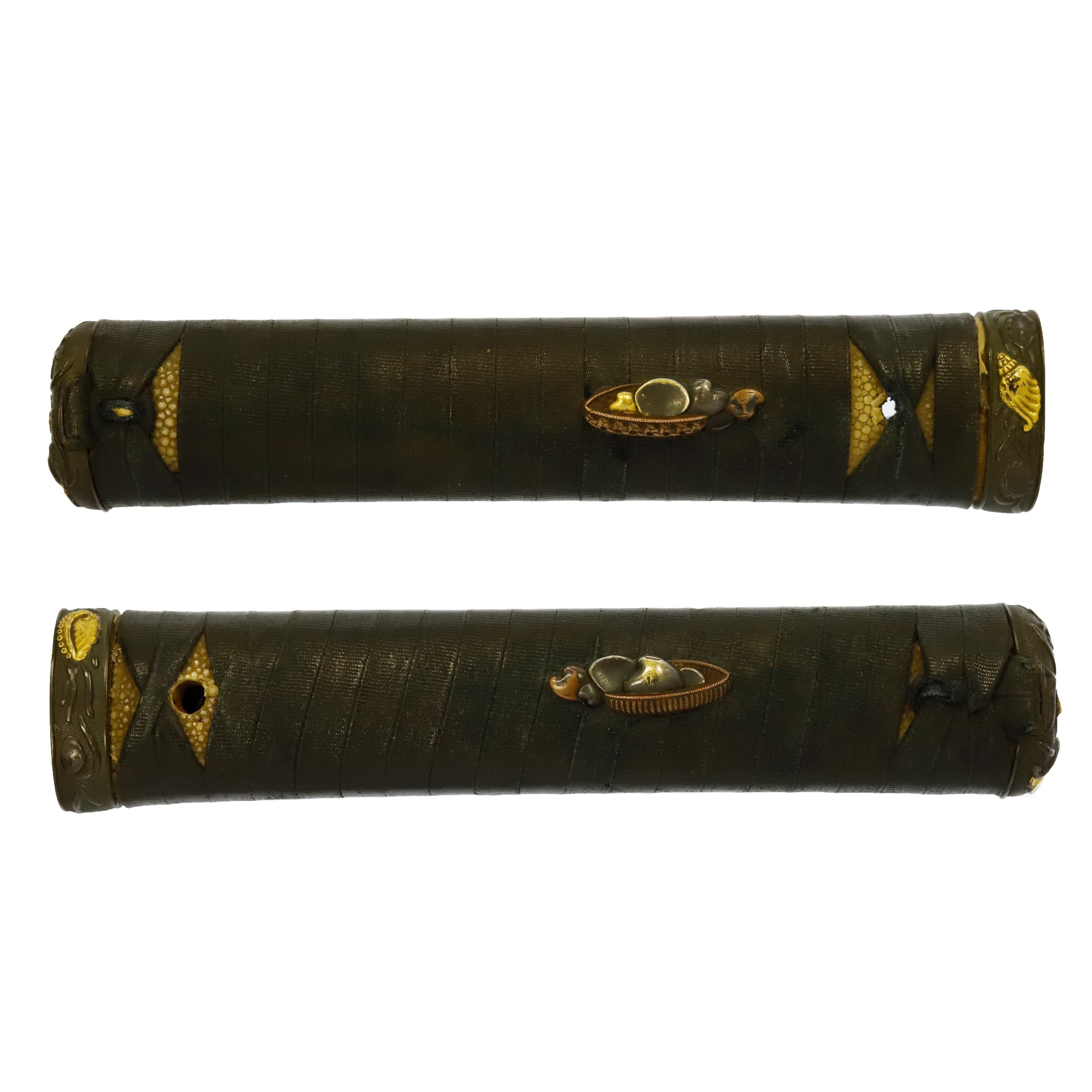
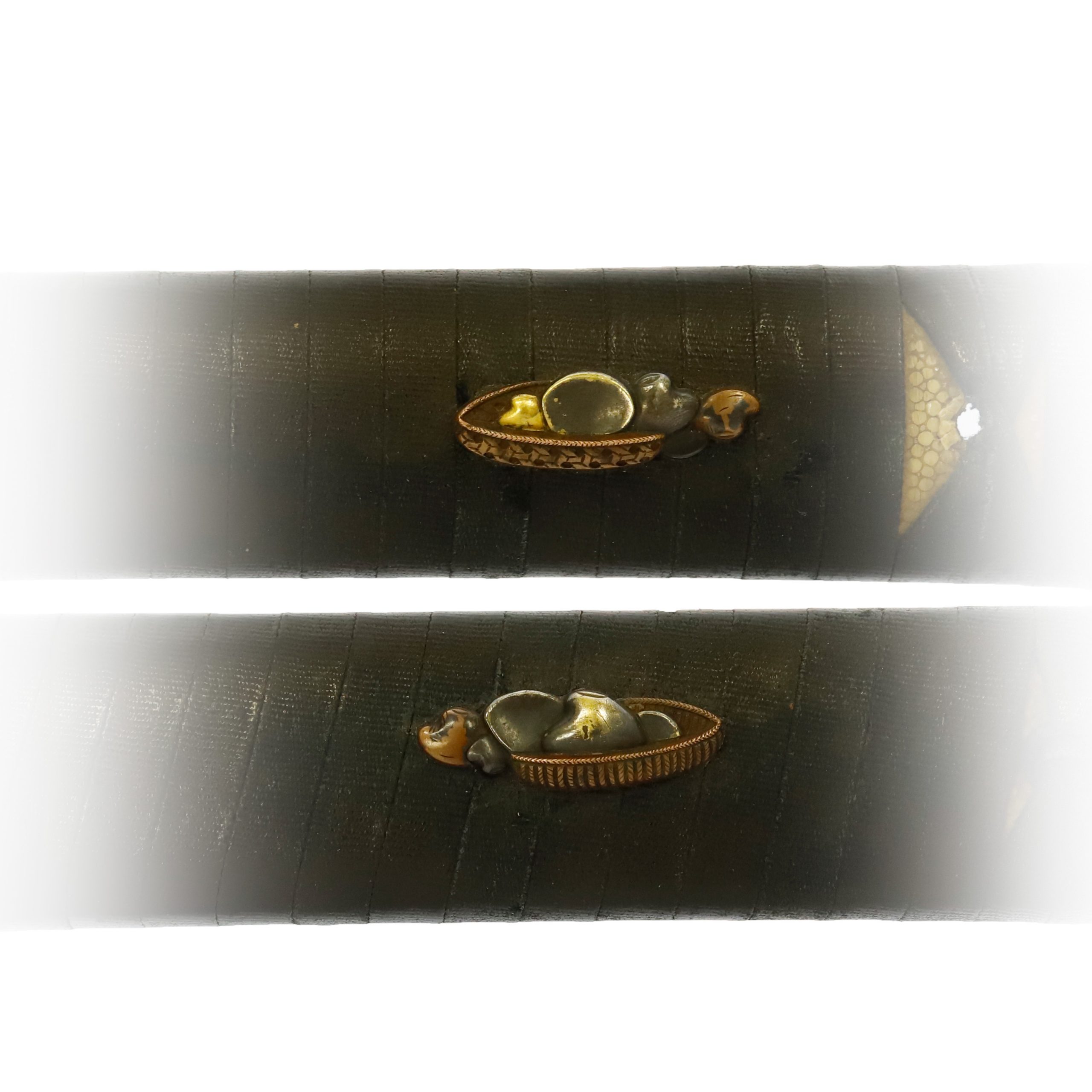
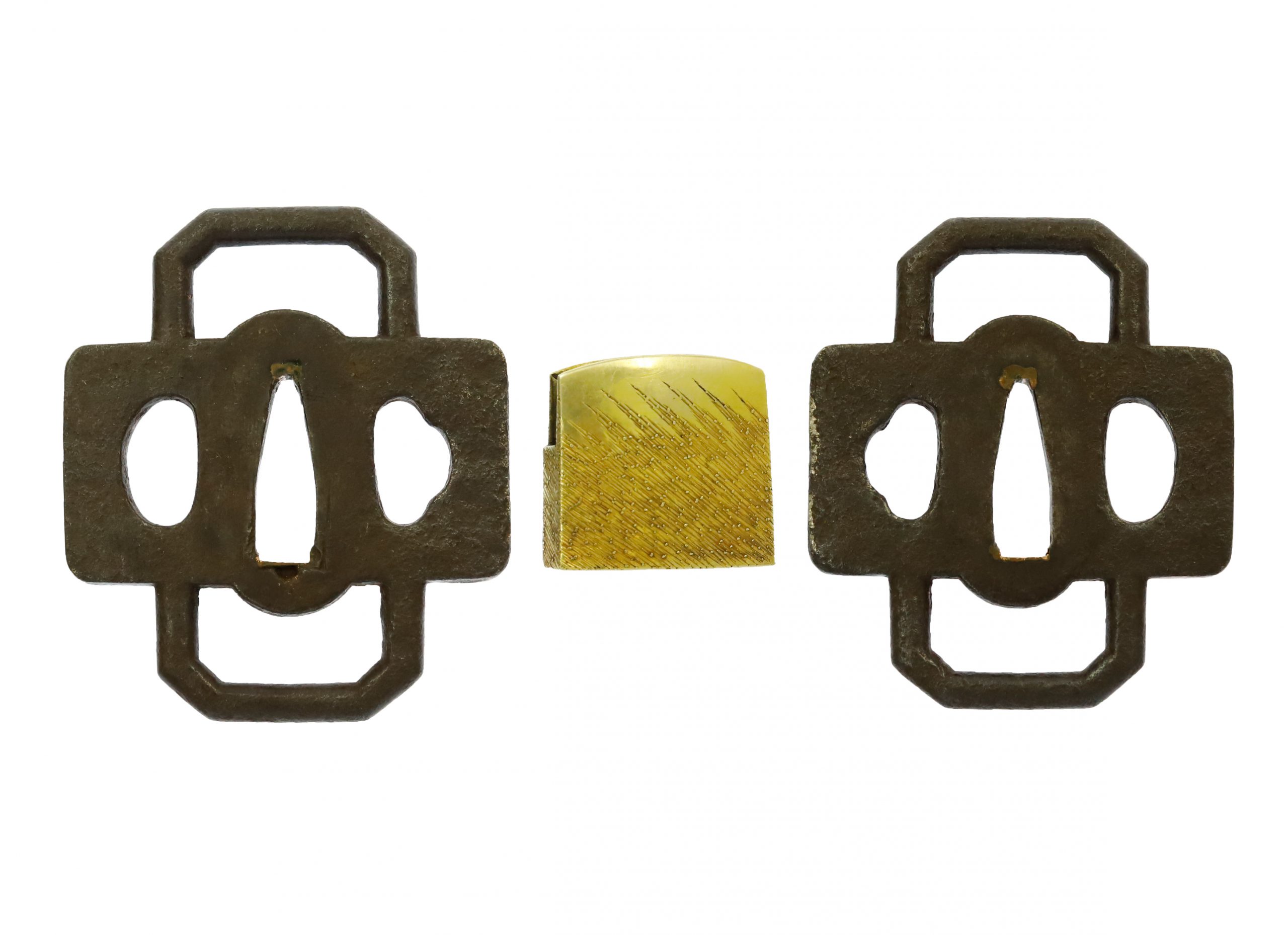
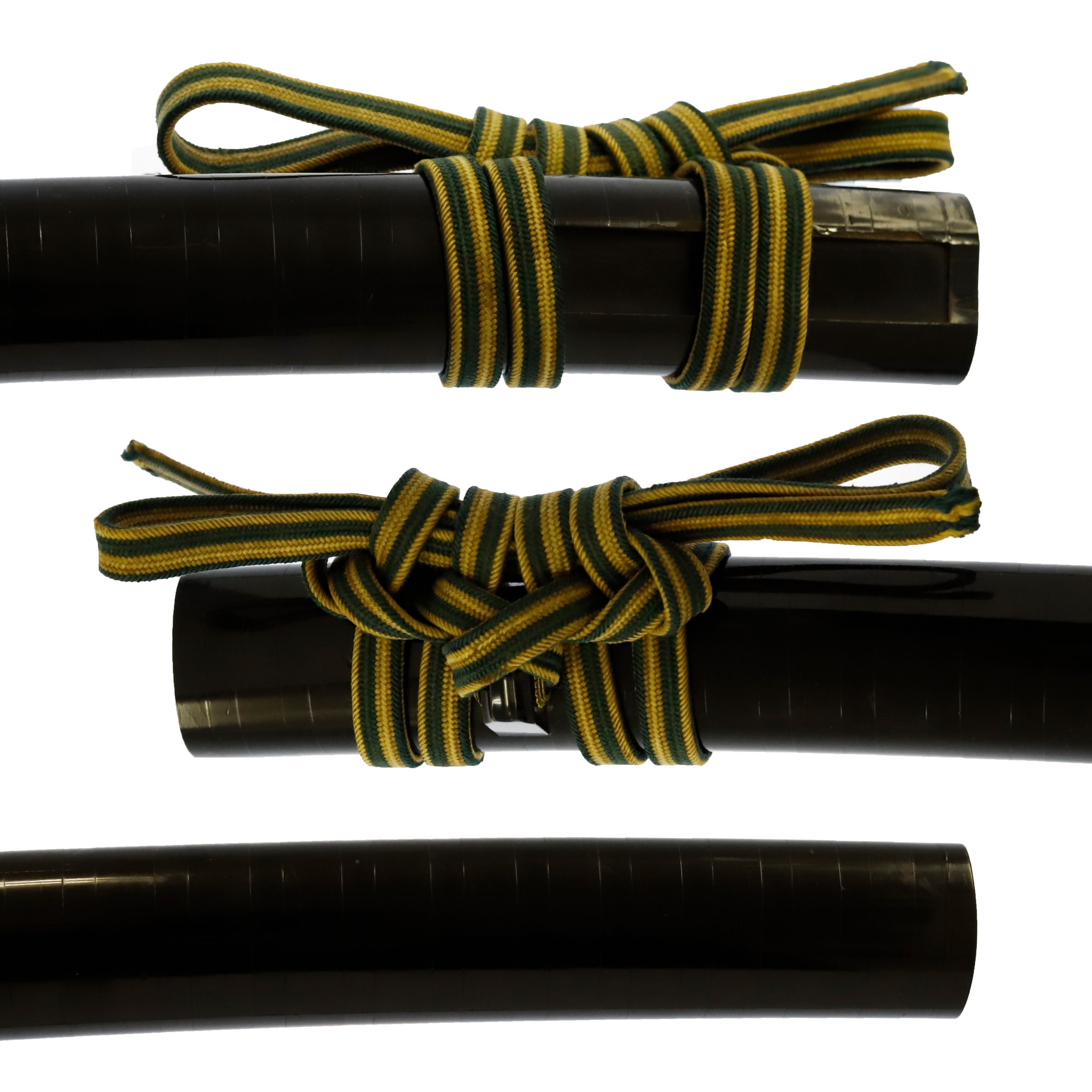
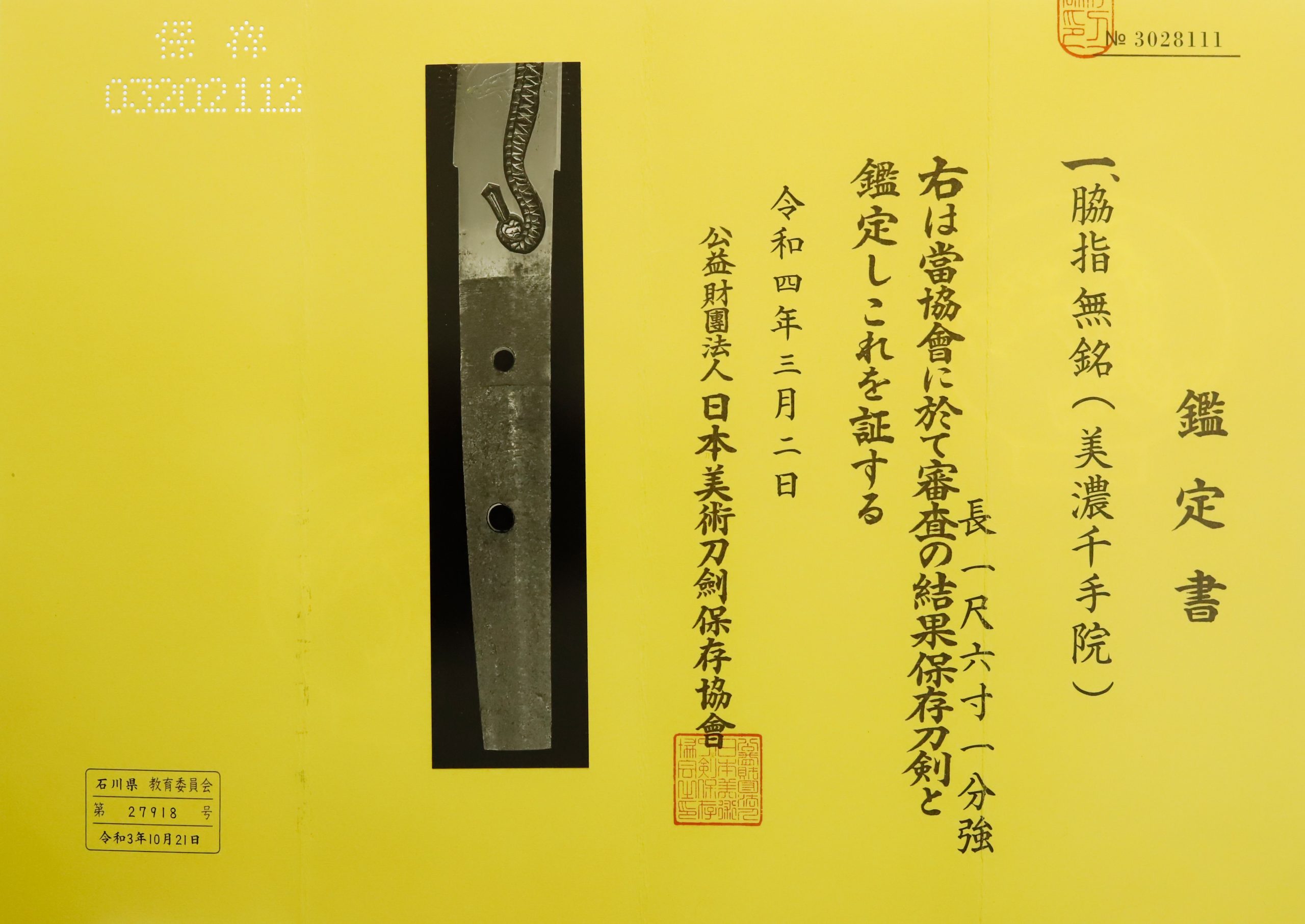
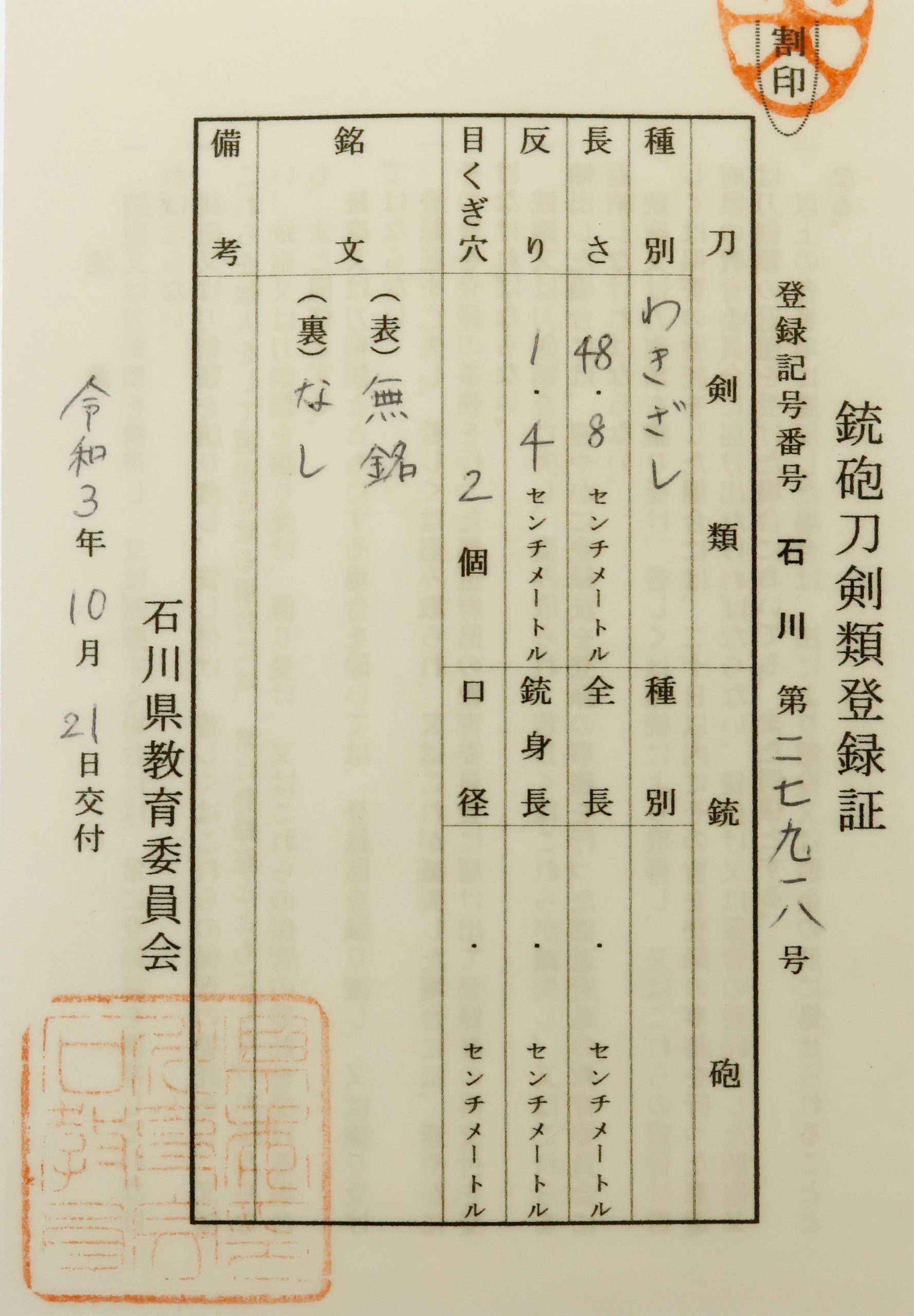
Summary This blade is attributed to Mino Senjuin (美濃千手院), which is one of the most famous schools during the late Nanbokucho-late Muromachi (Mid 14th-Early 16th century) period in Mino province (today’s Gifu prefecture). According to NBTHK that appraised this blade, it was approximately made during the mid-late Muromachi period (Late 15th-Early 16th century). The school was located in Akasaka village near Sekigahara, an essential hub for transportation and military bases from ancient times. It is said that the Mino Senjuin school was founded by Sensui (泉水), the son of Yamato Koku Senjuin Shigehiro. Yamato region was one of the most famous sites for sword-forging during the late Heian-Kamakura period. Sensui moved from Yamato (today’s Nara prefecture) to Akasaka village in Mino province during the Nanbokucho period. Senjuin School in Yamato region There was a temple called Senjudo in Nara prefecture where Senju Kannon (Thousand arms) Budha statue was worshiped. And a group of swordsmiths who lived there was known as Senjuin (千手院). They belonged to Todaji temple. Senjuin School was founded by Yukinobu, who was the son of Yoshiyuki. Yukinonobu was originally a servant for Senjuin temple, a branch of Todaiji temple during the late Heian period (1086-1107), and eventually became an Okakae Kaji for the temple. Engraving A dragon is beautifully engraved on one side. Initially, the dragon was an imaginary creature found in ancient foreign traditions or myths. Furthermore, it is regarded as a symbol of auspicious signs. Its body is likened to nine animals: antlers are deer, the head is a camel, eyes are demons, the neck is a snake, belly is the Mizuchi (蛟, a mythical animal in Japan that looks like a snake and has a horn and four legs), scales are fish, claws are falcons, palms are tigers, and ears are cows. It was thought that the dragon would reign at the top of all animals because of its odd-looking appearance. This blade is appraised as a Hozon Token(保存刀剣) issued by NBTHK(Nihon Bijutsu Touken Hozon Kyokai:日本美術刀剣保存協会). *Please keep in mind that there are a couple of black rusts and Kitae Kizu on this blade while they don’t tarnish its beauty. Horimono Engraving on the blade Fuchi-Kashira We think this Fuchi Kashira’s motif is related to the Menuki, which we will mention later. On the Fuchi part, various types of seashells are designed. Also, seashells and ropes are engraved on the Kashira part. Several shells are colored with golden paint. In Japan, there is a classical pattern called the Kaidukushi (貝尽くし). It is a combination of different types of seashells and is often designed with a seaside scene or wave pattern. You would feel the refreshing atmosphere of summer. Bivalves, especially clams, their shells cannot be combined with any other clam’s frame; therefore, it is believed that its pattern represents happy marriage. Tsuka and Menuki As mentioned above, we guess this Menuki’s motif is also seashells. The figure of many seashells collected on a basket is designed. It seems it was initially decorated with golden and brown colors. Seashell is called Kai (貝) in Japanese. Because of its pronunciation, the seashell has another meaning. There is a word Yarigai (やりがい, worthwhile). As a part of this word has the same accent as Kai (貝 is read as Gai in some cases), Japanese people found this meaning. Also, since seashells are hard and combined only with their pair, people thought it represented a robust defense. Due to these meanings that inspire warriors who go to the battlefields, Samurai might have loved this motif. Tsuba and Habaki This Tsuba has Kozuka and Kougai holes. As ornamental colorings (such as gold or silver) are not applied to this Tsuba, you could enjoy its material color directly. And it shows us its antique texture from its surface touch. We are unsure about the motif, but we guess its symmetrical shape seems like a key or lock. The Kagi (鍵, key) motif has been appreciated in Japan since ancient times. Keys were often used to lock warehouse doors. That is, keys were treated as items to protect treasures. Therefore, people have treated the key design as an auspicious pattern. This motif is also included in the Takaradukushi (宝尽くし) pattern. Authentication Paper They authenticated the blade on Mar. 2nd in the 4th year of Reiwa (2022). They appraised it as Hozon Touken, the blade worth preserving for Japanese society.
Mino Senjuin School美濃千手院派
Offered by Samurai Museum
This piece has sold
6 on the market
Get an email when new Mino Senjuin School work hits the market.

Mino-den · Mino
6 pieces on the market now
Akasaka in Mino Province was the seat of a group the NBTHK setsumei records under two names, Mino Senjuin and Akasaka Senjuin, and the documents are consistent on its descent: the line traces to the Yamato Senjuin tradition, whose craftsmen relocated north into Mino. The setsumei place that migration around the end of the Nanbokuchō period, with the group then flourishing into the Muromachi. According to the Kōsei Kotō Meikan as cited, the founder was Kuninaga, set around the Jōji years, with the line carrying the Kuninaga name onward to the Meiō era; Kunishige is placed near Kenmu and is represented by surviving work. The smiths the setsumei name span this arc: Kuninaga, Kunishige, and Kuniyuki of the Nanbokuchō; the joint spear-makers Hironaga and Hiroshige and the ancient smith Tōga of the Muromachi; and later hands signing Dōei, Dōin, Yasumichi, or simply Senjuin. The documents also chart a parallel current, the Echizen smith Kuniyuki of Tsuruga (signing Esshū or Etsushū) who entered Mino between Ōan 6 and 7, alongside Kaneshige and Tametsugu who likewise moved from Echizen. The shared vocabulary of these blades begins in the forging: itame mixed with mokume that flows toward masame, with grain that stands out (hada-dachi), ji-nie, chikei, and a whitish cast (shirake-gokoro) the setsumei return to repeatedly. The temper divides along two lines the documents describe as habitual. " The other runs hotter: notare mixed with gunome, abundant nie, yubashiri, tobiyaki, and muneyaki building toward hitatsura, the manner that marks the Echizen Kuniyuki current.
The bōshi tends to midare-komi with hakikake and a pointed return. To recognize the hand, the setsumei direct attention to the masame-bearing, whitish ji carrying Yamato traits of hotsure and kuichigai-ba, set against a gunome base that leans toward emerging Mino-den character. For kantei the documents are explicit that this line "consistently displays a stronger Yamato character" than the Seki-mono otherwise encountered, and that its hamon "stands at a considerable remove from typical Mino workmanship," though the jigane keeps it within that milieu. Signed pieces carrying an individual maker's name are noted as scarce, which raises the documentary weight of the dated and signed examples the setsumei single out: the Kuninaga tantō dated Ōan gannen, the signed Kunishige and Kuniyuki tachi, and the Esshū Kuniyuki wakizashi dated Sadaji and Ōan whose signatures incorporate Fujiwara. Among named works the setsumei cite the ōmi-yari signed Senjuin with its vermilion-lacquered long-shaft mounting, the joint spear of Hironaga and Hiroshige, and the wakizashi by Tōga held to copy the Genji treasure Higekiri. Provenance is recorded for the Tōga piece, formerly of Tanzan Shrine in Yamato, donated to the Imperial Household and recorded in Honma's inventory of the Imperial collection, with two further Tanzan blades assigned to the Nanbokuchō. The documents place these works across the Tokubetsu-Jūyō and Jūyō registers and Honma's inventory of the Imperial collection, reading the group as a Yamato offshoot that carried its masame-grounded manner into Mino while the gunome base turned toward Mino-den. Learn more →
| Smith | Era | Designated |
|---|---|---|
| Kuniyuki國行 | 1362-1368 | 8 |
| Doin道印 | 1469-1487 | 0 |
| Yasumichi康道 | 1504-1521 | 0 |
| Kaneuji兼氏 | 1492-1501 | 0 |
| Yasutsugu康繼 | 1532-1555 | 0 |
Mino in the Muromachi period
Sengoku Seki was an industry: smiths organized under their tutelary Kasuga shrine, arming the war bands of central Japan. Magoroku Kanemoto’s sanbonsugi and the finest Kanesada work prove quality survived inside mass production.
Certifies a genuine blade worth preserving: a signature confirmed correct, or, if unsigned, an era, province, and school that the NBTHK can reliably identify.
The NBTHK (Nihon Bijutsu Tōken Hozon Kyōkai, the Society for the Preservation of Japanese Art Swords) is a public-interest incorporated foundation founded in 1948 and supervised by Japan’s Agency for Cultural Affairs (Bunkachō); it is based at the Japanese Sword Museum in Tokyo. Its expert panels physically examine each submitted work (shinsa) and issue a certificate (kanteishō) ranking it by artistic and historical merit. NBTHK papers are the most widely recognized standard of authentication for Japanese swords and fittings.
NBTHK official siteReturns/exchanges limited to defects caused by shipping (except willful misconduct or gross negligence by the company); customers must contact within 72 hours of receiving the product.