Muromachi turned sword making into an industry: the uchigatana rose with massed infantry warfare, Osafune and Seki produced bundle swords beside custom orders, and the Ming trade carried Japanese blades abroad by the tens of thousands.
 NihontoWatchNihontoWatch
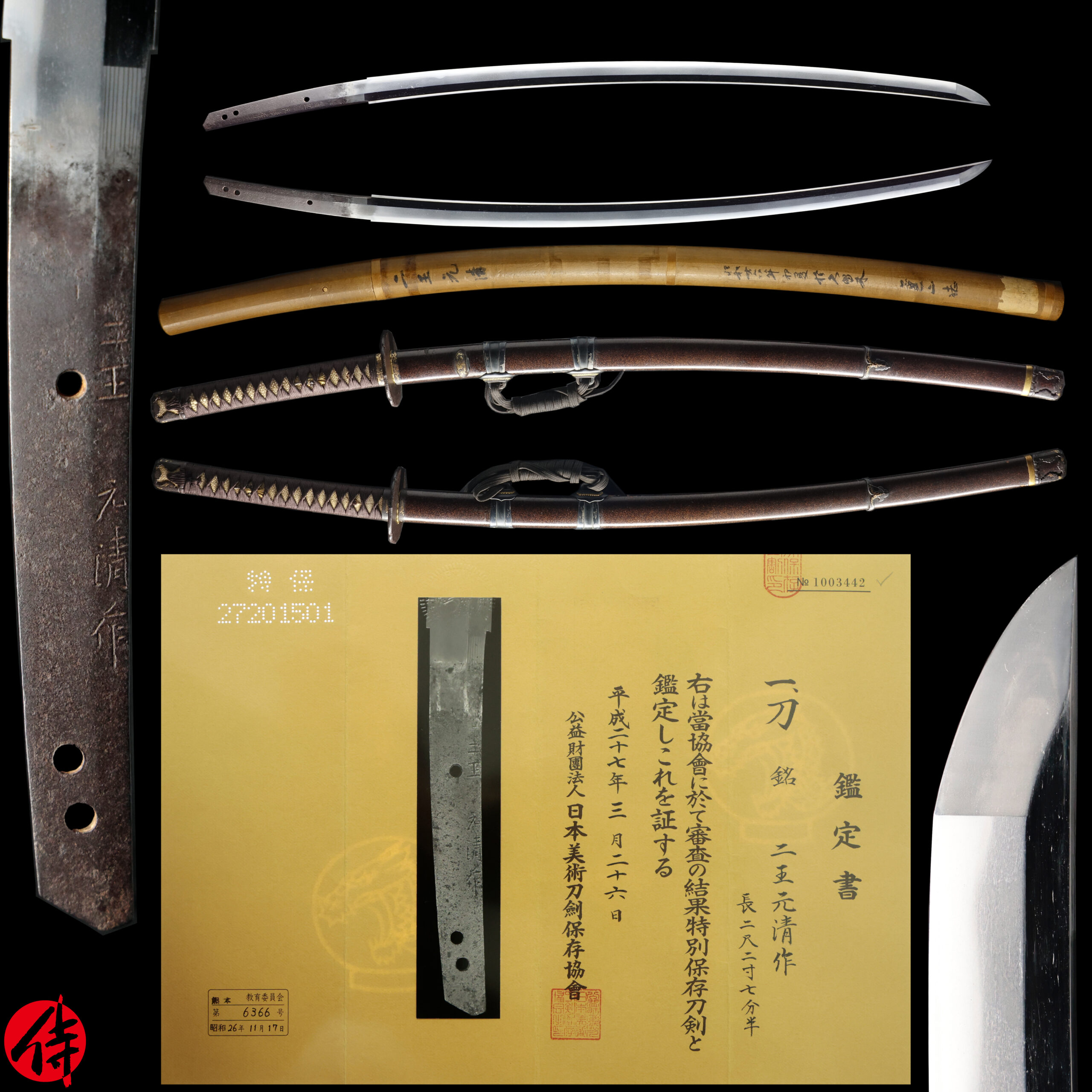
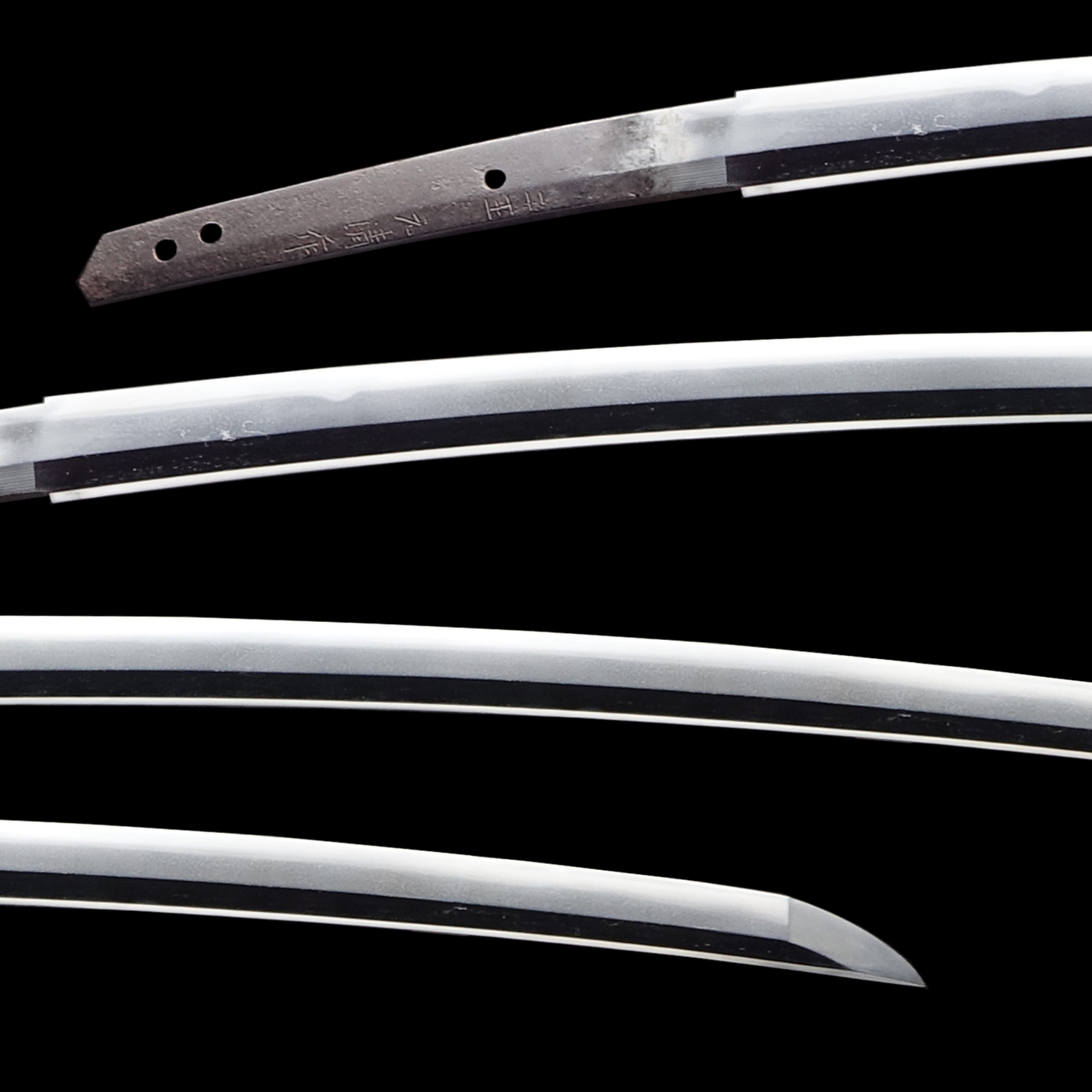
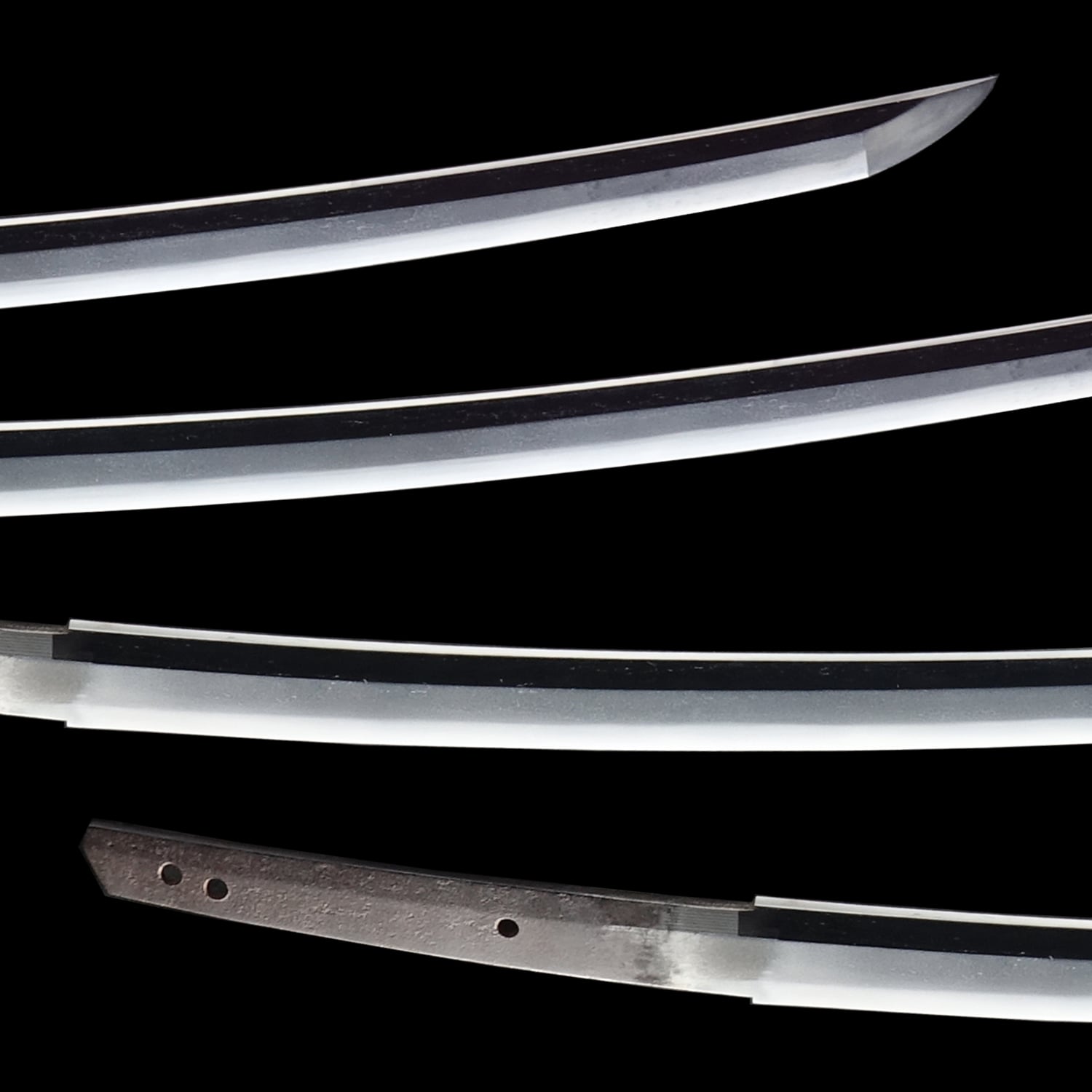
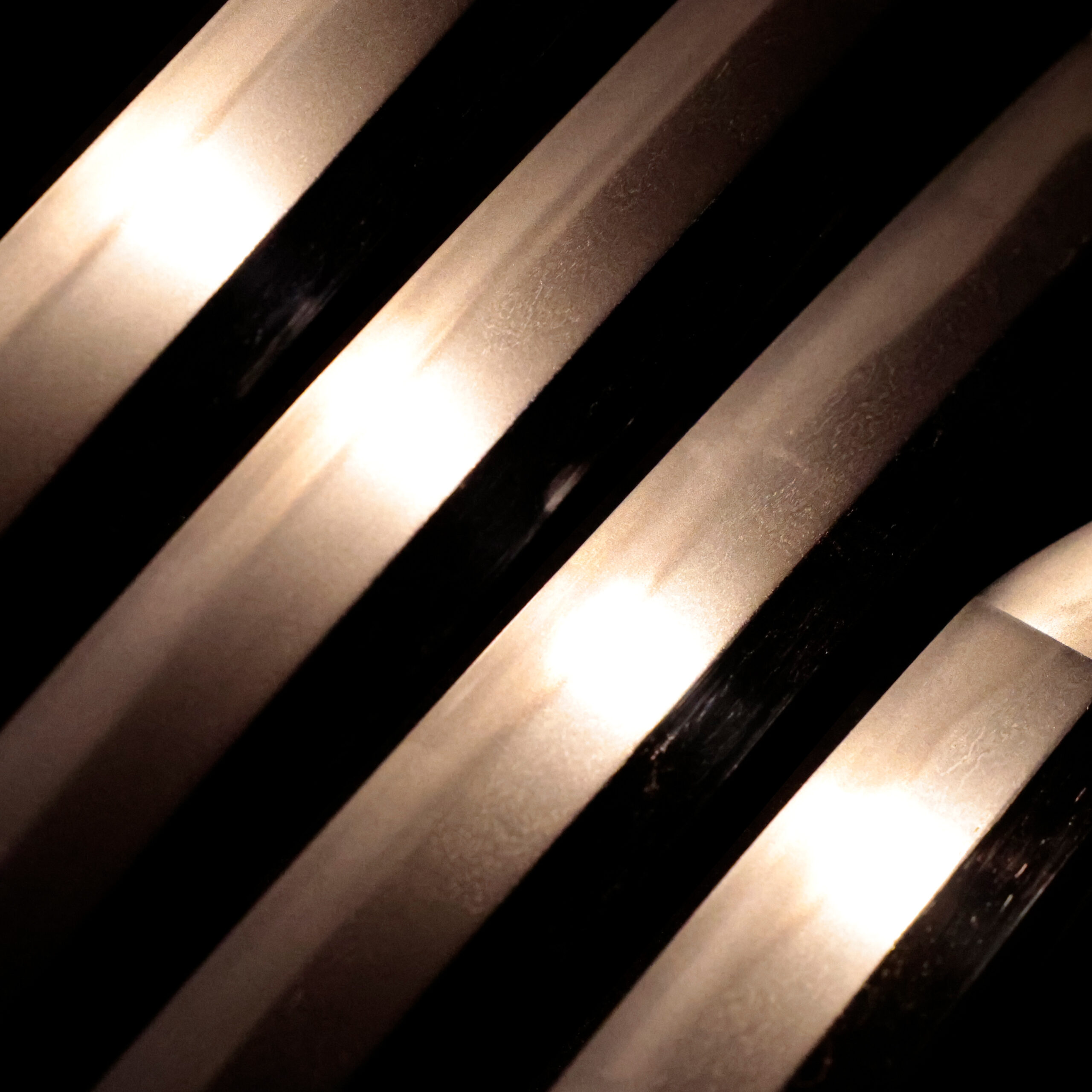
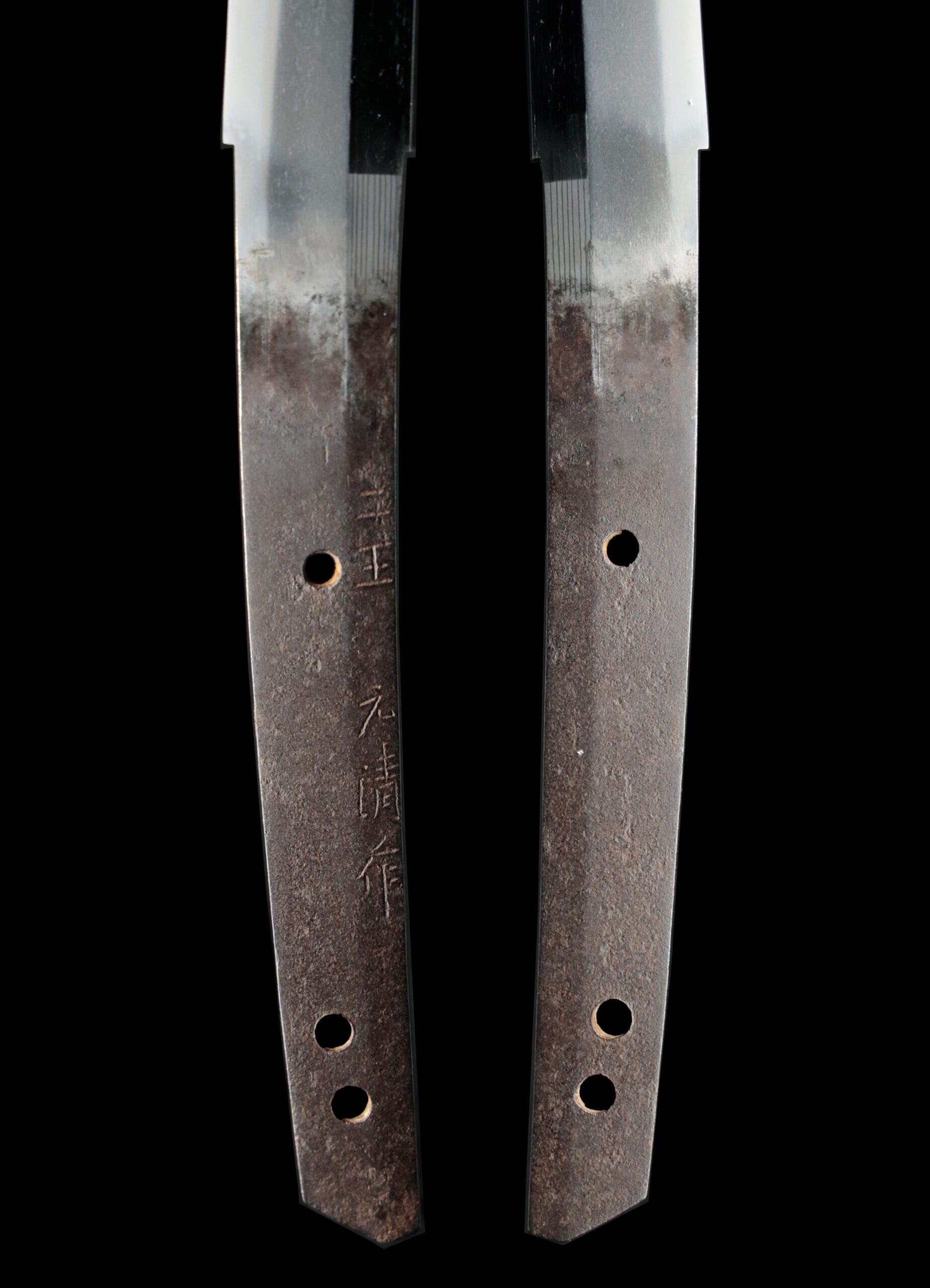
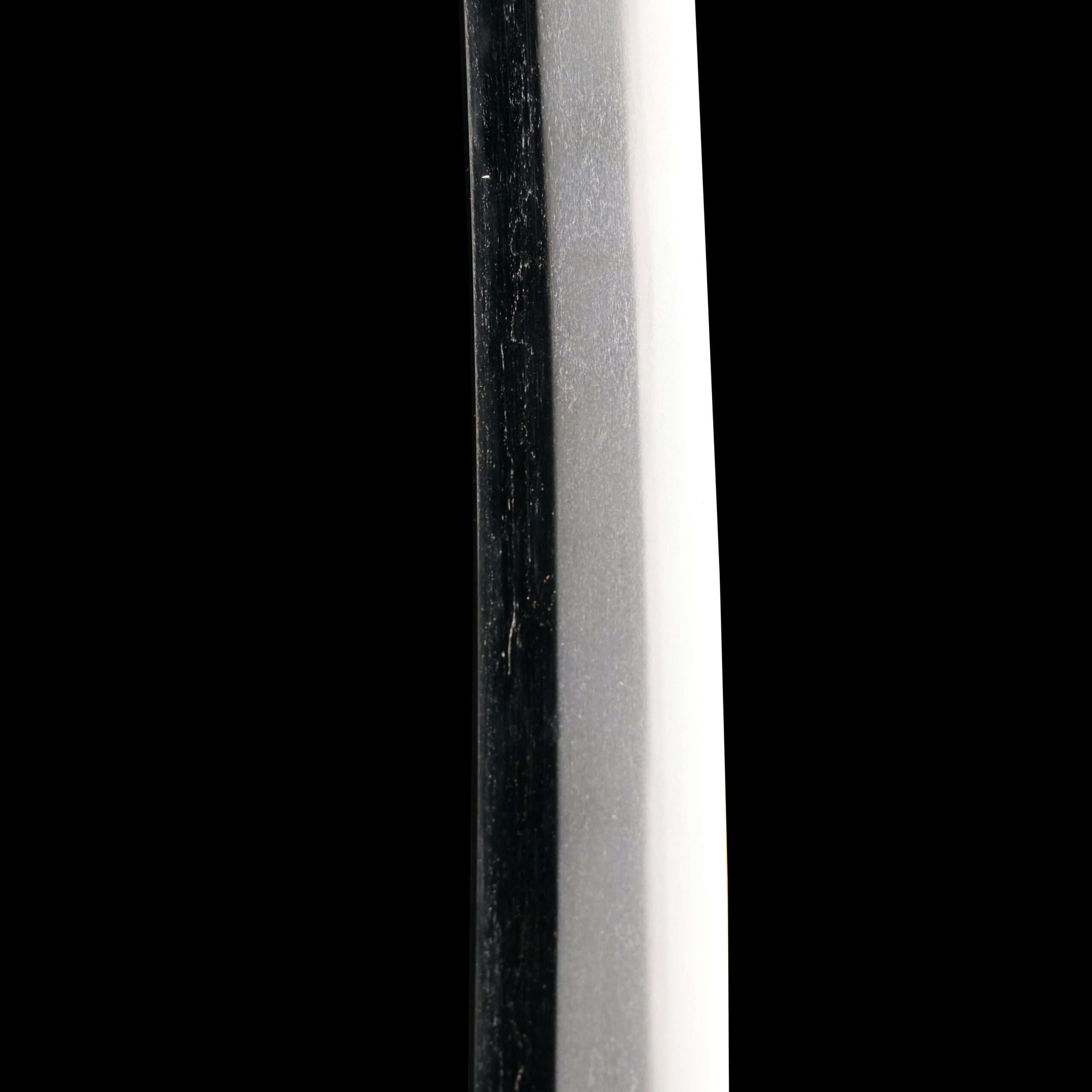
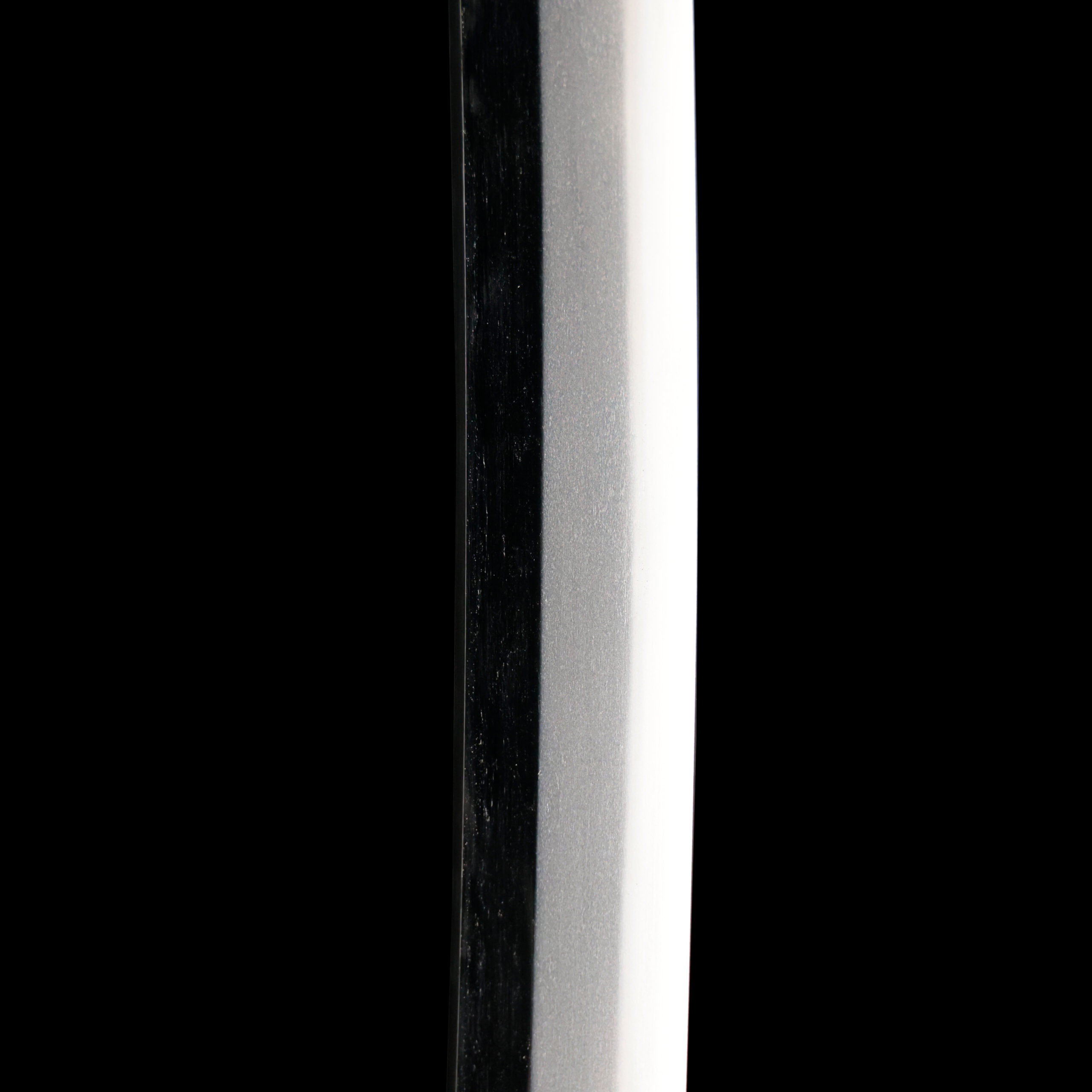
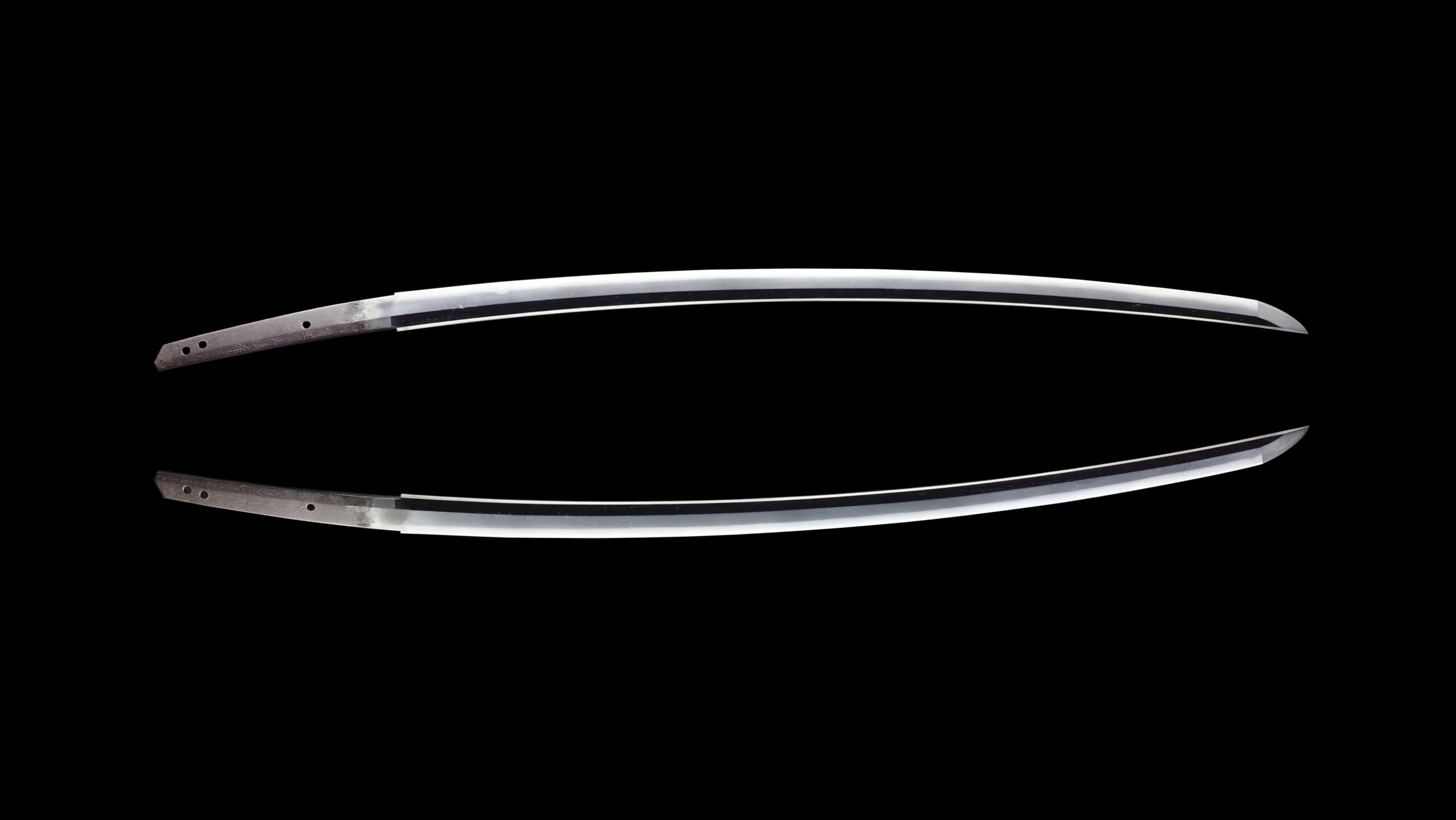
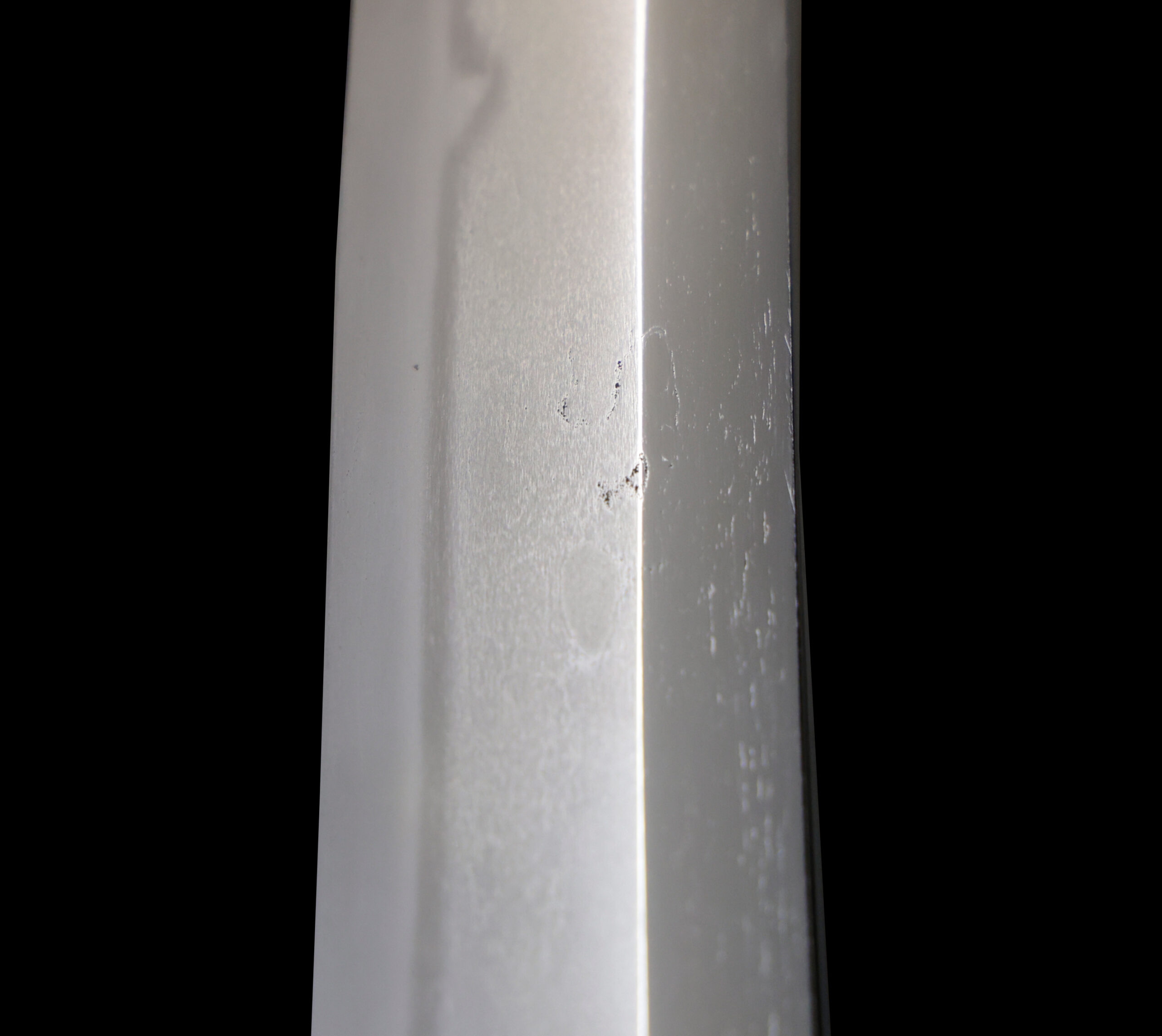
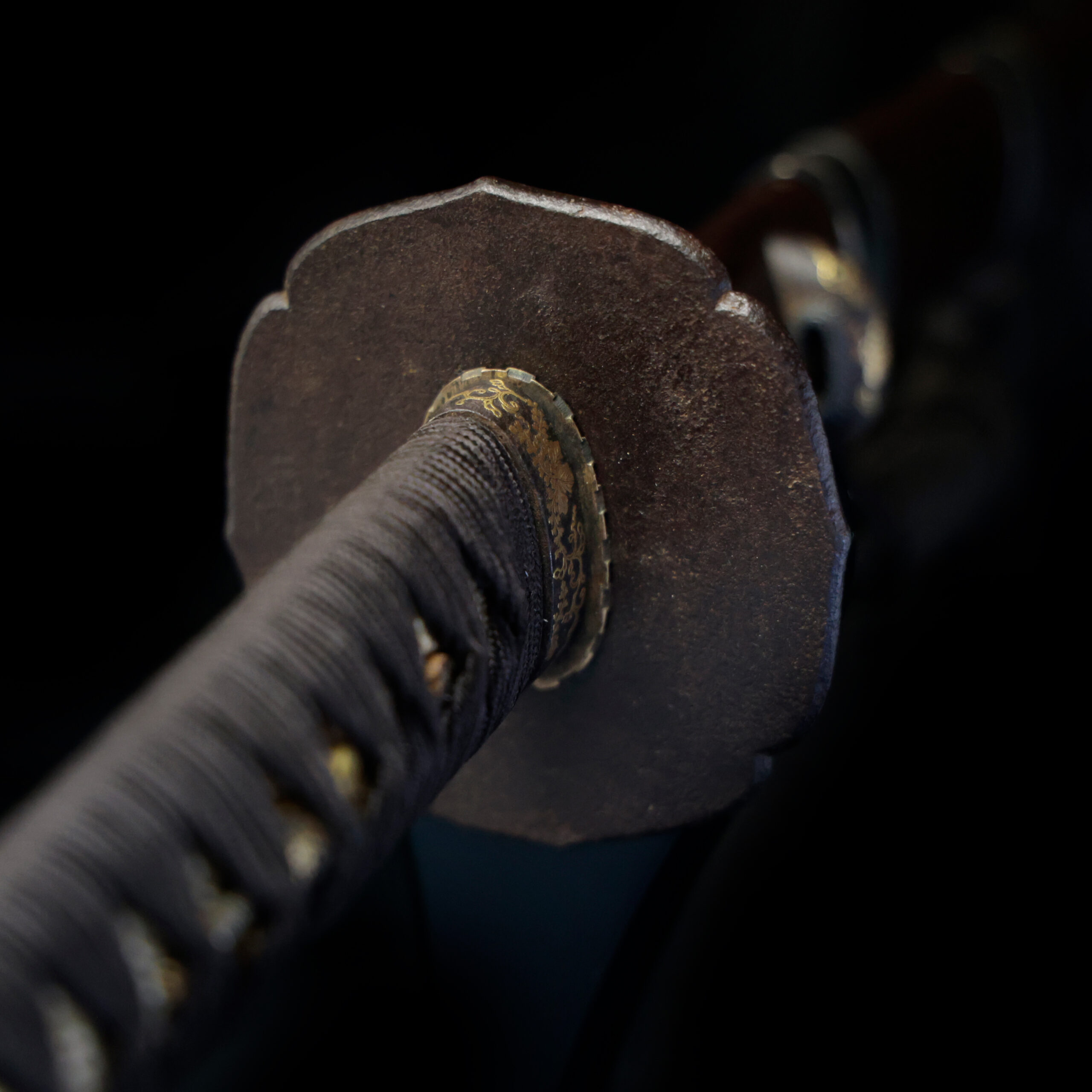
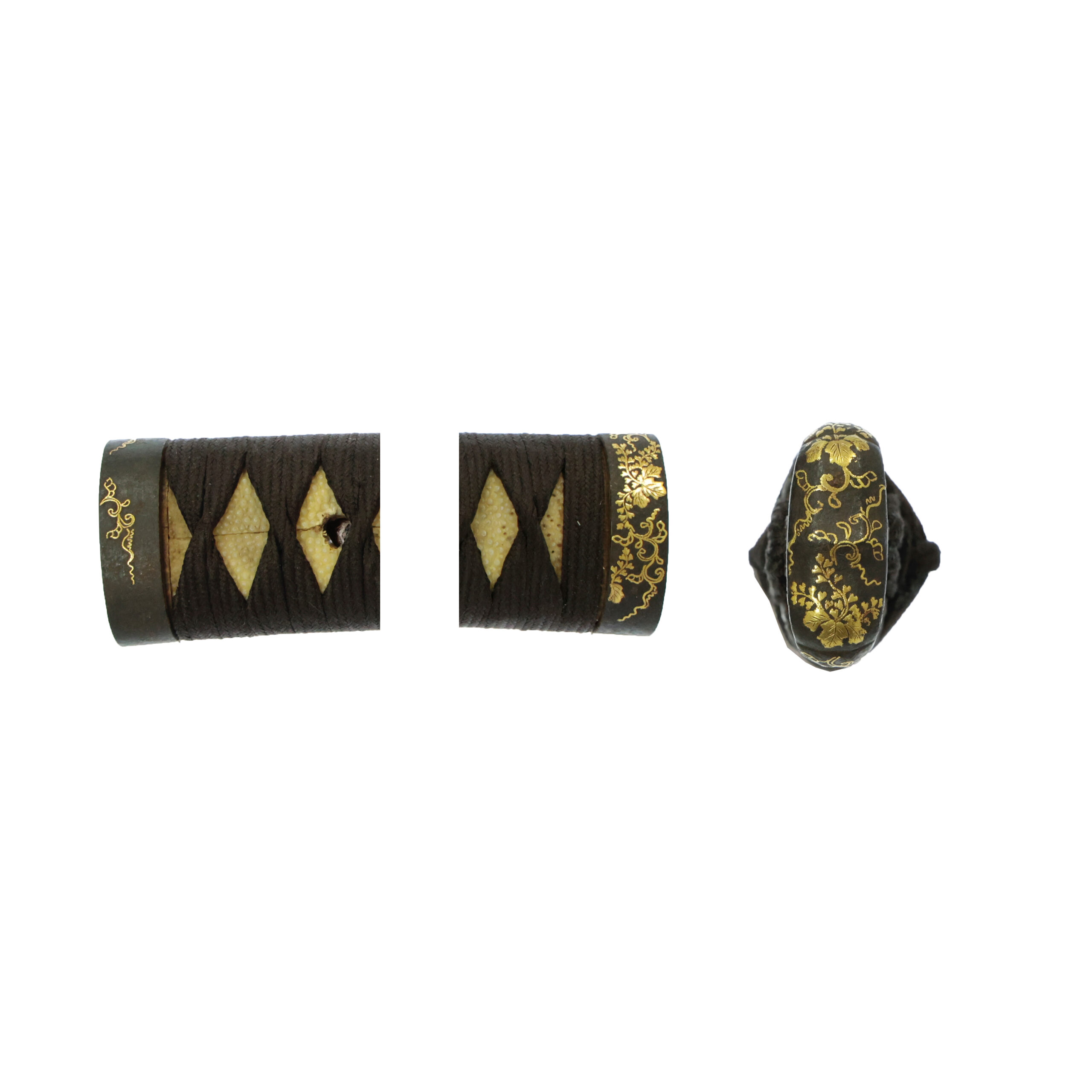
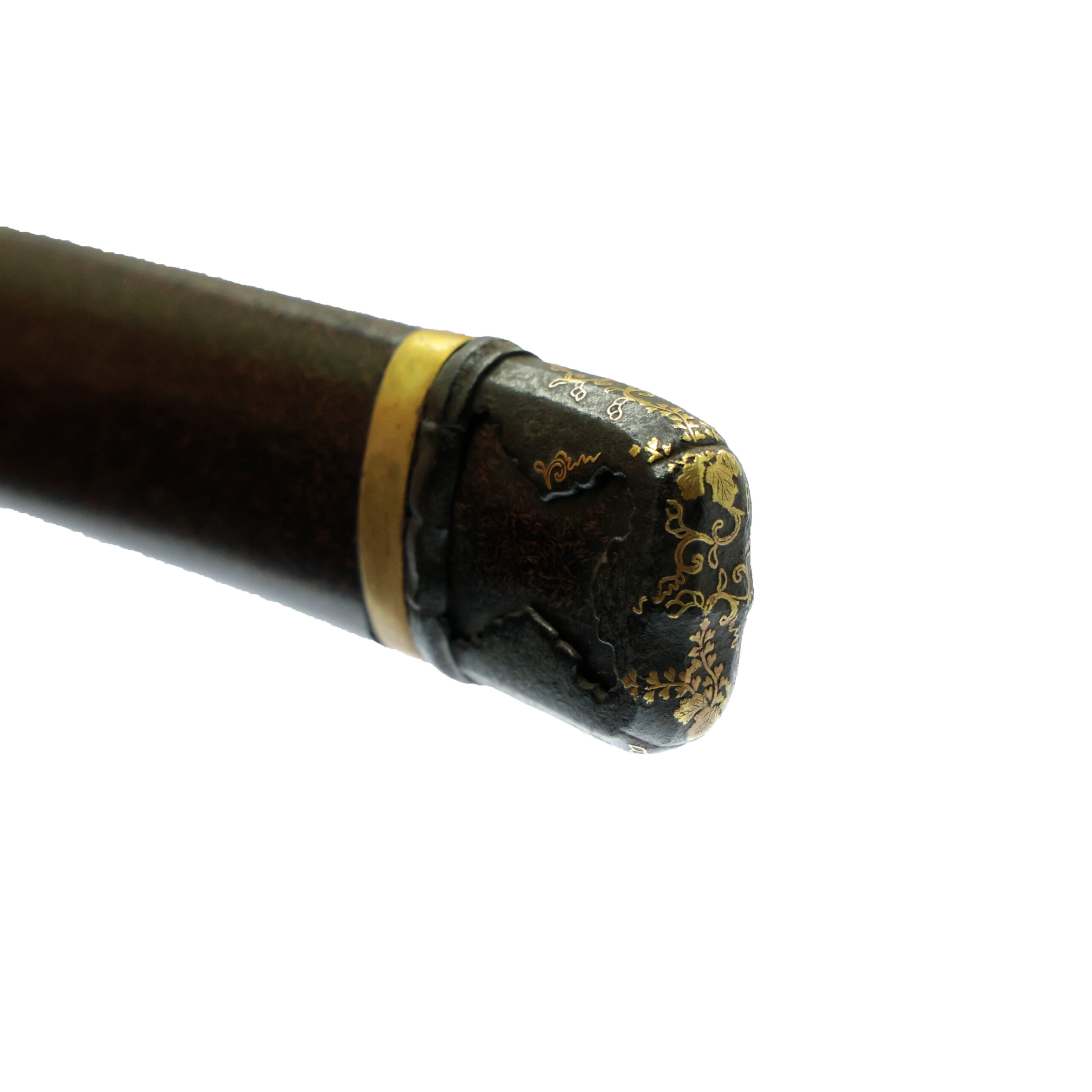
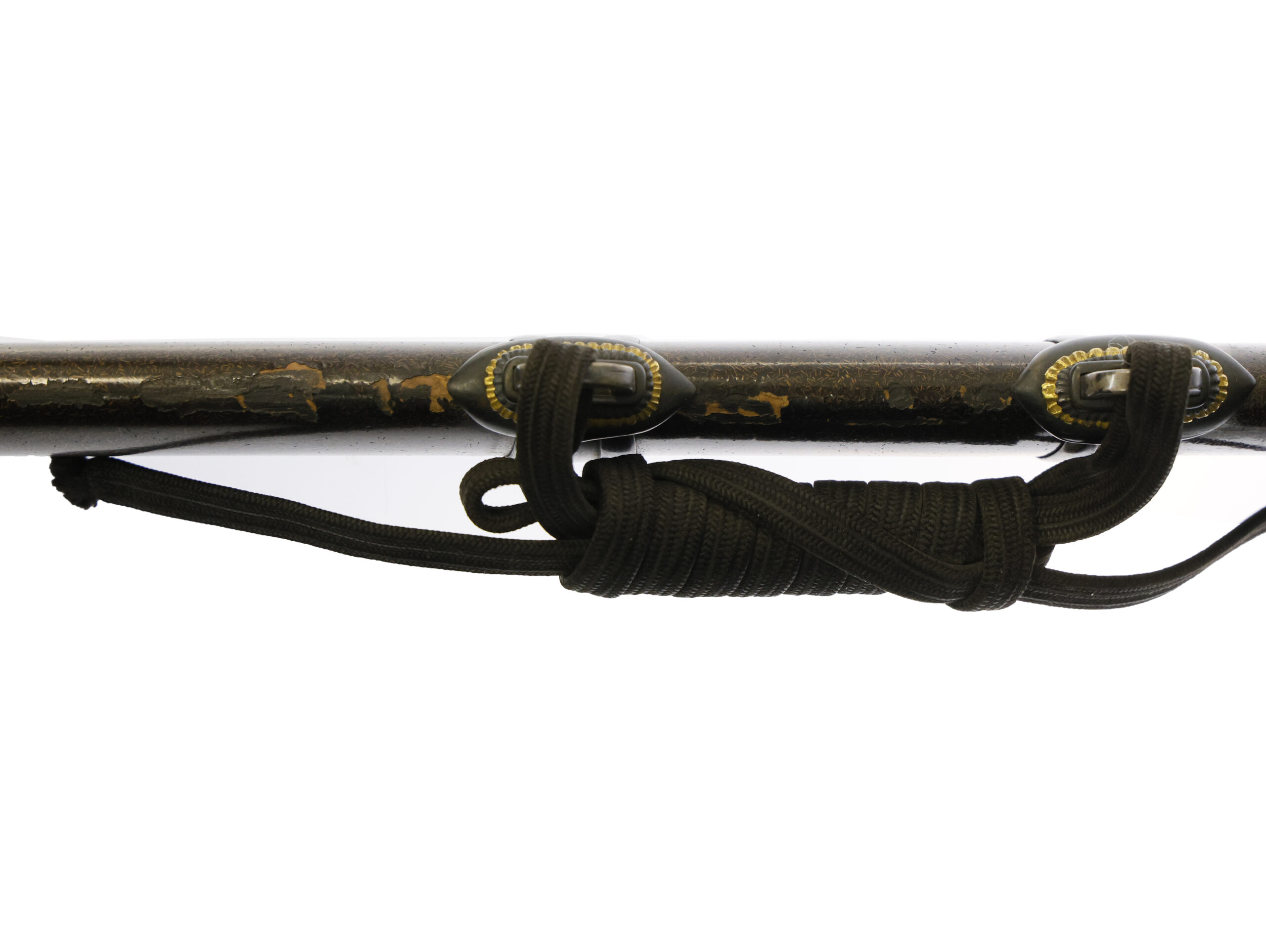
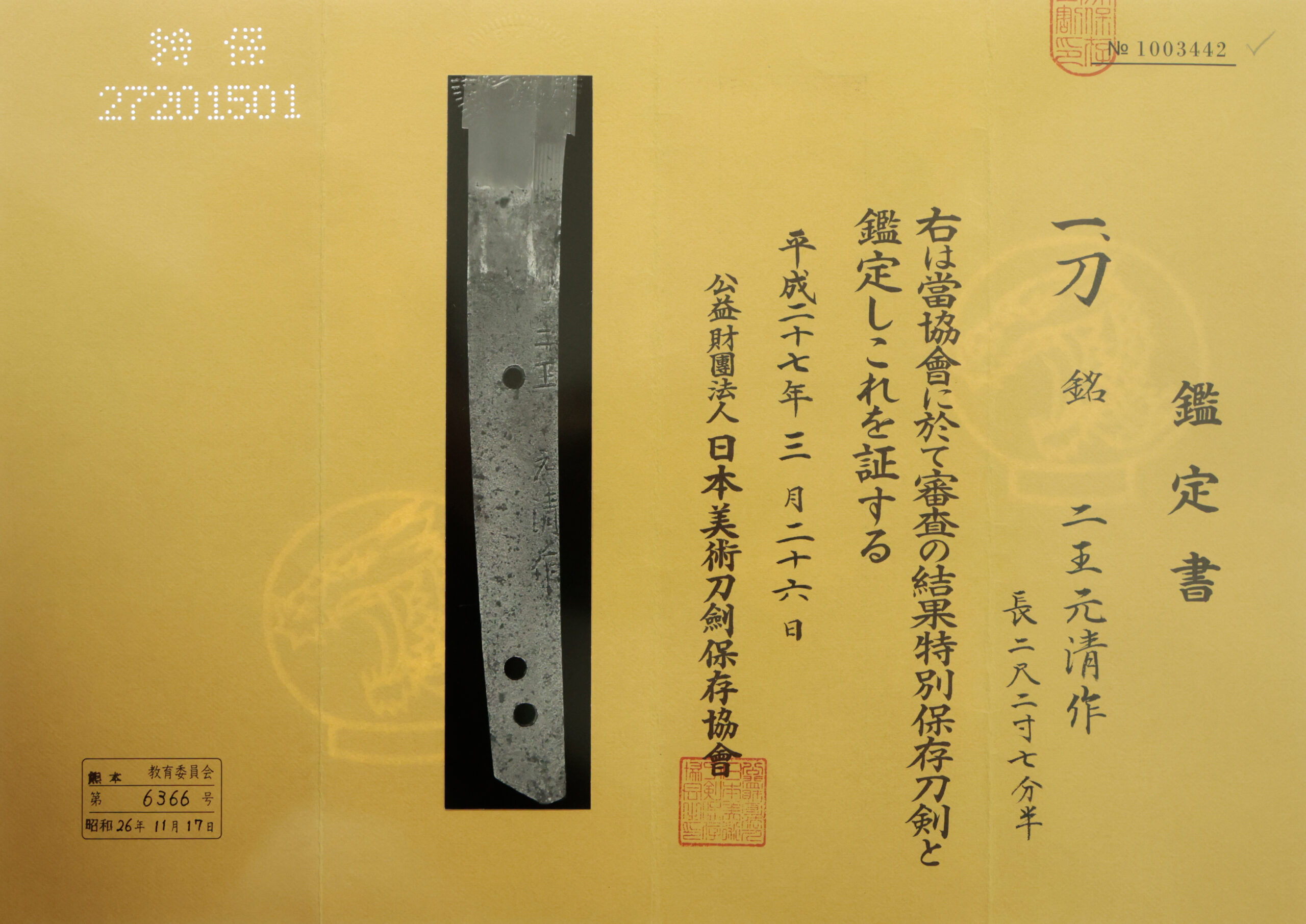
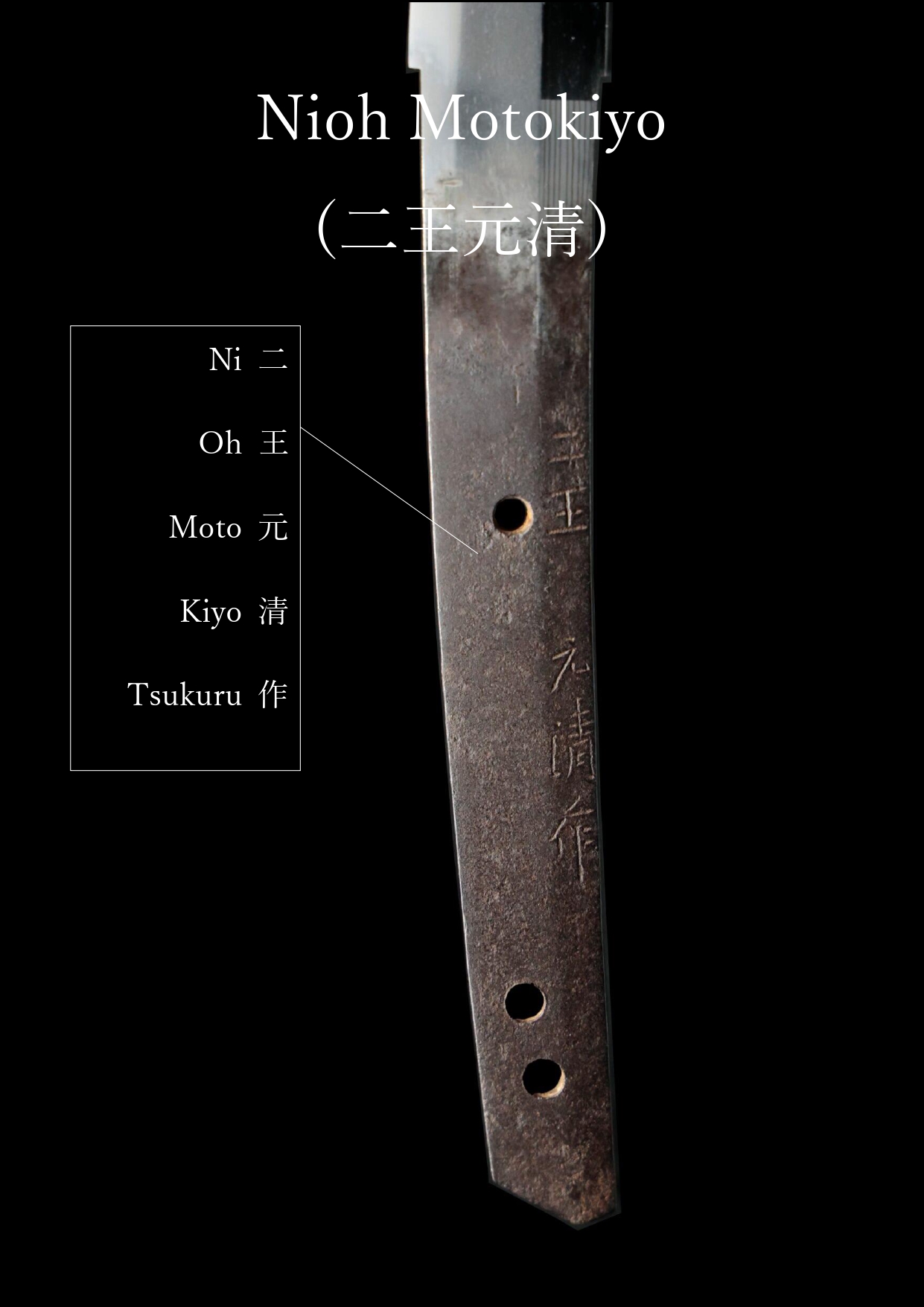
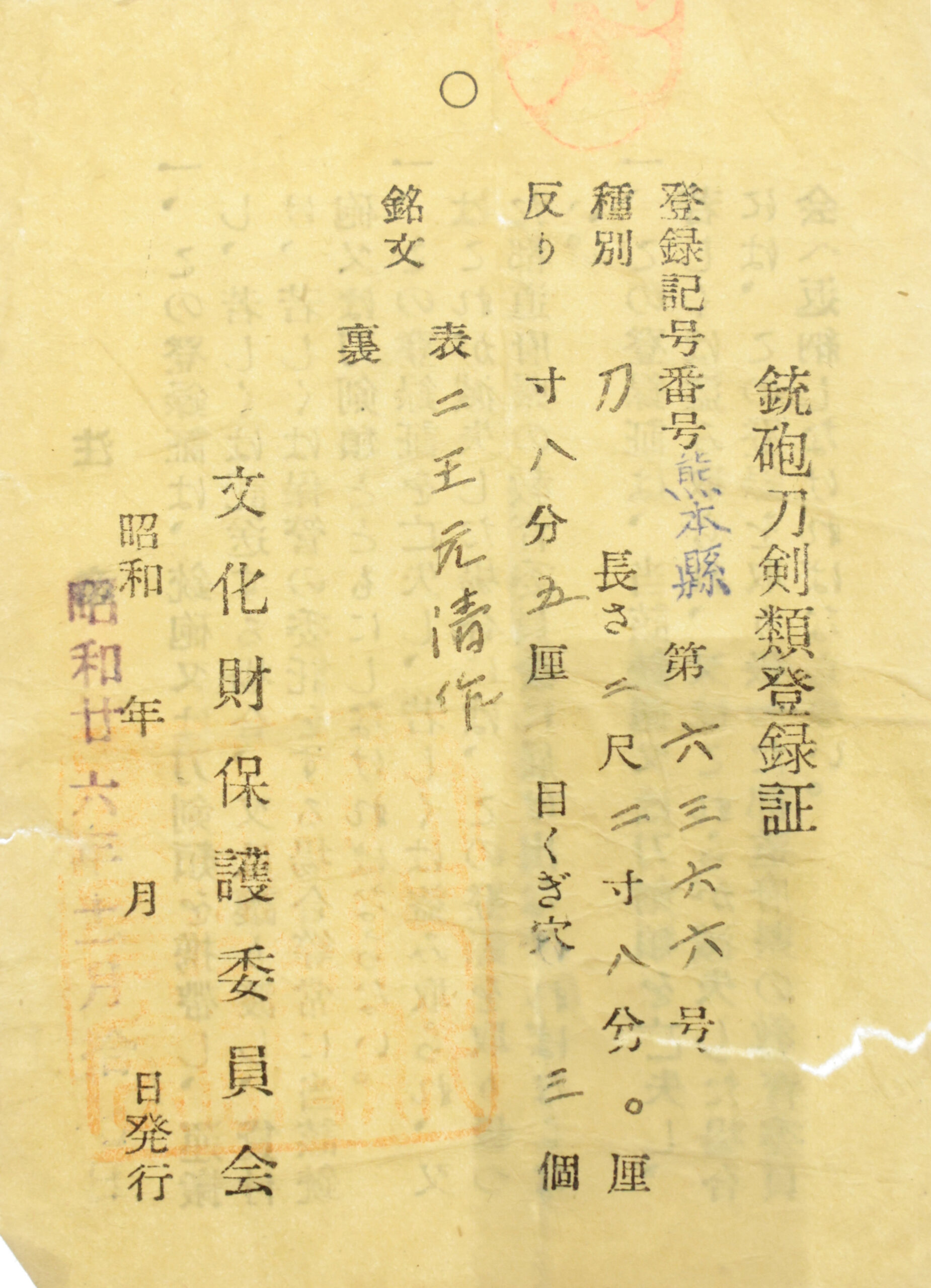
This blade was signed by Nioh Motokiyo (二王元清) who was active during the late Muromachi period (Eisho era: 1504-1521). Motokiyo belonged to Nioh school, a prestigious school located in Suo domain (Today’s Yamaguchi prefecture). Nioh school flourished from the mid-Kamakura period to the late Muromachi period(500-750 years ago) and lasted until the Edo period (150—400 years ago). The school was founded by Nioh Taro Kiyotsuna (二王太郎清綱) in Suo Province (today’s Yamaguchi prefecture). According to his remaining work, the oldest blade was forged in 1265. It is currently enshrined in Itsukushima Shrine in Hiroshima. It is said that he started to forge swords in around 1205 (early Kamakura period). The Nioh swordsmiths inherited the part of its founder’s name 清 (Kiyo) such as 清房 (Kiyofusa), 清長 (Kiyonaga). There were a lot of lands in Suo Province controlled by the Todaiji temple in the Kamakura-Muromachi period. It is said that Nioh school and Yamato swordsmiths from Nara prefecture had a strong relationship and technological exchange. That is why the blades forged by Nioh swordsmiths had a strong influence from YAMATO-DEN. *Todaiji temple is located in Nara prefecture. Before the Edo period, temples and shrines gained strong political influence. The name Nioh came from the legend that the Tachi blade forged by Kiyotsuna (the founder of Nioh school) was able to save the Nioh statue by cutting the chain connected to it when Nioh temple was on fire. Another theory was that Nioh swordsmiths lived in a village called Nioh no Sho (二保庄) and started to call themselves Nioh swordsmiths. While it was very common for an antique Japanese sword made during or before Muromachi period to get shortened for Suriage (size adjustment), This blade remains its original length. And, it has Suguha tempering line, one of the most traditional tempering line in Japanese sword-forging. We are confident you will be amazed to see the beauty this sword holds in person. It is appraised as a Tokubetsu Hozon Token (特別保存刀剣) issued by NBTHK (Nihon Bijutsu Touken Hozon Kyokai:日本美術刀剣保存協会). *Please keep in mind that there is one noticeable Kitae Kizu on the blade. Fuchi-Kashira The combination of Kiri (桐, paulownia) and Karakusa (唐草, arabesque) pattern is gorgeously designed on this Fuchi Kashira. The Kiri pattern generally comprises three standing straight inflorescences and three leaves. The number of blooming flowers at each inflorescence means the ranks of this design. The Gosan-no-Kiri (五三の桐) pattern is a popular design that the paulownia motif is used. According to tradition, the Houou (鳳凰, Fenghuang) rests its wings at the paulownia tree; therefore, it has come to be regarded as a holy plant. Also, the Karakusa pattern is a design in which vine stems and leaves are twined and make curves. Since ivy has a strong vitality and grows without interruption, people regarded this design as a symbol of prosperity and longevity. Tsuka and Menuki We assume the motif of this Menuki is the Minogame (蓑亀). The name Mino (蓑) means a straw raincoat and Kame (亀) means a turtle. In real life, turtles called Minogame usually grow the seaweed and algae on their shell. The Minogame depicted on this Menuki has a tail resembling a farmer’s straw coat. According to a theory, it is said that the Minogame lives long enough to have seaweed attached to its tail, which becomes like a straw raincoat. Also, this kind of Minogame’s design was brought to Japan from the continent in the Heian period. Then, it is regarded as a auspicious creature and believed as a symbol of longevity and wisdom in Japan. Tsuba and Habaki This Tsuba has a simplified Tachi Goshirae Tsuba (太刀拵鐔) style. The difference between Tachi Tsuba (太刀鐔) and Katana Tsuba (刀鐔) is that the top and bottom positions of the Nakago hole (茎櫃, center hole) are reversely used. The Tsuba of this Koshirae has Aoi (葵) Tsuba shape. Saya *Please keep in mind that there are a few places where some lacquer come off. If you like to know the detailed condition of the Saya, please feel free to contact us. The Kiri and Karakusa pattern combination is designed on this Saya, like Fuchi Kashira. Authentication Paper They authenticated the blade on March 26th in the 27th year of Heisei (2015). They appraised it as Tokubetsu Hozon Touken, the blade especially worth preserving for Japanese society.
Motokiyo元清
Offered by Samurai Museum
This piece has sold
Get an email when a new Motokiyo piece hits the market.

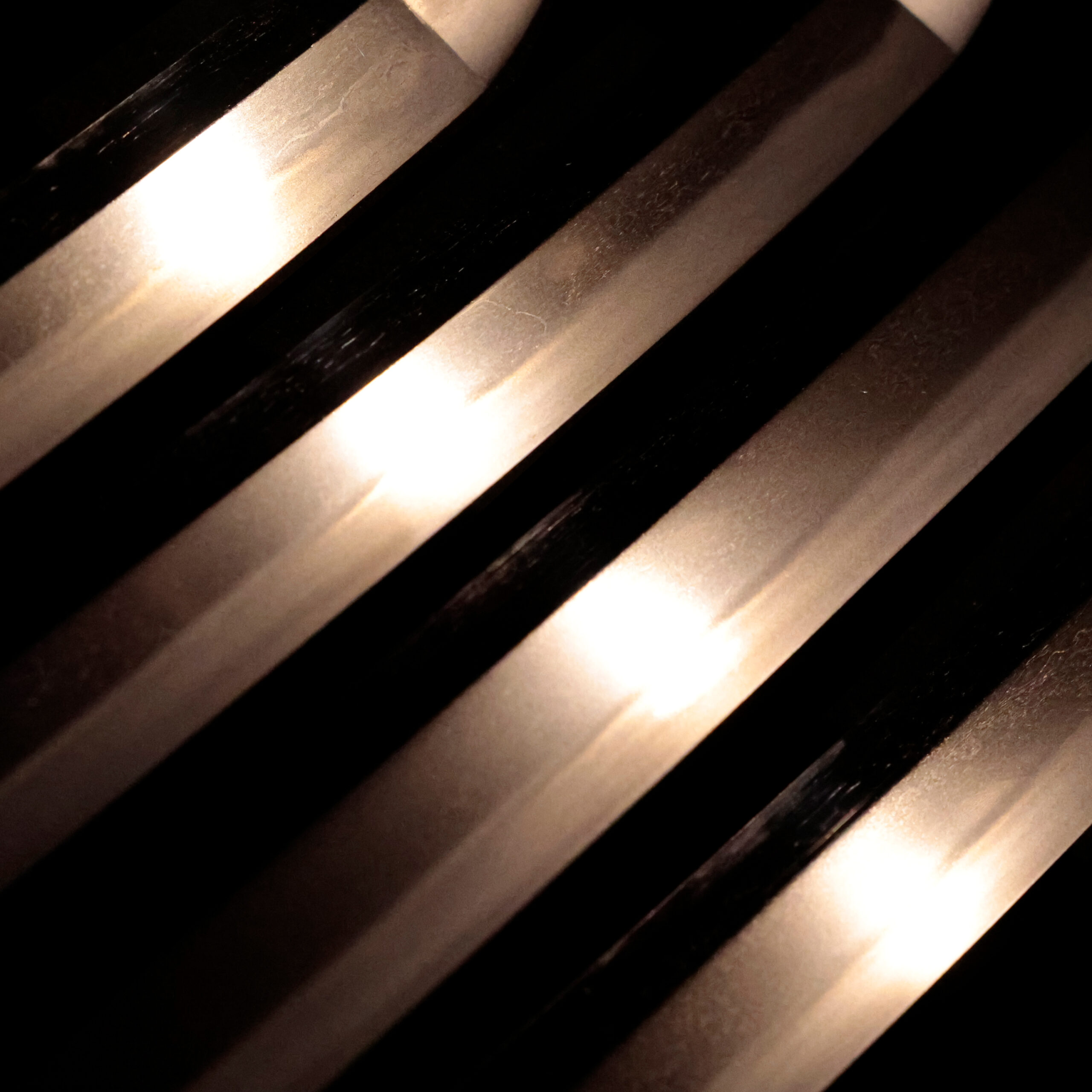
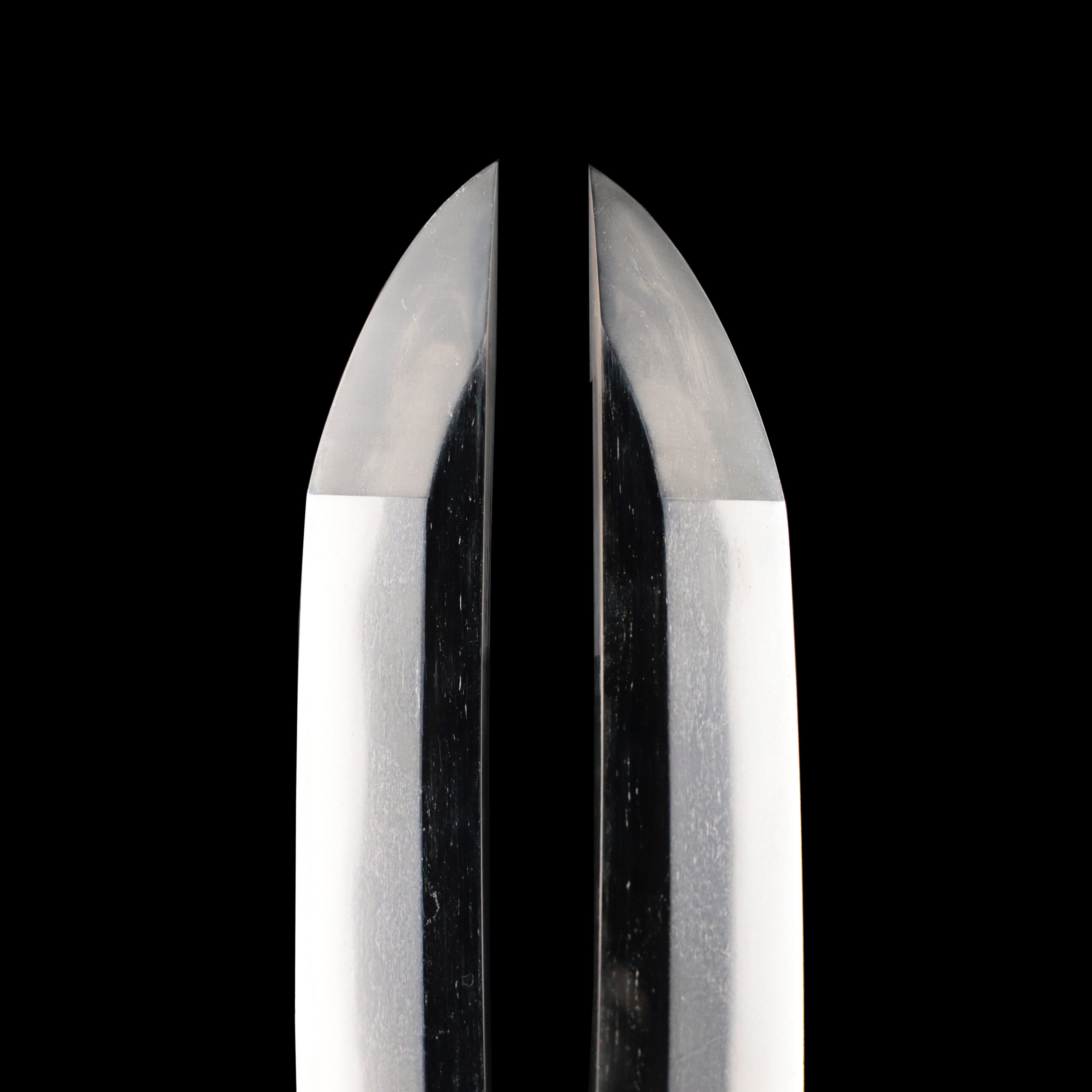
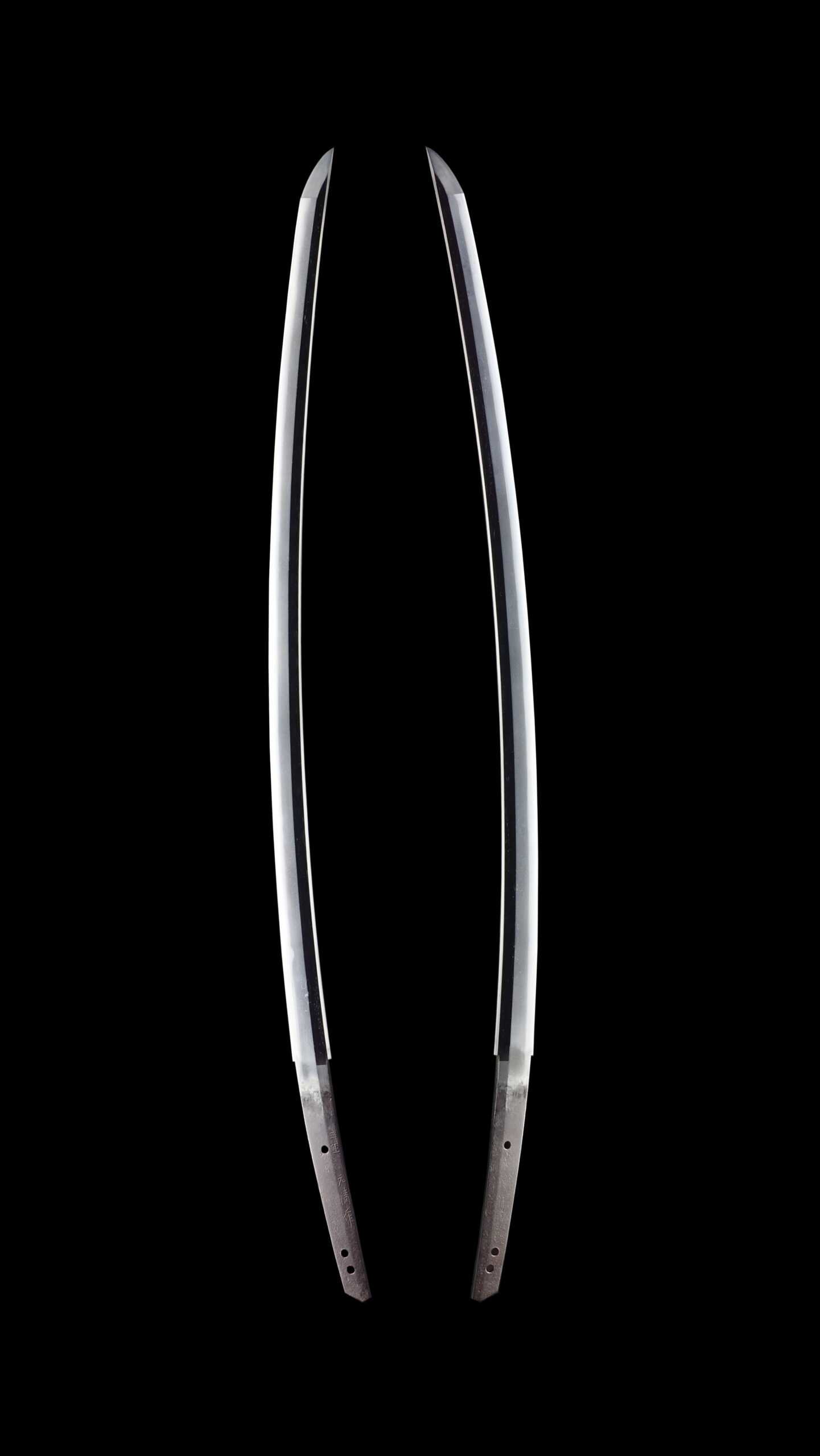
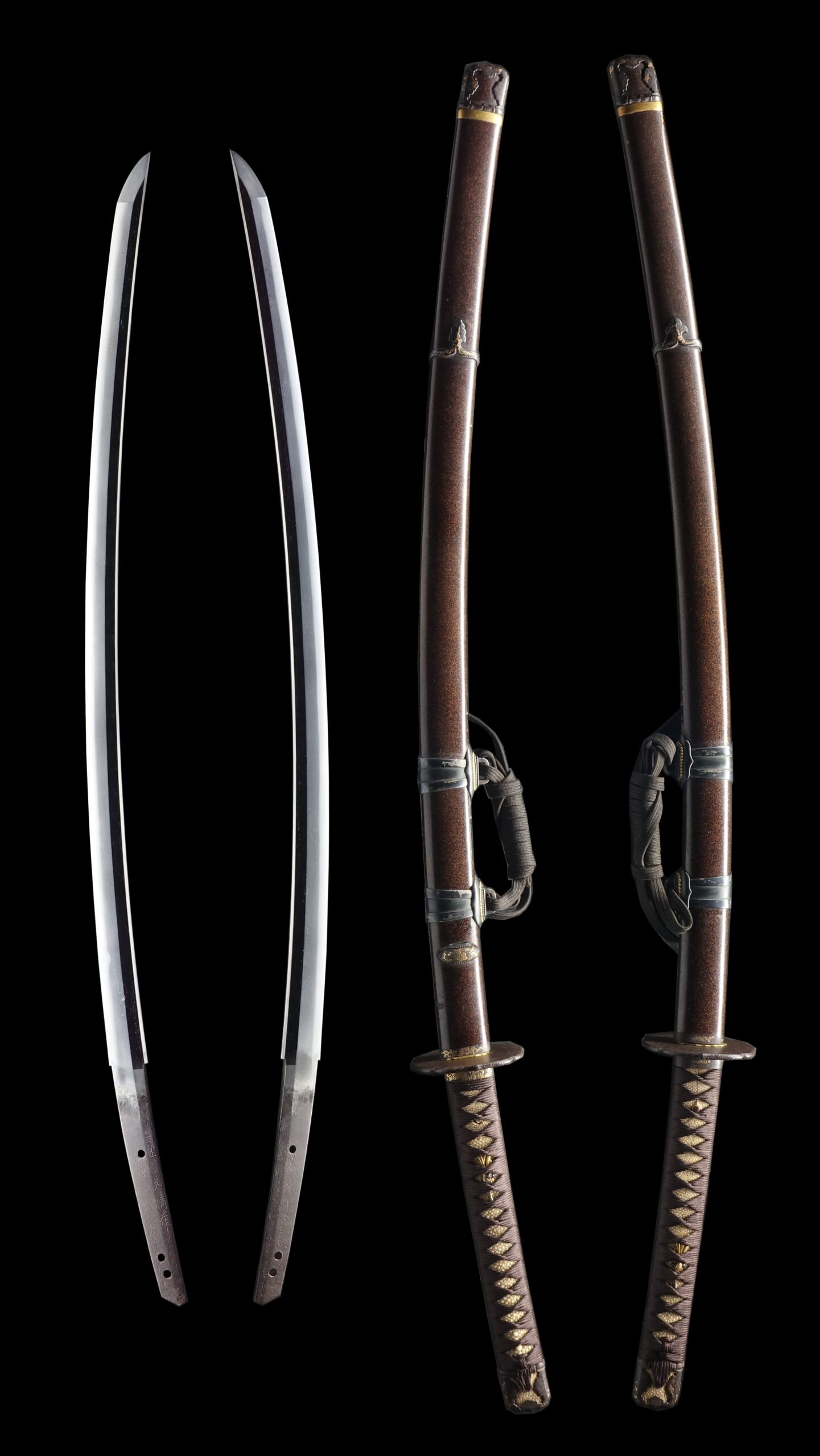
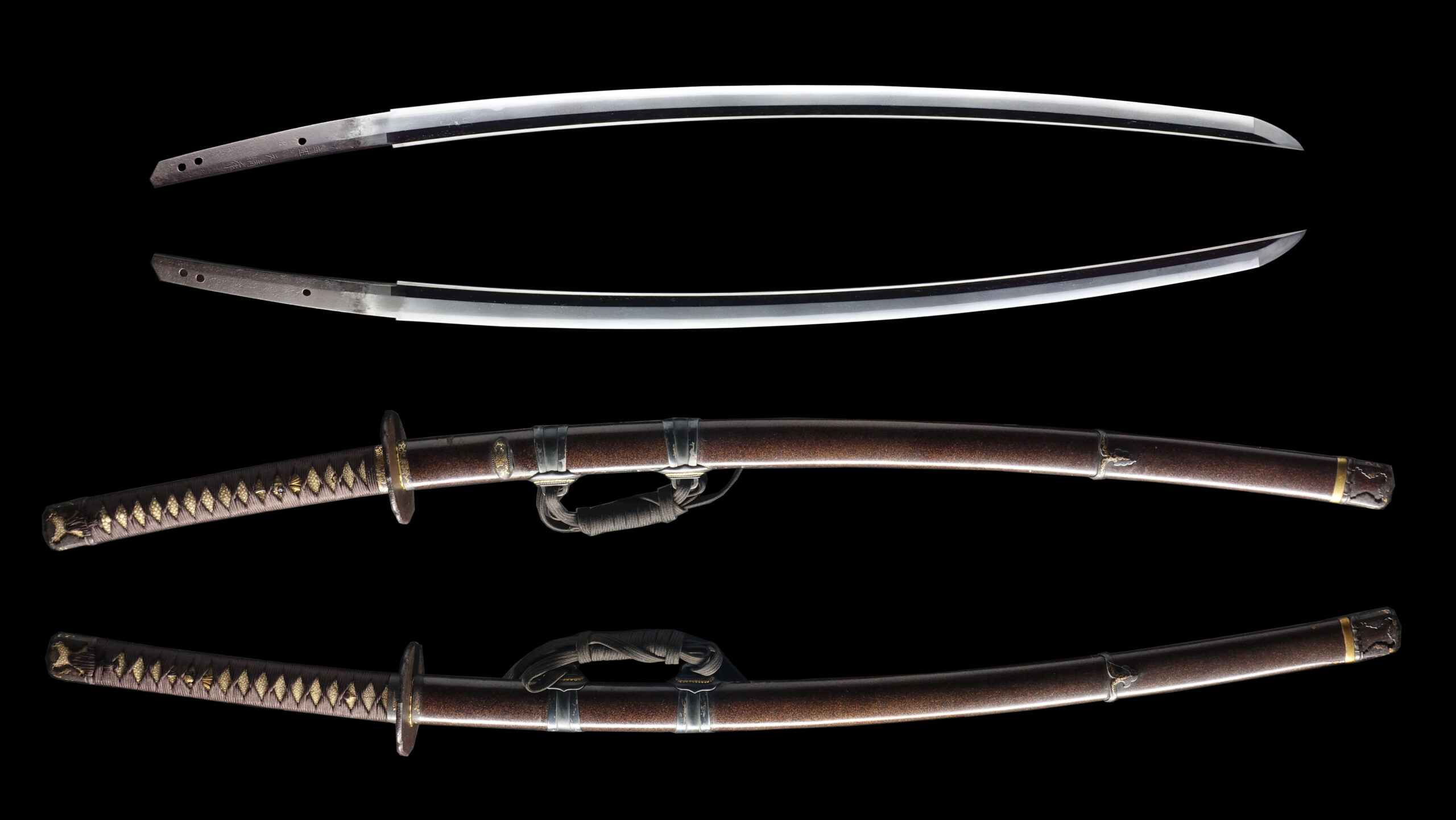
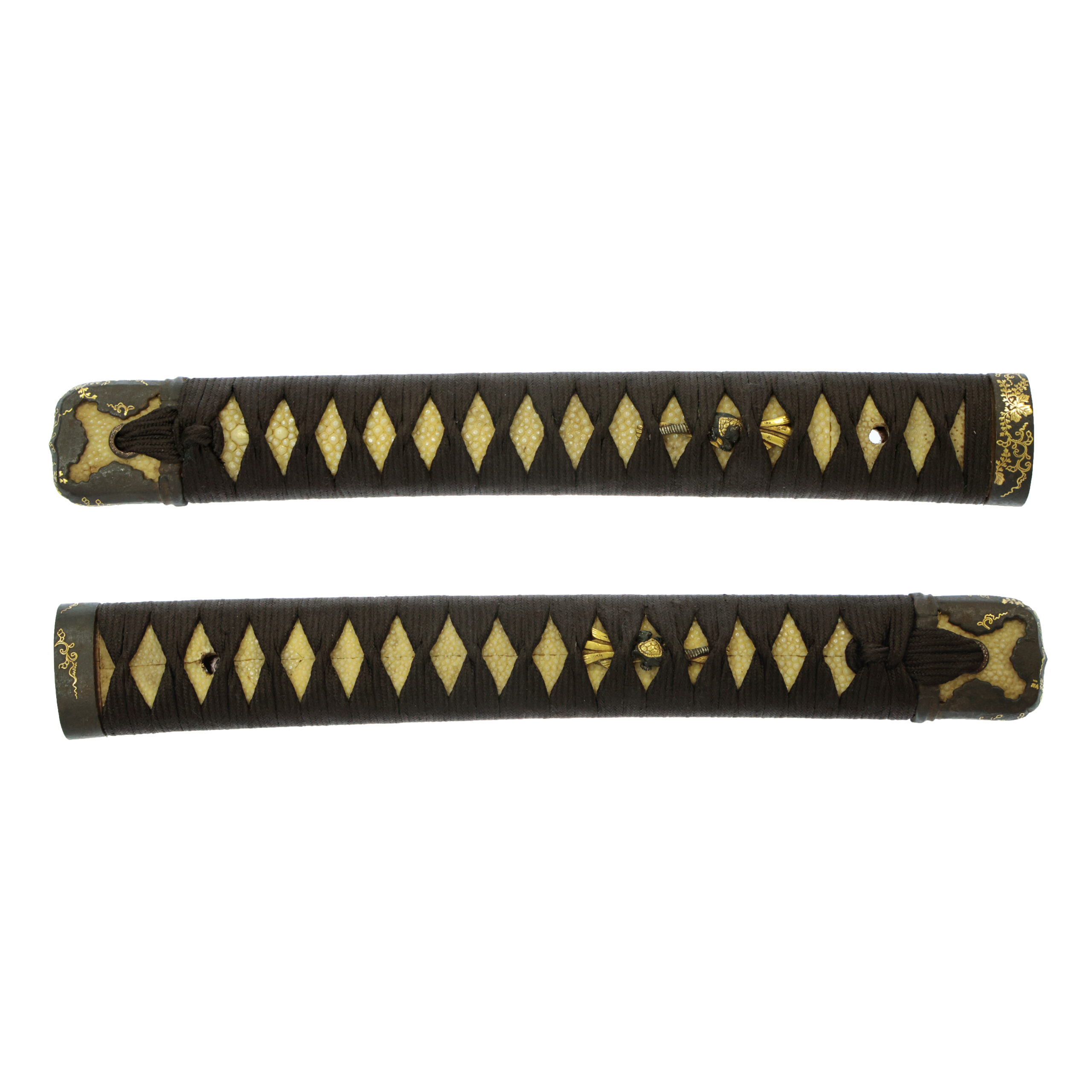
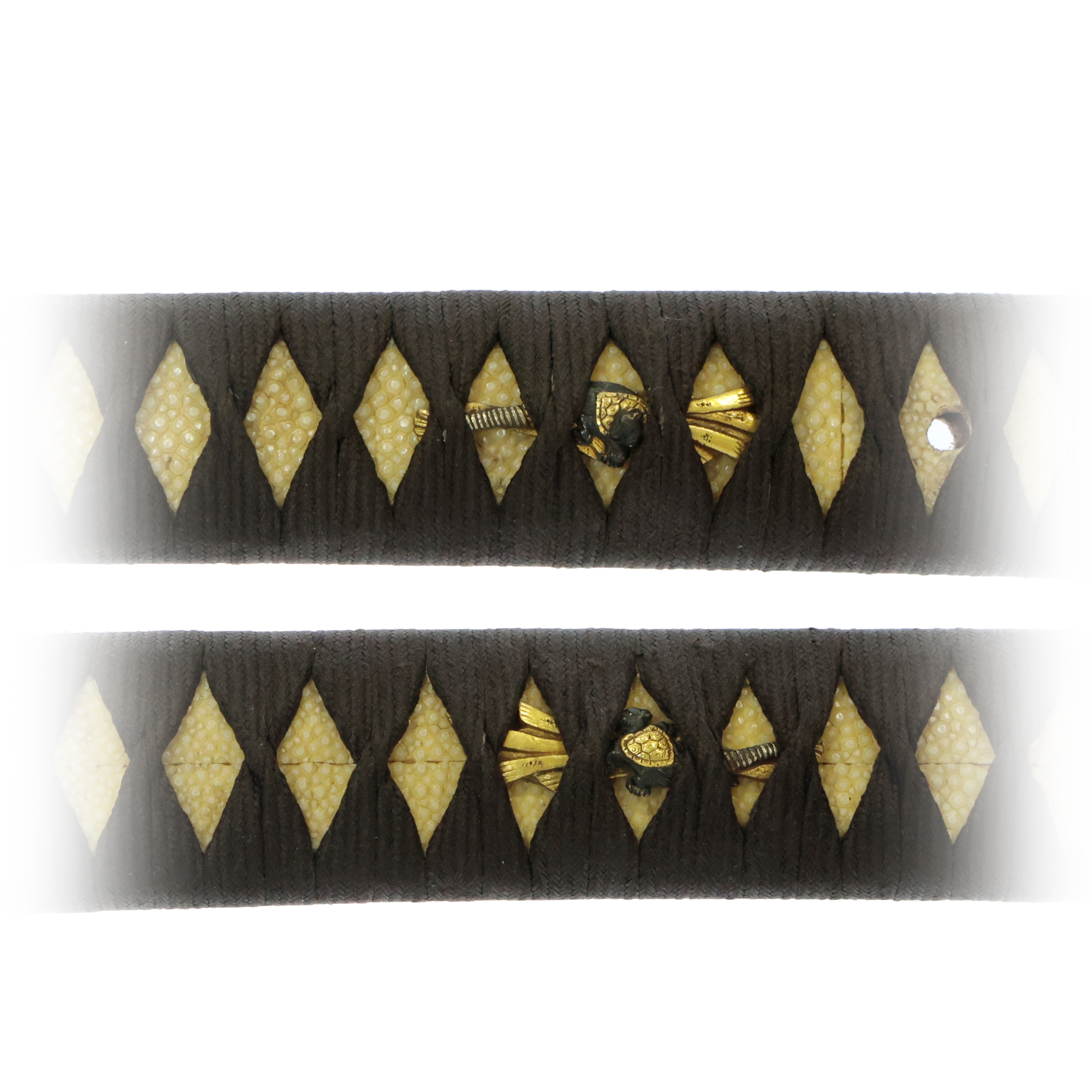
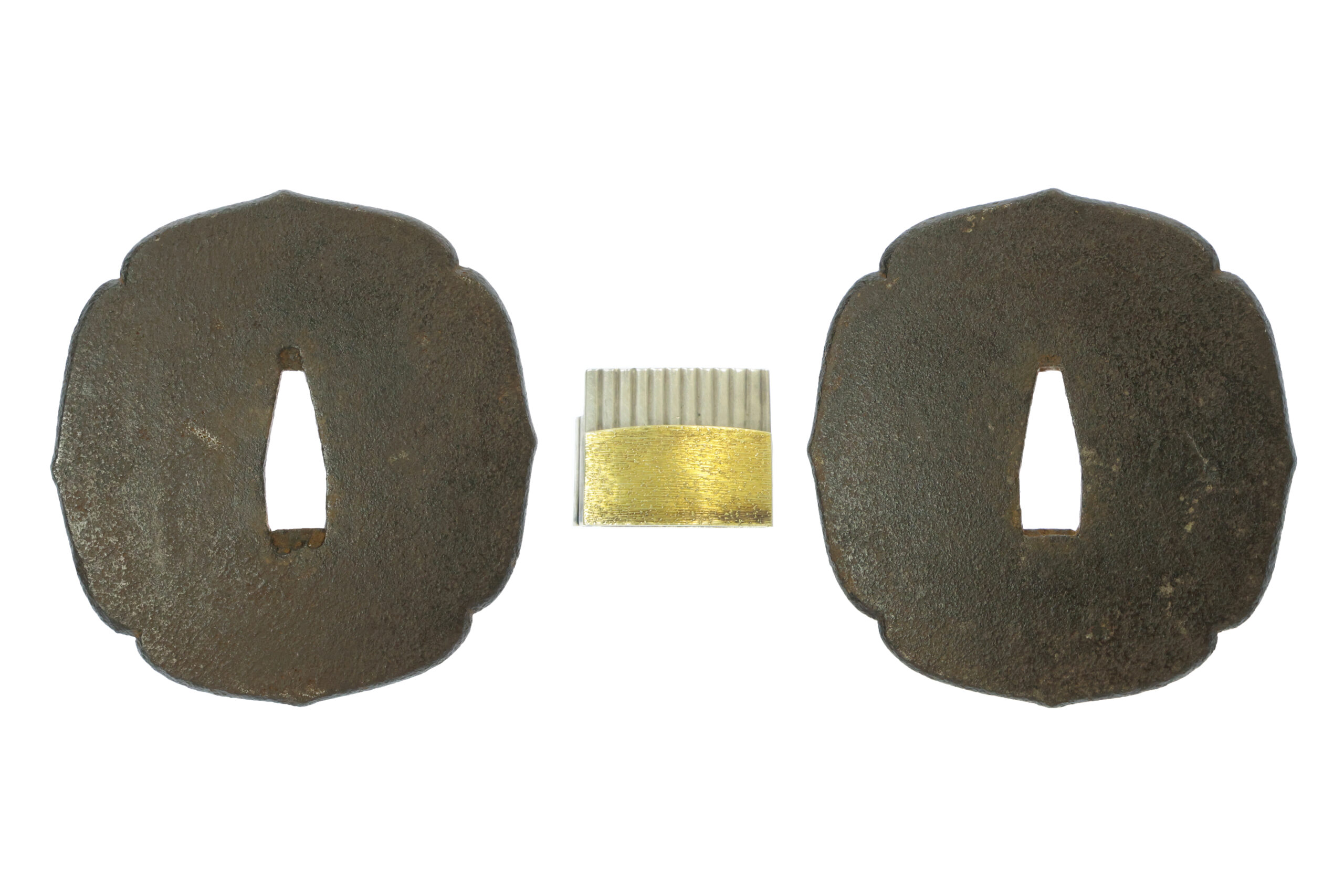
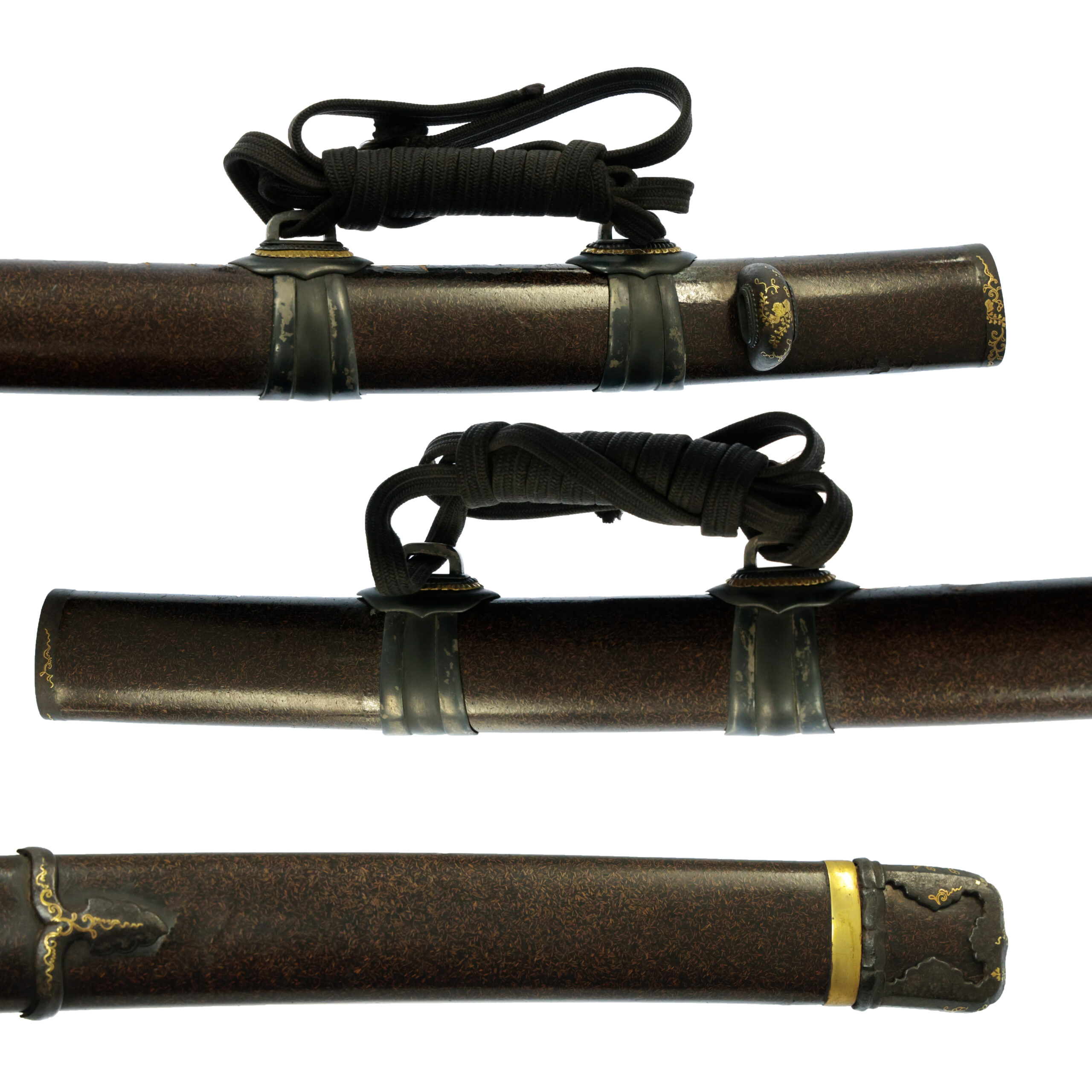
Suo · around 1504-1521
Tōken Taikan top 63%
1 piece on the market now
The Muromachi period (1392 to 1573)
Muromachi turned sword making into an industry: the uchigatana rose with massed infantry warfare, Osafune and Seki produced bundle swords beside custom orders, and the Ming trade carried Japanese blades abroad by the tens of thousands.
A Hozon-certified blade judged to show notably superior workmanship and a better state of preservation. The bar is higher: re-tempered blades and most unsigned Muromachi/Edo works are excluded.
The NBTHK (Nihon Bijutsu Tōken Hozon Kyōkai, the Society for the Preservation of Japanese Art Swords) is a public-interest incorporated foundation founded in 1948 and supervised by Japan’s Agency for Cultural Affairs (Bunkachō); it is based at the Japanese Sword Museum in Tokyo. Its expert panels physically examine each submitted work (shinsa) and issue a certificate (kanteishō) ranking it by artistic and historical merit. NBTHK papers are the most widely recognized standard of authentication for Japanese swords and fittings.
NBTHK official siteReturns/exchanges limited to defects caused by shipping (except willful misconduct or gross negligence by the company); customers must contact within 72 hours of receiving the product.