 NihontoWatchNihontoWatch
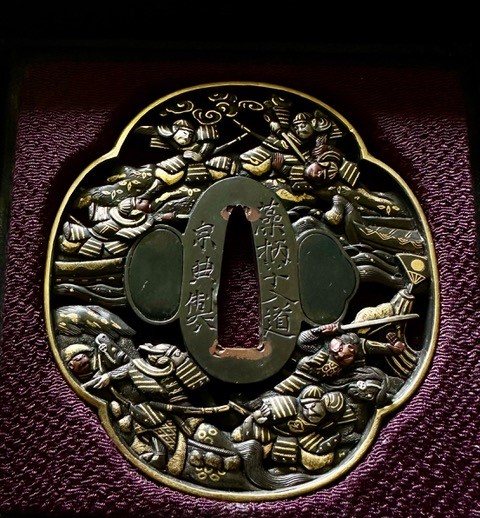
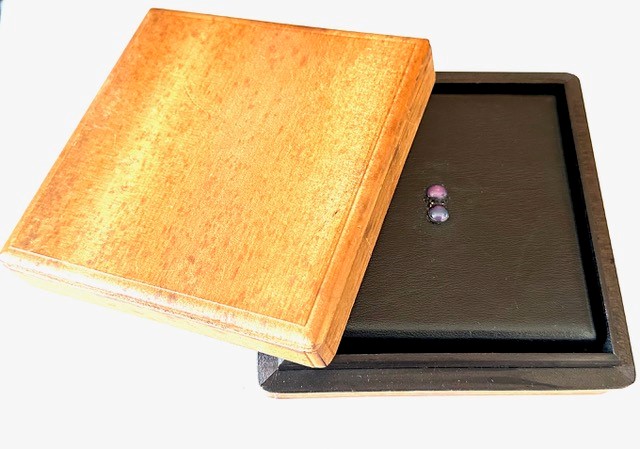
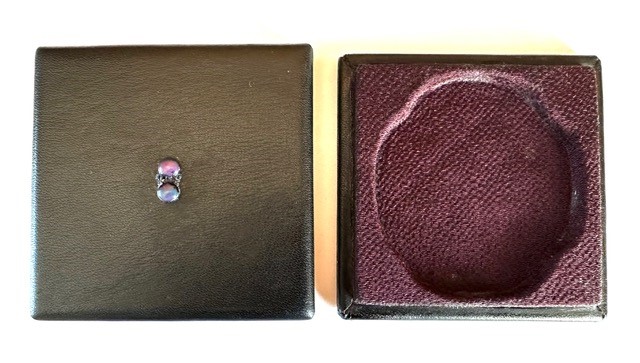
Explanation: This is an outstanding, exquisite and extremely rare Tsuba of a Samurai battle scene. Nearly all of the Soten Tsuba are made of iron and also Namban Tetsu ( Foreign Iron ). The rarity factor of this Tsuba that it is made of Shakudo which is basically 10% Gold and 90% solid copper one of the irogane class of coloured metals which can be treated a black, or sometimes indigo patina resembling lacquer , the process to make this is long and requires exceptional skills and is much more complex and expensive than it would have been to make an iron Tsuba. This Tsuba is of large proportion and the workmanship is monumental, just the minute detail in silver on the horses reigns is exceptional.The detailing to the Samurai , horses, battle weapons and armour is exceptional. Abundant gold and small portions of silver and other metals are used to create this piece of Samurai artwork which has a 3D effect when looked at. As always the Tsuba in the hand and viewed closely by the human eye shows the real beauty and realism. This is the first time I have seen a Shakudo Tsuba by the Master Soheishi Soten. I believe this was a one off special order given as a gift, the abundant amount of gold used and high level of workmanship and detail in comparison with other Soten Tsuba confirms this evaluation. The Tsuba has been with a Japanese collector for a very long time and has never been offered for sale before. It is a one time opportunity for the advanced collector and connoisseur to add this exceptional Tsuba to their collection. Soten School in Hikone in Omi Province Japan 17th - 19th Century Mimi ( rim ) : 5 mm ( Rim is covered with gold ) Jidai ( Era ) : Edo Period Original certification : NBTHK Tokubetsu Kicho Token Certificate ( Especially Precious ) It is cased in a special antique custom made box of high quality and also has an inner case made from leather with two gem stones on the top portion which opens up to expose the Tsuba, complete set is in original and excellent condition.
NihontoWatchOffered by Connoisseur Arms

Its only papers are older green Kichō papers, which the NBTHK largely disavows today. Ask the dealer whether it has passed current shinsa. — Hoshi
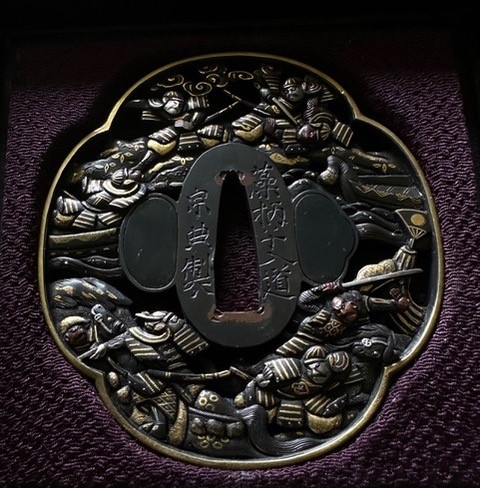
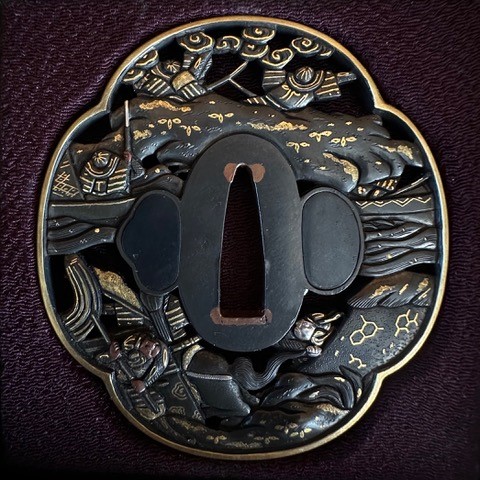
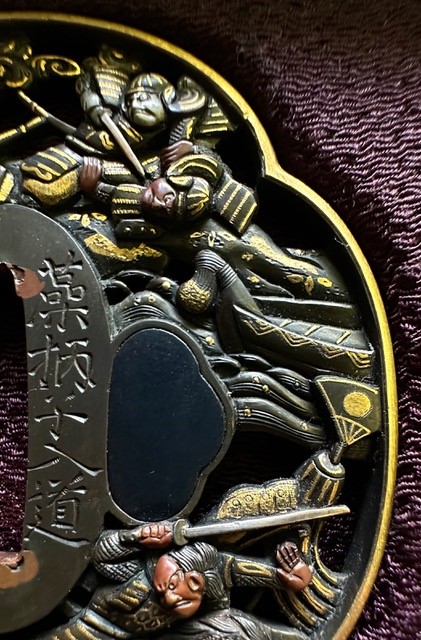
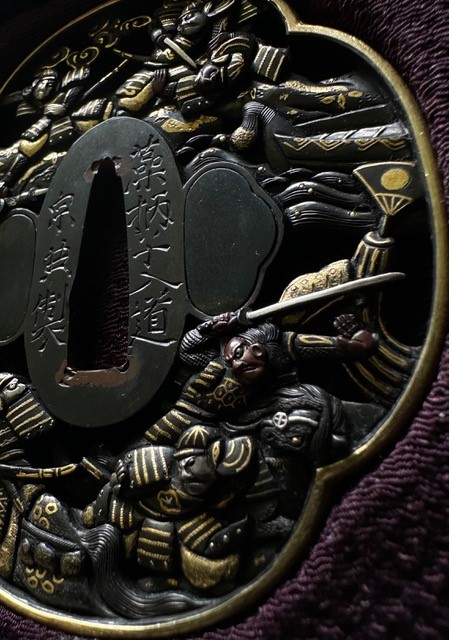
This work carries older NBTHK “Kichō”-era papers, which the NBTHK no longer issues and largely disavows today. To confirm the attribution, submission to an official Japanese examination body (such as the NBTHK or NTHK) for modern certification could be considered.
Purchases are final and items cannot be returned unless otherwise stated.
Price on request