The twentieth century nearly killed the craft twice: wartime distortion, then the occupation ban. The NBTHK’s founding in 1948 and licensed forging from 1953 rebuilt the sword as an art, crowned by Living National Treasures and the mukansa rank.
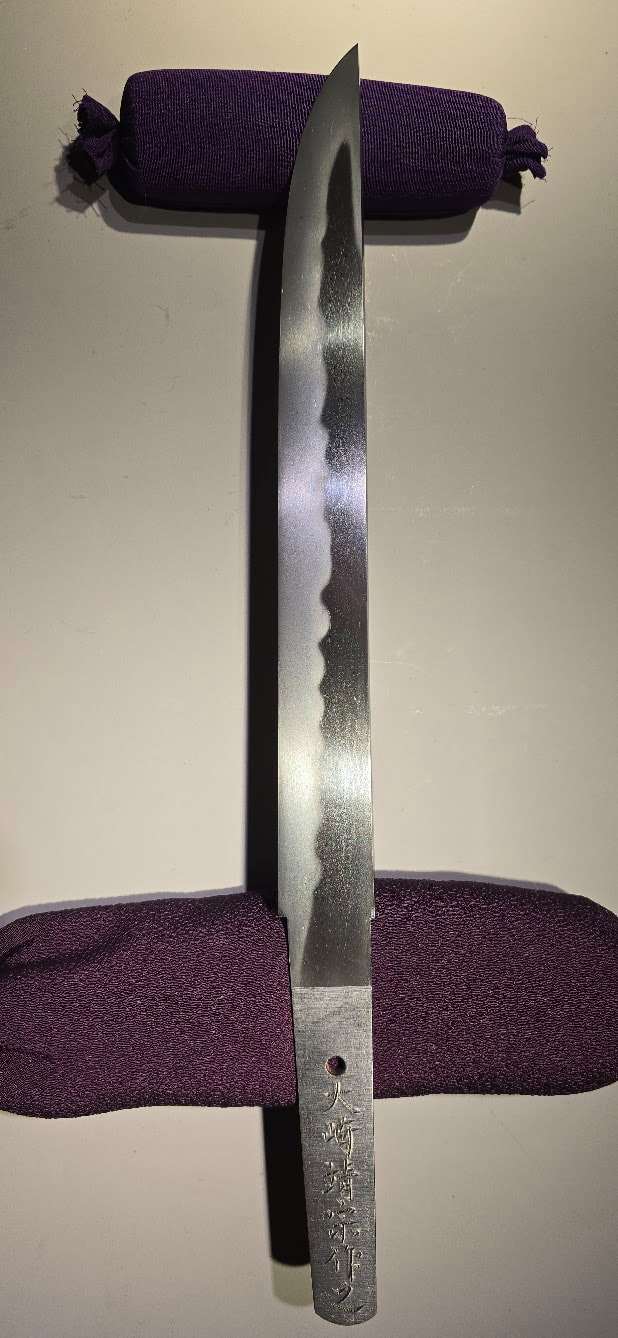
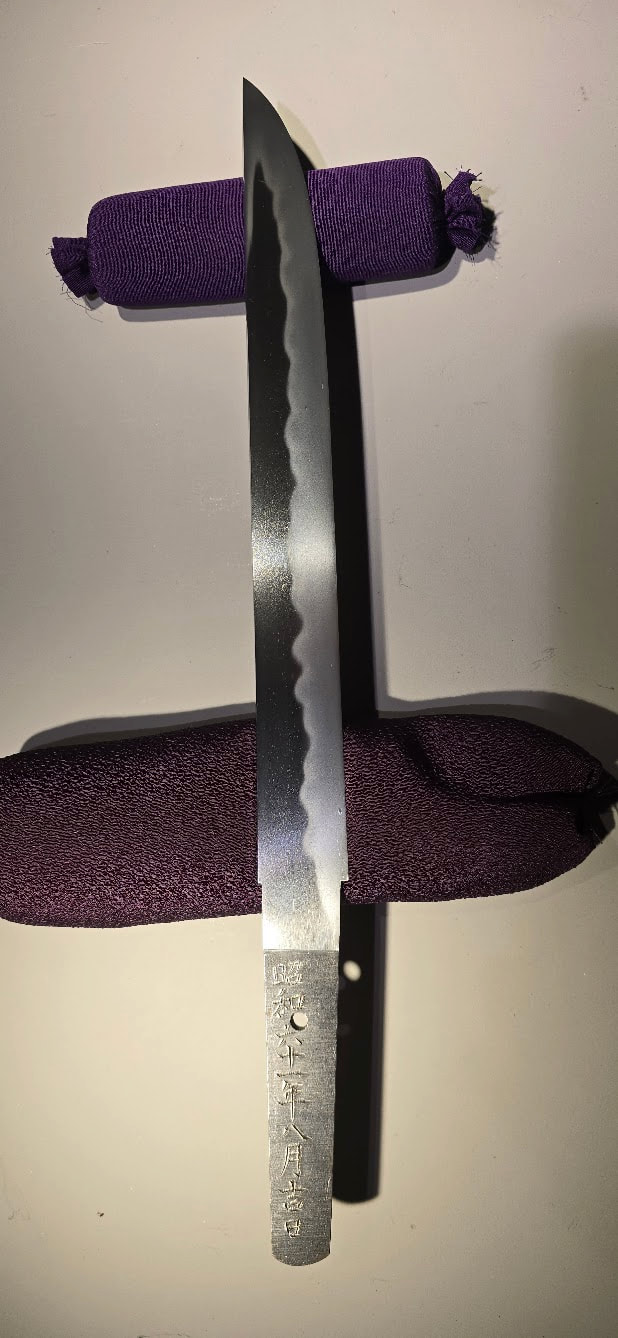
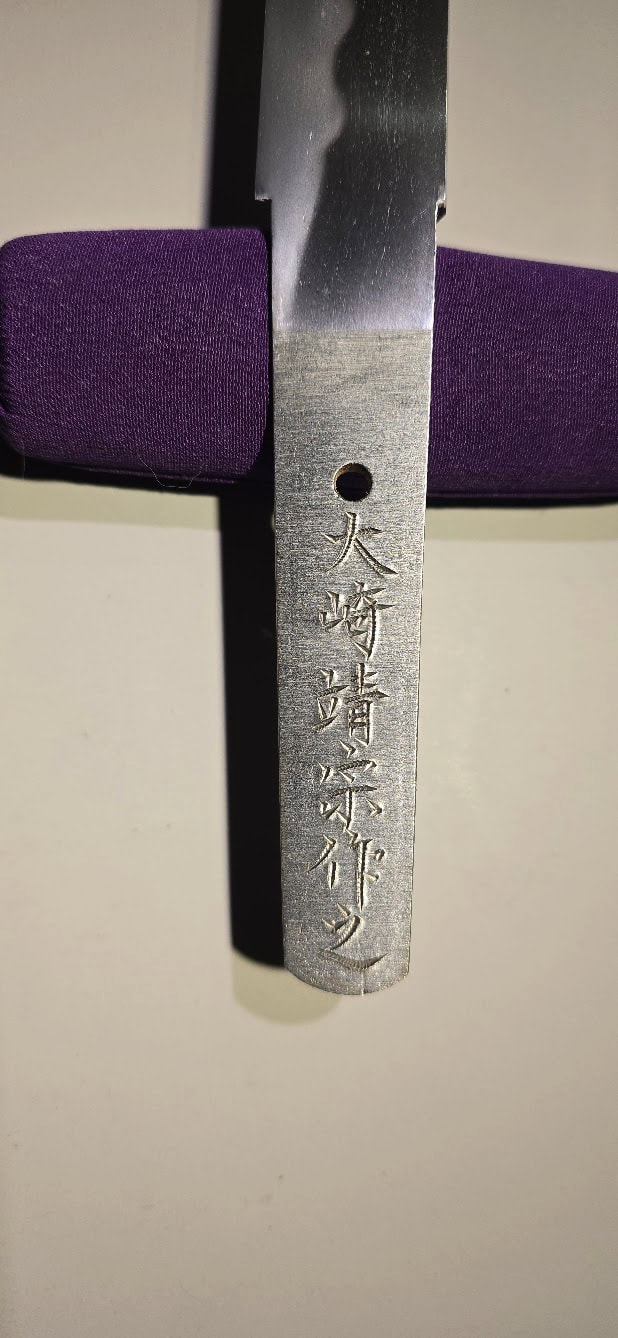
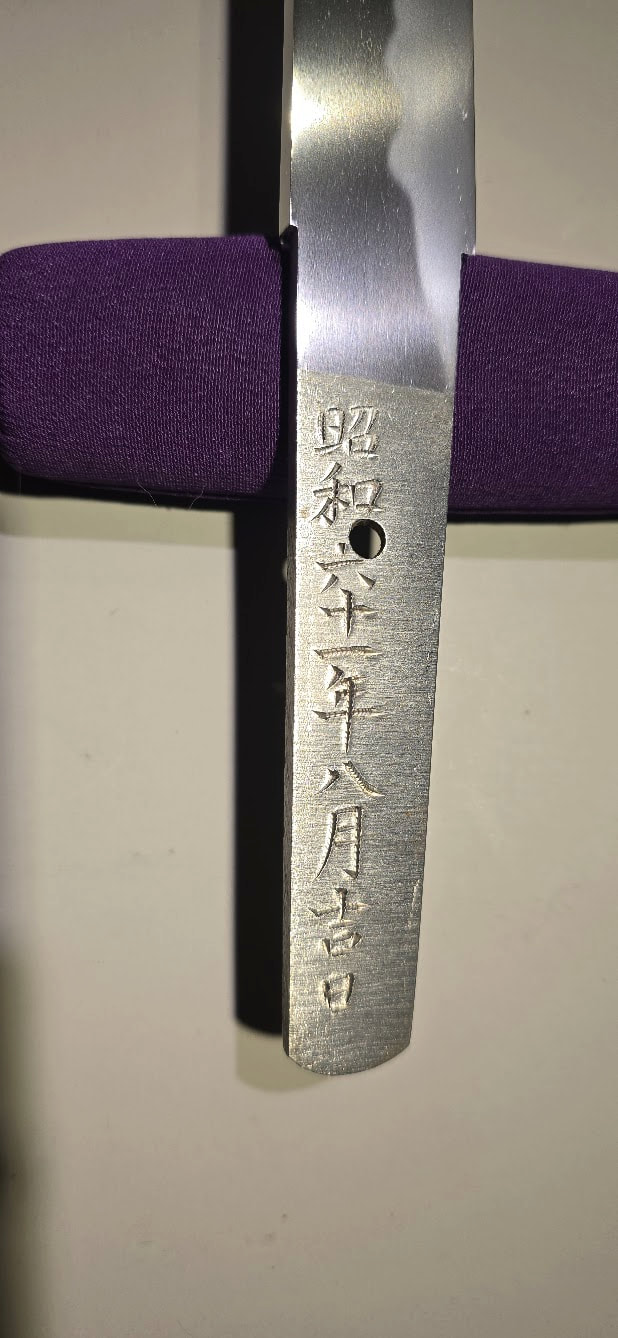
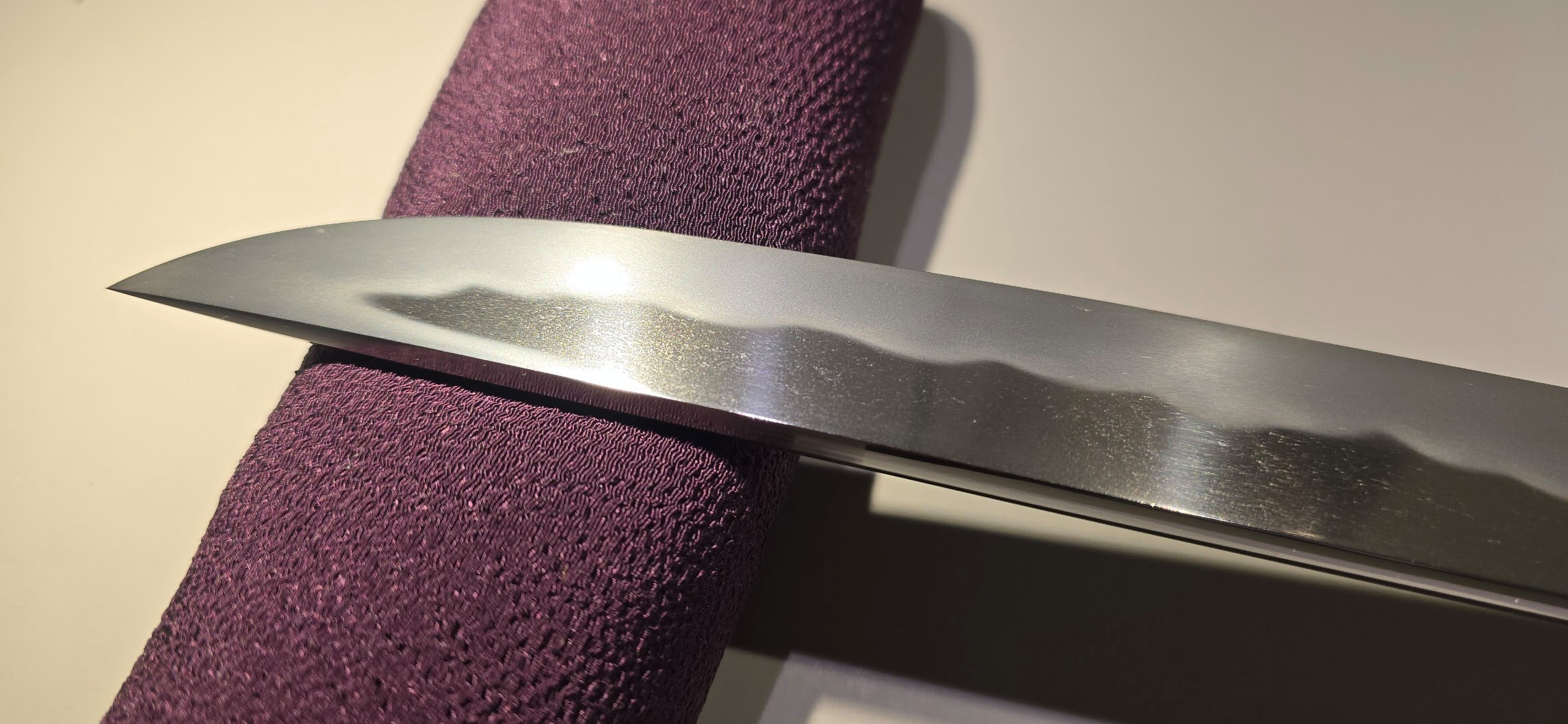
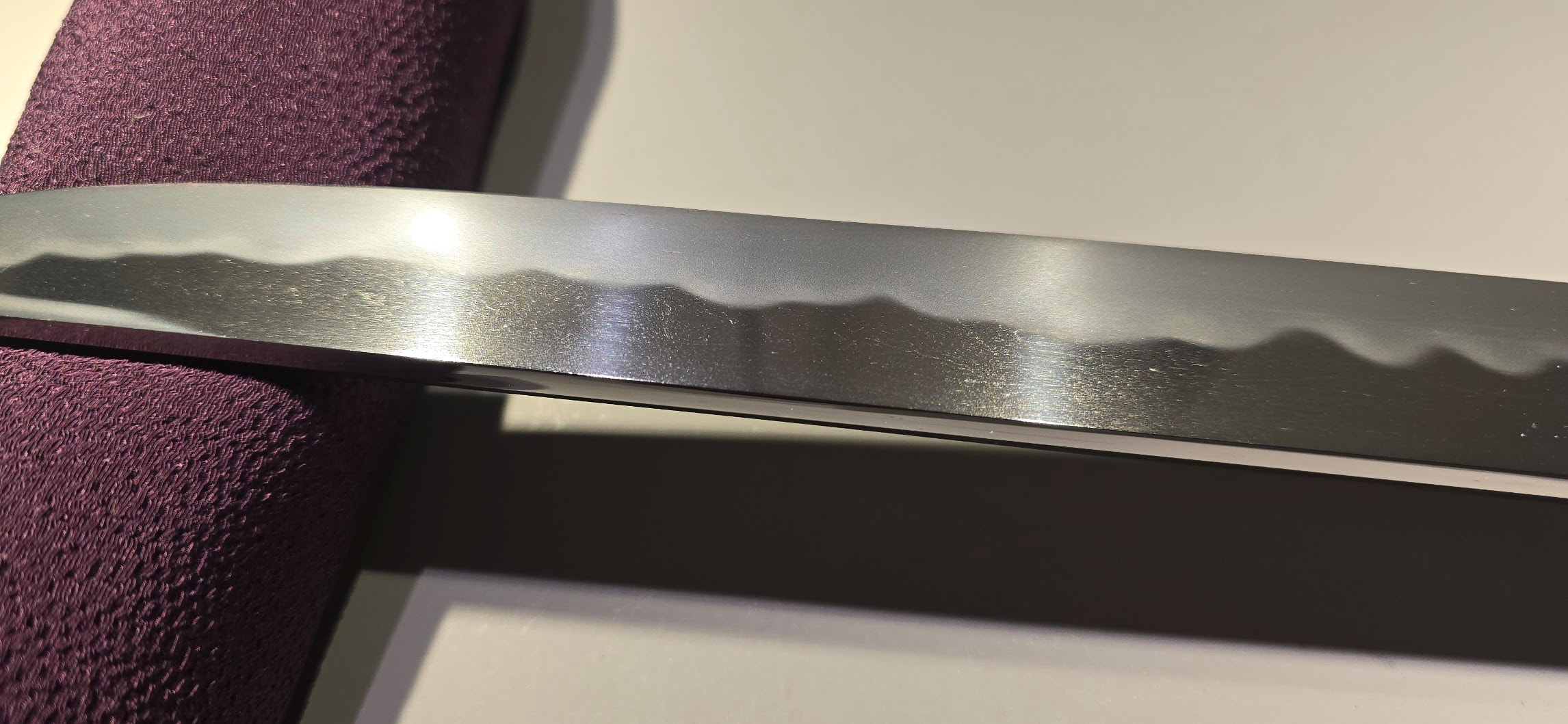
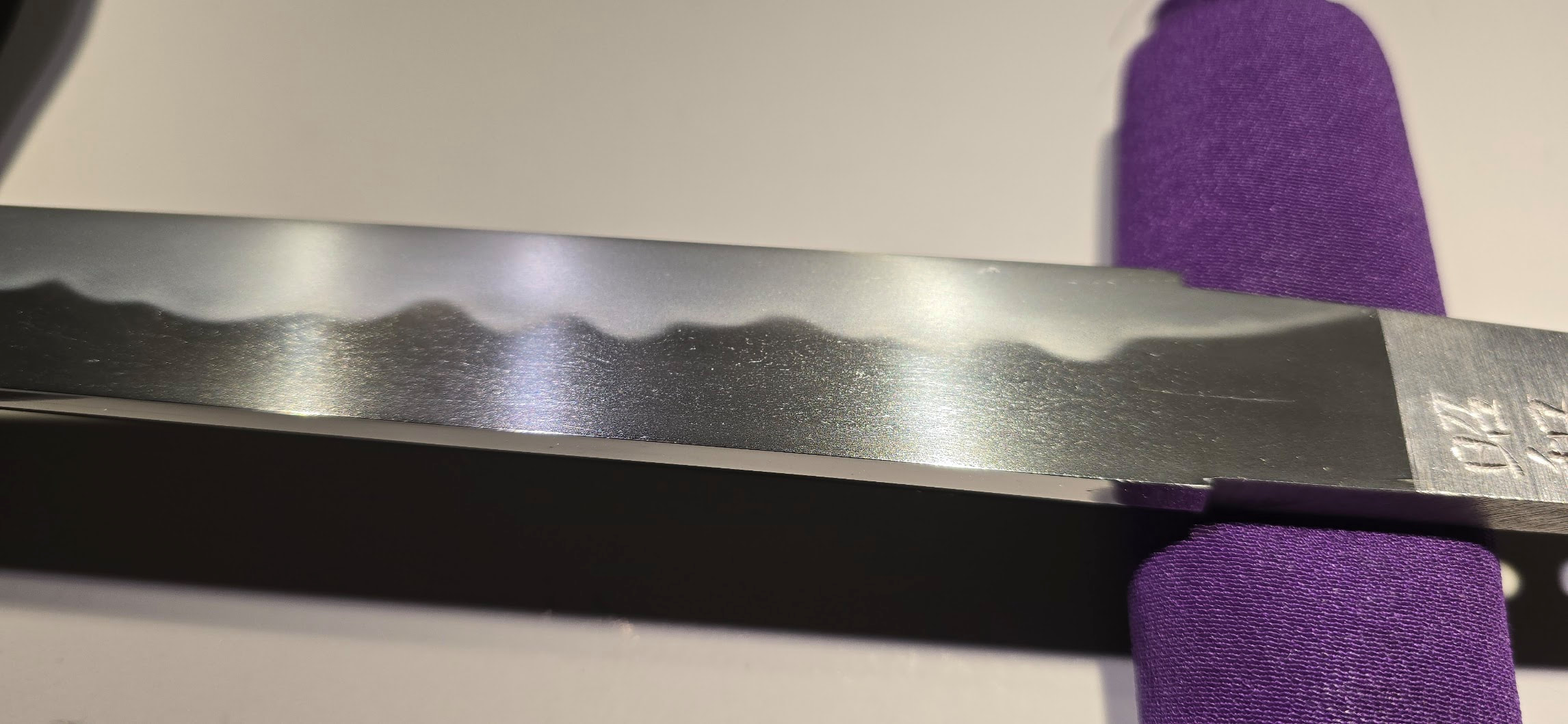
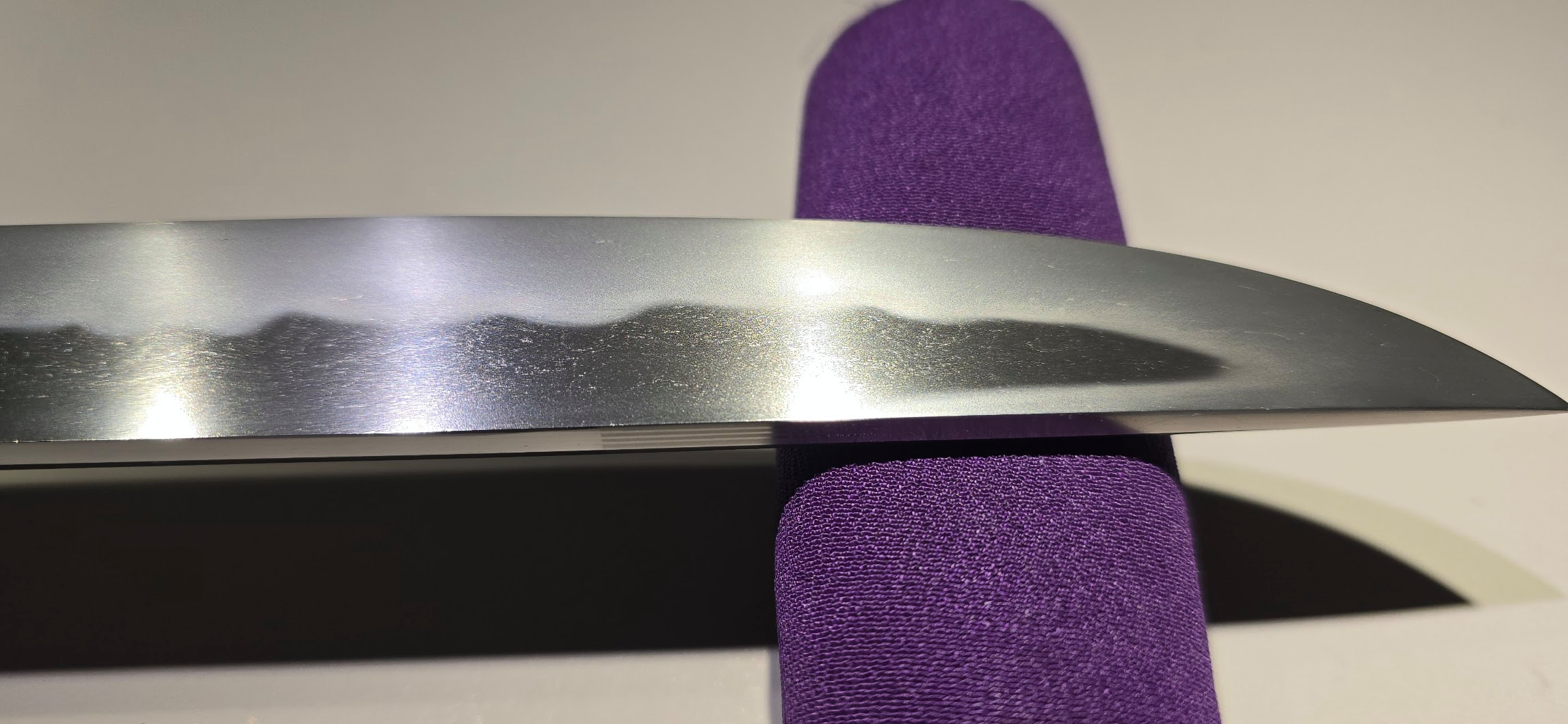
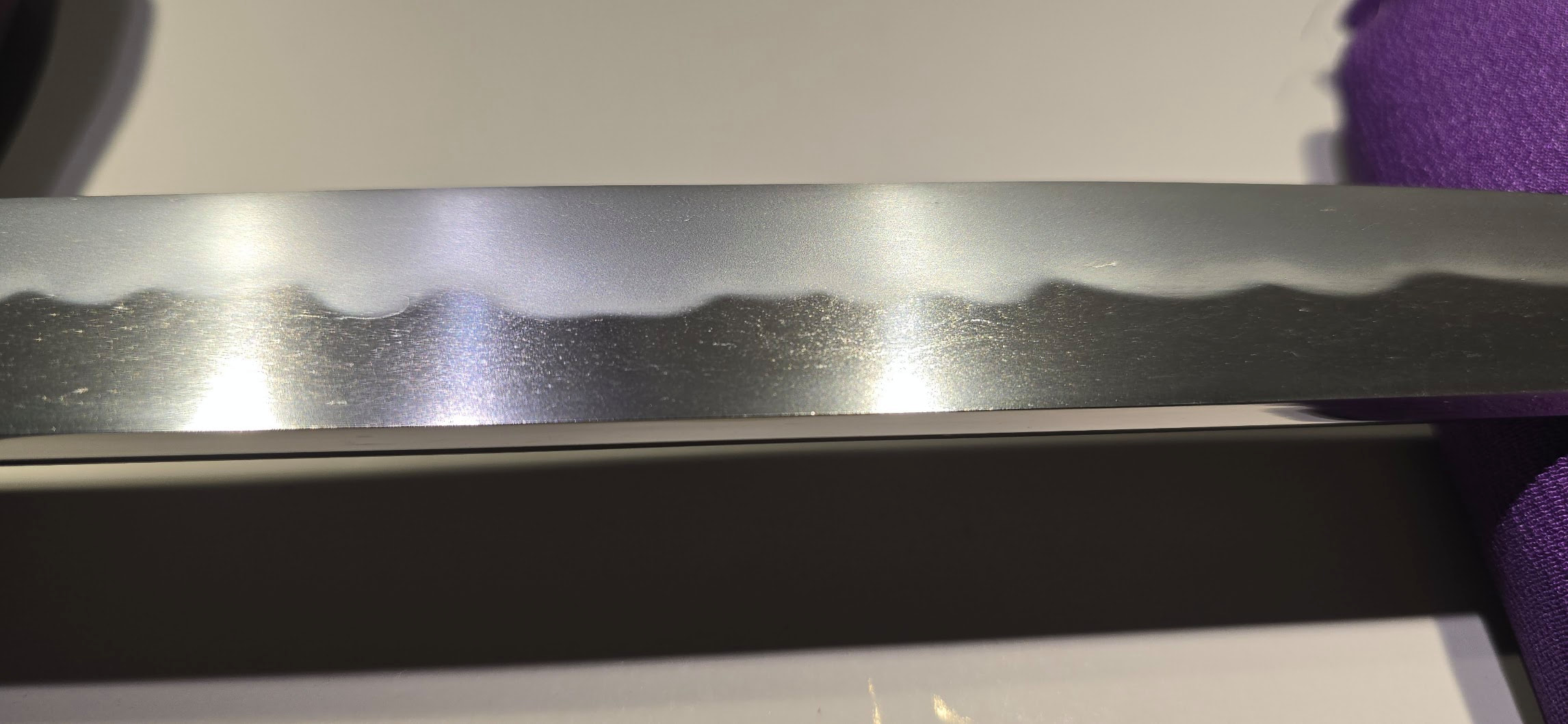
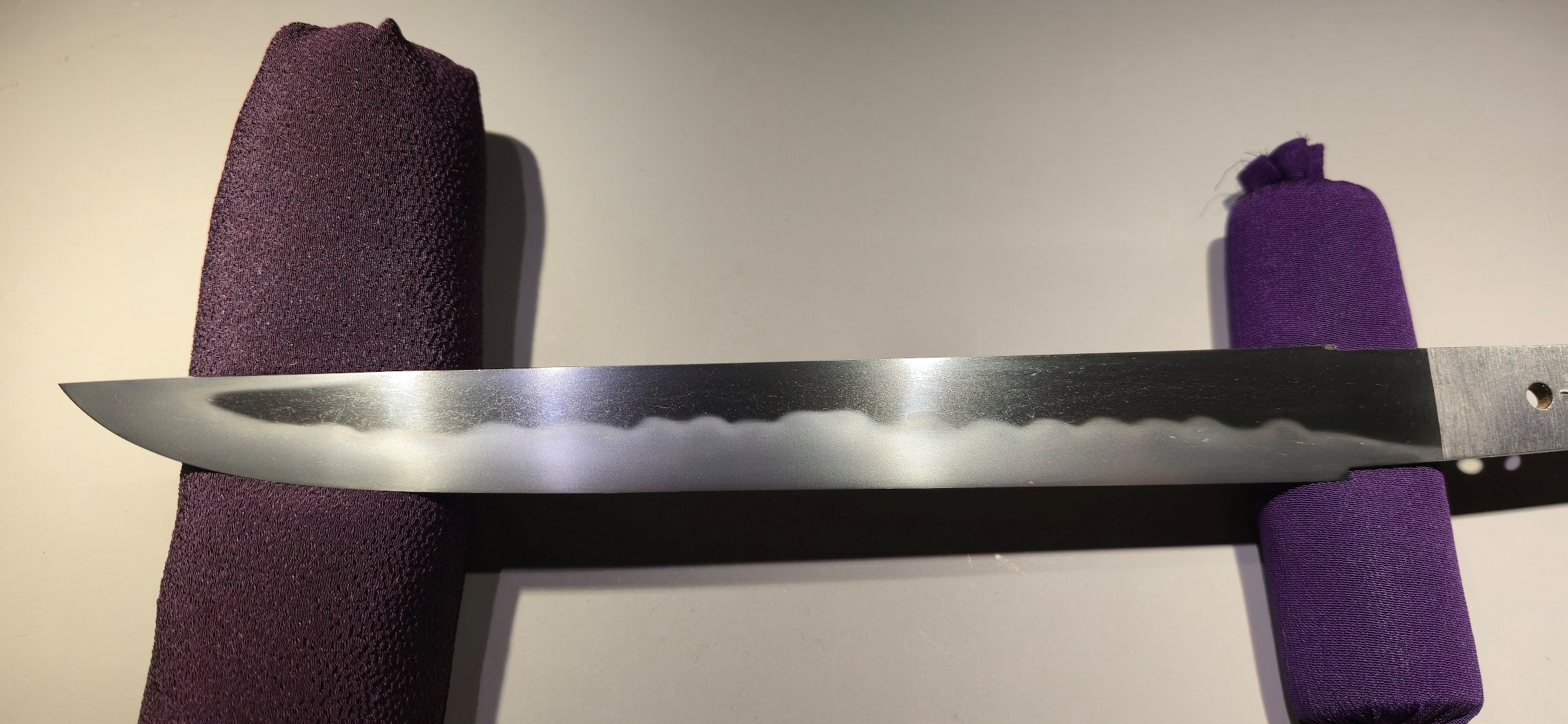
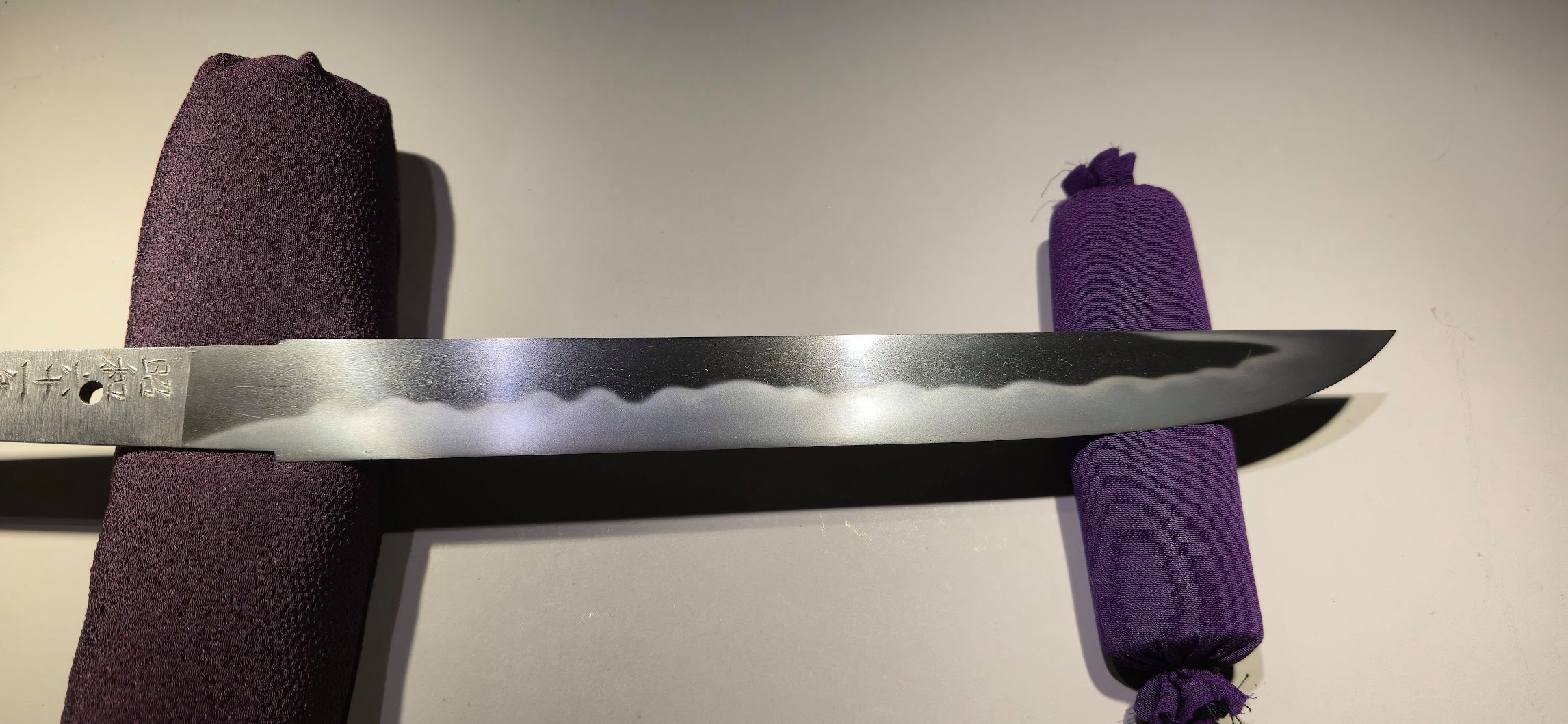
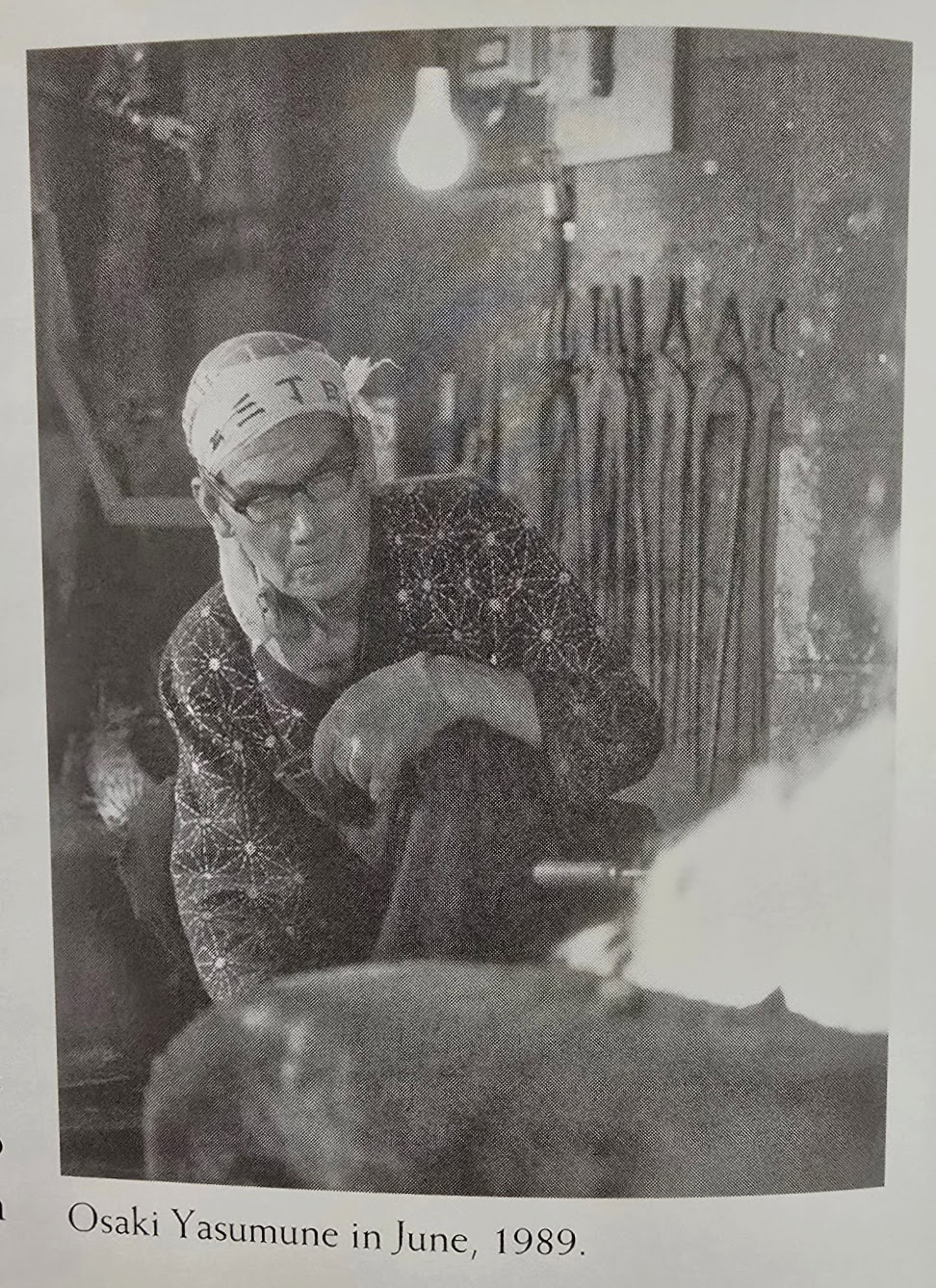
This probably was a special order made Tanto by Osaki Yasumune as a gift to some one in Houston. It is in shirasaya. Nagasa/length : 25.5cm The shirasaya says Showa 62 san gatsu ichi nichi ( 1987 march 1st) . ( The blade is dated Dated Showa 61 Hachi Gatsu Kichi Nichi ( A lucky day in 1986 August). The swordsmith was born in Taisho 4 (1915) in Yamagata Prefecture, Japan. died in 1997 He was a disciple of Shimazaki Yasukou and Yakuwate Yasutake. He entered the Tanren kai in 1937 and made swords for the war effort. After the war, he was an active swordsmith, achieving three Effort Awards and fifteen selections in competitions. He was designated as a Intangable Cultural asset of Sumida, Tokyo in 1992 He specialized in the Bizen tradition, producing highly regarded works. Ex: TC Ford Collection
Offered by Bushido Antique Japanese Swords
2 on the market


Tokyo · around 1926-1989
2 pieces on the market now
Shōwa to the present: destruction and revival
The twentieth century nearly killed the craft twice: wartime distortion, then the occupation ban. The NBTHK’s founding in 1948 and licensed forging from 1953 rebuilt the sword as an art, crowned by Living National Treasures and the mukansa rank.
We could not find an authenticity certificate on the seller’s listing. Japanese swords and fittings are normally papered by the NBTHK (or the NTHK). Without one, the attribution is the seller’s own assessment and has not been independently verified — treat it with caution and ask the dealer about certification before buying.