
The twentieth century nearly killed the craft twice: wartime distortion, then the occupation ban. The NBTHK’s founding in 1948 and licensed forging from 1953 rebuilt the sword as an art, crowned by Living National Treasures and the mukansa rank.
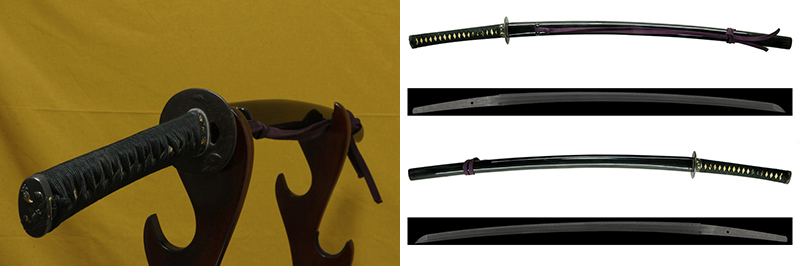
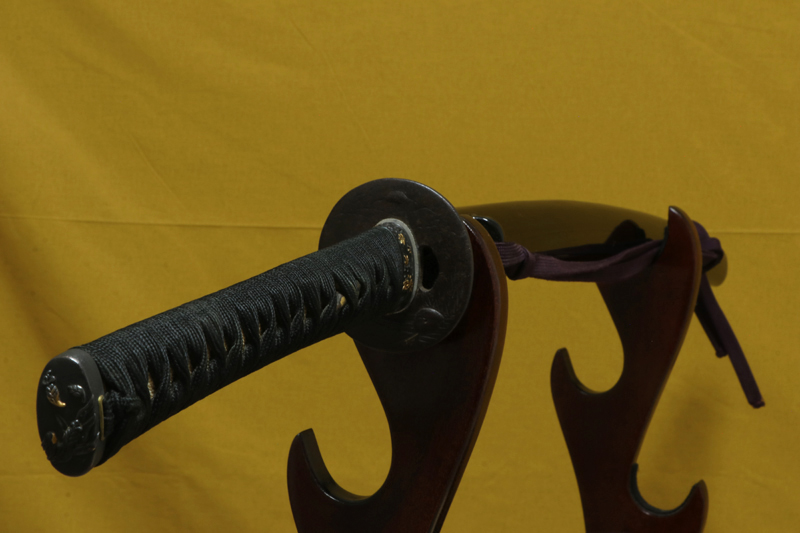
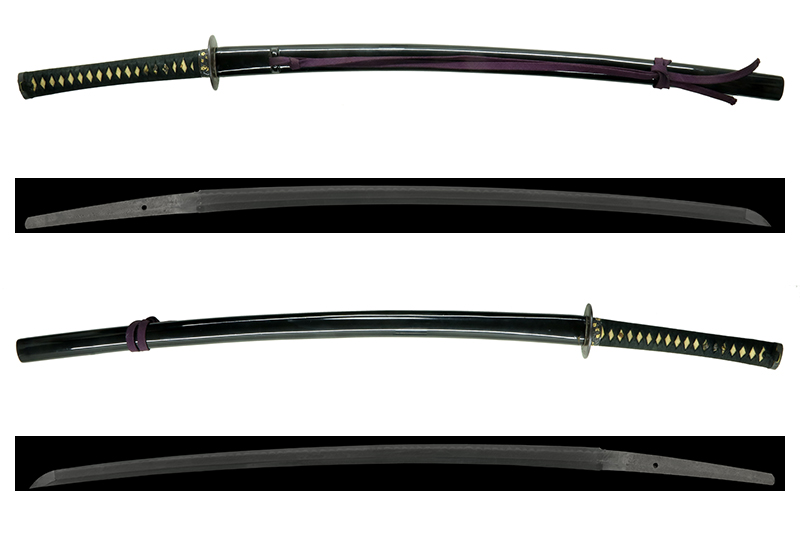
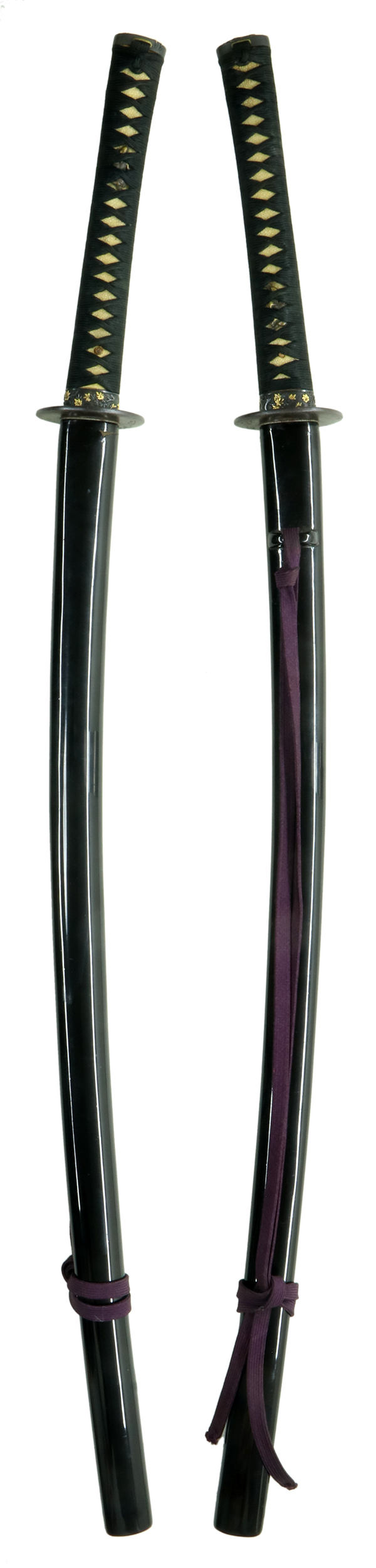
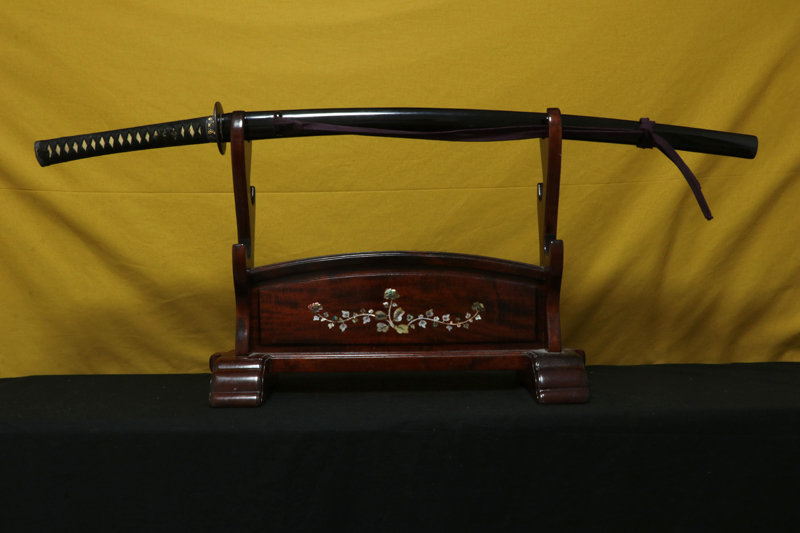
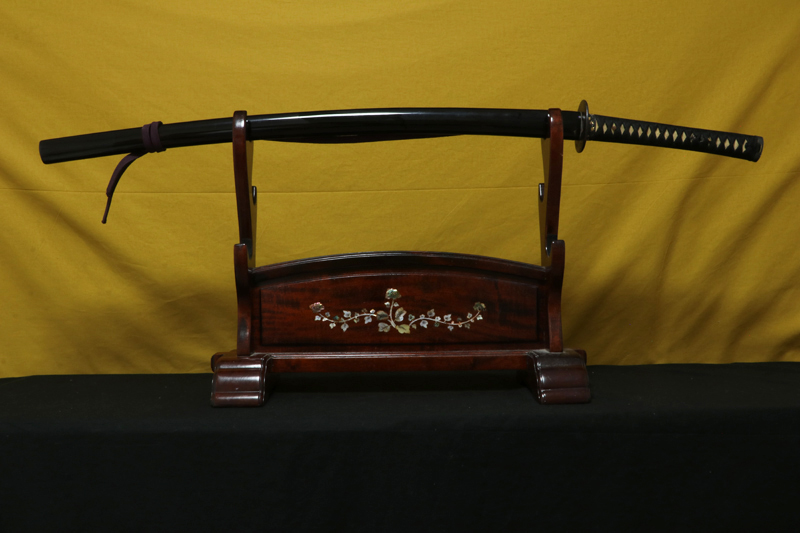
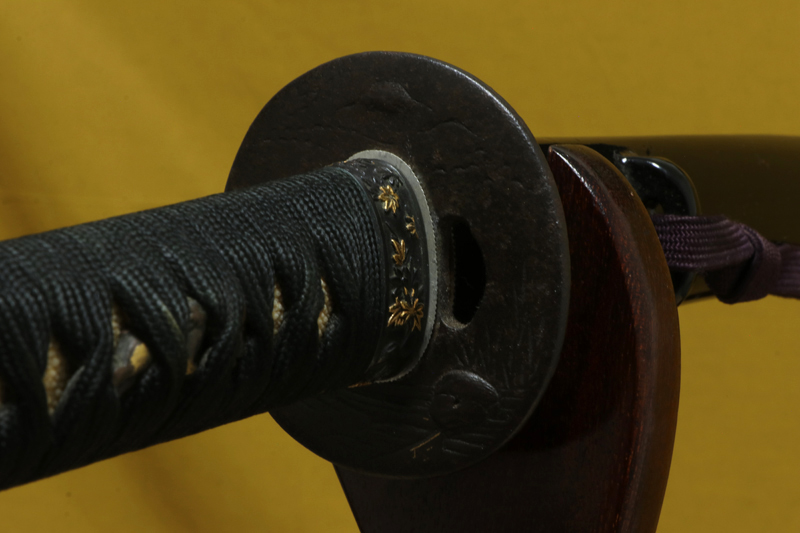
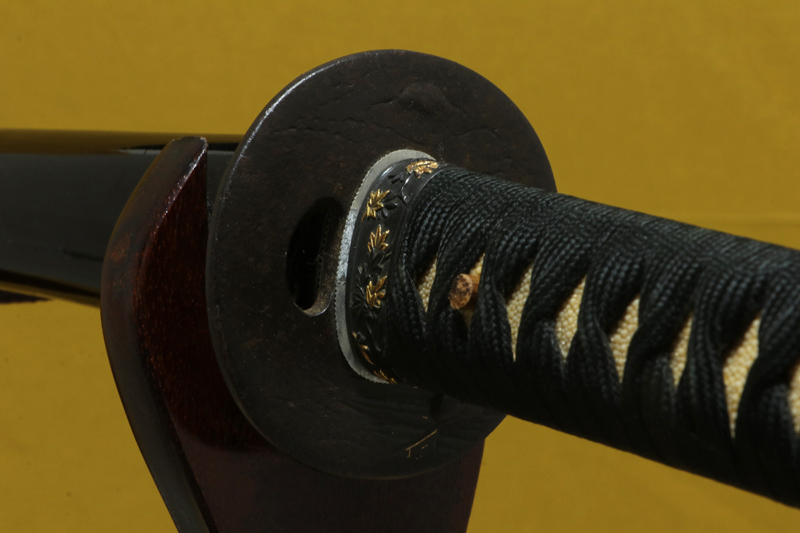
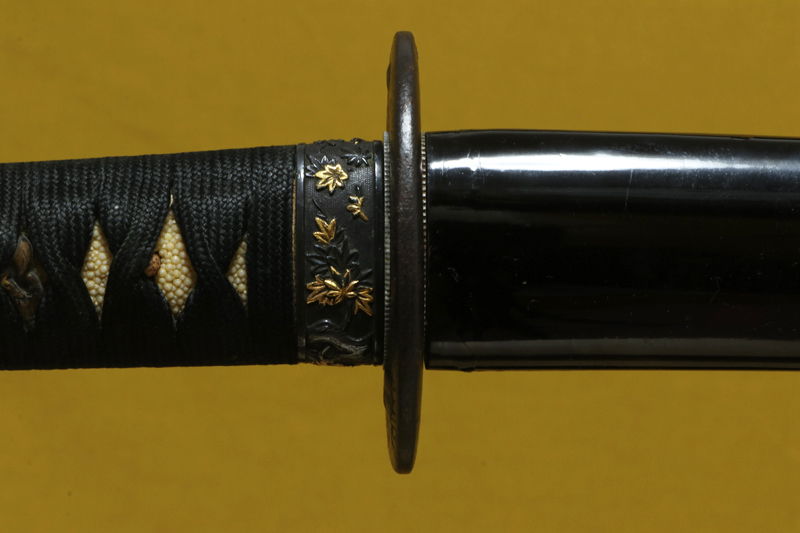
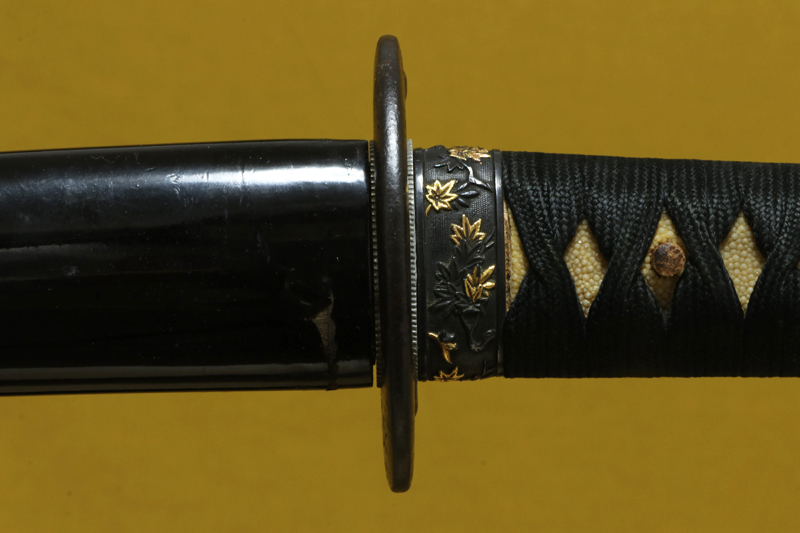
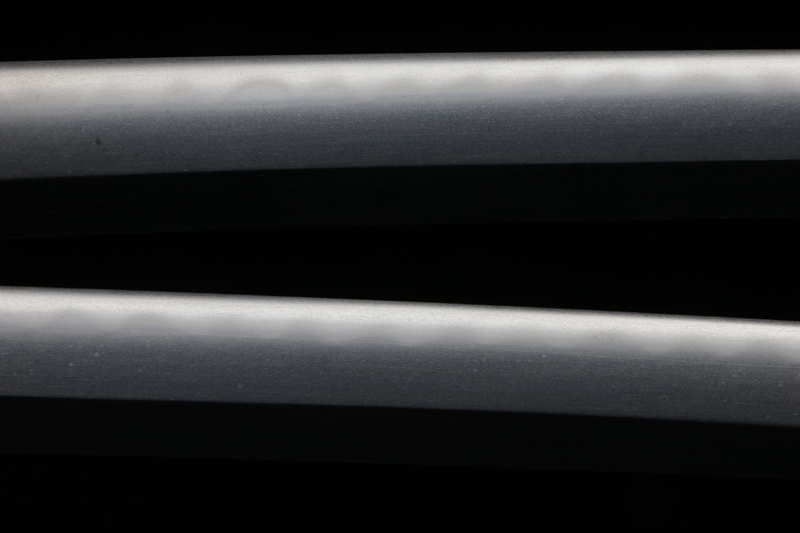
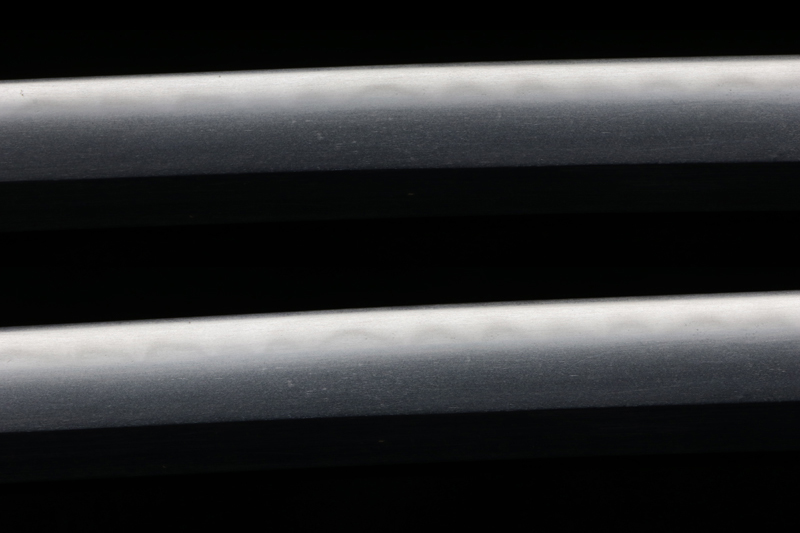
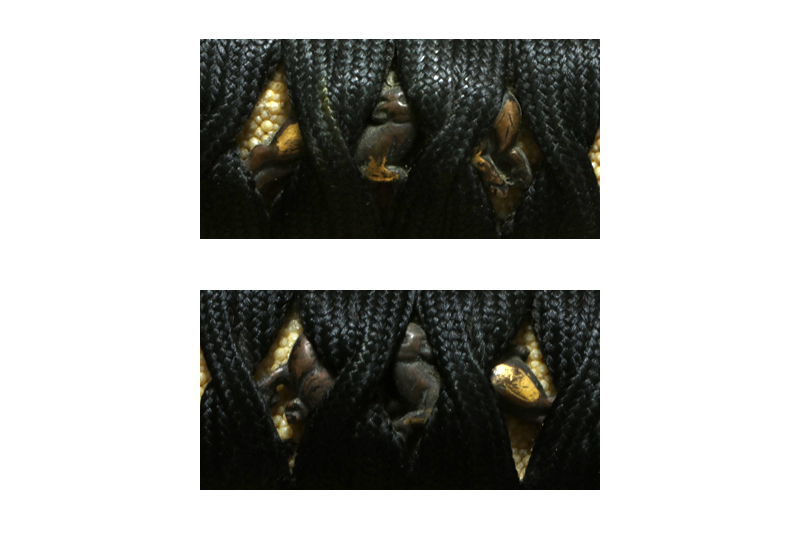
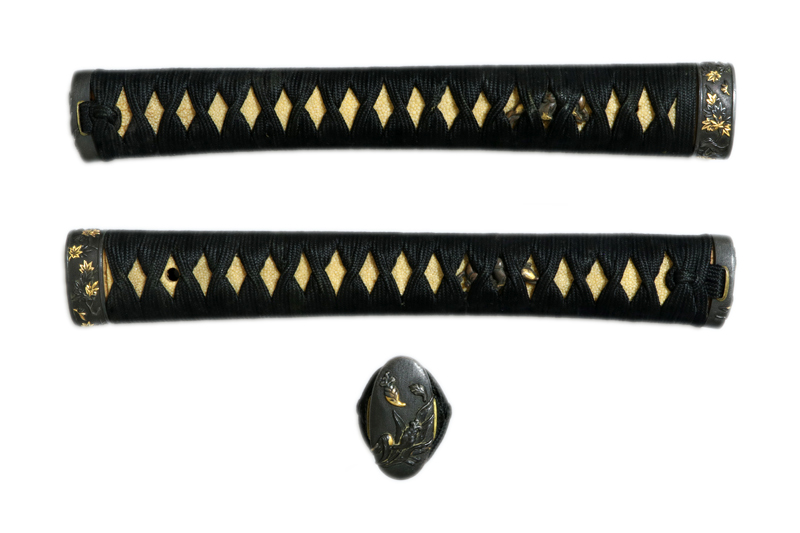
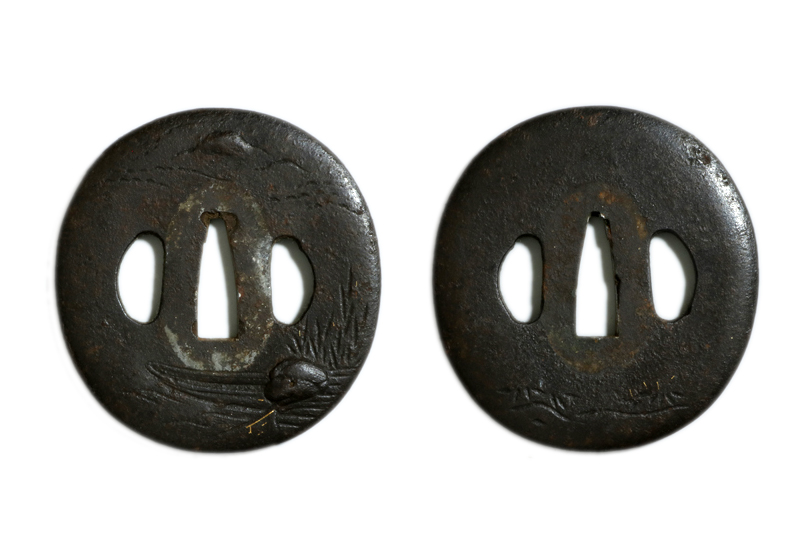
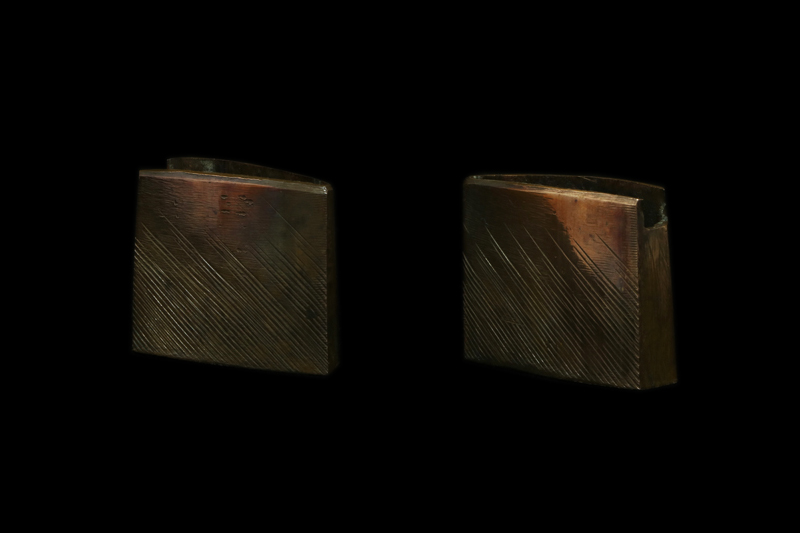
Syowa to Fukumoto Kanemune with koshirae. 戦前の関の有名工、福本兼宗の刀です。 兼宗の作品にしては長いため、軍刀として作られた物では無いと思います。 拵は古い金具類を使って作られた物で、状態も良好です。 樋は無いですが、茎が長くバランス良く、居合に最適です。 This is a sword by Fukumoto Kanemune, a renowned swordsmith from Seki before World War II. For a Kanemune blade, this piece is quite long, suggesting that it was not originally made as a military sword. The koshirae was crafted using antique fittings and is in good condition. Although it does not have a groove (bohi), the long tang (nakago) provides excellent balance, making it ideal for iaidō practice. 「刀姿 sword figure」 鎬造り庵棟、身幅尋常重厚く、腰反り中鋒、茎は生で鷹羽鑢がかかり、茎尻は刃上りの栗尻。 「地鉄 jigane」 地鉄は板目肌が流れる。 「刃紋 hamon」 刃紋は尖り互の目を三本杉調に焼く。釯子は乱れ込み小丸に返る。 「特徴 detailed」 福本兼宗、陸軍受命刀匠、戦前戦中に関市にて作刀していた刀匠、九代兼定門。 本作は戦時中に関にて作られた刀ですが、寸法が二尺三寸九分と長いため、軍刀として作られた物では無いと思います。 刀身は身幅がやや細いですが、重はしっかりしており、茎が長いためバランスが良く、樋は無いですが居合に最適です。 Fukumoto Kanemune was an officially appointed swordsmith for the Japanese Army and was active in sword-making in Seki City before and during World War II. He was a disciple of the ninth-generation Kanesada. This piece was forged in Seki during the war, but with a length of 2 shaku 3 sun 9 bu (approximately 72.4 cm), it is unlikely that it was originally made as a military sword. The blade is slightly slender, but it has a solid kasane (thickness), and the long tang (nakago) provides excellent balance. Although it does not have a groove (bohi), it is ideal for iaidō practice. 「拵 Koshirae」 拵の金具は江戸時代の物が使われています。またコンディションは良好です。 鎺(habaki) :素銅地一重腰祐乗。 鍔(tsuba) :鉄地芦ノ湖富士遠望の図 縁頭(futikasira):縁は赤銅魚子地紅葉の図、頭は赤銅魚子地冥加の図。 目貫(menuki) :赤銅地馬の図。 柄(tsuka) :柄糸は正絹黒の諸撮み巻き。 鞘(saya) :黒呂鞘。 「刀剣の状態 condition of blade」 研:鋒に薄錆が有りますが、その他は綺麗です。 傷:欠点に成るような傷は有りません。
Offered by Giheiya
This piece has sold
Get an email when a new Kanemune piece hits the market.


As written by the shop
Mino · around 1926-1989
Shōwa to the present: destruction and revival
The twentieth century nearly killed the craft twice: wartime distortion, then the occupation ban. The NBTHK’s founding in 1948 and licensed forging from 1953 rebuilt the sword as an art, crowned by Living National Treasures and the mukansa rank.
Within 3 days of the item's arrival, we offer a refund or an exchange. Return shipping and the bank transfer fee for the refund are at the customer's expense.