War at home and trade abroad made Muromachi Bizen the busiest forge region in Japan: a century of Sengoku demand after the Ōnin War, and export missions to Ming China carrying blades by the tens of thousands.
 NihontoWatchNihontoWatch
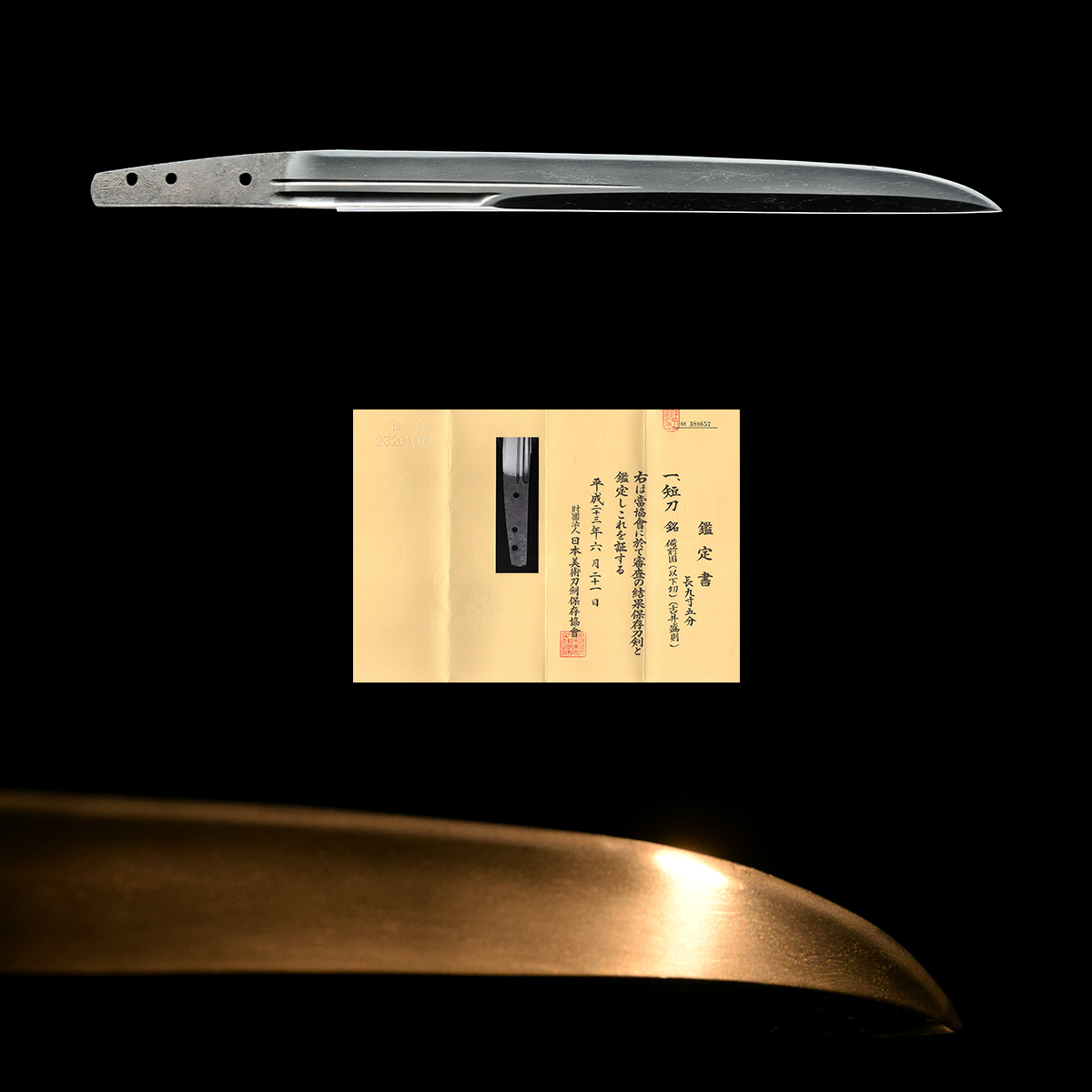
The Yoshii school was a group that emerged during the late Kamakura period in the Yoshii area, along the same Yoshii River as the Osafune and Hatakeda schools, and few of their works remain. This tanto is based on hira-zukuri with naginata-hi and soe-hi featuring maru-dome at the koshi-moto, and the sharp tsukuri-komi with a steep oroshi leading into kanmuri-otoshi is impressive; the jigane is mokume with masame-nagare, a sugu-utsuri stands out across the whole surface giving it an elegant appearance, the hamon is based on hoso-suguba mixed with small notare, and the boshi is sugu with a maru-kaeri tip. Unlike tachi or katana, ko-wakizashi and tanto were often used practically in close-quarters combat during actual warfare, and this tanto also has a portion of the yakiba running off at the fukura. While it is ideal for the yakiba to remain firmly from the bottom to the tip, it is not uncommon for the hamon of old works that have been used as practical bladed tools to run off, and this tells the history of this sword, which has been trusted and cherished throughout the passage of many years. If the running off of the yakiba is a concern, I believe it would also be good to enjoy it after performing a tsubukuro-kenma repair.
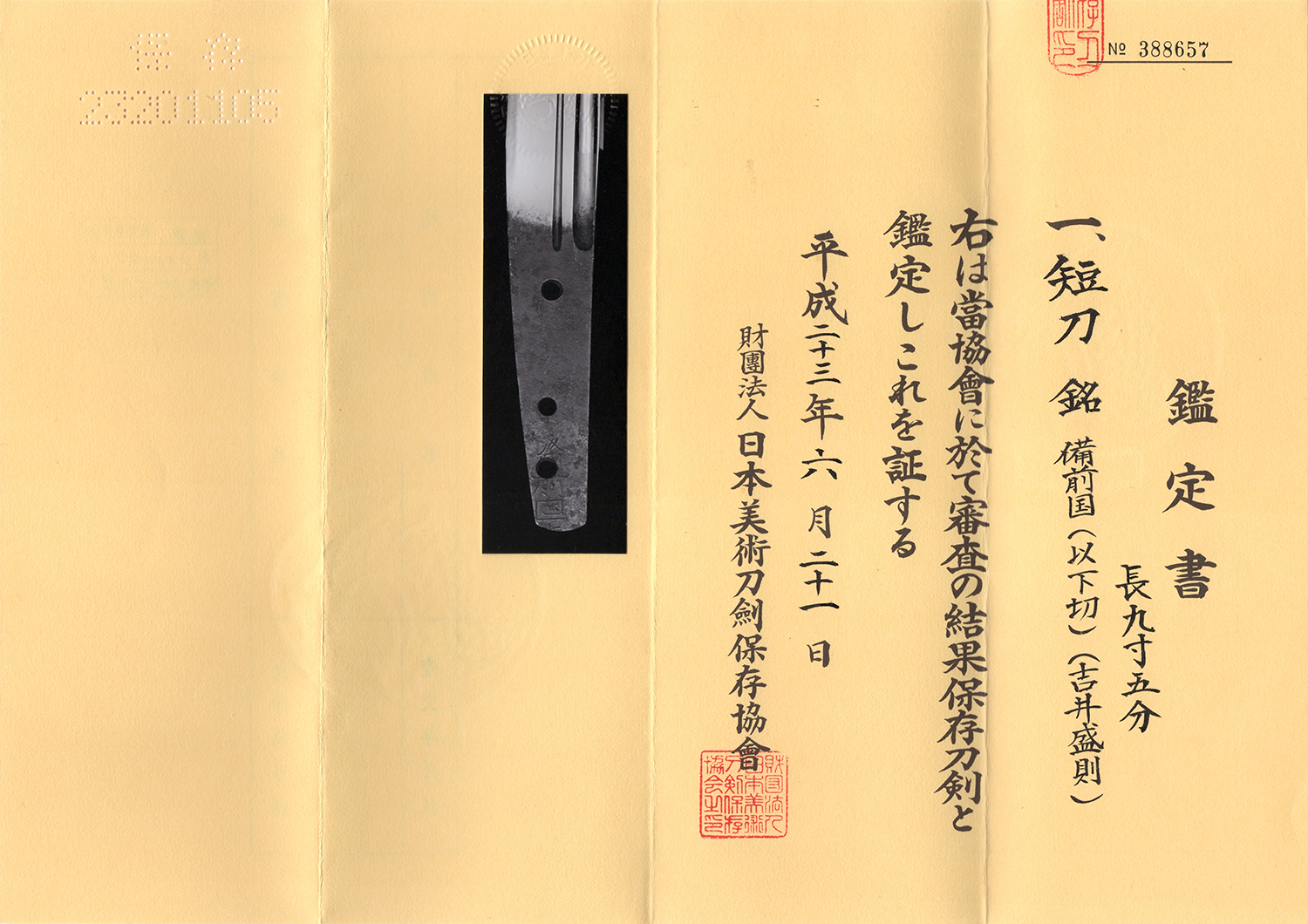
Certificate reading — 銘 備前国(以下切)
NihontoWatchOffered by Toushin
5 on the market

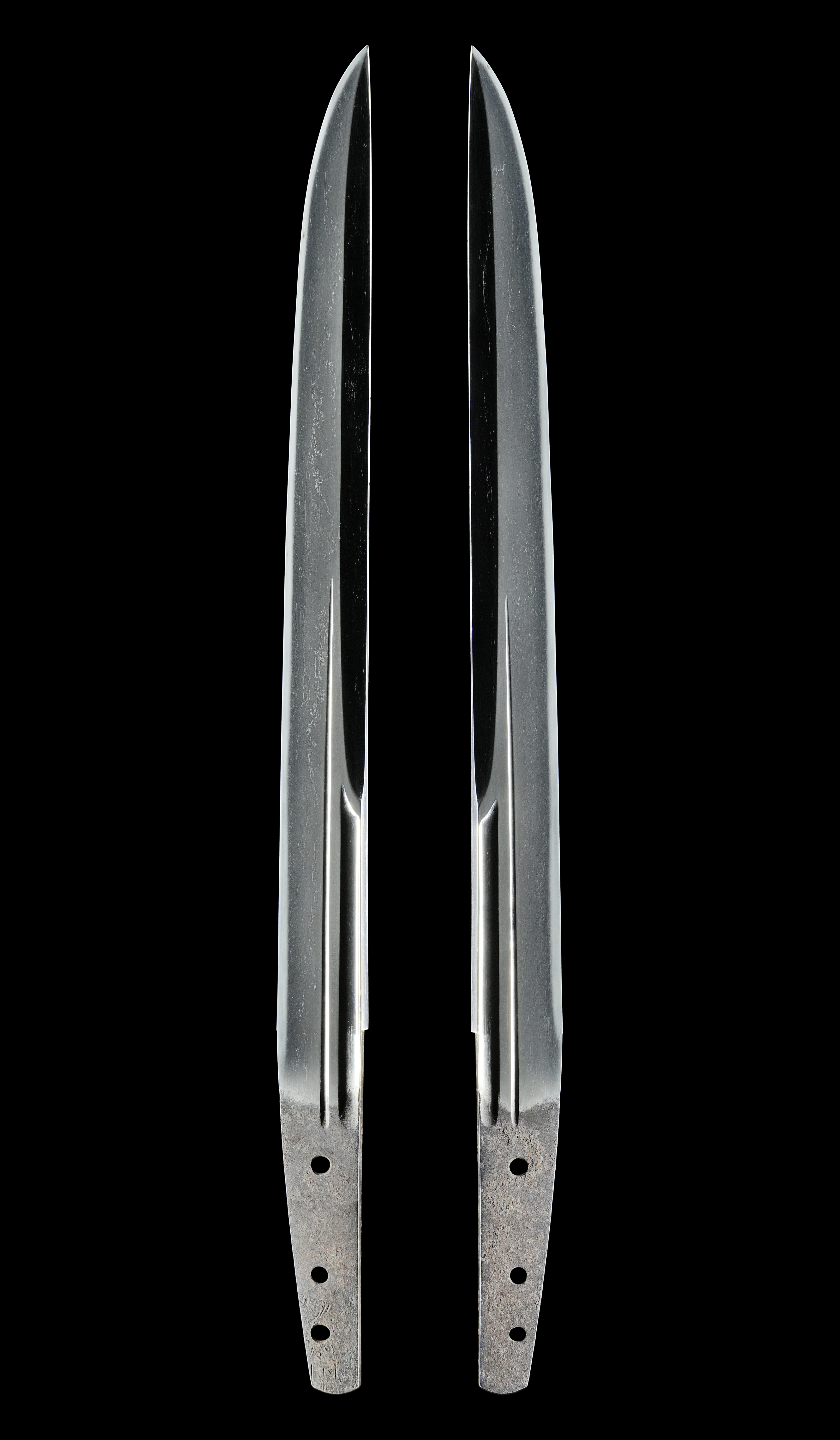
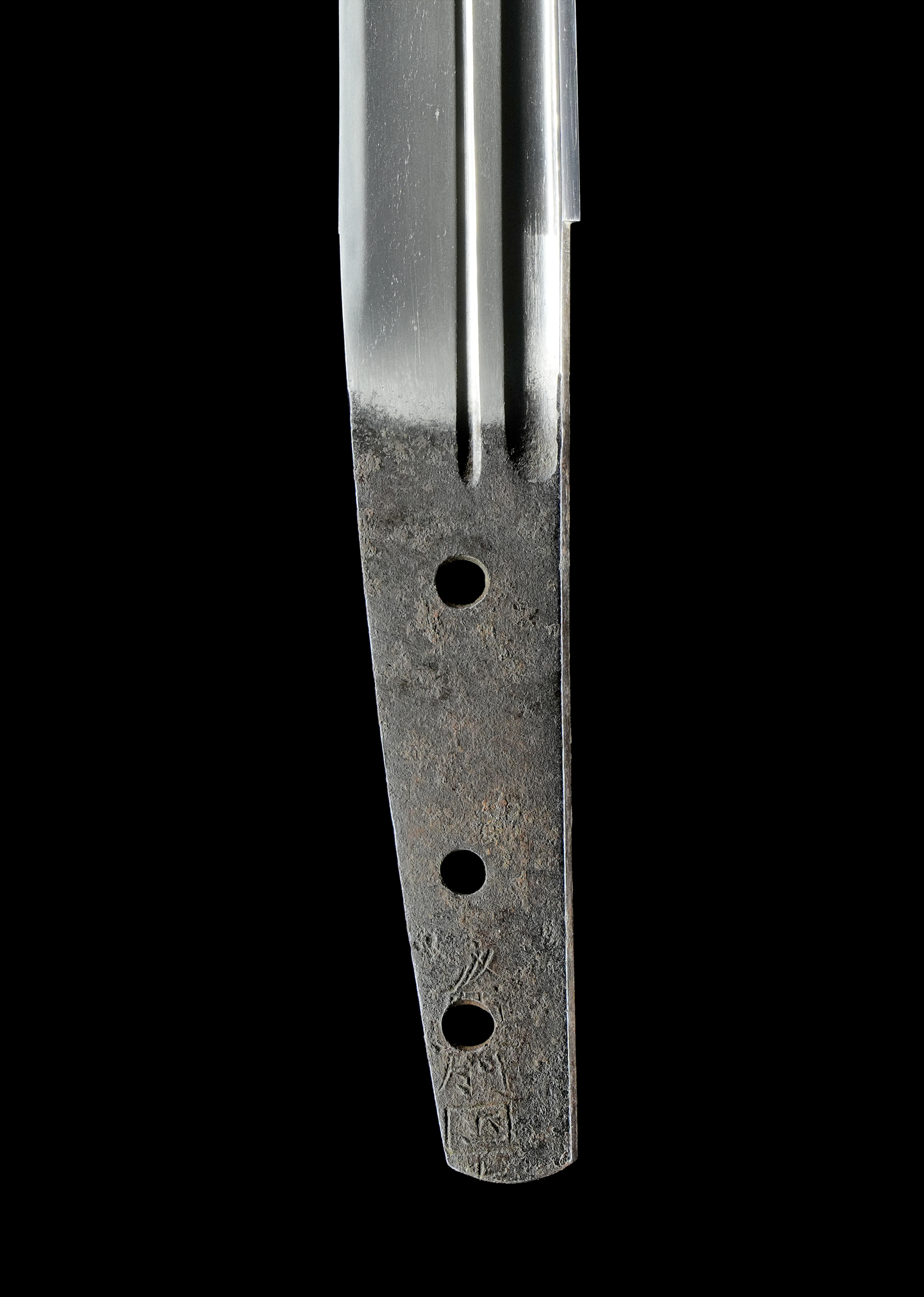
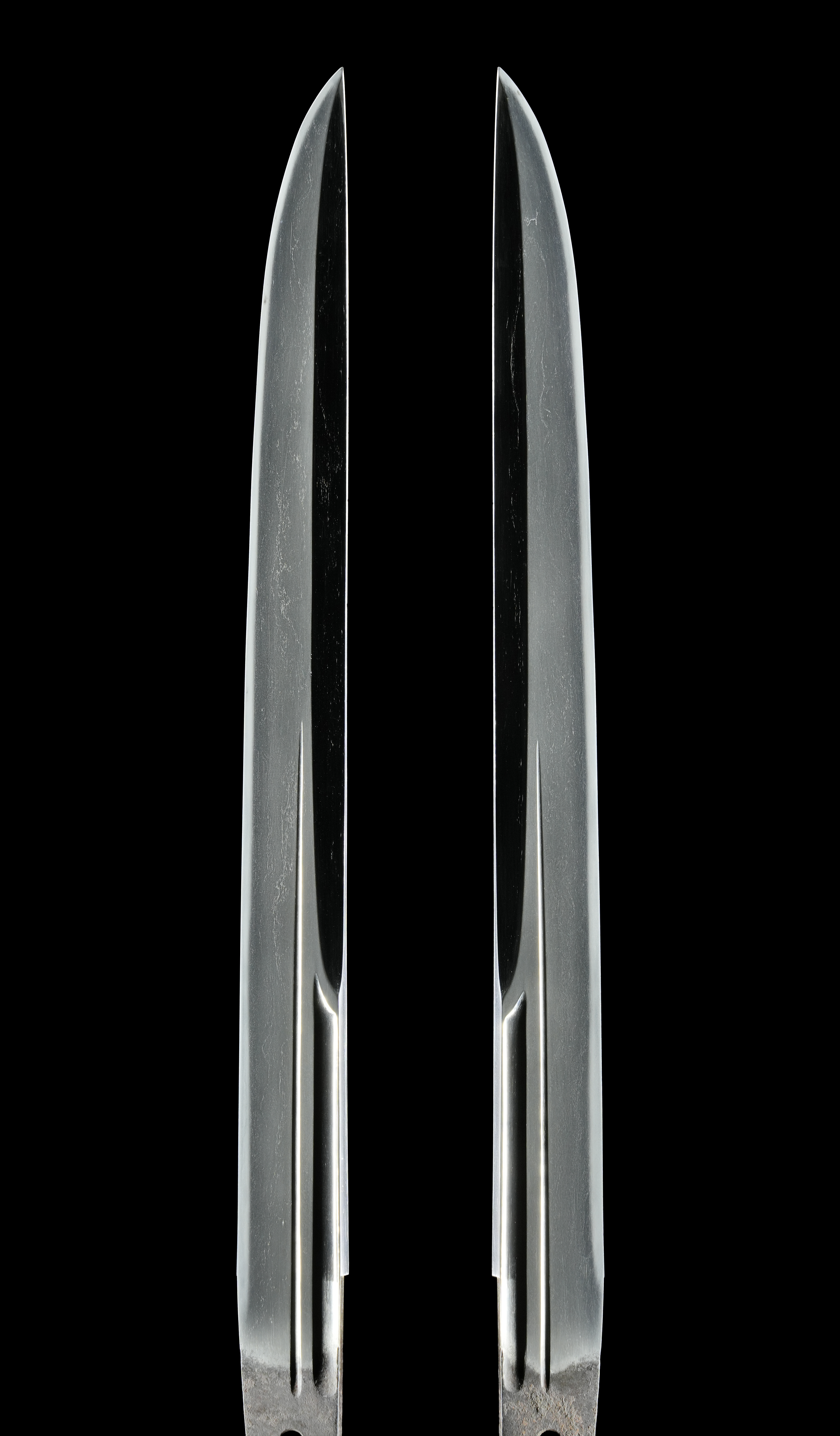
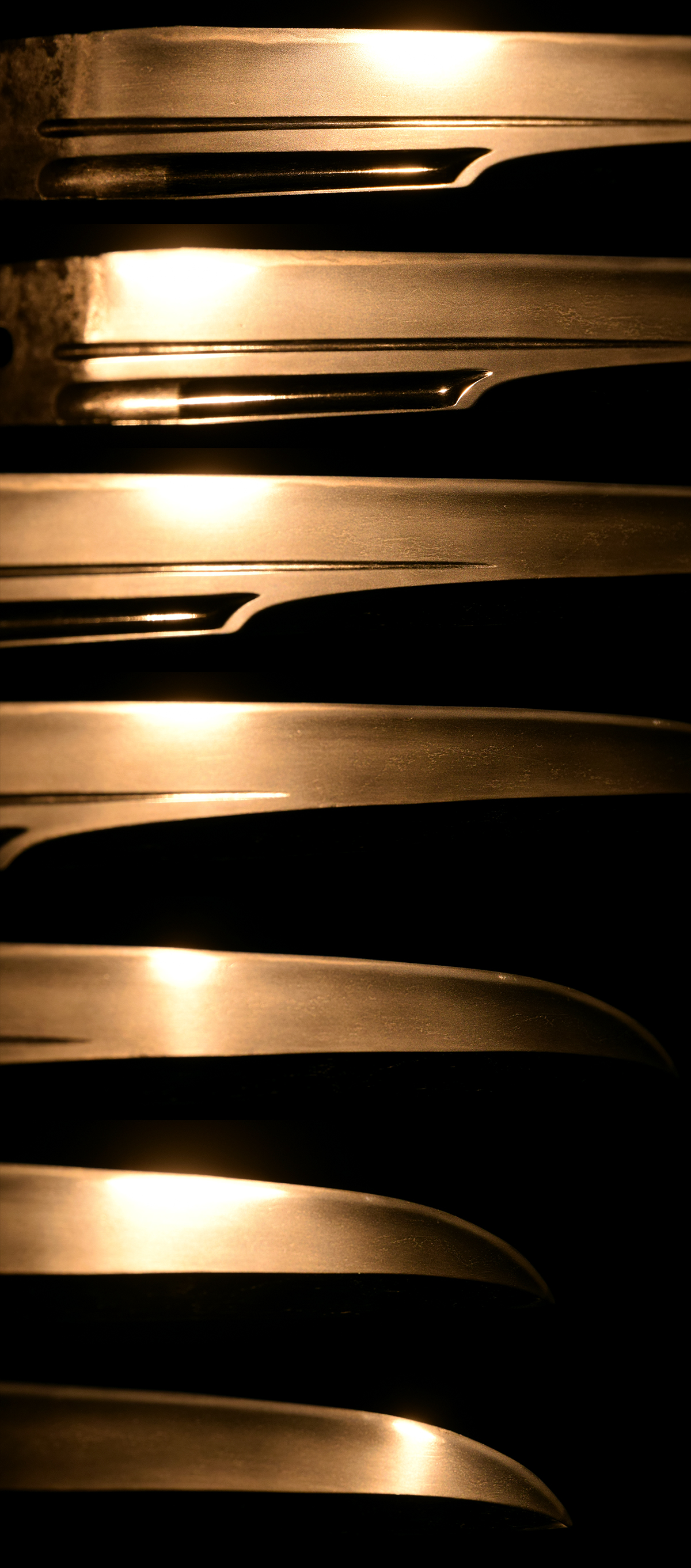
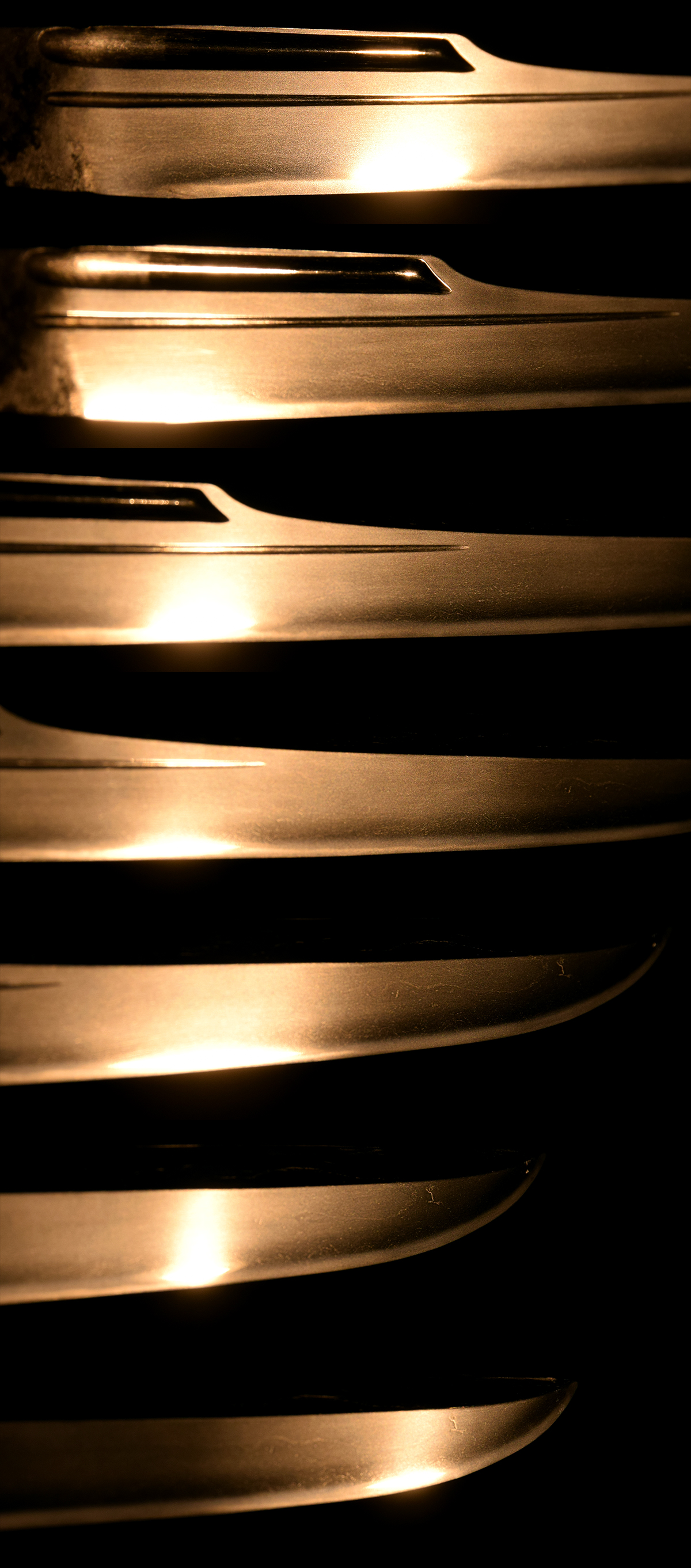
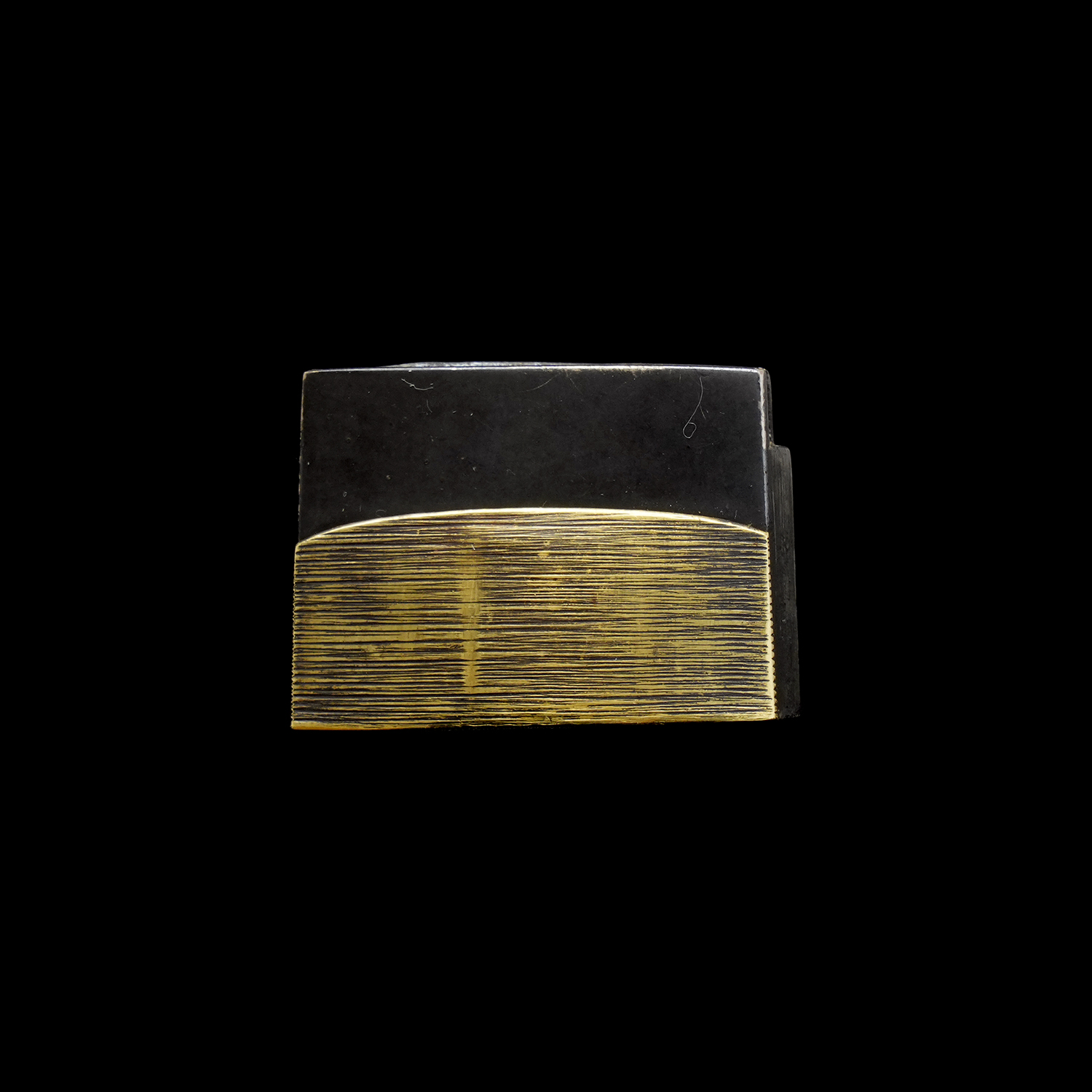
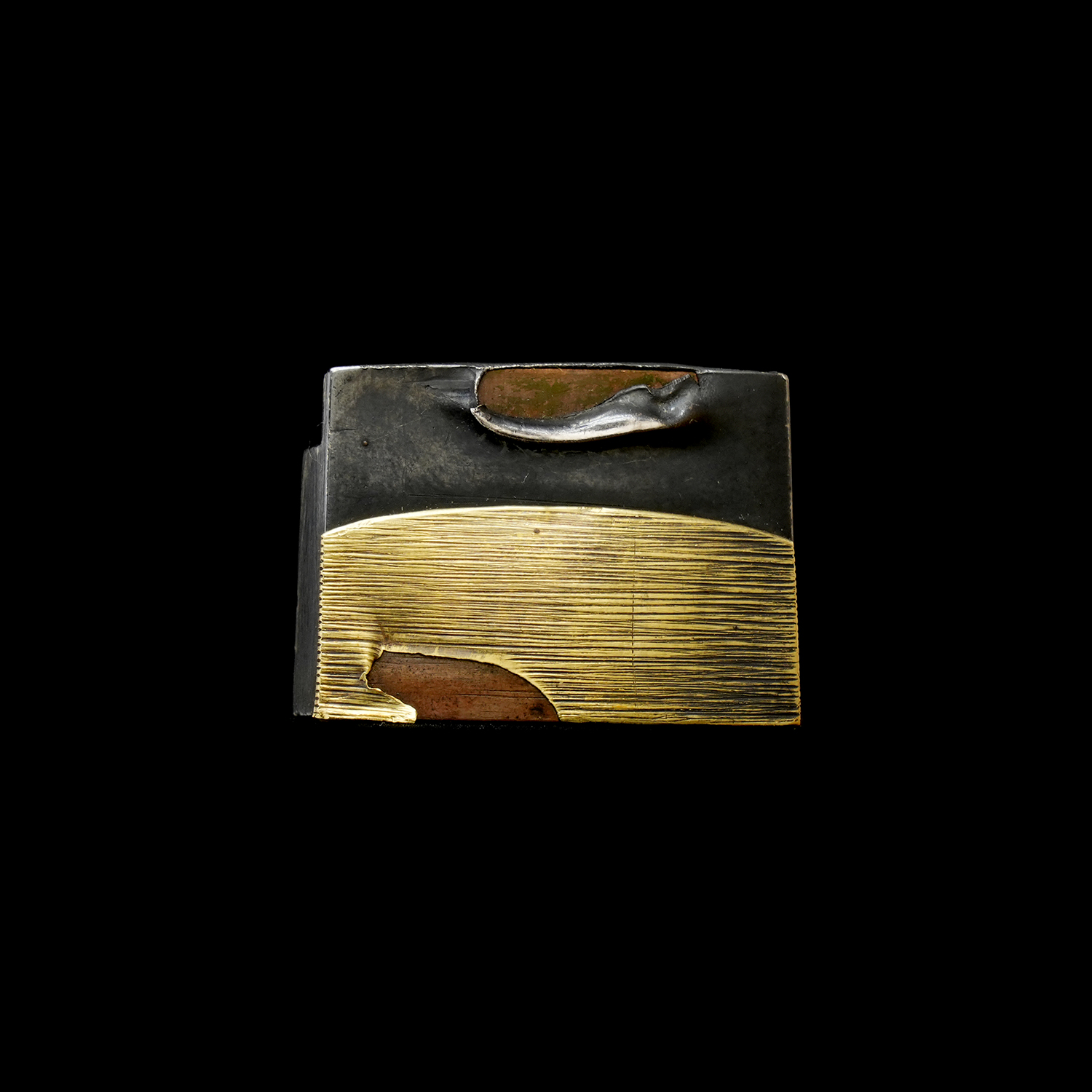
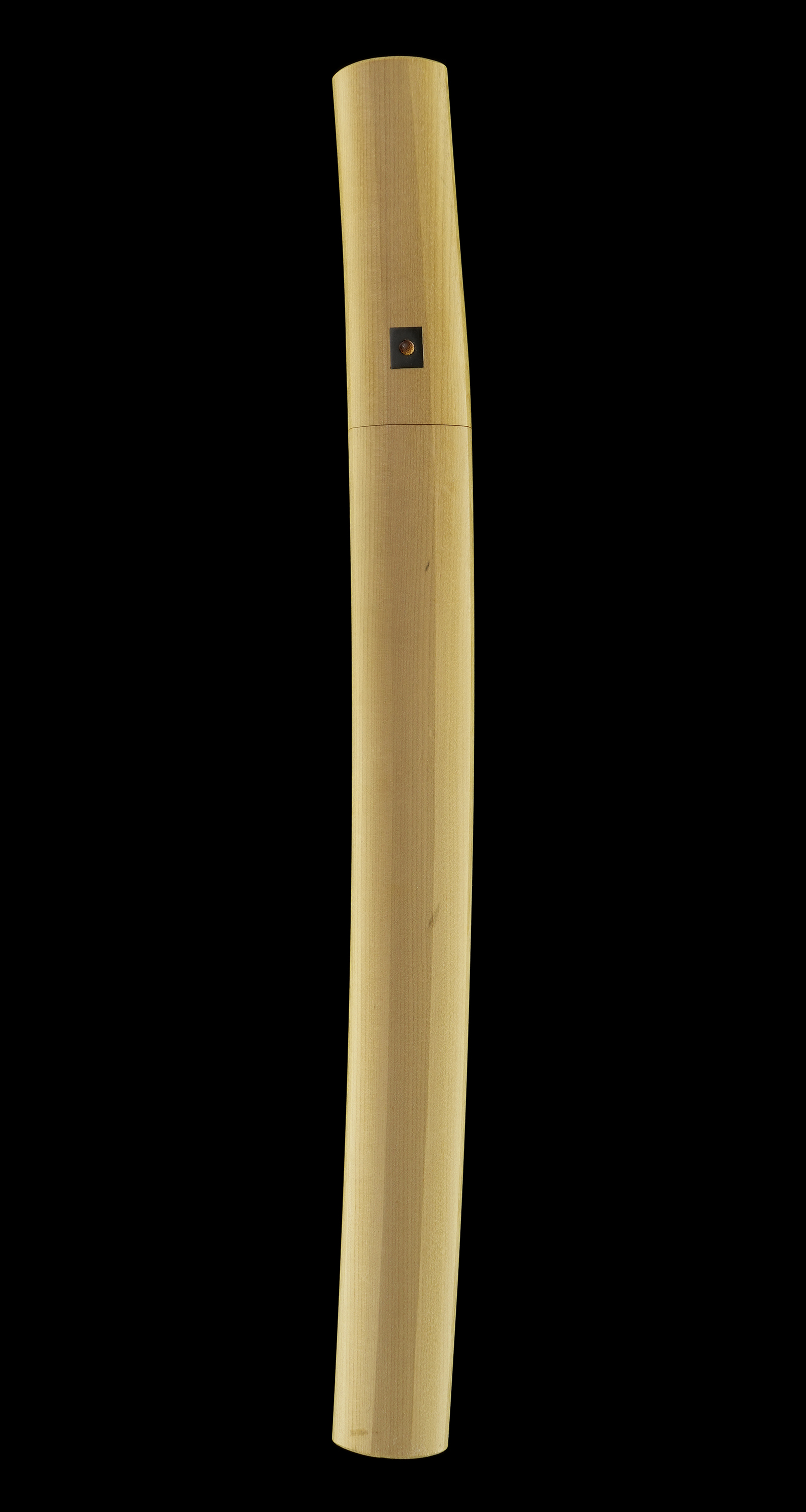
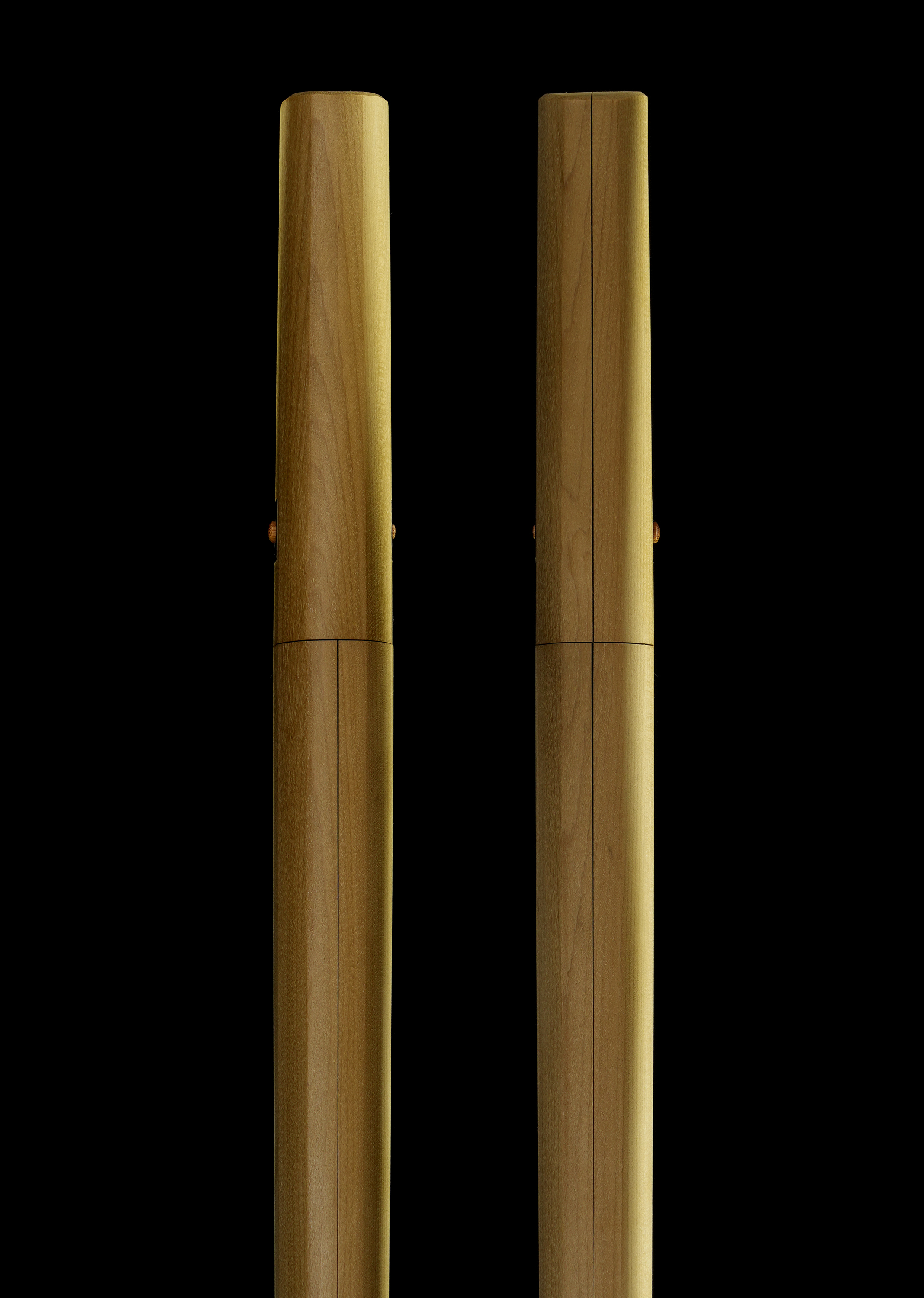
As written by the shop
Machine translation from the shop's Japanese · may contain errors ·
Bizen-den · Bizen
5 pieces on the market now
The Yoshii school (吉井) took its name from a locality on the Yoshii River in Bizen province, the stretch of country facing Osafune across the water, and it is from that base that the lineage is read in the late Kamakura period, through the Nanbokucho, and on into the Muromachi. Tradition holds that the line began with Tamenori toward the close of the Kamakura age, though pieces reaching that far back are exceedingly rare; the NBTHK separates the older tier, of Nanbokucho date and before, as Ko-Yoshii, reserving the plain name Yoshii for the full Muromachi production. The dated, signed hands by whom the school is most clearly told run from Kagenori and Noritsuna in the fourteenth century, through Morinori and Naganori of the late Nanbokucho into Oei, to Kiyonori in the middle Muromachi, the name passing along a chain of Nori- and Tsugu-cut signatures (Yoshinori, Kiyonori, Naganori his son) that fixes the school to the year across roughly a century and a half. Kagenori, whose lineage-name endured longest and is held by one account to be the main line, anchors the early record; Kiyonori supplies its textbook Muromachi face. What binds the school as a body, and what no other branch of Bizen-den shares in the same way, is a single distinctive temper: a small gunome (the ko-gunome or ko-choji the trade calls the "Yoshii-ba") linked in a regular, orderly, repeating run, often with a slight slant or togari-gokoro and pointed elements folded into the row. Over this the school raises its second great hallmark, a midare-utsuri so particular that the published sources describe the very shape of the hardened edge as though cast straight into the ji as a shadow, echoing the outline of the temper rather than drifting as an ordinary Bizen reflection would. The jigane is a tight, standing ko-itame mixed with mokume, at times taking an ayasugi-like or masame tendency that itself reads as a Yoshii tell, with ji-nie densely applied and chikei entering; the boshi follows the temper into the point in midare-komi, turning in ko-maru. Within this shared vocabulary the generations diverge in degree: the older Ko-Yoshii hands work nie-laden, with vigorous sunagashi and kinsuji that on Kagenori's boldest tachi recall the oldest Bizen, while the Muromachi production is mostly nioi-based with modest ko-nie and a soft nioiguchi.
A quieter second register runs throughout the school, a narrow suguha carrying only a slight admixture of small gunome, the calm half of the same hand; even there it is the folded-in gunome that returns the attribution to Yoshii. The long signatures, cut toward the mune, frequently use saka-tagane, reverse-driven chisel strokes that mark the very mei as the school's own. To kantei a Yoshii blade is therefore to read the regular linking first: the orderly, repeating ko-gunome and the shadow-cast utsuri distinguish it at once from the softer, cloud-like midare-utsuri and the broader choji of the Osafune mainstream, and the strength of the nie on older pieces is what guards against a later confusion with Mino. The school's standing rests less on grand provenance than on this recognizability and on its documentary value, the dated inscriptions making its smiths placeable to the year, which for late Bizen hands is much of the appeal. Among the named members Kagenori and Morinori carry the line at its Ko-Yoshii finest, the Fujishiro appraisers rating Morinori and Naganori at chu-jo saku, a step above the school's average run; Kiyonori's best wakizashi is judged to approach the Ko-Yoshii range within a Muromachi frame. Recorded whereabouts scatter across temple, museum, and private hands, a Kagenori tachi in the Sano Art Museum, a Kiyonori tachi at Yasukuni Shrine, a Naganori odachi in the Tokugawa Art Museum, and a Kagenori once appraised as Ko-Bizen passing through the Date family; none rises above the Important Sword tier into National Treasure or Important Cultural Property. A signed, dated Yoshii blade thus remains an attainable way to hold late Bizen-den in its most exactly knowable and most immediately recognizable form. Learn more →
| Smith | Era | Designated |
|---|---|---|
| Kiyonori清則 | 1429-1453 | 10 |
| Kagenori景則 | 1362-1375 | 6 |
| Naganori永則 | 1429-1441 | 4 |
| Morinori盛則 | 1378-1428 | 4 |
| Noritsuna則綱 | 1364-1394 | 3 |
Bizen in the Muromachi period
War at home and trade abroad made Muromachi Bizen the busiest forge region in Japan: a century of Sengoku demand after the Ōnin War, and export missions to Ming China carrying blades by the tens of thousands.
Certifies a genuine blade worth preserving: a signature confirmed correct, or, if unsigned, an era, province, and school that the NBTHK can reliably identify.
The NBTHK (Nihon Bijutsu Tōken Hozon Kyōkai, the Society for the Preservation of Japanese Art Swords) is a public-interest incorporated foundation founded in 1948 and supervised by Japan’s Agency for Cultural Affairs (Bunkachō); it is based at the Japanese Sword Museum in Tokyo. Its expert panels physically examine each submitted work (shinsa) and issue a certificate (kanteishō) ranking it by artistic and historical merit. NBTHK papers are the most widely recognized standard of authentication for Japanese swords and fittings.
NBTHK official siteAs a rule we do not accept returns, except when we have sent a different item from the one ordered or when there is a significant discrepancy between the description and the item. If you wish to return an item, please contact us within 3 days of its arrival and then send it back.
¥275,000