The twentieth century nearly killed the craft twice: wartime distortion, then the occupation ban. The NBTHK’s founding in 1948 and licensed forging from 1953 rebuilt the sword as an art, crowned by Living National Treasures and the mukansa rank.
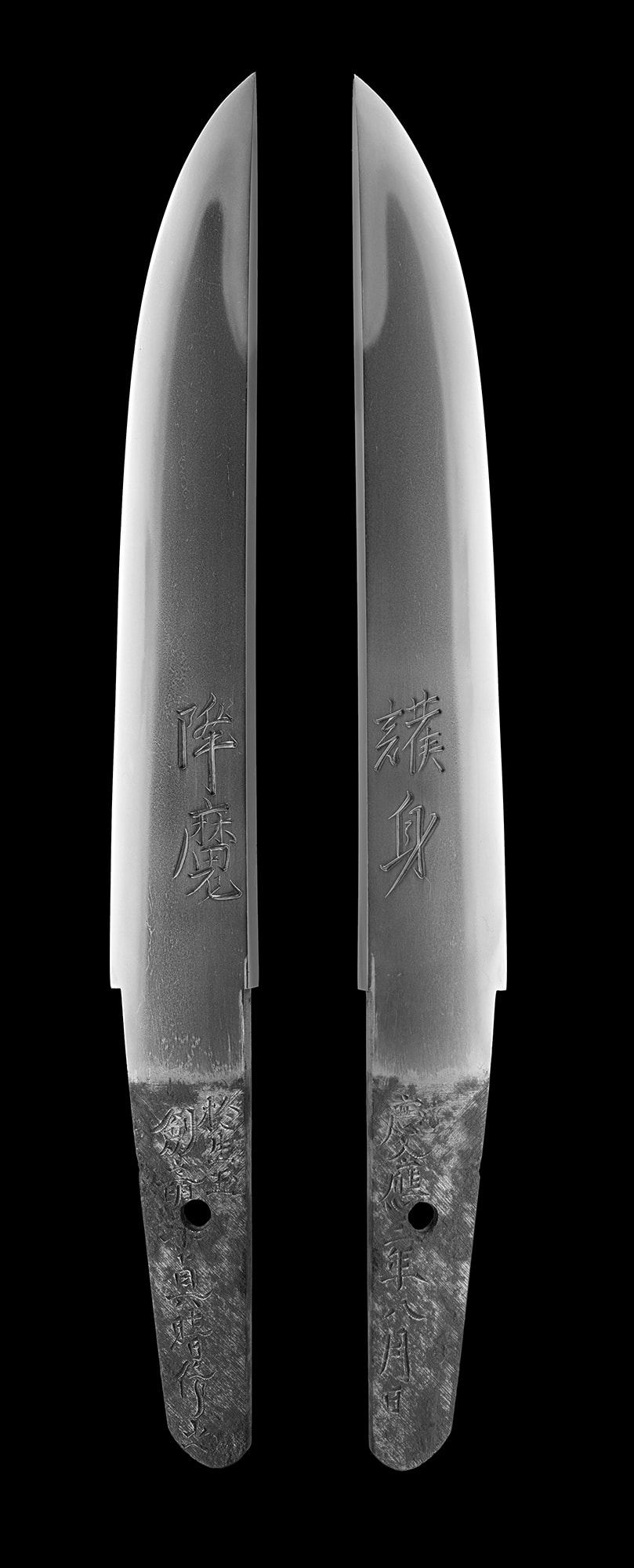
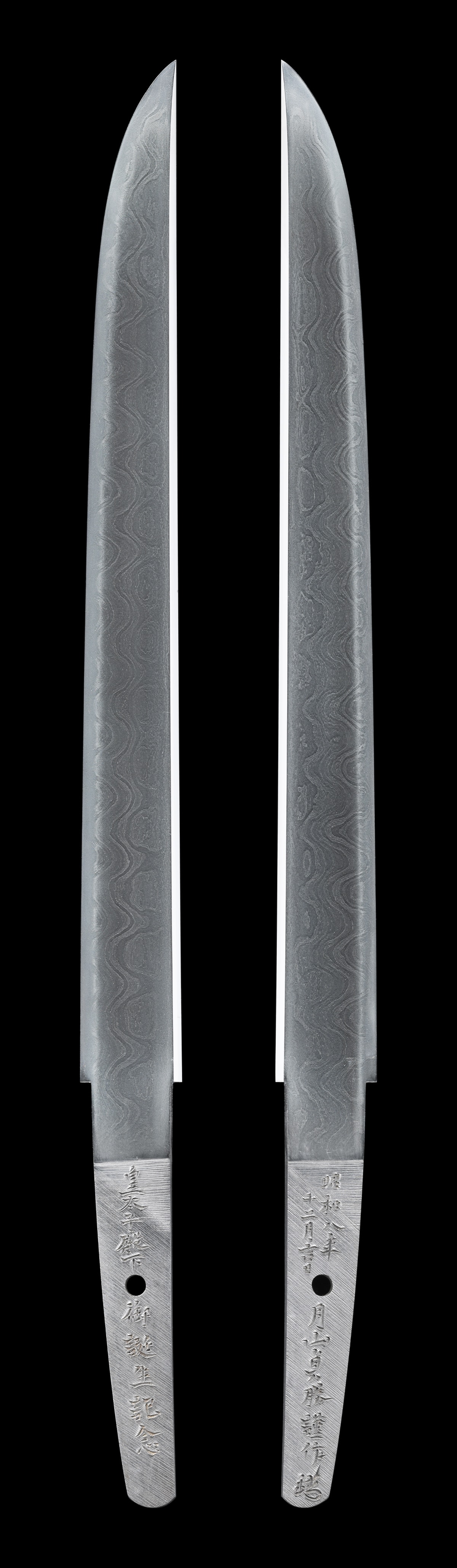
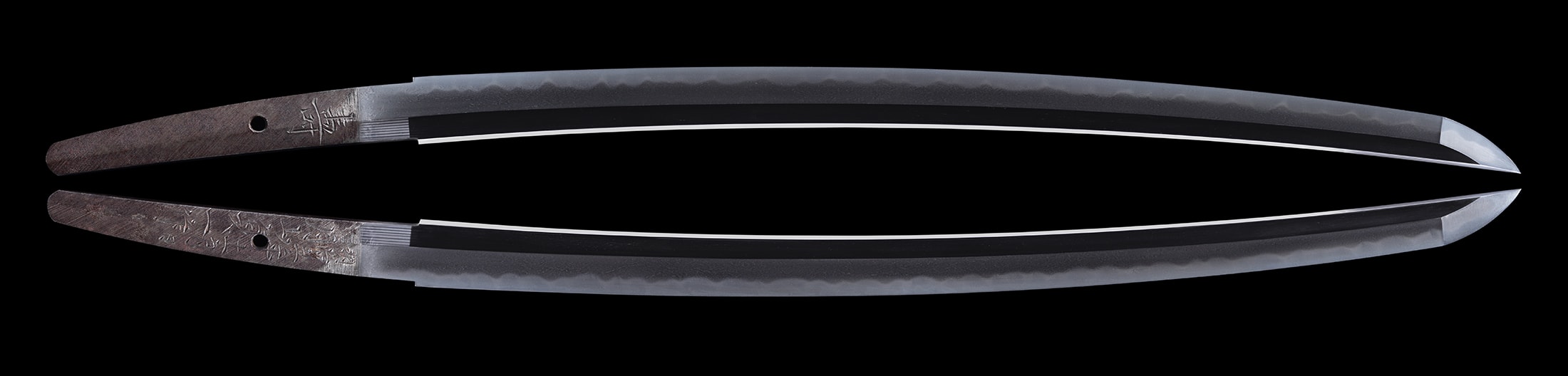
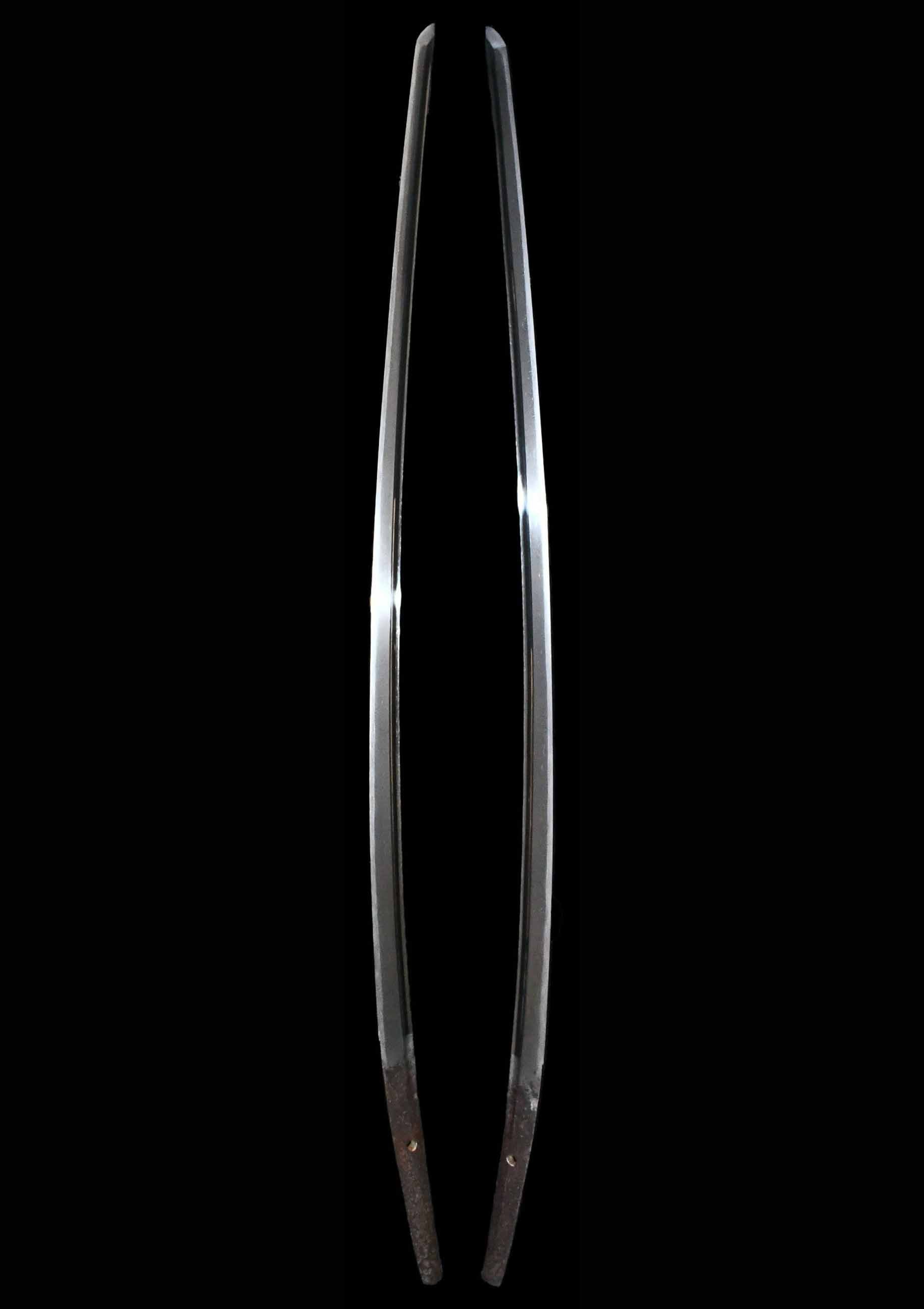
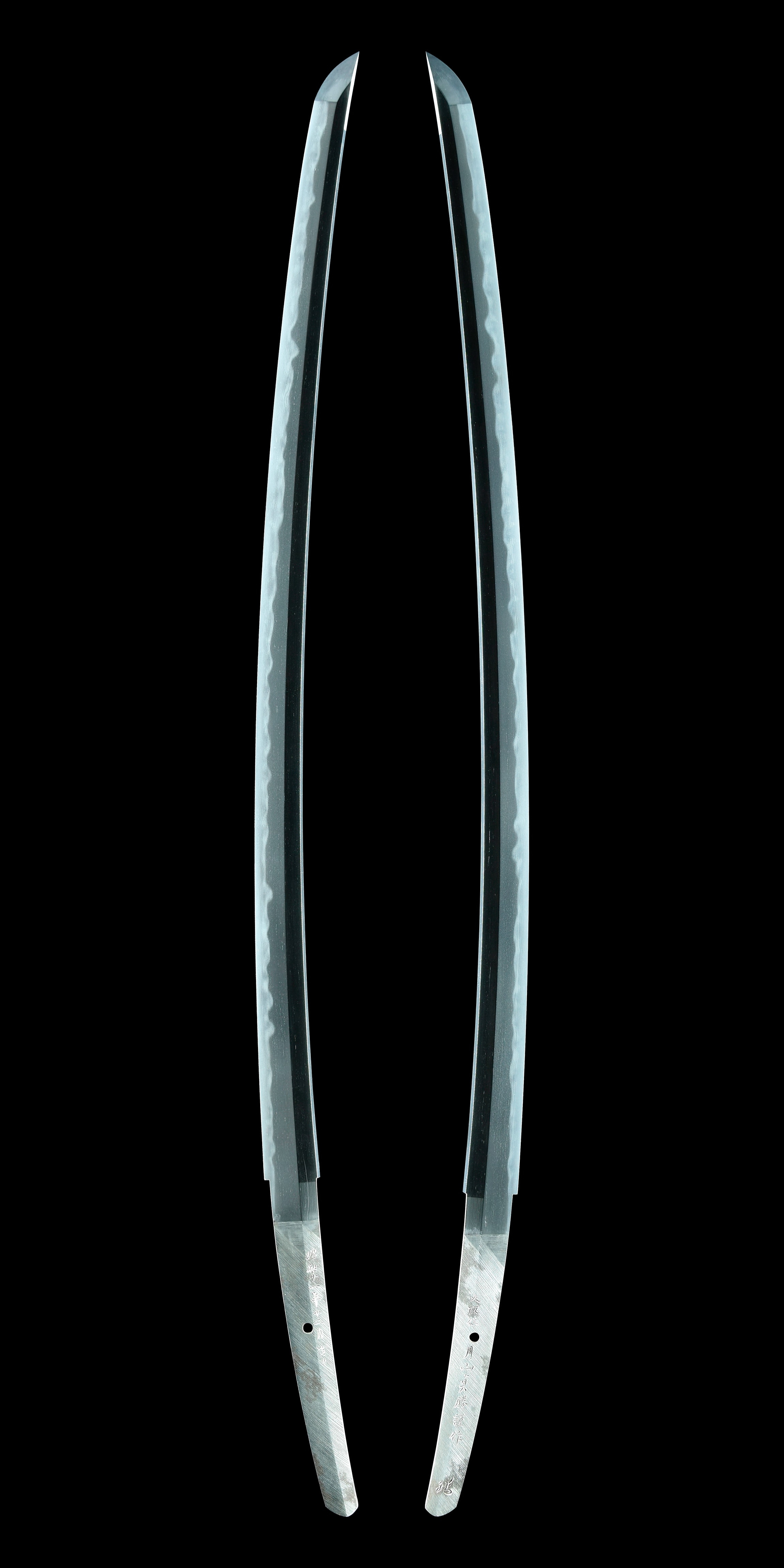
This katana is signed by Enomoto Sadayoshi, born October 31, 1951. He learned from his father, Sadakatsu, and exhibited in the 1975 New Sword Exhibition. Sadayoshi was captivated by the Soshu-den style, particularly the strong nie and dynamic chikei and kinsuji, and forged swords in the tradition of Masamune, Sadamune, Norishige, Shizu Saburo Kaneuji, and Go Yoshihiro.
 NihontoWatch
mei · Showa (1926-1989)
Shinshinto · Shizuoka · around 1926-1989
1 piece on the market now
Shinshinto · Settsu
36 pieces on the market now
| Smith | Era | Designated |
|---|---|---|
| Sadakazu貞一 | 1864-1865 | 2 |
| Sadaharu貞晴 | 1865-1868 | 0 |
| Sadayoshi貞吉 | 1926-1989 | 0 |
| Yoshiaki吉明 | 1844-1848 | 0 |
| Sadayoshi貞吉 | 1830-1863 | 0 |
Shōwa to the present: destruction and revival
The twentieth century nearly killed the craft twice: wartime distortion, then the occupation ban. The NBTHK’s founding in 1948 and licensed forging from 1953 rebuilt the sword as an art, crowned by Living National Treasures and the mukansa rank.
We could not find an authenticity certificate on the seller’s listing. Japanese swords and fittings are normally papered by the NBTHK (or the NTHK). Without one, the attribution is the seller’s own assessment and has not been independently verified — treat it with caution and ask the dealer about certification before buying.
If, due to our fault, the item differs significantly from its proper condition, the item may be returned. Cooling-off is within one week of the item's arrival.
This katana is signed by Enomoto Sadayoshi, born October 31, 1951. He learned from his father, Sadakatsu, and exhibited in the 1975 New Sword Exhibition. Sadayoshi was captivated by the Soshu-den style, particularly the strong nie and dynamic chikei and kinsuji, and forged swords in the tradition of Masamune, Sadamune, Norishige, Shizu Saburo Kaneuji, and Go Yoshihiro.
NihontoWatchmei · Showa (1926-1989)
Shinshinto · Shizuoka · around 1926-1989
1 piece on the market now
Shinshinto · Settsu
36 pieces on the market now
| Smith | Era | Designated |
|---|---|---|
| Sadakazu貞一 | 1864-1865 | 2 |
| Sadaharu貞晴 | 1865-1868 | 0 |
| Sadayoshi貞吉 | 1926-1989 | 0 |
| Yoshiaki吉明 | 1844-1848 | 0 |
| Sadayoshi貞吉 | 1830-1863 | 0 |
Shōwa to the present: destruction and revival
The twentieth century nearly killed the craft twice: wartime distortion, then the occupation ban. The NBTHK’s founding in 1948 and licensed forging from 1953 rebuilt the sword as an art, crowned by Living National Treasures and the mukansa rank.
We could not find an authenticity certificate on the seller’s listing. Japanese swords and fittings are normally papered by the NBTHK (or the NTHK). Without one, the attribution is the seller’s own assessment and has not been independently verified — treat it with caution and ask the dealer about certification before buying.
If, due to our fault, the item differs significantly from its proper condition, the item may be returned. Cooling-off is within one week of the item's arrival.



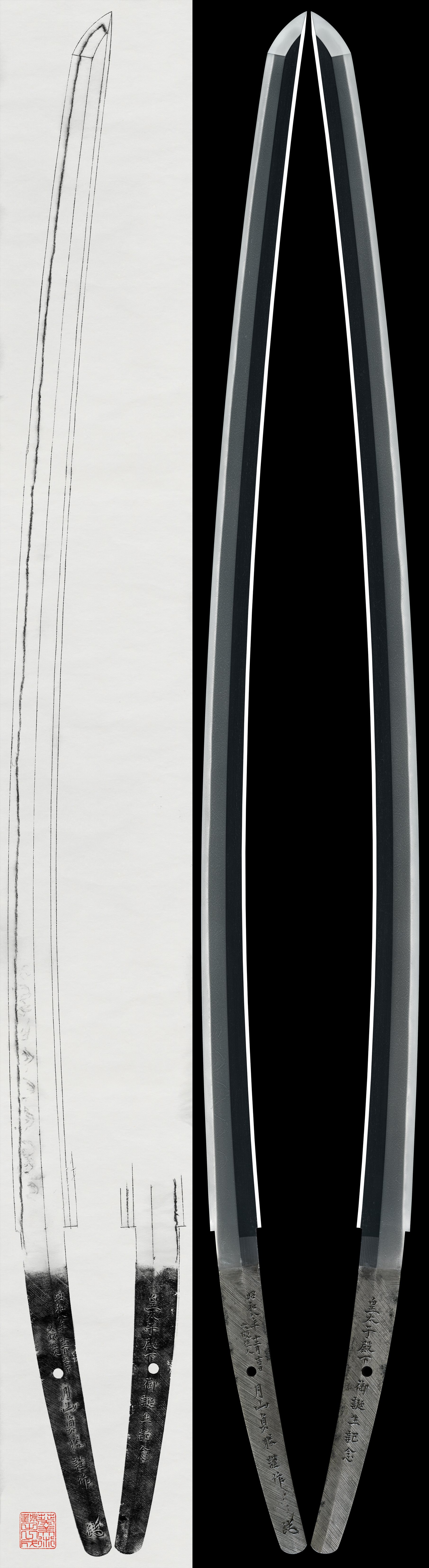

![Katana - Tokuho - by Gassan Sadakazu - Signed Naniwa ju Gassan Unryushi Sadakazu tsukuru [Seal] Keio gannen 11 gatsujitsu](/_next/image?url=https%3A%2F%2Fitbhfhyptogxcjbjfzwx.supabase.co%2Fstorage%2Fv1%2Fobject%2Fpublic%2Flisting-images%2Fchoshuya%2FL805711%2F00.jpg&w=2560&q=90)






![Tanto - Hozon - by Gassan Sadayoshi - Fuyou Asahi, Ansei Hebidoshi 8gatsuhi (Attributed to Gassan Sadayoshi) [NBTHK Hozon]](/_next/image?url=https%3A%2F%2Fitbhfhyptogxcjbjfzwx.supabase.co%2Fstorage%2Fv1%2Fobject%2Fpublic%2Flisting-images%2Ftoyuukai%2FL519985%2F04.jpg&w=2560&q=90)