Two courts, sixty years of war, and the most dramatic silhouettes in the sword’s history: broad blades, extended points, true ōdachi later cut down into the majestic katana collectors prize. The Sōshū manner was the style of the age.
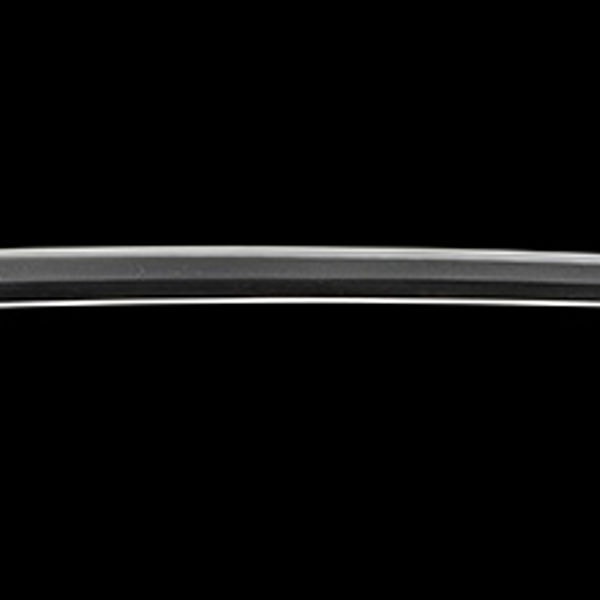
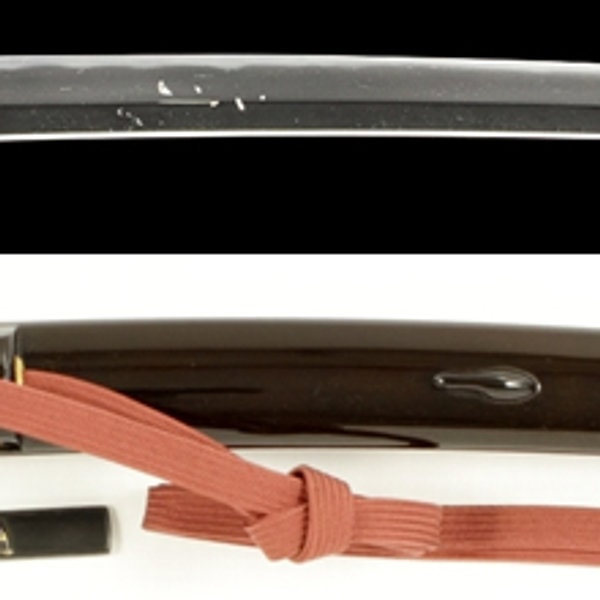
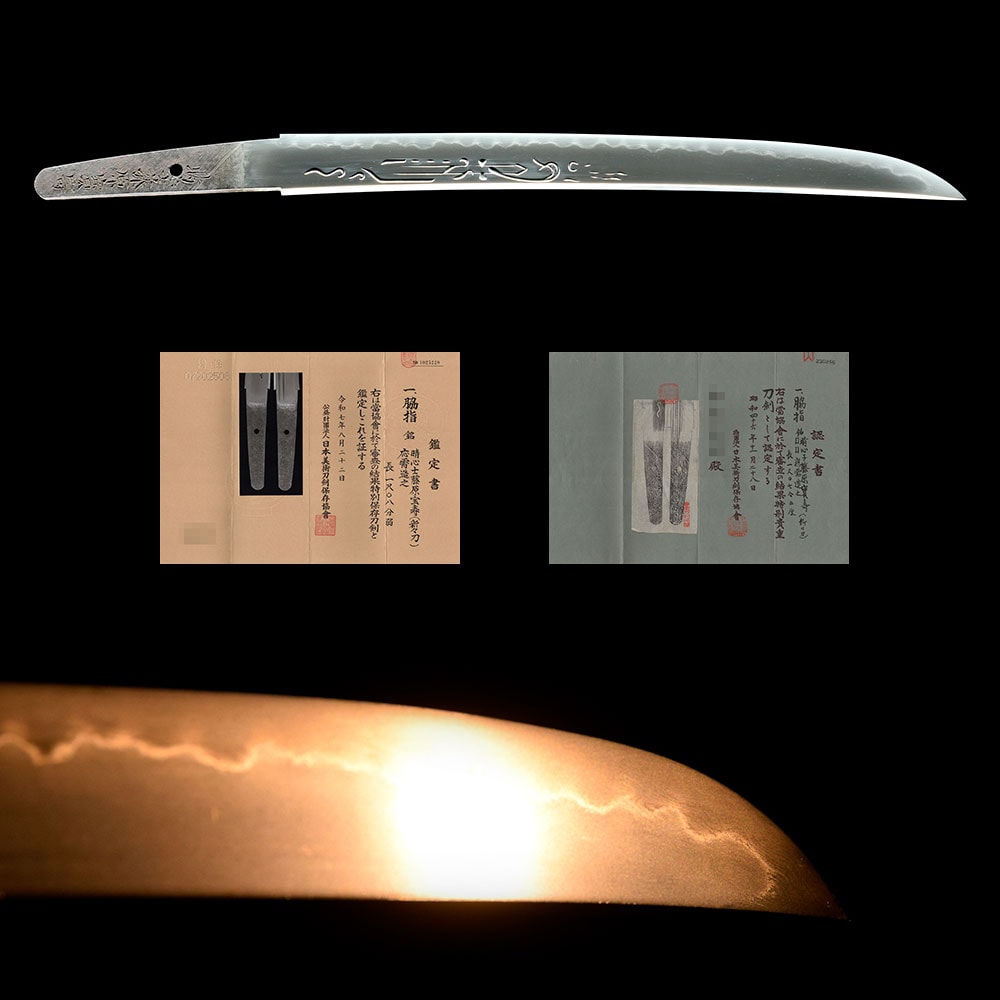
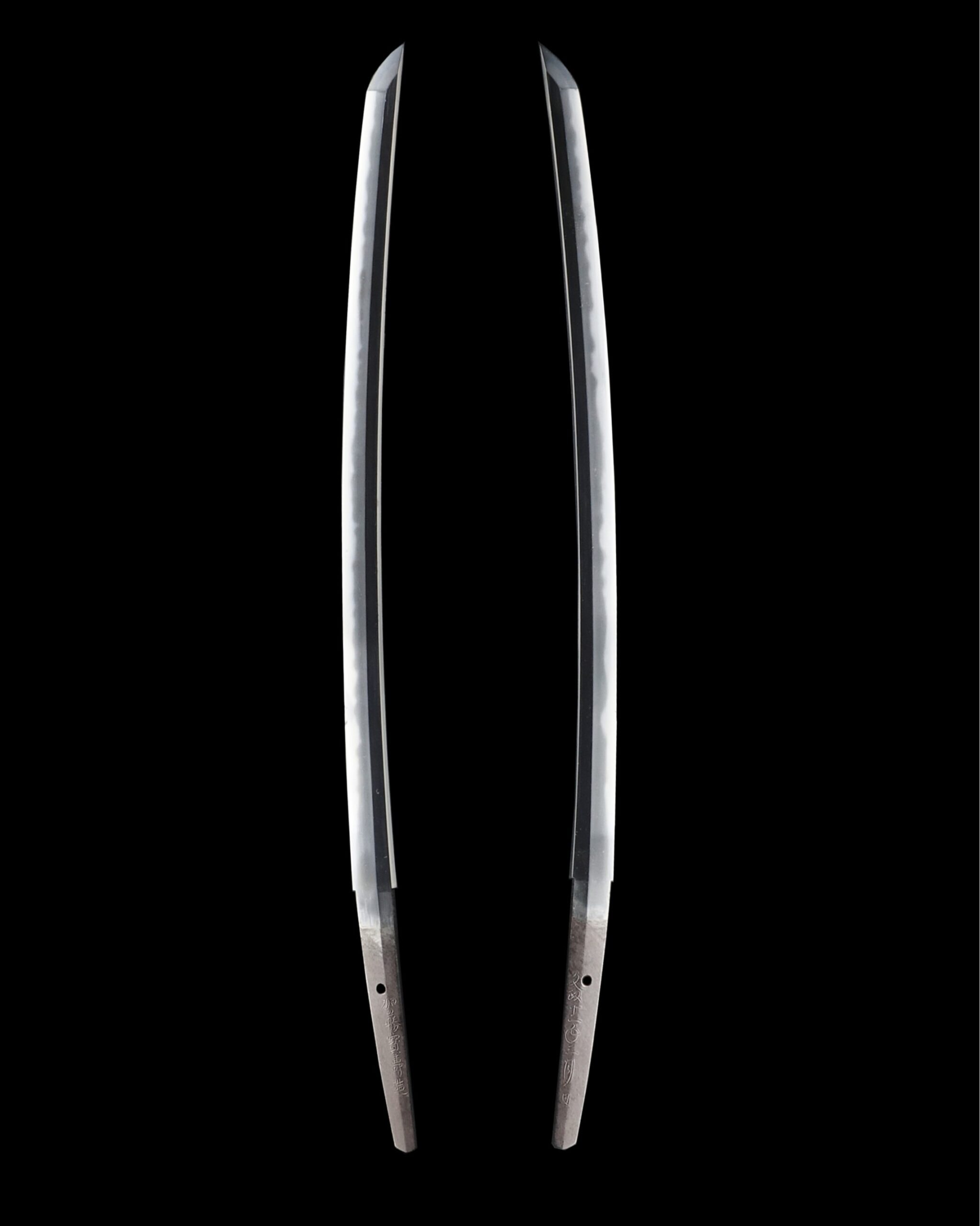
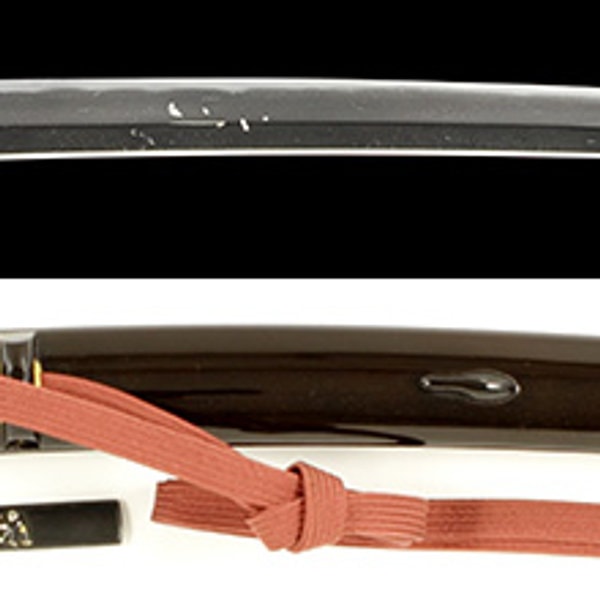
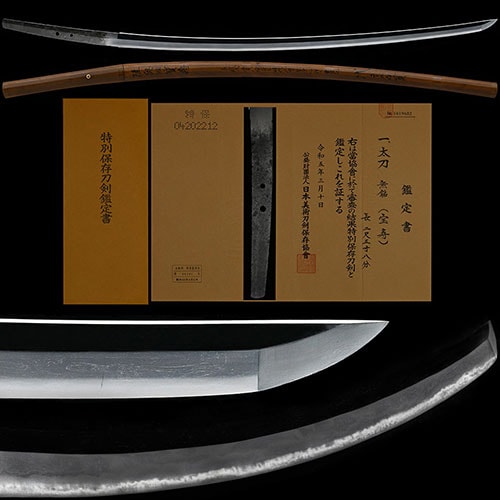
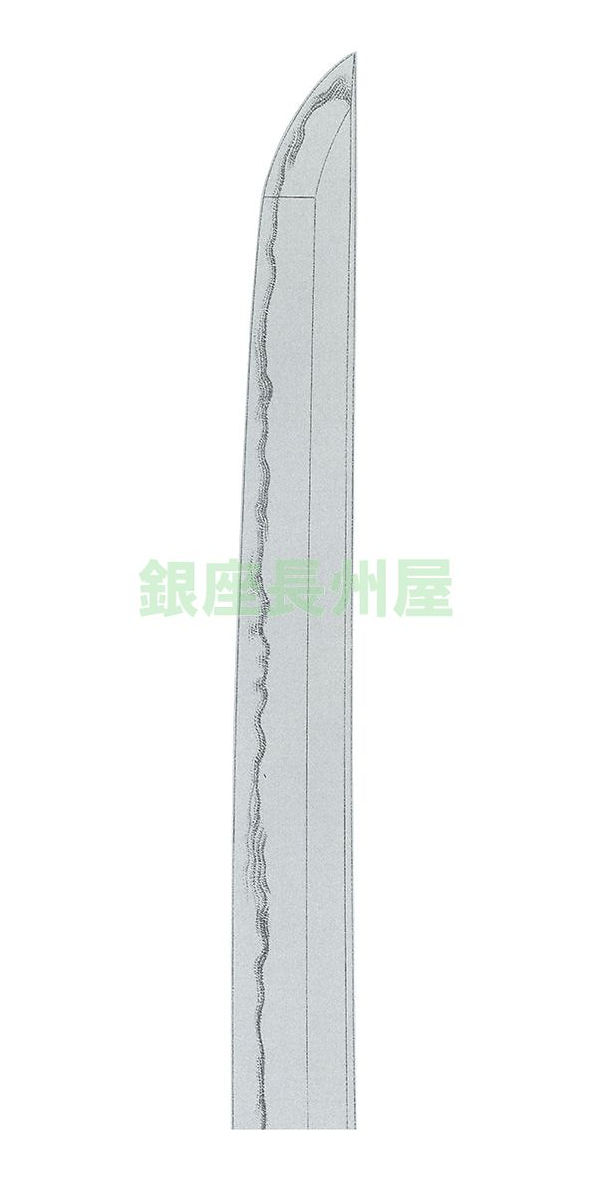
This is a katana by Hoju, an unsigned blade that has been greatly shortened (o-suriage mumei). Hoju was a swordsmith from Mutsu Province during the Nanbokucho period, known for his distinctive swirling itame-hada and straight hamon with a deep nioi-guchi. The listing notes the historical significance of the Hoju lineage, with a tradition linking Hoju's father, Bunju, to the creation of the Hige-kiri tachi.
 NihontoWatch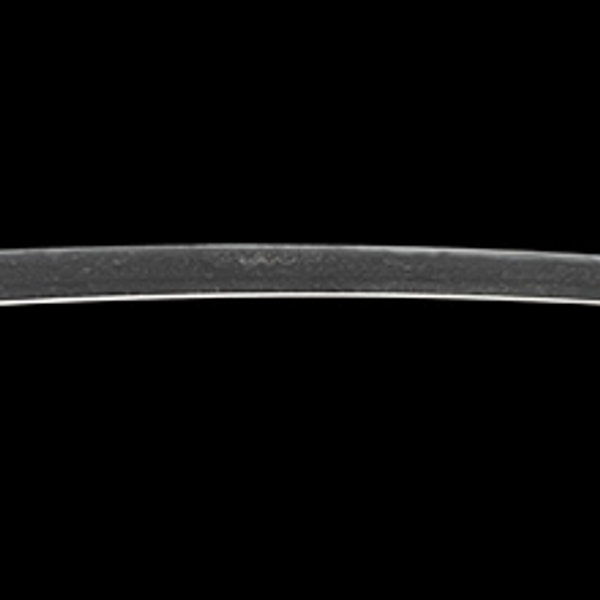
Mutsu · around 1306-1308
2 pieces on the market now
The Nanbokuchō period (1333 to 1392)
Two courts, sixty years of war, and the most dramatic silhouettes in the sword’s history: broad blades, extended points, true ōdachi later cut down into the majestic katana collectors prize. The Sōshū manner was the style of the age.
We could not find an authenticity certificate on the seller’s listing. Japanese swords and fittings are normally papered by the NBTHK (or the NTHK). Without one, the attribution is the seller’s own assessment and has not been independently verified — treat it with caution and ask the dealer about certification before buying.
If, due to our fault, the item differs significantly from its proper condition, the item may be returned. Cooling-off is within one week of the item's arrival.
This is a katana by Hoju, an unsigned blade that has been greatly shortened (o-suriage mumei). Hoju was a swordsmith from Mutsu Province during the Nanbokucho period, known for his distinctive swirling itame-hada and straight hamon with a deep nioi-guchi. The listing notes the historical significance of the Hoju lineage, with a tradition linking Hoju's father, Bunju, to the creation of the Hige-kiri tachi.
NihontoWatchMutsu · around 1306-1308
2 pieces on the market now
The Nanbokuchō period (1333 to 1392)
Two courts, sixty years of war, and the most dramatic silhouettes in the sword’s history: broad blades, extended points, true ōdachi later cut down into the majestic katana collectors prize. The Sōshū manner was the style of the age.
We could not find an authenticity certificate on the seller’s listing. Japanese swords and fittings are normally papered by the NBTHK (or the NTHK). Without one, the attribution is the seller’s own assessment and has not been independently verified — treat it with caution and ask the dealer about certification before buying.
If, due to our fault, the item differs significantly from its proper condition, the item may be returned. Cooling-off is within one week of the item's arrival.