Sengoku Seki was an industry: smiths organized under their tutelary Kasuga shrine, arming the war bands of central Japan. Magoroku Kanemoto’s sanbonsugi and the finest Kanesada work prove quality survived inside mass production.
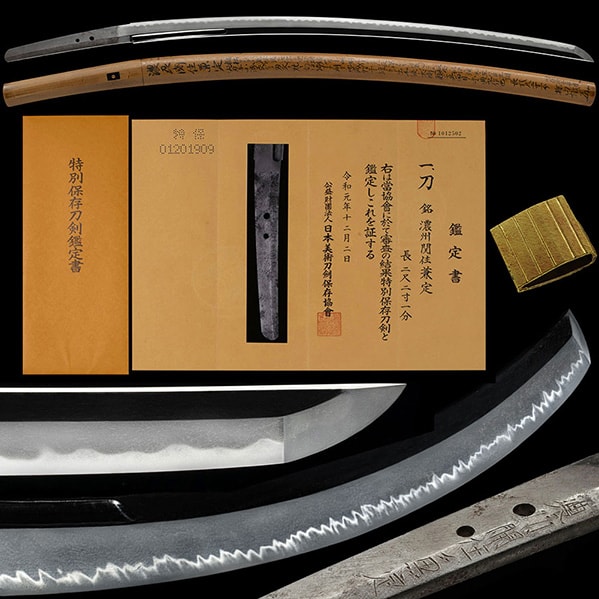
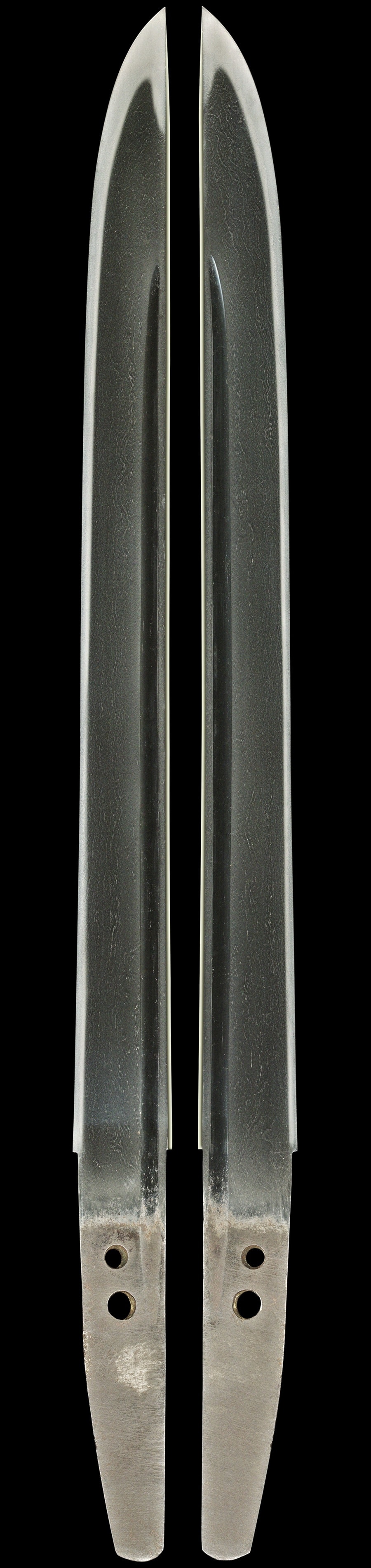
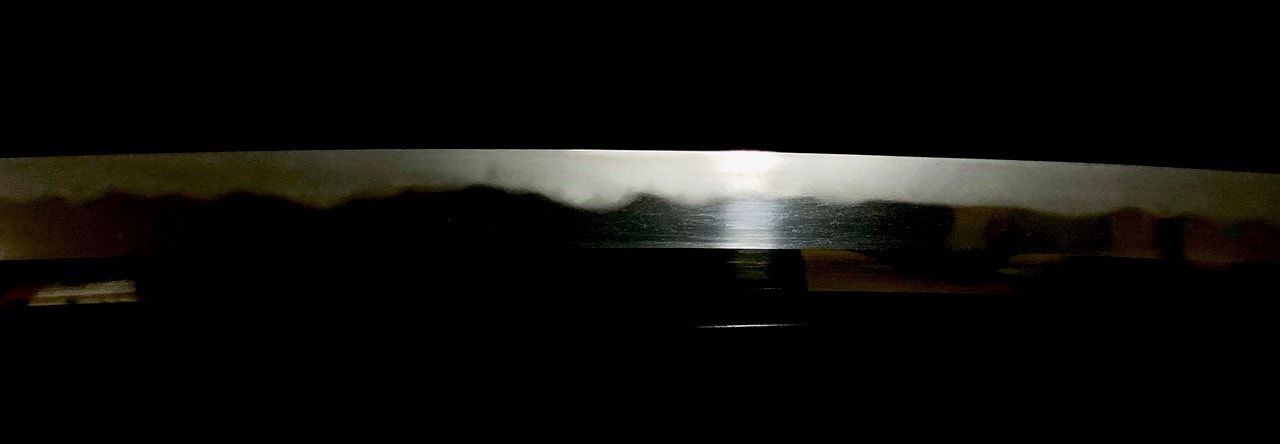
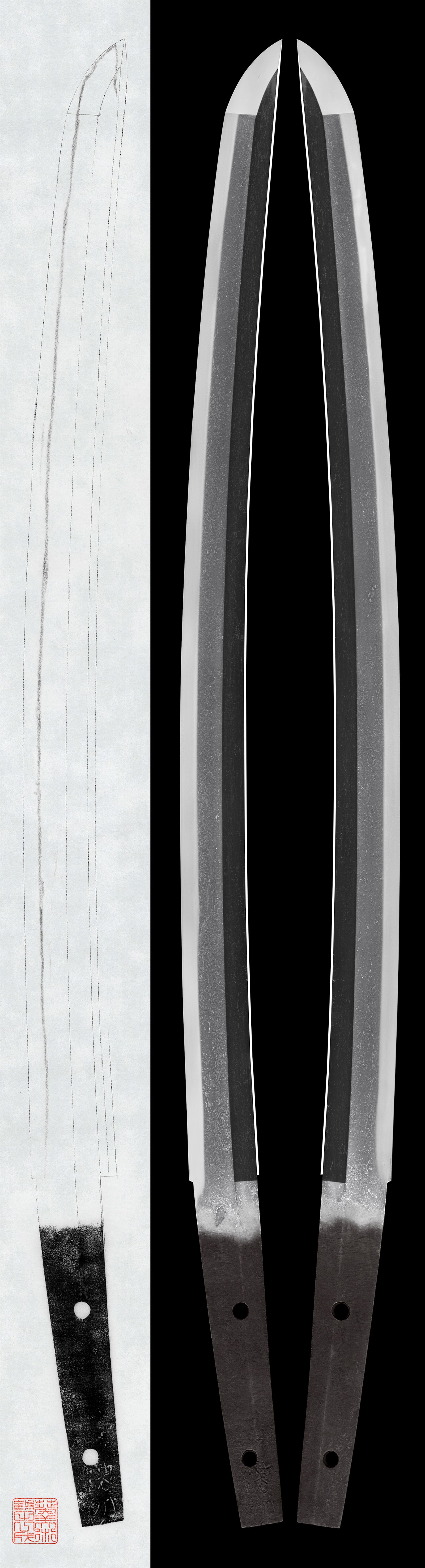
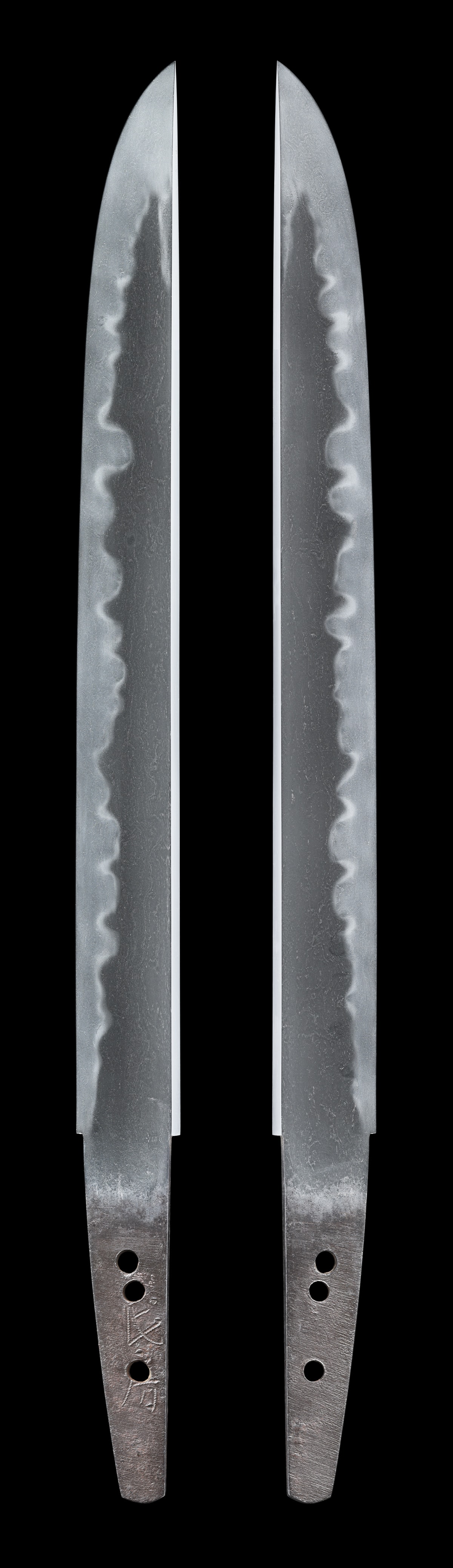
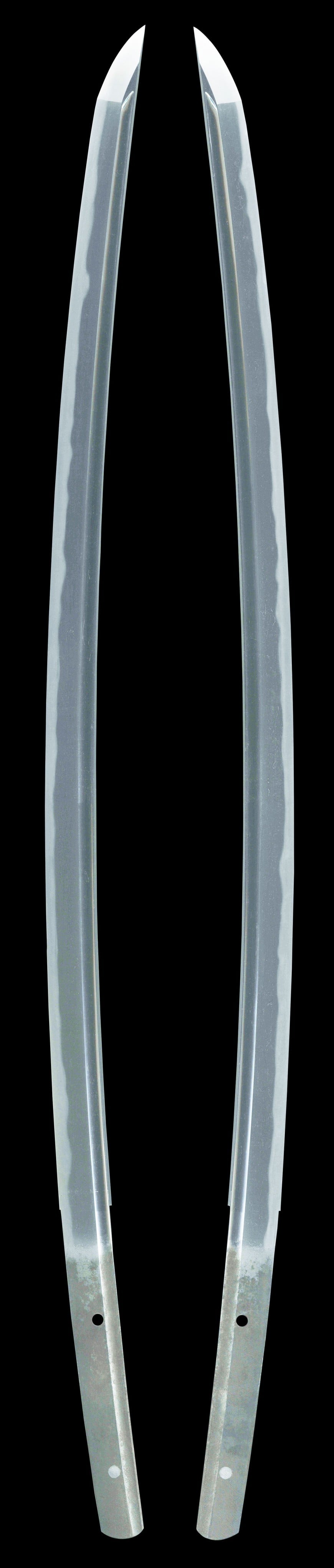
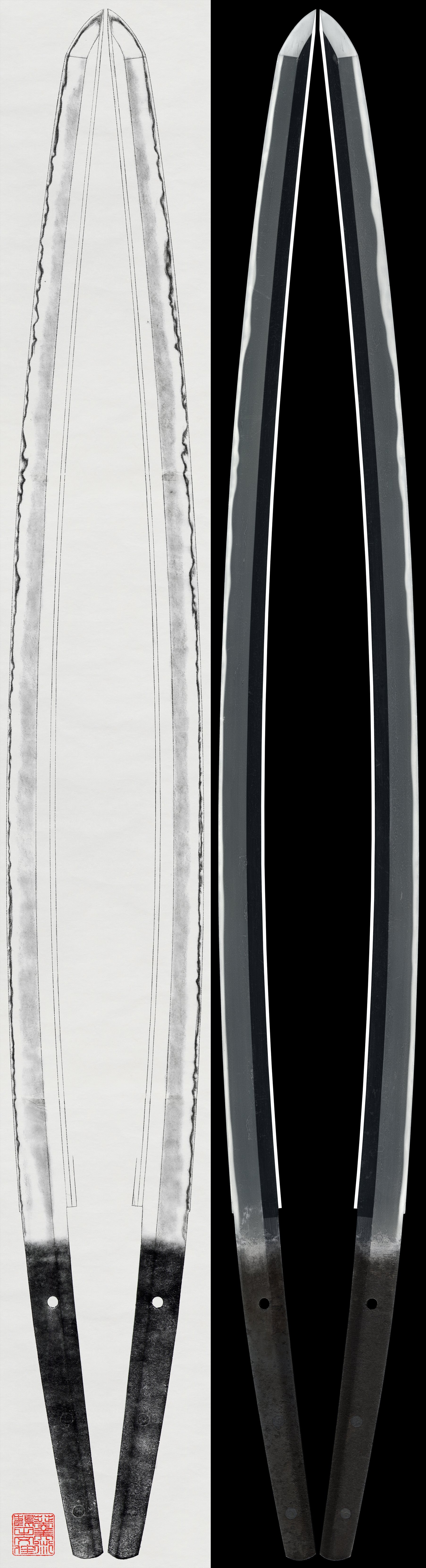
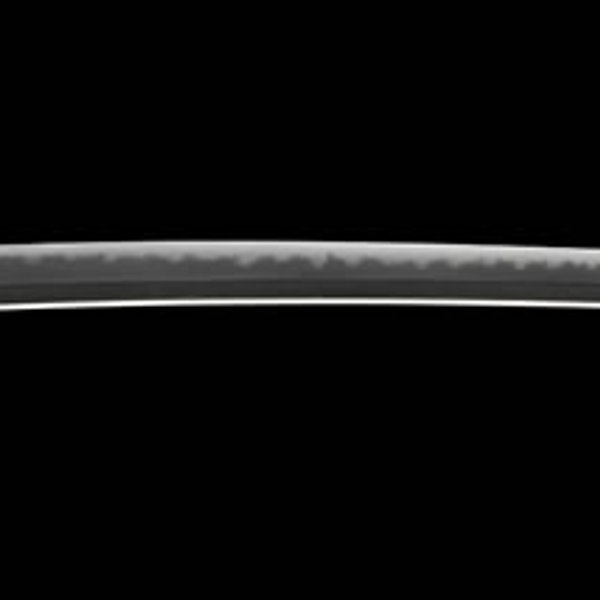
This katana is by Masatoshi, a master smith of the Sakakura-Seki group, who had a forge in Sakahogi village near the confluence of the Kiso River in eastern Mino Province. Dating to the late Muromachi period (around Tenmon era), this blade features a robust form with a thick shinogi and a moderate sori, culminating in a chū-kissaki. It is considered a Ryōwazamono (good cutting sword).
 NihontoWatch
mei · Sakakura-Seki · Muromachi
Mino-den · Mino · around 1504-1521
Tōken Taikan top 49%
1 piece on the market now
Where Masatoshi stands among comparable artisans: across all of nihontō, and within tradition, era, and period. The tiers (Foremost · Leading · Major · Notable) weigh official designations from the NBTHK and Japan's Agency for Cultural Affairs, together with historical honors of lasting repute such as the Sansaku and Meibutsu-chō.
Select a lens to see how it's measured.
Mino-den · Mino
1 piece on the market now
| Smith | Era | Designated |
|---|---|---|
| Masatoshi正利 | 1504-1521 | 1 |
| Masatoshi正俊 | 1487-1489 | 1 |
Mino in the Muromachi period
Sengoku Seki was an industry: smiths organized under their tutelary Kasuga shrine, arming the war bands of central Japan. Magoroku Kanemoto’s sanbonsugi and the finest Kanesada work prove quality survived inside mass production.
We could not find an authenticity certificate on the seller’s listing. Japanese swords and fittings are normally papered by the NBTHK (or the NTHK). Without one, the attribution is the seller’s own assessment and has not been independently verified — treat it with caution and ask the dealer about certification before buying.
If, due to our fault, the item differs significantly from its proper condition, the item may be returned. Cooling-off is within one week of the item's arrival.
This katana is by Masatoshi, a master smith of the Sakakura-Seki group, who had a forge in Sakahogi village near the confluence of the Kiso River in eastern Mino Province. Dating to the late Muromachi period (around Tenmon era), this blade features a robust form with a thick shinogi and a moderate sori, culminating in a chū-kissaki. It is considered a Ryōwazamono (good cutting sword).
NihontoWatchmei · Sakakura-Seki · Muromachi
Mino-den · Mino · around 1504-1521
Tōken Taikan top 49%
1 piece on the market now
Where Masatoshi stands among comparable artisans: across all of nihontō, and within tradition, era, and period. The tiers (Foremost · Leading · Major · Notable) weigh official designations from the NBTHK and Japan's Agency for Cultural Affairs, together with historical honors of lasting repute such as the Sansaku and Meibutsu-chō.
Select a lens to see how it's measured.
Mino-den · Mino
1 piece on the market now
| Smith | Era | Designated |
|---|---|---|
| Masatoshi正利 | 1504-1521 | 1 |
| Masatoshi正俊 | 1487-1489 | 1 |
Mino in the Muromachi period
Sengoku Seki was an industry: smiths organized under their tutelary Kasuga shrine, arming the war bands of central Japan. Magoroku Kanemoto’s sanbonsugi and the finest Kanesada work prove quality survived inside mass production.
We could not find an authenticity certificate on the seller’s listing. Japanese swords and fittings are normally papered by the NBTHK (or the NTHK). Without one, the attribution is the seller’s own assessment and has not been independently verified — treat it with caution and ask the dealer about certification before buying.
If, due to our fault, the item differs significantly from its proper condition, the item may be returned. Cooling-off is within one week of the item's arrival.