The twentieth century nearly killed the craft twice: wartime distortion, then the occupation ban. The NBTHK’s founding in 1948 and licensed forging from 1953 rebuilt the sword as an art, crowned by Living National Treasures and the mukansa rank.
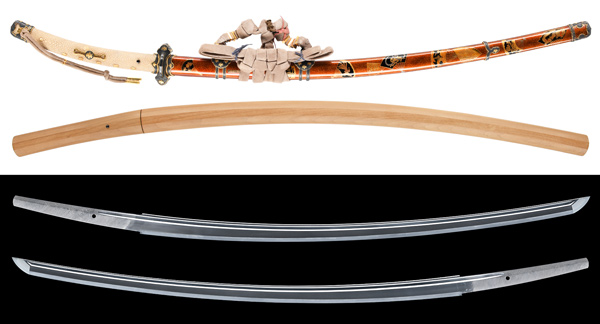
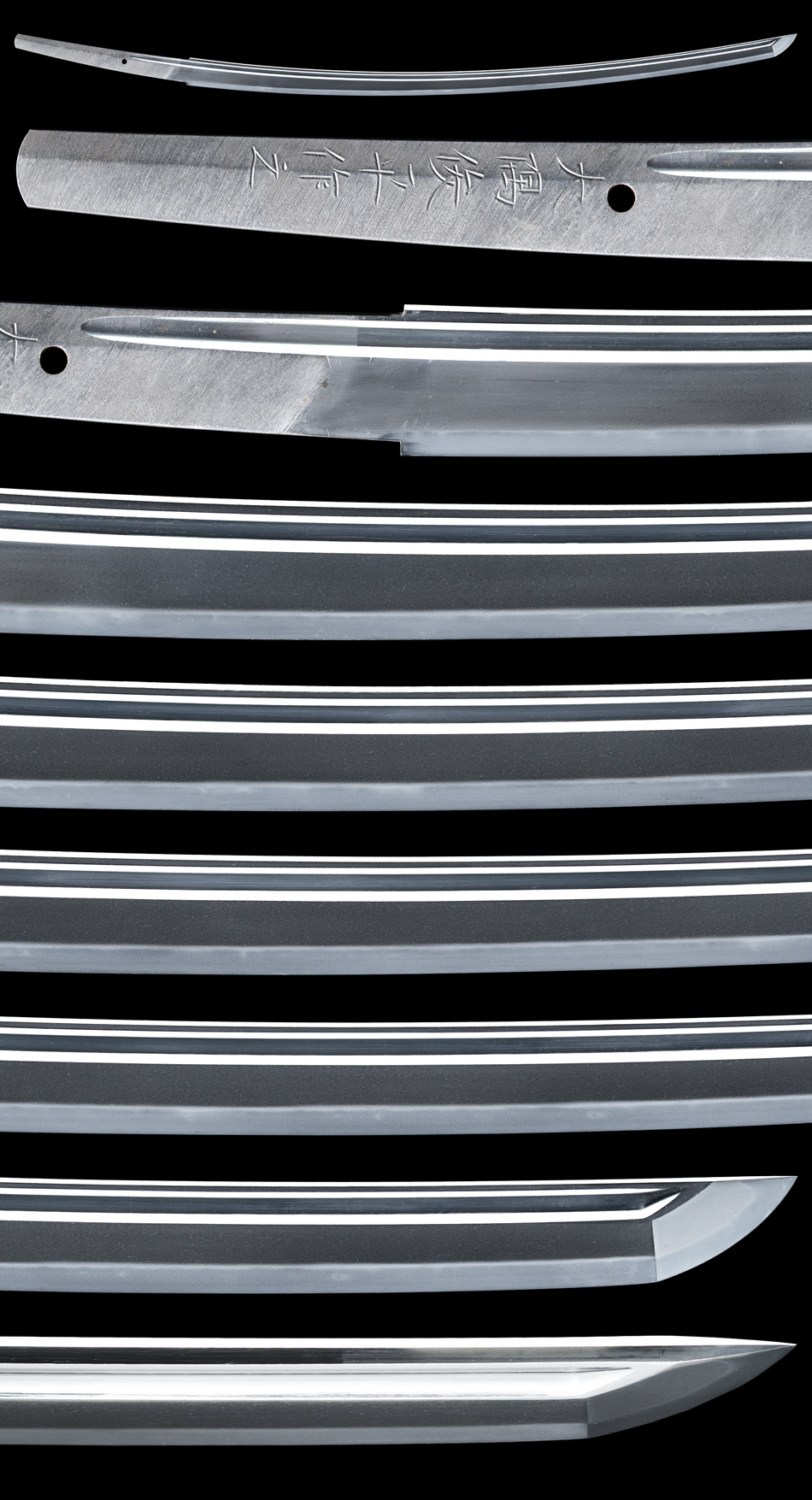
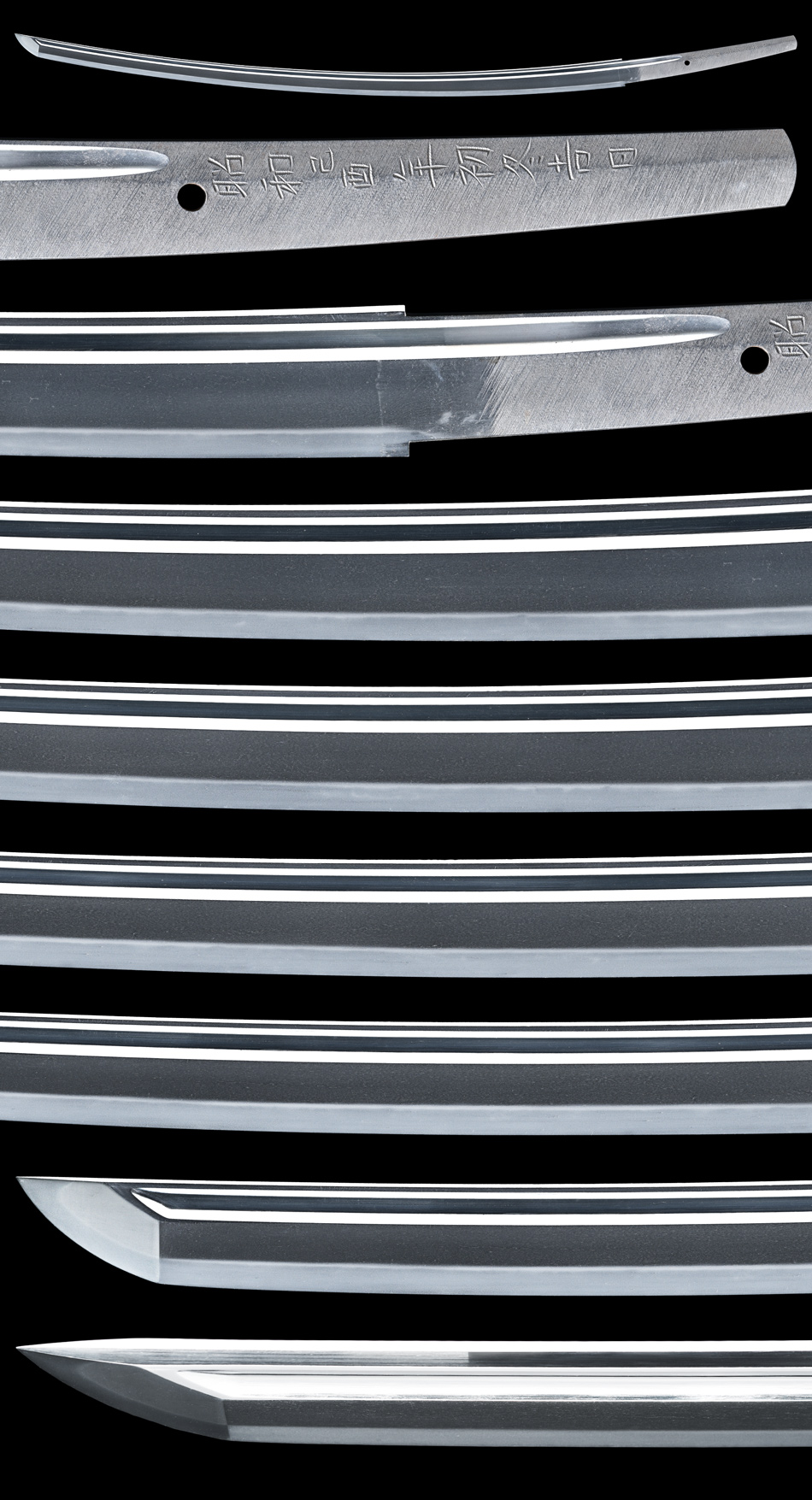
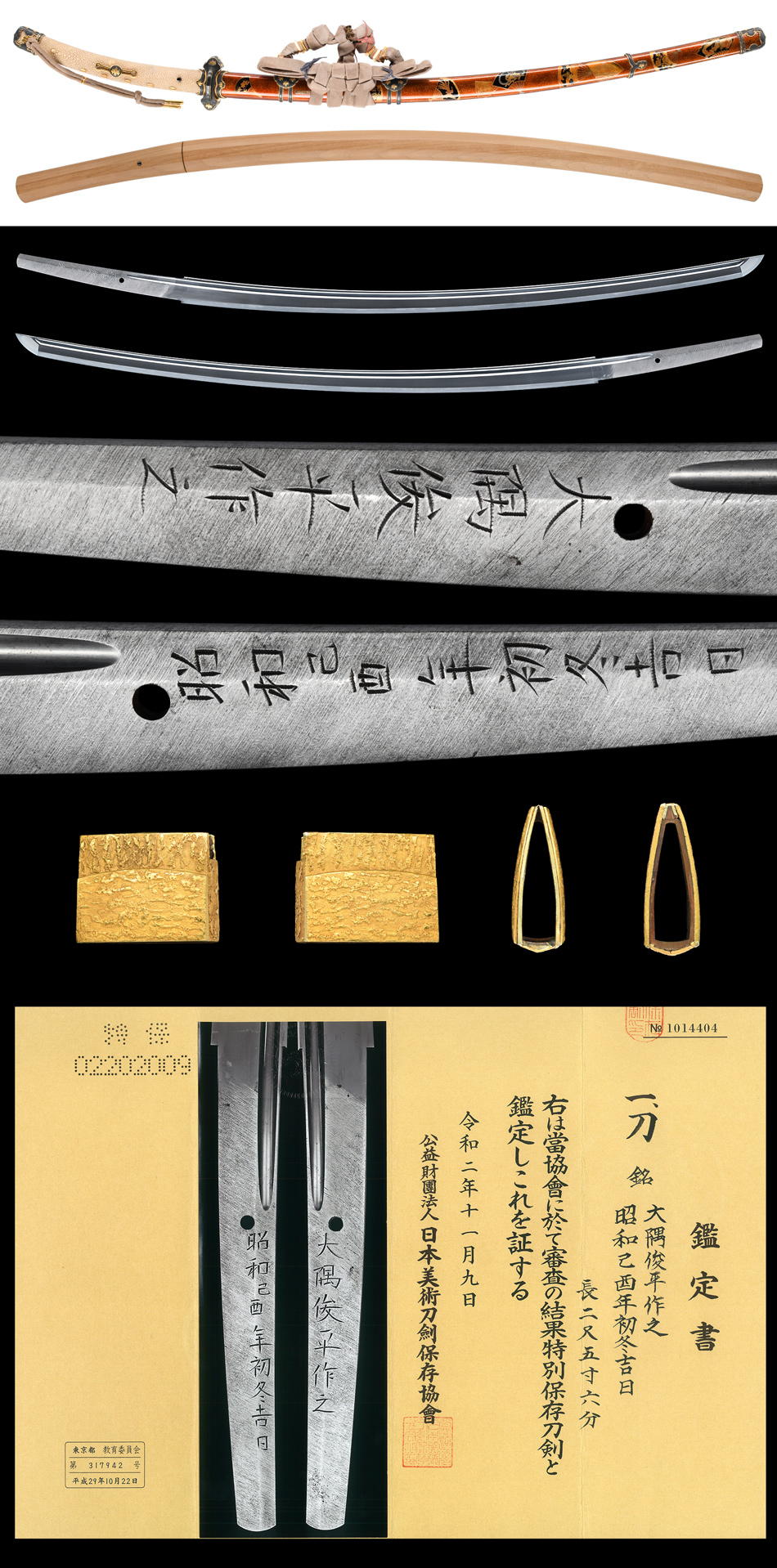
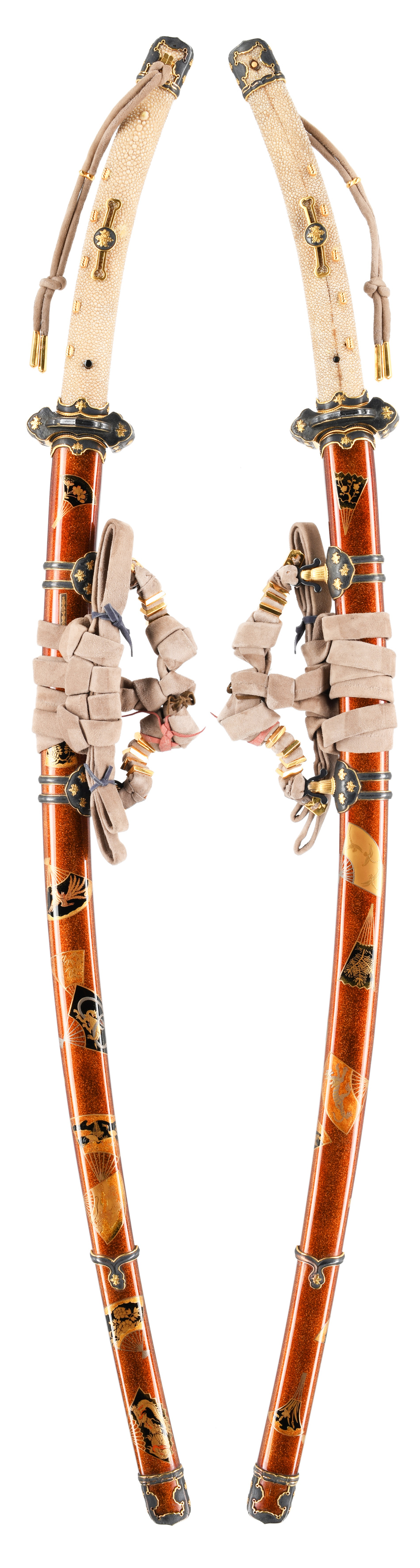
The taihai is an elegant tachi figure, a blade with a truly beautiful degree of sori. The jigane is a refined forging of well-packed ko-itame hada with ji-nie. The hamon is a perfected suguha, a specialty of the master, with a tight nioikuchi and beautiful ko-nie, featuring active ko-ashi and a brilliant edge. The boshi is sugu and returns elegantly in ko-maru. The nakago bears a magnificent mei. Works by the swordsmith Osumi Toshihira have been so popular recently that no sword shops have them in stock. As this sword is an outstanding achievement even among his works, it is a masterpiece that represents a buying opportunity for customers who have been searching for one. Furthermore, this work is accompanied by a magnificent kin-makie saya efu-tachi koshirae. Since it is a modern production, there is no dirt inside the saya, allowing the toshin to be stored with peace of mind. The kin-nashiji-nuri of the saya is decorated with makie using genuine gold, resulting in a very beautiful finish. If one were to commission such a koshirae today starting from the kanagu, it would cost more money than one might imagine. As Osumi Toshihira works will become increasingly noticed swords in the future, I believe it would be fine to consider this an investment this time. This is a dignified and healthy blade that truly demonstrates the full potential of Osumi Toshihira, who is called the leading figure of suguha and a Holder of Important Intangible Cultural Property (Living National Treasure), accompanied by a magnificent efu-tachi koshirae. Shirasaya, kin-paku niju habaki, kin-makie saya efu-tachi koshirae, Tokubetsu Hozon Token Kanteisho. http://oosumi-museum.jp/about/index.html
Offered by World Seiyudo
This piece has sold
Get an email when a new Toshihira piece hits the market.


Machine translation from the shop's Japanese · may contain errors ·
Osumi · around 1926-1989
5 pieces on the market now
Shōwa to the present: destruction and revival
The twentieth century nearly killed the craft twice: wartime distortion, then the occupation ban. The NBTHK’s founding in 1948 and licensed forging from 1953 rebuilt the sword as an art, crowned by Living National Treasures and the mukansa rank.
A Hozon-certified blade judged to show notably superior workmanship and a better state of preservation. The bar is higher: re-tempered blades and most unsigned Muromachi/Edo works are excluded.
The NBTHK (Nihon Bijutsu Tōken Hozon Kyōkai, the Society for the Preservation of Japanese Art Swords) is a public-interest incorporated foundation founded in 1948 and supervised by Japan’s Agency for Cultural Affairs (Bunkachō); it is based at the Japanese Sword Museum in Tokyo. Its expert panels physically examine each submitted work (shinsa) and issue a certificate (kanteishō) ranking it by artistic and historical merit. NBTHK papers are the most widely recognized standard of authentication for Japanese swords and fittings.
NBTHK official siteNo cooling-off period or returns; refund only if the purchased sword is proven fake, capped at purchase price (excludes commission sales, accessories, auction items).