The twentieth century nearly killed the craft twice: wartime distortion, then the occupation ban. The NBTHK’s founding in 1948 and licensed forging from 1953 rebuilt the sword as an art, crowned by Living National Treasures and the mukansa rank.
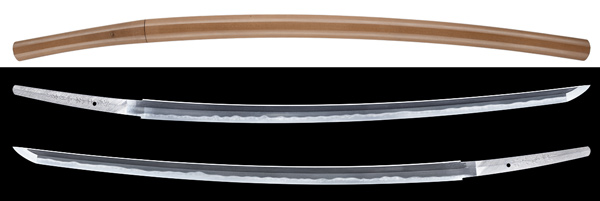
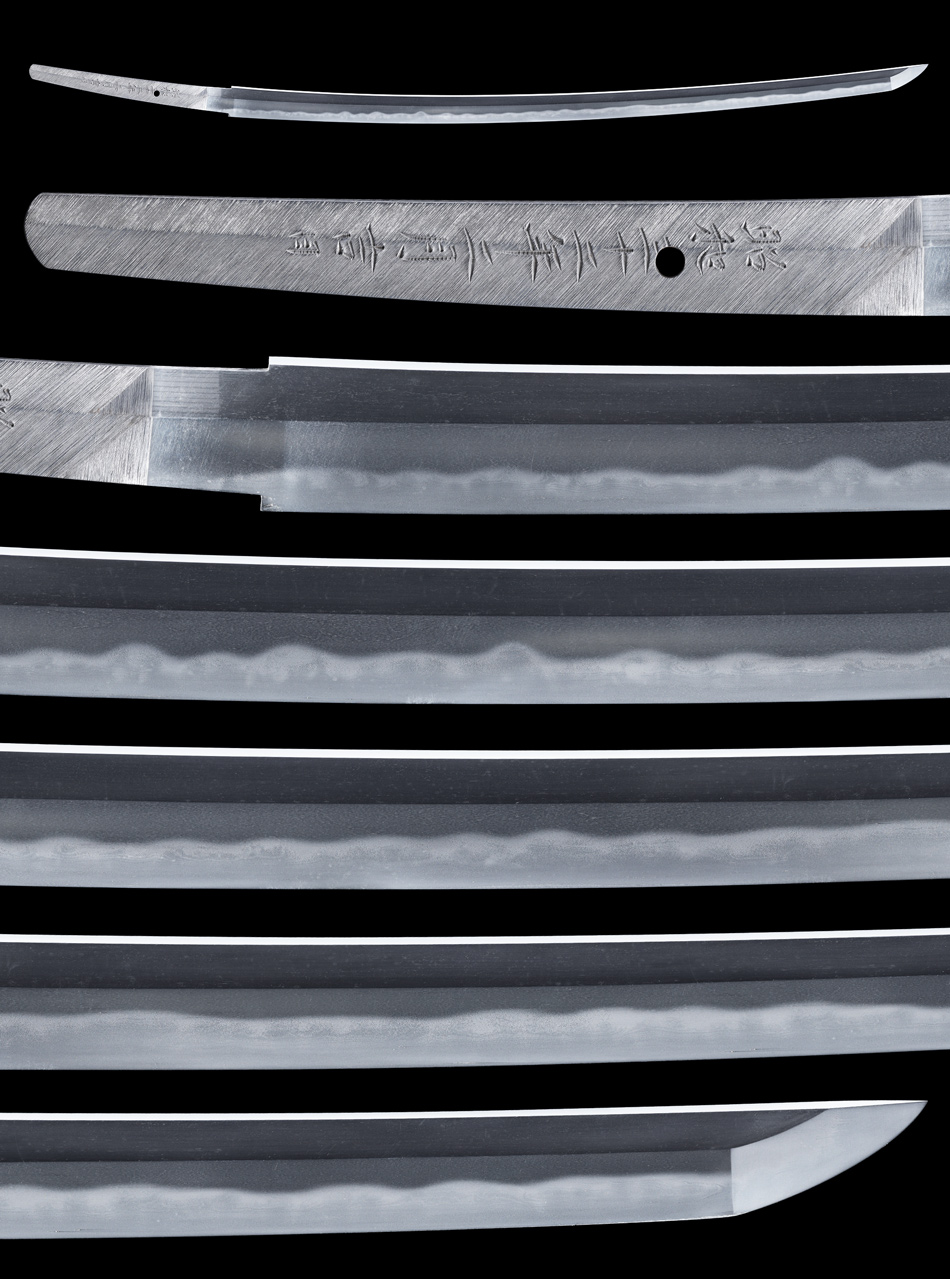
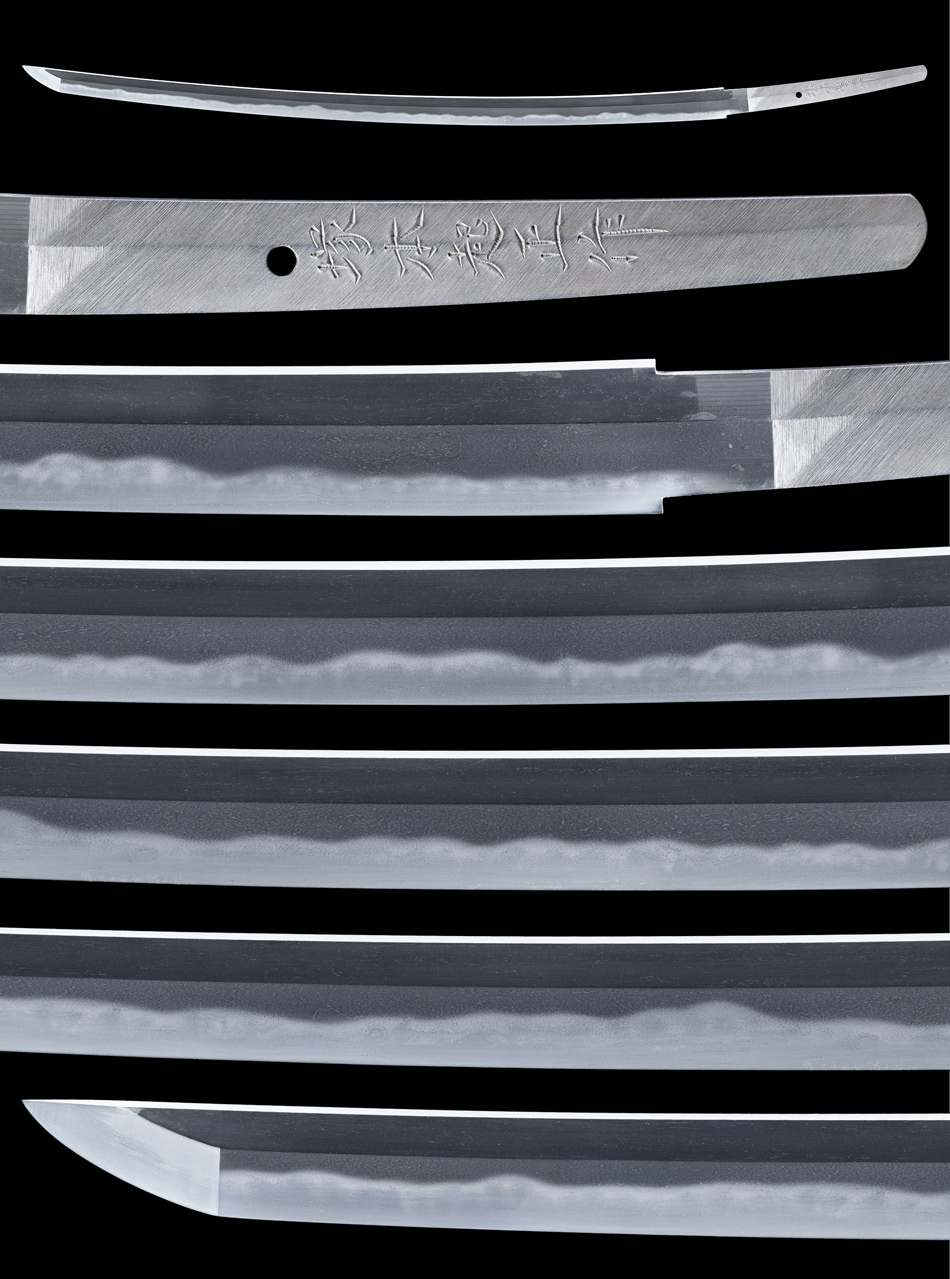
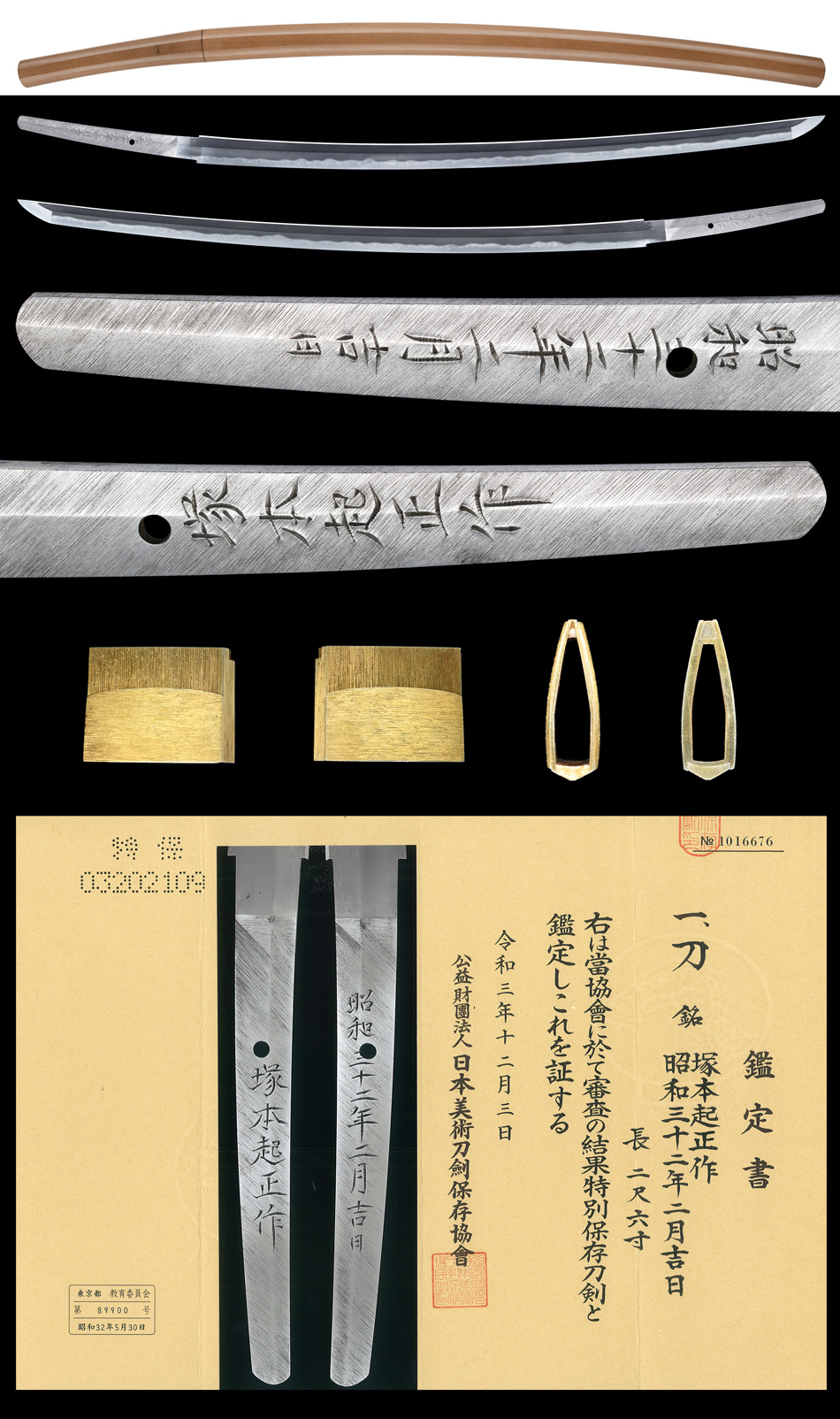
塚本起正刀匠は、本名 塚本新八。大正四年、福島県郡山市生まれです。昭和八年に笠間一貫斎繁継に入門し、後に娘婿となります。師匠であり、義父である笠間一貫斎繁継と同じ一貫斎の号を名乗りました。起正、塚本起正、一貫斎起正、塚本一貫斎起正等と銘を切りました。昭和十八年に陸軍受命刀工に任命され、陸軍軍刀技術奨励会会長賞、海軍大臣賞など数々の賞を受賞し、現代刀匠番付では東の横綱に君臨するほどの名工でした。戦後も新作日本刀展特賞、文部大臣賞などを受賞し、更なる活躍を期待されていましたが、昭和三十五年六月二十七日に早逝。四十七歳でした。
Offered by World Seiyudo
This piece has sold
Get an email when a new Okimasa piece hits the market.


Tokyo · around 1926-1989
Shōwa to the present: destruction and revival
The twentieth century nearly killed the craft twice: wartime distortion, then the occupation ban. The NBTHK’s founding in 1948 and licensed forging from 1953 rebuilt the sword as an art, crowned by Living National Treasures and the mukansa rank.
A Hozon-certified blade judged to show notably superior workmanship and a better state of preservation. The bar is higher: re-tempered blades and most unsigned Muromachi/Edo works are excluded.
The NBTHK (Nihon Bijutsu Tōken Hozon Kyōkai, the Society for the Preservation of Japanese Art Swords) is a public-interest incorporated foundation founded in 1948 and supervised by Japan’s Agency for Cultural Affairs (Bunkachō); it is based at the Japanese Sword Museum in Tokyo. Its expert panels physically examine each submitted work (shinsa) and issue a certificate (kanteishō) ranking it by artistic and historical merit. NBTHK papers are the most widely recognized standard of authentication for Japanese swords and fittings.
NBTHK official siteNo cooling-off period or returns; refund only if the purchased sword is proven fake, capped at purchase price (excludes commission sales, accessories, auction items).