Muromachi turned sword making into an industry: the uchigatana rose with massed infantry warfare, Osafune and Seki produced bundle swords beside custom orders, and the Ming trade carried Japanese blades abroad by the tens of thousands.
 NihontoWatchNihontoWatch
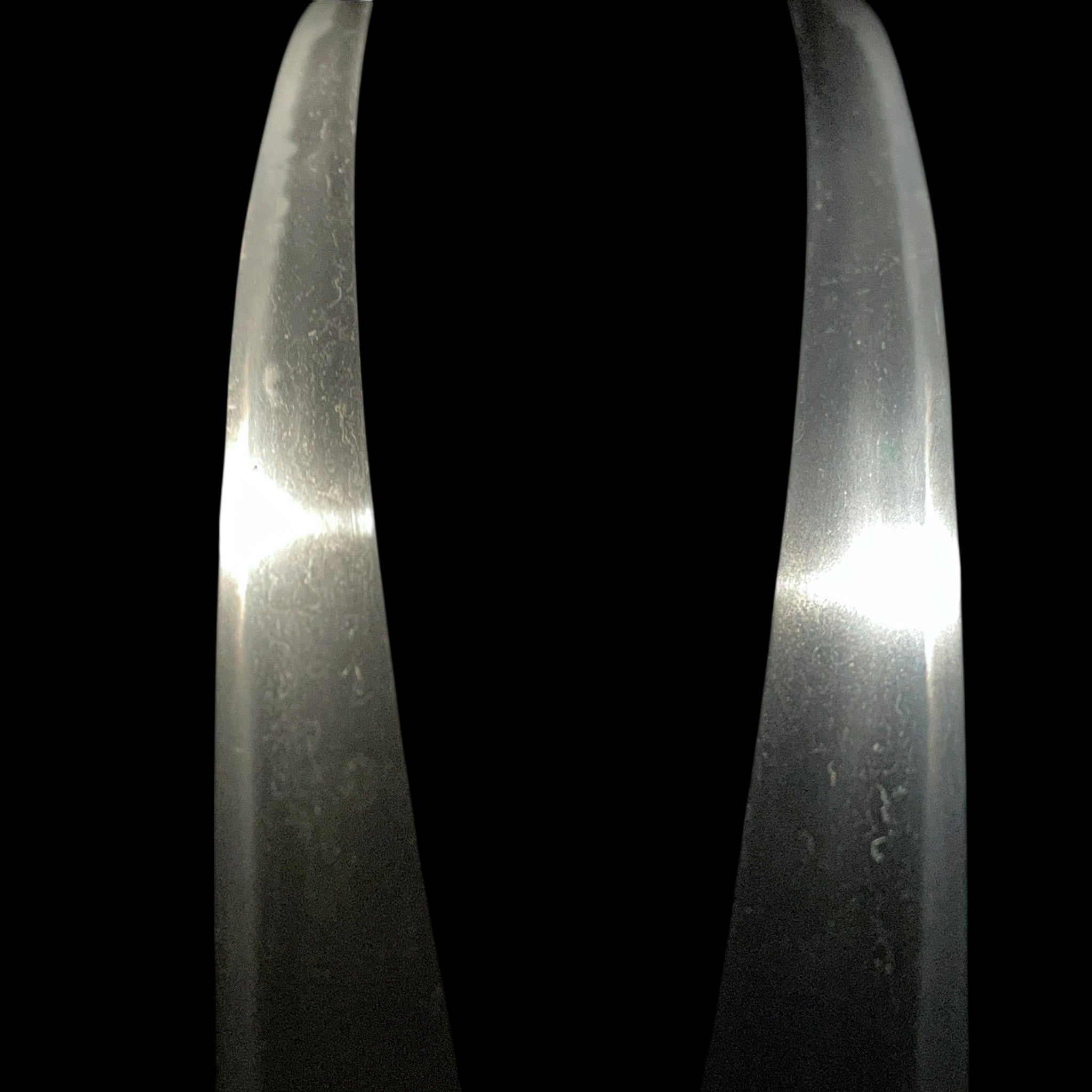
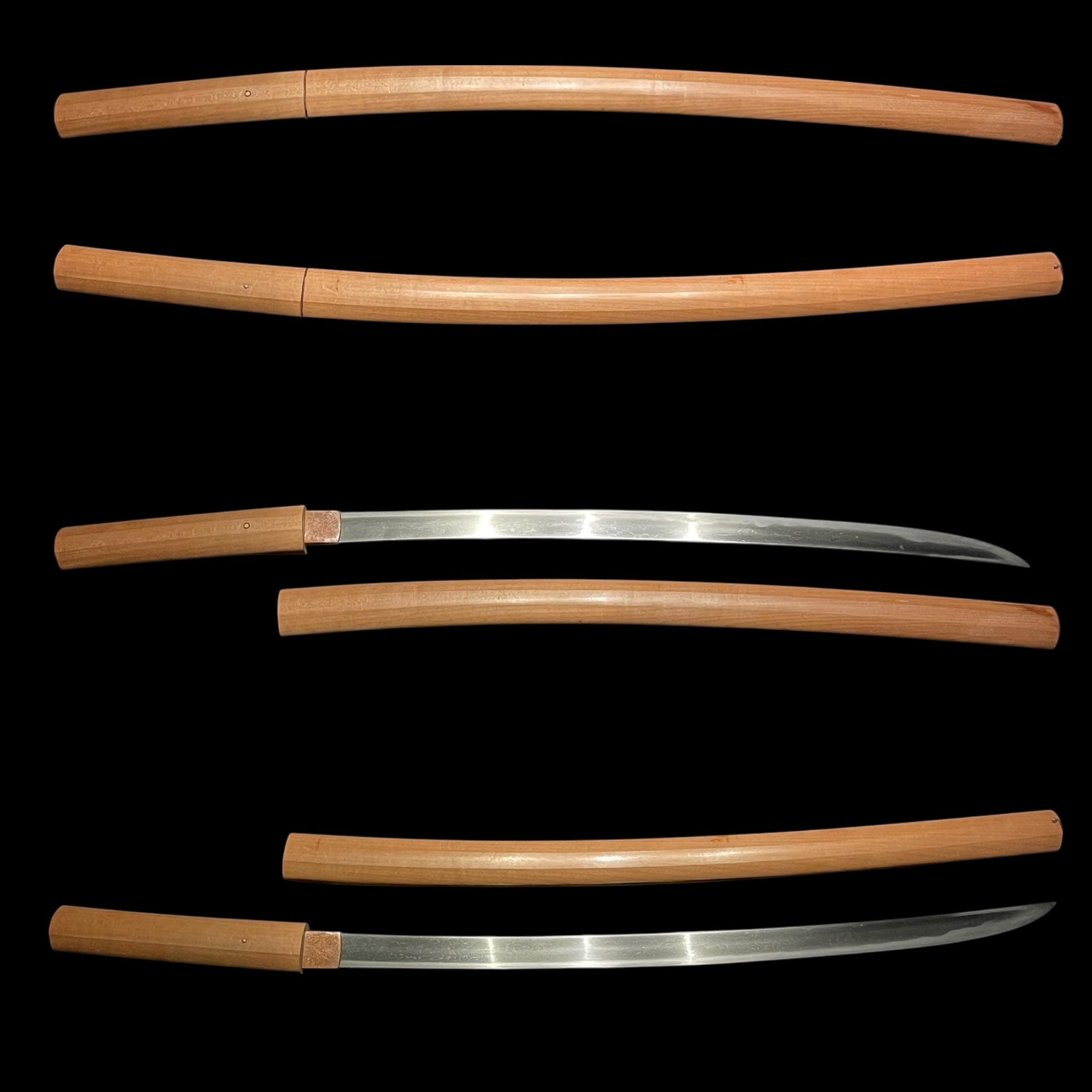
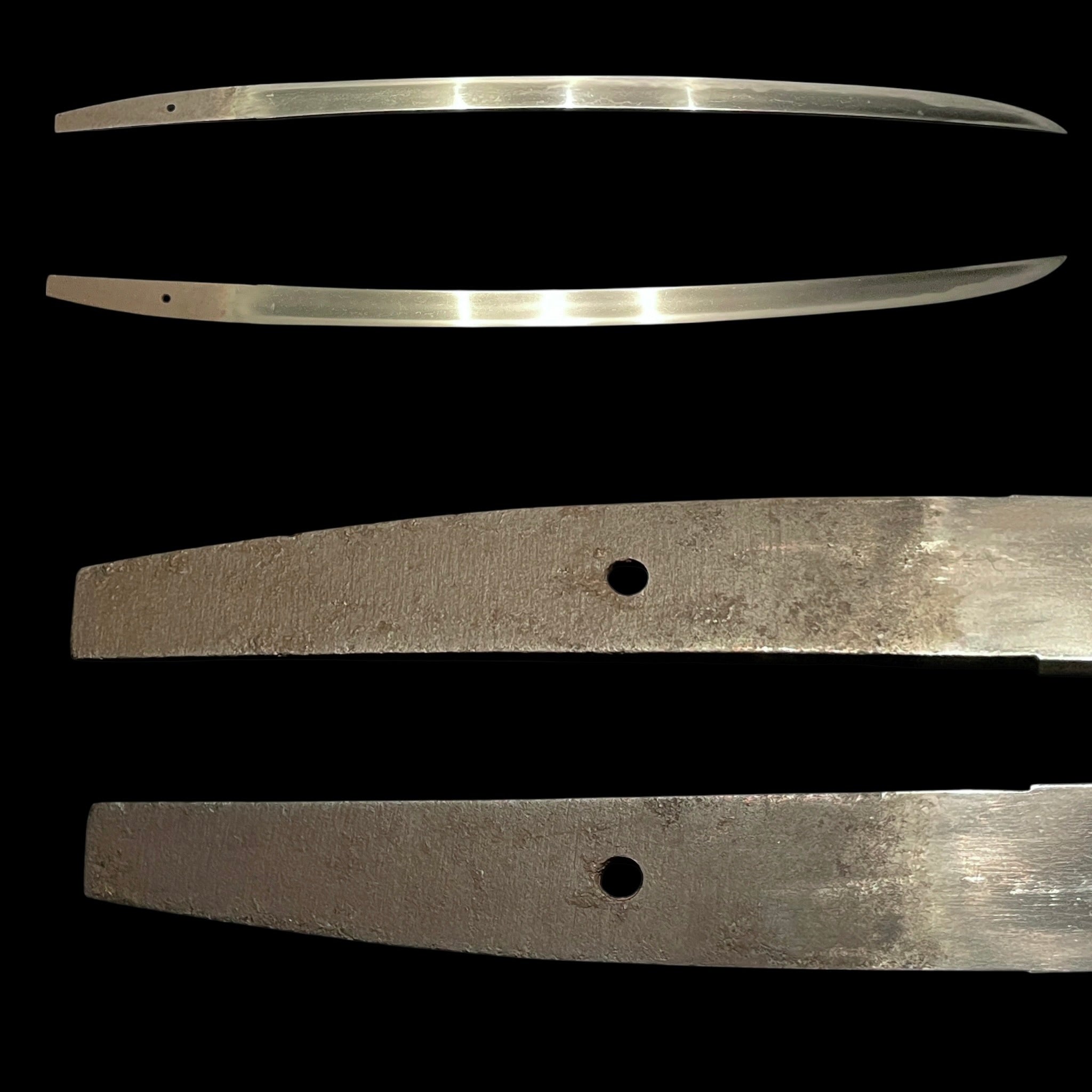
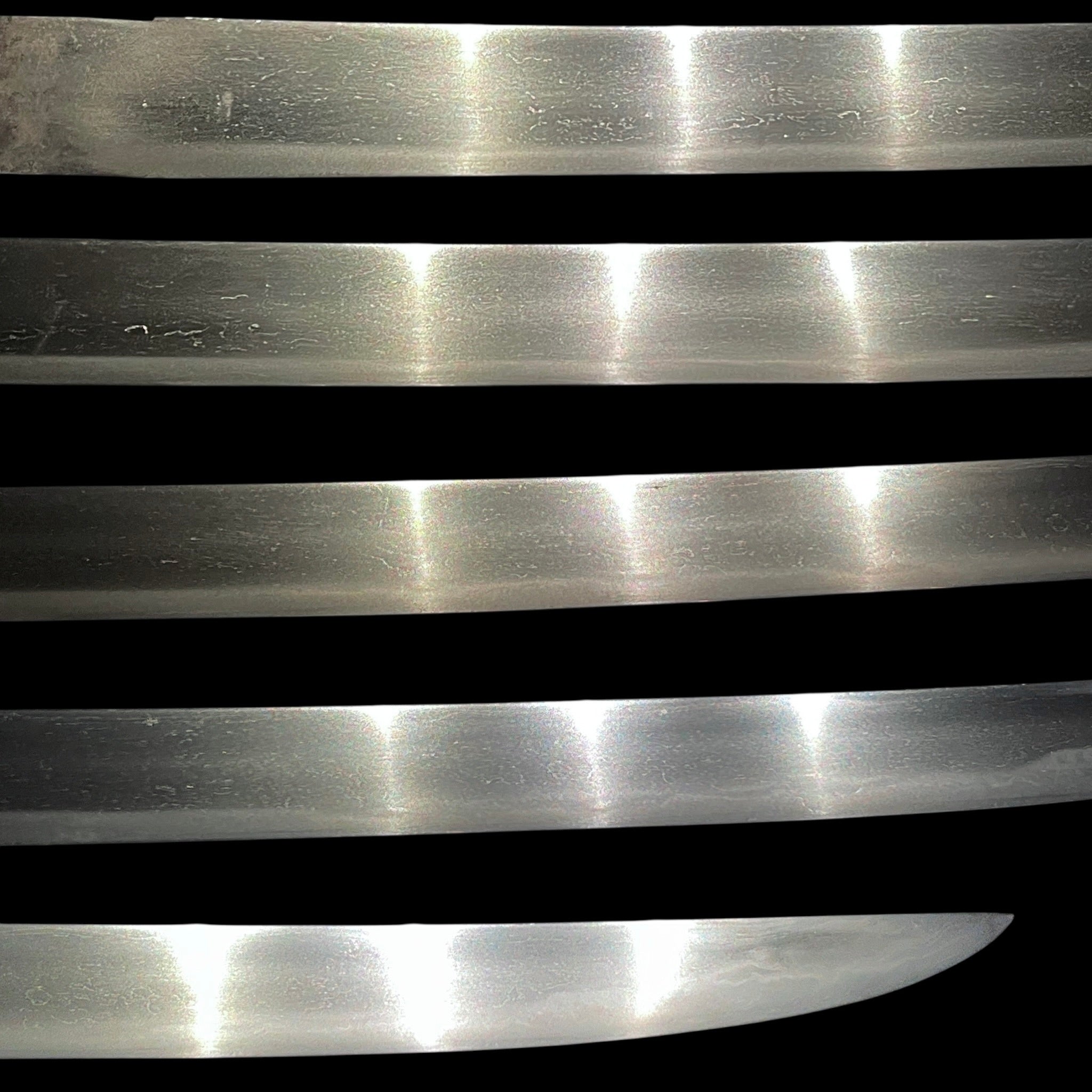
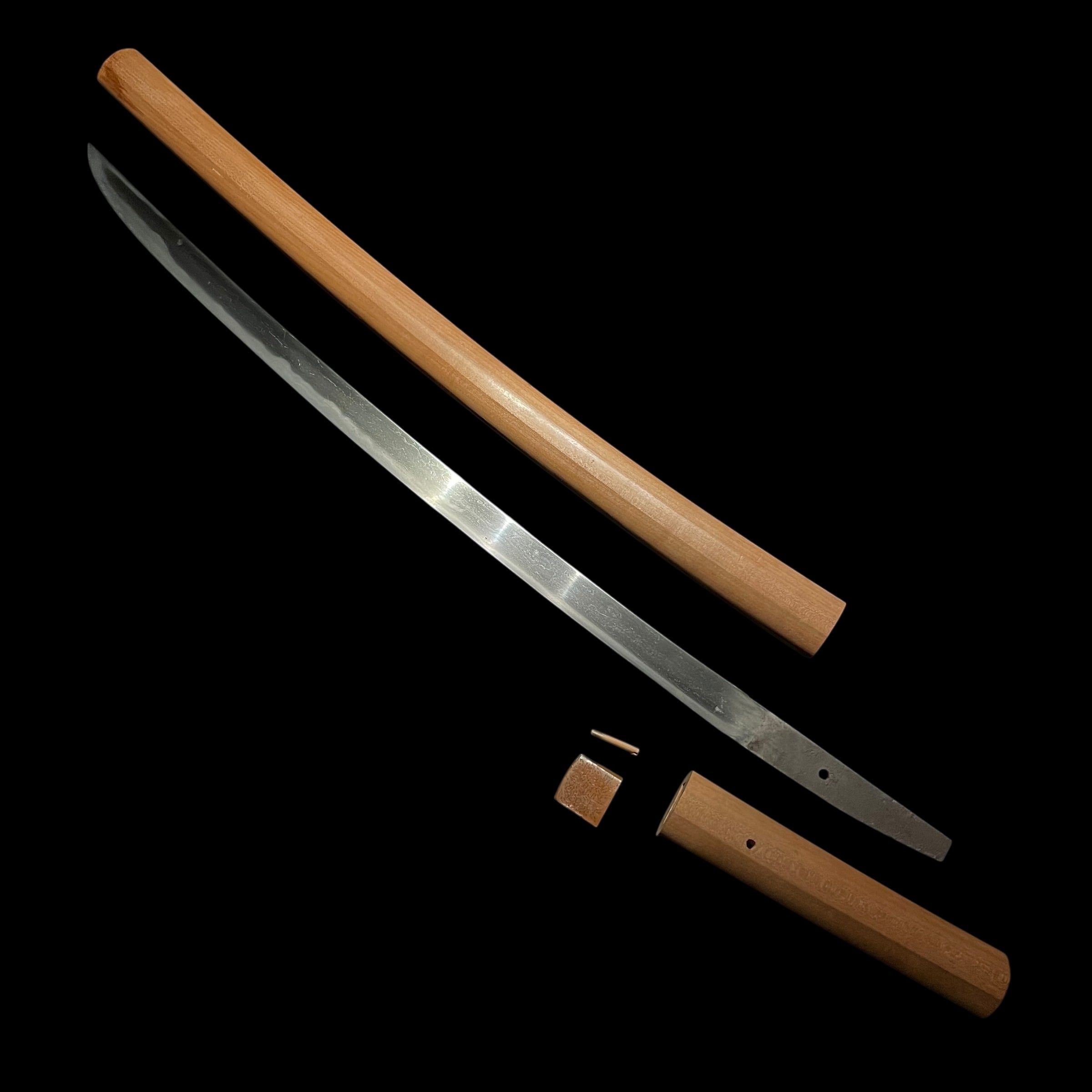
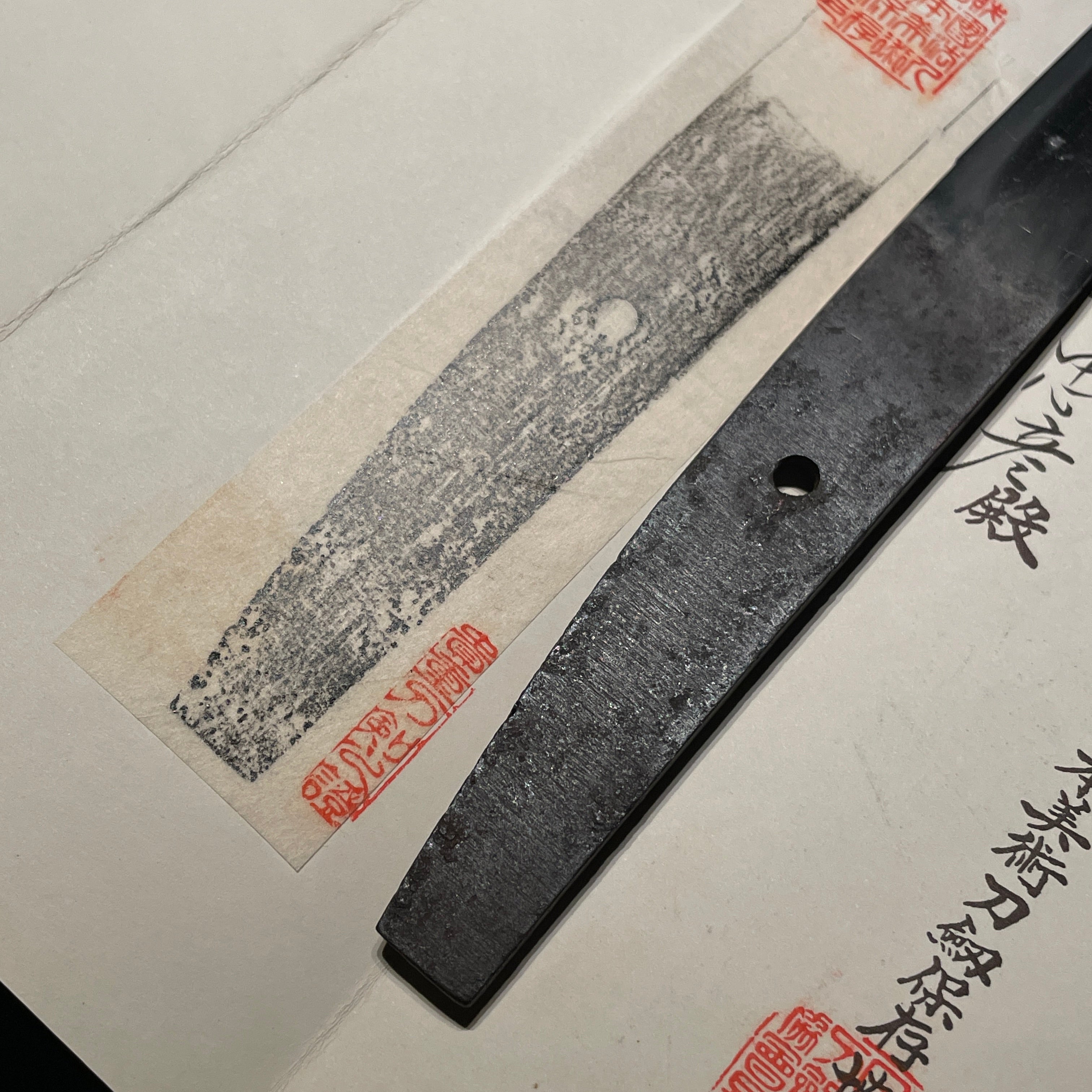
Signature : Mumei (Naminohira) Nagasa : 555mm (21.85 in.) Sori : 13mm (0.51 in.) Motohaba : 27.6mm (1.09 in.) Sakihaba : 19.3mm (0.76 in.) Motokasane : 5.3mm (0.21 in.) Sakikasane : 3.8mm (0.15 in.) Blade Weight : 374g Global Shipping cost $75 When shipping a sword from Japan, it takes about 25 to 60 days to apply for permission from the Japanese government, During busy periods it may take longer. There are a few things to keep in mind when sending you a sword. See below for more information. Terms of service Refund policy
NihontoWatchOffered by Tokyo Sword
This piece has sold
11 on the market
Get an email when new Naminohira School work hits the market.

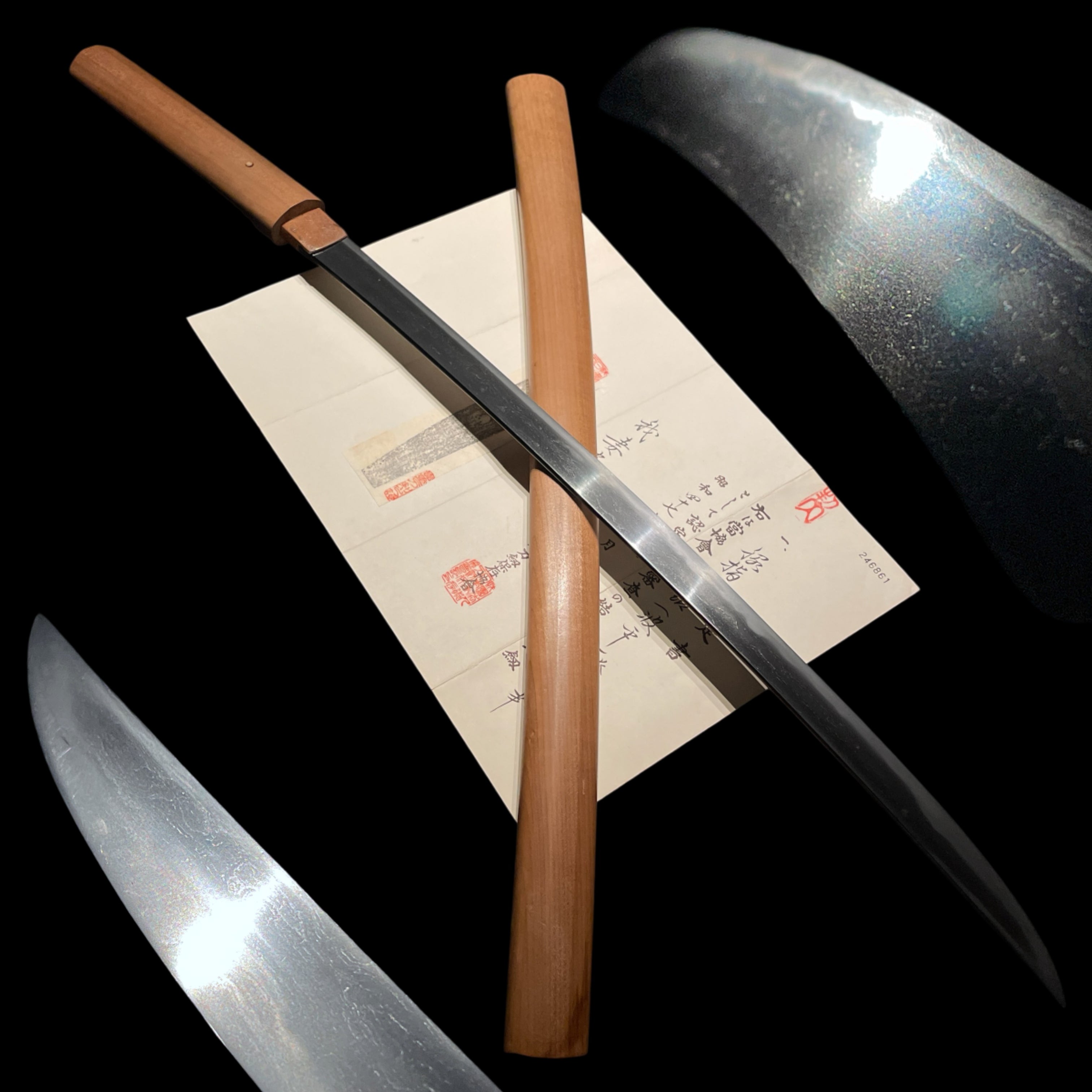
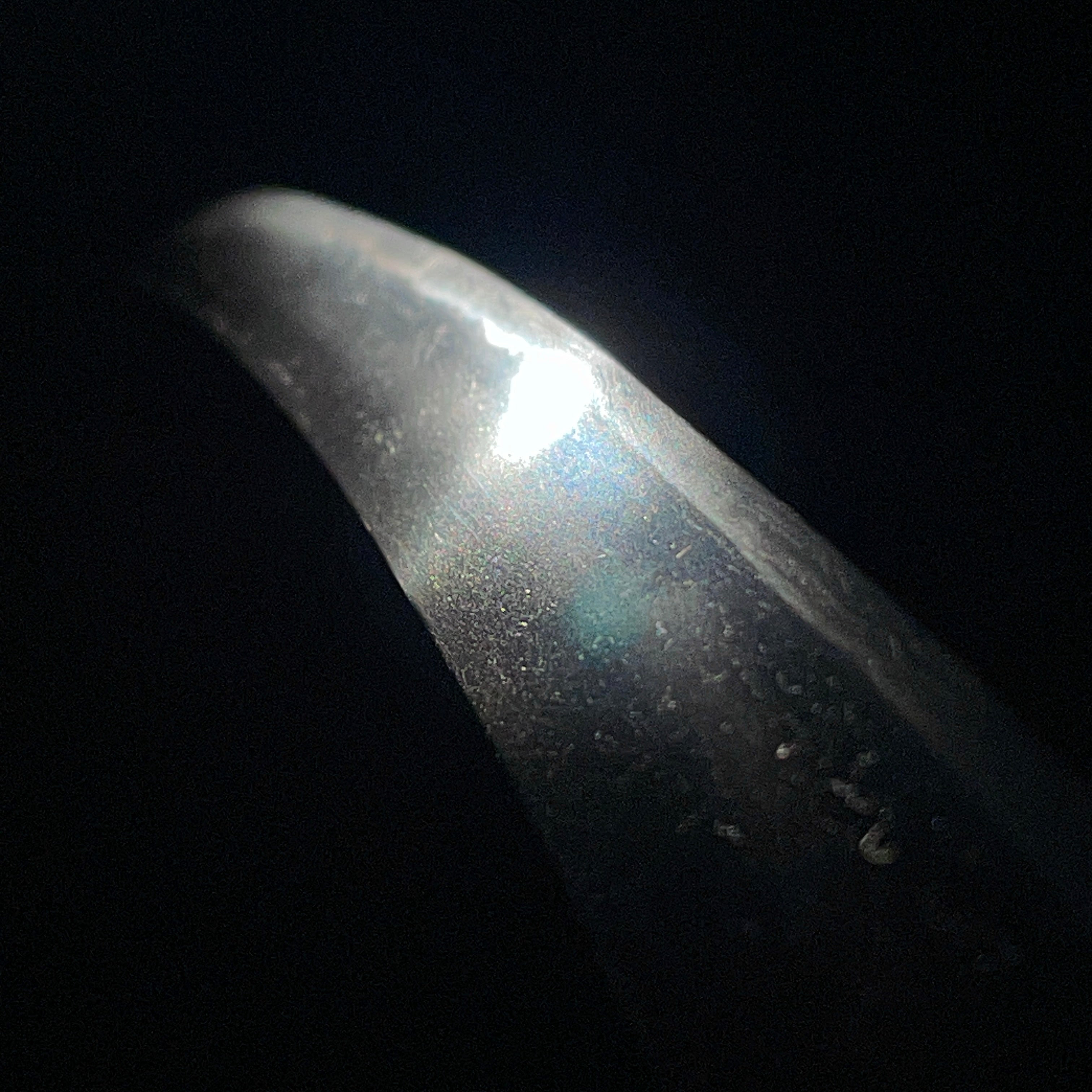
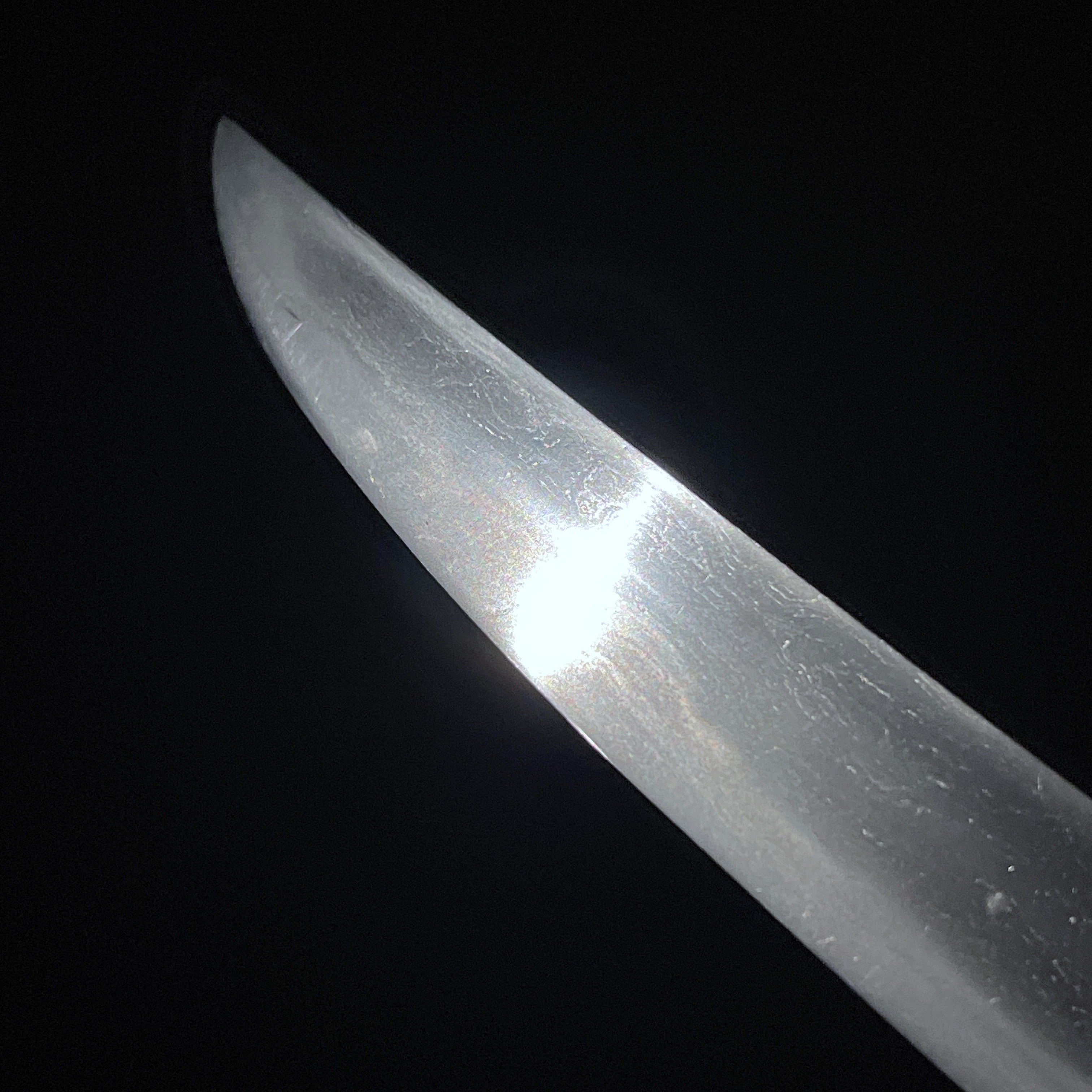
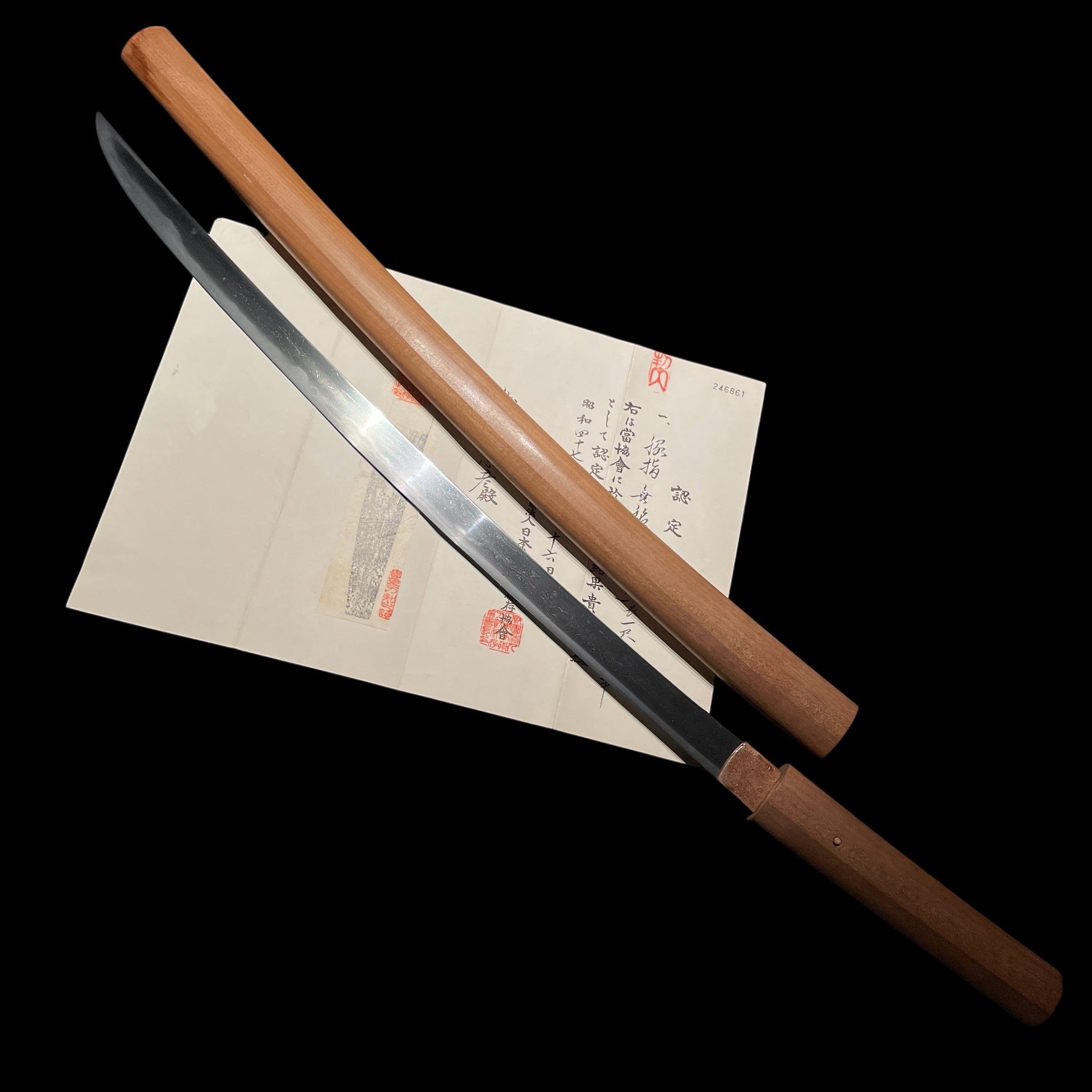
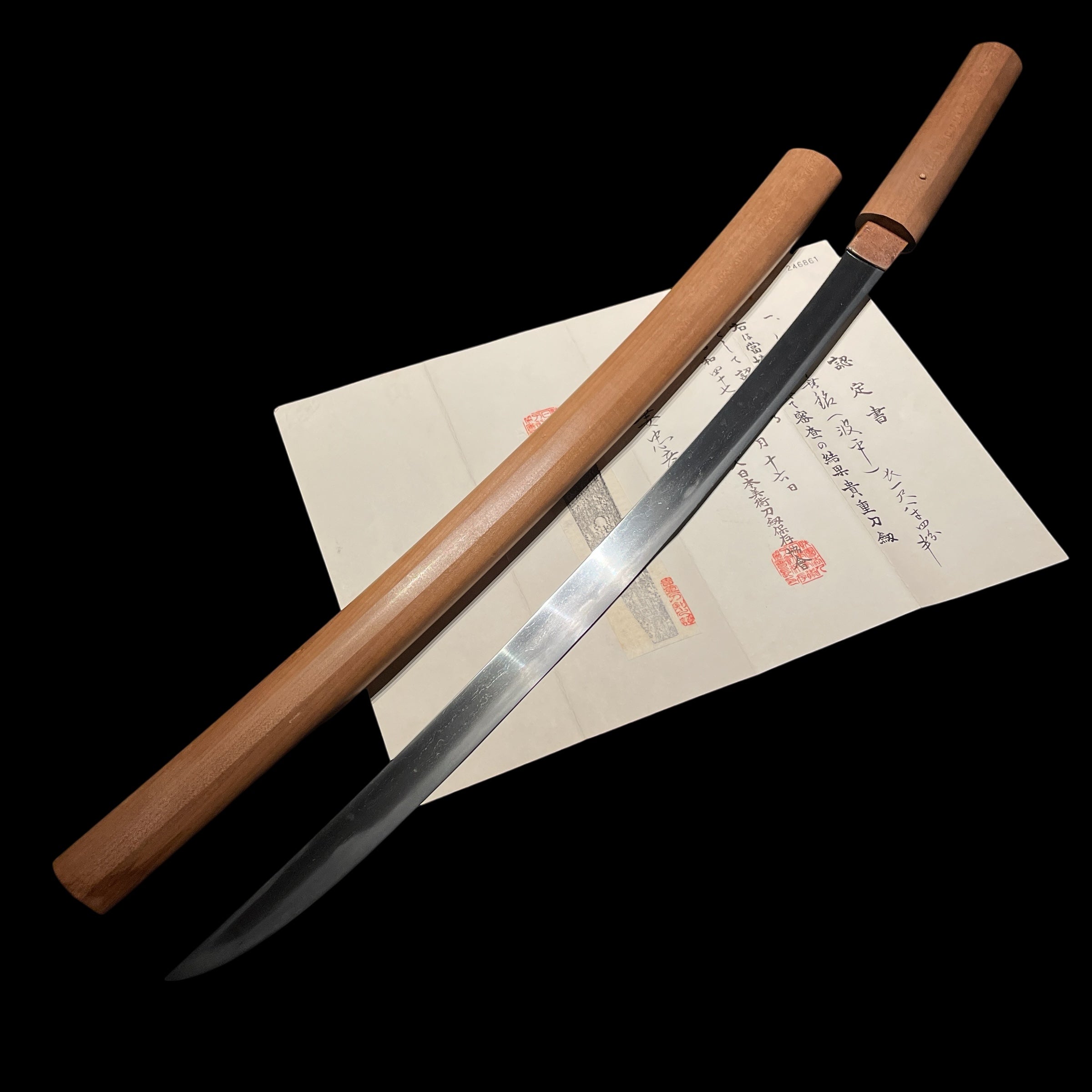
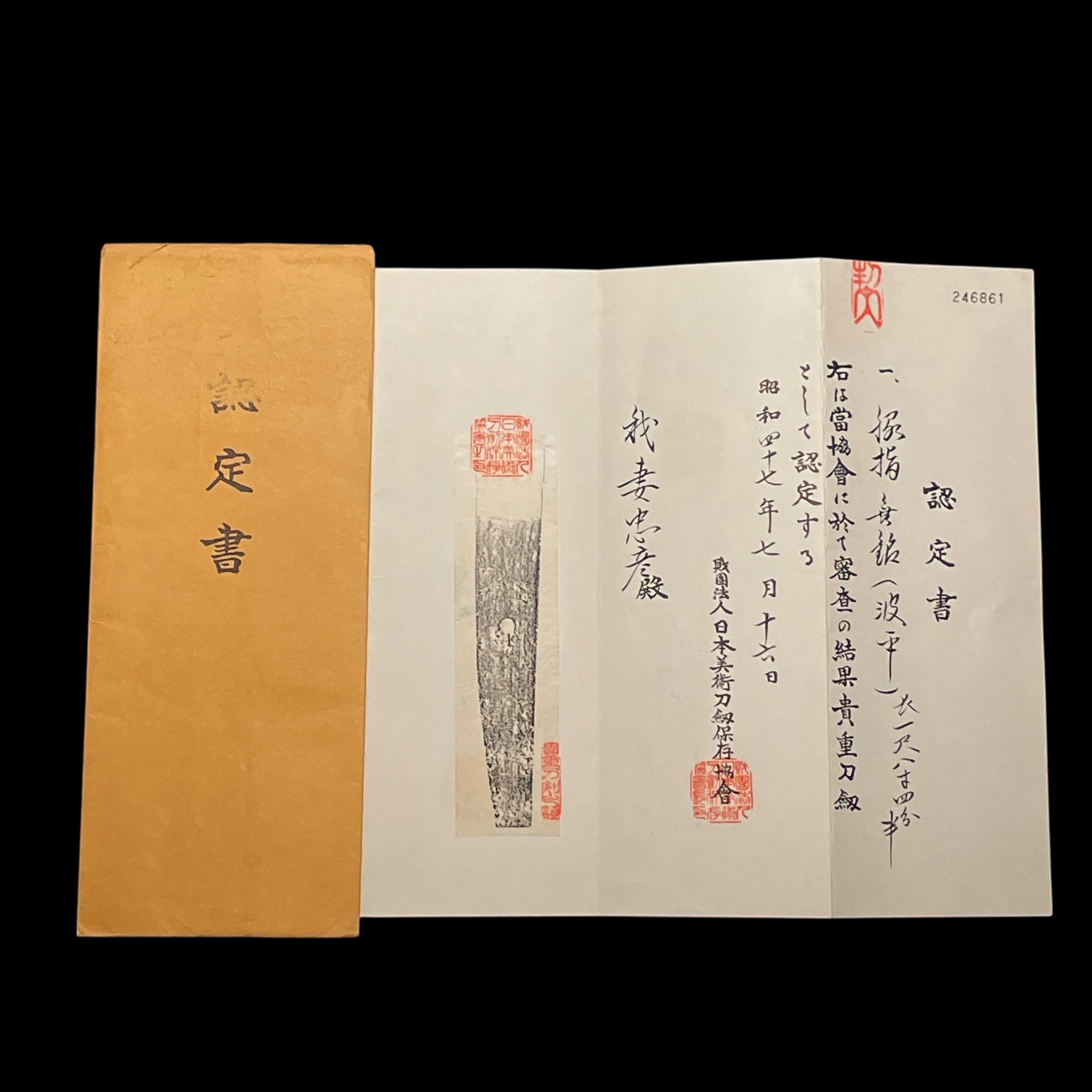
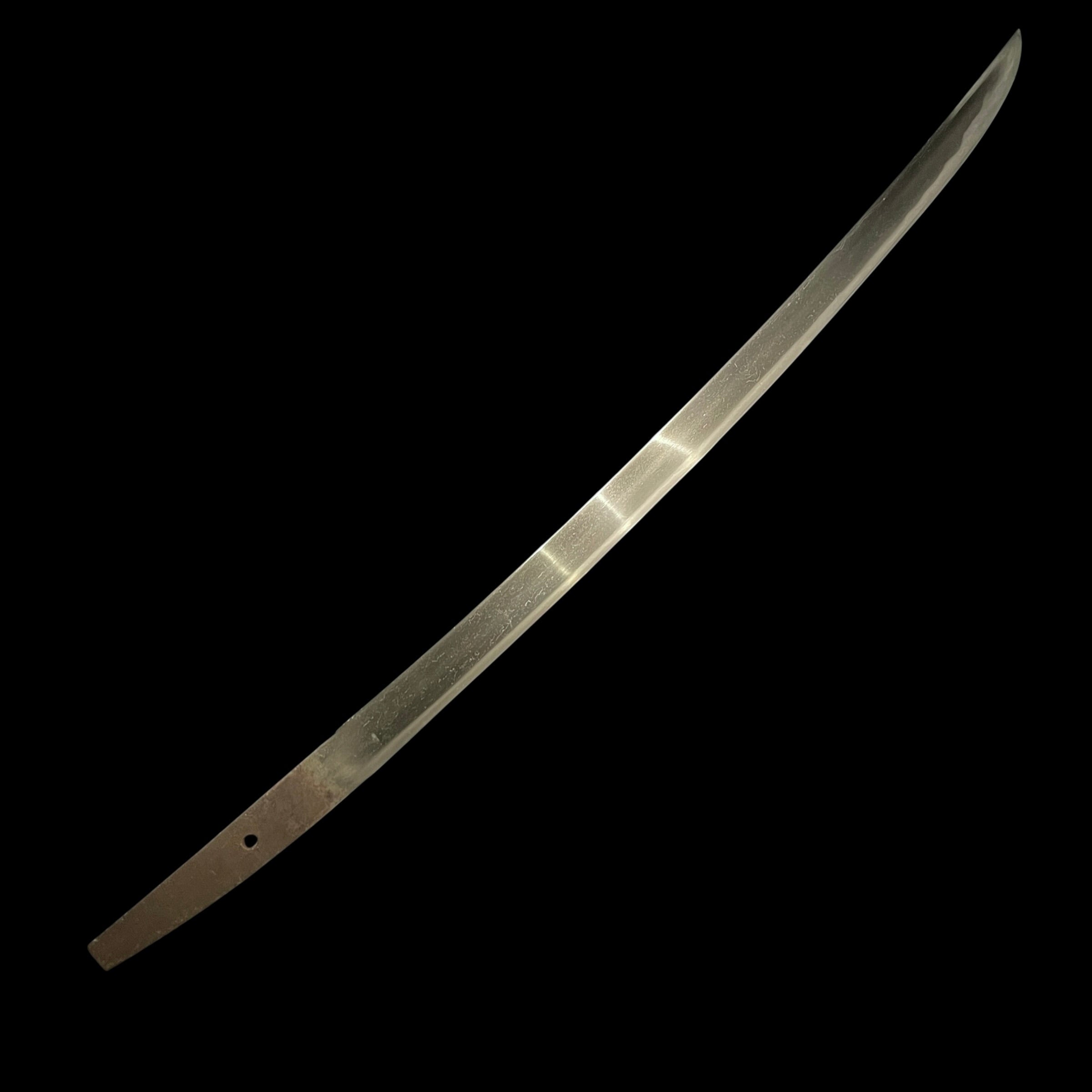
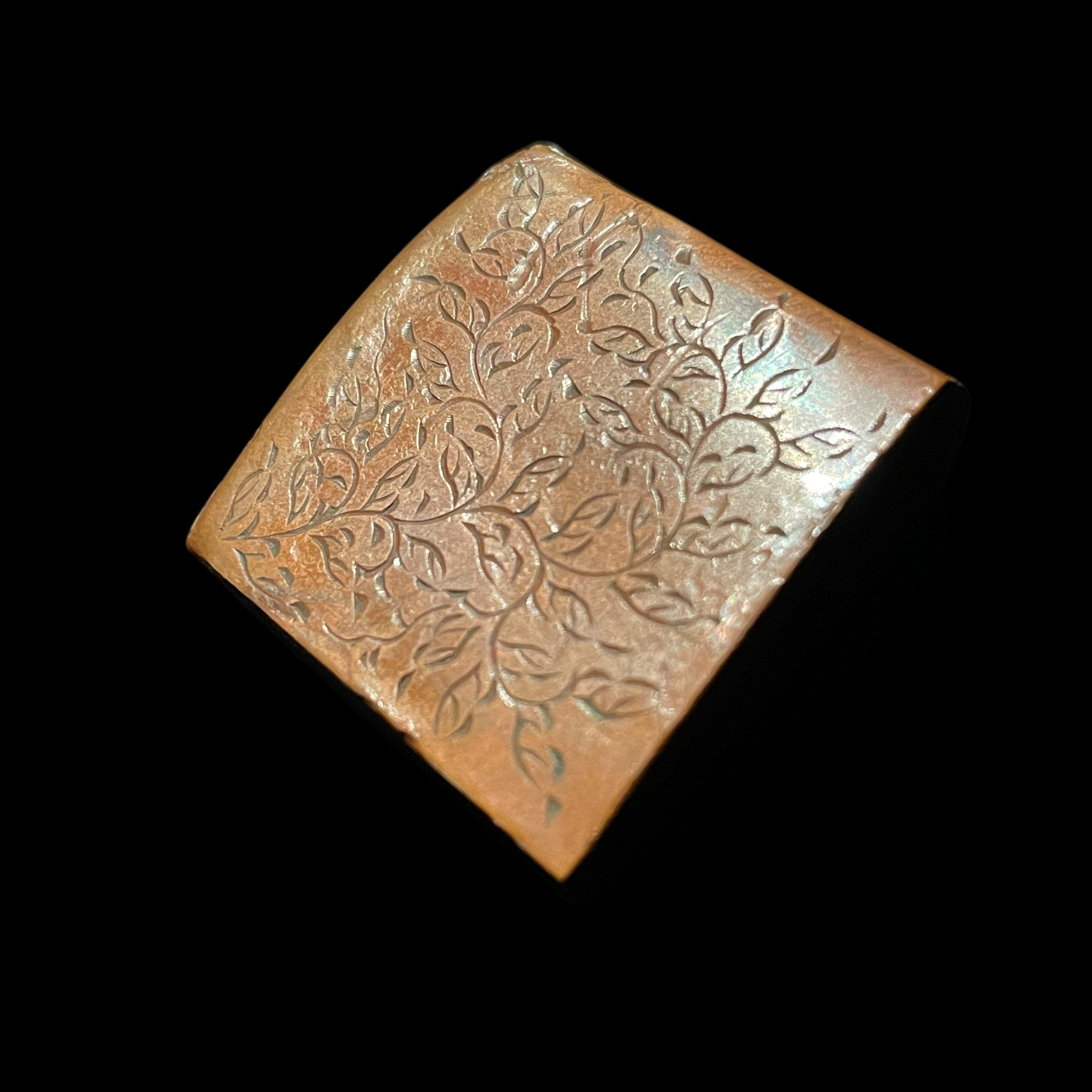
Wakimono · Satsuma
11 pieces on the market now
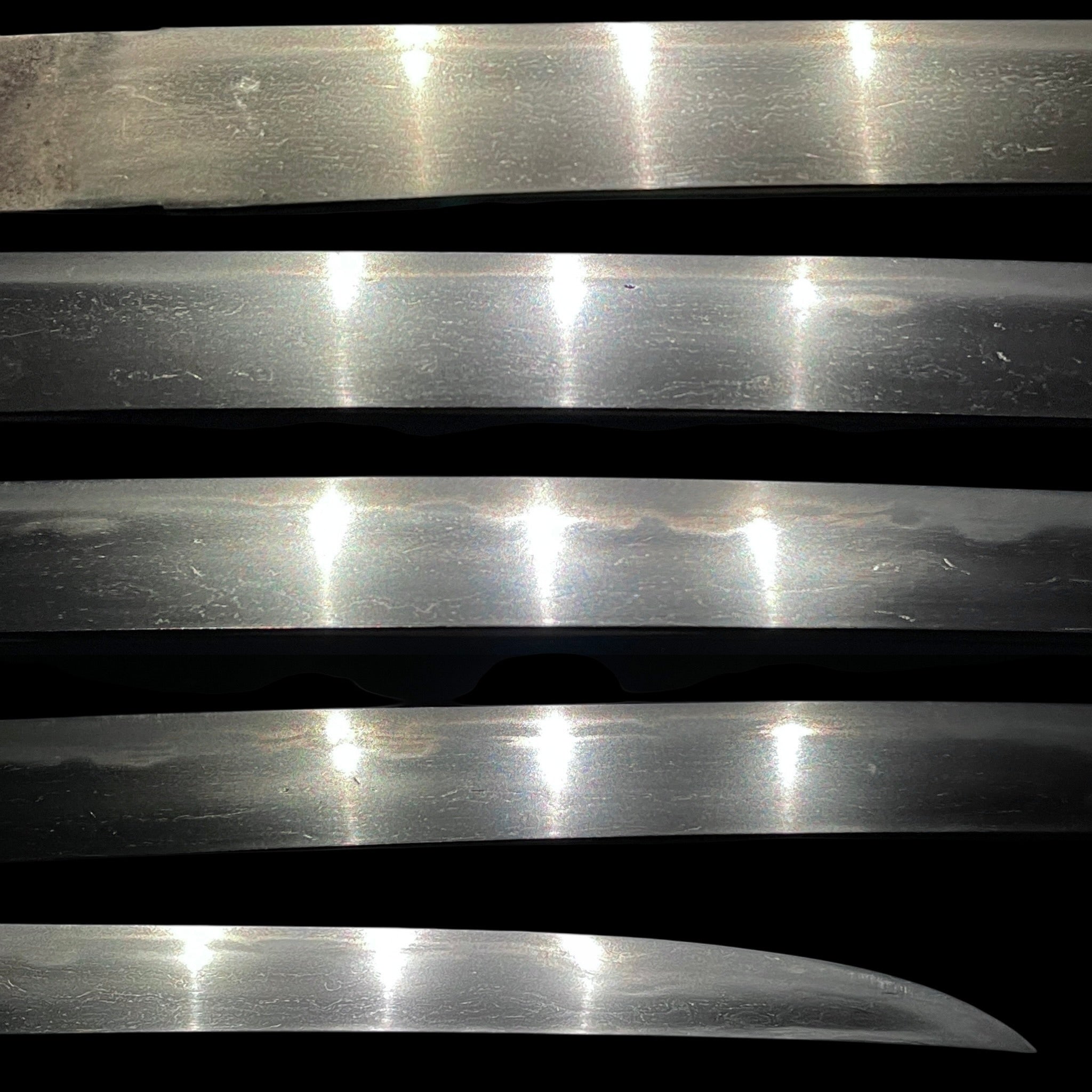
The Naminohira school traces its origins to the late Heian period, when a swordsmith named Masakuni migrated from Yamato Province and established himself at Naminohira in Taniyama District, Satsuma Province. His son Yukiyasu succeeded him, and the lineage continued unbroken into the late Edo shinshintō era. The collective term Ko-Naminohira designates smiths and works dating no later than the Nanbokuchō period, distinguishing the school's formative generations from later practitioners. This geographic isolation in southern Kyushu allowed the development of a distinctive regional aesthetic that balanced mainland influences with local forging traditions. The school's technical identity reveals a pronounced Yamato character in both construction and tempering, yet the forging exhibits a characteristic density and slight tenacity (nebari) that distinguishes Naminohira work from its Yamato antecedents. The jigane typically shows strongly flowing itame-hada, often with a whitish cast and well-adhering ji-nie, while thick chikei appear throughout the ground. In the hamon, a fine hoso-suguha or narrow suguha-based temper predominates, with the nioiguchi displaying a distinctive urumi tendency—a moist, soft quality that creates a subdued, somewhat shizumi-inclined appearance.
A diagnostic feature appears at the hamachi, where slight yaki-otoshi marks the transition from untempered to tempered steel. The school's Nanbokuchō-period works often present extended ō-kissaki and deep koshizori, embodying the martial aesthetic of that turbulent age. The Naminohira tradition experienced a renaissance during the Edo period, producing masters such as Ichi Heian Yasushiro, who in Kyōhō 6 (1721) was summoned to forge for Shōgun Tokugawa Yoshimune. His exceptional skill earned him the privilege of engraving the ichiyō aoi crest on his nakago and the court appointment of Shume no Suke. His work and that of his contemporary Masakiyo represent the apex of Satsuma shintō, demonstrating how provincial schools could achieve recognition at the highest levels of Tokugawa society. The scarcity of early signed works, particularly from the Kamakura and Nanbokuchō periods, renders extant examples invaluable for understanding the school's development and its role in transmitting Yamato forging methods to Japan's southern frontier. Learn more →
| Smith | Era | Designated |
|---|---|---|
| Yukiyasu行安 | 1308-1311 | 9 |
| Yasutsuna安綱 | 1288-1333 | 0 |
| Yasutsugu安次 | 1224-1225 | 0 |
| Yasutsugu安次 | 1375-1381 | 0 |
| Haruyuki治行 | 1394-1428 | 1 |
The Muromachi period (1392 to 1573)
Muromachi turned sword making into an industry: the uchigatana rose with massed infantry warfare, Osafune and Seki produced bundle swords beside custom orders, and the Ming trade carried Japanese blades abroad by the tens of thousands.
Swords are non-returnable (blades cannot be re-imported to Japan). Insured shipping; damage/loss claims reported within 5 days of receipt. Cancellation fee 10% before shipment; not possible after shipment.