 NihontoWatchNihontoWatch
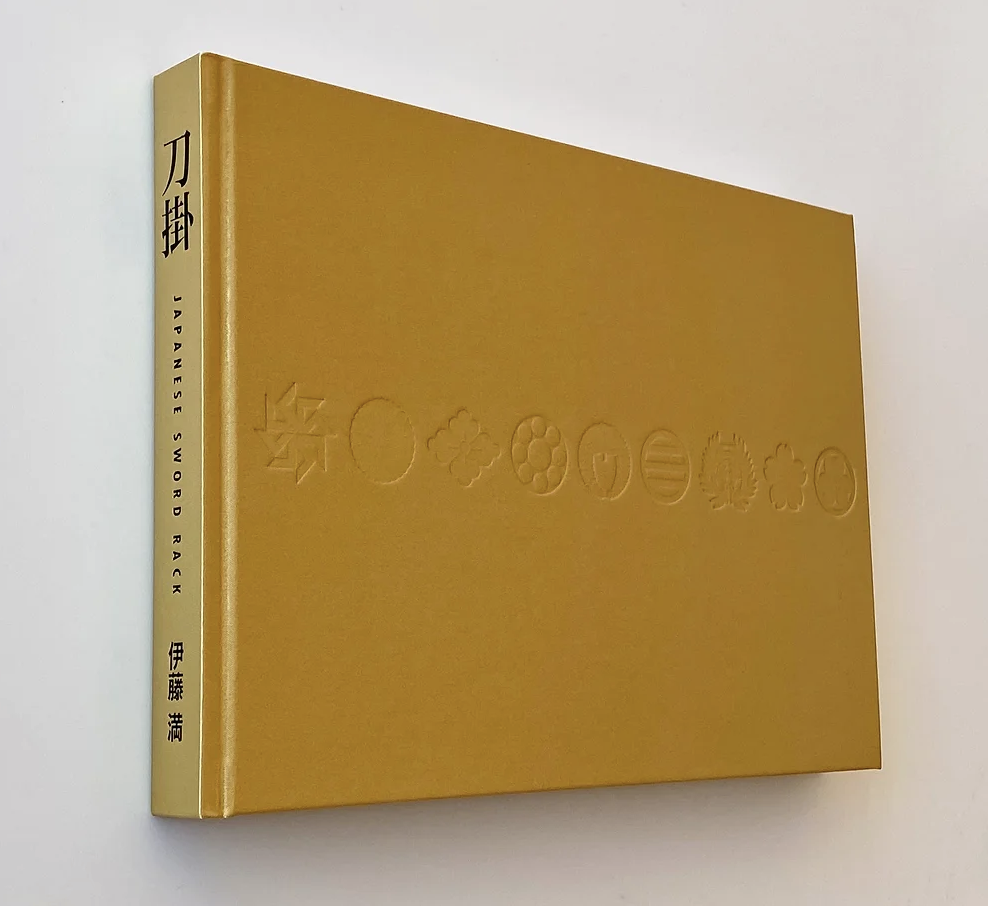
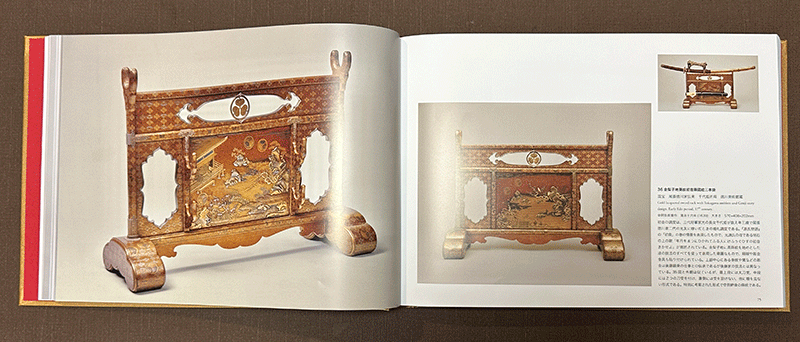
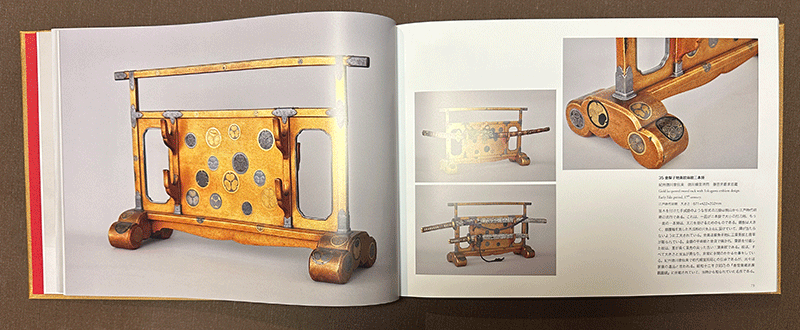
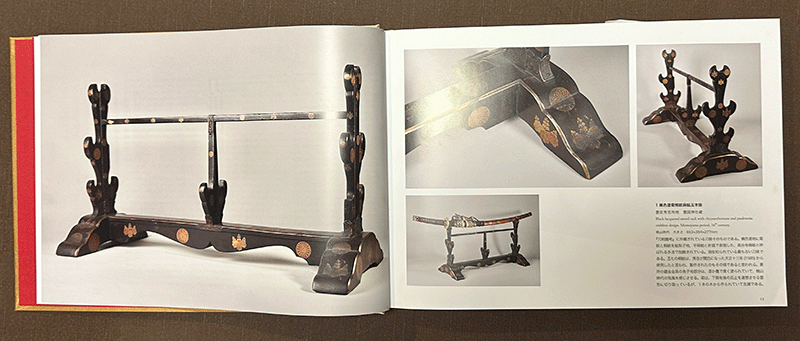
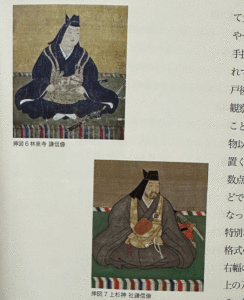
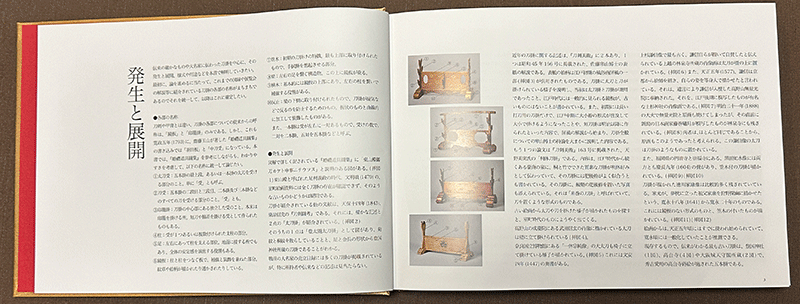
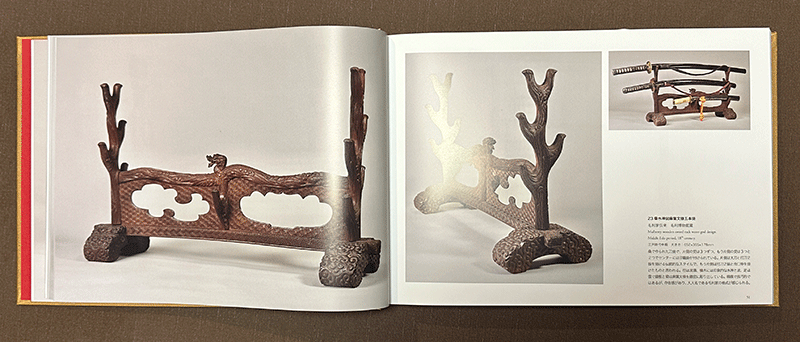
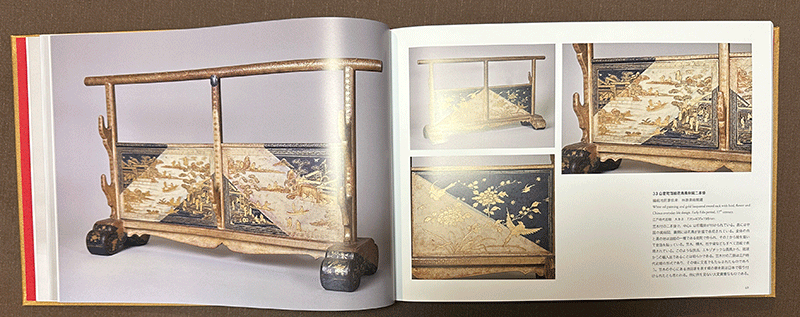
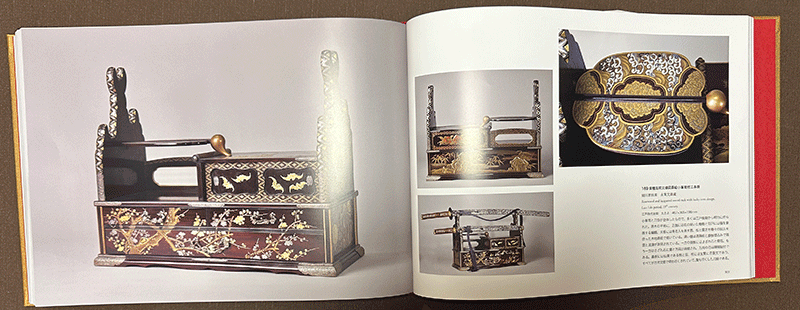
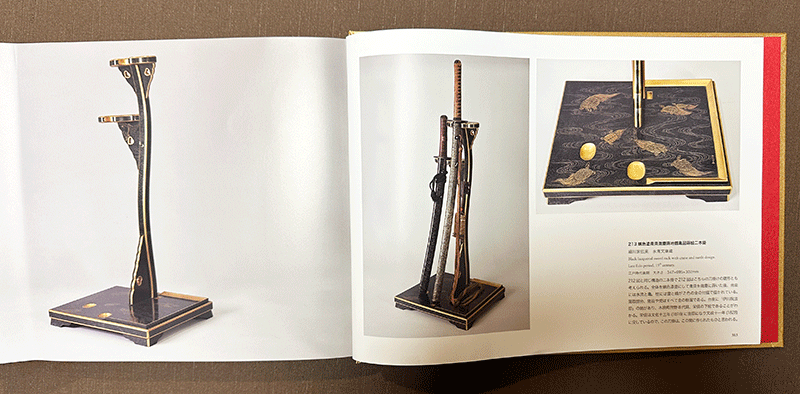
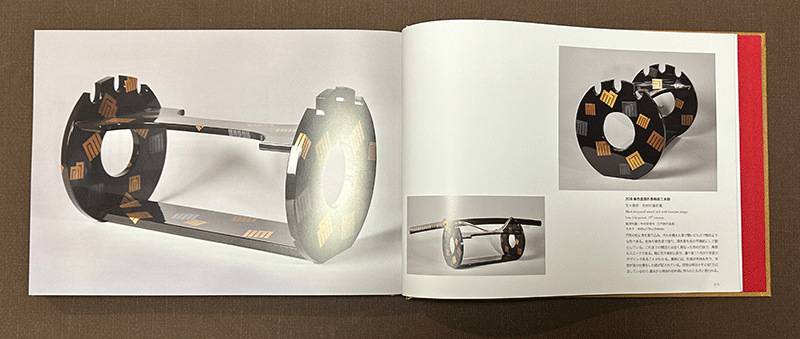
A research catalog of katakake that is thought to be the only one of its kind in existence. "The katakake, used to display the important swords that were called the soul of the bushi and served as the primary equipment of samurai families, are truly diverse. They range from dignified, gorgeous, and luxurious items representing the status and individuality of daimyo families to wedding furnishings, portable items for travel, and custom orders for grand masters of the tea ceremony. Their brilliance makes them excellent works of art that are in no way inferior to the armor and arms produced with every luxury to express the individuality and artistry of each daimyo family. National Treasure, handed down in the Owari Tokugawa family, used by Chiyo-hime, Tokugawa Art Museum collection, kin-nashiji aoi-mon Hatsune makie sanbon-gake katakake. However, until the present day, almost no systematic research or investigation has been conducted, and their excellent artistry has been understood only by a small number of enthusiasts. With the desire to convey this splendor to many people, this catalog was produced with the cooperation of shrines, museums, and collectors nationwide. It includes excellent heirlooms from the Hideyoshi used, Ieyasu used, Tokugawa main family, Owari family, Kishu family, Mito family, Hosokawa family, Mori family, Kuroda family, Matsuura family, Shimazu family, Maeda family, Ii family, Matsui family, Sanada family, Sakai family, Abe family, and the Arisugawanomiya family. To convey their beauty without omission, photographs were taken on-site as much as possible, and through the efforts of Sannichi Printing Co., Ltd., they have been vividly reproduced on the pages. Handed down in the Kishu Tokugawa family, used by Tokugawa Yorinobu, formerly in the collection of the Baron Fujita family, kin-nashiji aoi-mon makie sanbon-gake katakake. Among extant items with a known provenance, the oldest are the kiku-kiri-mon makie katakake favored by Hideyoshi located at Toyokuni Jinja and Kodai-ji; an item of the same type as the one at Toyokuni Jinja is also in the collection of the Tokugawa Art Museum. This was favored by Ieyasu and is recorded as a camp tool in the 'Sunpu Obunmutsu-cho'. Used by Toyotomi Hideyoshi, Toyokuni Jinja collection, roiro-nuri kiku-kiri-mon makie gohon-gake katakake. Also, in paintings, the tachi in the portrait of Uesugi Kenshin at Uesugi Jinja is placed on something like a katakake, and this is thought to be the oldest reference material. By investigating, comparing, and examining these works handed down in daimyo families, and by classifying and publishing them by form and era, I have strived to convey the origin and transition of katakake, their uses, and above all, their unique and excellent artistry. Handed down in the Mori family, Mori Museum collection, kuwa suijin-zu asa-no-ha monyo gohon-gake katakake. Handed down in the Bizen Ikeda family, Hayashibara Museum of Art collection, shiro-mitsuda haku-e kacho fuzoku-zu nihon-gake katakake. Handed down in the Hosokawa family, Eisei Bunko collection, shitan kissho monyo-zu makie kodansu-tsuki sanbon-gake katakake. Handed down in the Hosokawa family, Eisei Bunko collection, roiro-nuri aogai mijin tsurukame-zu makie nihon-gake katakake. Gengensai-kono, Komazawa Risai and Nakamura Sotetsu work, formerly in the collection of Mitsumura Toshimo, roiro-nuri Genjiko makie sanbon-gake katakake. This book, which the author Mr. Ito and I initially planned would be a success if 100 items were gathered, saw its content expand rapidly due to the splendor of the masterpieces discovered as the investigation progressed, eventually reaching the introduction of 213 items in total. After you have enjoyed the wonderful world of katakake, I would be pleased if you would take out a katakake that has been put away for a long time and display your sword upon it."
Offered by Iida Koendo
Owari
Pre-Edo
Bizen
As written by the shop
Machine translation from the shop's Japanese · may contain errors ·
We could not find an authenticity certificate on the seller’s listing. Japanese swords and fittings are normally papered by the NBTHK (or the NTHK). Without one, the attribution is the seller’s own assessment and has not been independently verified — treat it with caution and ask the dealer about certification before buying.
For returns at the customer's convenience, please notify us within two days of the item's arrival. Items that have been altered cannot be accepted. Return shipping is at the customer's expense. Costs other than the item price (bank transfer fees, cash-on-delivery fees, etc.) cannot be refunded. Items delivered overseas cannot be returned or refunded.
¥25,000