 NihontoWatchNihontoWatch
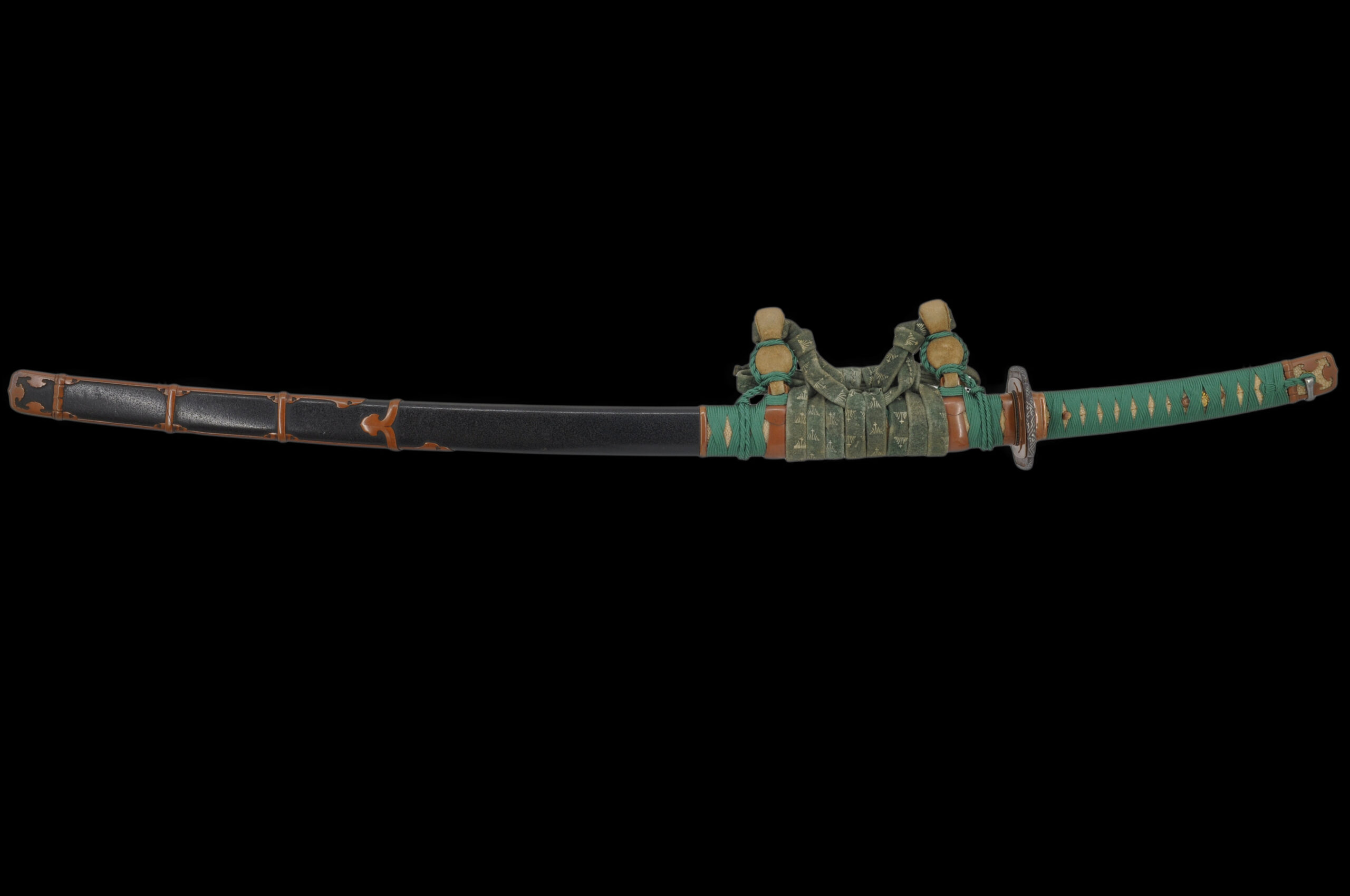
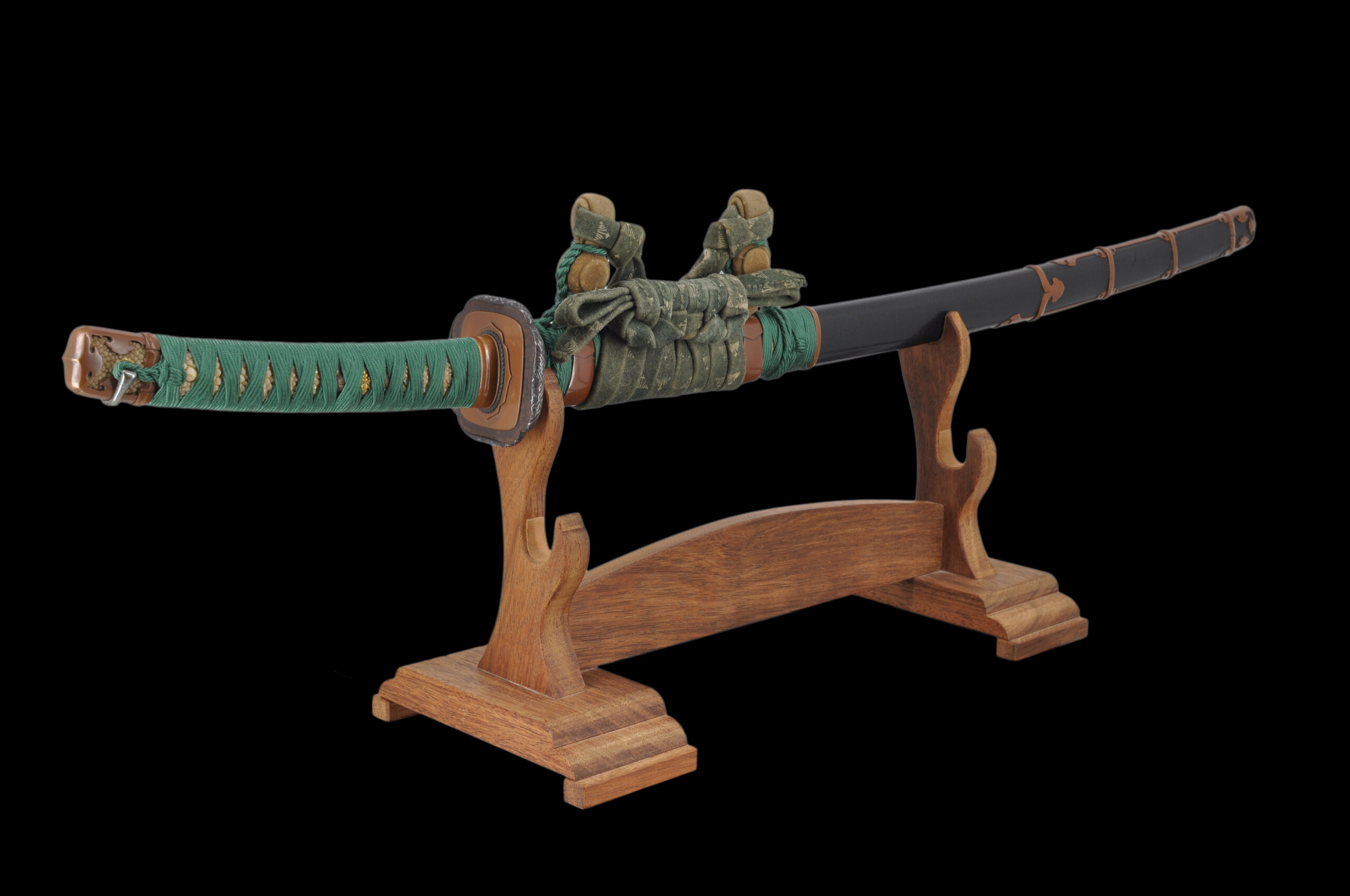
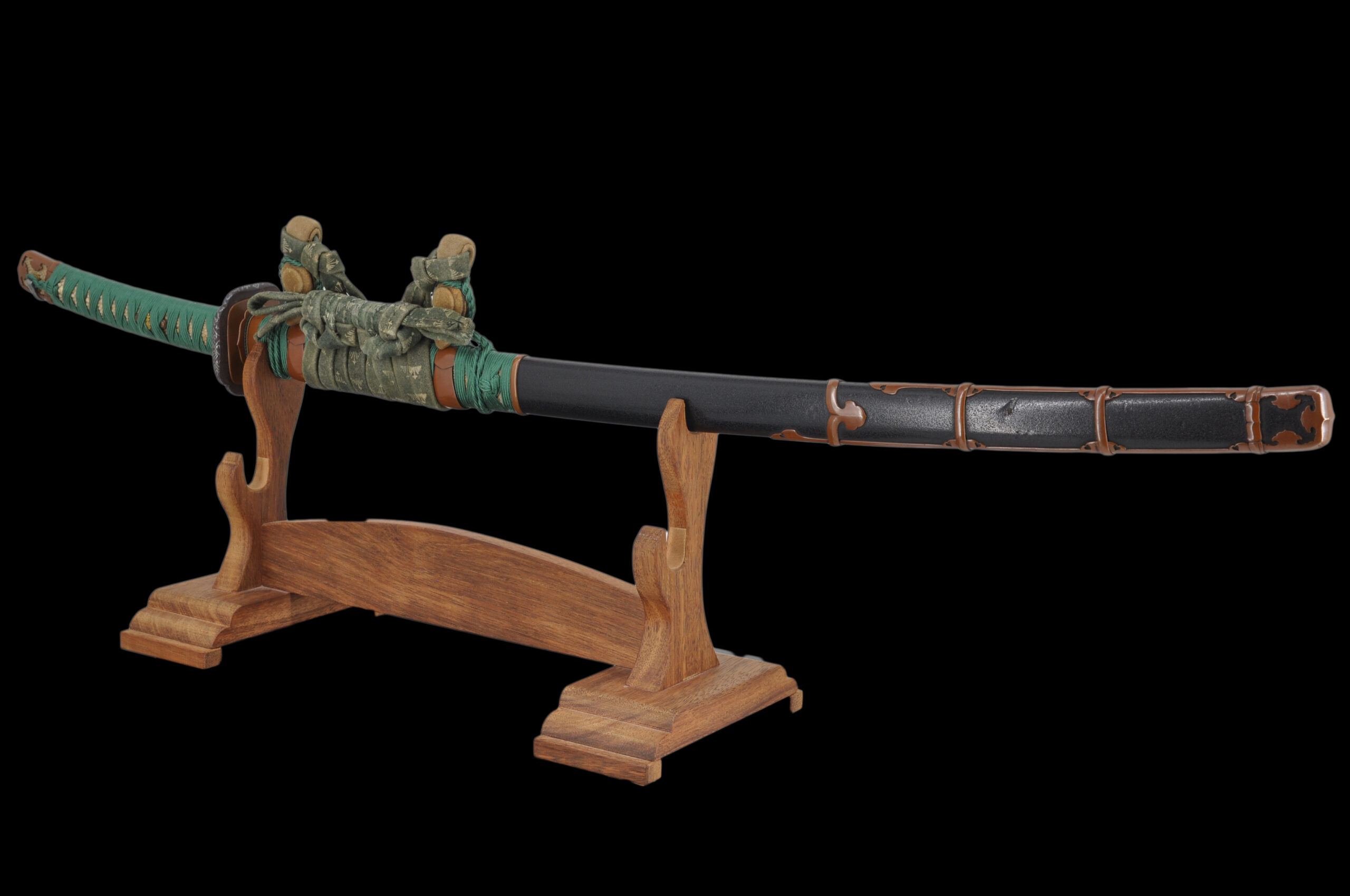
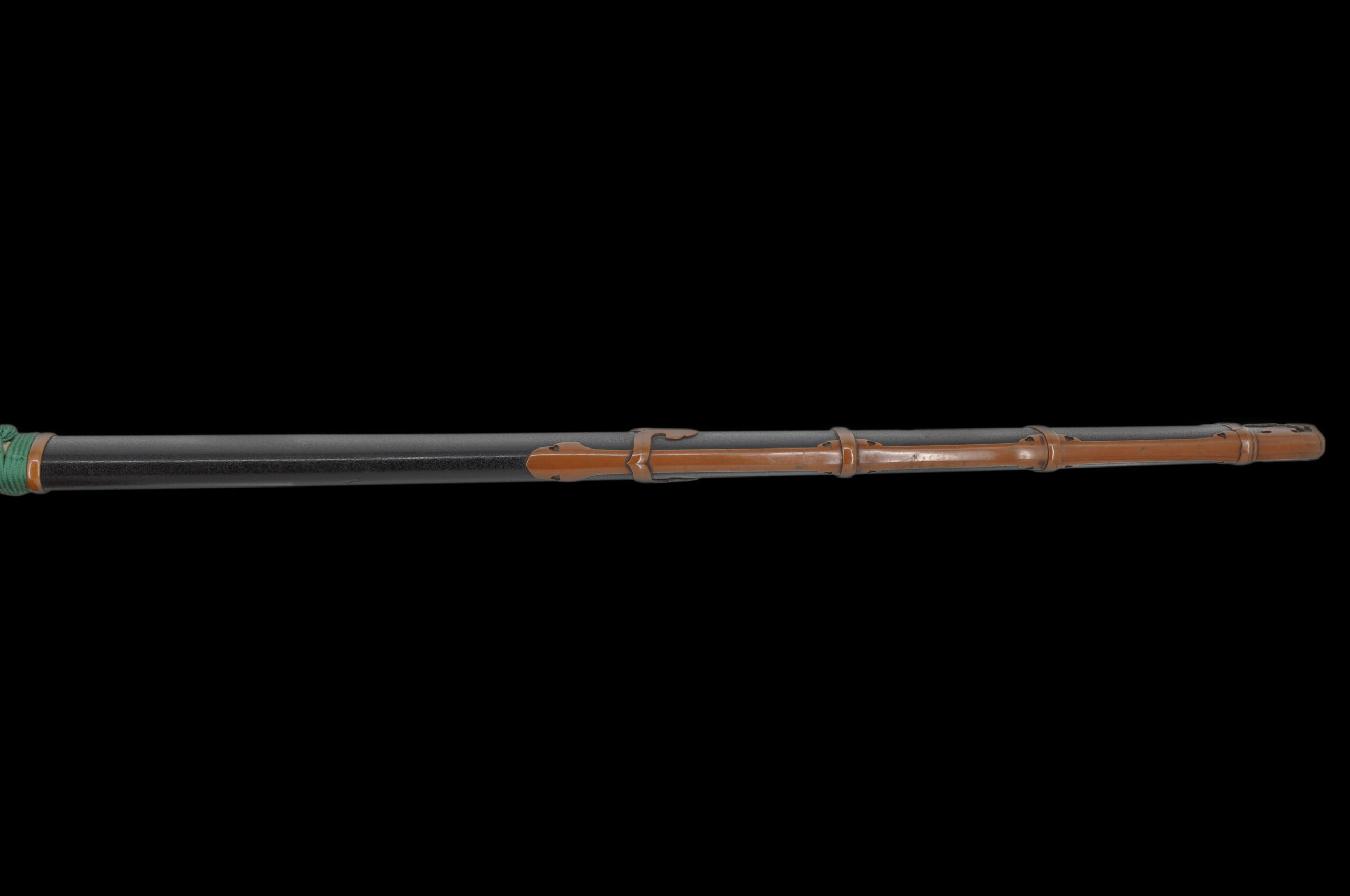
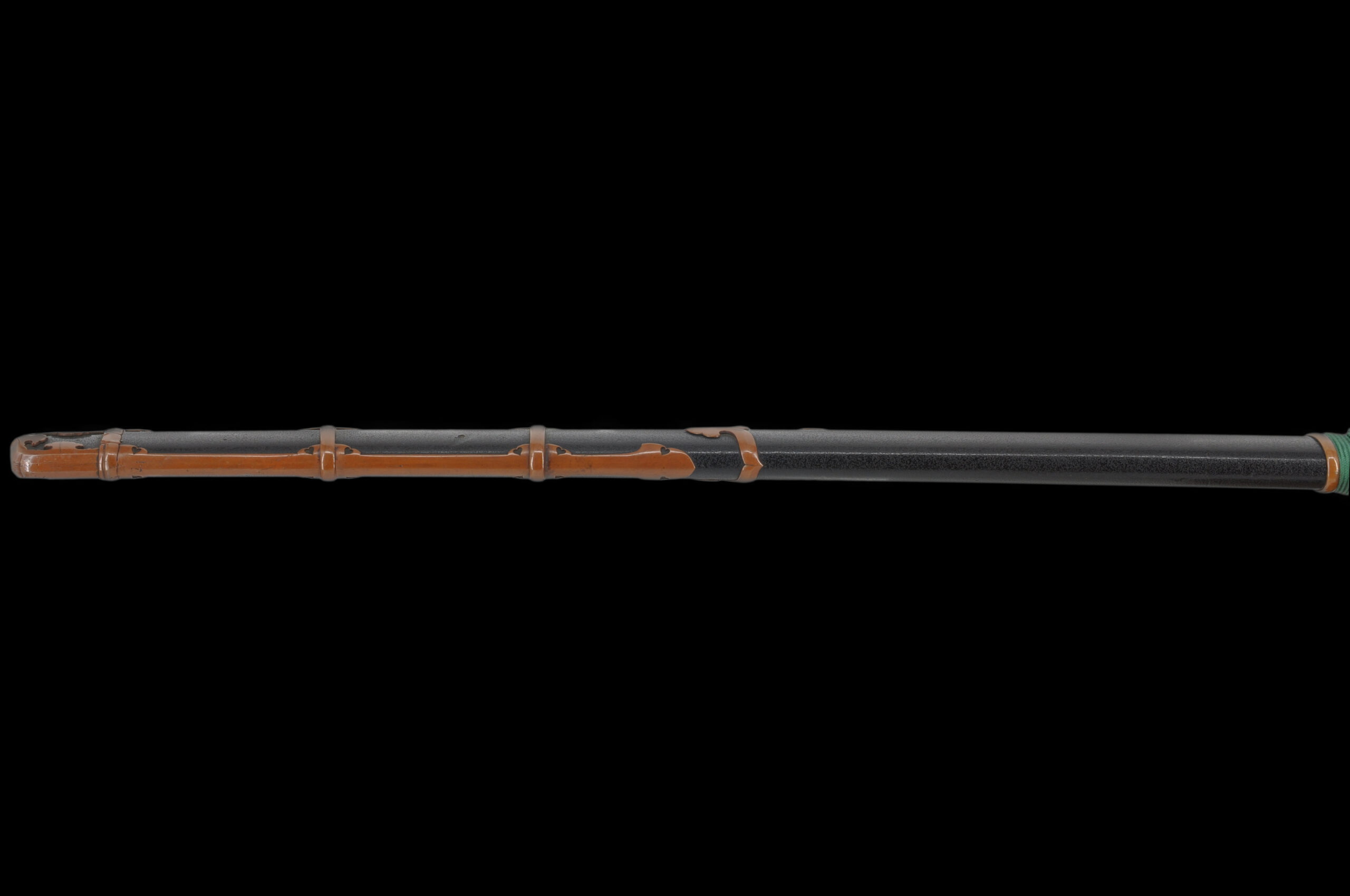
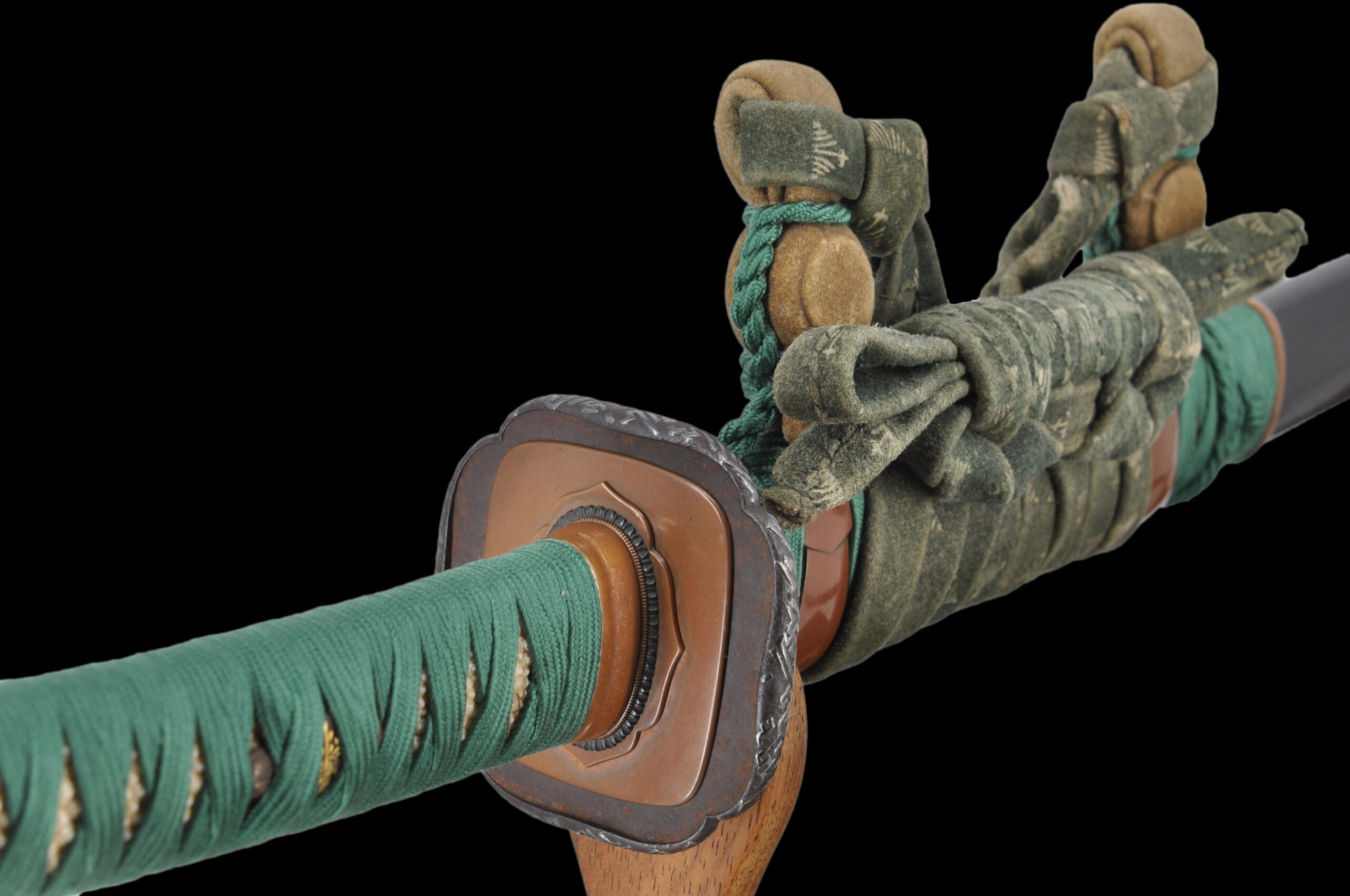
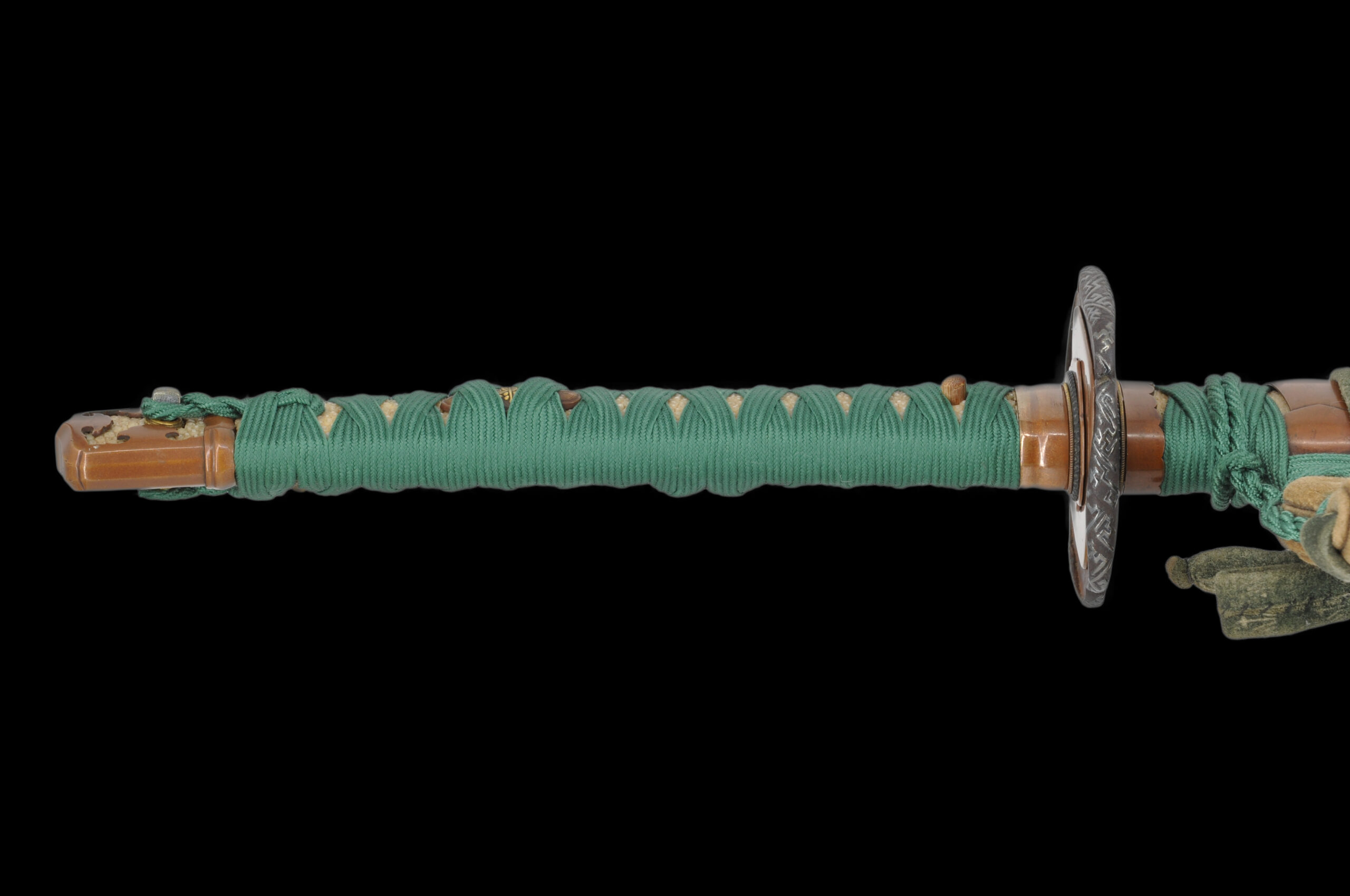
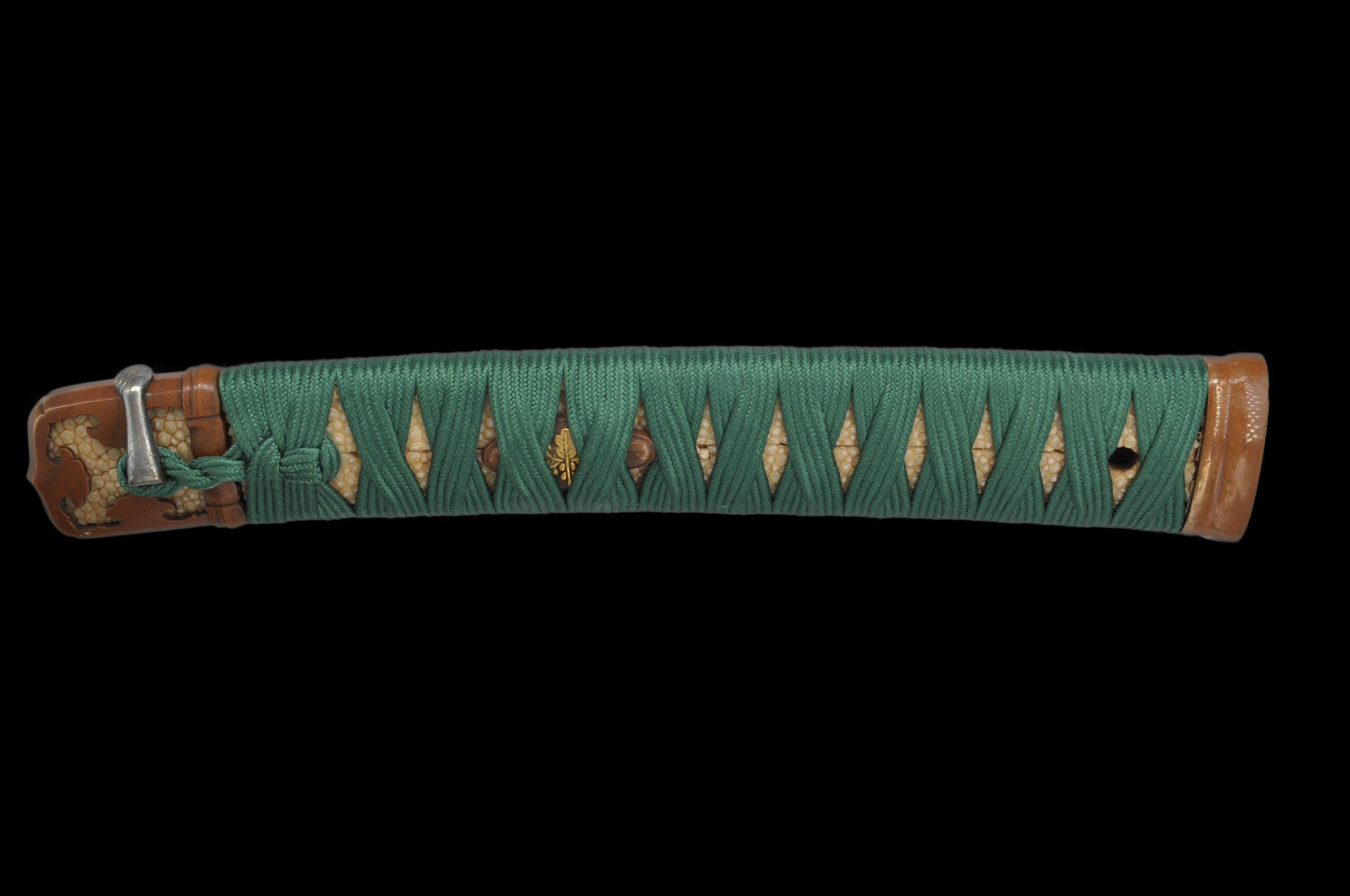
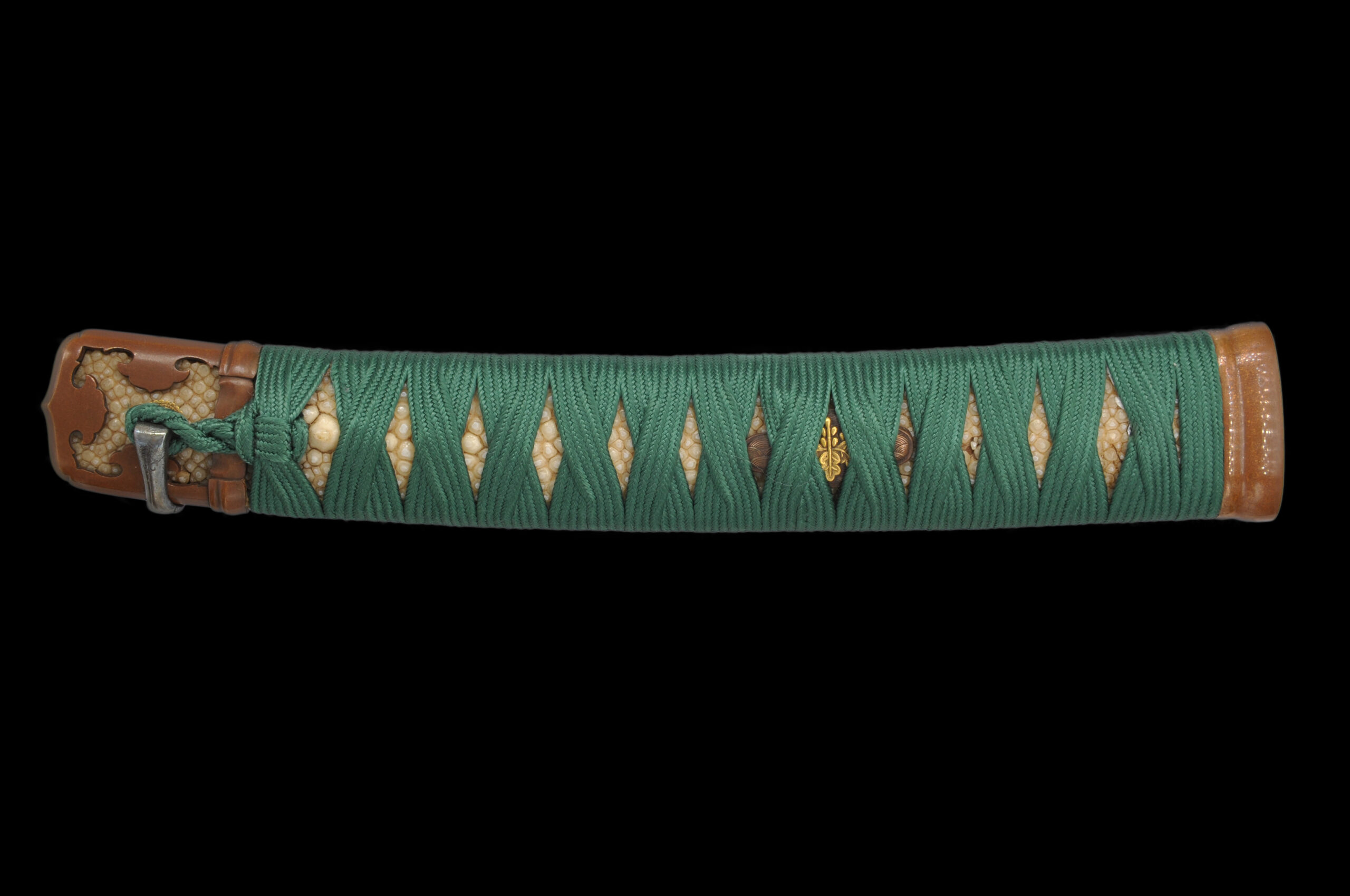
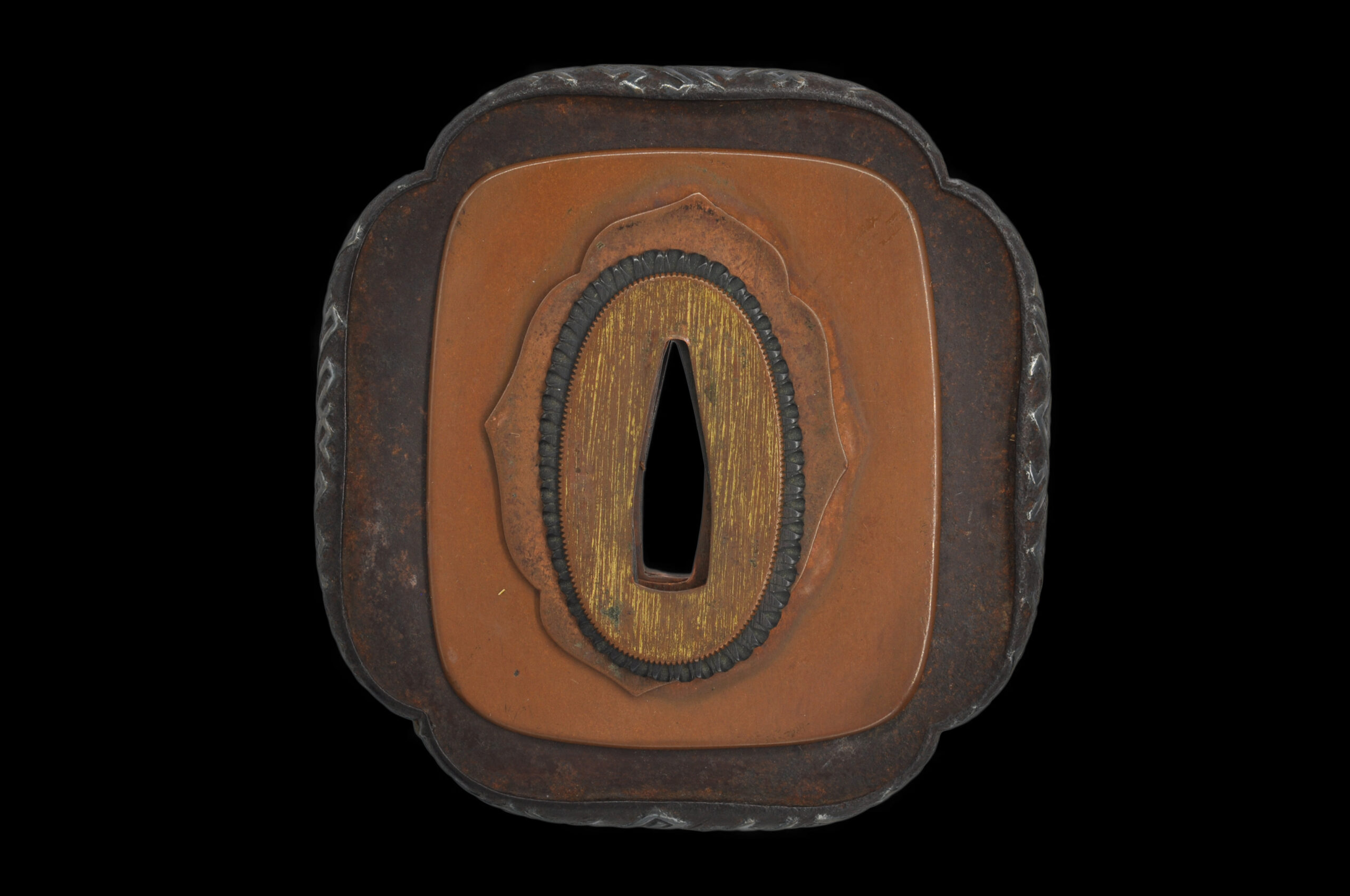
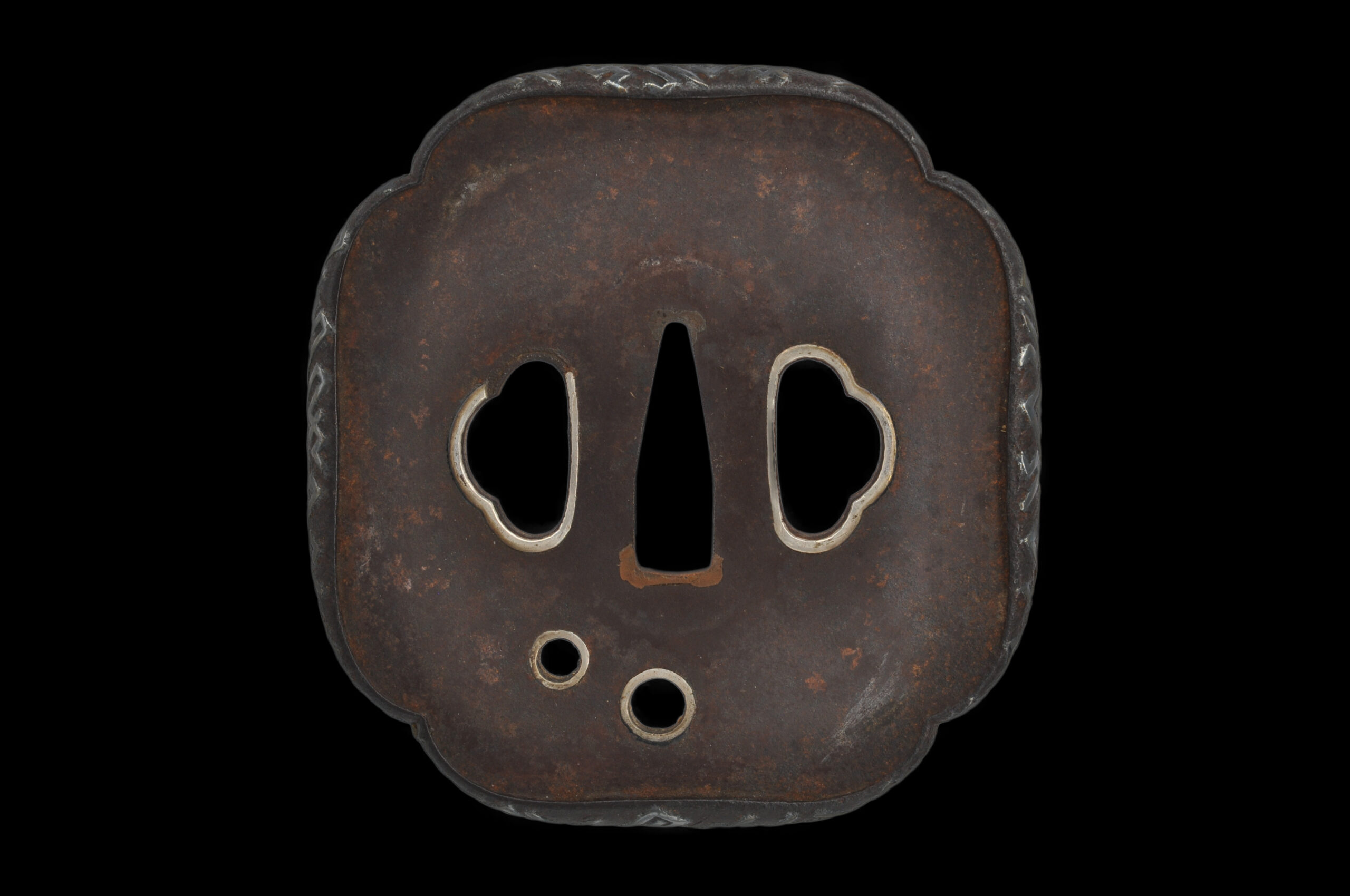
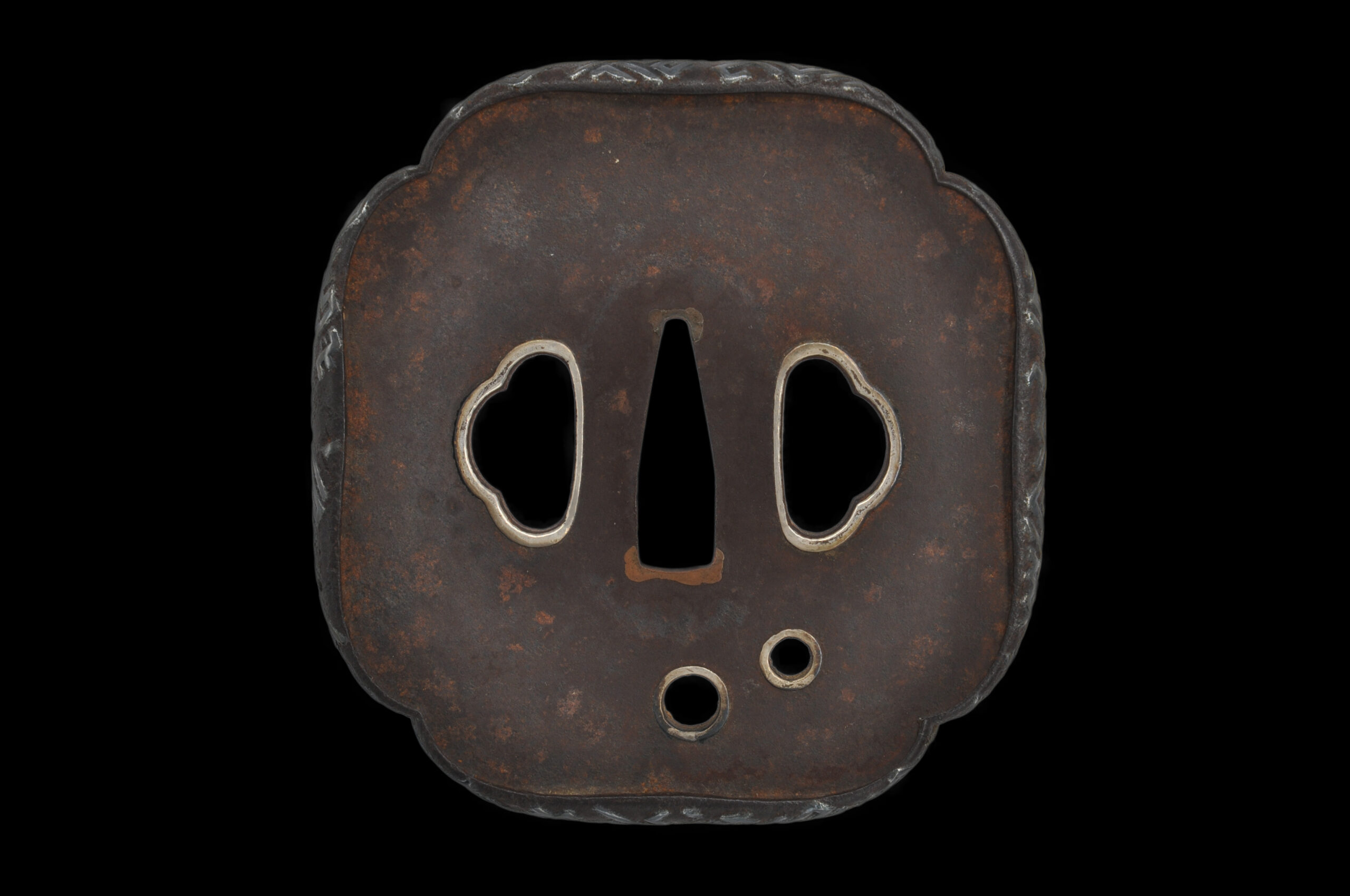
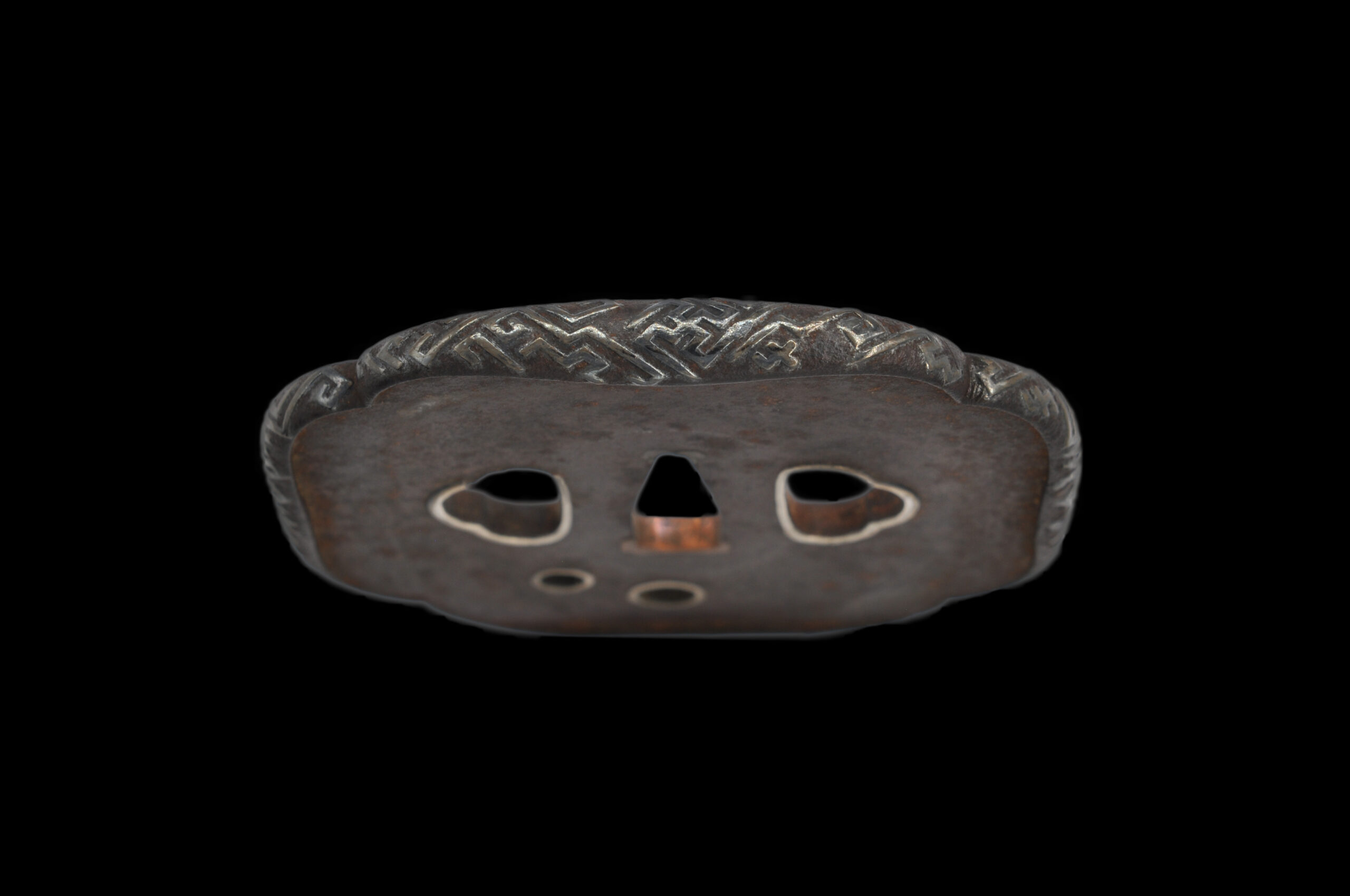
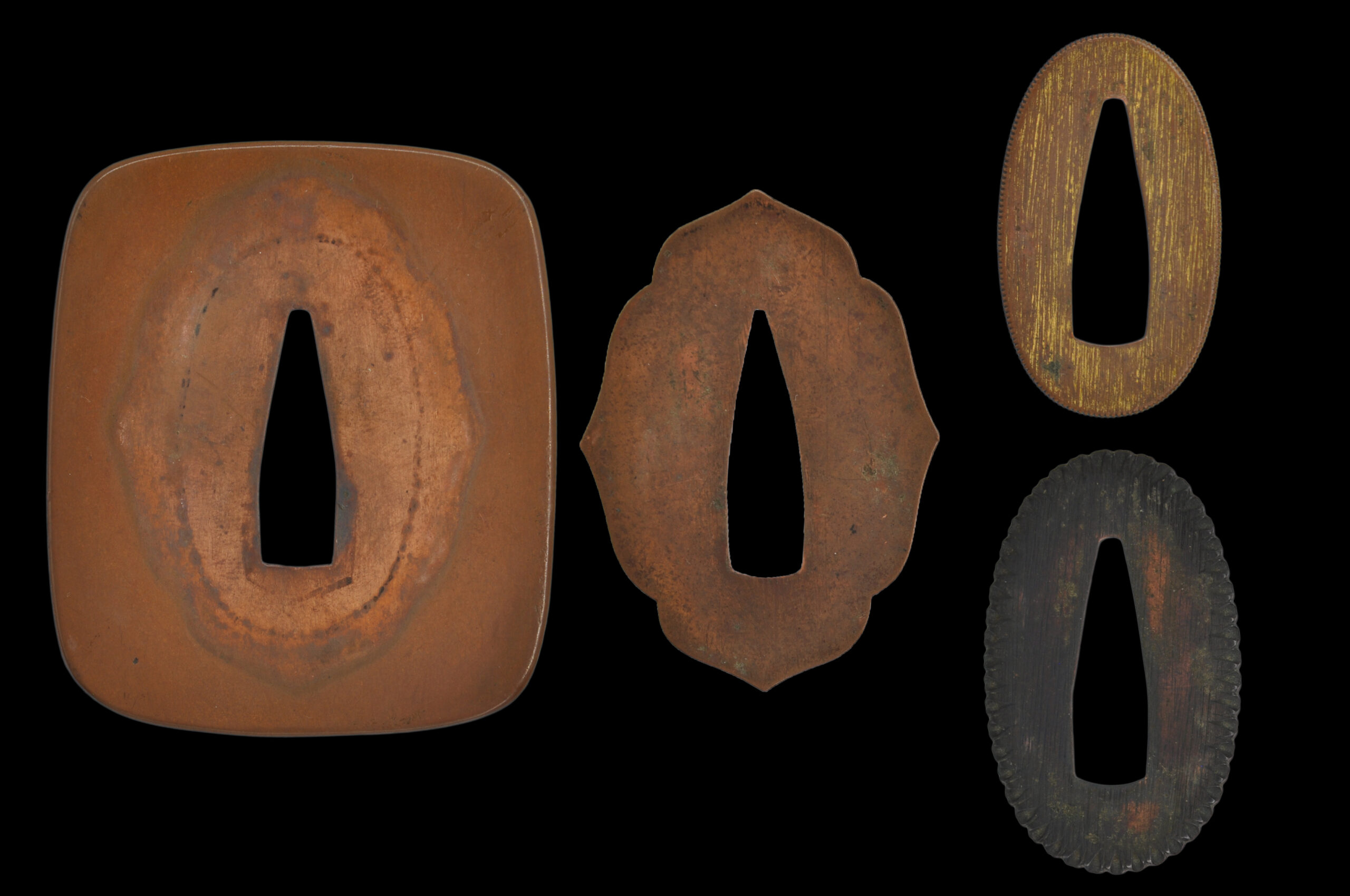
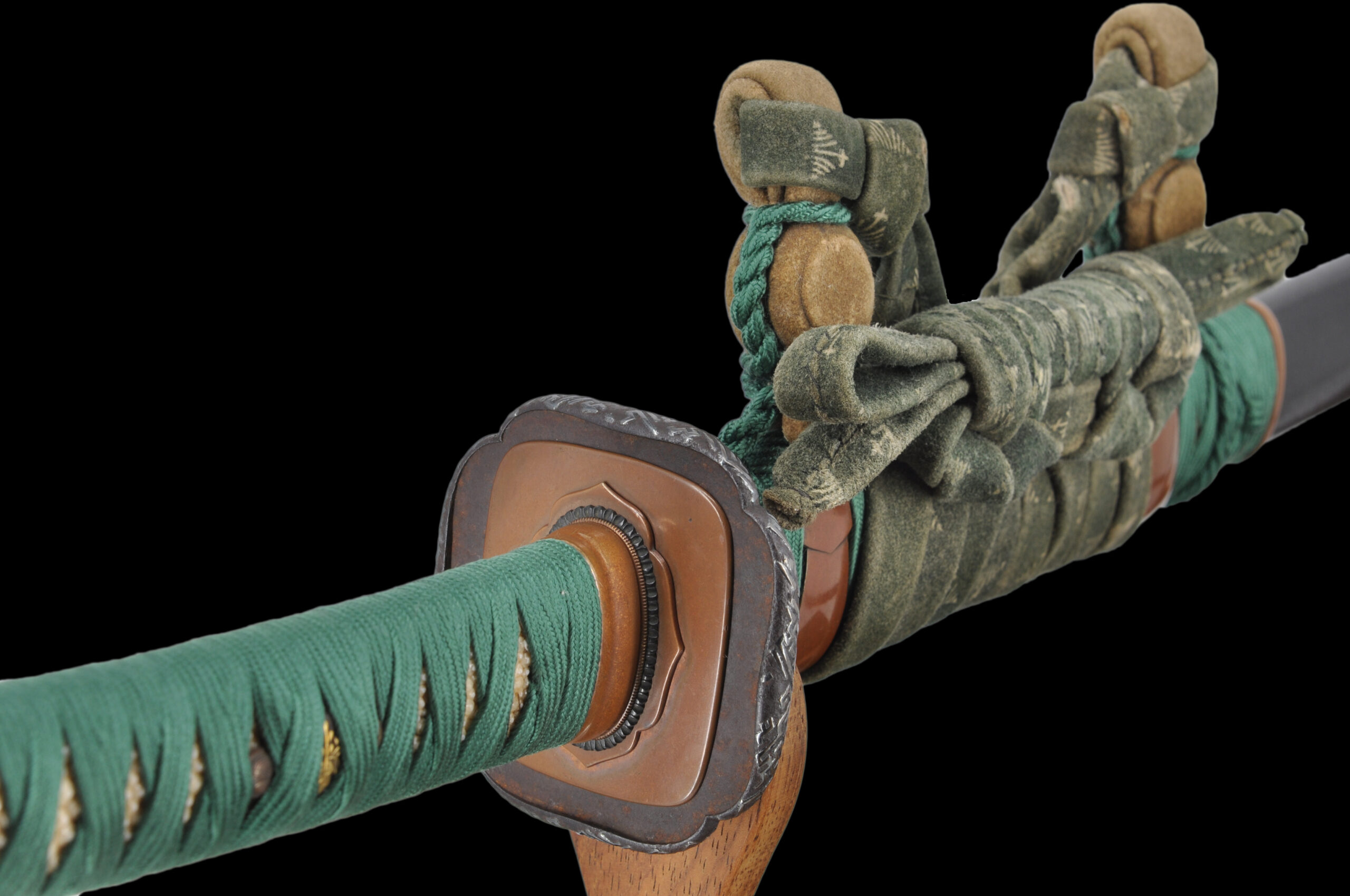
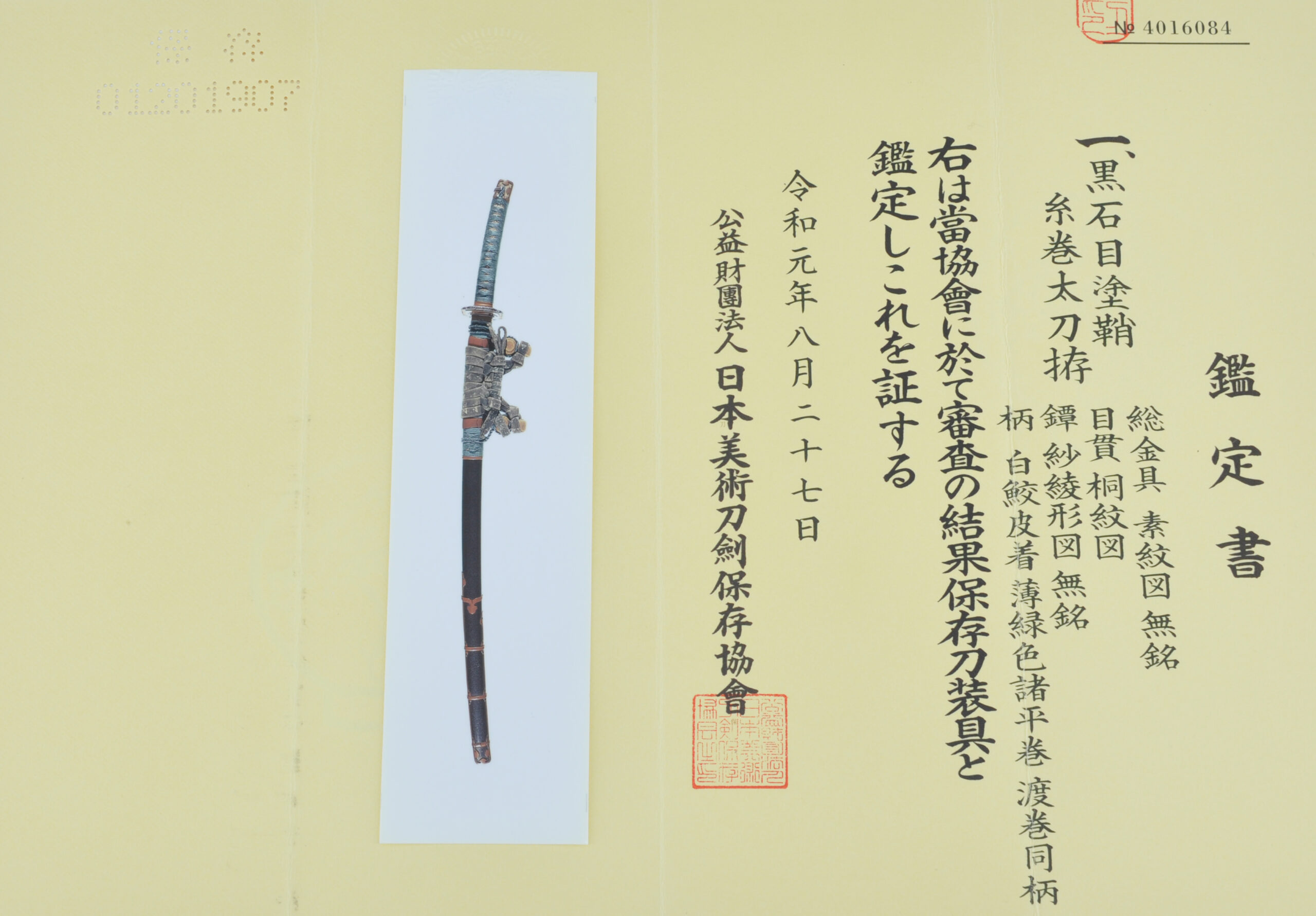
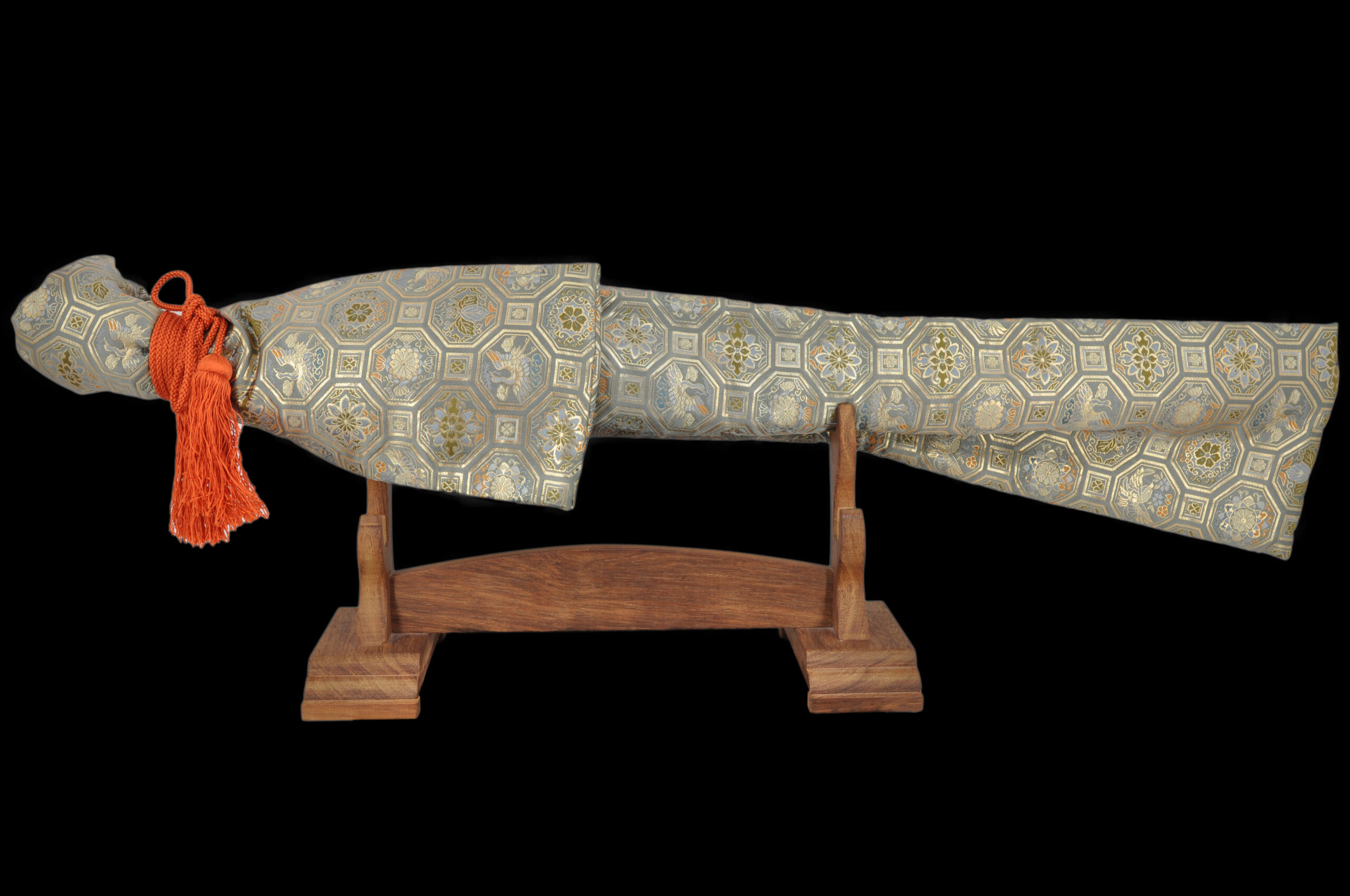
Koshirae from the Edo period in mint condition with only minor signs of wear. The tusuka is covered with ray skin with a light green wrapping. All fittings are made of copper and only the tsuba itself is made of iron with the rim being made of silver. Without any fancy decoration, it was worn by a simple samurai and the Paulownia-Mon menuki (made from shakudo) alone gives us an idea of where and how the original owner could have been classified. This koshirae would fit into any collection that focuses on genuine everyday items worn by samurai that are crafted for function rather than showiness. I highly recommend this koshirae due to its rarity. Its authenticity is confirmed by the accompanying hozon certificate and it will also receive tokubetsu hozon if submitted.
NihontoWatchOffered by Nihon Collection

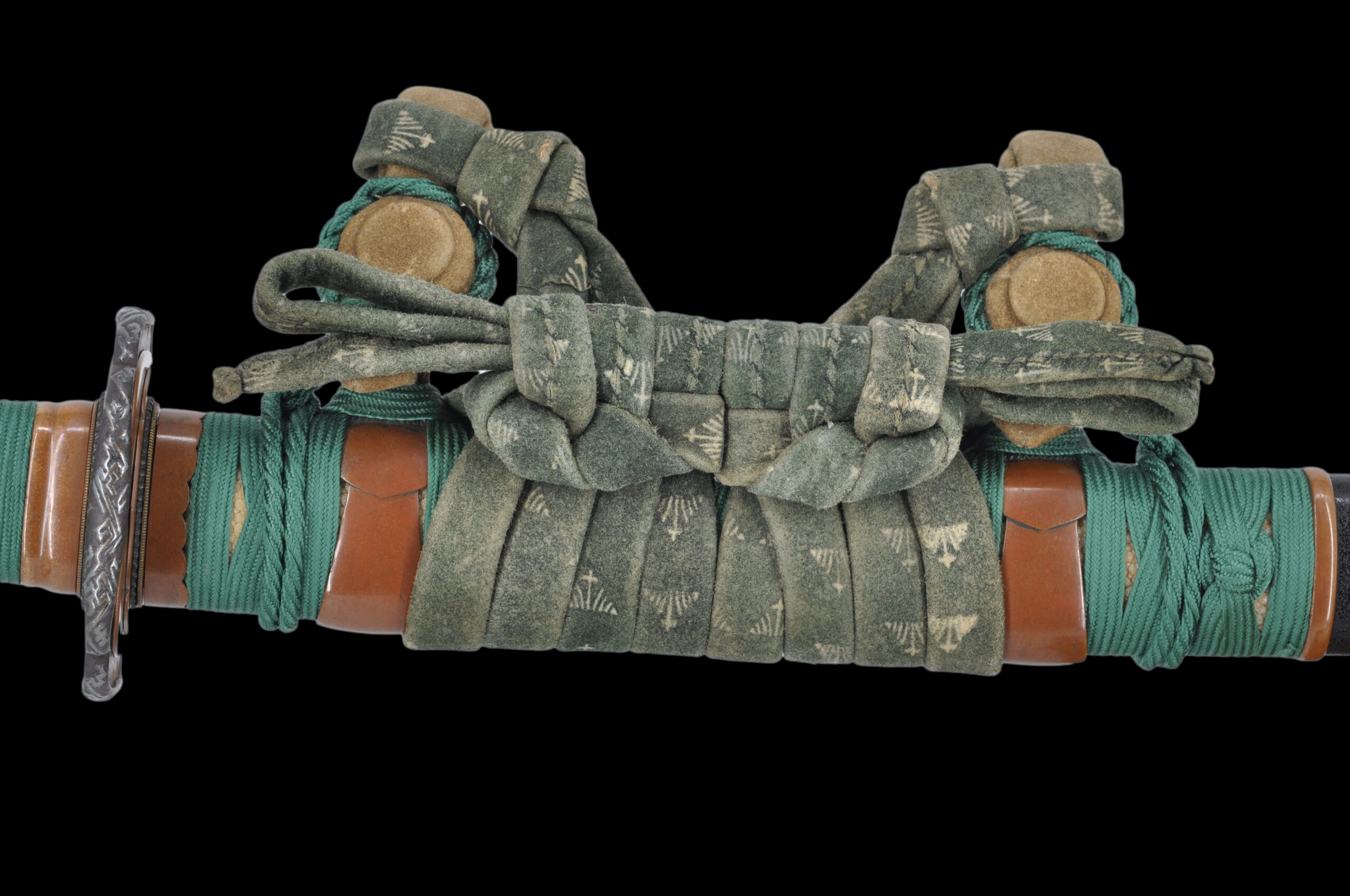
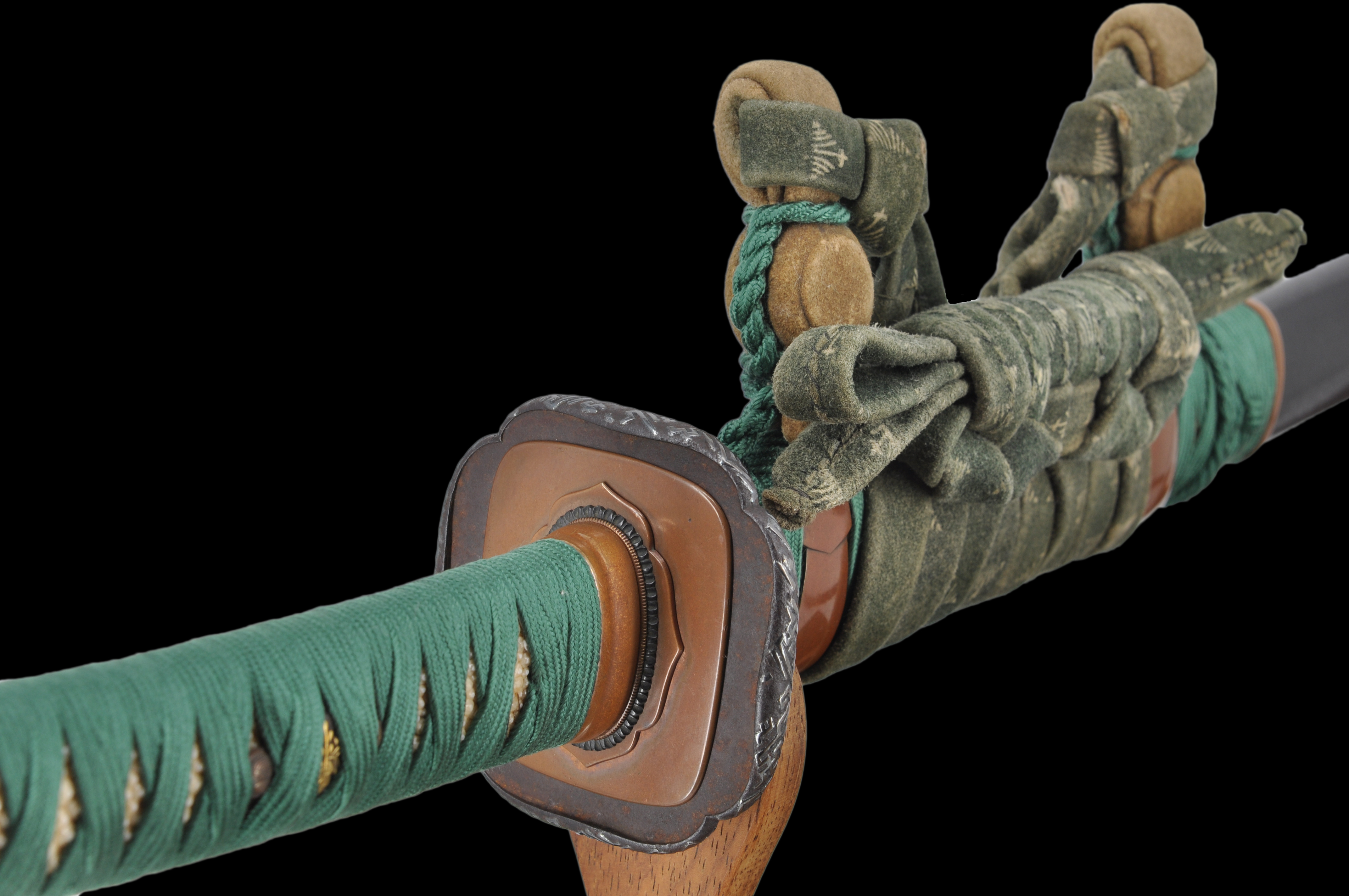
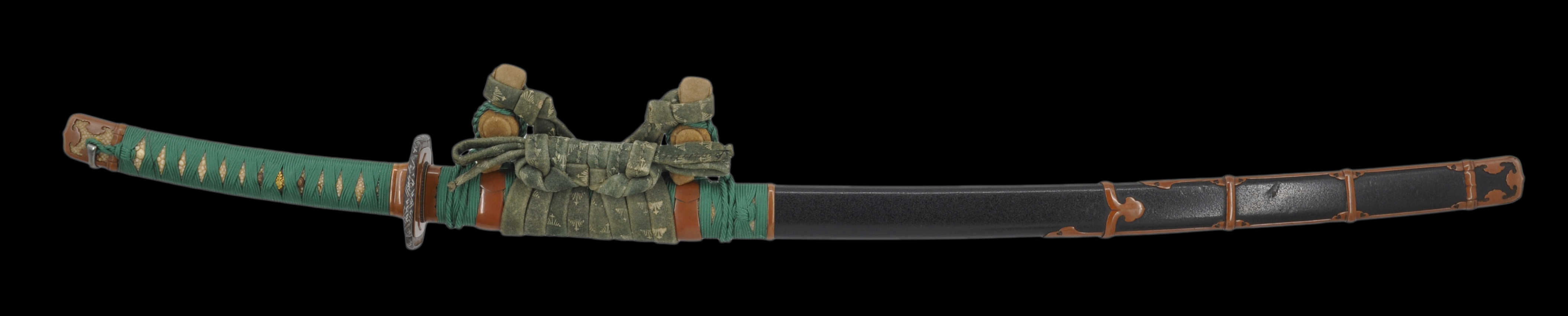
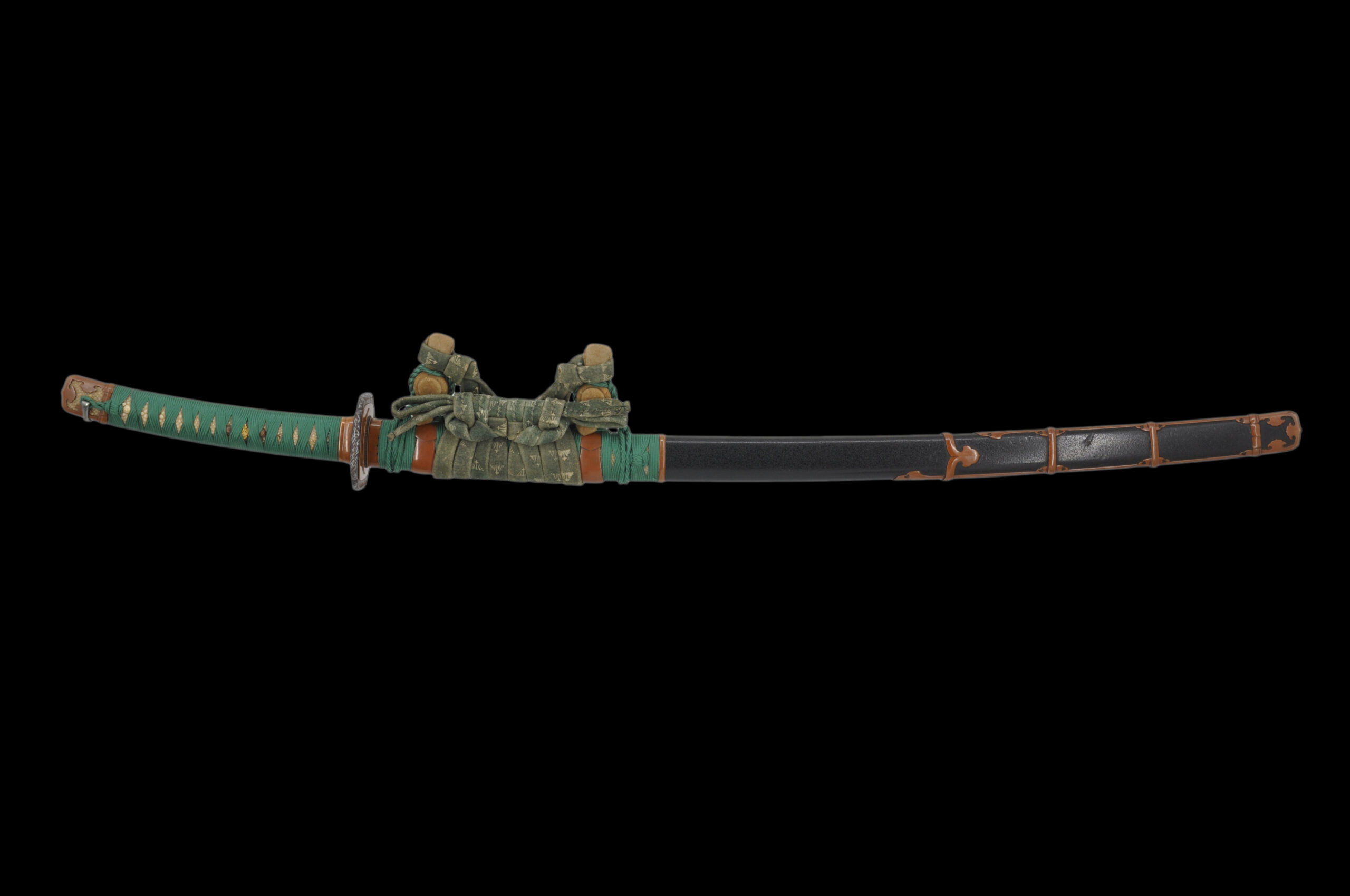
Edo
Unsigned
Tokuho (NBTHK)
A Hozon-certified blade judged to show notably superior workmanship and a better state of preservation. The bar is higher: re-tempered blades and most unsigned Muromachi/Edo works are excluded.
The NBTHK (Nihon Bijutsu Tōken Hozon Kyōkai, the Society for the Preservation of Japanese Art Swords) is a public-interest incorporated foundation founded in 1948 and supervised by Japan’s Agency for Cultural Affairs (Bunkachō); it is based at the Japanese Sword Museum in Tokyo. Its expert panels physically examine each submitted work (shinsa) and issue a certificate (kanteishō) ranking it by artistic and historical merit. NBTHK papers are the most widely recognized standard of authentication for Japanese swords and fittings.
NBTHK official site€6,875