Edo was the sword’s age of connoisseurship: the Hon’ami appraisers, the shogunal register of famous blades of 1719, and a thriving literature turned the sword into an object of study even as it ceased to be drawn in war.
 NihontoWatchNihontoWatch
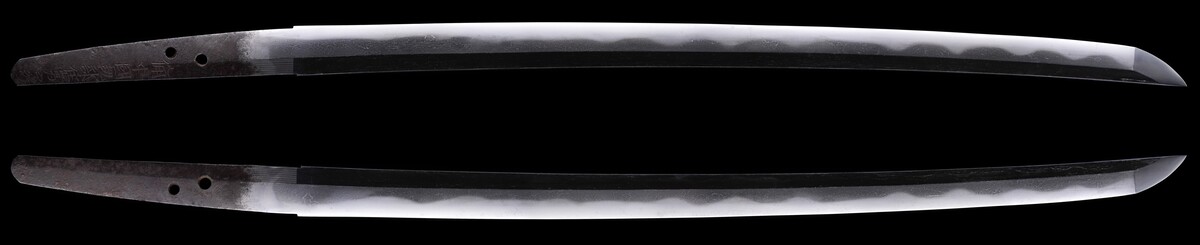
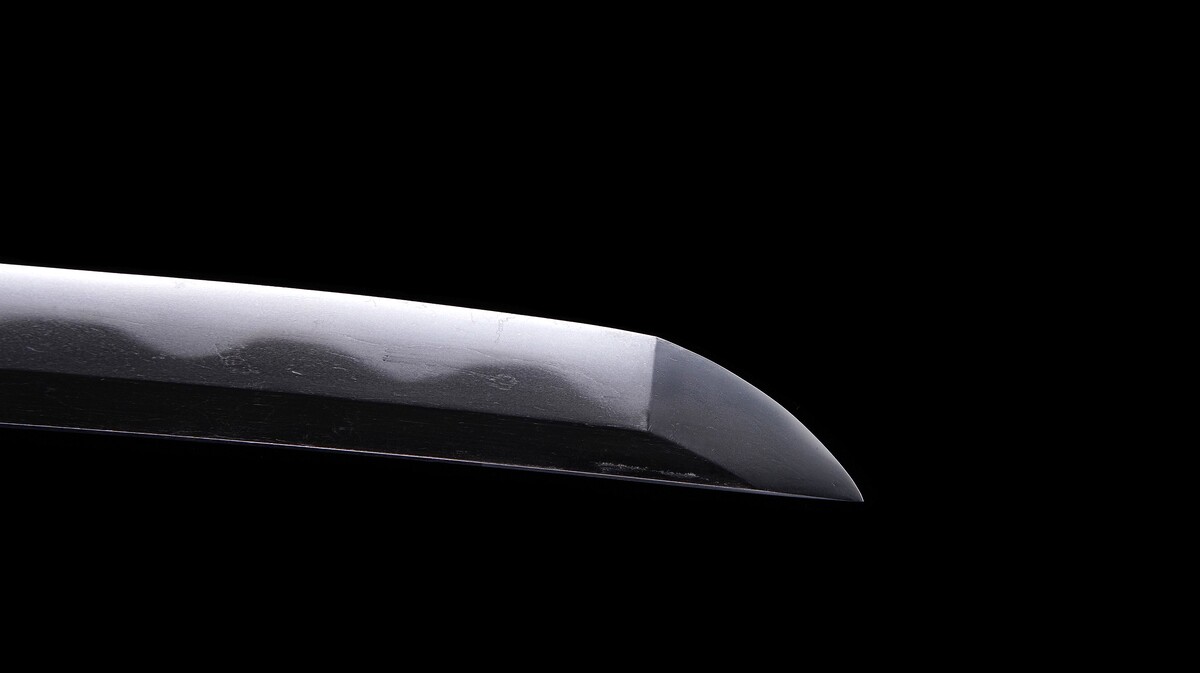
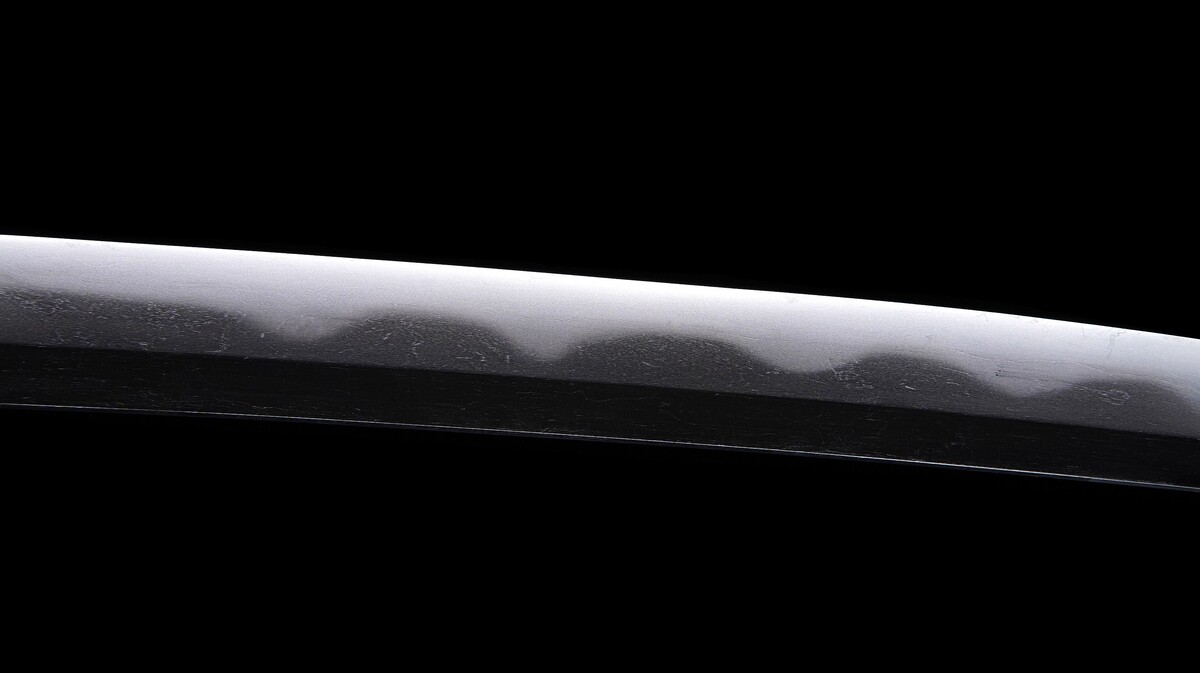
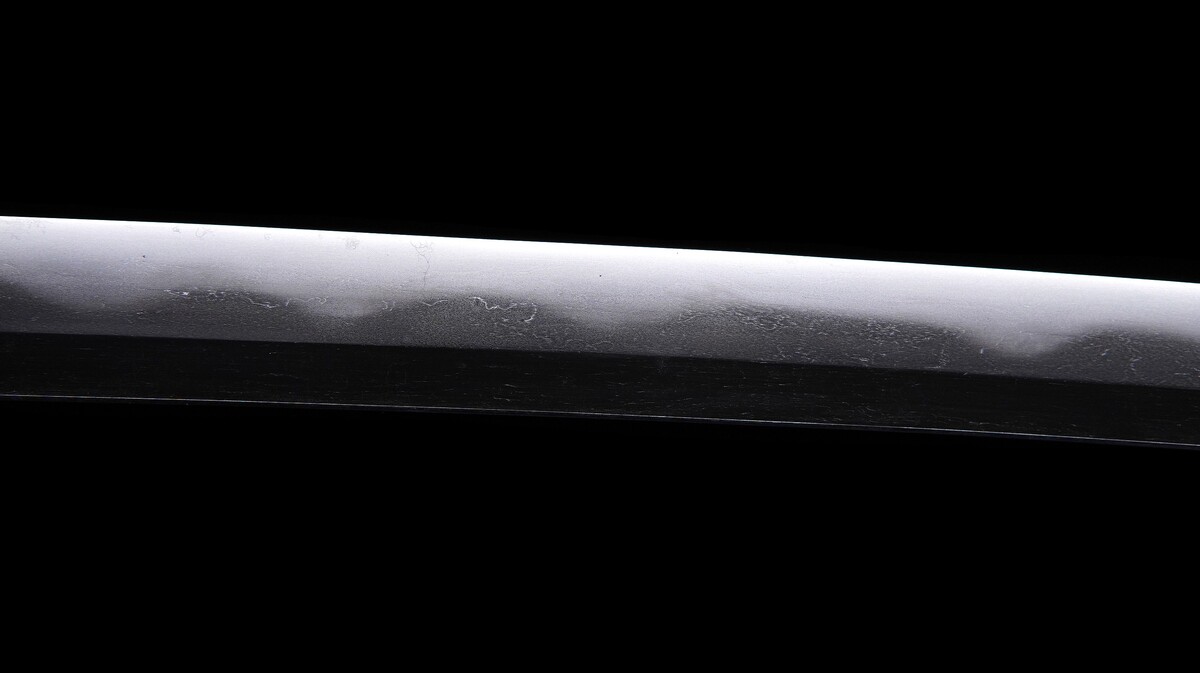
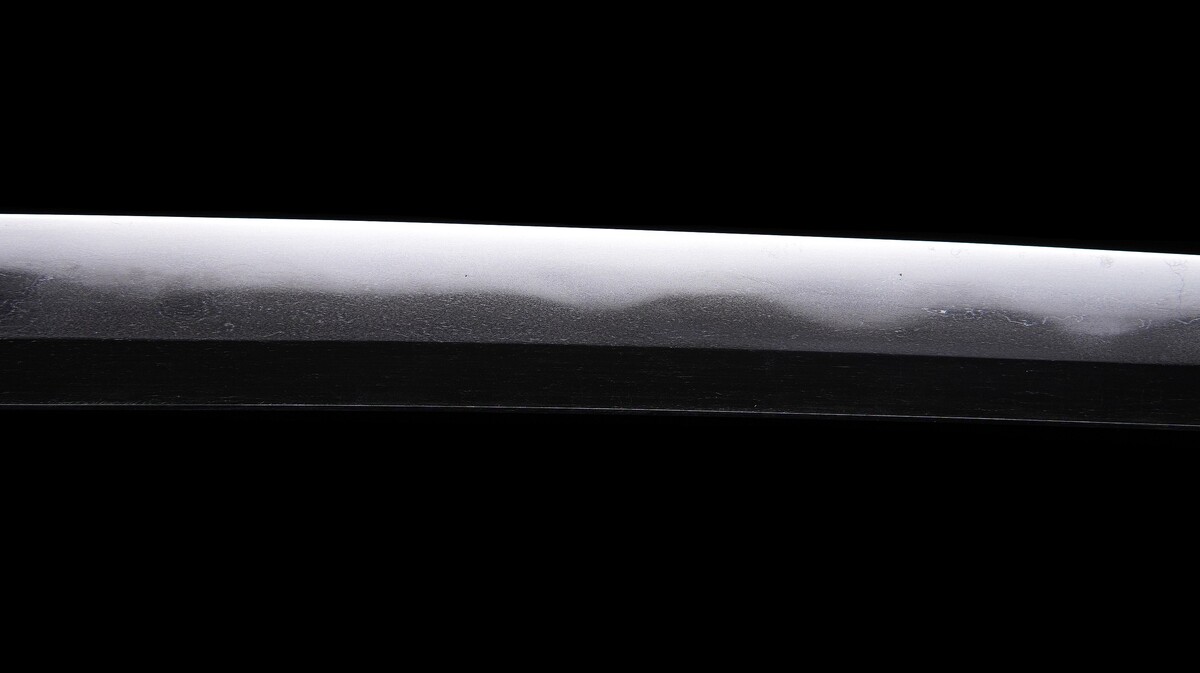
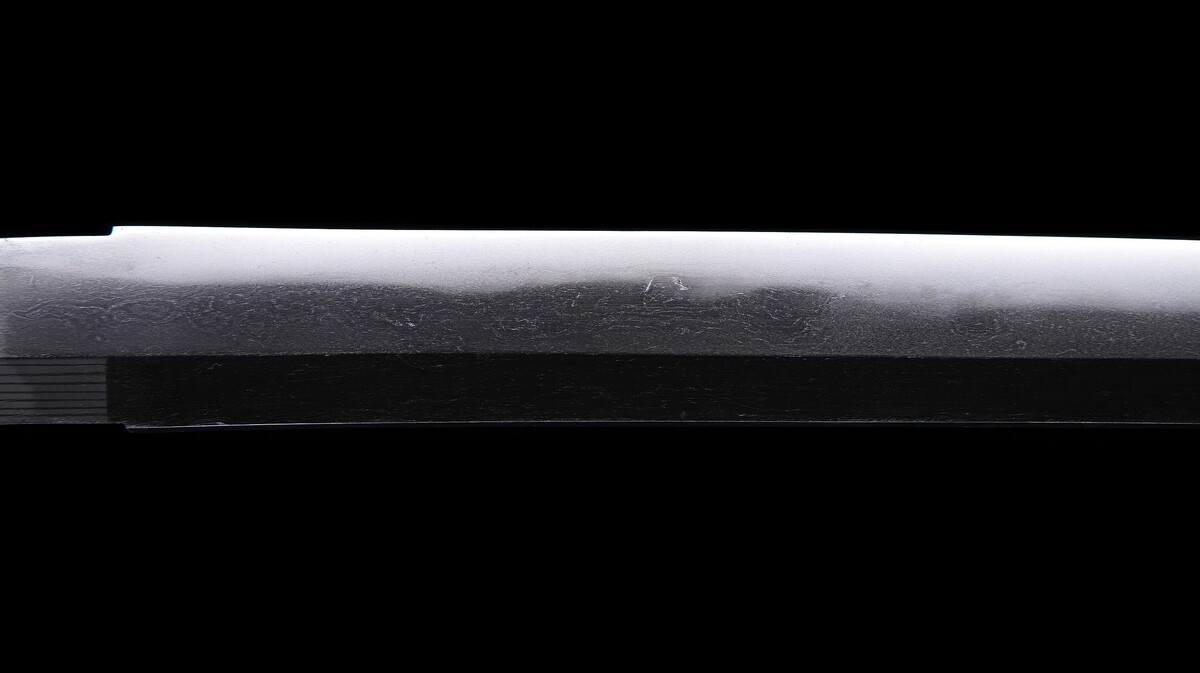
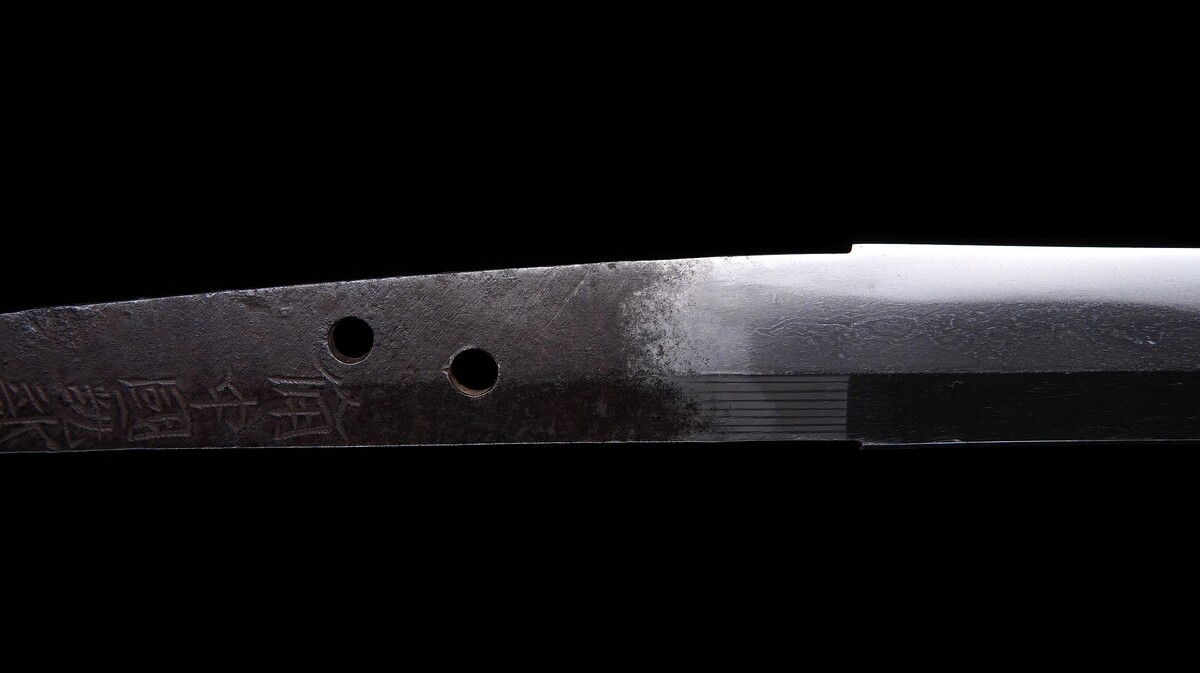
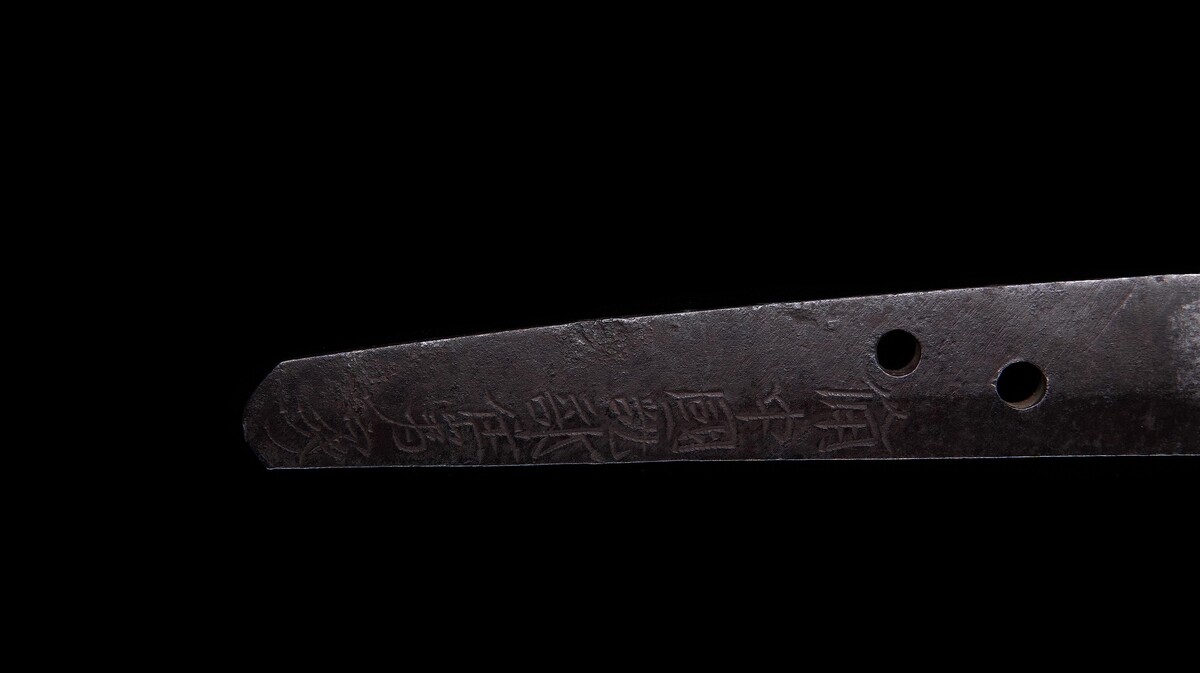
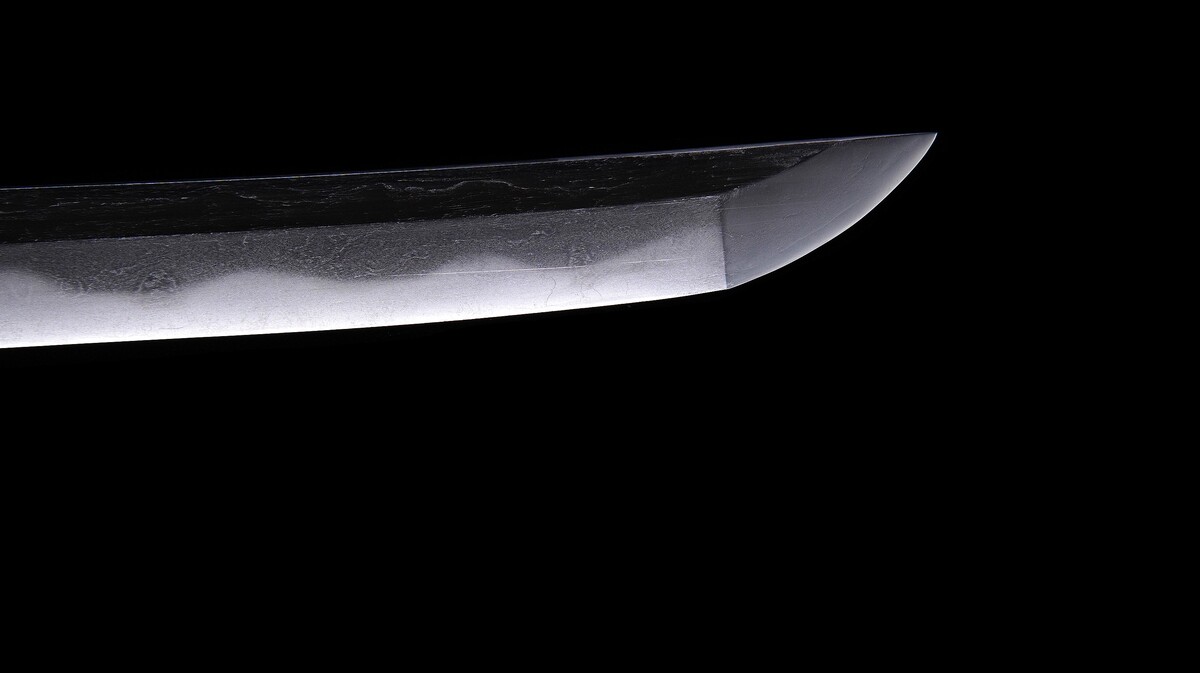
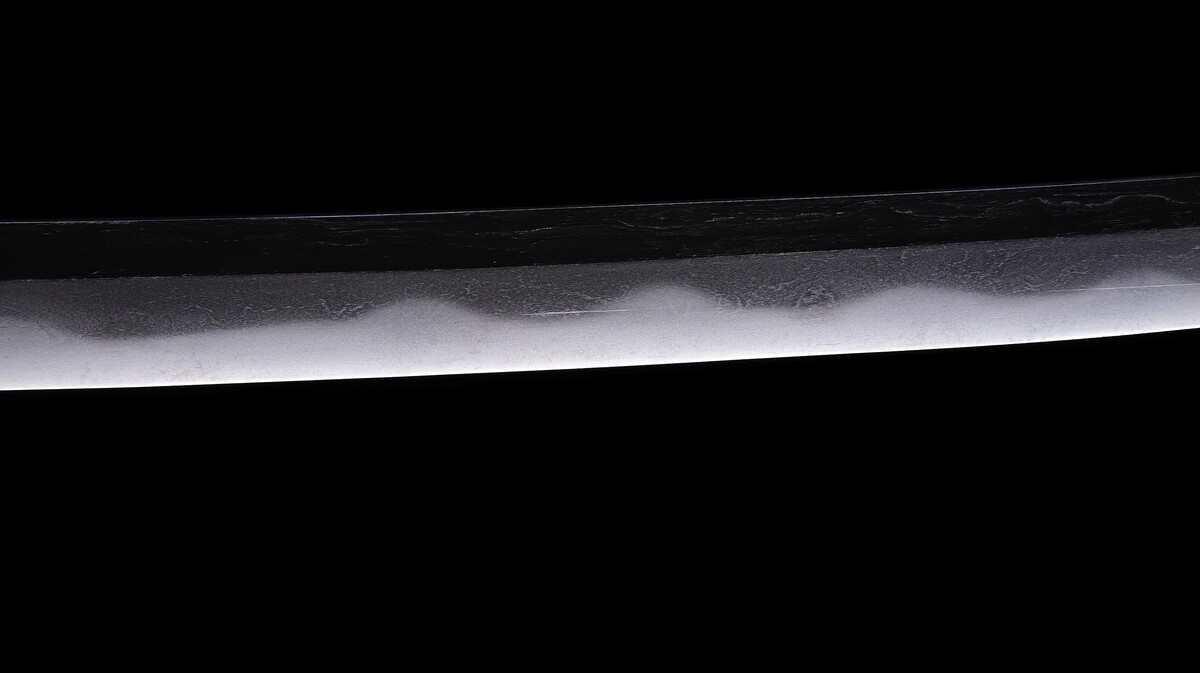
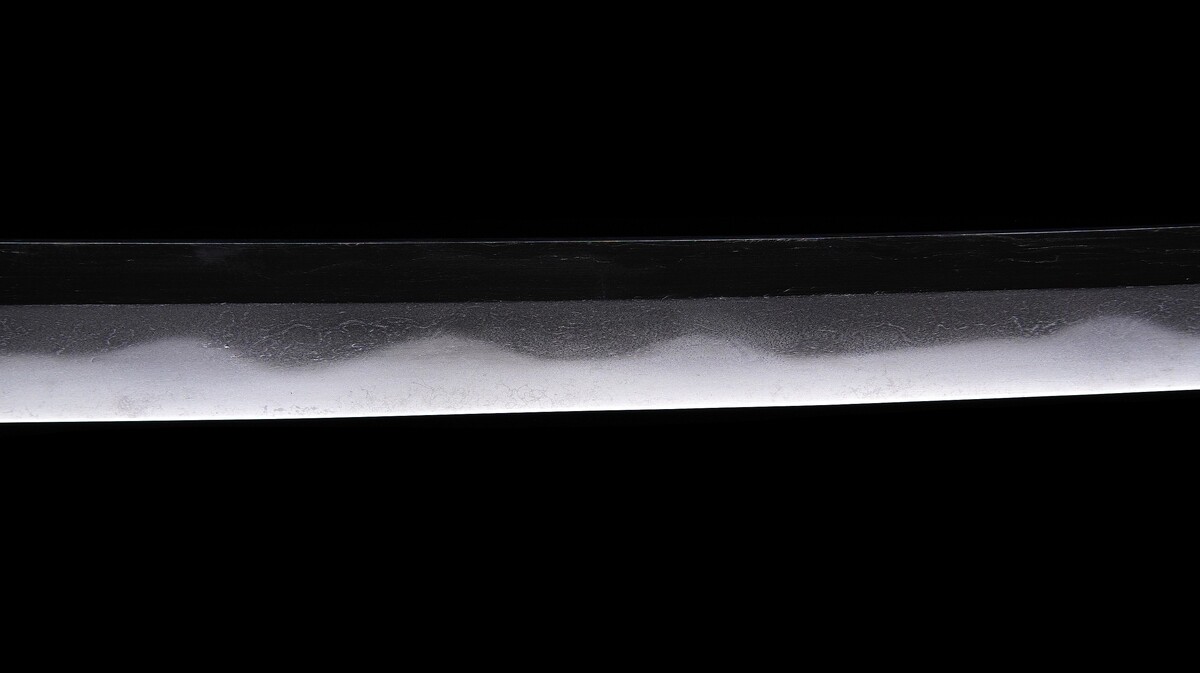
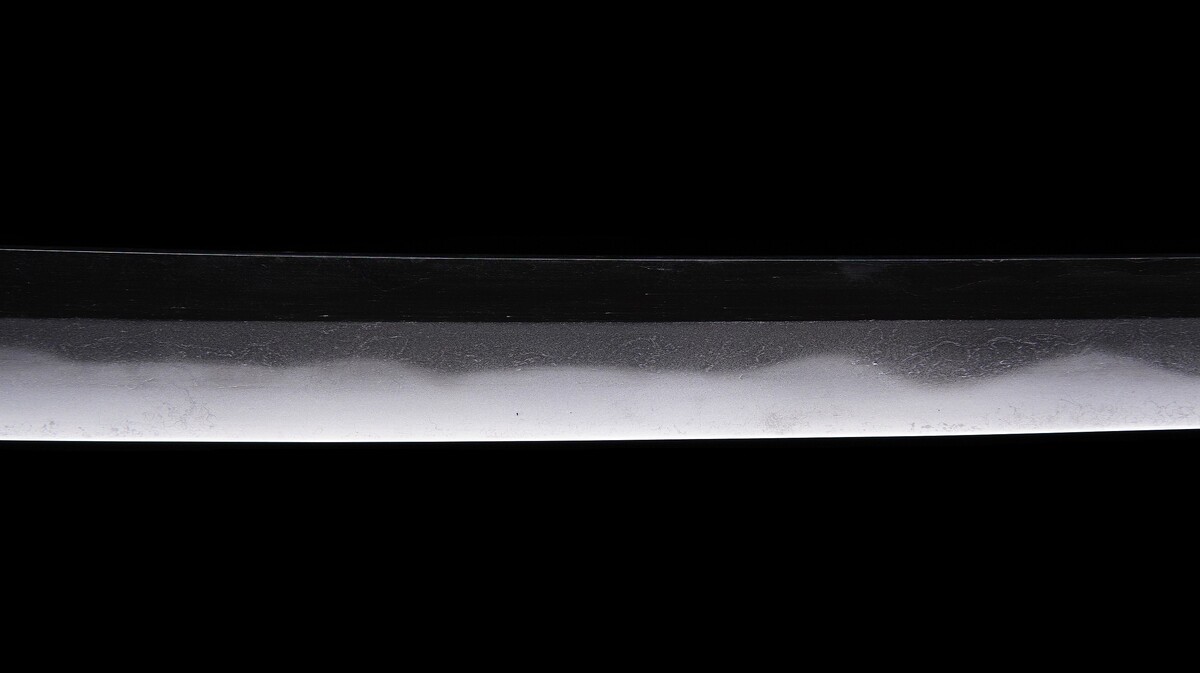
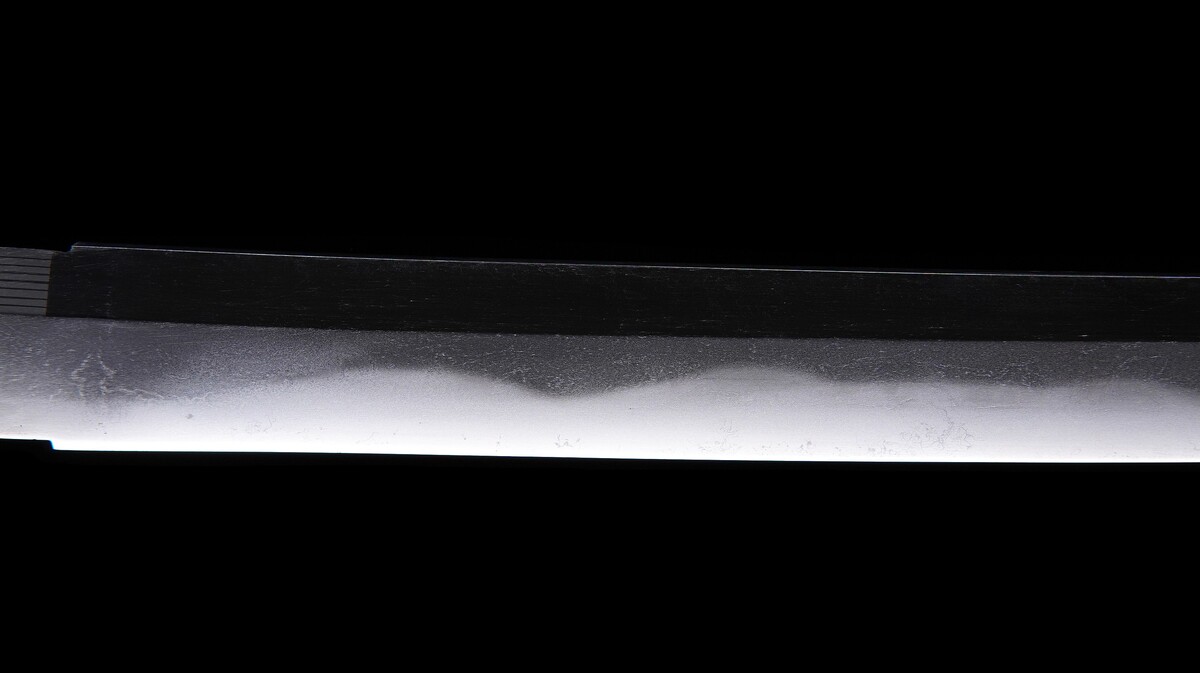
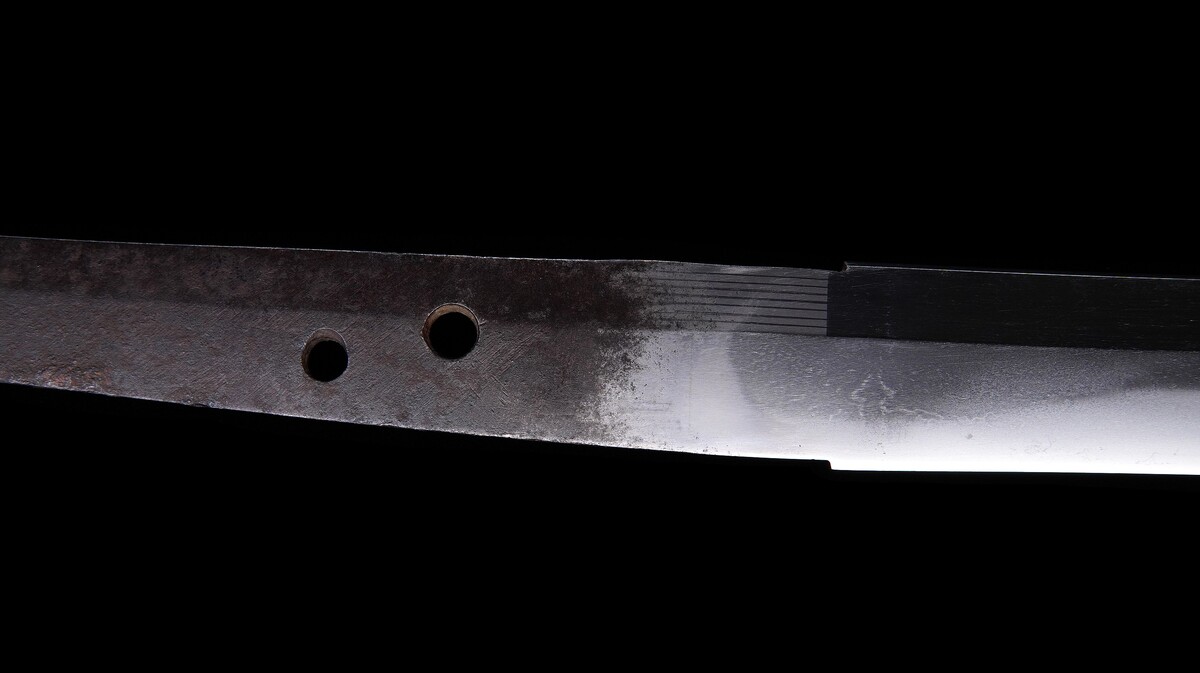
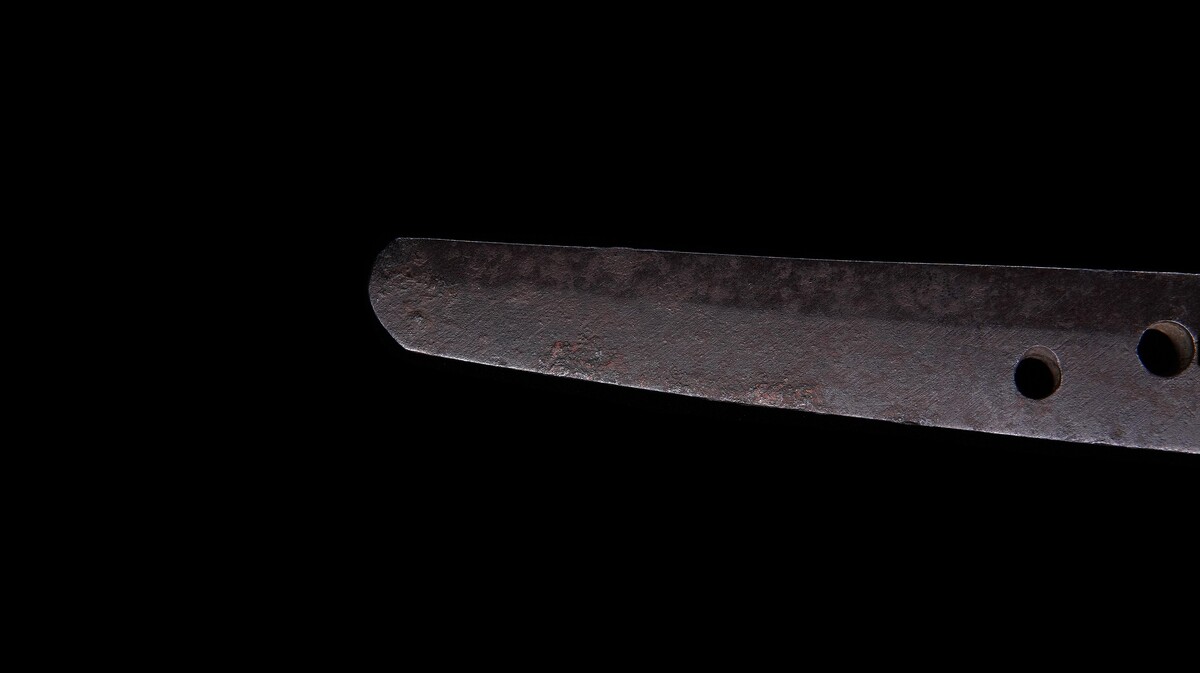
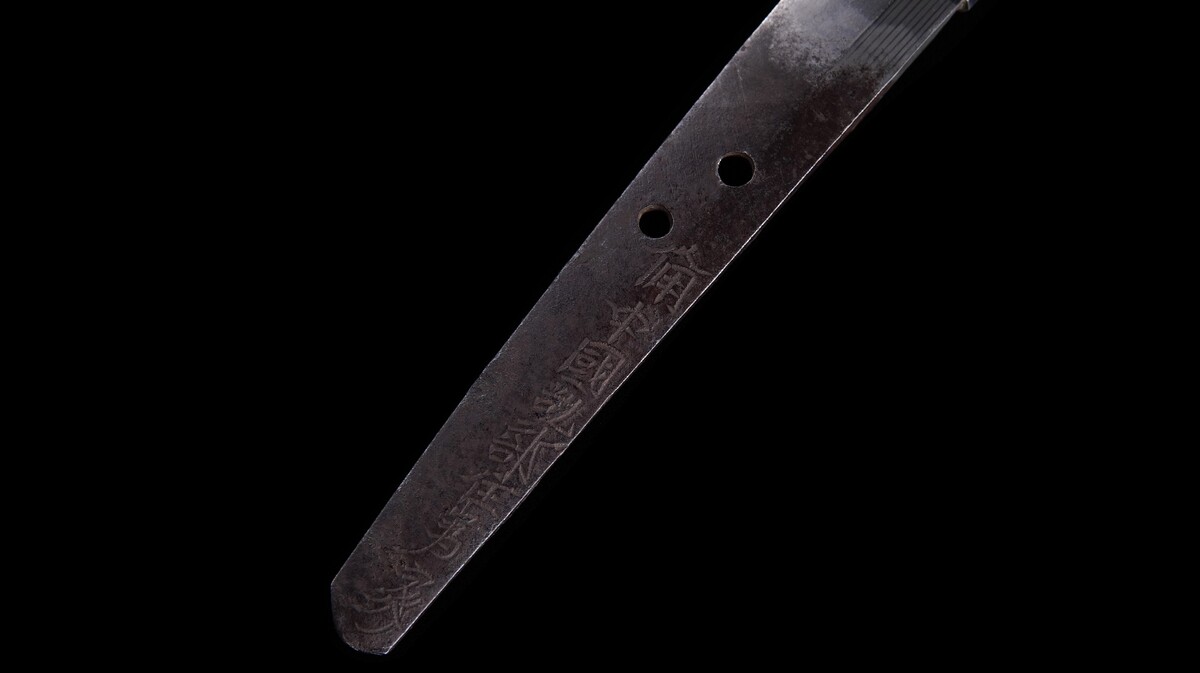
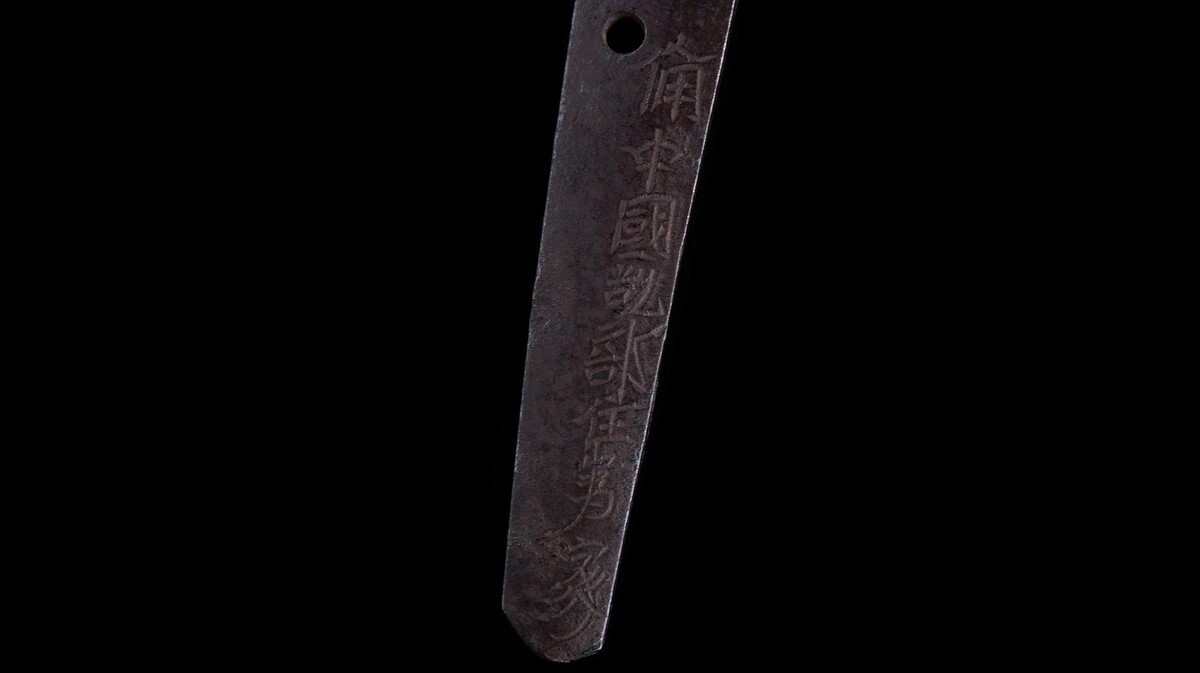
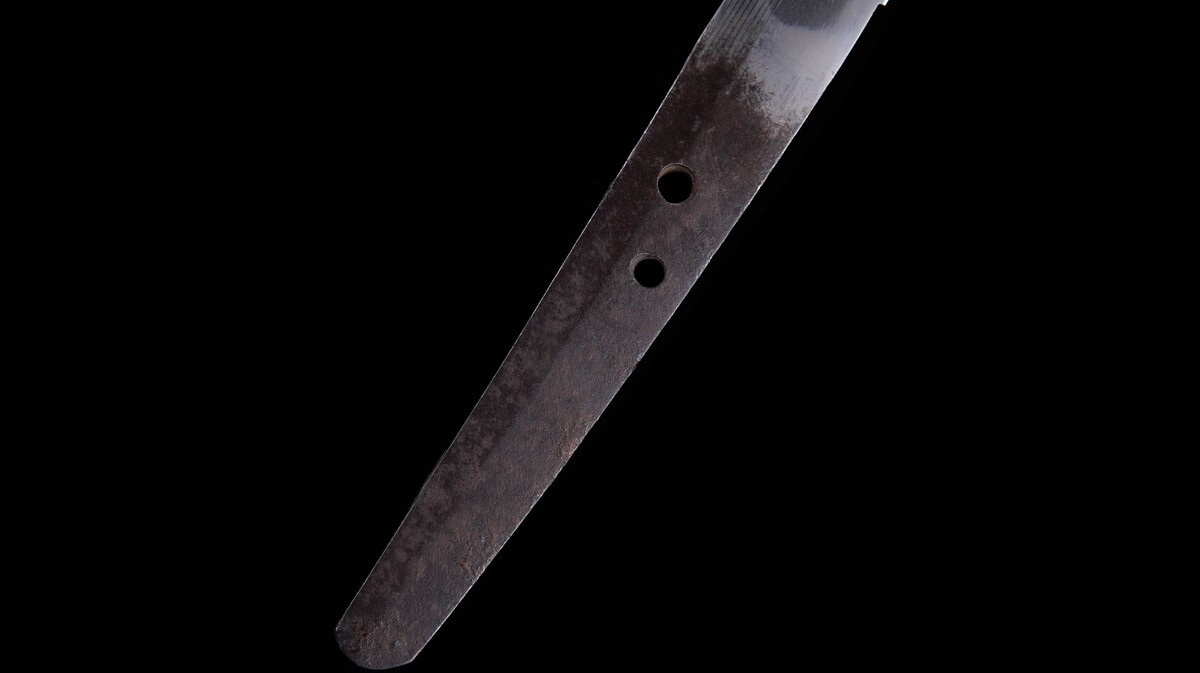
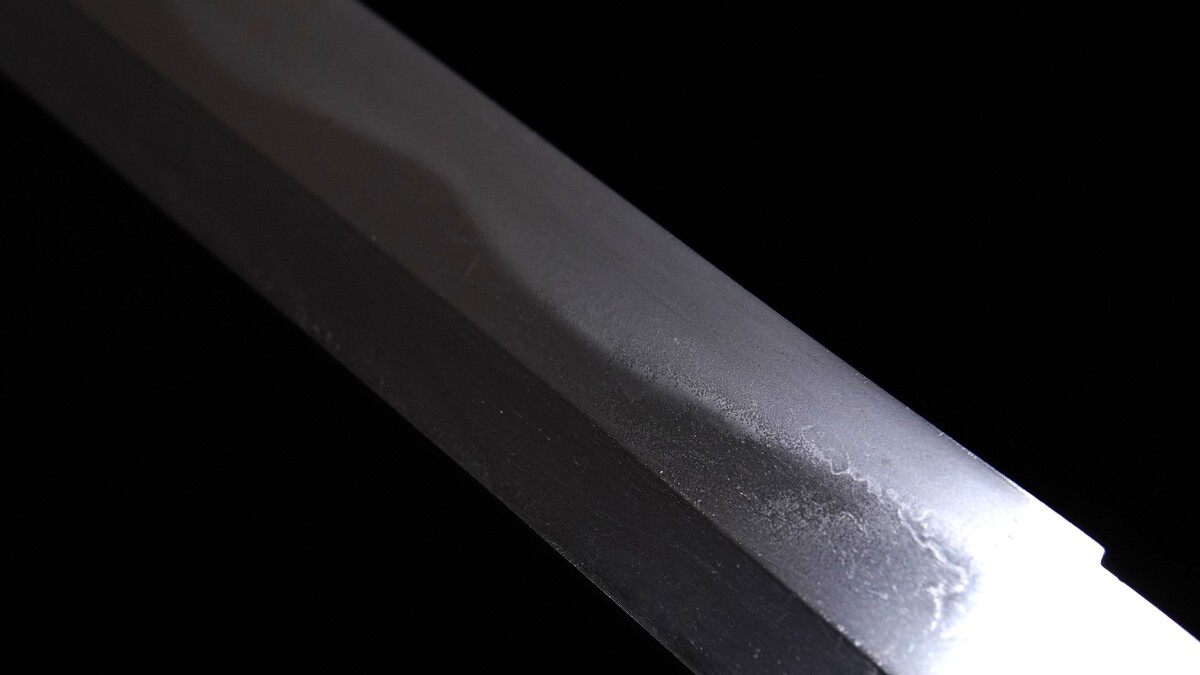
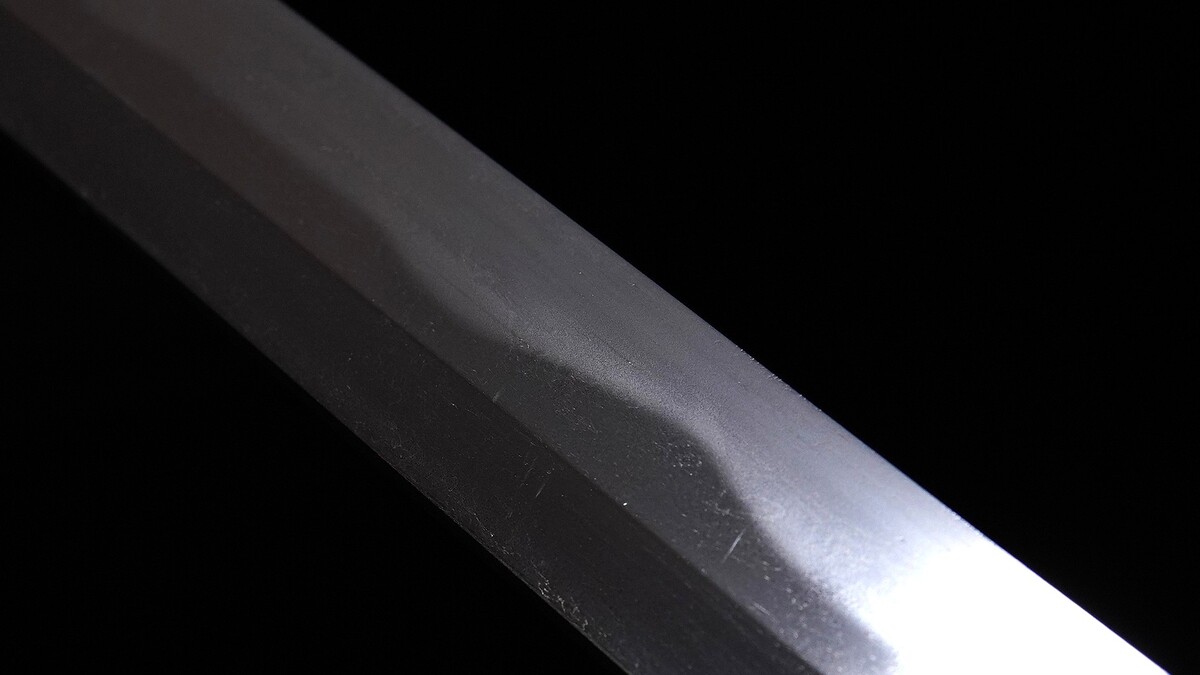
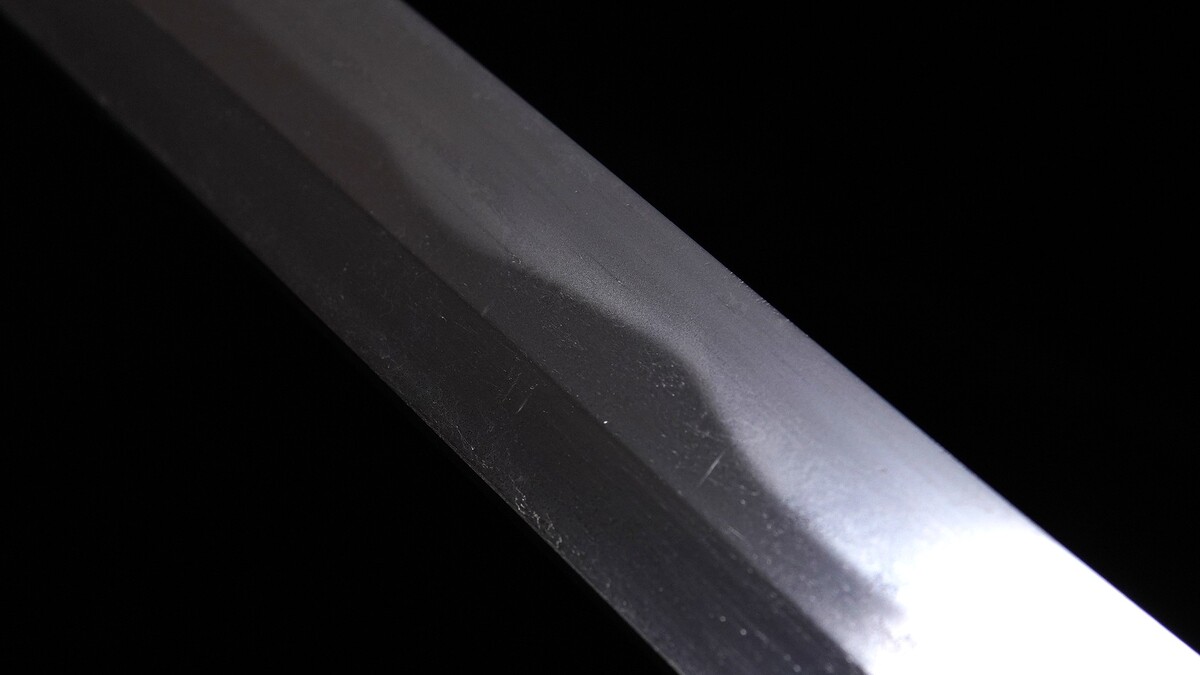
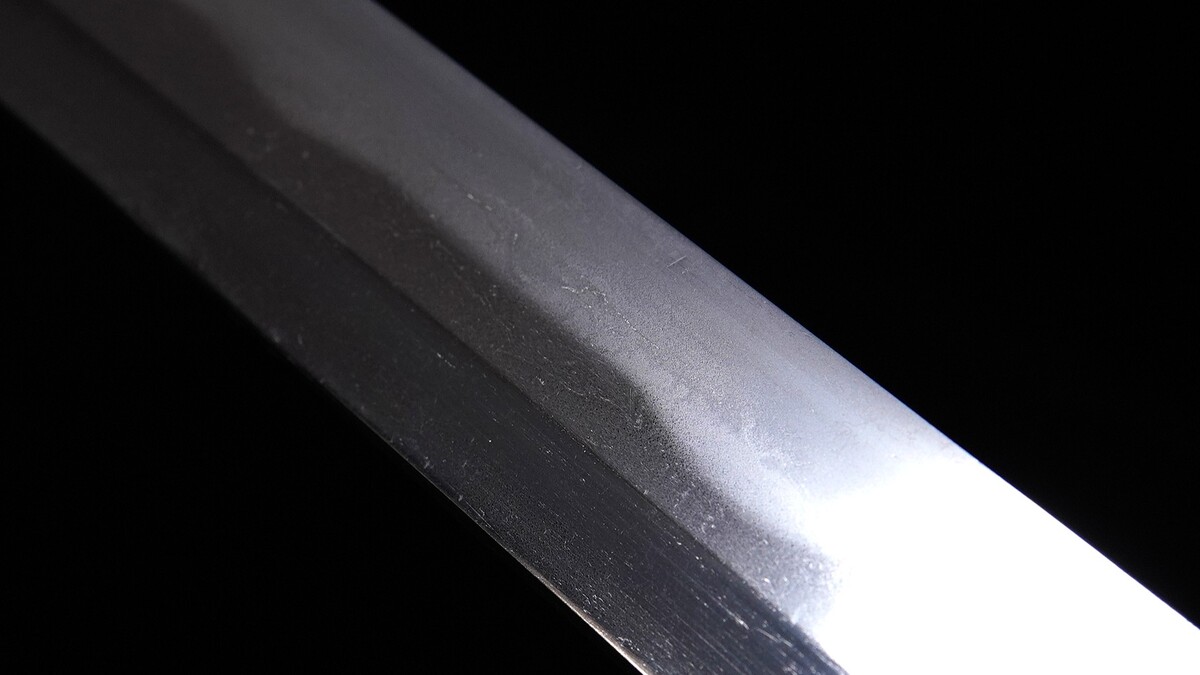
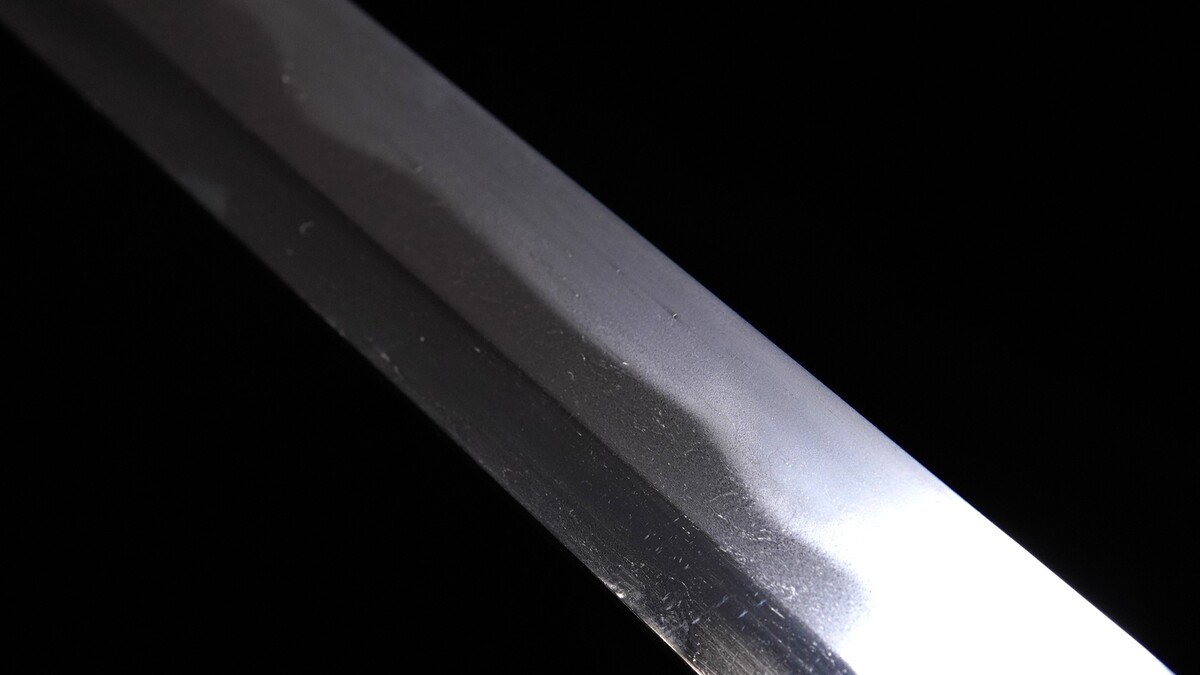
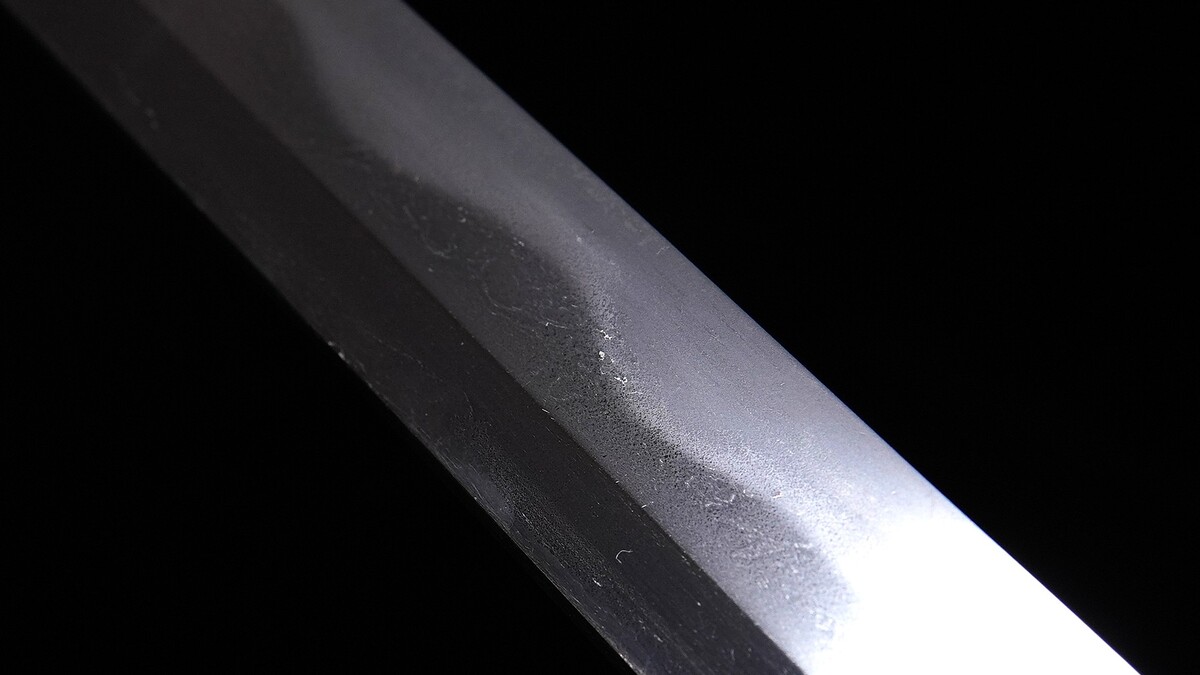
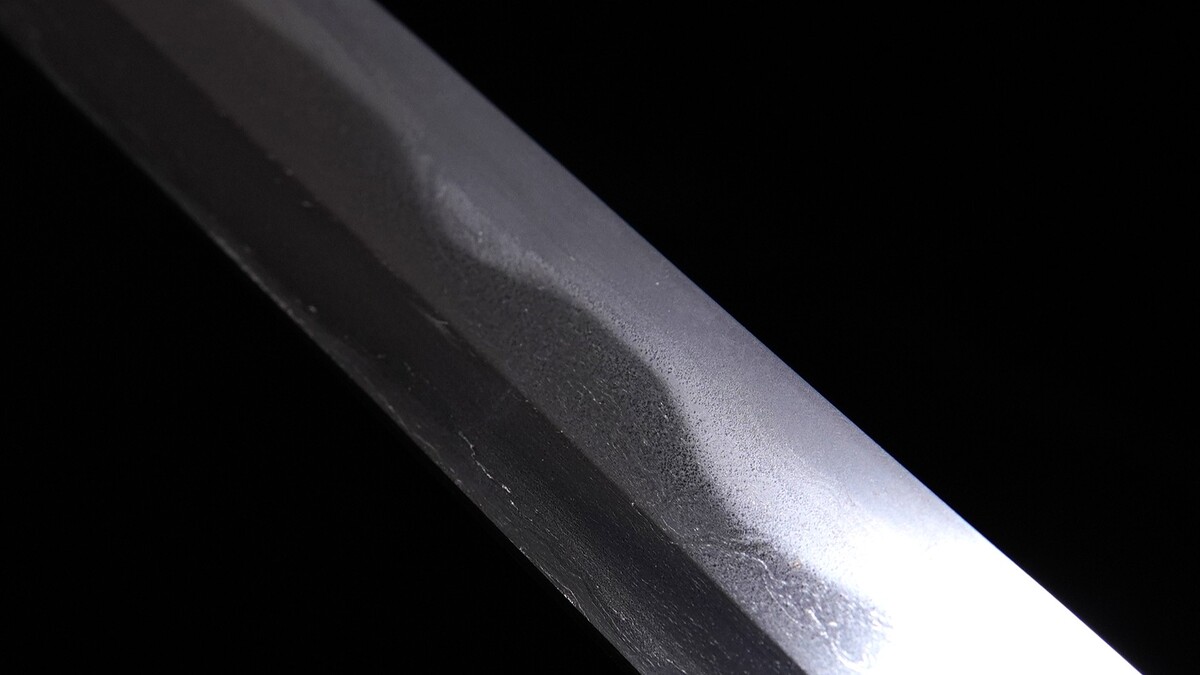
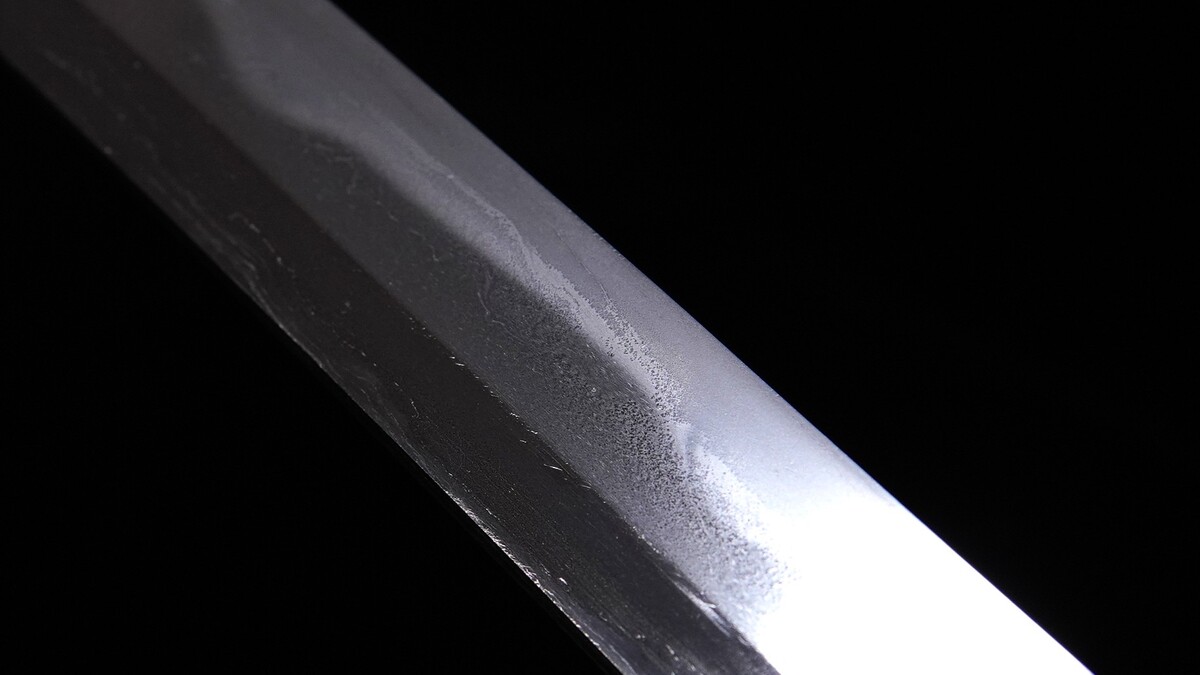
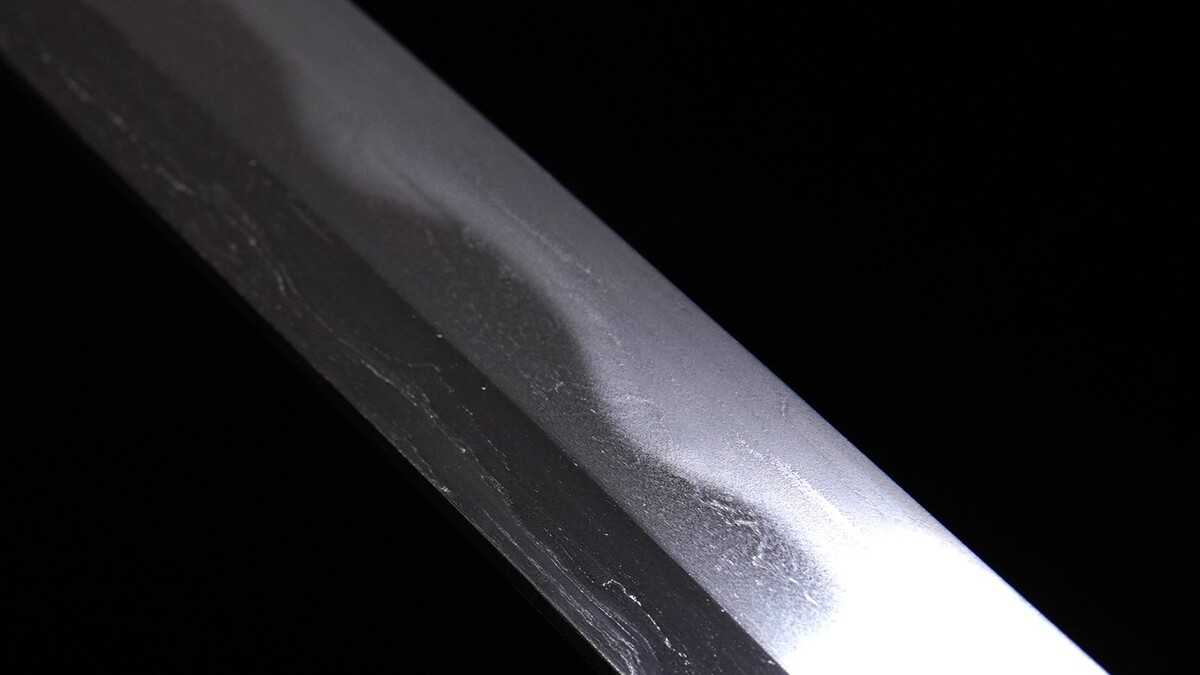
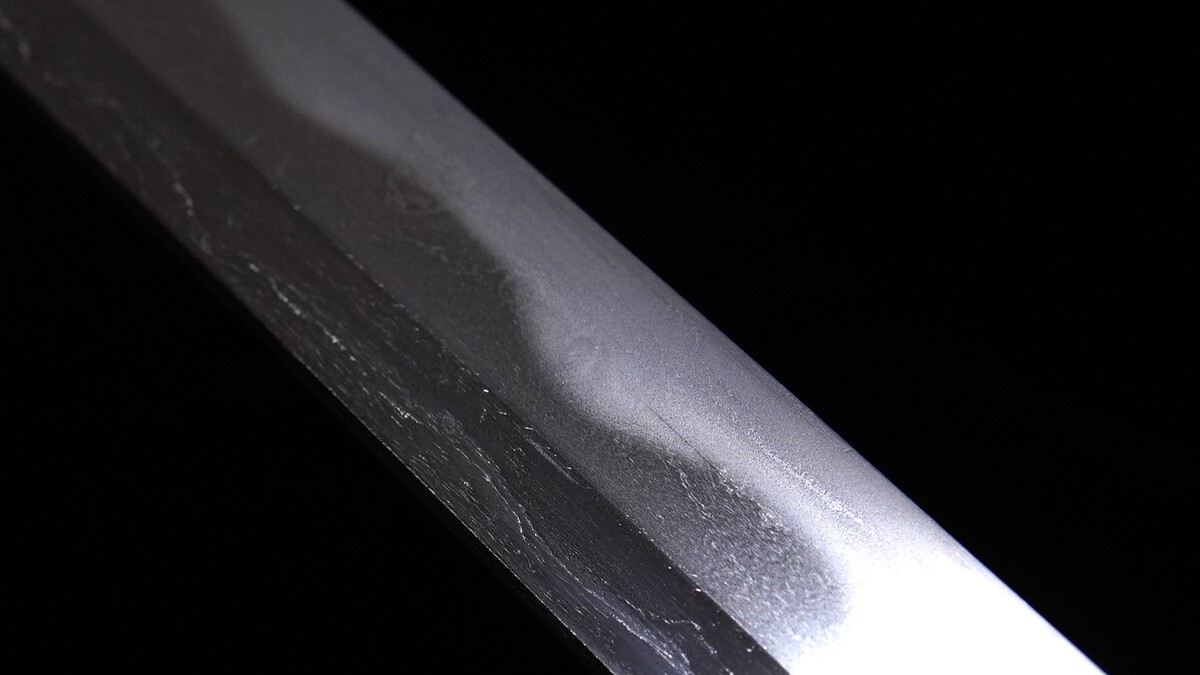
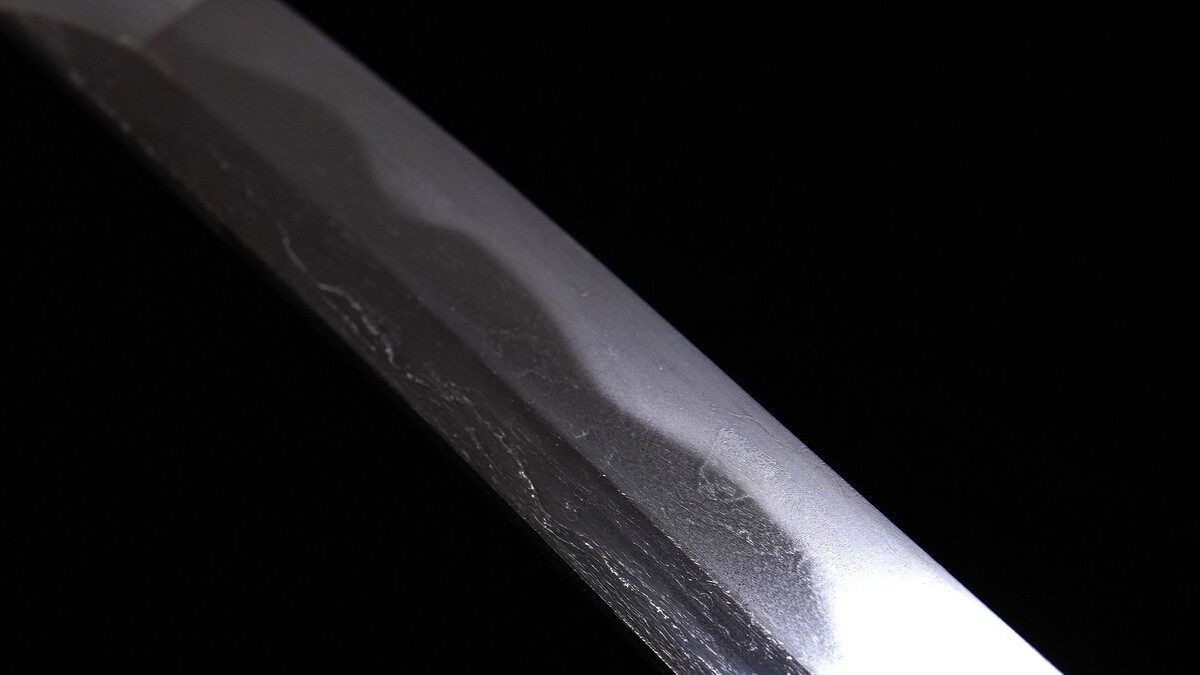
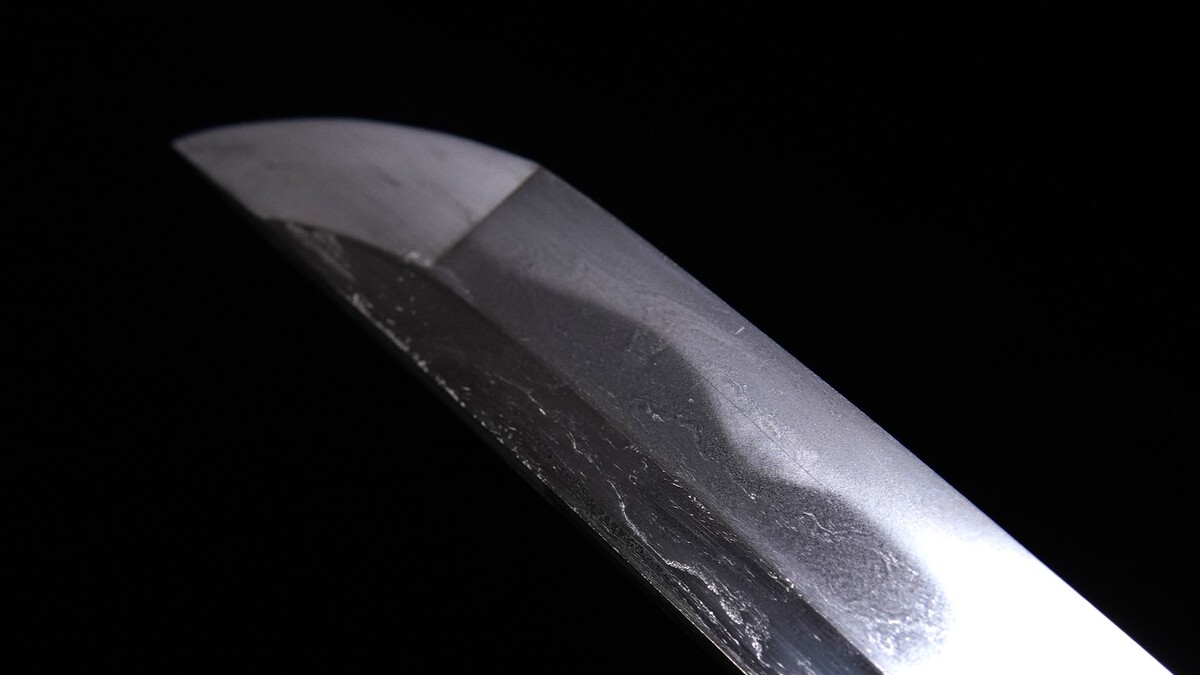
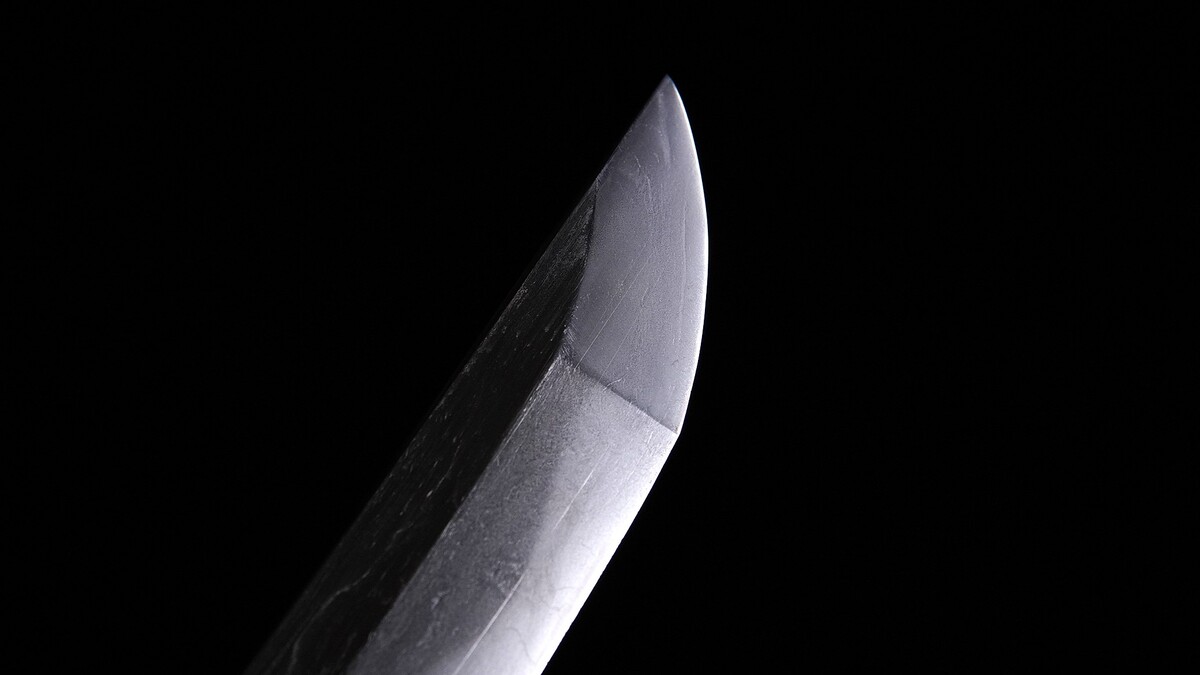
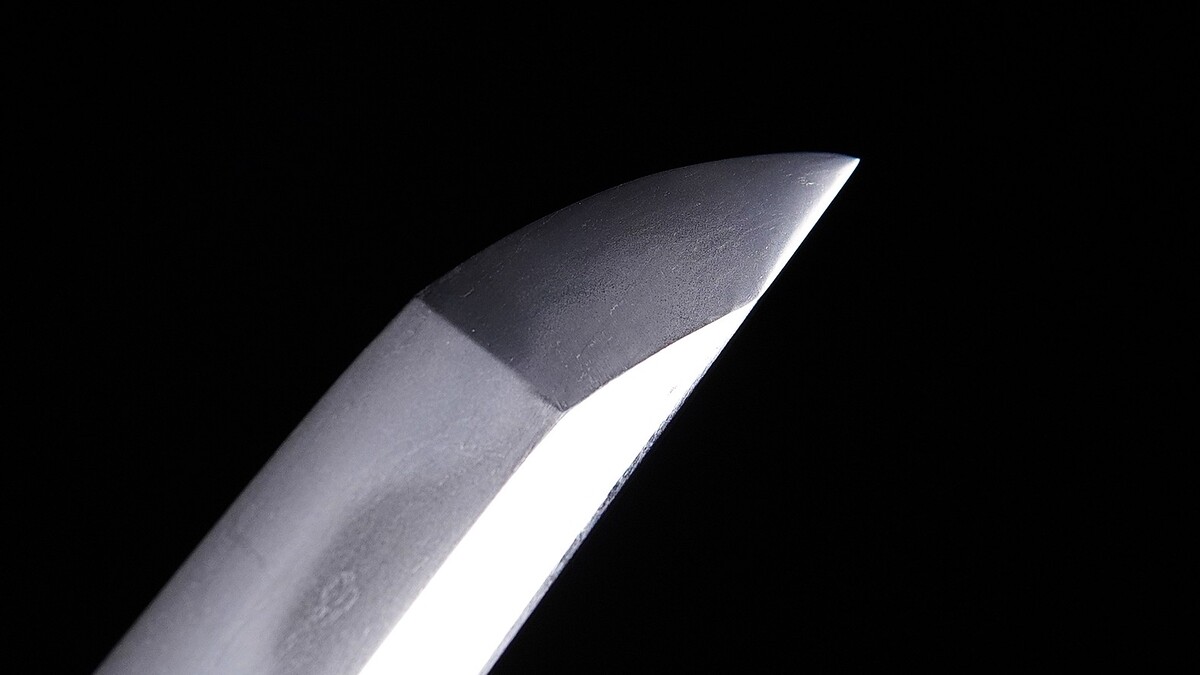
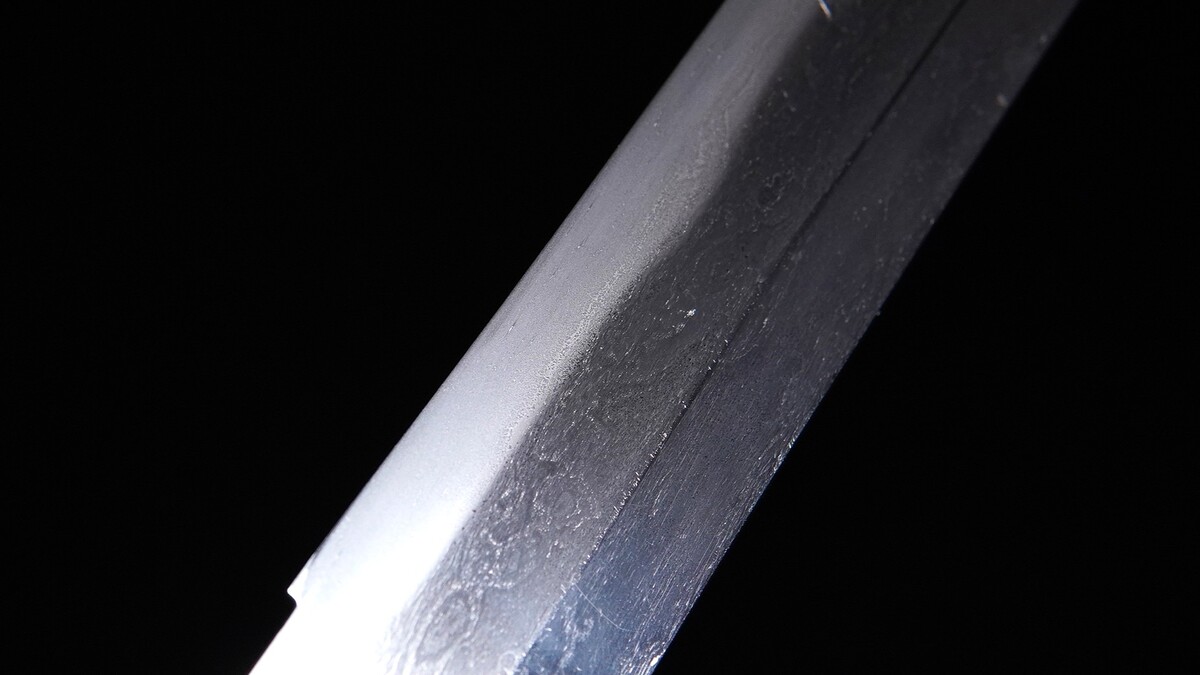
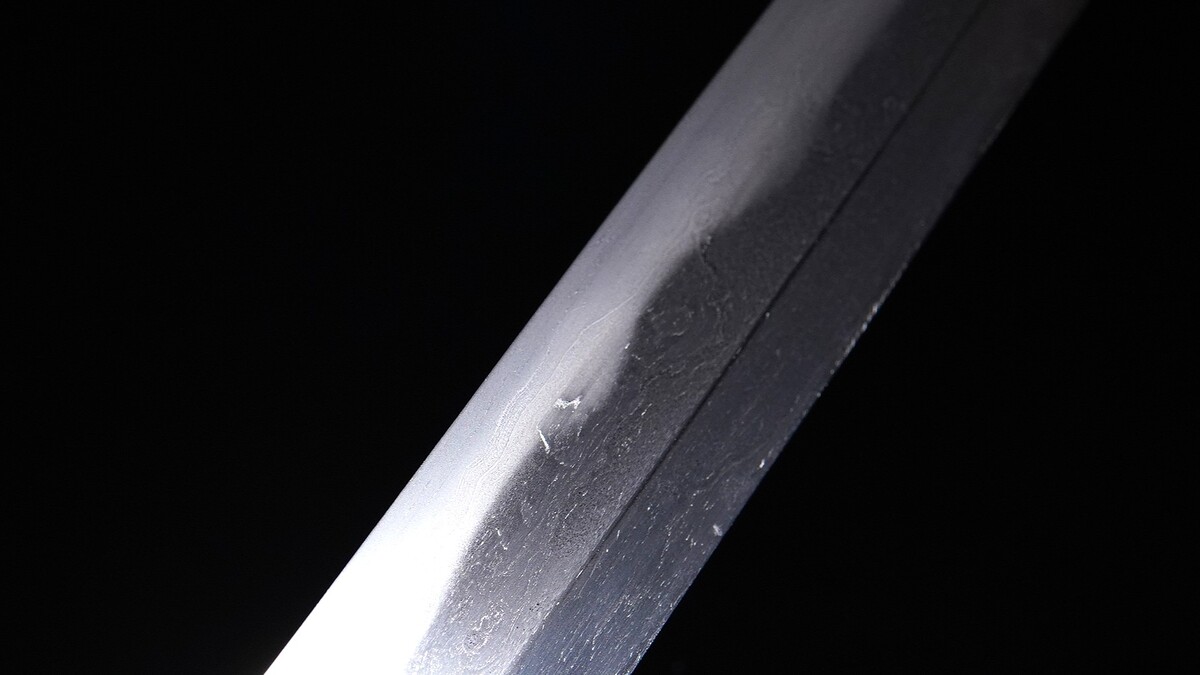
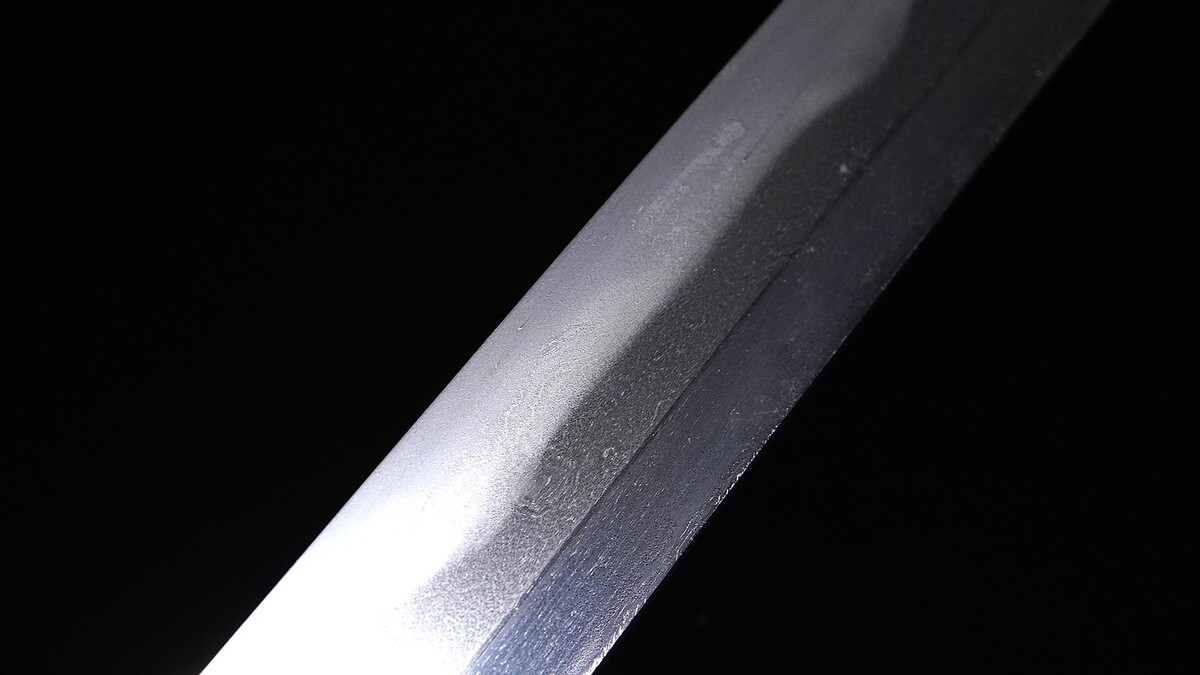
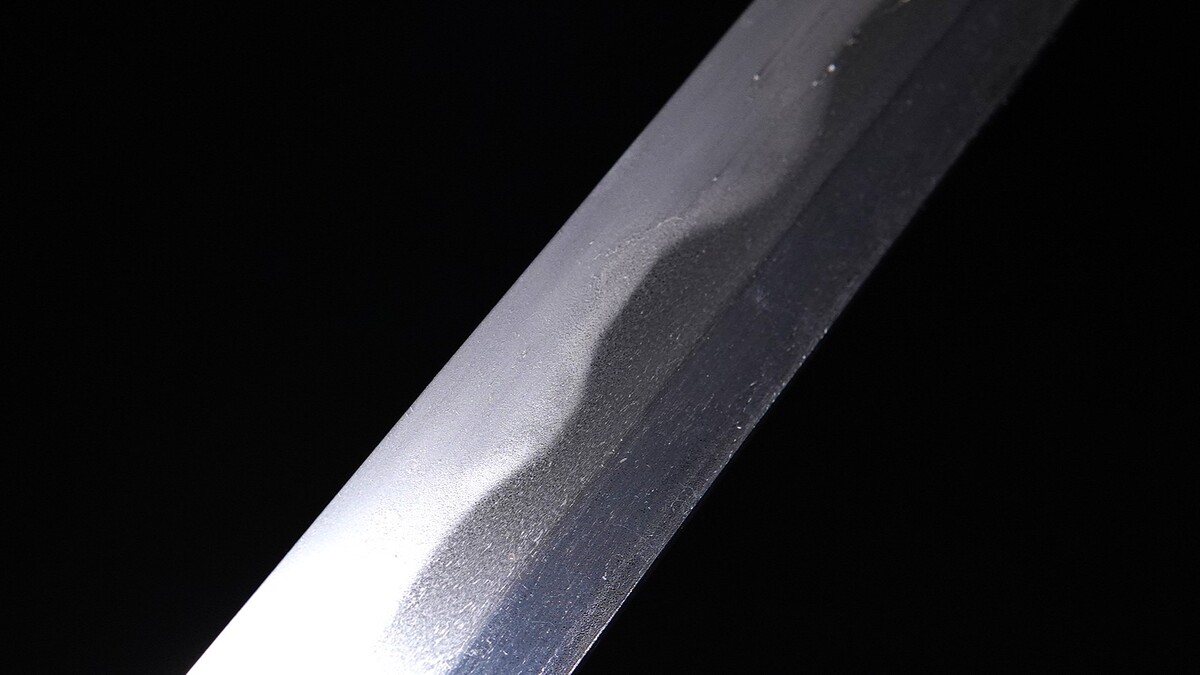
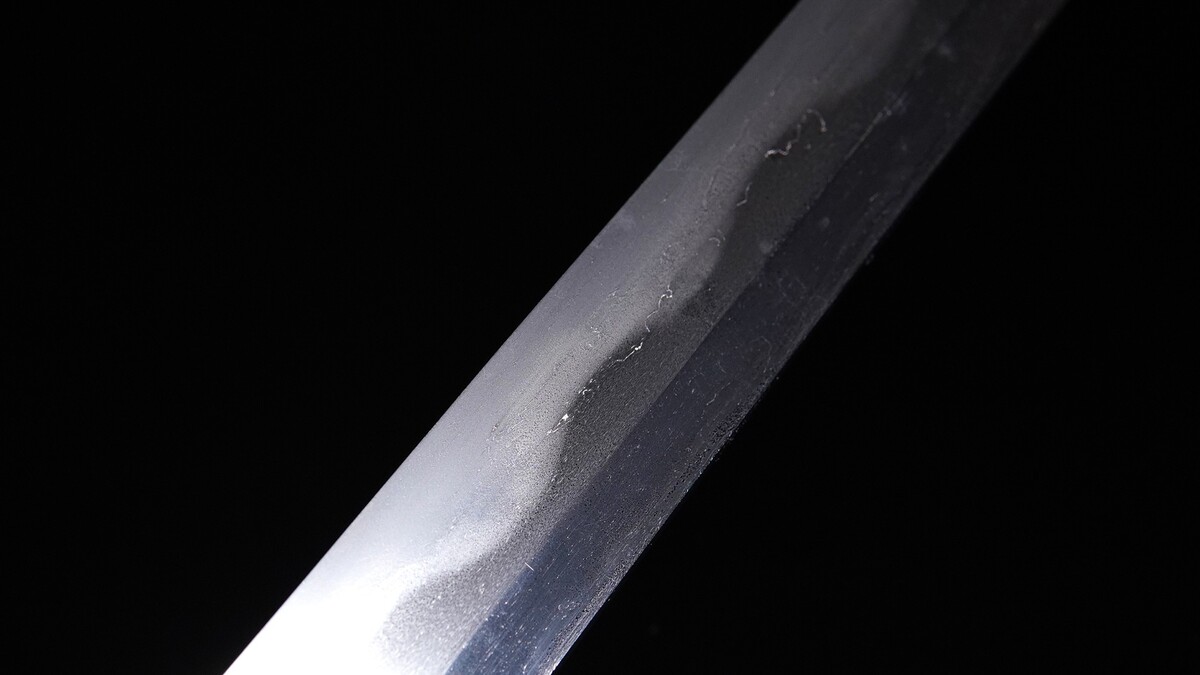
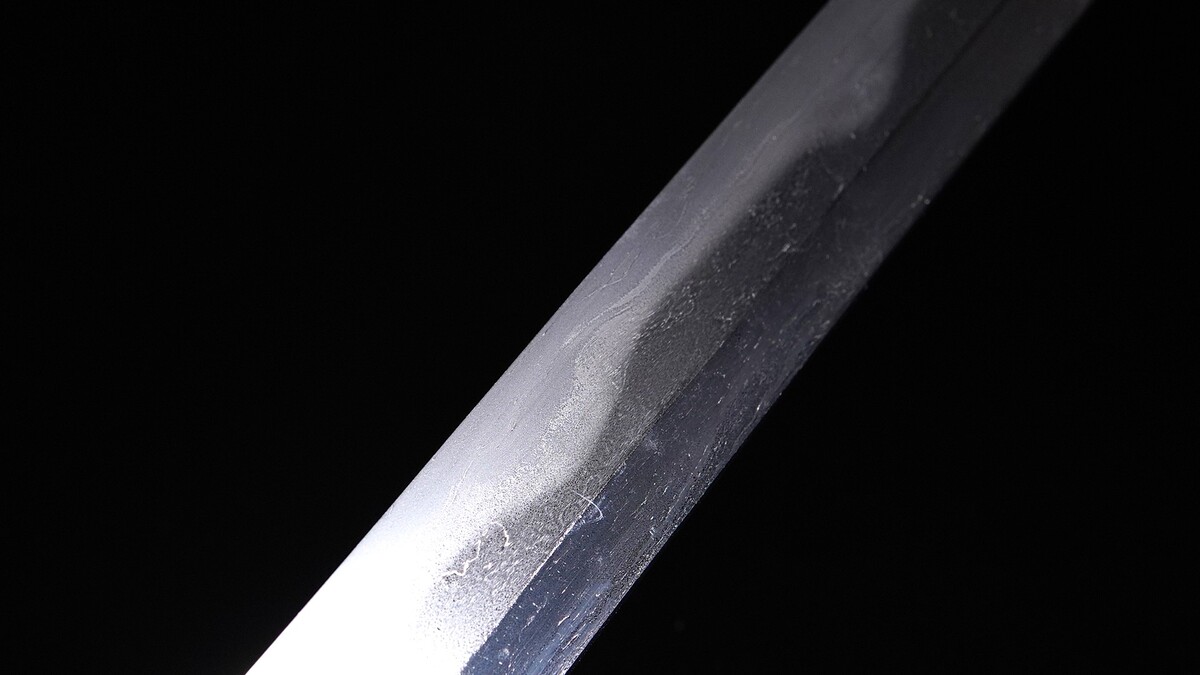
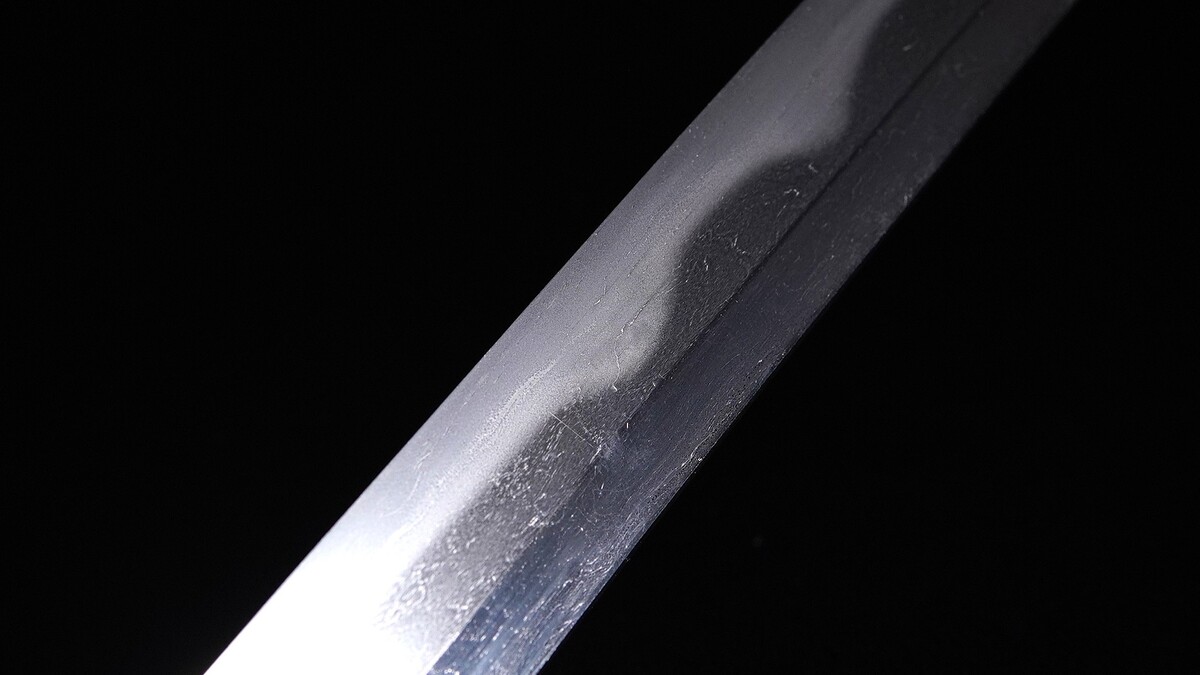
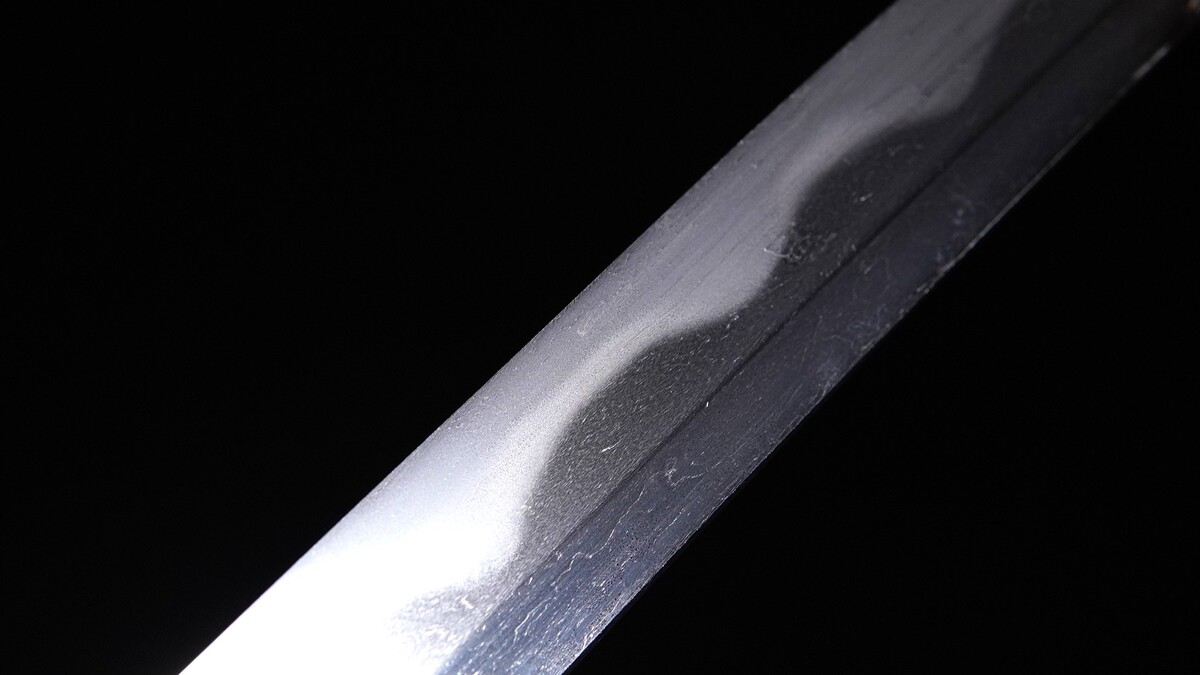
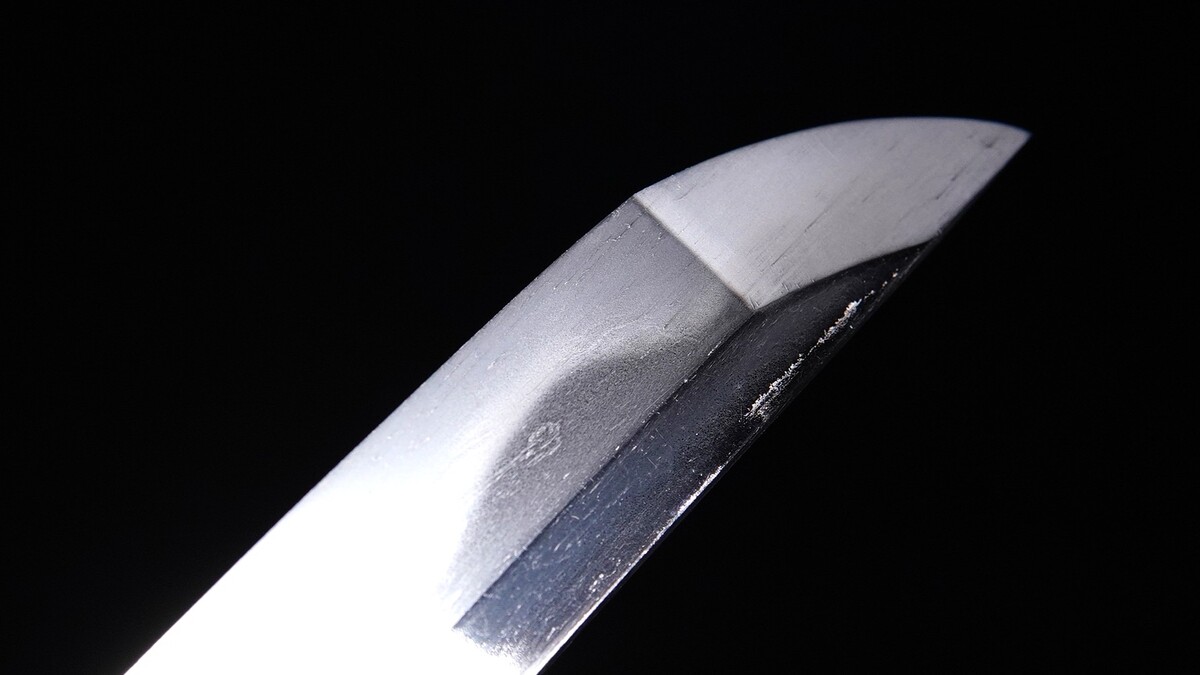
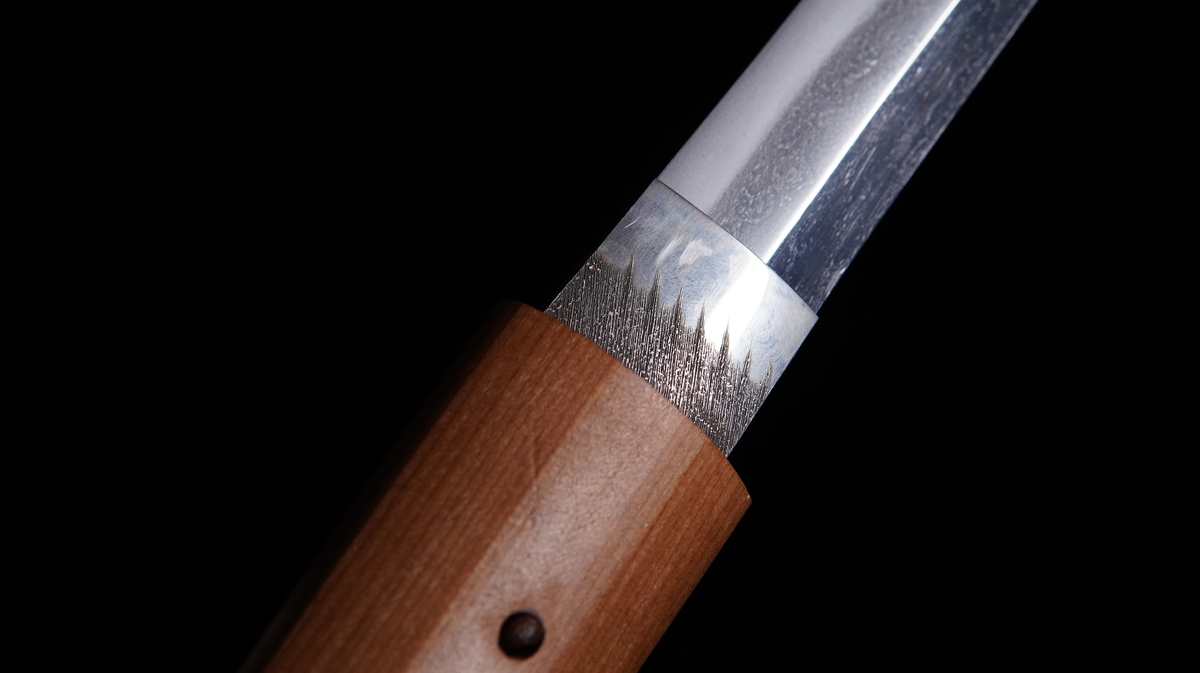
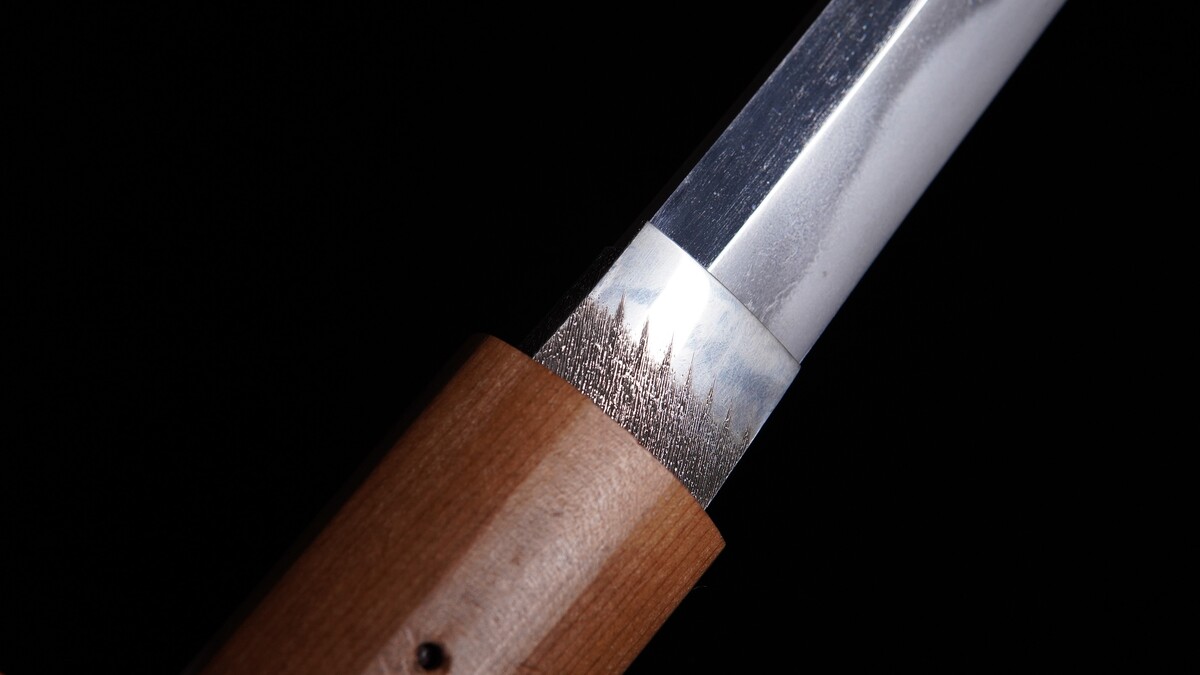
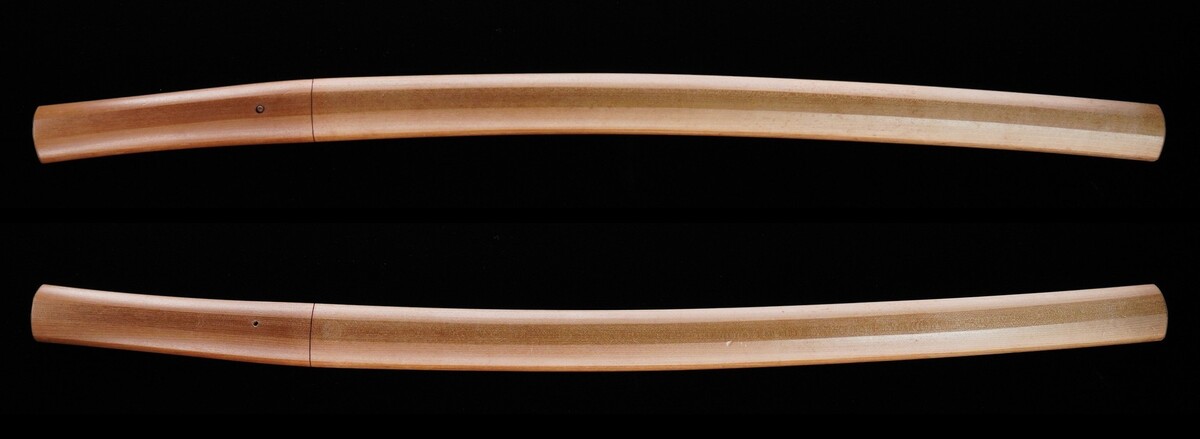
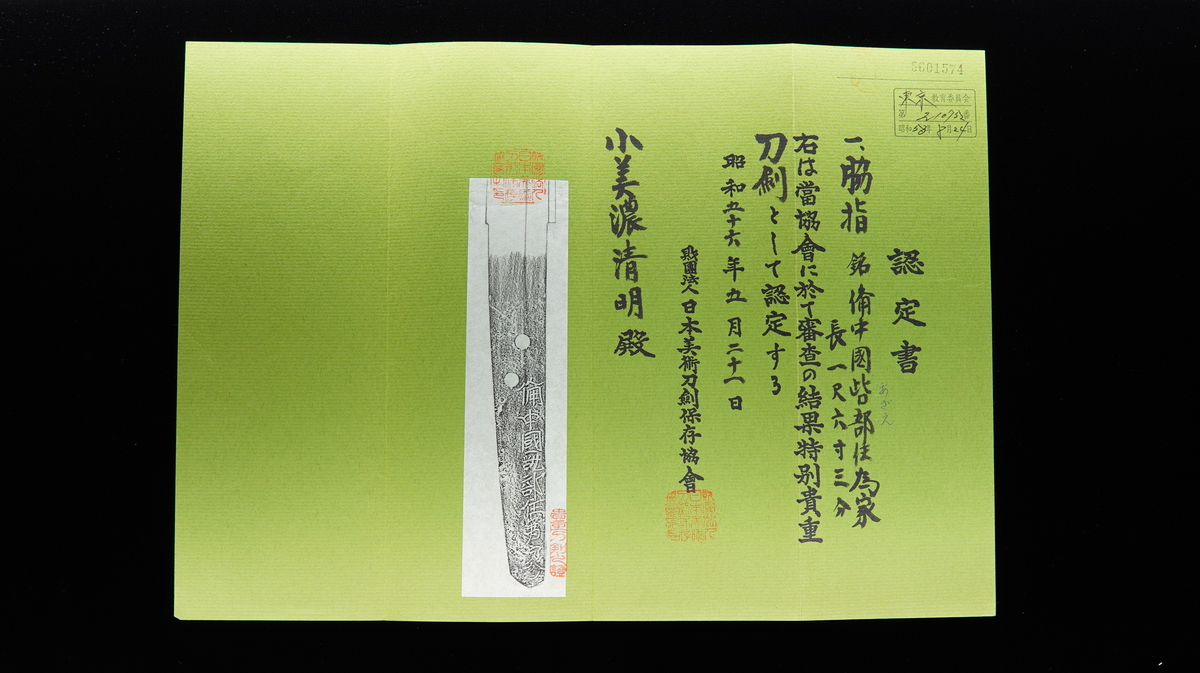
Tameie was a tosotsu of Azae, Bitchu Province (present-day Maniwa City, Okayama Prefecture). He belonged to the Bitchu Mizuta school, which is said to follow the lineage of Ko-Aoe, and the first generation was known as Kono Riheiojo, said to be the younger brother of the master smith Otsuki Daiyogo Kunishige. The Mizuta school was a group of tosotsu that flourished from the end of the Sengoku period through the Edo period, with the Kunishige lineage and the Tameie lineage serving as its core. This sword is a wakizashi with a mei. The hamon is gunome midare. The jitetsu is itame. The boshi is midarekomi with hakikake. It is in nie-deki with muneyaki, a work characteristic of Tameie, who stood as an equal to Mizuta Kunishige. A shirasaya is included. The habaki is solid silver. There are kitae-ware. It is in an old togi with hike and some light sabi near the ha. Please confirm the details in the photos.
NihontoWatchOffered by Katana Yamadaiya

Its only papers are older green Kichō papers, which the NBTHK largely disavows today. Ask the dealer whether it has passed current shinsa. — Hoshi


As written by the shop
Machine translation from the shop's Japanese · may contain errors ·
Bitchu · around 1596-1615
Fujishiro Jo saku · Tōken Taikan top 49%
The Edo period (1615 to 1868)
Edo was the sword’s age of connoisseurship: the Hon’ami appraisers, the shogunal register of famous blades of 1719, and a thriving literature turned the sword into an object of study even as it ceased to be drawn in war.
This work carries older NBTHK “Kichō”-era papers, which the NBTHK no longer issues and largely disavows today. To confirm the attribution, submission to an official Japanese examination body (such as the NBTHK or NTHK) for modern certification could be considered.
¥160,000