 NihontoWatchNihontoWatch
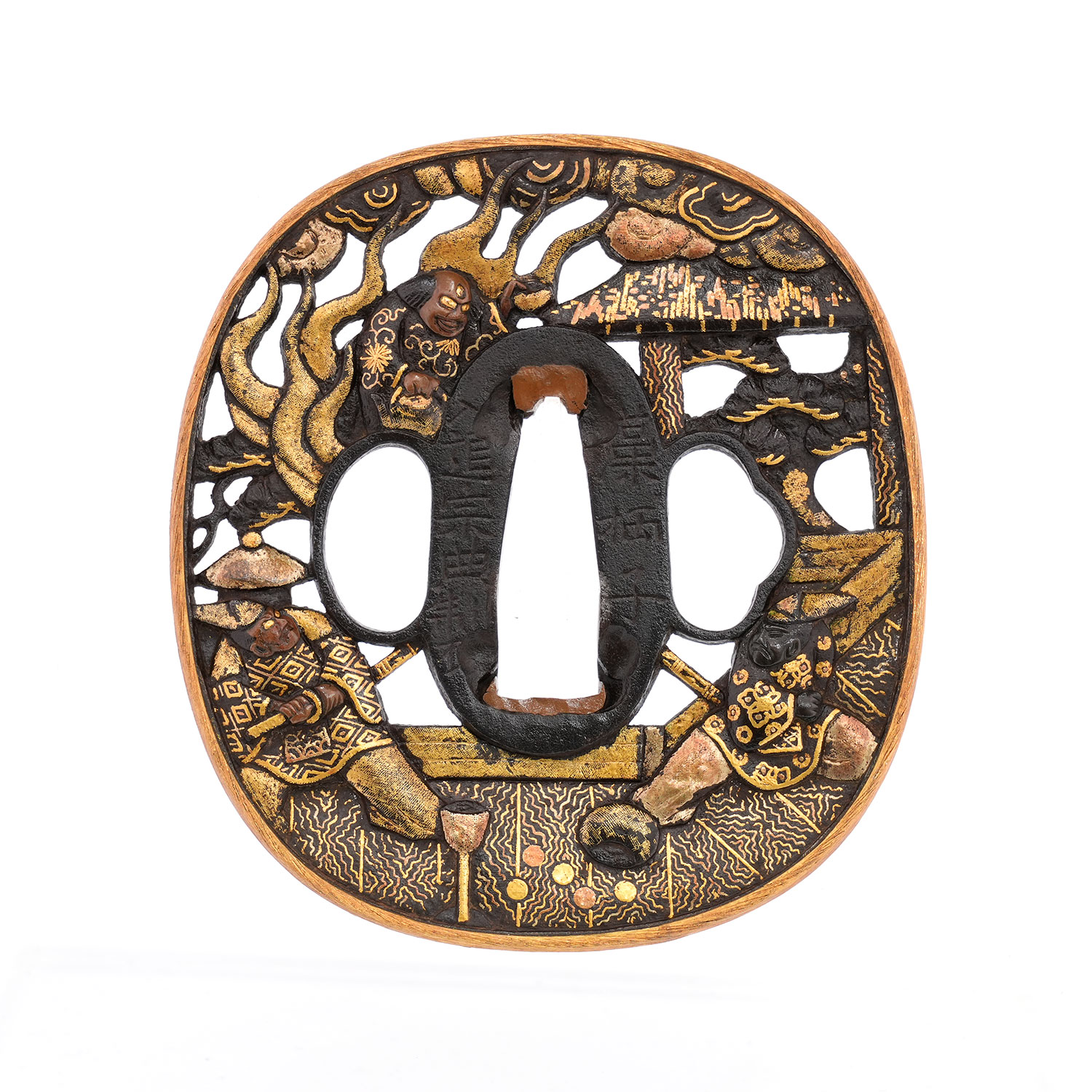
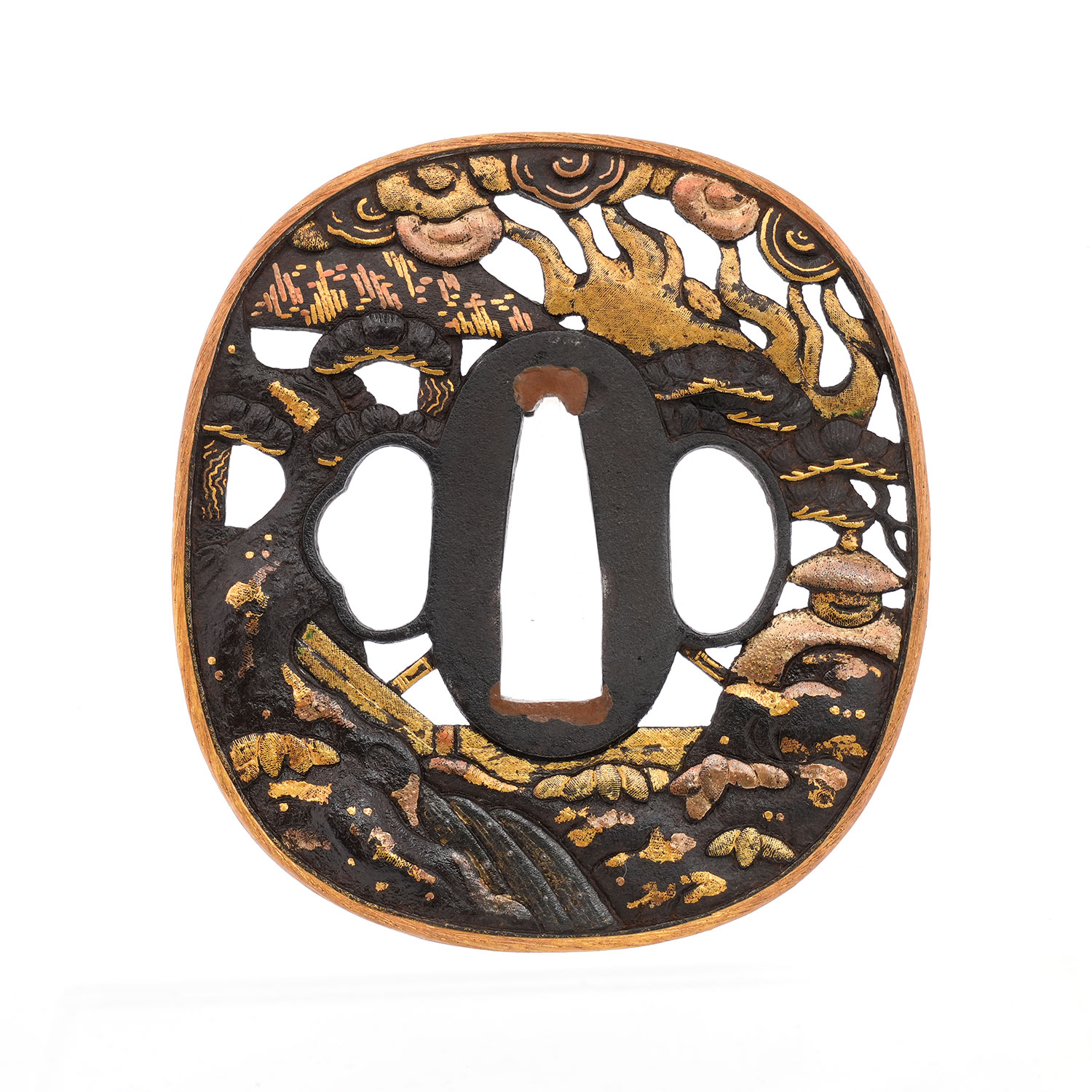
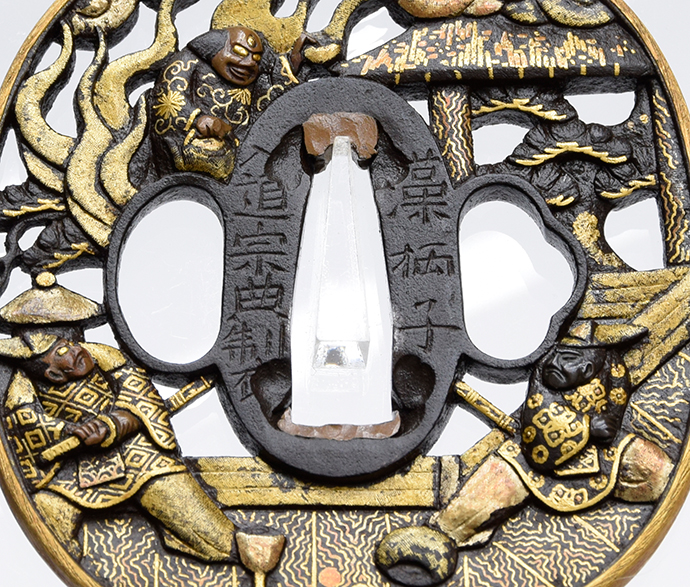
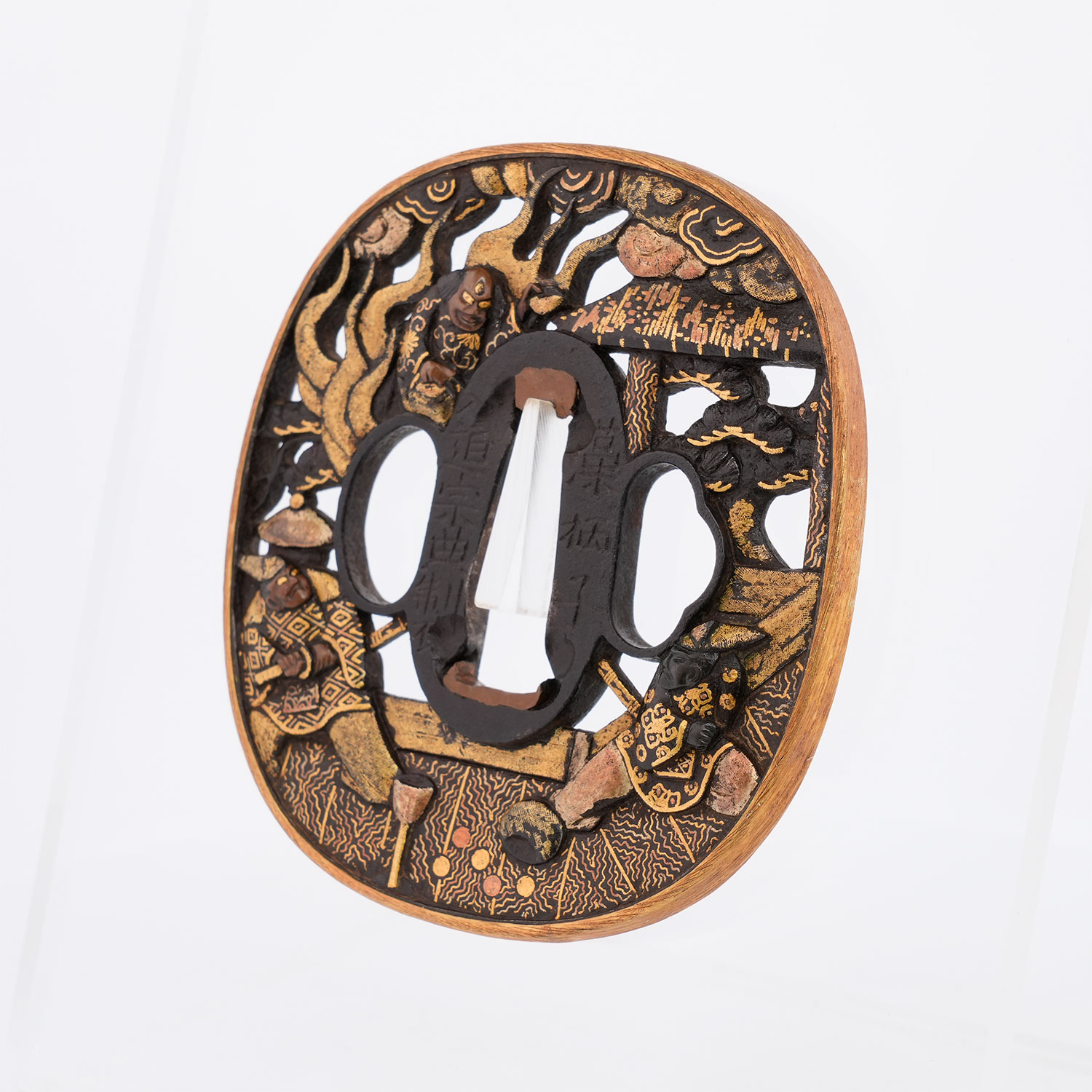
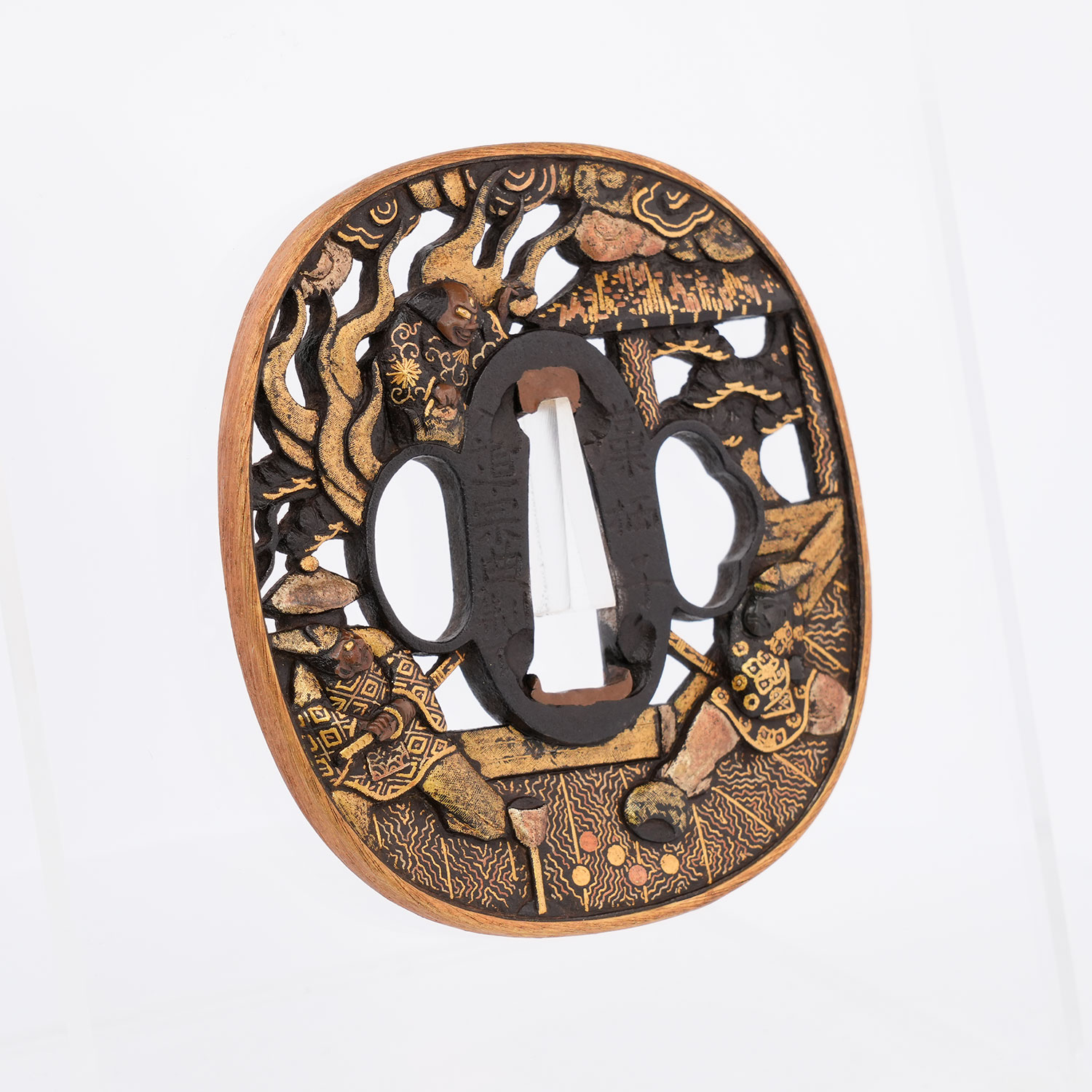
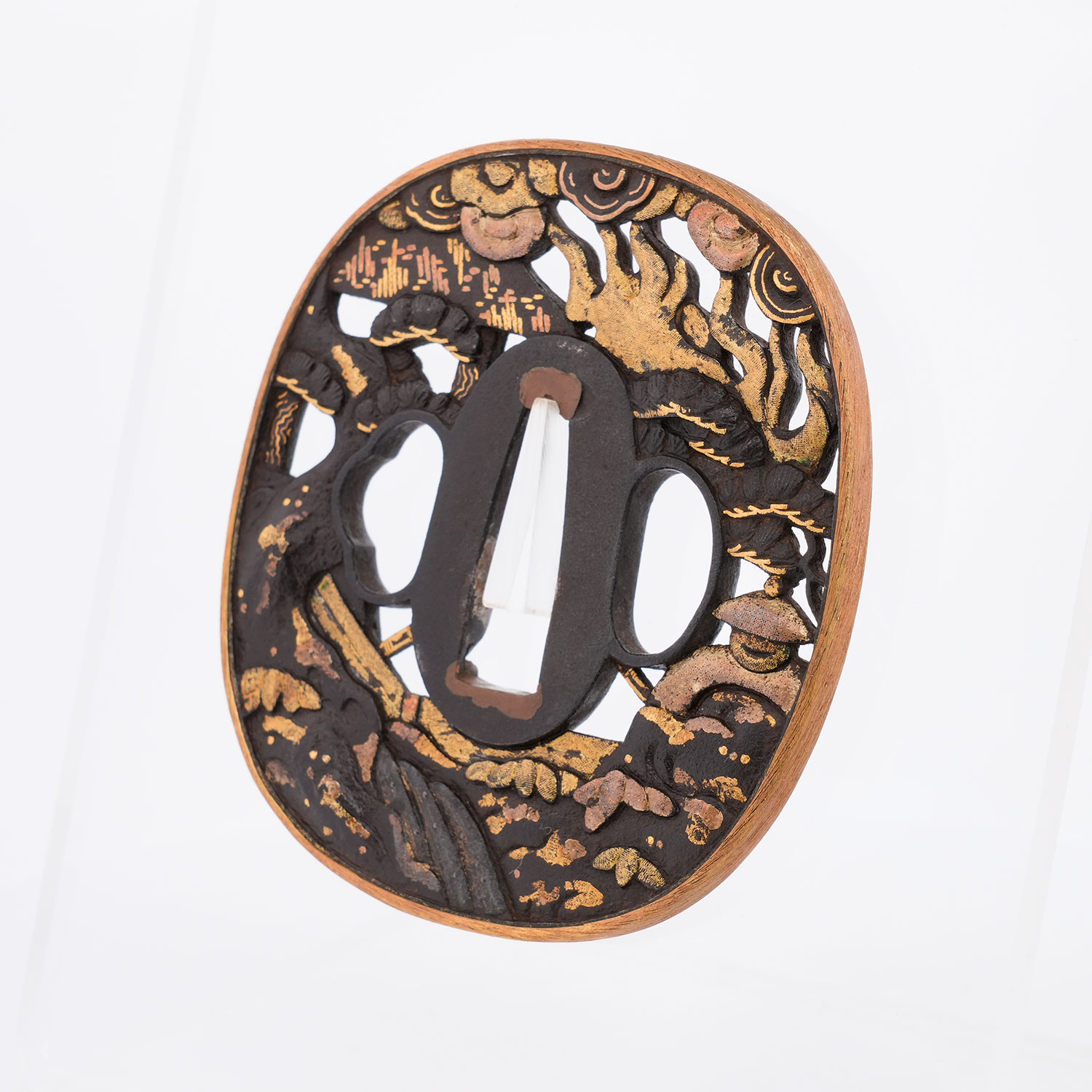
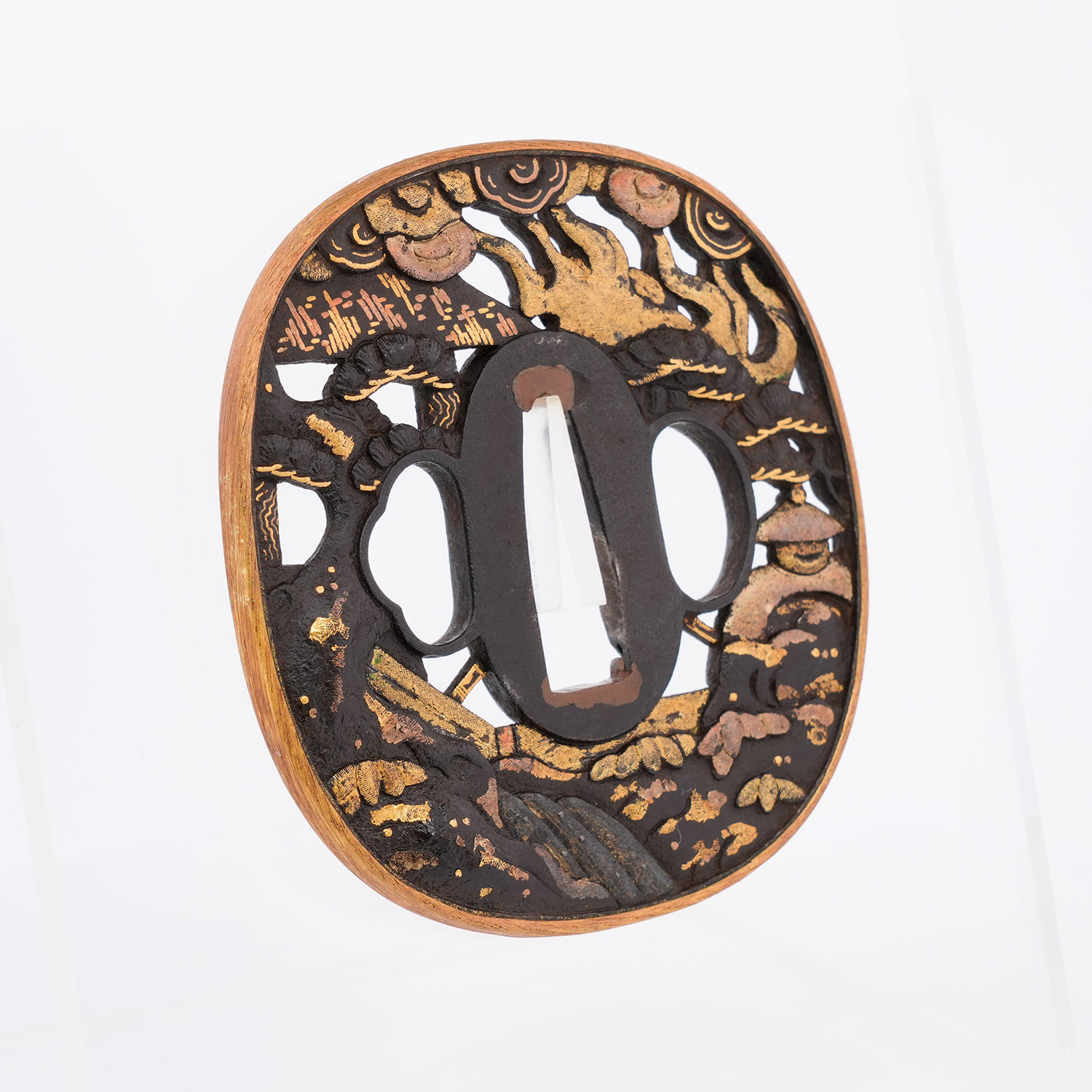
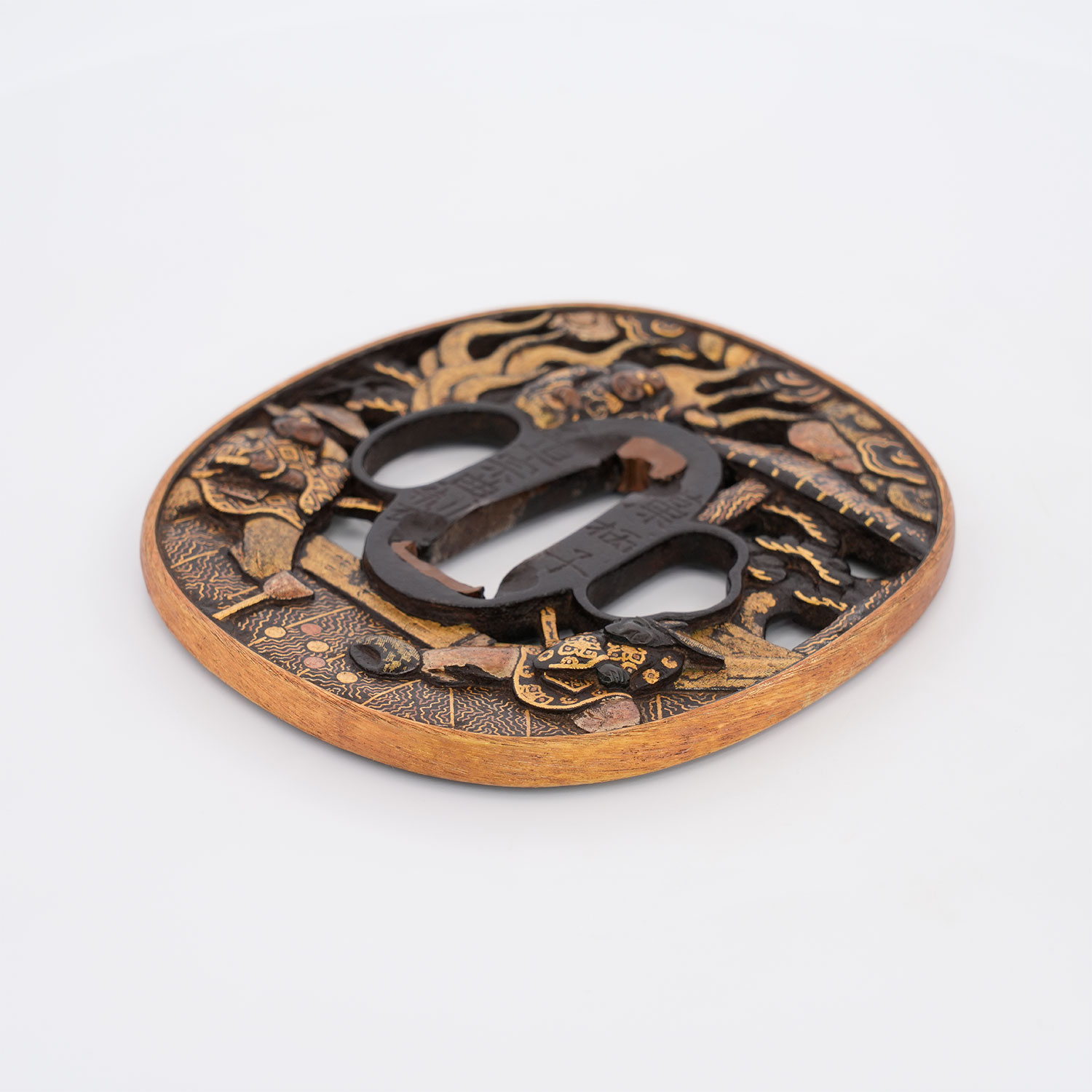
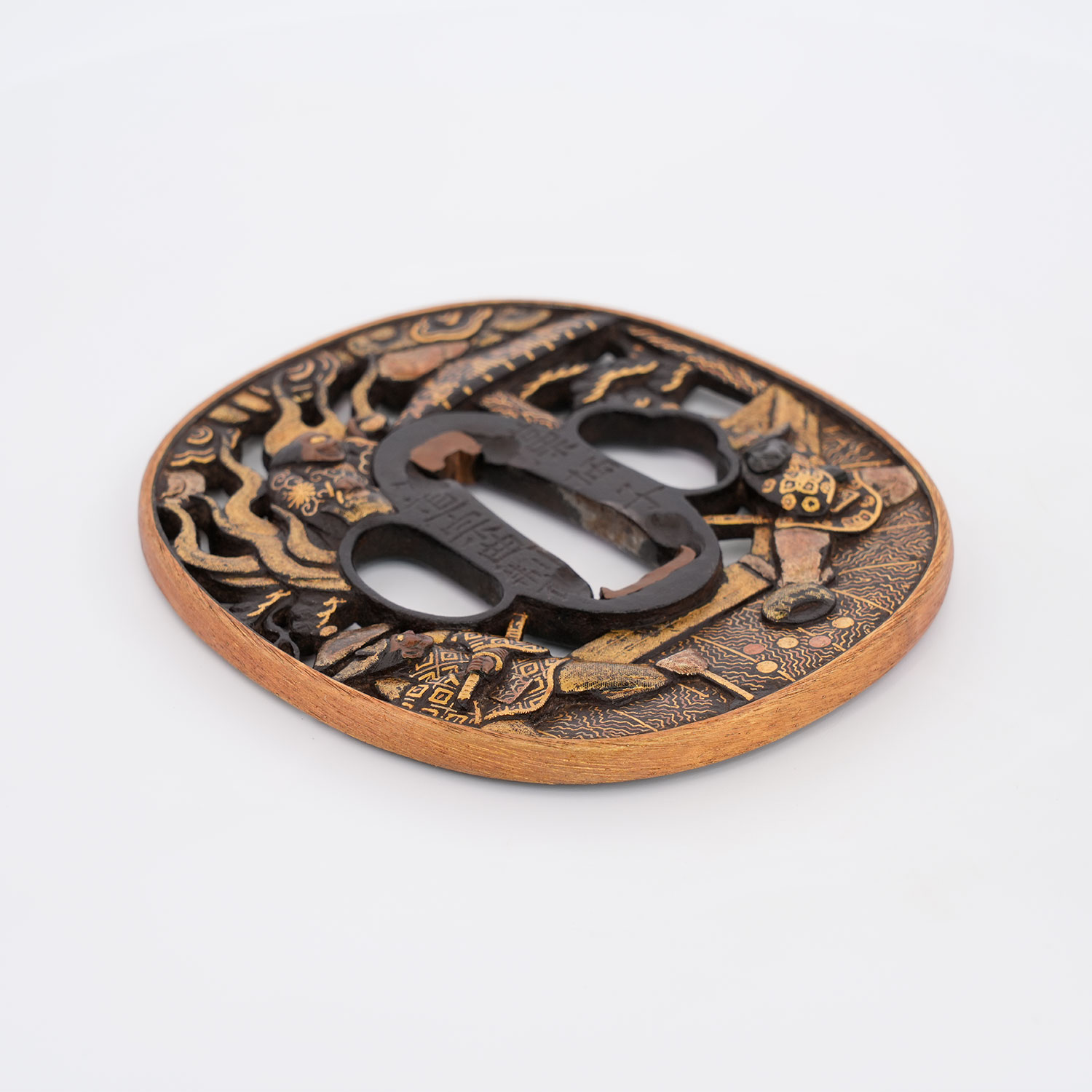
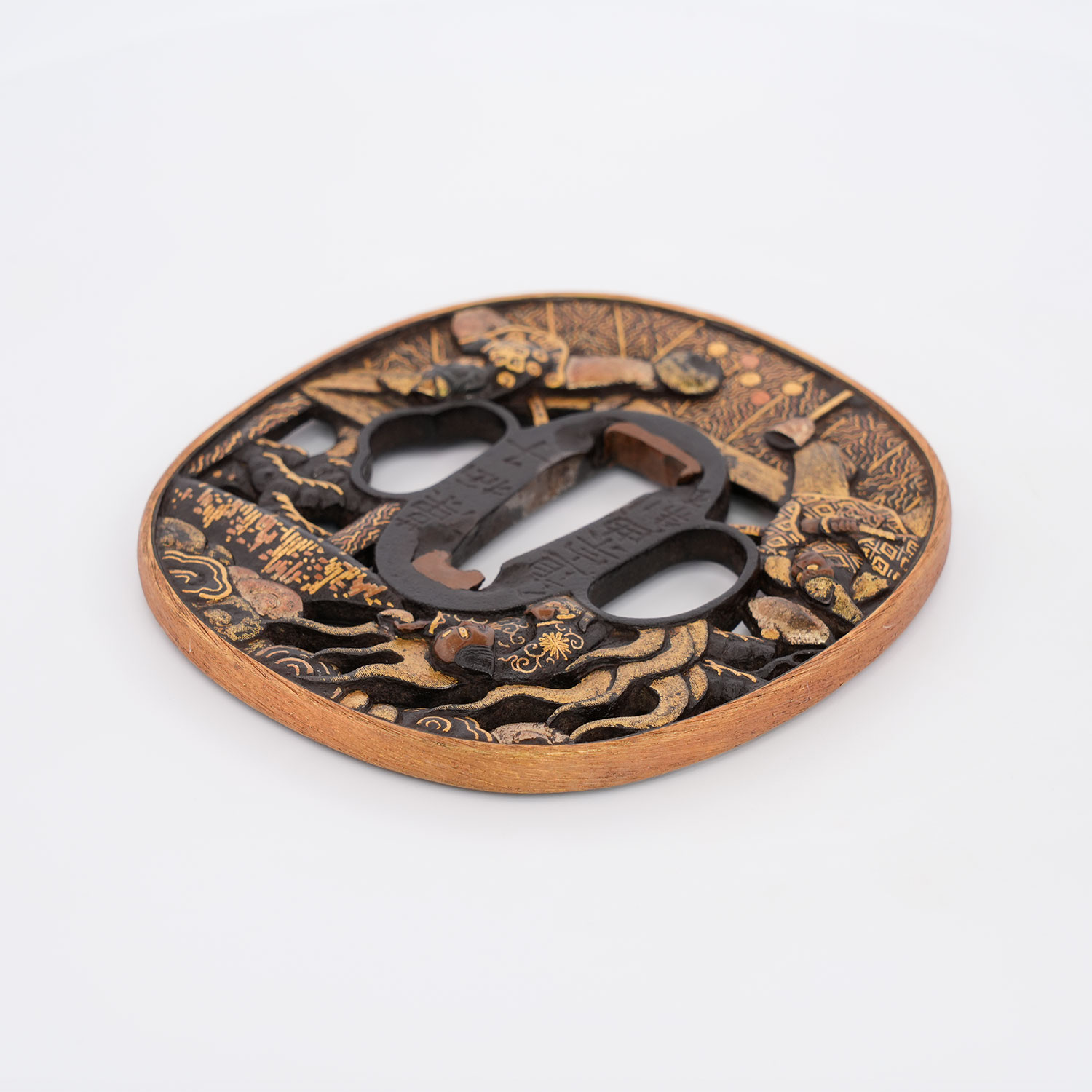
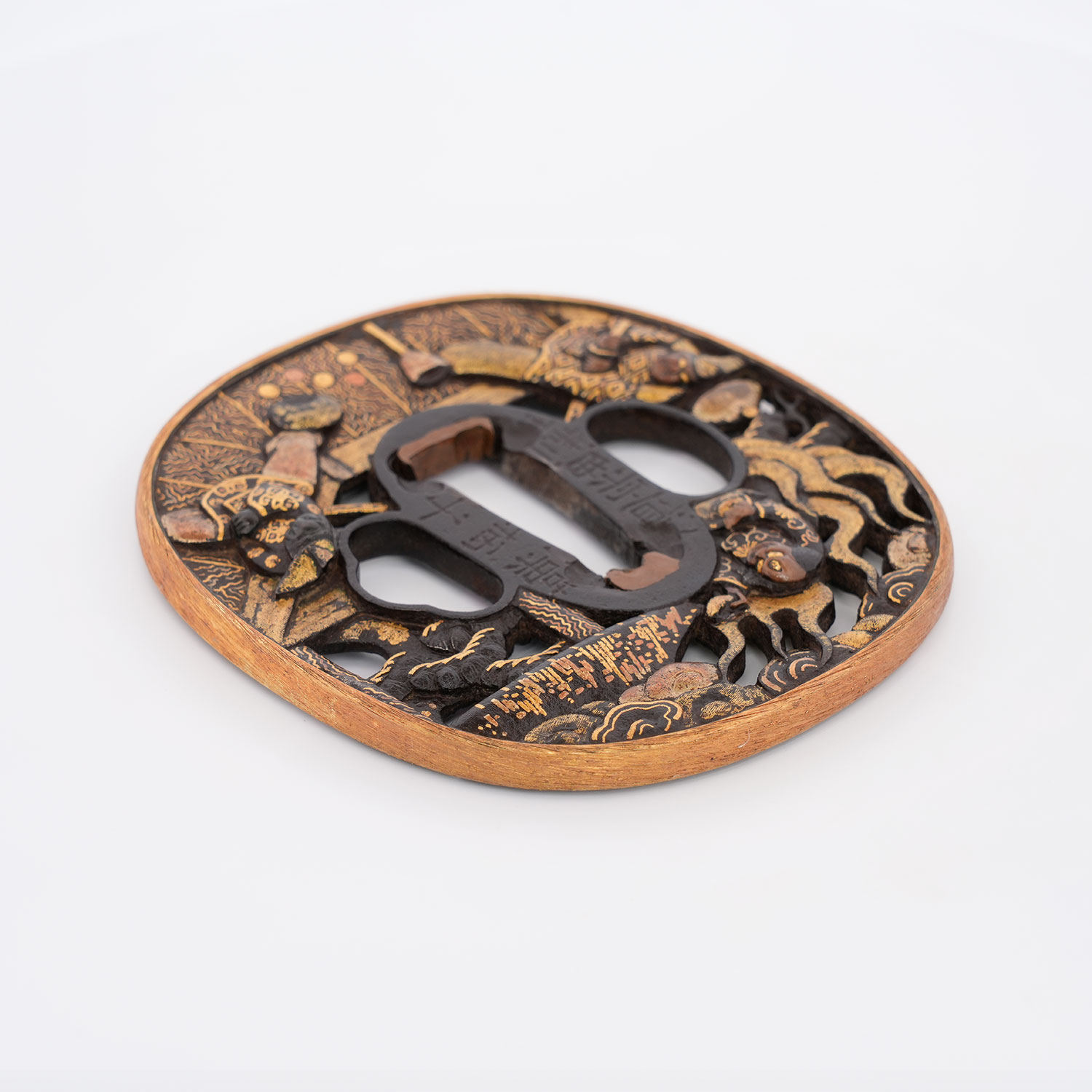
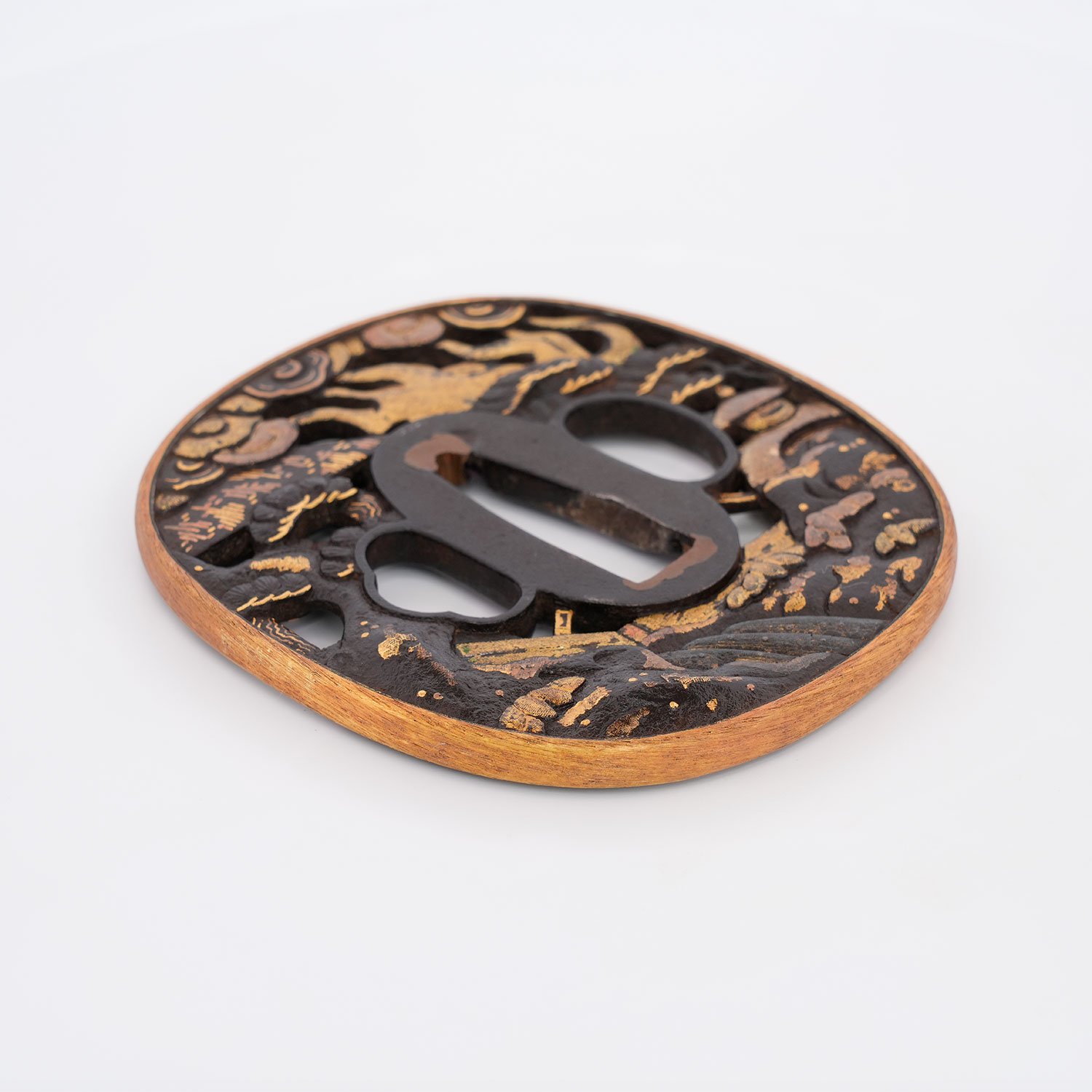
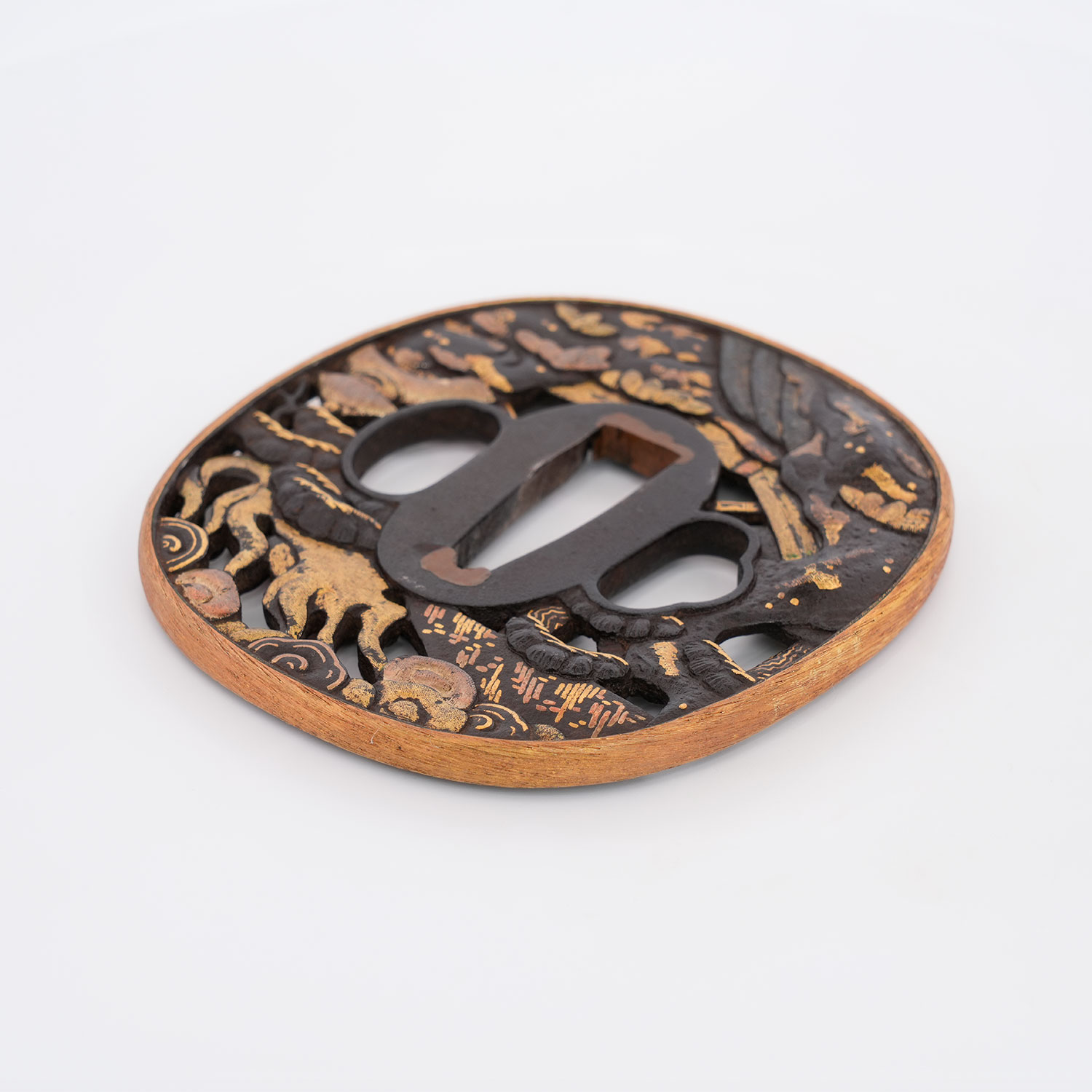
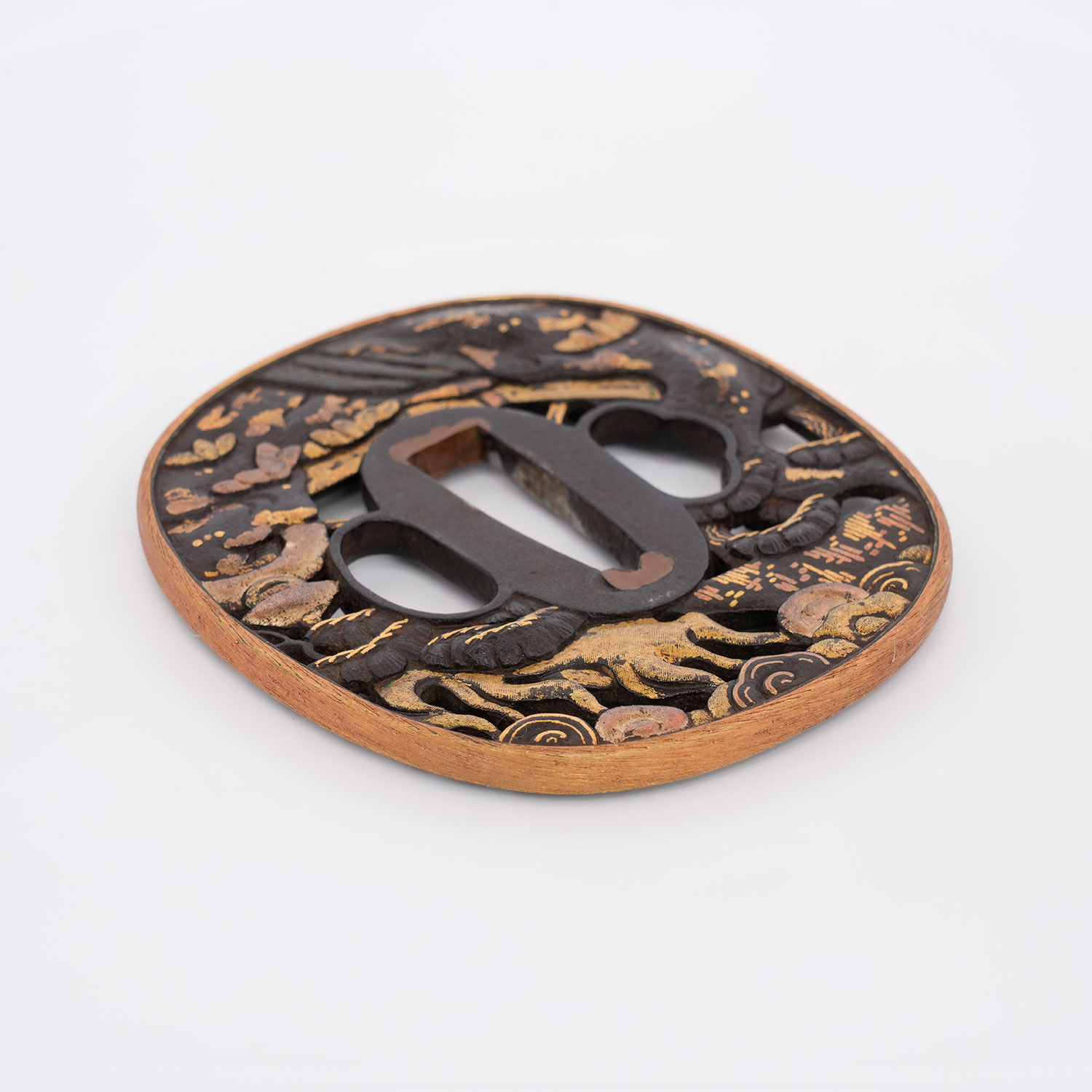
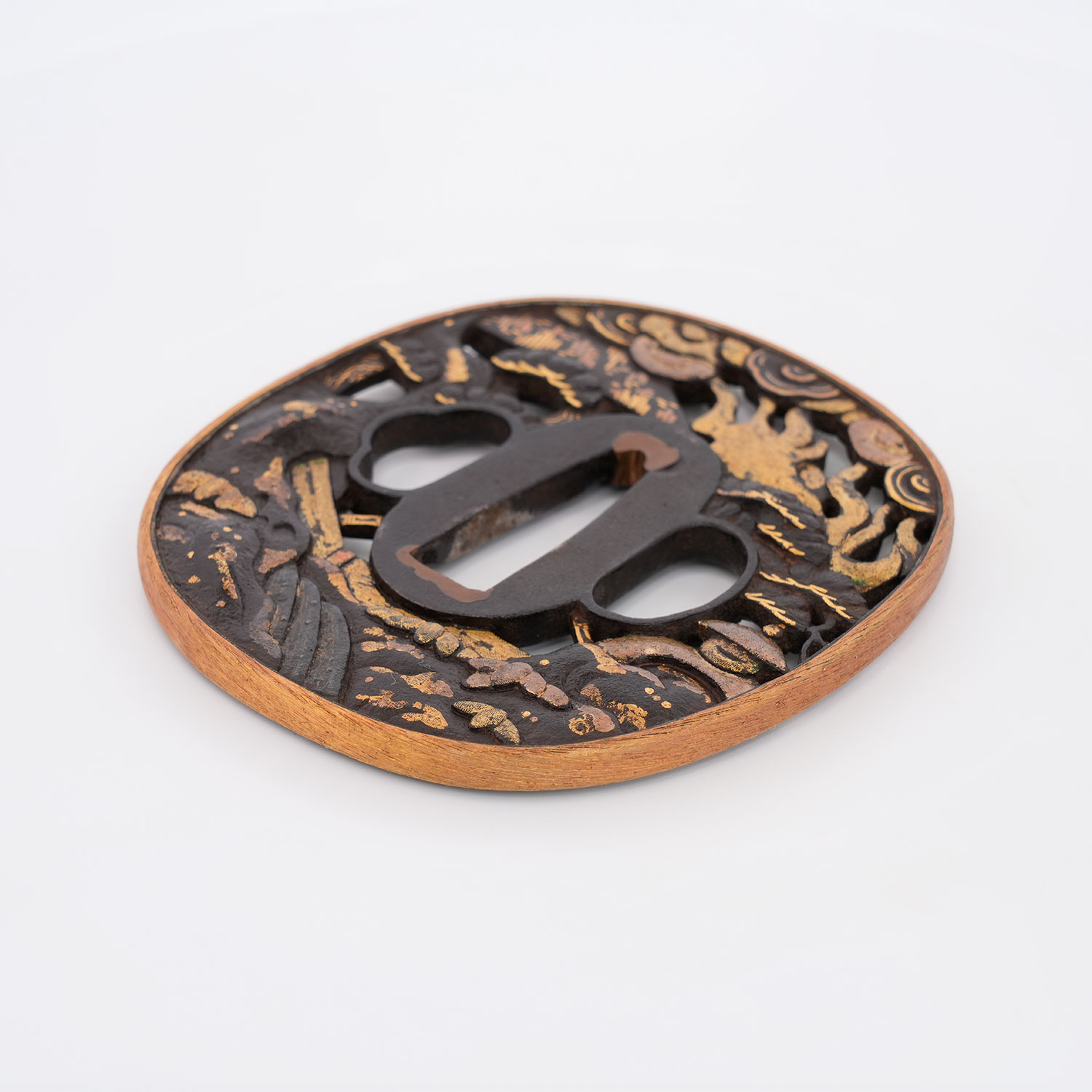
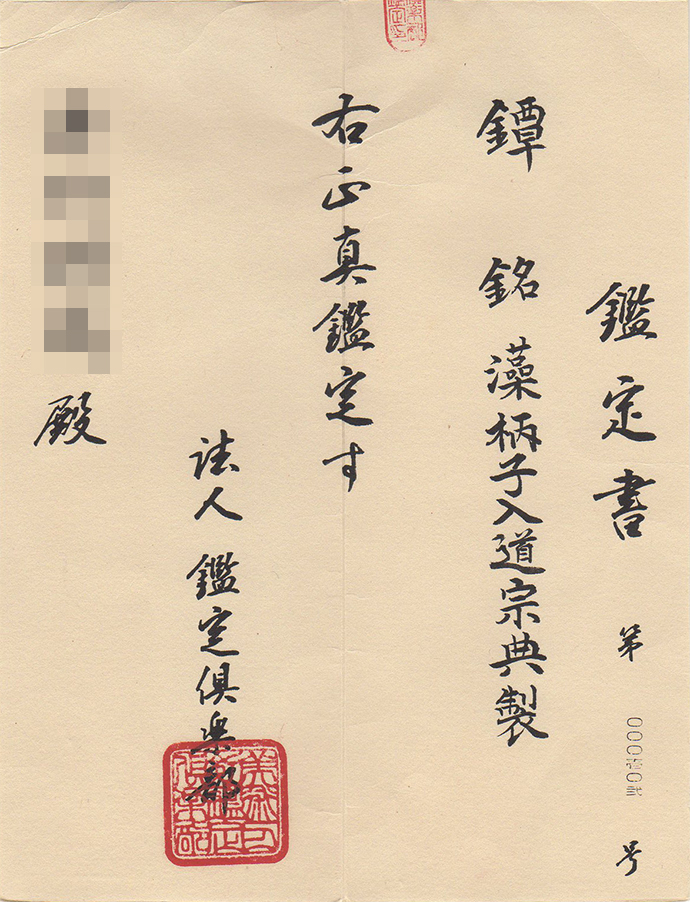
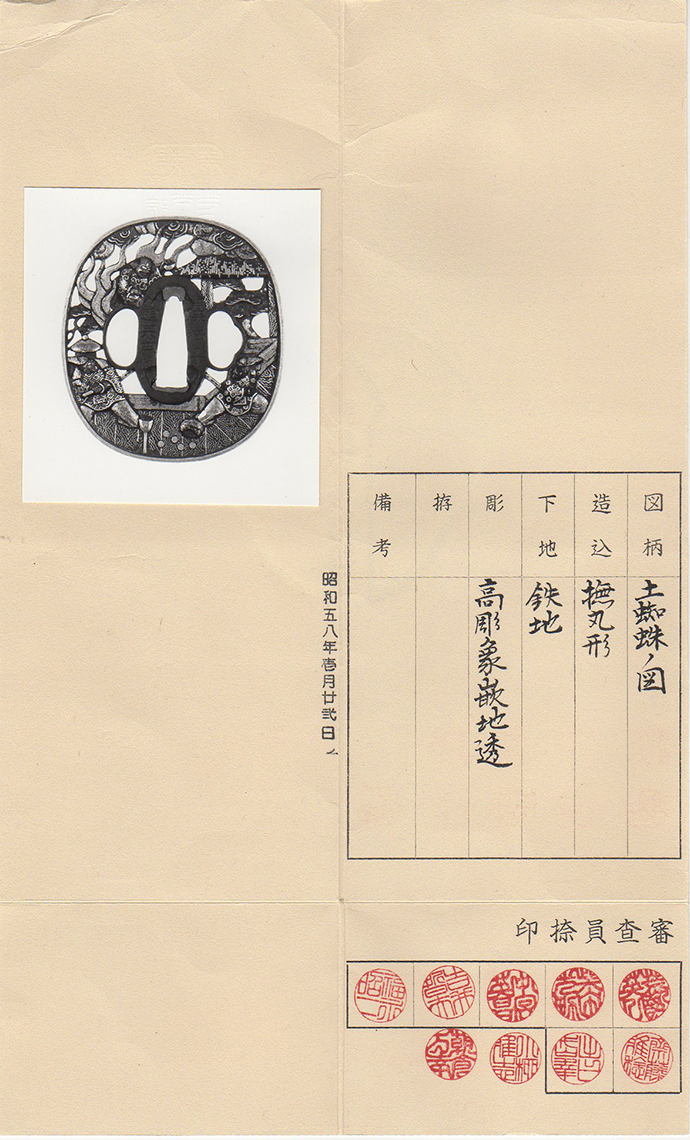
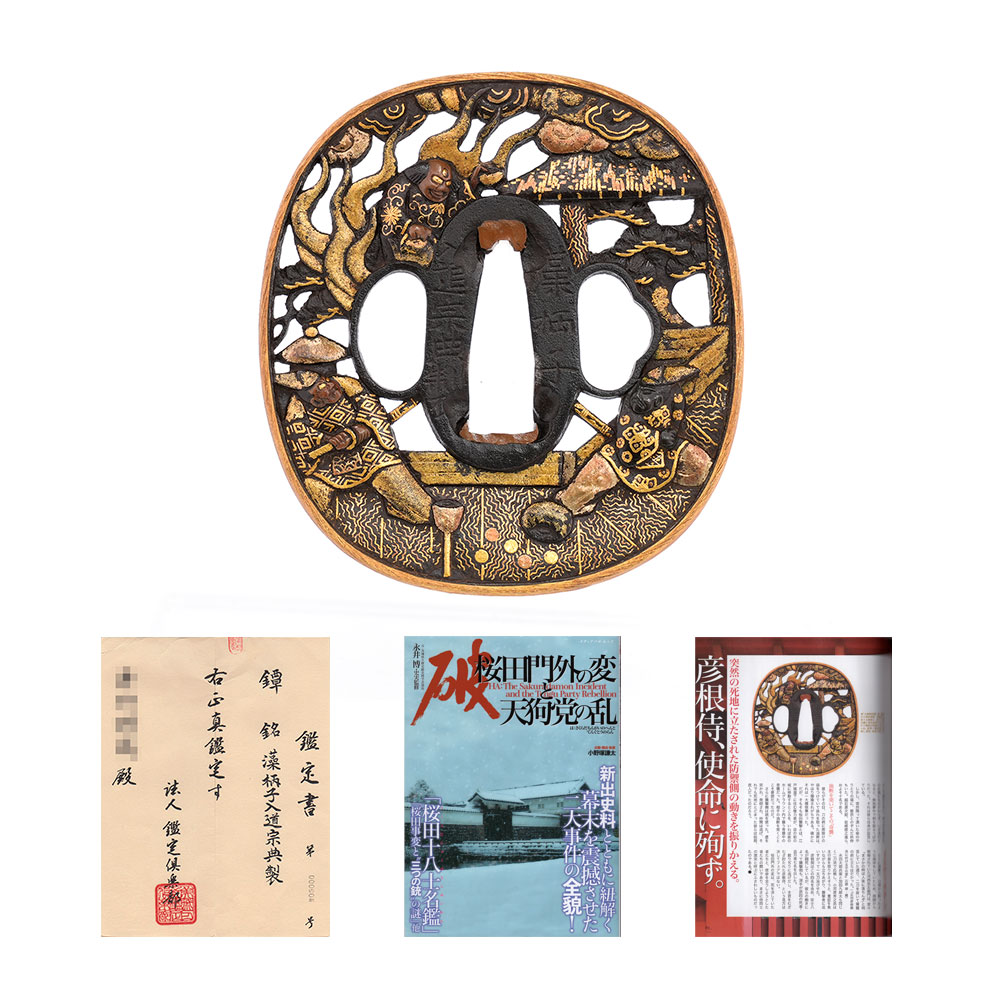
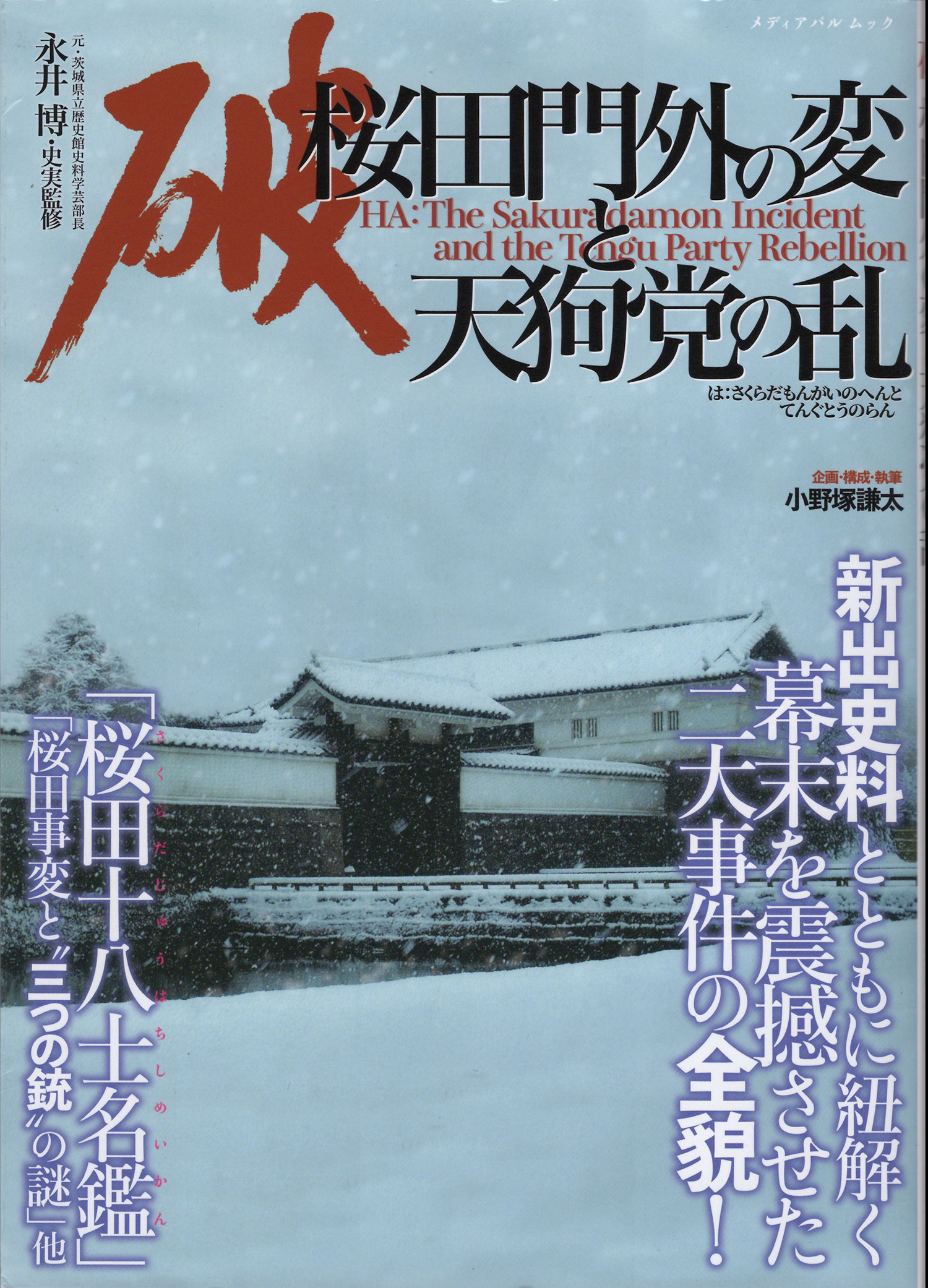
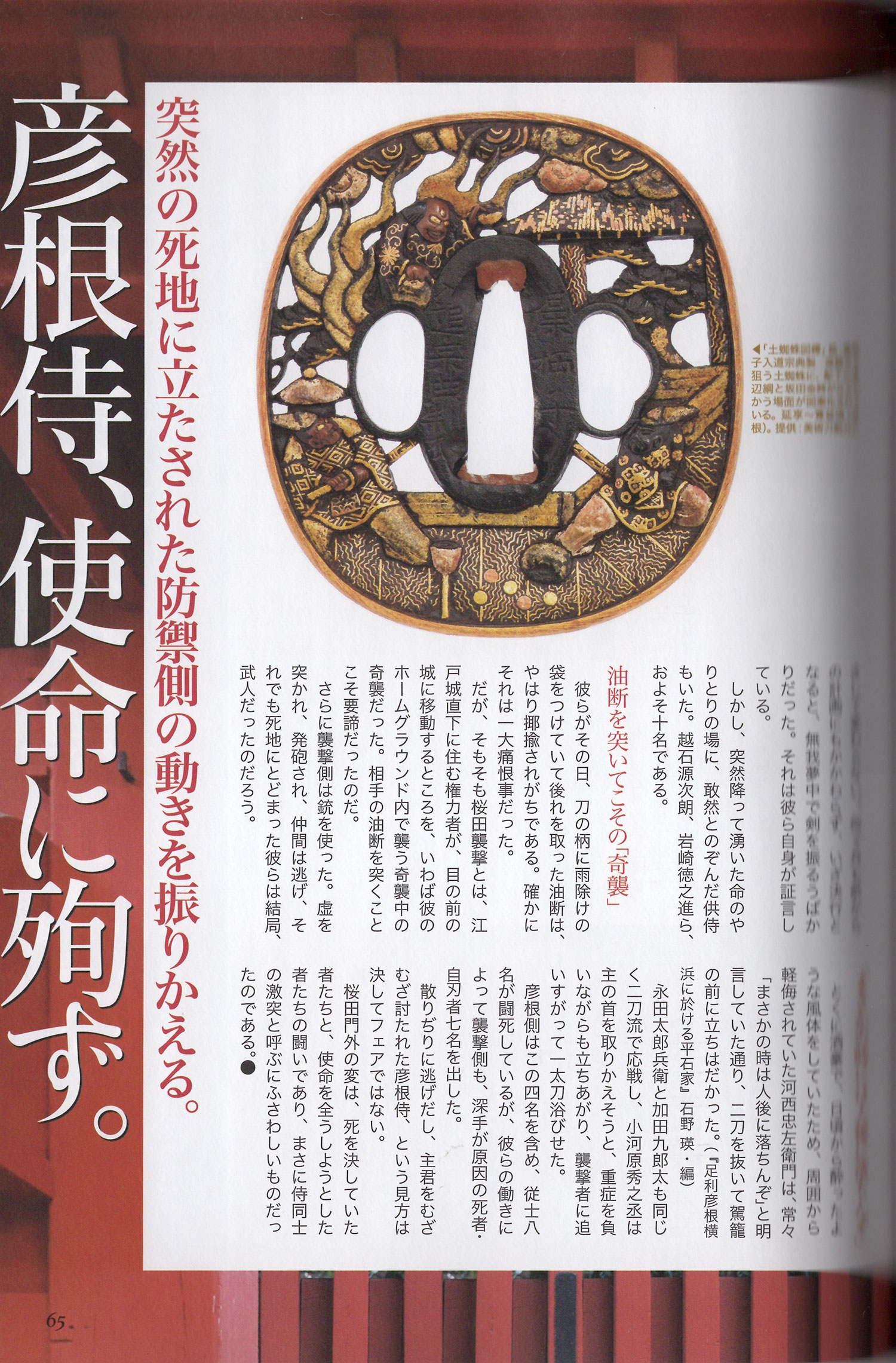
Published in "Ha: The Sakuradamon Incident and the Tenguto Rebellion" (Media Pal, 2026). Soten, of the Kitagawa clan, also signed his mei as Kitagawa, and was a representative tsuba smith of Hikone-bori who was active around the Enkyo and Kan'en eras based in Nakayabu, Hikone, Omi Province. It is said he initially used the name Shuten, and while there is a theory that Shuten and Soten are the same person, the "Soken Kisho" treats Shuten as the first generation and Soten as a person of Goshu Hikone corresponding to the second generation of the Kitagawa clan; including the theory that the first and second generations are the same person, there remains room for further consideration regarding the lineage. In addition to a tradition that he was from Kyoto, there is also a theory that he was from Mino Province, and it is also said he was supported by a stipend from the Kawakita clan of the Hikone Domain; while fulfilling a long life exceeding 75 years, he showed a wide range of variation in meibun and style, and trained many disciples. The "Mogarashi" used in the mei is read as "Soheishi," and the "Soken Kisho" also clearly states that the common reading of "Mogarashi" is an error. The style of this school, which carves figures and scenes of battles in takabori into the tetsu-ji and develops a story on a single tsuba surface using an abundance of iroe such as gold, silver, shakudo, and suaka, was called Hikone-bori by the world and was greatly in fashion at the time, being widely favored. This piece is signed "Mogarashi Nyudo Soten sei," and the charm of the story-rich Hikone-bori that the Soten school excelled in is well expressed in the substantial style with layers of carving, sukashi, and iroe, the dense composition, and the brilliant colors. The motif is the famous story of the Tsuchigumo extermination, in which a Tsuchigumo disguised as a monk appears before Minamoto no Yorimitsu, who is bedridden with illness, and attacks by releasing mysterious spider webs. The series of tales in which Yorimitsu slashes it with the famous sword Hizamaru, and the Shitenno follow the trail of blood to finally defeat the Tsuchigumo, has been repeatedly depicted in Noh, Kabuki, and picture scrolls, and was favored by samurai families as a dramatic subject where the supernatural and bravery clash. In this piece, the Tsuchigumo imbued with an eerie aura and the warriors holding their weapons are arranged together with mountain trees, buildings, and rocky areas, condensing a tense moment of the story into the limited tsuba surface. The nade-maru gata tetsu-ji creates a stage with depth by complexly combining figures, trees, buildings, rocks, and the ground through ji-sukashi and takabori, skillfully connecting the remaining parts to maintain strength. By finely carving even the faces, limbs, and clothing patterns of the figures, and mixing tones of shakudo and suaka centered on kin-iroe, each figure stands out vividly from the black tetsu-ji, and the go stones scattered at their feet impressively convey the moment the previously quiet scene was transformed by the appearance of the supernatural. From the geometric patterns applied to the clothing, the fine lines representing the wood grain of pillars and floorboards, to shifting one's gaze to the roof of the building, new highlights appear from various parts of the composition, and because the kin-fukurin around the mimi brightly tightens the high-density composition, the splendor when viewed from the front is natural, and the thickness of the takabori and the brilliance of the fukurin stand out even when viewed from an angle. The reverse side expresses the landscape of the scene on the front as viewed from behind, arranging pine trees with spreading branches, stone lanterns, undulating rock surfaces, running water threading between them, and grass growing on the ground to depict the depth and silence of the mountains that serve as the stage for the story. In contrast to the front side, which heightened the sense of tension centered on the figures, the reverse side places the nature and structures of the same location as the main subjects, so that the front and back are connected as a single space, a composition that allows one to enjoy the scene by changing perspectives each time the tsuba is turned over. Because Hikone-bori tsuba representing Soten carve figures with great thickness, there are not a few examples that have lost protruding parts such as faces or limbs during long use or storage, but this piece well retains the main figure expressions and iroe, shows no major breakdowns even in the complex ji-sukashi parts, and the state of preservation handed down to the present day can be appreciated. A Bijutsu Token Kantei Club kanteisho from Showa 58 is included, and furthermore, this tsuba is a published item that appeared in the 2026 historical visual mook "Ha: The Sakuradamon Incident and the Tenguto Rebellion," and the fact that it possesses a provenance recorded through a publication, rather than being just a single piece with excellent design, is also a great attraction. The content, which allows one to enjoy the popular supernatural tale of the Tsuchigumo extermination, a composition showing a continuous stage while changing perspectives between front and back, thick and three-dimensional figure carving, abundant iroe, and kin-fukurin that brightly tightens the composition all at once, is substantial; it is an impressive tsuba that I would like to recommend to those who favor dense metalwork pieces of battle scenes, yokai scenes, and Hikone-bori, rich in both splendor when displayed and the interest of deciphering details in hand.
Offered by Toushin
Its photos show a certificate that isn’t in our records yet. Papers can come from different bodies (the NBTHK, the NTHK and smaller societies), and only current NBTHK or NTHK shinsa papers are the independent check we rely on. Please ask the dealer which body issued them. — Hoshi

As written by the shop
Machine translation from the shop's Japanese · may contain errors ·
Omi · around 1679-1751
1 piece on the market now
We could not find an authenticity certificate on the seller’s listing. Japanese swords and fittings are normally papered by the NBTHK (or the NTHK). Without one, the attribution is the seller’s own assessment and has not been independently verified — treat it with caution and ask the dealer about certification before buying.
As a rule we do not accept returns, except when we have sent a different item from the one ordered or when there is a significant discrepancy between the description and the item. If you wish to return an item, please contact us within 3 days of its arrival and then send it back.
¥550,000