 NihontoWatchNihontoWatch
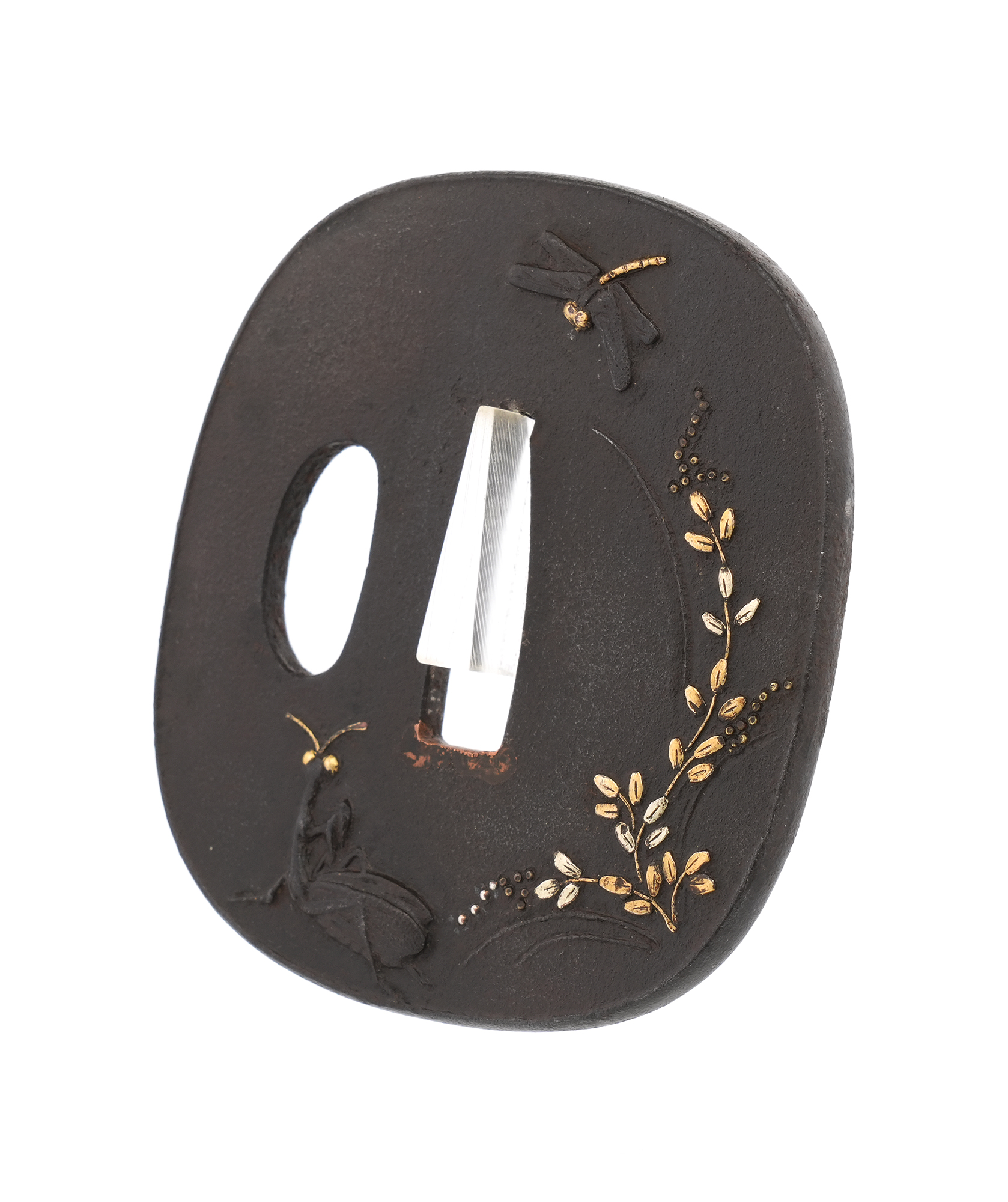
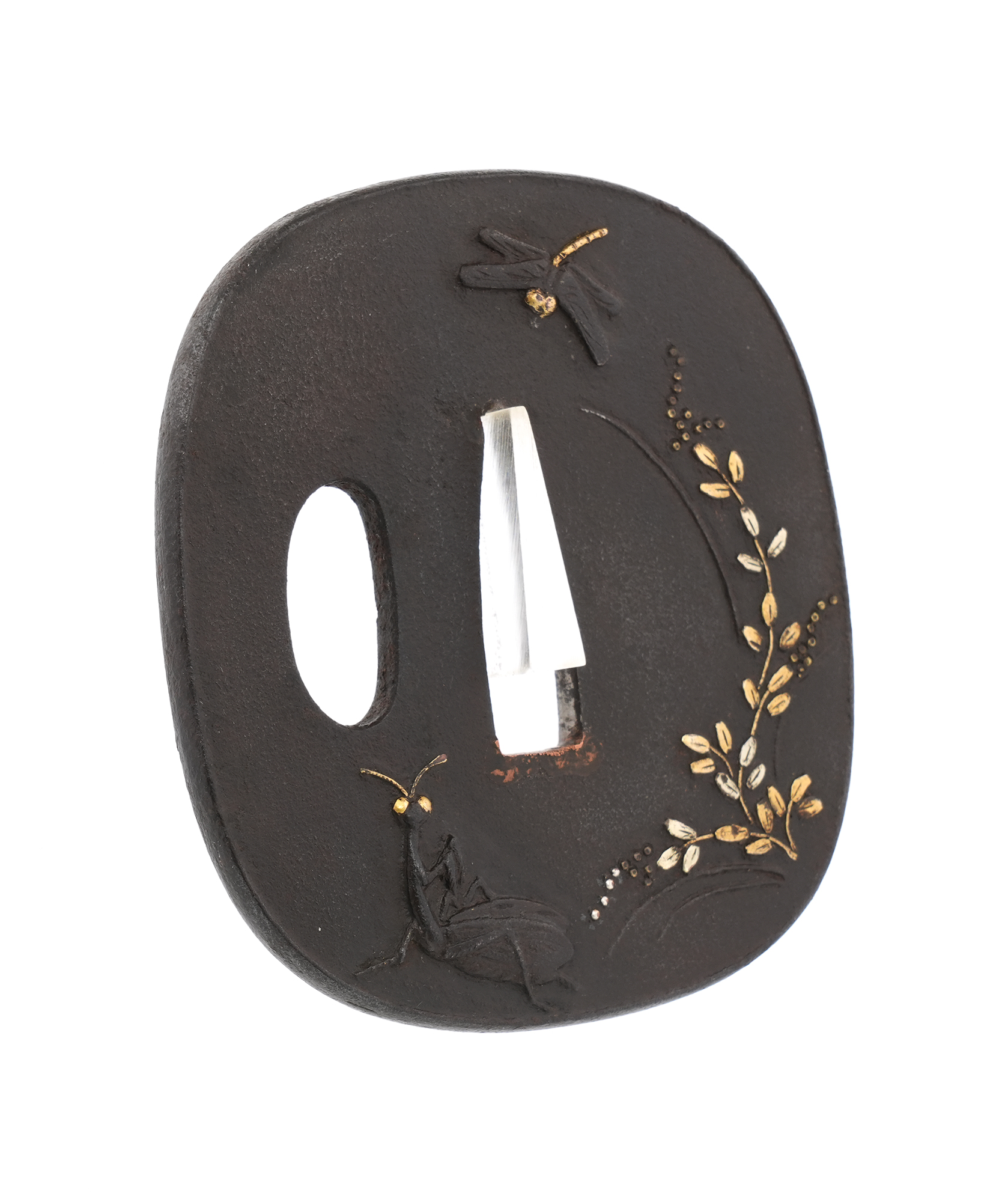
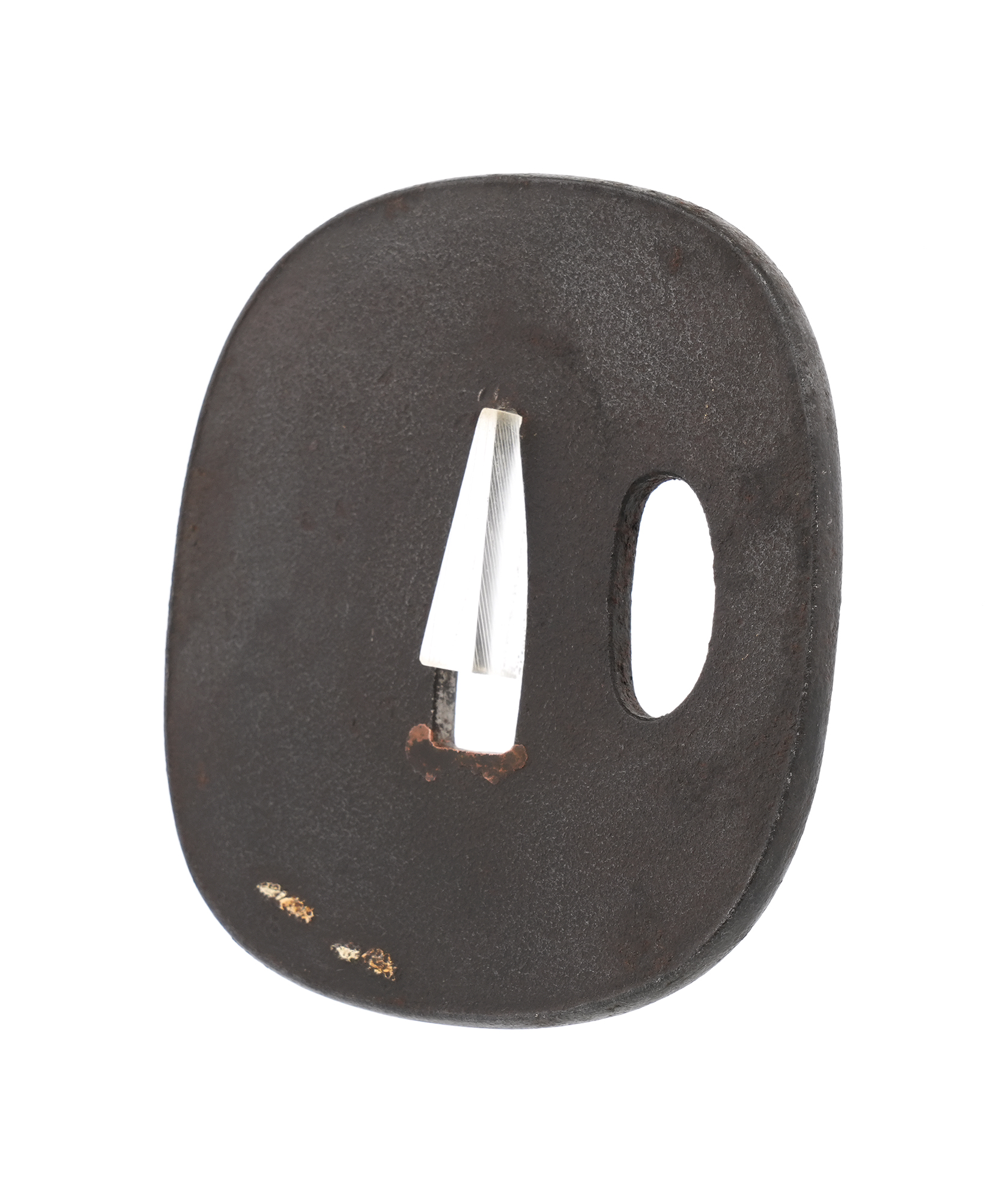
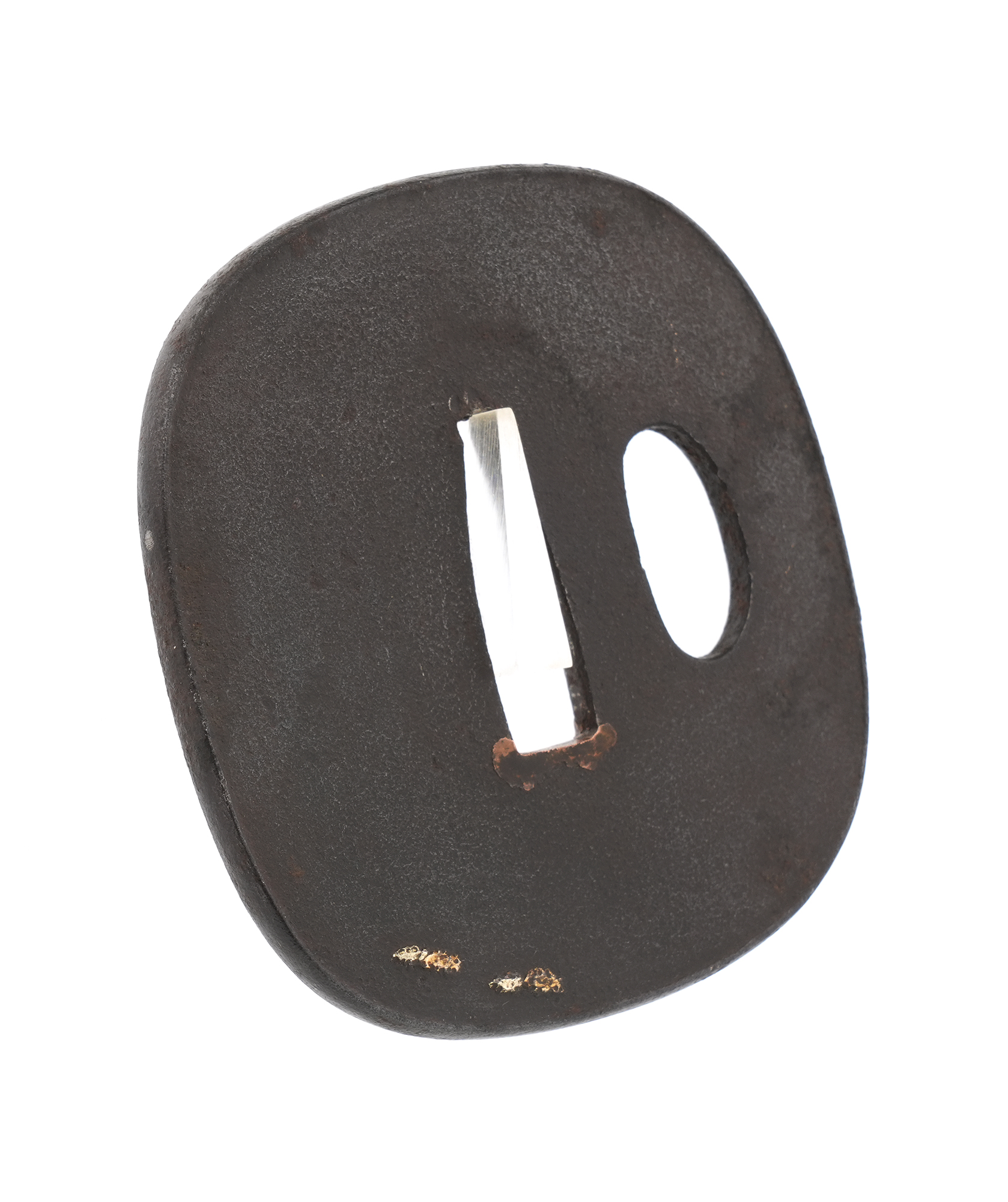
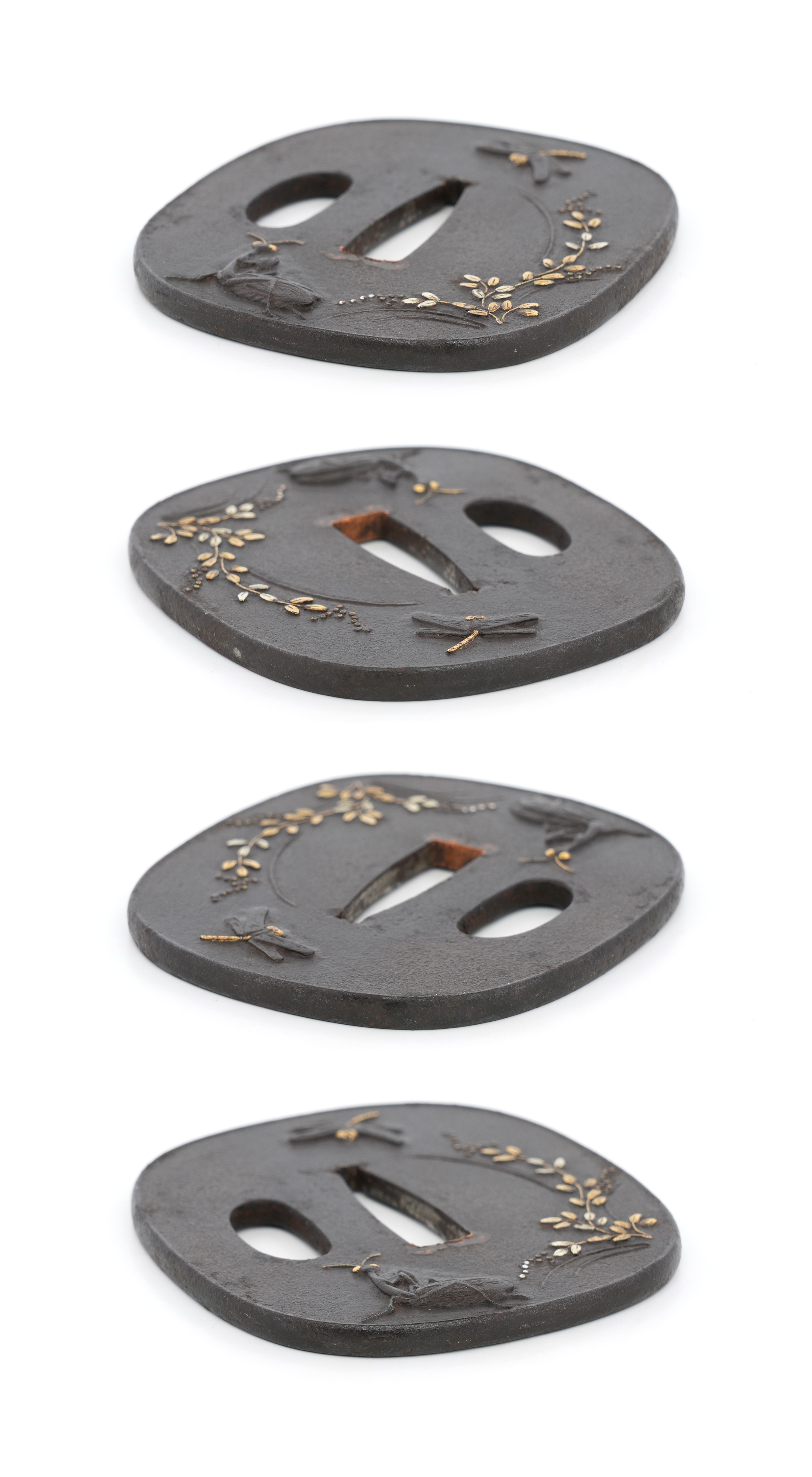
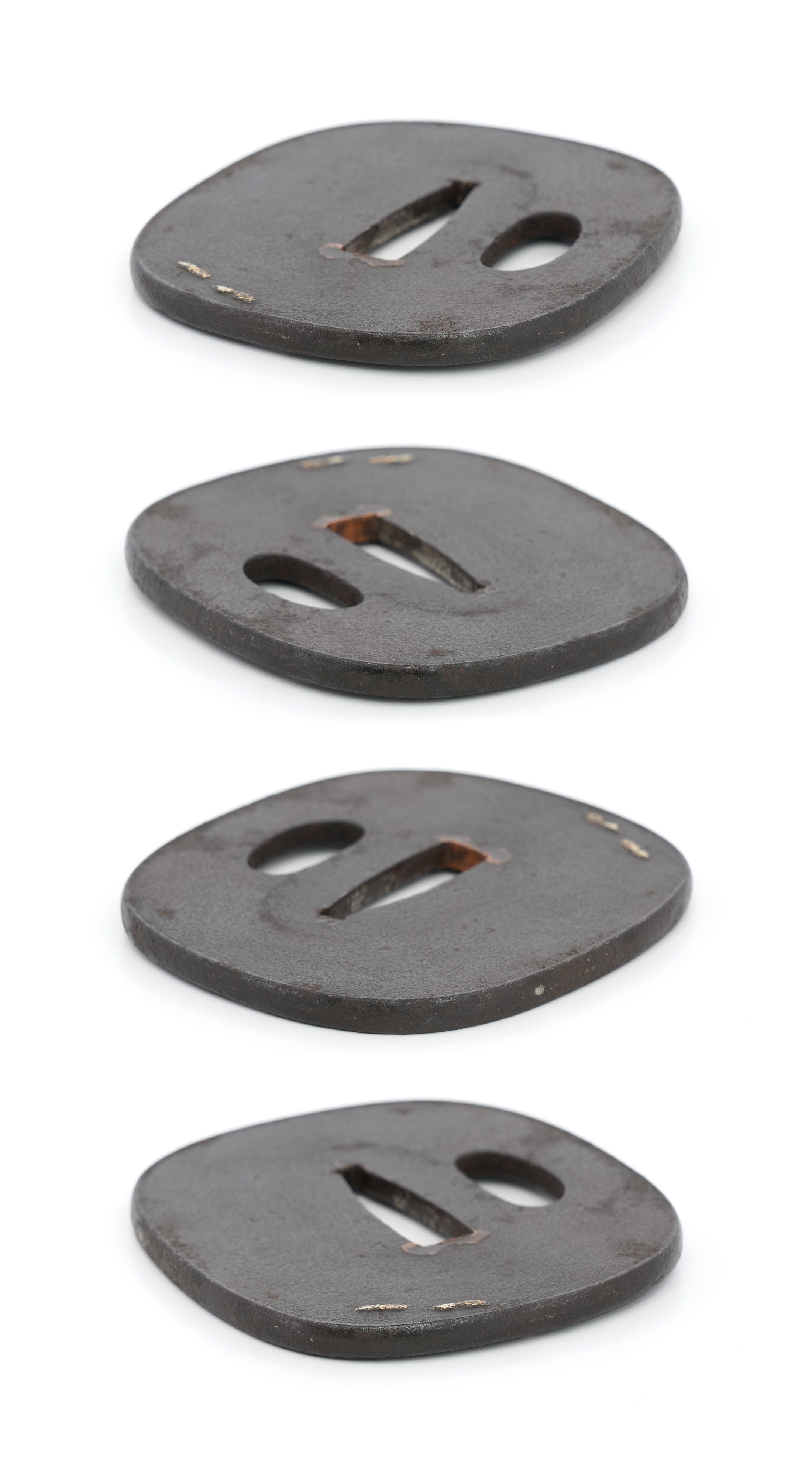
Hagi is one of the seven autumn flowers and has been beloved since ancient times; the sight of its slender, supple branches lined with small leaves and flower clusters is a motif that conveys the quiet seasonal transition from midsummer to autumn. By pairing it here with a tonbo and a kamakiri, the artist adds a sense of life and movement that goes beyond mere flora. The tonbo is known as the "katsumushi" (victory insect) because it moves forward without retreating, a lucky design favored by the samurai class, while the kamakiri, raising its axe-like forelegs against a large opponent despite its small body, is associated with the proverb "kamakiri no ono" and was frequently adopted for tosogu as a motif representing courage and bravery. This piece features hagi branches arranged in an arc on the right side of a calm tetsu-ji, with leaves alternately decorated in kin-iroe and gin-iroe, and the fine seeds and flower clusters at the tips of the branches expressed with granular zogan. The katsumushi flying above has kin-iroe applied to its eyes and tail, and the kamakiri below also has gold added to its antennae, causing the creatures to emerge modestly from the blackish-brown ground and creating a refreshing sense of tension in a composition that leaves significant yohaku. The hagi branches extend from the bottom right toward the top while avoiding the seppa-dai, and because the katsumushi and kamakiri correspond diagonally, the viewer's gaze naturally travels around the tsuba surface. While based on usuniku-bori with suppressed takabori and fine kebori, the charm also lies in the fact that the amount of irogane was not increased more than necessary, keeping the tetsu-aji as the main protagonist; with every change in angle, the gold and silver leaves glitter slightly, showing an expression as if swaying in the wind of an autumn field. The ura side makes use of the wide tetsu-ji yohaku with a concise composition featuring only small kin and gin iroe at the bottom left, quietly complementing the scene on the omote side where the hagi, katsumushi, and kamakiri unfold. The joy of examining the detailed hori and iroe, the samurai taste entrusted to the katsumushi, and the seasonal feeling of hagi are all gathered naturally into this single piece; it is a refined work that I would recommend to those who prefer tetsu-ji iroe tsuba that do not lean toward excessive flashiness.
NihontoWatchOffered by Toushin
We couldn’t find current papers for this piece. Ask the dealer whether it has been, or can be, submitted to shinsa. — Hoshi

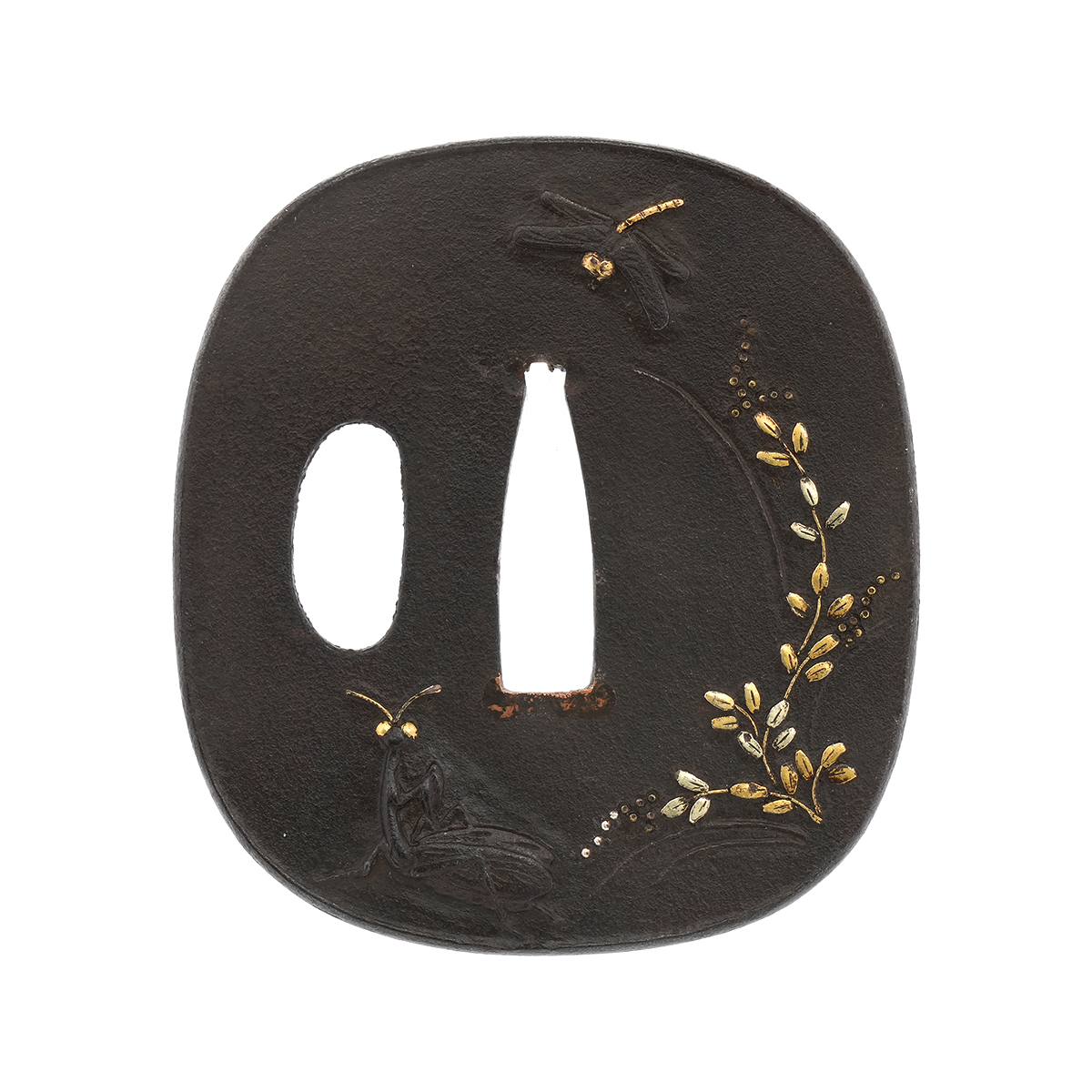
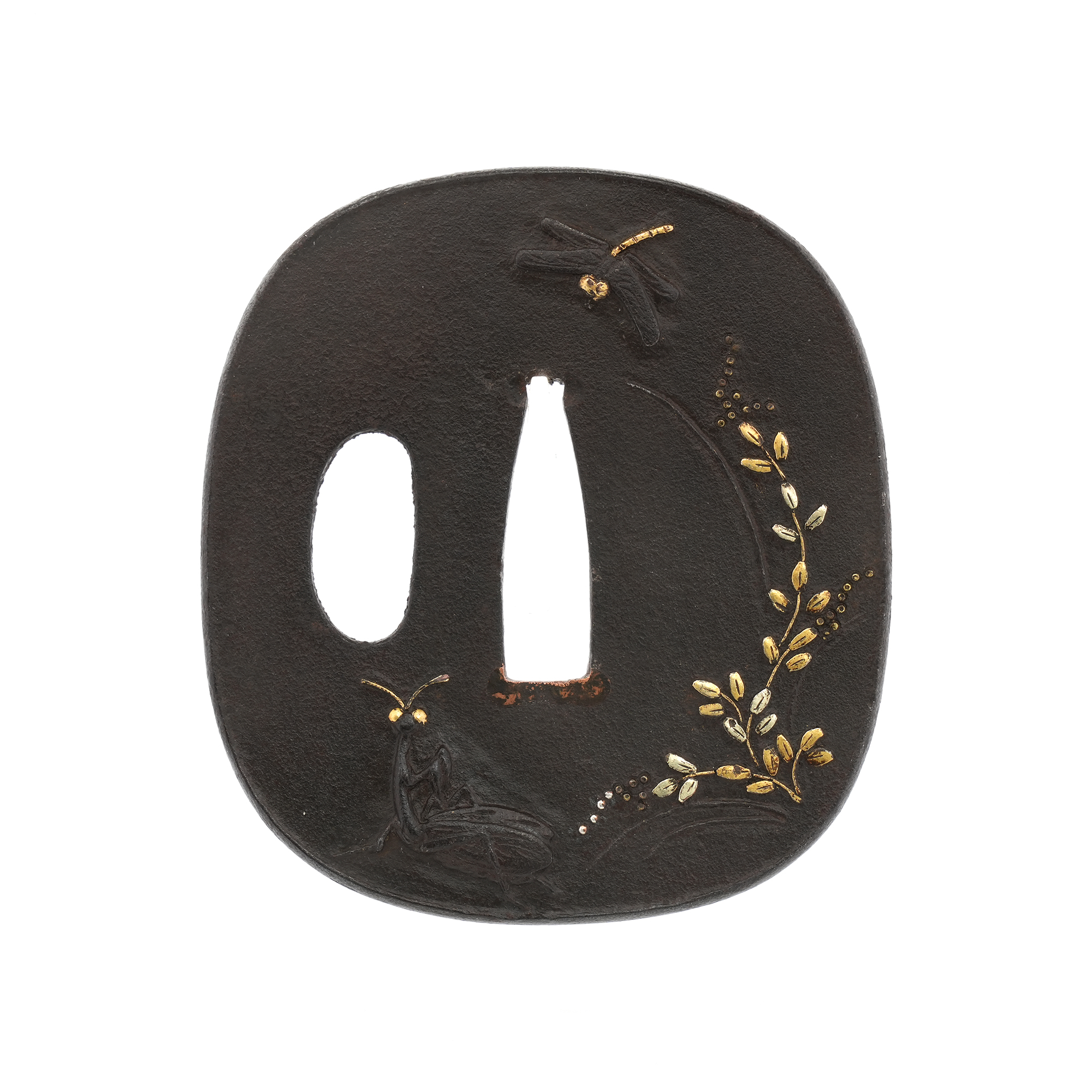
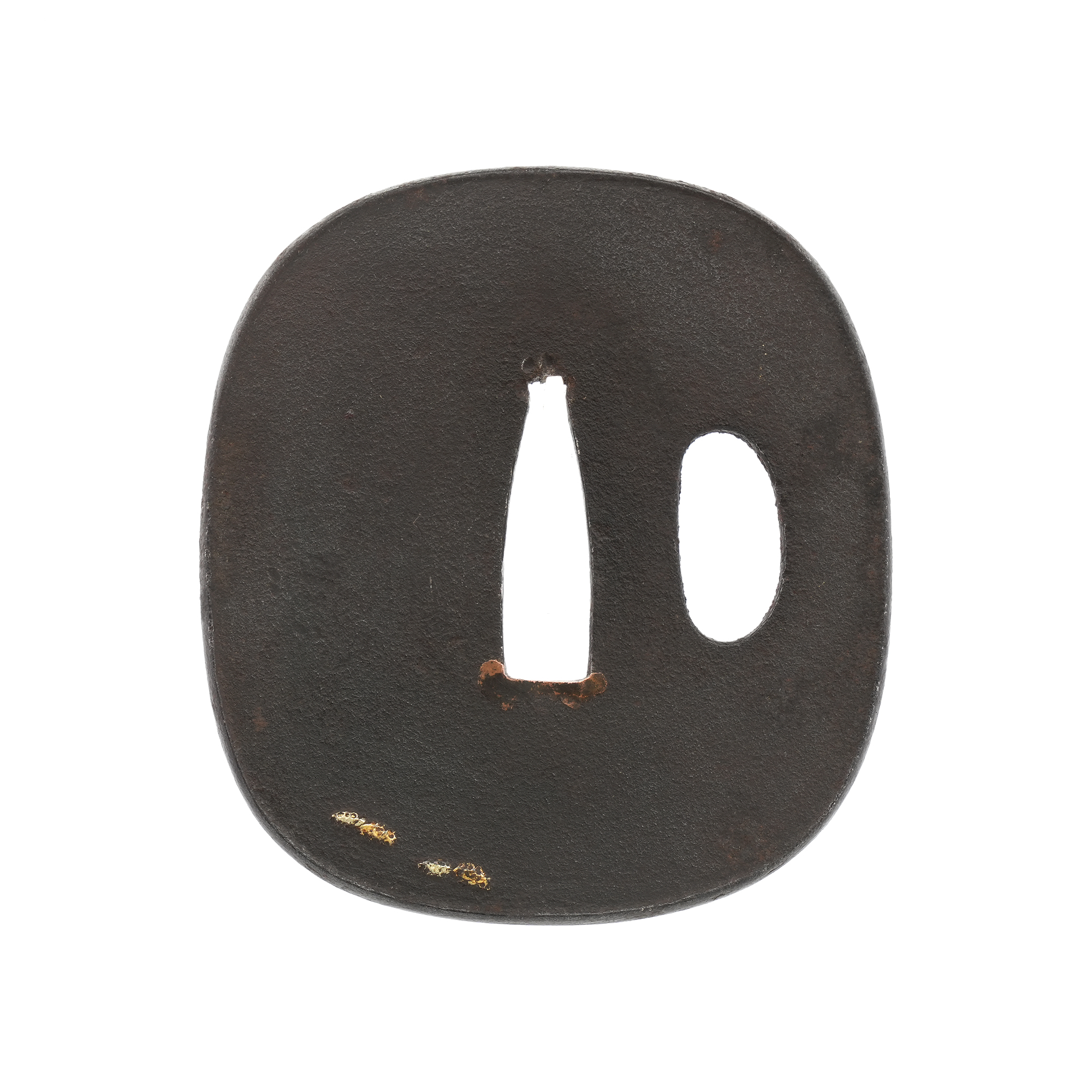
Unsigned
As written by the shop
Machine translation from the shop's Japanese · may contain errors ·
We could not find an authenticity certificate on the seller’s listing. Japanese swords and fittings are normally papered by the NBTHK (or the NTHK). Without one, the attribution is the seller’s own assessment and has not been independently verified — treat it with caution and ask the dealer about certification before buying.
As a rule we do not accept returns, except when we have sent a different item from the one ordered or when there is a significant discrepancy between the description and the item. If you wish to return an item, please contact us within 3 days of its arrival and then send it back.
¥132,000