Edo was the sword’s age of connoisseurship: the Hon’ami appraisers, the shogunal register of famous blades of 1719, and a thriving literature turned the sword into an object of study even as it ceased to be drawn in war.
 NihontoWatchNihontoWatch
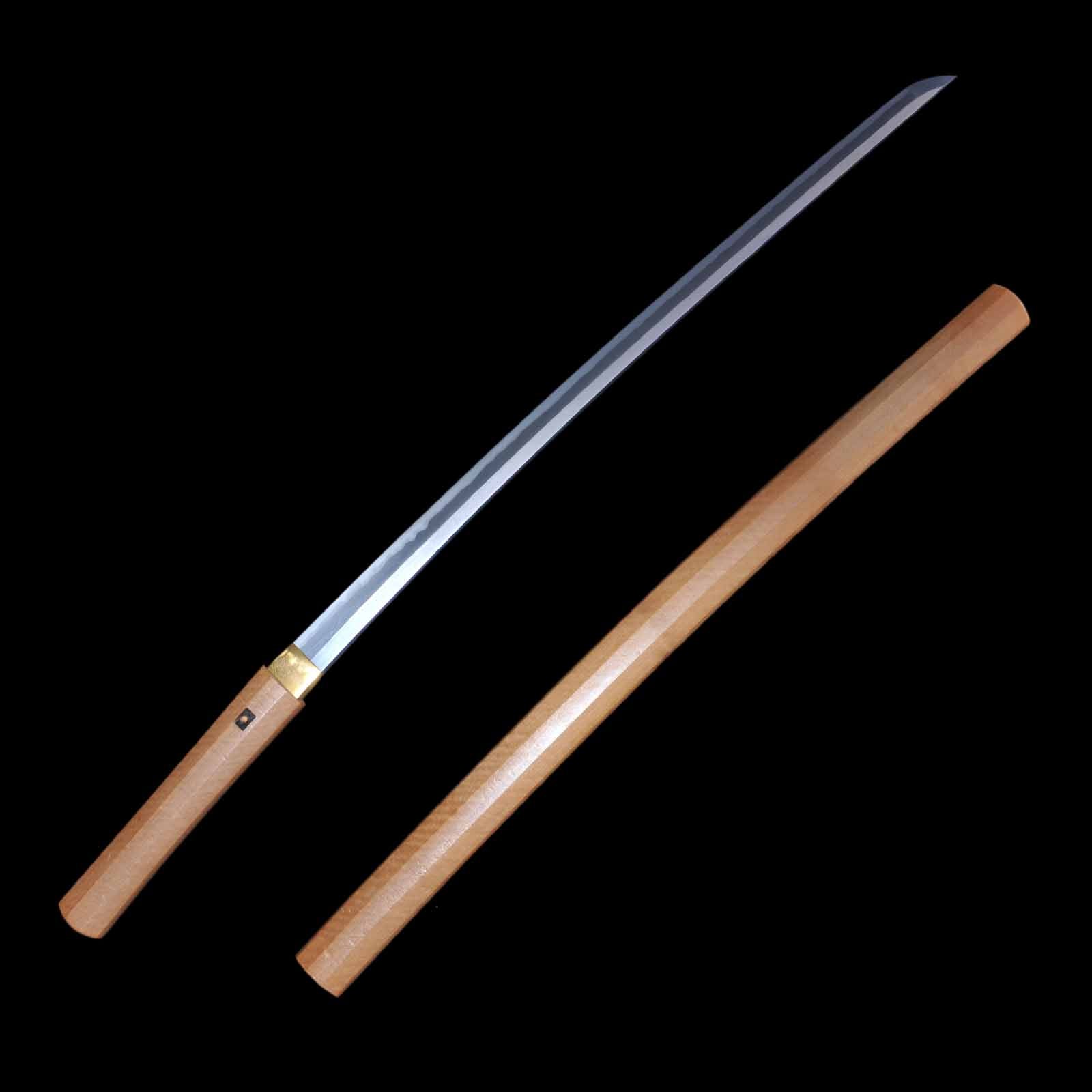
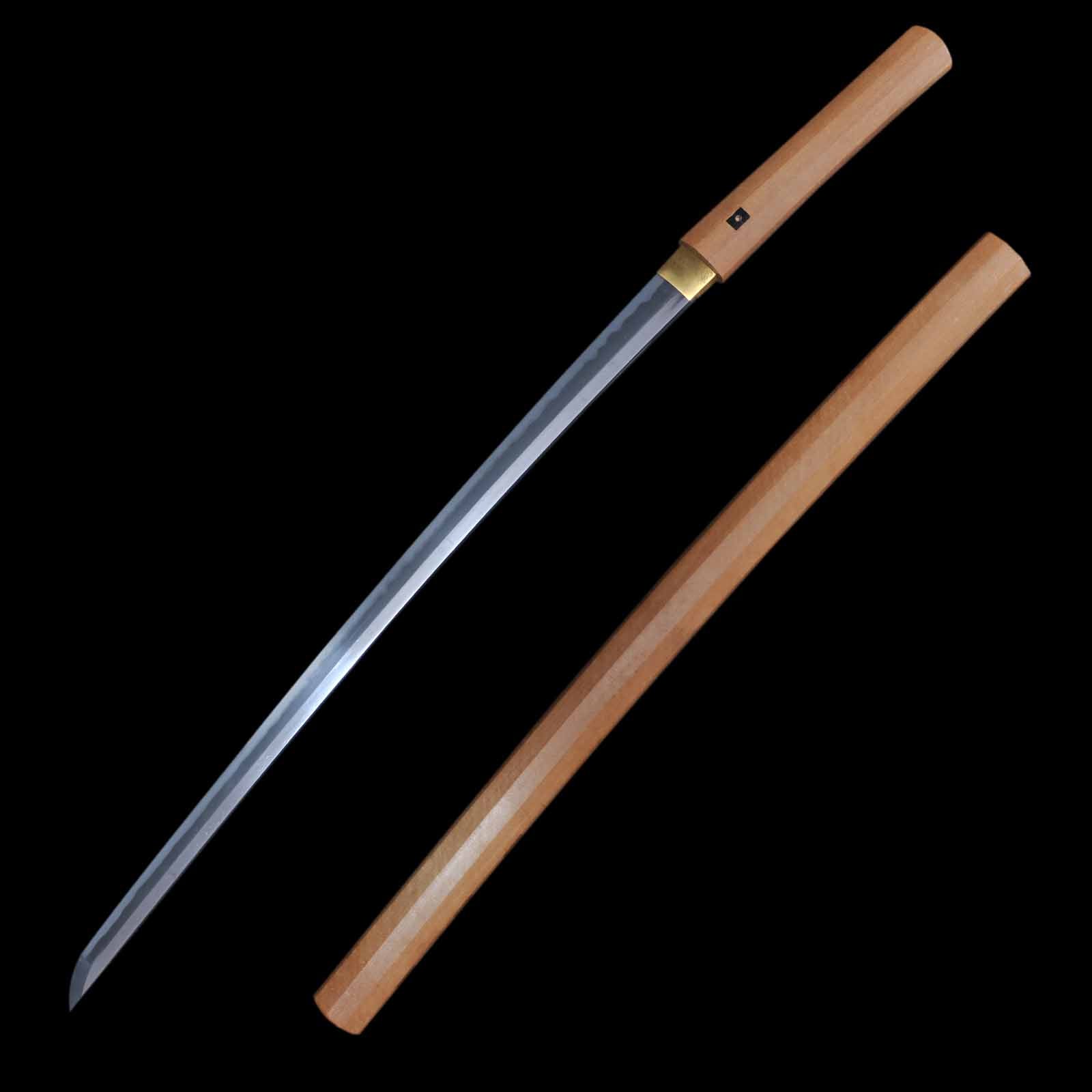
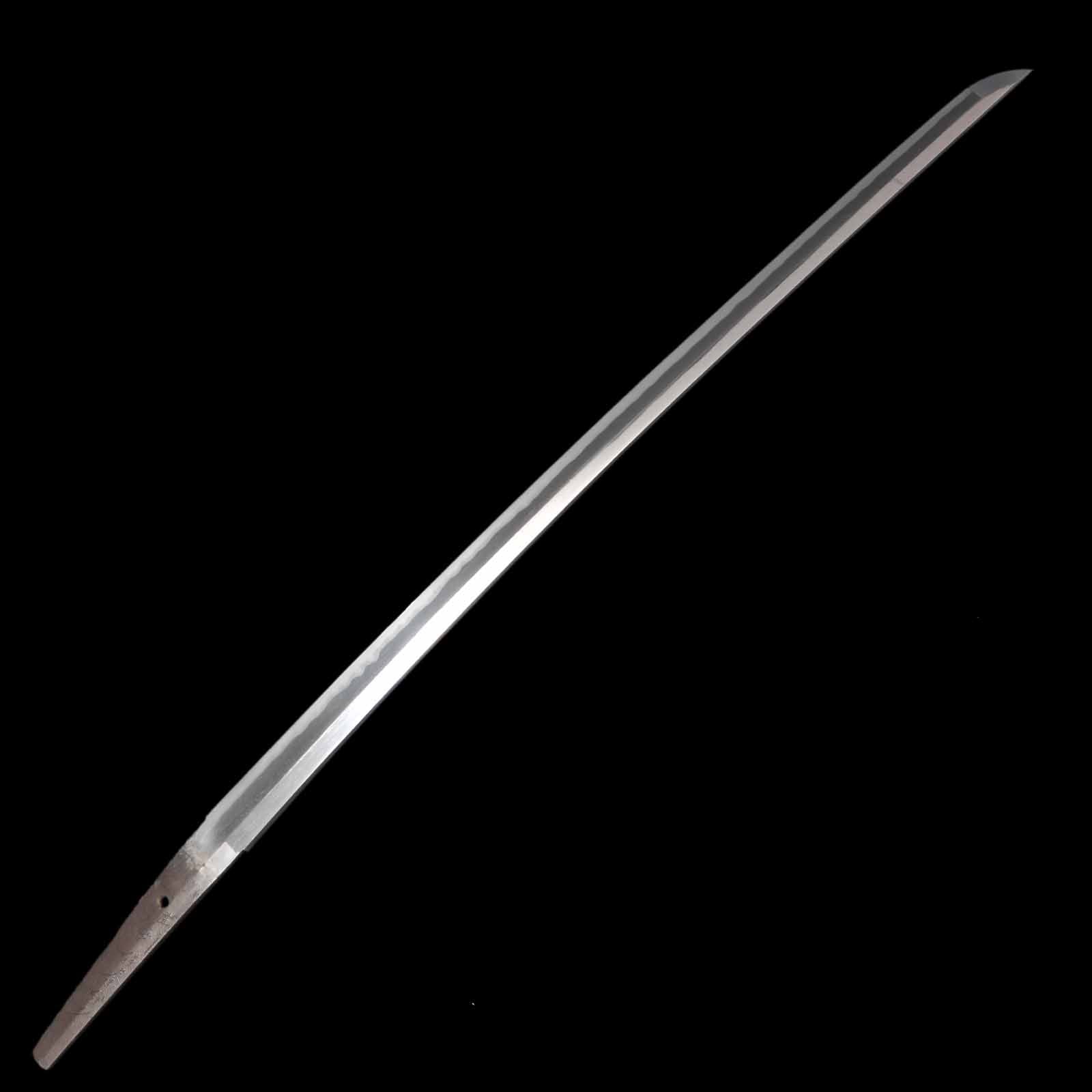
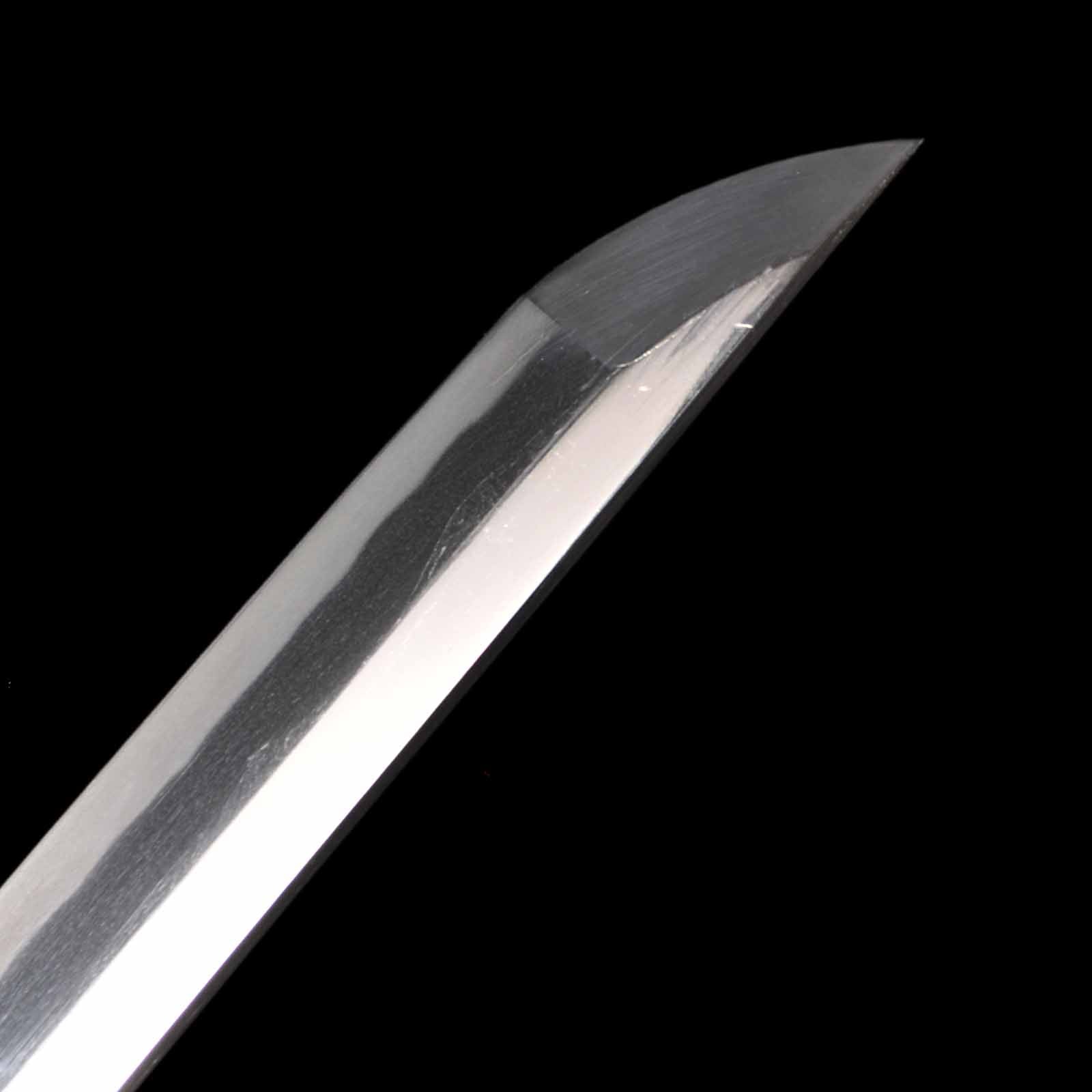
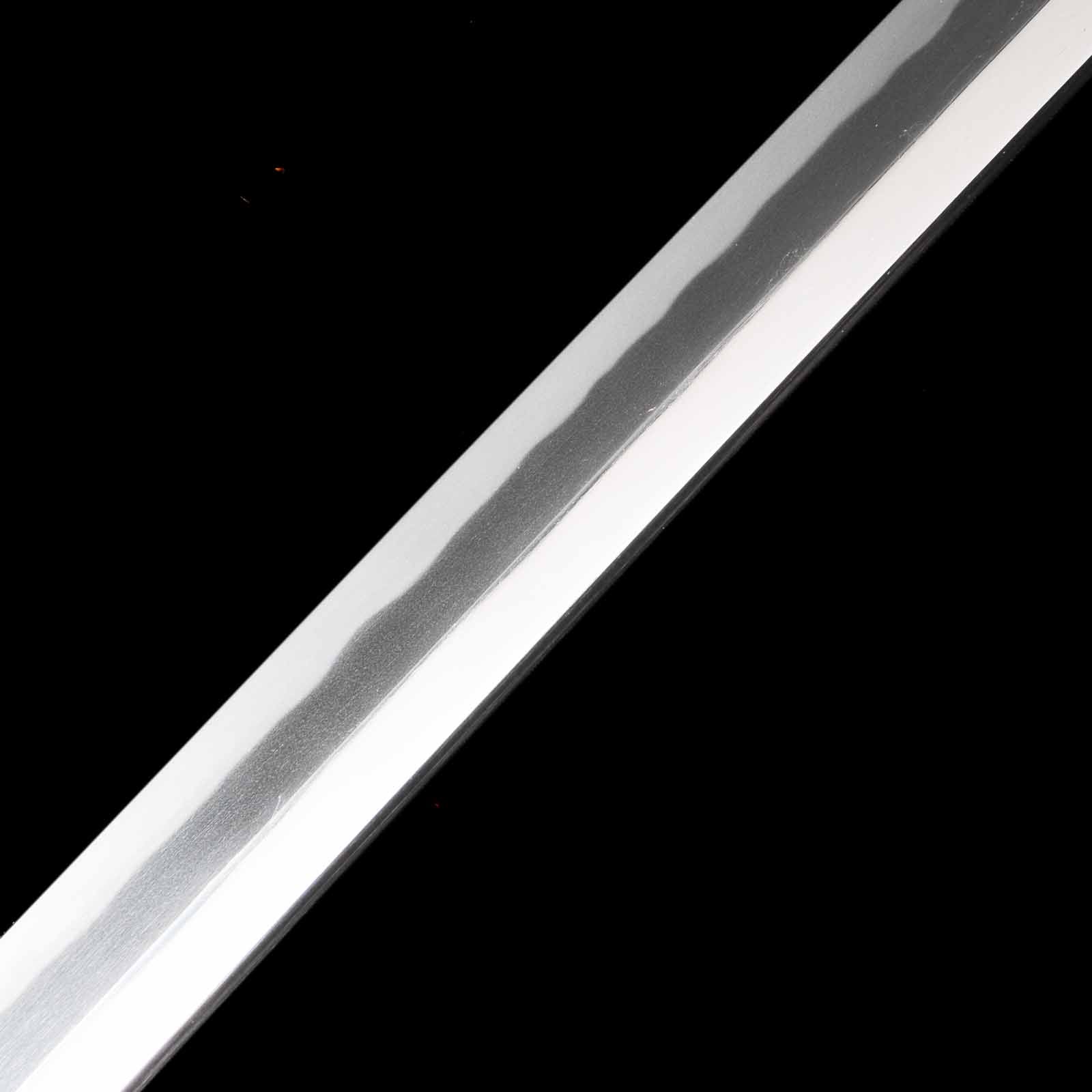
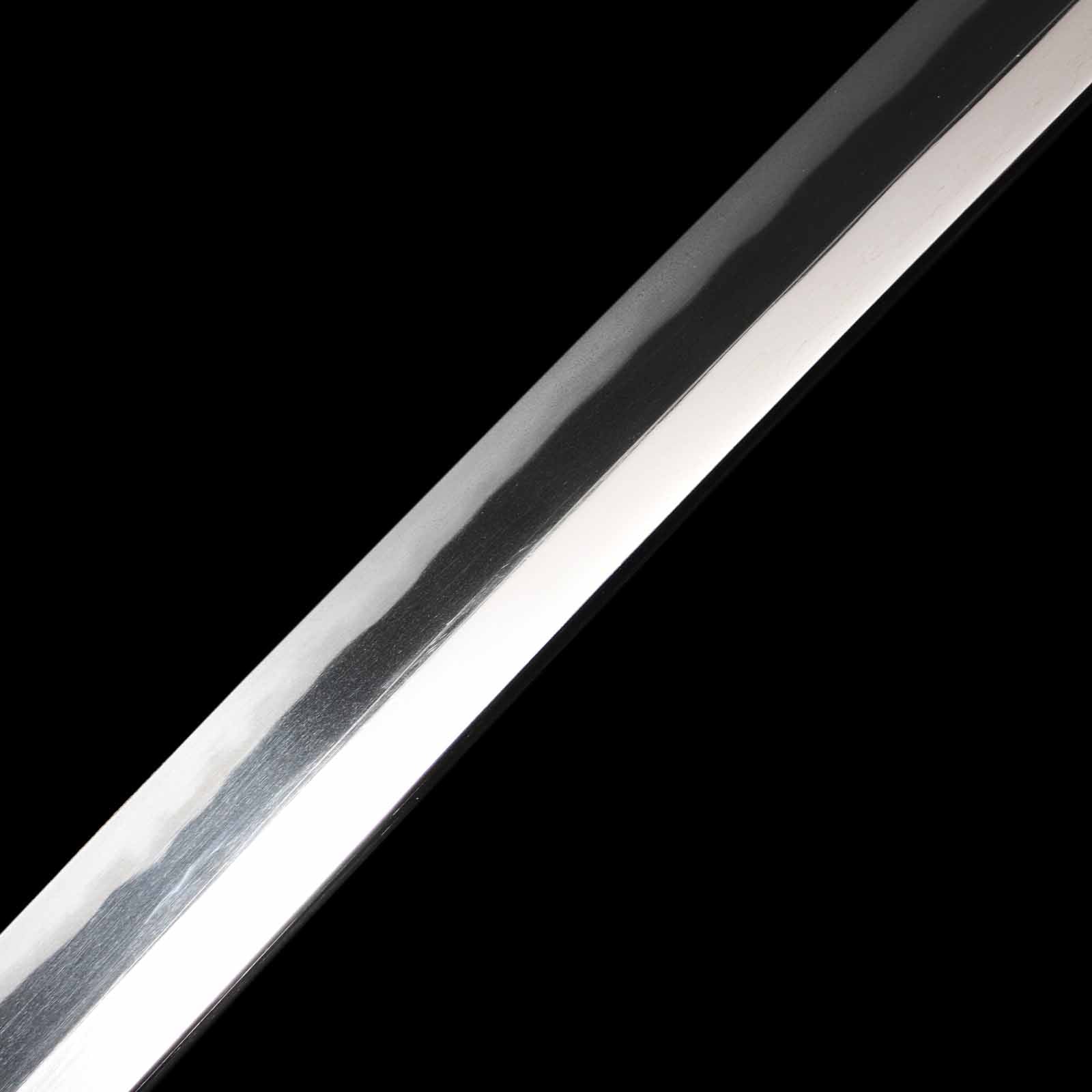
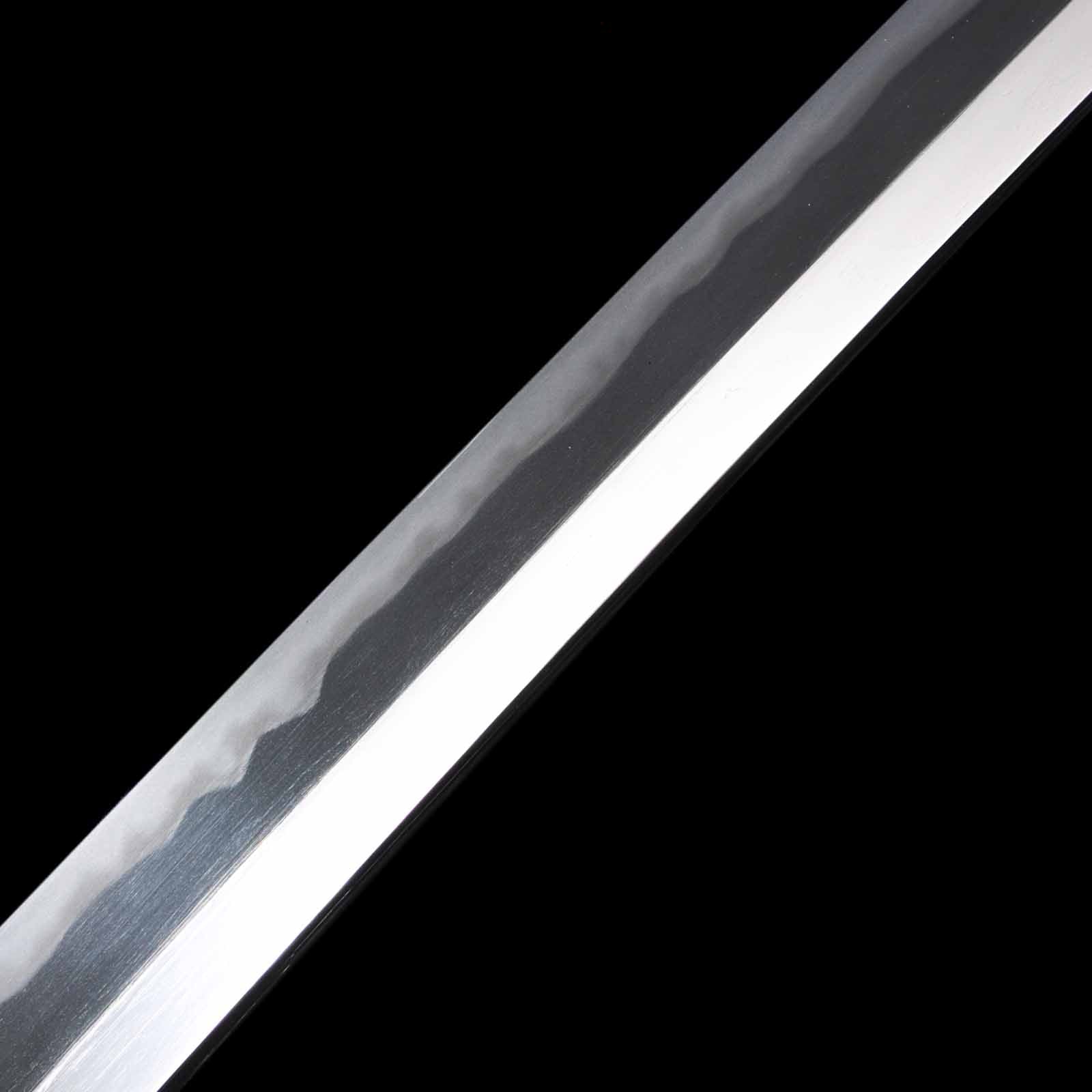
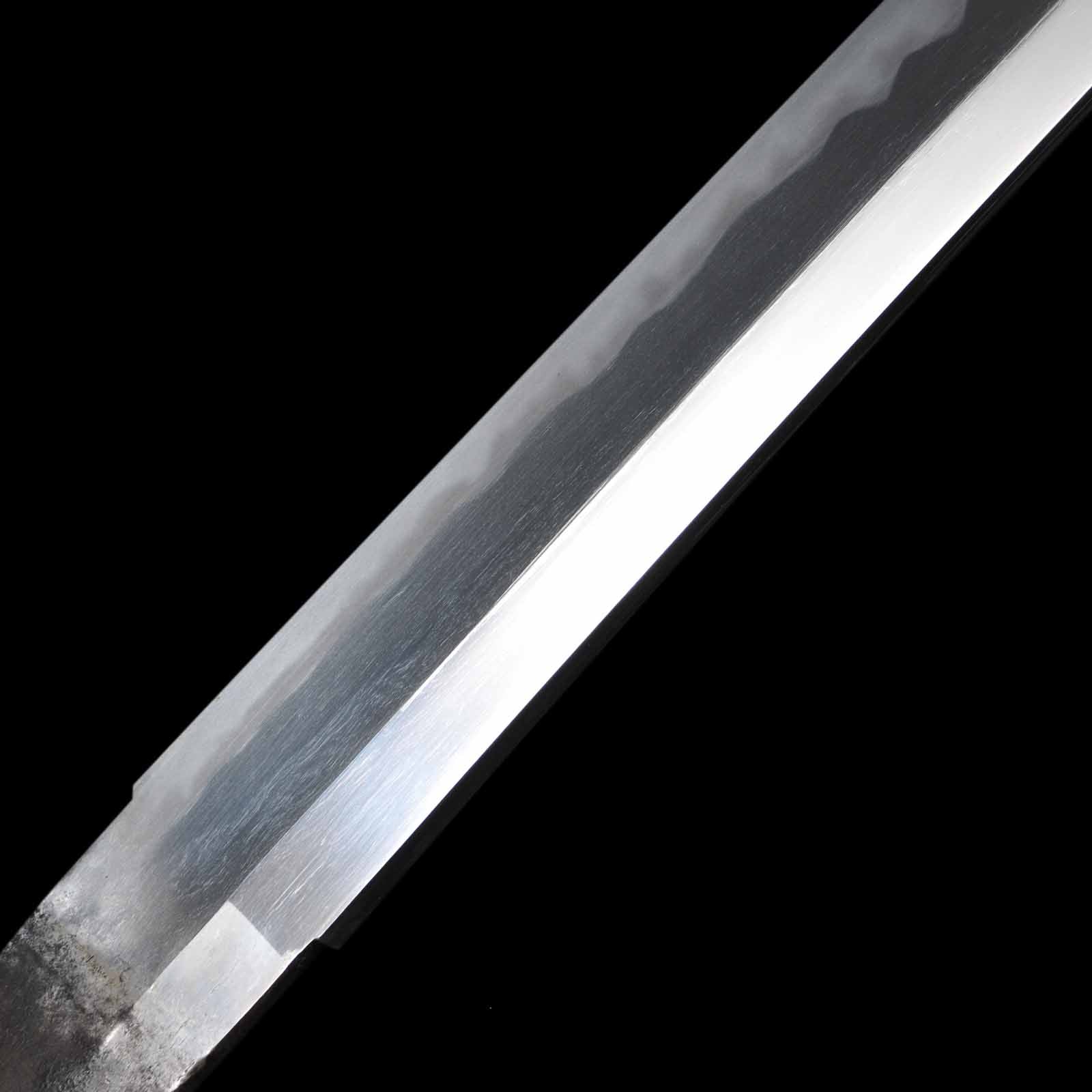
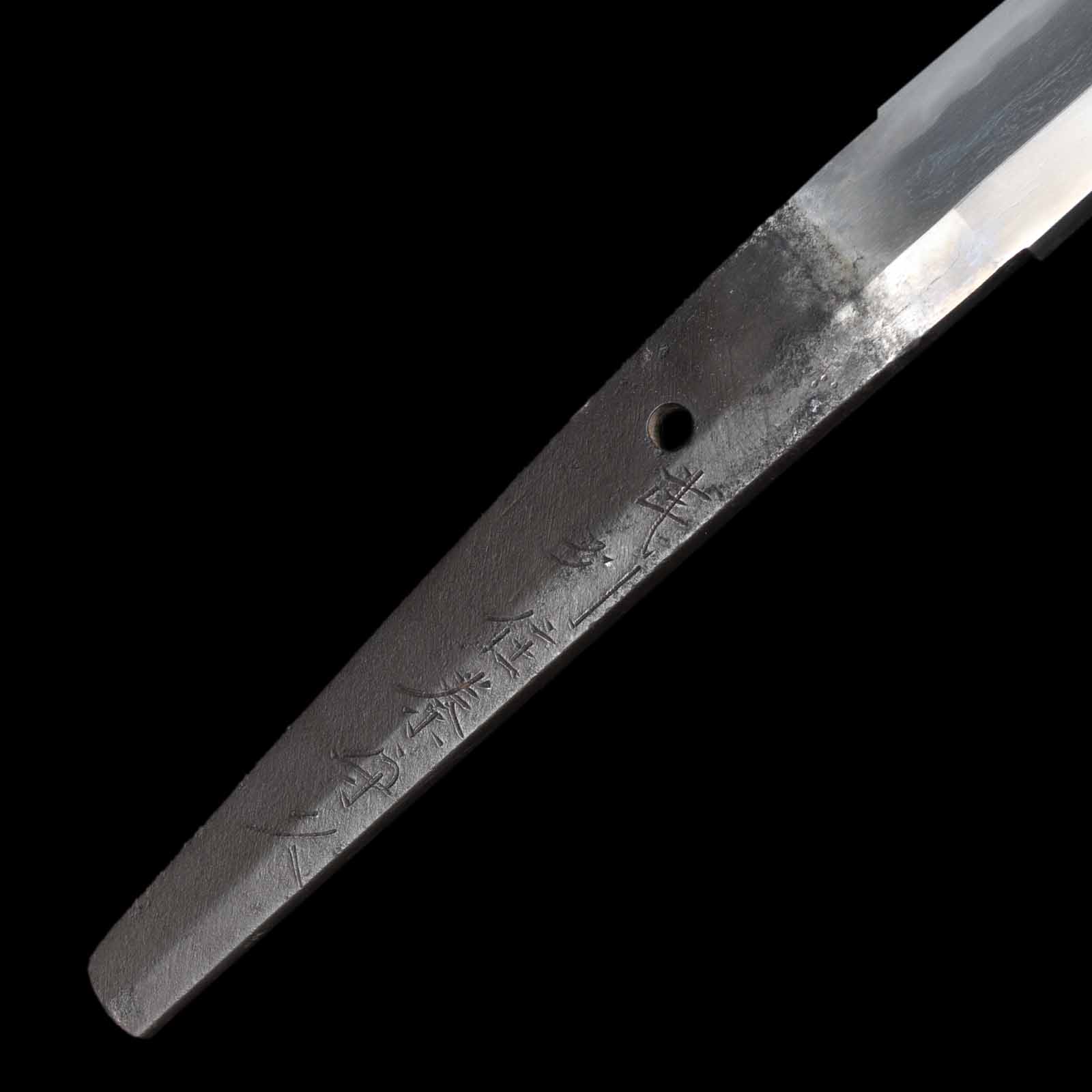
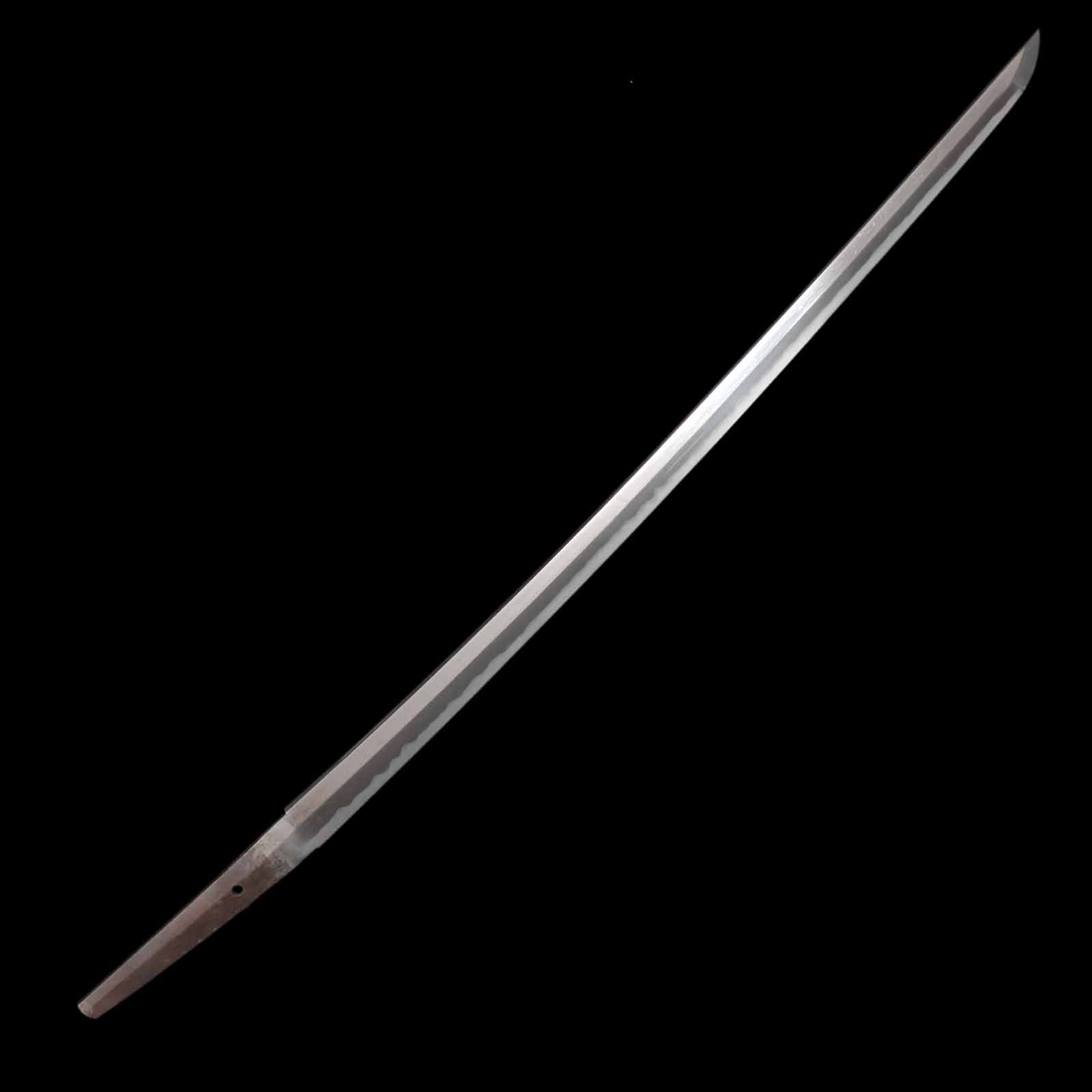
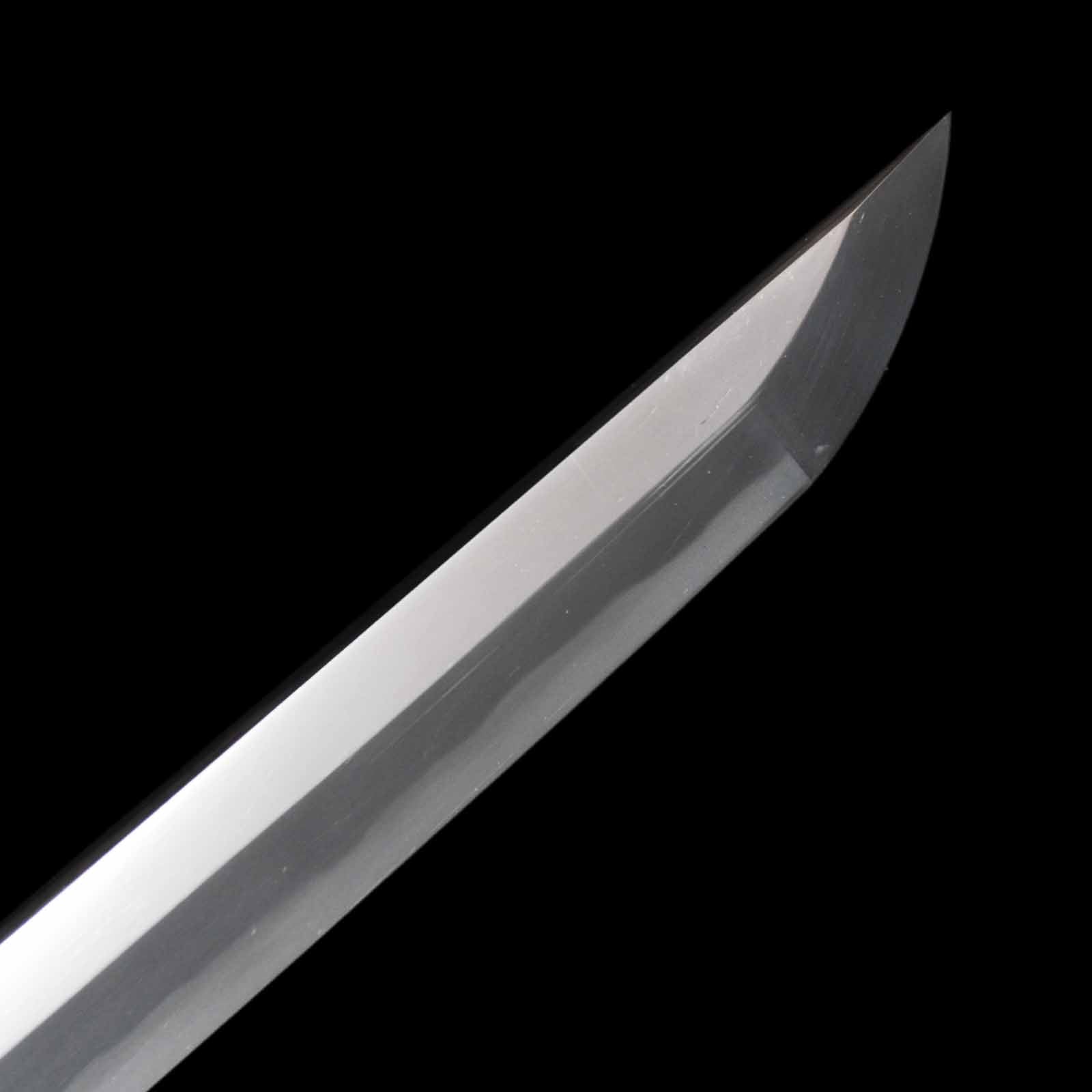
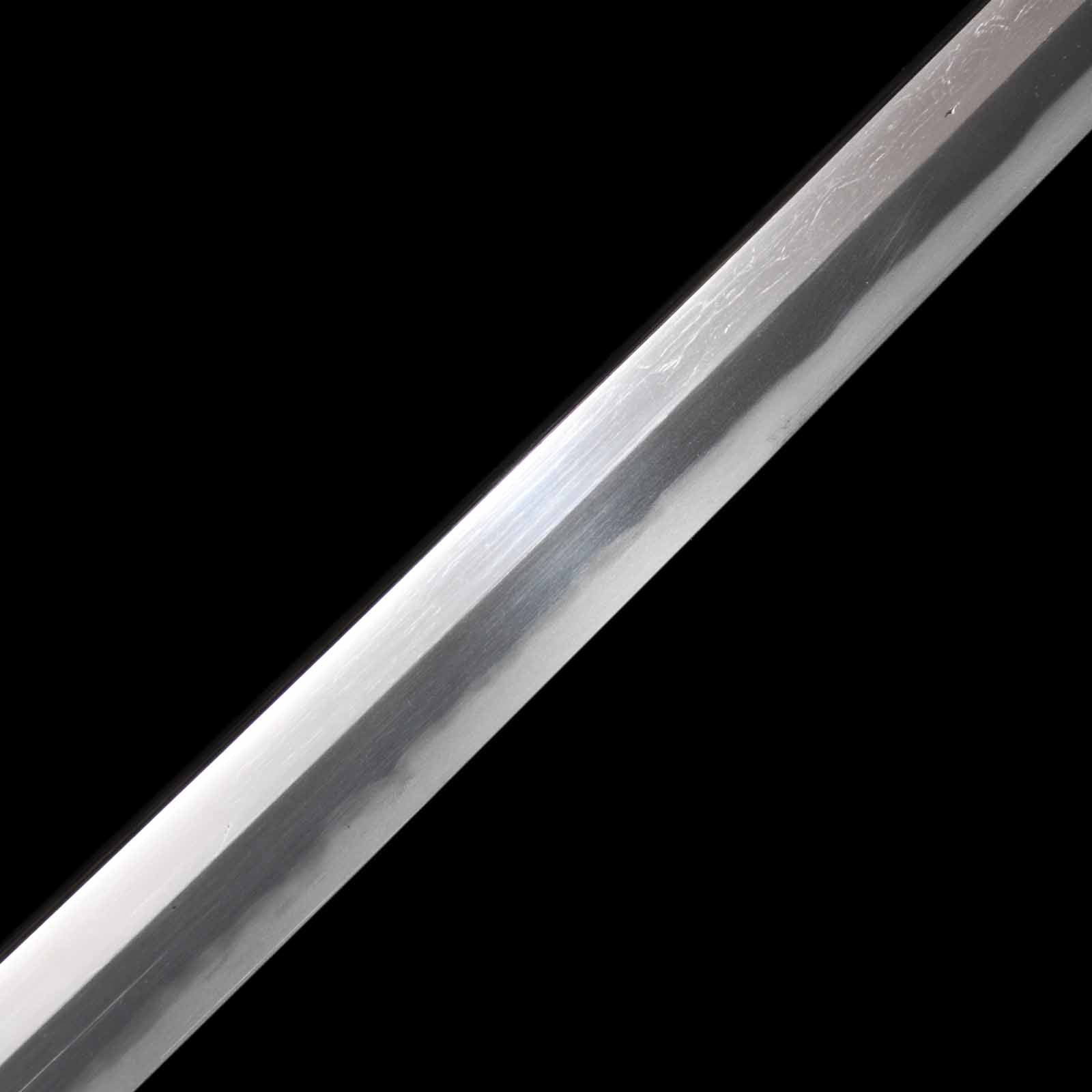
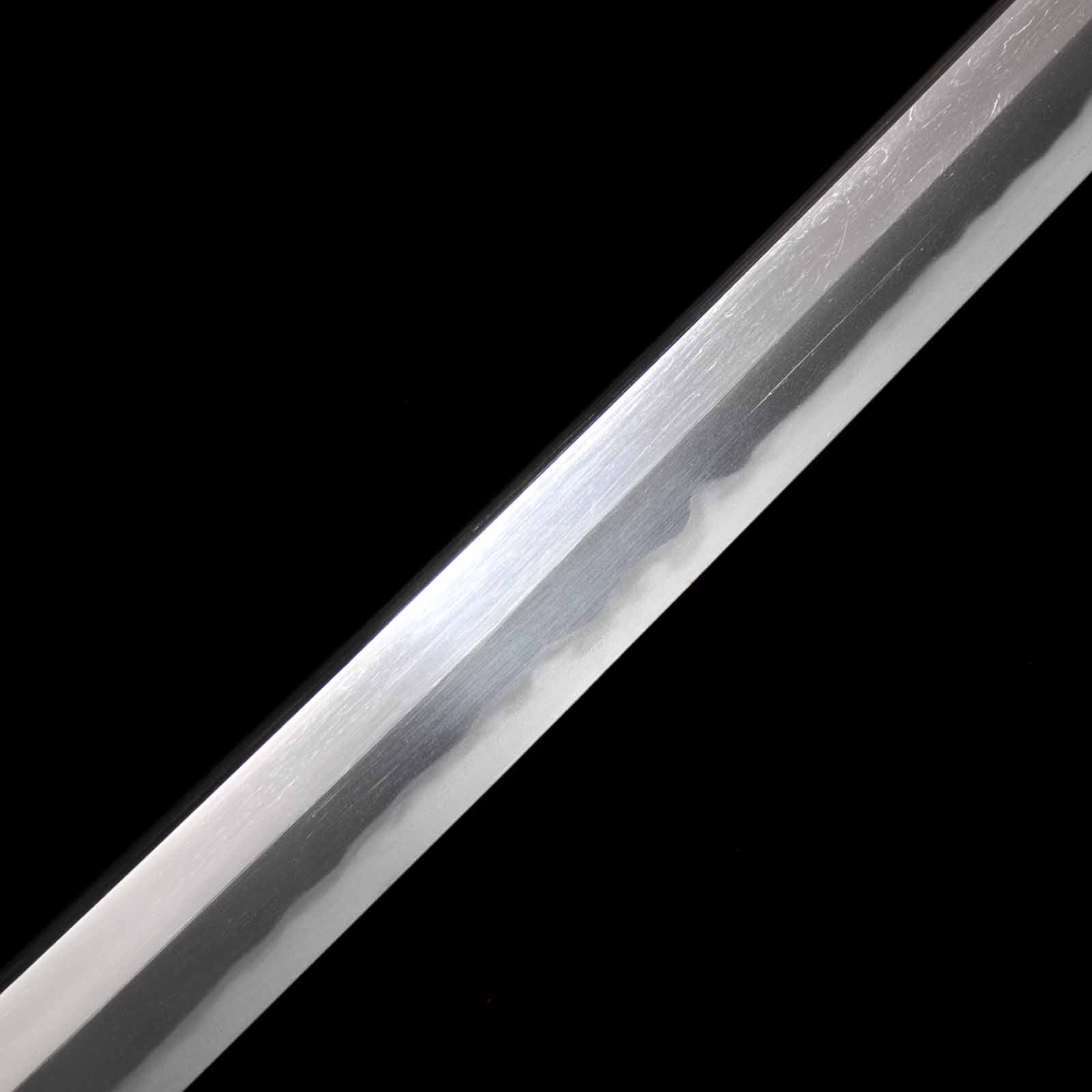
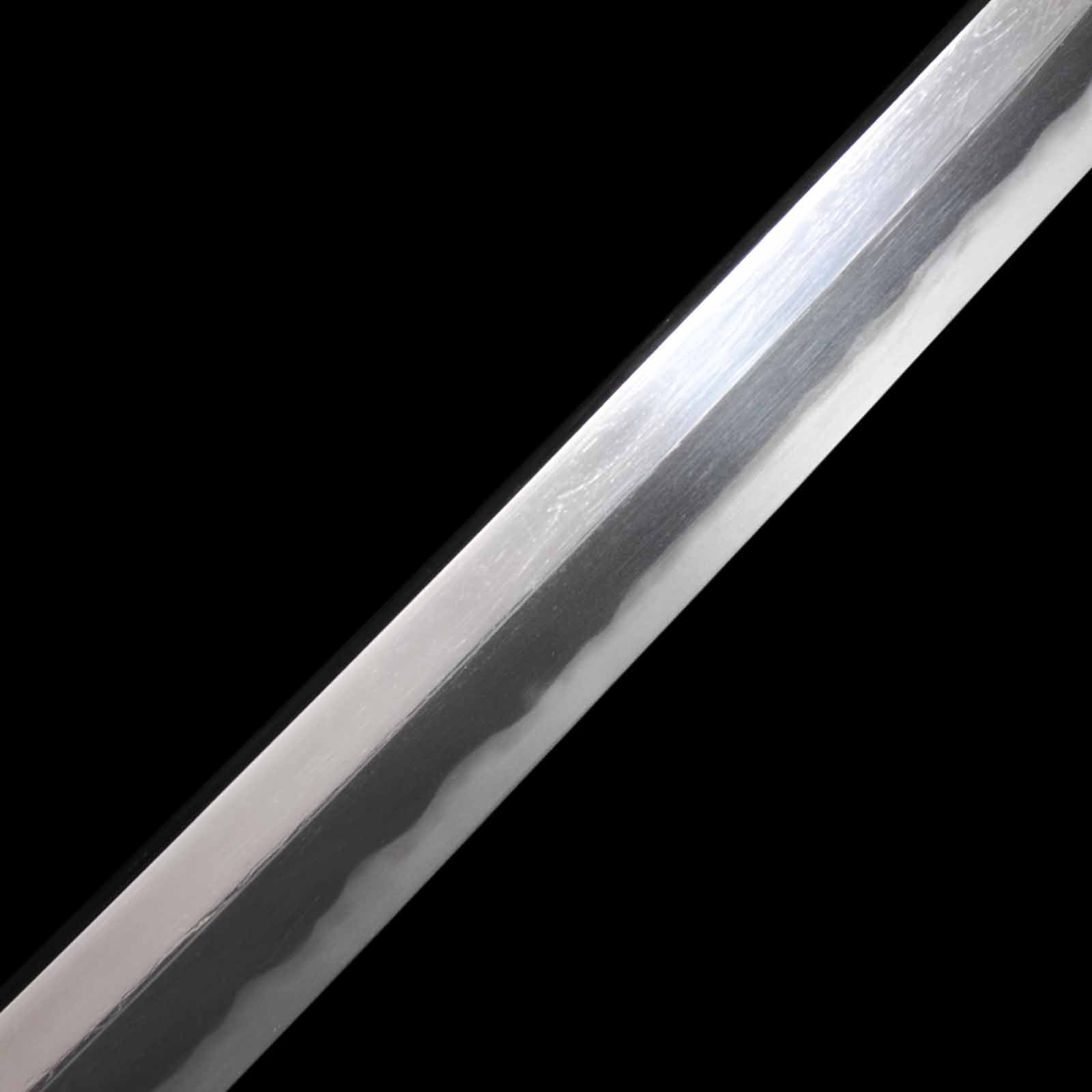
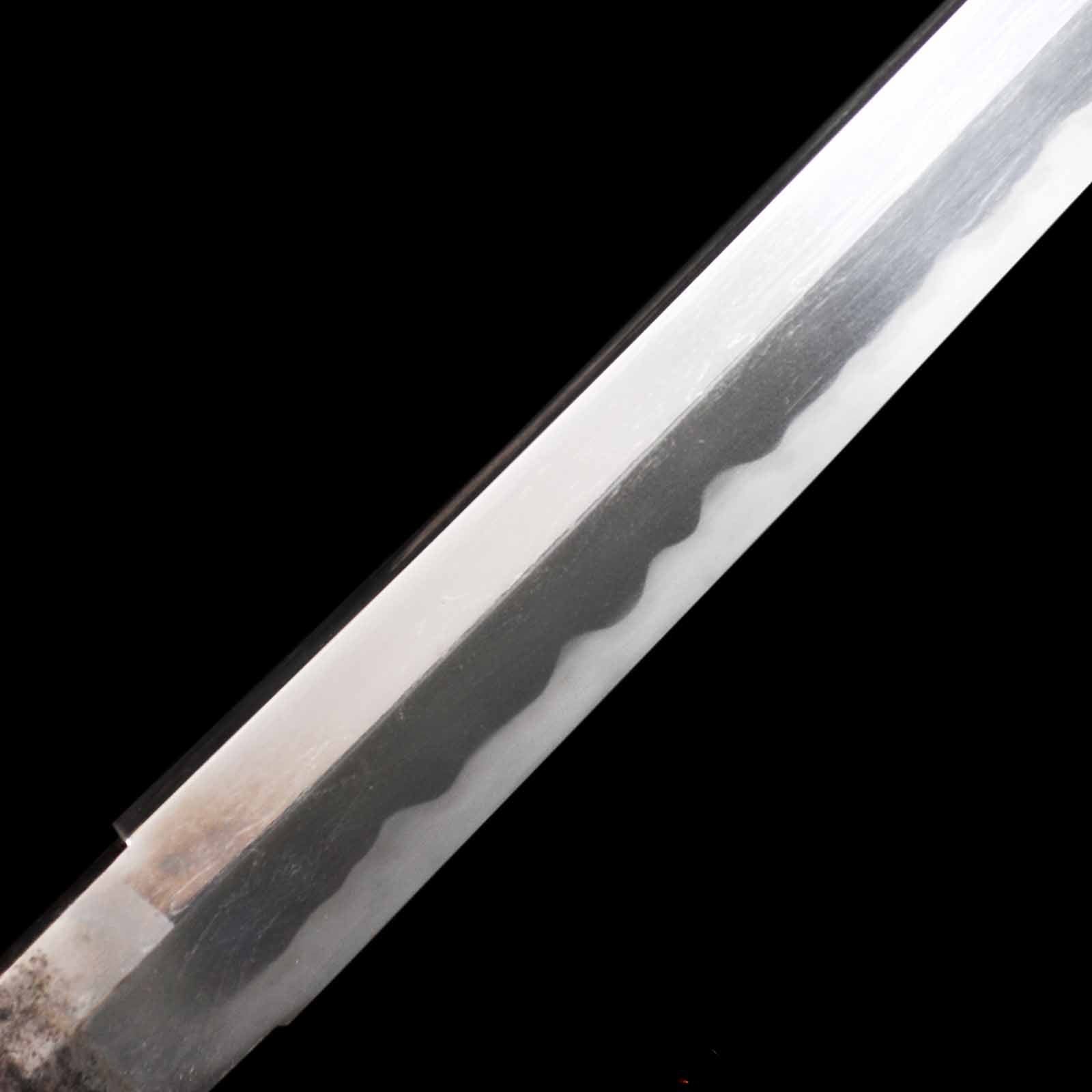
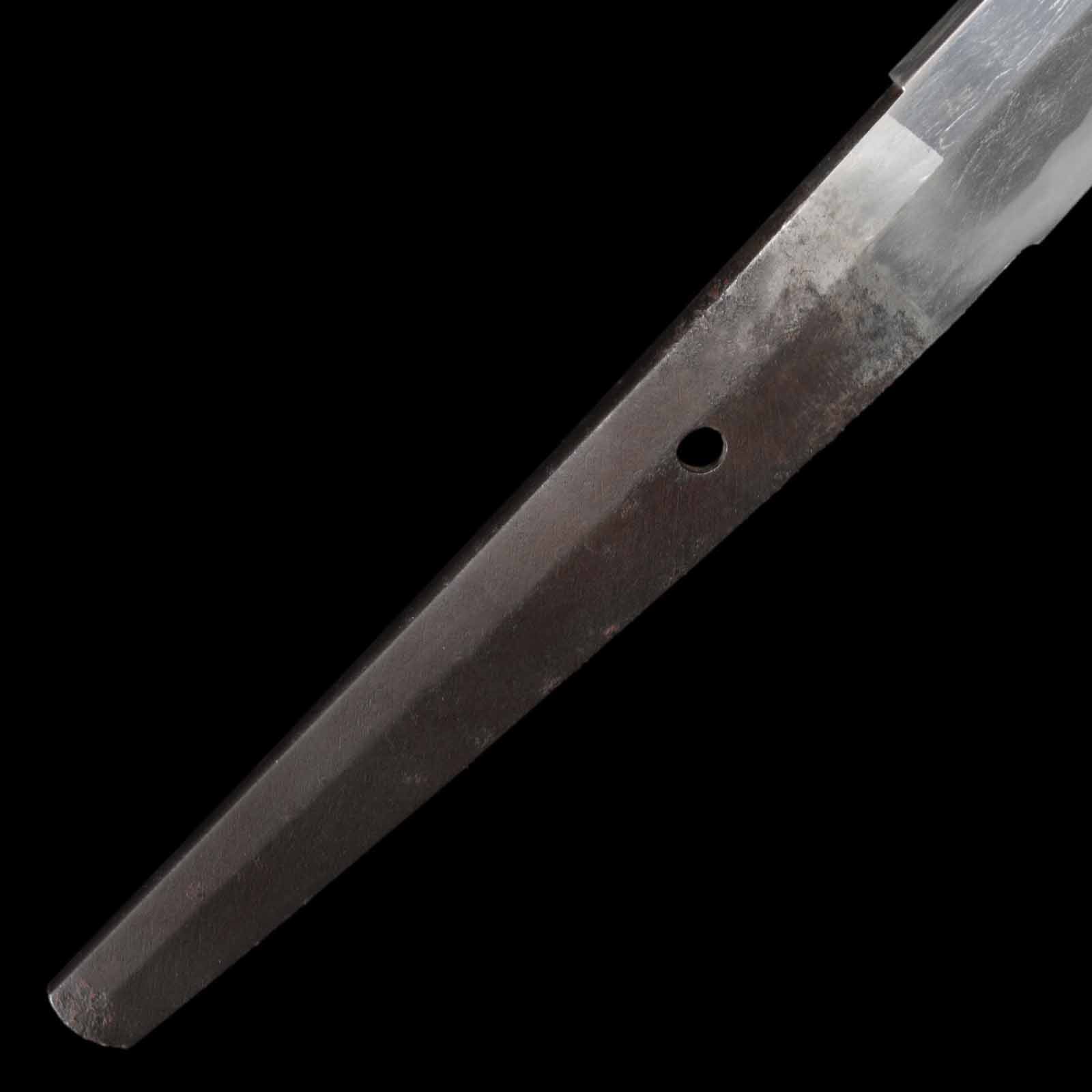
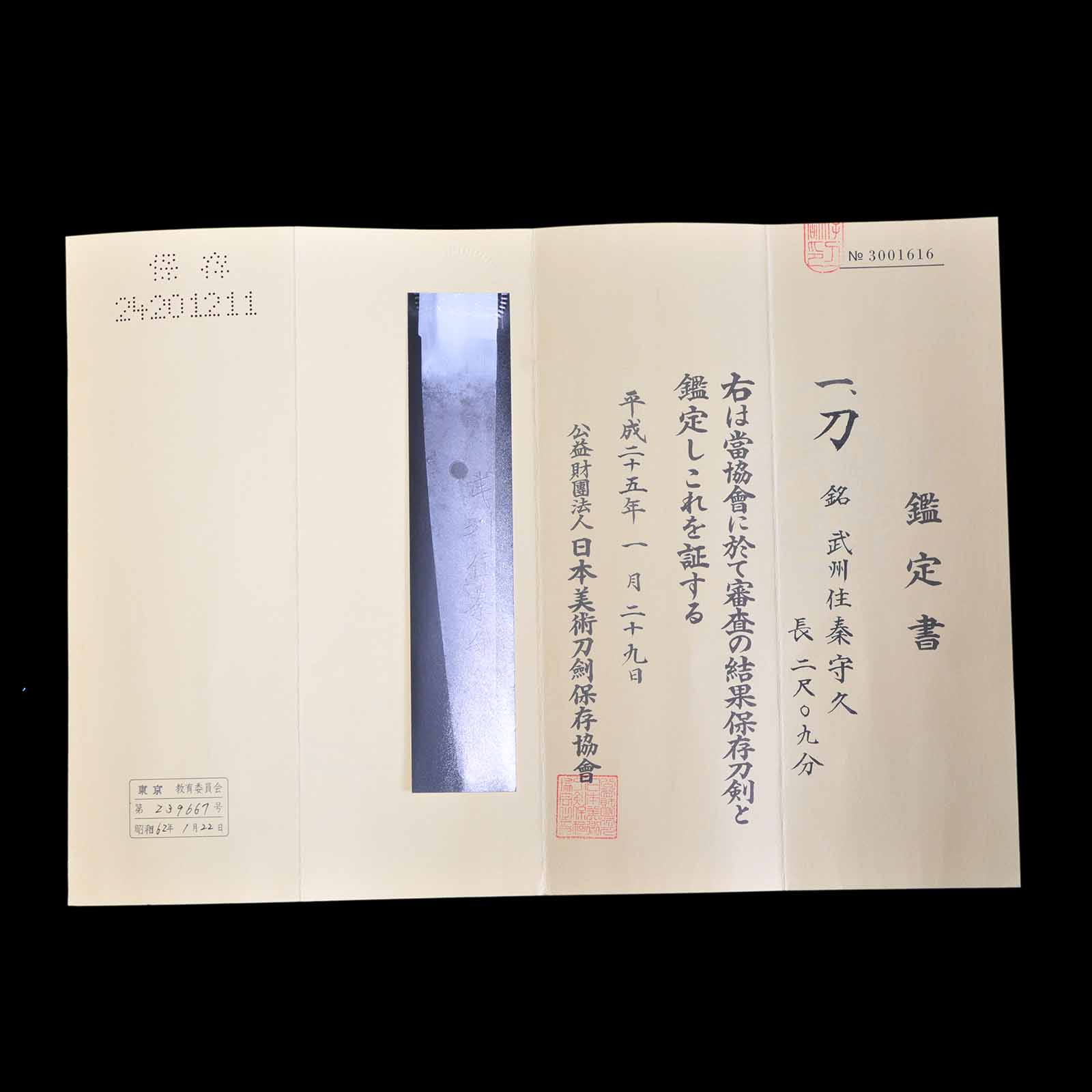
This katana was made by Hata Morihisa in the early Edo period. Morihisa is said to have been named Ishido Morihisa, and was originally from the Owari region (present-day western Aichi Prefecture). Hata Mitsuyo, the creator of the sword called " Ogre's knife," was his junior, and Morihisa was a swordsmith active in the same period as Kotetsu. The Ishido school is a school of swordsmiths that originated from Bizen-den in the late Muromachi period, and Morihisa became a leading swordsmith of the Edo Ishido school after moving to Edo (present-day Tokyo). He later joined the Buddhist school and changed his name to Toren. Because of his outstanding swordsmithing skills, it is said that his name was erased and replaced by the names of famous swordsmiths such as Sukesada in later times. This katana was made before he changed his name. The sword is in very good condition for its age, with no flaws, dents, or spills. The itame hada is packed and the niedeki gunome hamon is applied. The nagago on the front is inscribed "Hata Morihisa, a resident of Bushu". The Society for Preservation of Japanese Art Swords recognizes this work as an authentic piece by Morihisa and has issued a certificate of authenticity for the preserved sword as worthy of preservation for future generations. This is a valuable piece for its affordable price. Buy it now. Blade length: 63.5 cm Curvature: 1.07 cm Number of Mekugi hole: 1 Sakihaba: 19.4 mm Sakikasane: 4.4 mm Motohaba: 32.1 mm Motokasane: 6.9 mm Signature: Bushu ju Hata Morihisa(front) Era: Shinto Structure: Shinogi-zukuri, Iori-mune Jigane: Itame Hamon: Gunome Boshi: Midarete Haitte Omaru ni Kaeru Weight(Blade only): 640 g Nakago: Ubu Original Registration No.: Tokyo 239667 Please contact us if the katana you are looking for is not listed here.
NihontoWatchMorihisa守久
Offered by Tozando
This piece has sold
Get an email when a new Morihisa piece hits the market.
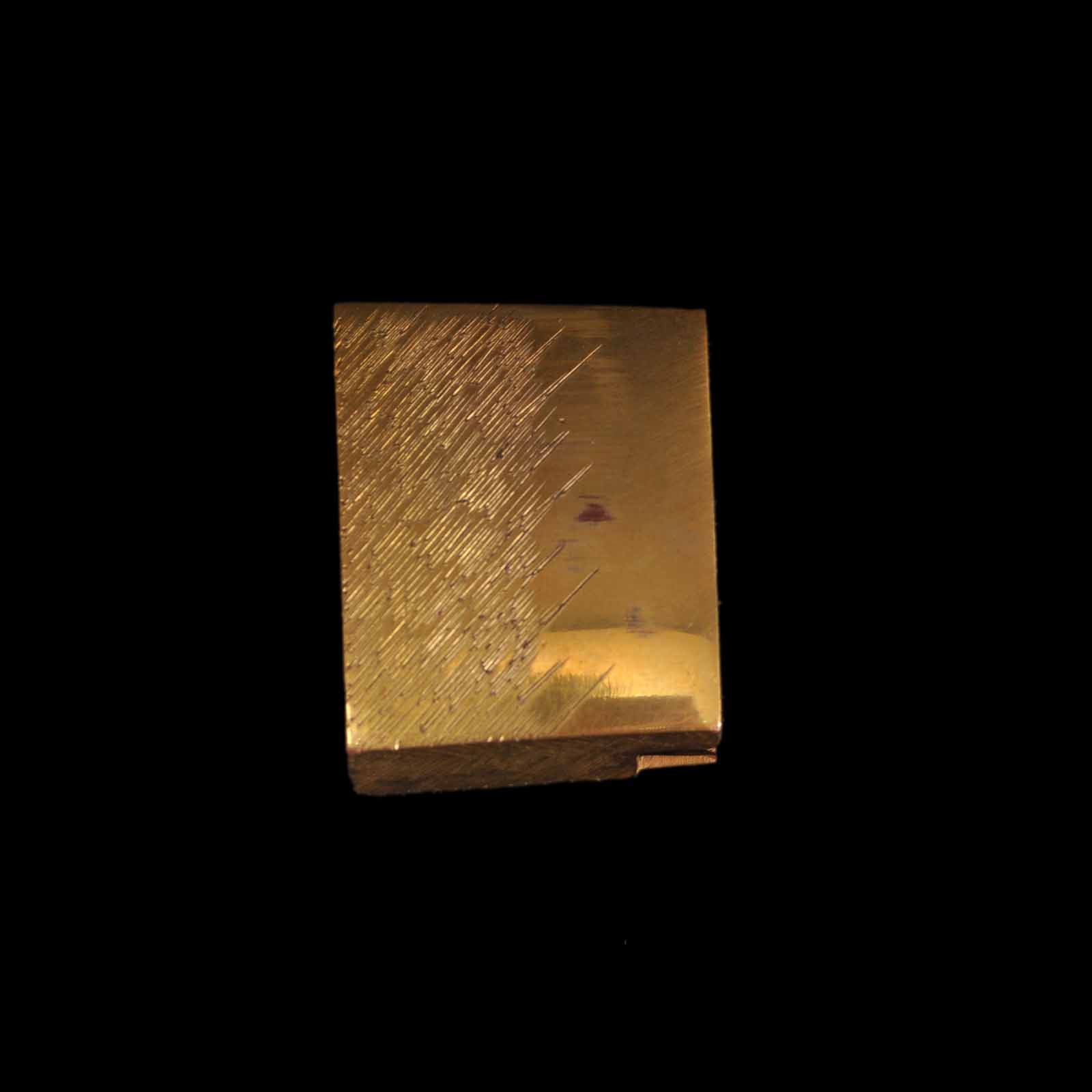
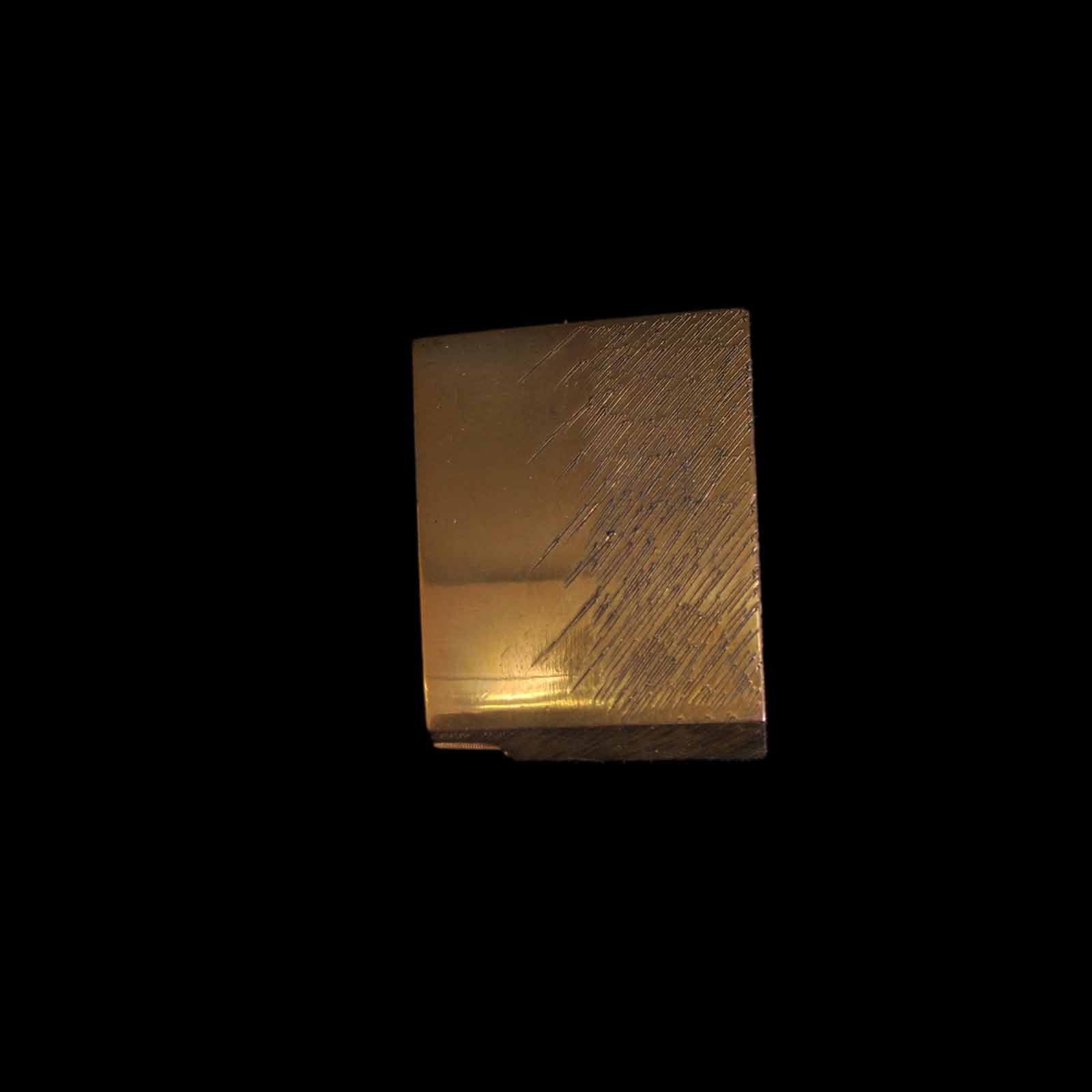
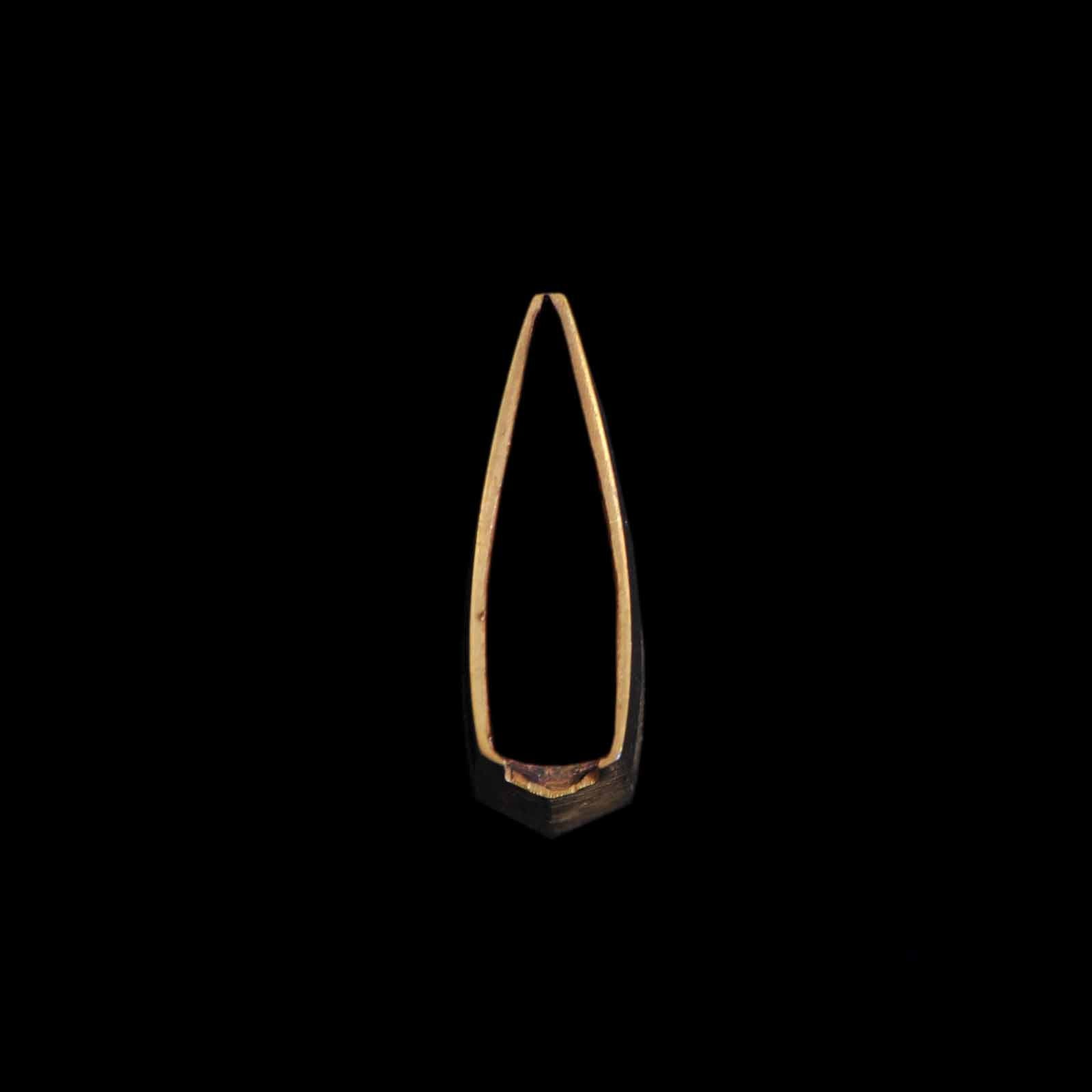
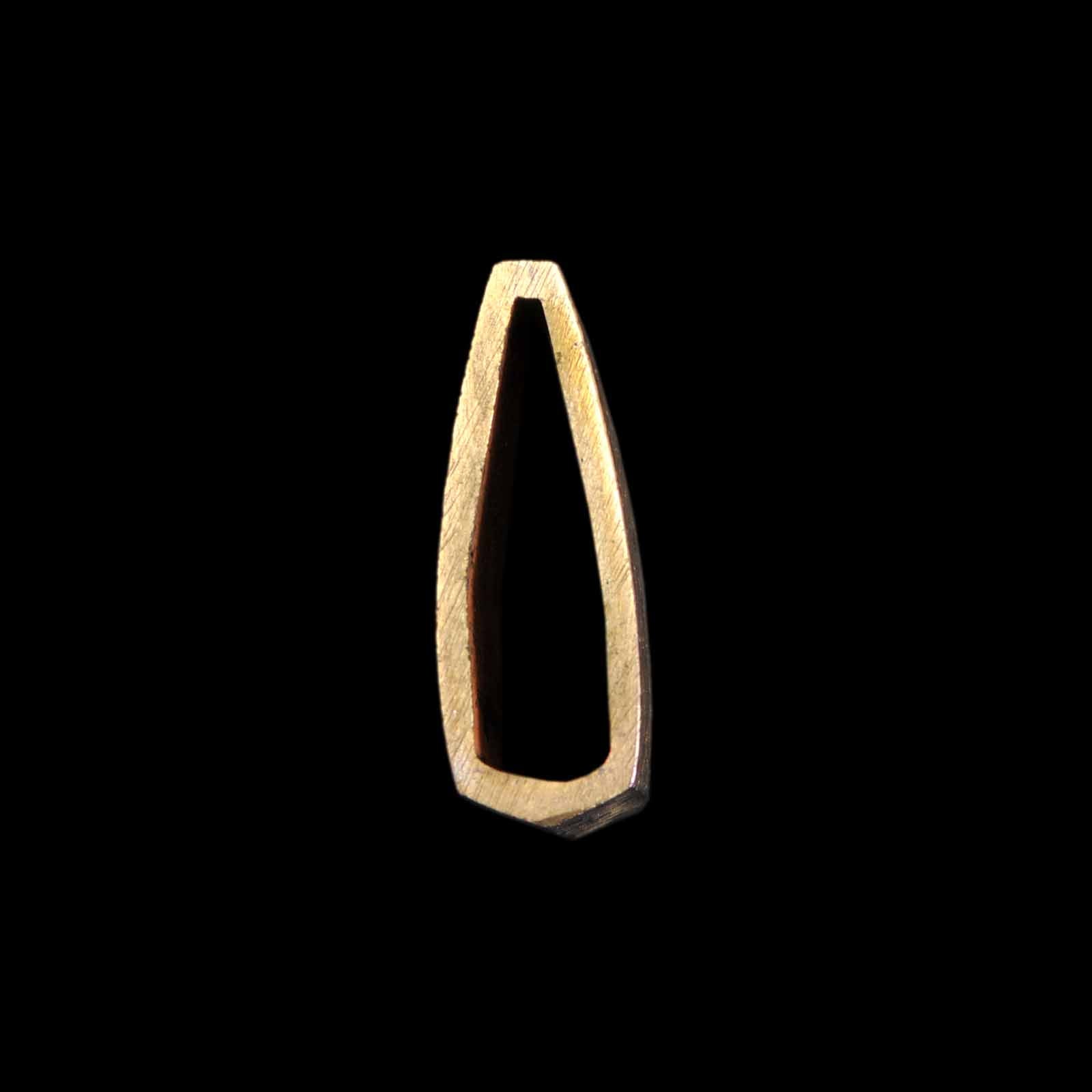
Musashi · around 1648-1652
Fujishiro Chu-jo saku · Tōken Taikan top 60%
The Edo period (1615 to 1868)
Edo was the sword’s age of connoisseurship: the Hon’ami appraisers, the shogunal register of famous blades of 1719, and a thriving literature turned the sword into an object of study even as it ceased to be drawn in war.
Certifies a genuine blade worth preserving: a signature confirmed correct, or, if unsigned, an era, province, and school that the NBTHK can reliably identify.
The NBTHK (Nihon Bijutsu Tōken Hozon Kyōkai, the Society for the Preservation of Japanese Art Swords) is a public-interest incorporated foundation founded in 1948 and supervised by Japan’s Agency for Cultural Affairs (Bunkachō); it is based at the Japanese Sword Museum in Tokyo. Its expert panels physically examine each submitted work (shinsa) and issue a certificate (kanteishō) ranking it by artistic and historical merit. NBTHK papers are the most widely recognized standard of authentication for Japanese swords and fittings.
NBTHK official siteAs a general rule, returns/exchanges are not accepted on Japanese sword orders unless damaged upon delivery. Other items: returns/exchanges accepted within 7 days of delivery. Cancellation for personal reasons incurs a 30% restocking fee (70% refunded). Return shipping must be prepaid and insured by the buyer; shipping/handling fees are non-refundable. Contact katana@tozando.co.jp to initiate a return.