Edo was the sword’s age of connoisseurship: the Hon’ami appraisers, the shogunal register of famous blades of 1719, and a thriving literature turned the sword into an object of study even as it ceased to be drawn in war.
 NihontoWatchNihontoWatch
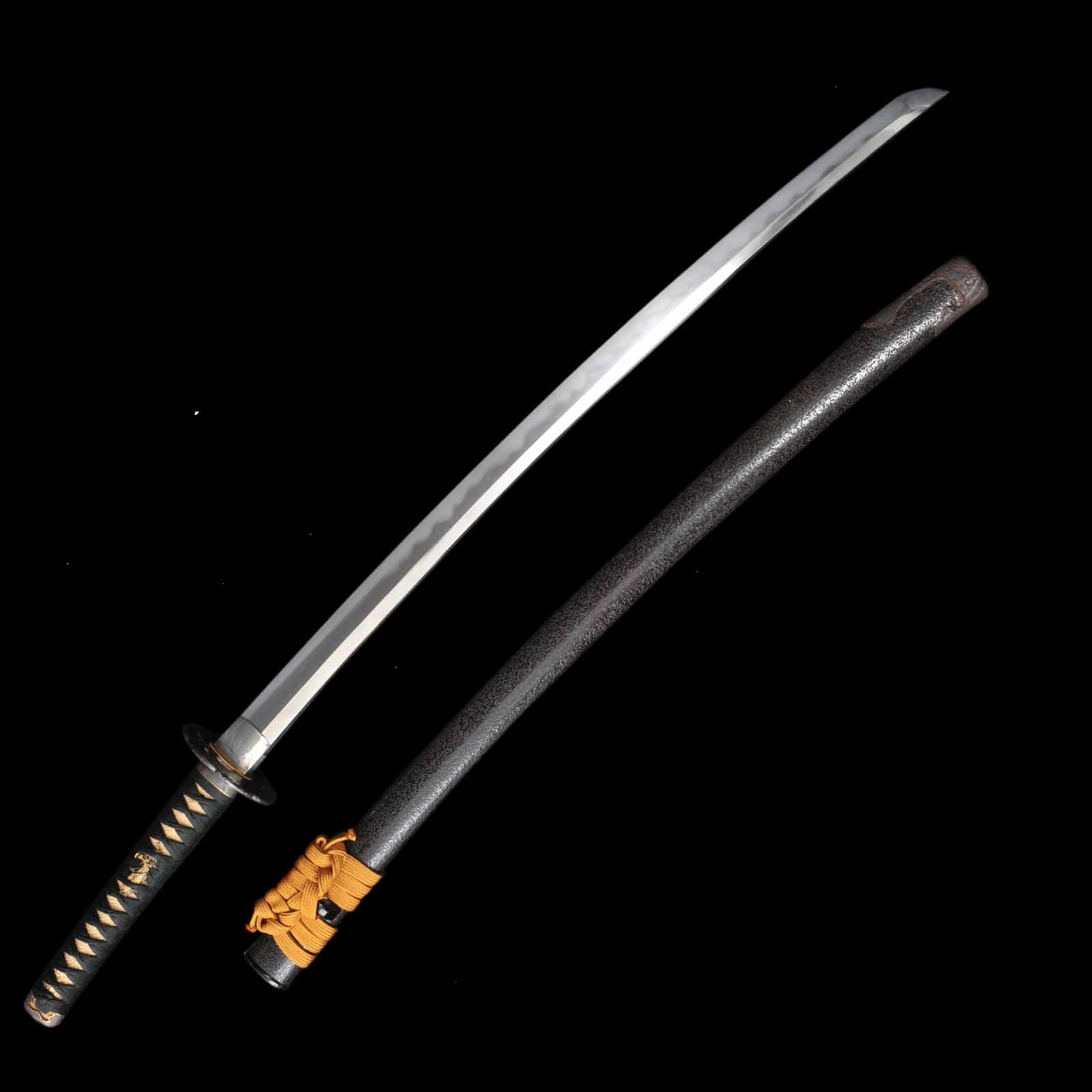
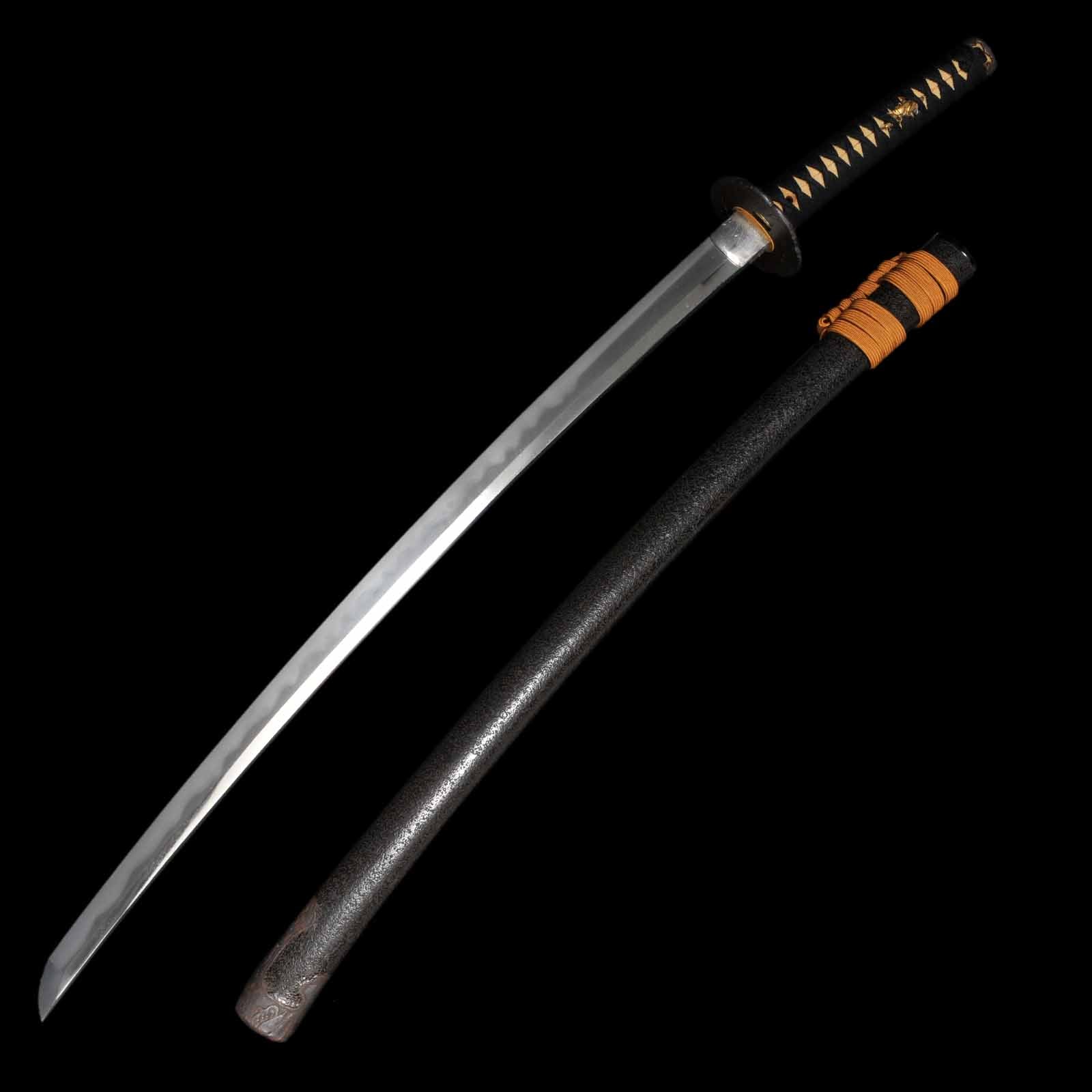
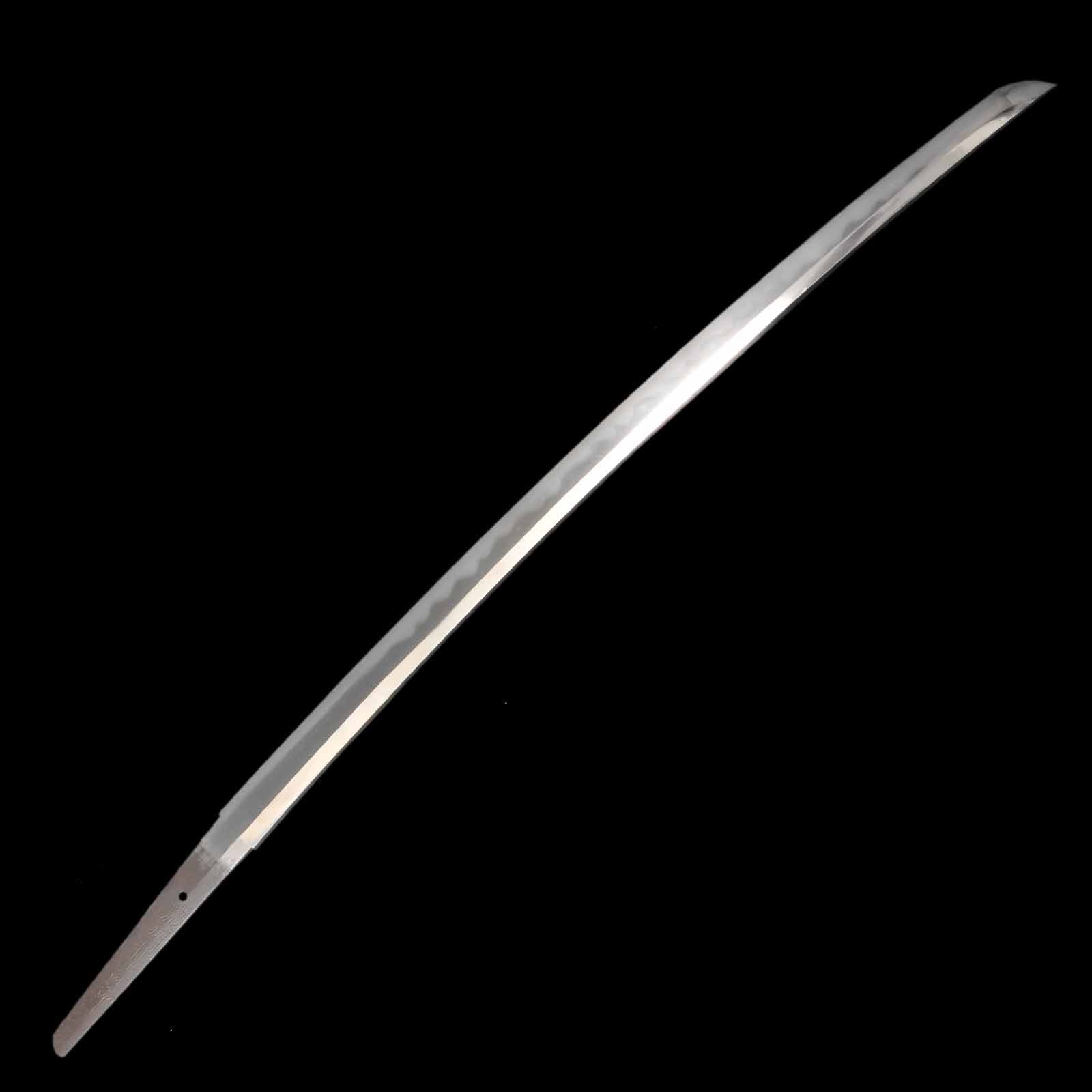
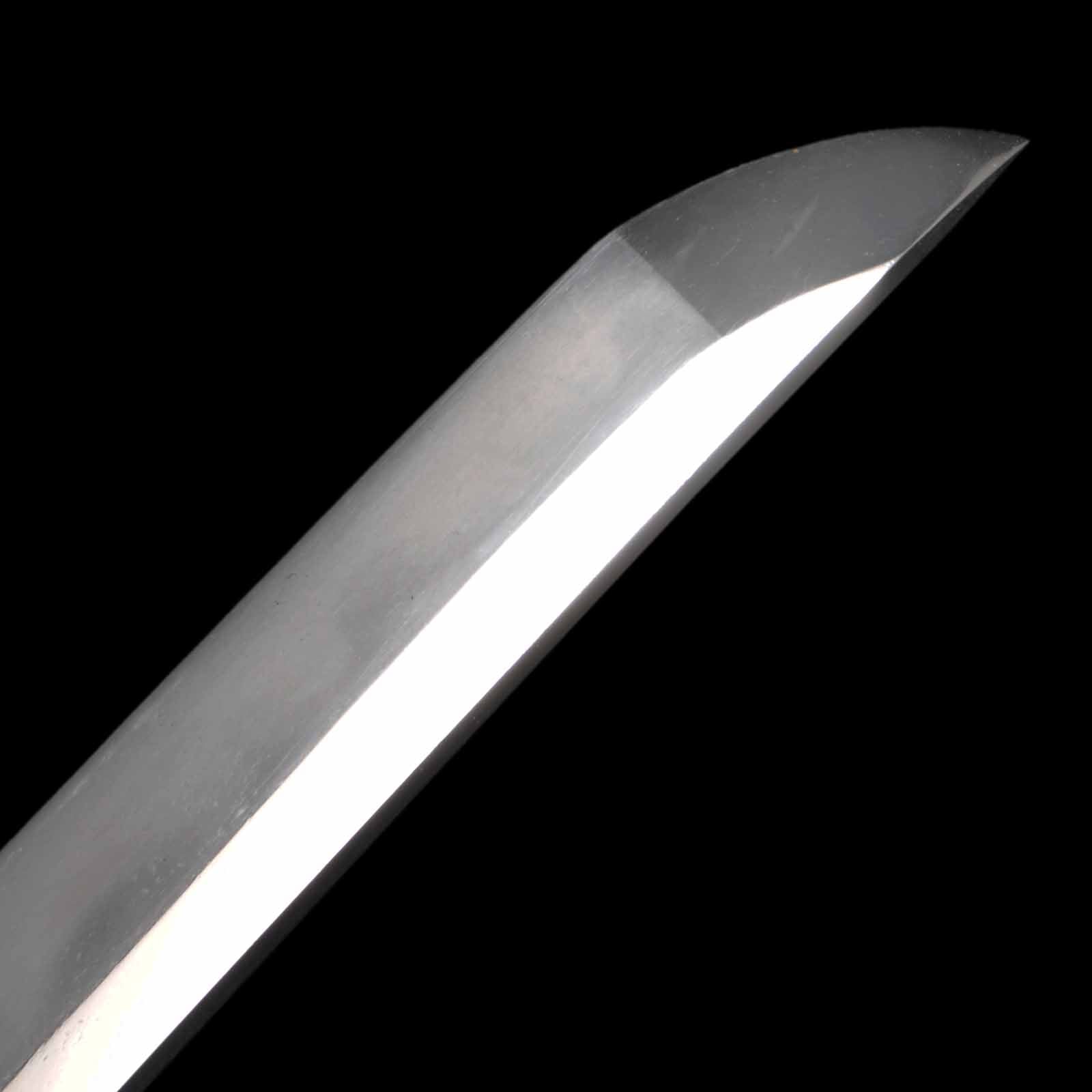
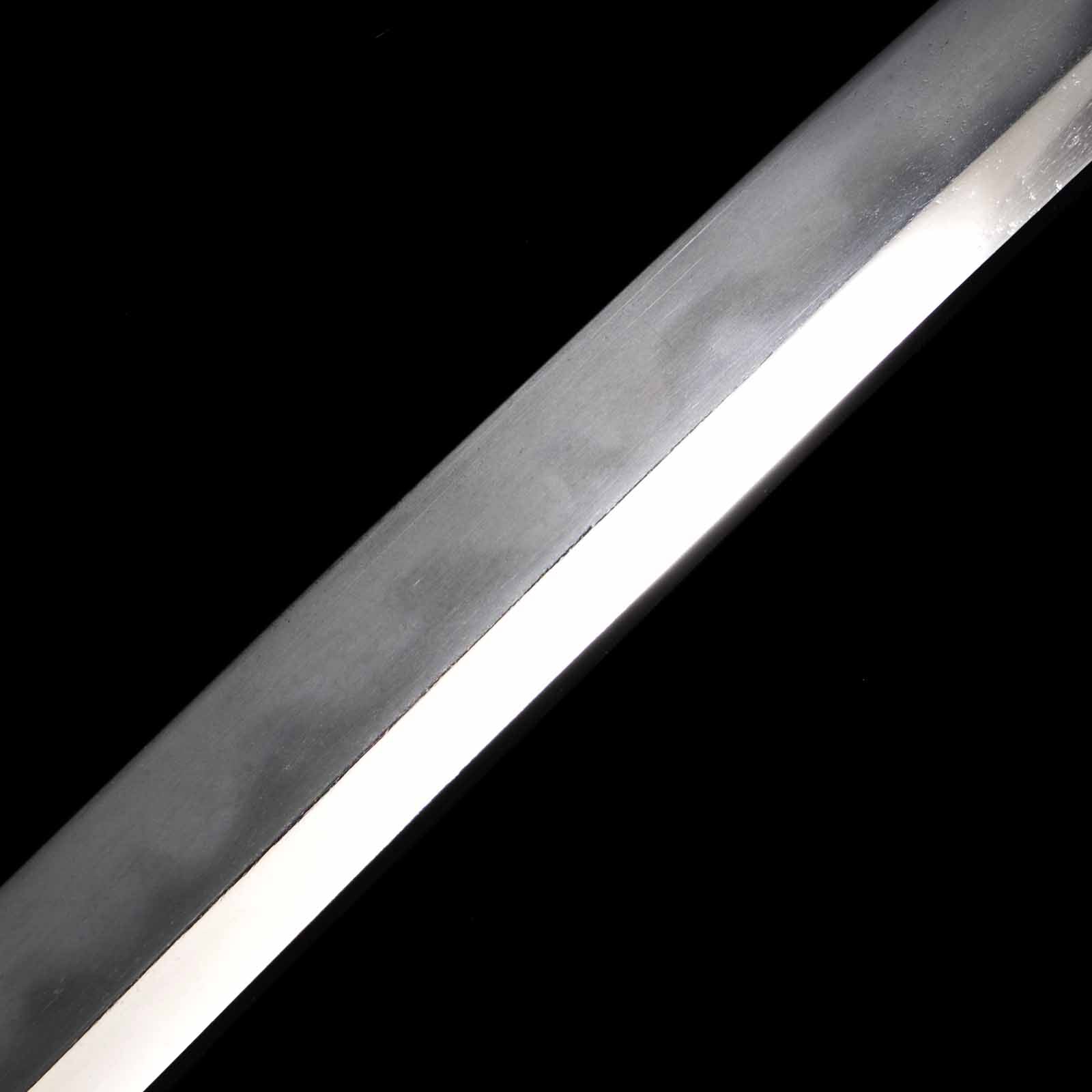
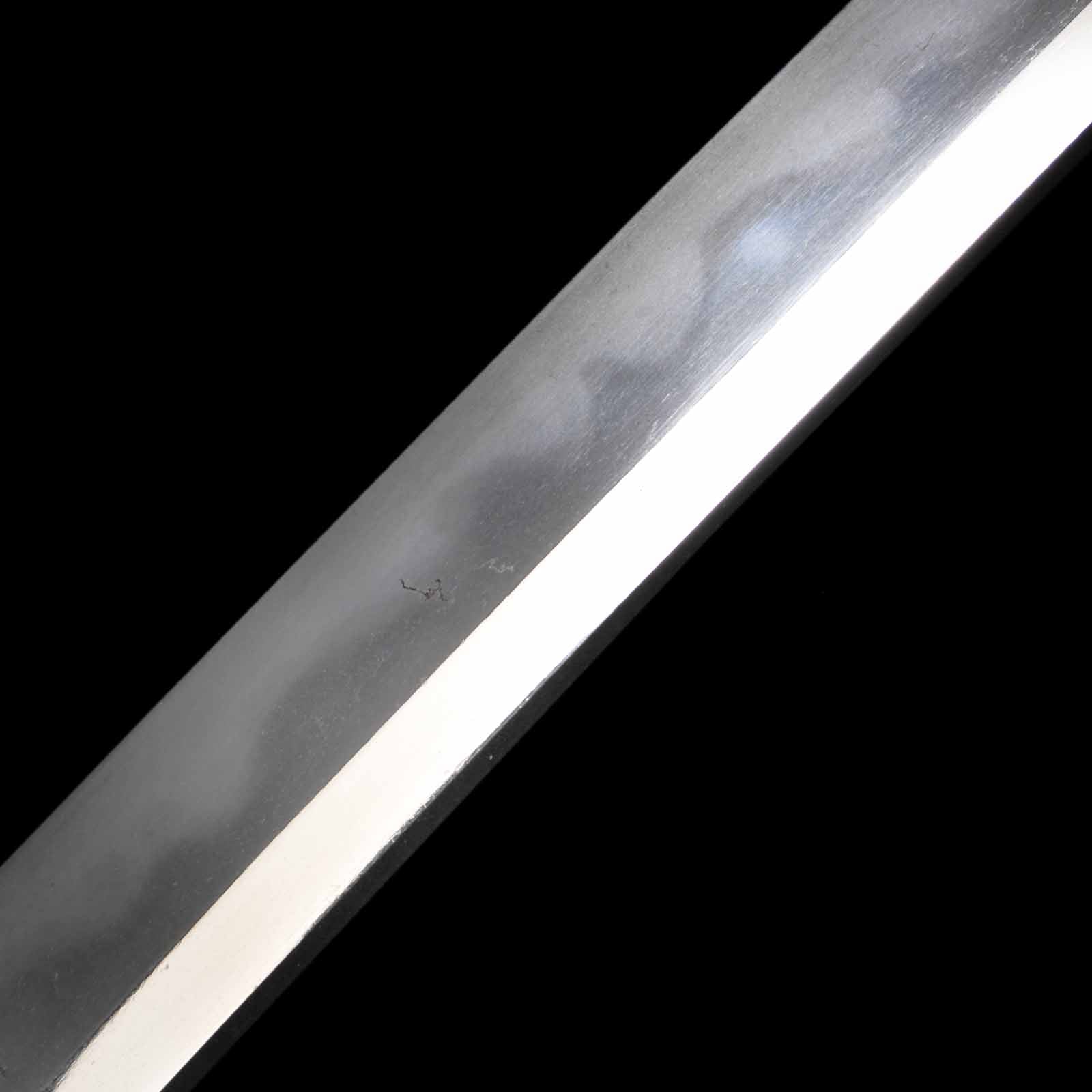
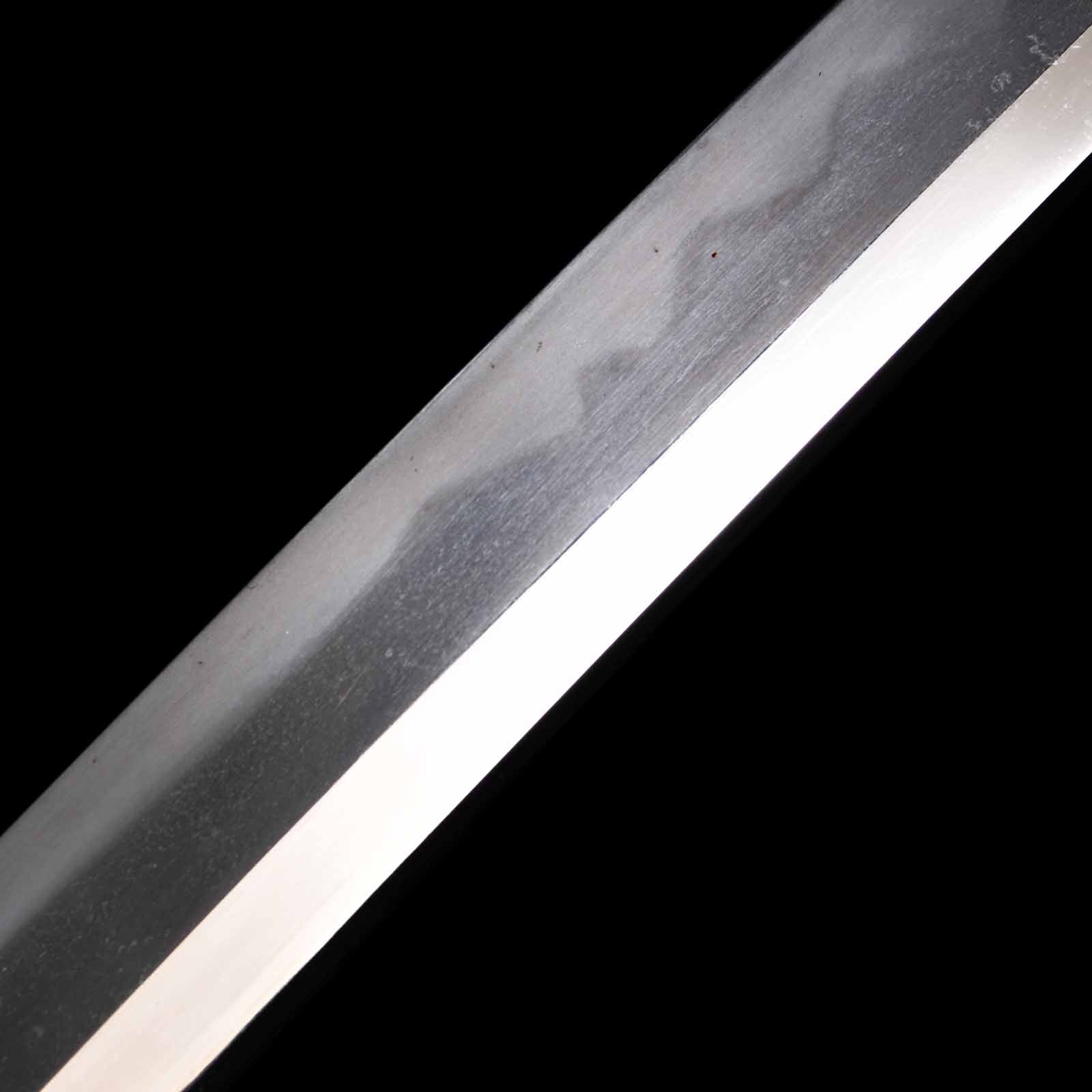
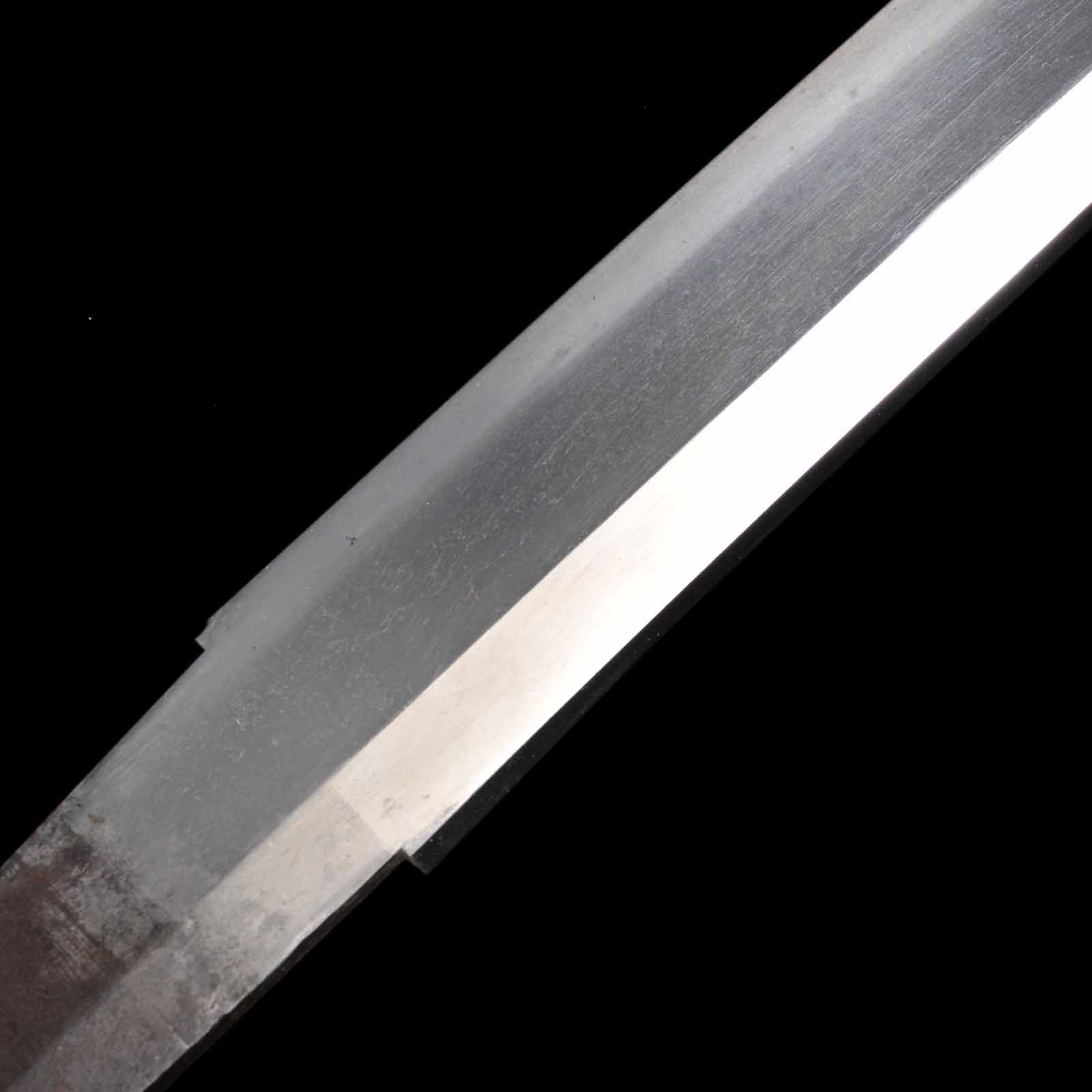
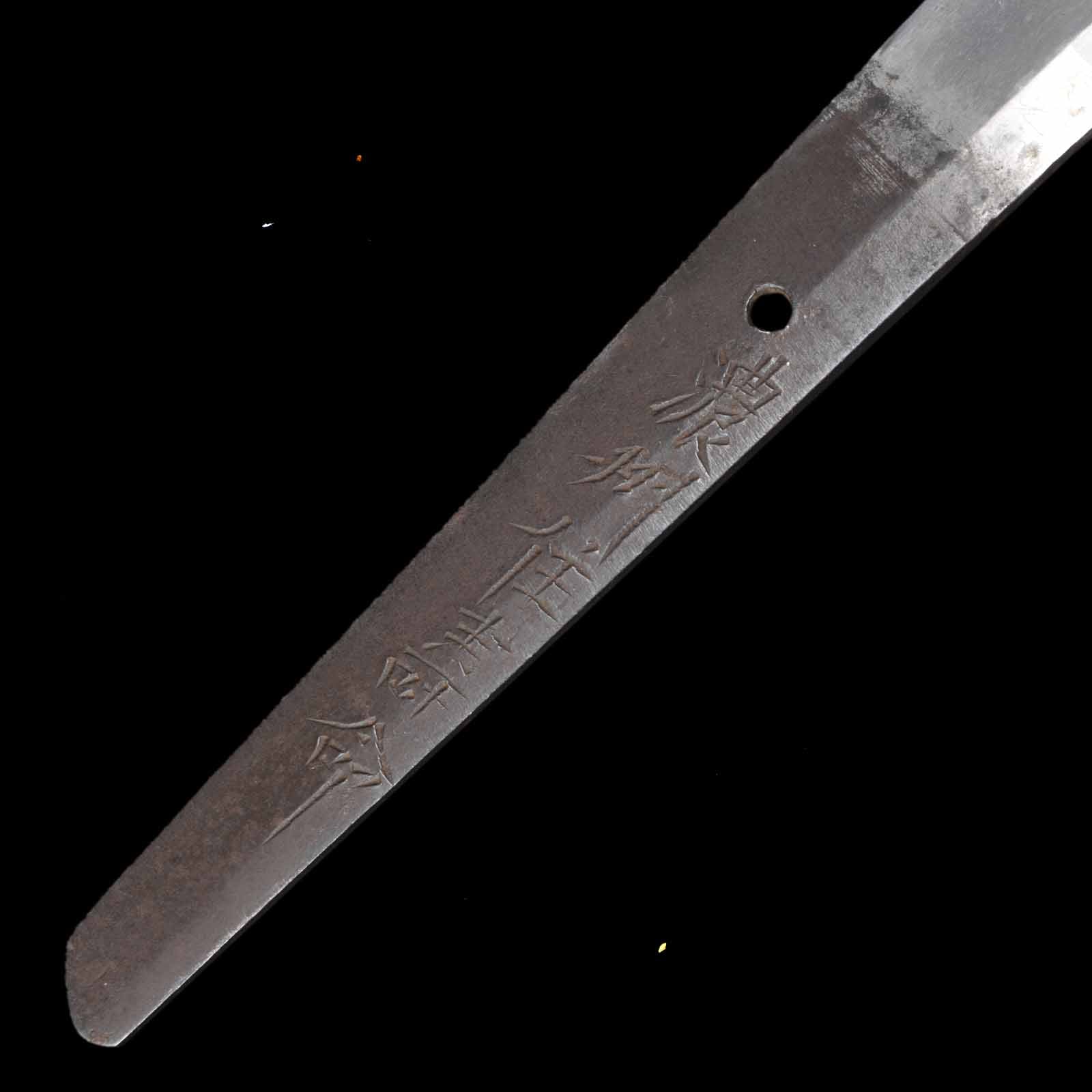
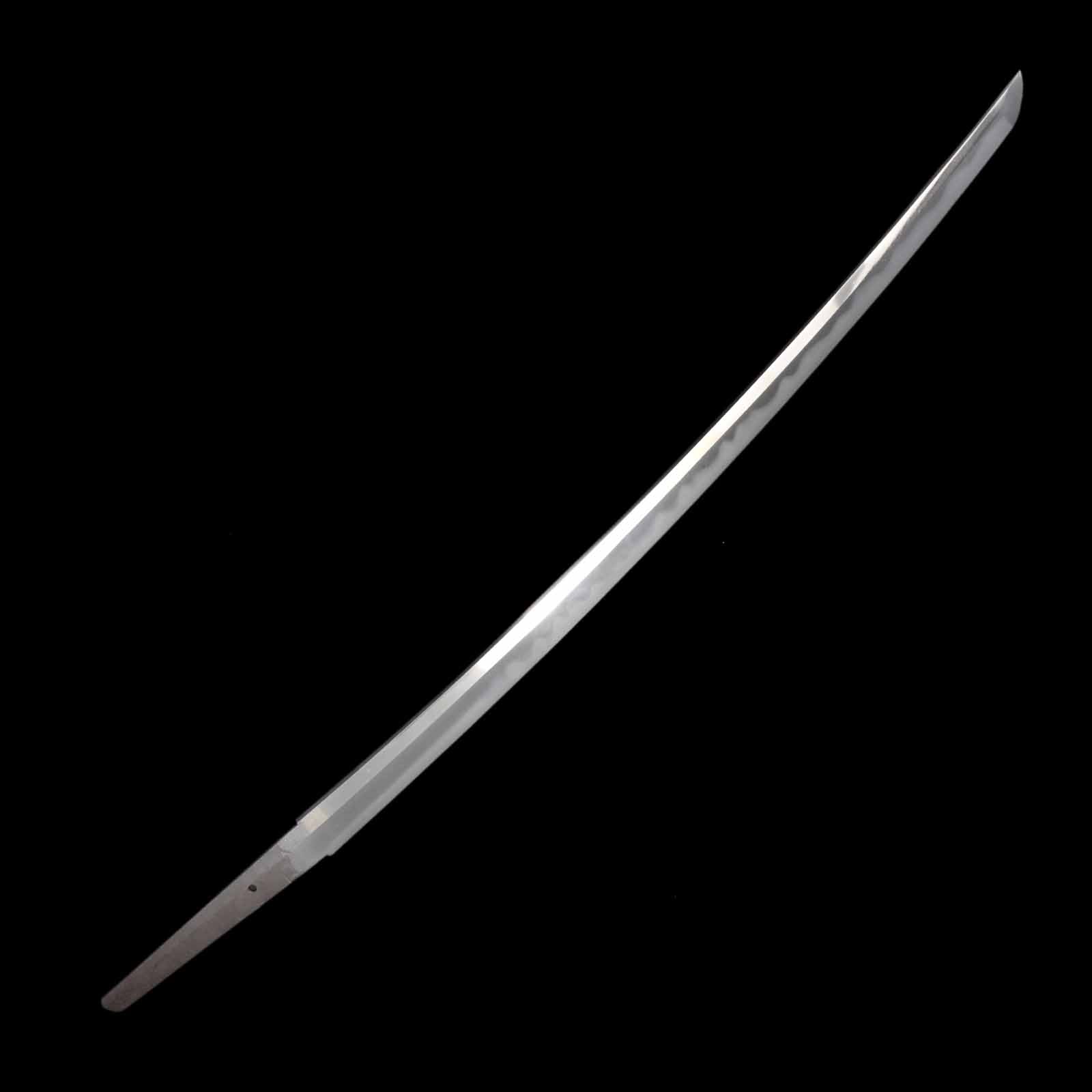
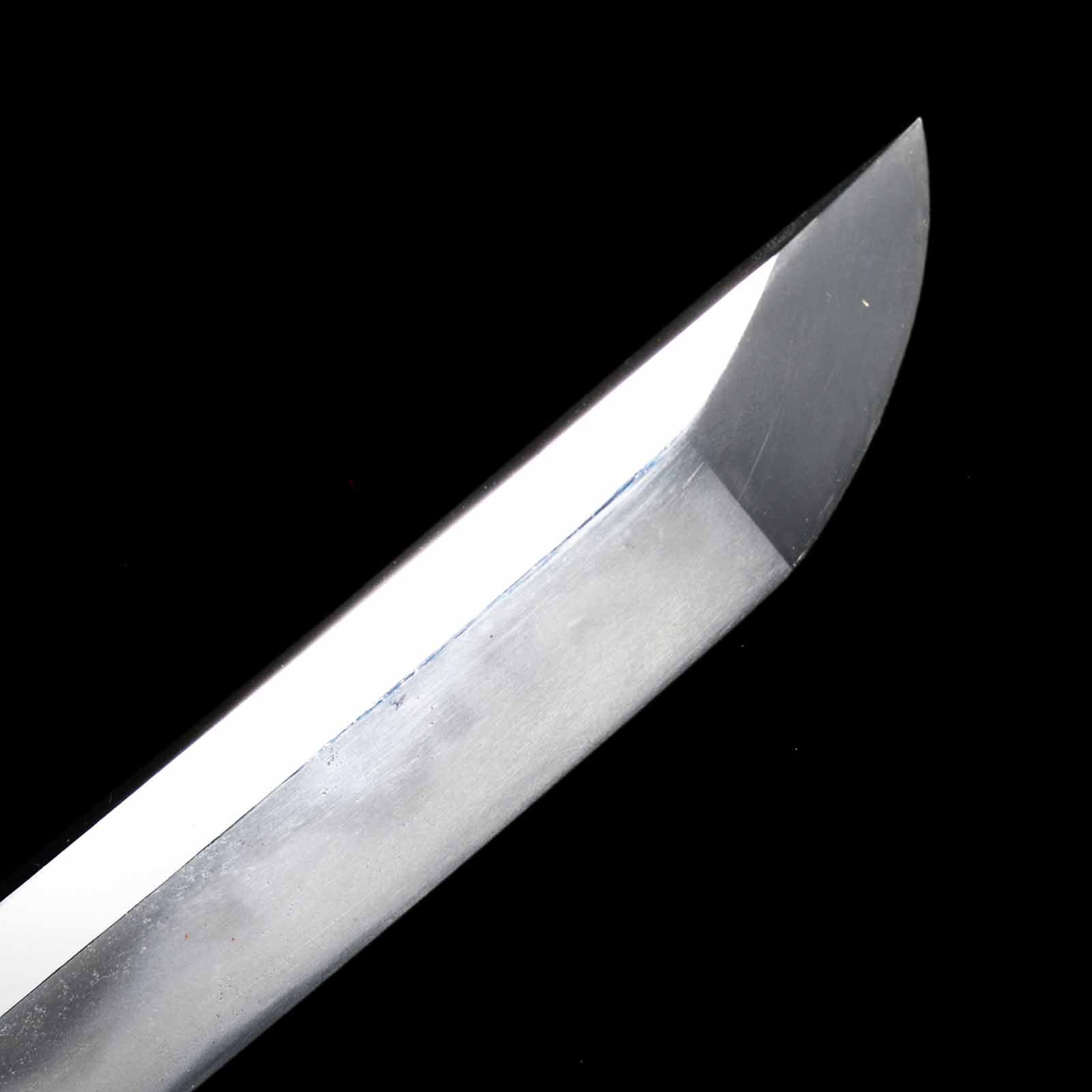
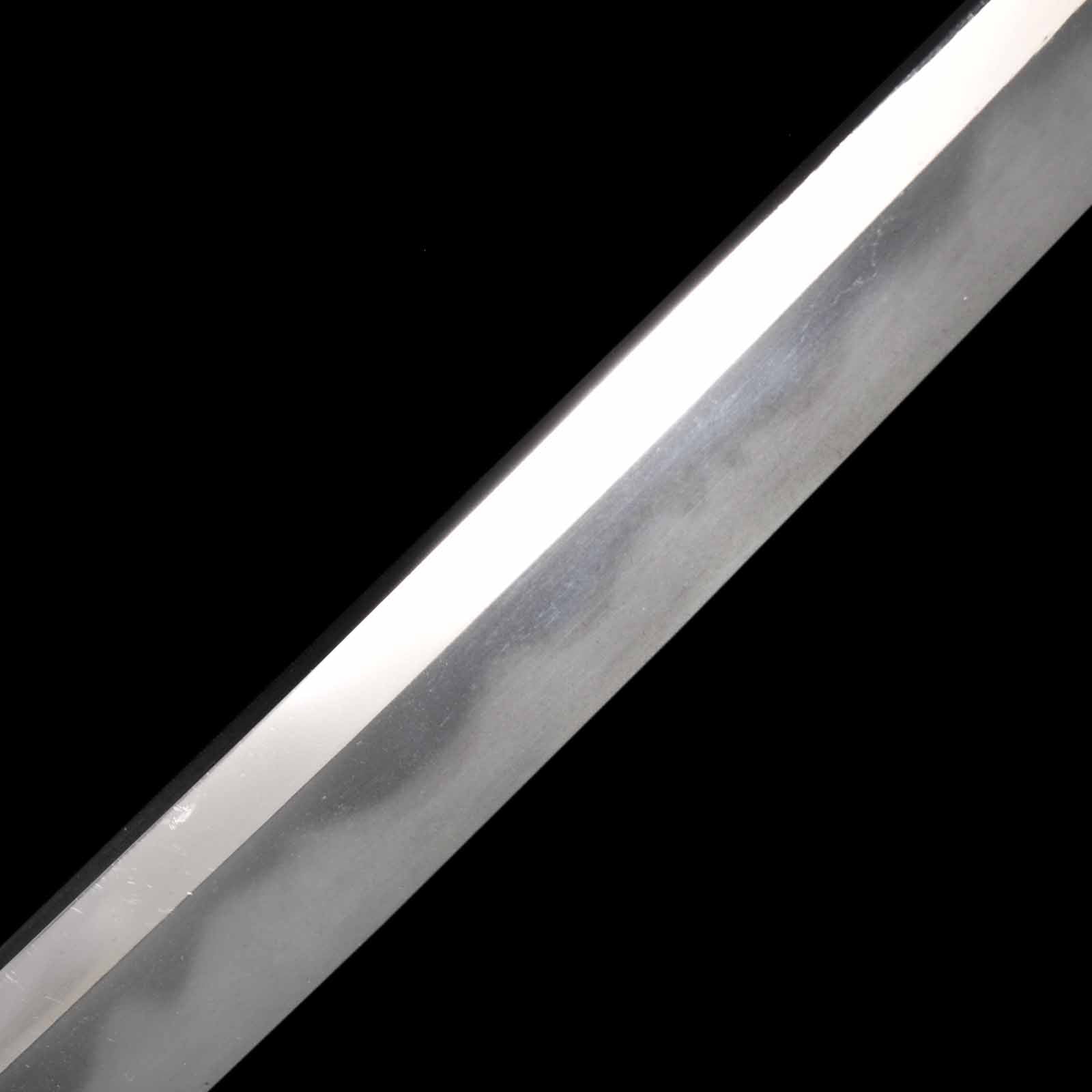
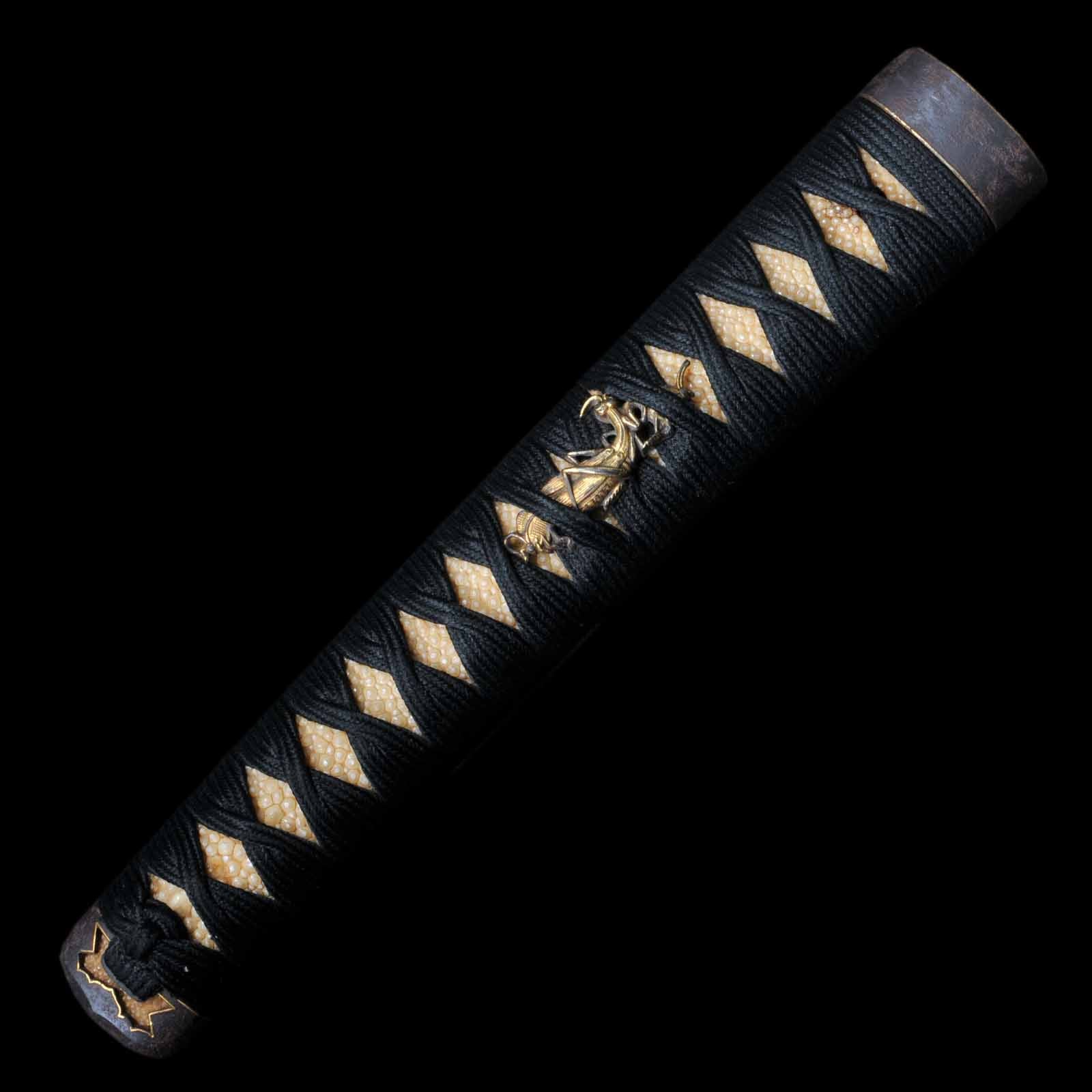
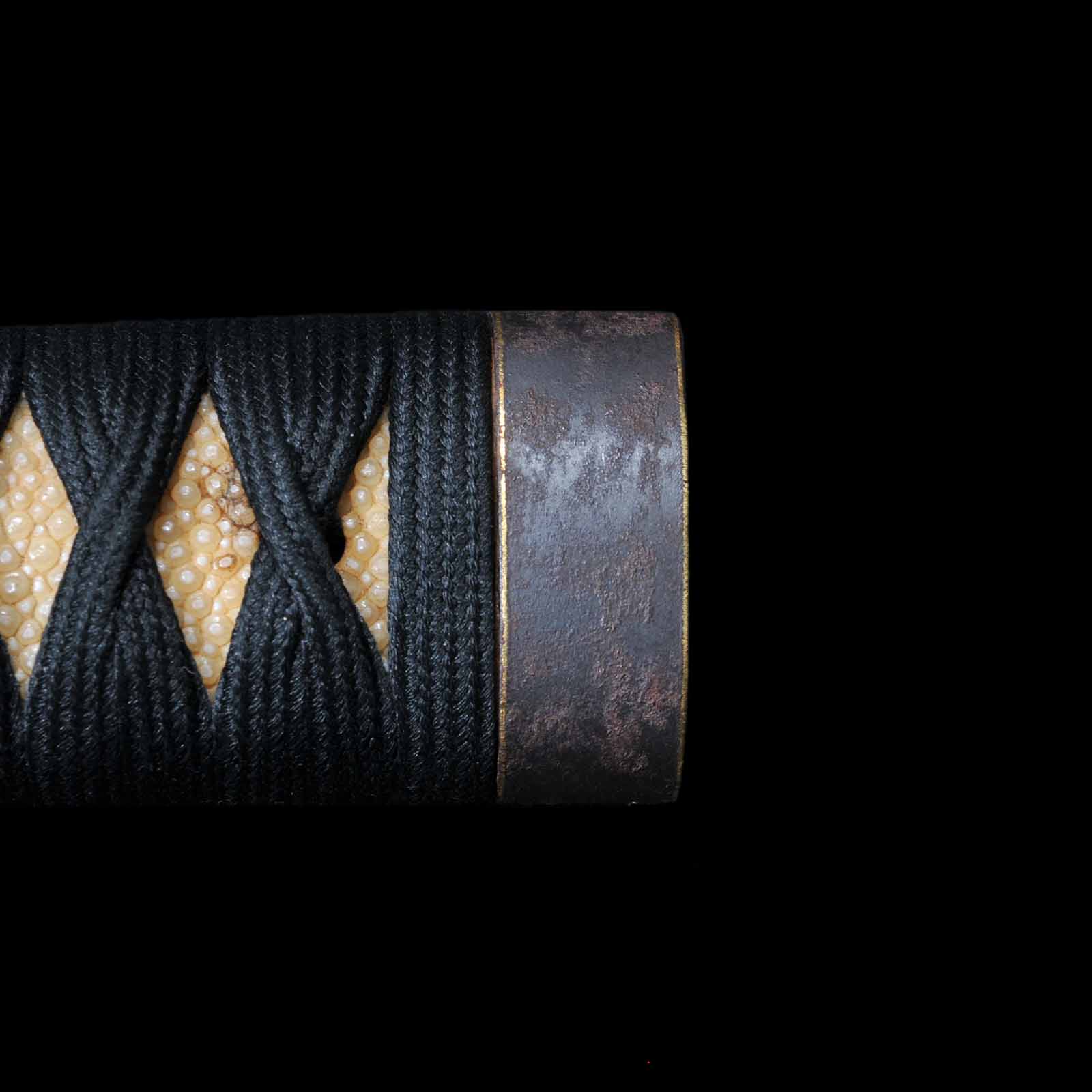
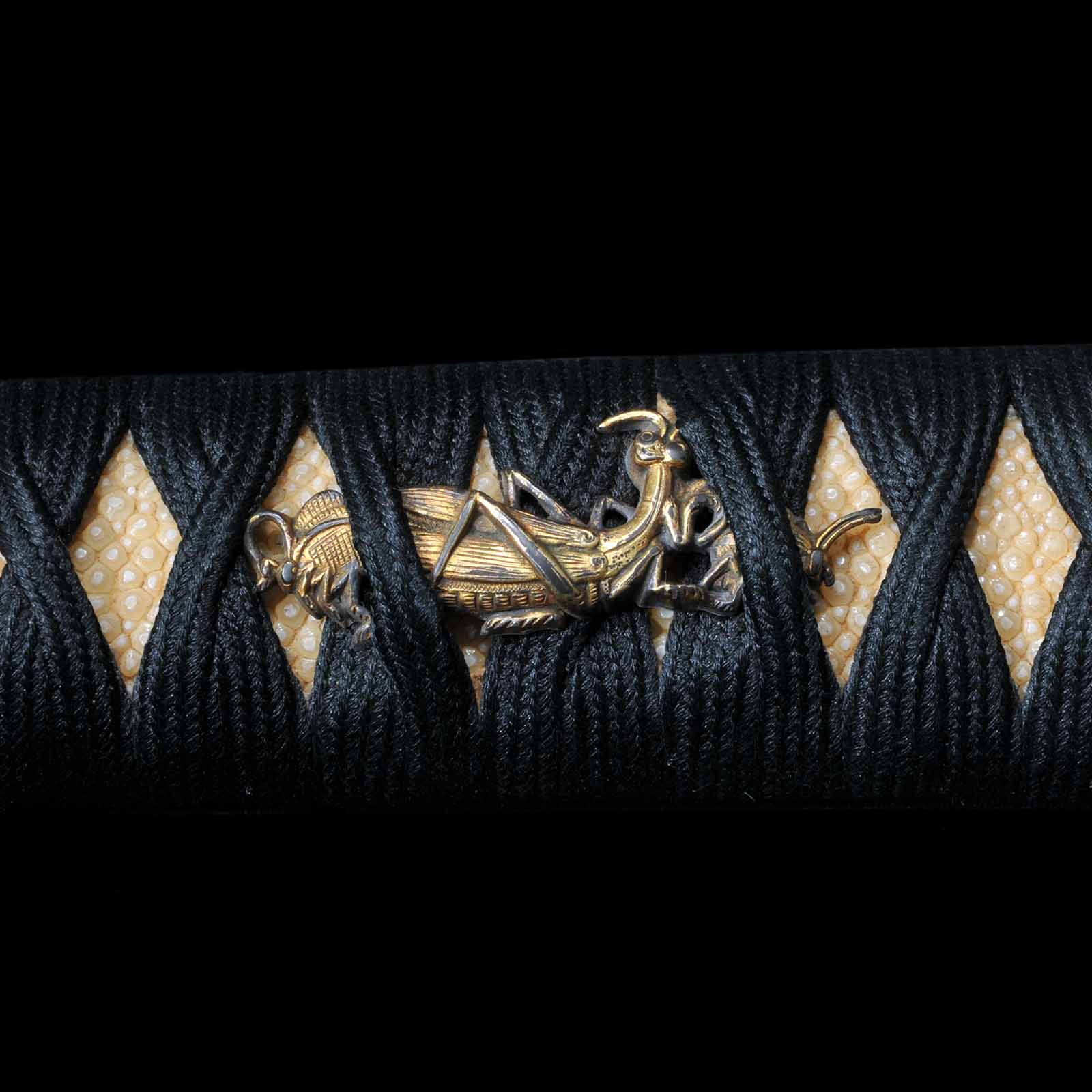
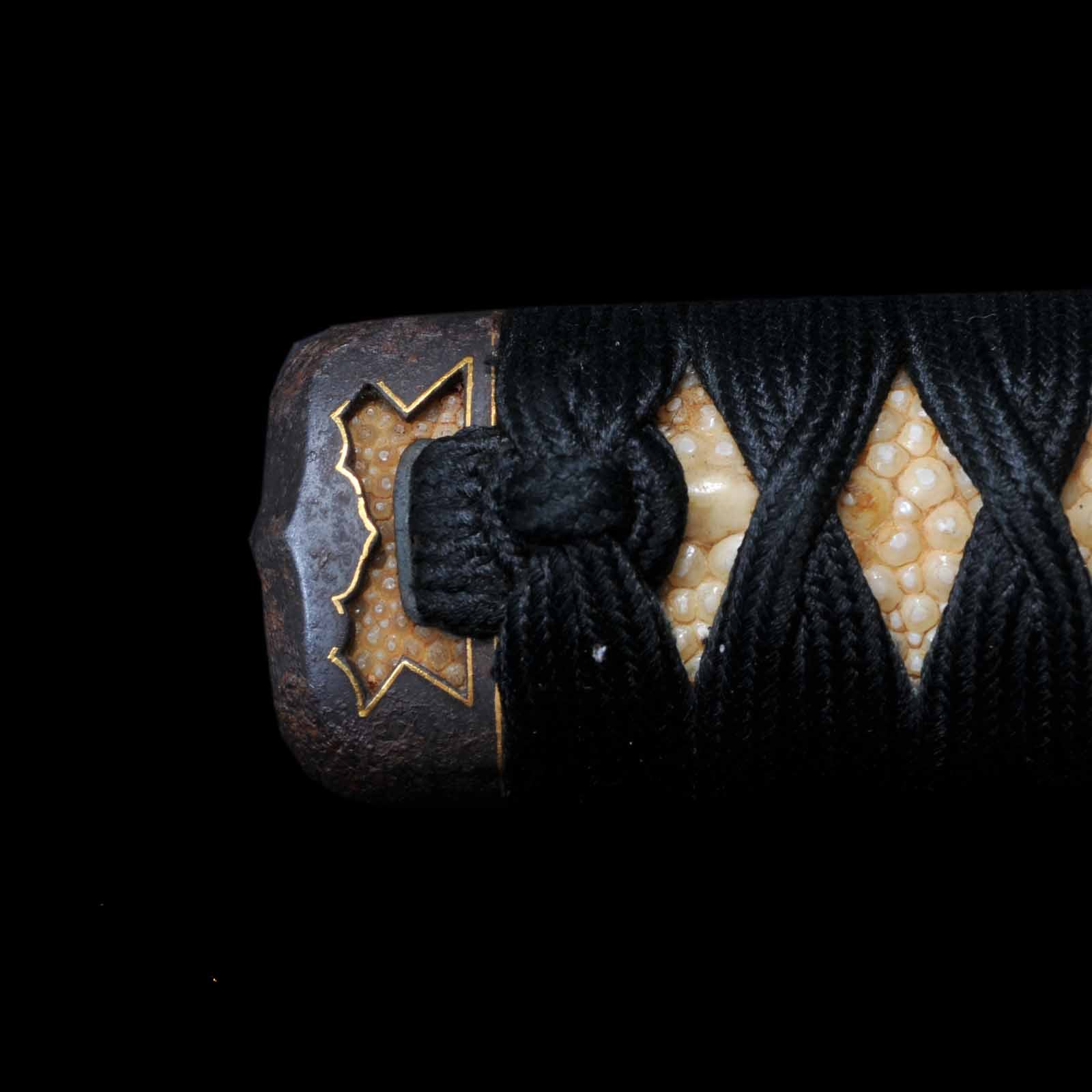
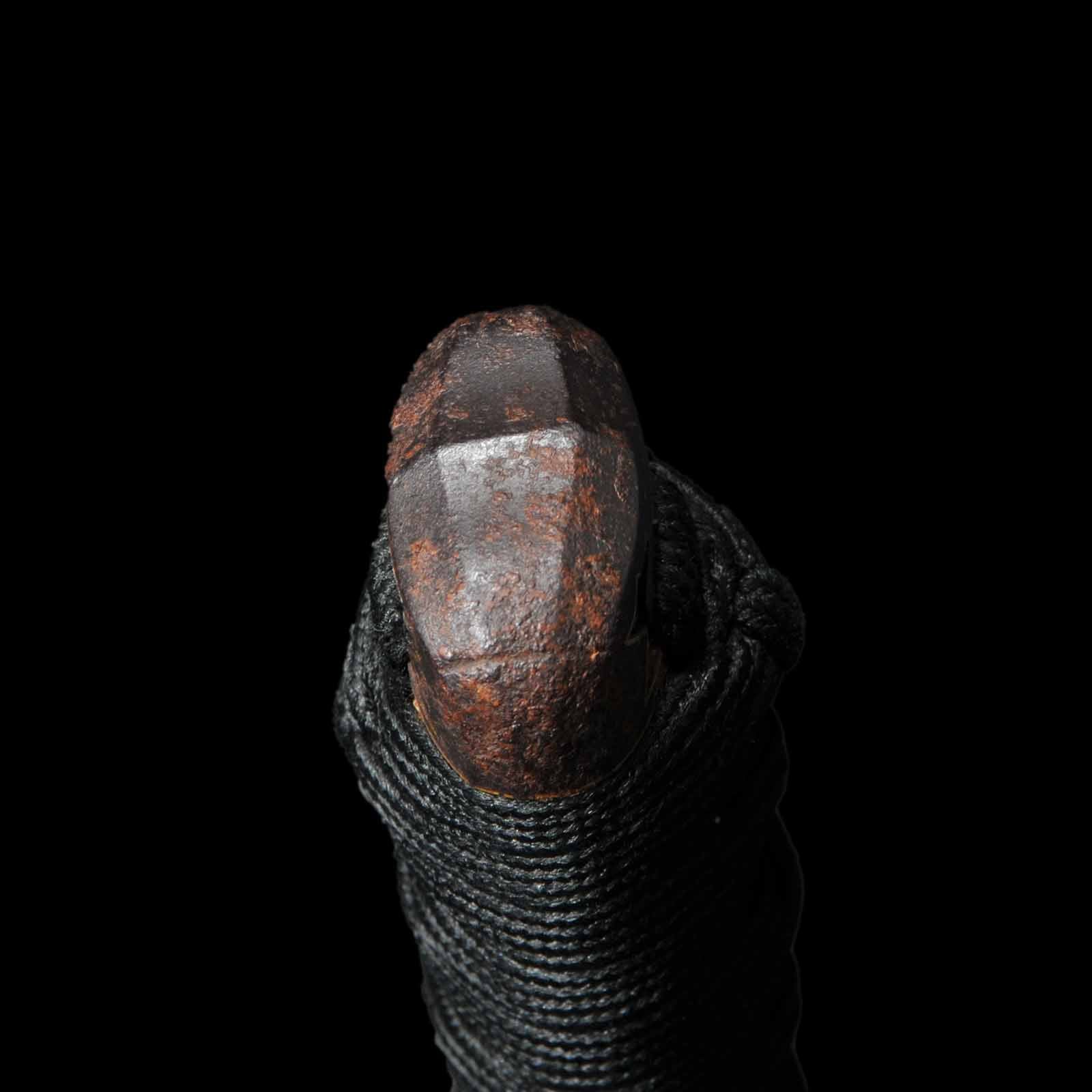
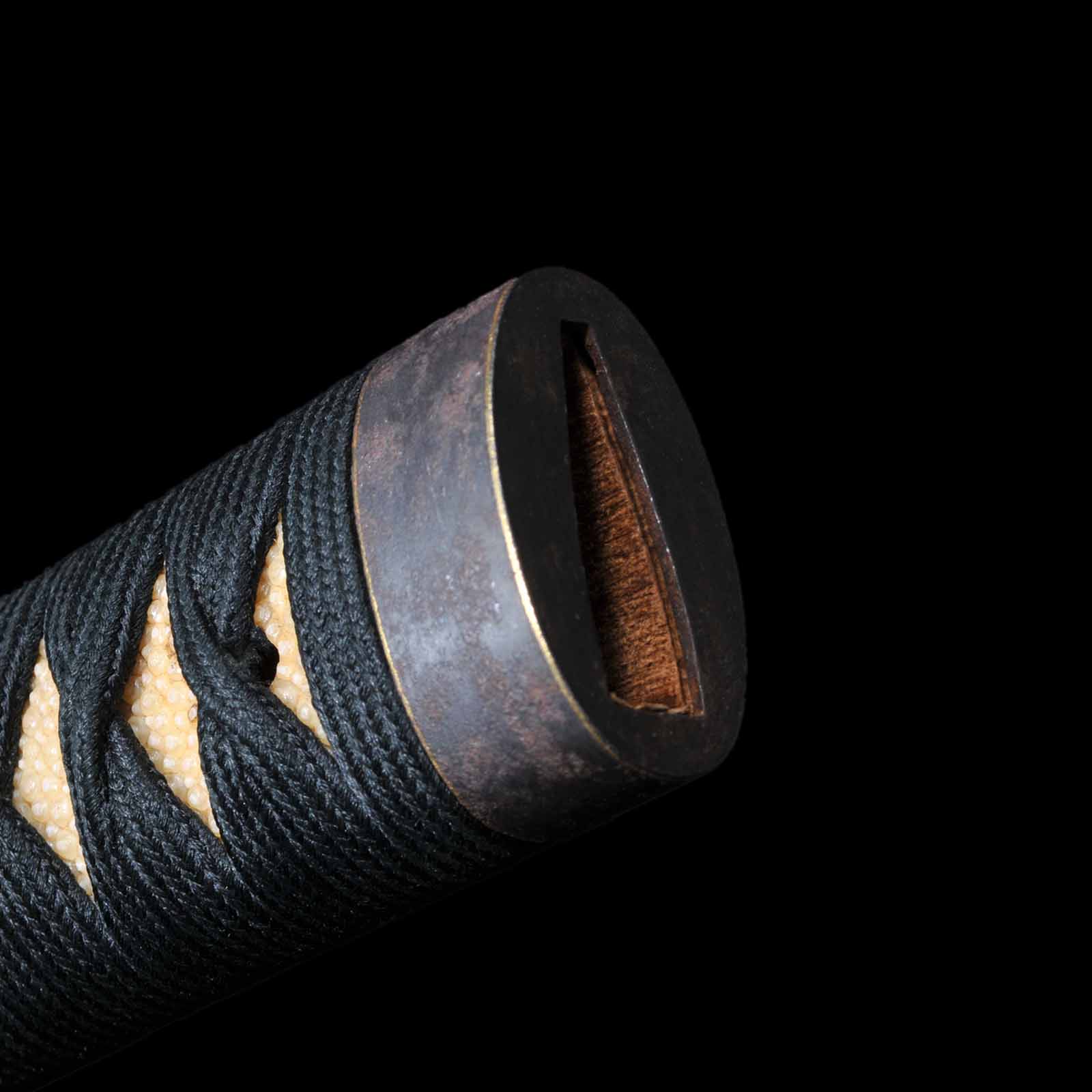
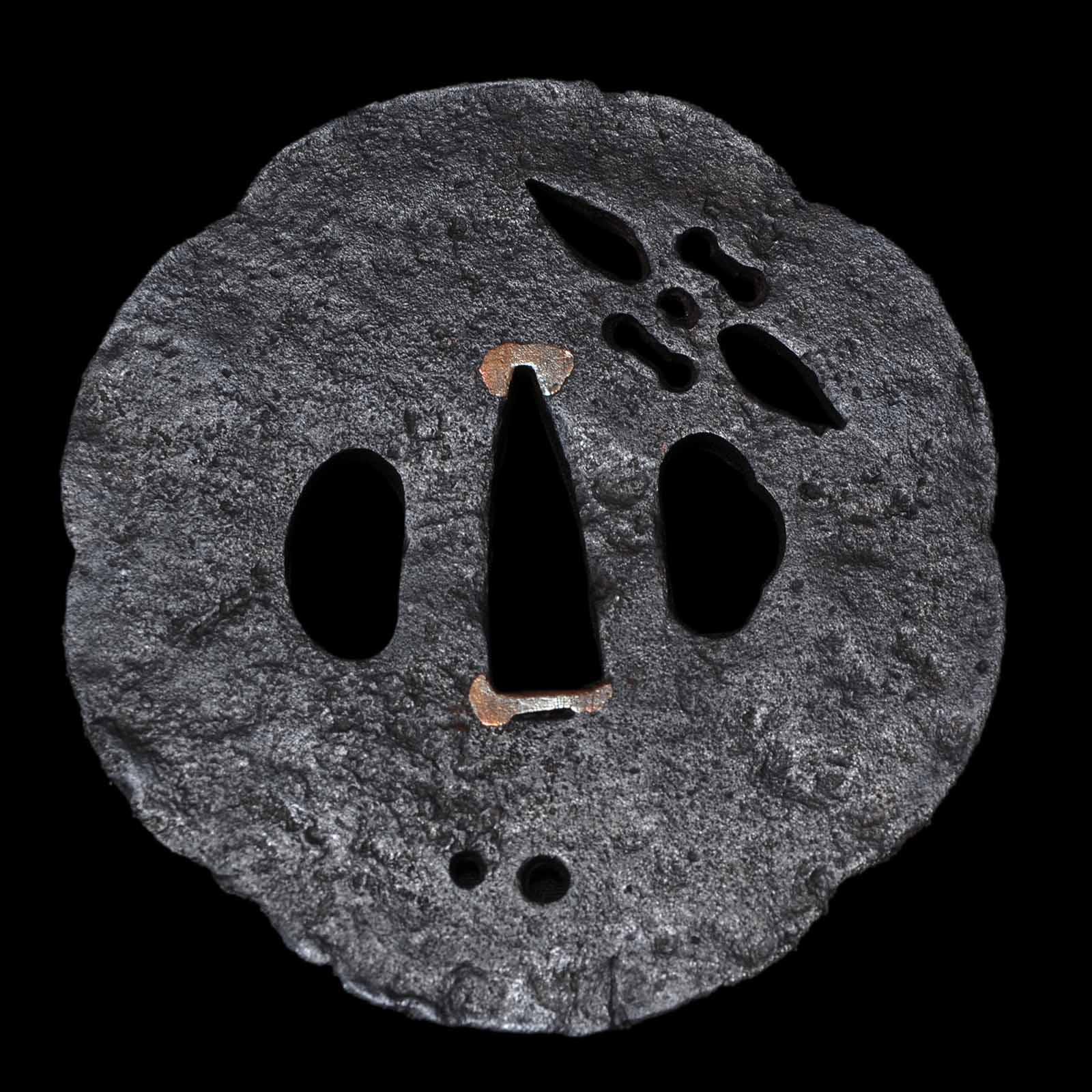
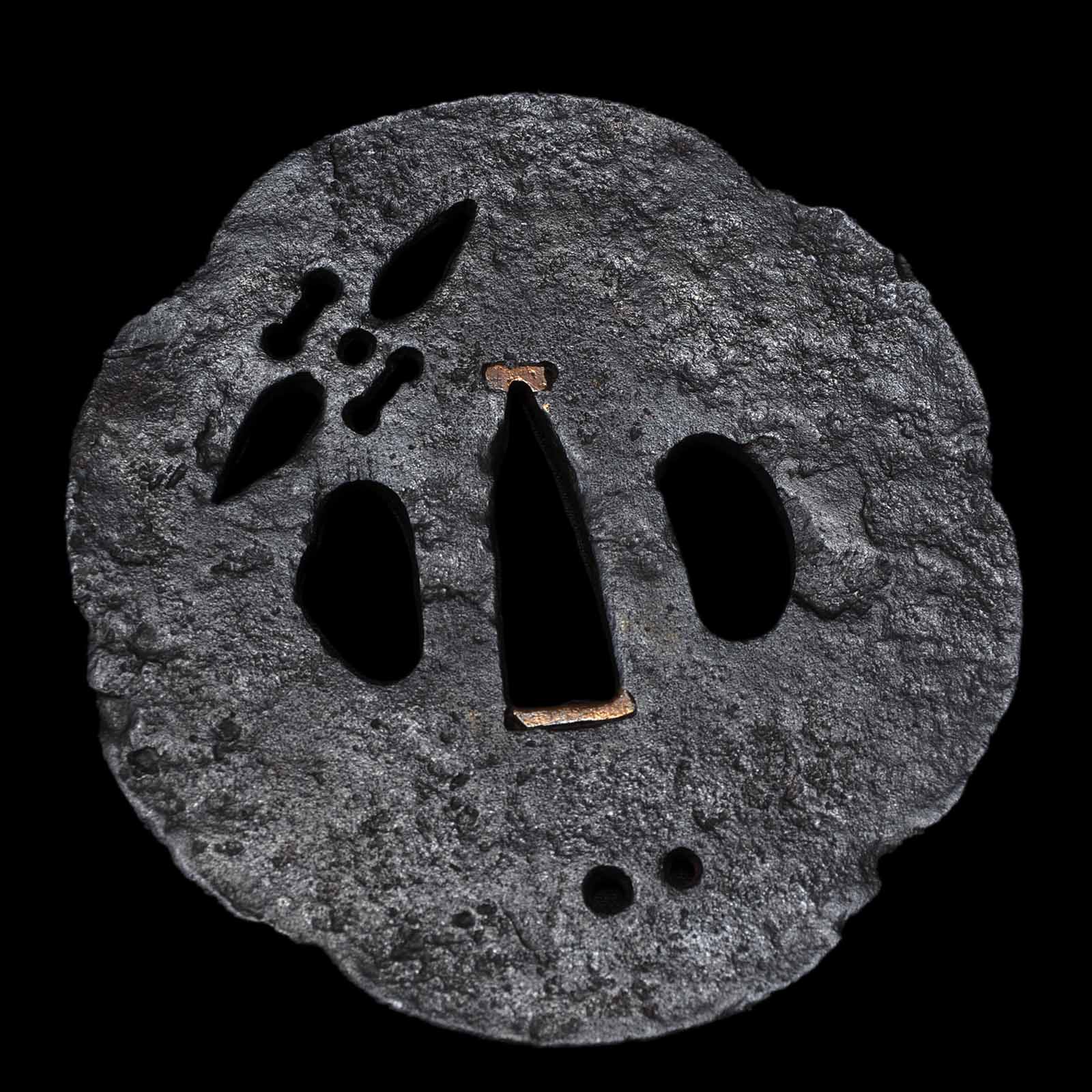
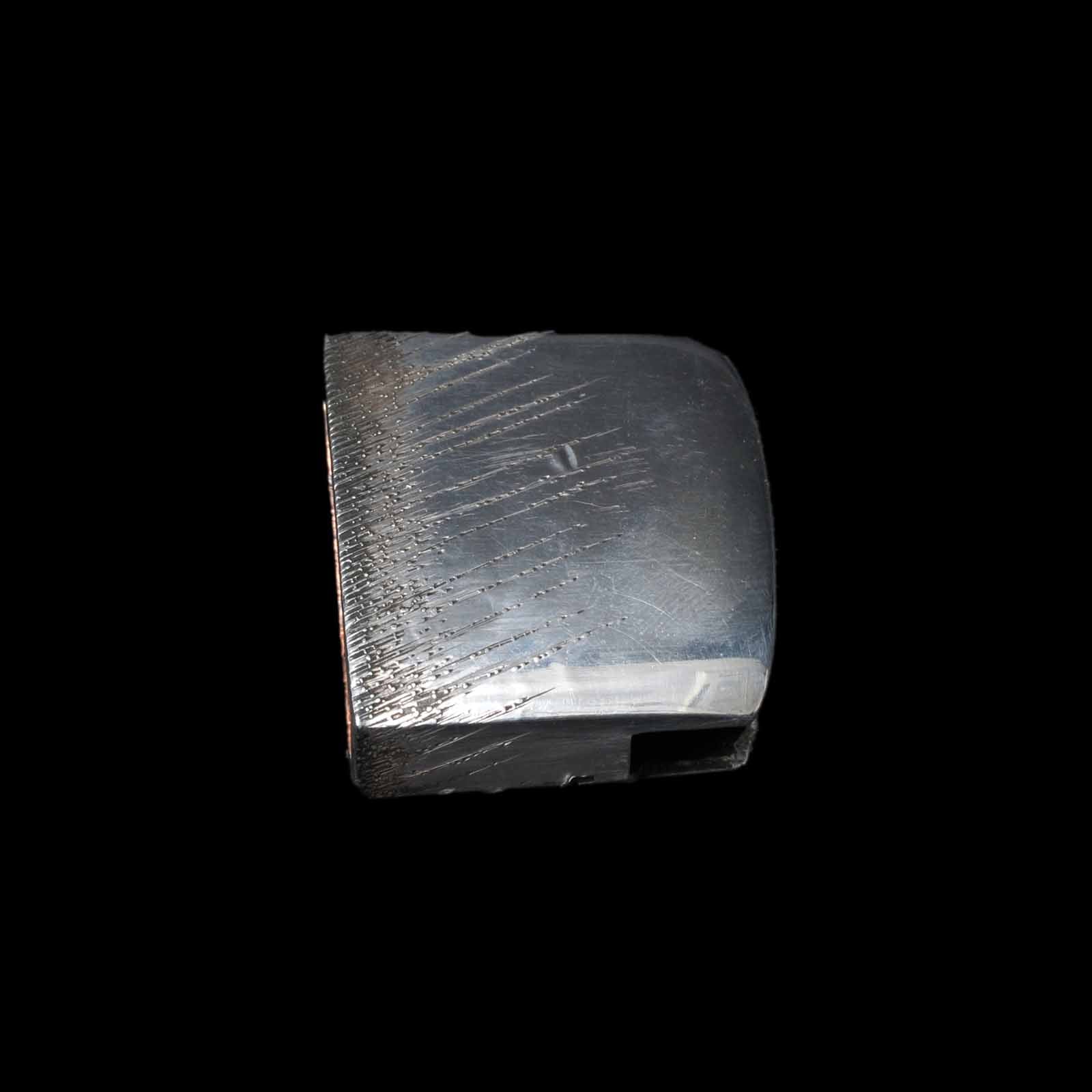
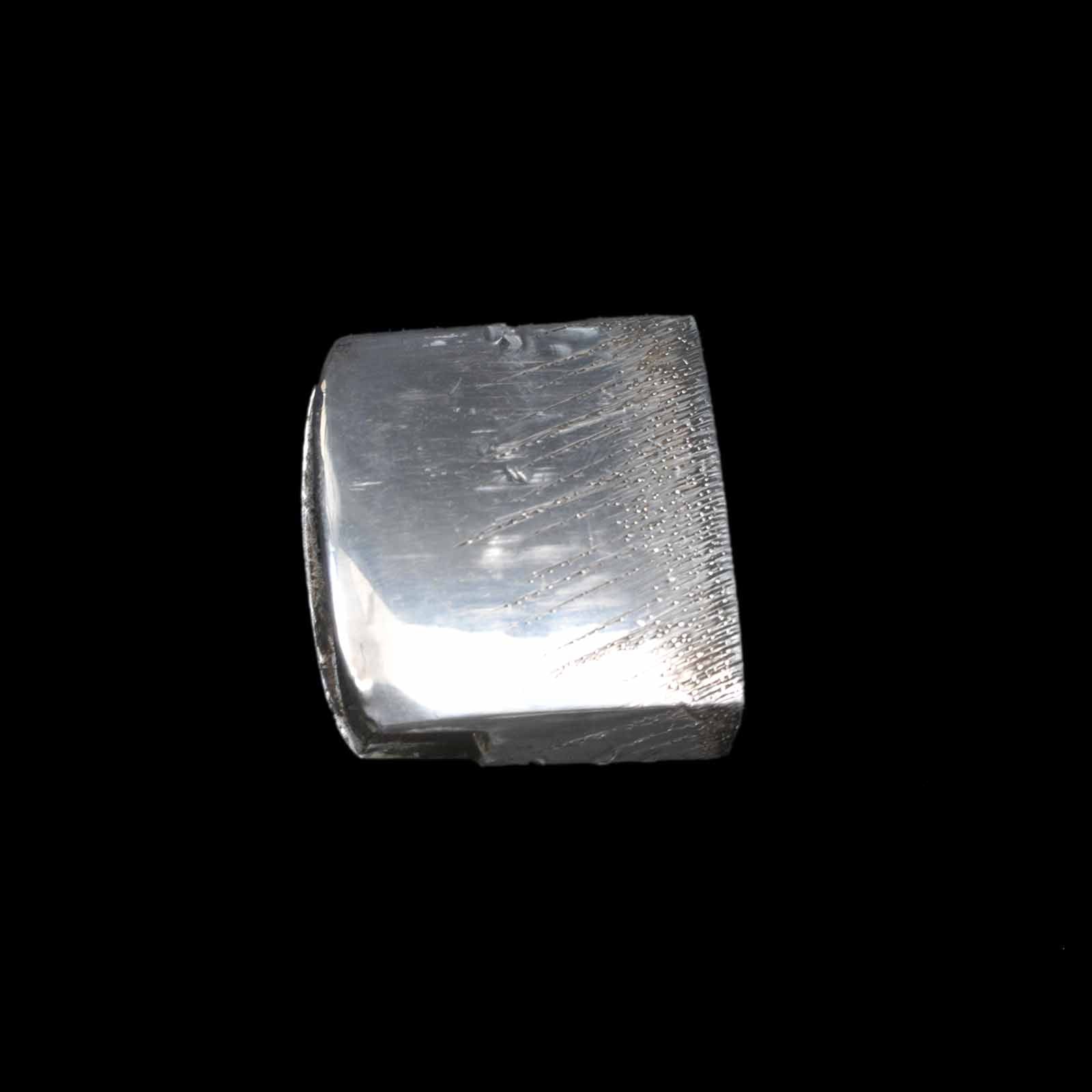
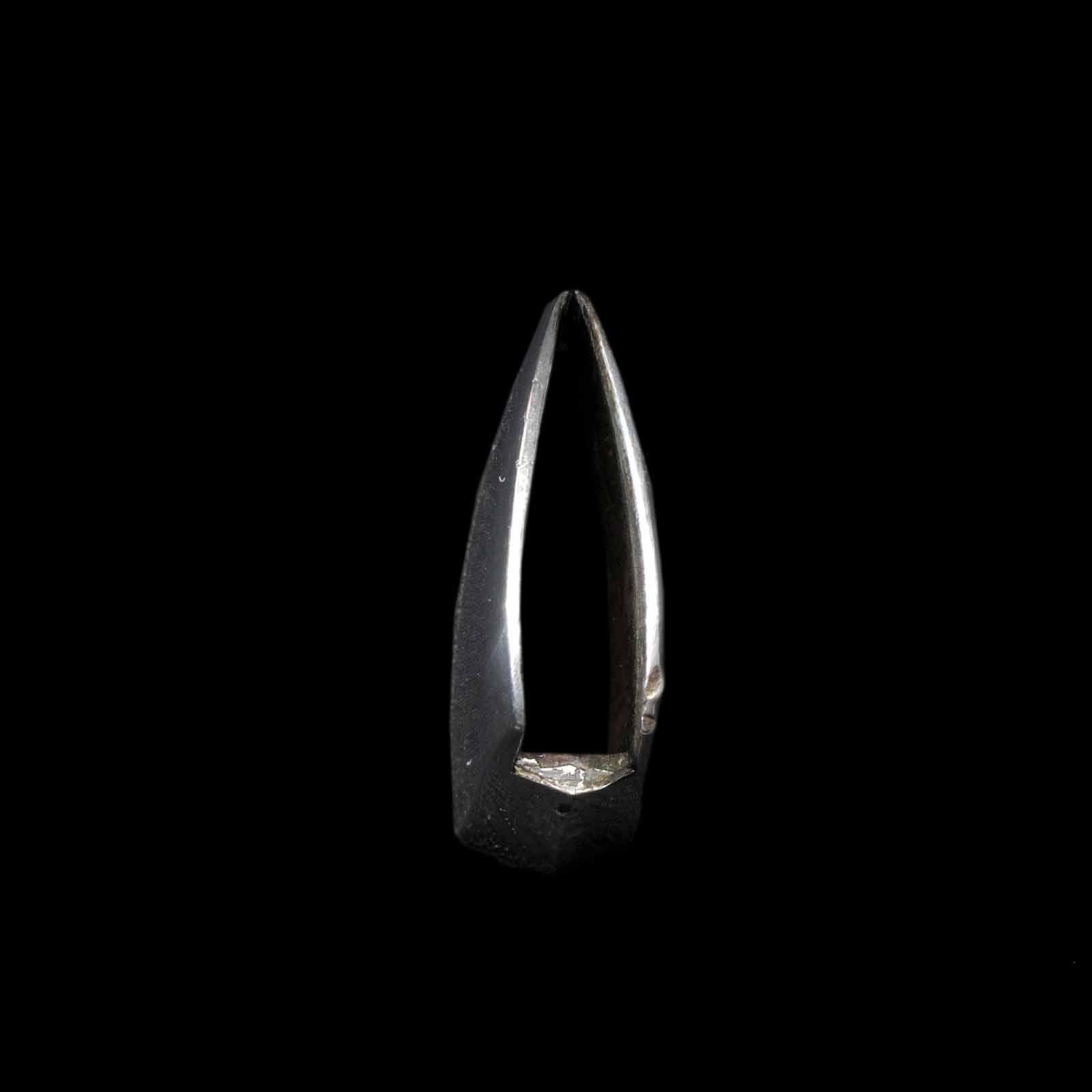
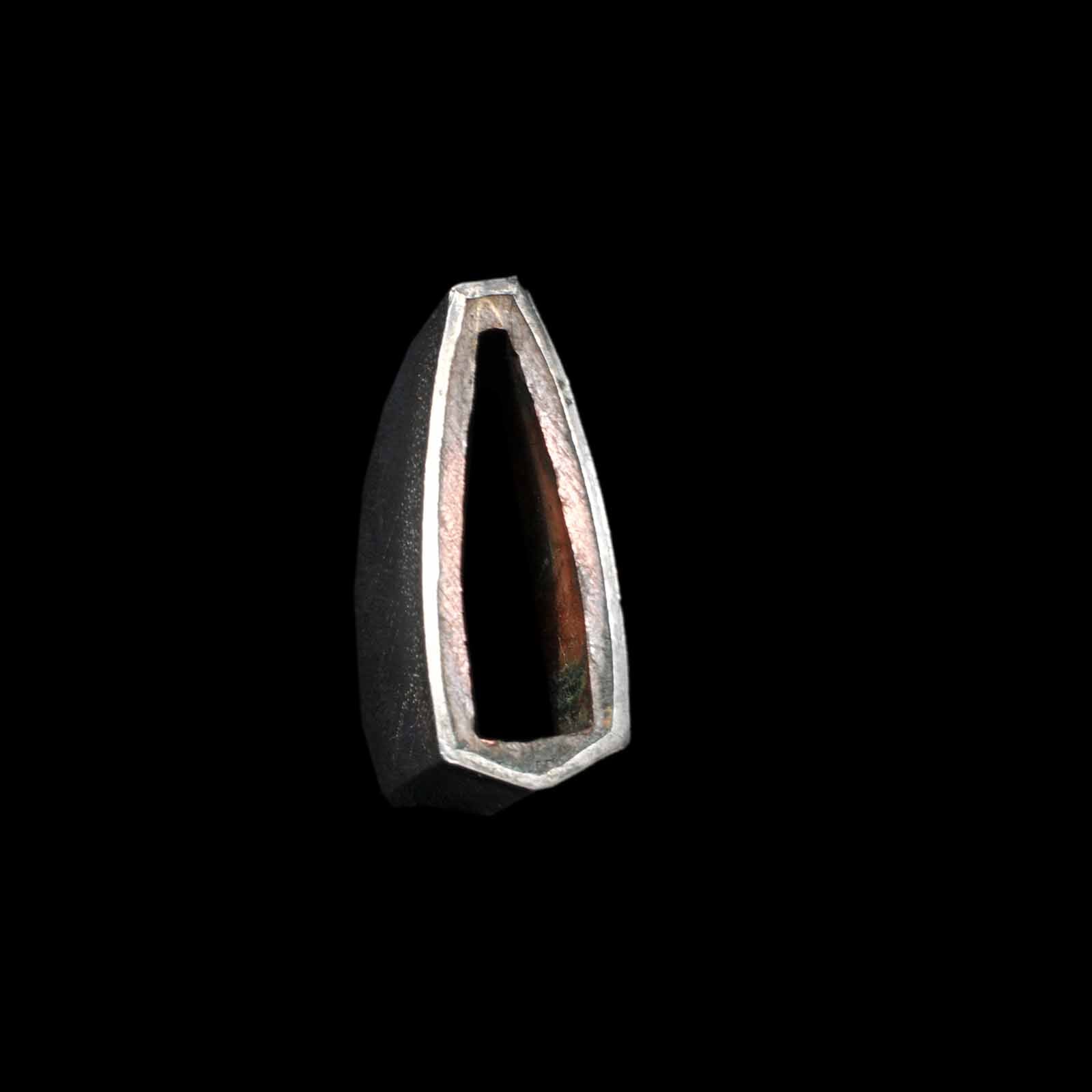
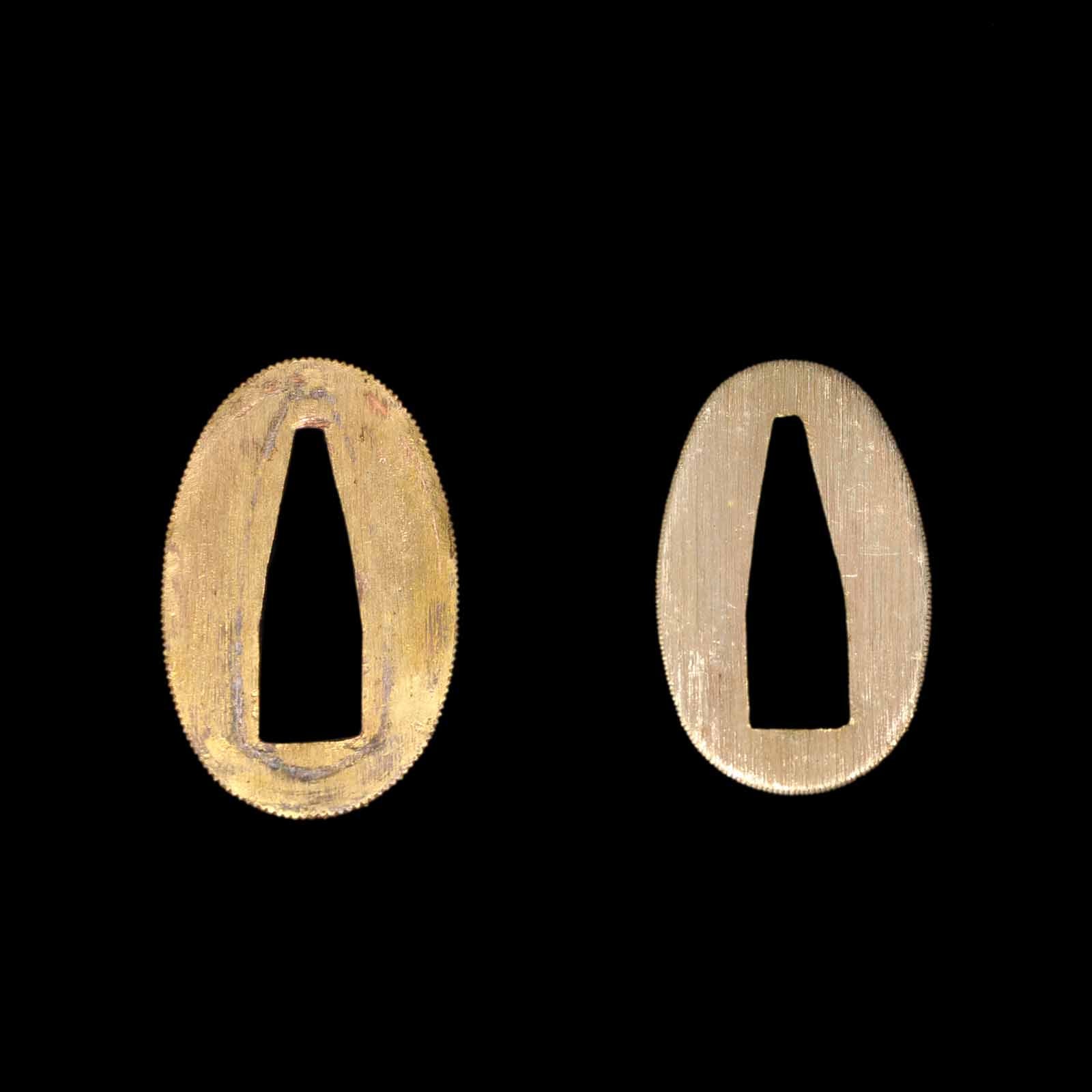
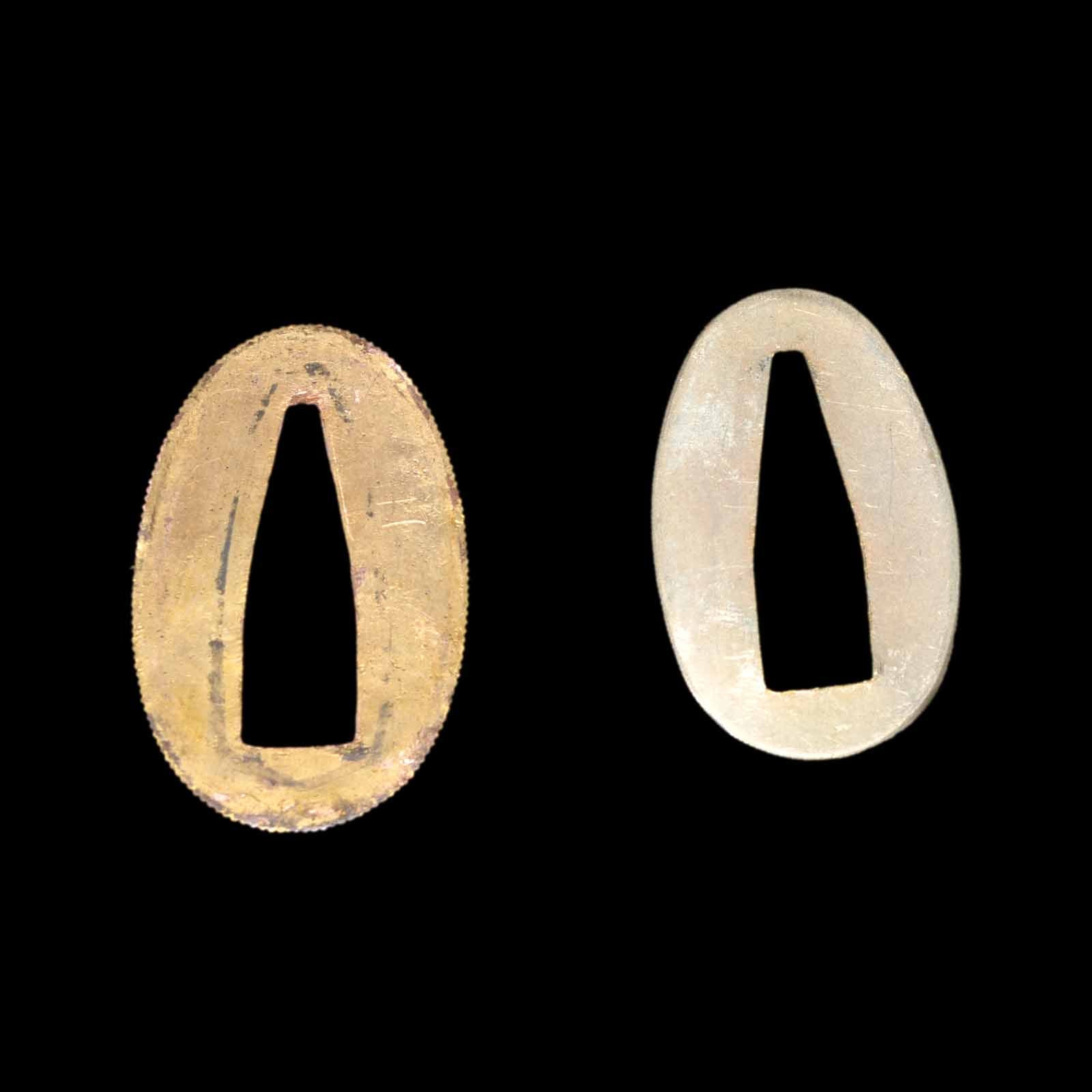
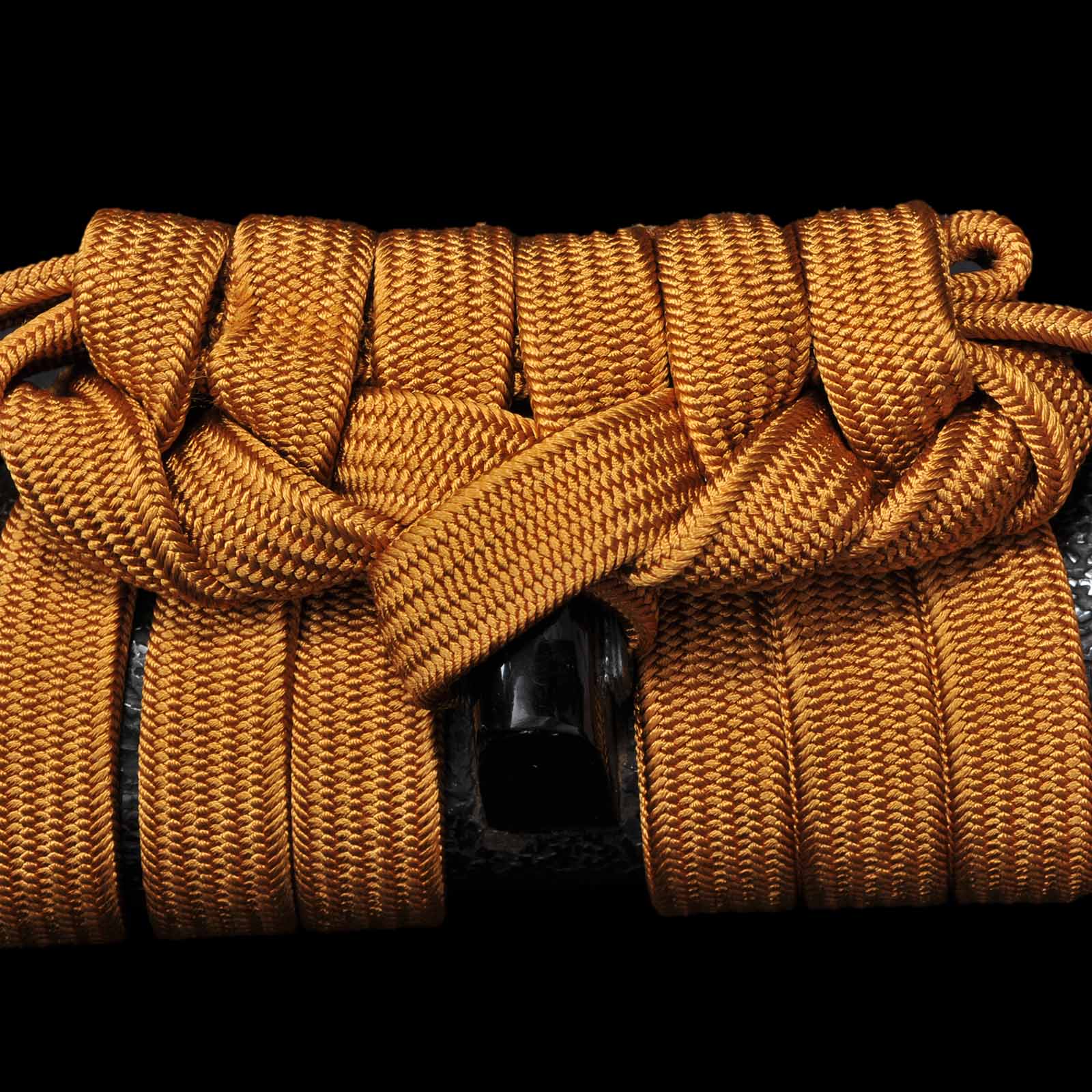
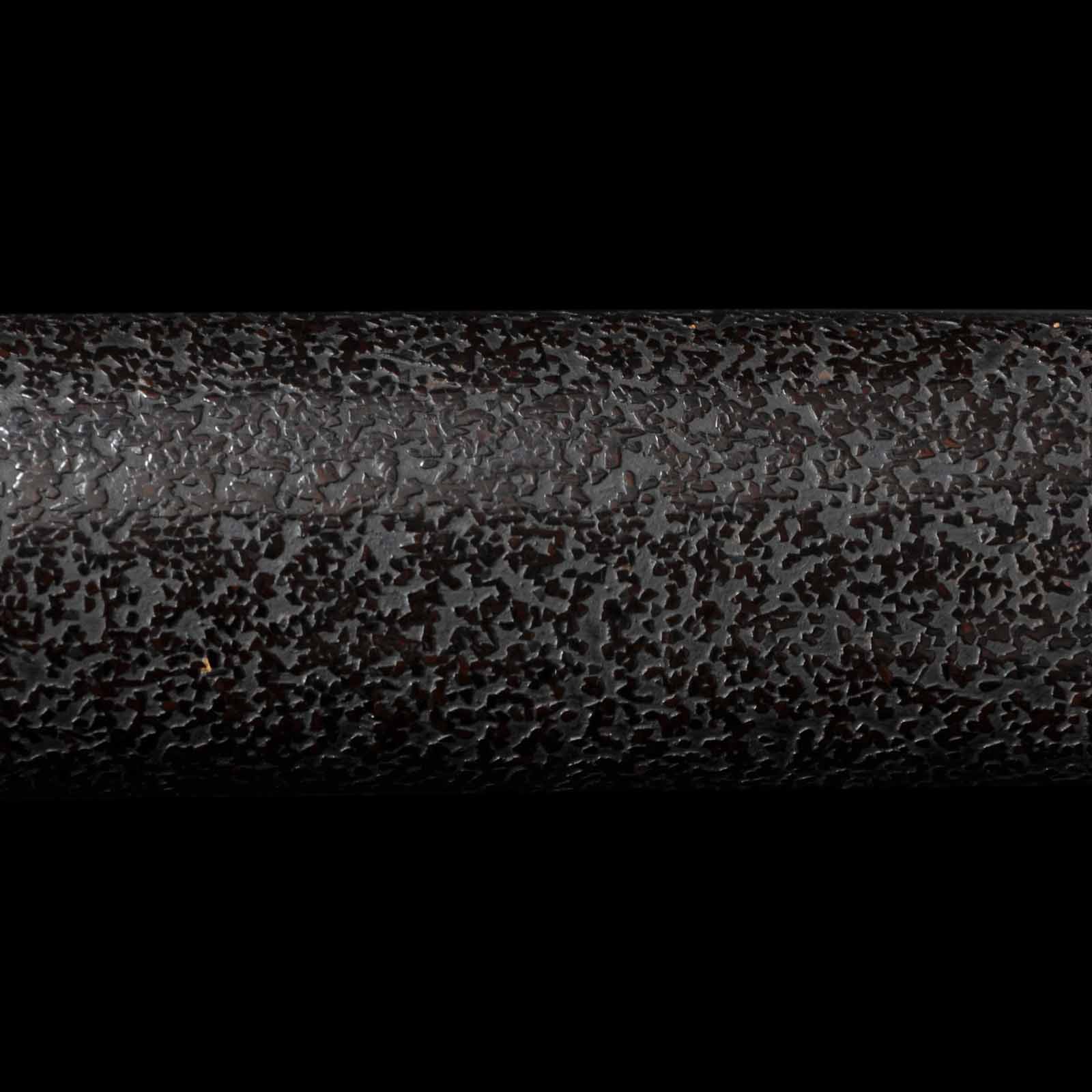
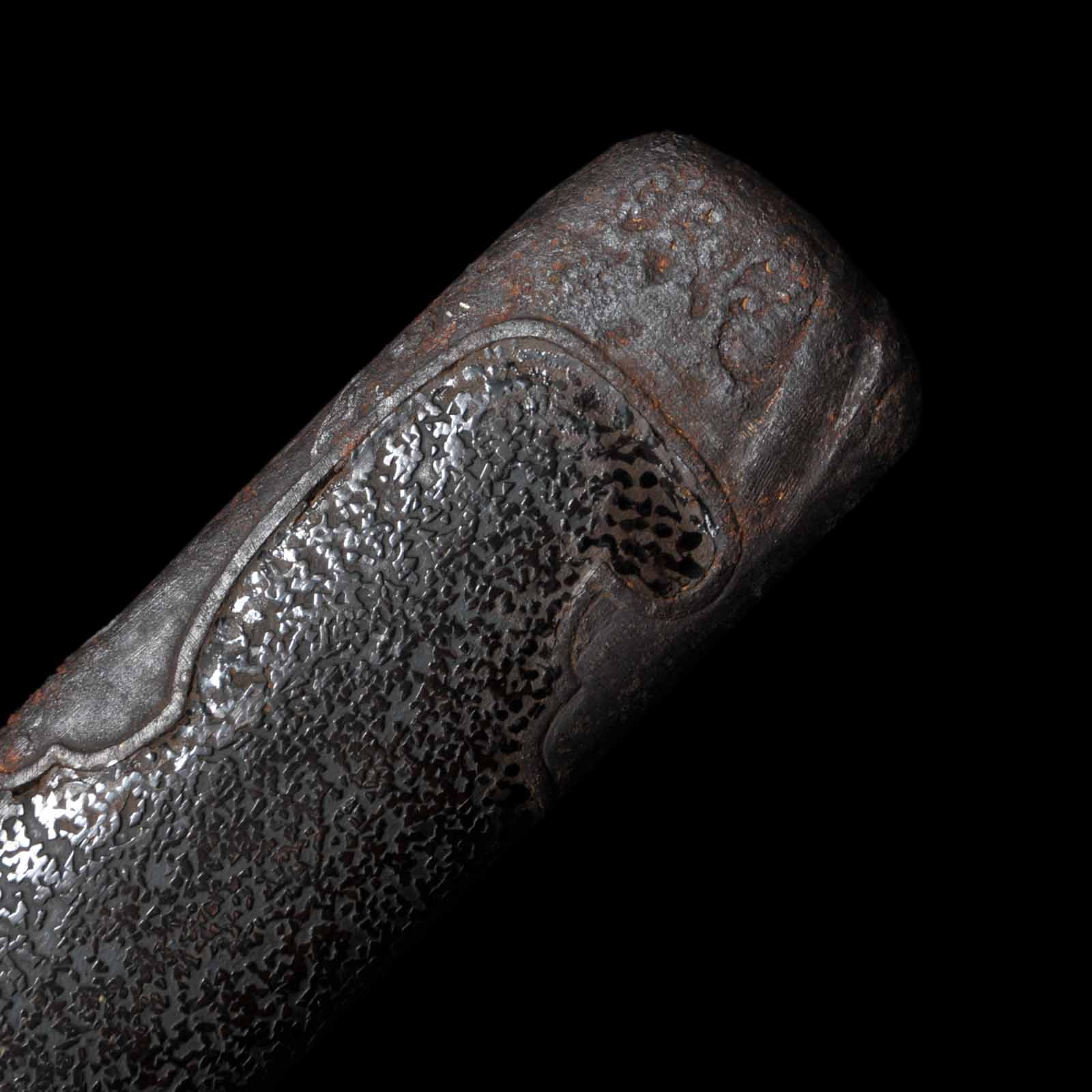
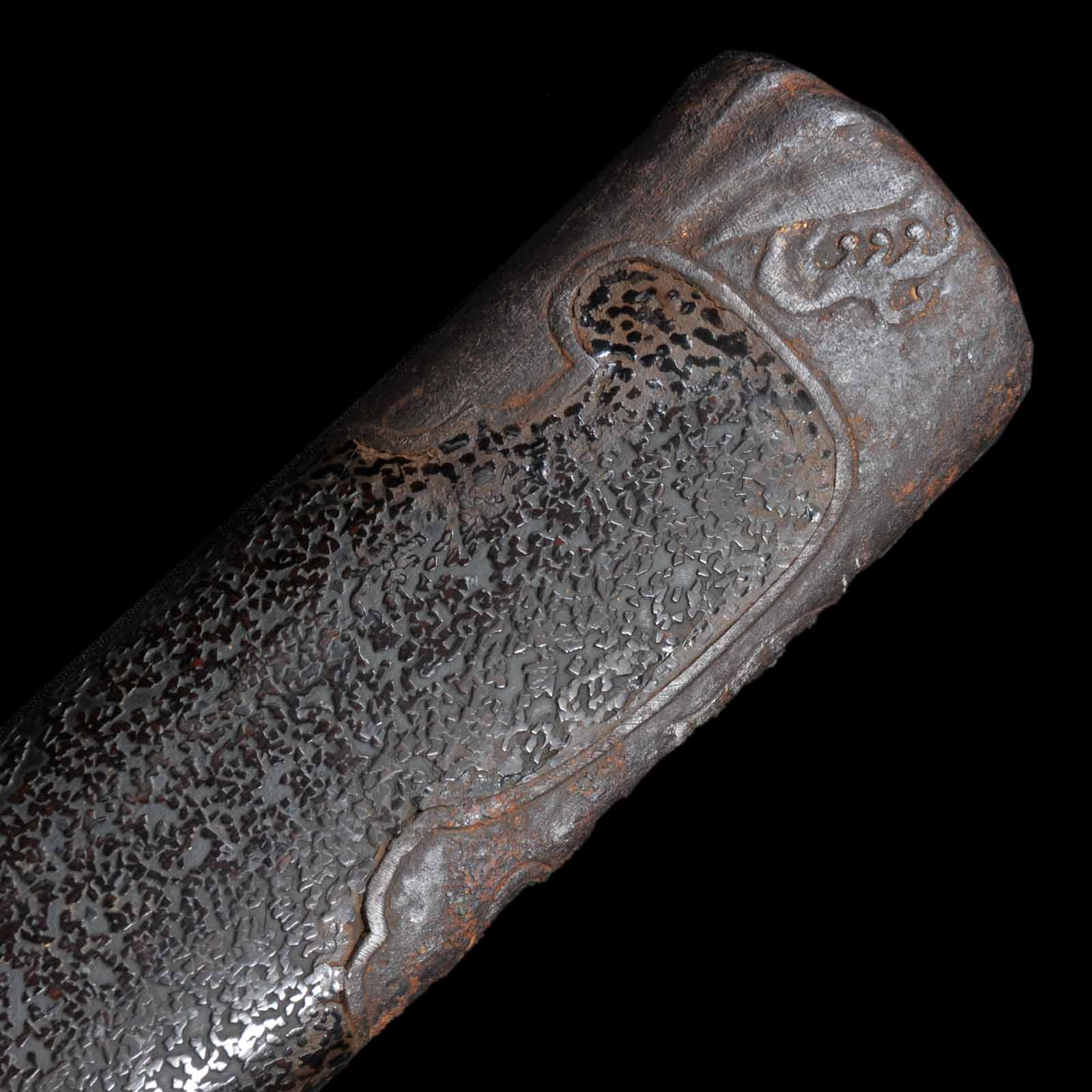
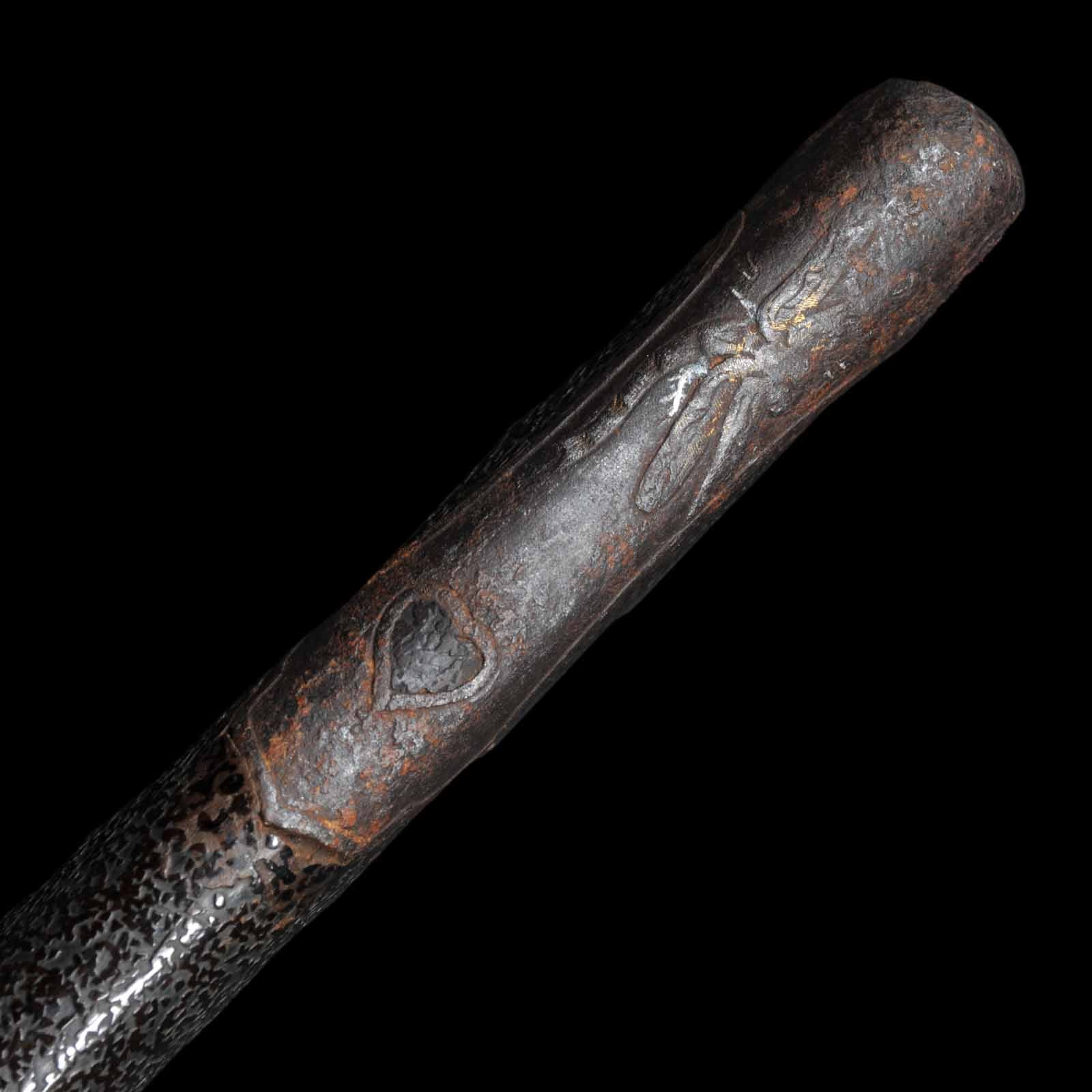
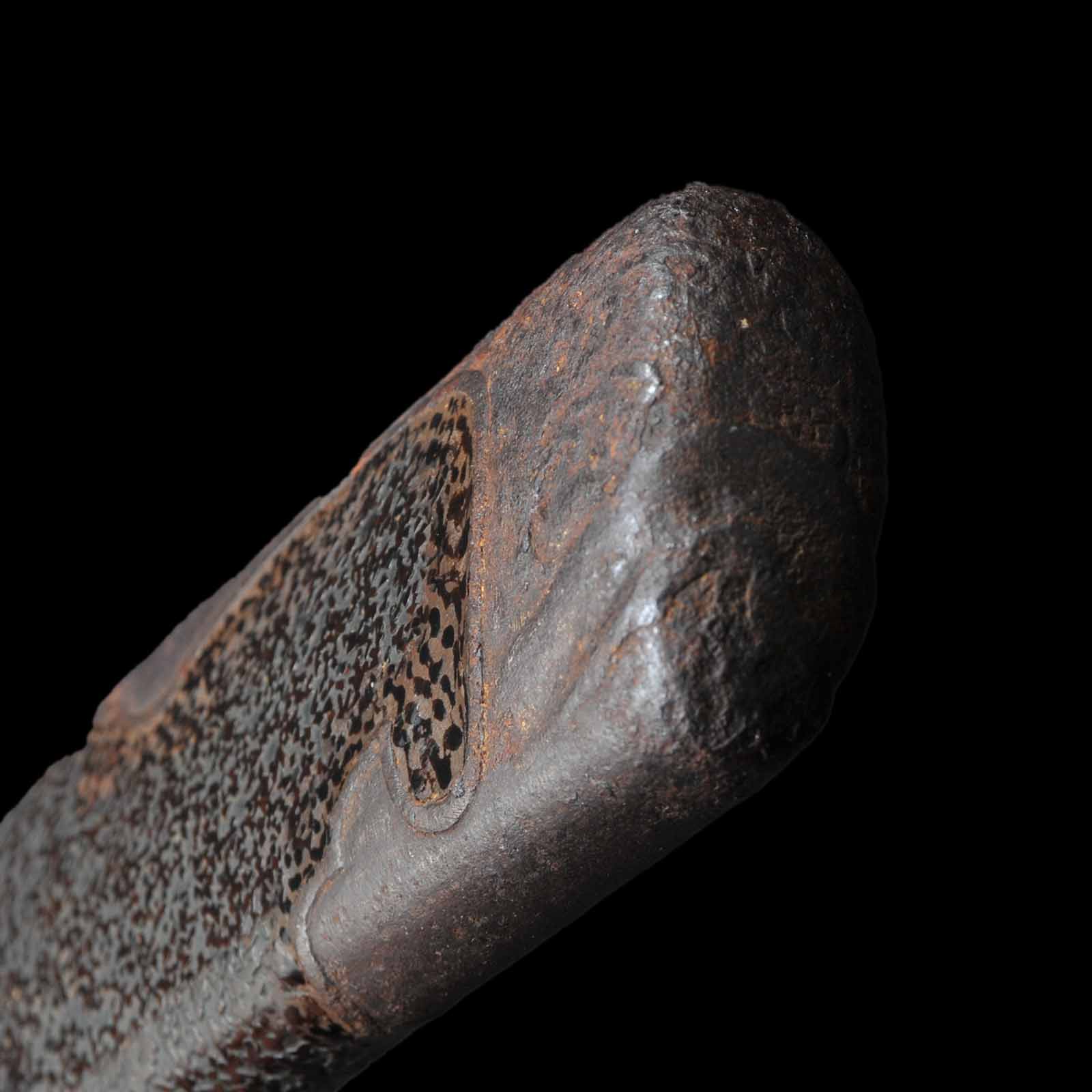
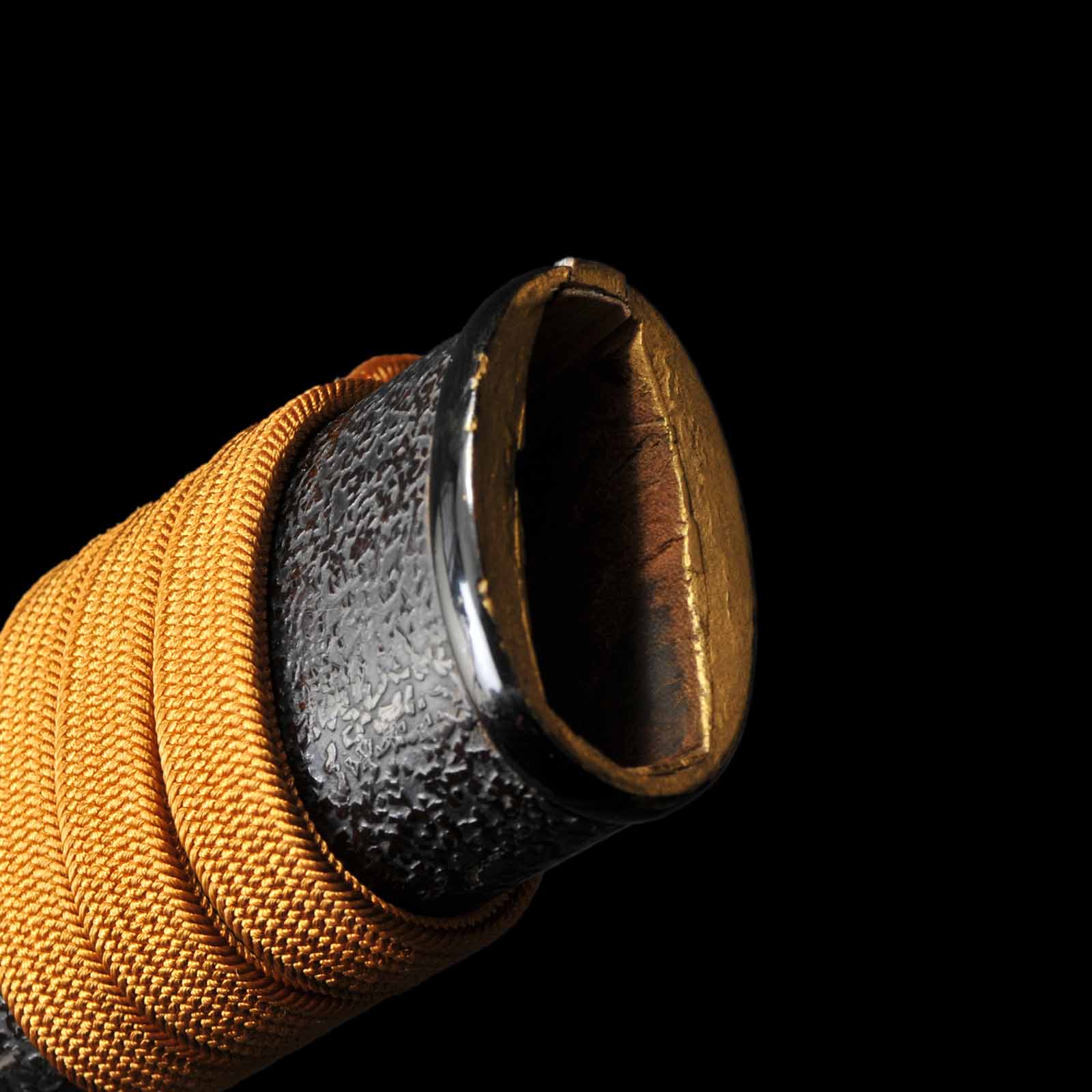
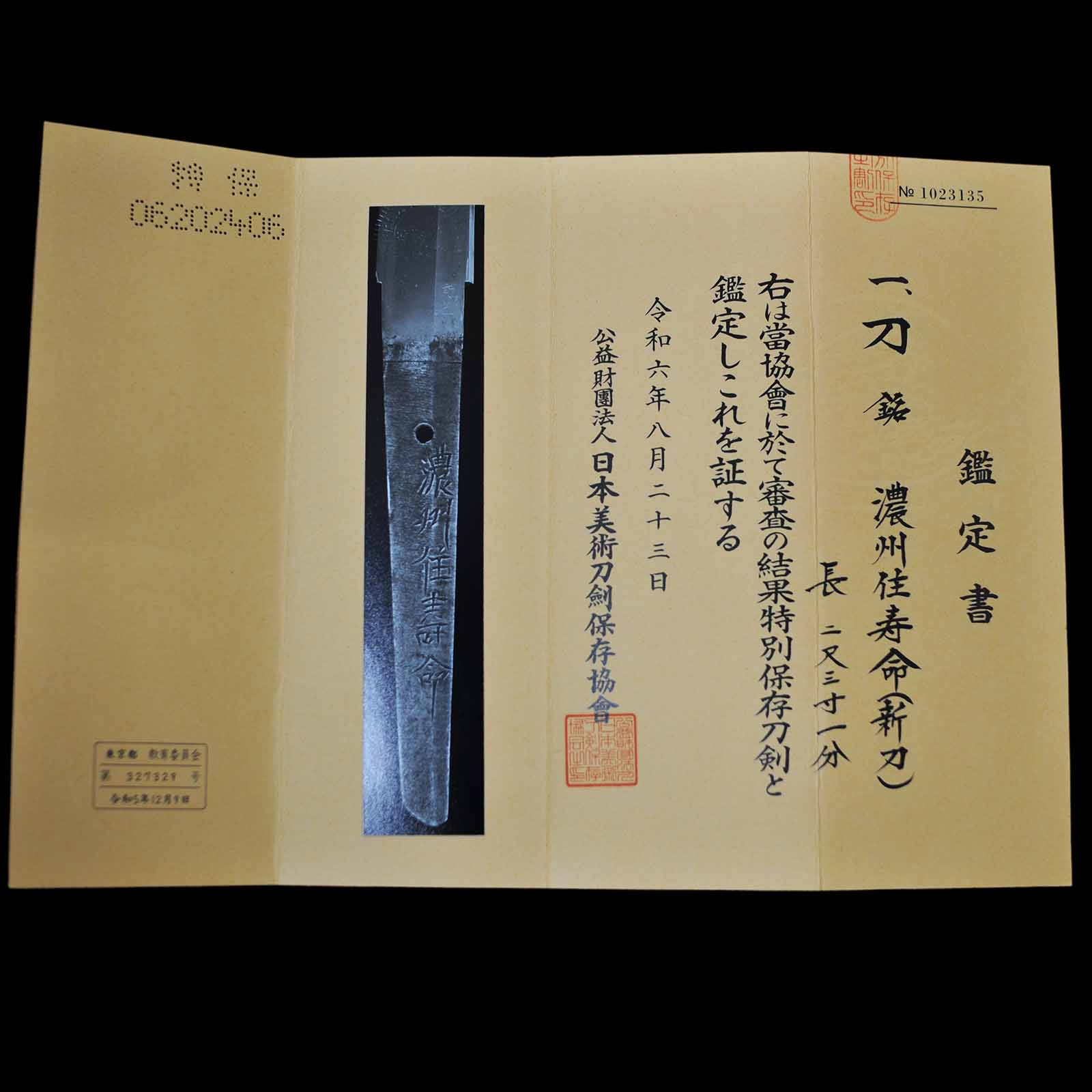
This piece is a sound, 70 cm long and heavy katana with no flaws. The sword is in very good condition with no flaws, but there are some rust marks due to the old state of sharpening. The jigane is well packed with koitame hada and some chikei can be seen in places. Hamon is very dynamic with wide, high and low gunomes mixed with midare, and the hataraki in the ha, including tama and aranye, make it a spectacular piece. On the nakago is engraved “Toshinaga living in Soshu. Toshinaga was a swordsmith from Mino Province, and there were swordsmiths bearing his name from around the end of the Kamakura period until the late Edo period. Especially after the Edo period, Toshinaga left many works in the Mino province during the Shinto period. Toshinaga was called “Jumyo Ebecause of the way it reads, which means longevity, and was a very popular swordsmith with a very auspicious name. This piece was made by Toshinaga during the Shinto period. The Society for Preservation of Japanese Art Swords judged this piece to be especially worthy of preservation for posterity due to its rarity and importance, and issued a certificate of authenticity for it in August 2024, certifying it as a Tokubetsu Hozon. It is also equipped with uchigatana style koshirae, and the metal fittings other than the menuki are of the period. The tsukamaki has recently been rewrapped in the style of tsumami-maki. The scabbard is equipped with an ojiri in the Kuwagata shape, making this koshirae more powerful. This is a wonderful piece of Ubu's Shinto period katana by a swordsmith with an auspicious name and the certificate of authenticity of Tokubetsu Hozon. Blade length: 70.0 cm Curvature: 1.6 cm Number of Mekugi hole: 1 Sakihaba: 21.7 mm Sakikasane: 5.1 mm Motohaba: 34.0 mm Motokasane: 7.8 mm Signature: Noshu ju Sukenaga(front) Era: Shinto Structure: Shinogi-zukuri, Iori-mune Jigane: Itame Hamon: Gunome Midare Boshi: Midare konde Nakamaru ni Kaeru Weight: 820 g(blade only)/1,160 g(without Saya) Nakago: Ubu
NihontoWatchJumyo壽命
Offered by Tozando
This piece has sold
Get an email when a new Jumyo piece hits the market.
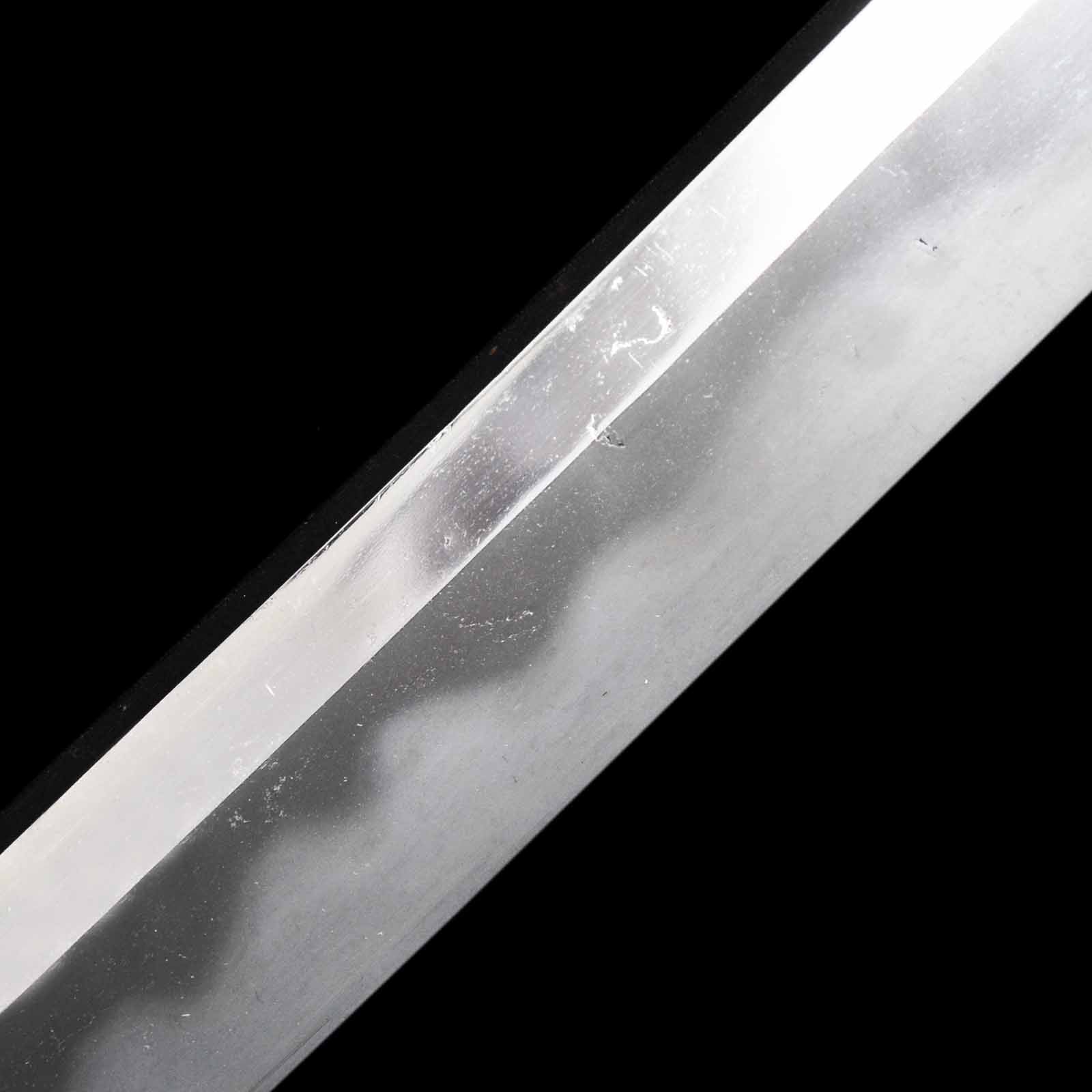
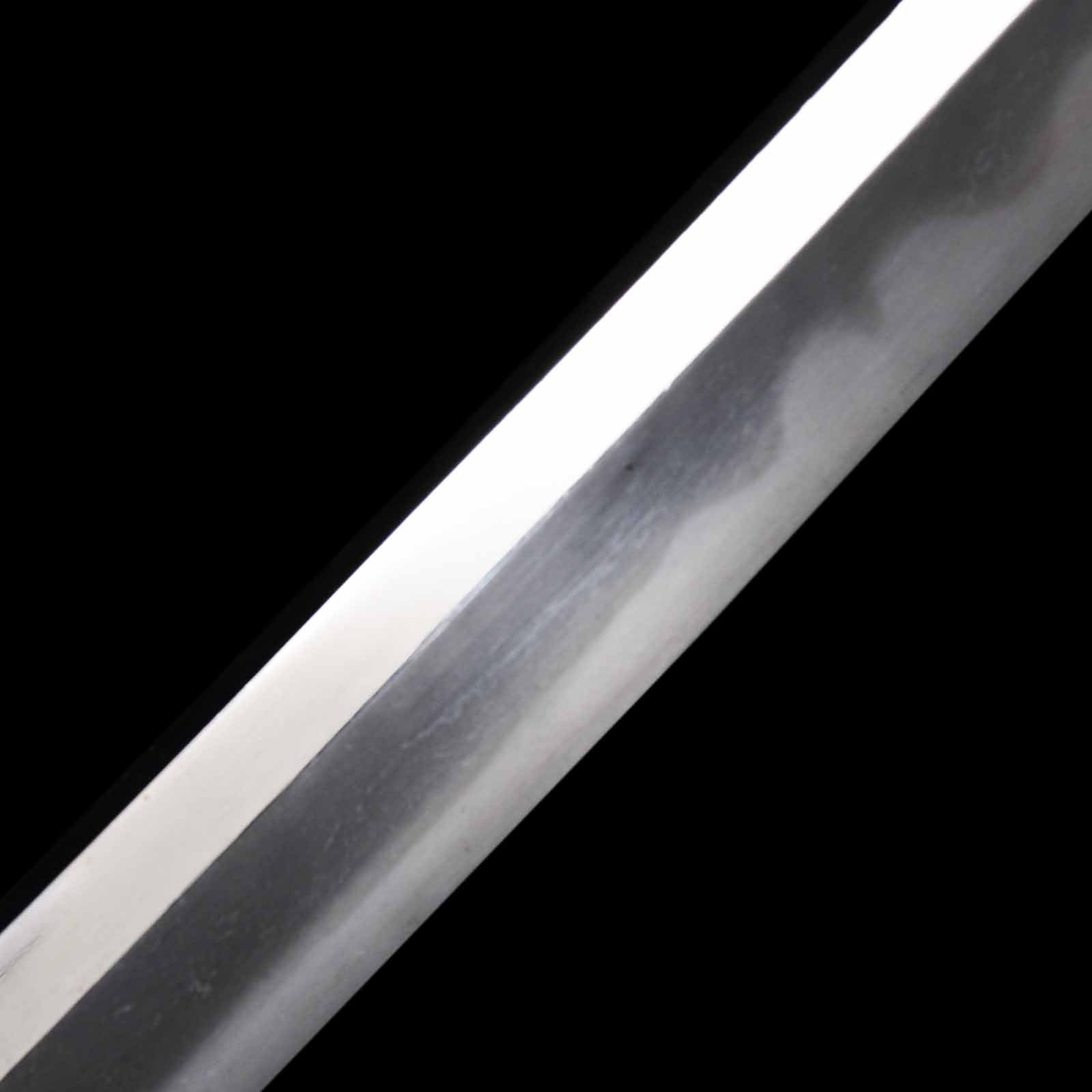
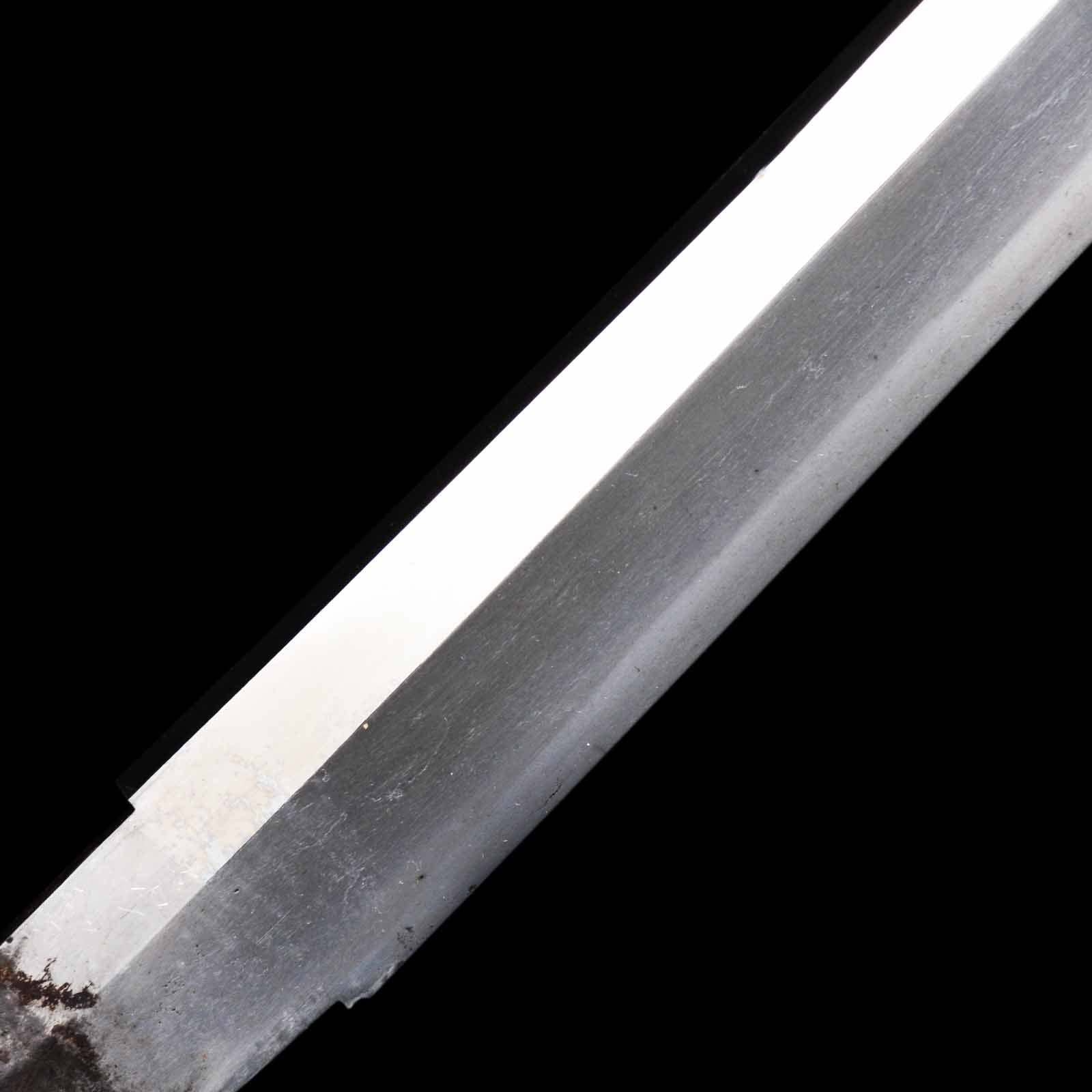
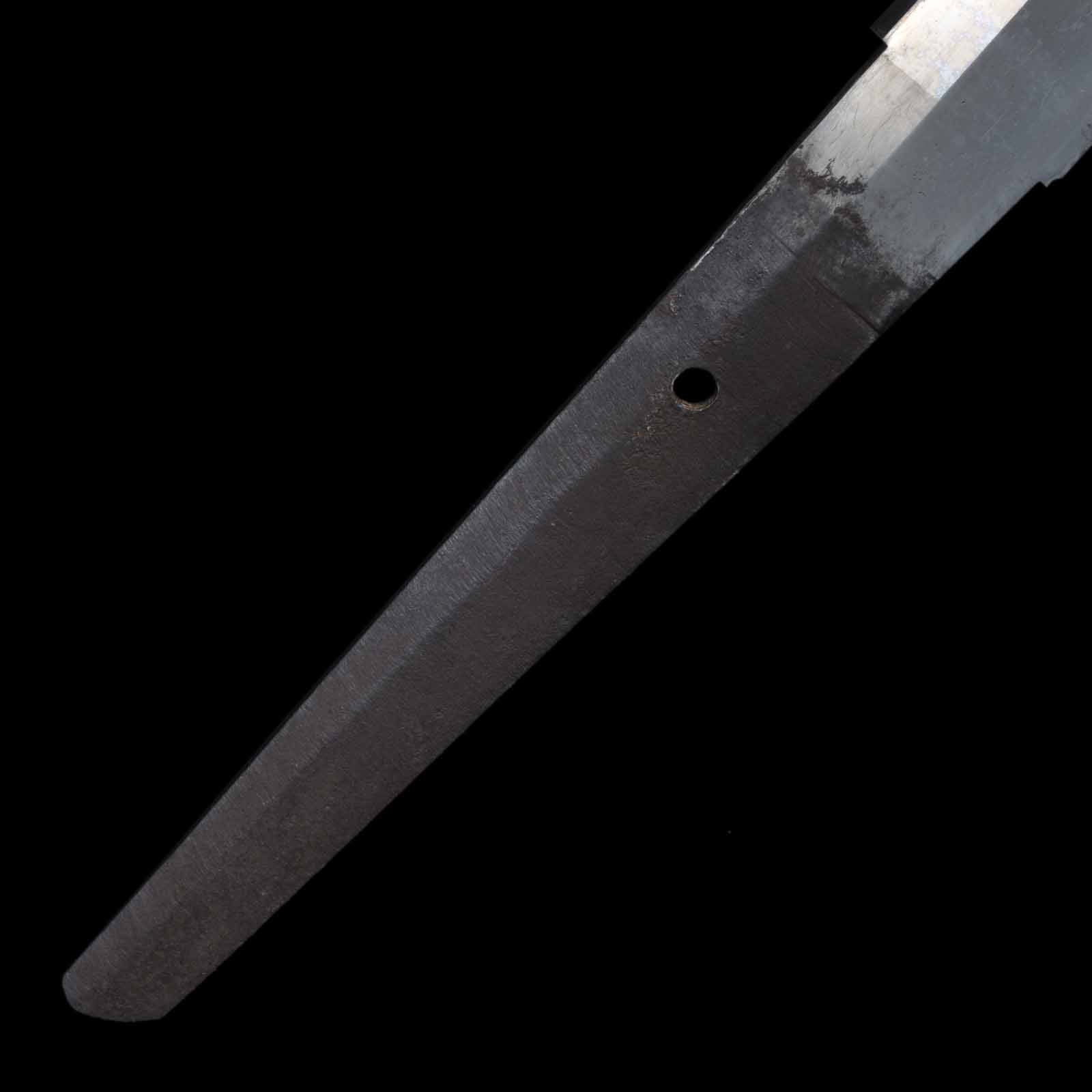
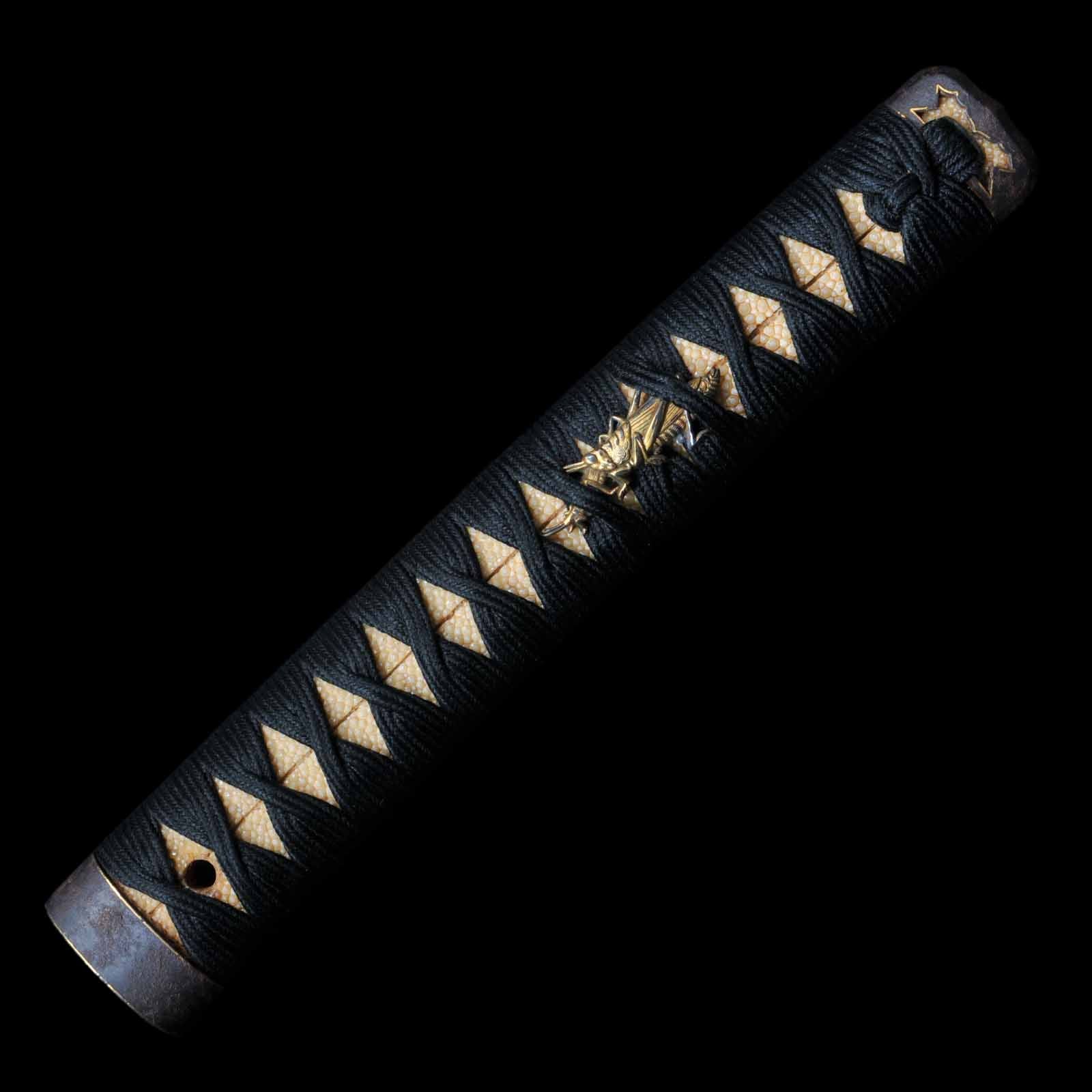
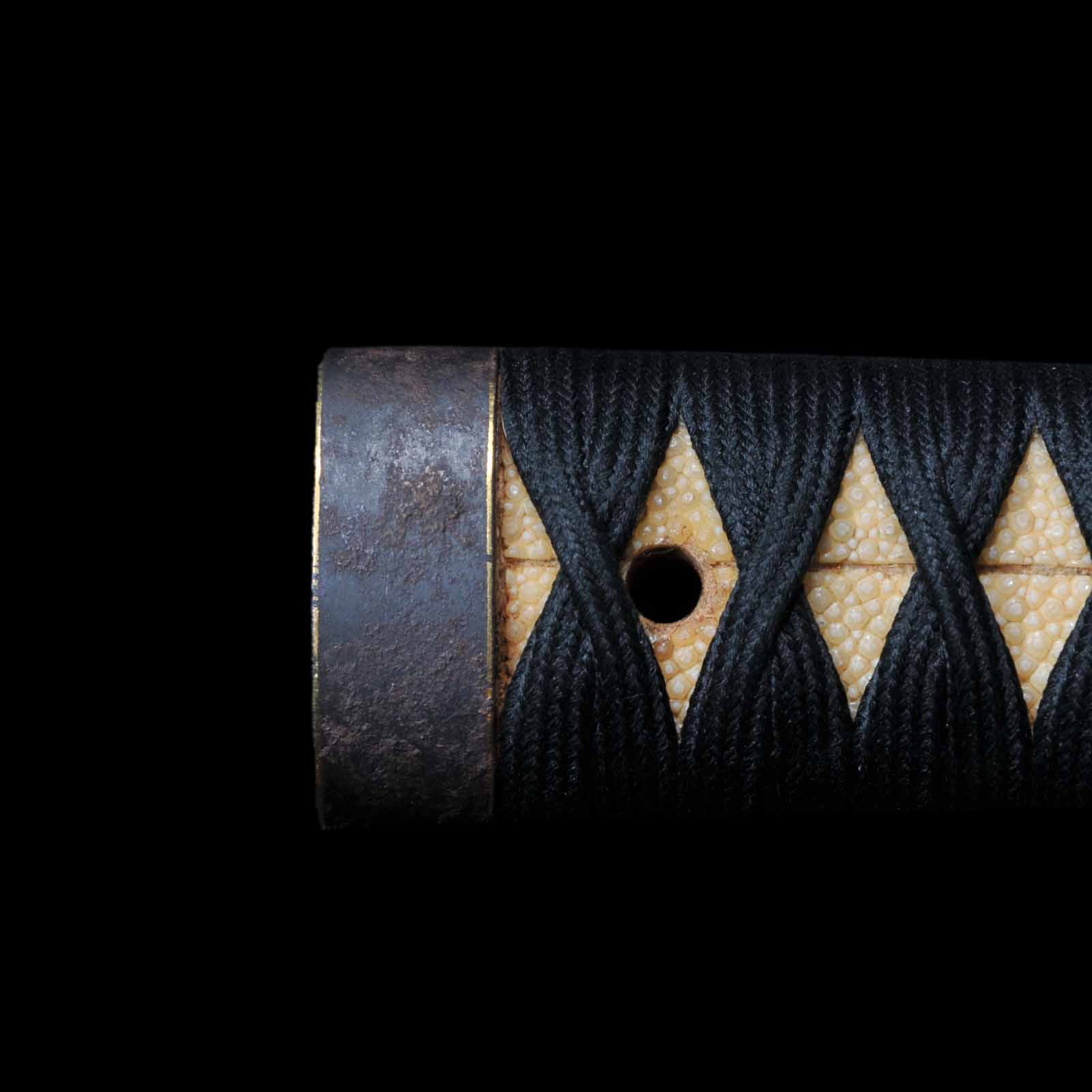
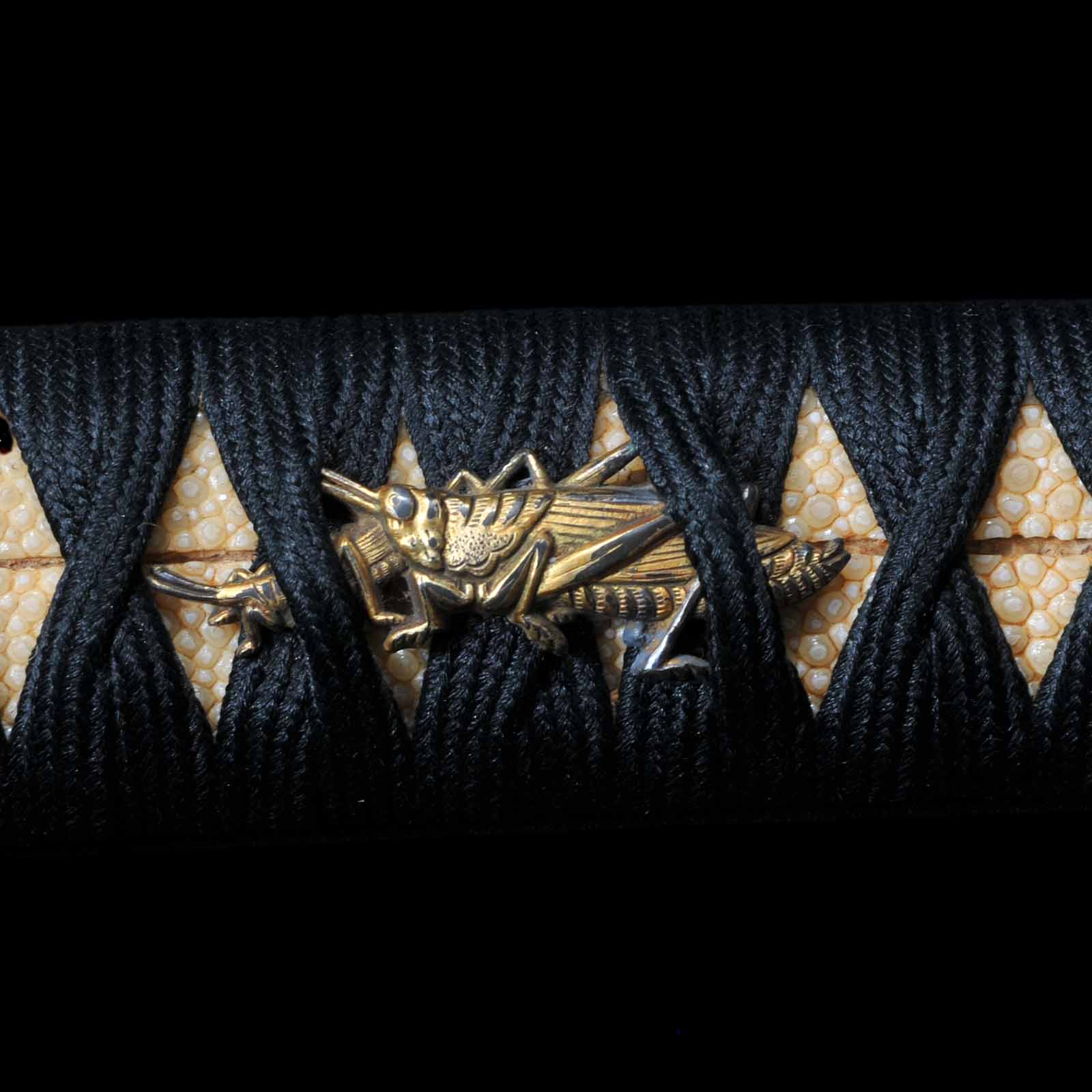
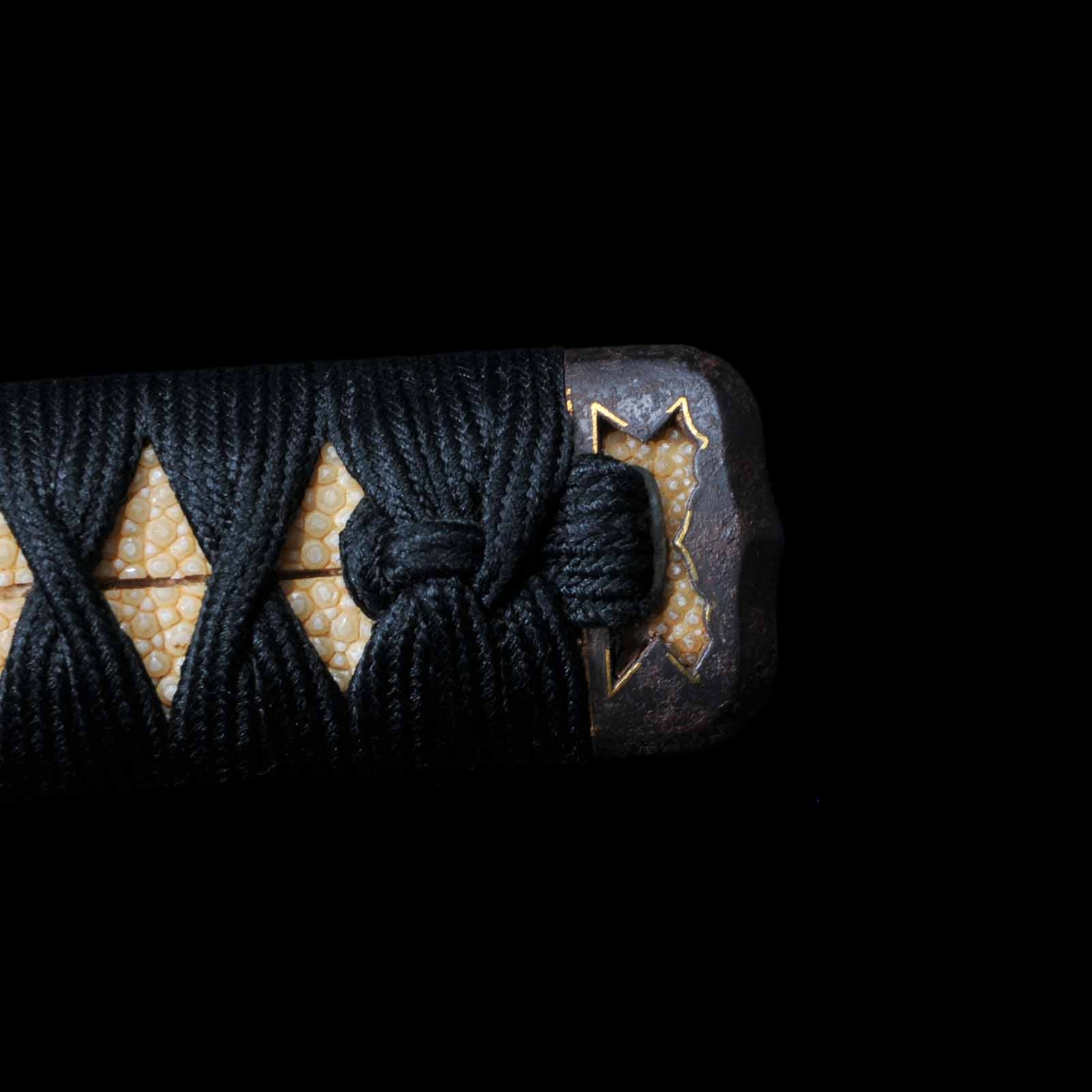
Mino-den · Mino · around 1661-1673
Fujishiro Chu saku · Tōken Taikan top 95%
2 pieces on the market now
Mino-den · Mino
9 pieces on the market now
The Edo period (1615 to 1868)
Edo was the sword’s age of connoisseurship: the Hon’ami appraisers, the shogunal register of famous blades of 1719, and a thriving literature turned the sword into an object of study even as it ceased to be drawn in war.
A Hozon-certified blade judged to show notably superior workmanship and a better state of preservation. The bar is higher: re-tempered blades and most unsigned Muromachi/Edo works are excluded.
The NBTHK (Nihon Bijutsu Tōken Hozon Kyōkai, the Society for the Preservation of Japanese Art Swords) is a public-interest incorporated foundation founded in 1948 and supervised by Japan’s Agency for Cultural Affairs (Bunkachō); it is based at the Japanese Sword Museum in Tokyo. Its expert panels physically examine each submitted work (shinsa) and issue a certificate (kanteishō) ranking it by artistic and historical merit. NBTHK papers are the most widely recognized standard of authentication for Japanese swords and fittings.
NBTHK official siteAs a general rule, returns/exchanges are not accepted on Japanese sword orders unless damaged upon delivery. Other items: returns/exchanges accepted within 7 days of delivery. Cancellation for personal reasons incurs a 30% restocking fee (70% refunded). Return shipping must be prepaid and insured by the buyer; shipping/handling fees are non-refundable. Contact katana@tozando.co.jp to initiate a return.