


Around 1800 Suishinshi Masahide argued in his writings that the craft must return to the old masters’ methods: the fukkotō revival. His greatest successor Naotane worked convincingly in Bizen and Sōshū manners that had been dead for centuries.
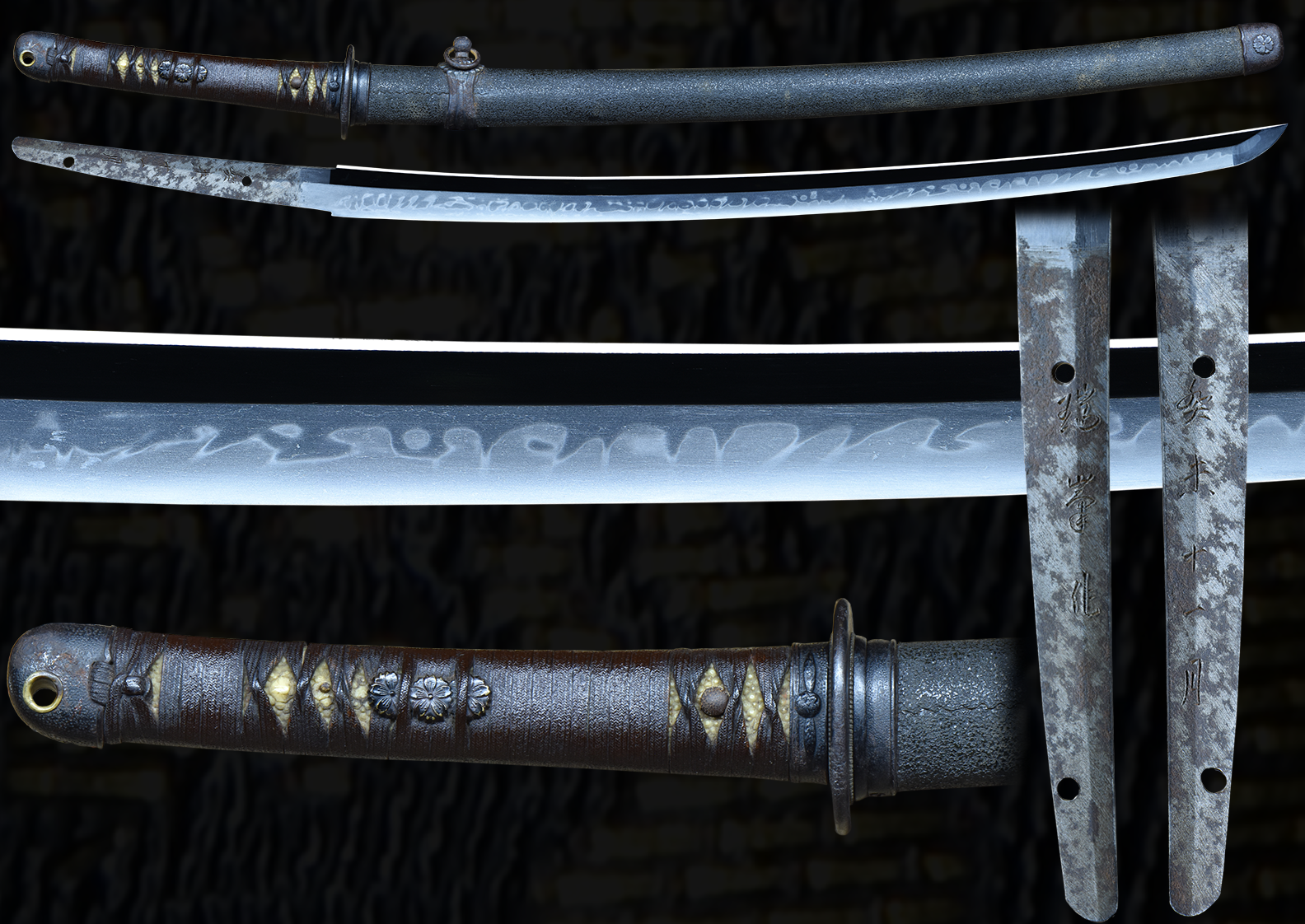
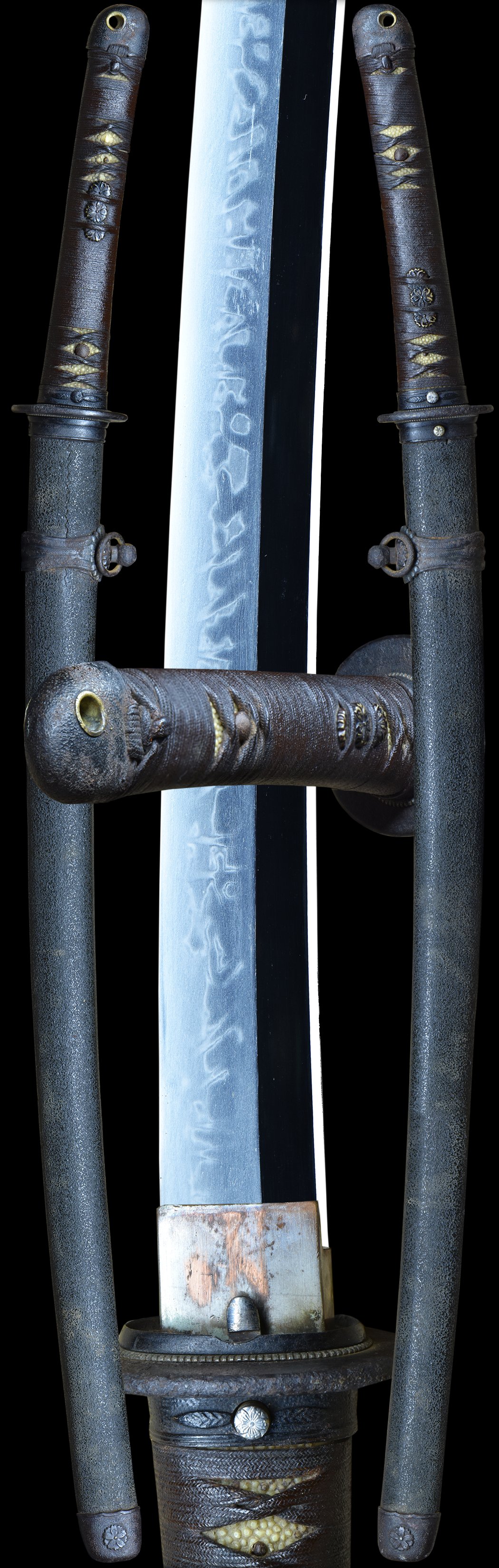
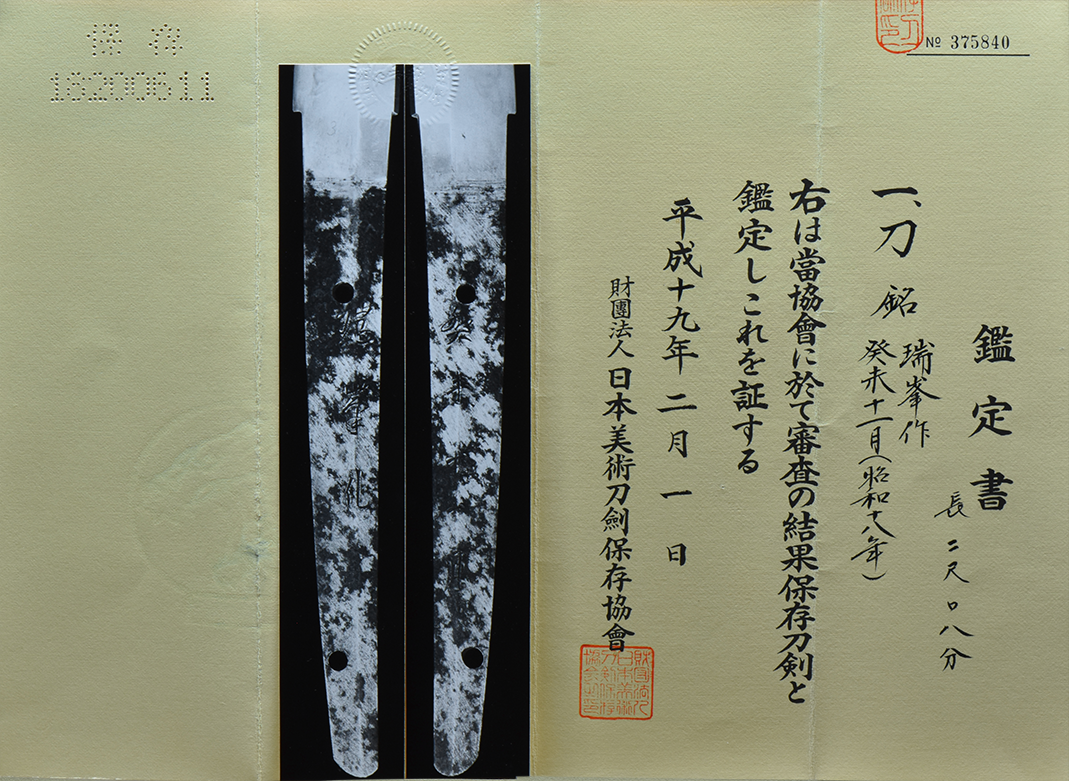
This is a quality, traditionally made sword. This sword was made by Shigefusa that signed “Zuiho Saku”. His real name is Kojima Kameta and lived in Tokushima prefecture. This particular sword was made and a very interesting fashion. It appears to reflect the bizen tradition of sword making. Almost a representation of a Bizen Ichimonjii school sword. The temper is extremely active and shows in abundance a fine controlled work. Considering it was made by SwordSmith working in the 1900s, it stands out from other swords made in this era. Obviously this sword was made for the war effort, it is mounted in mounts that are in very good shape. This is not a standard oil tempered military sword. This is swords was forge properly and tempered property in the traditional matter. I would almost think that it was a special ordered sword. It even comes with a certificate from the Japanese sword museum, the NBTHK authenticating that it was a traditional he made sword of quality. It has a serial number on the mune of the nakago. Overall very interesting sword made during World War II with a spectacular hamon style. These fittings, while often called the P-1944, were in fact designed in 1938, but didn’t really see much use until 1940. They were designed to be more robust than the regular Type 98 fittings, as well as less expensive and time consuming to produce. However the standard Type 98 fittings continued to be produced concurrently until almost the end of the war. The blade tang on this RJT Shin-Gunto is signed by the maker, and is handmade in the traditional fashion. A Shin-Guntō (新軍刀, new military sword) is a weapon and symbol of rank used by the Imperial Japanese Army between the years of 1935 and 1945. This sword is on consignment.
Offered by Nihonto Antiques
This piece has sold
Get an email when a new Shigefusa piece hits the market.


Awa · around 1926-1945
The Shinshintō revival
Around 1800 Suishinshi Masahide argued in his writings that the craft must return to the old masters’ methods: the fukkotō revival. His greatest successor Naotane worked convincingly in Bizen and Sōshū manners that had been dead for centuries.
We offer a 48 hour inspection period for all Antique items shipped within the United States only. If the item is not to your satisfaction, we will gladly refund your money less any shipping and handling fees. All sales are final after the 48 hour inspection period. Please note that all discounted items are a final sale and not returnable.