Edo was the sword’s age of connoisseurship: the Hon’ami appraisers, the shogunal register of famous blades of 1719, and a thriving literature turned the sword into an object of study even as it ceased to be drawn in war.
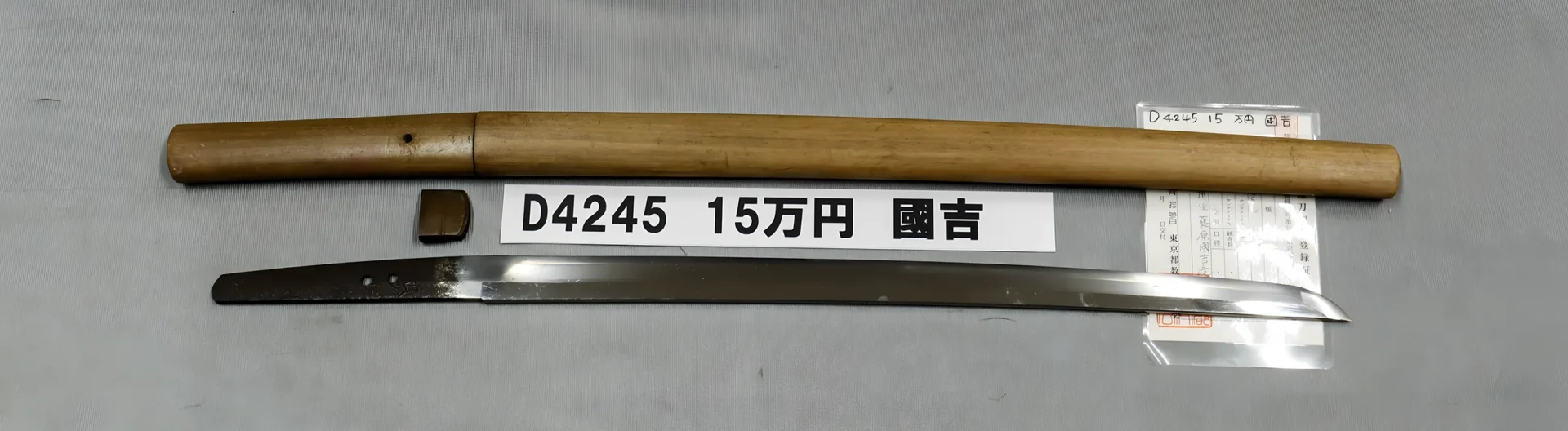
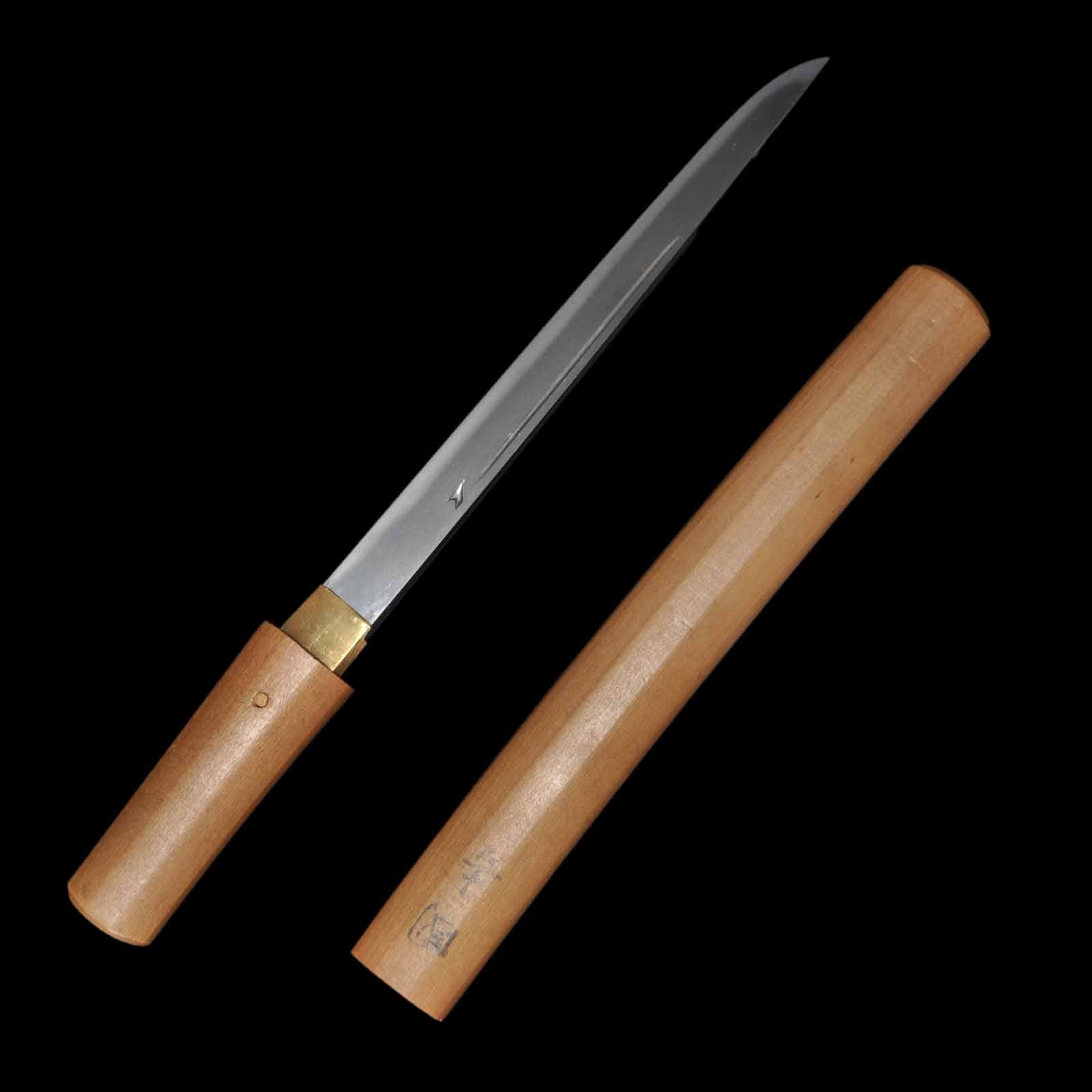
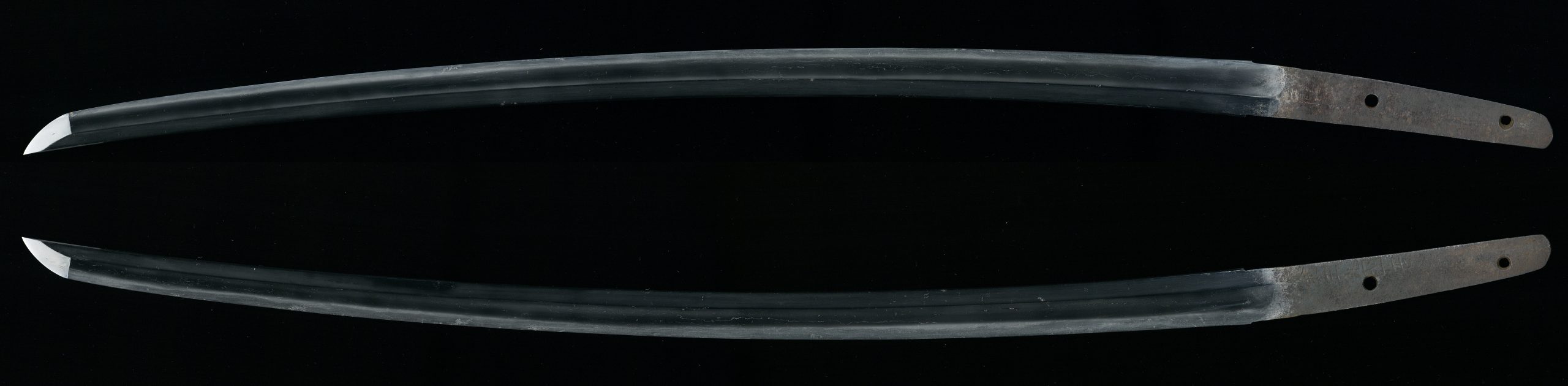
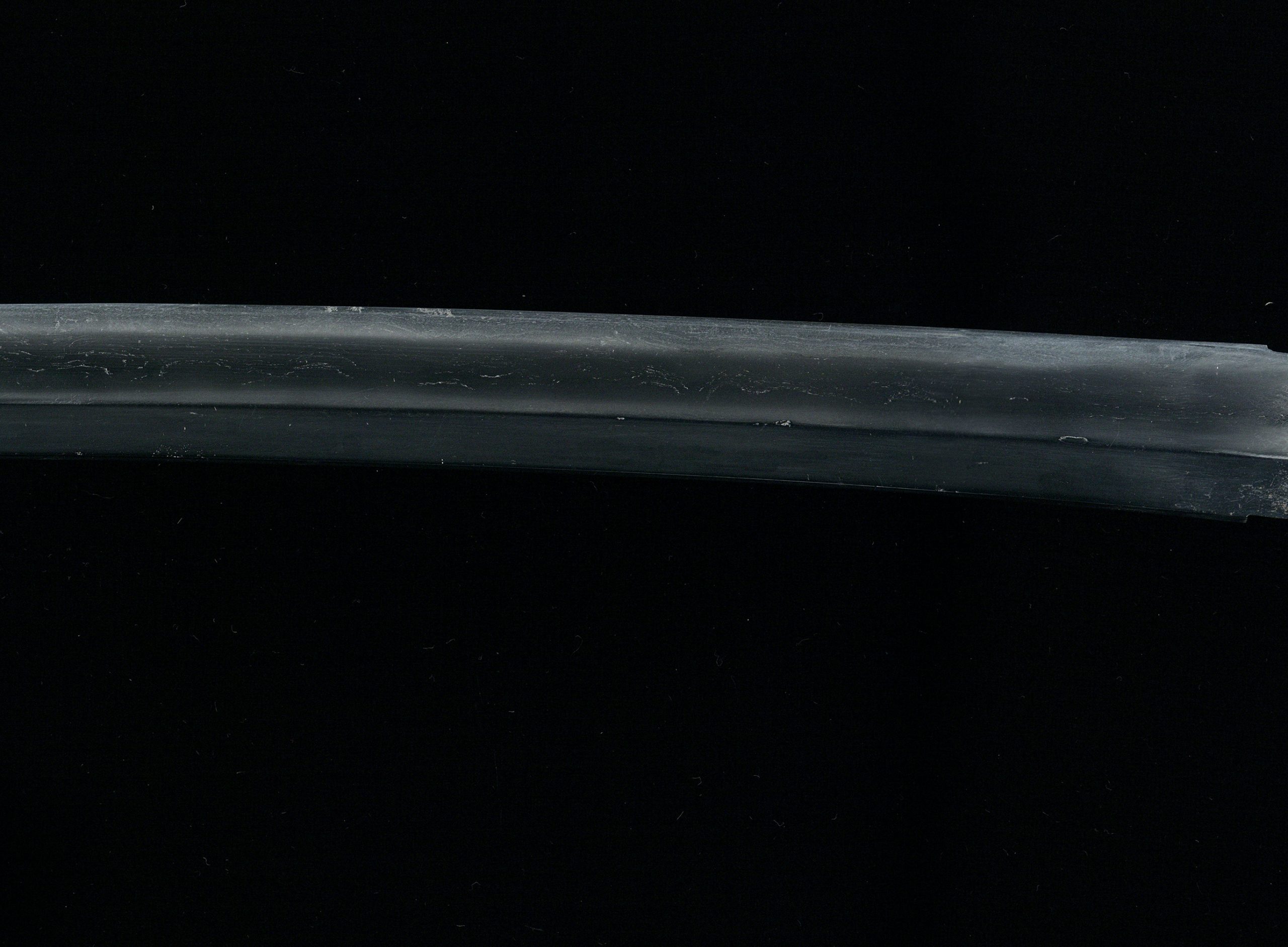
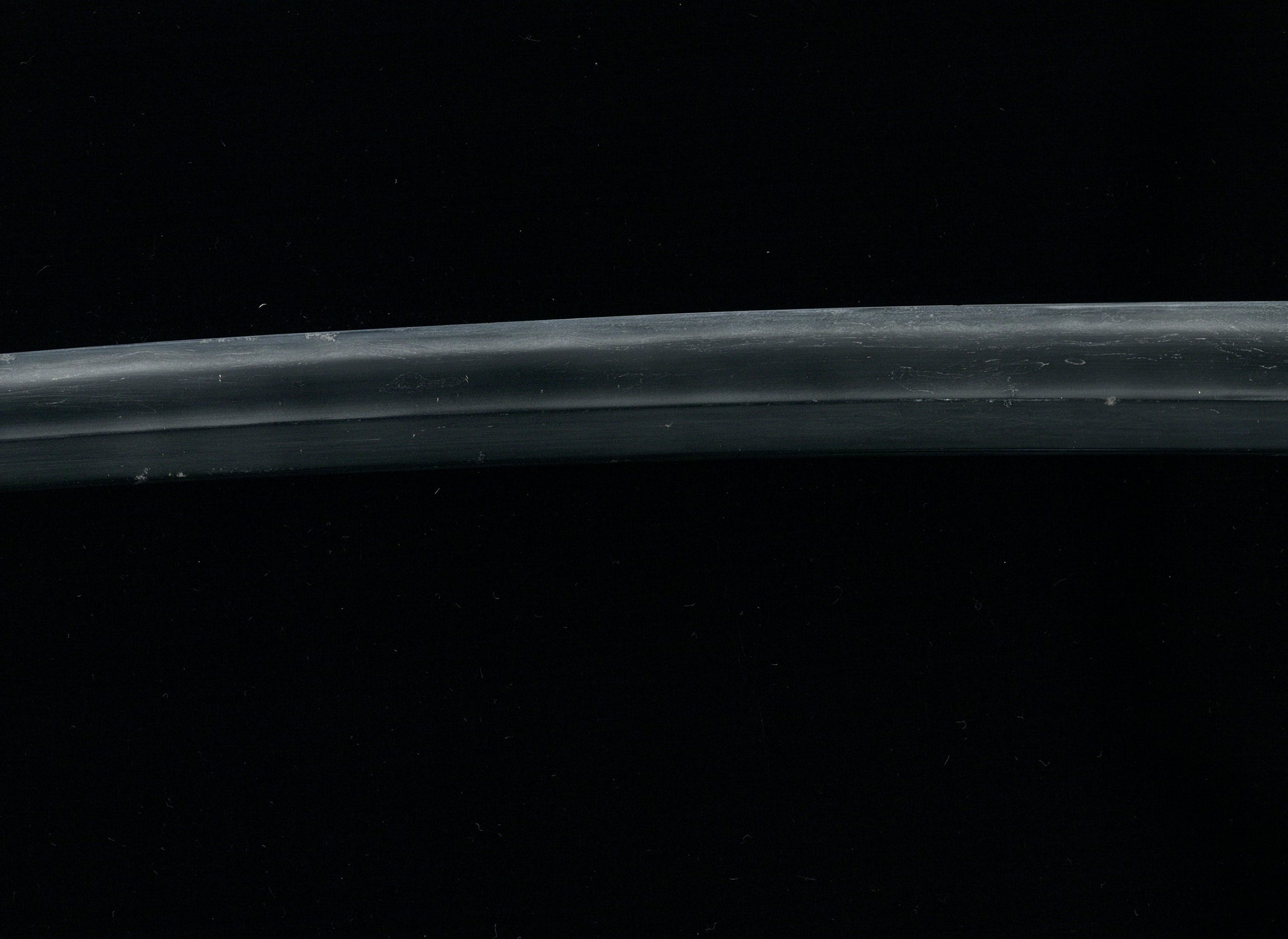
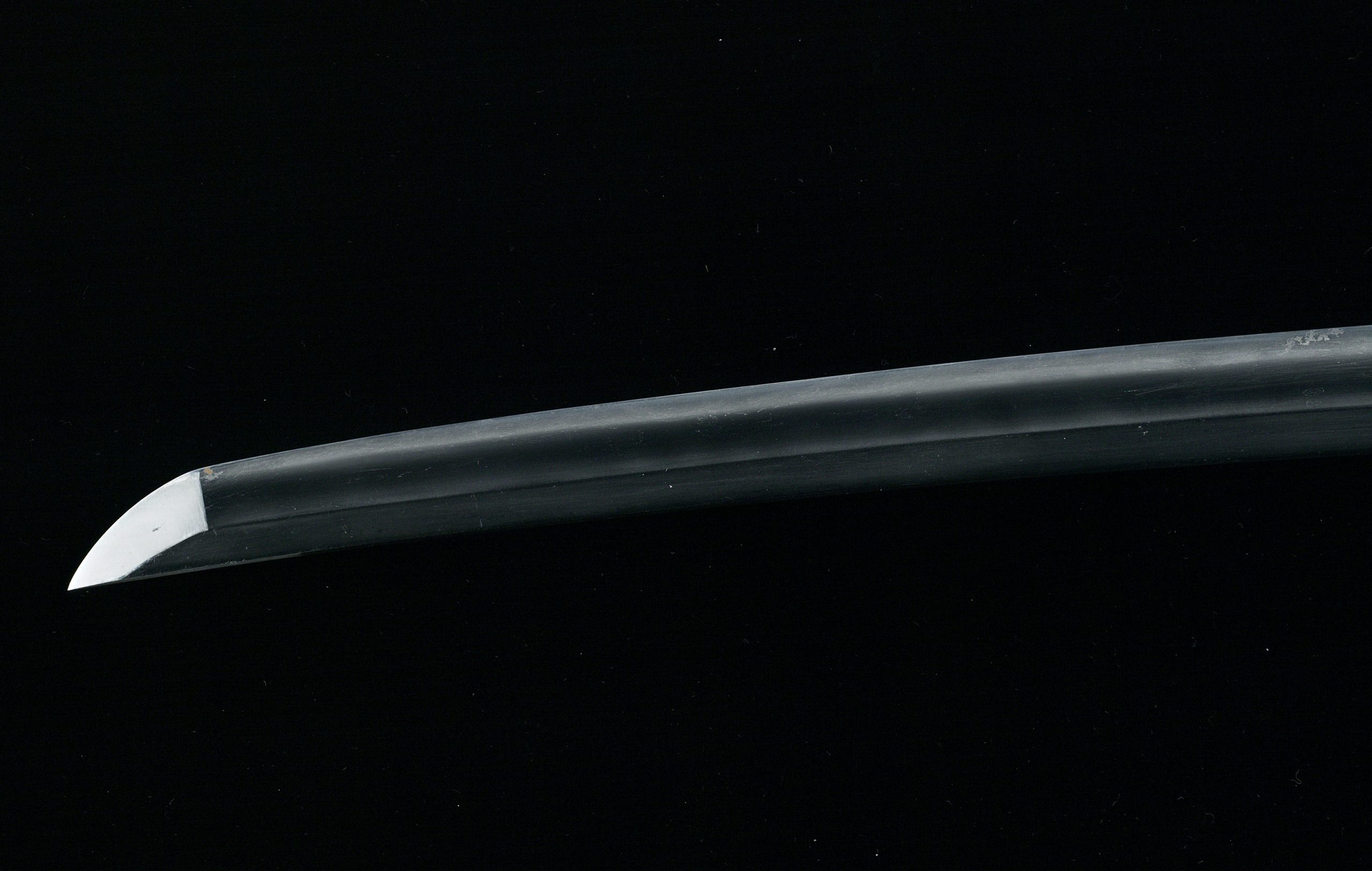
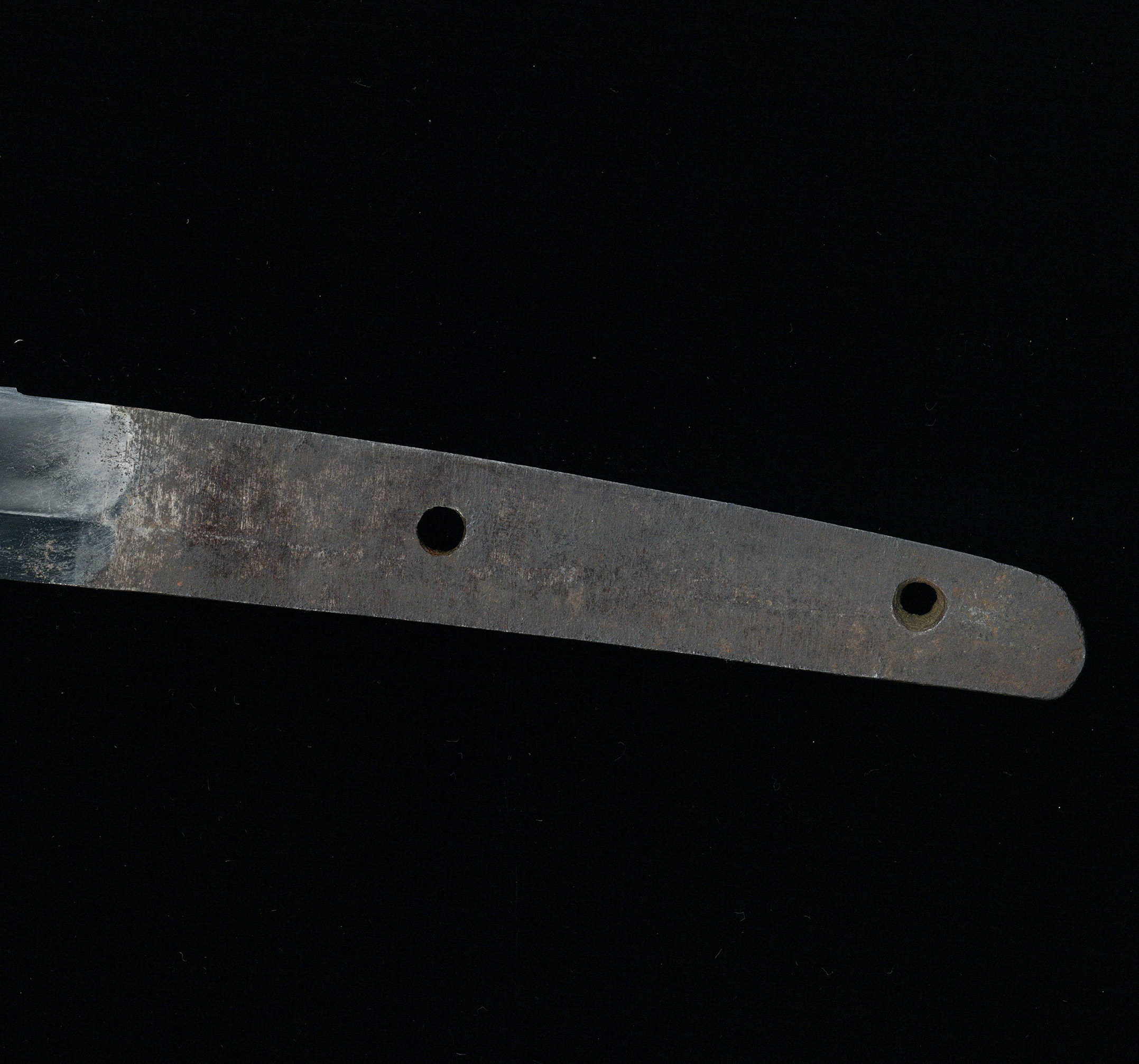
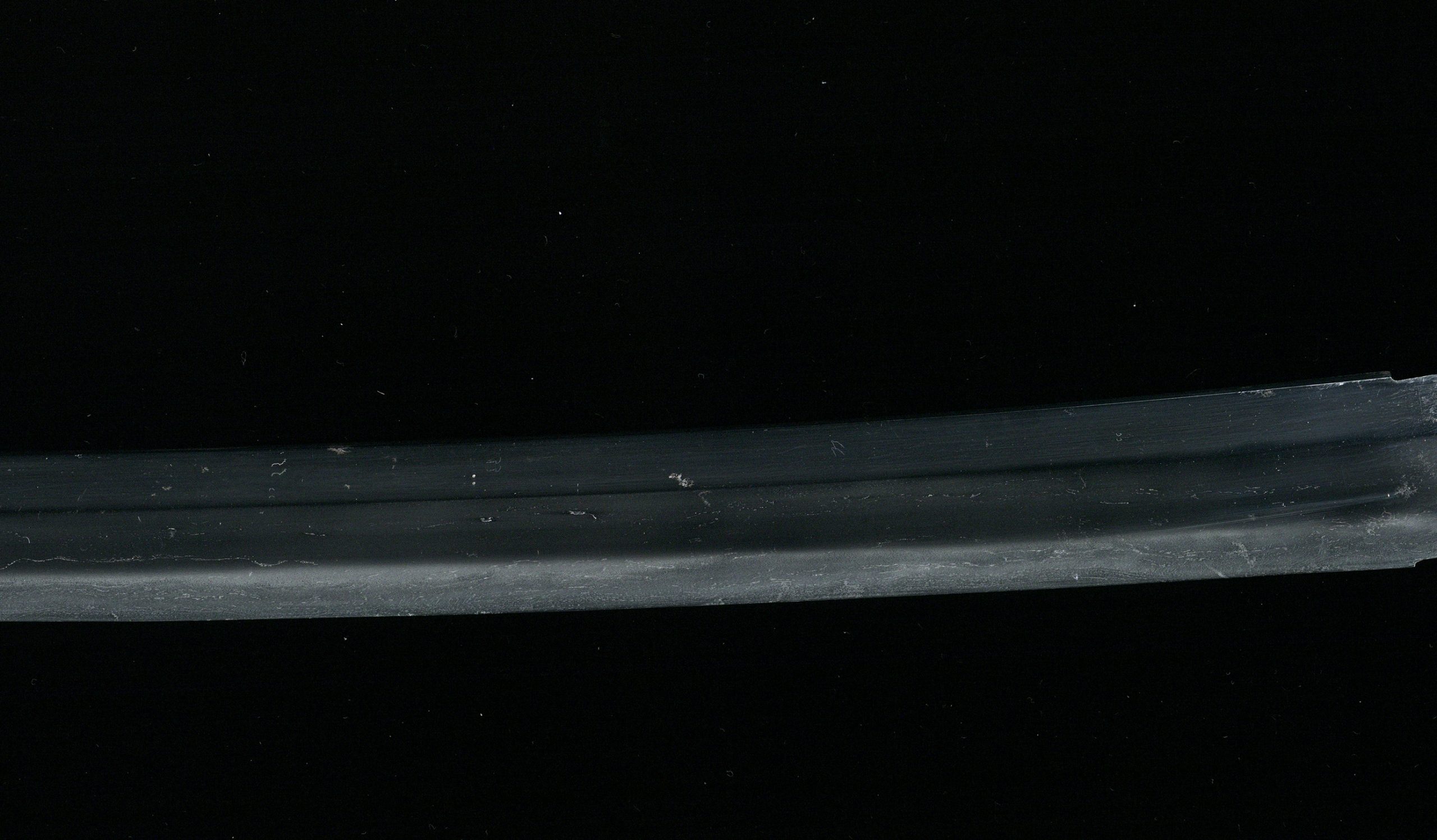
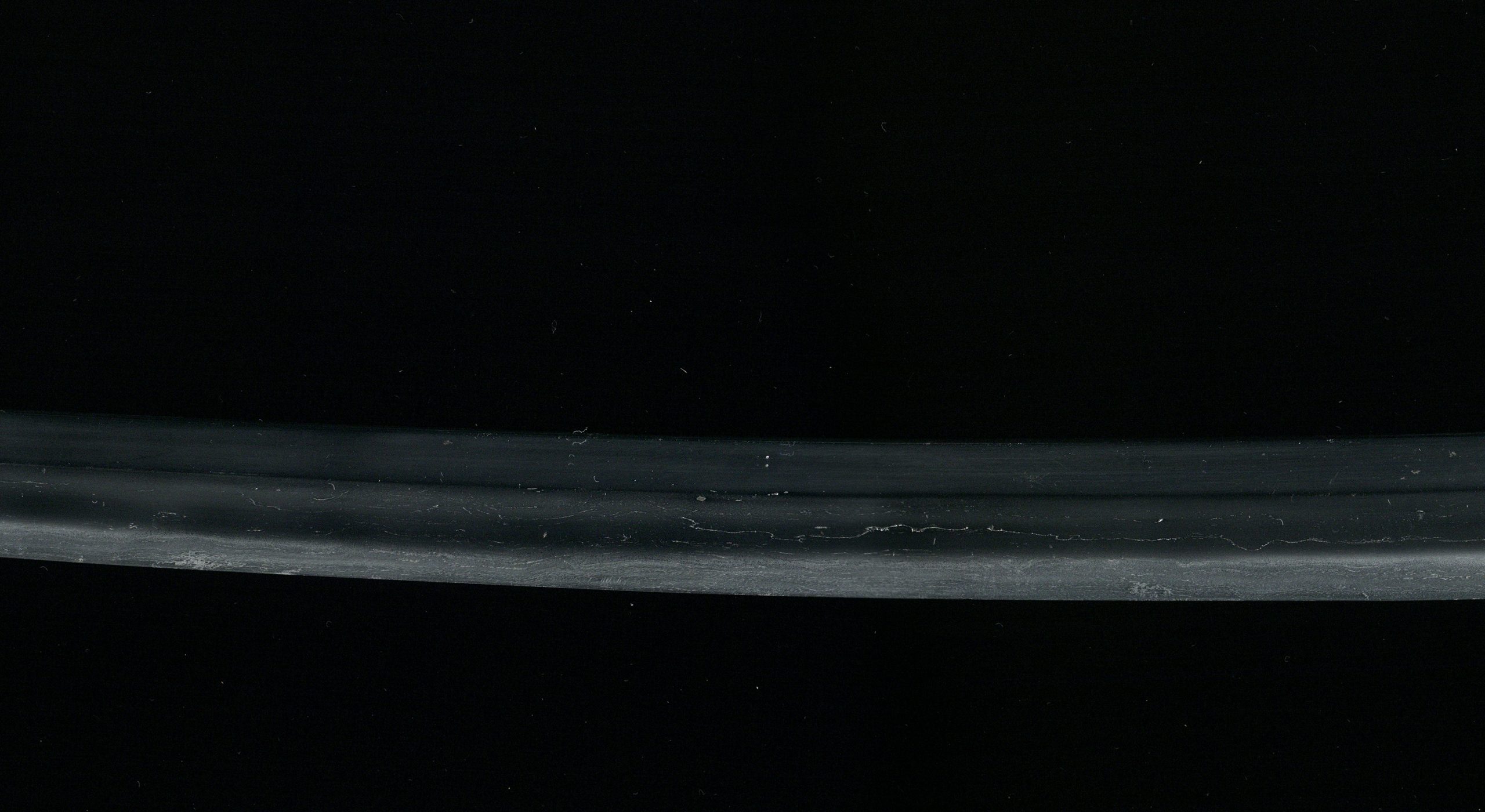
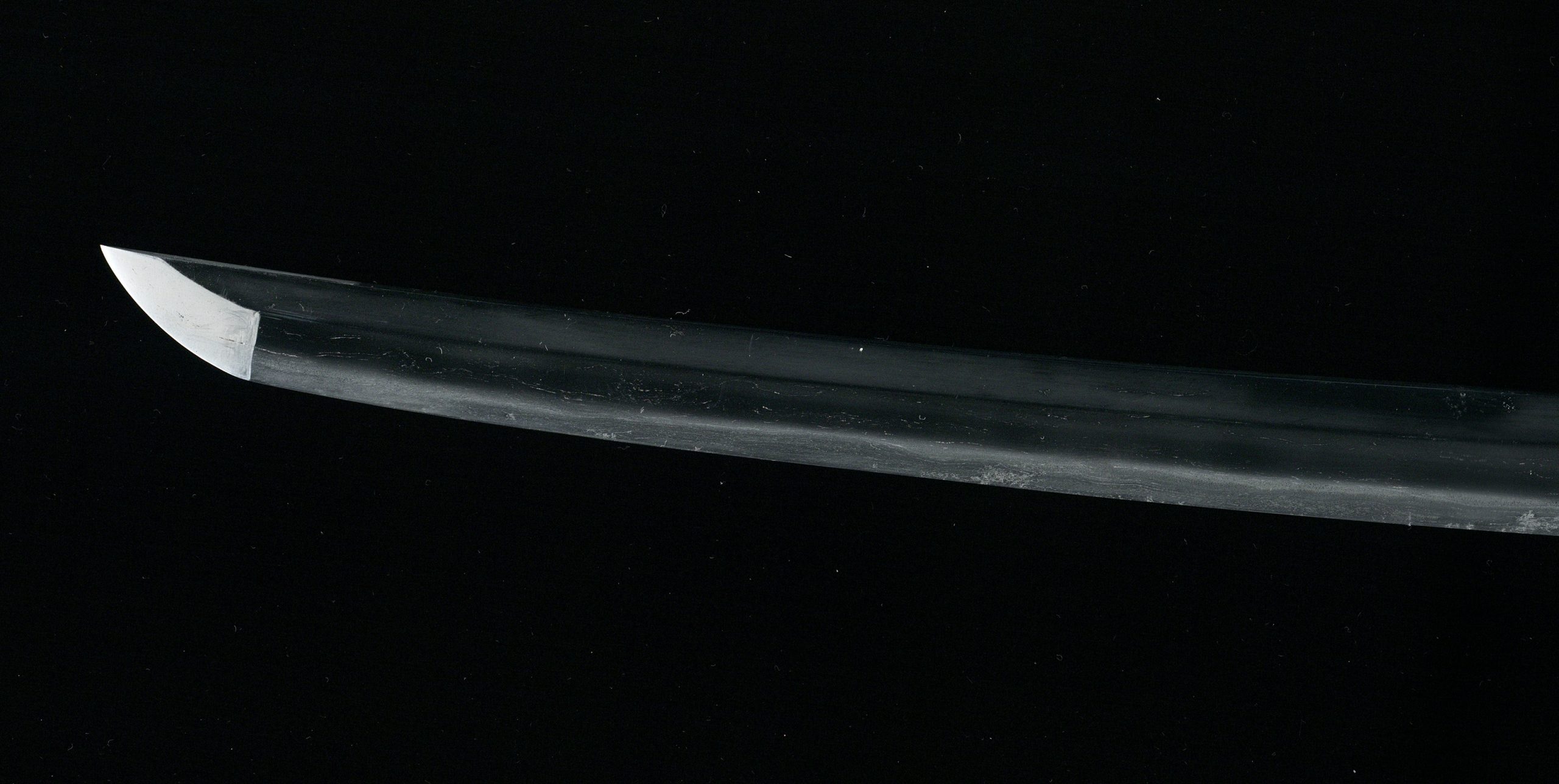
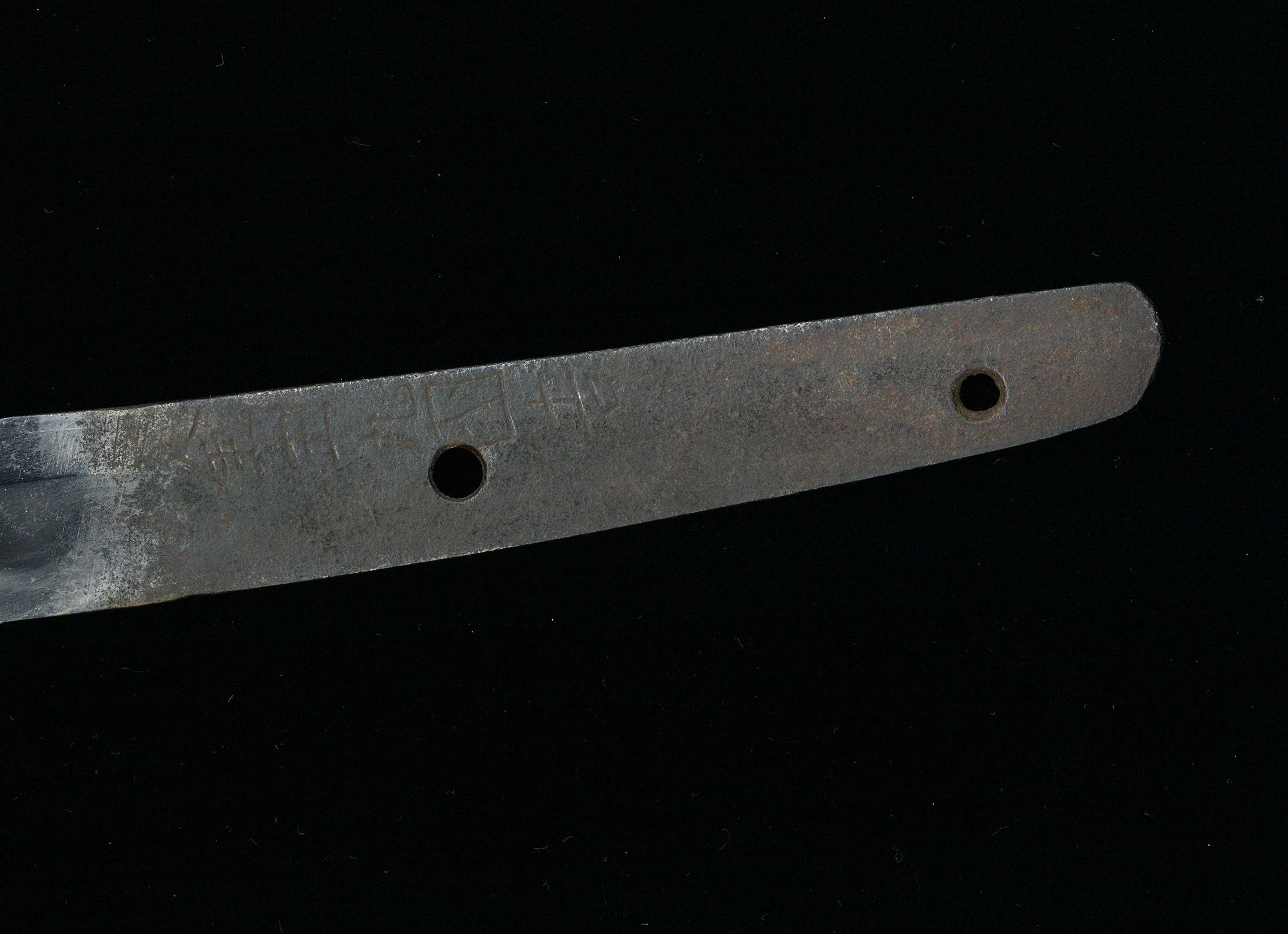
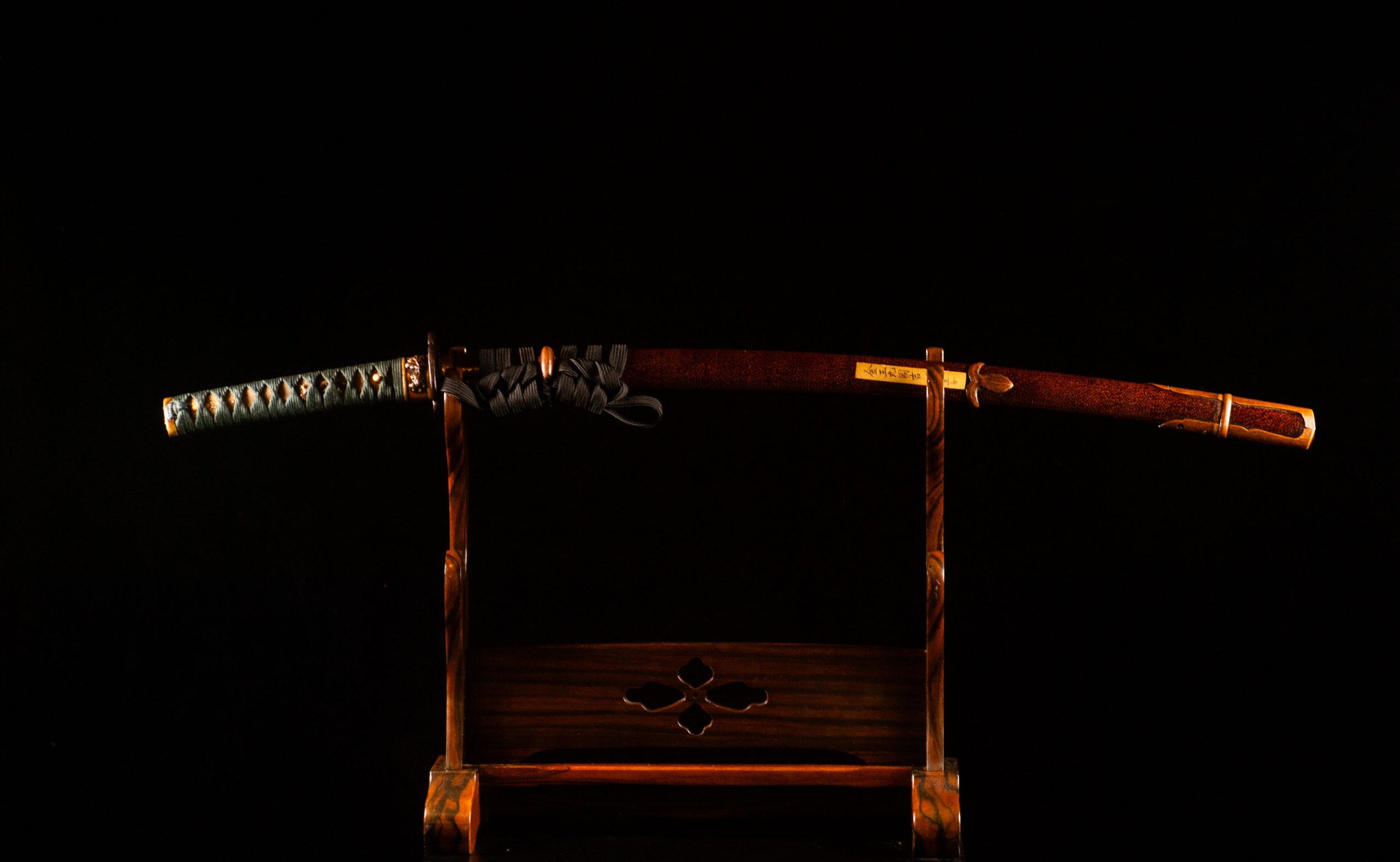
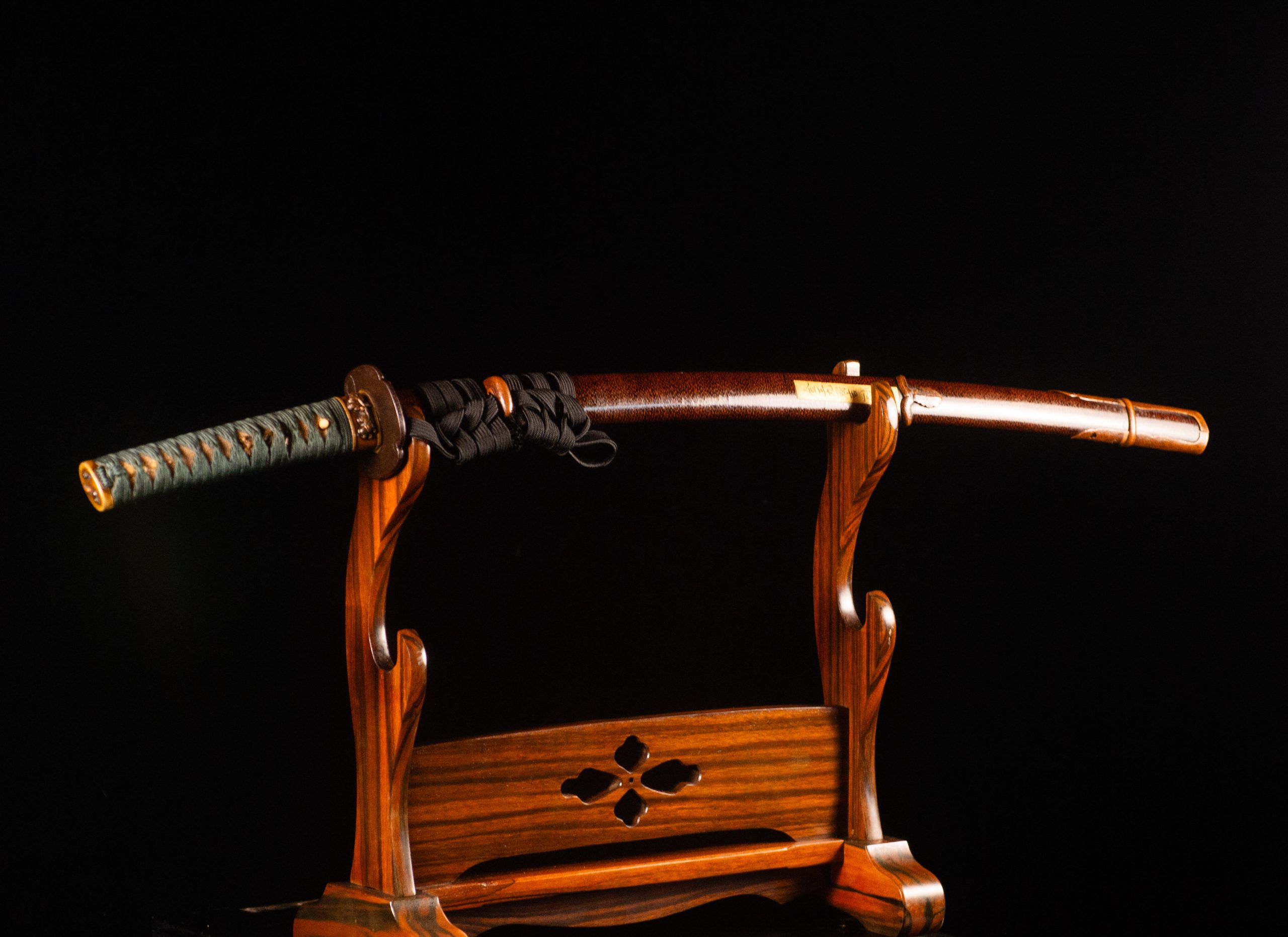
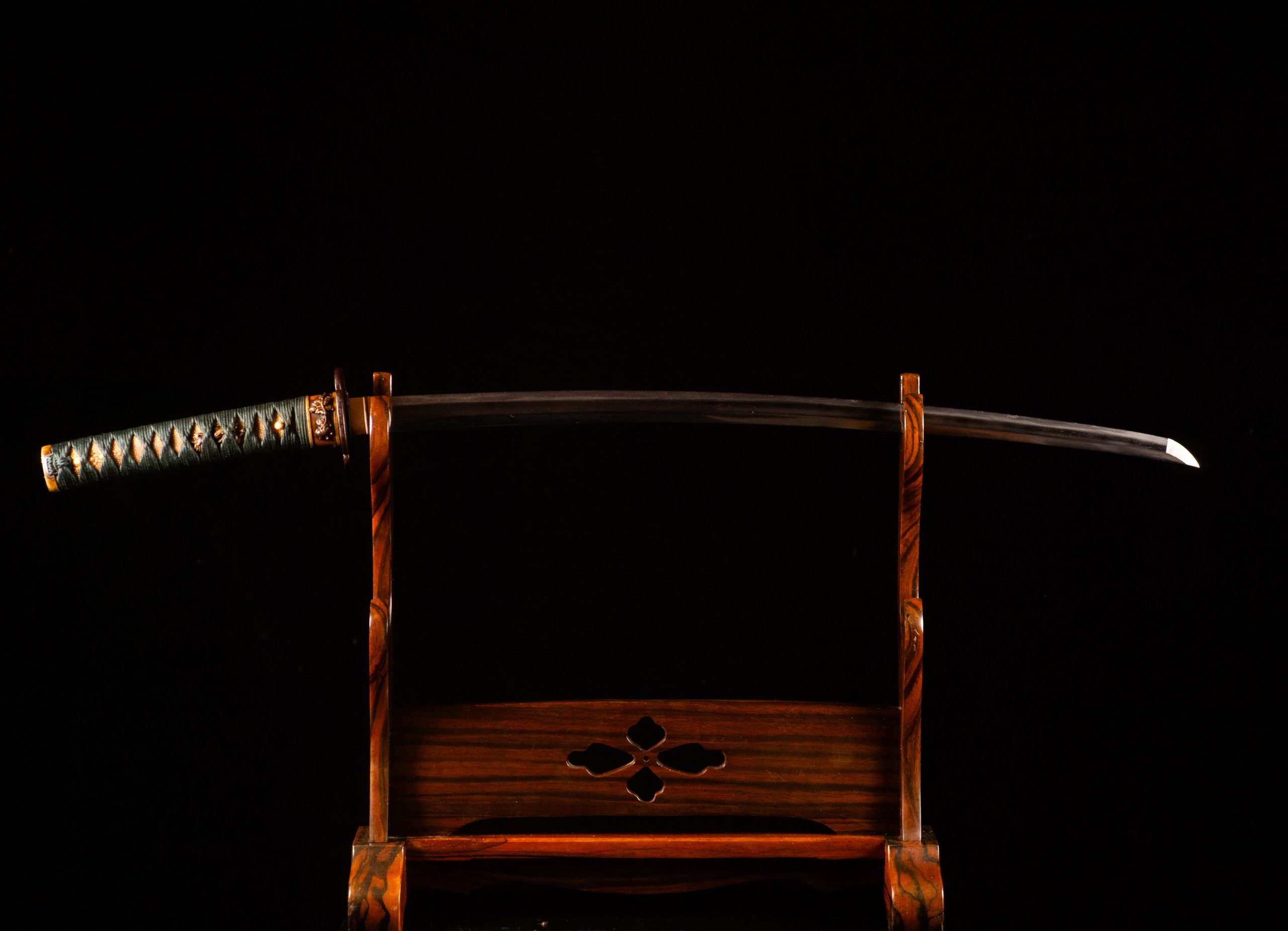
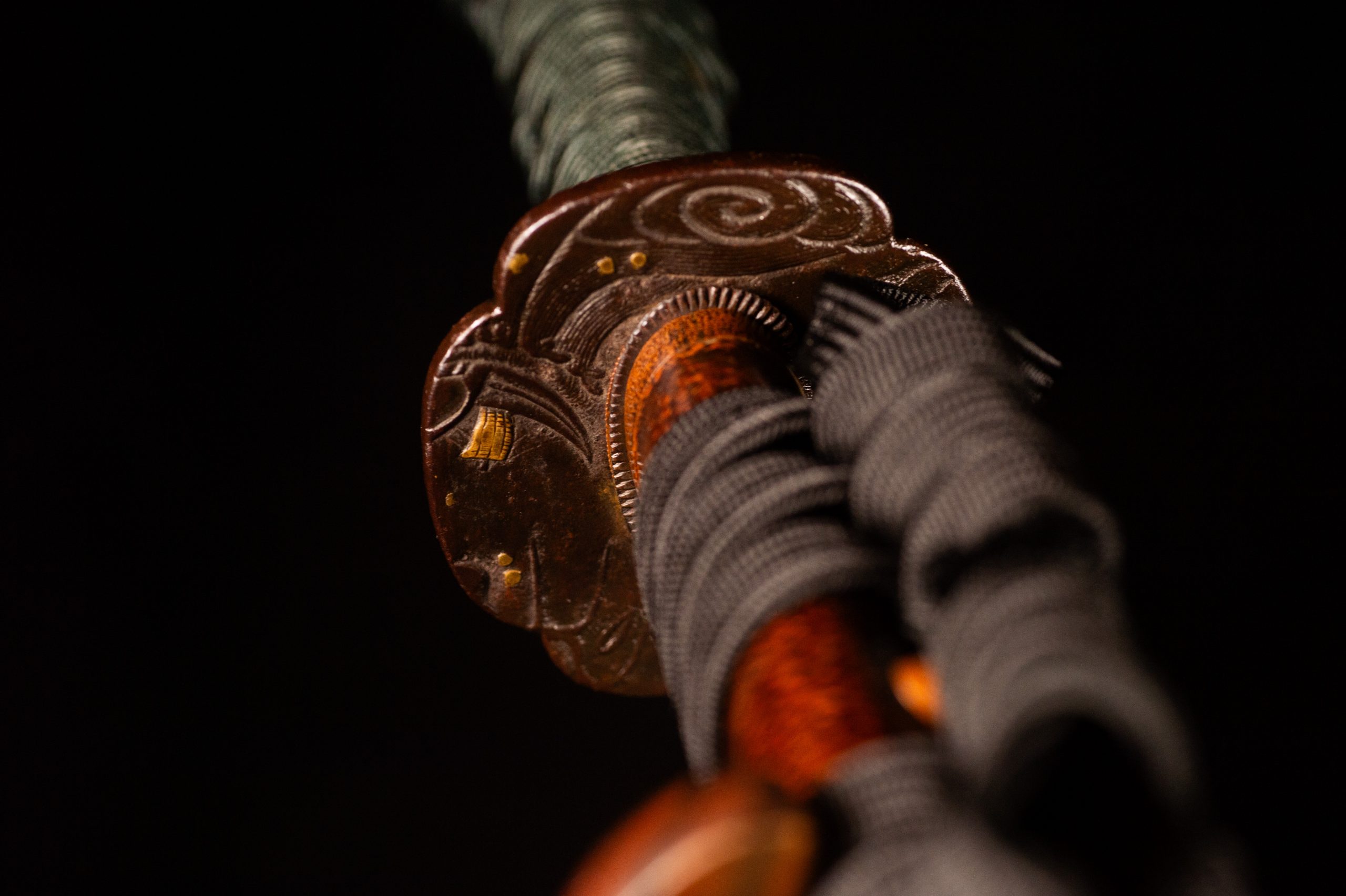
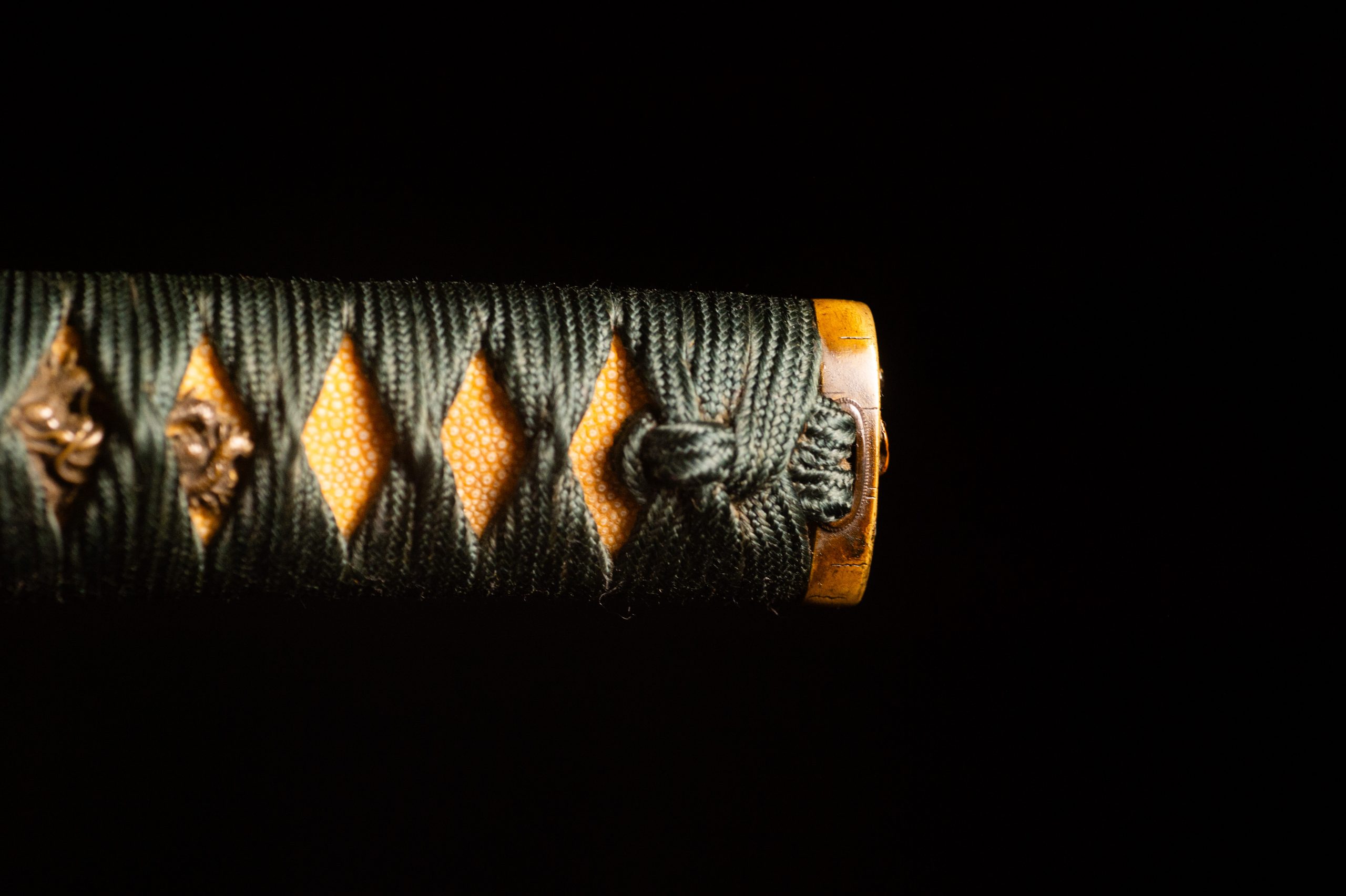
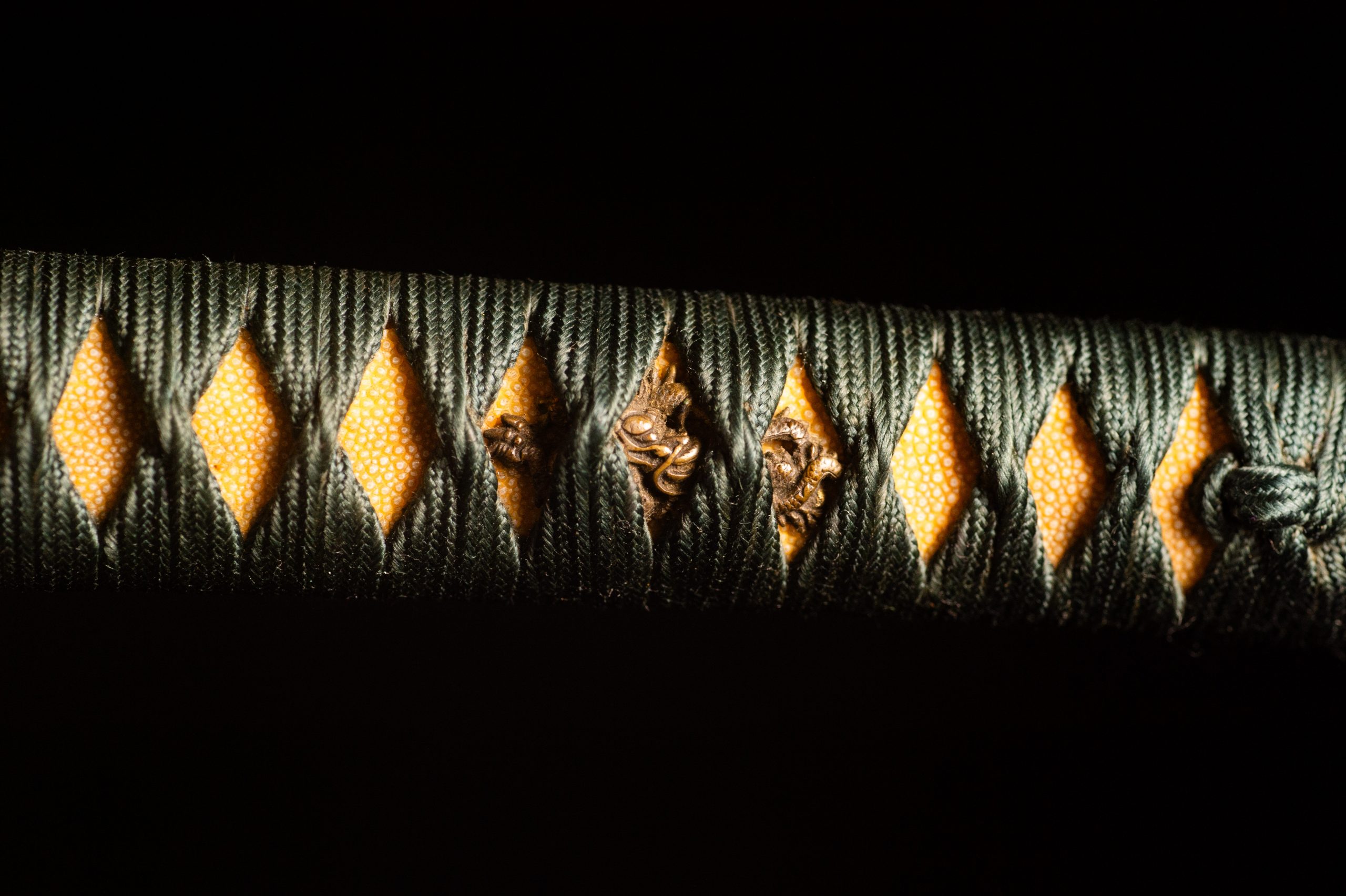
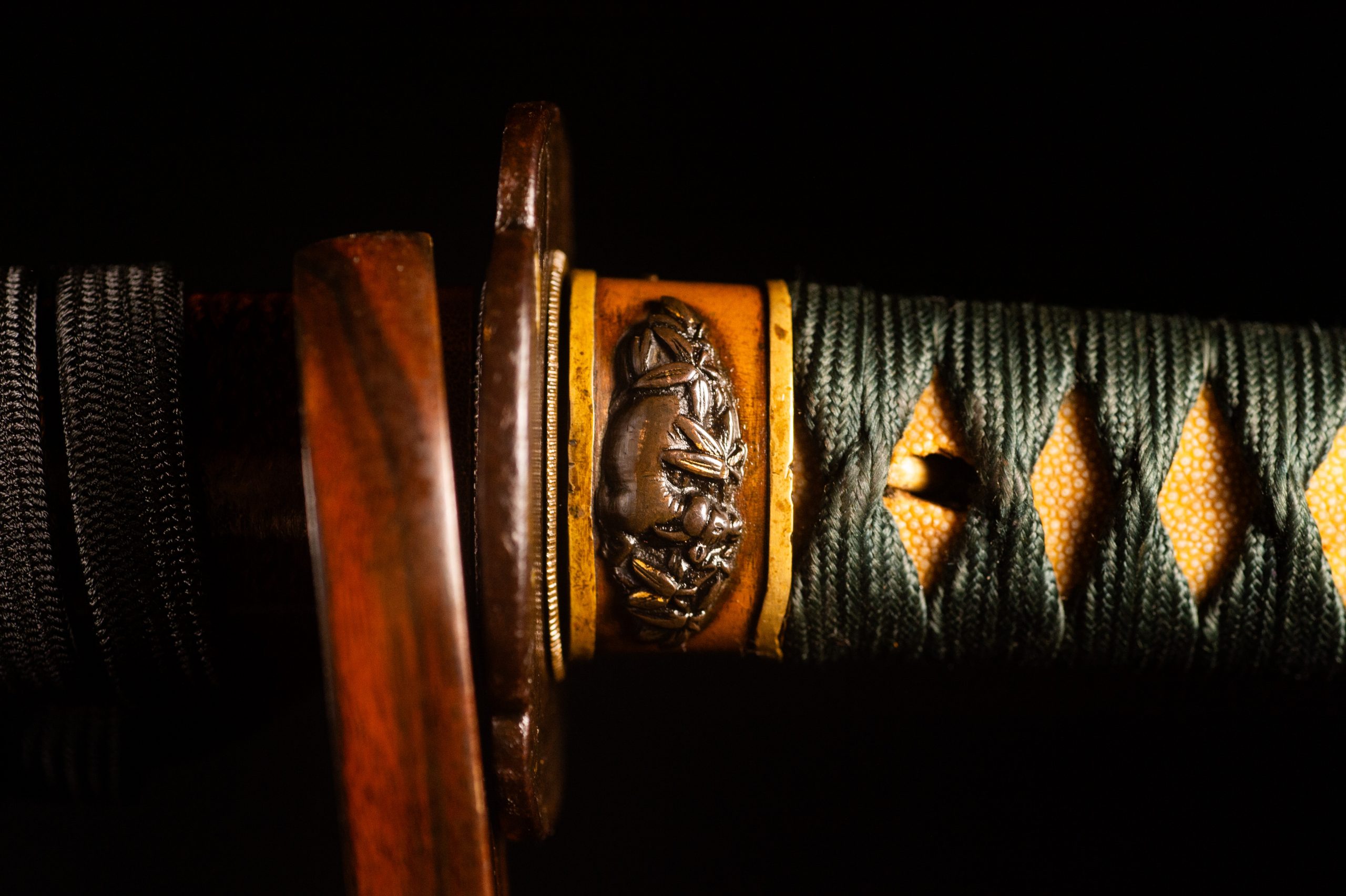
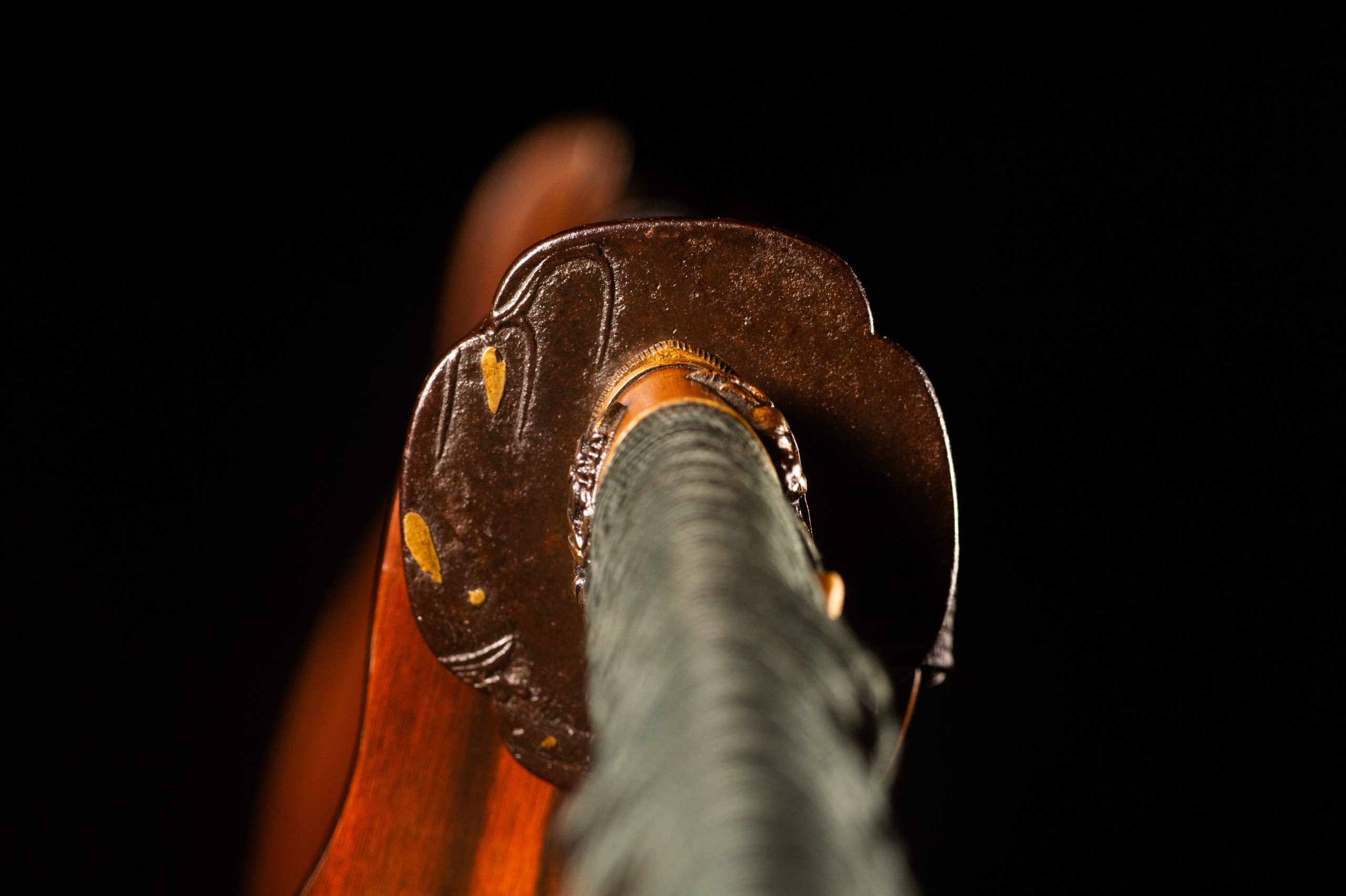
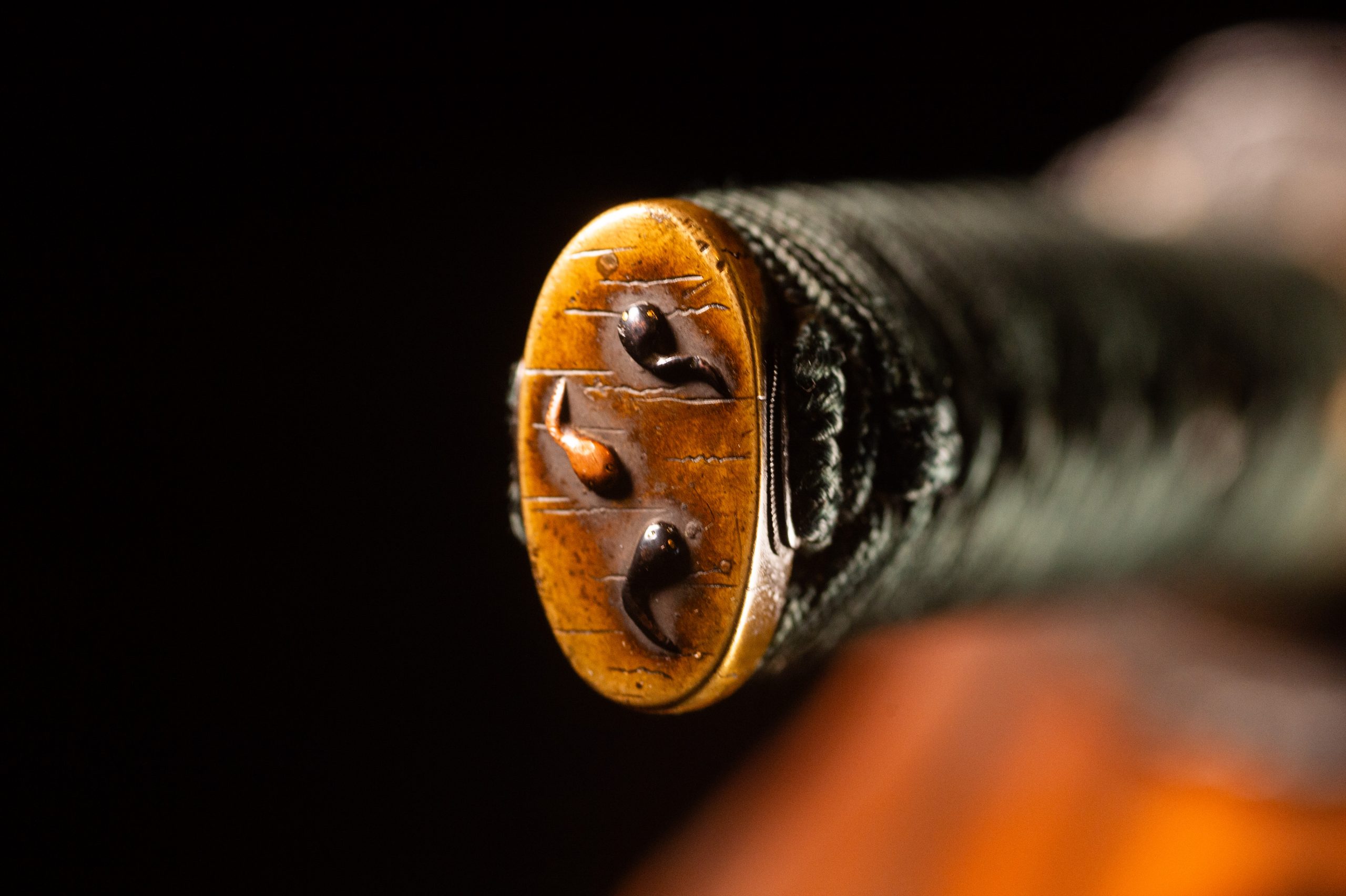
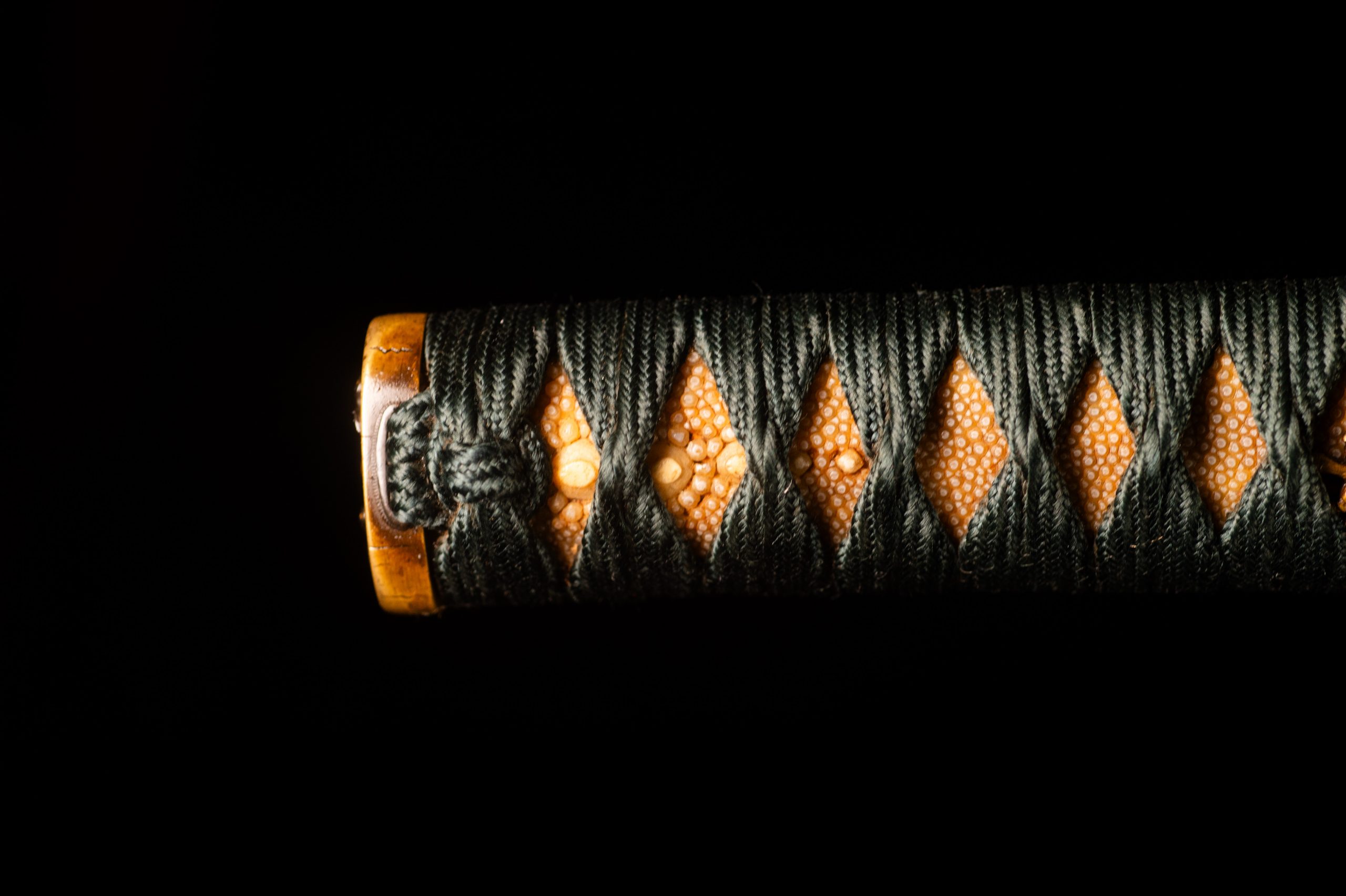
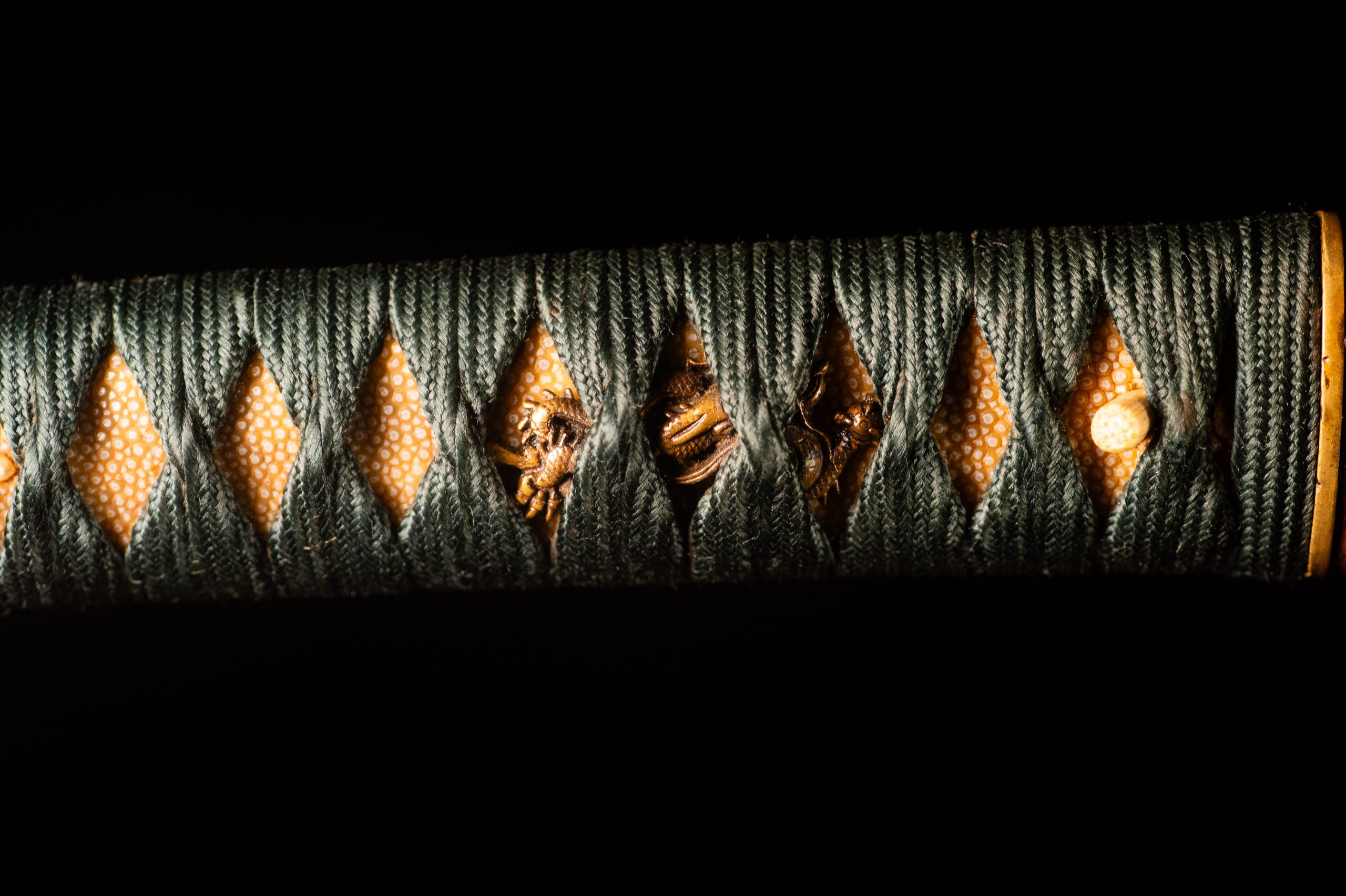
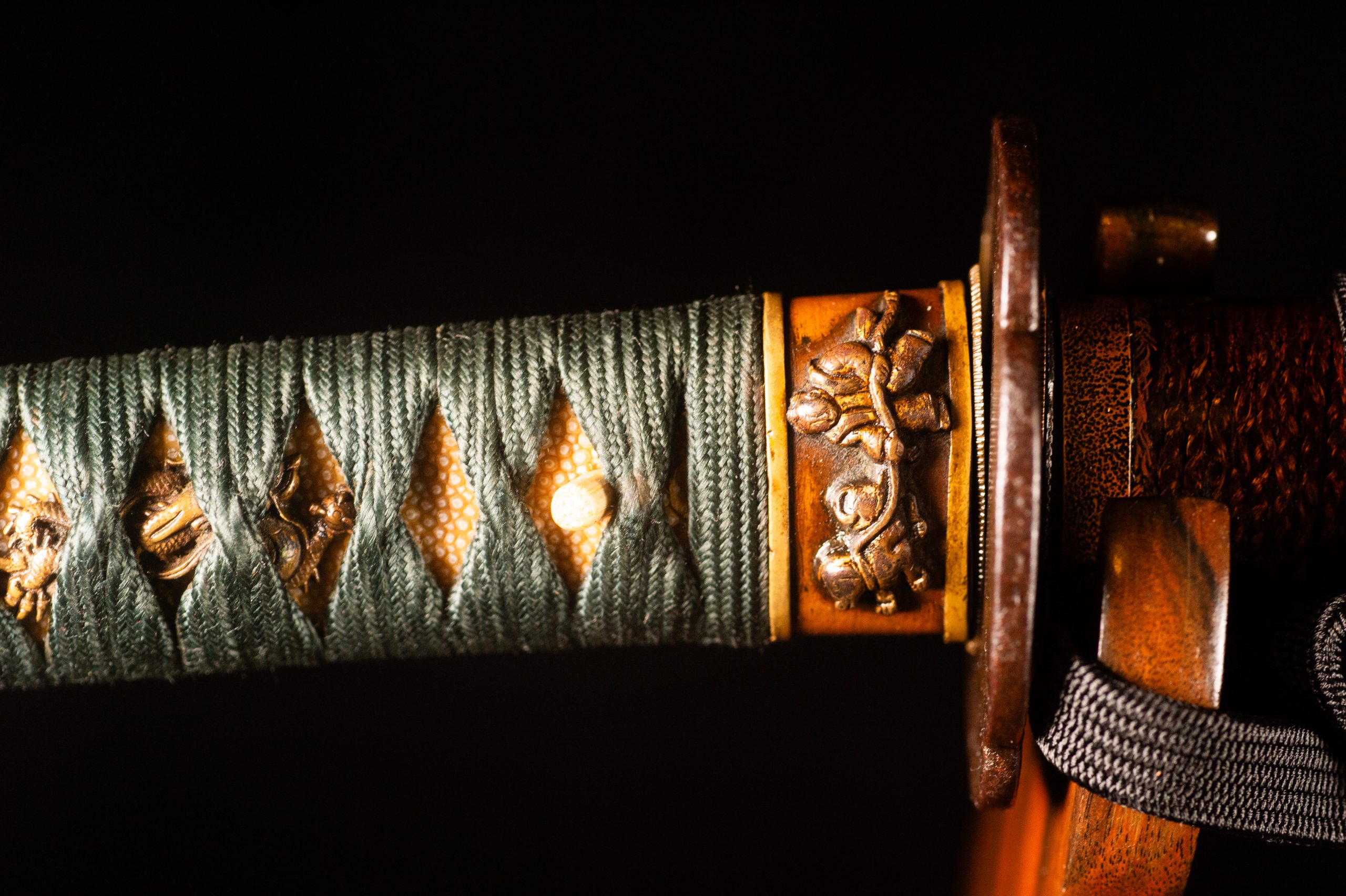
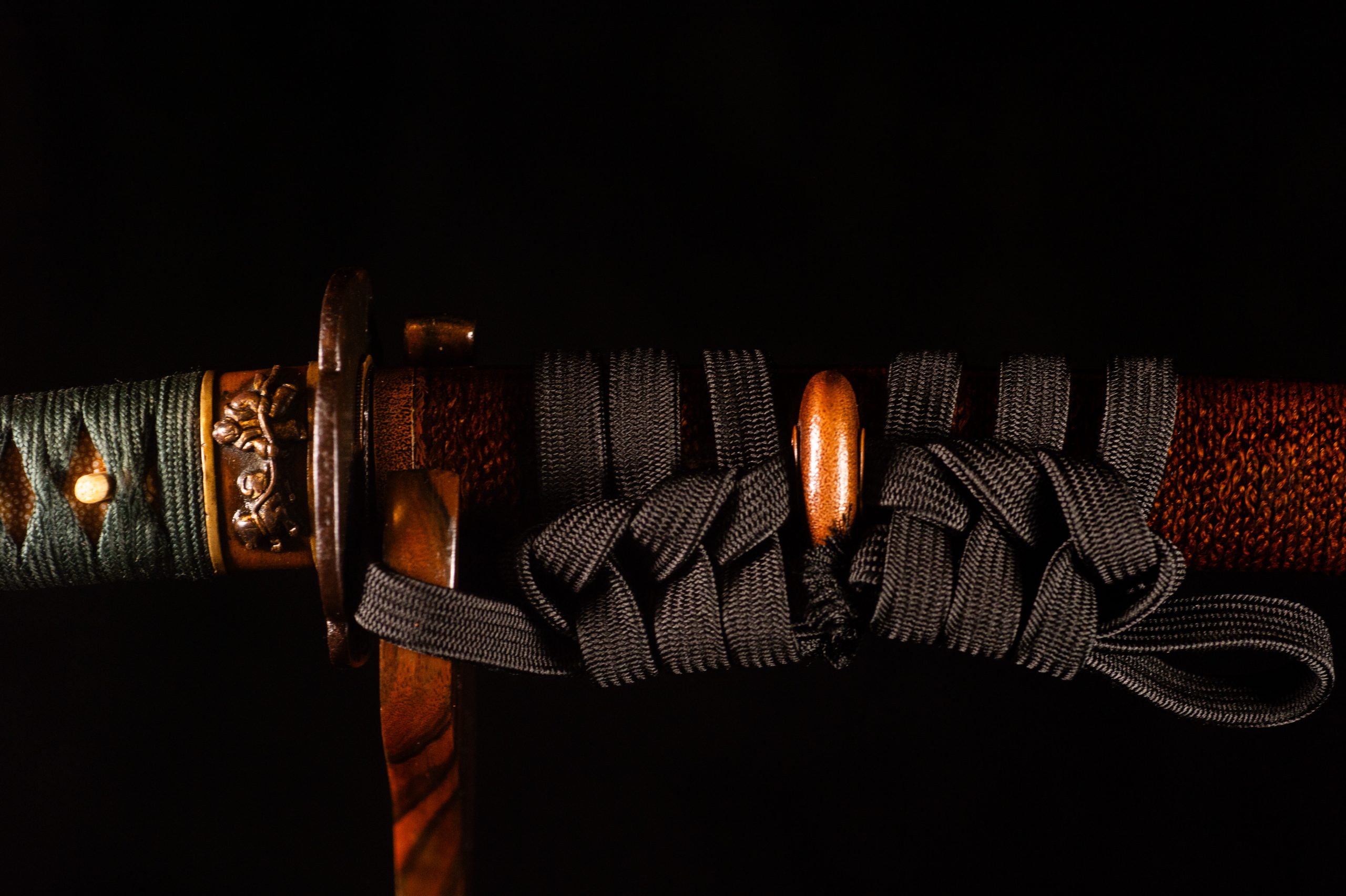
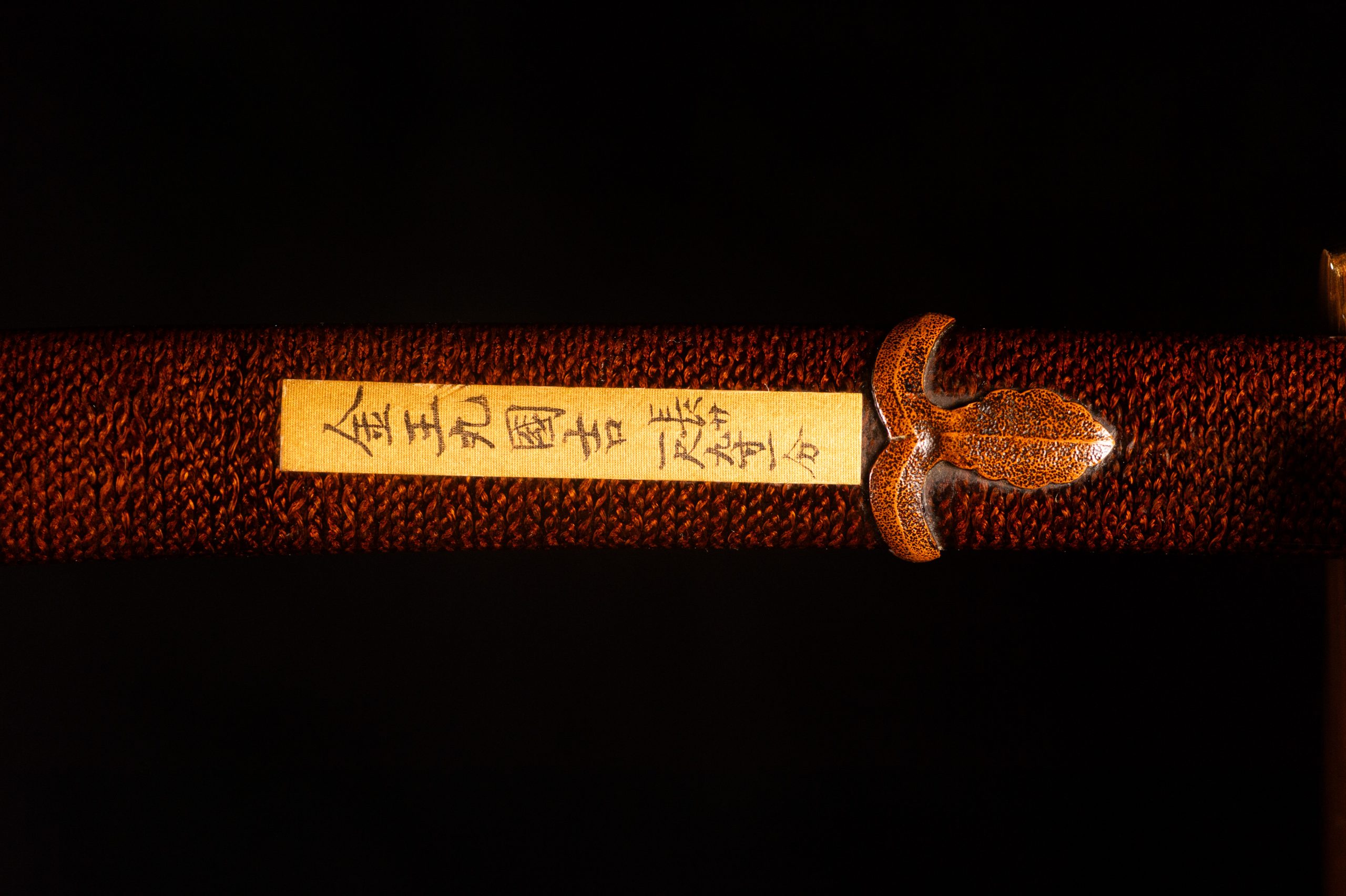
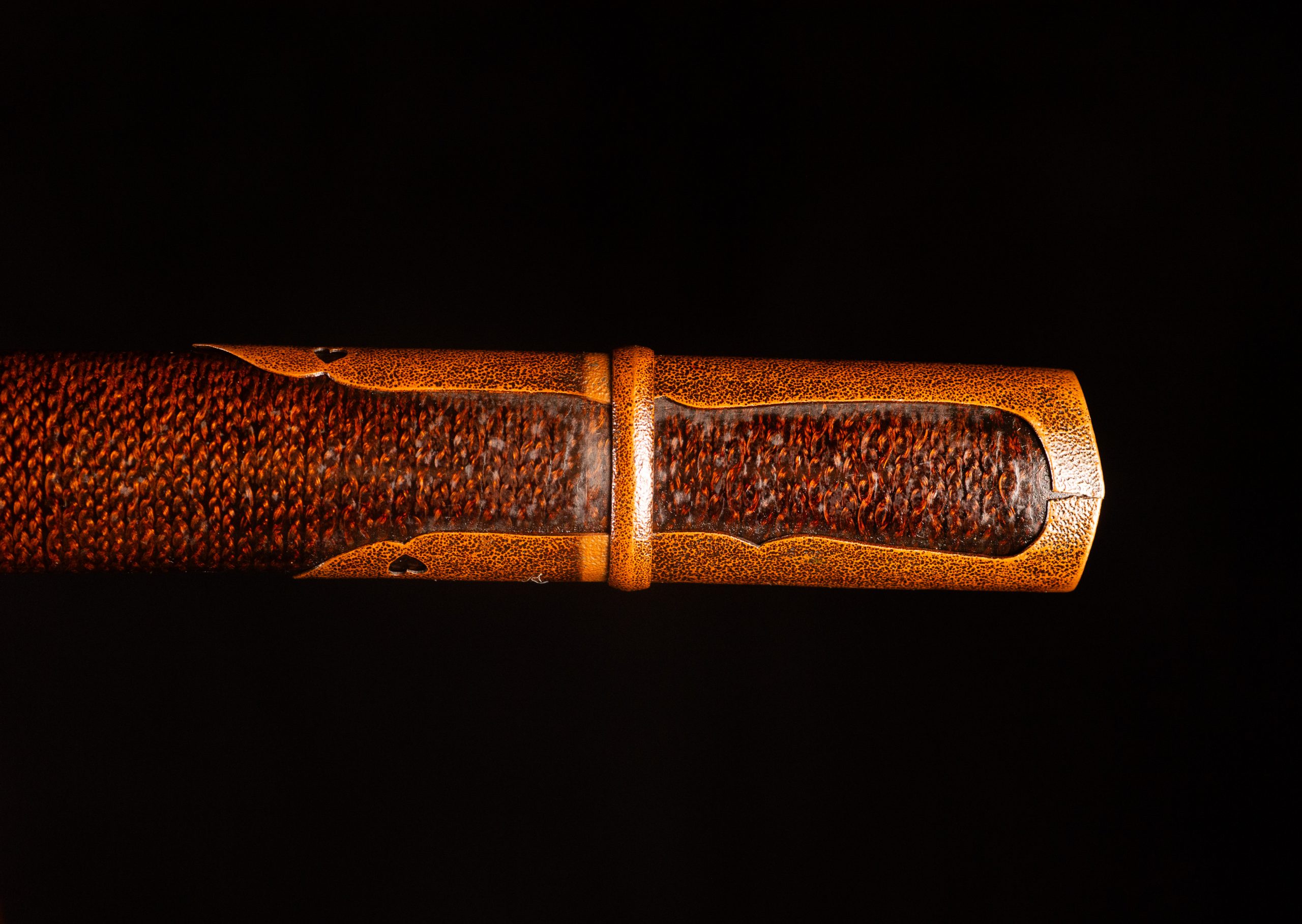
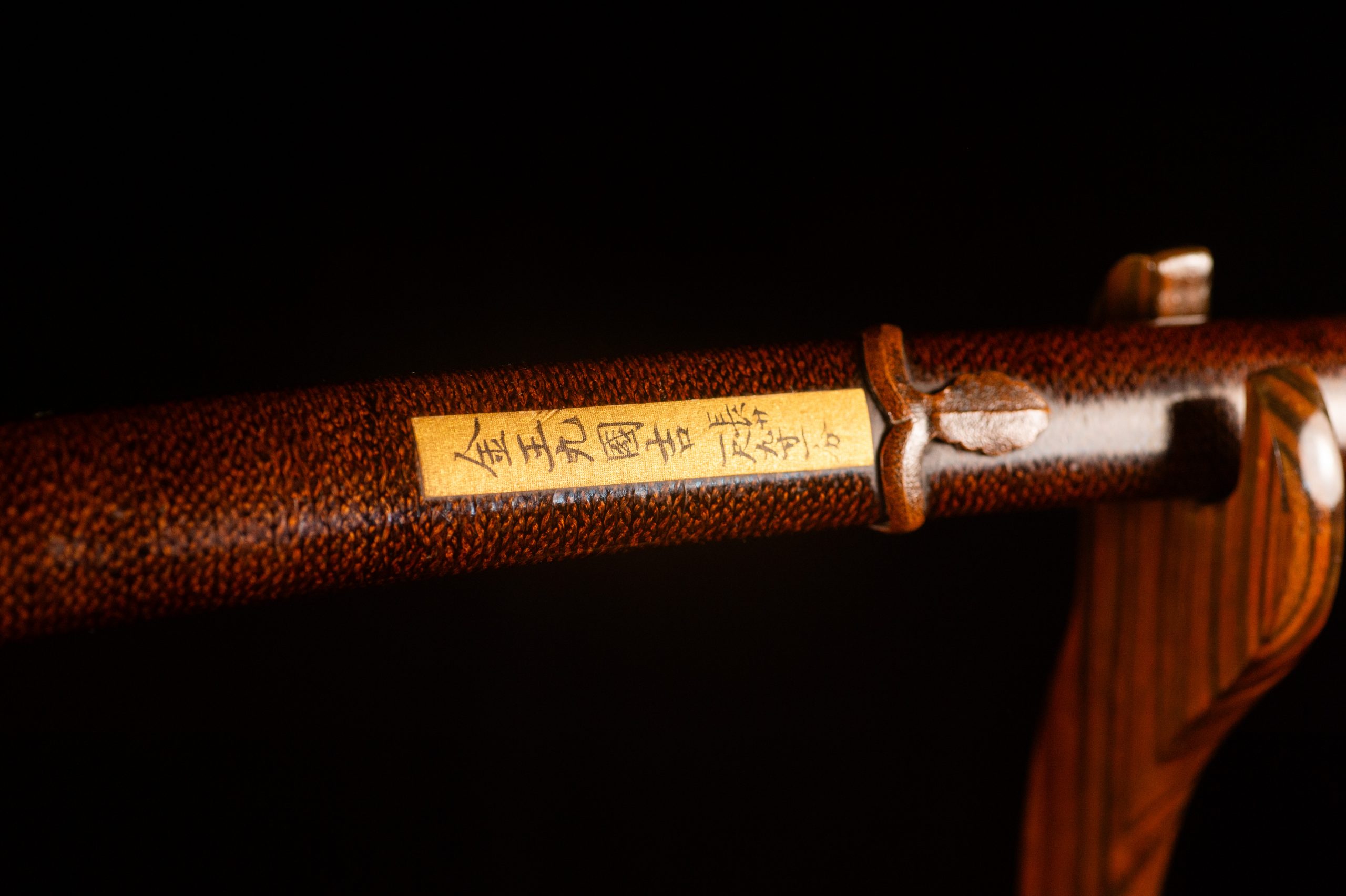
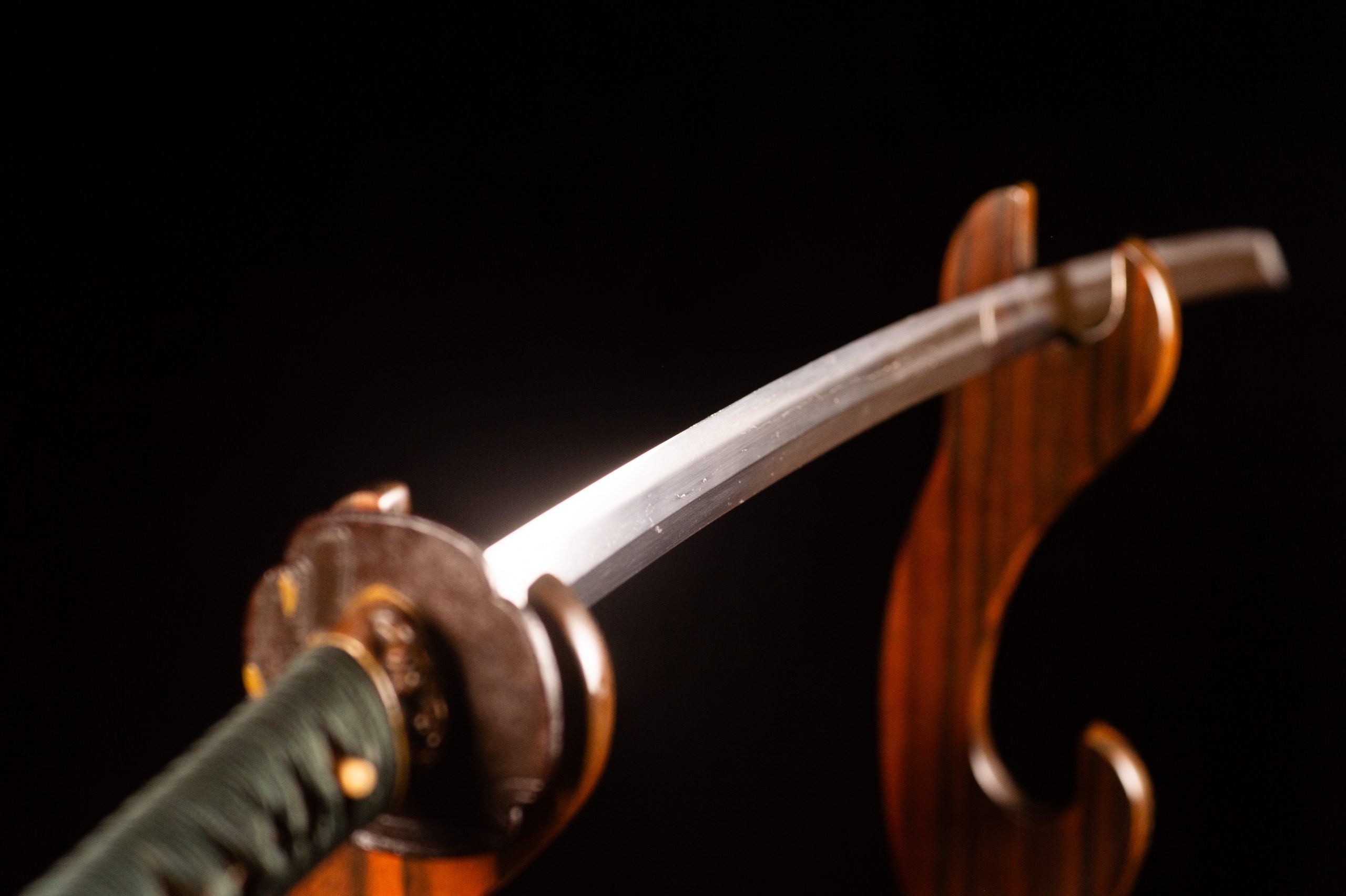
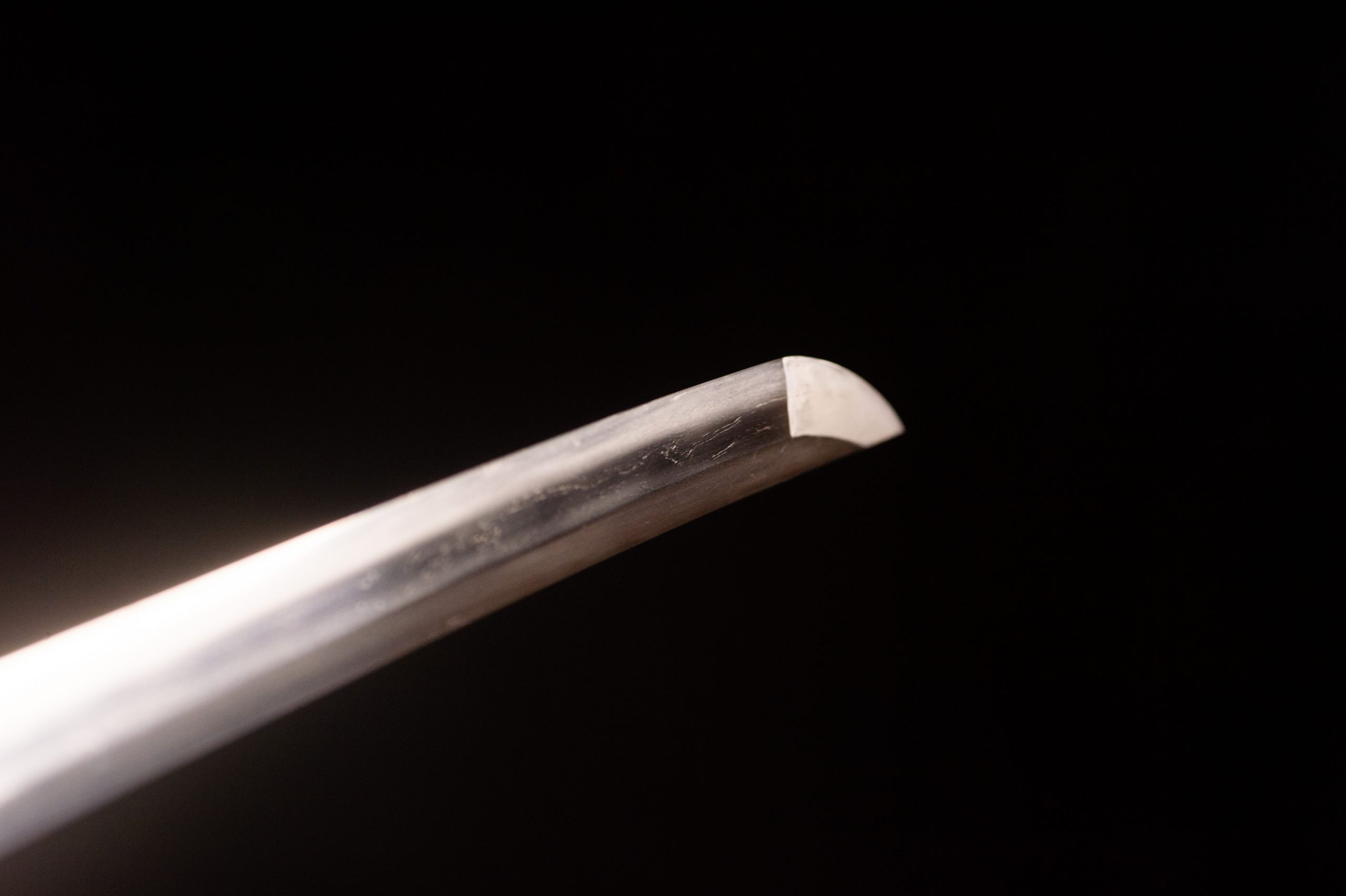
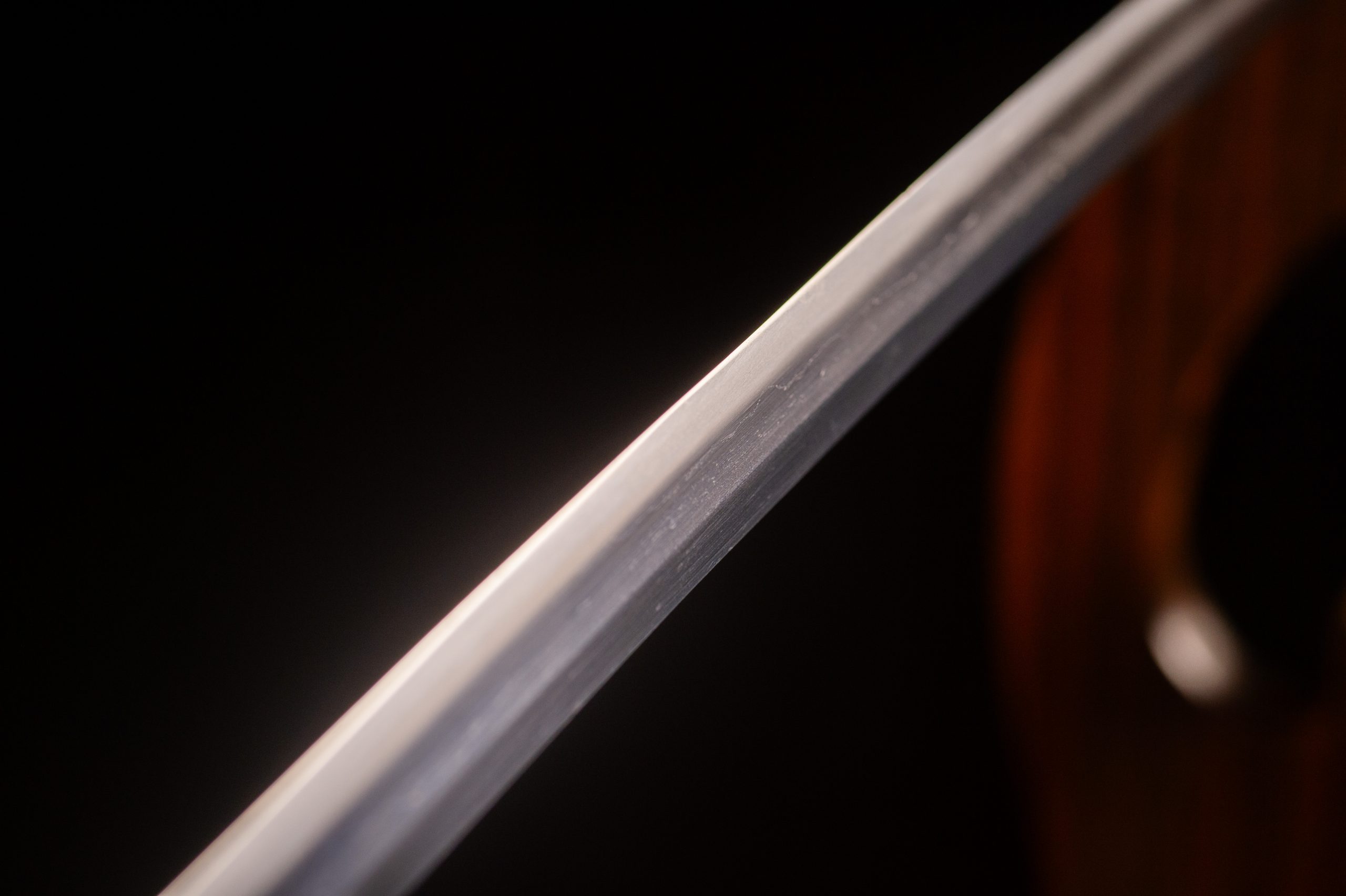
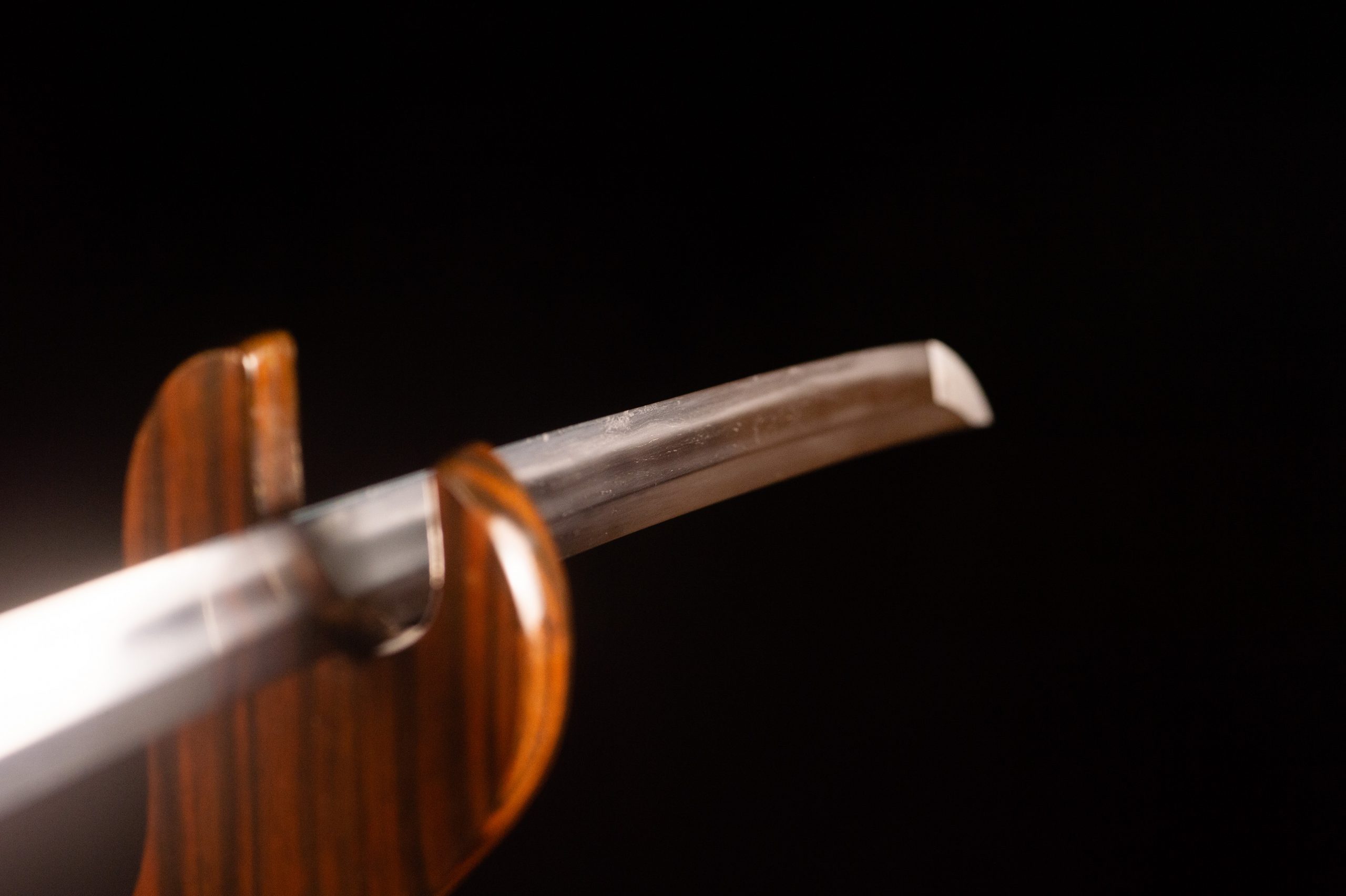
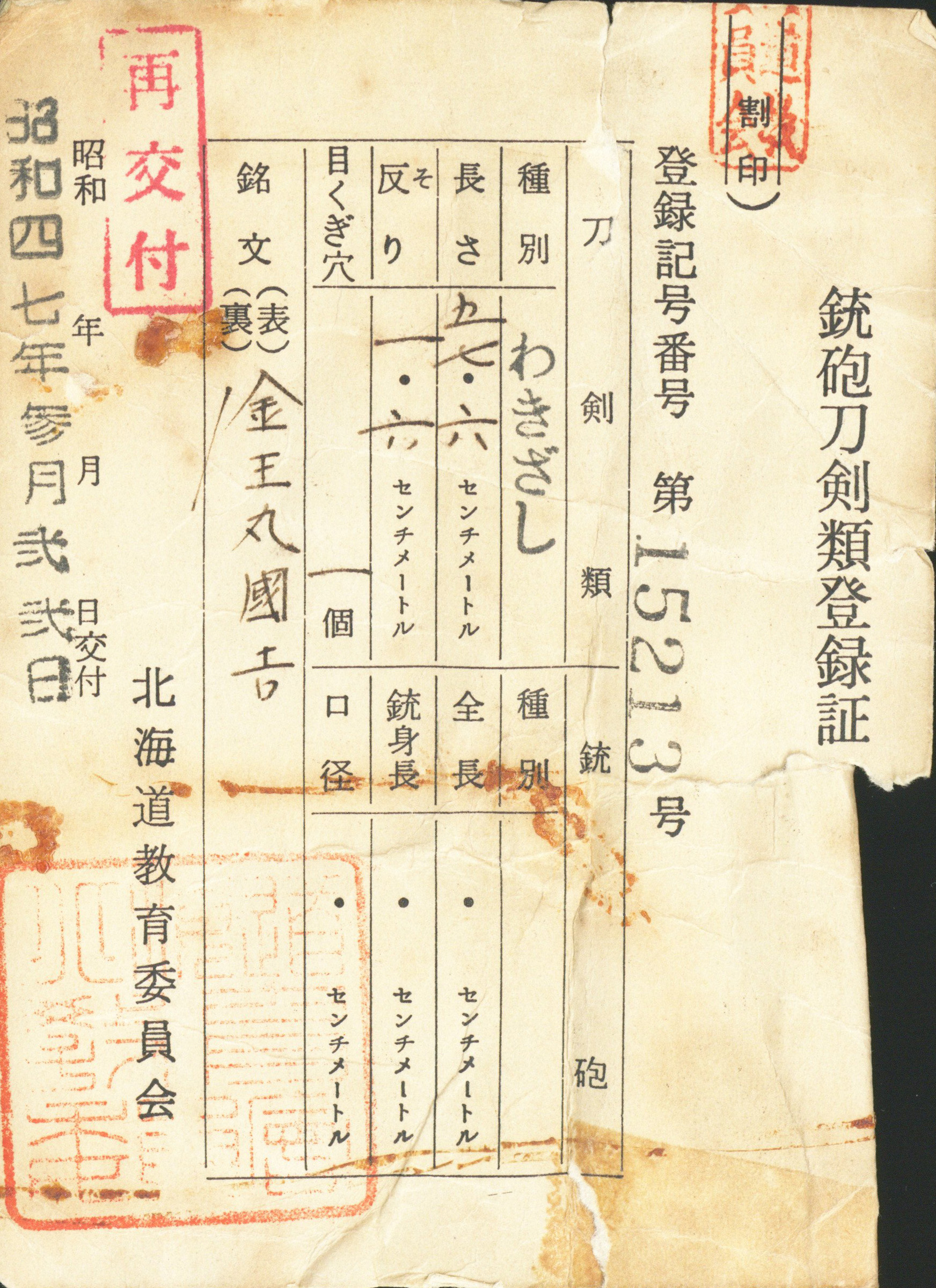
This is a wakizashi signed Kinomaru Kuniyoshi from the early Edo period (1600-1650). It features a shinogi-zukuri shape, slender silhouette, and moderate curvature. The hamon is a classic suguha, and the koshirae has bronze fittings and a saya lacquered to imitate braided cord.
 NihontoWatch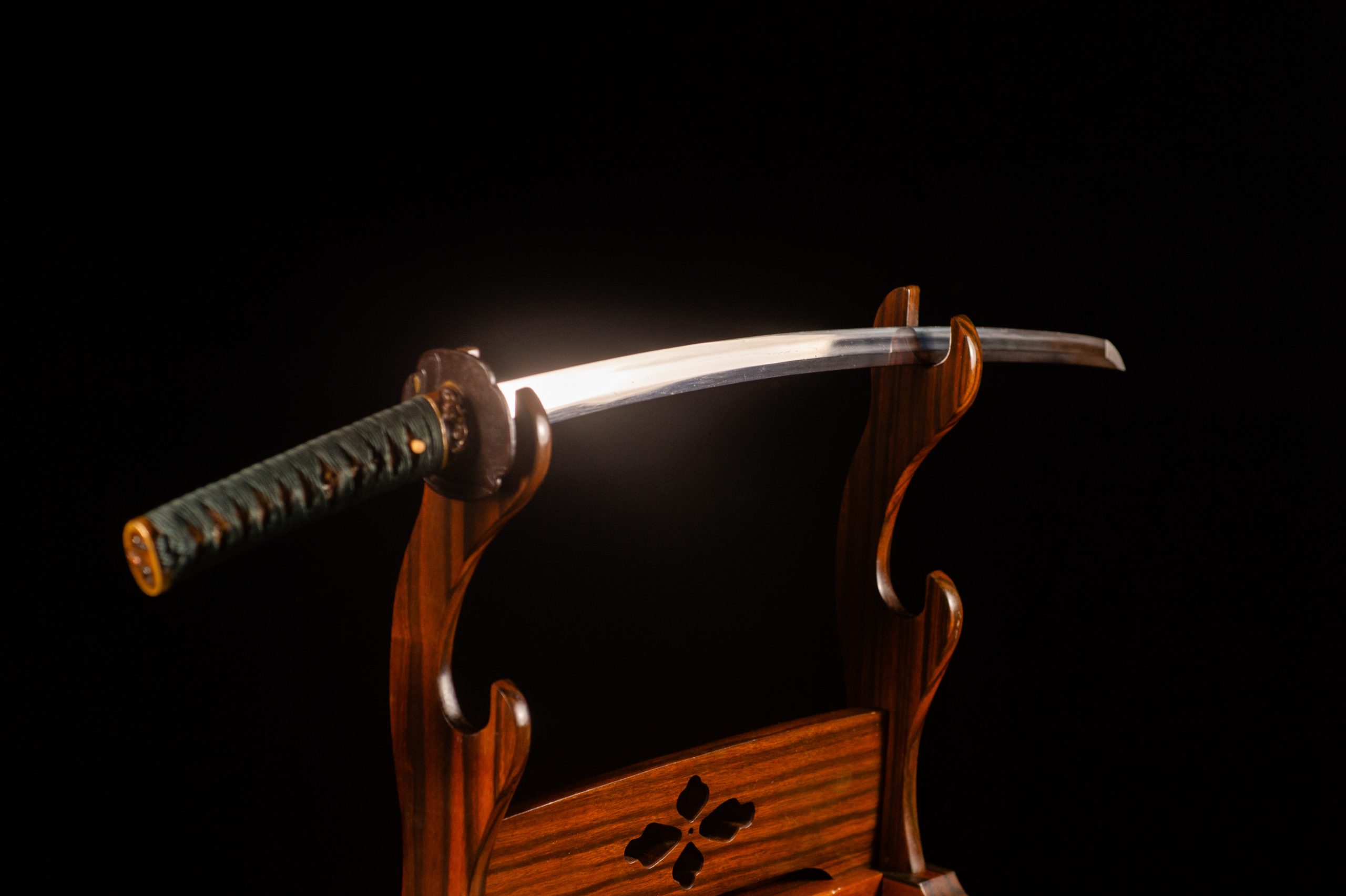


Musashi · around 1681-1684
Tōken Taikan top 76%
2 pieces on the market now
The Edo period (1615 to 1868)
Edo was the sword’s age of connoisseurship: the Hon’ami appraisers, the shogunal register of famous blades of 1719, and a thriving literature turned the sword into an object of study even as it ceased to be drawn in war.
We could not find an authenticity certificate on the seller’s listing. Japanese swords and fittings are normally papered by the NBTHK (or the NTHK). Without one, the attribution is the seller’s own assessment and has not been independently verified — treat it with caution and ask the dealer about certification before buying.
14-day return if items arrive damaged or in unexpected condition; customer bears return shipping + insurance; items returned in original condition with all accessories; antique armour non-returnable; only regular priced items refundable; shipping costs non-refundable.
This is a wakizashi signed Kinomaru Kuniyoshi from the early Edo period (1600-1650). It features a shinogi-zukuri shape, slender silhouette, and moderate curvature. The hamon is a classic suguha, and the koshirae has bronze fittings and a saya lacquered to imitate braided cord.
NihontoWatchMusashi · around 1681-1684
Tōken Taikan top 76%
2 pieces on the market now
The Edo period (1615 to 1868)
Edo was the sword’s age of connoisseurship: the Hon’ami appraisers, the shogunal register of famous blades of 1719, and a thriving literature turned the sword into an object of study even as it ceased to be drawn in war.
We could not find an authenticity certificate on the seller’s listing. Japanese swords and fittings are normally papered by the NBTHK (or the NTHK). Without one, the attribution is the seller’s own assessment and has not been independently verified — treat it with caution and ask the dealer about certification before buying.
14-day return if items arrive damaged or in unexpected condition; customer bears return shipping + insurance; items returned in original condition with all accessories; antique armour non-returnable; only regular priced items refundable; shipping costs non-refundable.