After the Ōnin War broke the Ashikaga order, a century of Sengoku warfare armed nearly every province in Japan. The era rewards a discriminating eye: routine work exists in quantity, and beside it stand custom blades of the first rank.
 NihontoWatchNihontoWatch
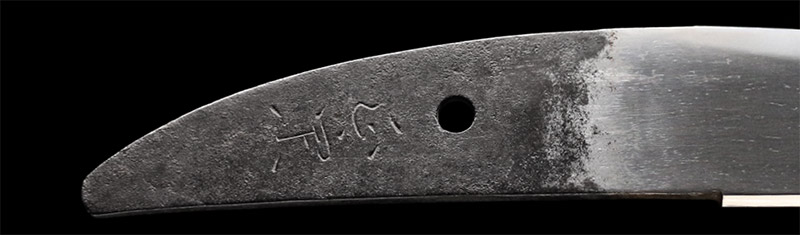
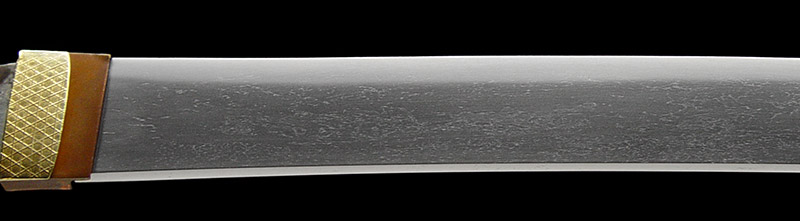
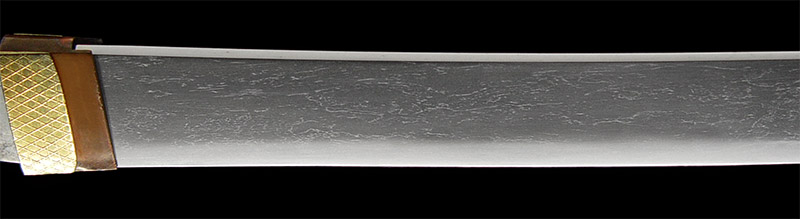
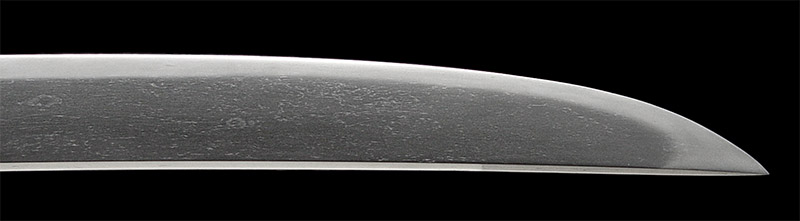
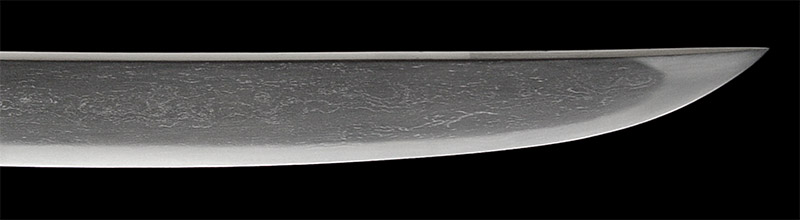
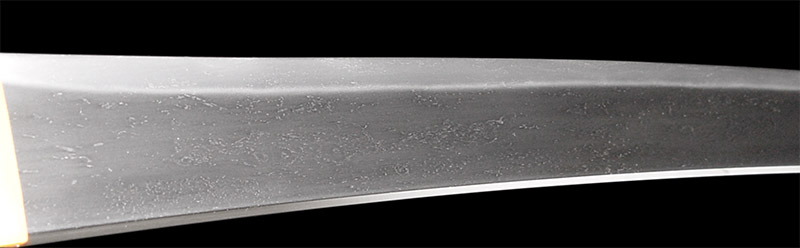
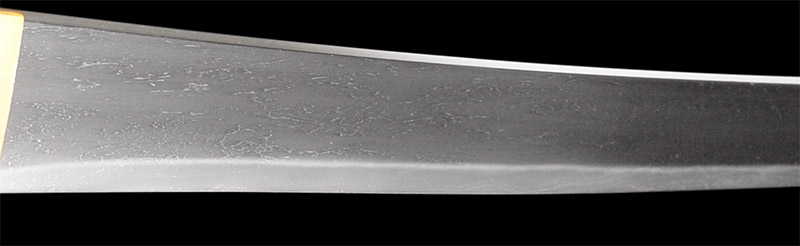
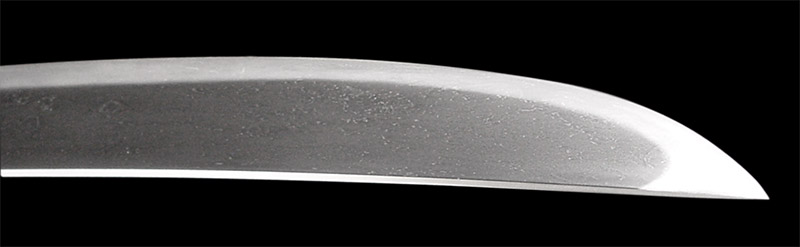
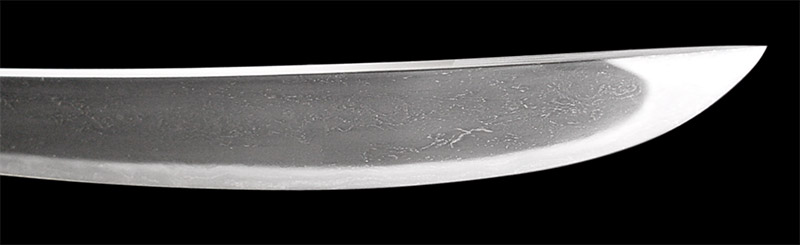
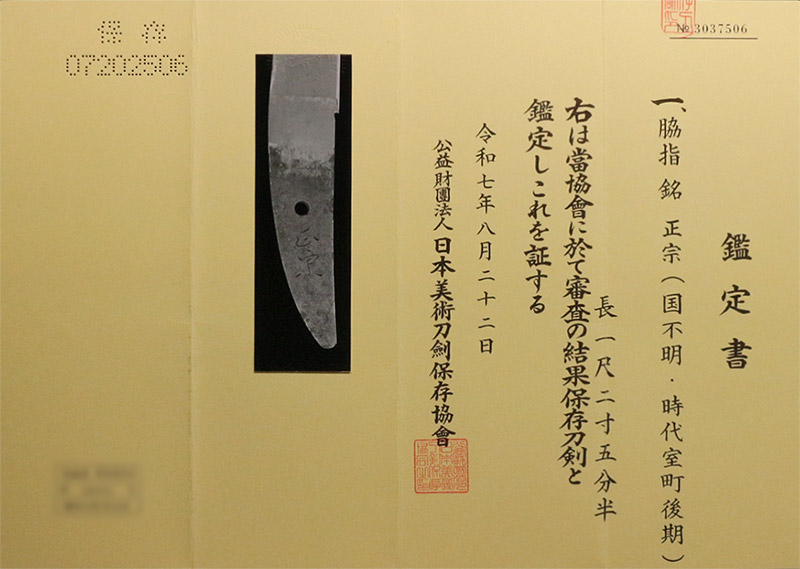
One may be surprised to hear of a Masamune with a mei, but in addition to the famous Soshu Masamune, smiths of the same name are recorded in the directories. The certificate includes a supplementary note stating the province is unknown and the period is late Muromachi; limiting it to that era, there are smiths who used the name Masamune in Soshu (from around Eisho 1504–), Bushu (from around Daiei 1521–), Ise (from around Tenbun 1532–), Yamato (from around Tenbun 1532–), and Bingo (from around Tenbun to Tensho 1532–1591). Judging from the style of the mei and the workmanship, Yamato and Bingo can be excluded, but due to the lack of reference materials and the fact that the number of surviving examples is likely very small, it seems a specific province could not be identified. This work has a taihai reminiscent of a sunnobi tanto from the Nanbokucho period, in hira-zukuri with sori and a mitsumune. The jitetsu of itame mixed with mokume contains chikei and feels antique, and the suguha in faint konie-deki is slightly irregular with the boshi returning in komaru. The ubu nakago has good rust color, and the extreme tanagobara shape is interesting for its resemblance to the Soshu-den master Hasebe Kunishige. While there is some fatigue and signs of flaws, it is rare for a blade with a Masamune mei to receive a certificate, making this a sword that stimulates one's inquisitive spirit. Accompanied by a Hozon Token certificate.
NihontoWatchOffered by Tokka Biz
This piece has sold
Get an email when a new Shitahara Masamune piece hits the market.




As written by the shop
Machine translation from the shop's Japanese · may contain errors ·
Musashi · around 1521-1528
The Muromachi period (1392 to 1573)
After the Ōnin War broke the Ashikaga order, a century of Sengoku warfare armed nearly every province in Japan. The era rewards a discriminating eye: routine work exists in quantity, and beside it stand custom blades of the first rank.
Certifies a genuine blade worth preserving: a signature confirmed correct, or, if unsigned, an era, province, and school that the NBTHK can reliably identify.
The NBTHK (Nihon Bijutsu Tōken Hozon Kyōkai, the Society for the Preservation of Japanese Art Swords) is a public-interest incorporated foundation founded in 1948 and supervised by Japan’s Agency for Cultural Affairs (Bunkachō); it is based at the Japanese Sword Museum in Tokyo. Its expert panels physically examine each submitted work (shinsa) and issue a certificate (kanteishō) ranking it by artistic and historical merit. NBTHK papers are the most widely recognized standard of authentication for Japanese swords and fittings.
NBTHK official siteIf the item is not to your liking, please feel free to return it for any reason. Return shipping is the customer's responsibility. After the item arrives and we confirm it is in the same condition as at the time of sale, we transfer the refund to your designated account the same day. Purchases made at the store are outside the scope of cooling-off.