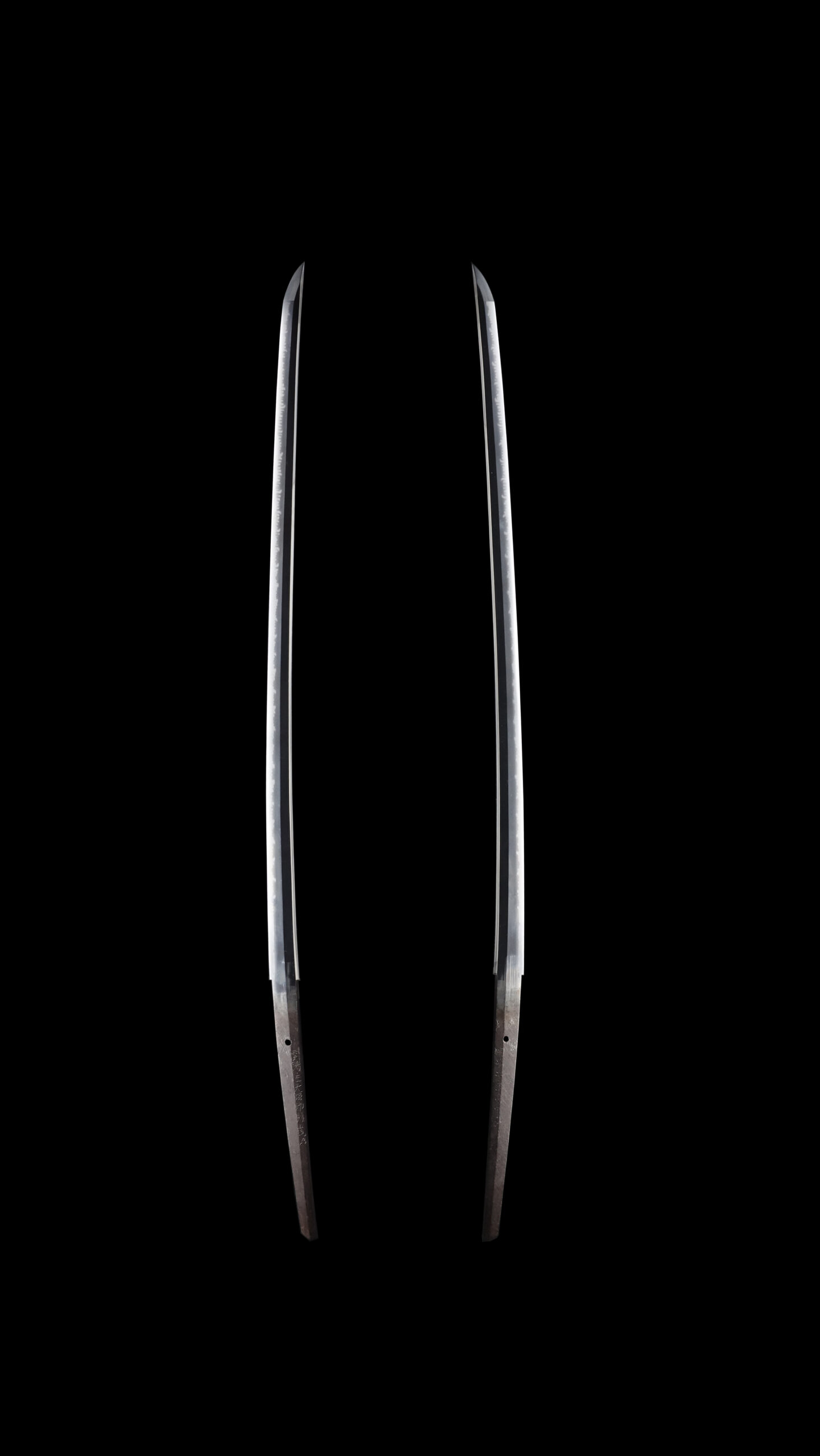
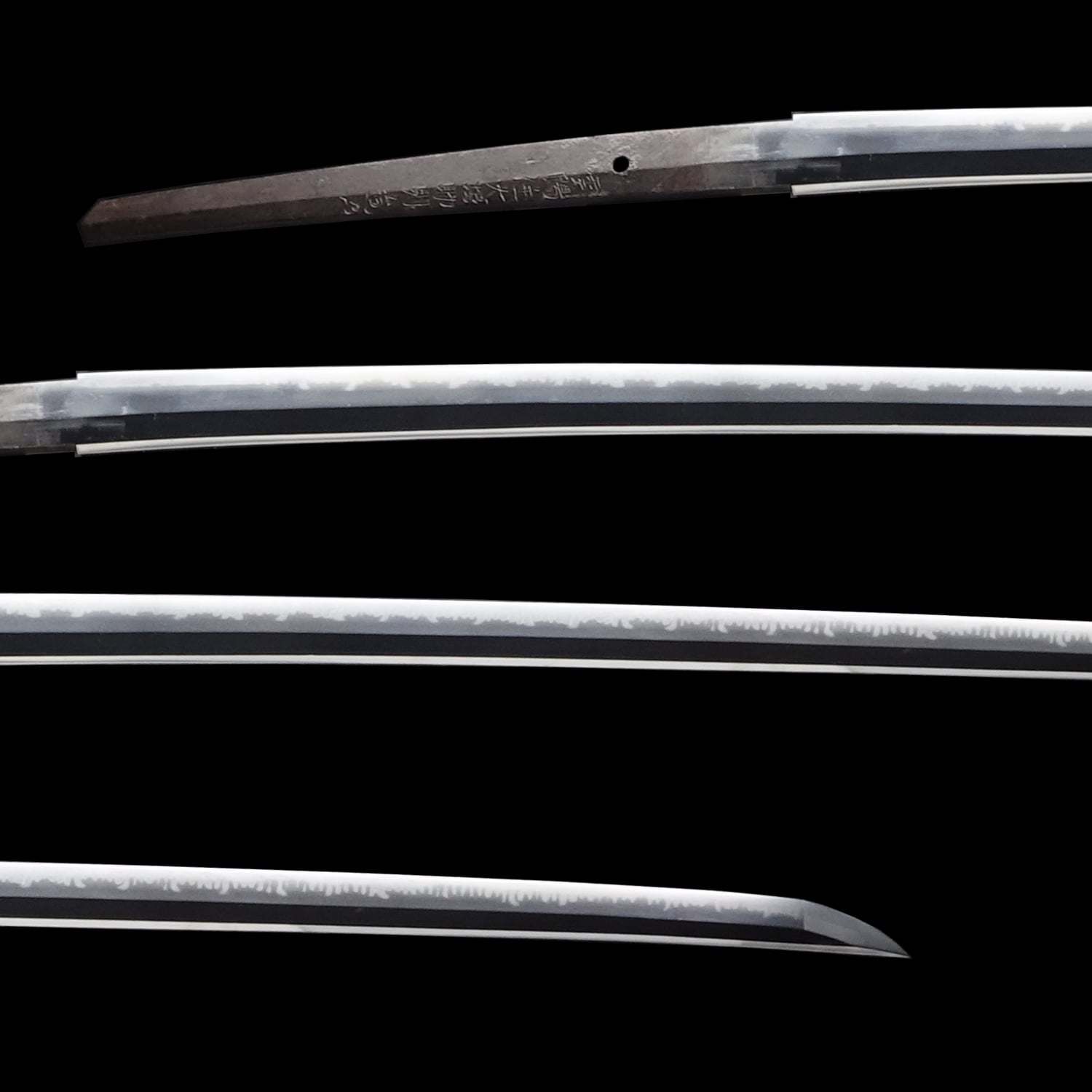
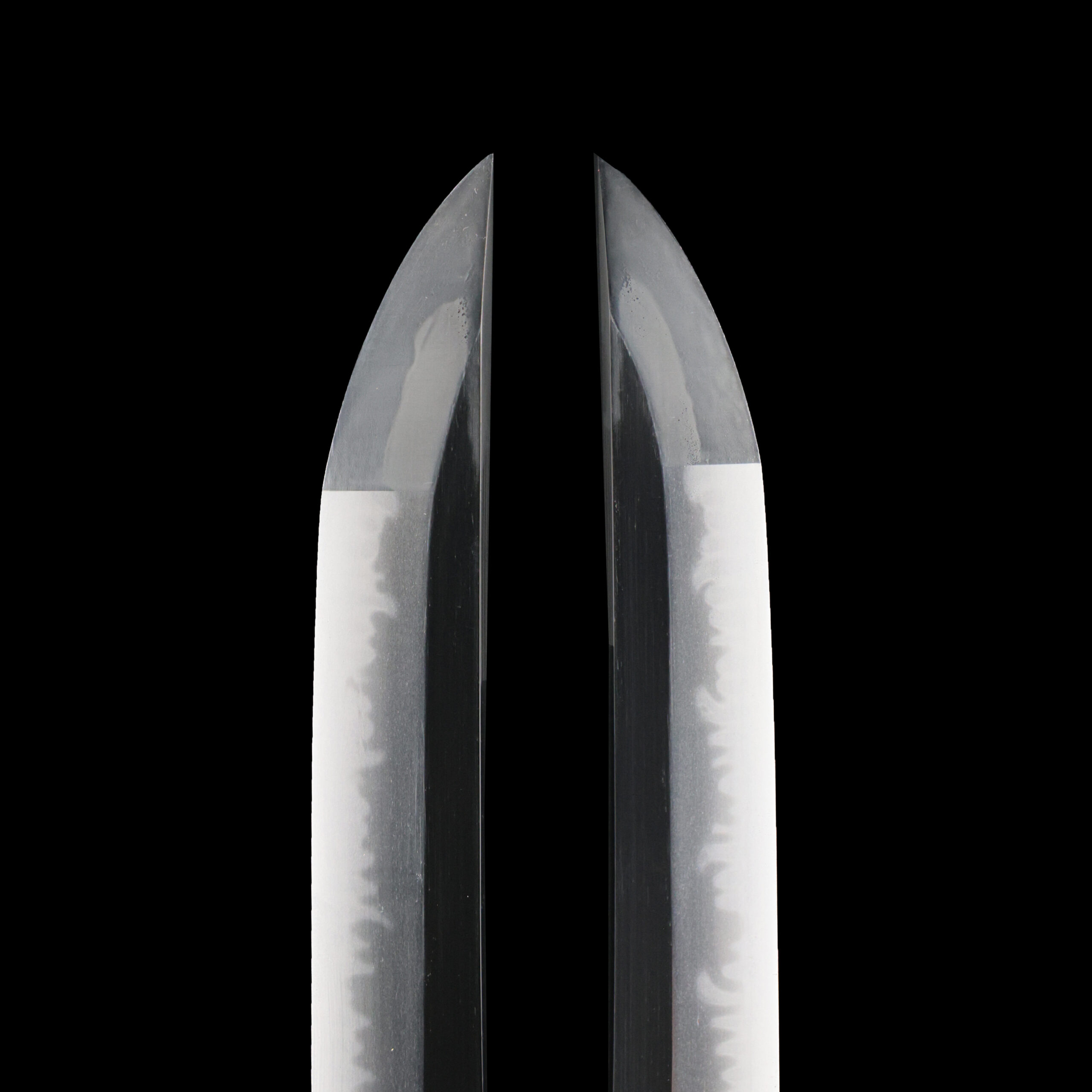
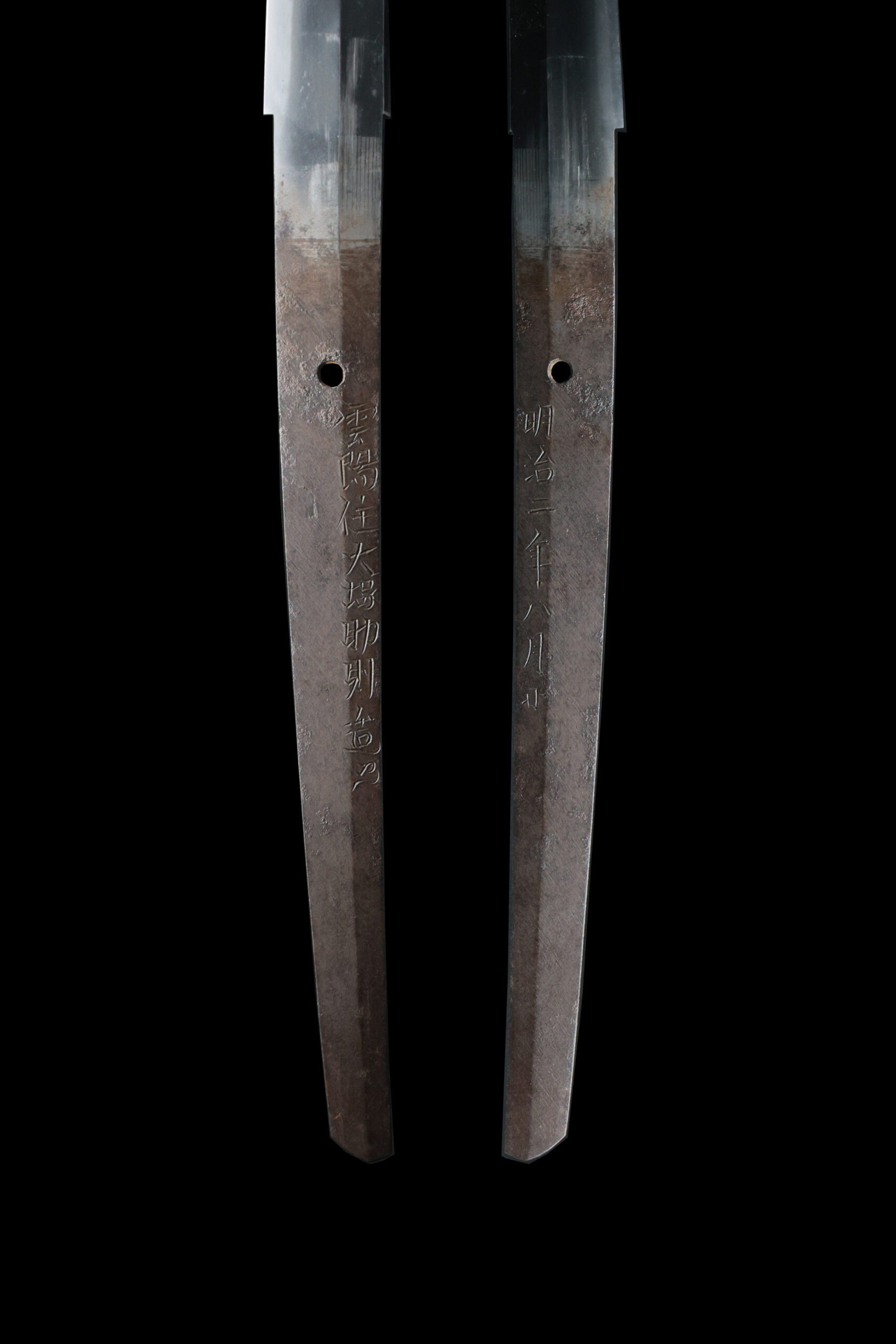
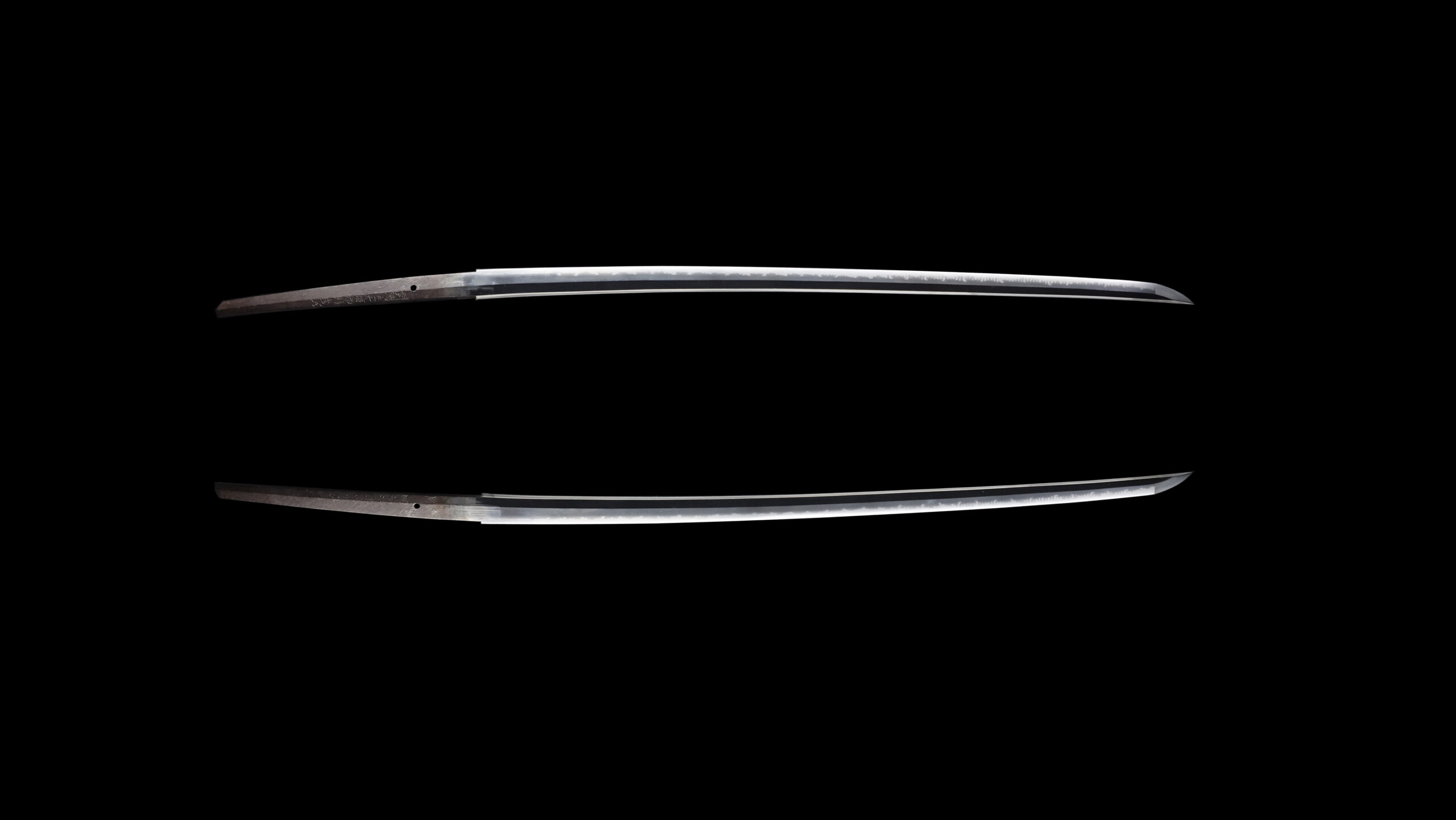
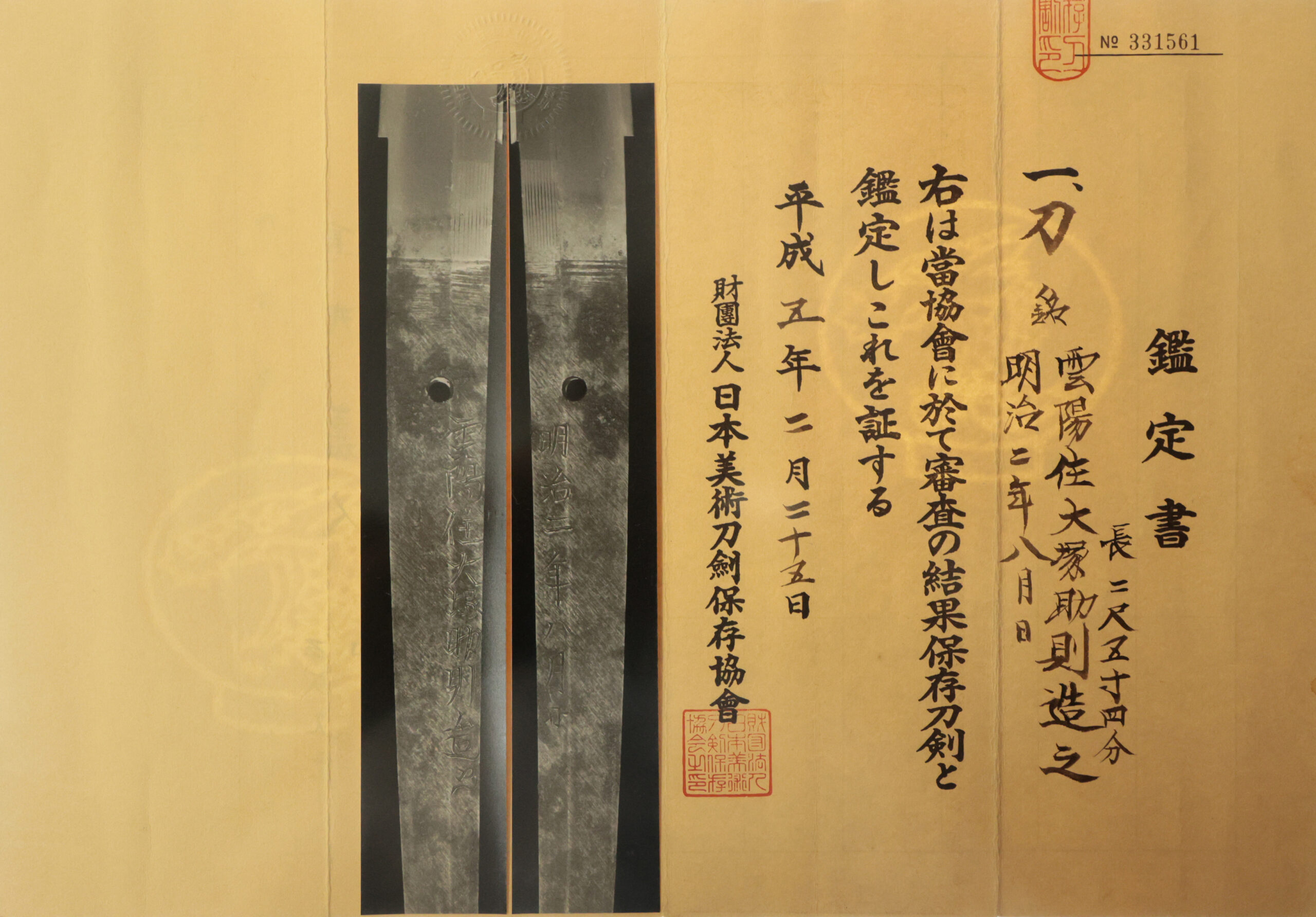
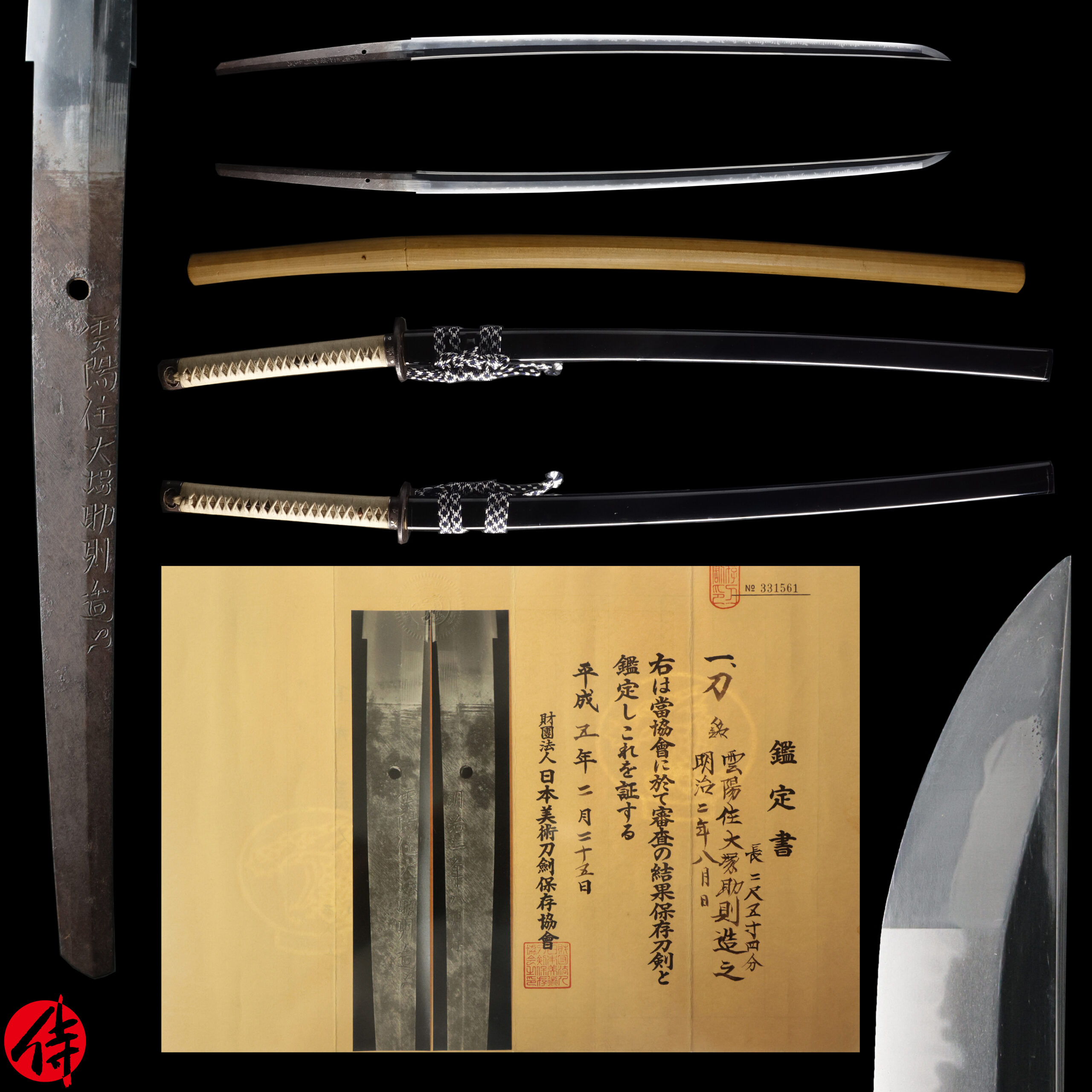
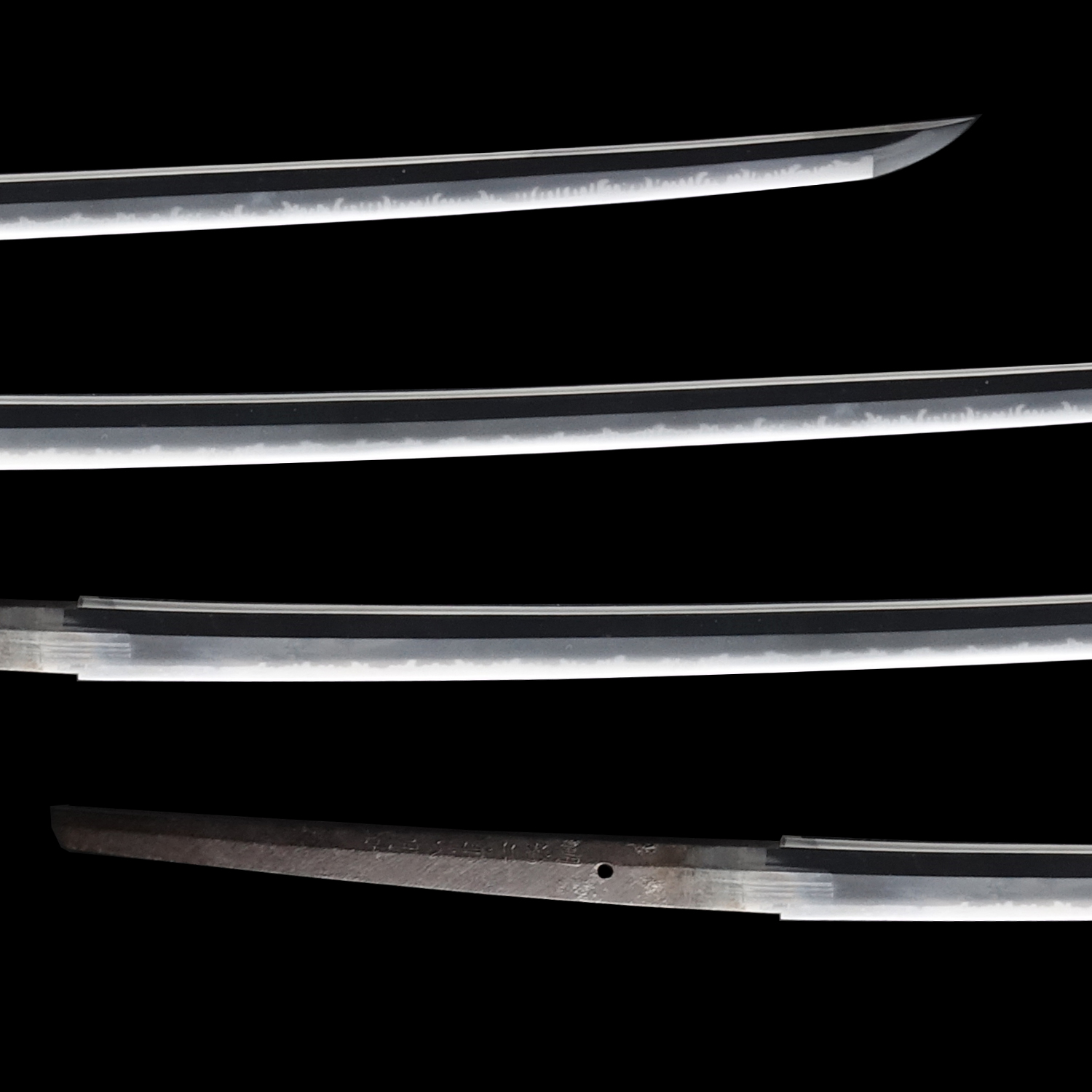
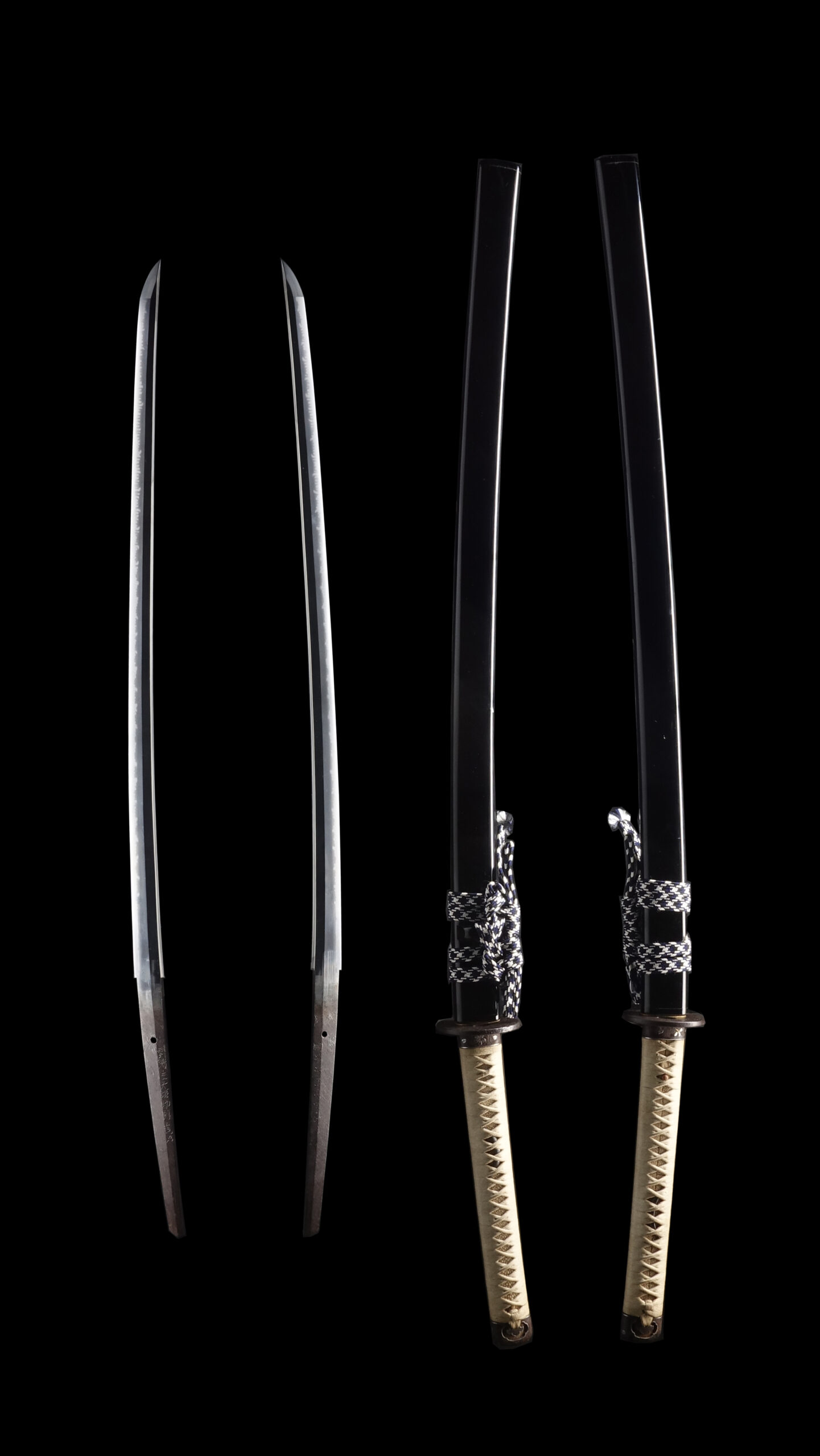
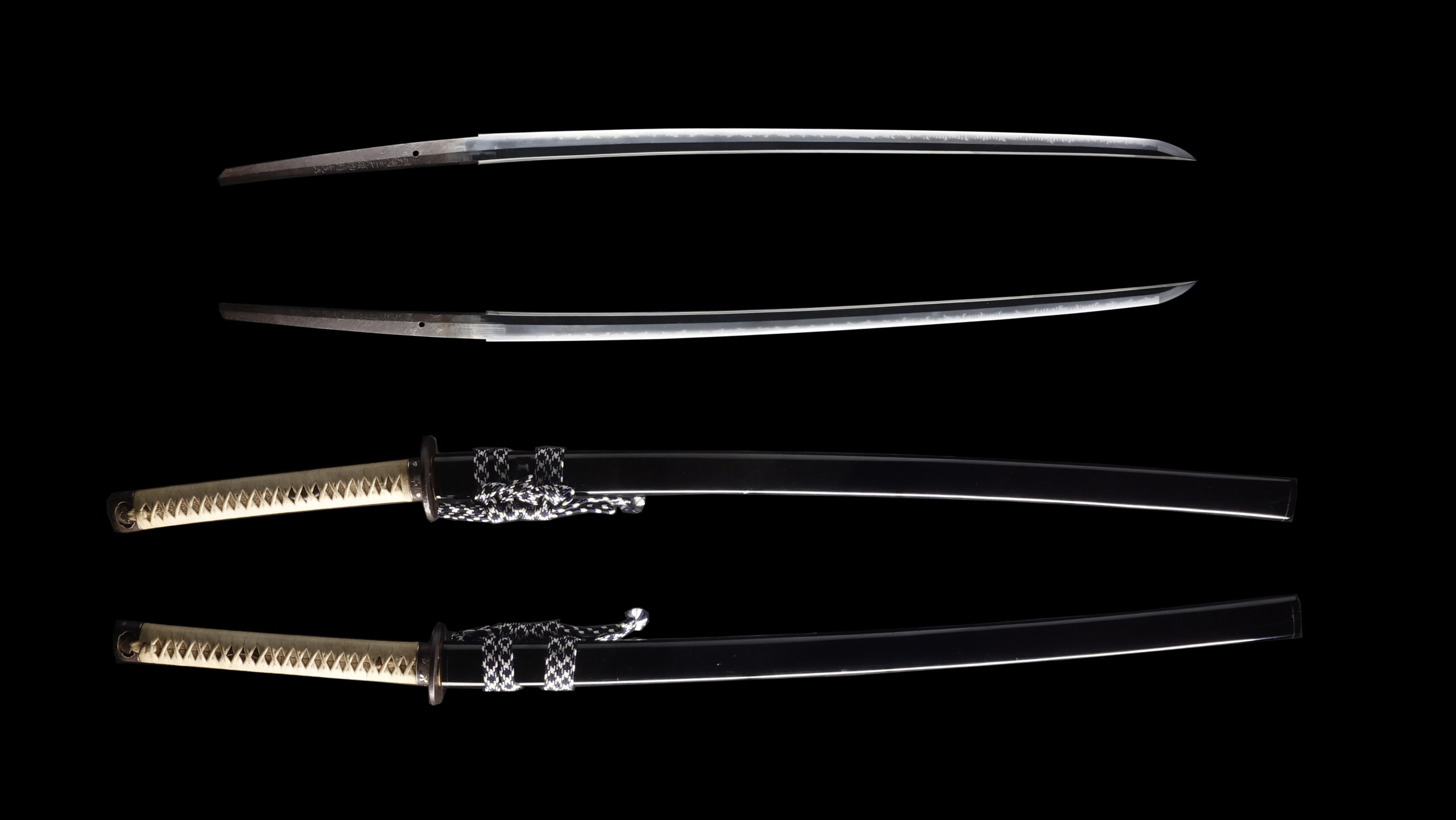
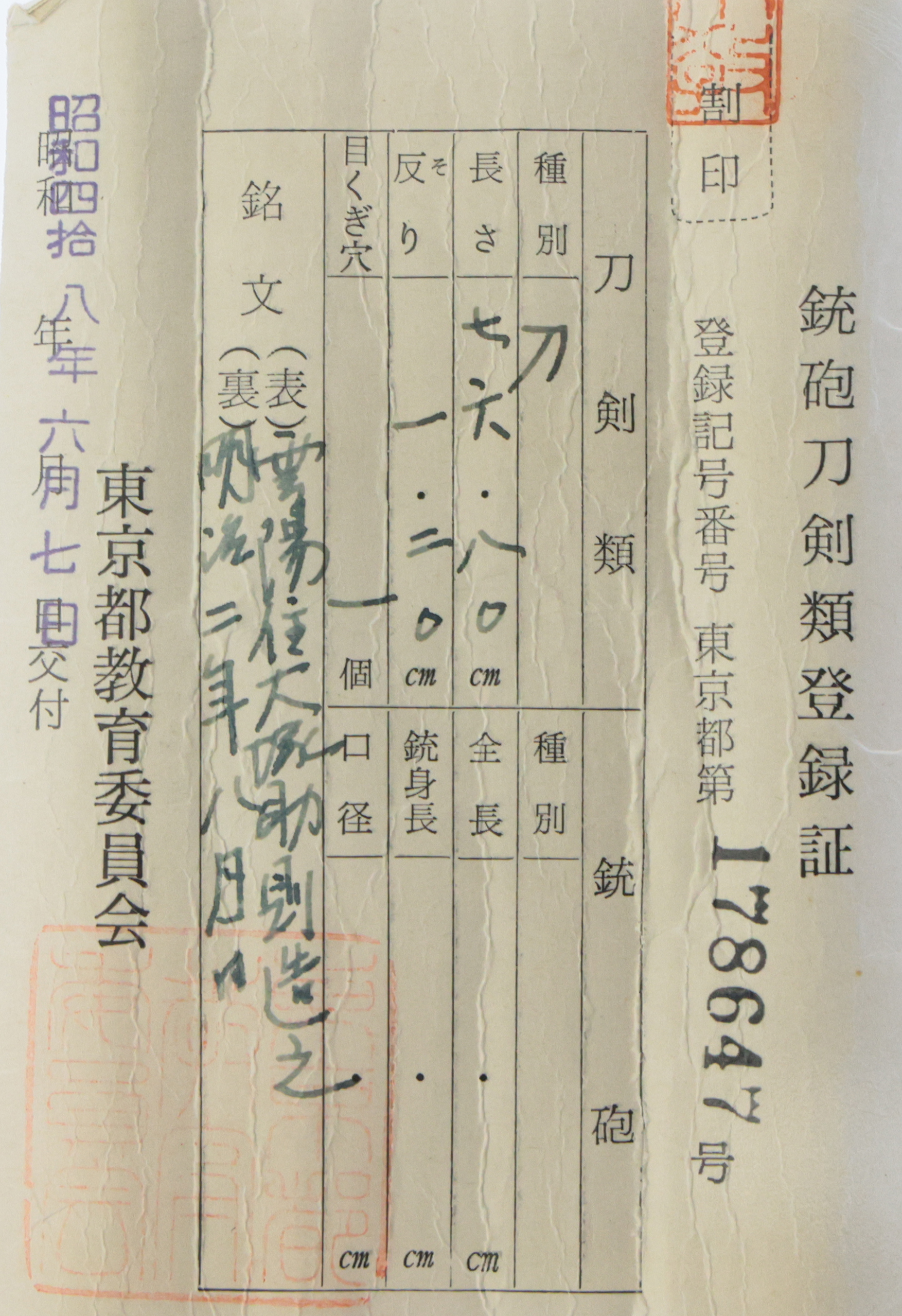
This blade bears the signature Un’yō-jū Ōtsuka Sukenori (雲陽住大塚助則) and is dated Meiji 2 (1869), as recorded in its NBTHK appraisal certificate.
Sukenori was born in Kai Province (甲斐国, present-day Yamanashi Prefecture) in Bunsei 10 (1827). His birth name was Tamura Yoshiji (田村義事). His surviving works indicate that he was making swords during the Ansei era (1854–1860), and he continued forging into the late Meiji period, with examples dating to approximately 1896. He is recorded as having lived in both Kai Province and Sagami Province (相模国, present-day Kanagawa Prefecture). He also served as a Shinto priest while pursuing his work as a swordsmith.
This blade was made when Sukenori was approximately 42 years old, after years of experience at the forge. He died in Meiji 42 (1909), aged approximately 82.
Historical Background
Forged in 1869, this sword dates to the second year of the Meiji era, when Japan was still undergoing the transition from Tokugawa rule to the new imperial government. The Boshin War (1868–1869), fought between supporters of the former shogunate and the imperial forces, ended that year with the defeat of the remaining Tokugawa loyalists at Hakodate.
The changes affecting the samurai and their swords unfolded over the following years. The domains were abolished in 1871, and the 1876 Haitōrei prohibited most civilians, including former samurai, from wearing swords in public. This blade therefore predates both reforms and was forged at a time when samurai still wore swords, even as firearms increasingly dominated military warfare.
As demand for swords declined, many swordsmiths turned to other occupations. Sukenori continued producing blades into the 1890s. This dated example documents his work at the beginning of that transition, connecting his training under the Tokugawa shogunate with his continued swordmaking in Meiji Japan.
It is appraised as a Hozon Token (保存刀剣) issued by NBTHK (Nihon Bijutsu Touken Hozon Kyokai:日本美術刀剣保存協会).
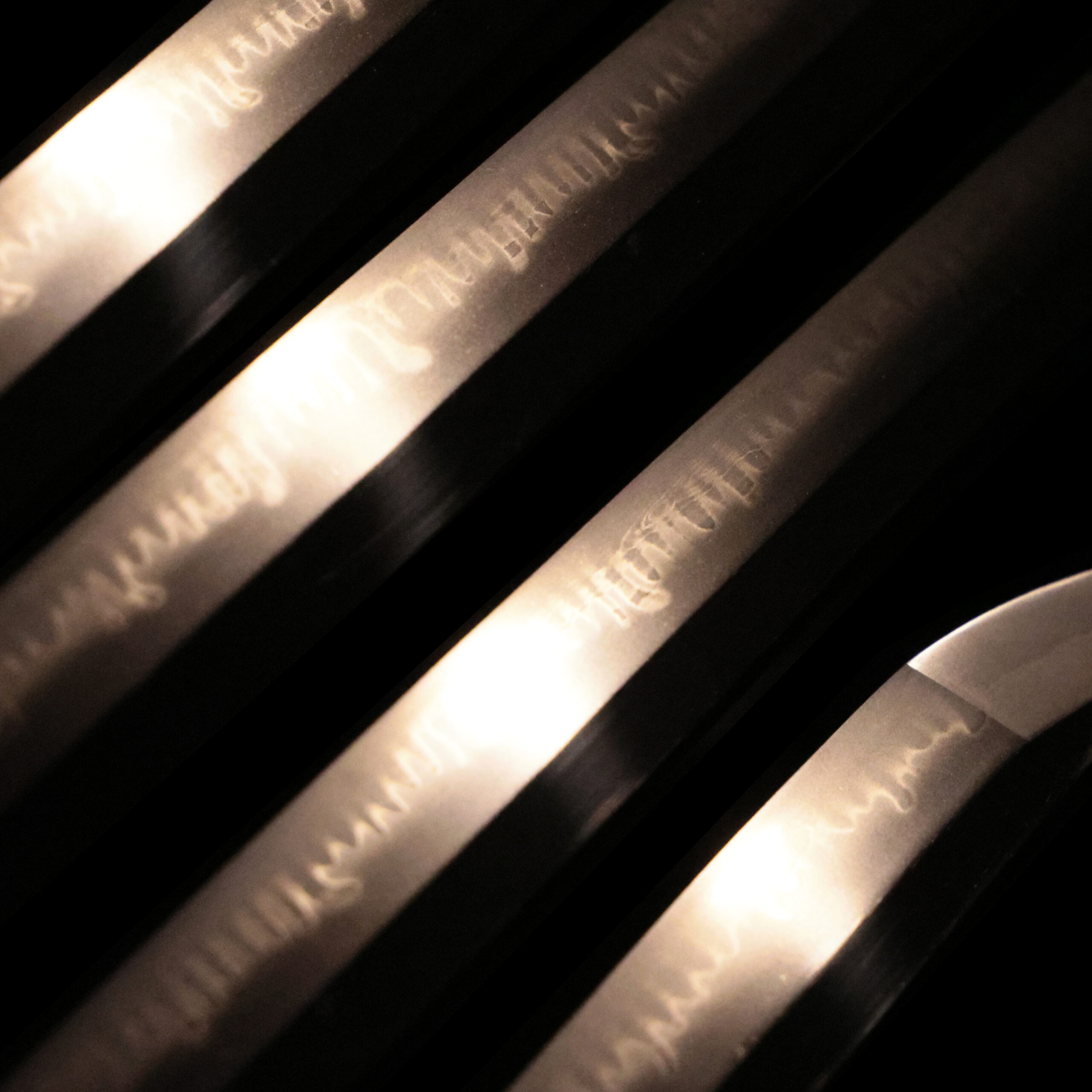
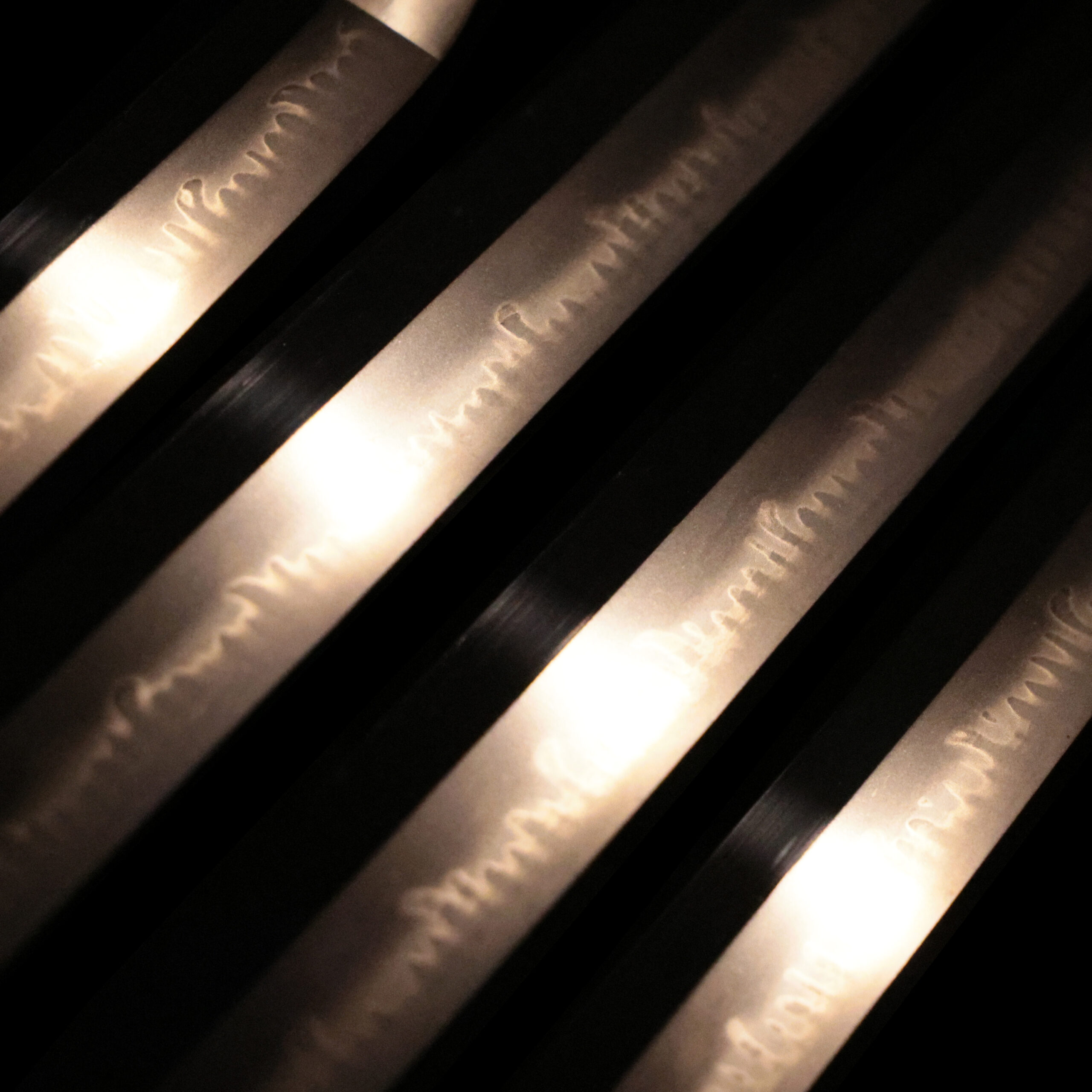
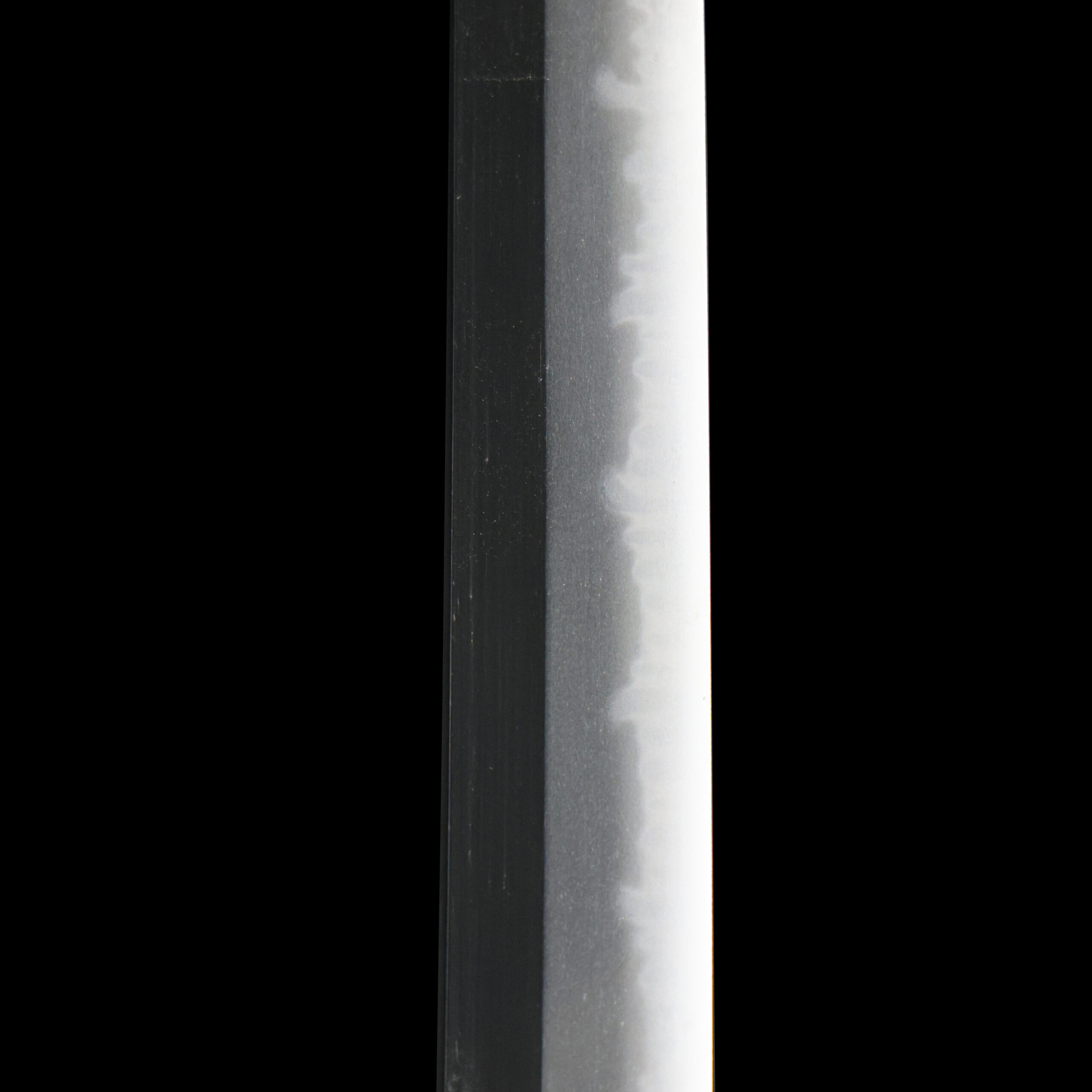
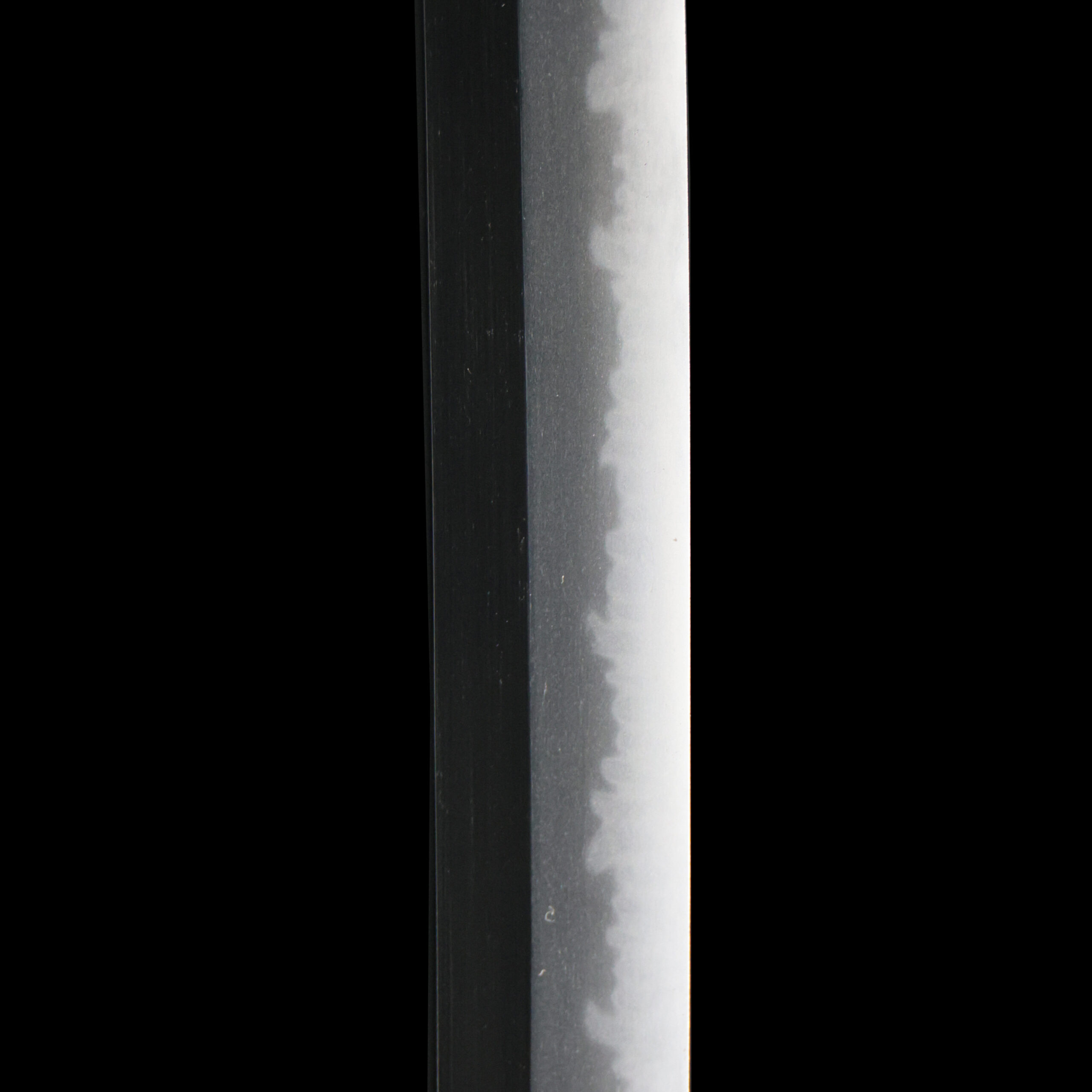
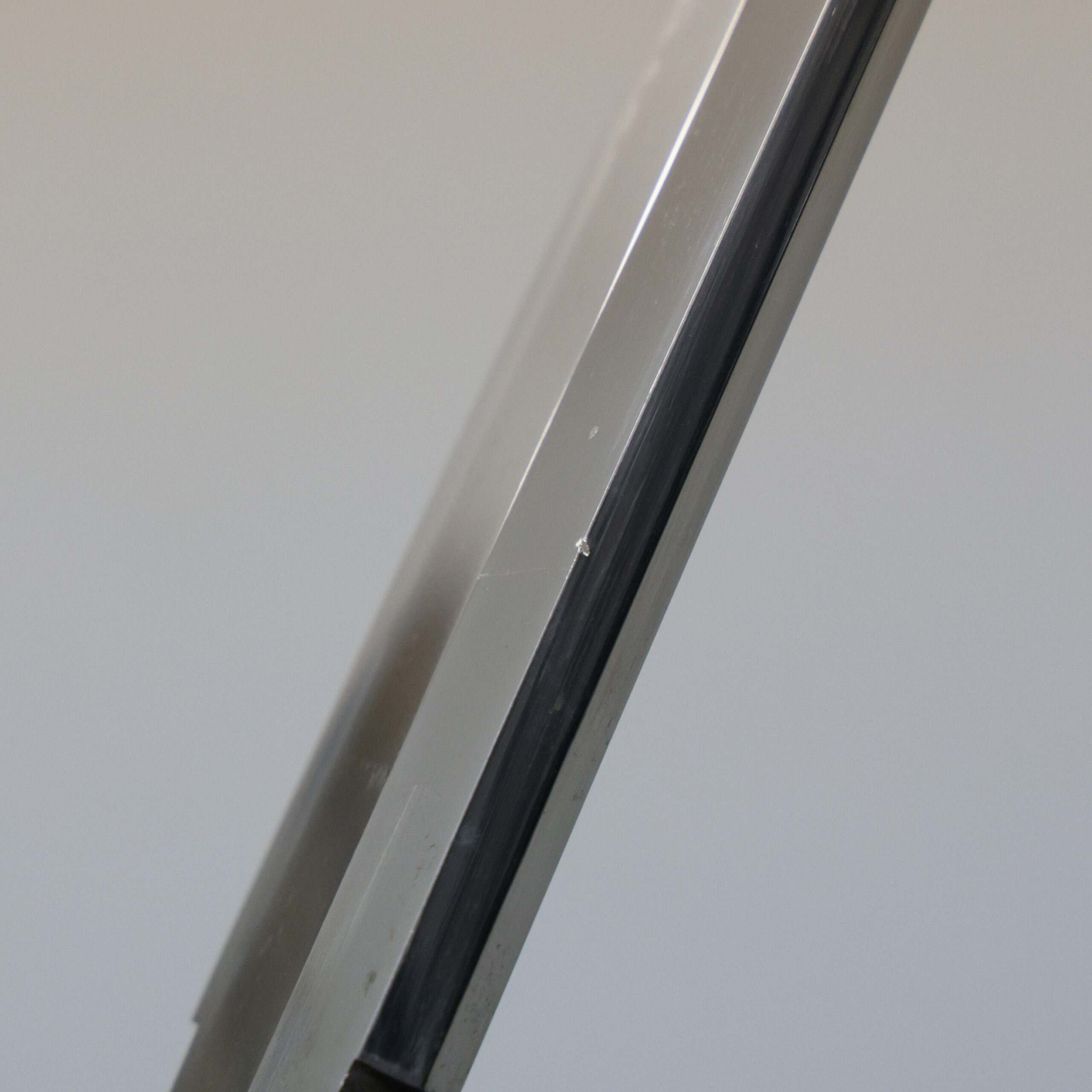
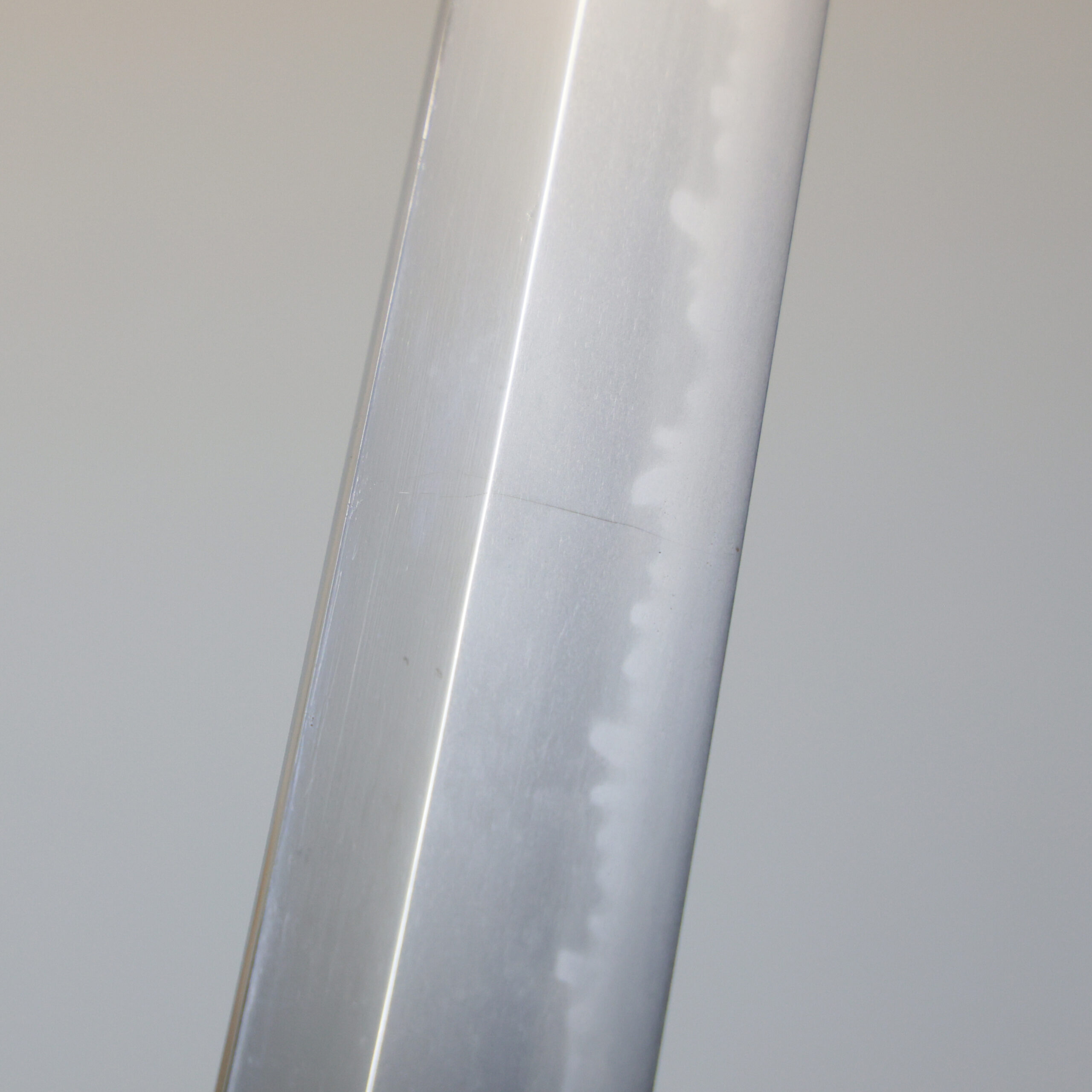
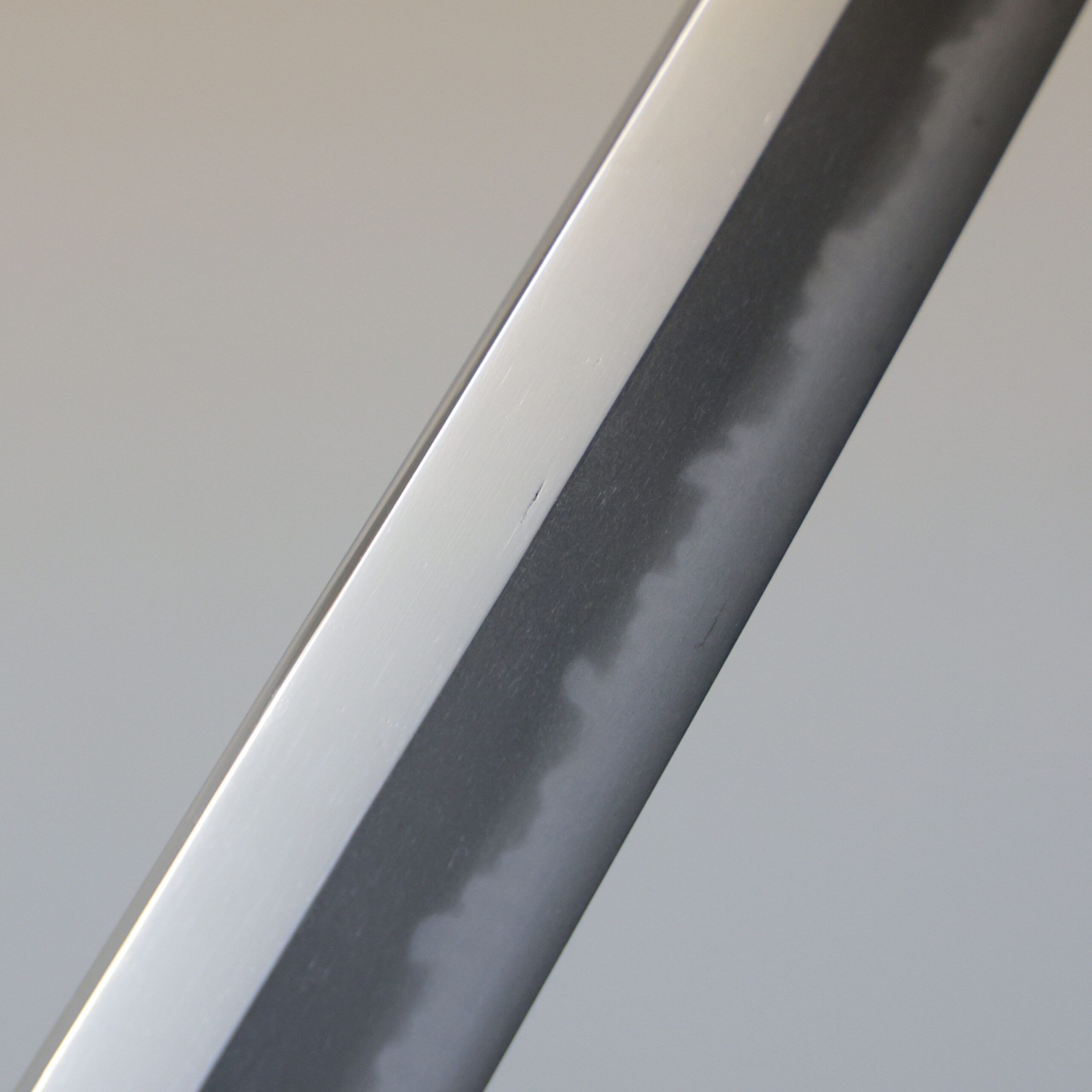
*Please keep in mind that there are a couple of Kitae Kizu and Hike Kizu (scratch) on the blade.
Fuchi-Kashira
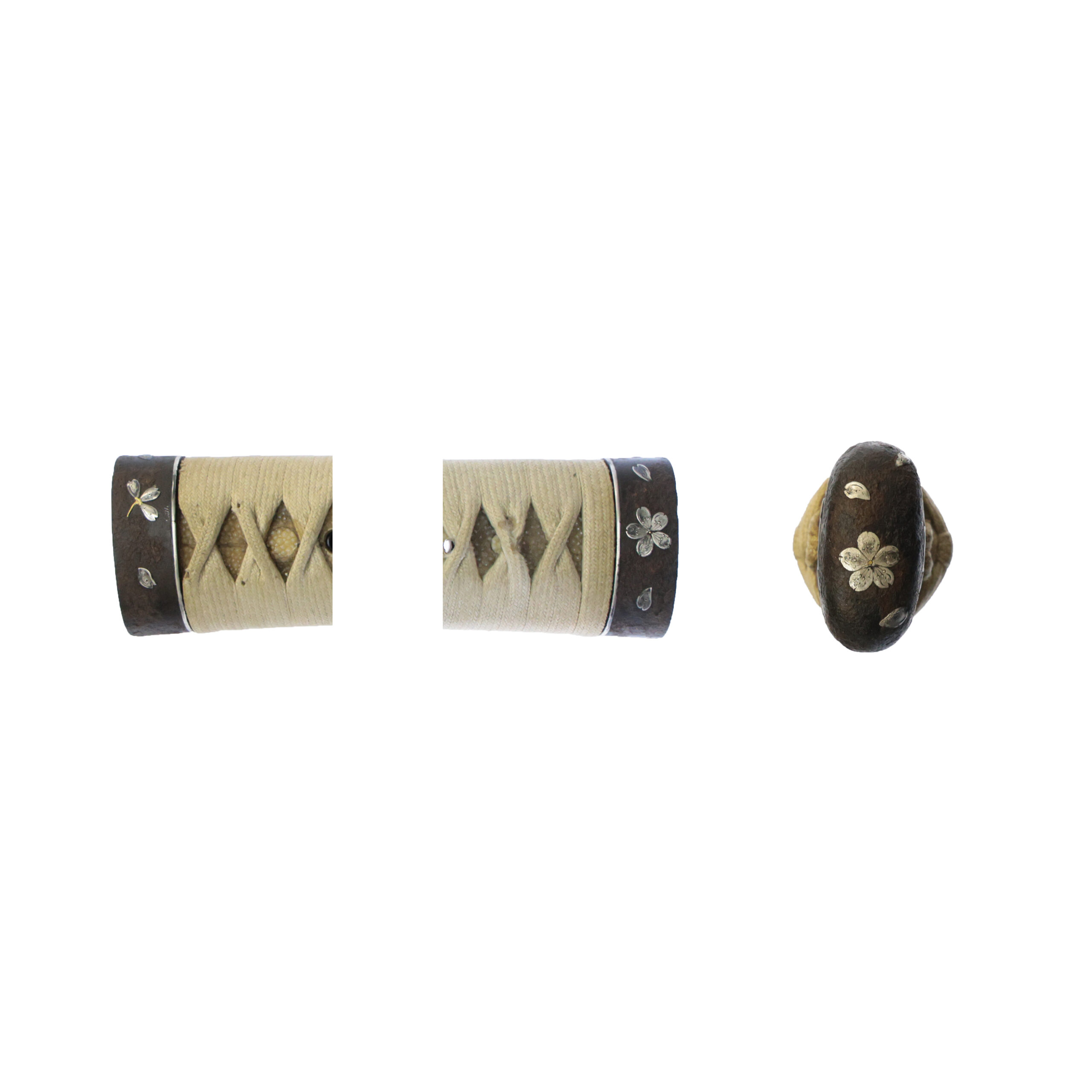
*Please keep in mind that there are some rust on this Fuchi Kashira.
This Fuchi-Kashira is decorated with cherry blossoms (桜, sakura), creating an elegant floral design. For the Japanese people, cherry blossoms hold profound cultural significance. They symbolize the fleeting nature of life, the beauty of impermanence, and the arrival of spring. Because the blossoms bloom brilliantly yet fall after only a short time, they have long served as a reminder of life’s transience.
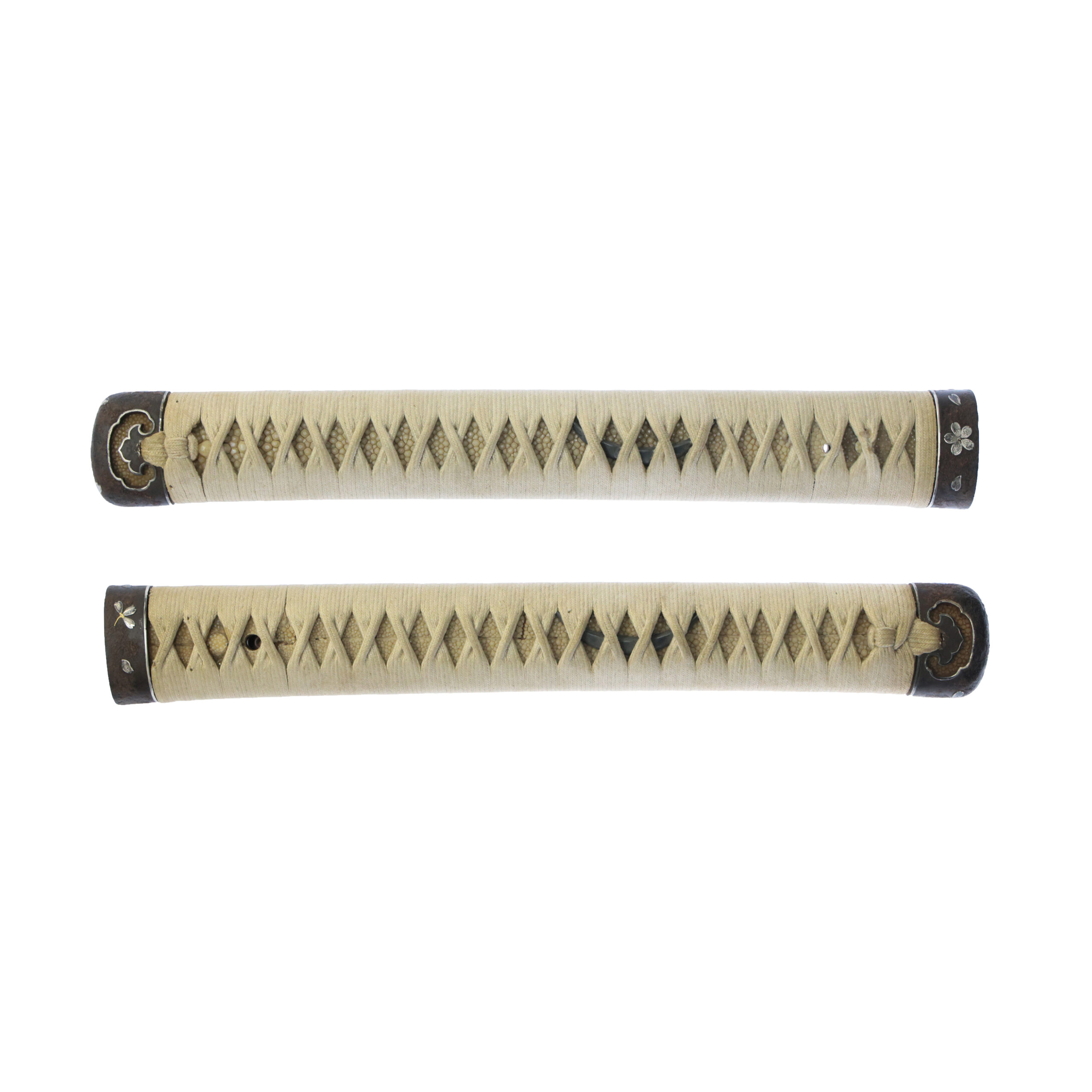
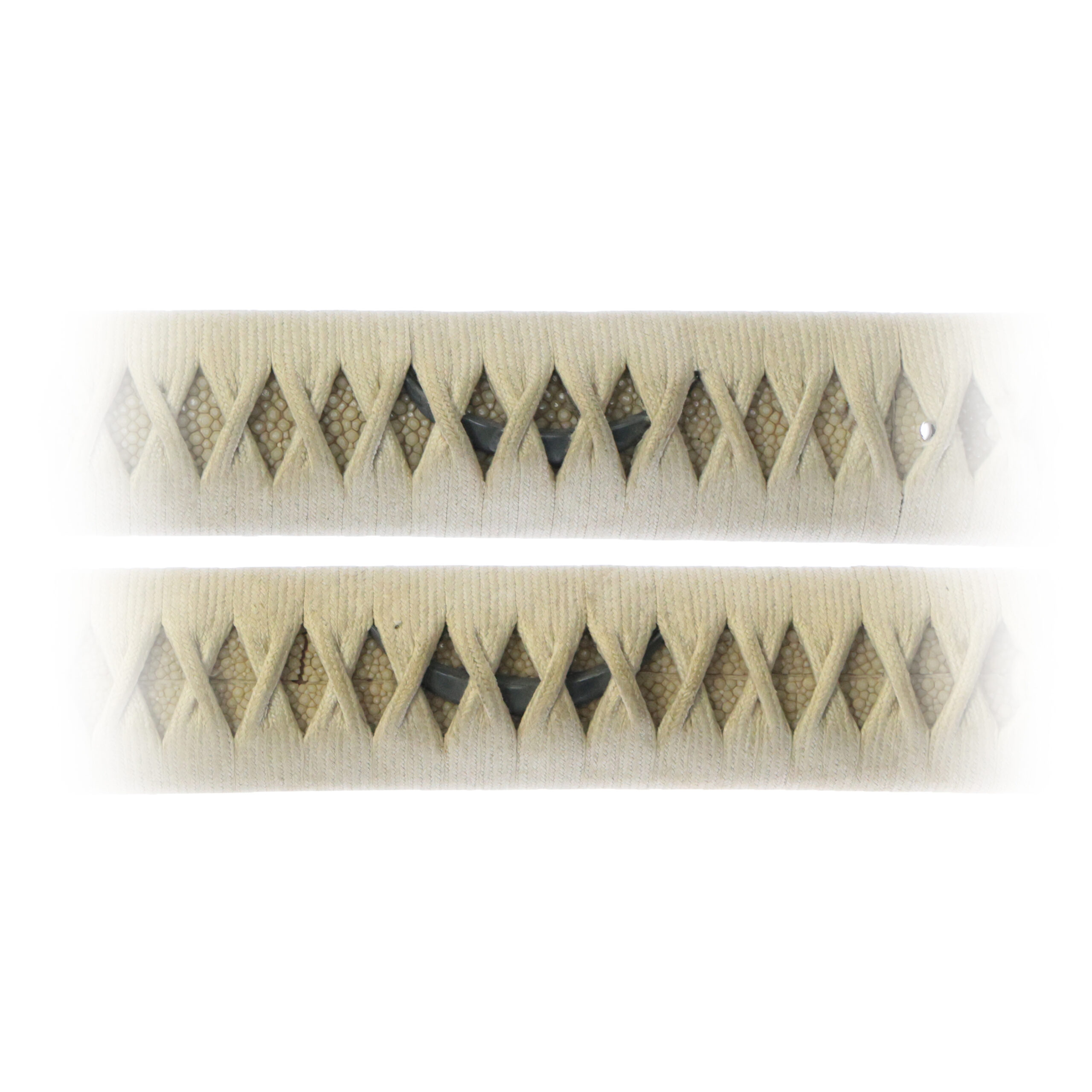
Tsuka and Menuki
These menuki feature a crescent moon, known in Japanese as mikazuki (三日月). The moon has long been a beloved subject in Japanese art and poetry, admired for its quiet beauty. During the Edo period (1603–1868), scenes of moon-viewing appeared in paintings and woodblock prints, reflecting this enduring appreciation.
Japan also has a tradition called tsukimi (月見), or “moon-viewing,” in which people gather to admire the autumn moon. Traditionally, rice dumplings called tsukimi dango and Japanese pampas grass are offered in celebration of the season and in gratitude for the harvest.
Tsuba and Habaki
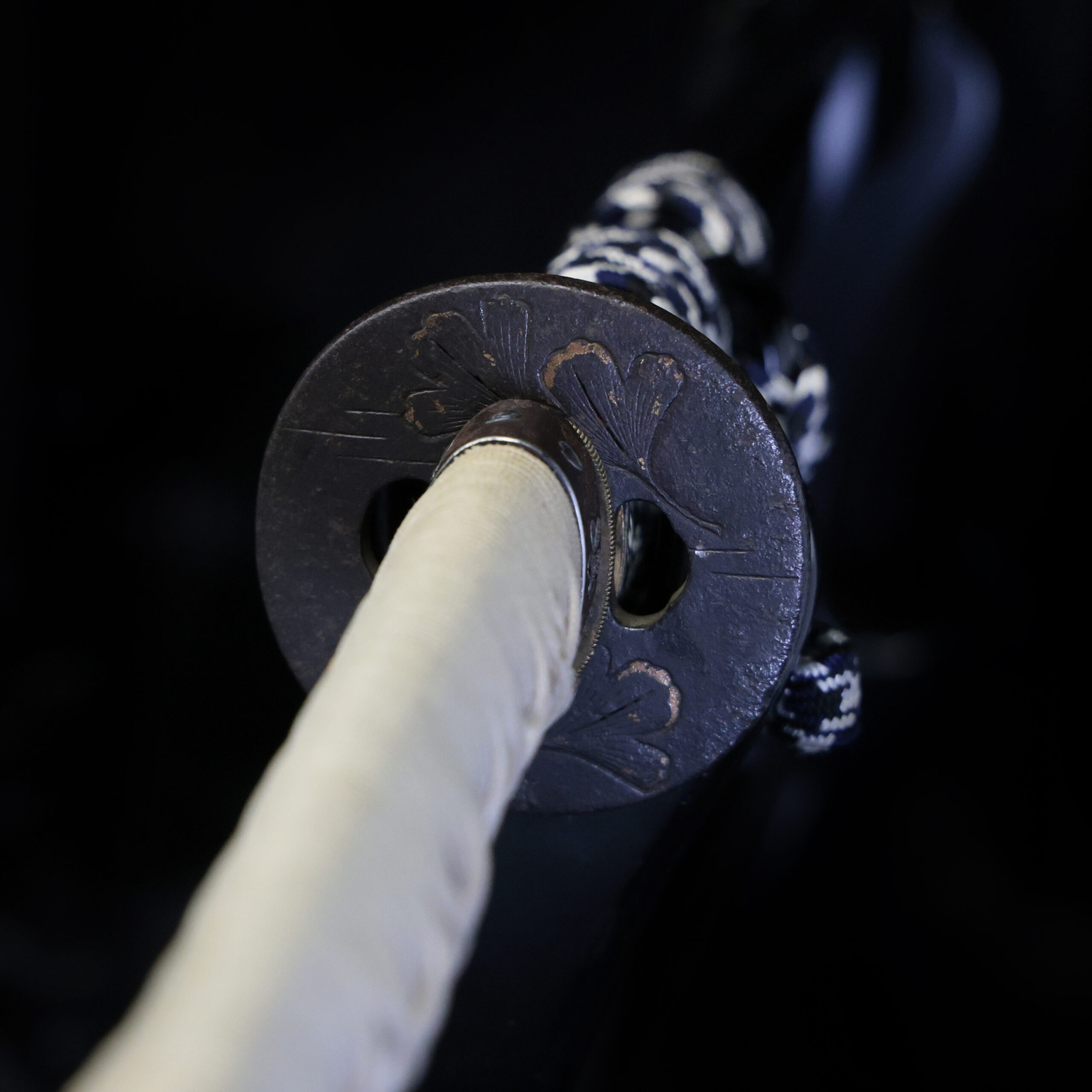
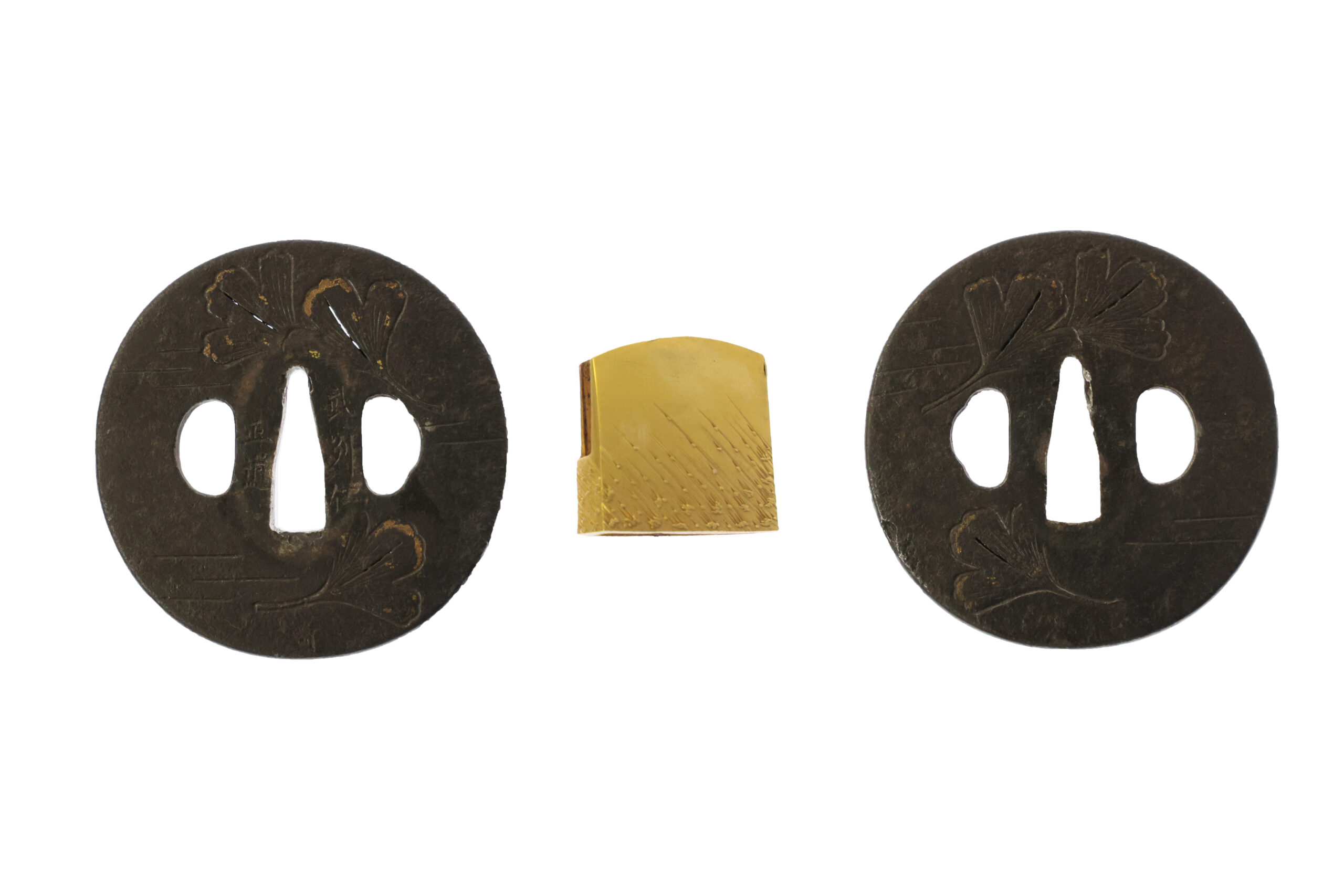
This tsuba features a ginkgo motif, known in Japanese as ichō (銀杏).
Ginkgo trees are admired for their longevity and resilience, making their distinctive fan-shaped leaves an auspicious motif associated with a long life and enduring vitality. In Japan, ginkgo trees are often found within shrine and temple grounds, and some particularly old or significant specimens are revered as goshinboku (御神木), or sacred trees. Ginkgo leaves also appear in Japanese family crests, known as kamon (家紋). Their recognizable shape lends itself to decorative designs, bringing both a natural element and associations with longevity to these sword fittings.
This tsuba also bears the signature “Bushū-jū Masamichi” (武州住正道), meaning “Masamichi, residing in Musashi Province (today’s Tokyo).
Saya
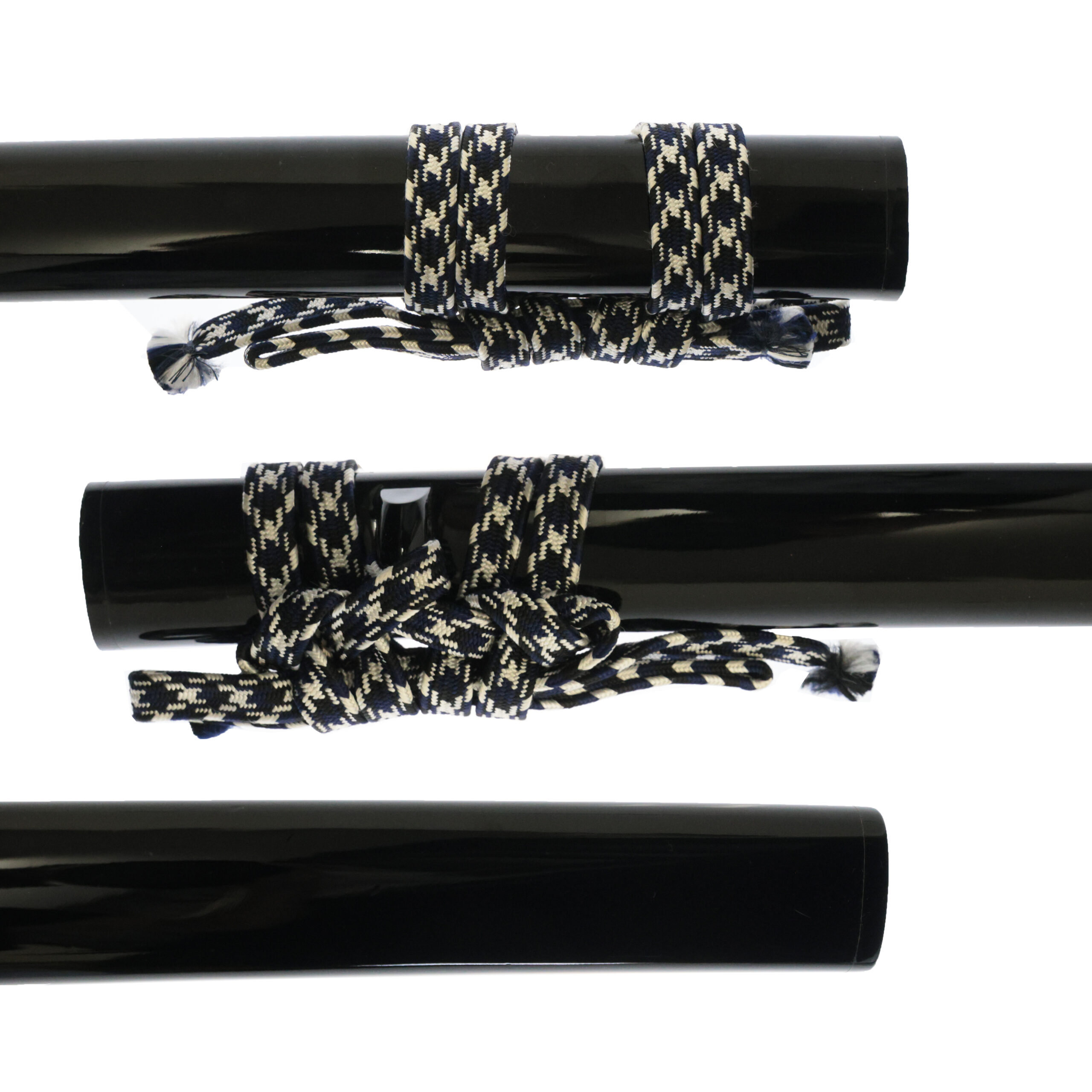
This Saya is covered with black lacquer. Due to its high waterproof effect, lacquer has been used since ancient times in Asia. The blade of a Japanese sword is made of iron, and moisture is the greatest enemy of iron. For the purpose of carrying the blade without degrading it, people devised a method of coating the scabbard with lacquer. To prevent not only moisture but also rain and snow from penetrating the inside of the scabbard, it was necessary to apply multiple layers of lacquer. The Nushi (塗師, lacquerers) was born precisely because advanced techniques were required to handle the complicated processes.
Authentication Paper
They authenticated the blade on February 25th in the 5th year of Heisei (1993). They appraised it as Hozon Touken, the blade worth preserving for Japanese society.

 NihontoWatch