Edo was the sword’s age of connoisseurship: the Hon’ami appraisers, the shogunal register of famous blades of 1719, and a thriving literature turned the sword into an object of study even as it ceased to be drawn in war.
 NihontoWatchNihontoWatch
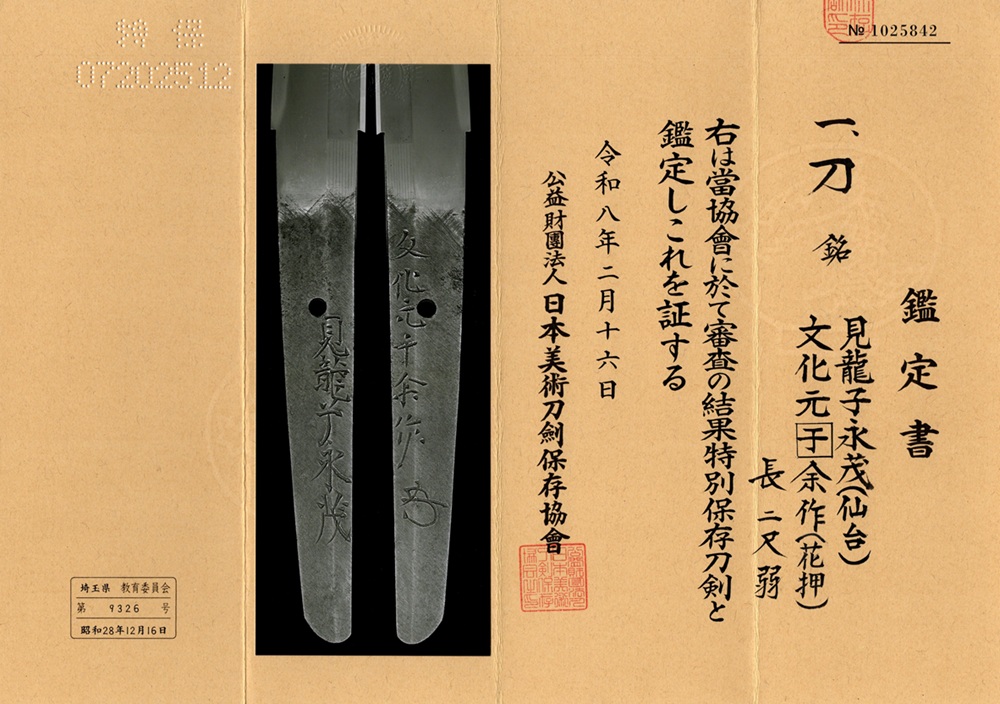
Nagashige was Tashiro Kyuemon. A student of Omi no Kami Tsuguhira. He belonged to the Tashiro lineage, which stands alongside the Hongo lineage of Sendai Kunikane, and he became the adopted son of the fourth generation of the Nagashige family to succeed as the fifth generation of that house. His first mei was Kiyotoshi. By order of the domain during the Horeki era (1751-1764), he succeeded to the name of his grandfather, Nagashige, and received the title of Settsu no Kami. Furthermore, in later years, he changed his name to Nagashige. He was a retained smith of the Date family who was active from the Horeki era through the Bunka era. His go was Kenryushi. This work is a masterpiece from the mature period of Kenryushi Nagashige, made in Bunka 1 (1804). Regarding the ura-mei, "u" means "at" and "yosaku" means "made by myself," so it is likely a carefully crafted work where he intentionally carved "Made by myself in Bunka 1 (kao)." It passed the Tokubetsu Hozon Token shinsa in Reiwa 8 (2026). It is accompanied by a kuro-roiro-nuri uchigatana koshirae.
NihontoWatchOffered by Touken Matsumoto



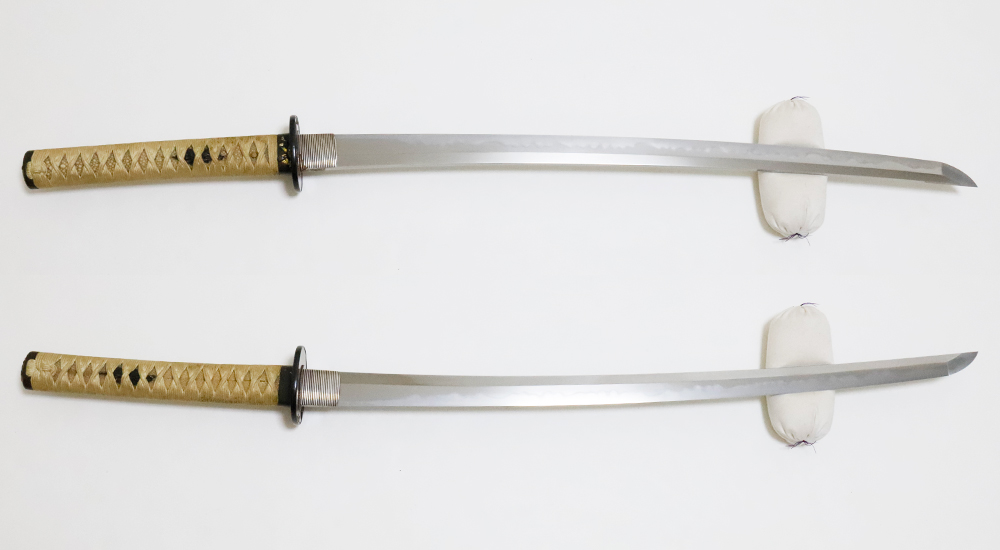
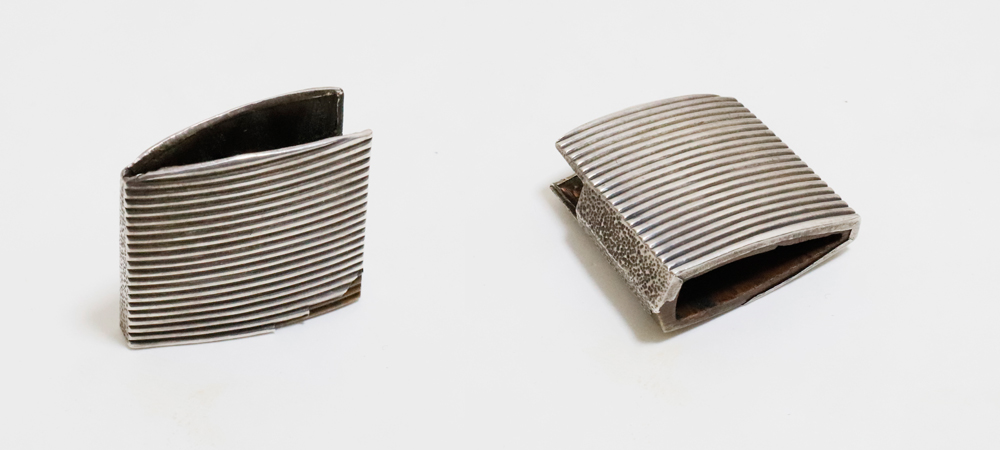
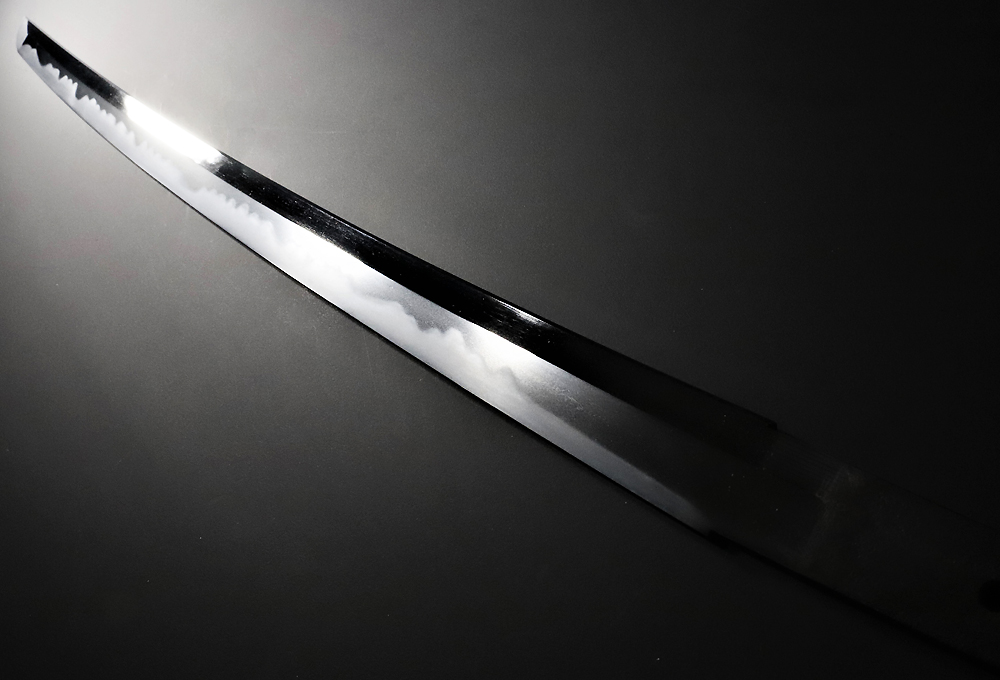
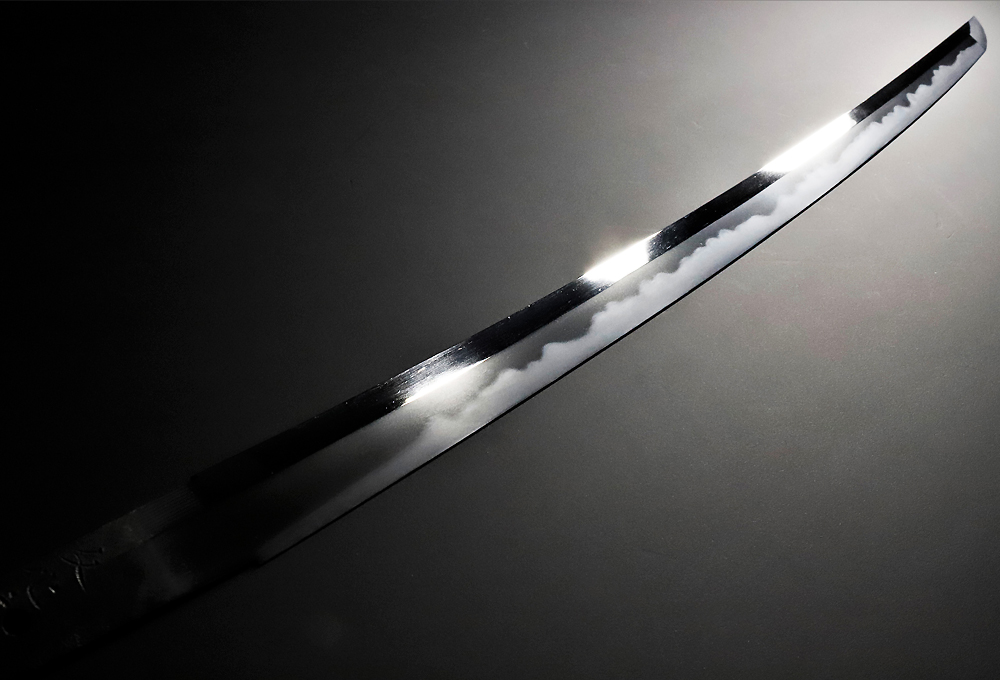
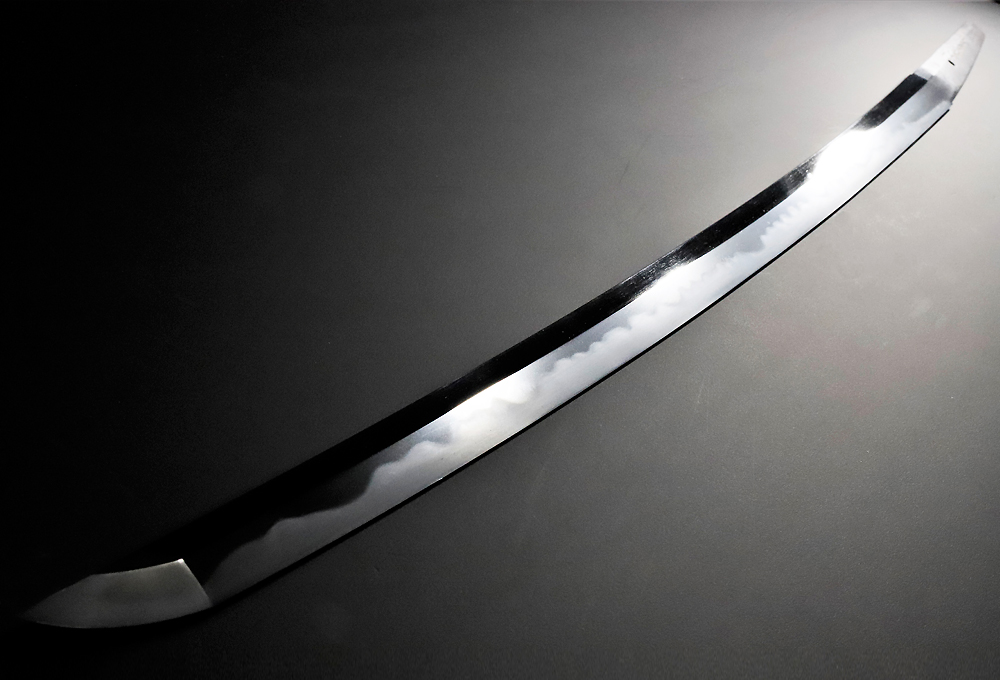
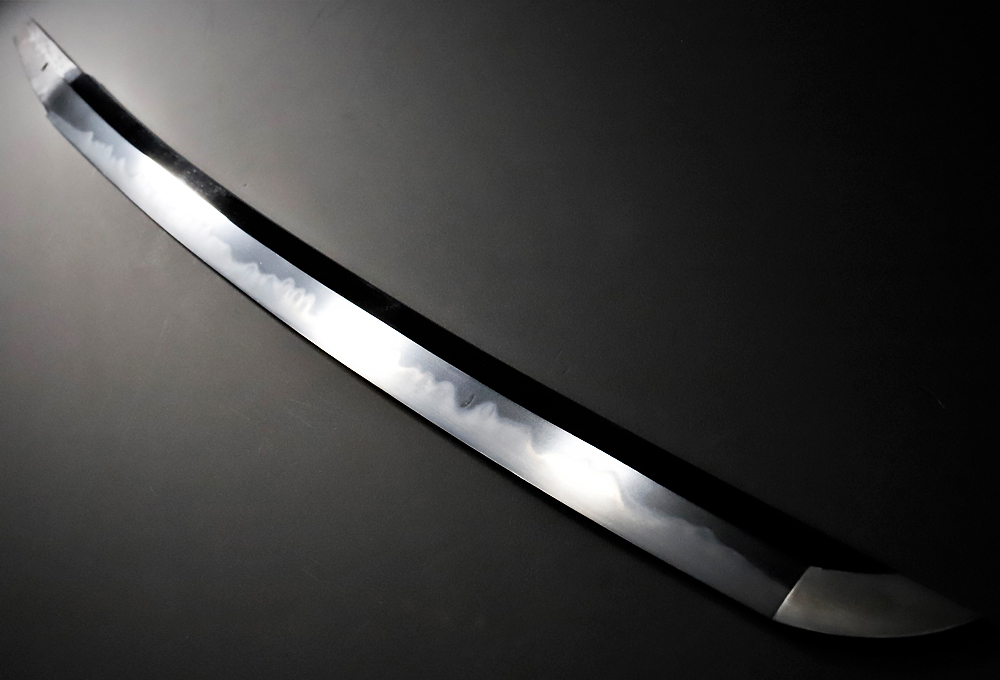
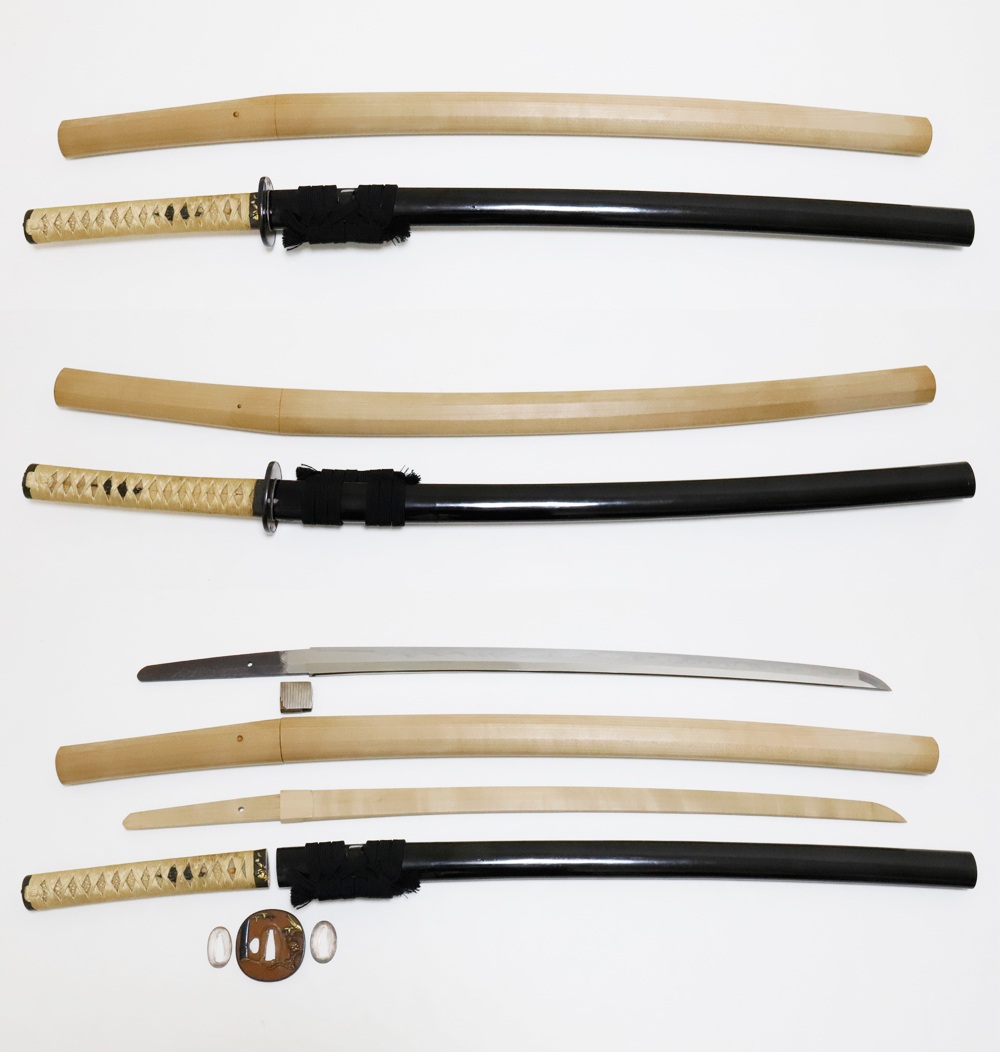
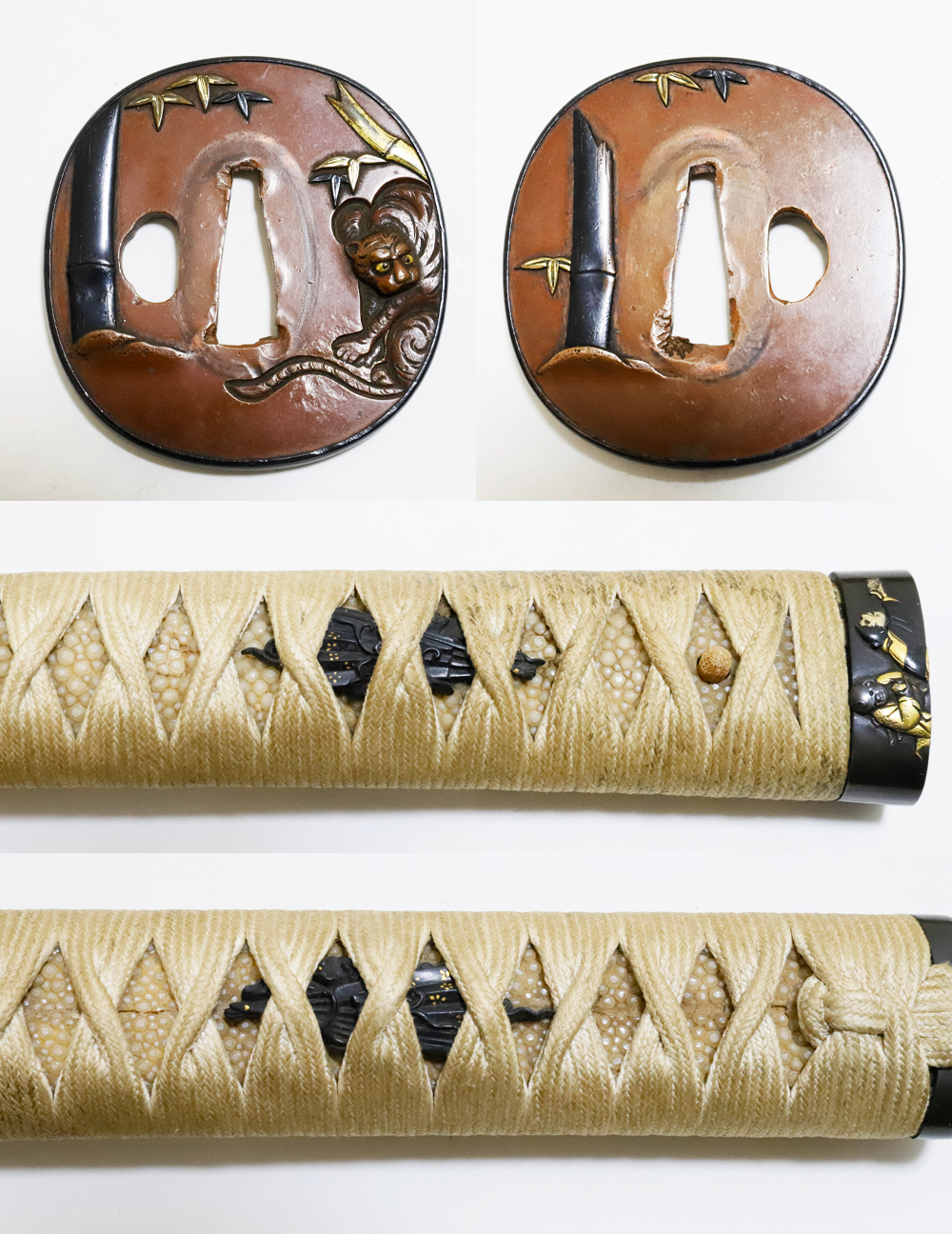
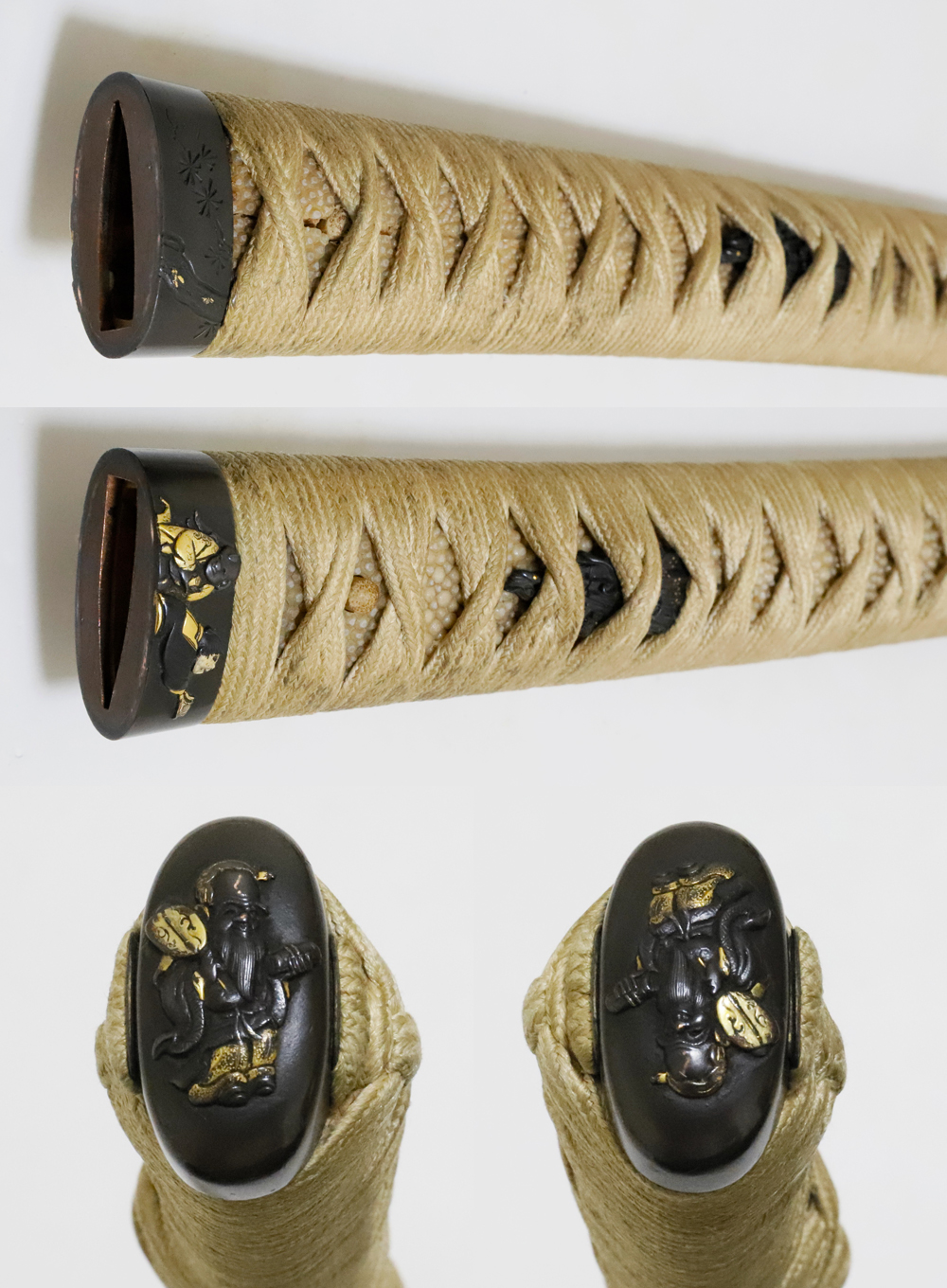
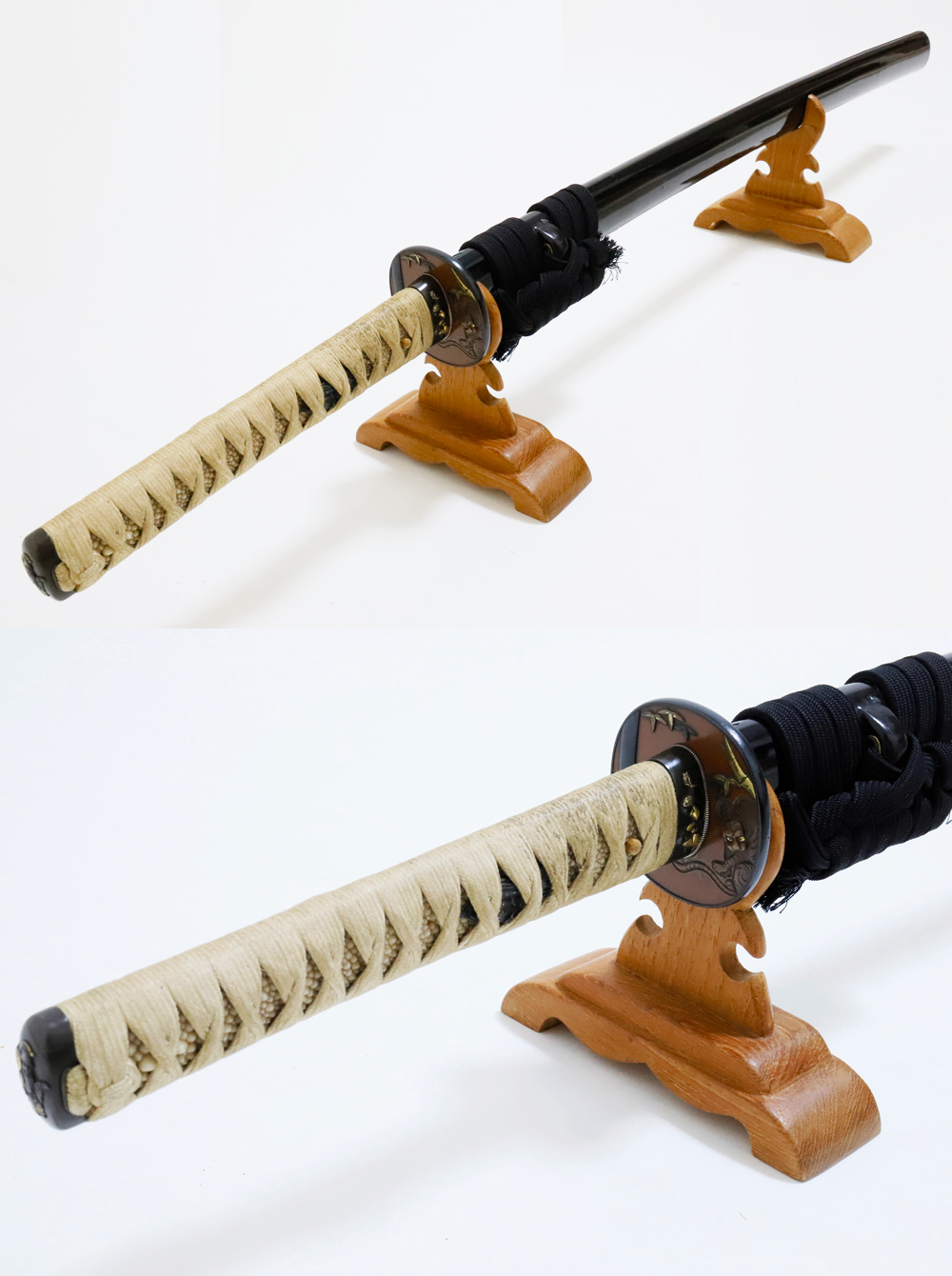
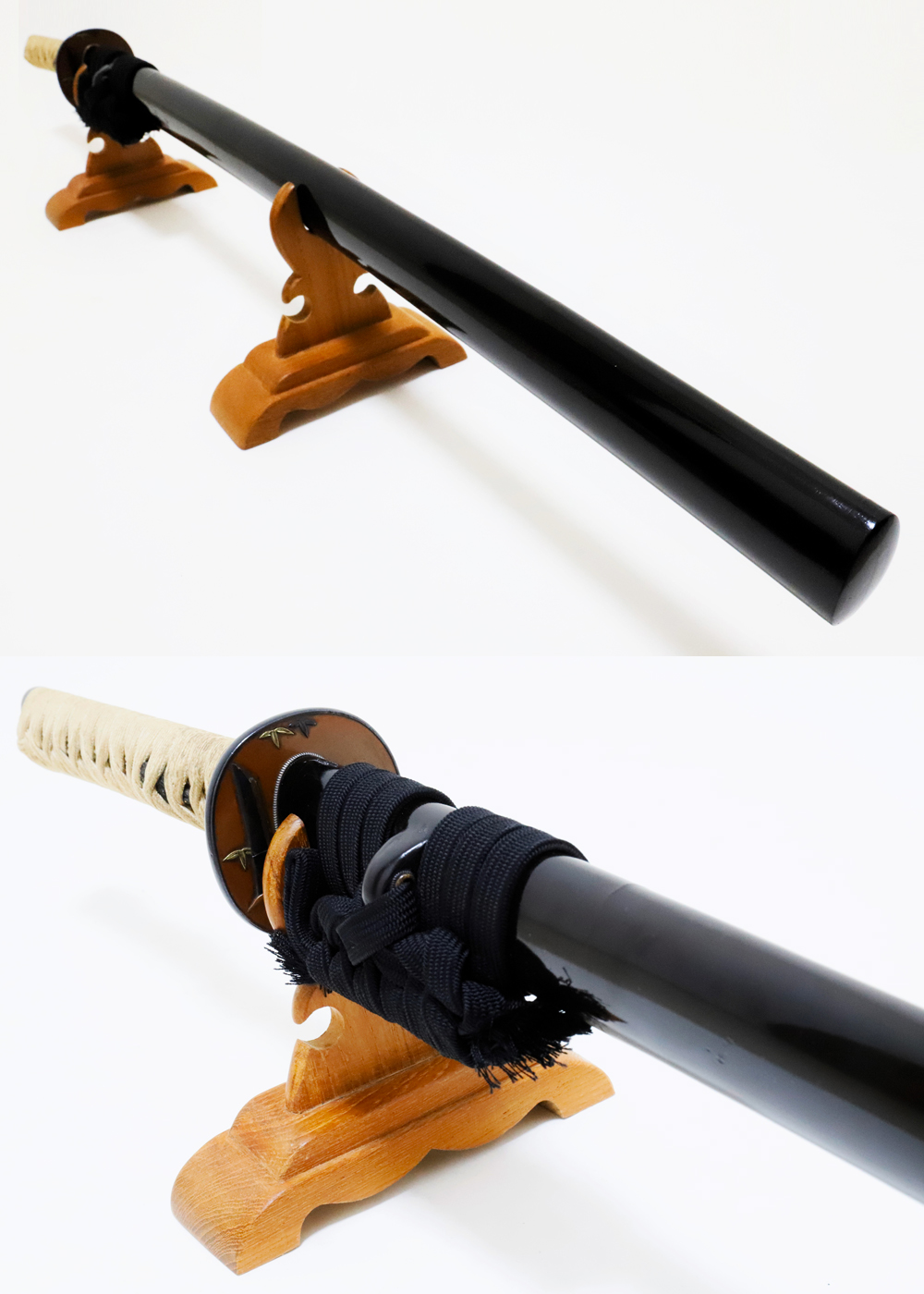
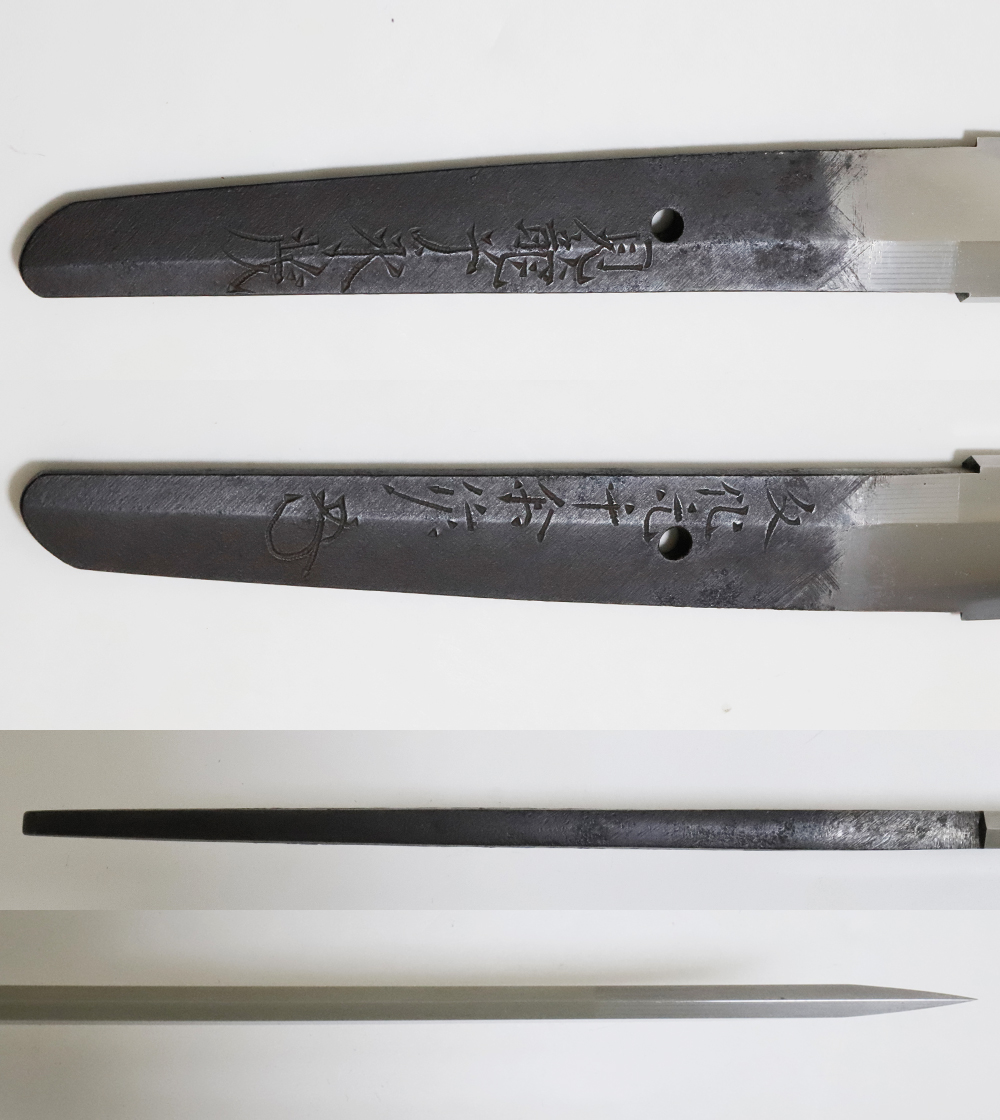
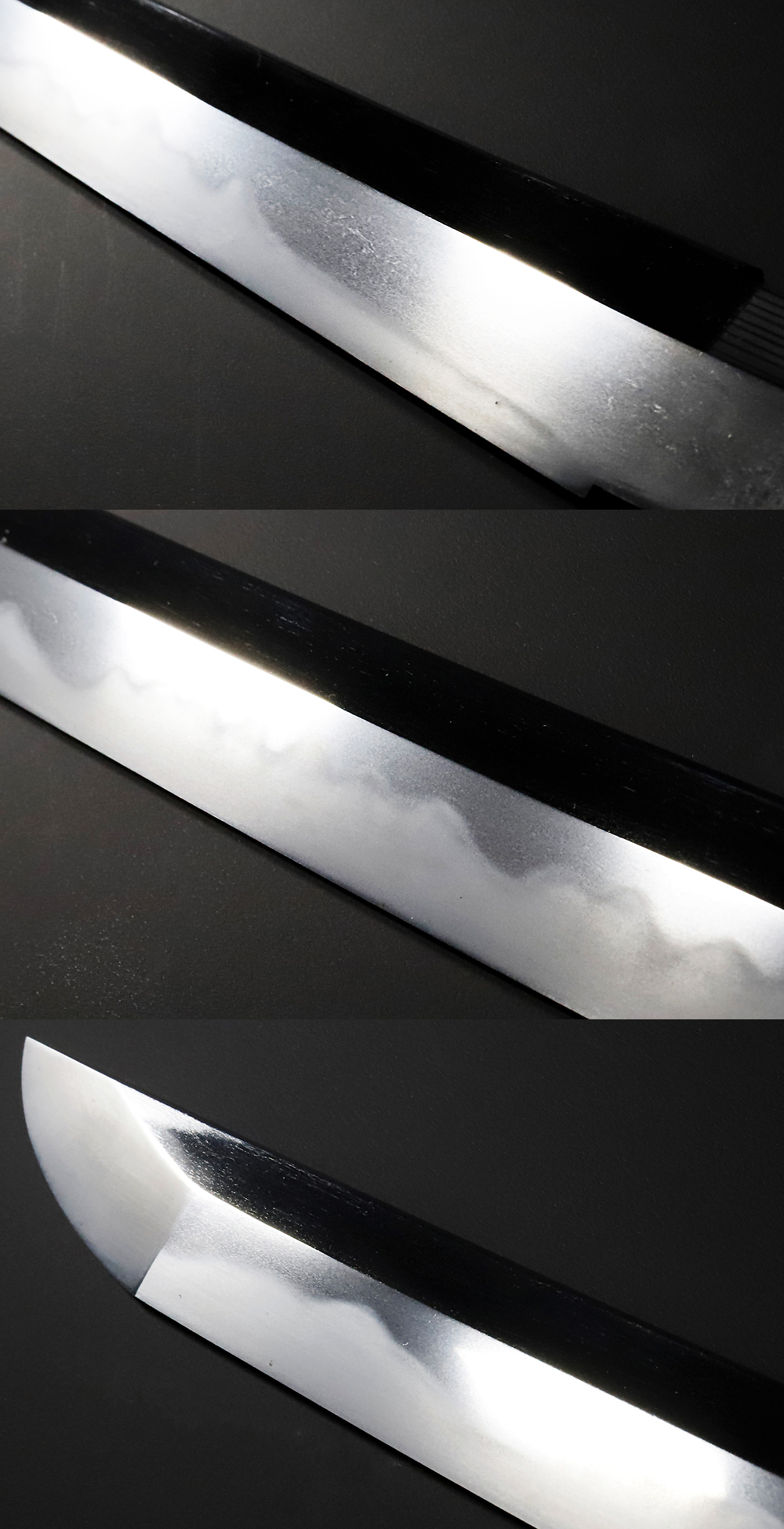
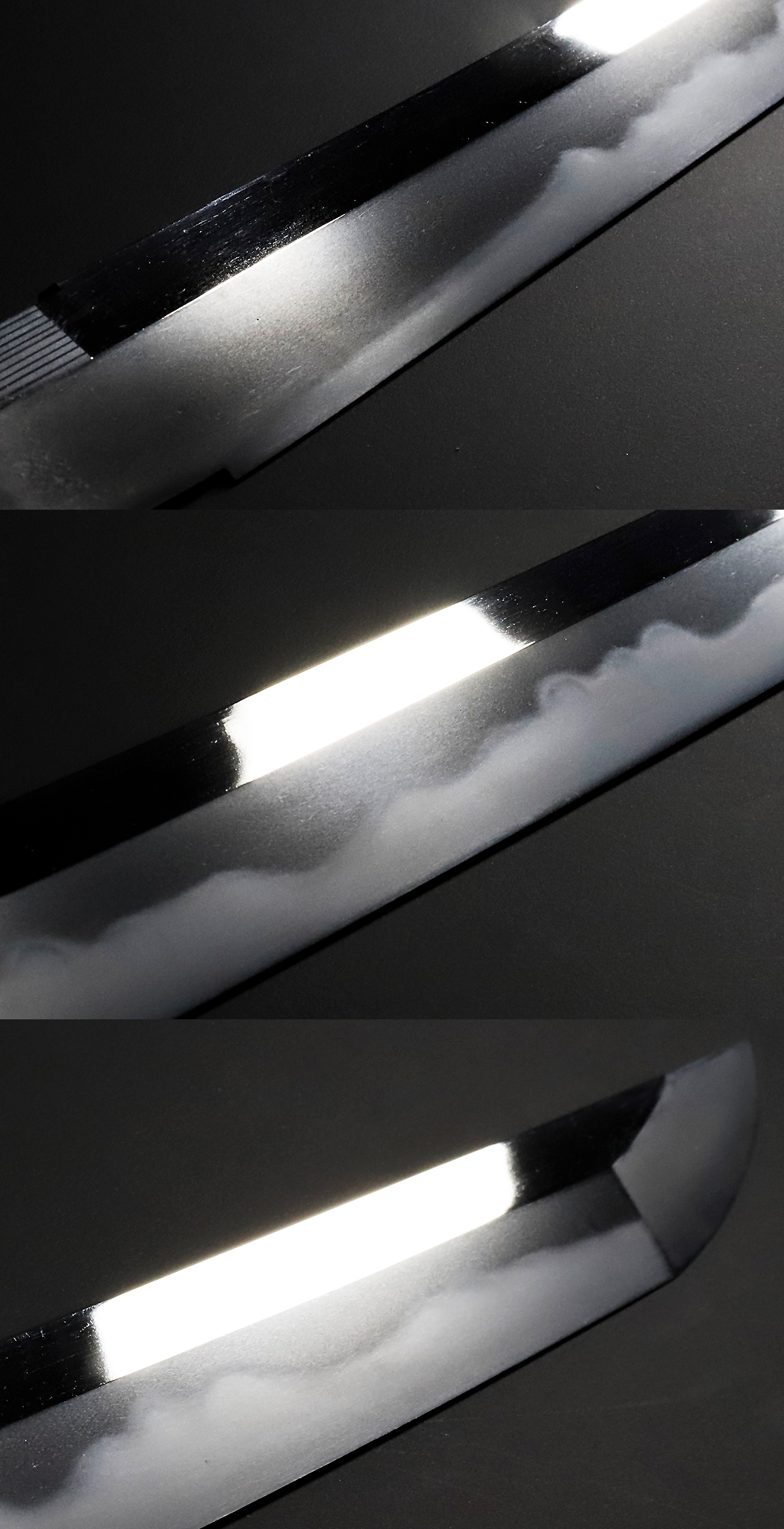
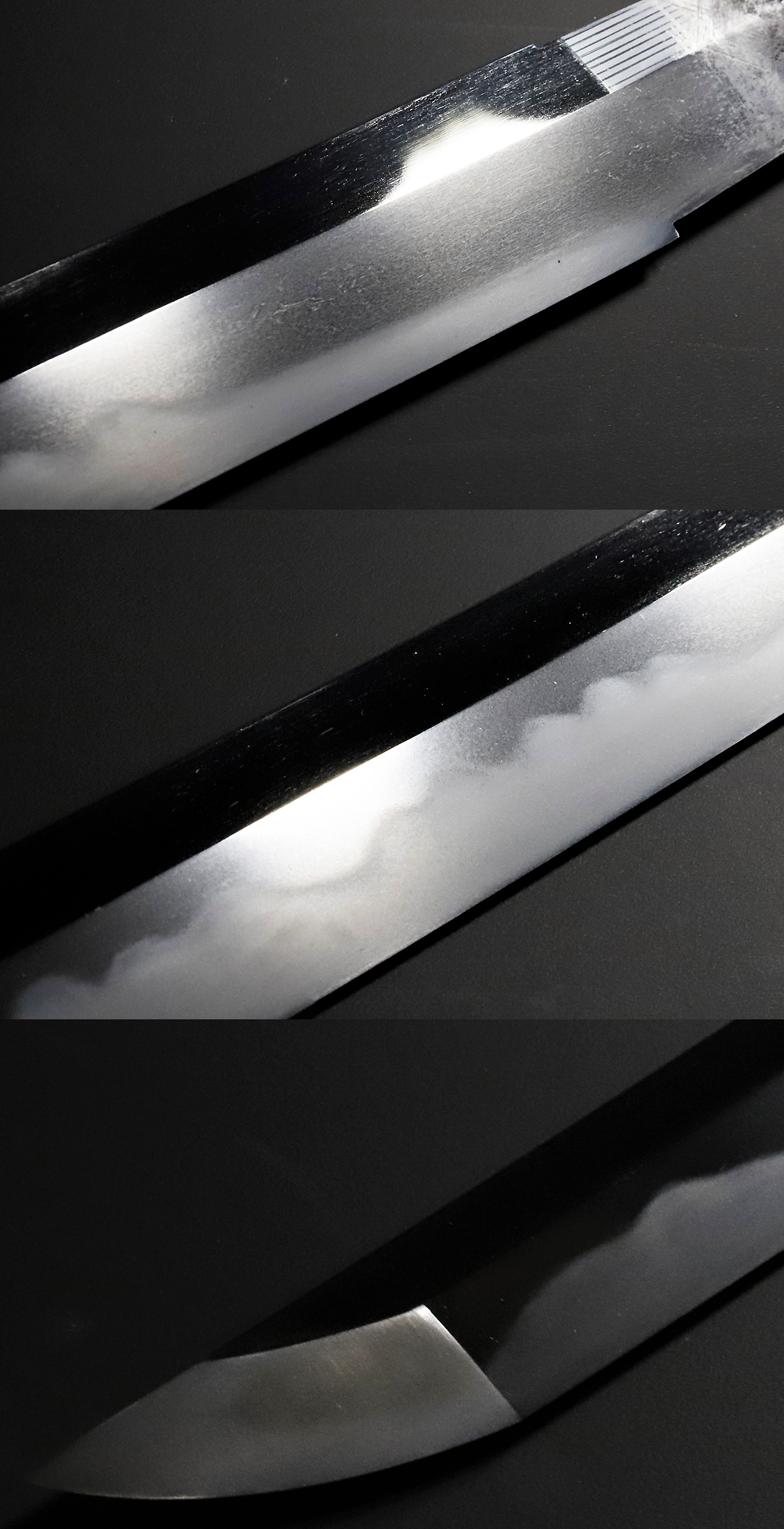
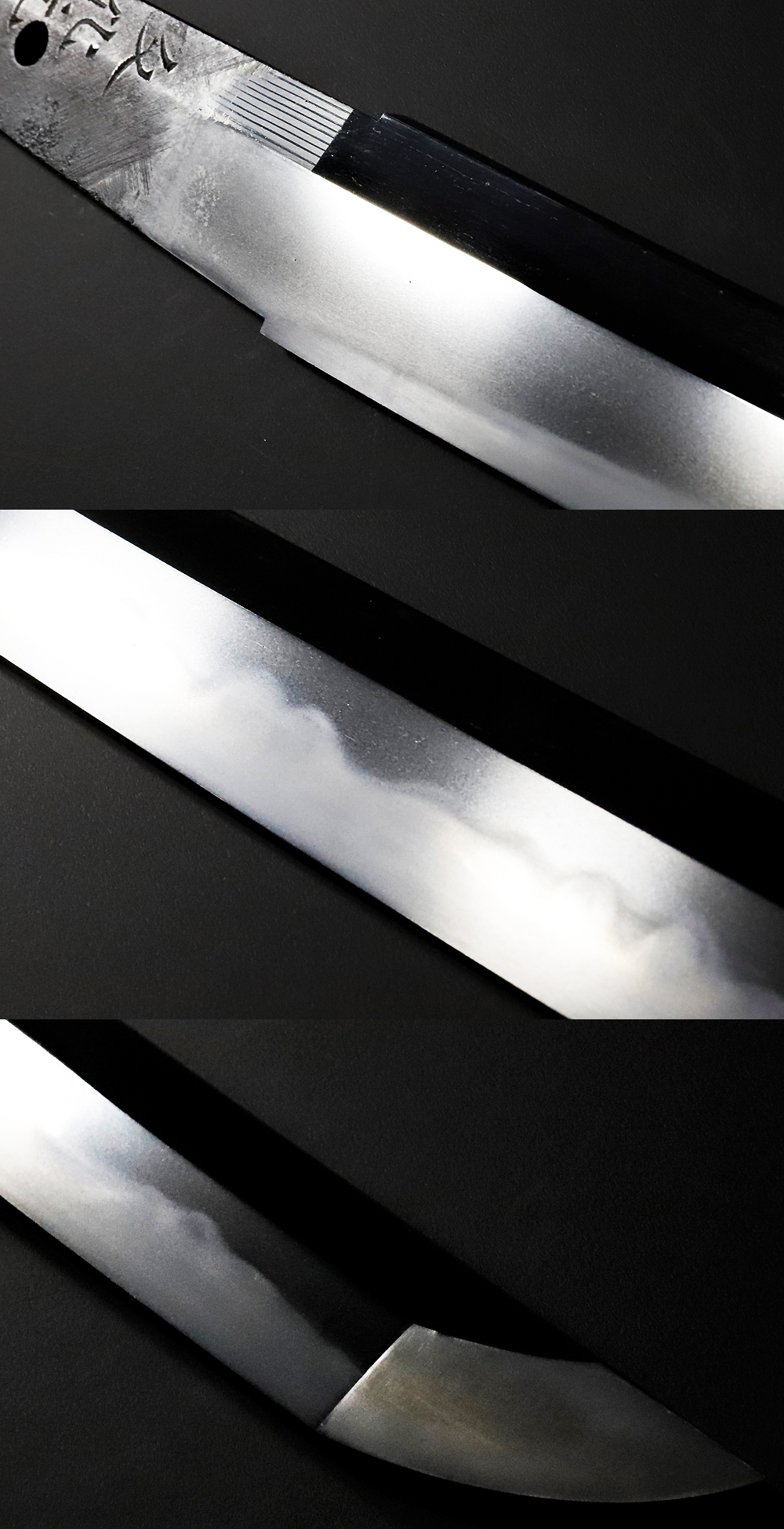
As written by the shop
Machine translation from the shop's Japanese · may contain errors ·
Rikuzen · around 1789-1801
Tōken Taikan top 87%
1 piece on the market now
The Edo period (1615 to 1868)
Edo was the sword’s age of connoisseurship: the Hon’ami appraisers, the shogunal register of famous blades of 1719, and a thriving literature turned the sword into an object of study even as it ceased to be drawn in war.
A Hozon-certified blade judged to show notably superior workmanship and a better state of preservation. The bar is higher: re-tempered blades and most unsigned Muromachi/Edo works are excluded.
The NBTHK (Nihon Bijutsu Tōken Hozon Kyōkai, the Society for the Preservation of Japanese Art Swords) is a public-interest incorporated foundation founded in 1948 and supervised by Japan’s Agency for Cultural Affairs (Bunkachō); it is based at the Japanese Sword Museum in Tokyo. Its expert panels physically examine each submitted work (shinsa) and issue a certificate (kanteishō) ranking it by artistic and historical merit. NBTHK papers are the most widely recognized standard of authentication for Japanese swords and fittings.
NBTHK official siteReturns within 7 days of the item's arrival. Returns are not possible if (1) the item has been altered, or (2) for overseas transactions.
¥800,000