 NihontoWatchNihontoWatch
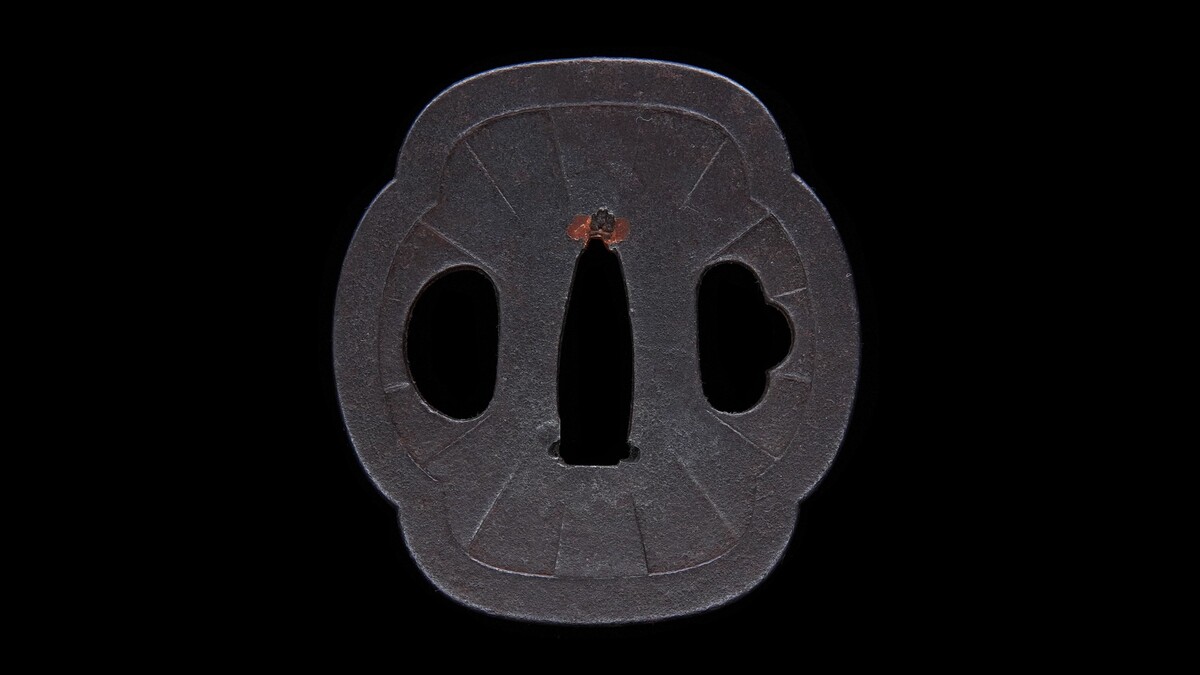
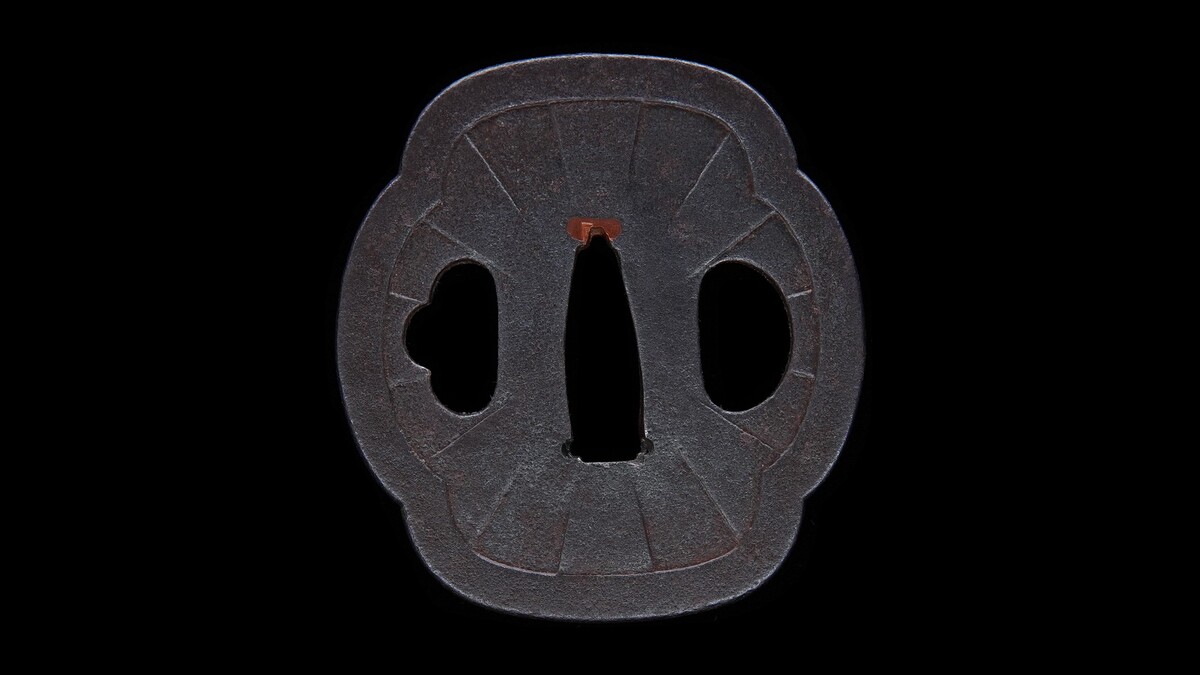
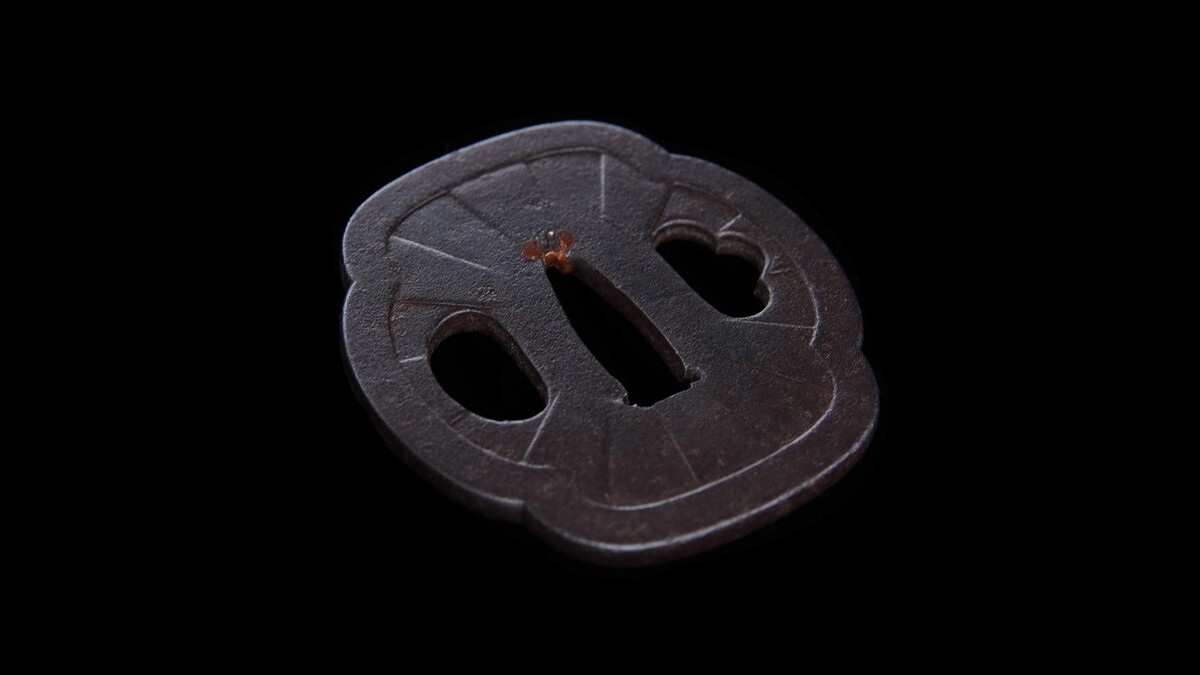
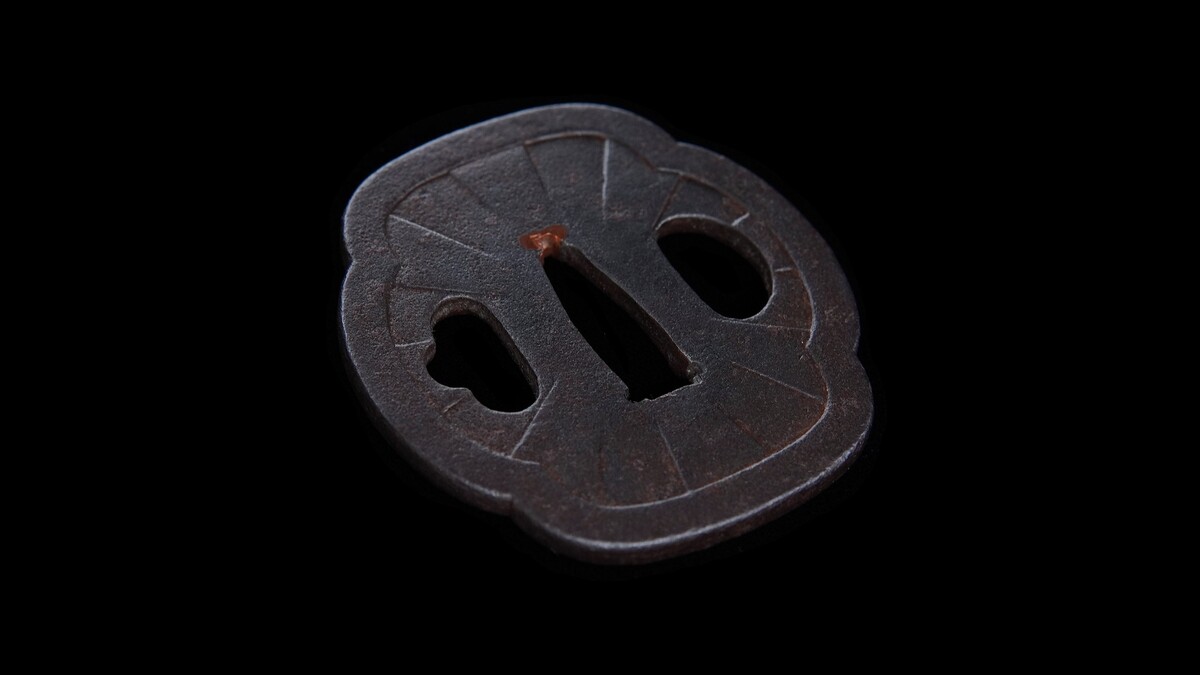
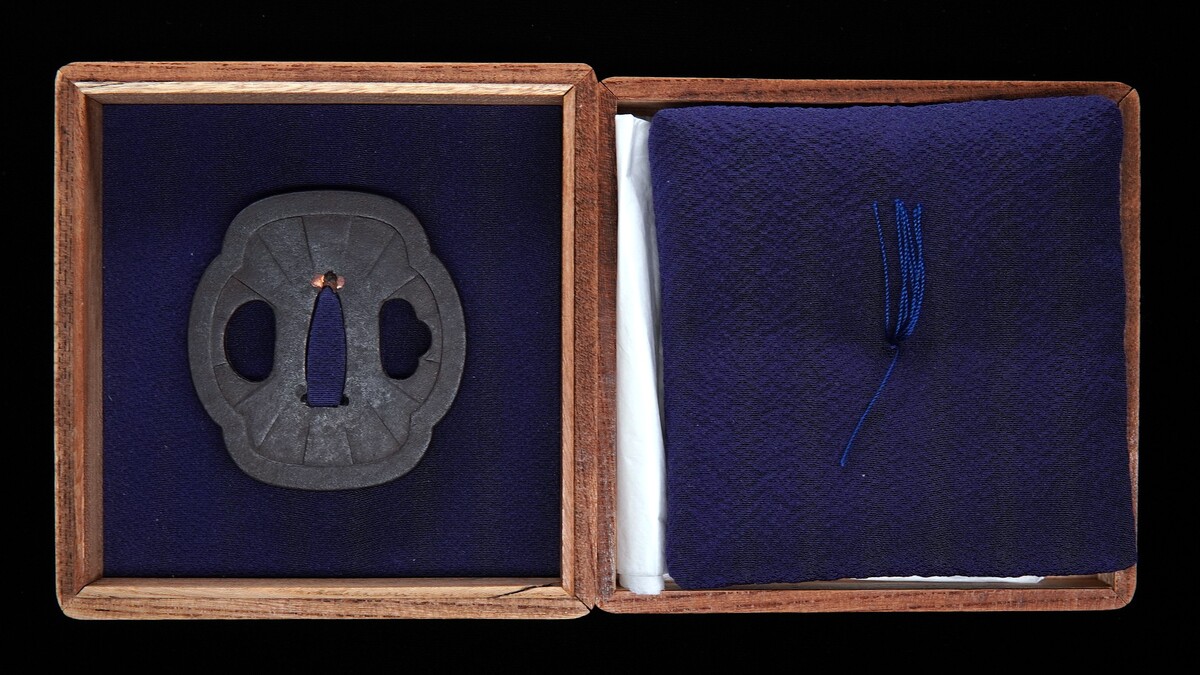
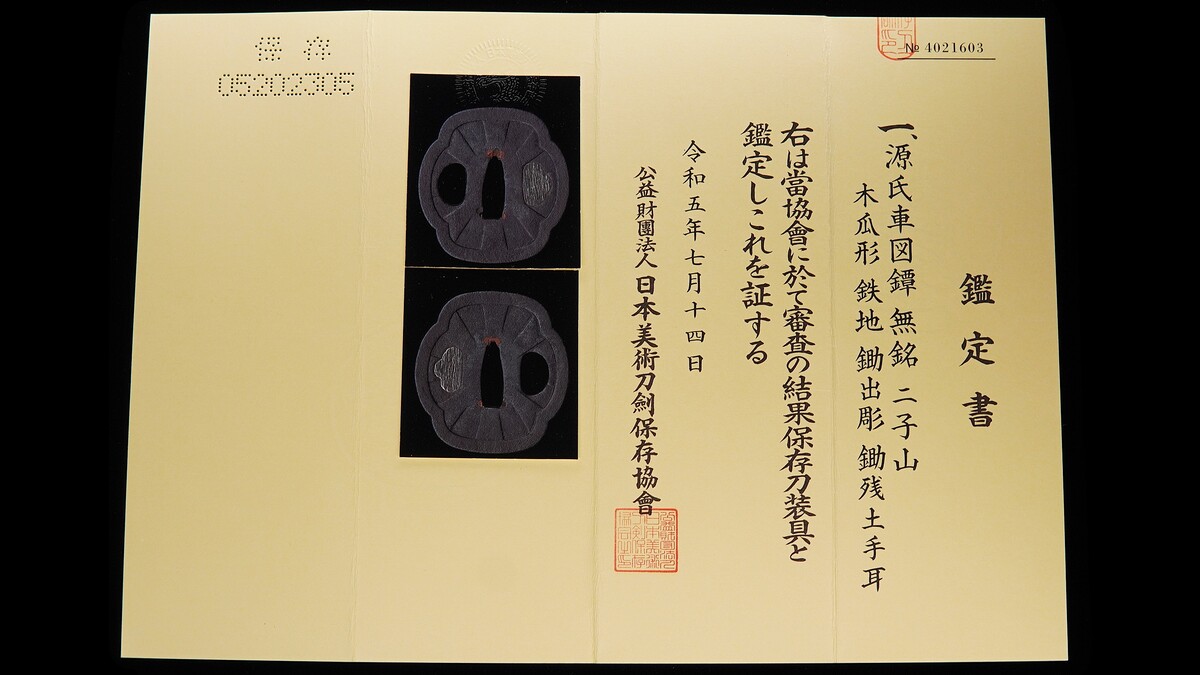
mumei Futagoyama mokkogata tetsu-ji sukidashibori sukinokoshi dotemimi with kiribako *Please forgive slight errors as these are amateur measurements using calipers Futagoyama were tsuba smiths of Owari during the late Edo period. The representative smith of Futagoyama, Norisuke, served the Owari Domain for both the first and second generations. They specialized in tetsu tsuba, incorporating styles such as Nobuie, Yamakichi, and Yagyu, and are known for works with excellent tetsumei and sukashitsuba based on the Owari tsuba tradition. At first glance, this work reminds one of a Yagyu tsuba, but as mentioned above, Yagyu-style works are seen in the Futagoyama school, and this work is thought to be an example of that style. In the photo of the certificate, the kogai-hitsu is plugged, but currently it is not plugged. Please be aware of this point.
NihontoWatchOffered by Katana Yamadaiya

Machine translation from the shop's Japanese · may contain errors ·
Certifies a genuine fitting worth preserving: a correct signature, or, if unsigned, an identifiable era and school, with recognized artistic and craft value.
The NBTHK (Nihon Bijutsu Tōken Hozon Kyōkai, the Society for the Preservation of Japanese Art Swords) is a public-interest incorporated foundation founded in 1948 and supervised by Japan’s Agency for Cultural Affairs (Bunkachō); it is based at the Japanese Sword Museum in Tokyo. Its expert panels physically examine each submitted work (shinsa) and issue a certificate (kanteishō) ranking it by artistic and historical merit. NBTHK papers are the most widely recognized standard of authentication for Japanese swords and fittings.
NBTHK official site¥52,000