The twentieth century nearly killed the craft twice: wartime distortion, then the occupation ban. The NBTHK’s founding in 1948 and licensed forging from 1953 rebuilt the sword as an art, crowned by Living National Treasures and the mukansa rank.
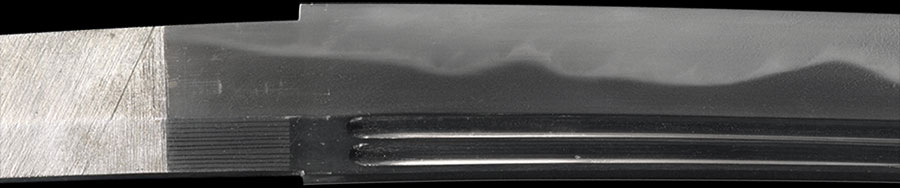
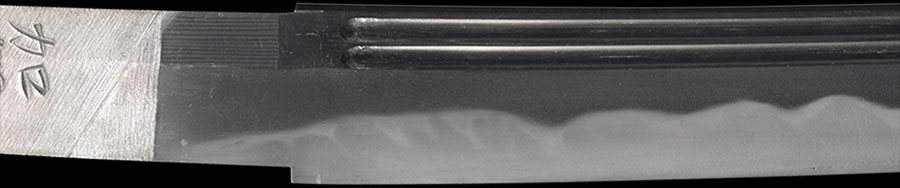
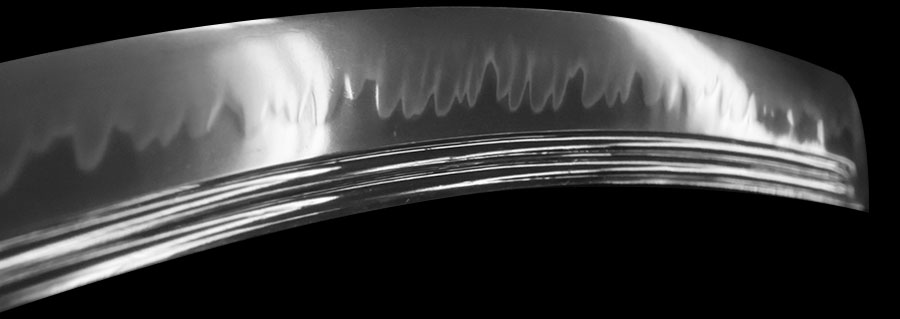
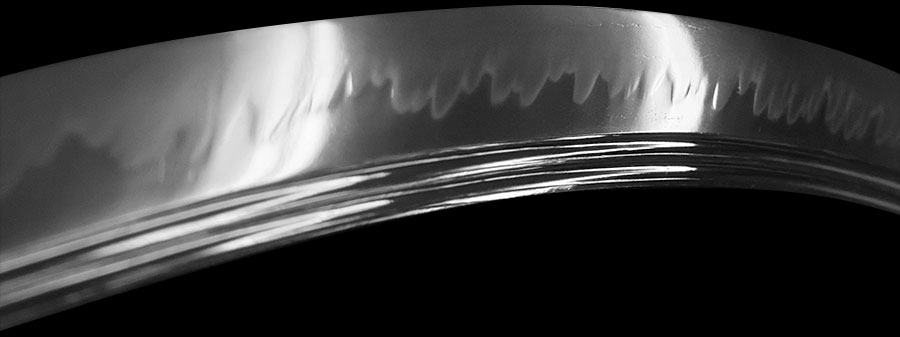
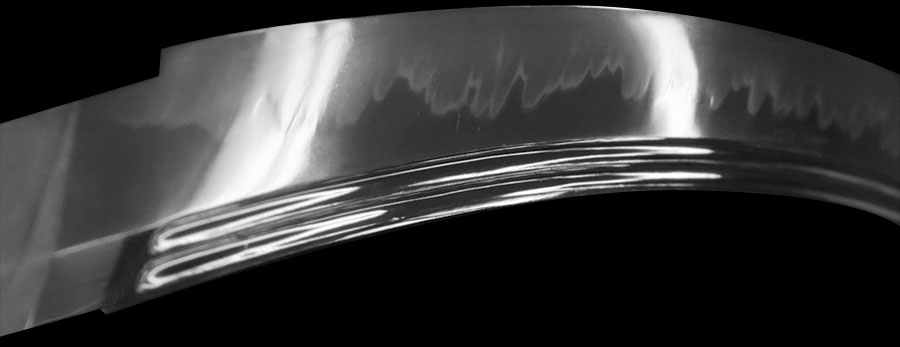
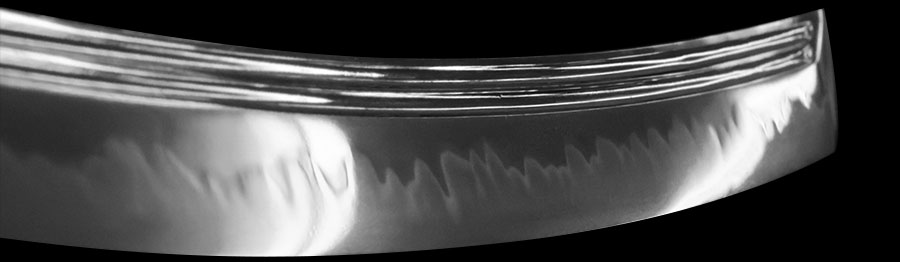
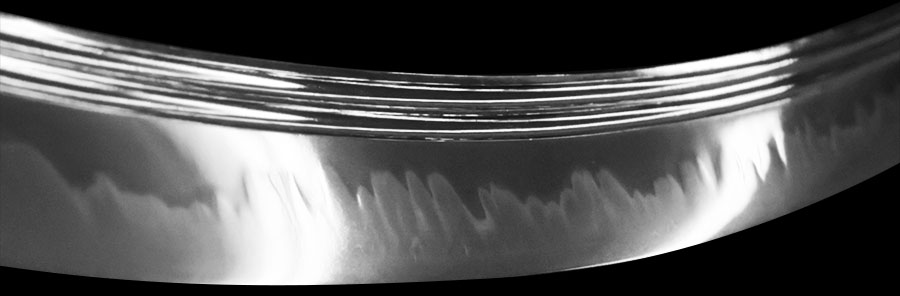
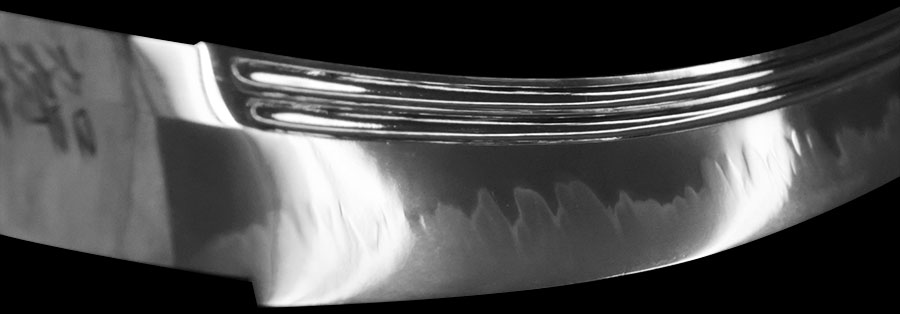
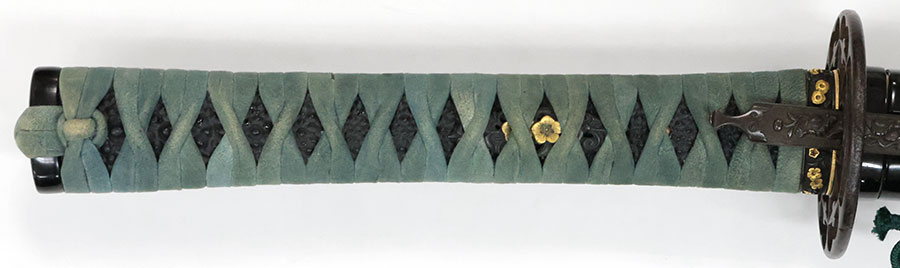
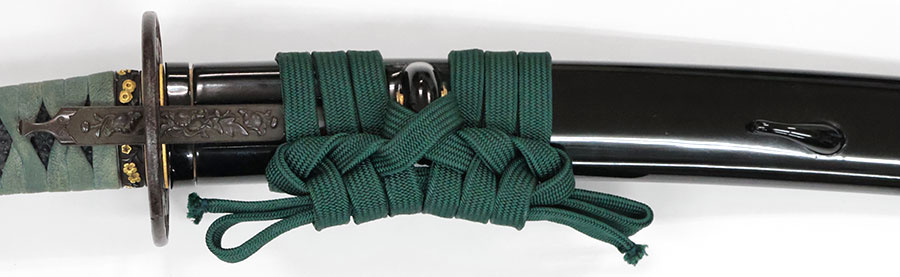
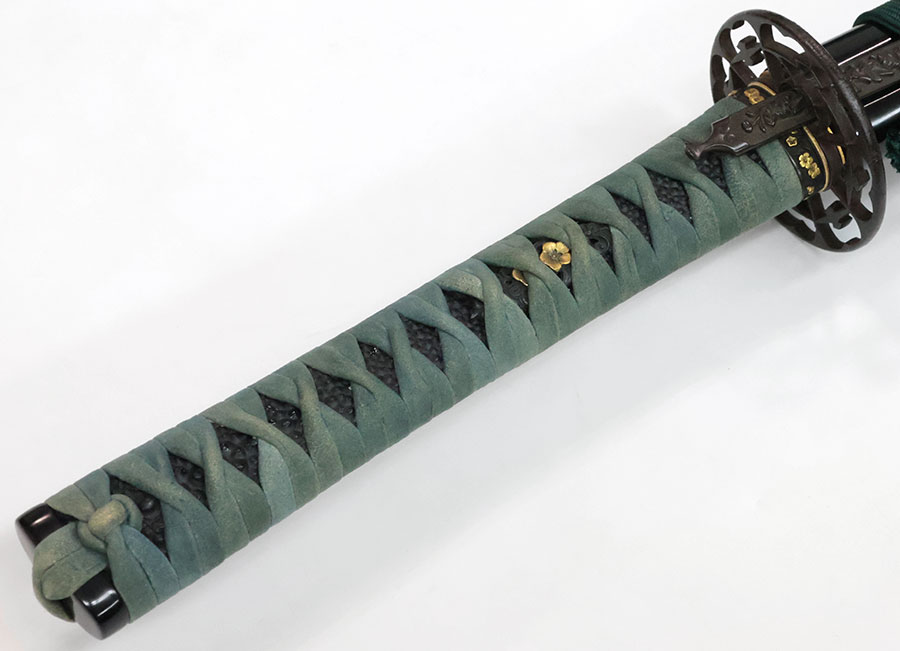
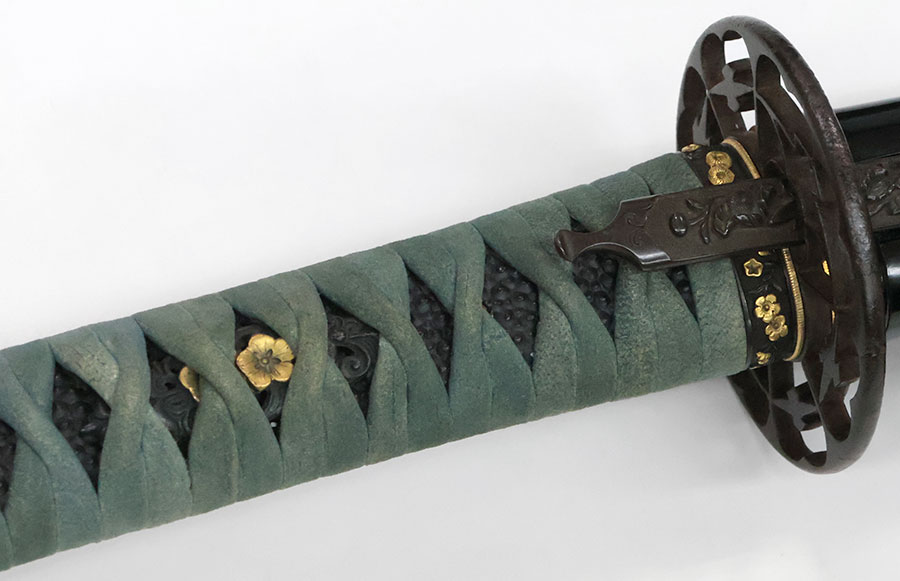
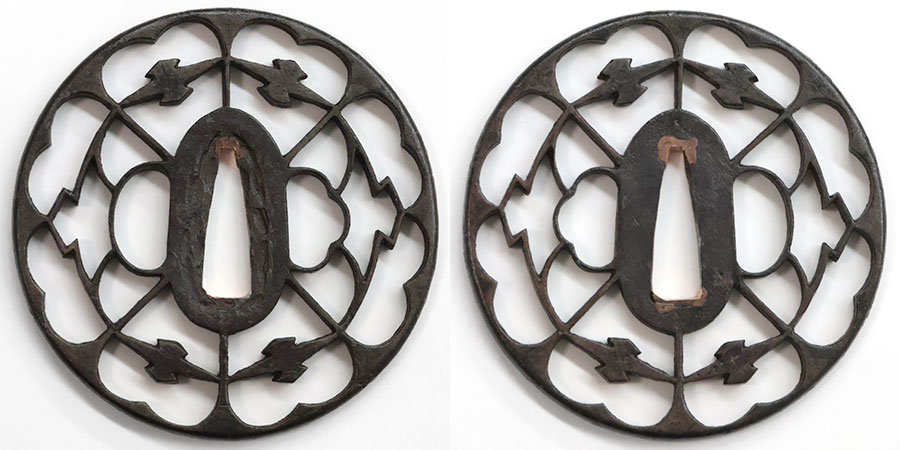
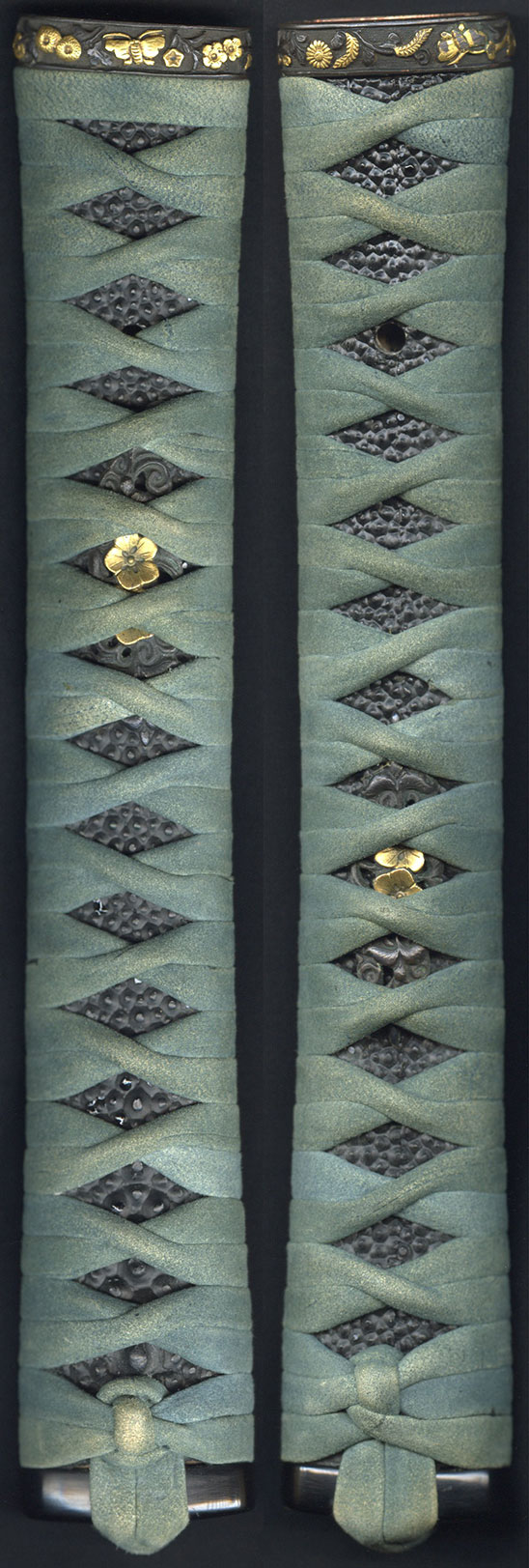
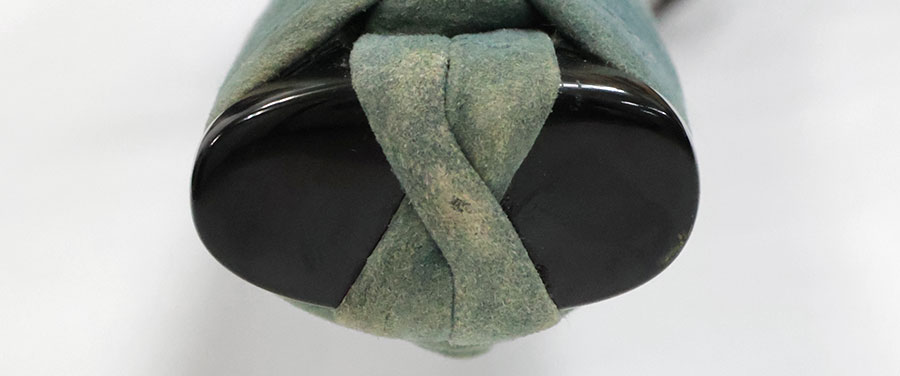
The wonderfully famous modern swordsmith Sumitani Masamine was designated a Ningen Kokuho in Showa 56 at the age of 60. Having received the highest honor, the Masamune Sho, three times in Showa 40, Showa 41, and Showa 49, this tachi is a work created at the peak of his vigor at age 53 in Showa 49, the year he produced his finest works and won the Masamune Sho. The sugata of this tachi exhibits a grand and magnificent Kamakura period tachi form with a wide moto-mihaba, wide saki-mihaba, and an ikubi-kissaki; the jigane is a work from the time when Sumitani Masamine was devoting himself day and night to research and the reproduction of old Kamakura period jitetsu through repeated diligent study. The jigane is forged in ko-itame hada, succeeding in the production of an old-period jigane, and a midare-utsuri appears in the ji from the moto, brilliantly succeeding in reproducing utsuri in the modern era. The horimono consists of beautifully carved futasuji-hi. The hamon is a powerful gunome-choji with nie and variety called Sumitani-choji, mixed with many saka-choji with ashi within the ha, and is truly splendid. The Tensho koshirae, which is said to have cost over 1,000,000 yen at the time, is luxurious and adds further splendor to this precious tachi that is a masterpiece of the Ningen Kokuho Sumitani Masamine. Please by all means enjoy this wonderfully flamboyant meito by the Ningen Kokuho swordsmith Sumitani Masamine.
Offered by Nipponto
7 on the market


As written by the shop
Machine translation from the shop's Japanese · may contain errors ·
Ishikawa · around 1921-1998
7 pieces on the market now
Shōwa to the present: destruction and revival
The twentieth century nearly killed the craft twice: wartime distortion, then the occupation ban. The NBTHK’s founding in 1948 and licensed forging from 1953 rebuilt the sword as an art, crowned by Living National Treasures and the mukansa rank.
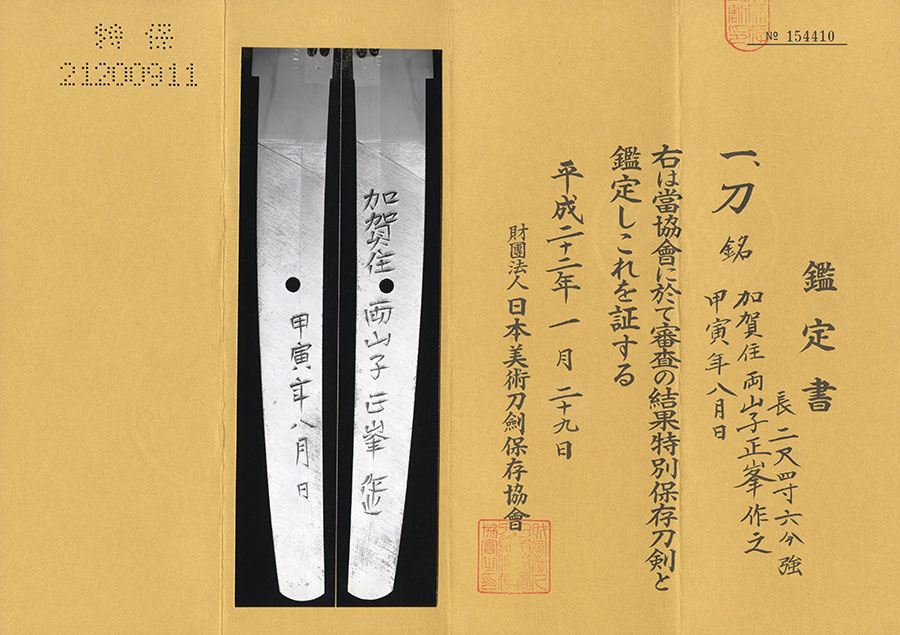
A Hozon-certified blade judged to show notably superior workmanship and a better state of preservation. The bar is higher: re-tempered blades and most unsigned Muromachi/Edo works are excluded.
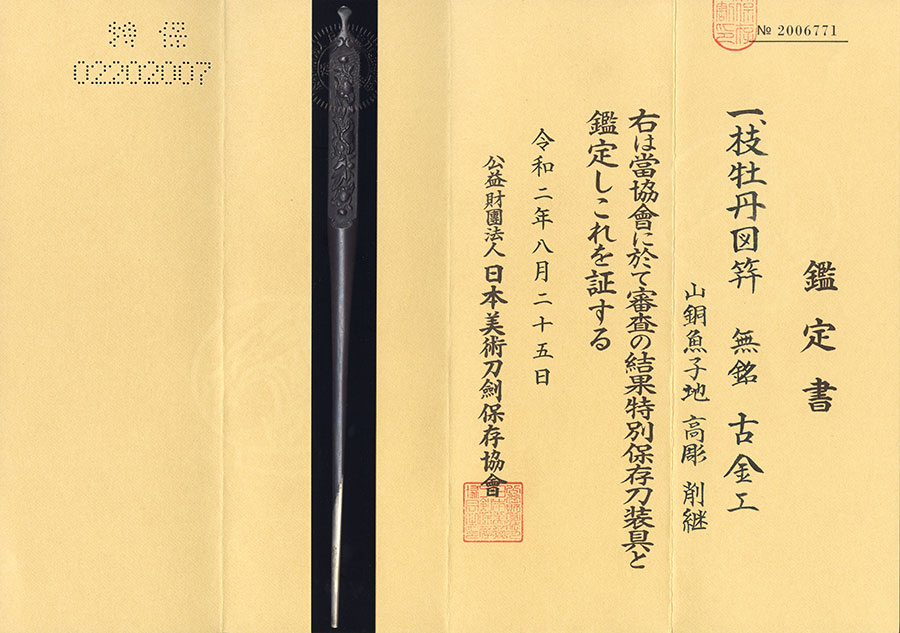
The NBTHK (Nihon Bijutsu Tōken Hozon Kyōkai, the Society for the Preservation of Japanese Art Swords) is a public-interest incorporated foundation founded in 1948 and supervised by Japan’s Agency for Cultural Affairs (Bunkachō); it is based at the Japanese Sword Museum in Tokyo. Its expert panels physically examine each submitted work (shinsa) and issue a certificate (kanteishō) ranking it by artistic and historical merit. NBTHK papers are the most widely recognized standard of authentication for Japanese swords and fittings.
NBTHK official siteFor returns due to customer circumstances, the cost is the customer's responsibility. For returns due to our mis-shipment or a defective item, we bear the cost.
Price on request