The twentieth century nearly killed the craft twice: wartime distortion, then the occupation ban. The NBTHK’s founding in 1948 and licensed forging from 1953 rebuilt the sword as an art, crowned by Living National Treasures and the mukansa rank.
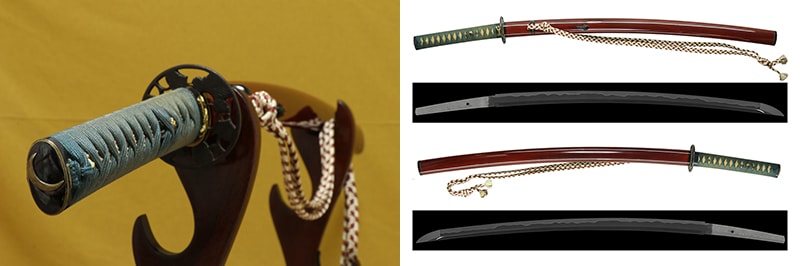
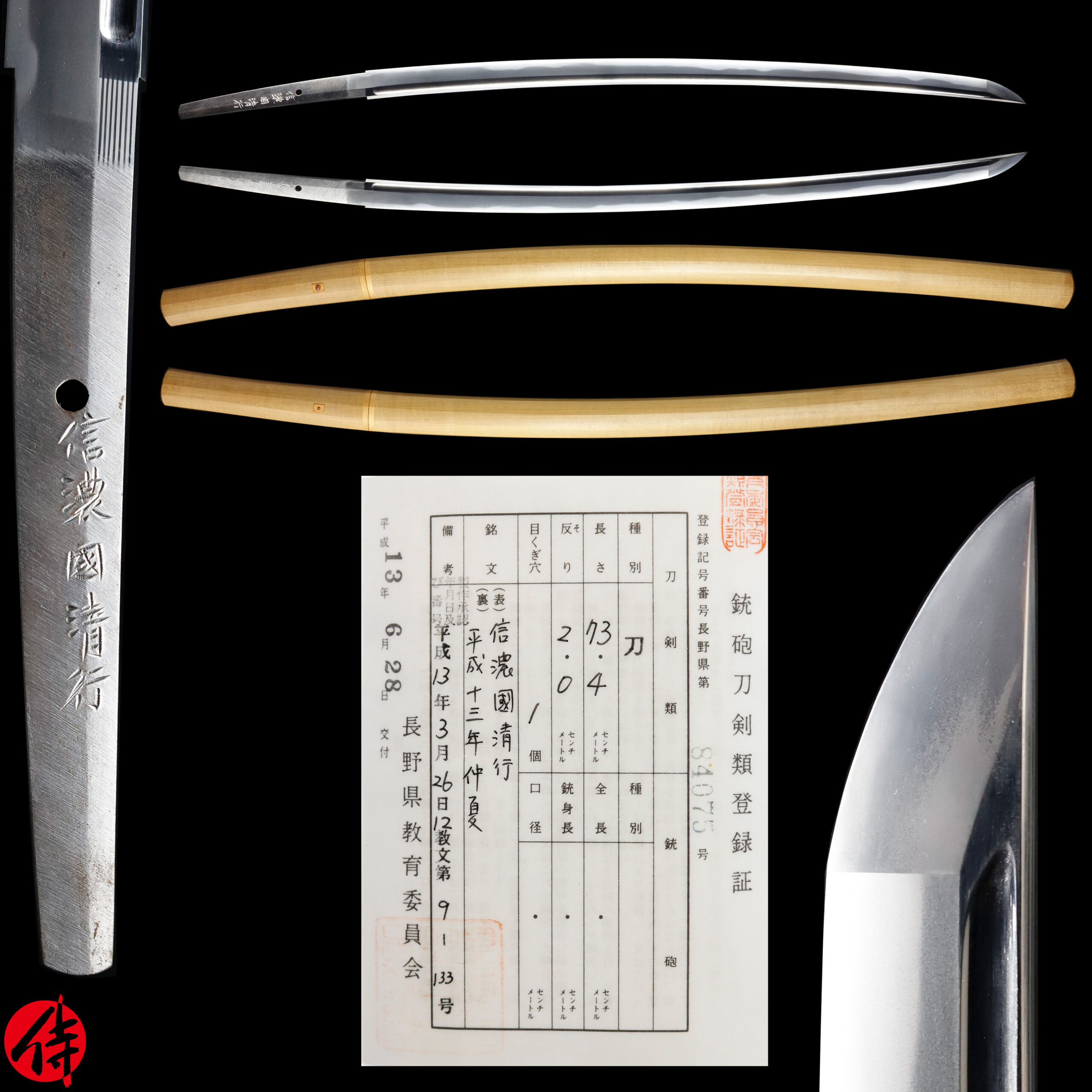
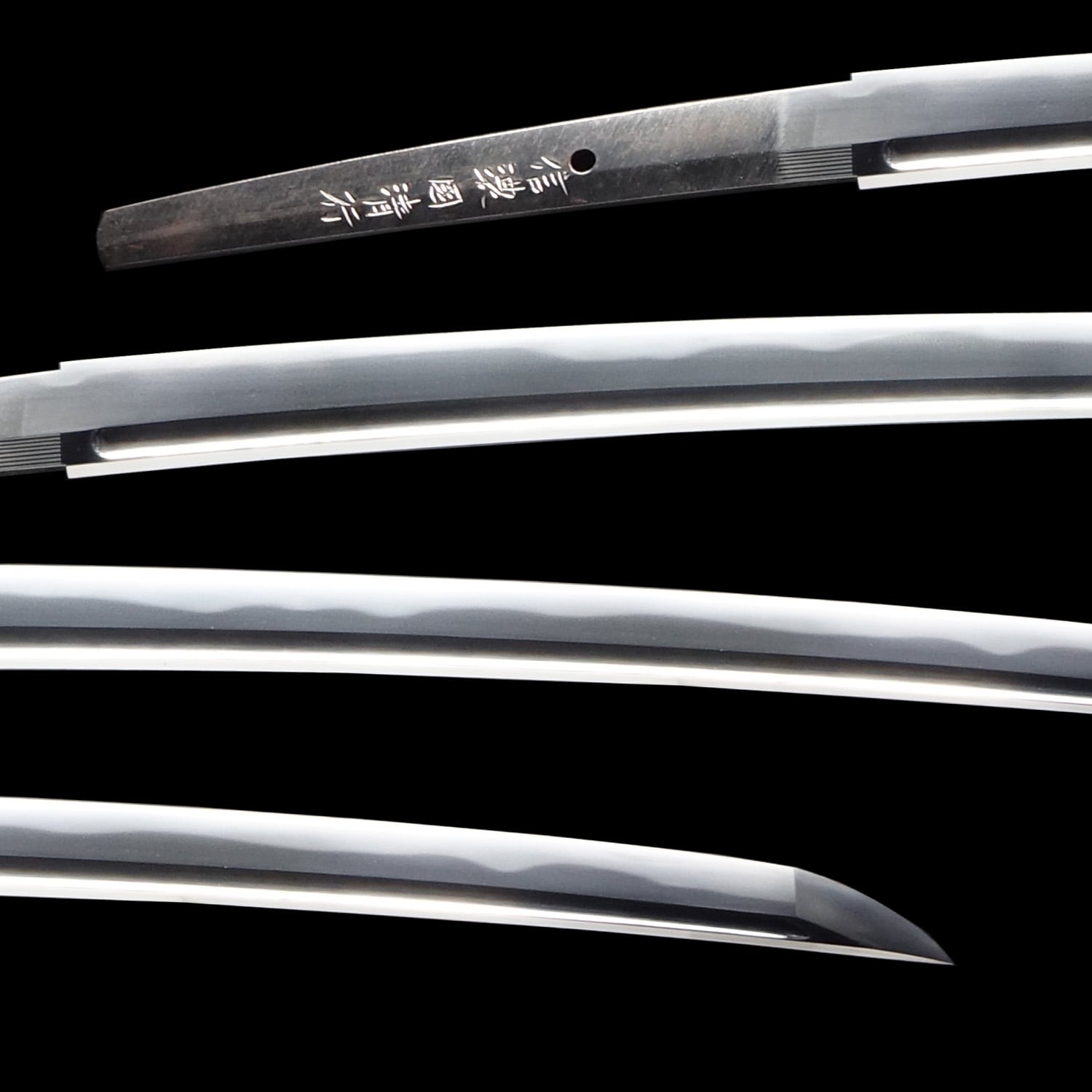
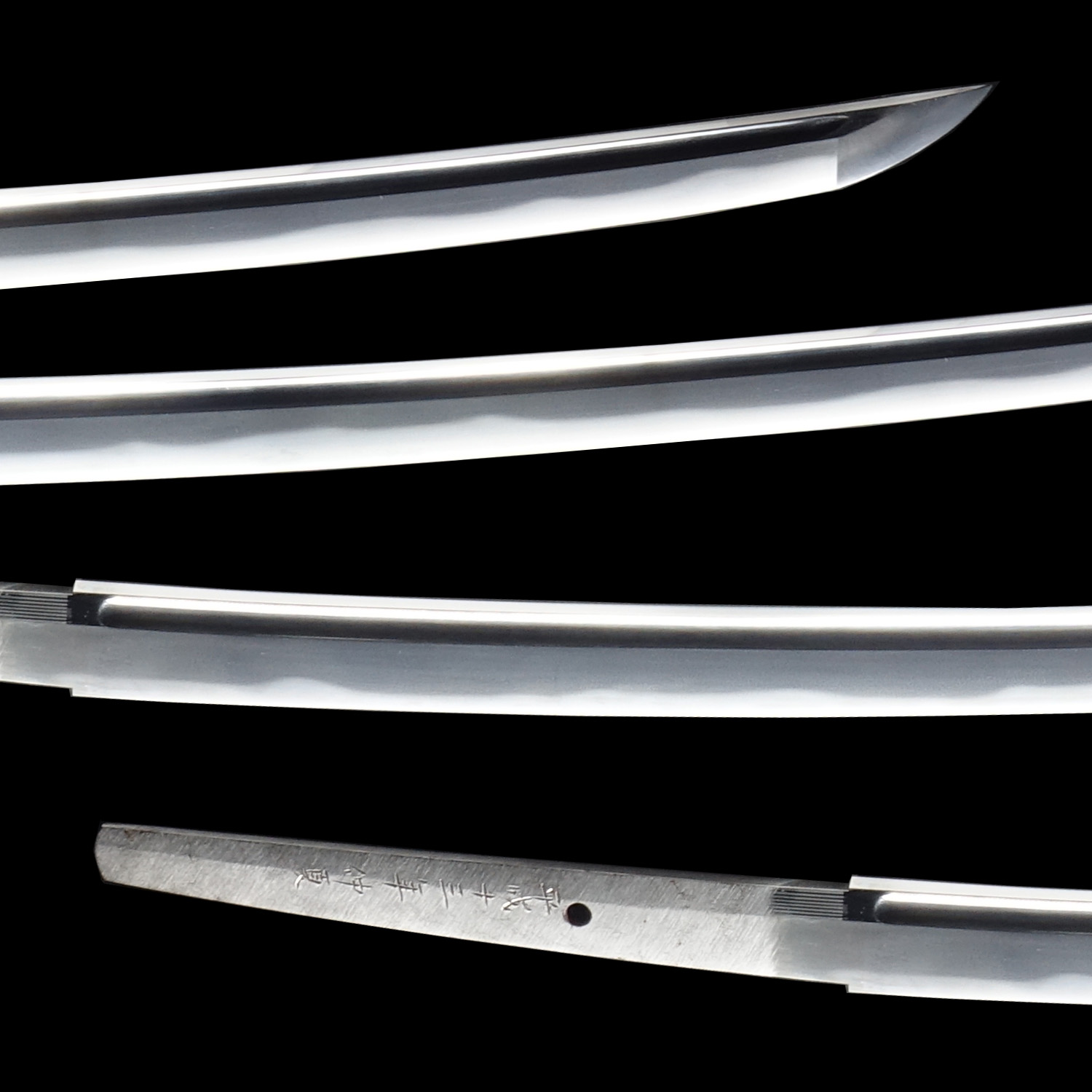
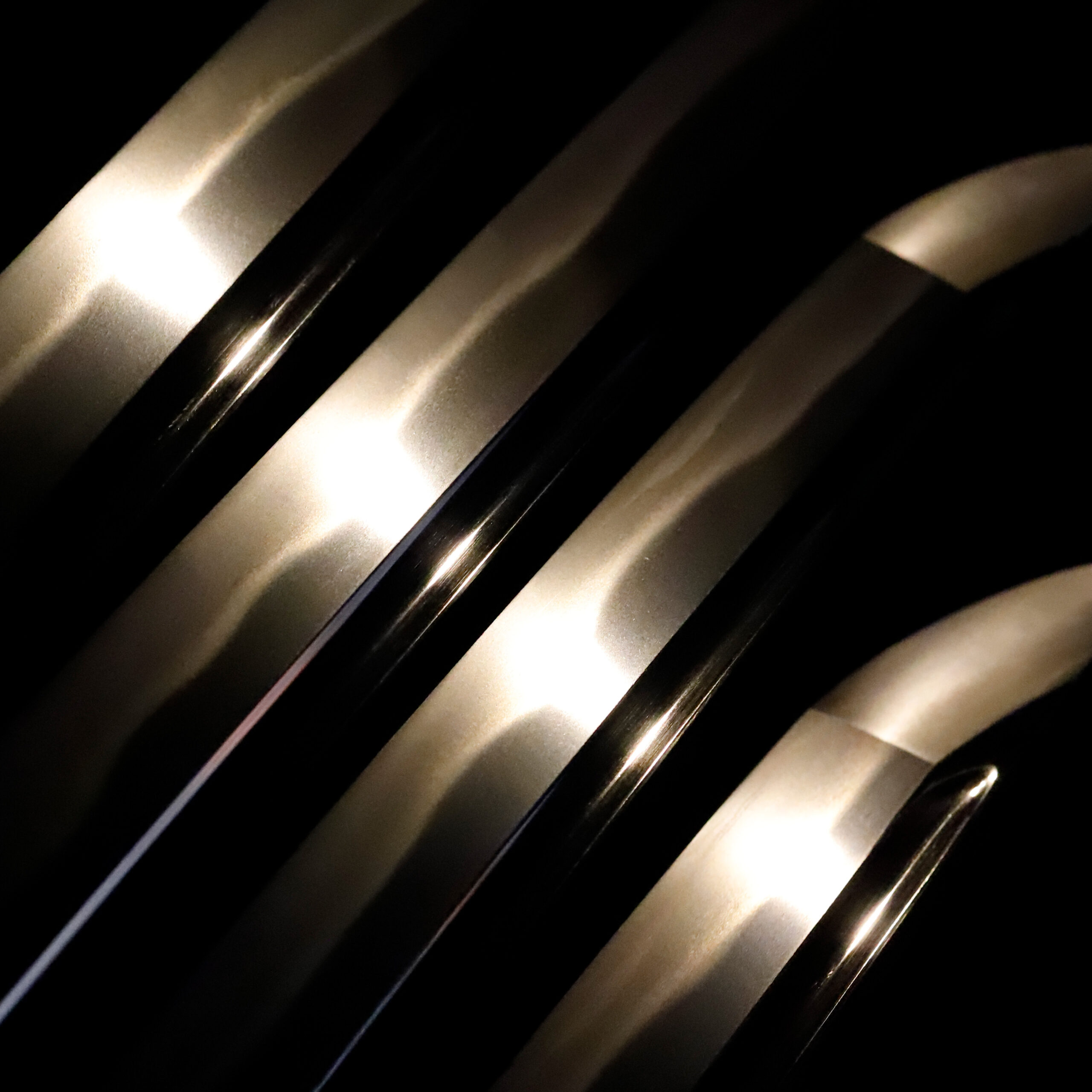
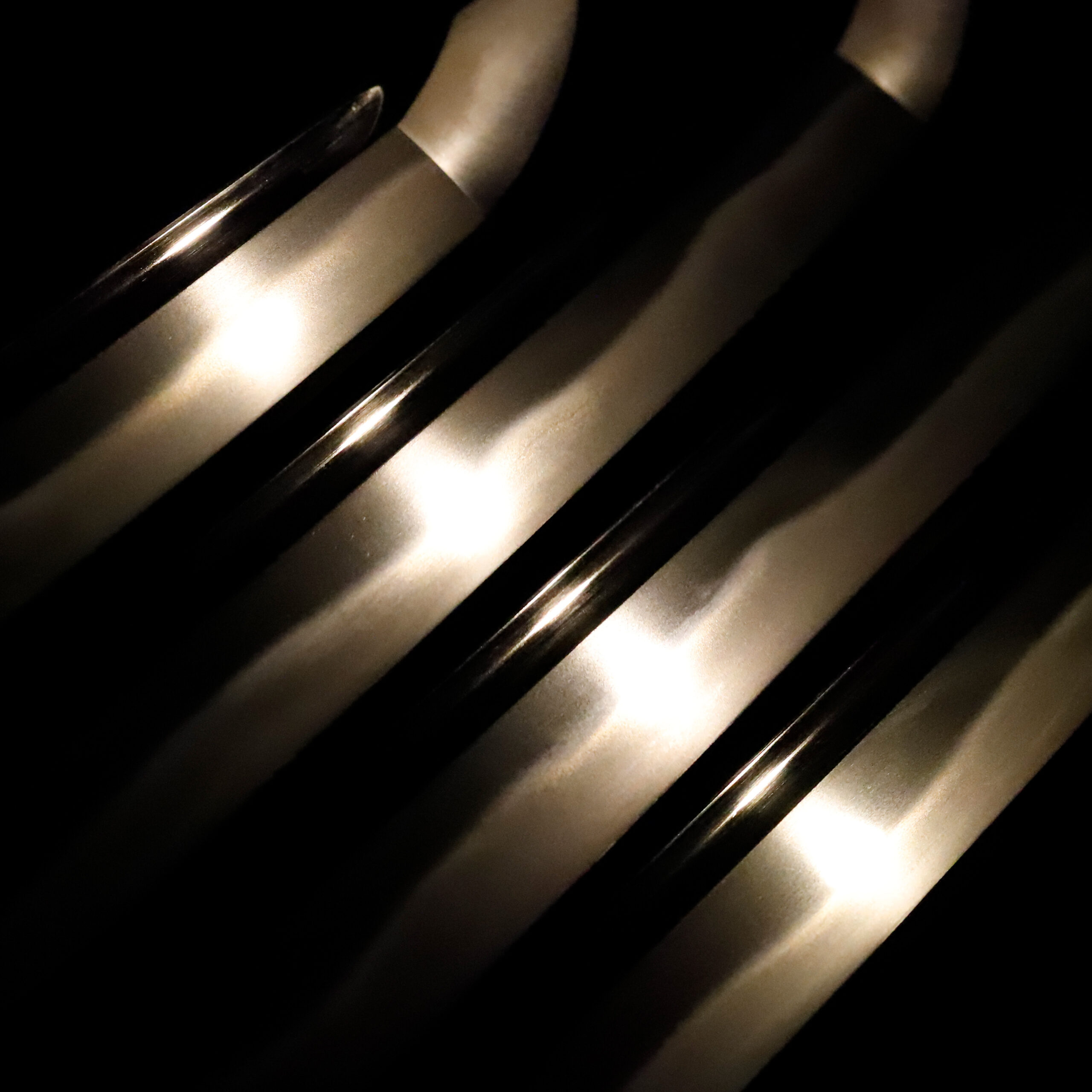
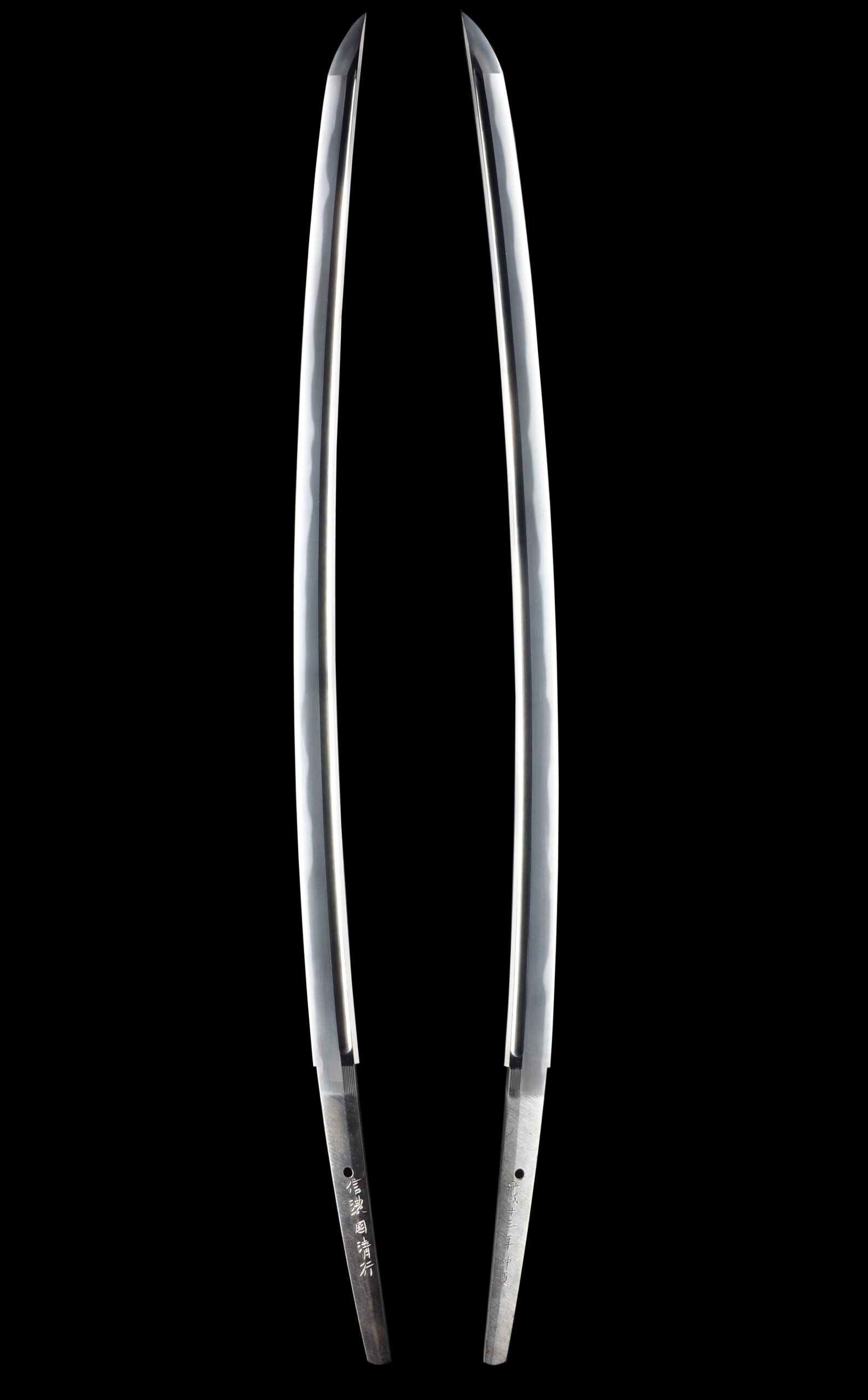
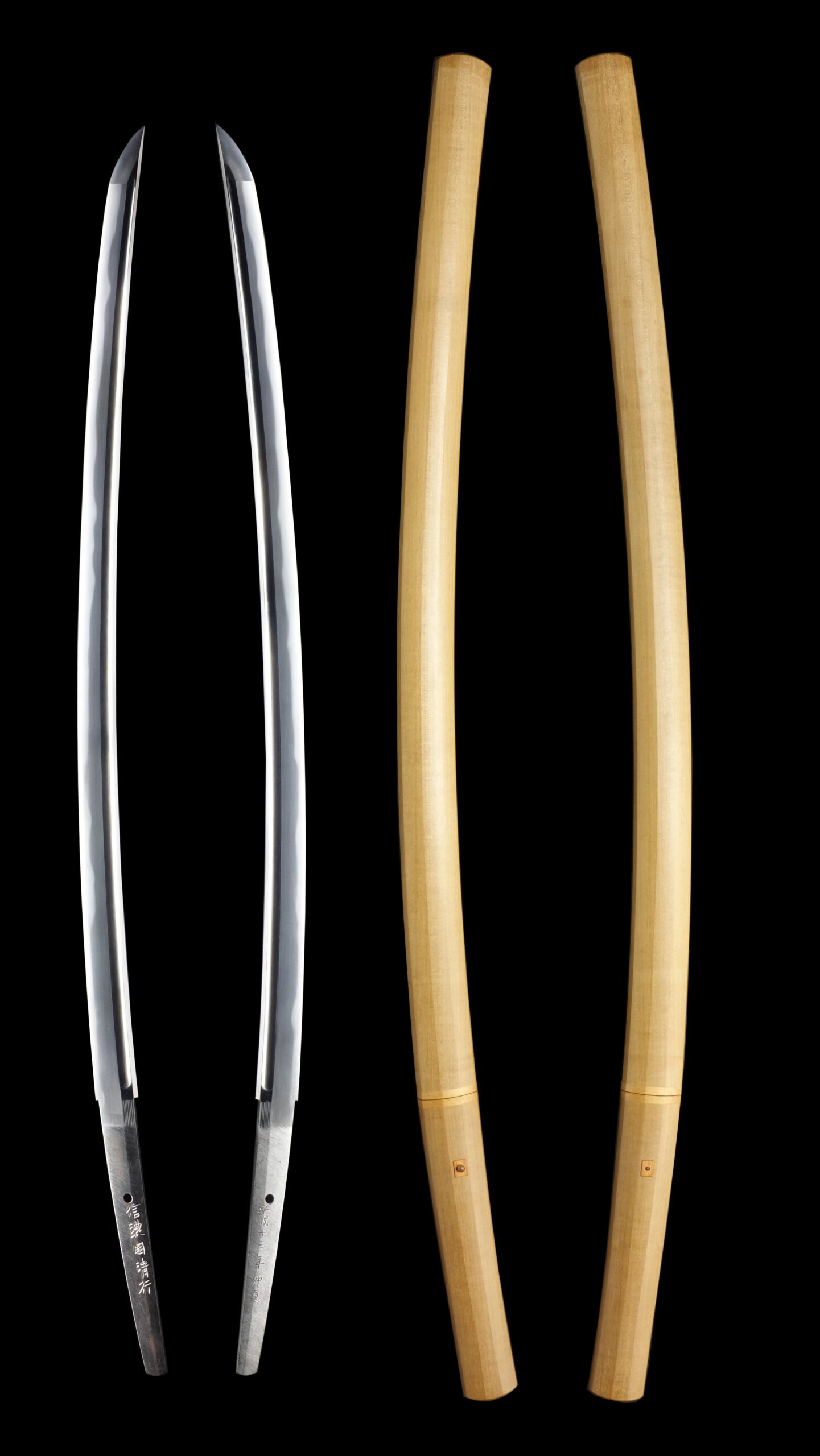
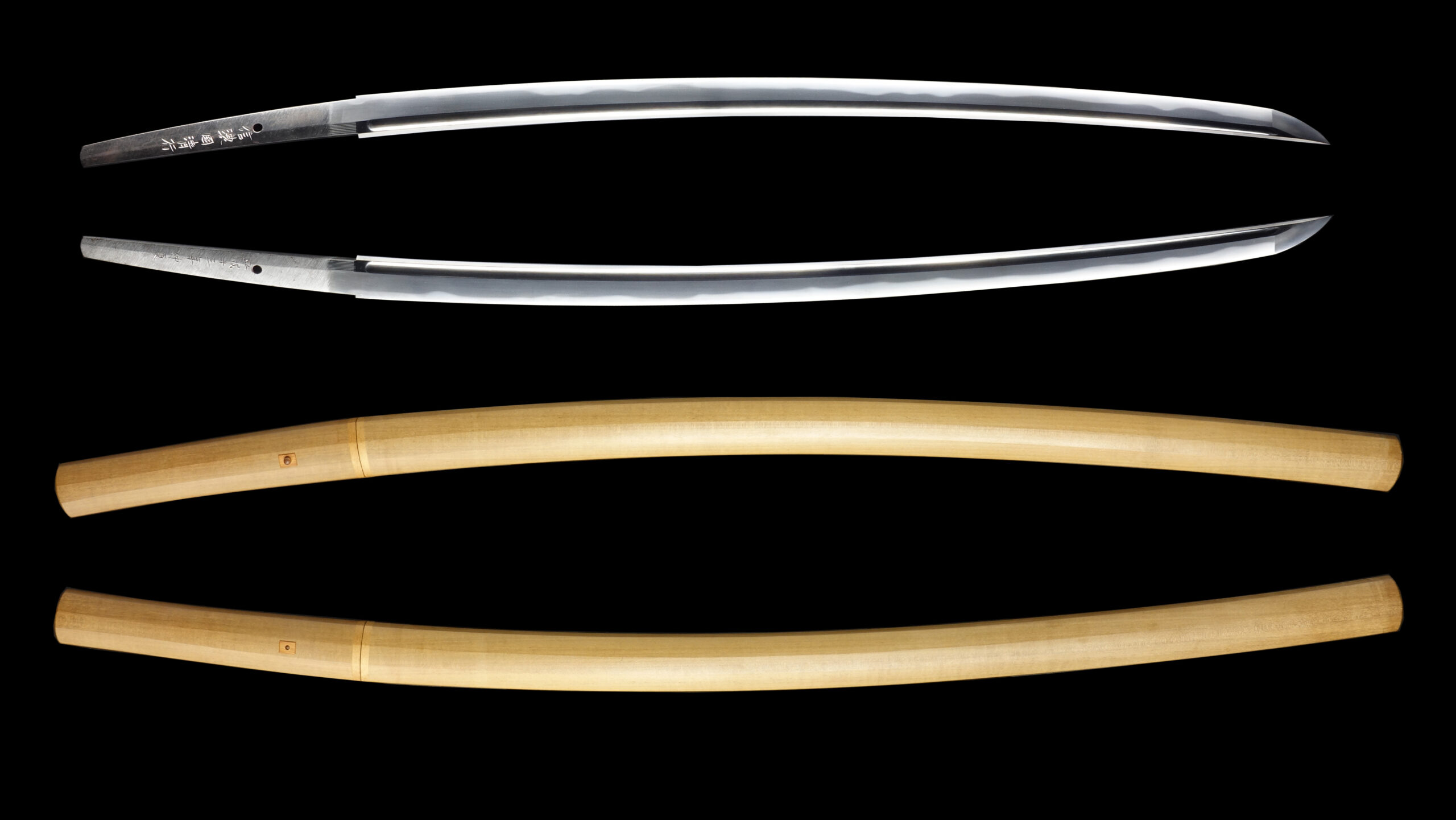
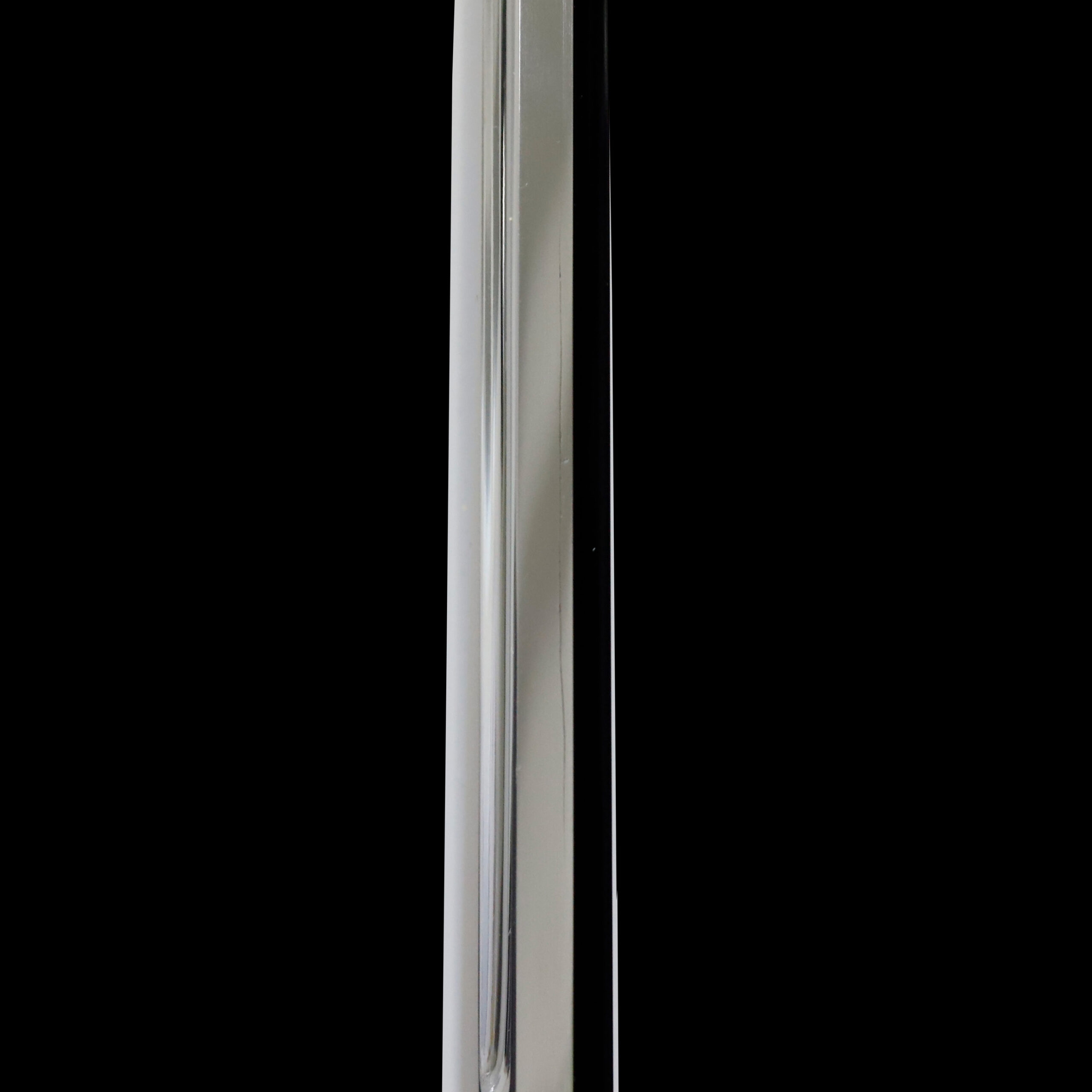
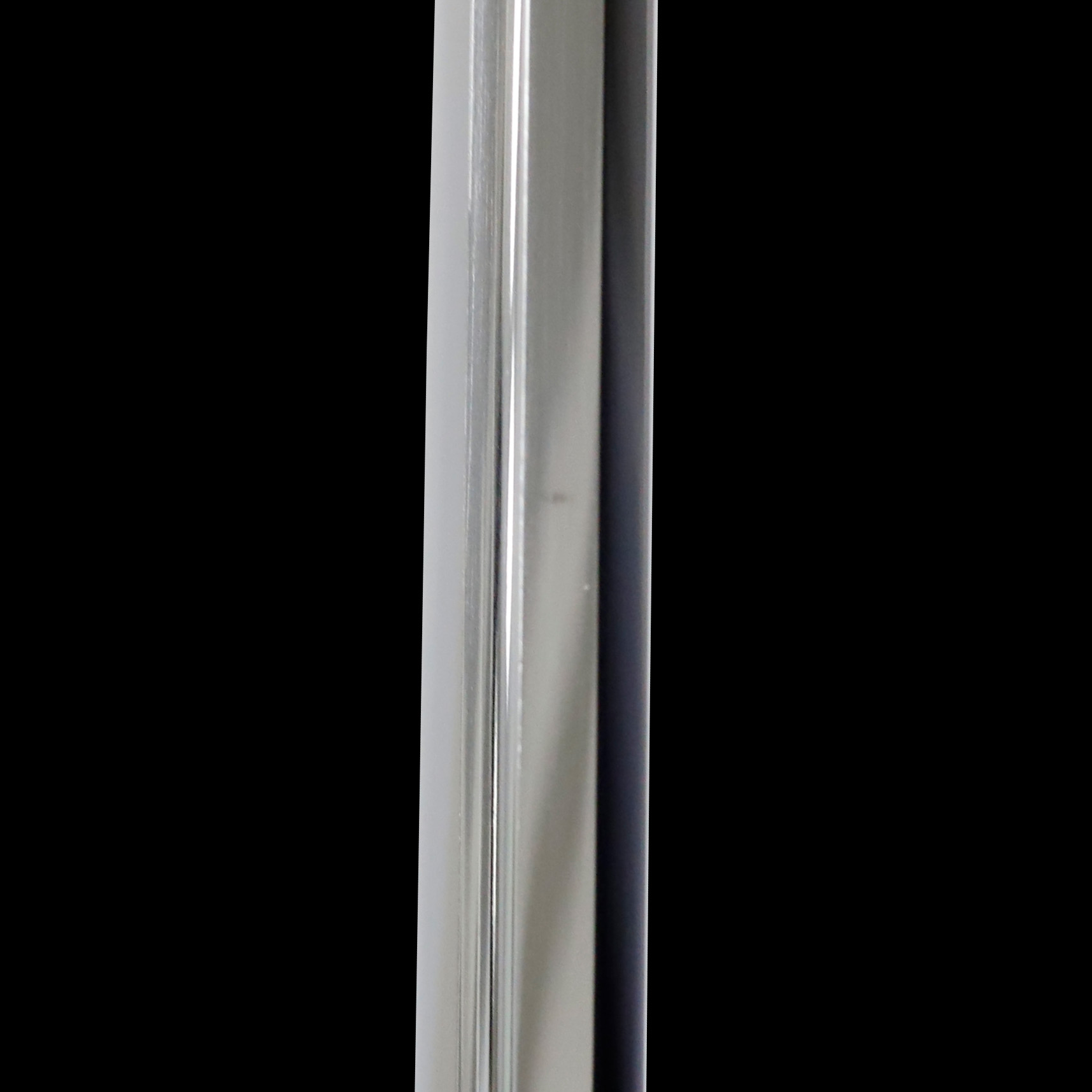
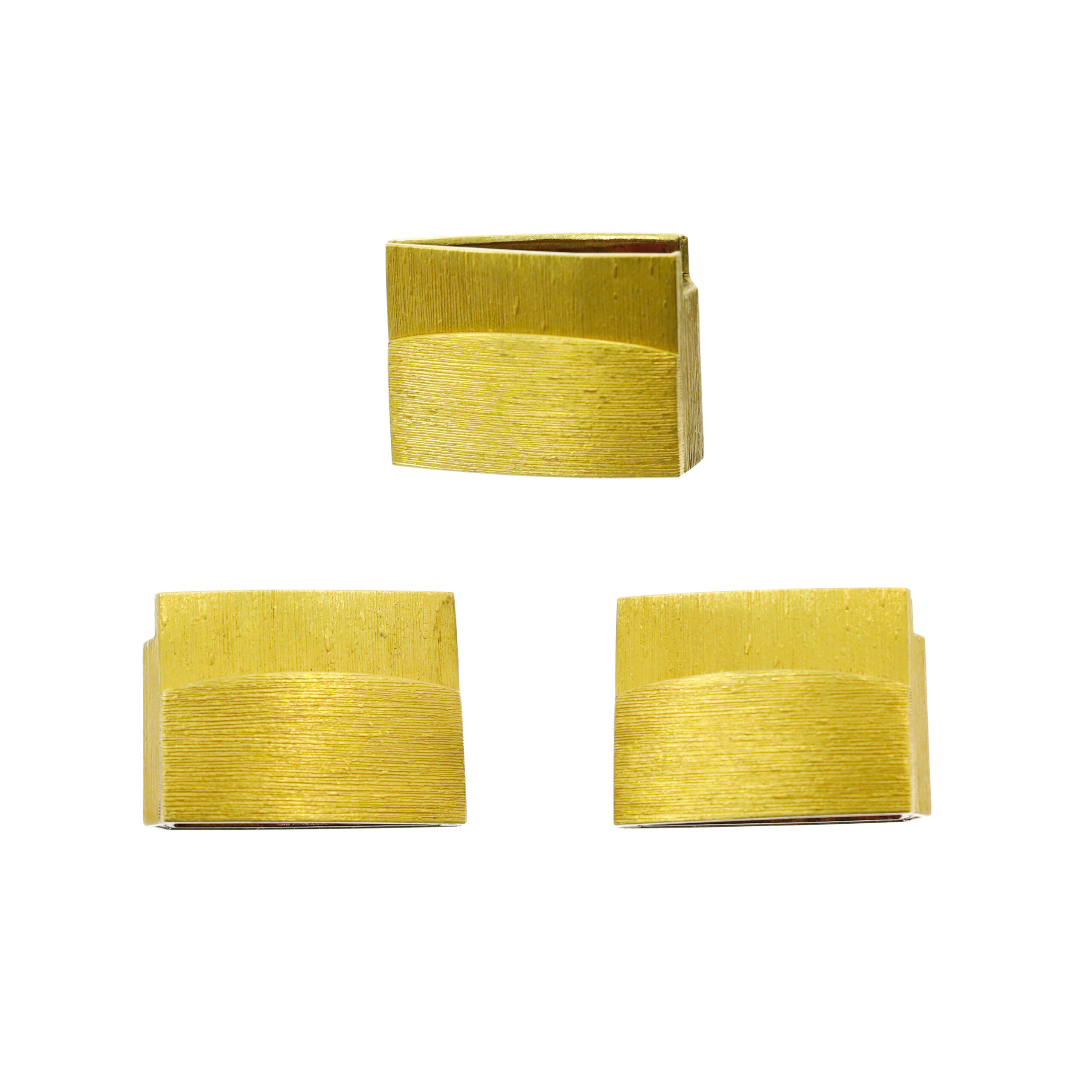
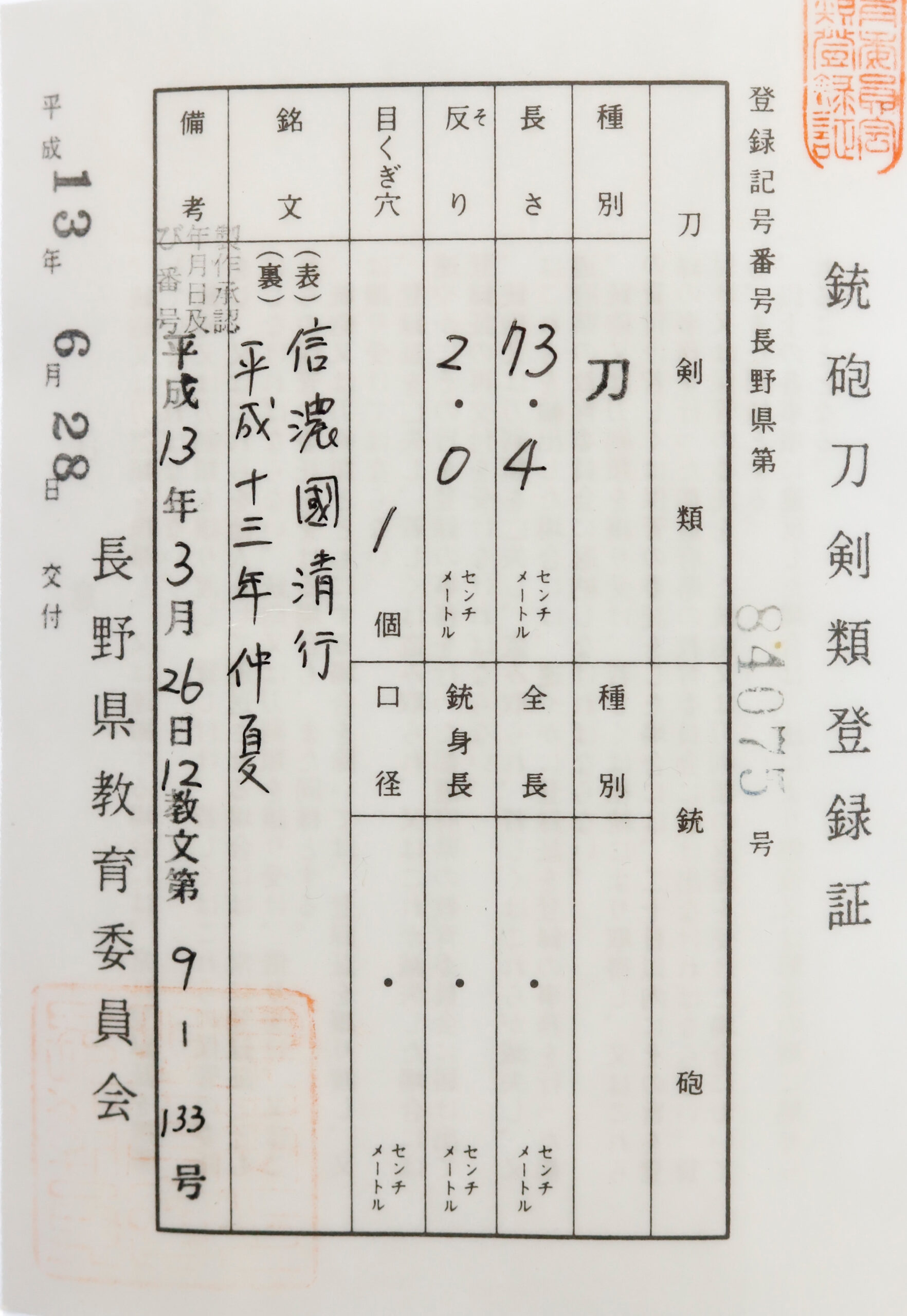
This modern katana was forged by Kiyoyuki (信濃国清行) in Nagano prefecture in 2001. Kiyoyuki, a Mukansa swordsmith, was known for his research into Kamakura period sword-making and his mastery of the Soshu Den tradition. The blade comes with a shirasaya case and a traditional sword carrying case.
 NihontoWatch
mei · Showa-Heisei (1978-2015) · nagasa 73.4cm · sori 2cm
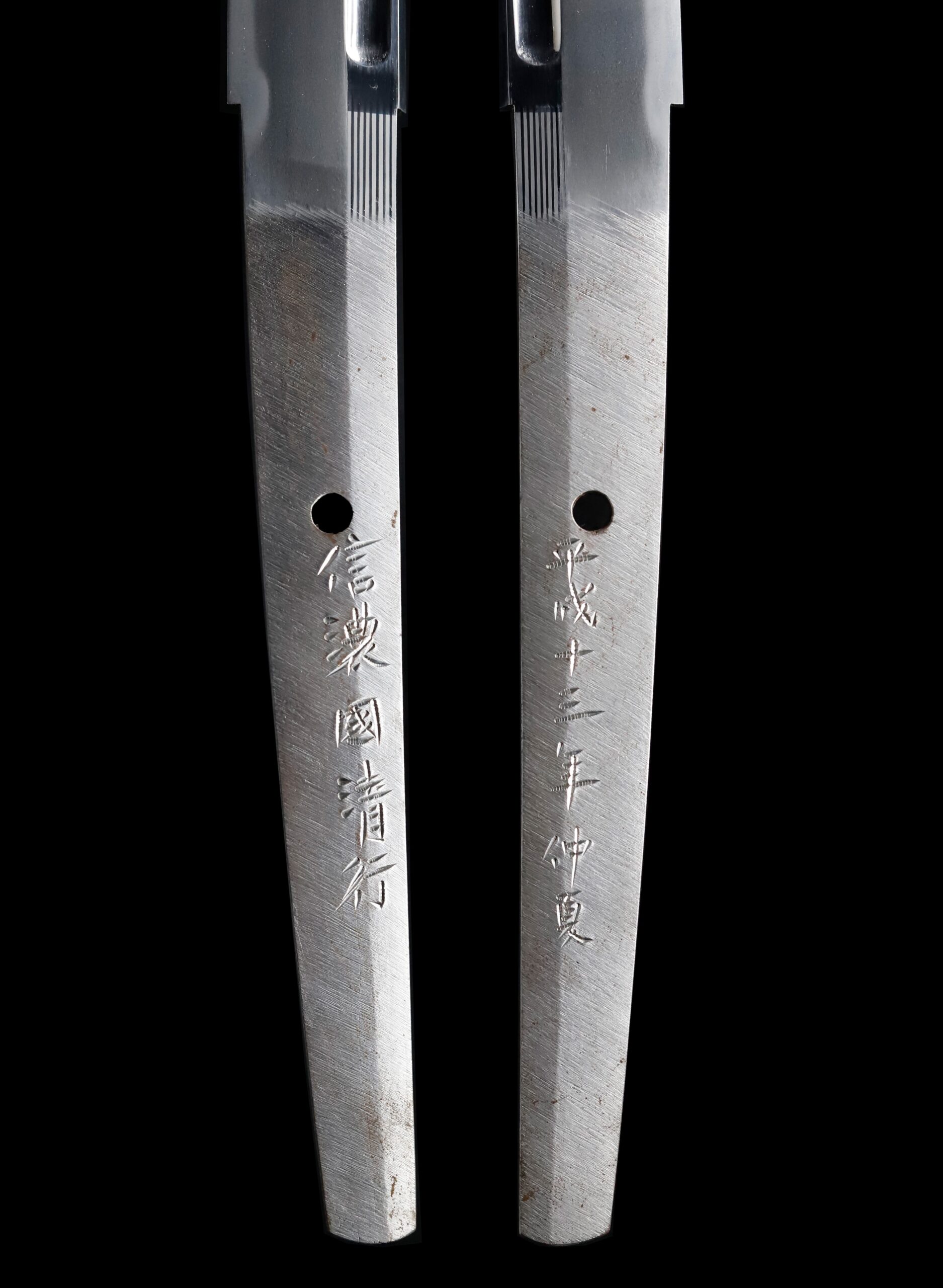
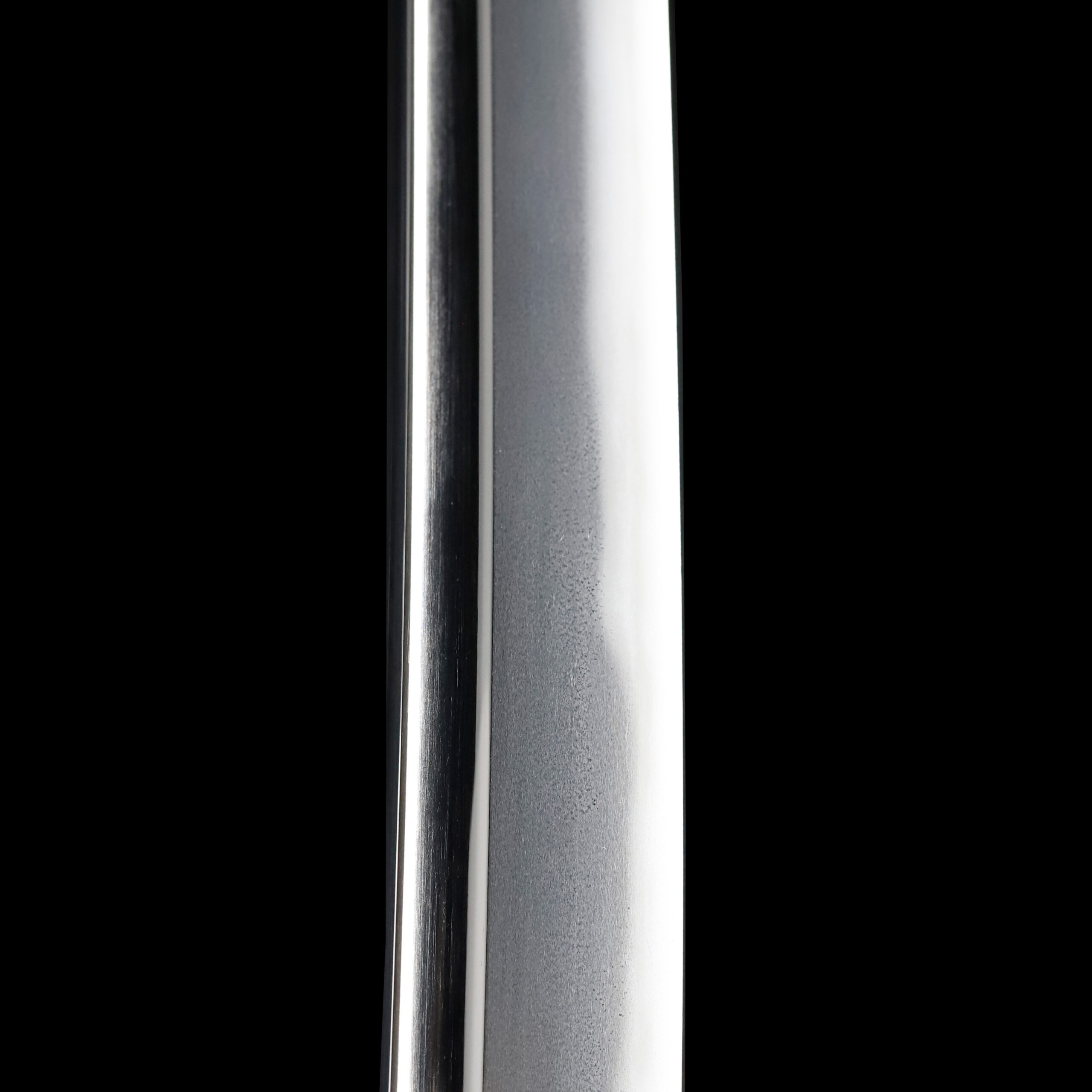
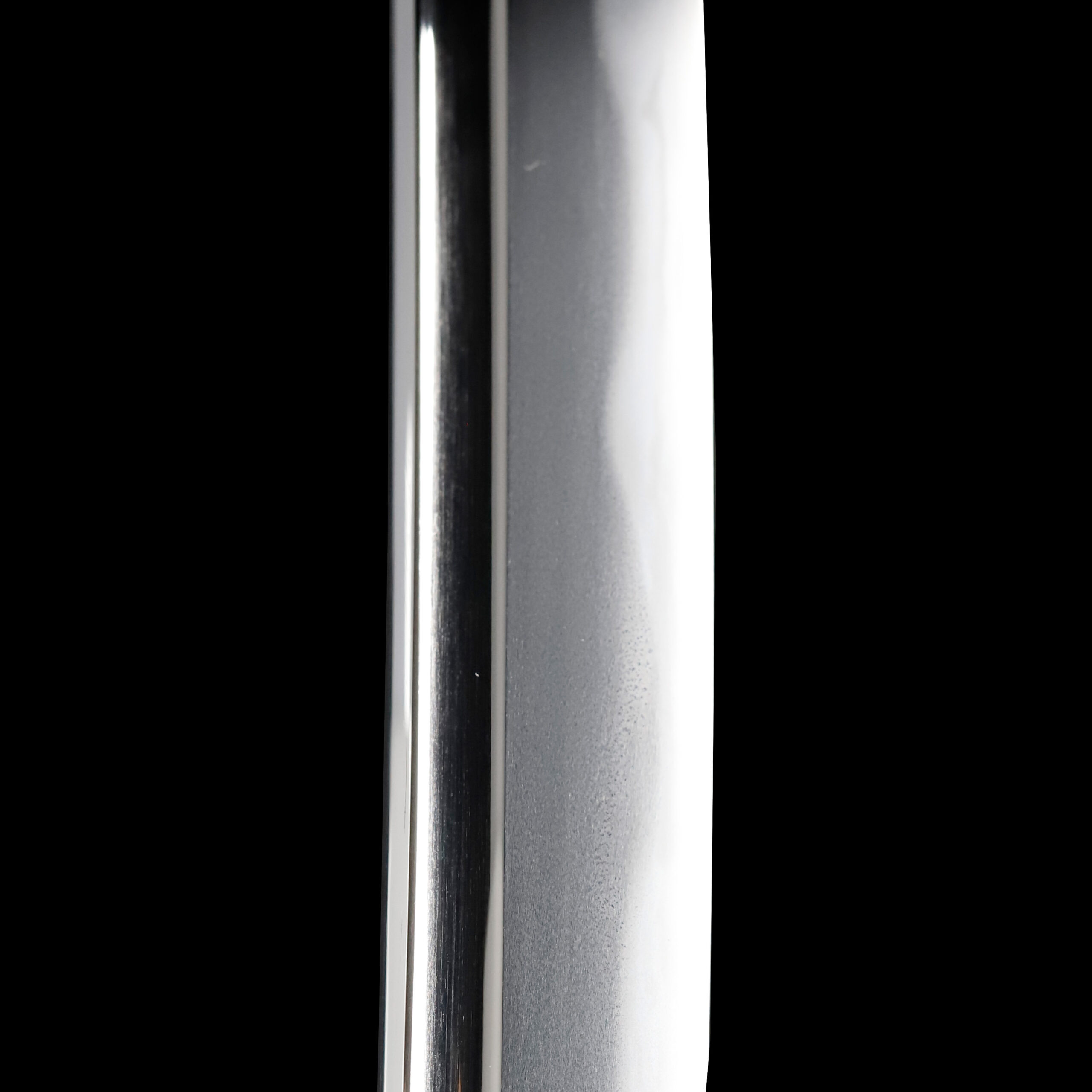
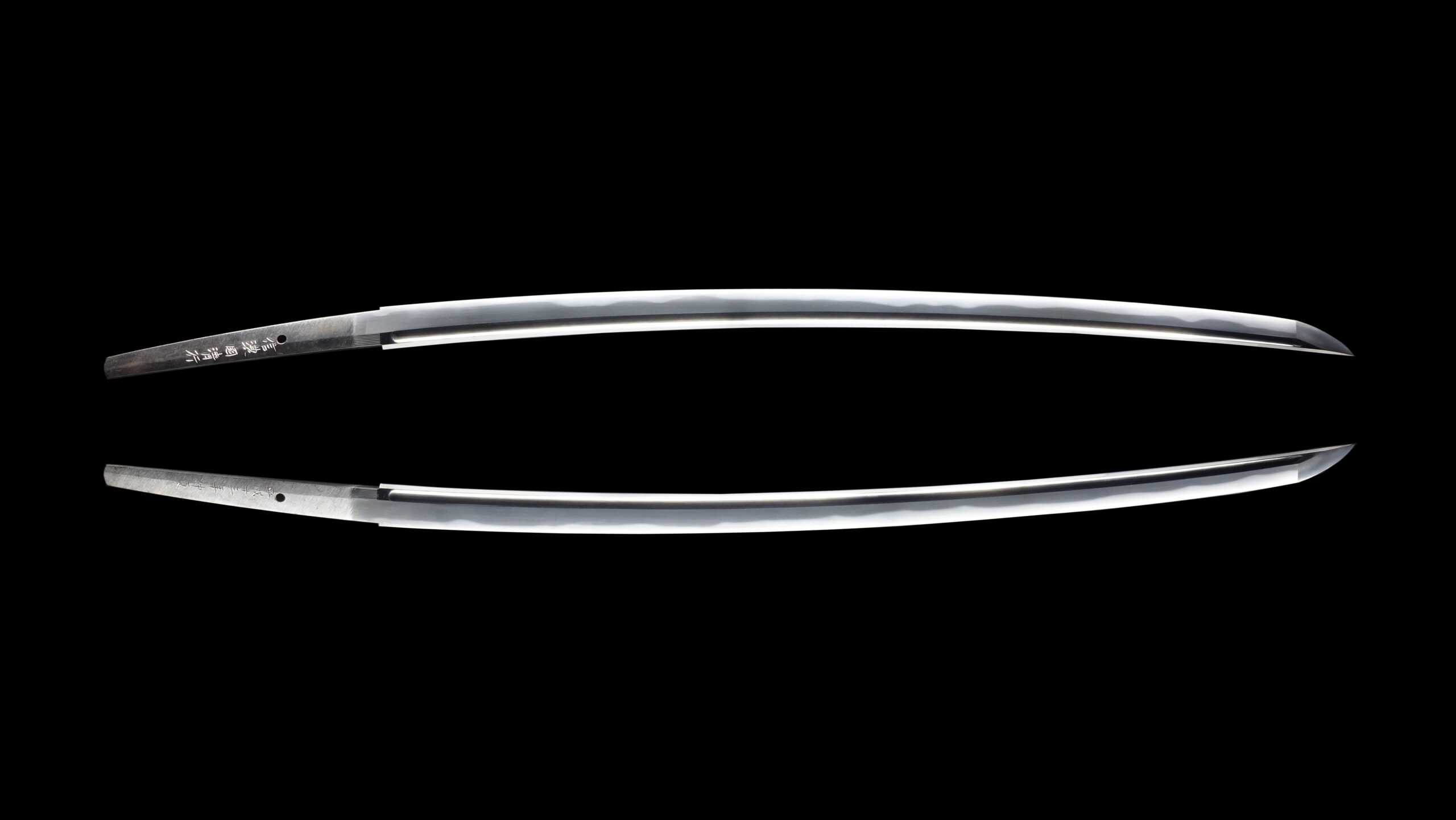
Shinano · around 1978-2015
1 piece on the market now
Shōwa to the present: destruction and revival
The twentieth century nearly killed the craft twice: wartime distortion, then the occupation ban. The NBTHK’s founding in 1948 and licensed forging from 1953 rebuilt the sword as an art, crowned by Living National Treasures and the mukansa rank.
We could not find an authenticity certificate on the seller’s listing. Japanese swords and fittings are normally papered by the NBTHK (or the NTHK). Without one, the attribution is the seller’s own assessment and has not been independently verified — treat it with caution and ask the dealer about certification before buying.
Returns/exchanges limited to defects caused by shipping (except willful misconduct or gross negligence by the company); customers must contact within 72 hours of receiving the product.
This modern katana was forged by Kiyoyuki (信濃国清行) in Nagano prefecture in 2001. Kiyoyuki, a Mukansa swordsmith, was known for his research into Kamakura period sword-making and his mastery of the Soshu Den tradition. The blade comes with a shirasaya case and a traditional sword carrying case.
NihontoWatchmei · Showa-Heisei (1978-2015) · nagasa 73.4cm · sori 2cm
Shinano · around 1978-2015
1 piece on the market now
Shōwa to the present: destruction and revival
The twentieth century nearly killed the craft twice: wartime distortion, then the occupation ban. The NBTHK’s founding in 1948 and licensed forging from 1953 rebuilt the sword as an art, crowned by Living National Treasures and the mukansa rank.
We could not find an authenticity certificate on the seller’s listing. Japanese swords and fittings are normally papered by the NBTHK (or the NTHK). Without one, the attribution is the seller’s own assessment and has not been independently verified — treat it with caution and ask the dealer about certification before buying.
Returns/exchanges limited to defects caused by shipping (except willful misconduct or gross negligence by the company); customers must contact within 72 hours of receiving the product.