NihontoWatch MonNihontoWatch
Market
Encyclopedia
Kantei
NihontoWatch MonNihontoWatch
Market
Encyclopedia
Kantei

Description

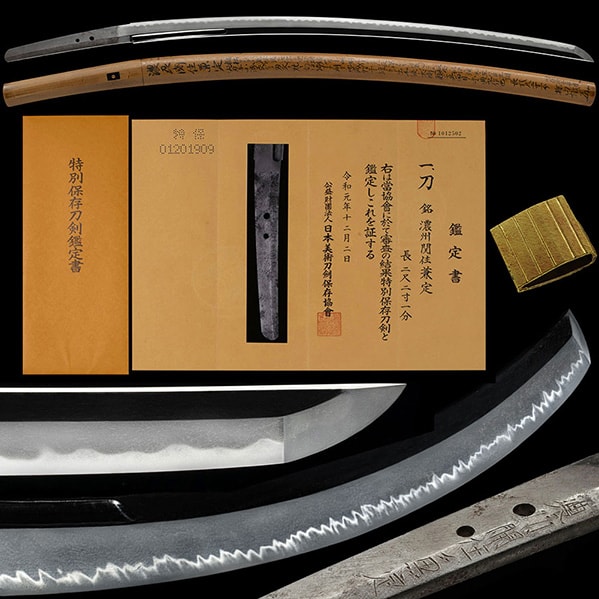
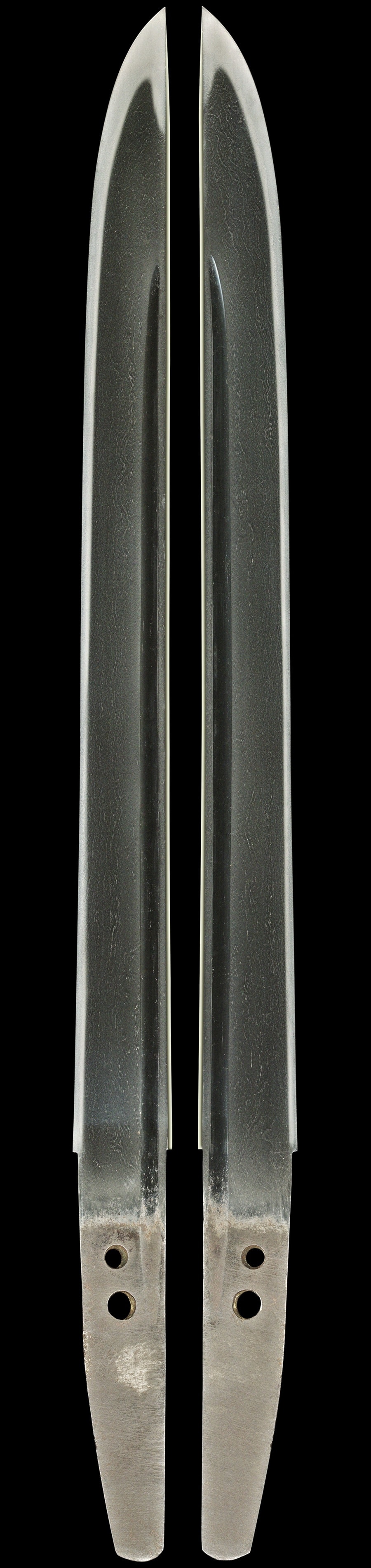
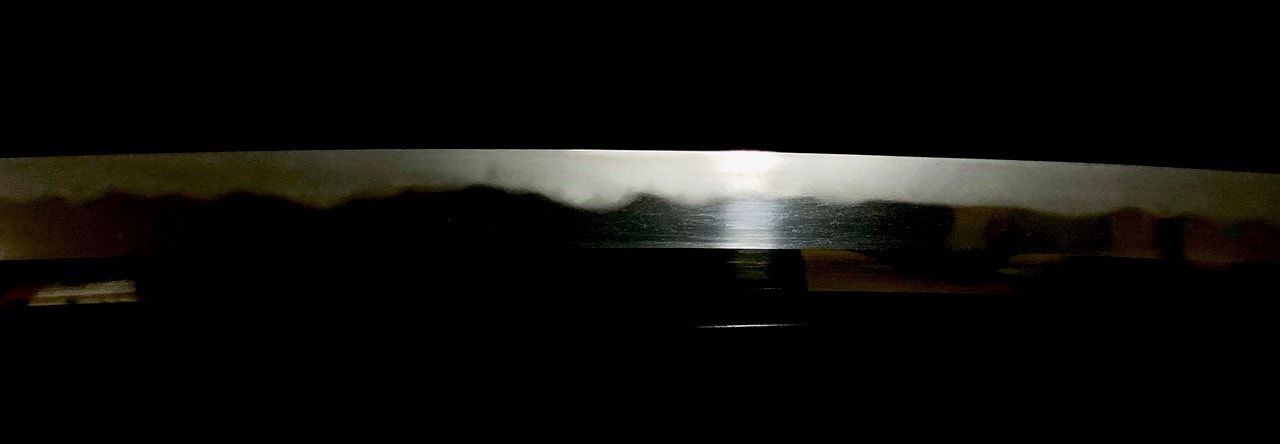
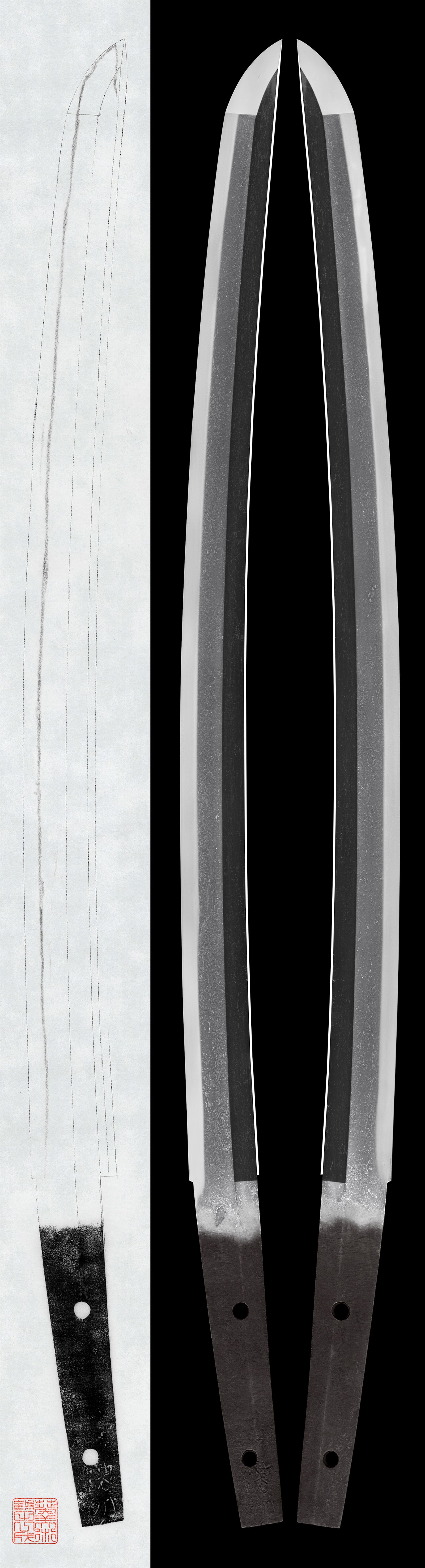
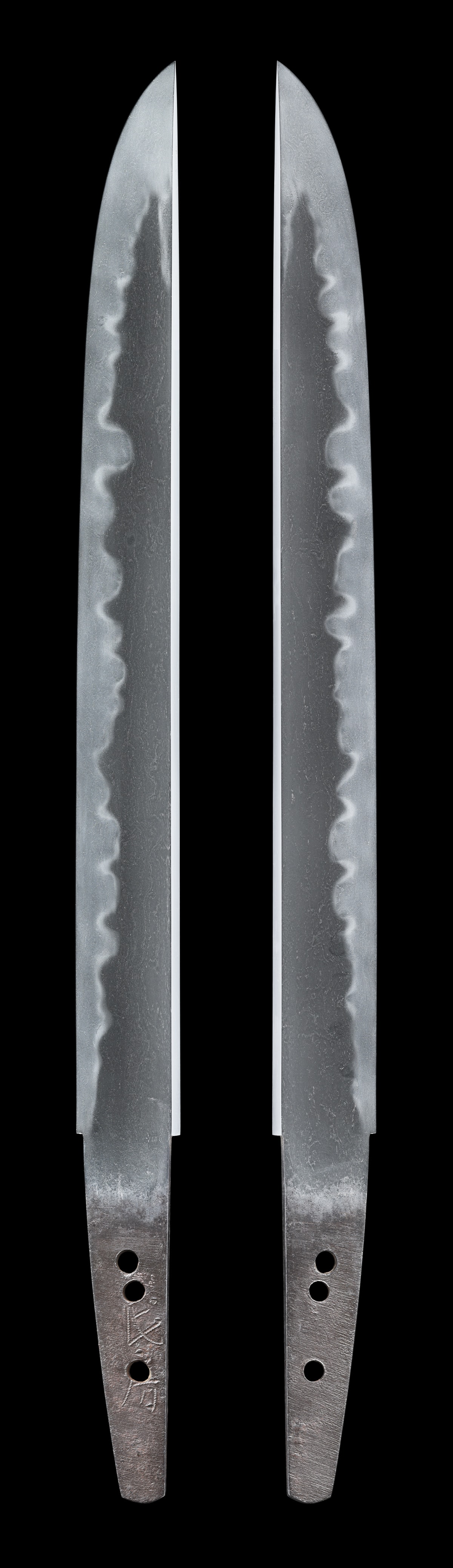
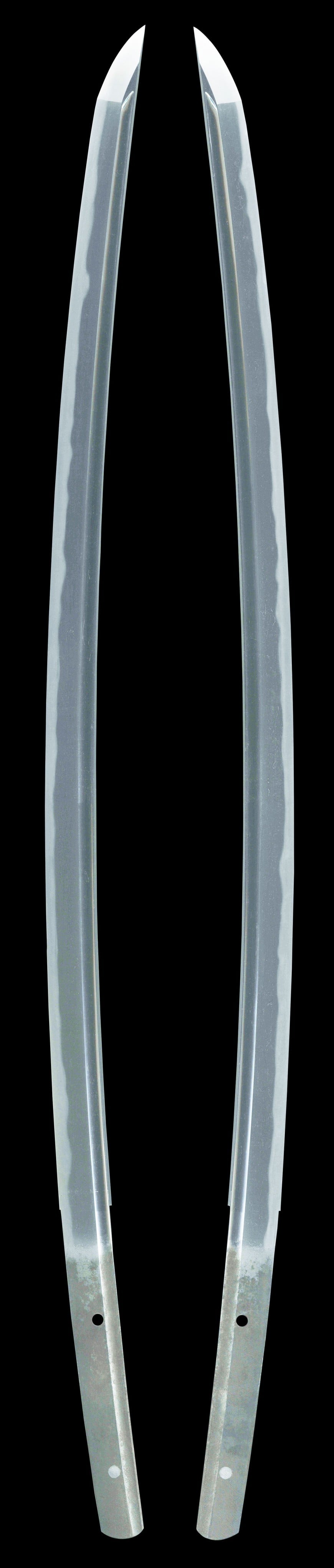
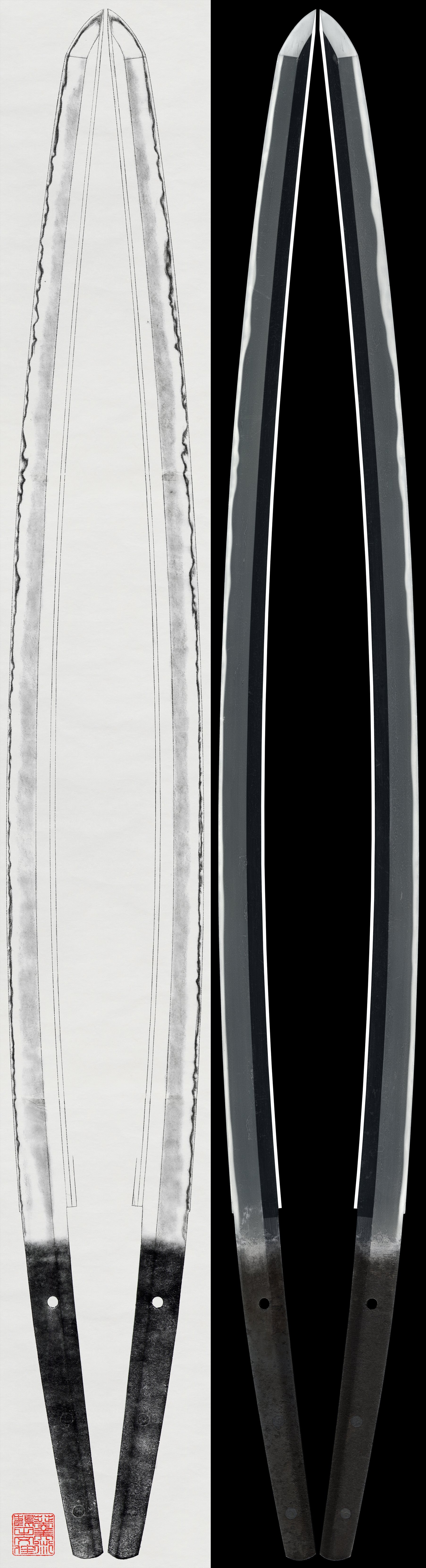
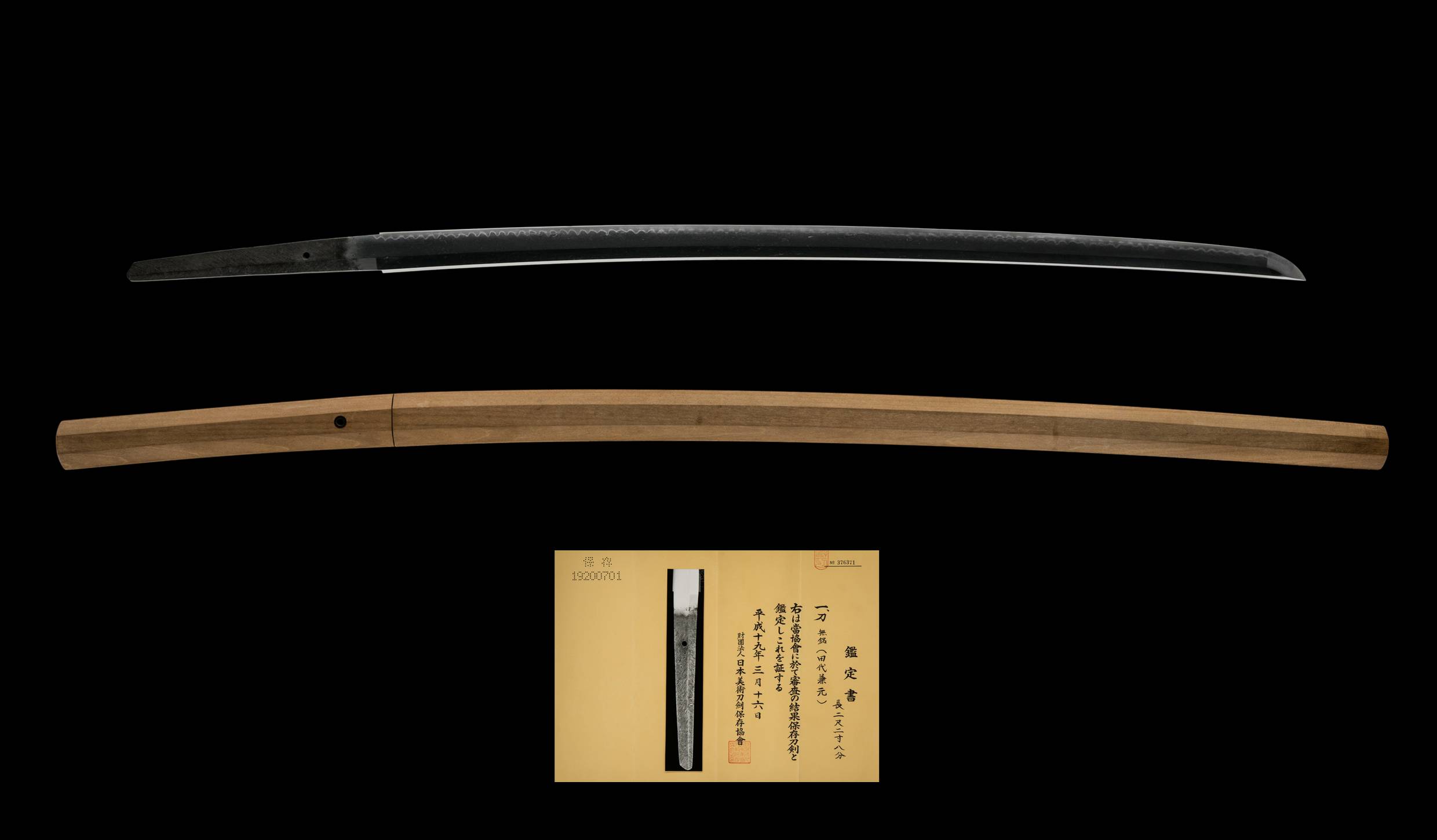
This full-length katana is attributed to Tashiro Kanemoto, the last son of the great master Magoroku Kanemoto, active in the early Edo period. It features a distinctive sanbonsugi hamon with kinsuji and sunagashi, and an ubu-nakago with hagaki yasurime. Measuring 69.3cm, it is a classic fighting length blade with excellent structural integrity.

NihontoWatch MonNihontoWatch
MarketEncyclopediaKantei
Swords›Mino-den›Seki›Kanemoto›Katana: Tashiro Kanemoto
katanaHozon
Kanemoto

Katana: Tashiro Kanemoto

mumei · Kanemoto (mino Tradition) · Kanei (1624-1644) · nagasa 69.3cm · sori 1.4cm

SOLD
Kanemoto (兼元) · Kanemoto (mino Tradition) · Kanei (1624-1644)2 works for sale →
KatanaHozon
Could you name the smith from the blade alone? Today’s kantei →
Kanemoto — 1 of 1
Kanemoto — 1 of 1
Kanemoto (兼元) · Kanemoto (mino Tradition) · Kanei (1624-1644)2 works for sale →
KatanaHozon
Could you name the smith from the blade alone? Today’s kantei →
Measurements & details
Smith
Kanemoto
Type
Katana
School
Kanemoto
Period
Around 1624–1644(Kanei)
Province
Mino no Kuni (gifu Prefecture)
Signature
Unsigned
Measurements
Nagasa 69.3cmSori 1.4cmMotohaba 3.04cm
Description

This full-length katana is attributed to Tashiro Kanemoto, the last son of the great master Magoroku Kanemoto, active in the early Edo period. It features a distinctive sanbonsugi hamon with kinsuji and sunagashi, and an ubu-nakago with hagaki yasurime. Measuring 69.3cm, it is a classic fighting length blade with excellent structural integrity.

About the maker

Kanemoto

兼元

Mino-den · Mino · around 1624-1644

Fujishiro Chu-jo saku · Tōken Taikan top 87%

2 pieces on the market now

›
2 works by Kanemoto on the market→
Kanemoto — full profileMino-den school

Study this maker →

About the school

Kanemoto

兼元

Mino-den · Mino

27 pieces on the market now

›

Kanemoto (兼元) worked at Akasaka in Mino Province, and the line takes its place among the smiths of the late Muromachi period whom the NBTHK registers under the Mino-den tradition centered on Seki. The setsumei place the family within the Sue-Seki (Sue-Mino) milieu, naming Kanemoto alongside Kanesada as the two leading figures of the province in this era; one tantō note instead pairs the name with Kaneshiba, and another with Izumi no Kami Kaneshige, marking the company the line kept. The name passed through successive generations, and the records repeatedly state that distinguishing each generation has not been definitively settled. Dated long signatures reading "Nōshū Akasaka-jū Kanemoto" survive from the Meiō, Bunki, Daiei, Kyōroku, and Eishō eras, while two-character signatures bear no date. The first generation is documented through pieces dated Meiō 6, 8, 9, and 10, all giving the Akasaka residence; the most accomplished hand, and the one the world singles out under the sobriquet "Magoroku Kanemoto," is the second generation. The shared vocabulary of the line is the sanbonsugi (three-cedar) gunome, a sequence of linked pointed crests that rise and fall in groups. The ground is Mino-den through and through: itame-hada mixed with mokume and flowing masame, tending toward standing grain (hada-dachi), with fine ji-nie, chikei, and a whitish shirake-utsuri that the setsumei call out again and again. The temper mixes togariba (pointed elements) and gunome, is nioi-dominant with ko-nie, and runs sunagashi, kinsuji, and occasional tobiyaki; the bōshi is typically midare-komi turning in ko-maru, often described as Jizō-like with hakikake or a falling kaeri. The chief means of separating the second generation from the later line is regularity: as the generations descend, the pointed crests grow sharply angular and standardized, whereas Magoroku's sanbonsugi is deliberately uneven, the gunome heads rounded in places, and the pattern shifts freely into nihonsugi, yonsugi, and gosugi groupings of two, four, and five. The records describe this as a gyōsō (cursive, free) manner.

The first generation, by contrast, does not emphasize sanbonsugi at all, favoring gunome mixed with gunome-chōji and at times yubashiri and tobiyaki; both generations also made suguha, and one tantō is an uncommon Rai-utsushi in elegant straight temper that evokes Kaneyuki. For kantei, the line is read through the standing Mino grain, the shirake-utsuri, and above all the irregular sanbonsugi, with the leaning bōshi a noted point: the records observe that the honka model and these blades share a bōshi that falls over. Named and documented works recur across the register. A naginata dated Kyōroku 1 (1528) carries the full Akasaka signature and is valued as documentary source material, dated two-character pieces being scarce. A katana bearing a kinzōgan inscription on the reverse is known as "Sasatsuyu Kanemoto" and is recorded in the hands of Makishima Kenmotsu Akishige, of the same clan as Furuta Kosukezaemon. The "Aoki Kanemoto," a second-generation work, is said to be the sword with which Aoki Ichishige, a retainer of Tokugawa Ieyasu, killed Magara Masataka of the Asakura side at the Battle of Anegawa in Genki 1 (1570). A further katana carries a Genna 1 (1615) kinzōgan cutting-test inscription by Nakagawa Saheita reading "two bodies," and one suguha katana descended in the Echizen Matsudaira family. Two katana signed Kanemoto sit in the Imperial Collection (Gyobutsu). Across these works the line is registered as the cutting-edged representative of Sue-Seki, its hand recognized wherever the three-cedar temper runs uneven over standing Mino steel. Learn more →

3 recorded smiths33 designated works
Leading smiths
SmithEraDesignated
Kanemoto兼元1521-152830
Kanemoto兼元1532-15550
Kanemoto兼元1573-15920
Kanemoto兼元1592-15960
Kanemoto兼元1818-18300
Explore the Kanemoto school →

Historical context

The Edo period (1615 to 1868)

›

For two and a half centuries of peace the sword was the warrior’s legal badge rather than his weapon. Each great city developed its own manner, Edo’s tested strength against Ōsaka’s polished brilliance, until demand thinned in the era’s last decades.

The Edo period (1615 to 1868) →

NBTHK Certificate
Hozon Tōken保存刀剣
Sword Worthy of Preservation
›

Certifies a genuine blade worth preserving: a signature confirmed correct, or, if unsigned, an era, province, and school that the NBTHK can reliably identify.

About the NBTHK›

The NBTHK (Nihon Bijutsu Tōken Hozon Kyōkai, the Society for the Preservation of Japanese Art Swords) is a public-interest incorporated foundation founded in 1948 and supervised by Japan’s Agency for Cultural Affairs (Bunkachō); it is based at the Japanese Sword Museum in Tokyo. Its expert panels physically examine each submitted work (shinsa) and issue a certificate (kanteishō) ranking it by artistic and historical merit. NBTHK papers are the most widely recognized standard of authentication for Japanese swords and fittings.

NBTHK official site→
Seller
U
Unique Japan
Established 2006 · 20 yrs on the market
🇯🇵Ships from Japan
›
✓Verified dealeruniquejapan.com
✓Ships worldwide✓English supportWire transfer
Return policy

All swords come with a three-day inspection period beginning from the date of delivery. If not satisfied, the sword may be returned within this period for a full refund of the purchase price. Outside of this period, all sales are final. Swords purchased on a layaway payment plan are not eligible for the three-day inspection period.

View all of Unique Japan’s listings→View this item on the dealer’s site→

More works by Kanemoto

View all →
Nosyudo
NTHK
Wakizashi - NTHK - by Kanemoto - Mumei (attributed to Shinto Kanemoto) / 52.6cmWakizashi - NTHK - by Kanemoto - Mumei (attributed to Shinto Kanemoto) / 52.6cm

Wakizashi

ByKanemoto
¥280,000
Toushin
Kogatana - by Kanemoto - Kogatana: Tashiro Genichi KanemotoKogatana - by Kanemoto - Kogatana: Tashiro Genichi Kanemoto

Kogatana

ByKanemoto
¥18,480

Previously sold by Kanemoto

View all →
Nipponto
Tokuho
Katana - Tokuho - by Kanemoto - Katana by Fujiwara Kanemoto of Aizu, Mutsu Province (11th generation Kanesada) - formerly owned by Toshizo HijikataKatana - Tokuho - by Kanemoto - Katana by Fujiwara Kanemoto of Aizu, Mutsu Province (11th generation Kanesada) - formerly owned by Toshizo Hijikata
Sold

Katana

ByKanemoto
SOLD
Tokyo Sword
Wakizashi - by Kanemoto - High Grade Fittings Kanemoto Signed Wakizashi Edo PeriodWakizashi - by Kanemoto - High Grade Fittings Kanemoto Signed Wakizashi Edo Period
Sold

Wakizashi

ByKanemoto
SOLD
Samurai Museum
Wakizashi - by Kanemoto - Kanemoto - NBTHK Kicho CertificateWakizashi - by Kanemoto - Kanemoto - NBTHK Kicho Certificate
Sold

Wakizashi

ByKanemoto
SOLD

More from the Seki school

View all →
Token-Net
Tokuho
Wakizashi - Tokuho - by Kanemoto - Kanemoto (Mino) (2nd Gen. Magoroku)Wakizashi - Tokuho - by Kanemoto - Kanemoto (Mino) (2nd Gen. Magoroku)

Wakizashi

ByKanemoto
¥3,200,000
Wakeidou
Tokuho
Katana - Tokuho - by Seki Ujifusa - Wakasanokami Fujiwara UjifusaKatana - Tokuho - by Seki Ujifusa - Wakasanokami Fujiwara Ujifusa

Katana

BySeki Ujifusa
¥2,800,000
Eirakudo
Tokuho
Katana - Tokuho - by Kanesada - Izuminokami Kanesada - Tokubetsu Hozon TokenKatana - Tokuho - by Kanesada - Izuminokami Kanesada - Tokubetsu Hozon Token

Katana

ByKanesada
¥5,000,000
Hyozaemon
Tokuho
Katana - Tokuho - by Aizu Kanesada - Izumi no Kami Kanesada (Nosada)Katana - Tokuho - by Aizu Kanesada - Izumi no Kami Kanesada (Nosada)

Katana

ByAizu Kanesada
Ask
Touken Matsumoto
Hozon
Tanto - Hozon - by Seki Kanemichi - KanemichiTanto - Hozon - by Seki Kanemichi - Kanemichi

Tantō

BySeki Kanemichi
¥800,000
Connoisseur Arms
Jūyō
Katana - Jūyō - by Kanemoto - Historic Katana by Sekino Magoroku KanemotoKatana - Jūyō - by Kanemoto - Historic Katana by Sekino Magoroku Kanemoto

Katana

ByKanemoto
Ask
Aoi Art
Wakizashi - by Seki School - Nōshū (remaining portion only)Wakizashi - by Seki School - Nōshū (remaining portion only)

Wakizashi

BySeki School
Starting Bid¥250,000
World Seiyudo
Hozon
Tanto - Hozon - by Seki School - Ujifusa - NBTHK Hozon TokenTanto - Hozon - by Seki School - Ujifusa - NBTHK Hozon Token

Tantō

BySeki School
¥1,300,000

More from the Mino tradition

View all →
Wakeidou
Tokuho
Katana - Tokuho - by Naoe Shizu School - Mumei Naoe ShizuKatana - Tokuho - by Naoe Shizu School - Mumei Naoe Shizu

Katana

ByNaoe Shizu School
¥1,500,000
Choshuya
Tokuho
Katana - Tokuho - by Naoe Shizu School - Unsigned (O-suriage), attributed to Naoe ShizuKatana - Tokuho - by Naoe Shizu School - Unsigned (O-suriage), attributed to Naoe Shizu

Katana

ByNaoe Shizu School
Ask
Aoi Art
Jūyō
Katana - Jūyō - by Yamato Shizu School - Mumei (Unsigned) Yamato-ShizuKatana - Jūyō - by Yamato Shizu School - Mumei (Unsigned) Yamato-Shizu

Katana

ByYamato Shizu School
¥2,700,000
Sanmei
Tokuho
Katana - Tokuho - by Naoe Shizu School - Katana unsigned attributed to a work of Naoe-ShizuKatana - Tokuho - by Naoe Shizu School - Katana unsigned attributed to a work of Naoe-Shizu

Katana

ByNaoe Shizu School
¥1,350,000
Aoi Art
Tokuho
Katana - Tokuho - by Yamato Shizu School - Yamato Shizu KaneujiKatana - Tokuho - by Yamato Shizu School - Yamato Shizu Kaneuji

Katana

ByYamato Shizu School
¥2,300,000
Samurai Museum
Hozon
Katana - Hozon - by Seki Kanenobu - Attributed to Shiga Seki Kanenobu - NBTHK Hozon CertificateKatana - Hozon - by Seki Kanenobu - Attributed to Shiga Seki Kanenobu - NBTHK Hozon Certificate

Katana

BySeki Kanenobu
¥680,000
Choshuya
Tokuho
Katana - Tokuho - by Ujifusa School - Hida no Kami Fujiwara no UjifusaKatana - Tokuho - by Ujifusa School - Hida no Kami Fujiwara no Ujifusa

Katana

ByUjifusa School
¥1,450,000
Aoi Art
Hozon
Katana - Hozon - by Kanemoto School - Kanemoto (Gold Inlaid Attribution)Katana - Hozon - by Kanemoto School - Kanemoto (Gold Inlaid Attribution)

Katana

ByKanemoto School
Starting Bid¥580,000

Swords

  • Katana
  • Wakizashi
  • Tantō
  • Tachi
  • Naginata
  • Yari
  • Japanese Swords
  • Samurai Swords

Fittings

  • Tsuba
  • Fuchi-Kashira
  • Kozuka
  • Menuki
  • Sword Guards (Tsuba)

Armor

  • Kabuto
  • Samurai Armor
  • All Samurai Armor

By Certification

  • Tokujū
  • Jūyō
  • Tokuho
  • Hozon

Resources

  • Dealer Directory
  • Artist Directory
  • The Daily Kantei
  • Glossary
  • Browse All
Nihontowatch© 2026
TermsPrivacyCookiesAbout
Sold

Description

This full-length katana is attributed to Tashiro Kanemoto, the last son of the great master Magoroku Kanemoto, active in the early Edo period. It features a distinctive sanbonsugi hamon with kinsuji and sunagashi, and an ubu-nakago with hagaki yasurime. Measuring 69.3cm, it is a classic fighting length blade with excellent structural integrity.

NihontoWatch MonNihontoWatch
MarketEncyclopediaKantei
Swords›Mino-den›Seki›Kanemoto›Katana: Tashiro Kanemoto
katanaHozon
Kanemoto

Katana: Tashiro Kanemoto

mumei · Kanemoto (mino Tradition) · Kanei (1624-1644) · nagasa 69.3cm · sori 1.4cm

SOLD
Kanemoto (兼元) · Kanemoto (mino Tradition) · Kanei (1624-1644)2 works for sale →
KatanaHozon
Could you name the smith from the blade alone? Today’s kantei →
Kanemoto — 1 of 1
Kanemoto — 1 of 1
Kanemoto (兼元) · Kanemoto (mino Tradition) · Kanei (1624-1644)2 works for sale →
KatanaHozon
Could you name the smith from the blade alone? Today’s kantei →
Measurements & details
Smith
Kanemoto
Type
Katana
School
Kanemoto
Period
Around 1624–1644(Kanei)
Province
Mino no Kuni (gifu Prefecture)
Signature
Unsigned
Measurements
Nagasa 69.3cmSori 1.4cmMotohaba 3.04cm
Description

This full-length katana is attributed to Tashiro Kanemoto, the last son of the great master Magoroku Kanemoto, active in the early Edo period. It features a distinctive sanbonsugi hamon with kinsuji and sunagashi, and an ubu-nakago with hagaki yasurime. Measuring 69.3cm, it is a classic fighting length blade with excellent structural integrity.

About the maker

Kanemoto

兼元

Mino-den · Mino · around 1624-1644

Fujishiro Chu-jo saku · Tōken Taikan top 87%

2 pieces on the market now

›
2 works by Kanemoto on the market→
Kanemoto — full profileMino-den school

Study this maker →

About the school

Kanemoto

兼元

Mino-den · Mino

27 pieces on the market now

›

Kanemoto (兼元) worked at Akasaka in Mino Province, and the line takes its place among the smiths of the late Muromachi period whom the NBTHK registers under the Mino-den tradition centered on Seki. The setsumei place the family within the Sue-Seki (Sue-Mino) milieu, naming Kanemoto alongside Kanesada as the two leading figures of the province in this era; one tantō note instead pairs the name with Kaneshiba, and another with Izumi no Kami Kaneshige, marking the company the line kept. The name passed through successive generations, and the records repeatedly state that distinguishing each generation has not been definitively settled. Dated long signatures reading "Nōshū Akasaka-jū Kanemoto" survive from the Meiō, Bunki, Daiei, Kyōroku, and Eishō eras, while two-character signatures bear no date. The first generation is documented through pieces dated Meiō 6, 8, 9, and 10, all giving the Akasaka residence; the most accomplished hand, and the one the world singles out under the sobriquet "Magoroku Kanemoto," is the second generation. The shared vocabulary of the line is the sanbonsugi (three-cedar) gunome, a sequence of linked pointed crests that rise and fall in groups. The ground is Mino-den through and through: itame-hada mixed with mokume and flowing masame, tending toward standing grain (hada-dachi), with fine ji-nie, chikei, and a whitish shirake-utsuri that the setsumei call out again and again. The temper mixes togariba (pointed elements) and gunome, is nioi-dominant with ko-nie, and runs sunagashi, kinsuji, and occasional tobiyaki; the bōshi is typically midare-komi turning in ko-maru, often described as Jizō-like with hakikake or a falling kaeri. The chief means of separating the second generation from the later line is regularity: as the generations descend, the pointed crests grow sharply angular and standardized, whereas Magoroku's sanbonsugi is deliberately uneven, the gunome heads rounded in places, and the pattern shifts freely into nihonsugi, yonsugi, and gosugi groupings of two, four, and five. The records describe this as a gyōsō (cursive, free) manner.

The first generation, by contrast, does not emphasize sanbonsugi at all, favoring gunome mixed with gunome-chōji and at times yubashiri and tobiyaki; both generations also made suguha, and one tantō is an uncommon Rai-utsushi in elegant straight temper that evokes Kaneyuki. For kantei, the line is read through the standing Mino grain, the shirake-utsuri, and above all the irregular sanbonsugi, with the leaning bōshi a noted point: the records observe that the honka model and these blades share a bōshi that falls over. Named and documented works recur across the register. A naginata dated Kyōroku 1 (1528) carries the full Akasaka signature and is valued as documentary source material, dated two-character pieces being scarce. A katana bearing a kinzōgan inscription on the reverse is known as "Sasatsuyu Kanemoto" and is recorded in the hands of Makishima Kenmotsu Akishige, of the same clan as Furuta Kosukezaemon. The "Aoki Kanemoto," a second-generation work, is said to be the sword with which Aoki Ichishige, a retainer of Tokugawa Ieyasu, killed Magara Masataka of the Asakura side at the Battle of Anegawa in Genki 1 (1570). A further katana carries a Genna 1 (1615) kinzōgan cutting-test inscription by Nakagawa Saheita reading "two bodies," and one suguha katana descended in the Echizen Matsudaira family. Two katana signed Kanemoto sit in the Imperial Collection (Gyobutsu). Across these works the line is registered as the cutting-edged representative of Sue-Seki, its hand recognized wherever the three-cedar temper runs uneven over standing Mino steel. Learn more →

3 recorded smiths33 designated works
Leading smiths
SmithEraDesignated
Kanemoto兼元1521-152830
Kanemoto兼元1532-15550
Kanemoto兼元1573-15920
Kanemoto兼元1592-15960
Kanemoto兼元1818-18300
Explore the Kanemoto school →

Historical context

The Edo period (1615 to 1868)

›

For two and a half centuries of peace the sword was the warrior’s legal badge rather than his weapon. Each great city developed its own manner, Edo’s tested strength against Ōsaka’s polished brilliance, until demand thinned in the era’s last decades.

The Edo period (1615 to 1868) →

NBTHK Certificate
Hozon Tōken保存刀剣
Sword Worthy of Preservation
›

Certifies a genuine blade worth preserving: a signature confirmed correct, or, if unsigned, an era, province, and school that the NBTHK can reliably identify.

About the NBTHK›

The NBTHK (Nihon Bijutsu Tōken Hozon Kyōkai, the Society for the Preservation of Japanese Art Swords) is a public-interest incorporated foundation founded in 1948 and supervised by Japan’s Agency for Cultural Affairs (Bunkachō); it is based at the Japanese Sword Museum in Tokyo. Its expert panels physically examine each submitted work (shinsa) and issue a certificate (kanteishō) ranking it by artistic and historical merit. NBTHK papers are the most widely recognized standard of authentication for Japanese swords and fittings.

NBTHK official site→
Seller
U
Unique Japan
Established 2006 · 20 yrs on the market
🇯🇵Ships from Japan
›
✓Verified dealeruniquejapan.com
✓Ships worldwide✓English supportWire transfer
Return policy

All swords come with a three-day inspection period beginning from the date of delivery. If not satisfied, the sword may be returned within this period for a full refund of the purchase price. Outside of this period, all sales are final. Swords purchased on a layaway payment plan are not eligible for the three-day inspection period.

View all of Unique Japan’s listings→View this item on the dealer’s site→

More works by Kanemoto

View all →
Nosyudo
NTHK
Wakizashi - NTHK - by Kanemoto - Mumei (attributed to Shinto Kanemoto) / 52.6cmWakizashi - NTHK - by Kanemoto - Mumei (attributed to Shinto Kanemoto) / 52.6cm

Wakizashi

ByKanemoto
¥280,000
Toushin
Kogatana - by Kanemoto - Kogatana: Tashiro Genichi KanemotoKogatana - by Kanemoto - Kogatana: Tashiro Genichi Kanemoto

Kogatana

ByKanemoto
¥18,480

Previously sold by Kanemoto

View all →
Nipponto
Tokuho
Katana - Tokuho - by Kanemoto - Katana by Fujiwara Kanemoto of Aizu, Mutsu Province (11th generation Kanesada) - formerly owned by Toshizo HijikataKatana - Tokuho - by Kanemoto - Katana by Fujiwara Kanemoto of Aizu, Mutsu Province (11th generation Kanesada) - formerly owned by Toshizo Hijikata
Sold

Katana

ByKanemoto
SOLD
Tokyo Sword
Wakizashi - by Kanemoto - High Grade Fittings Kanemoto Signed Wakizashi Edo PeriodWakizashi - by Kanemoto - High Grade Fittings Kanemoto Signed Wakizashi Edo Period
Sold

Wakizashi

ByKanemoto
SOLD
Samurai Museum
Wakizashi - by Kanemoto - Kanemoto - NBTHK Kicho CertificateWakizashi - by Kanemoto - Kanemoto - NBTHK Kicho Certificate
Sold

Wakizashi

ByKanemoto
SOLD

More from the Seki school

View all →
Token-Net
Tokuho
Wakizashi - Tokuho - by Kanemoto - Kanemoto (Mino) (2nd Gen. Magoroku)Wakizashi - Tokuho - by Kanemoto - Kanemoto (Mino) (2nd Gen. Magoroku)

Wakizashi

ByKanemoto
¥3,200,000
Wakeidou
Tokuho
Katana - Tokuho - by Seki Ujifusa - Wakasanokami Fujiwara UjifusaKatana - Tokuho - by Seki Ujifusa - Wakasanokami Fujiwara Ujifusa

Katana

BySeki Ujifusa
¥2,800,000
Eirakudo
Tokuho
Katana - Tokuho - by Kanesada - Izuminokami Kanesada - Tokubetsu Hozon TokenKatana - Tokuho - by Kanesada - Izuminokami Kanesada - Tokubetsu Hozon Token

Katana

ByKanesada
¥5,000,000
Hyozaemon
Tokuho
Katana - Tokuho - by Aizu Kanesada - Izumi no Kami Kanesada (Nosada)Katana - Tokuho - by Aizu Kanesada - Izumi no Kami Kanesada (Nosada)

Katana

ByAizu Kanesada
Ask
Touken Matsumoto
Hozon
Tanto - Hozon - by Seki Kanemichi - KanemichiTanto - Hozon - by Seki Kanemichi - Kanemichi

Tantō

BySeki Kanemichi
¥800,000
Connoisseur Arms
Jūyō
Katana - Jūyō - by Kanemoto - Historic Katana by Sekino Magoroku KanemotoKatana - Jūyō - by Kanemoto - Historic Katana by Sekino Magoroku Kanemoto

Katana

ByKanemoto
Ask
Aoi Art
Wakizashi - by Seki School - Nōshū (remaining portion only)Wakizashi - by Seki School - Nōshū (remaining portion only)

Wakizashi

BySeki School
Starting Bid¥250,000
World Seiyudo
Hozon
Tanto - Hozon - by Seki School - Ujifusa - NBTHK Hozon TokenTanto - Hozon - by Seki School - Ujifusa - NBTHK Hozon Token

Tantō

BySeki School
¥1,300,000

More from the Mino tradition

View all →
Wakeidou
Tokuho
Katana - Tokuho - by Naoe Shizu School - Mumei Naoe ShizuKatana - Tokuho - by Naoe Shizu School - Mumei Naoe Shizu

Katana

ByNaoe Shizu School
¥1,500,000
Choshuya
Tokuho
Katana - Tokuho - by Naoe Shizu School - Unsigned (O-suriage), attributed to Naoe ShizuKatana - Tokuho - by Naoe Shizu School - Unsigned (O-suriage), attributed to Naoe Shizu

Katana

ByNaoe Shizu School
Ask
Aoi Art
Jūyō
Katana - Jūyō - by Yamato Shizu School - Mumei (Unsigned) Yamato-ShizuKatana - Jūyō - by Yamato Shizu School - Mumei (Unsigned) Yamato-Shizu

Katana

ByYamato Shizu School
¥2,700,000
Sanmei
Tokuho
Katana - Tokuho - by Naoe Shizu School - Katana unsigned attributed to a work of Naoe-ShizuKatana - Tokuho - by Naoe Shizu School - Katana unsigned attributed to a work of Naoe-Shizu

Katana

ByNaoe Shizu School
¥1,350,000
Aoi Art
Tokuho
Katana - Tokuho - by Yamato Shizu School - Yamato Shizu KaneujiKatana - Tokuho - by Yamato Shizu School - Yamato Shizu Kaneuji

Katana

ByYamato Shizu School
¥2,300,000
Samurai Museum
Hozon
Katana - Hozon - by Seki Kanenobu - Attributed to Shiga Seki Kanenobu - NBTHK Hozon CertificateKatana - Hozon - by Seki Kanenobu - Attributed to Shiga Seki Kanenobu - NBTHK Hozon Certificate

Katana

BySeki Kanenobu
¥680,000
Choshuya
Tokuho
Katana - Tokuho - by Ujifusa School - Hida no Kami Fujiwara no UjifusaKatana - Tokuho - by Ujifusa School - Hida no Kami Fujiwara no Ujifusa

Katana

ByUjifusa School
¥1,450,000
Aoi Art
Hozon
Katana - Hozon - by Kanemoto School - Kanemoto (Gold Inlaid Attribution)Katana - Hozon - by Kanemoto School - Kanemoto (Gold Inlaid Attribution)

Katana

ByKanemoto School
Starting Bid¥580,000

Swords

  • Katana
  • Wakizashi
  • Tantō
  • Tachi
  • Naginata
  • Yari
  • Japanese Swords
  • Samurai Swords

Fittings

  • Tsuba
  • Fuchi-Kashira
  • Kozuka
  • Menuki
  • Sword Guards (Tsuba)

Armor

  • Kabuto
  • Samurai Armor
  • All Samurai Armor

By Certification

  • Tokujū
  • Jūyō
  • Tokuho
  • Hozon

Resources

  • Dealer Directory
  • Artist Directory
  • The Daily Kantei
  • Glossary
  • Browse All
Nihontowatch© 2026
TermsPrivacyCookiesAbout
Sold
NihontoWatch MonNihontoWatch
Market
Encyclopedia
Kantei
NihontoWatch MonNihontoWatch
Market
Encyclopedia
Kantei