NihontoWatch MonNihontoWatch
Market
Encyclopedia
Kantei
NihontoWatch MonNihontoWatch
Market
Encyclopedia
Kantei

Description

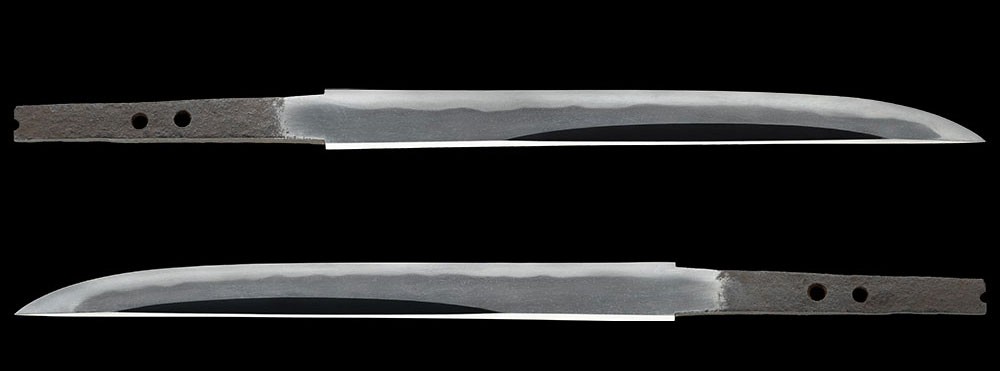
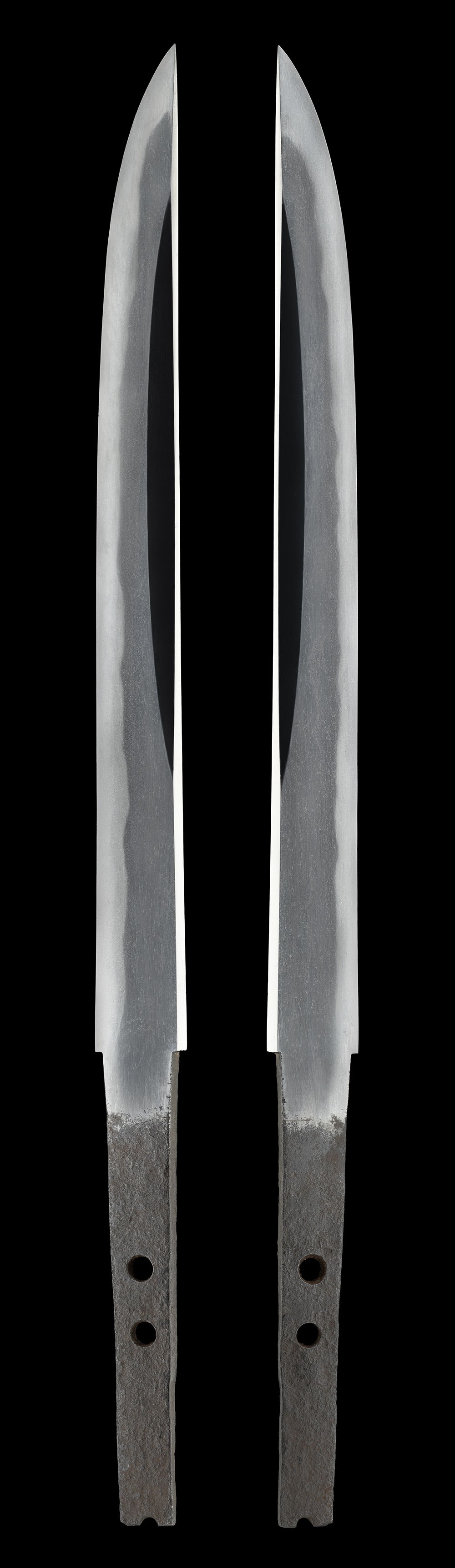
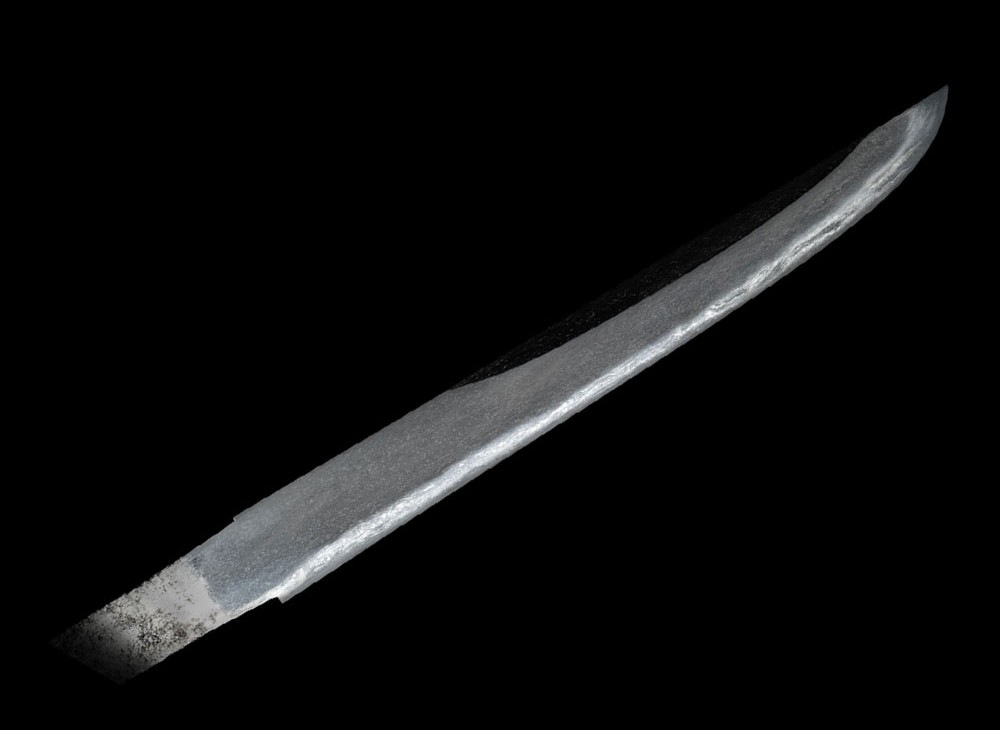
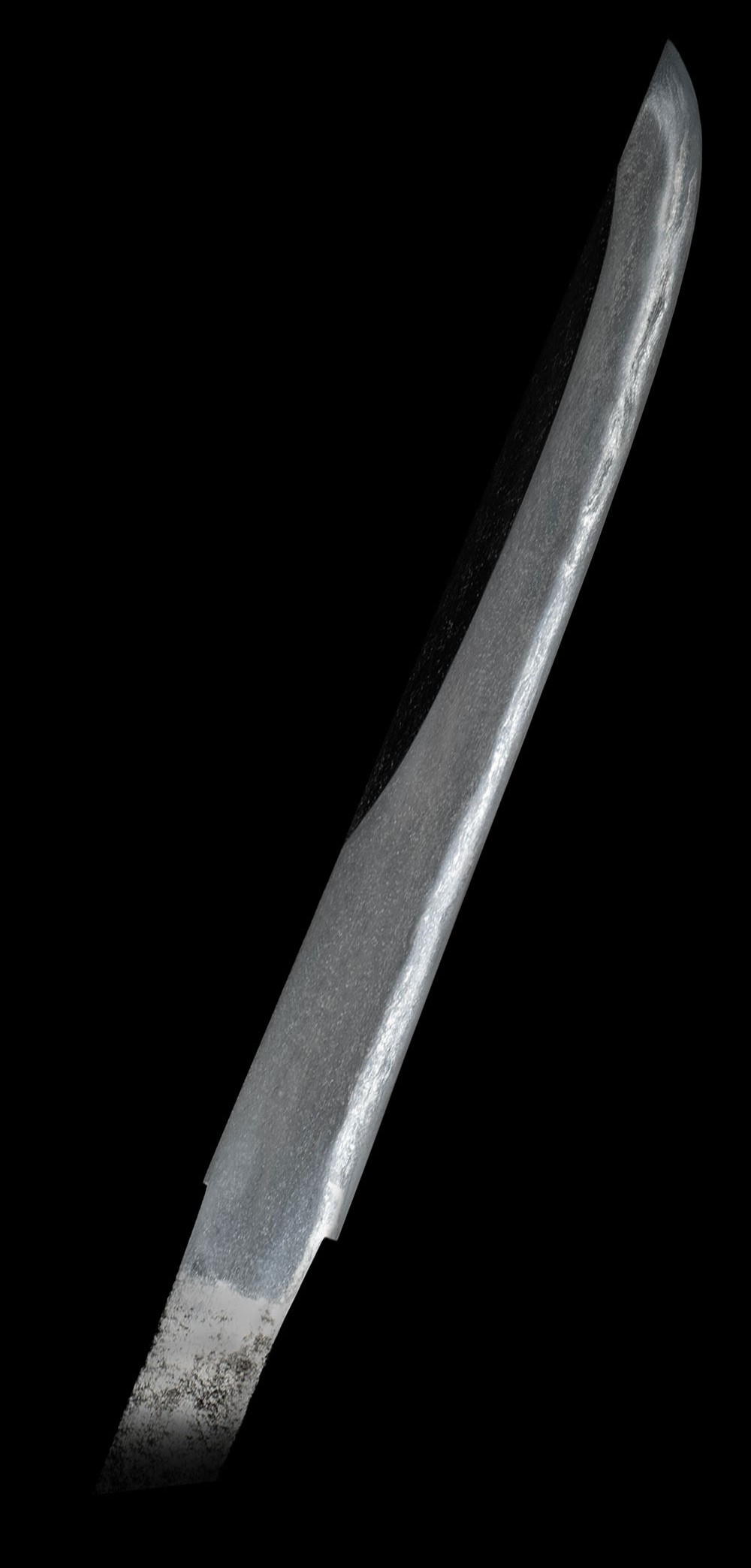
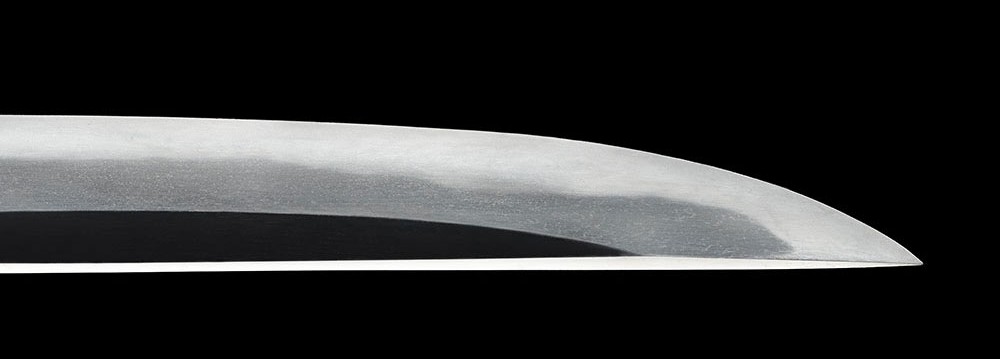
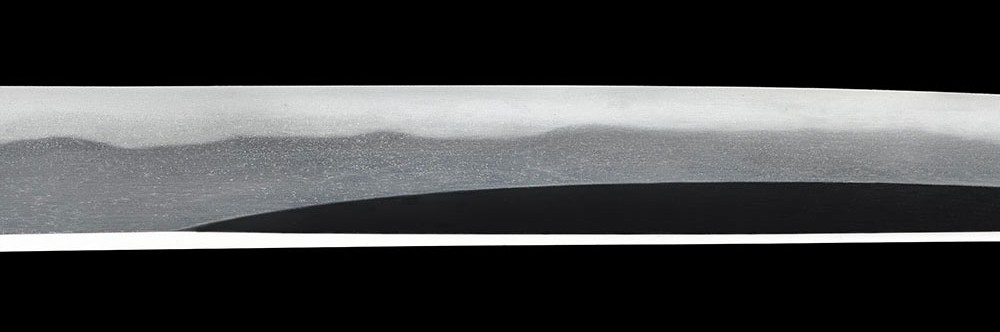
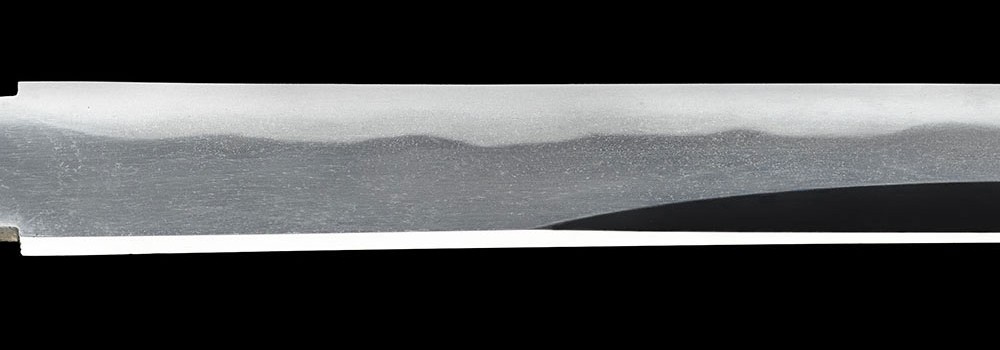
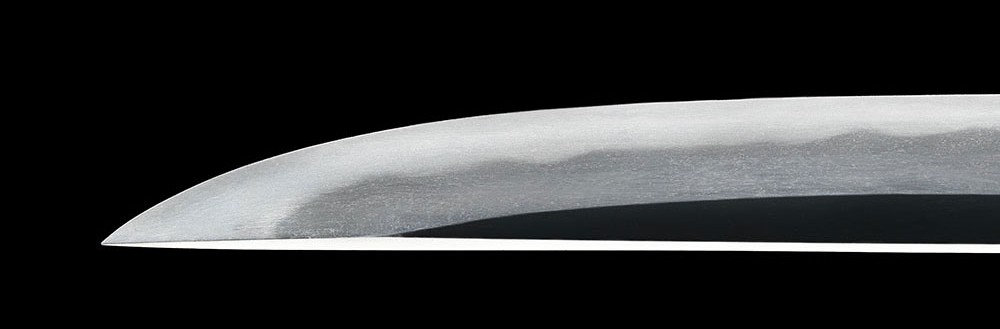
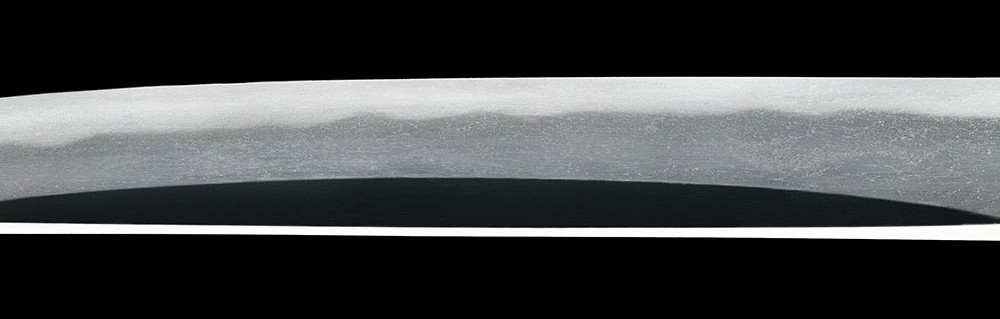
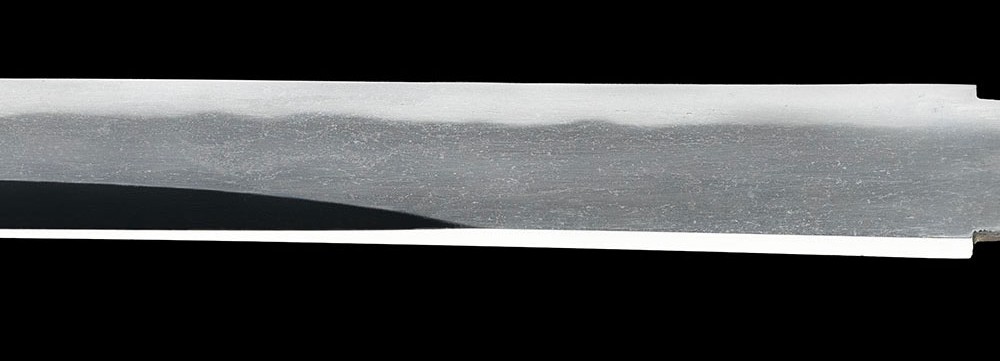
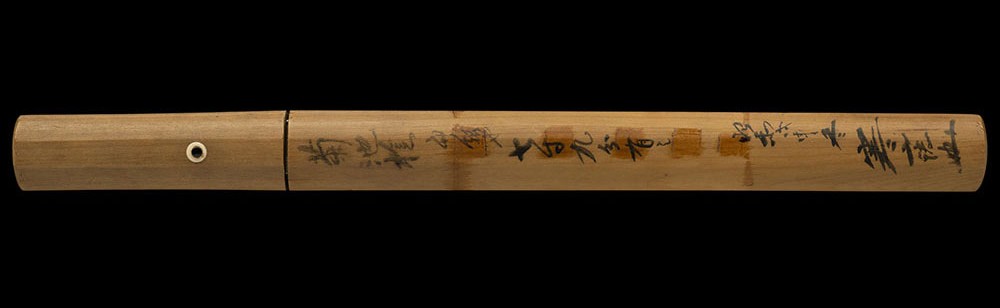
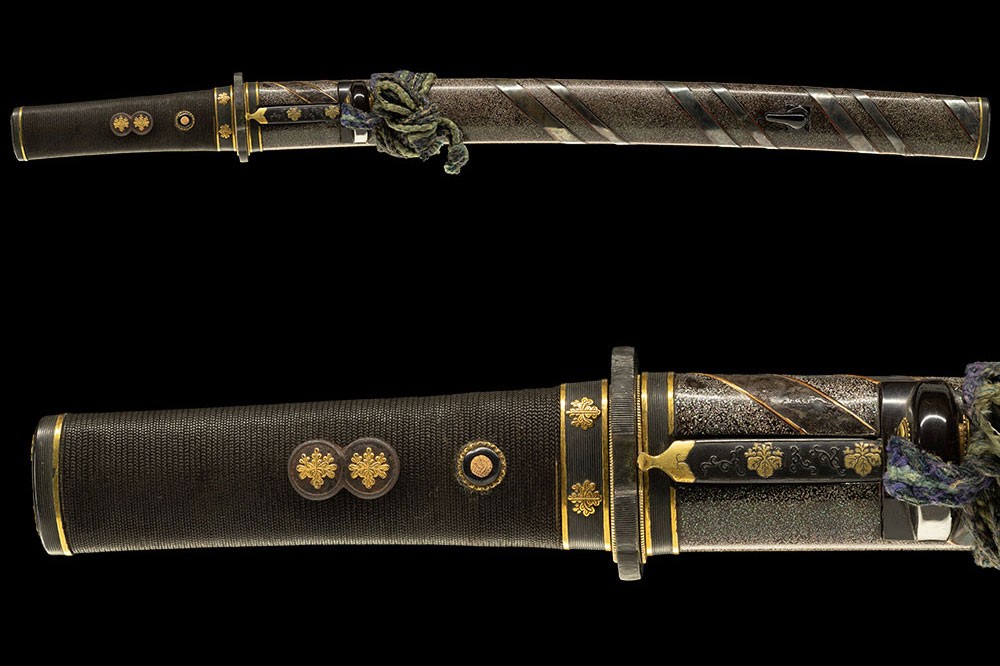
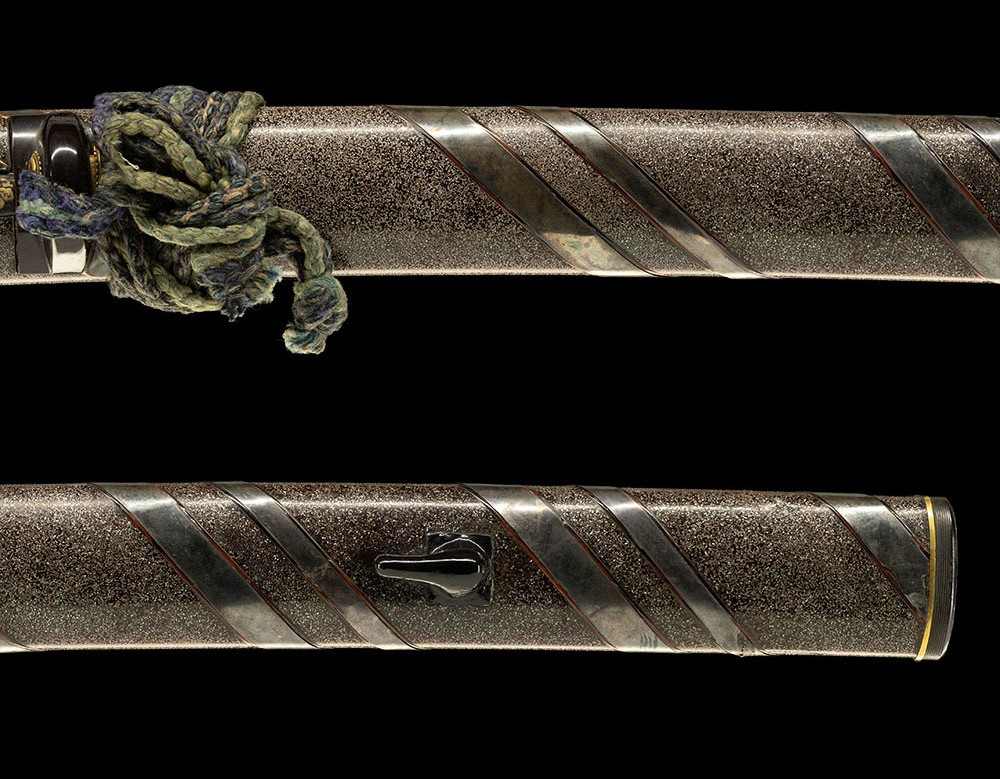
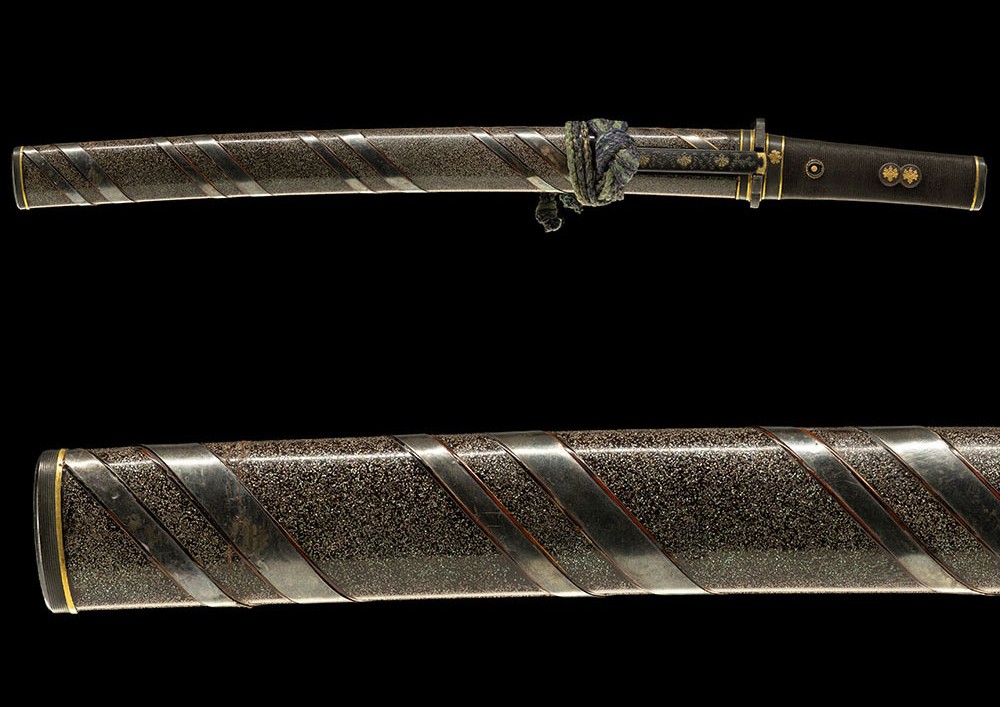
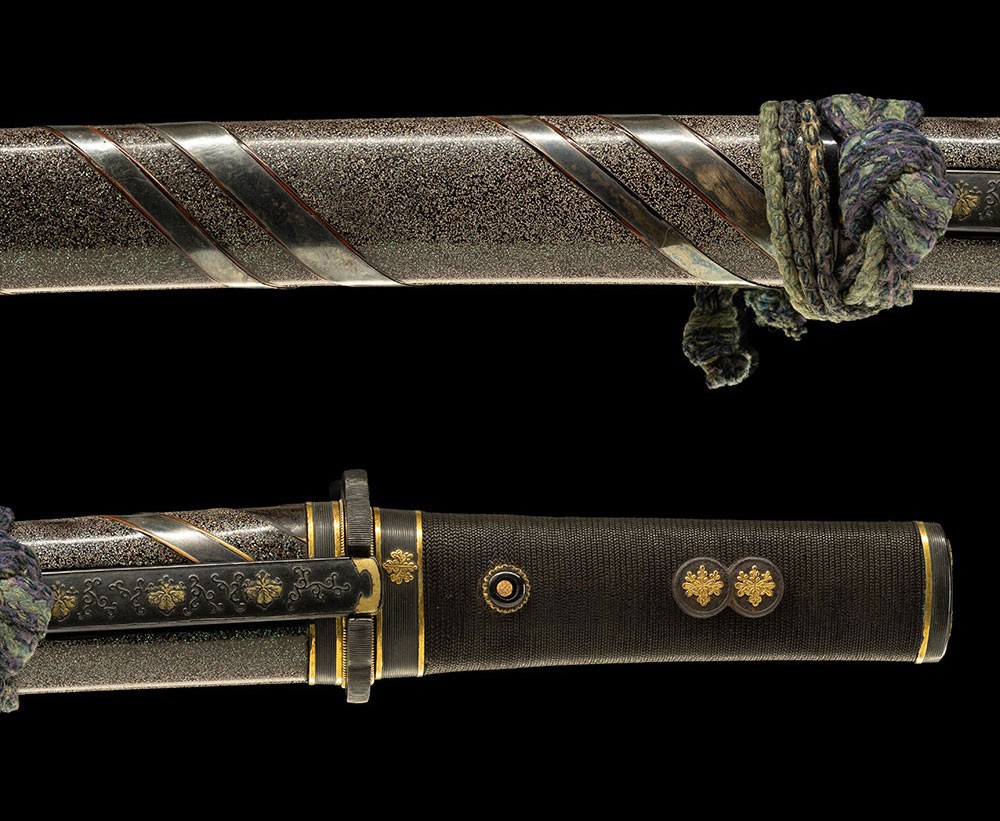
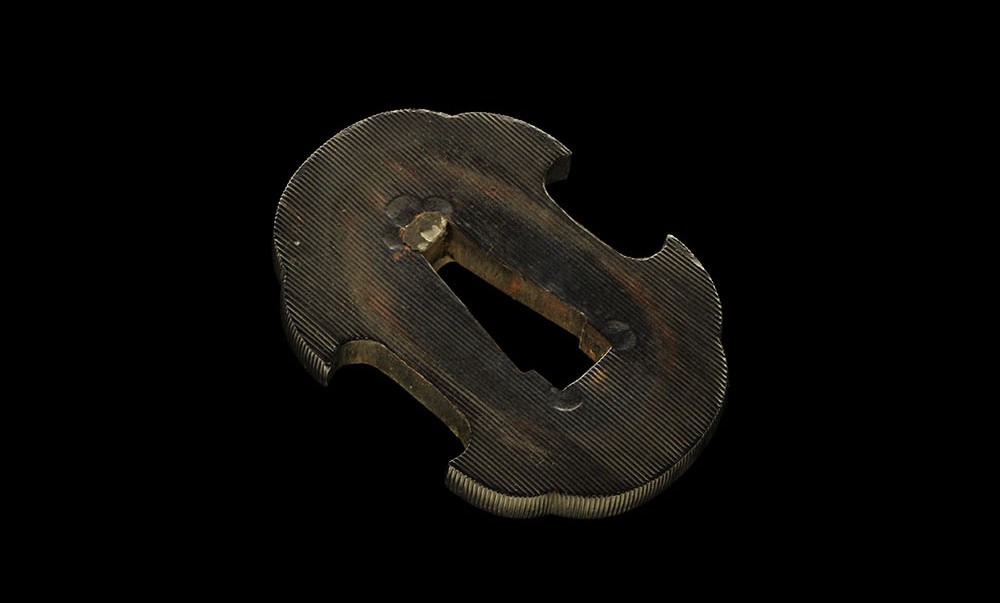
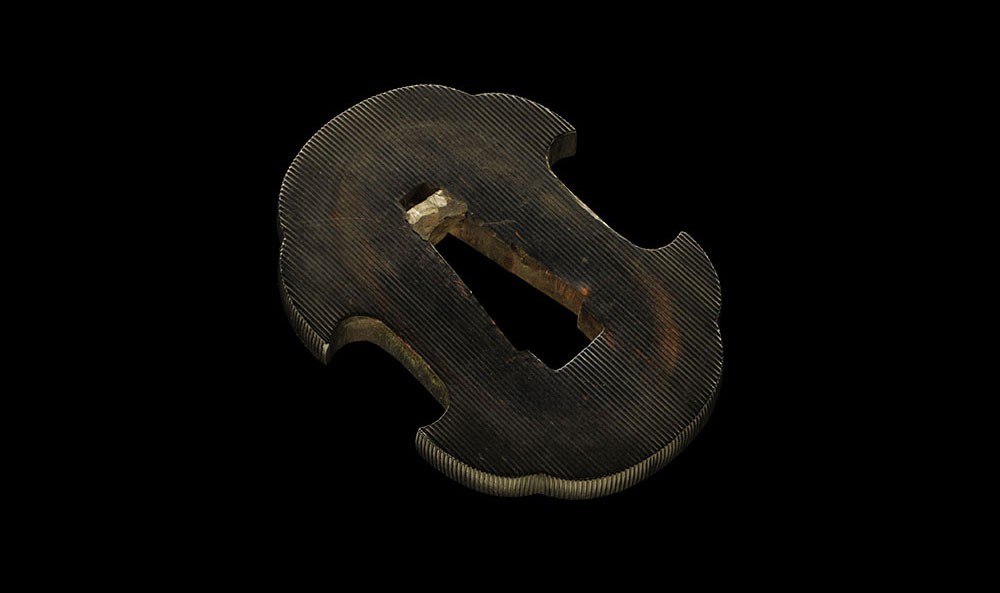
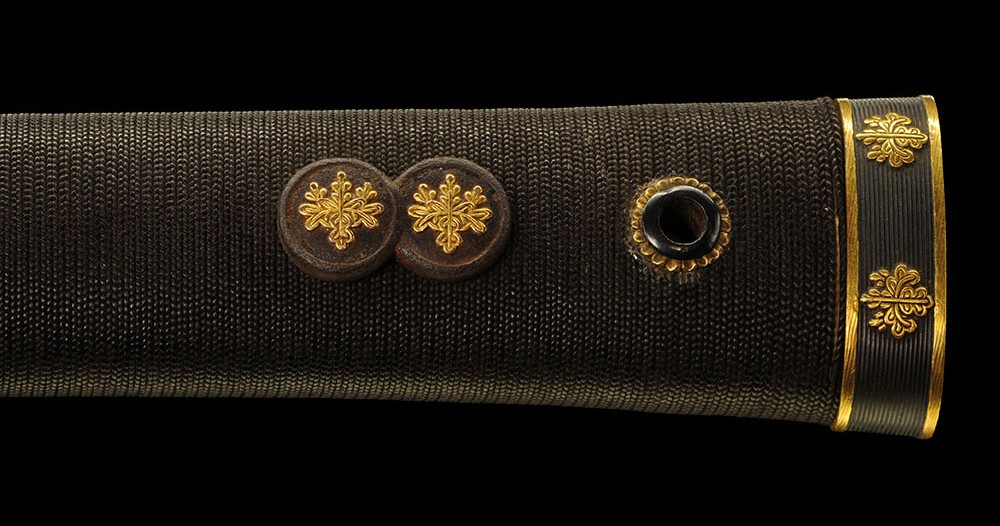
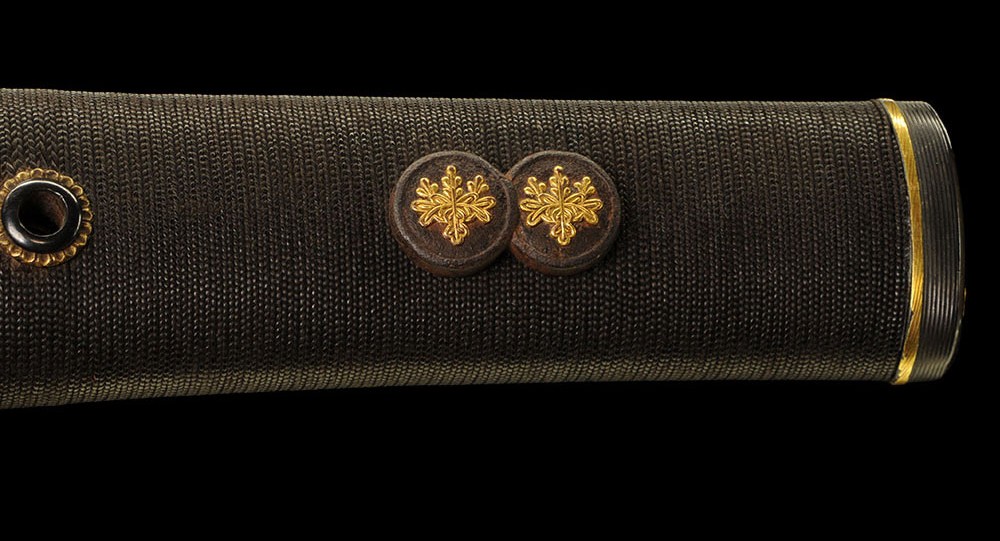
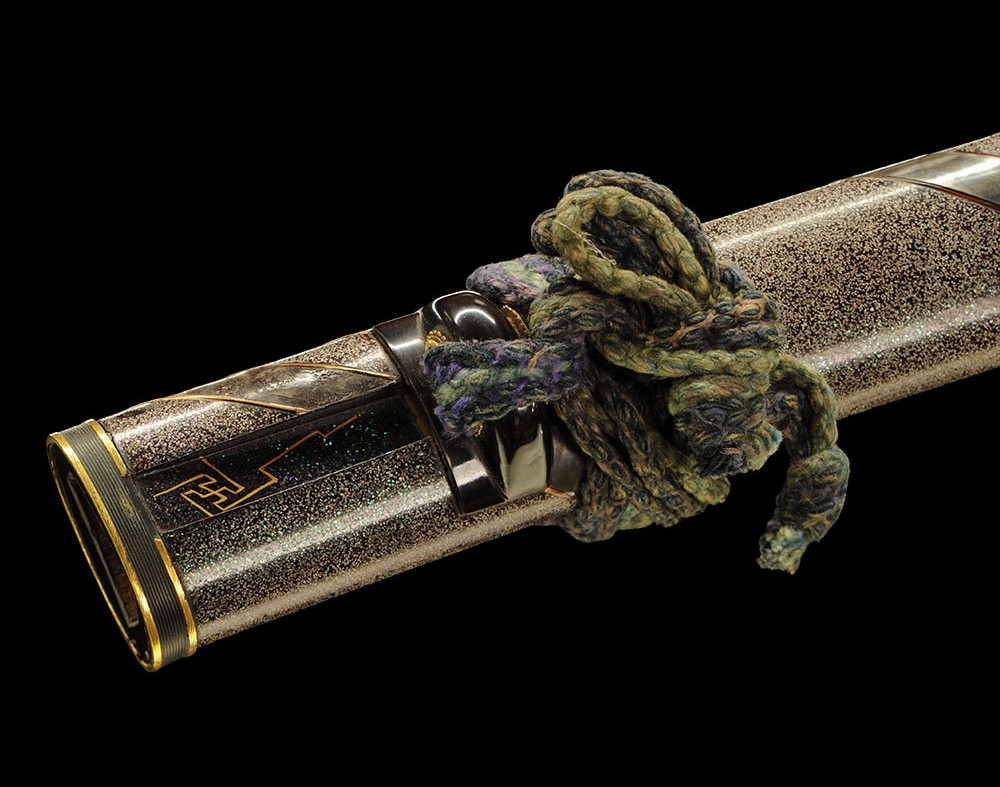
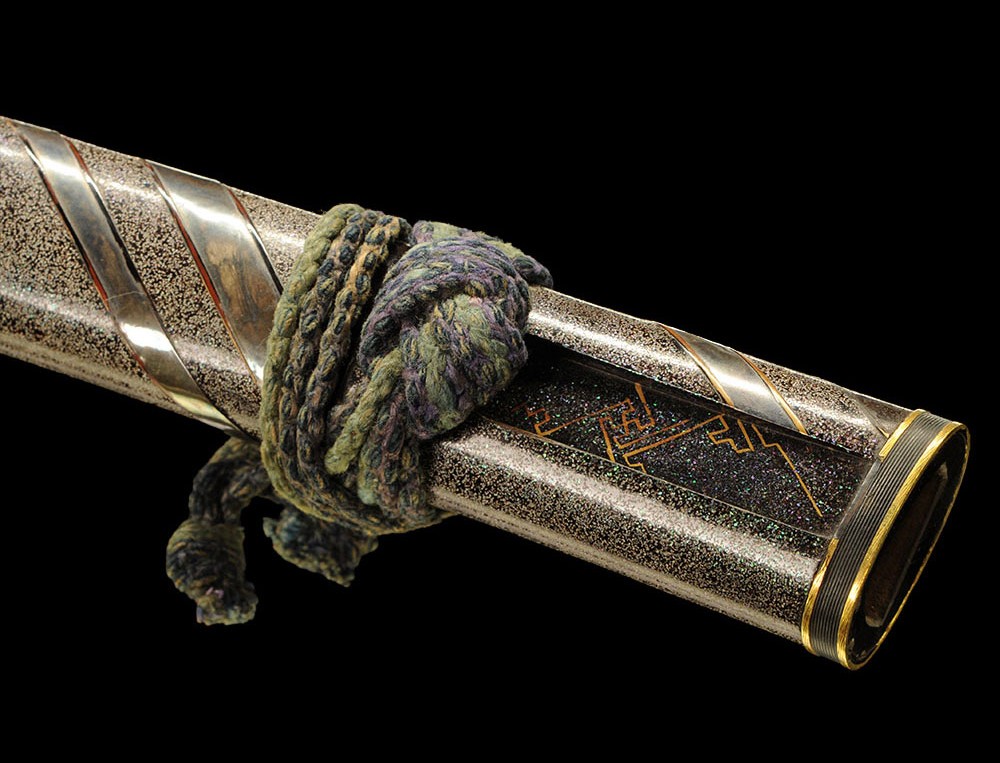
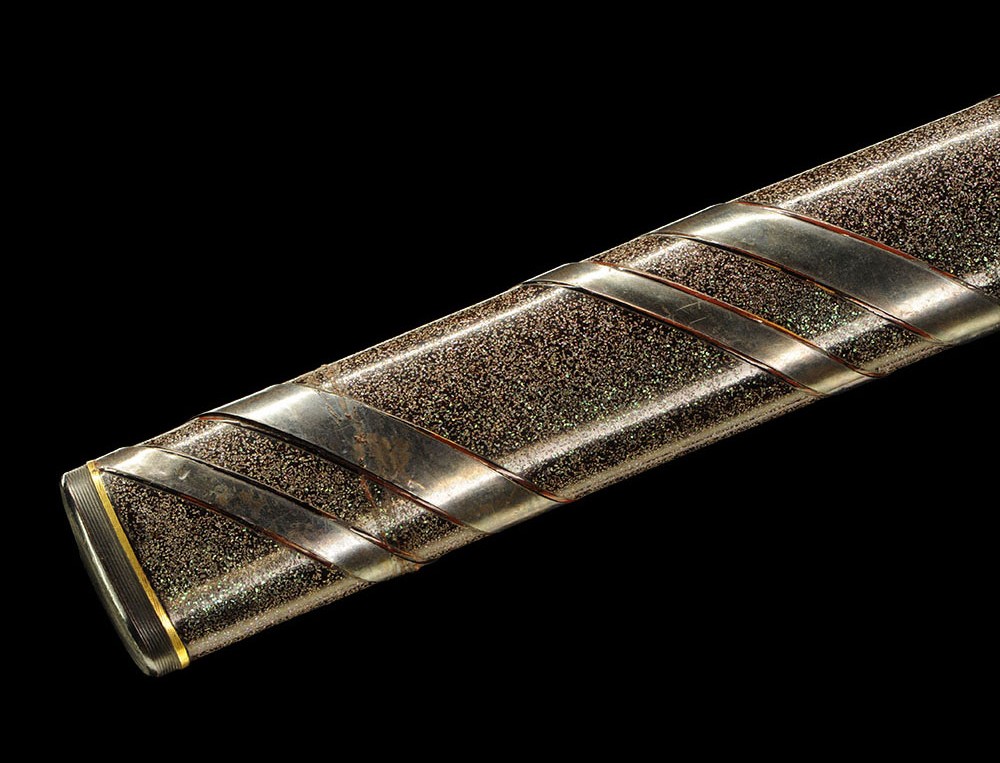
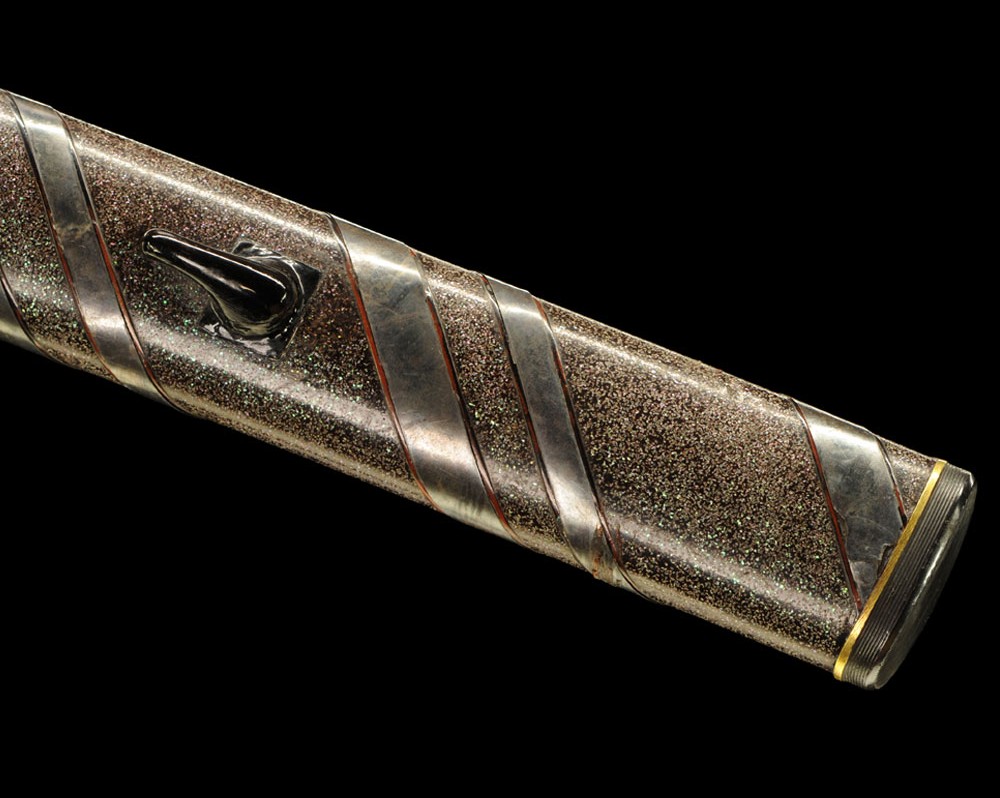
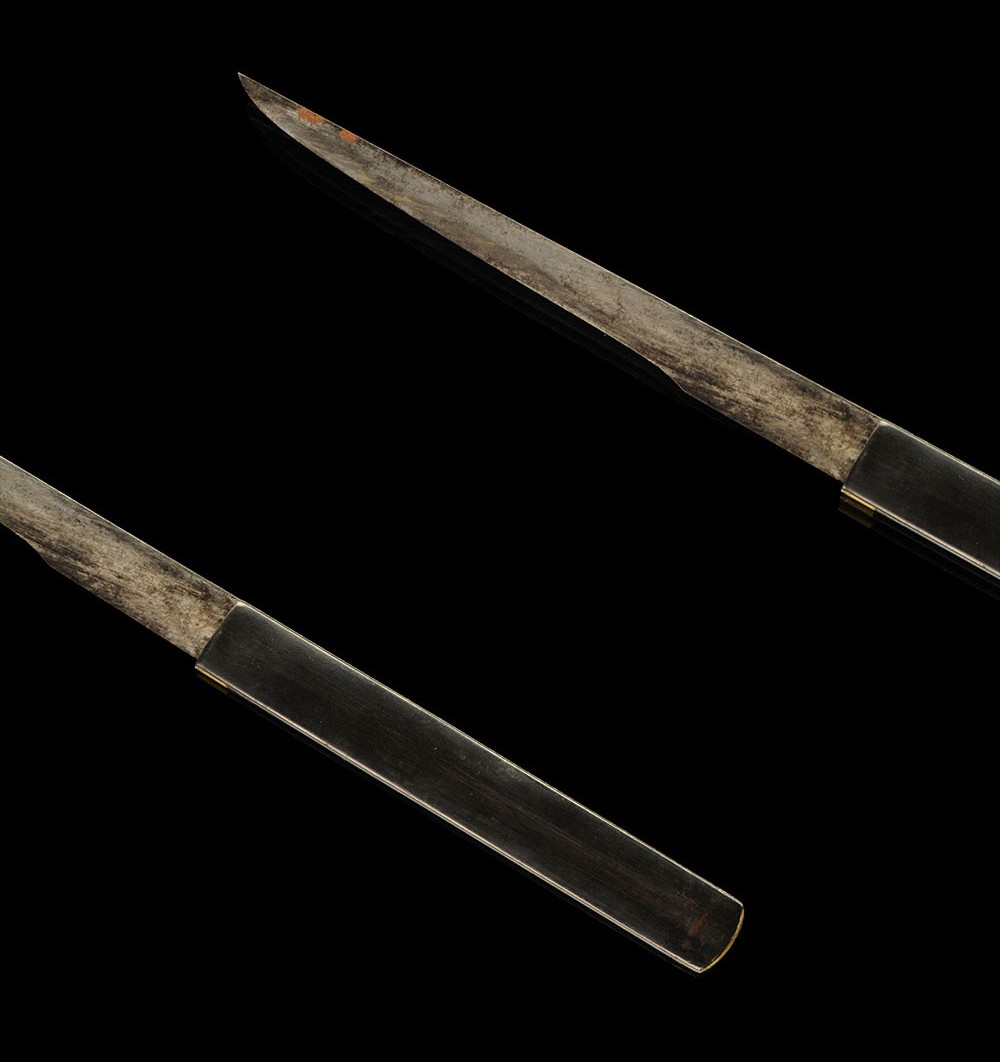
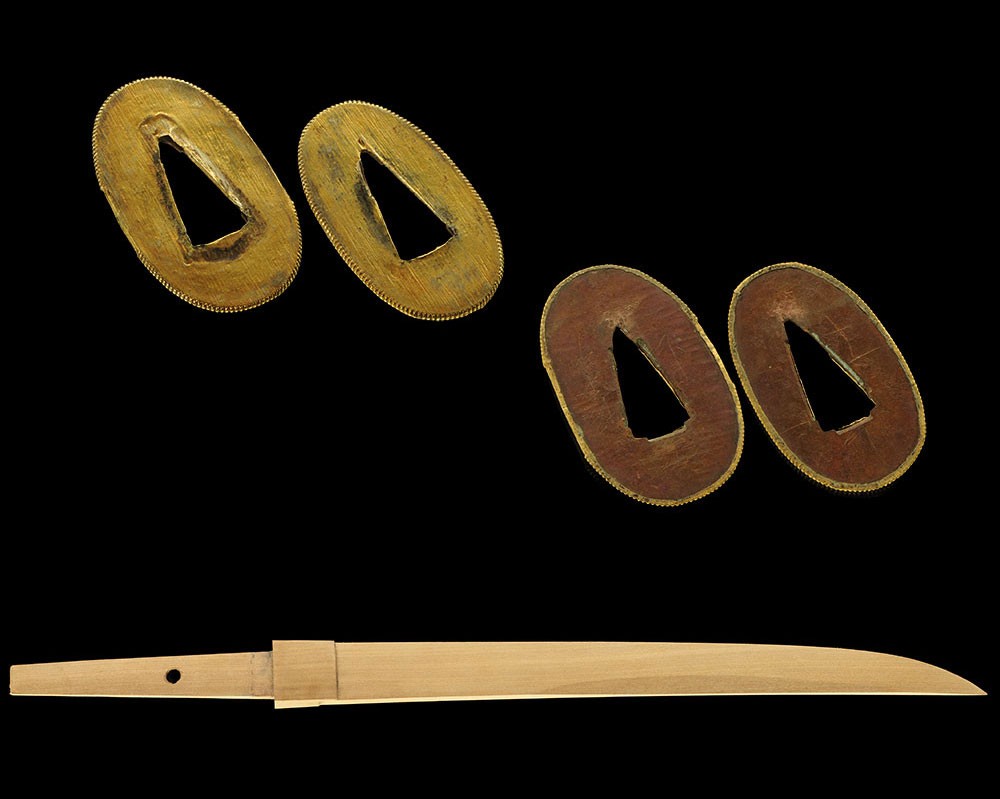
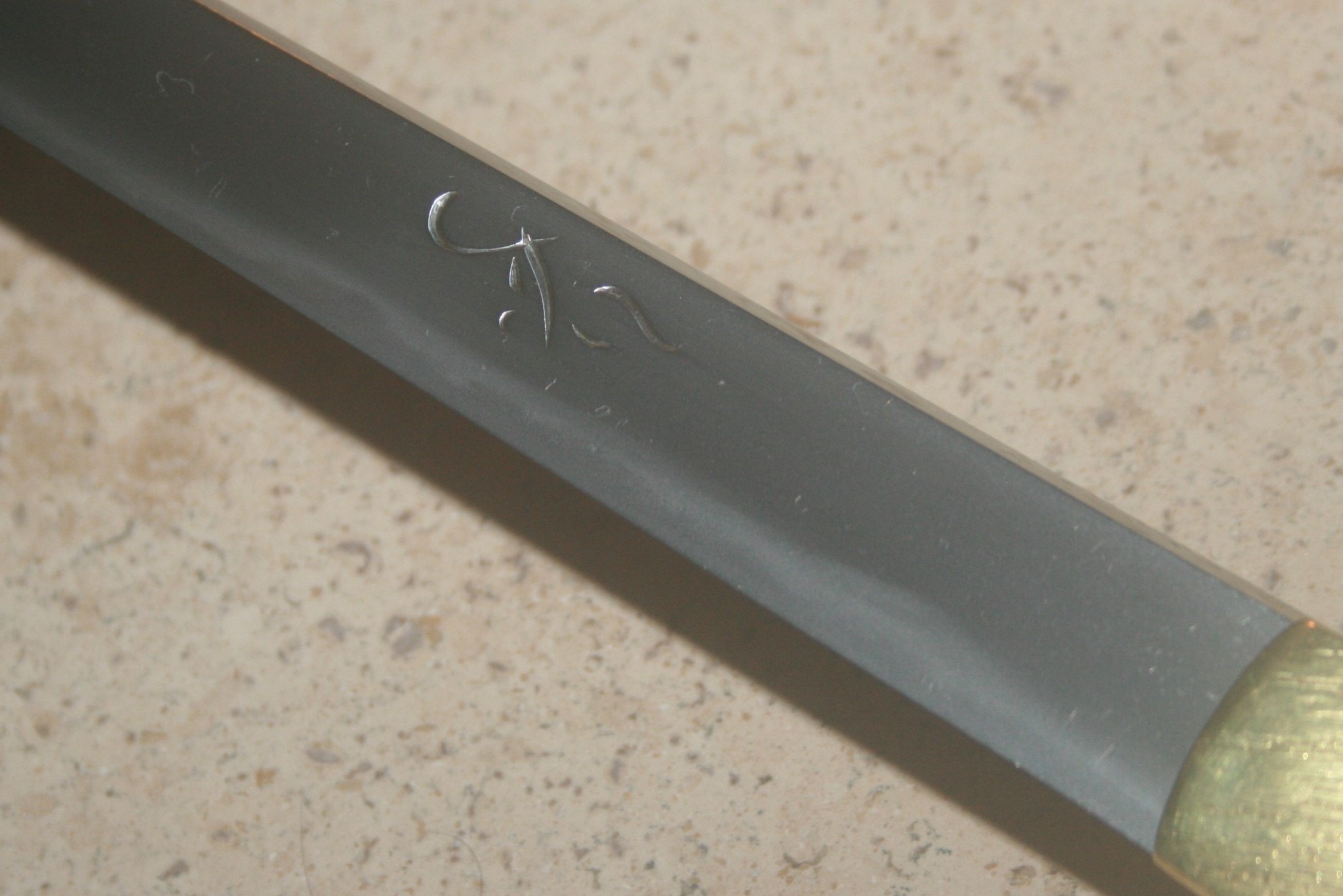
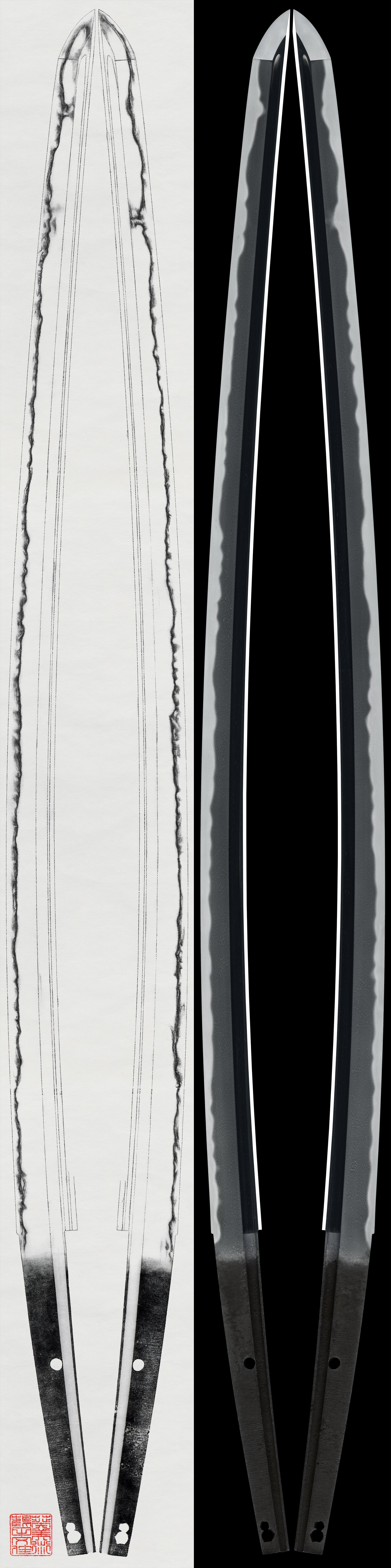
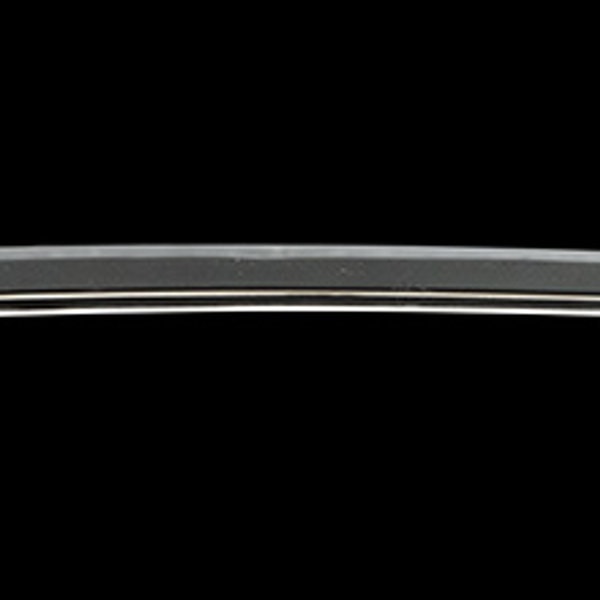
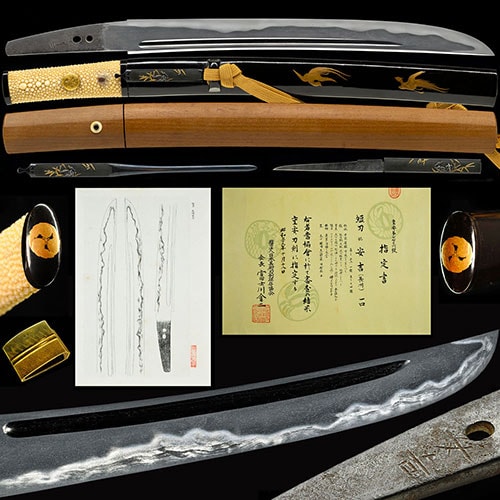
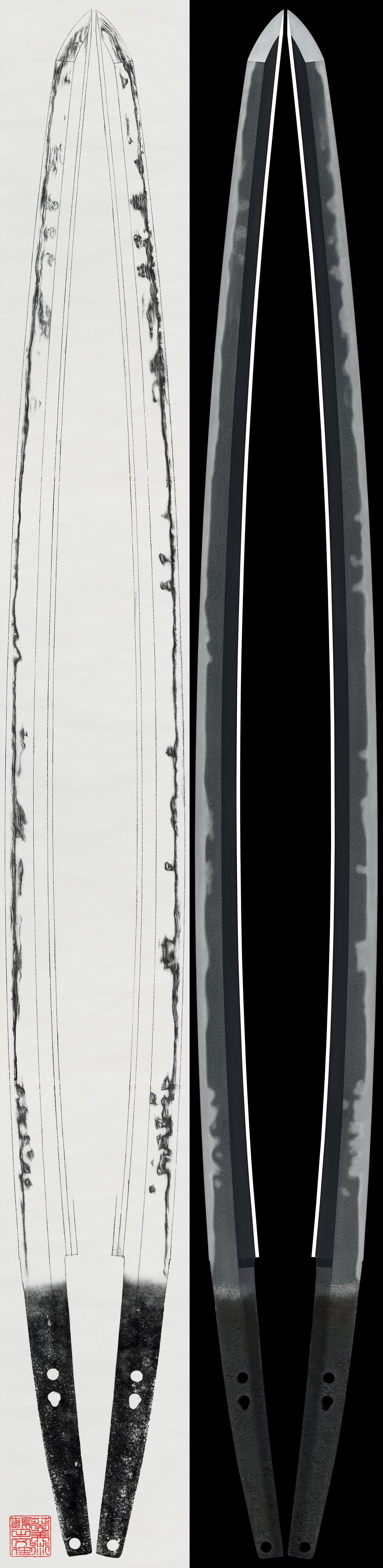
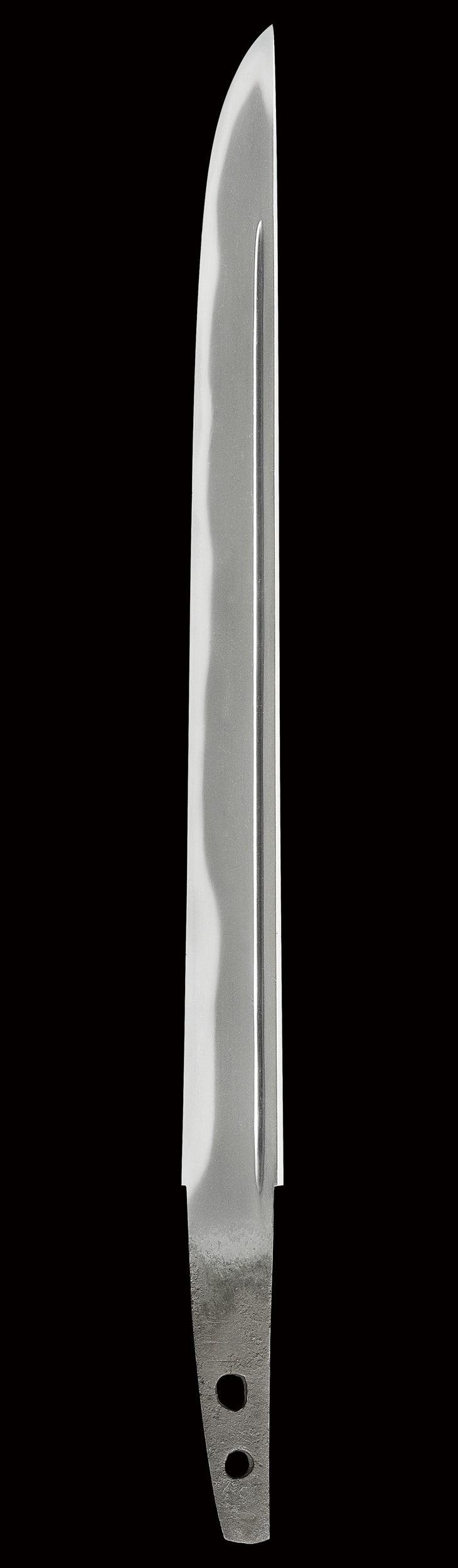
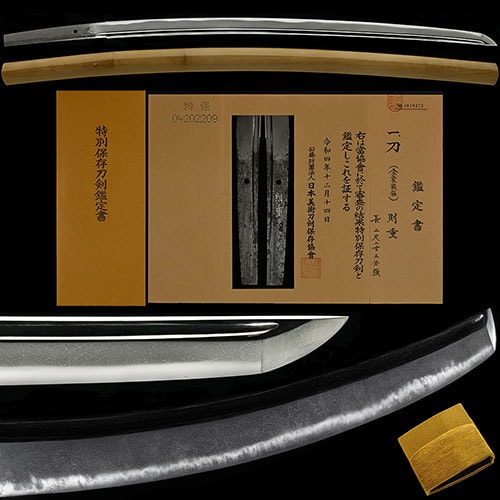
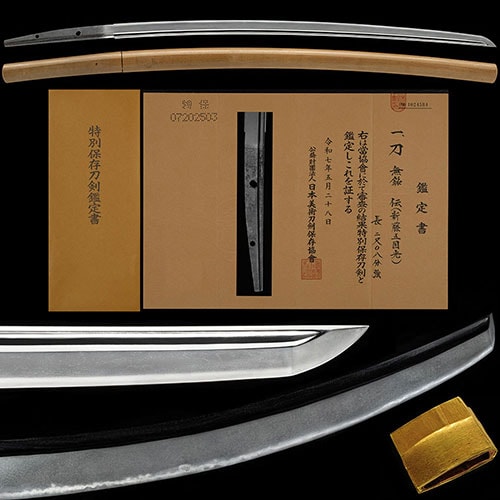
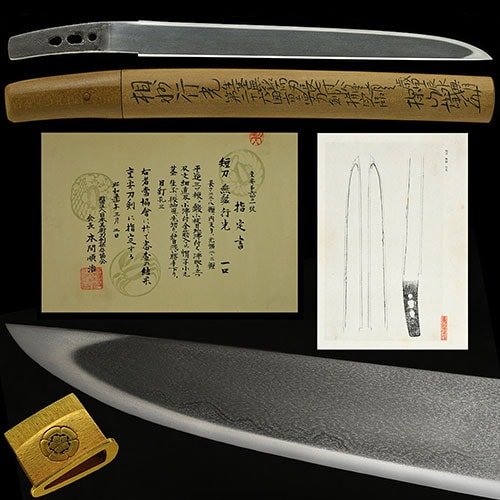
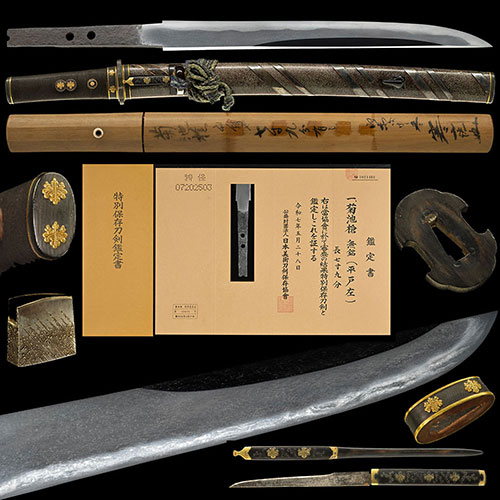
This is an excellent Kikuchi-Yari (spear) attributed to Hirato-sa, a branch of the Sa school that flourished during the Nanbokucho period. It features a distinctive shape with a narrow mihaba and thick kasane, showcasing a vibrant Itamehada with abundant jinie, chikei, and utsuri. The hamon is a bright notare with mixed gunome, kuichigai, nijuba, kinsuji, and sunagashi, indicating a rich and active blade.

Certificate Reading

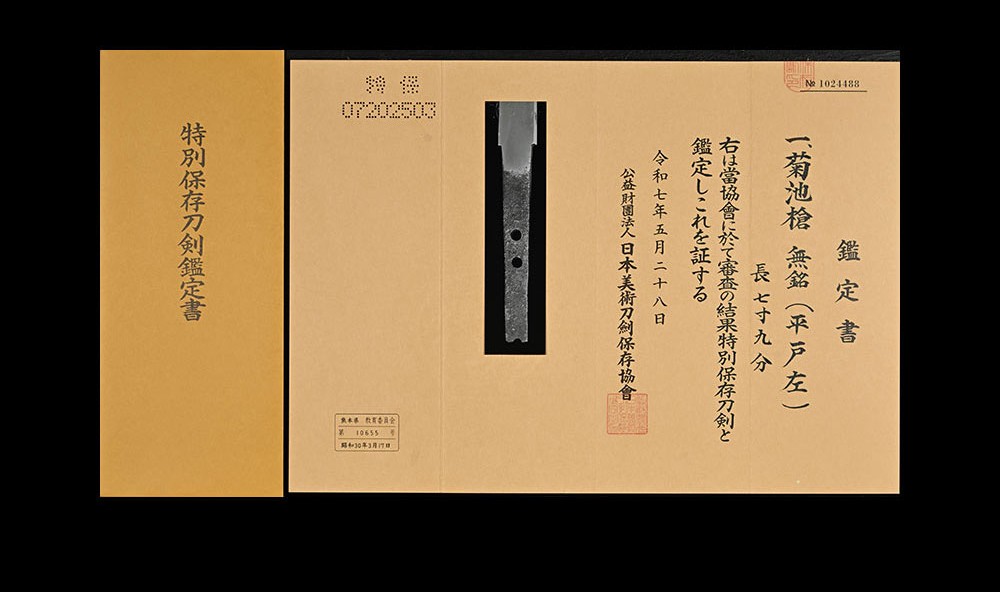
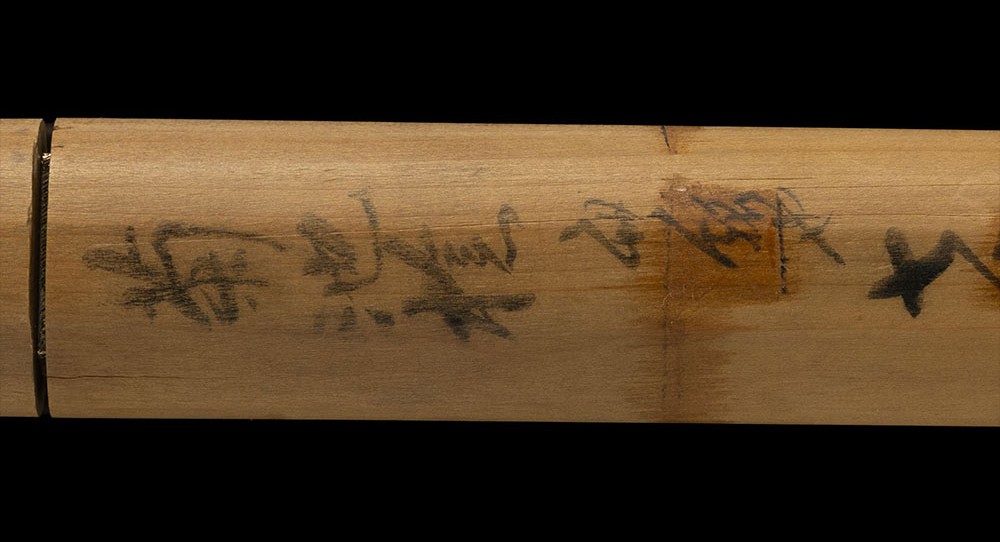
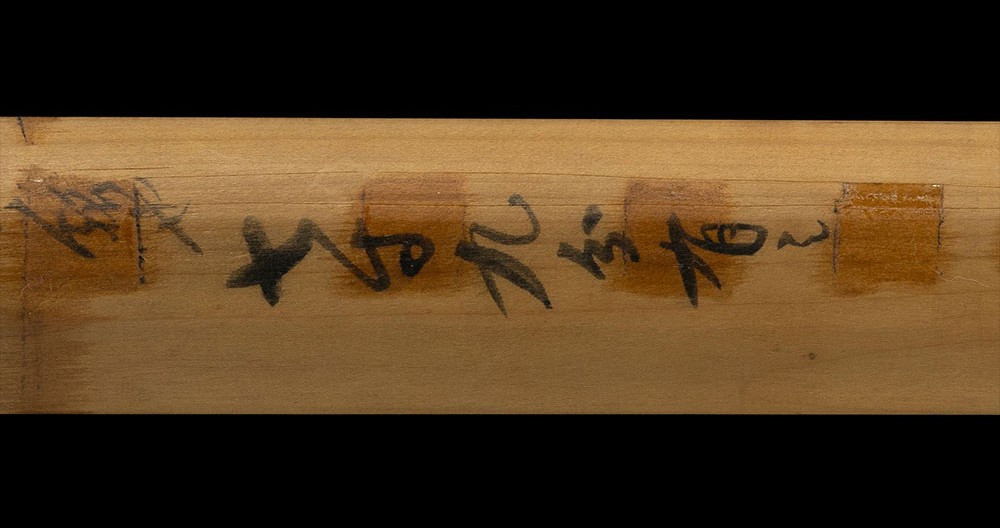
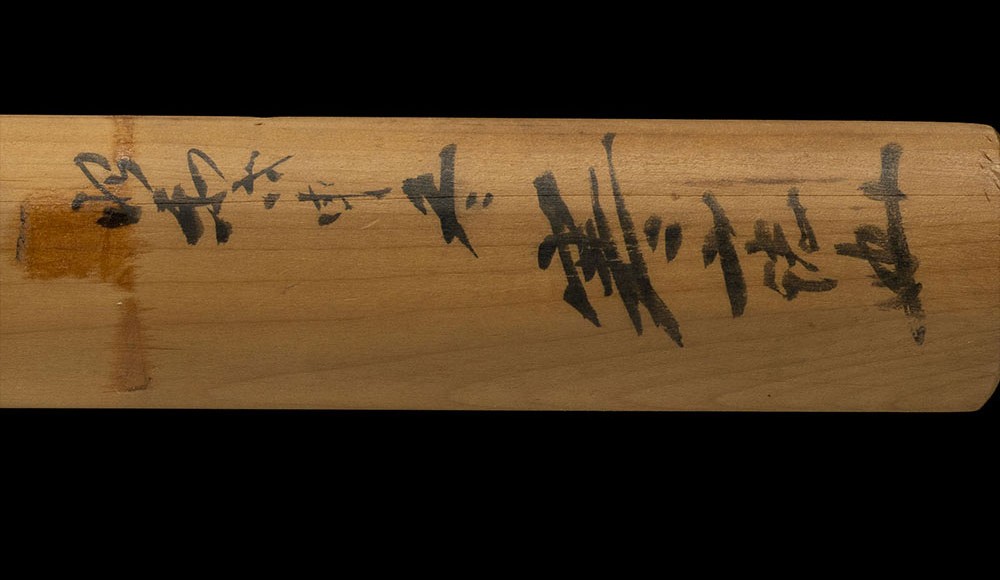
Certificate reading — 無銘(平戸左)

NihontoWatch MonNihontoWatch
MarketEncyclopediaKantei
Swords›Sōshū-den›Sa›Hirado Sa›Hirato-sa Kikuchi-Yari (Spear) - Tokubetsu Hozon Token
yariTokubetsu Hozon
Hirado Sa School

Hirato-sa Kikuchi-Yari (Spear) - Tokubetsu Hozon Token

mumei · Sa · Nanbokucho · nagasa 24cm

SOLD
Yari
Could you name the smith from the blade alone? Today’s kantei →
Hirado Sa School — 1 of 39
Hirado Sa School — 2 of 39
Hirado Sa School — 3 of 39
Hirado Sa School — 4 of 39
Hirado Sa School — 5 of 39
Hirado Sa School — 6 of 39
Hirado Sa School — 7 of 39
Hirado Sa School — 8 of 39
Hirado Sa School — 9 of 39
Hirado Sa School — 10 of 39
Hirado Sa School — 11 of 39
Hirado Sa School — 12 of 39
Hirado Sa School — 13 of 39
Hirado Sa School — 14 of 39
Hirado Sa School — 15 of 39
Hirado Sa School — 16 of 39
Hirado Sa School — 17 of 39
Hirado Sa School — 18 of 39
Hirado Sa School — 19 of 39
Hirado Sa School — 20 of 39
Hirado Sa School — 21 of 39
Hirado Sa School — 22 of 39
Hirado Sa School — 23 of 39
Hirado Sa School — 24 of 39
Hirado Sa School — 25 of 39
Hirado Sa School — 26 of 39
Hirado Sa School — 27 of 39
Hirado Sa School — 28 of 39
Hirado Sa School — 29 of 39
Hirado Sa School — 30 of 39
Hirado Sa School — 31 of 39
Hirado Sa School — 32 of 39
Hirado Sa School — 33 of 39
Hirado Sa School — 34 of 39
Hirado Sa School — 35 of 39
Hirado Sa School — 36 of 39
Hirado Sa School — 37 of 39
Hirado Sa School — 38 of 39
Hirado Sa School — 39 of 39
1 / 39
1 / 39
Hirado Sa School — 1 of 39Hirado Sa School — 2 of 39Hirado Sa School — 3 of 39Hirado Sa School — 4 of 39Hirado Sa School — 5 of 39Hirado Sa School — 6 of 39Hirado Sa School — 7 of 39Hirado Sa School — 8 of 39Hirado Sa School — 9 of 39Hirado Sa School — 10 of 39Hirado Sa School — 11 of 39Hirado Sa School — 12 of 39Hirado Sa School — 13 of 39Hirado Sa School — 14 of 39Hirado Sa School — 15 of 39Hirado Sa School — 16 of 39Hirado Sa School — 17 of 39Hirado Sa School — 18 of 39Hirado Sa School — 19 of 39Hirado Sa School — 20 of 39Hirado Sa School — 21 of 39Hirado Sa School — 22 of 39Hirado Sa School — 23 of 39Hirado Sa School — 24 of 39Hirado Sa School — 25 of 39Hirado Sa School — 26 of 39Hirado Sa School — 27 of 39Hirado Sa School — 28 of 39Hirado Sa School — 29 of 39Hirado Sa School — 30 of 39Hirado Sa School — 31 of 39Hirado Sa School — 32 of 39Hirado Sa School — 33 of 39Hirado Sa School — 34 of 39Hirado Sa School — 35 of 39Hirado Sa School — 36 of 39Hirado Sa School — 37 of 39Hirado Sa School — 38 of 39Hirado Sa School — 39 of 39
Yari
Could you name the smith from the blade alone? Today’s kantei →
Measurements & details
Smith
Hirado Sa School
Type
Yari
School
Hirado Sa
Period
Nanbokucho
Province
Hizen
Signature
Unsigned(100% of this smith's designated works are signed)
Measurements
Nagasa 24cmMotohaba 2.2cmKasane 0.86cmWeight 180g
Description

This is an excellent Kikuchi-Yari (spear) attributed to Hirato-sa, a branch of the Sa school that flourished during the Nanbokucho period. It features a distinctive shape with a narrow mihaba and thick kasane, showcasing a vibrant Itamehada with abundant jinie, chikei, and utsuri. The hamon is a bright notare with mixed gunome, kuichigai, nijuba, kinsuji, and sunagashi, indicating a rich and active blade.

About the school

Hirado Sa

平戸左

Soshu-den · Hizen

1 piece on the market now

›

At Hirado in Hizen Province, a body of smiths carried the Sa (Samonji) line of Chikuzen northward and worked it on their own ground, and these are the makers the records group under the name Hirado Sa. The setsumei place their activity from the late Nanbokuchō into the early Muromachi period, with one tachi dated no earlier than Kenmu (1334) and no later than Meitoku (1394), and a tantō set around the Ōei era. The named hand at the head of the group is Shichirōsaburō Morihiro (盛広), transmitted as belonging to a branch of the Sa lineage and signing Hirado jū Morihiro saku; the meikan note that second and third generations worked under the same name. His son Moriyoshi (盛吉), recorded as the child of Morihiro, signs in two characters. Two further smiths appear in the corpus: Morisada (守貞), whose tachi carries a two-character mei, and Sadakiyo (貞清), whose tantō is signed Hirado Sa Sadakiyo. The shared manner reads as Soshu-den transplanted from the parent school. The kitae is itame, often drifting toward masame near the edge and at times opening into ō-itame with mokume; ji-nie forms throughout, chikei appears, and the ground frequently takes a whitish cast.

The temper rests on nie and ko-nie and runs through a vocabulary of shallow notare and ko-notare mixed with gunome, sometimes in a connected (tsure) manner, with ashi, deep nioi in places, and sunagashi worked vigorously; kinsuji, hotsure, and kuichigai-ba are noted on the more active blades. The bōshi varies but tends to midare-komi with a slightly pointed tip that turns back, and ranges to hakikake, a flame-like (kaen) form, and ko-maru. On the tantō by Moriyoshi the setsumei find aspects that recall Akikuni and Yukikuni of Chōshū, while elsewhere the work is read directly against the Sa line; recognition therefore rests on the Sa-school structure of itame with ji-nie carrying a nie-based notare-gunome. For kantei the standing point is this Sa-derived combination of a whitish ji-nie ground and a nie-laden, notare-tinged midareba with sunagashi, set against the group's Nanbokuchō-to-Muromachi dating; the long-signature tantō of Morihiro is singled out as extremely rare. One ō-suriage, mumei katana attributed den Hirado Sa carries a kinzōgan-mei reading Raikō (雷光) and a dedication of Meiji 14 (1881), recording its presentation by Yamaoka Tetsutarō to Koteda Yasusada, then Governor of Shiga Prefecture. The setsumei repeatedly treat these blades as reference material that fills gaps in the extant meikan record for the group, and the signed tachi and tantō in particular are valued as documentary evidence for a body of work whose signed examples are scarce. Learn more →

4 recorded smiths5 designated works
Leading smiths
SmithEraDesignated
Sadahide貞秀1368-13750
Moriyuki盛行1394-14280
Moritsugu守次1394-14280
Moriyoshi盛吉1444-14490
Moriyoshi盛吉1368-13751
Explore the Hirado Sa school →

Historical context

Sōshū in the Nanbokuchō period

›

Kamakura fell in 1333, but the school’s greatest era followed: Sadamune working at his teacher’s standard, Hiromitsu and Akihiro spilling hitatsura over the whole blade, and the Sōshū manner spreading with the armies until it became, for a time, a national style.

Sōshū in the Nanbokuchō period →

NBTHK Certificate
Tokubetsu Hozon Tōken特別保存刀剣
Sword Especially Worthy of Preservation
›

A Hozon-certified blade judged to show notably superior workmanship and a better state of preservation. The bar is higher: re-tempered blades and most unsigned Muromachi/Edo works are excluded.

Unsigned (attr. Hirado Sa School)
As written on the certificate
About the NBTHK›

The NBTHK (Nihon Bijutsu Tōken Hozon Kyōkai, the Society for the Preservation of Japanese Art Swords) is a public-interest incorporated foundation founded in 1948 and supervised by Japan’s Agency for Cultural Affairs (Bunkachō); it is based at the Japanese Sword Museum in Tokyo. Its expert panels physically examine each submitted work (shinsa) and issue a certificate (kanteishō) ranking it by artistic and historical merit. NBTHK papers are the most widely recognized standard of authentication for Japanese swords and fittings.

NBTHK official site→
Seller
E
Eirakudo
🇯🇵Ships from Japan
›
✓Verified dealereirakudo.shop
✓Ships worldwide✓English supportWire transferCredit card
Return policy

Returns/exchanges/cancellations not accepted after shipment except for significant defects; if defective, return/exchange possible within 3 days of arrival (return shipping paid by customer).

View all of Eirakudo’s listings→View this item on the dealer’s site→

Previously sold — Hirado Sa School

View all →
Nihonto Antiques
Tanto - by Hirado Sa School - Hirado SaTanto - by Hirado Sa School - Hirado Sa
Sold

Tantō

ByHirado Sa School
SOLD

More from the Hirado Sa school

View all →
Nipponto
Tokuho
Tanto - Tokuho - by Hirado Sa School - Den (Attributed) Tanto by Hirado Sa (Yasuyoshi)Tanto - Tokuho - by Hirado Sa School - Den (Attributed) Tanto by Hirado Sa (Yasuyoshi)

Tantō

ByHirado Sa School
¥680,000

More from the Sa school

View all →
Onihonto
Tokuho
Tanto - Tokuho - by Sa Yasuyoshi - YasuyoshiTanto - Tokuho - by Sa Yasuyoshi - Yasuyoshi

Tantō

BySa Yasuyoshi
¥16,000
Katana Yamadaiya
Tokuho
Katana - Tokuho - by Sa Kunihiro - Tokubetsu Hozon Token: Mumei (Attributed to Sakon Kunihiro)Katana - Tokuho - by Sa Kunihiro - Tokubetsu Hozon Token: Mumei (Attributed to Sakon Kunihiro)

Katana

BySa Kunihiro
¥1,650,000
Kusanagi
Tokuho
Katana - Tokuho - by Sa School - Tokubetsu Hozon Token by Sa Yoshisada, a Jojo-saku smith and son of Samonji; a magnificent Soshu-den work.Katana - Tokuho - by Sa School - Tokubetsu Hozon Token by Sa Yoshisada, a Jojo-saku smith and son of Samonji; a magnificent Soshu-den work.

Katana

BySa School
¥1,800,000
Hyozaemon
Tokuho
Tokuho - by Sue-Sa School - Naginata-naoshi Wakizashi: Soshu High-Grade WorkTokuho - by Sue-Sa School - Naginata-naoshi Wakizashi: Soshu High-Grade Work

Naginata-naoshi Wakizashi: Soshu High-Grade Work

BySue-Sa School
Ask
Aoi Art
Jūyō
Katana - Jūyō - by Sa Yoshisada - Mumei (Unsigned) Sa YoshisadaKatana - Jūyō - by Sa Yoshisada - Mumei (Unsigned) Sa Yoshisada

Katana

BySa Yoshisada
¥5,000,000
Choshuya
Tokuho
Katana - Tokuho - by Sa School - O-suriage Mumei O-Sa SchoolKatana - Tokuho - by Sa School - O-suriage Mumei O-Sa School

Katana

BySa School
Ask
Choshuya
Katana - by Sue-Sa School - O-suriage Mumei, O-Sa IchimonKatana - by Sue-Sa School - O-suriage Mumei, O-Sa Ichimon

Katana

BySue-Sa School
Ask
Eirakudo
Jūyō
Tanto - Jūyō - by Sa Yasuyoshi - Mei Yasuyoshi Tanto Juyo TokenTanto - Jūyō - by Sa Yasuyoshi - Mei Yasuyoshi Tanto Juyo Token

Tantō

BySa Yasuyoshi
¥9,500,000

More from the Sōshū tradition

View all →
Kusanagi
Tokuho
Katana - Tokuho - by Soshu School - Soshu Masamune and Yukimitsu's master "Shintogo Kunimitsu," founder of Soshu-den who brought Awataguchi traditions to their peak; peerless health, masterpiece quality, Tokubetsu Hozon.Katana - Tokuho - by Soshu School - Soshu Masamune and Yukimitsu's master "Shintogo Kunimitsu," founder of Soshu-den who brought Awataguchi traditions to their peak; peerless health, masterpiece quality, Tokubetsu Hozon.

Katana

BySoshu School
¥6,800,000
Aoi Art
Tokuho
Katana - Tokuho - by Gō Yoshihiro - Mumei (Unsigned) Den Go YoshihiroKatana - Tokuho - by Gō Yoshihiro - Mumei (Unsigned) Den Go Yoshihiro

Katana

ByGō Yoshihiro
¥35,000,000
Choshuya
Jūyō
Tanto - Jūyō - by Soshu Norishige - Unsigned (Ubu-nakago) NorishigeTanto - Jūyō - by Soshu Norishige - Unsigned (Ubu-nakago) Norishige

Tantō

BySoshu Norishige
¥6,500,000
Samurai Nippon
Jūyō
Tanto - Jūyō - by Soshu Yukimitsu - Soshu Yukimitsu (Ubu Mumei)Tanto - Jūyō - by Soshu Yukimitsu - Soshu Yukimitsu (Ubu Mumei)

Tantō

BySoshu Yukimitsu
¥6,700,000
Tsuruginoya
Tokujū
Katana - Tokuju - by Soshu Yukimitsu - Soshu YukimitsuKatana - Tokuju - by Soshu Yukimitsu - Soshu Yukimitsu

Katana

BySoshu Yukimitsu
Ask
Eirakudo
Tokuho
Katana - Tokuho - by Soshu Norishige - Norishige - Tokubetsu Hozon TokenKatana - Tokuho - by Soshu Norishige - Norishige - Tokubetsu Hozon Token

Katana

BySoshu Norishige
¥6,500,000
Eirakudo
Tokuho
Katana - Tokuho - by Shintogo Kunimitsu - Shintogo Kunimitsu - Tokubetsu Hozon TokenKatana - Tokuho - by Shintogo Kunimitsu - Shintogo Kunimitsu - Tokubetsu Hozon Token

Katana

ByShintogo Kunimitsu
¥7,500,000
Eirakudo
Jūyō
Tanto - Jūyō - by Soshu Yukimitsu - Sosyu Yukimitsu Tanto Juyo TokenTanto - Jūyō - by Soshu Yukimitsu - Sosyu Yukimitsu Tanto Juyo Token

Tantō

BySoshu Yukimitsu
Ask

Swords

  • Katana
  • Wakizashi
  • Tantō
  • Tachi
  • Naginata
  • Yari
  • Japanese Swords
  • Samurai Swords

Fittings

  • Tsuba
  • Fuchi-Kashira
  • Kozuka
  • Menuki
  • Sword Guards (Tsuba)

Armor

  • Kabuto
  • Samurai Armor
  • All Samurai Armor

By Certification

  • Tokujū
  • Jūyō
  • Tokuho
  • Hozon

Resources

  • Dealer Directory
  • Artist Directory
  • The Daily Kantei
  • Glossary
  • Browse All
Nihontowatch© 2026
TermsPrivacyCookiesAbout
Sold

Description

This is an excellent Kikuchi-Yari (spear) attributed to Hirato-sa, a branch of the Sa school that flourished during the Nanbokucho period. It features a distinctive shape with a narrow mihaba and thick kasane, showcasing a vibrant Itamehada with abundant jinie, chikei, and utsuri. The hamon is a bright notare with mixed gunome, kuichigai, nijuba, kinsuji, and sunagashi, indicating a rich and active blade.

Certificate Reading

Certificate reading — 無銘(平戸左)

NihontoWatch MonNihontoWatch
MarketEncyclopediaKantei
Swords›Sōshū-den›Sa›Hirado Sa›Hirato-sa Kikuchi-Yari (Spear) - Tokubetsu Hozon Token
yariTokubetsu Hozon
Hirado Sa School

Hirato-sa Kikuchi-Yari (Spear) - Tokubetsu Hozon Token

mumei · Sa · Nanbokucho · nagasa 24cm

SOLD
Yari
Could you name the smith from the blade alone? Today’s kantei →
Hirado Sa School — 1 of 39
Hirado Sa School — 2 of 39
Hirado Sa School — 3 of 39
Hirado Sa School — 4 of 39
Hirado Sa School — 5 of 39
Hirado Sa School — 6 of 39
Hirado Sa School — 7 of 39
Hirado Sa School — 8 of 39
Hirado Sa School — 9 of 39
Hirado Sa School — 10 of 39
Hirado Sa School — 11 of 39
Hirado Sa School — 12 of 39
Hirado Sa School — 13 of 39
Hirado Sa School — 14 of 39
Hirado Sa School — 15 of 39
Hirado Sa School — 16 of 39
Hirado Sa School — 17 of 39
Hirado Sa School — 18 of 39
Hirado Sa School — 19 of 39
Hirado Sa School — 20 of 39
Hirado Sa School — 21 of 39
Hirado Sa School — 22 of 39
Hirado Sa School — 23 of 39
Hirado Sa School — 24 of 39
Hirado Sa School — 25 of 39
Hirado Sa School — 26 of 39
Hirado Sa School — 27 of 39
Hirado Sa School — 28 of 39
Hirado Sa School — 29 of 39
Hirado Sa School — 30 of 39
Hirado Sa School — 31 of 39
Hirado Sa School — 32 of 39
Hirado Sa School — 33 of 39
Hirado Sa School — 34 of 39
Hirado Sa School — 35 of 39
Hirado Sa School — 36 of 39
Hirado Sa School — 37 of 39
Hirado Sa School — 38 of 39
Hirado Sa School — 39 of 39
1 / 39
1 / 39
Hirado Sa School — 1 of 39Hirado Sa School — 2 of 39Hirado Sa School — 3 of 39Hirado Sa School — 4 of 39Hirado Sa School — 5 of 39Hirado Sa School — 6 of 39Hirado Sa School — 7 of 39Hirado Sa School — 8 of 39Hirado Sa School — 9 of 39Hirado Sa School — 10 of 39Hirado Sa School — 11 of 39Hirado Sa School — 12 of 39Hirado Sa School — 13 of 39Hirado Sa School — 14 of 39Hirado Sa School — 15 of 39Hirado Sa School — 16 of 39Hirado Sa School — 17 of 39Hirado Sa School — 18 of 39Hirado Sa School — 19 of 39Hirado Sa School — 20 of 39Hirado Sa School — 21 of 39Hirado Sa School — 22 of 39Hirado Sa School — 23 of 39Hirado Sa School — 24 of 39Hirado Sa School — 25 of 39Hirado Sa School — 26 of 39Hirado Sa School — 27 of 39Hirado Sa School — 28 of 39Hirado Sa School — 29 of 39Hirado Sa School — 30 of 39Hirado Sa School — 31 of 39Hirado Sa School — 32 of 39Hirado Sa School — 33 of 39Hirado Sa School — 34 of 39Hirado Sa School — 35 of 39Hirado Sa School — 36 of 39Hirado Sa School — 37 of 39Hirado Sa School — 38 of 39Hirado Sa School — 39 of 39
Yari
Could you name the smith from the blade alone? Today’s kantei →
Measurements & details
Smith
Hirado Sa School
Type
Yari
School
Hirado Sa
Period
Nanbokucho
Province
Hizen
Signature
Unsigned(100% of this smith's designated works are signed)
Measurements
Nagasa 24cmMotohaba 2.2cmKasane 0.86cmWeight 180g
Description

This is an excellent Kikuchi-Yari (spear) attributed to Hirato-sa, a branch of the Sa school that flourished during the Nanbokucho period. It features a distinctive shape with a narrow mihaba and thick kasane, showcasing a vibrant Itamehada with abundant jinie, chikei, and utsuri. The hamon is a bright notare with mixed gunome, kuichigai, nijuba, kinsuji, and sunagashi, indicating a rich and active blade.

About the school

Hirado Sa

平戸左

Soshu-den · Hizen

1 piece on the market now

›

At Hirado in Hizen Province, a body of smiths carried the Sa (Samonji) line of Chikuzen northward and worked it on their own ground, and these are the makers the records group under the name Hirado Sa. The setsumei place their activity from the late Nanbokuchō into the early Muromachi period, with one tachi dated no earlier than Kenmu (1334) and no later than Meitoku (1394), and a tantō set around the Ōei era. The named hand at the head of the group is Shichirōsaburō Morihiro (盛広), transmitted as belonging to a branch of the Sa lineage and signing Hirado jū Morihiro saku; the meikan note that second and third generations worked under the same name. His son Moriyoshi (盛吉), recorded as the child of Morihiro, signs in two characters. Two further smiths appear in the corpus: Morisada (守貞), whose tachi carries a two-character mei, and Sadakiyo (貞清), whose tantō is signed Hirado Sa Sadakiyo. The shared manner reads as Soshu-den transplanted from the parent school. The kitae is itame, often drifting toward masame near the edge and at times opening into ō-itame with mokume; ji-nie forms throughout, chikei appears, and the ground frequently takes a whitish cast.

The temper rests on nie and ko-nie and runs through a vocabulary of shallow notare and ko-notare mixed with gunome, sometimes in a connected (tsure) manner, with ashi, deep nioi in places, and sunagashi worked vigorously; kinsuji, hotsure, and kuichigai-ba are noted on the more active blades. The bōshi varies but tends to midare-komi with a slightly pointed tip that turns back, and ranges to hakikake, a flame-like (kaen) form, and ko-maru. On the tantō by Moriyoshi the setsumei find aspects that recall Akikuni and Yukikuni of Chōshū, while elsewhere the work is read directly against the Sa line; recognition therefore rests on the Sa-school structure of itame with ji-nie carrying a nie-based notare-gunome. For kantei the standing point is this Sa-derived combination of a whitish ji-nie ground and a nie-laden, notare-tinged midareba with sunagashi, set against the group's Nanbokuchō-to-Muromachi dating; the long-signature tantō of Morihiro is singled out as extremely rare. One ō-suriage, mumei katana attributed den Hirado Sa carries a kinzōgan-mei reading Raikō (雷光) and a dedication of Meiji 14 (1881), recording its presentation by Yamaoka Tetsutarō to Koteda Yasusada, then Governor of Shiga Prefecture. The setsumei repeatedly treat these blades as reference material that fills gaps in the extant meikan record for the group, and the signed tachi and tantō in particular are valued as documentary evidence for a body of work whose signed examples are scarce. Learn more →

4 recorded smiths5 designated works
Leading smiths
SmithEraDesignated
Sadahide貞秀1368-13750
Moriyuki盛行1394-14280
Moritsugu守次1394-14280
Moriyoshi盛吉1444-14490
Moriyoshi盛吉1368-13751
Explore the Hirado Sa school →
Historical context

Sōshū in the Nanbokuchō period

›

Kamakura fell in 1333, but the school’s greatest era followed: Sadamune working at his teacher’s standard, Hiromitsu and Akihiro spilling hitatsura over the whole blade, and the Sōshū manner spreading with the armies until it became, for a time, a national style.

Sōshū in the Nanbokuchō period →
NBTHK Certificate
Tokubetsu Hozon Tōken特別保存刀剣
Sword Especially Worthy of Preservation
›

A Hozon-certified blade judged to show notably superior workmanship and a better state of preservation. The bar is higher: re-tempered blades and most unsigned Muromachi/Edo works are excluded.

Unsigned (attr. Hirado Sa School)
As written on the certificate
About the NBTHK›

The NBTHK (Nihon Bijutsu Tōken Hozon Kyōkai, the Society for the Preservation of Japanese Art Swords) is a public-interest incorporated foundation founded in 1948 and supervised by Japan’s Agency for Cultural Affairs (Bunkachō); it is based at the Japanese Sword Museum in Tokyo. Its expert panels physically examine each submitted work (shinsa) and issue a certificate (kanteishō) ranking it by artistic and historical merit. NBTHK papers are the most widely recognized standard of authentication for Japanese swords and fittings.

NBTHK official site→
Seller
E
Eirakudo
🇯🇵Ships from Japan
›
✓Verified dealereirakudo.shop
✓Ships worldwide✓English supportWire transferCredit card
Return policy

Returns/exchanges/cancellations not accepted after shipment except for significant defects; if defective, return/exchange possible within 3 days of arrival (return shipping paid by customer).

View all of Eirakudo’s listings→View this item on the dealer’s site→

Previously sold — Hirado Sa School

View all →
Nihonto Antiques
Tanto - by Hirado Sa School - Hirado SaTanto - by Hirado Sa School - Hirado Sa
Sold

Tantō

ByHirado Sa School
SOLD

More from the Hirado Sa school

View all →
Nipponto
Tokuho
Tanto - Tokuho - by Hirado Sa School - Den (Attributed) Tanto by Hirado Sa (Yasuyoshi)Tanto - Tokuho - by Hirado Sa School - Den (Attributed) Tanto by Hirado Sa (Yasuyoshi)

Tantō

ByHirado Sa School
¥680,000

More from the Sa school

View all →
Onihonto
Tokuho
Tanto - Tokuho - by Sa Yasuyoshi - YasuyoshiTanto - Tokuho - by Sa Yasuyoshi - Yasuyoshi

Tantō

BySa Yasuyoshi
¥16,000
Katana Yamadaiya
Tokuho
Katana - Tokuho - by Sa Kunihiro - Tokubetsu Hozon Token: Mumei (Attributed to Sakon Kunihiro)Katana - Tokuho - by Sa Kunihiro - Tokubetsu Hozon Token: Mumei (Attributed to Sakon Kunihiro)

Katana

BySa Kunihiro
¥1,650,000
Kusanagi
Tokuho
Katana - Tokuho - by Sa School - Tokubetsu Hozon Token by Sa Yoshisada, a Jojo-saku smith and son of Samonji; a magnificent Soshu-den work.Katana - Tokuho - by Sa School - Tokubetsu Hozon Token by Sa Yoshisada, a Jojo-saku smith and son of Samonji; a magnificent Soshu-den work.

Katana

BySa School
¥1,800,000
Hyozaemon
Tokuho
Tokuho - by Sue-Sa School - Naginata-naoshi Wakizashi: Soshu High-Grade WorkTokuho - by Sue-Sa School - Naginata-naoshi Wakizashi: Soshu High-Grade Work

Naginata-naoshi Wakizashi: Soshu High-Grade Work

BySue-Sa School
Ask
Aoi Art
Jūyō
Katana - Jūyō - by Sa Yoshisada - Mumei (Unsigned) Sa YoshisadaKatana - Jūyō - by Sa Yoshisada - Mumei (Unsigned) Sa Yoshisada

Katana

BySa Yoshisada
¥5,000,000
Choshuya
Tokuho
Katana - Tokuho - by Sa School - O-suriage Mumei O-Sa SchoolKatana - Tokuho - by Sa School - O-suriage Mumei O-Sa School

Katana

BySa School
Ask
Choshuya
Katana - by Sue-Sa School - O-suriage Mumei, O-Sa IchimonKatana - by Sue-Sa School - O-suriage Mumei, O-Sa Ichimon

Katana

BySue-Sa School
Ask
Eirakudo
Jūyō
Tanto - Jūyō - by Sa Yasuyoshi - Mei Yasuyoshi Tanto Juyo TokenTanto - Jūyō - by Sa Yasuyoshi - Mei Yasuyoshi Tanto Juyo Token

Tantō

BySa Yasuyoshi
¥9,500,000

More from the Sōshū tradition

View all →
Kusanagi
Tokuho
Katana - Tokuho - by Soshu School - Soshu Masamune and Yukimitsu's master "Shintogo Kunimitsu," founder of Soshu-den who brought Awataguchi traditions to their peak; peerless health, masterpiece quality, Tokubetsu Hozon.Katana - Tokuho - by Soshu School - Soshu Masamune and Yukimitsu's master "Shintogo Kunimitsu," founder of Soshu-den who brought Awataguchi traditions to their peak; peerless health, masterpiece quality, Tokubetsu Hozon.

Katana

BySoshu School
¥6,800,000
Aoi Art
Tokuho
Katana - Tokuho - by Gō Yoshihiro - Mumei (Unsigned) Den Go YoshihiroKatana - Tokuho - by Gō Yoshihiro - Mumei (Unsigned) Den Go Yoshihiro

Katana

ByGō Yoshihiro
¥35,000,000
Choshuya
Jūyō
Tanto - Jūyō - by Soshu Norishige - Unsigned (Ubu-nakago) NorishigeTanto - Jūyō - by Soshu Norishige - Unsigned (Ubu-nakago) Norishige

Tantō

BySoshu Norishige
¥6,500,000
Samurai Nippon
Jūyō
Tanto - Jūyō - by Soshu Yukimitsu - Soshu Yukimitsu (Ubu Mumei)Tanto - Jūyō - by Soshu Yukimitsu - Soshu Yukimitsu (Ubu Mumei)

Tantō

BySoshu Yukimitsu
¥6,700,000
Tsuruginoya
Tokujū
Katana - Tokuju - by Soshu Yukimitsu - Soshu YukimitsuKatana - Tokuju - by Soshu Yukimitsu - Soshu Yukimitsu

Katana

BySoshu Yukimitsu
Ask
Eirakudo
Tokuho
Katana - Tokuho - by Soshu Norishige - Norishige - Tokubetsu Hozon TokenKatana - Tokuho - by Soshu Norishige - Norishige - Tokubetsu Hozon Token

Katana

BySoshu Norishige
¥6,500,000
Eirakudo
Tokuho
Katana - Tokuho - by Shintogo Kunimitsu - Shintogo Kunimitsu - Tokubetsu Hozon TokenKatana - Tokuho - by Shintogo Kunimitsu - Shintogo Kunimitsu - Tokubetsu Hozon Token

Katana

ByShintogo Kunimitsu
¥7,500,000
Eirakudo
Jūyō
Tanto - Jūyō - by Soshu Yukimitsu - Sosyu Yukimitsu Tanto Juyo TokenTanto - Jūyō - by Soshu Yukimitsu - Sosyu Yukimitsu Tanto Juyo Token

Tantō

BySoshu Yukimitsu
Ask

Swords

  • Katana
  • Wakizashi
  • Tantō
  • Tachi
  • Naginata
  • Yari
  • Japanese Swords
  • Samurai Swords

Fittings

  • Tsuba
  • Fuchi-Kashira
  • Kozuka
  • Menuki
  • Sword Guards (Tsuba)

Armor

  • Kabuto
  • Samurai Armor
  • All Samurai Armor

By Certification

  • Tokujū
  • Jūyō
  • Tokuho
  • Hozon

Resources

  • Dealer Directory
  • Artist Directory
  • The Daily Kantei
  • Glossary
  • Browse All
Nihontowatch© 2026
TermsPrivacyCookiesAbout
Sold
NihontoWatch MonNihontoWatch
Market
Encyclopedia
Kantei
NihontoWatch MonNihontoWatch
Market
Encyclopedia
Kantei