Two courts, sixty years of war, and the most dramatic silhouettes in the sword’s history: broad blades, extended points, true ōdachi later cut down into the majestic katana collectors prize. The Sōshū manner was the style of the age.
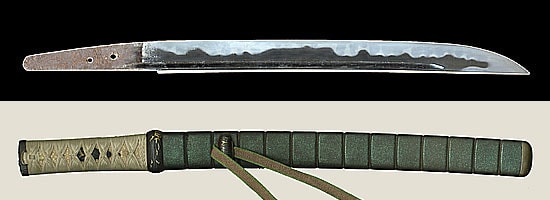
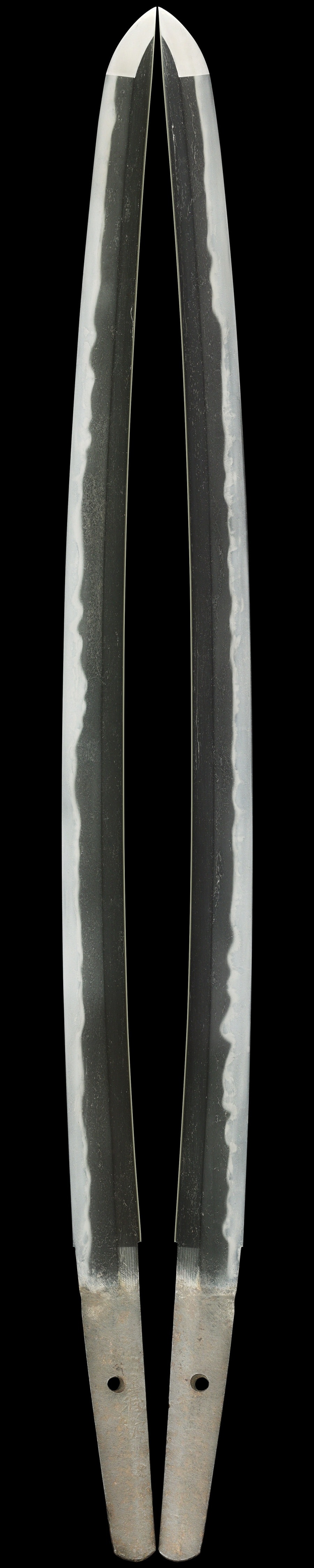
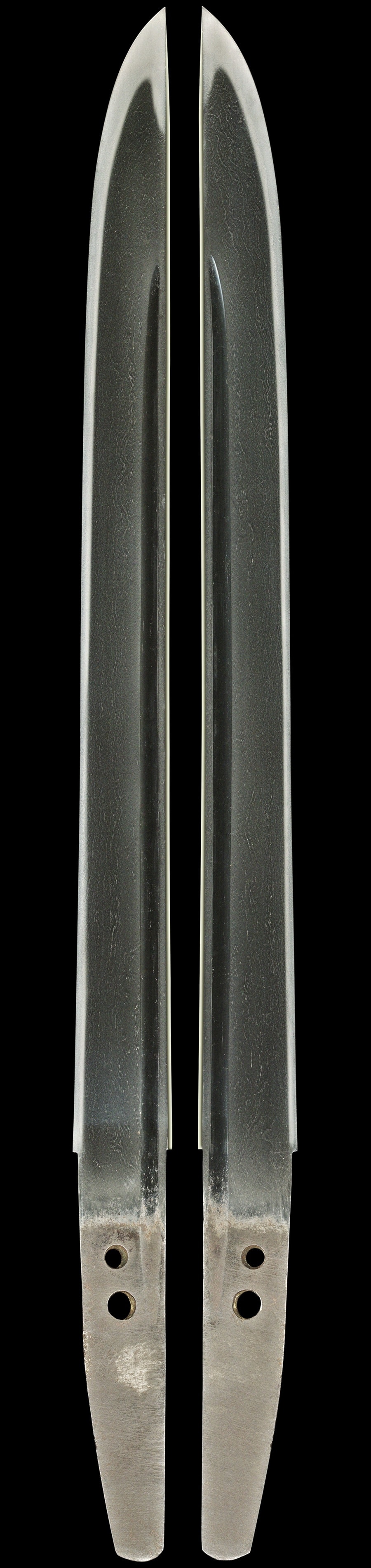
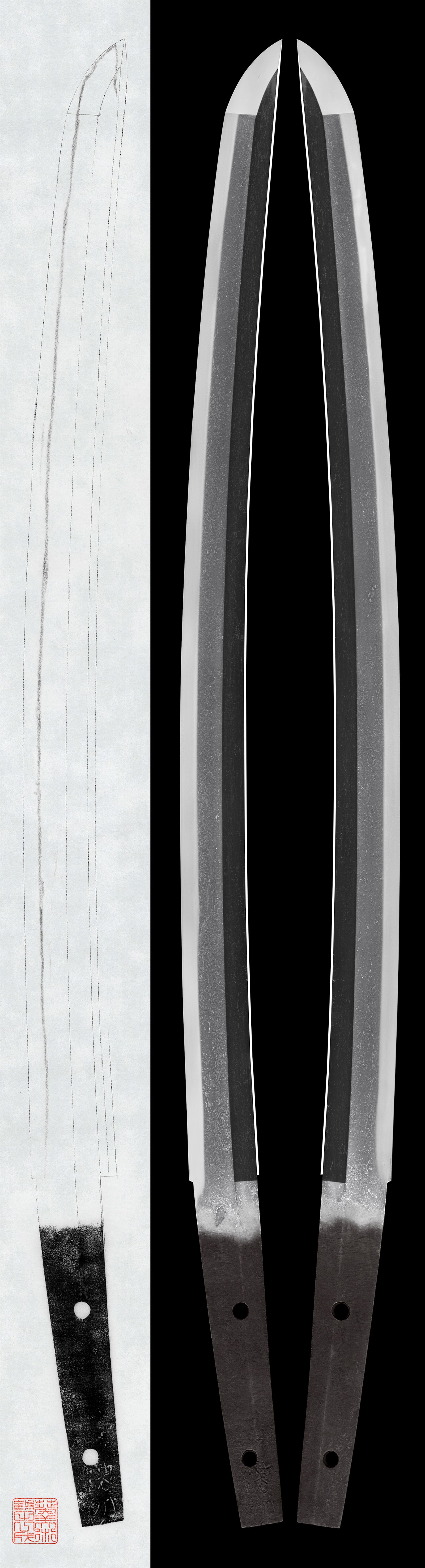
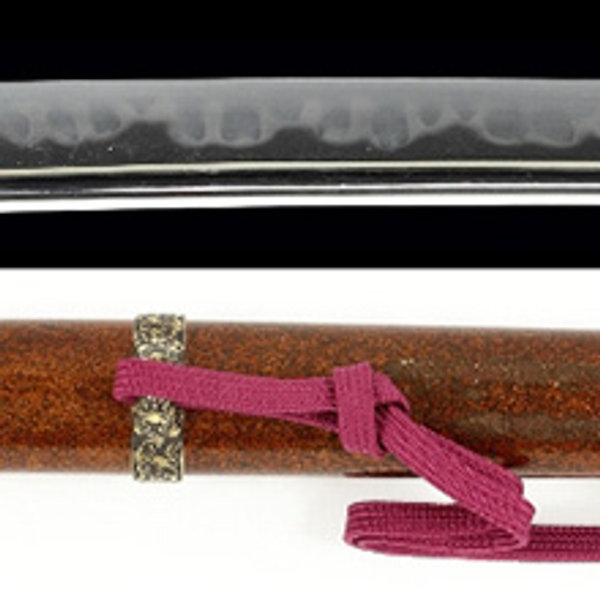
This listing is for a tanto by Kanetomo, a smith from the Seki school in Mino province. Kanetomo is said to be a child or student of Shizu Kaneuji, and the school flourished from the Ouei period, moving to Seki and specializing in the Shizu style. This particular smith was active around the Eiroku period (late Muromachi).
 NihontoWatch
mei · Seki · Engen (1336-1340)
Mino · around 1532-1555
Tōken Taikan top 60%
2 pieces on the market now
The Nanbokuchō period (1333 to 1392)
Two courts, sixty years of war, and the most dramatic silhouettes in the sword’s history: broad blades, extended points, true ōdachi later cut down into the majestic katana collectors prize. The Sōshū manner was the style of the age.
We could not find an authenticity certificate on the seller’s listing. Japanese swords and fittings are normally papered by the NBTHK (or the NTHK). Without one, the attribution is the seller’s own assessment and has not been independently verified — treat it with caution and ask the dealer about certification before buying.
If, due to our fault, the item differs significantly from its proper condition, the item may be returned. Cooling-off is within one week of the item's arrival.
Price on request
This listing is for a tanto by Kanetomo, a smith from the Seki school in Mino province. Kanetomo is said to be a child or student of Shizu Kaneuji, and the school flourished from the Ouei period, moving to Seki and specializing in the Shizu style. This particular smith was active around the Eiroku period (late Muromachi).
NihontoWatchmei · Seki · Engen (1336-1340)
Mino · around 1532-1555
Tōken Taikan top 60%
2 pieces on the market now
The Nanbokuchō period (1333 to 1392)
Two courts, sixty years of war, and the most dramatic silhouettes in the sword’s history: broad blades, extended points, true ōdachi later cut down into the majestic katana collectors prize. The Sōshū manner was the style of the age.
We could not find an authenticity certificate on the seller’s listing. Japanese swords and fittings are normally papered by the NBTHK (or the NTHK). Without one, the attribution is the seller’s own assessment and has not been independently verified — treat it with caution and ask the dealer about certification before buying.
If, due to our fault, the item differs significantly from its proper condition, the item may be returned. Cooling-off is within one week of the item's arrival.
Price on request