The craft survived the Meiji ban and the occupation’s near-extinction, and rebuilt itself deliberately: licensed forging from 1953, traditional methods required by law, Living National Treasures, and the mukansa rank above judgment.
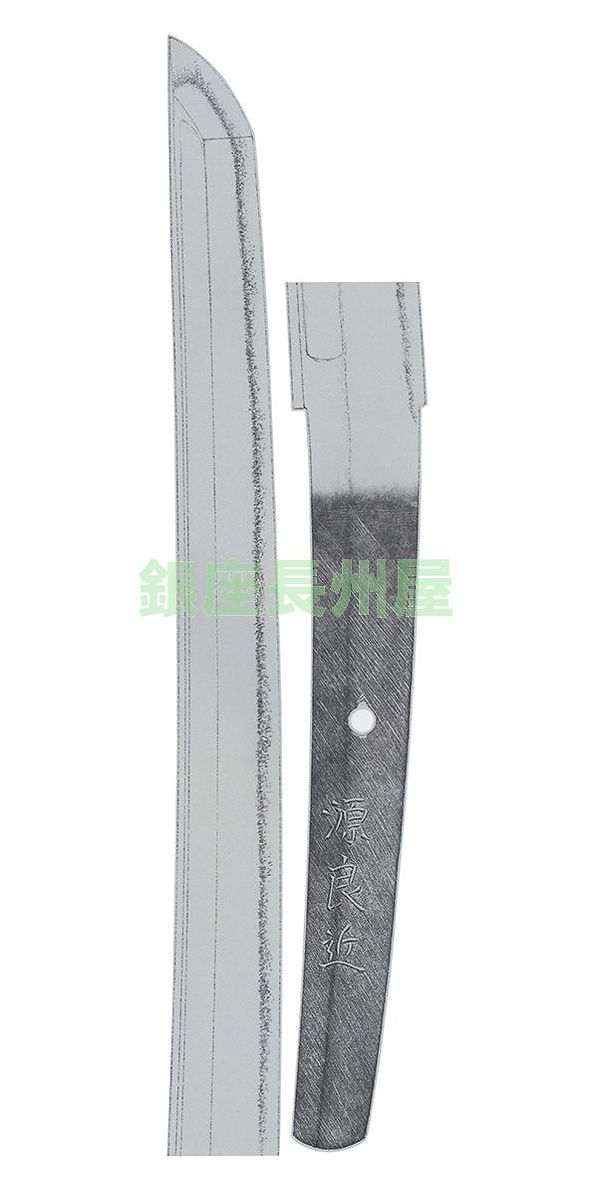
This listing features a tachi by Yoshichika, a swordsmith who resided in Tokyo's Shiba Mishima-cho. Active from the Taisho to Showa eras, Yoshichika specialized in crafting ceremonial tachi for imperial enthronements. He developed a unique, finely forged jigane by working with difficult Western steel, and his blades were known for their exceptional sharpness, leading to his involvement in producing swords for the Imperial Guard.
 NihontoWatch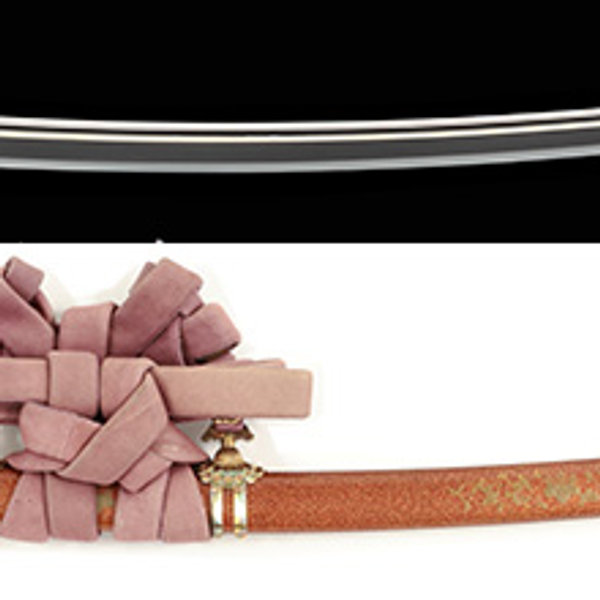
Tokyo · around 1912-1926
2 pieces on the market now
The modern era (1868 to today)
The craft survived the Meiji ban and the occupation’s near-extinction, and rebuilt itself deliberately: licensed forging from 1953, traditional methods required by law, Living National Treasures, and the mukansa rank above judgment.
We could not find an authenticity certificate on the seller’s listing. Japanese swords and fittings are normally papered by the NBTHK (or the NTHK). Without one, the attribution is the seller’s own assessment and has not been independently verified — treat it with caution and ask the dealer about certification before buying.
If, due to our fault, the item differs significantly from its proper condition, the item may be returned. Cooling-off is within one week of the item's arrival.
This listing features a tachi by Yoshichika, a swordsmith who resided in Tokyo's Shiba Mishima-cho. Active from the Taisho to Showa eras, Yoshichika specialized in crafting ceremonial tachi for imperial enthronements. He developed a unique, finely forged jigane by working with difficult Western steel, and his blades were known for their exceptional sharpness, leading to his involvement in producing swords for the Imperial Guard.
NihontoWatchTokyo · around 1912-1926
2 pieces on the market now
The modern era (1868 to today)
The craft survived the Meiji ban and the occupation’s near-extinction, and rebuilt itself deliberately: licensed forging from 1953, traditional methods required by law, Living National Treasures, and the mukansa rank above judgment.
We could not find an authenticity certificate on the seller’s listing. Japanese swords and fittings are normally papered by the NBTHK (or the NTHK). Without one, the attribution is the seller’s own assessment and has not been independently verified — treat it with caution and ask the dealer about certification before buying.
If, due to our fault, the item differs significantly from its proper condition, the item may be returned. Cooling-off is within one week of the item's arrival.


