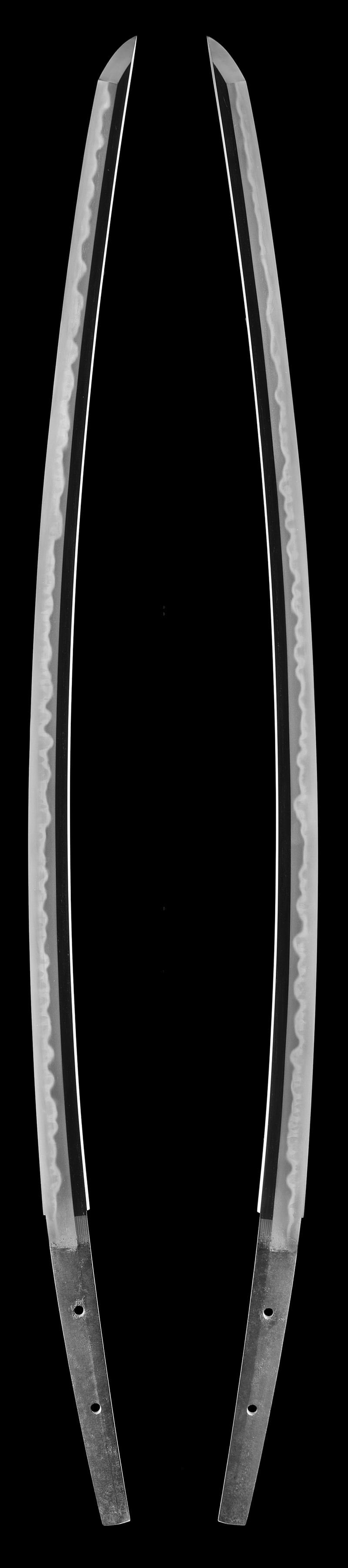
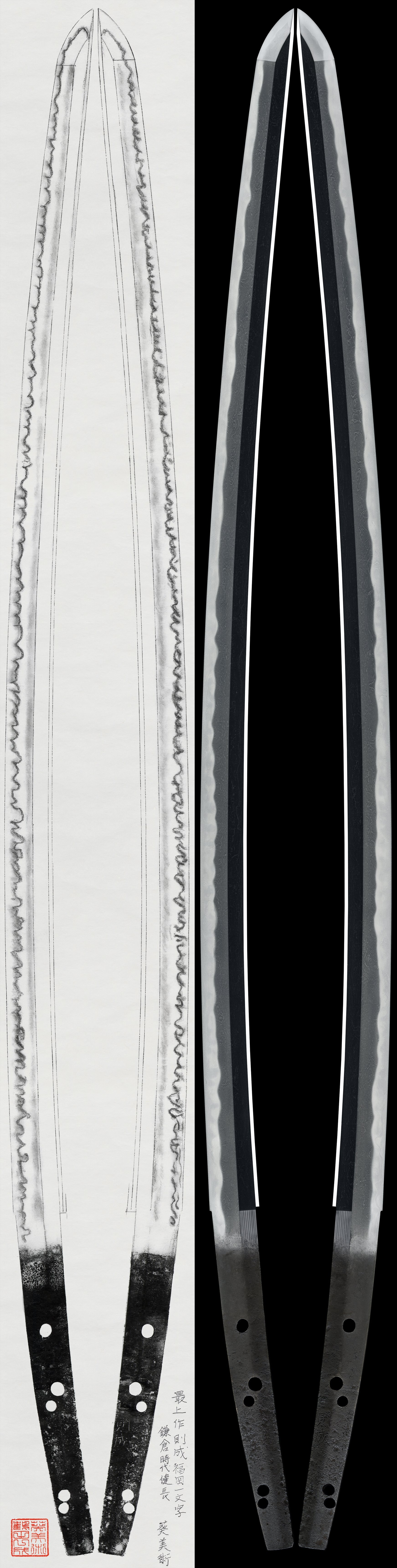
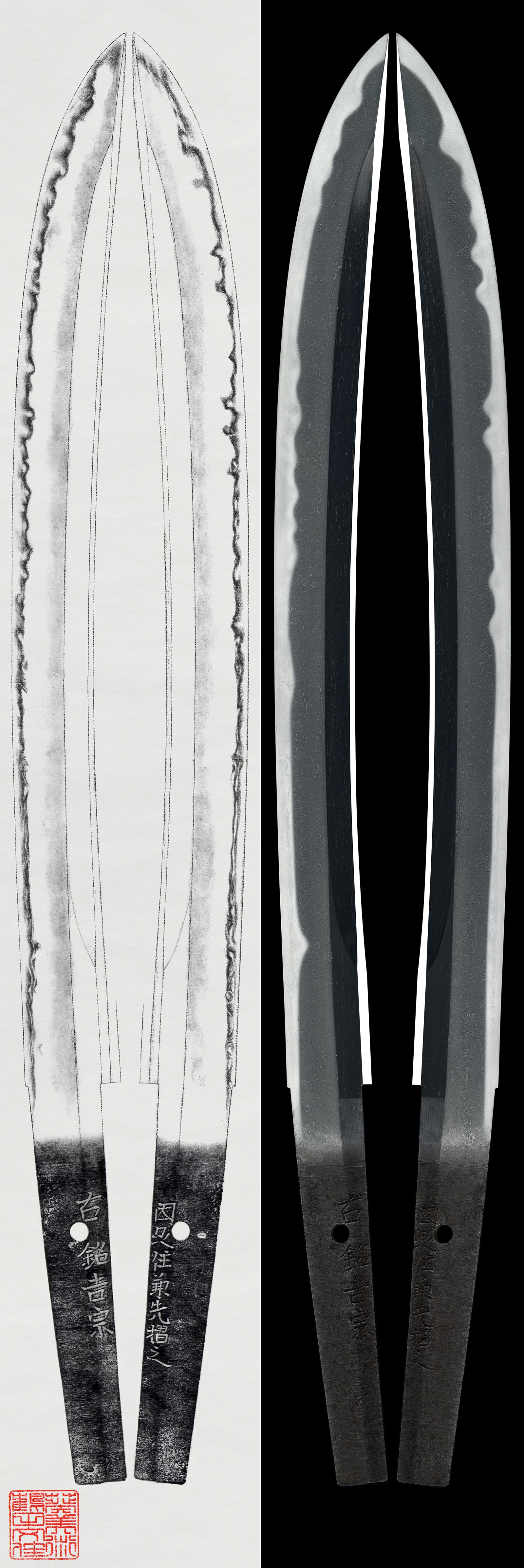
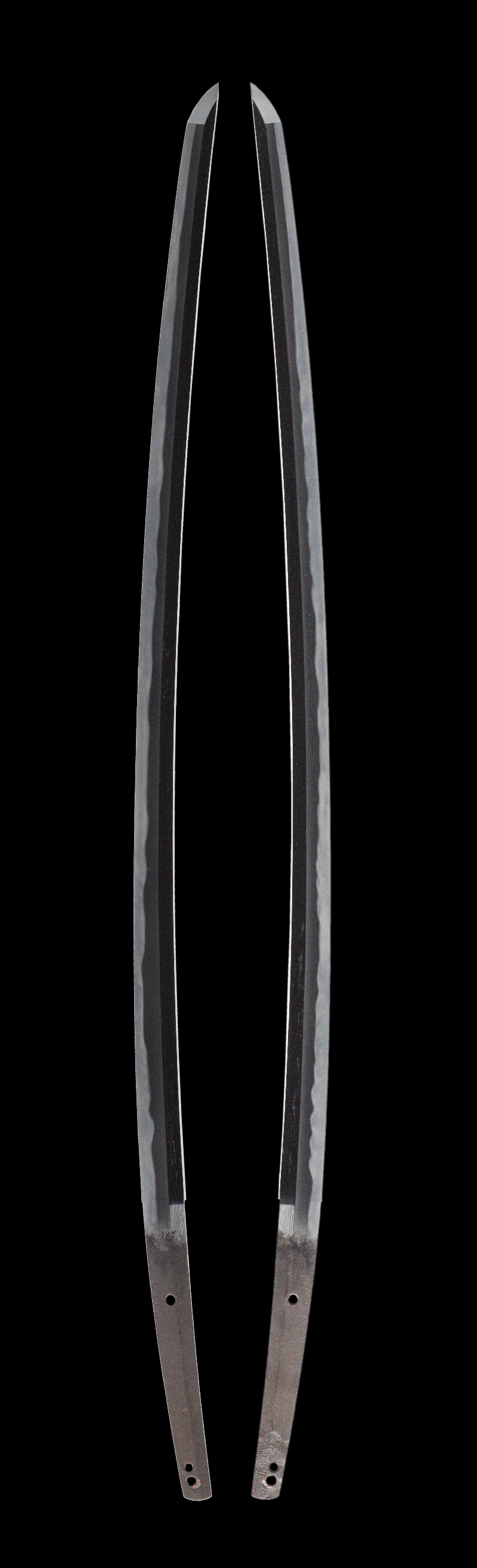
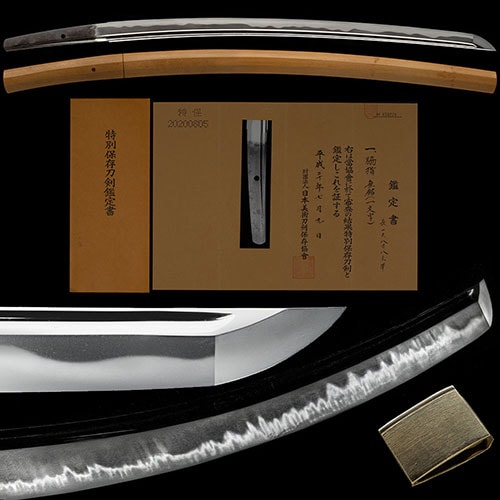
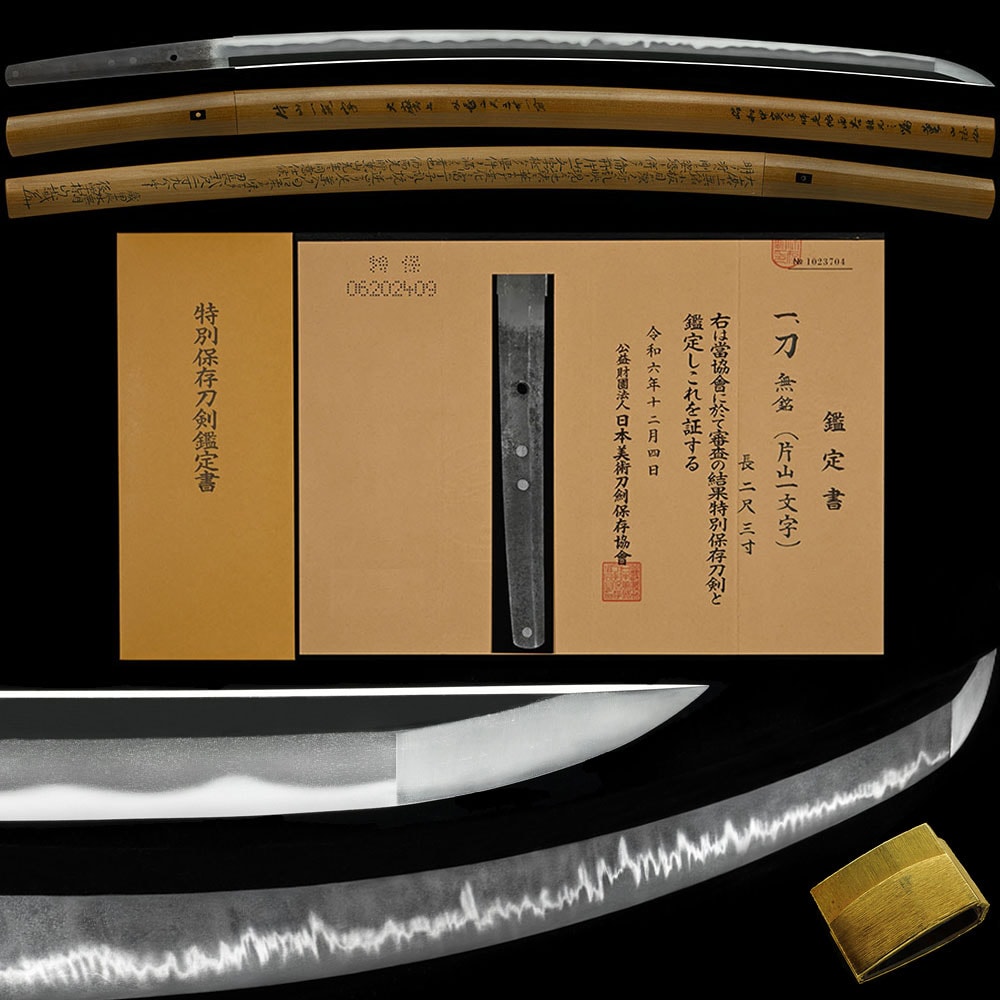
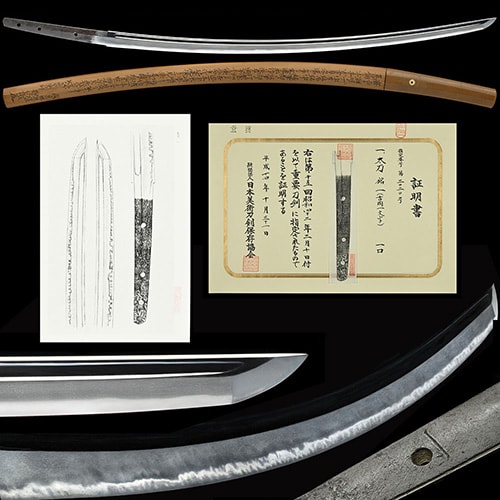
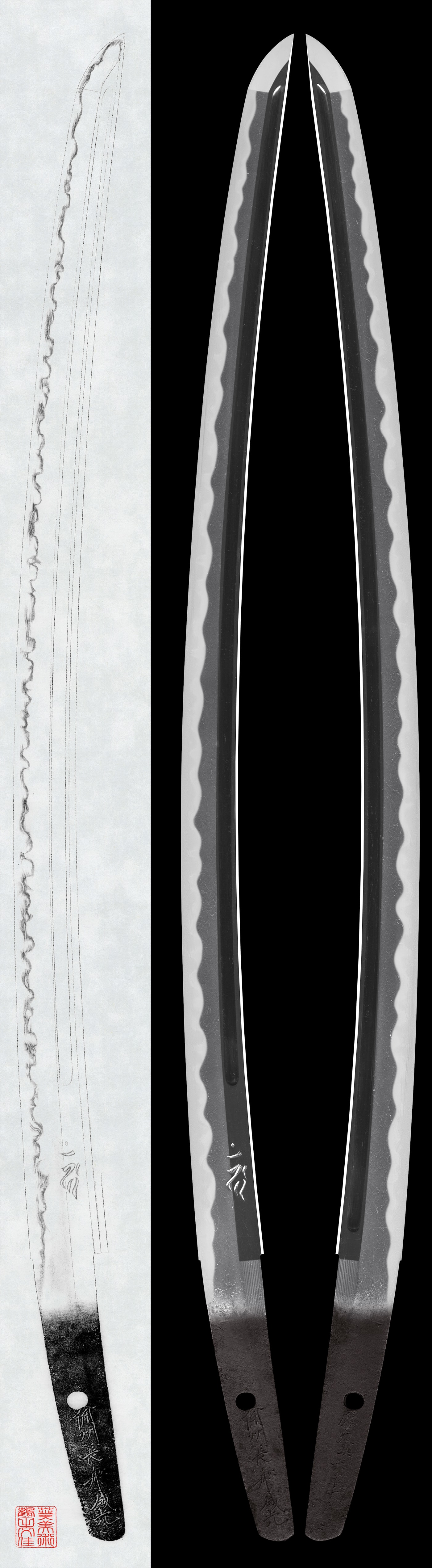
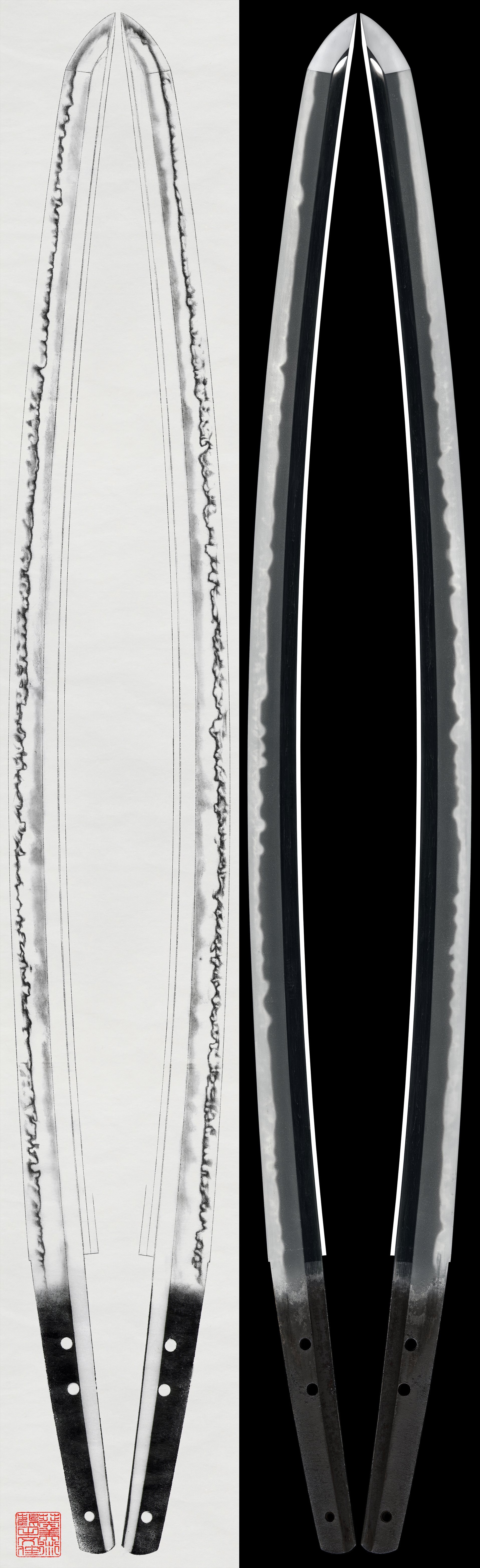
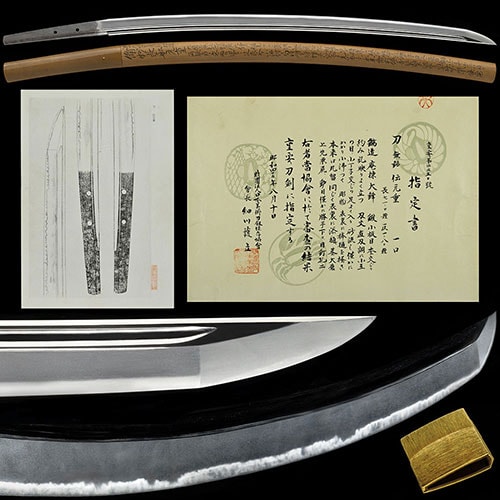
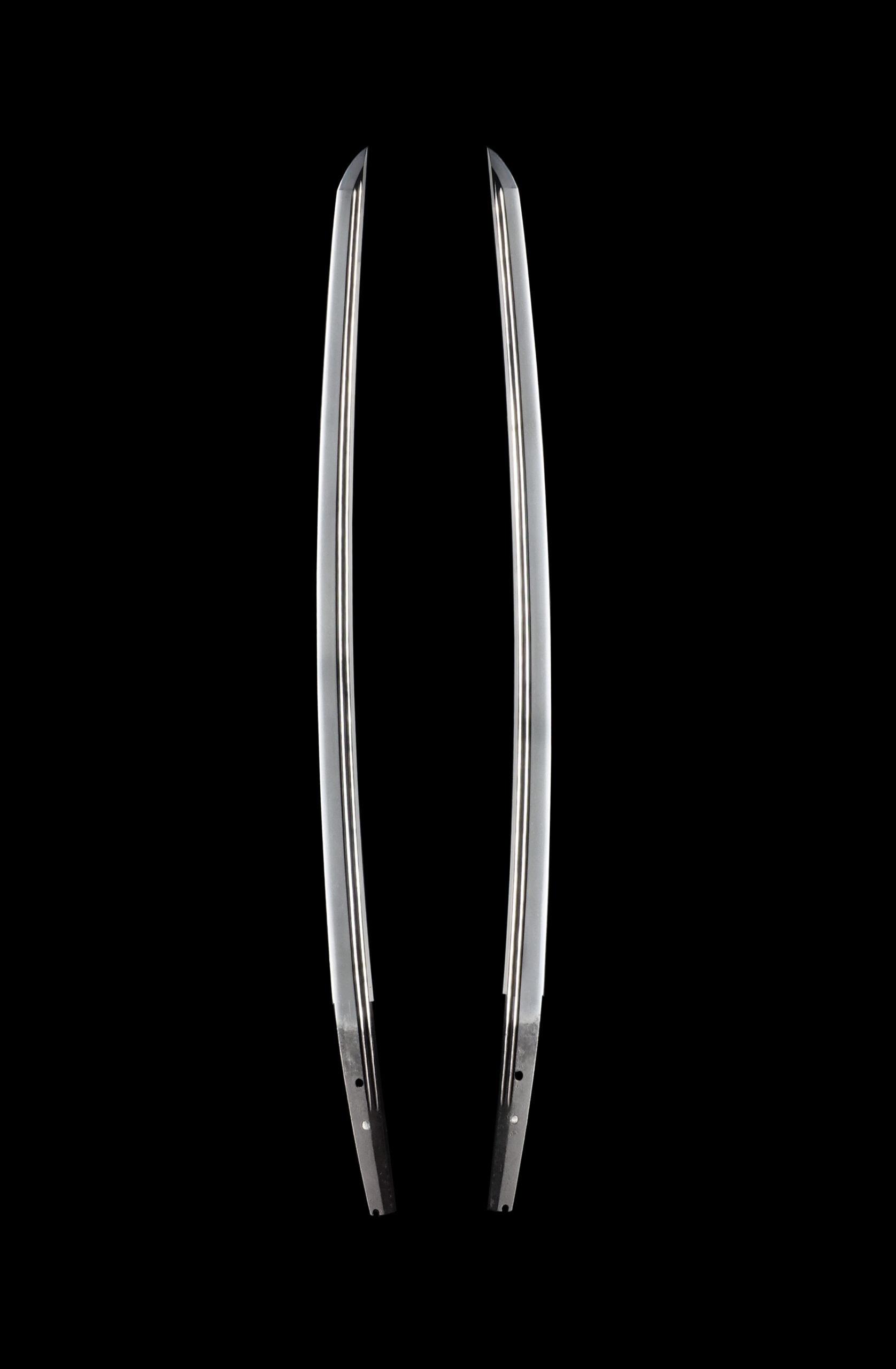
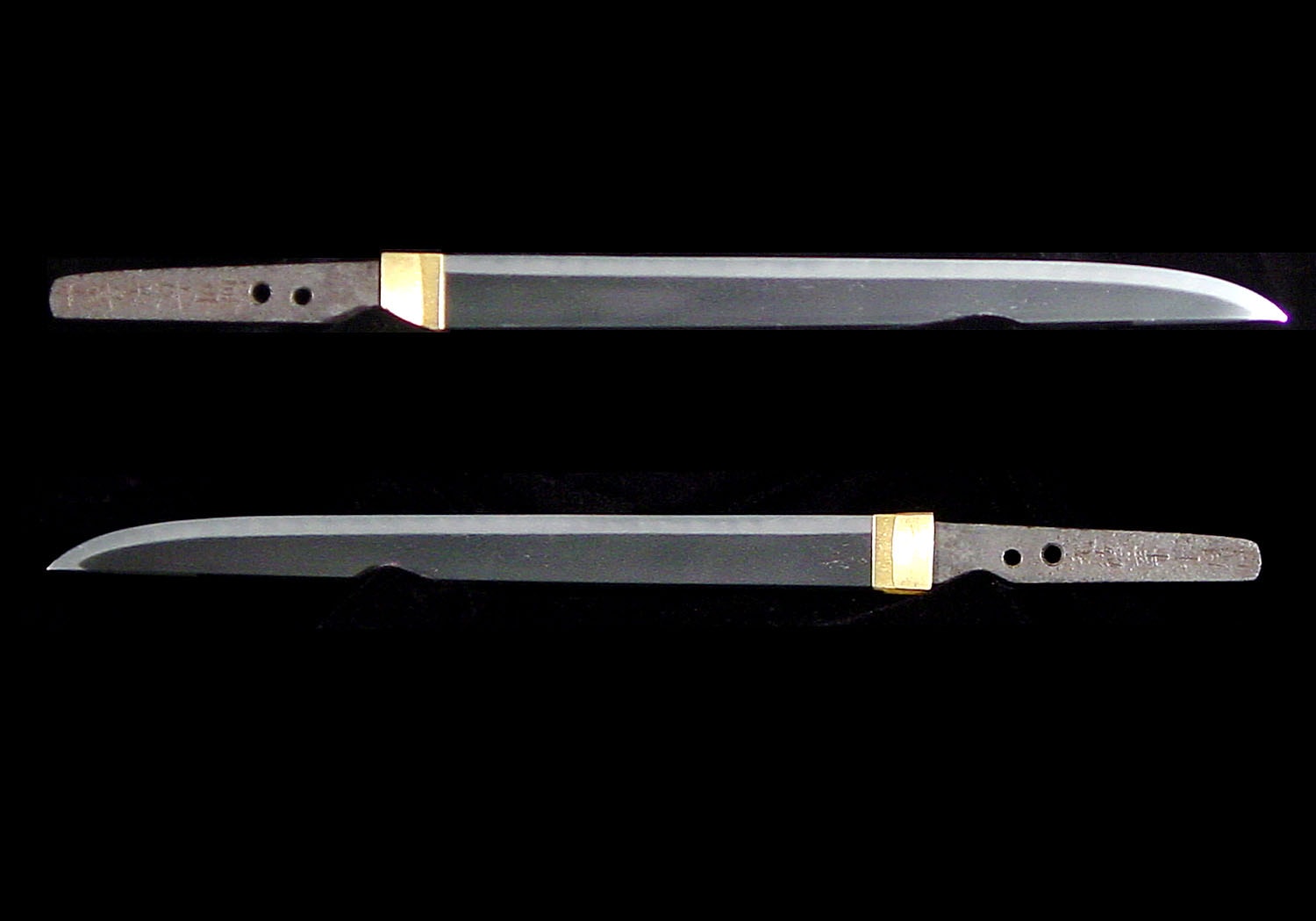
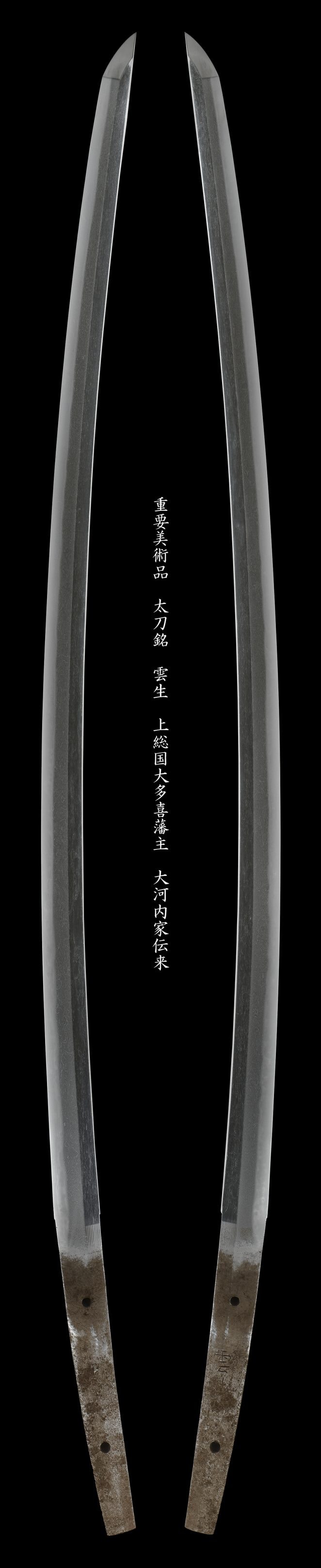
Yoshimoto was a swordsmith of the Fukuoka school, active from the early to mid- period. According to the sword signature compendia (), several smiths signed the name Yoshimoto, recorded both within the Fukuoka lineage and among the school. One tradition transmits that the first generation was a son of Yoshifusa; another holds that the first generation was a son of Sukeyoshi. It is said that the second generation later relocated to , and an -line Yoshimoto is placed in the time around the Bunei and Enkyo eras. Extant signed works by the -line smith are few, and by the Fukuoka Yoshimoto that retain their original tang with signature are of the utmost rarity, making such pieces important examples for the study of this maker.
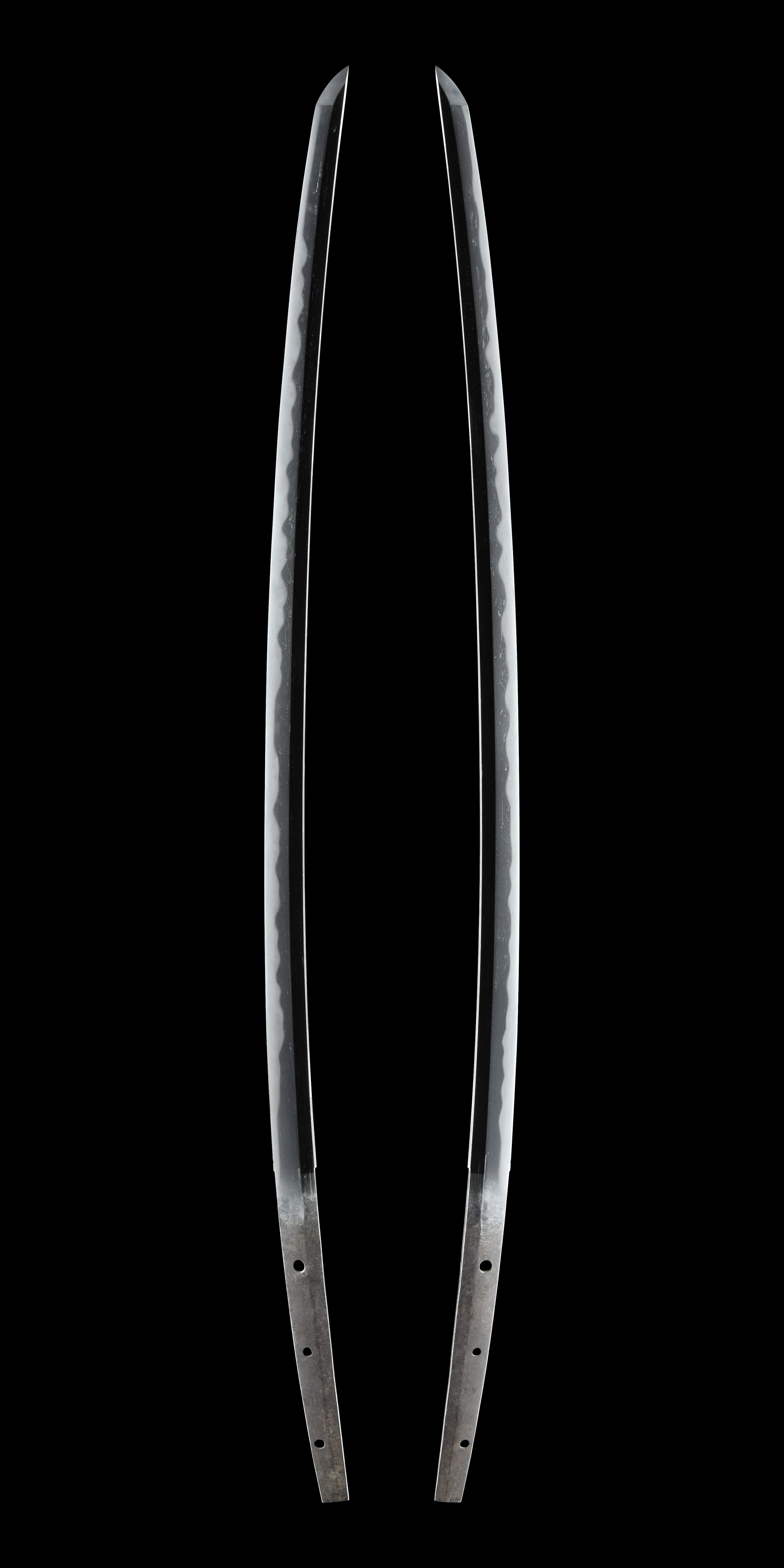
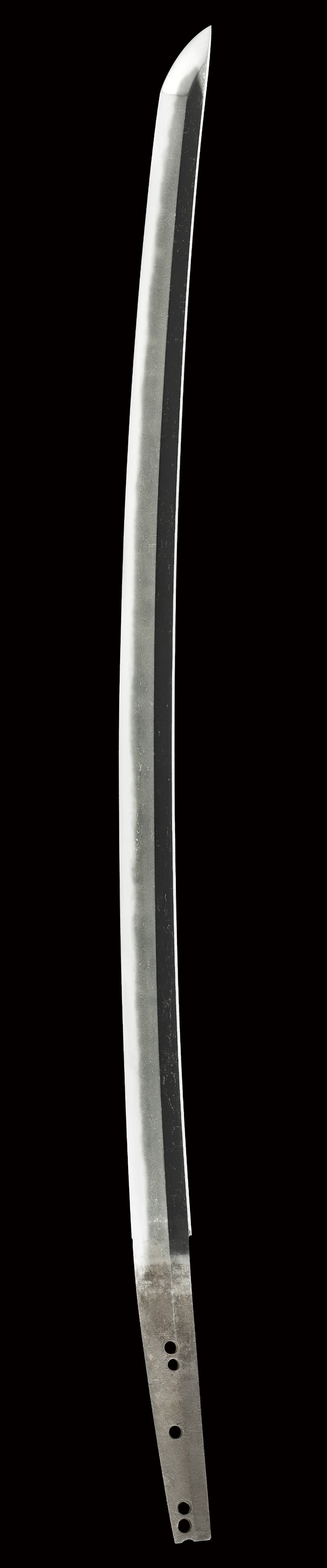
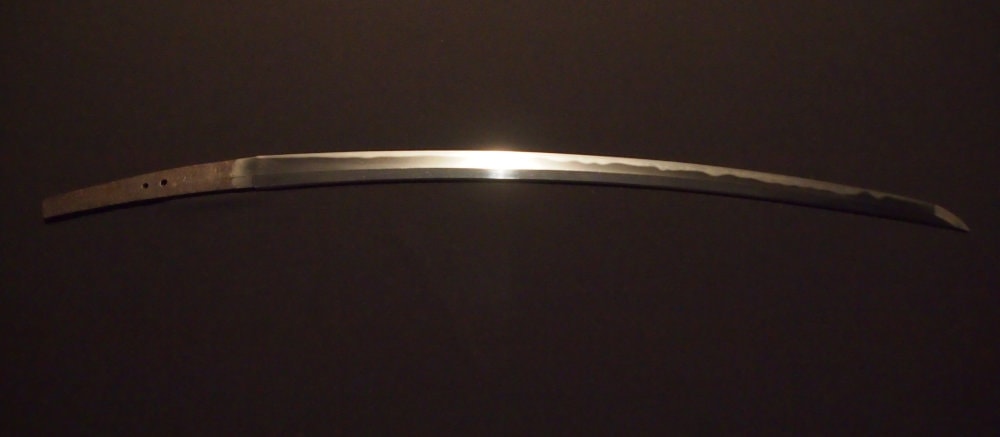
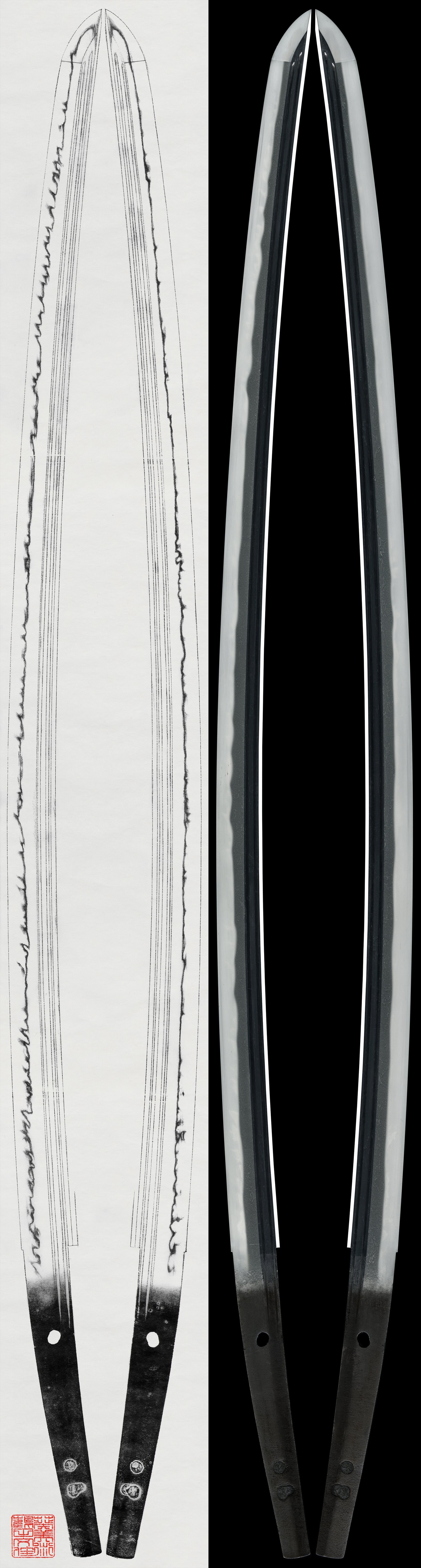
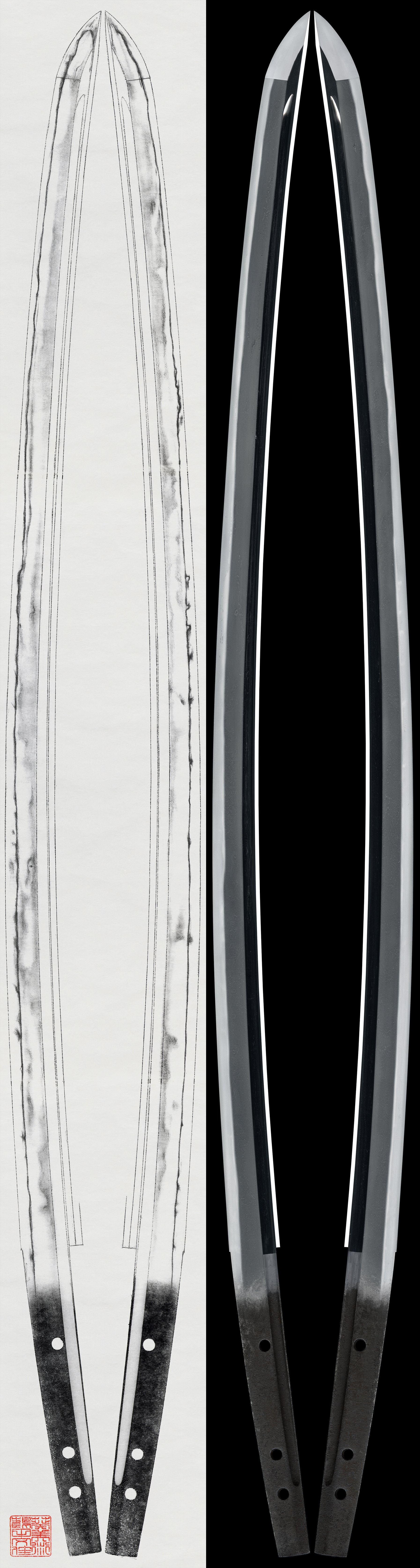
The forging of Yoshimoto's work characteristically shows or mixed with , densely and tightly packed, with fine adhering well and appearing throughout. A prominent stands out in the , and the steel color is bright and well refined. The takes as its foundation, mixed with , , , , and ; in certain works the temper rises high in the upper half, showing pronounced height variation and becoming splendidly decorative. Abundant and enter well, and the is bright and clear, -dominant with attached . Fine and run throughout the . The tends toward straight with a turnback. In works of the lineage, the shifts to a -based temper mixed with , , and , with elements of , presenting a more restrained character. Compared with Yoshifusa, Yoshimoto's manner of setting the is slightly more restrained, a distinction that accords convincingly with attributed and works.
The consistently praises Yoshimoto's work as bright and clear in character, with and that are — sound and well preserved — and workmanship of superior quality. The forging, with its vivid , is described as well refined and bright in steel color, while the shows lively and an elegant, height-varying . Works attributed to the Fukuoka line are appraised as upper-level works of that tradition, and the abundance of internal activity within the tempered edge — such as — is singled out as truly splendid. One celebrated blade, the bearing the go "Kanekiri" (Bell Cutter), resides in the Imperial Collection. As a maker whose signed works are exceptionally scarce, each authenticated example carries particular value as reference material for the study of the Fukuoka school at the height of its development.