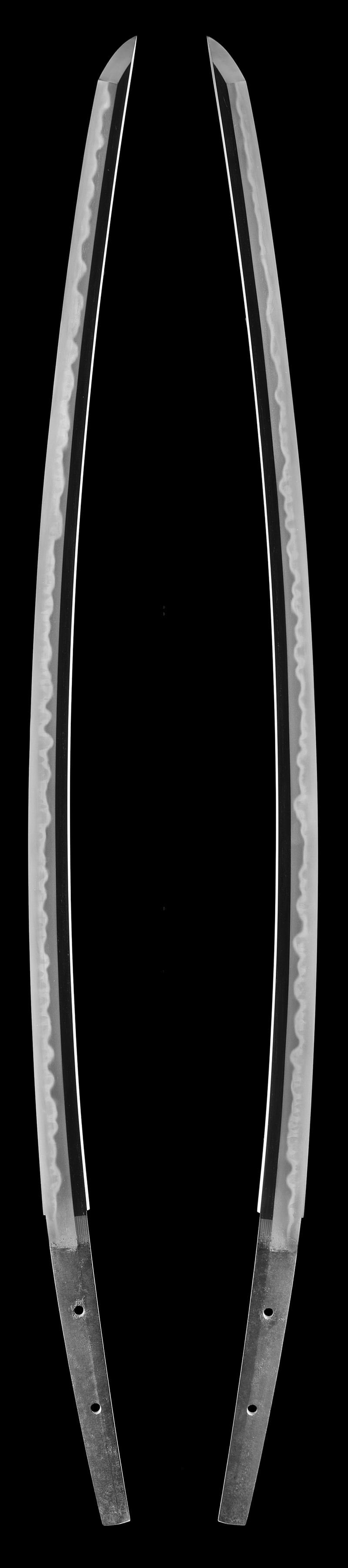
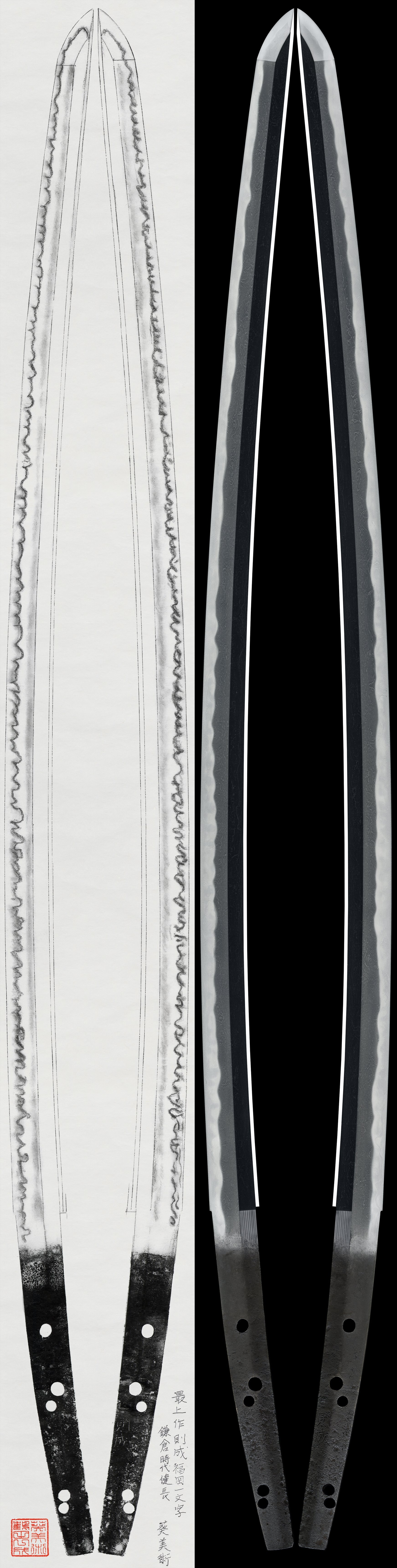
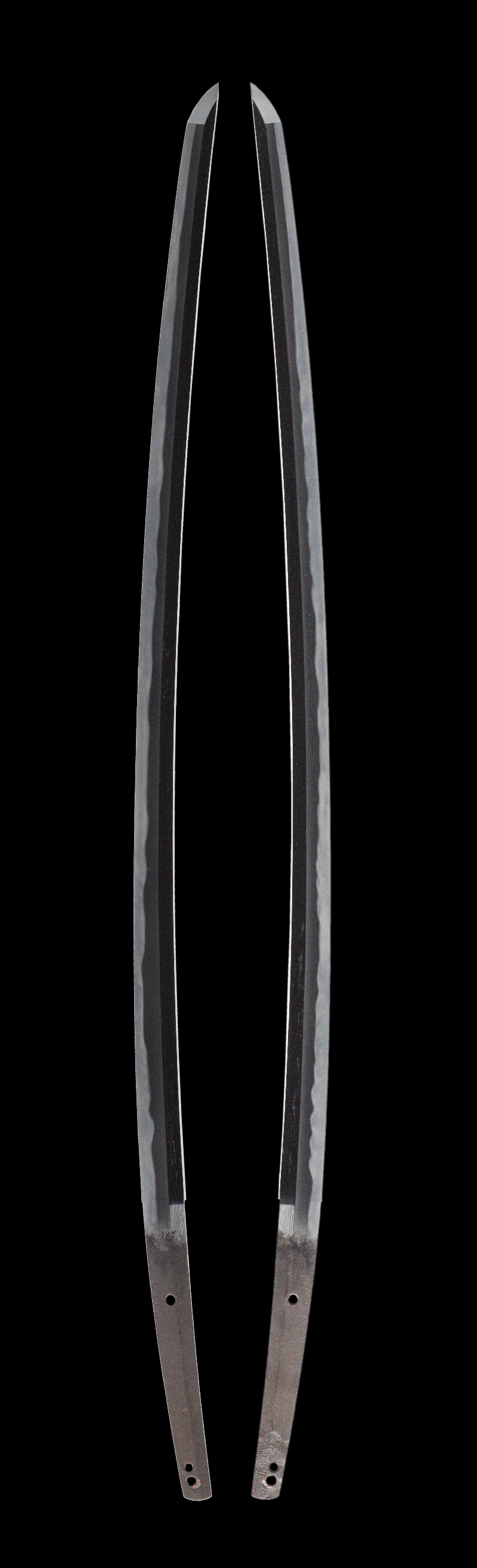
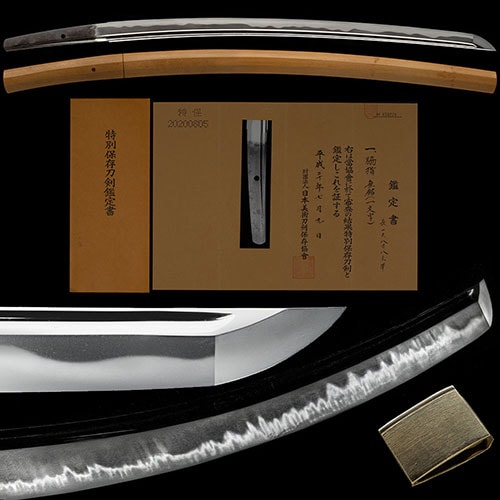
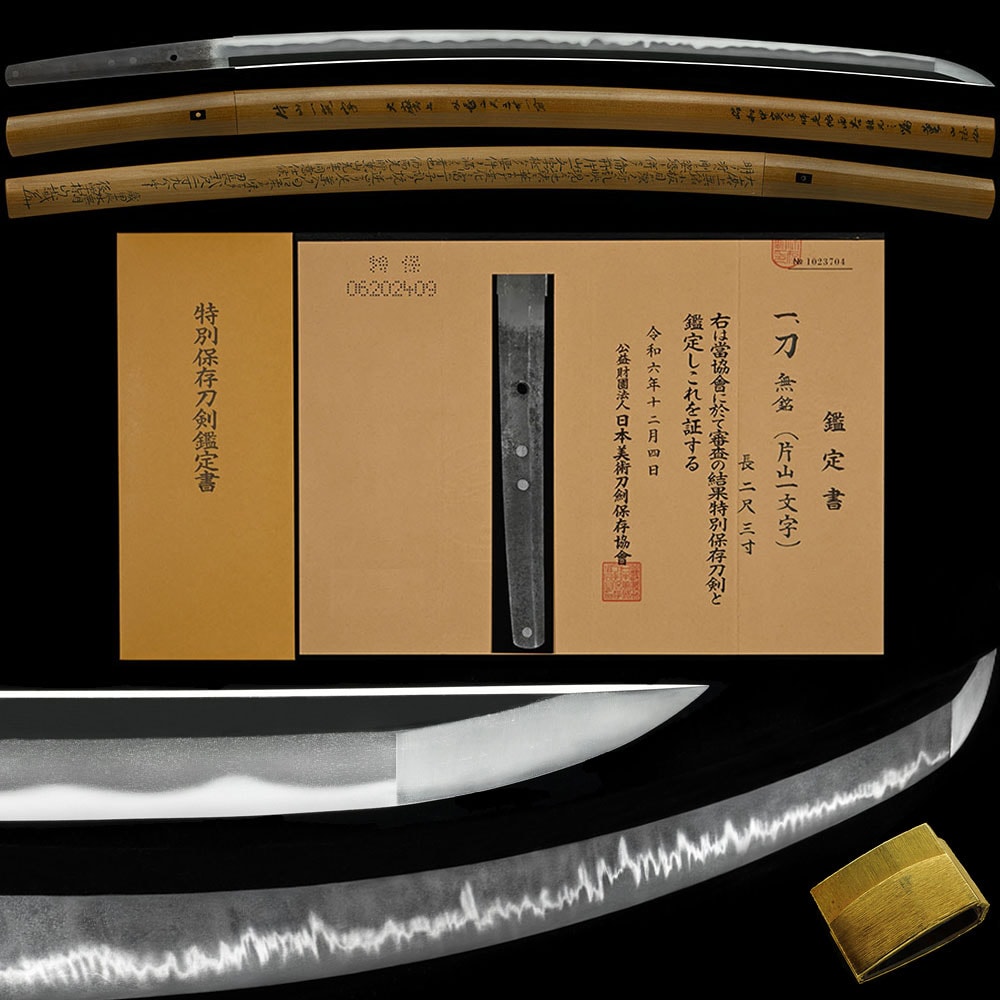
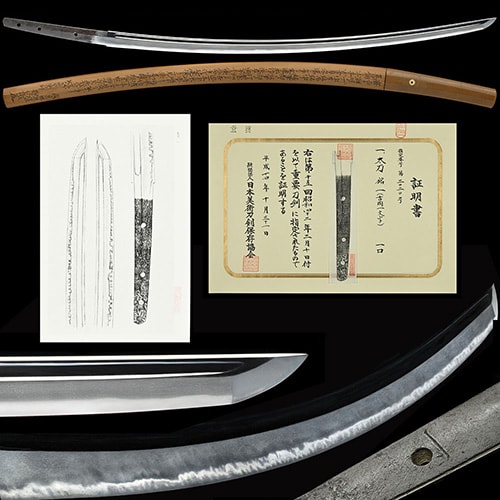
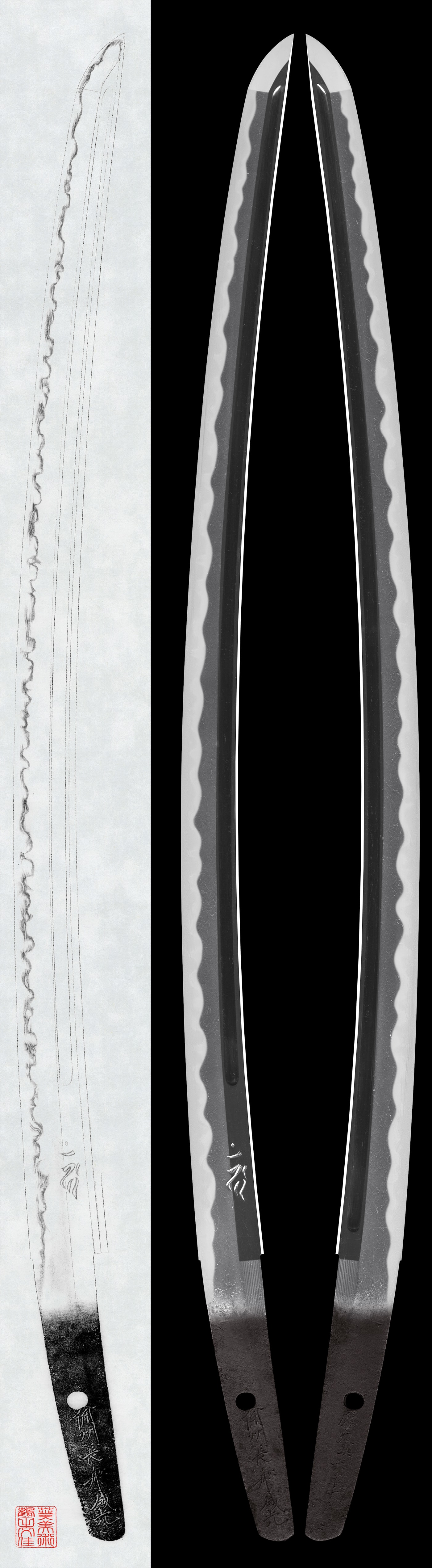
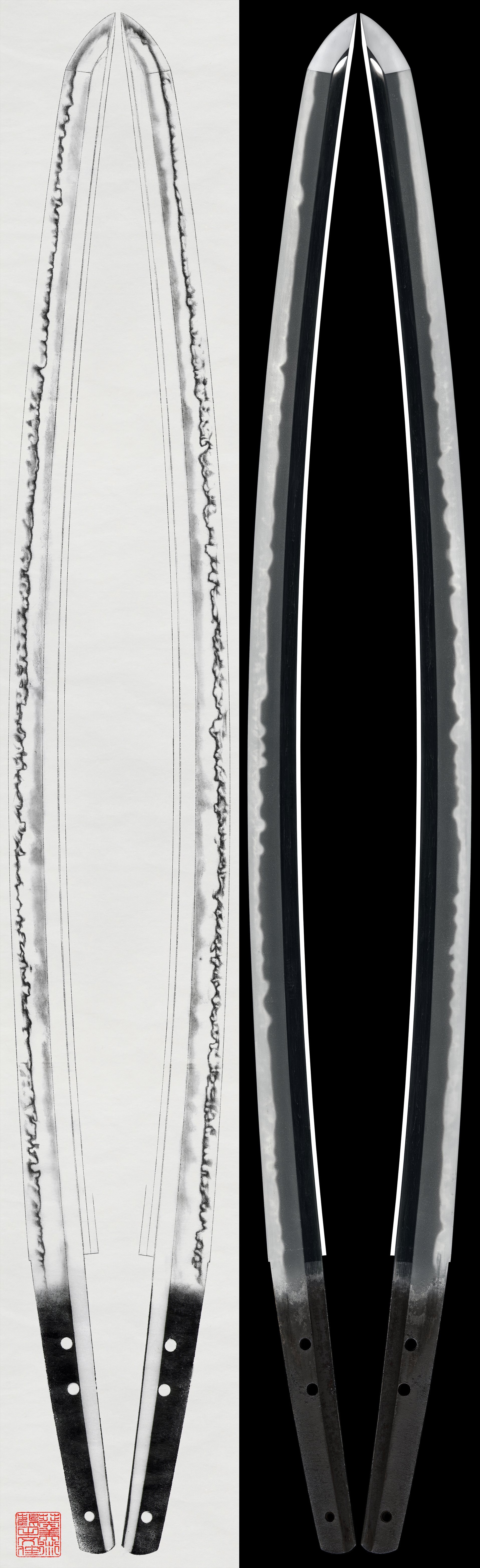
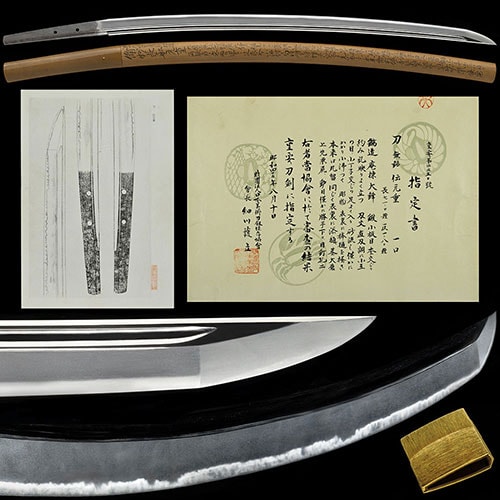
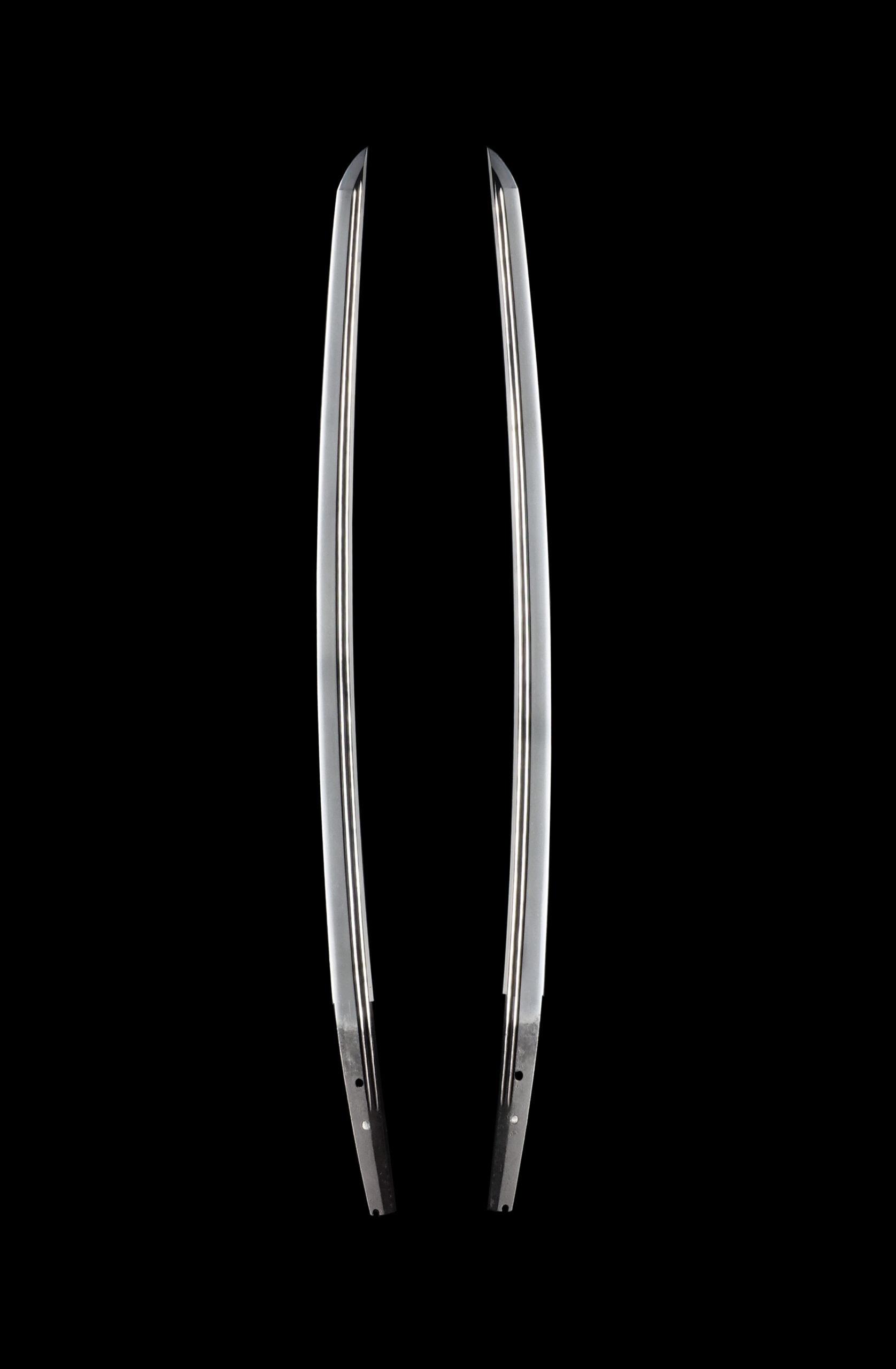
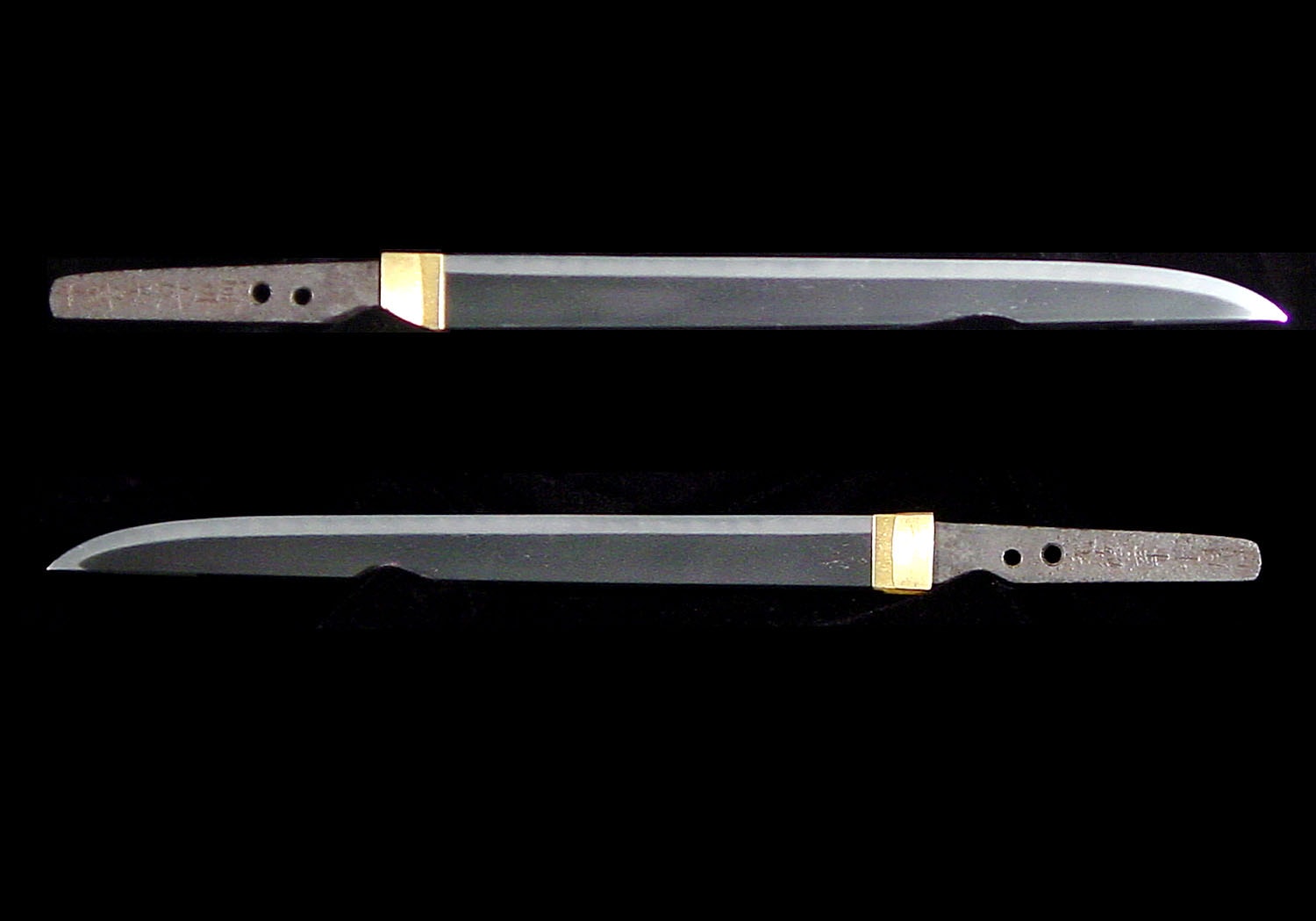
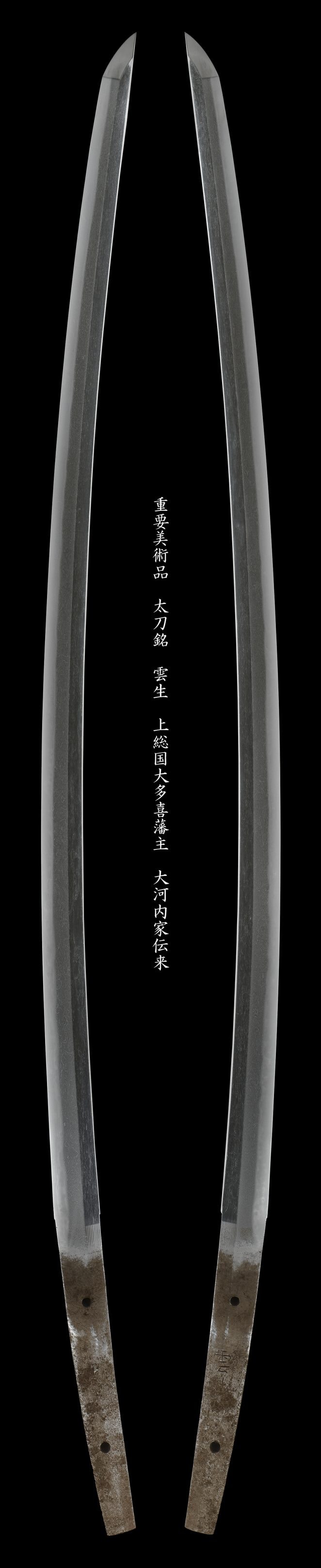
Nobumasa is transmitted as a son of Nobufusa of the Fukuoka lineage, with his working period placed around the Joei era (c. 1232-1233). Sword-signature reference works () further record a theory identifying him with Ensho, though this remains a matter requiring continued examination. Classified among the so-called Ko- smiths of the early period, Nobumasa is also noted as having served as a (guard smith) during the Jokyu era. Reliably authenticated extant works bearing his signature are extremely few, and examples that retain an and are preserved in essentially complete condition are exceedingly rare.
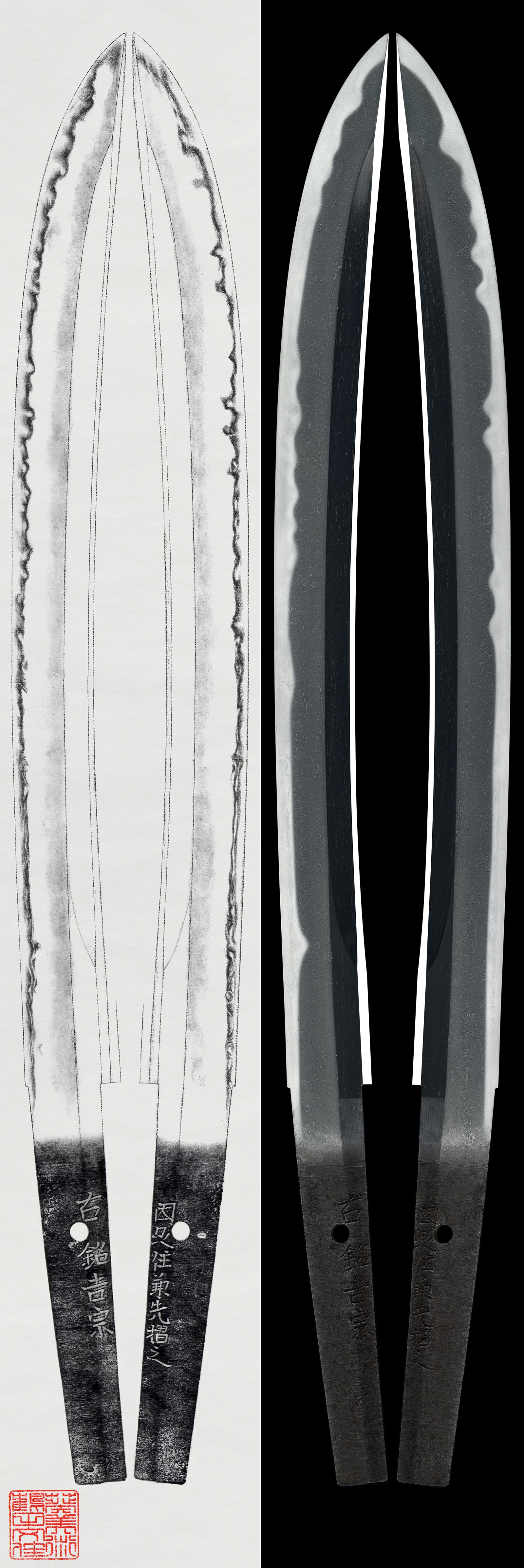
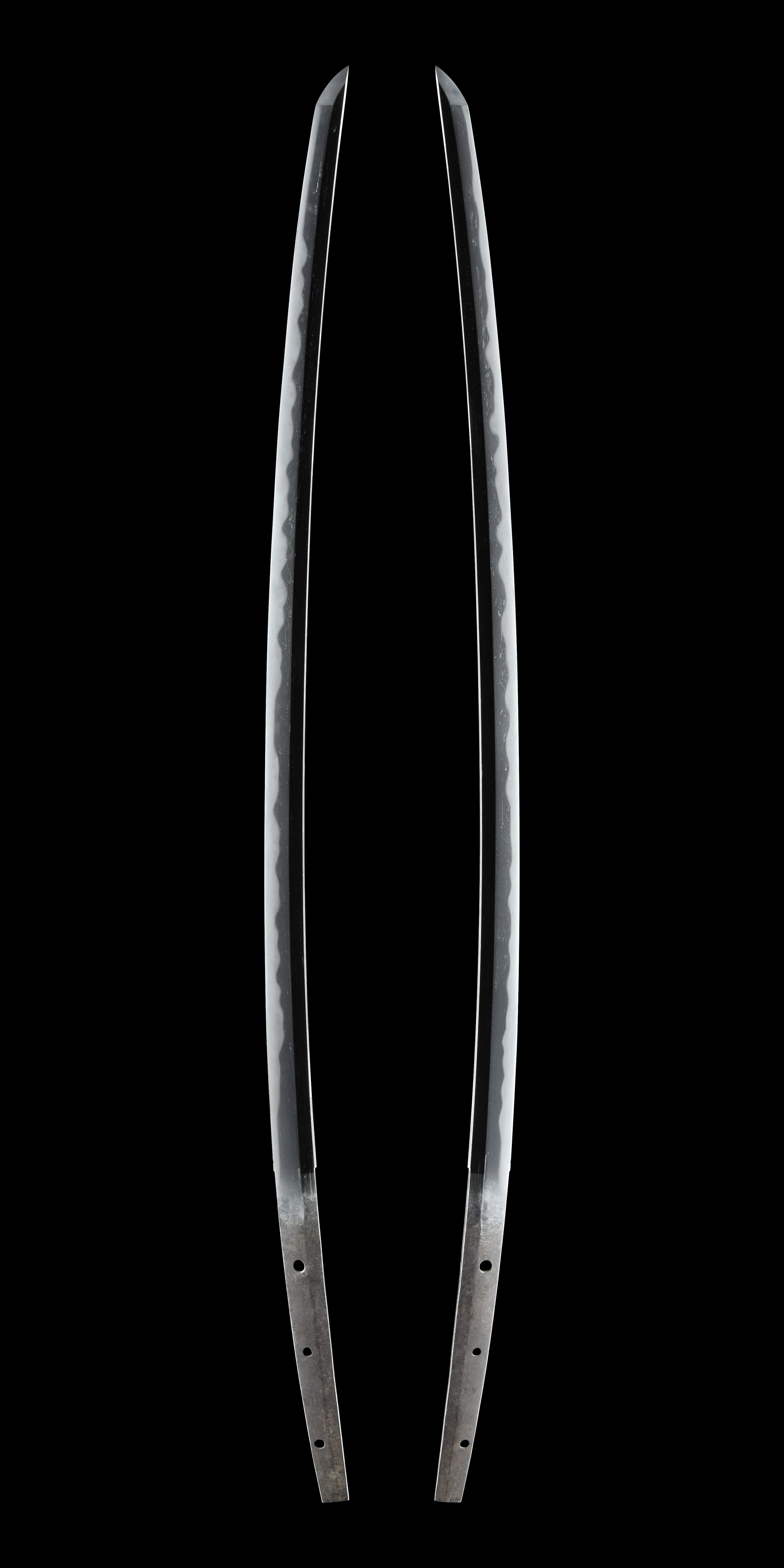
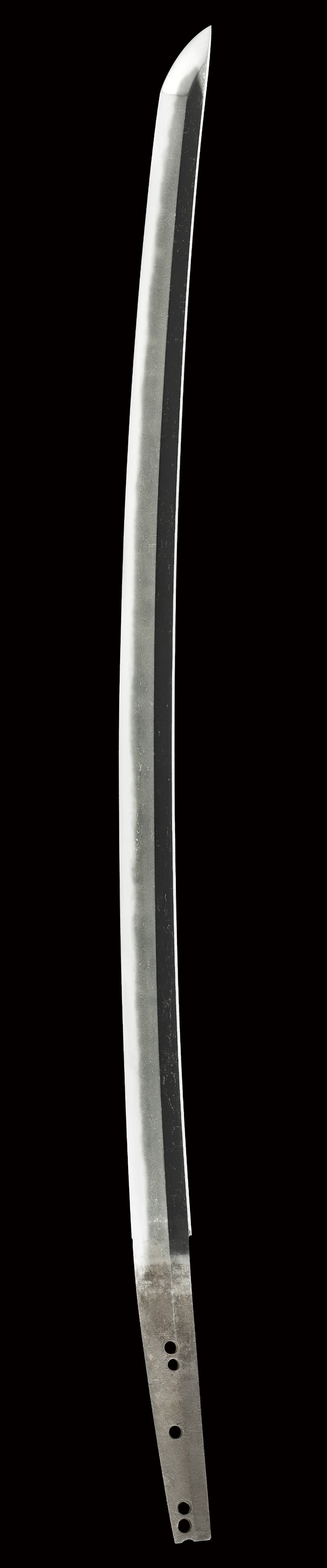
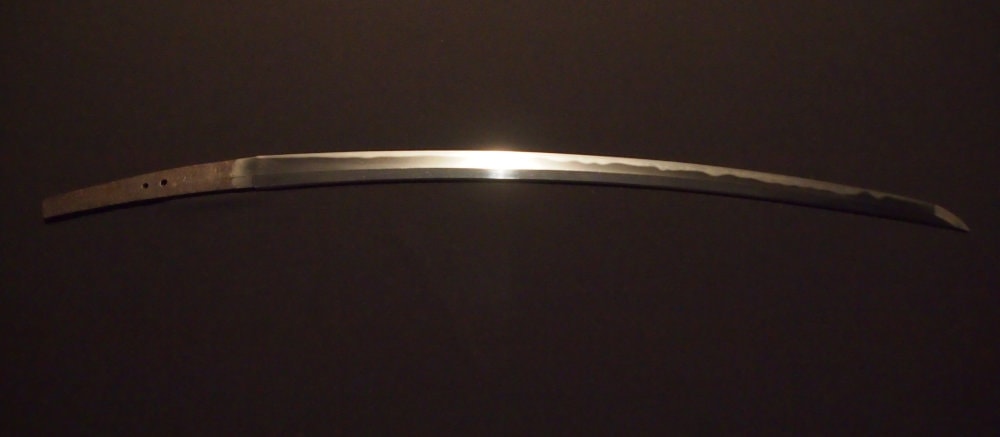
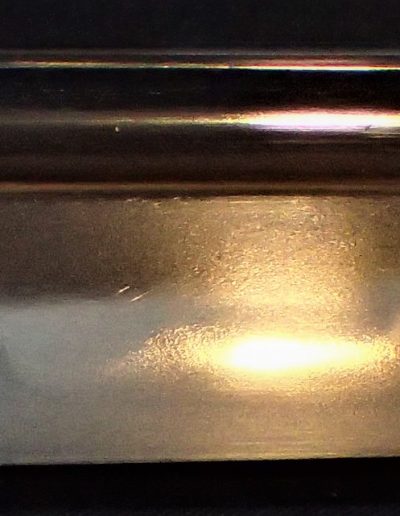
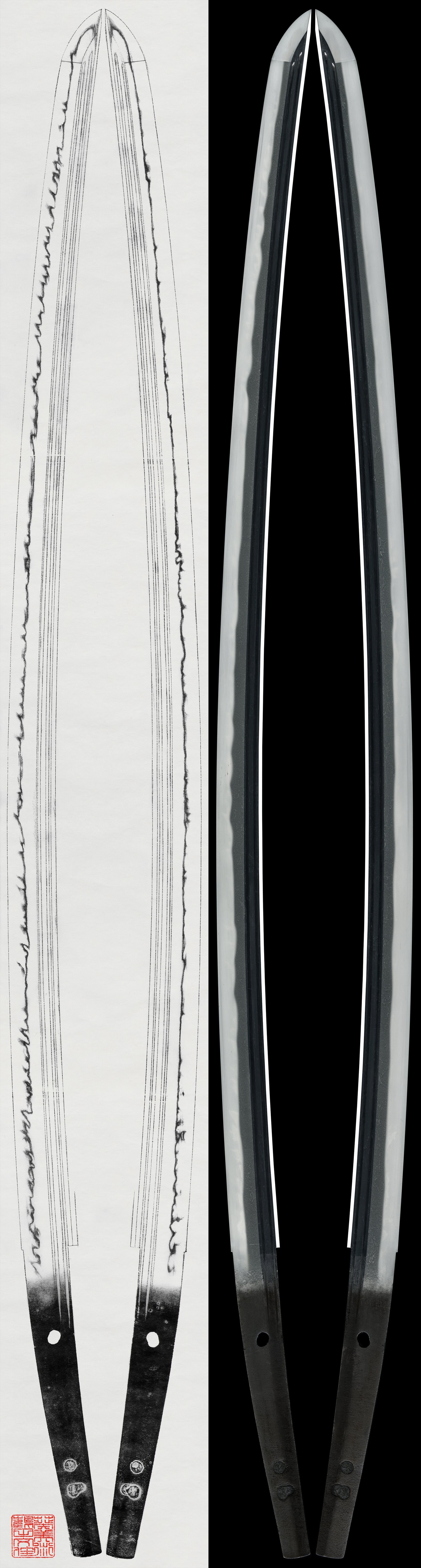
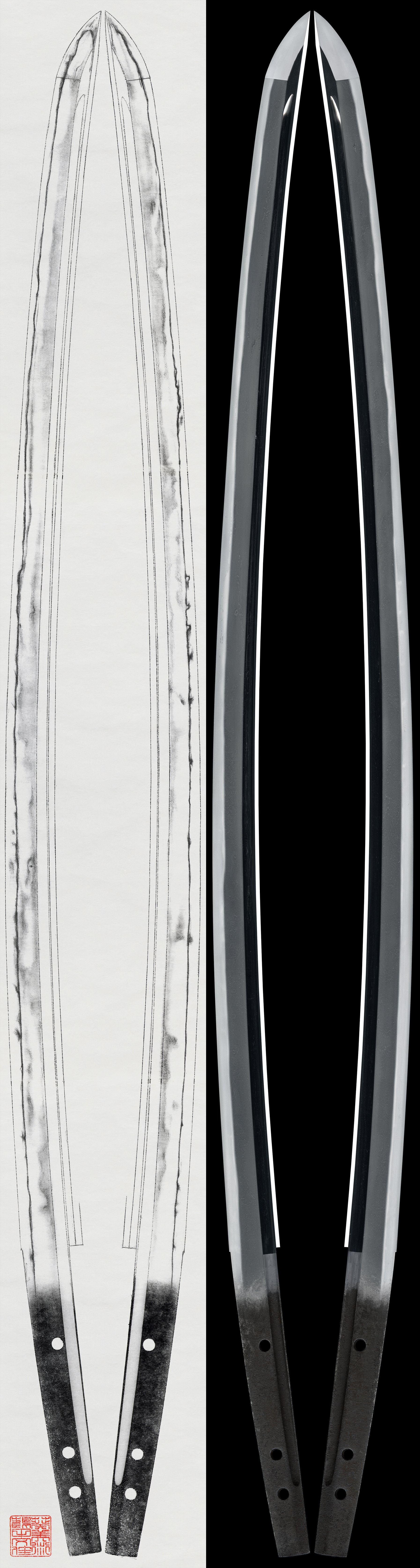
Nobumasa's characteristically display high with pronounced and terminate in , producing a graceful and dignified possessing a high classical tone. The is worked in mixed with , with fine adhering and present; stands out prominently in the . The is typically -based with mixed and , executed in with and entering and fine running through the temper. The enters straight, turning back in , sometimes showing at the tip. Where appear, a is carved at the base of the .
Throughout the and of his surviving works appear the archaic, richly evocative aesthetic virtues associated with the Ko- tradition, and the and are notably . Among the observed manners of signature carving, examples range from diminutive two-character inscriptions to three-character signatures reading "Nobumasa ," sometimes placed unusually on the -- a feature considered atypical for works of this period. That blades of such exceptional preservation and unaltered form survive at all places Nobumasa among the rarest documented smiths of the Fukuoka school.