Edo was the sword’s age of connoisseurship: the Hon’ami appraisers, the shogunal register of famous blades of 1719, and a thriving literature turned the sword into an object of study even as it ceased to be drawn in war.
 NihontoWatchNihontoWatch
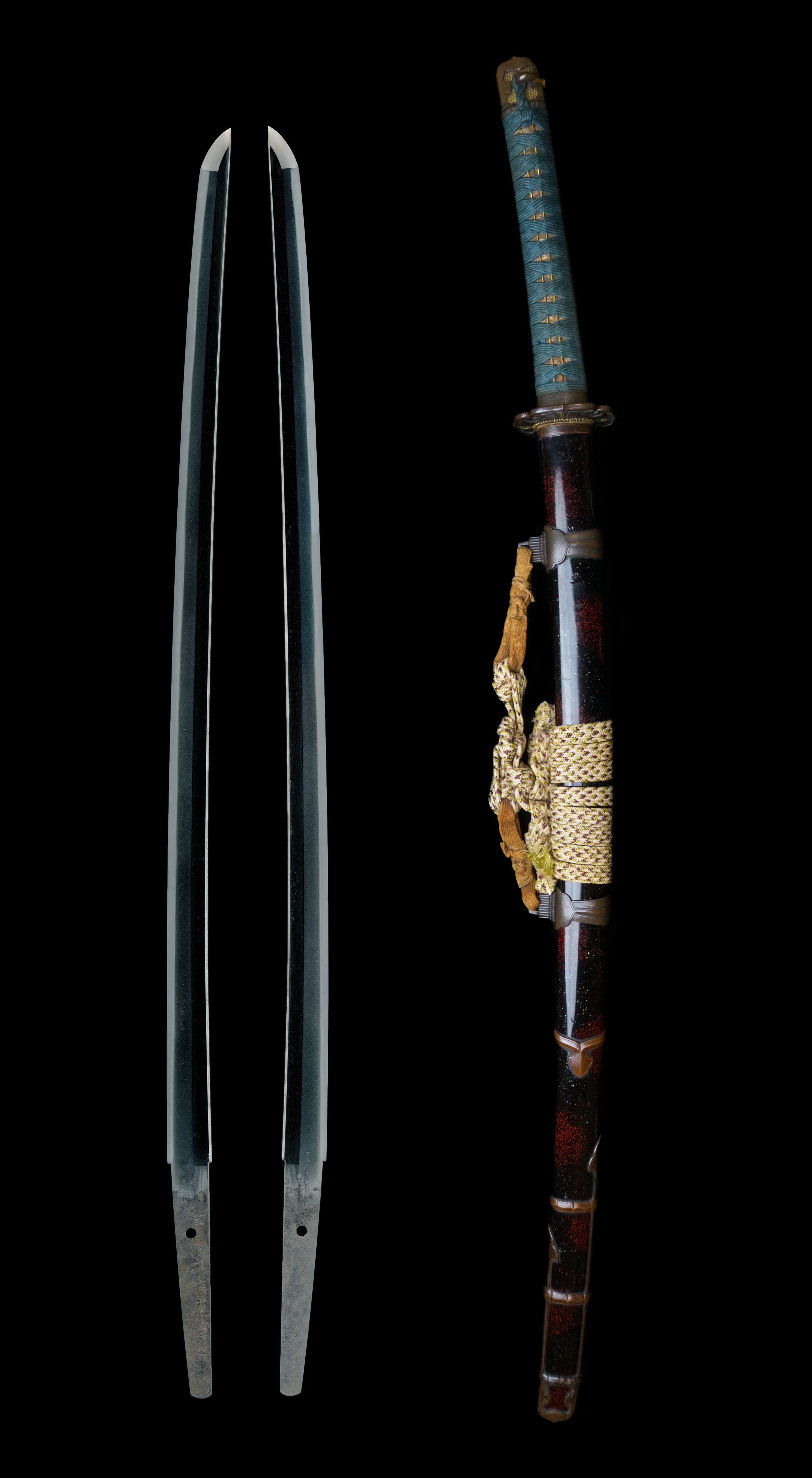
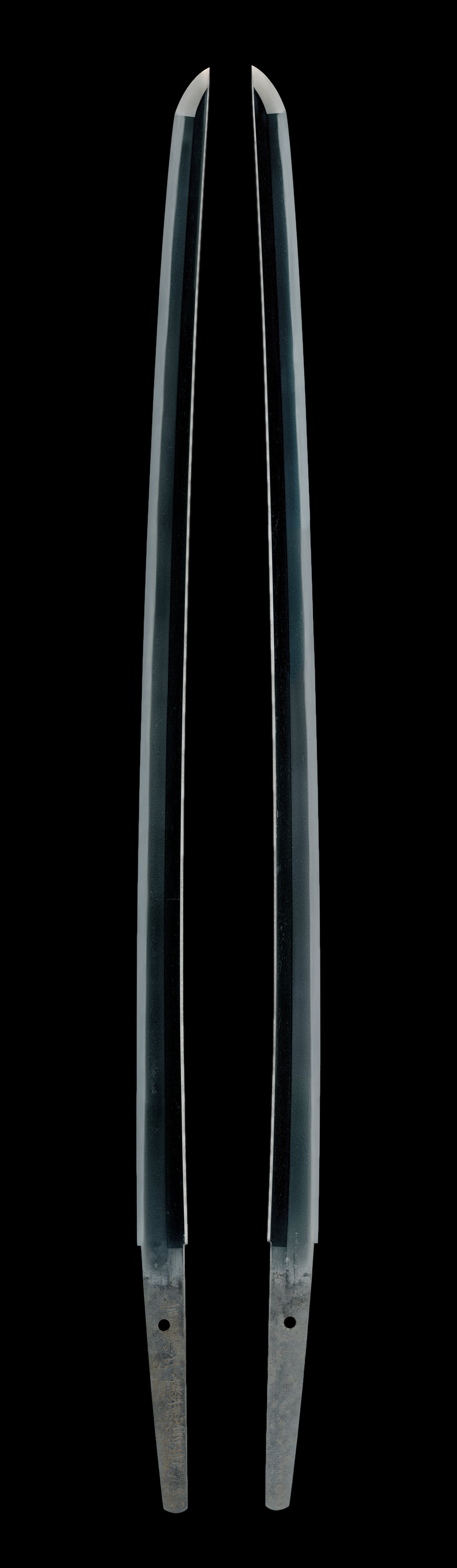
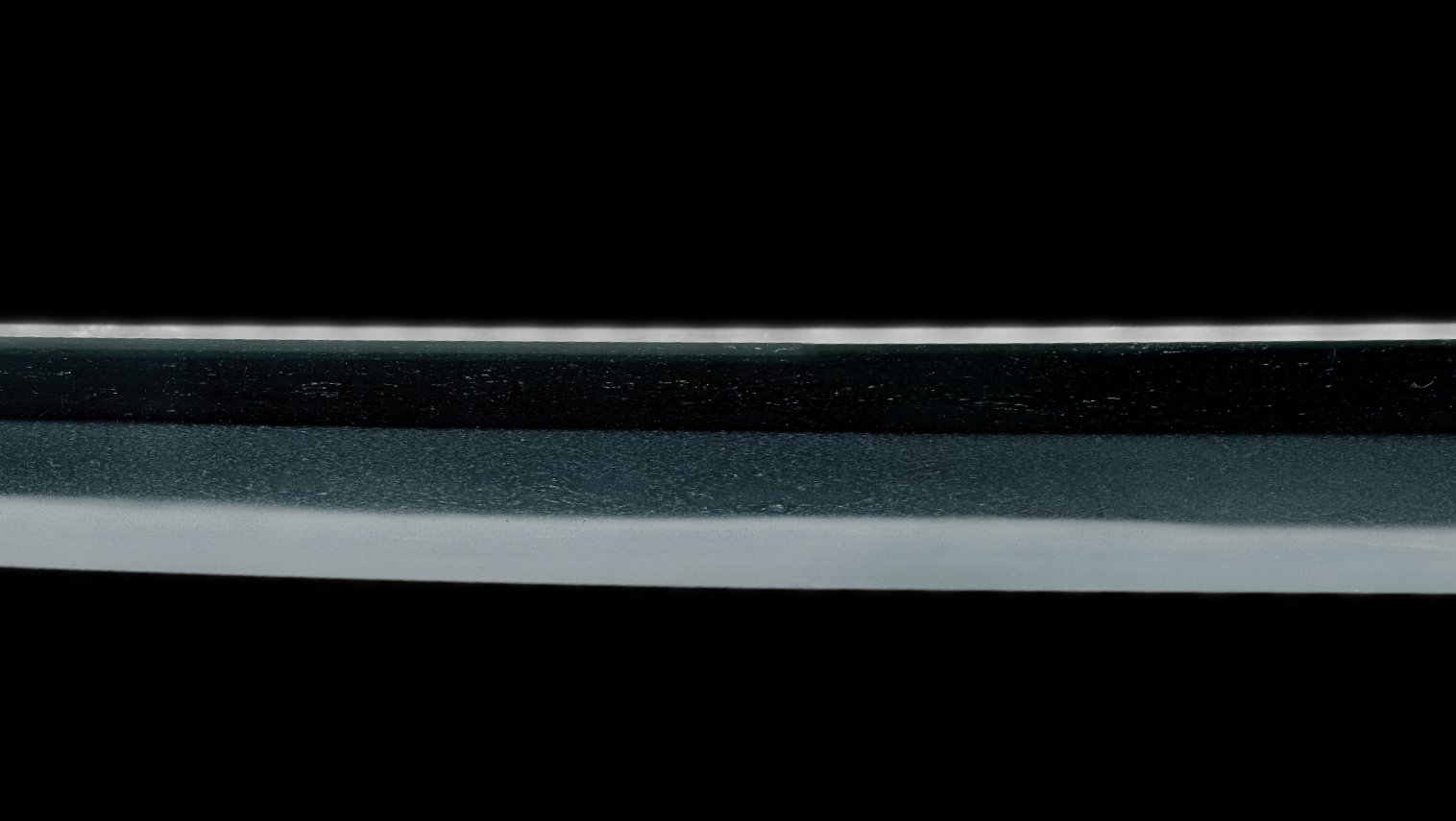
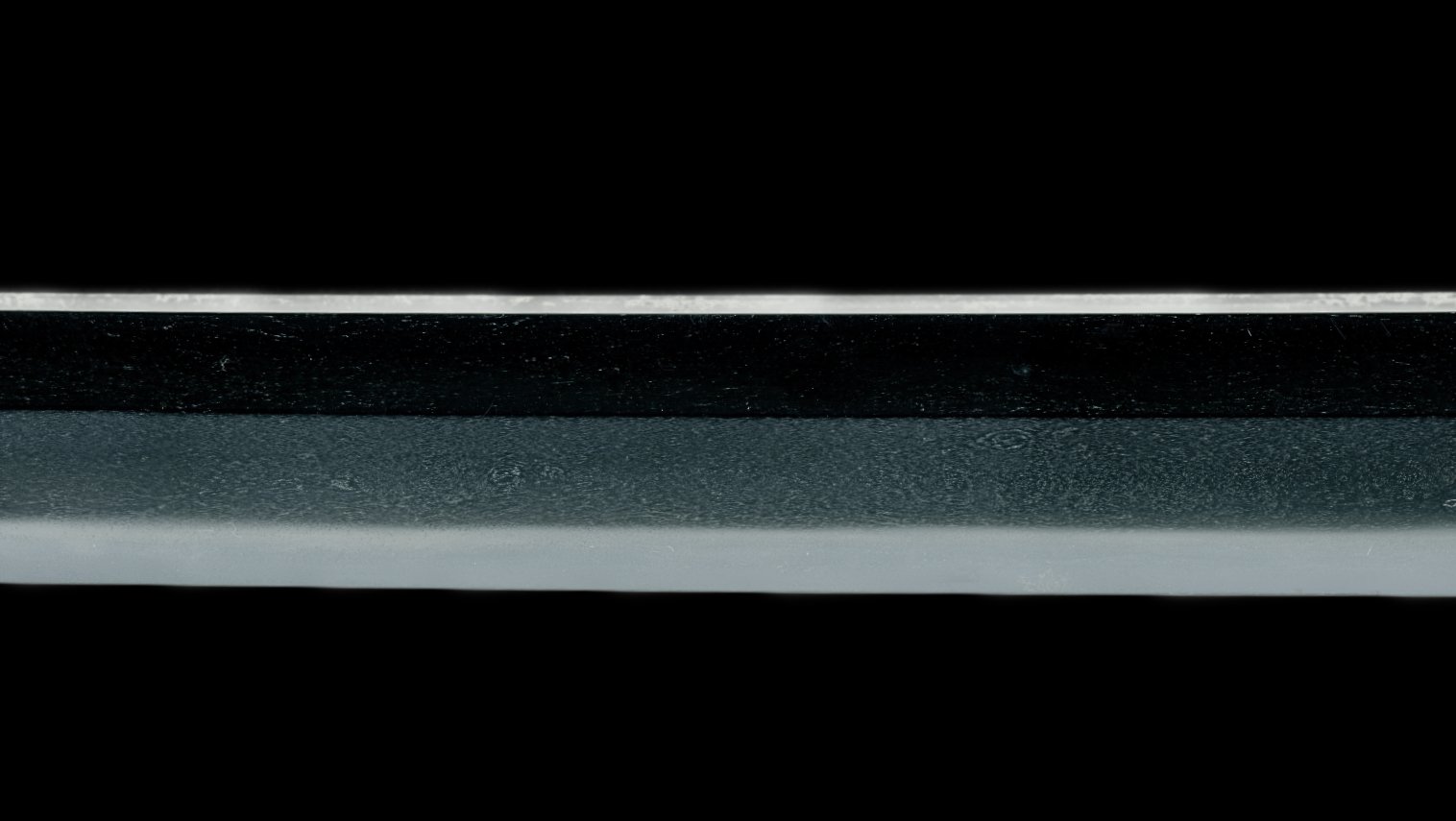
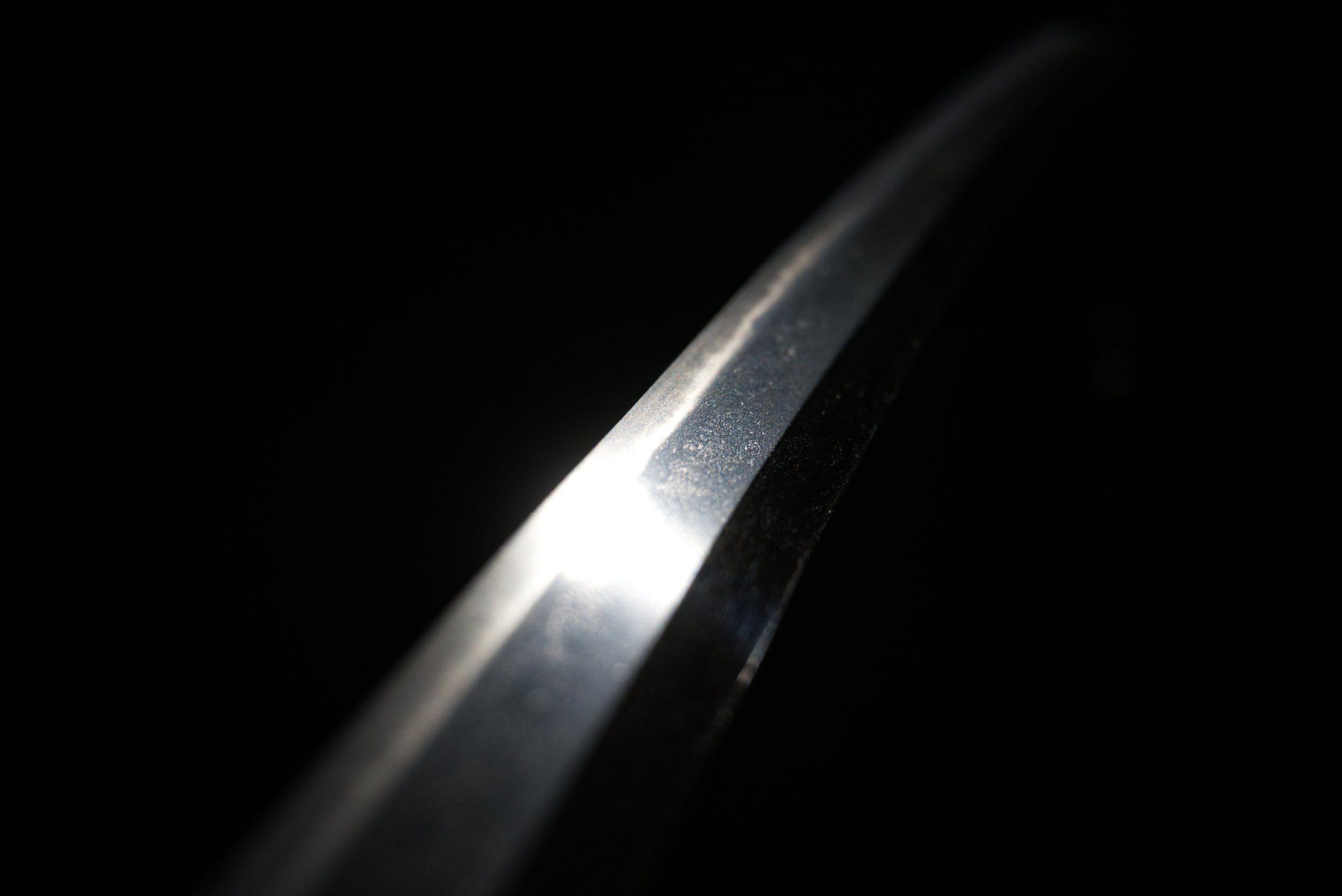
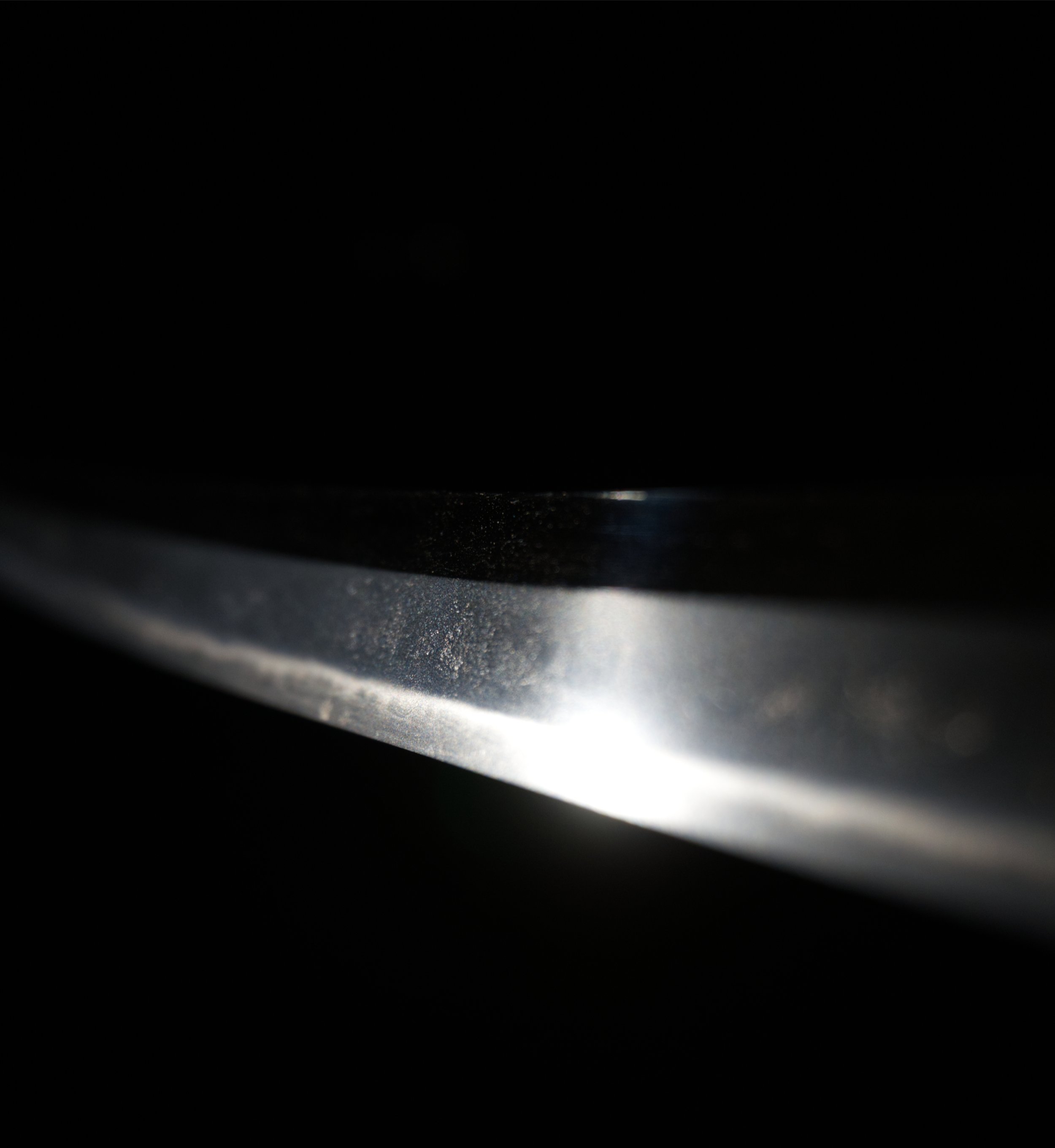
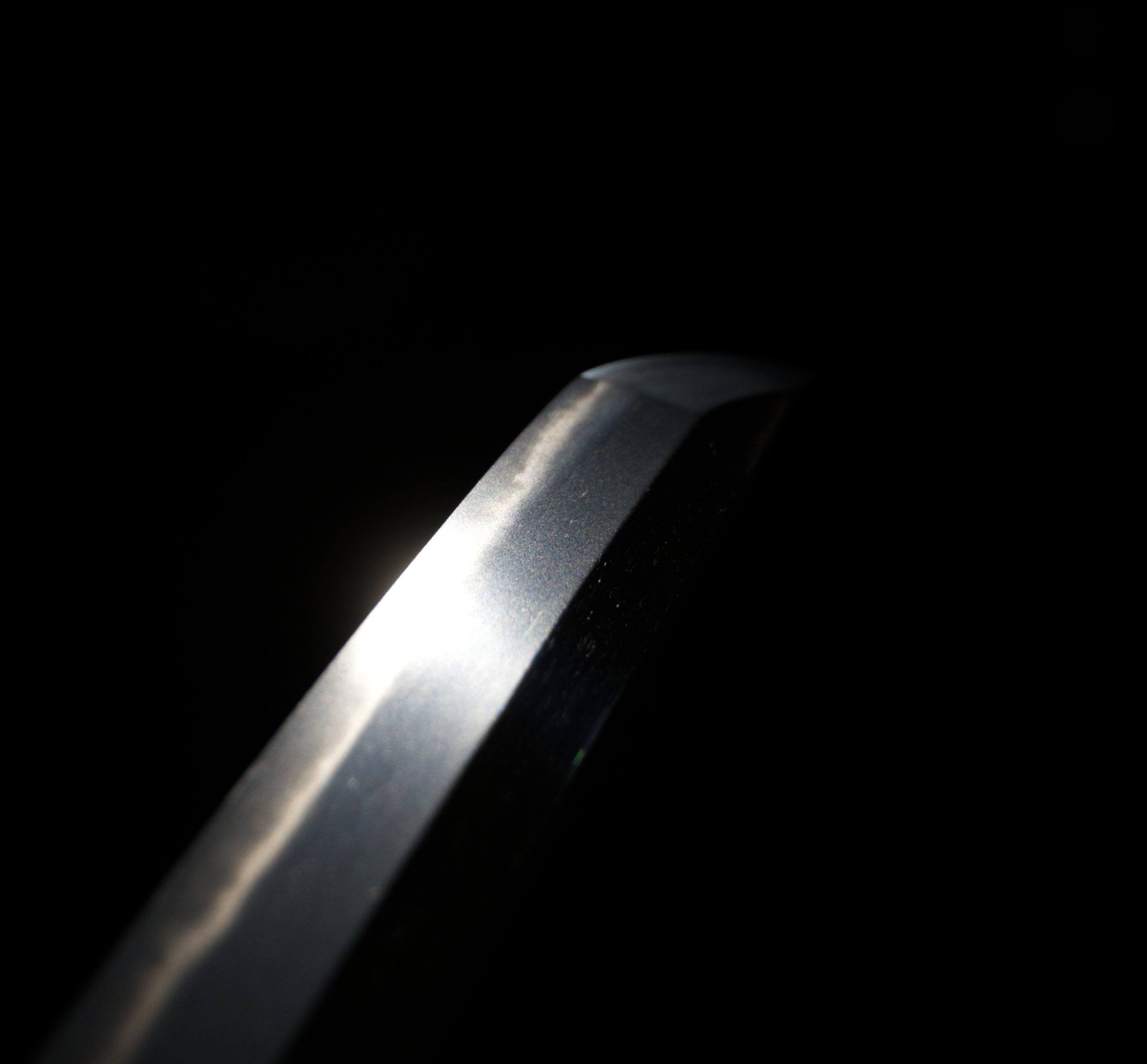
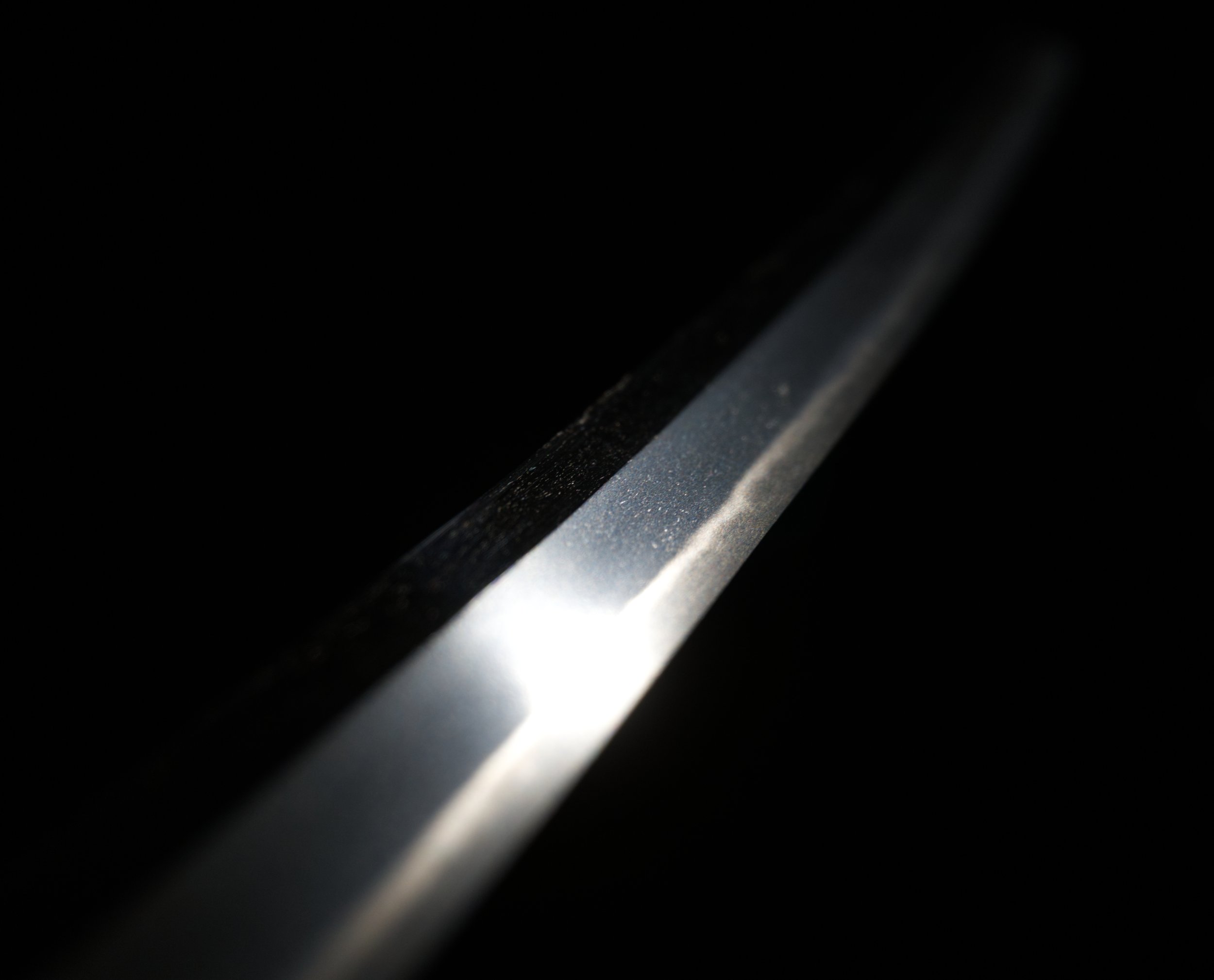
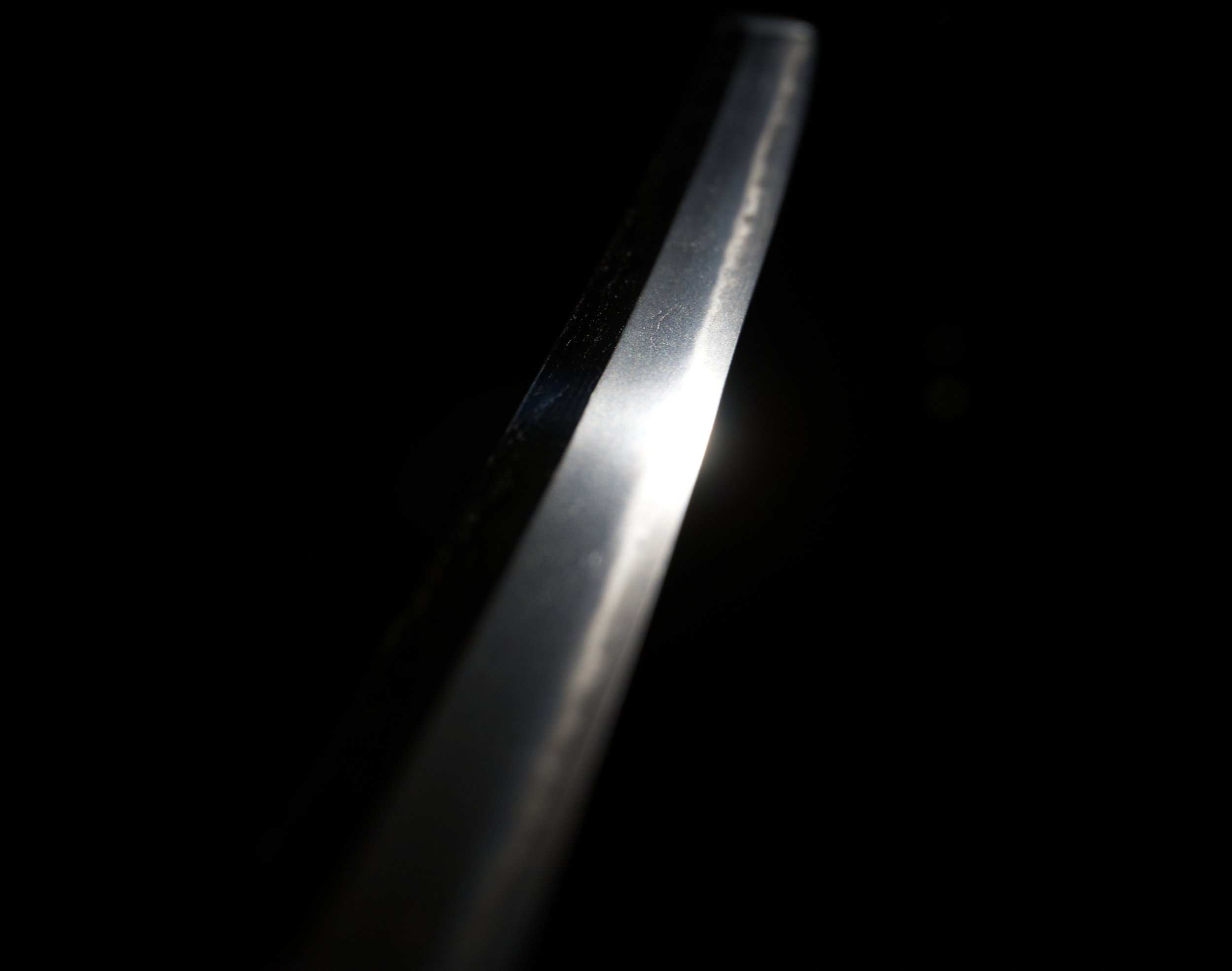
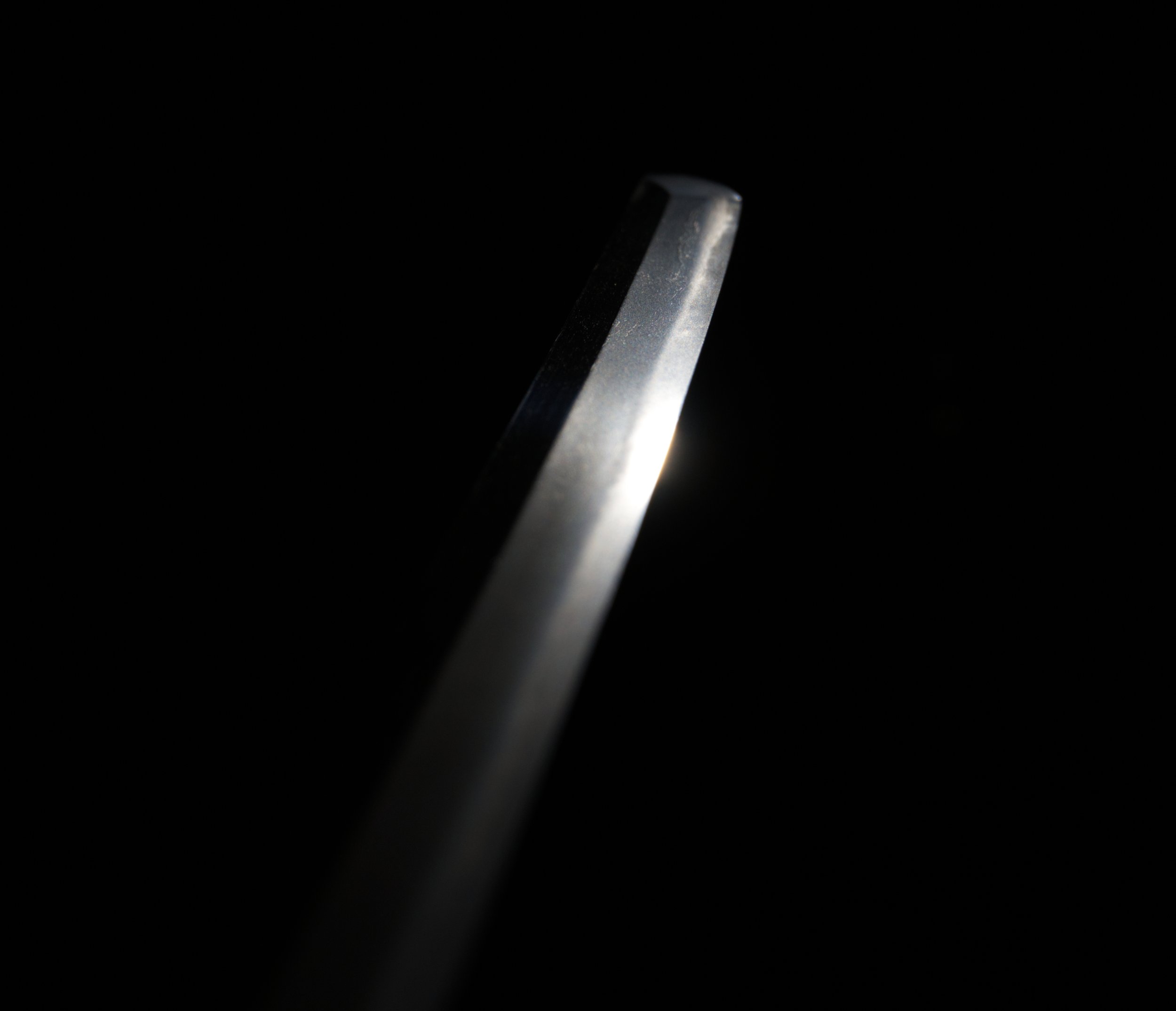
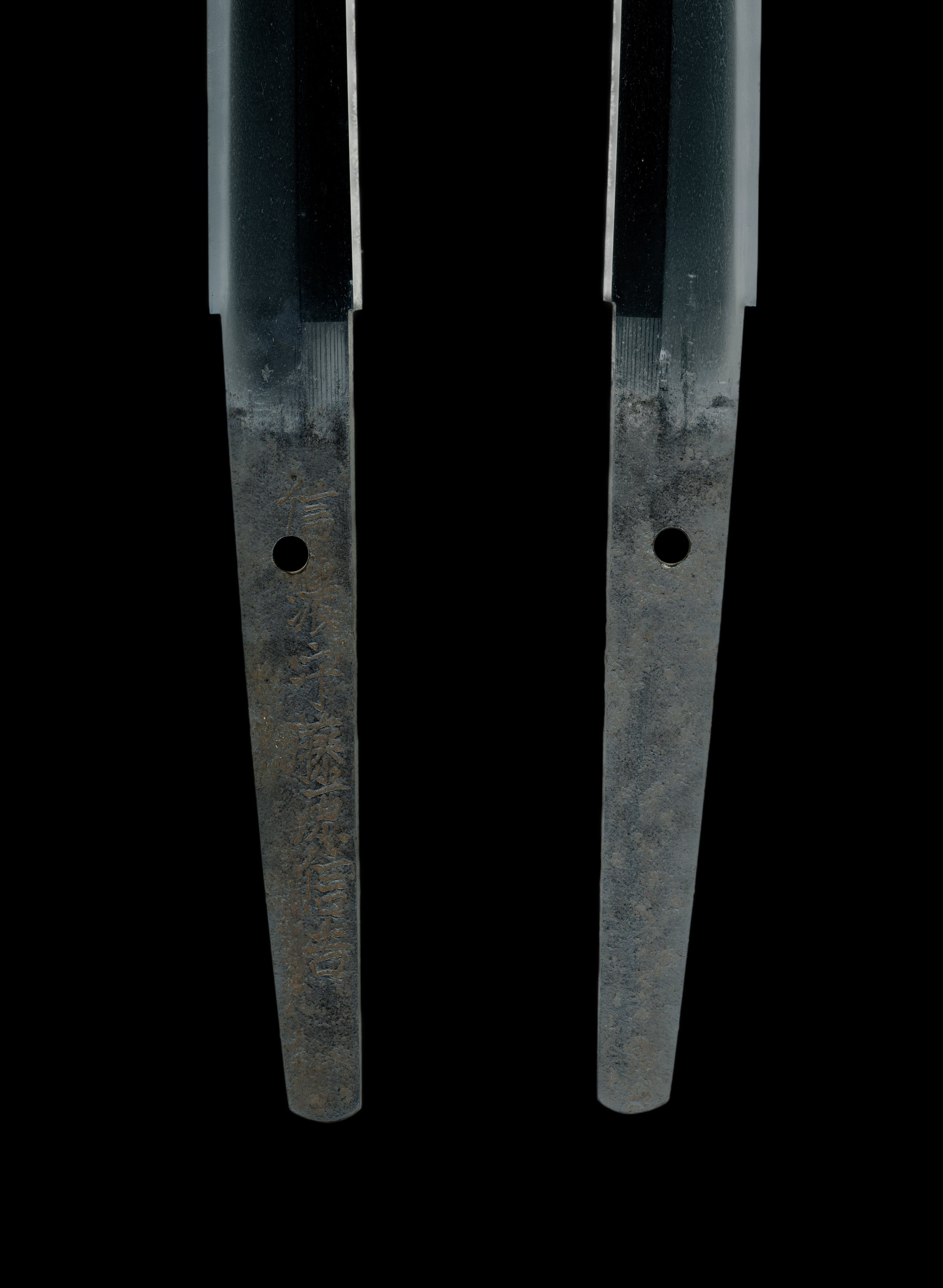
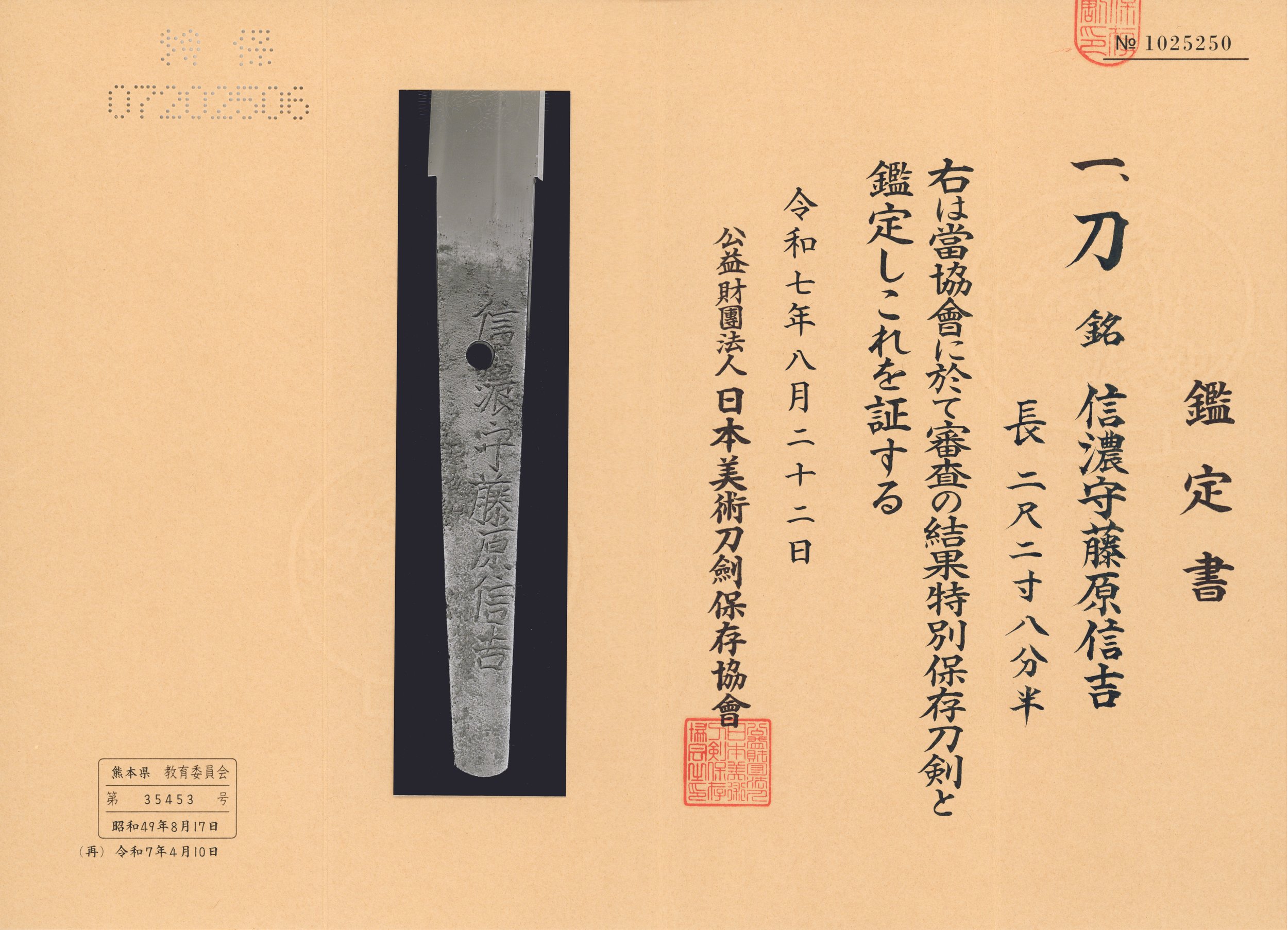
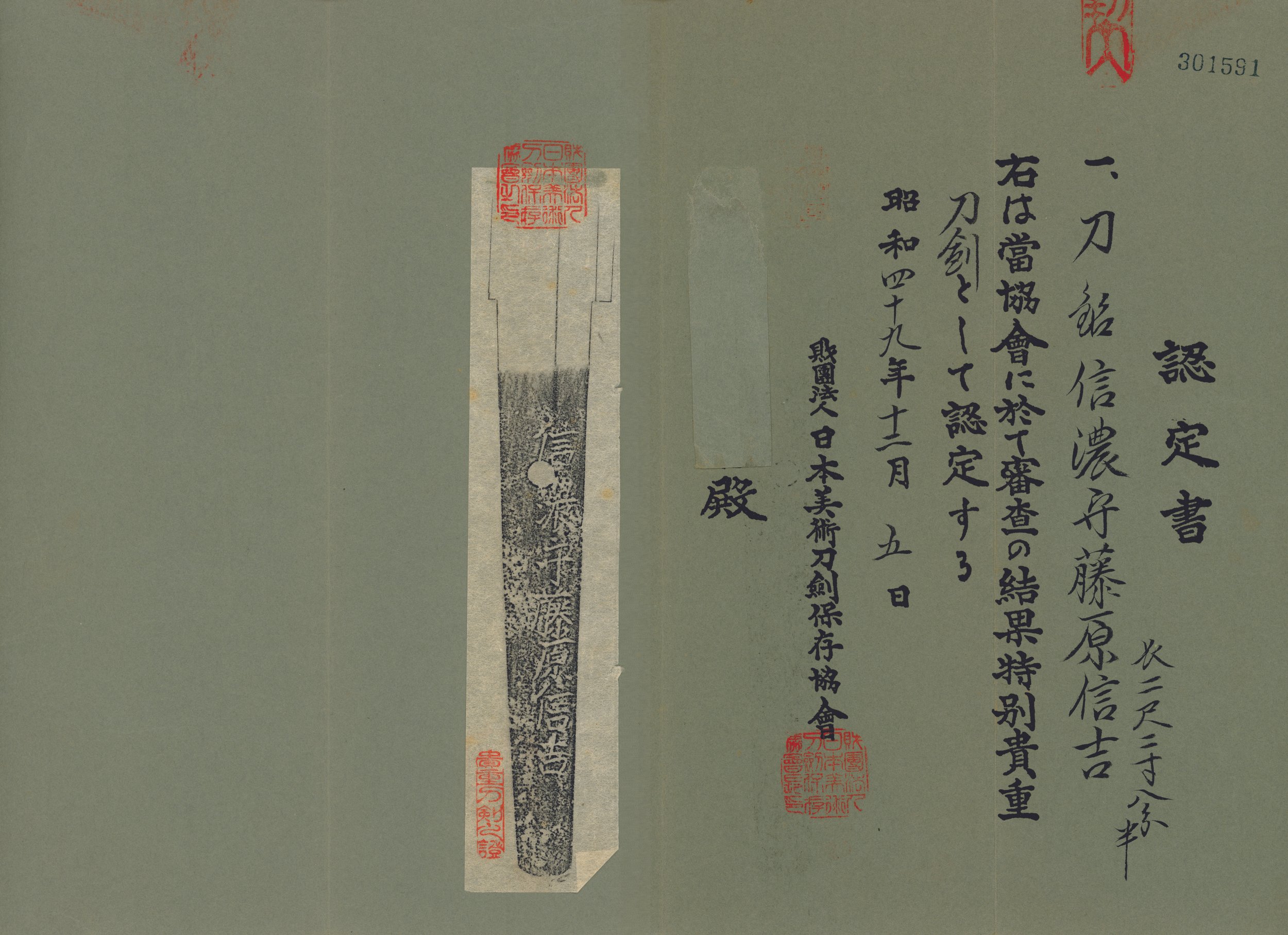
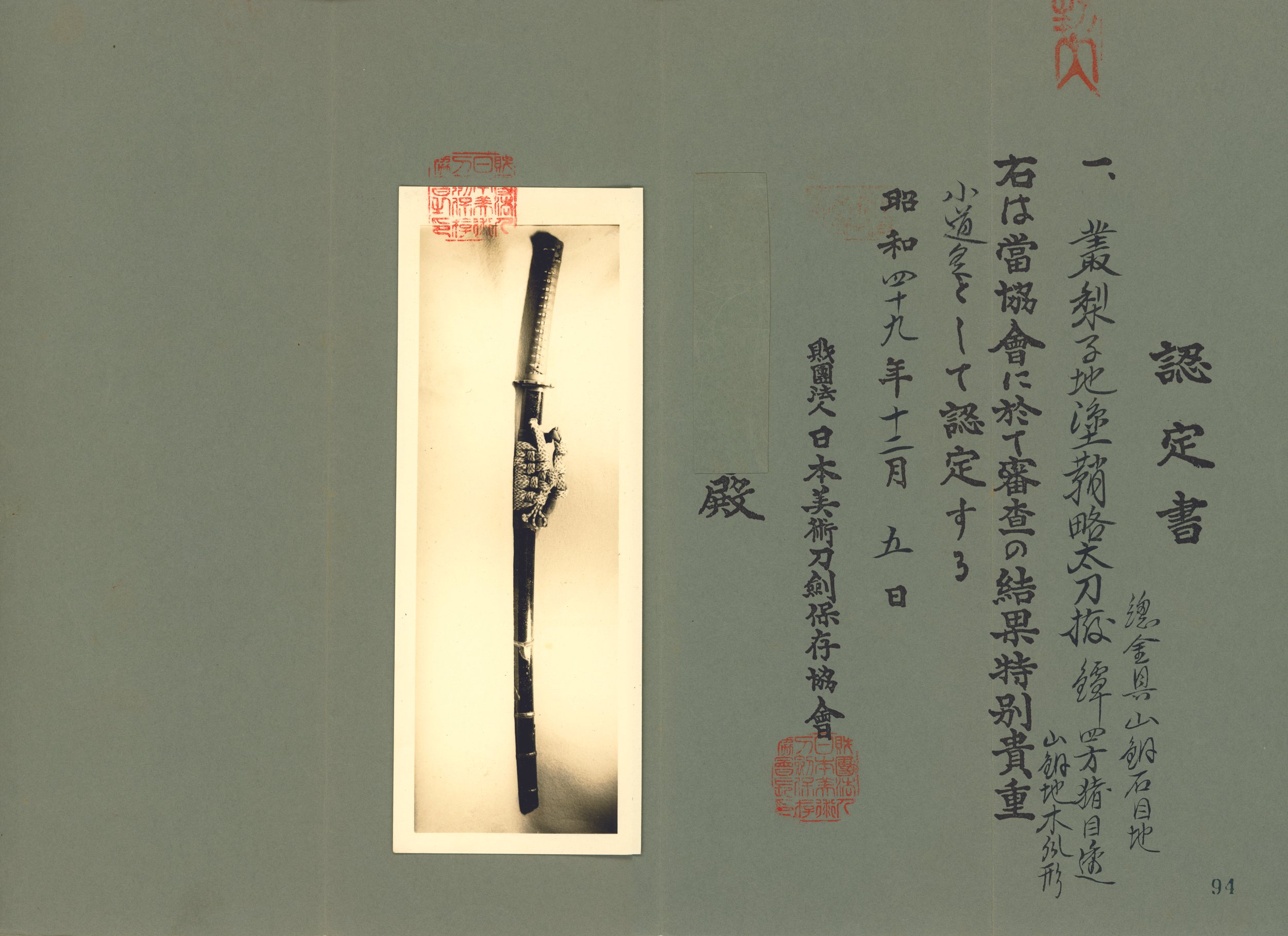
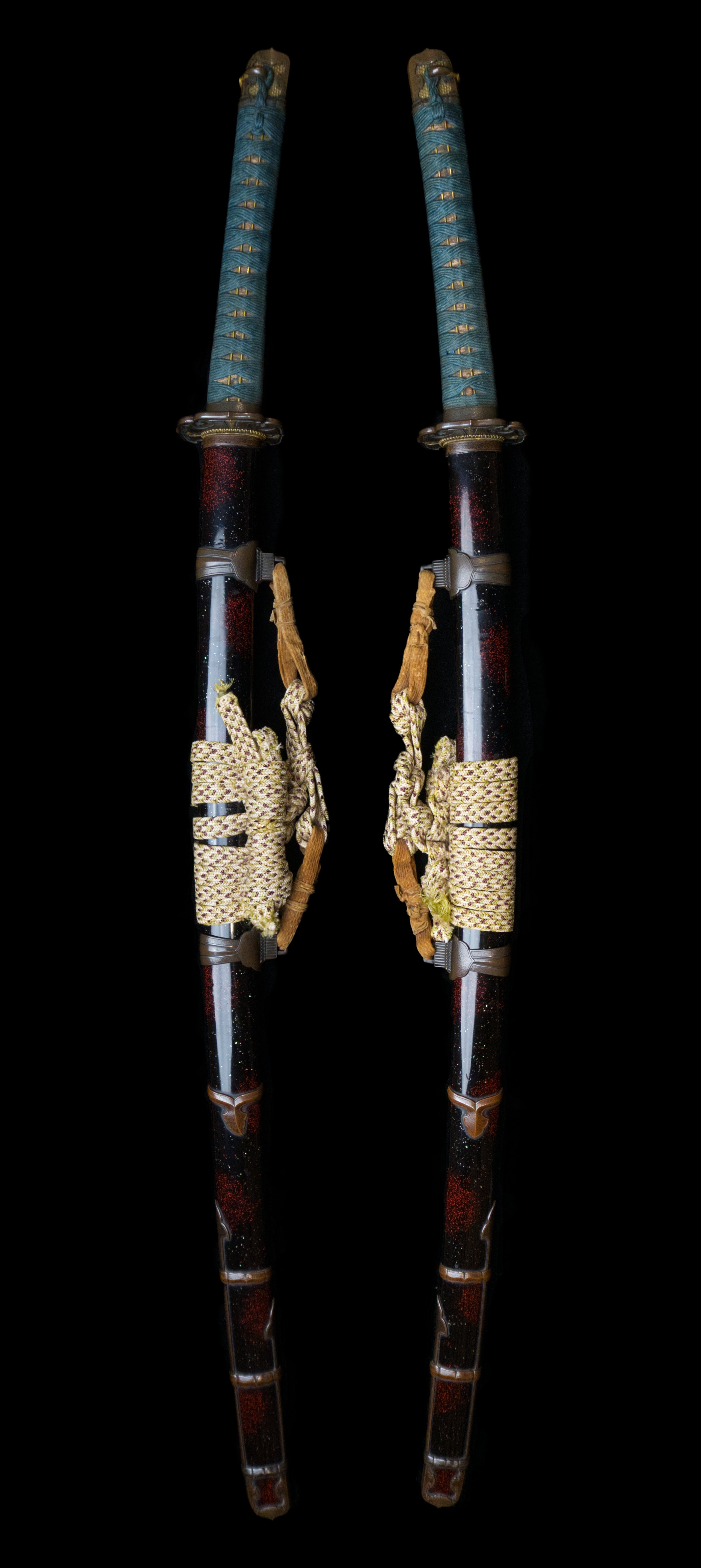
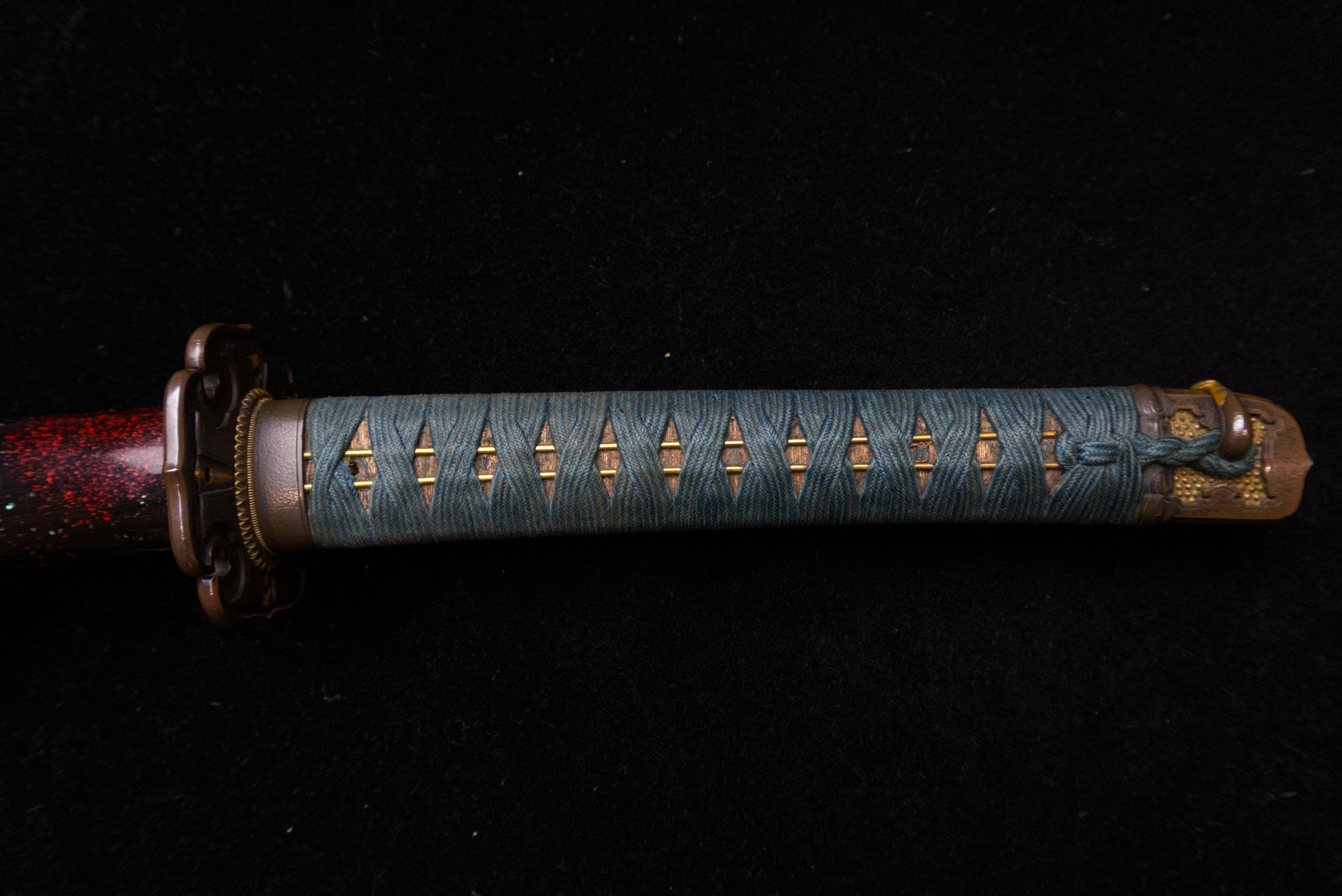
Shinano no Kami Fujiwara Nobuyoshi (信濃守藤原信吉), personal name Takai Kinzaburō (高井金三郎), was a Kyoto based swordsmith active in the mid Edo period and counted among the prestigious Kyō Go Kaji, the five official swordsmiths serving the imperial court. Associated with the Yamashiro tradition, he is recorded as residing in Aburakōji in Rakuyō (Kyoto), and is believed to have had familial ties to the Mishina school through Iga no Kami Kinmichi. The Nobuyoshi lineage continued through multiple generations, with the nidai his son in law later adopting the Minamoto surname and eventually relocating to Osaka, where he also worked under the title Echizen no Kami. The blade is formed in a classic Kanbun Shintō sugata, exhibiting a shallow sori and compact ko-kissaki, with a well-proportioned shinogi-zukuri construction and iori-mune. The jigane is particularly refined, displaying a very tight ko-itame hada with subtle areas of flowing itame-nagare, resulting in a dense and clean surface that speaks to careful forging. The hamon is a suguha executed in fine nie-deki, with a delicate and even distribution of nie throughout. Subtle ashi can be observed working within the temperline, adding a quiet level of activity without disturbing the overall composure. Altogether, this is a very clean and well-executed blade, with an especially attractive jigane that enhances its overall presence and quality. This katana is accompanied by a ryaku tachi koshirae, representing a simplified and more understated form of traditional tachi mounting. Emphasizing practicality and refined restraint over elaborate decoration, this style reflects a quieter aesthetic while retaining the classical tachi form. The fittings are executed in copper and yamagane, offering a subdued and cohesive appearance, while the saya is finished in a combination of textured ishime lacquer and aogai-nuri urushi, providing a tasteful contrast in surface and finish.
NihontoWatchOffered by Toukentakarado
This piece has sold
Get an email when a new Nobuyoshi piece hits the market.

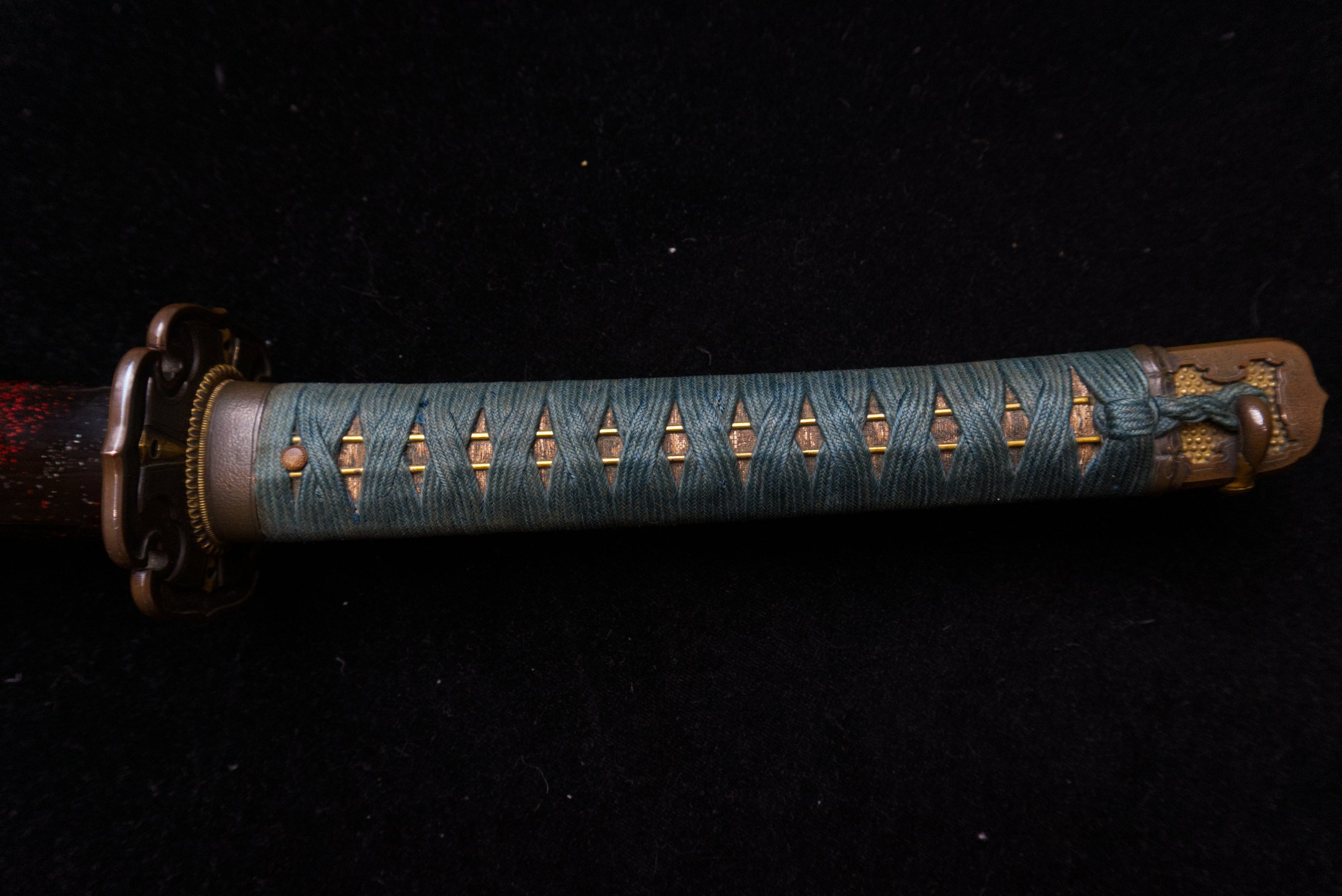
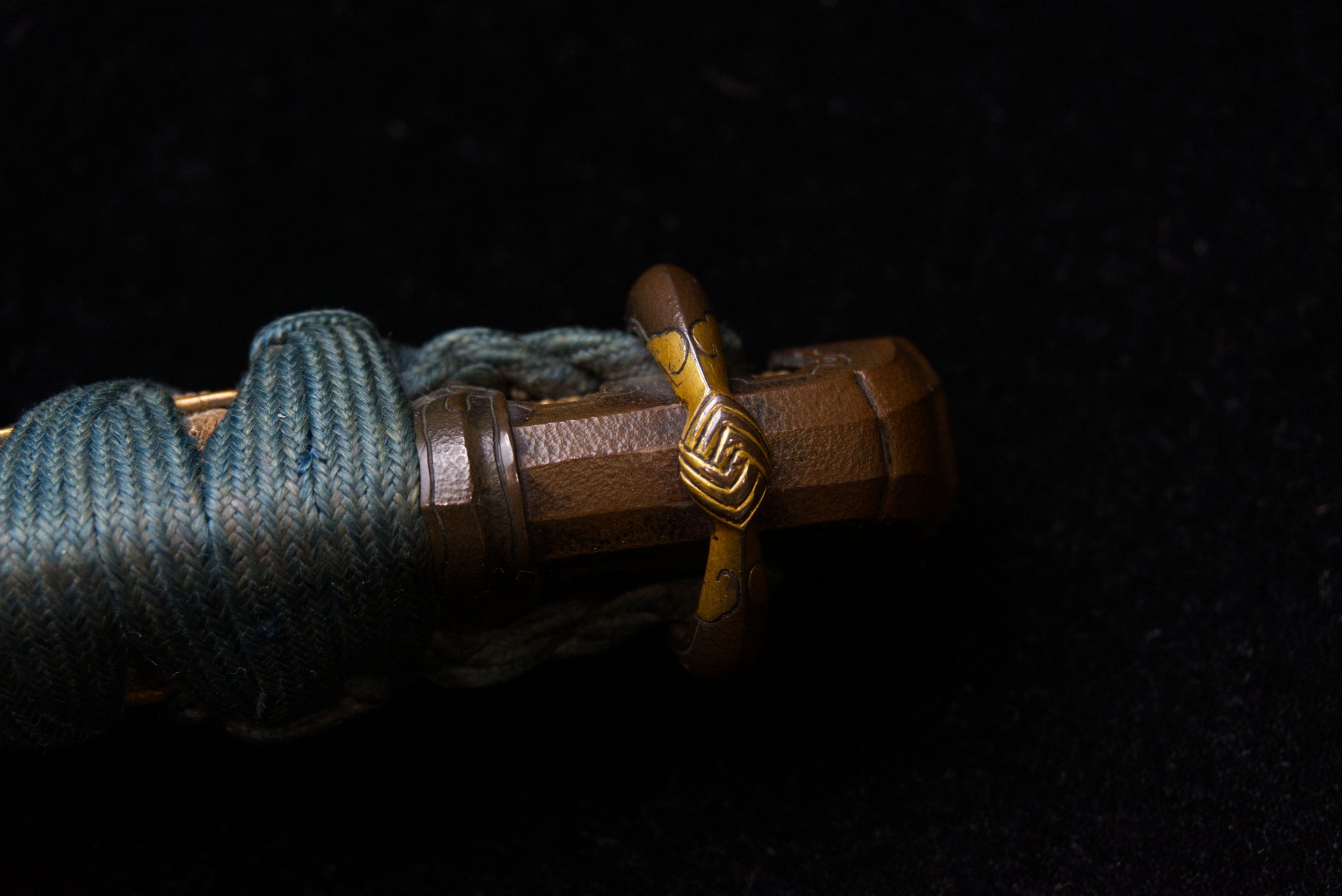
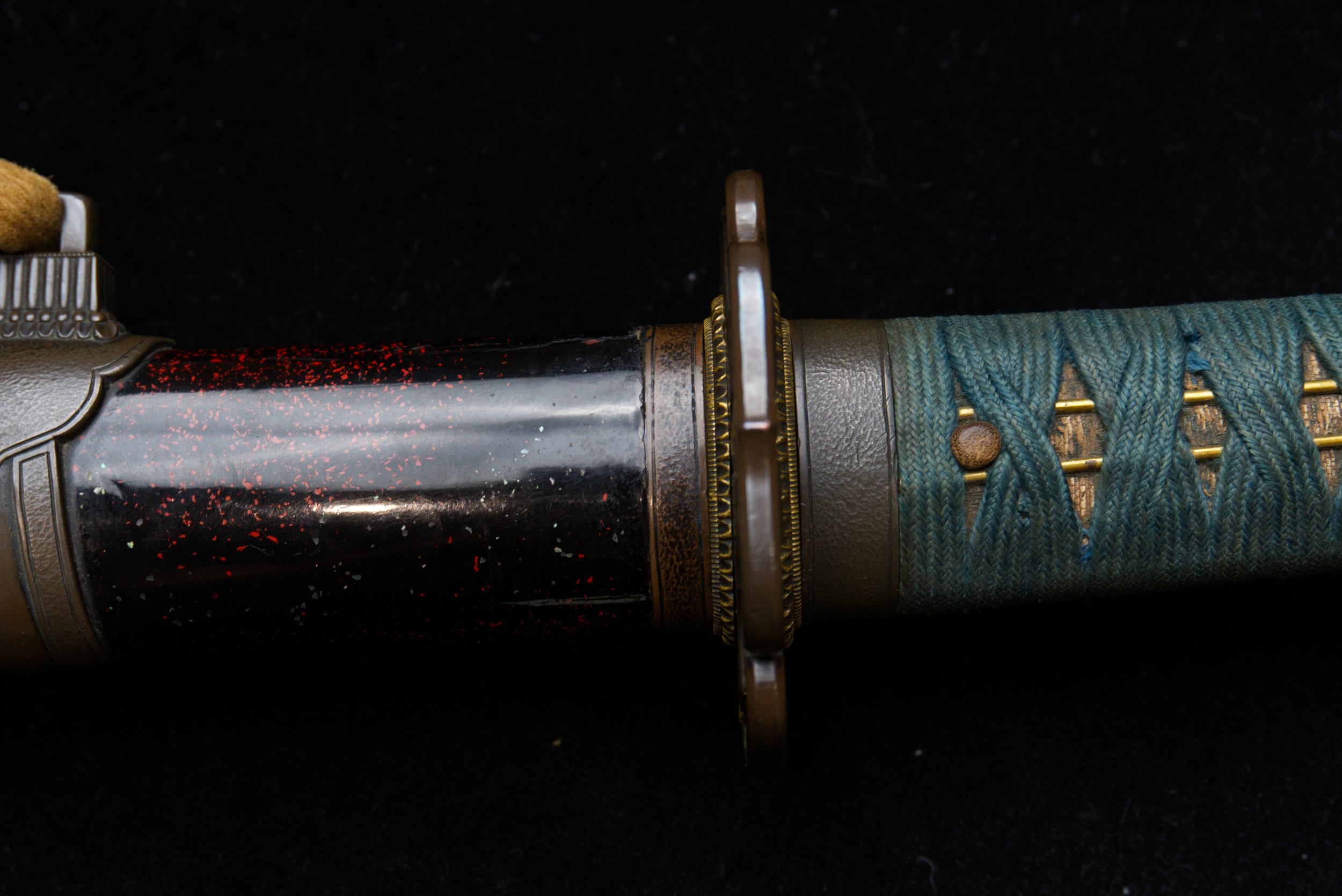
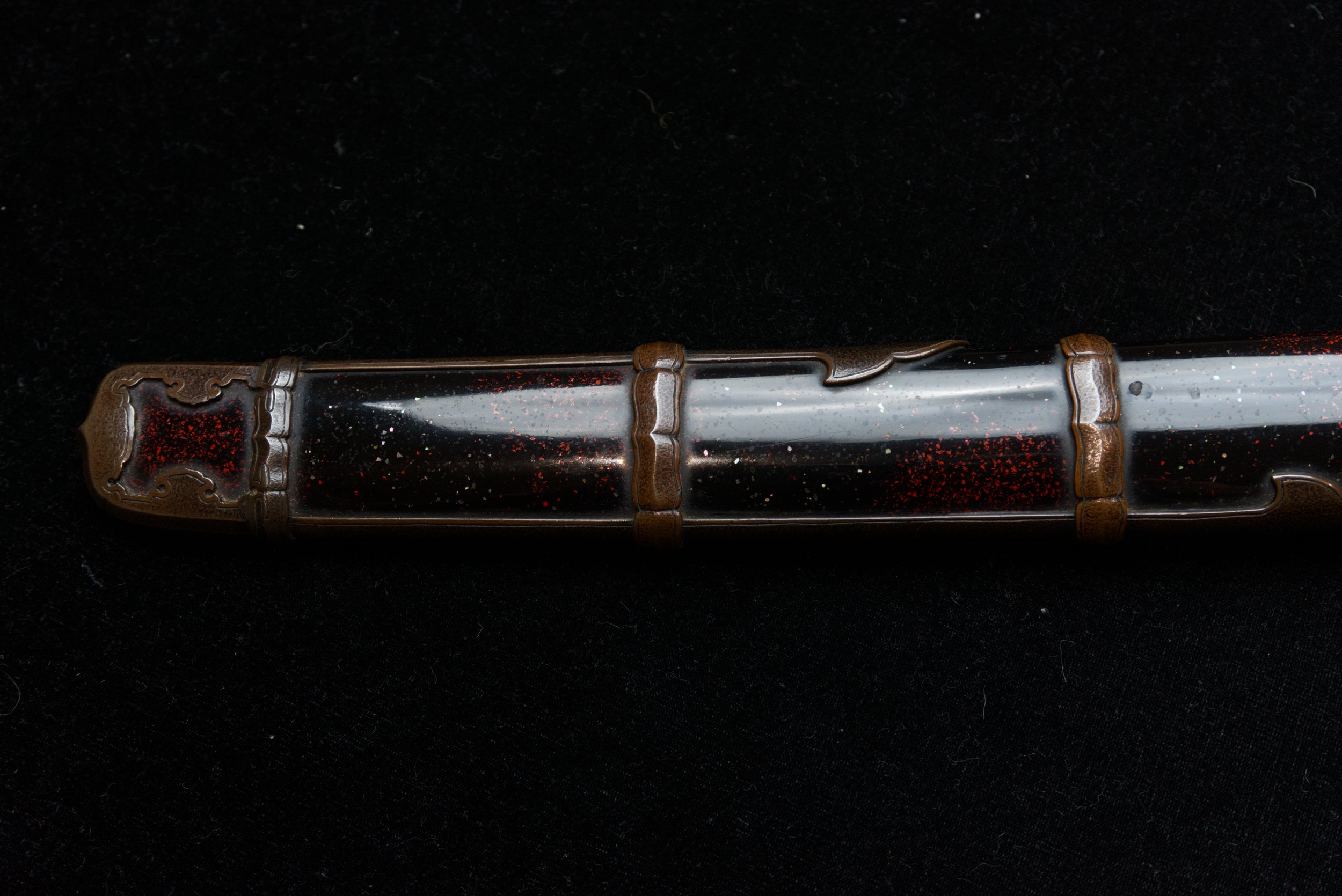
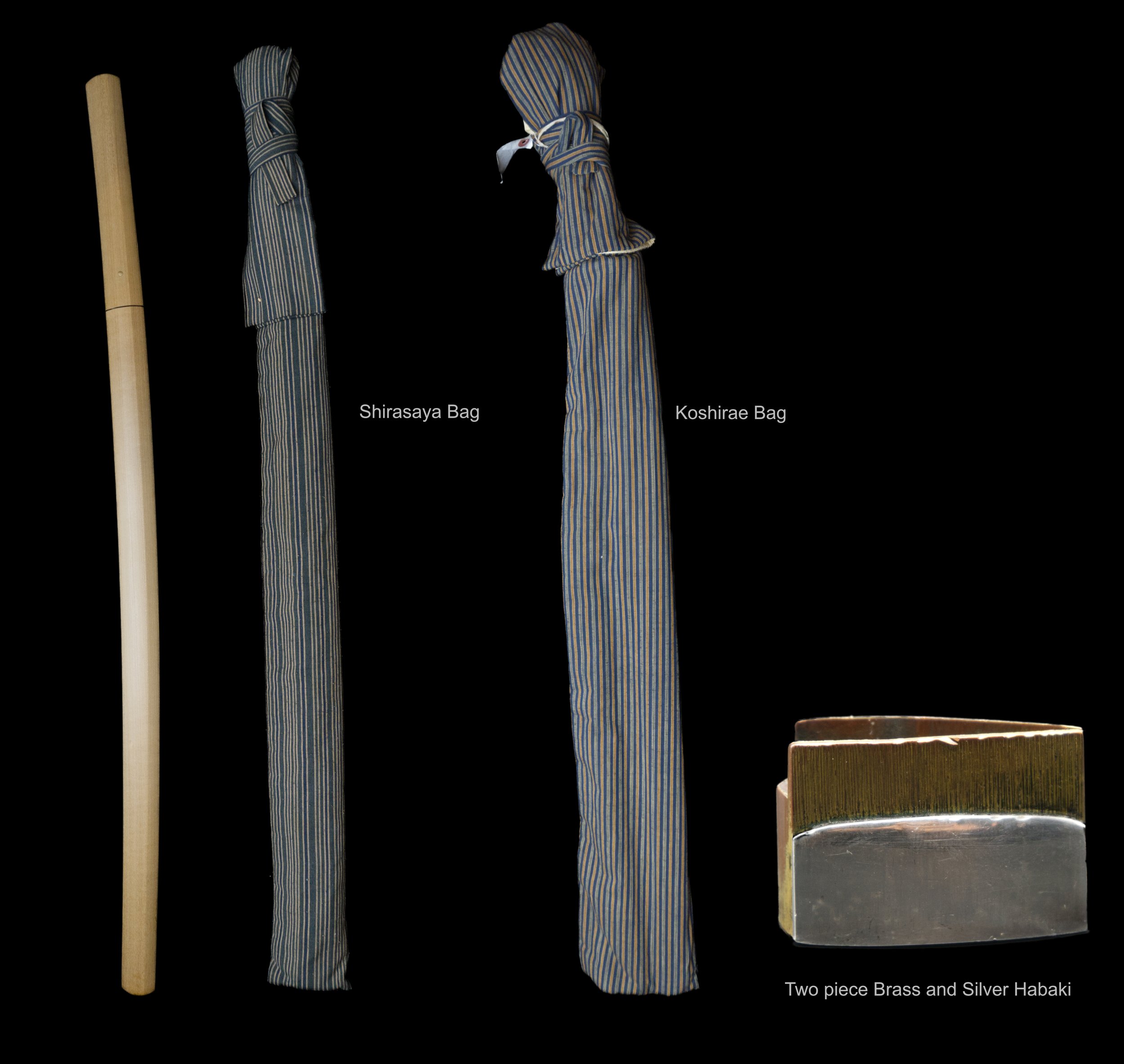
As written by the shop
Yamashiro · around 1644-1648
Fujishiro Chu-jo saku · Tōken Taikan top 49%
3 pieces on the market now
The Edo period (1615 to 1868)
Edo was the sword’s age of connoisseurship: the Hon’ami appraisers, the shogunal register of famous blades of 1719, and a thriving literature turned the sword into an object of study even as it ceased to be drawn in war.
A Hozon-certified blade judged to show notably superior workmanship and a better state of preservation. The bar is higher: re-tempered blades and most unsigned Muromachi/Edo works are excluded.
The NBTHK (Nihon Bijutsu Tōken Hozon Kyōkai, the Society for the Preservation of Japanese Art Swords) is a public-interest incorporated foundation founded in 1948 and supervised by Japan’s Agency for Cultural Affairs (Bunkachō); it is based at the Japanese Sword Museum in Tokyo. Its expert panels physically examine each submitted work (shinsa) and issue a certificate (kanteishō) ranking it by artistic and historical merit. NBTHK papers are the most widely recognized standard of authentication for Japanese swords and fittings.
NBTHK official siteWe offer a three-day inspection period. To initiate a return, you must notify us within three days of the package being delivered. Once we confirm your request, you have seven days to ship the item back to us. The item must be returned in its original condition, including all accompanying documents, certificates, and packaging materials. The buyer is responsible for covering the shipping costs and insurance for the return shipment.