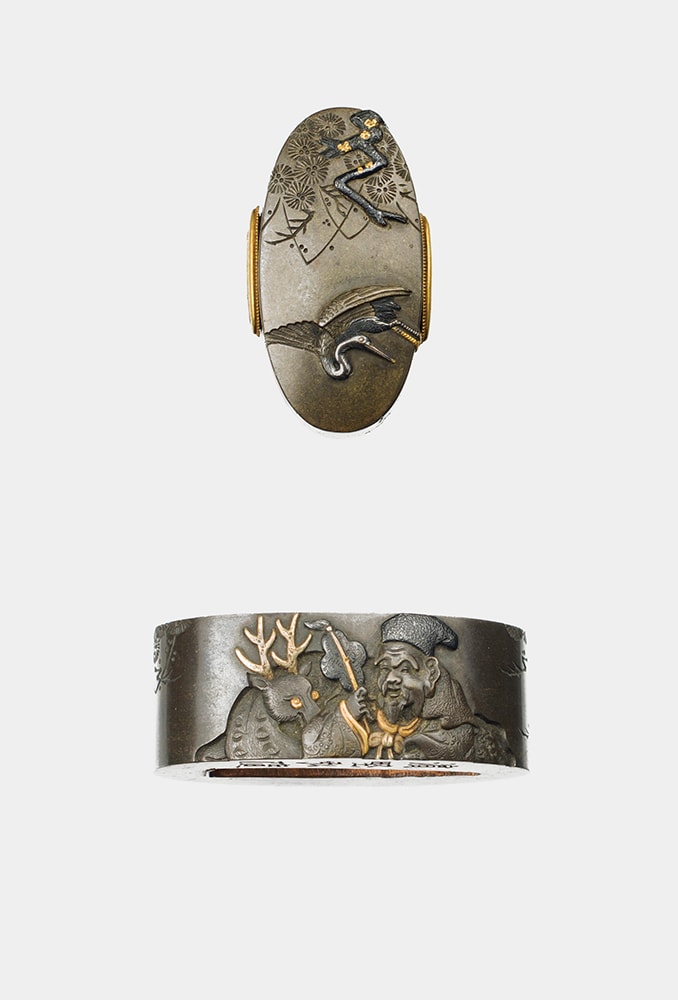
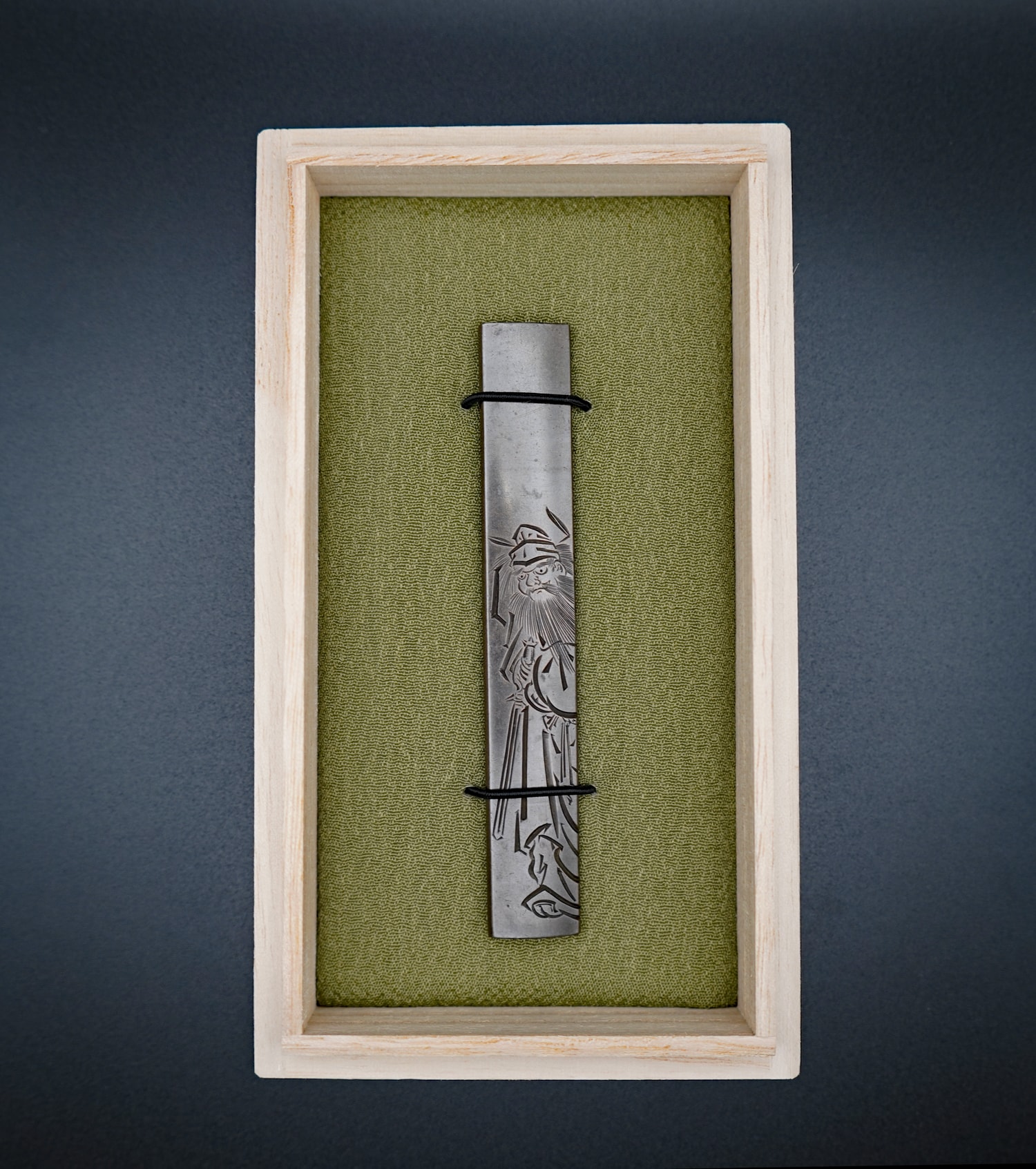
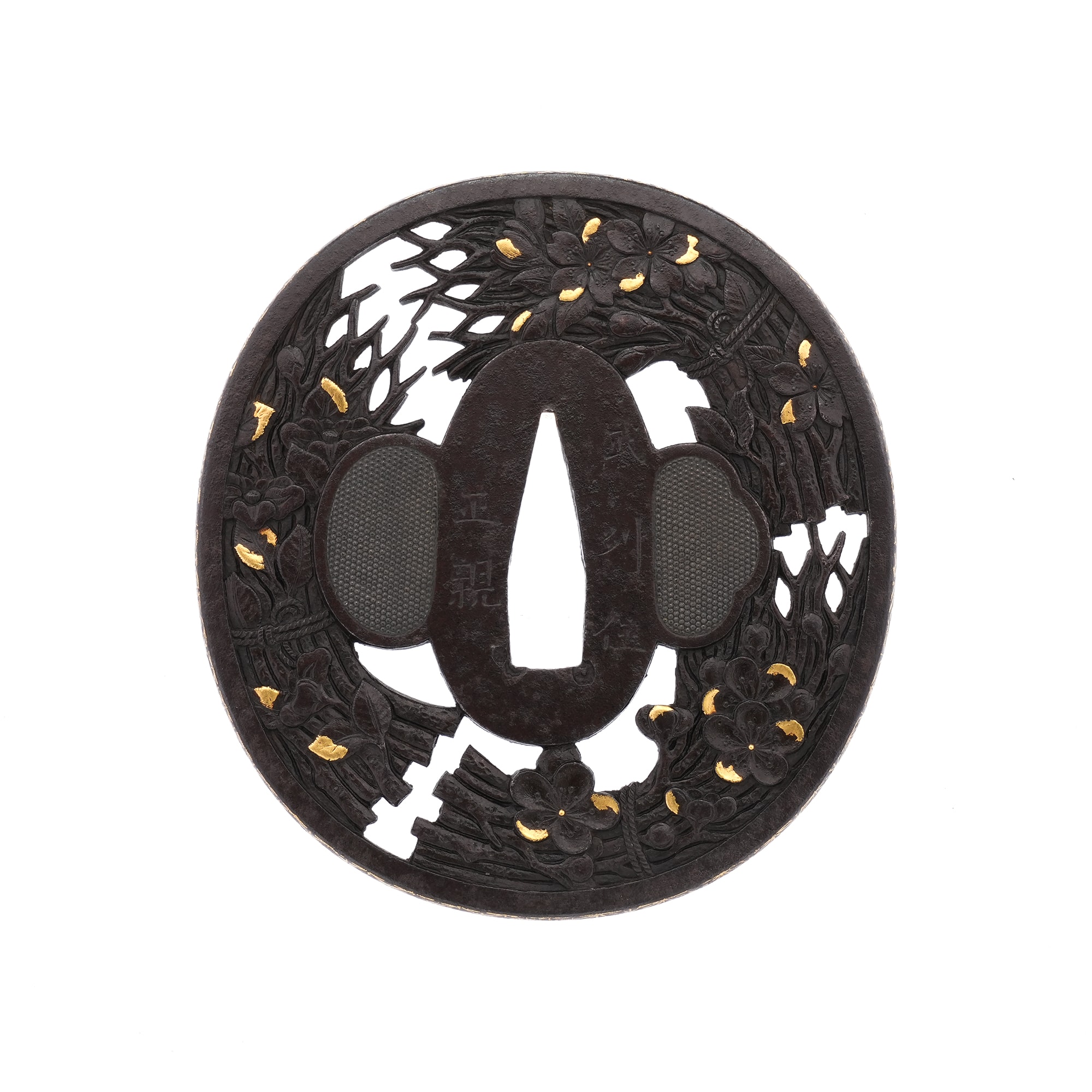
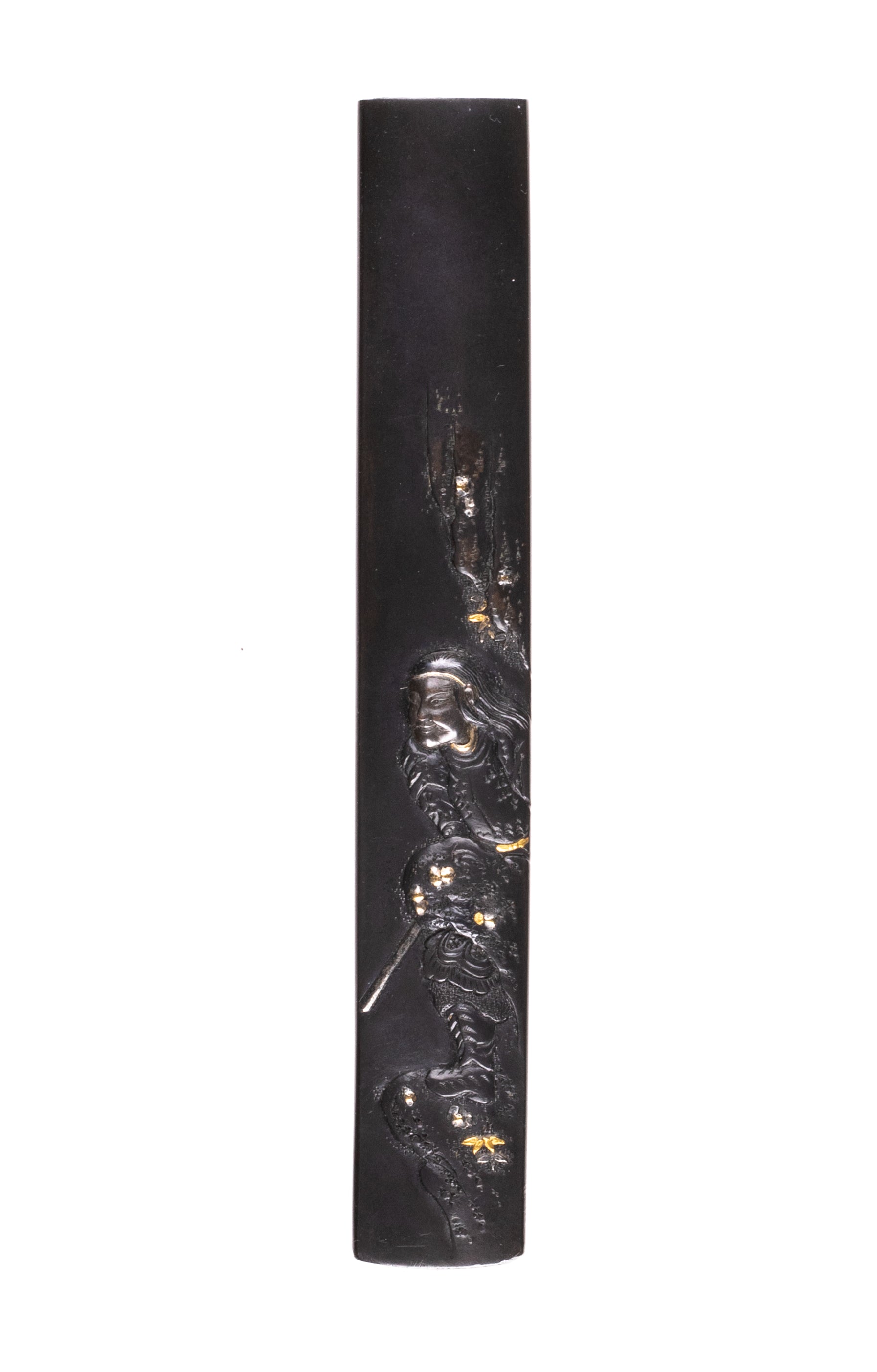
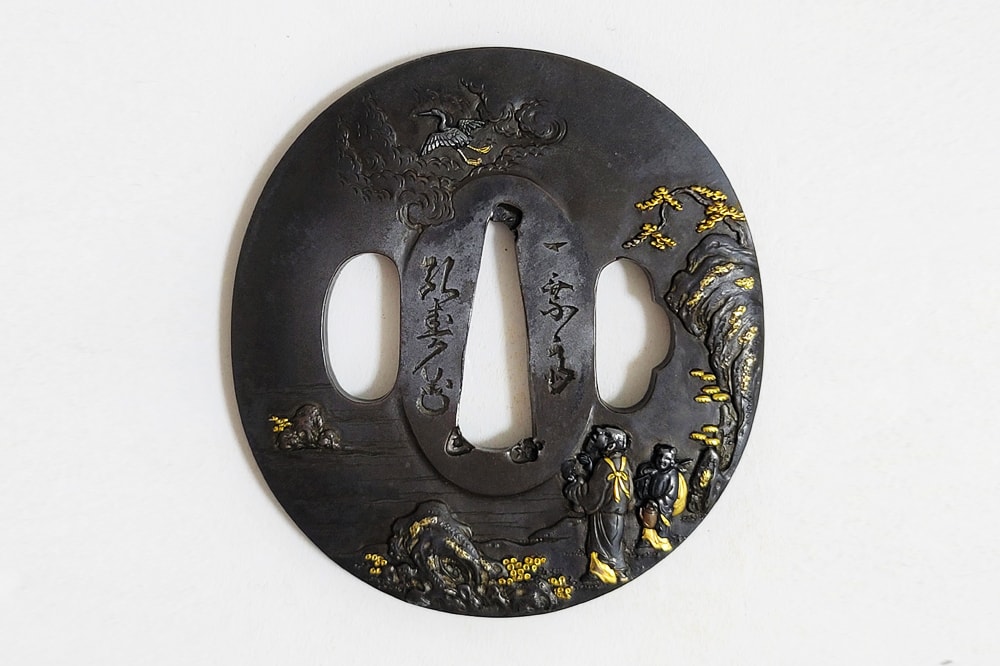
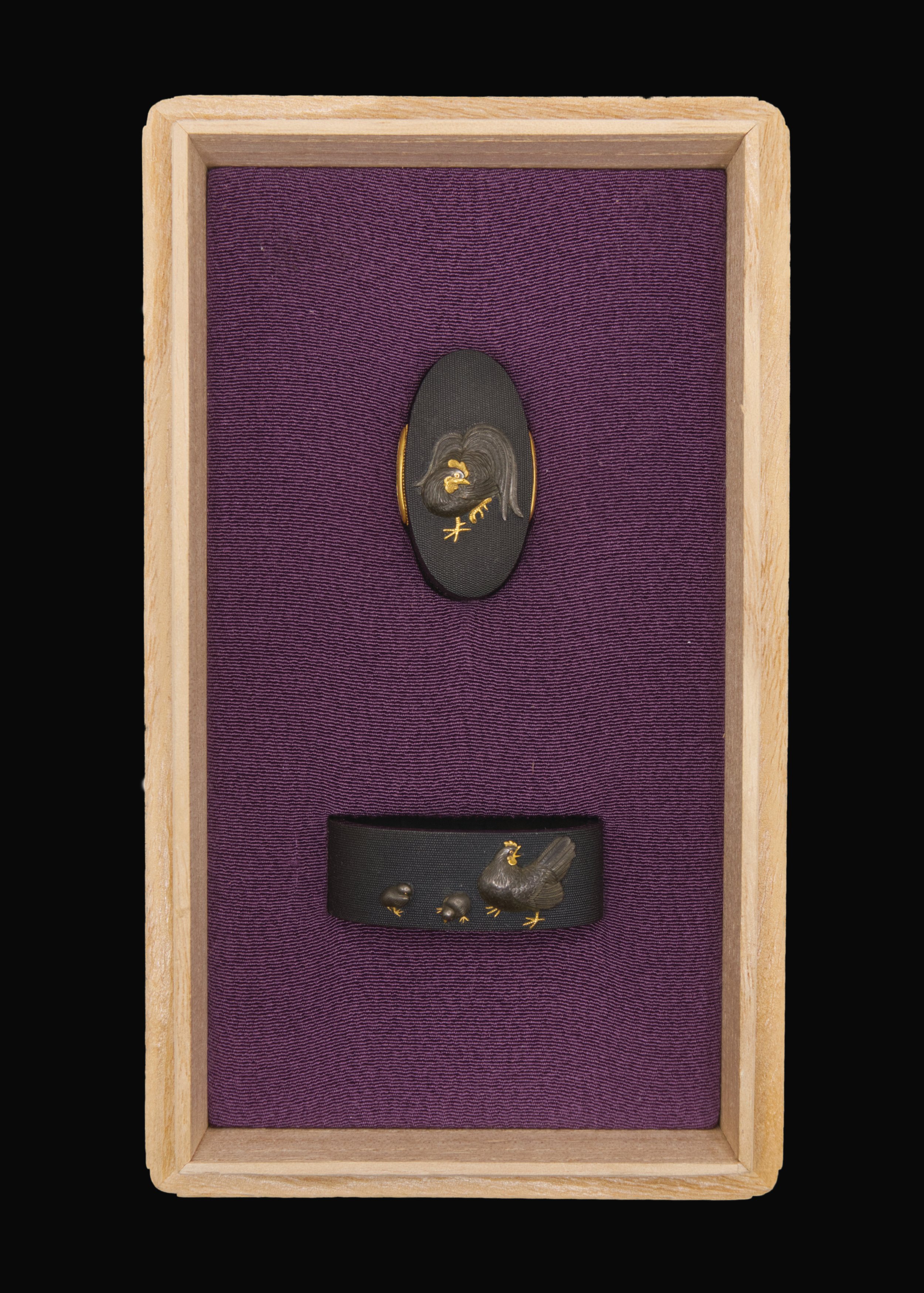
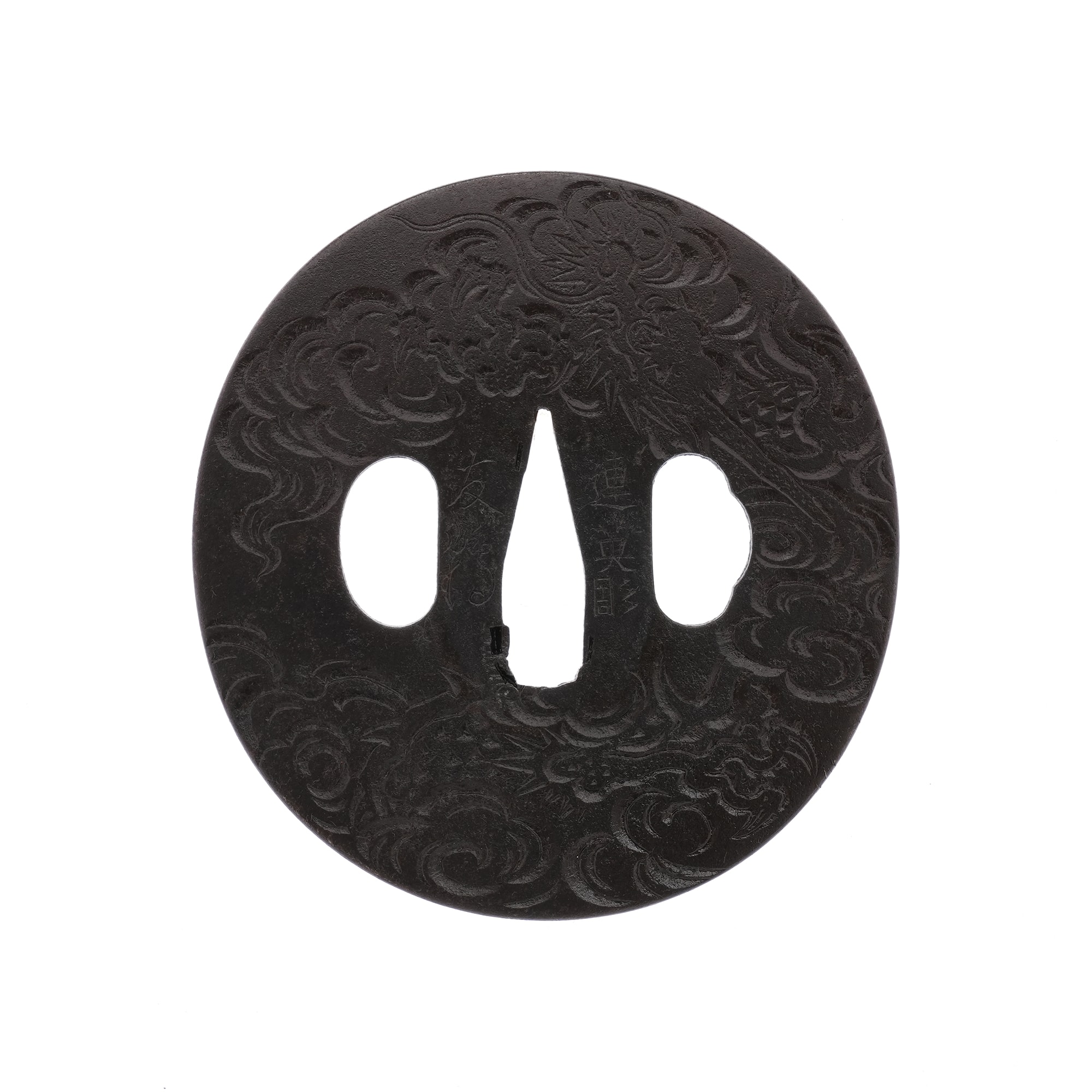
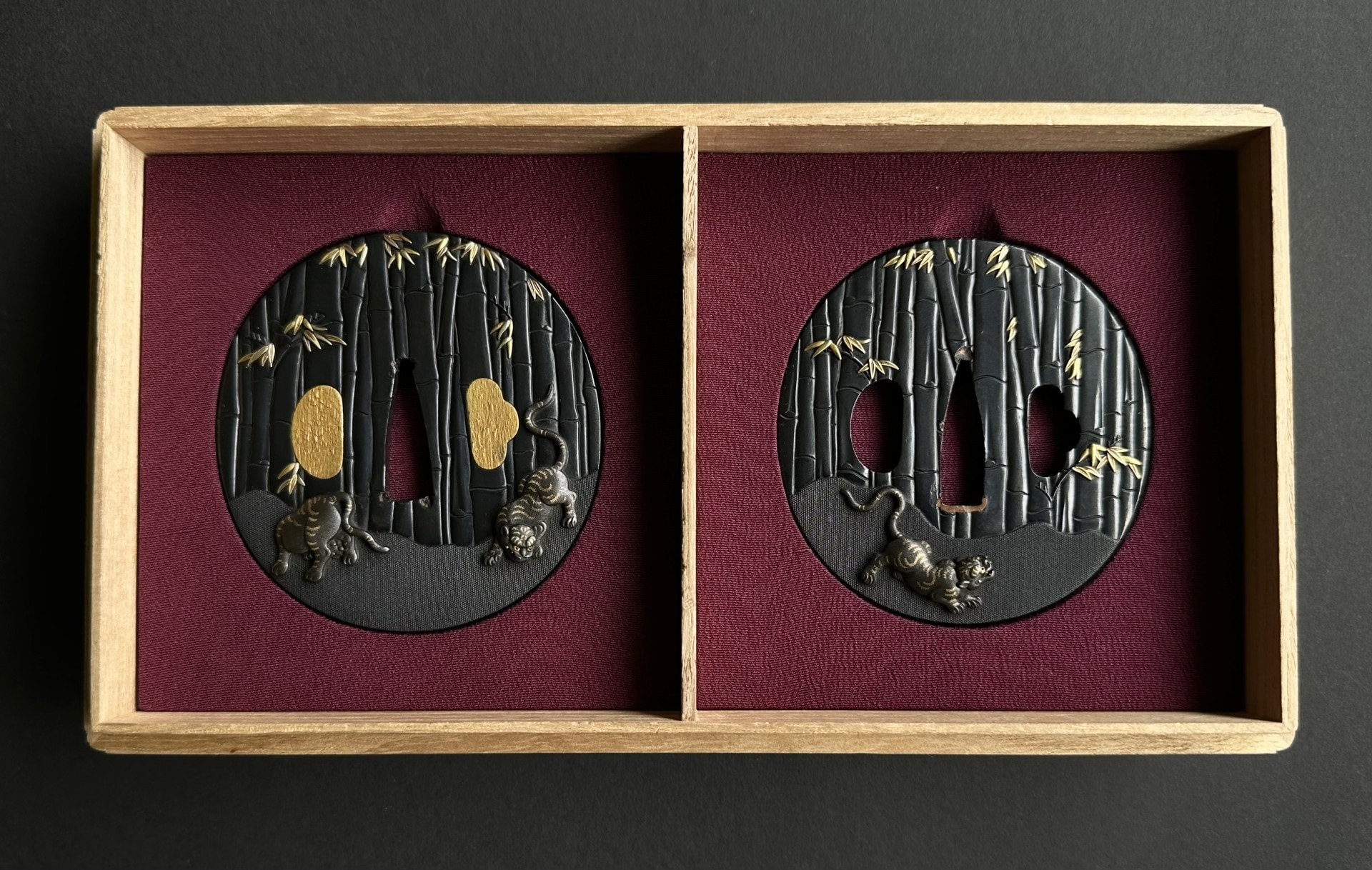
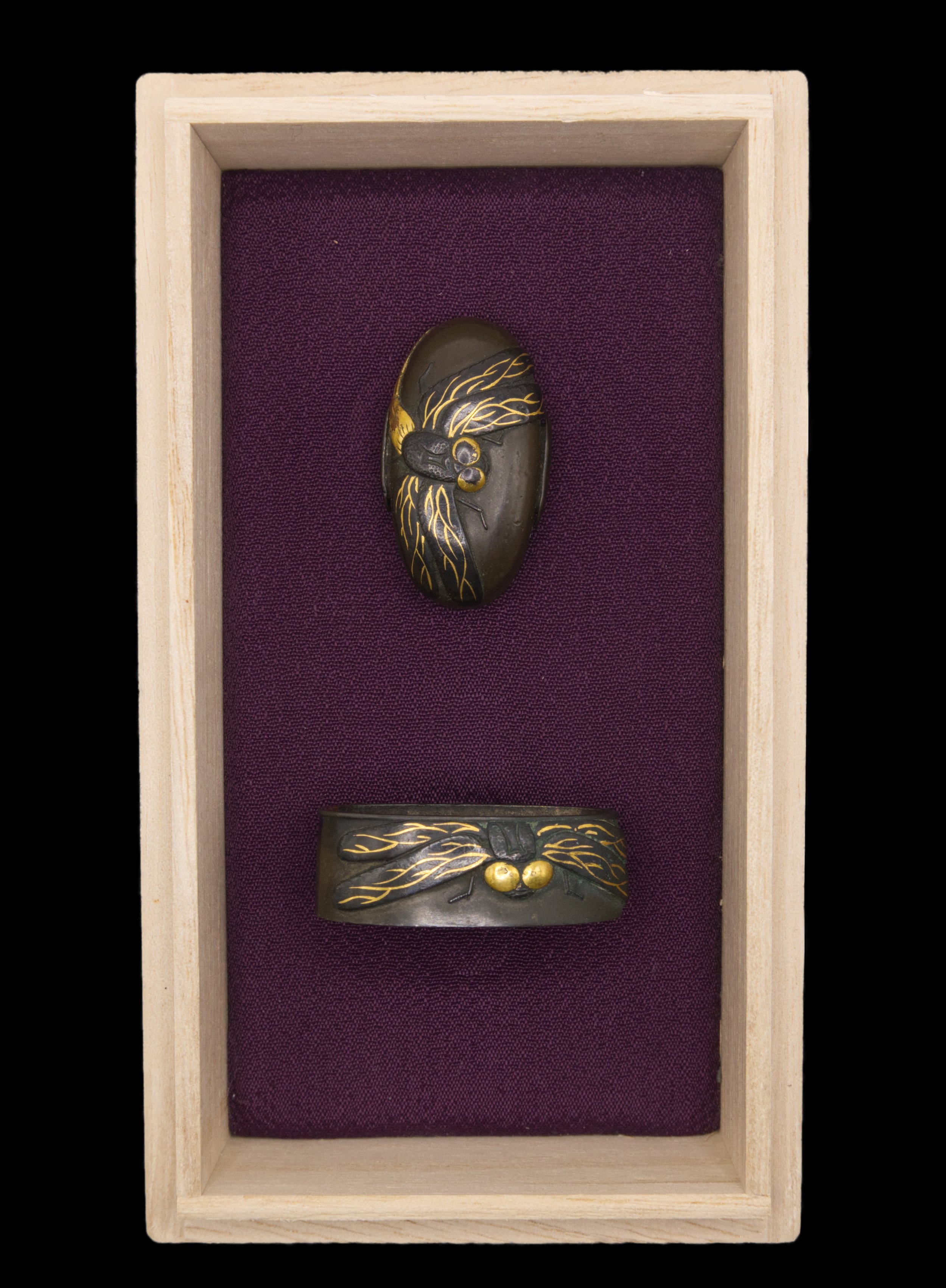
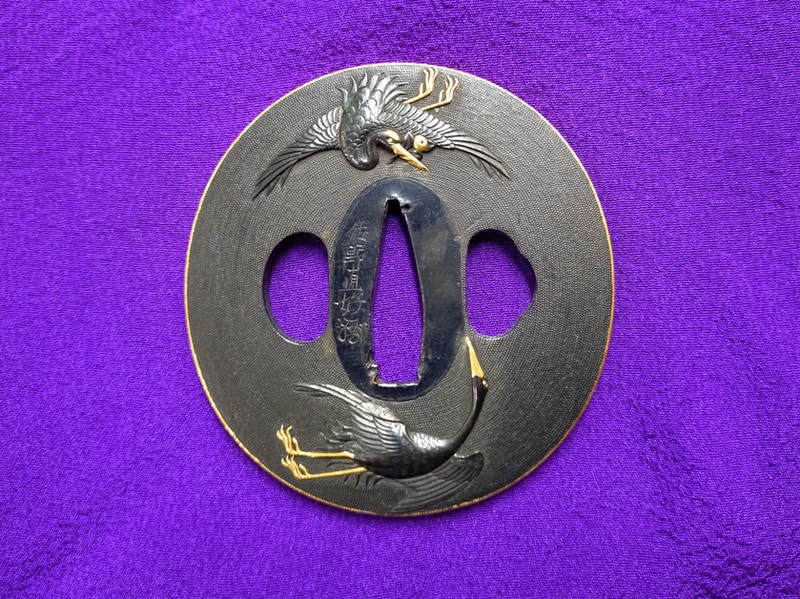
Tsuchiya Yasuchika (土屋安親), also known as , was born in 10 (1670) as the son of Tsuchiya Chuzaemon, a retainer of the Shonai domain in Dewa Province. While still young he entered the school of Shoami Chinku, married his teacher's daughter, and in Genroku 16 (1703), at the age of thirty-four, went to , where he undertook further training under Nara Tatsumasa — at which point, as the consistently observe, "his innate talent fully blossomed." Around the Shotoku era he entered the service of Matsudaira Daigaku-no-kami, a nephew of Tokugawa Mitsukuni and lord of the twenty-thousand- Moriyama fief in Oshu. In Kyoho 16 (1731), at the age of sixty-one, he took the tonsure and adopted the art name Tou (東雨). He left numerous masterpieces to the world and was later celebrated — together with Nara Toshihisa and Sugiura Joi — as one of the "Three Masters of Nara" (Nara sansaku), recognized as an artist of the very highest ability.
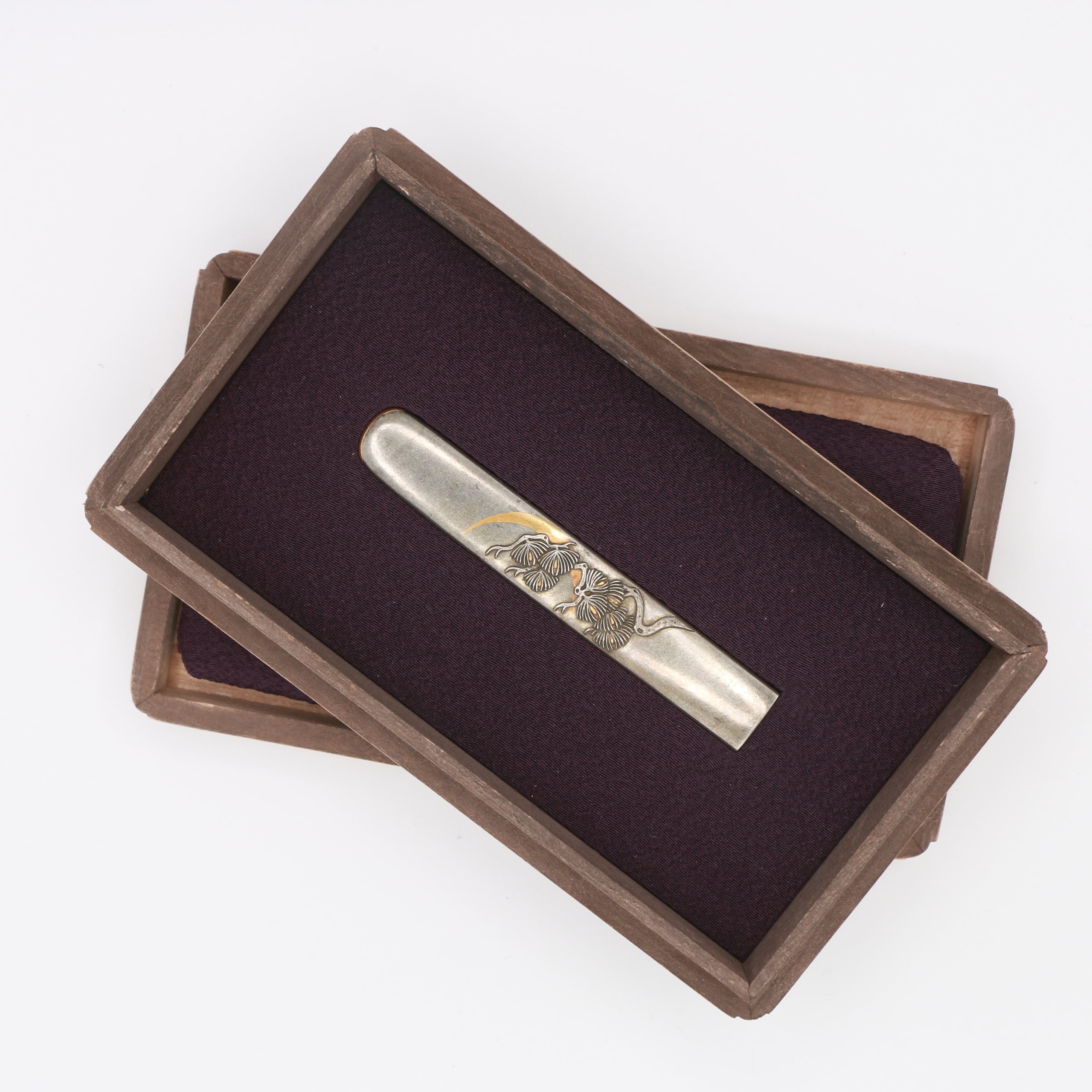
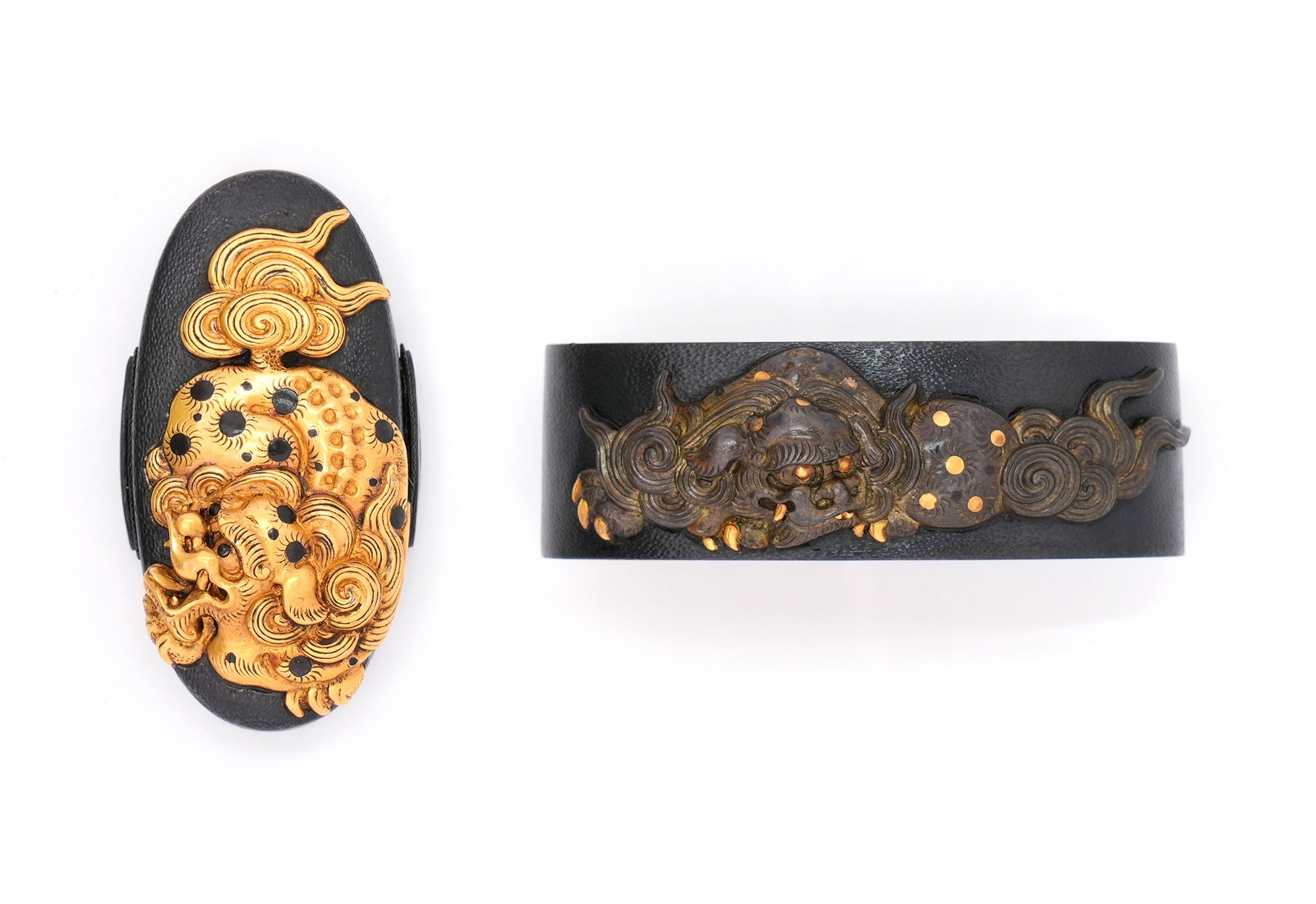
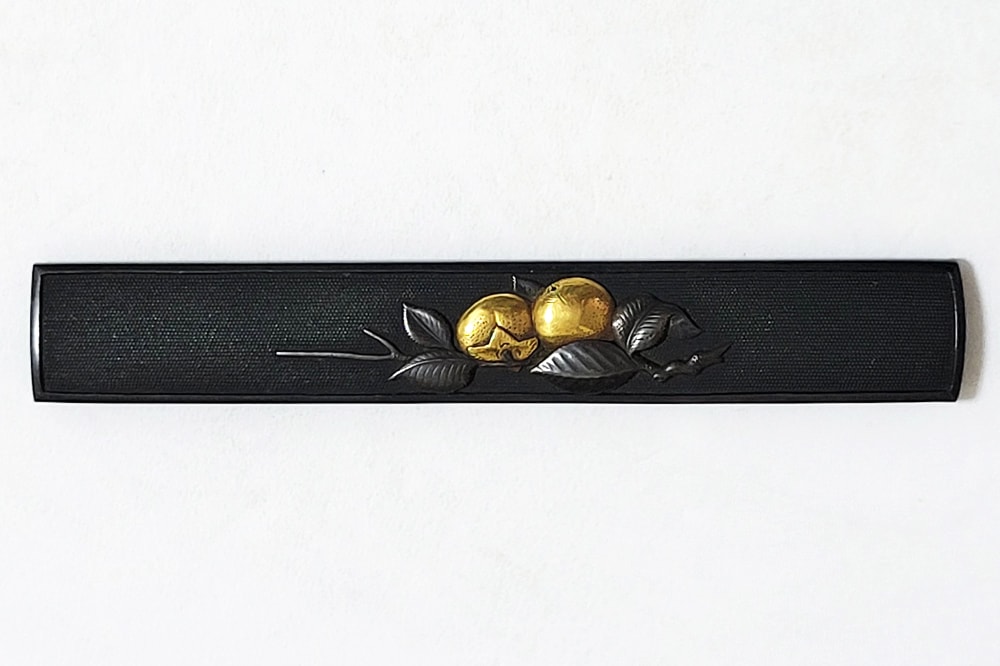
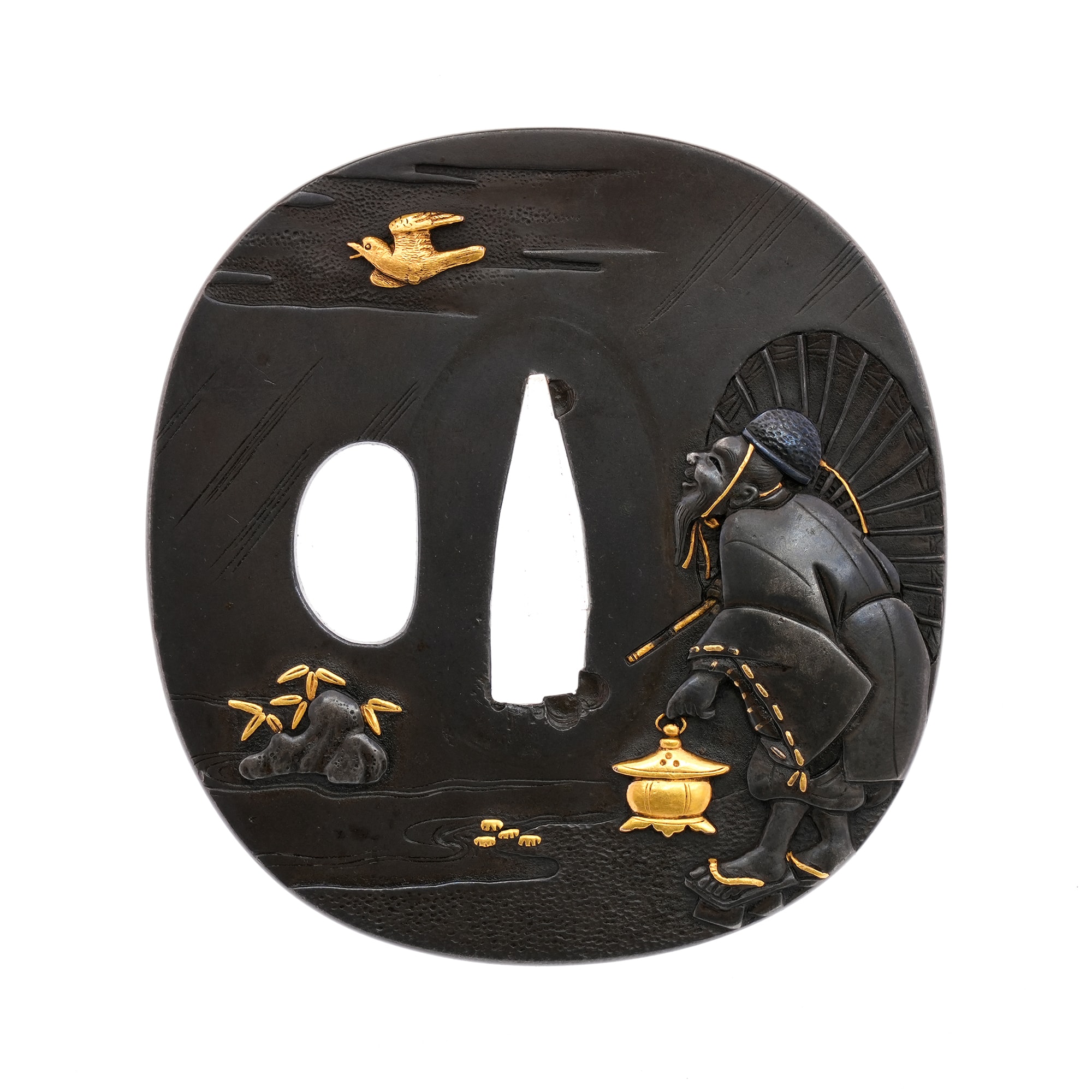
Yasuchika's technical range is exceptional. His oeuvre encompasses work in iron, , , brass (shinchu), and refined copper (), with surfaces treated as polished grounds (), hammered textures (), and stone-grain finishes (). His signature carving methods include modeled relief, high relief, the thread-fine line work of , and — more rarely — the single-stroke incision. Polychrome metal inlay () in gold, silver, , and is deployed with what the describes as "an unrivaled equilibrium in compositional planning and in the exquisitely balanced placement of colored metals." His iron frequently employ the distinctive daigaku-gata form conceived for his patron, while his demonstrate the capacity to "draw forth a small universe" within a confined surface. In later works signed Tou, examiners identify an austere, detached realm () — a shift from the vigorous pictorialism of his -period maturity toward something "profoundly rich in nuance."
Across the designation records, certain evaluative themes recur with striking consistency. The praises Yasuchika's "warm, humane sentiment" and "gentle humanism," visible in his treatment of figures such as Jurojin, Daruma, and the creatures that populate his compositions — faces rendered with "an unmistakable mildness," animals depicted so as to seem "almost alive." His narrative scenes are likened to hanging paintings (ichifuku no e), unfolding atmospheric effects "akin to watercolor." Whether rendering a carp amid turbulent waves, wild geese descending in rain, or Li Bai gazing at a waterfall, Yasuchika's compositions are praised for their "outstanding" interlinked design across front and back, their "free and untrammeled manner, calm and unforced," and a compositional intelligence in which "tension and relaxed release coexist." In subject, technique, and the sustained refinement of his carving, the affirm that his is an art in which, as one examiner concludes, "the sharpness of Yasuchika's skill is scattered throughout."