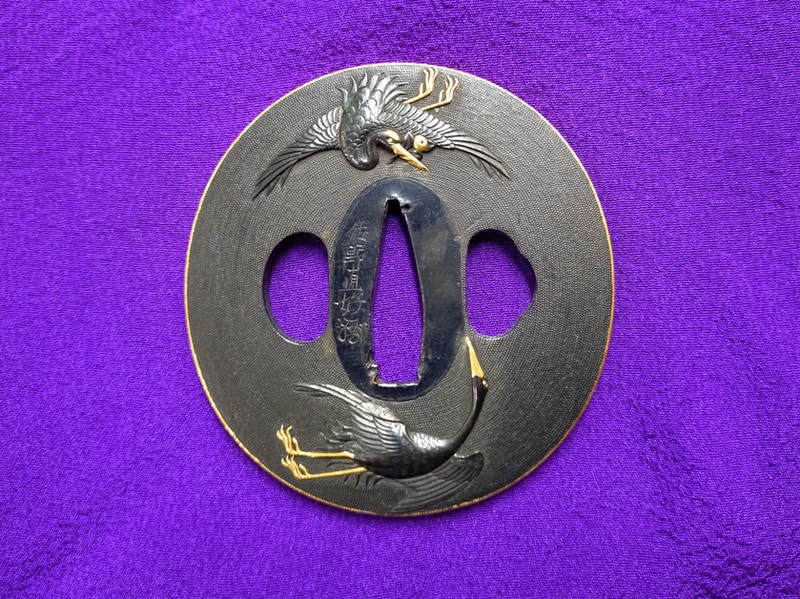
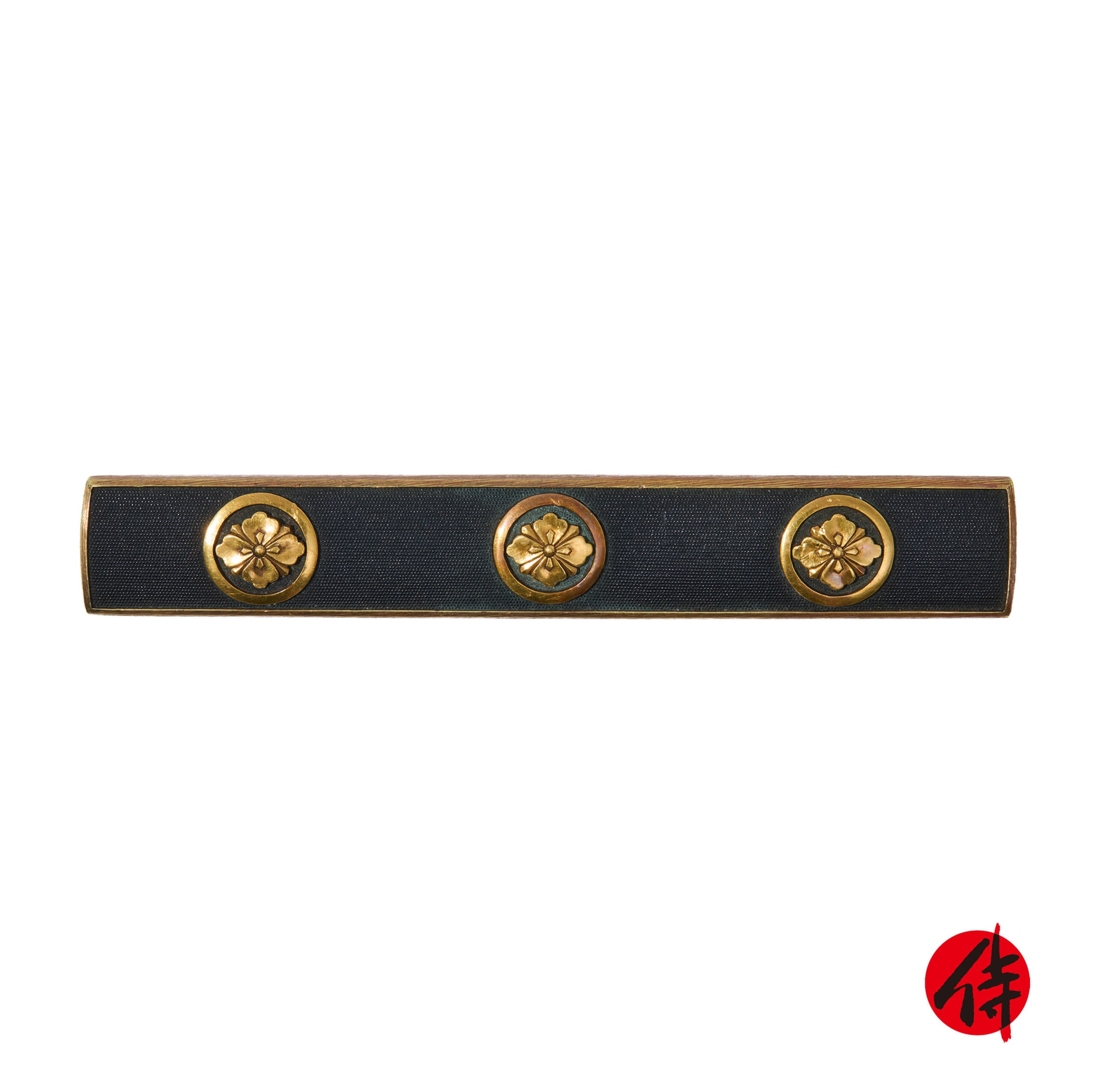
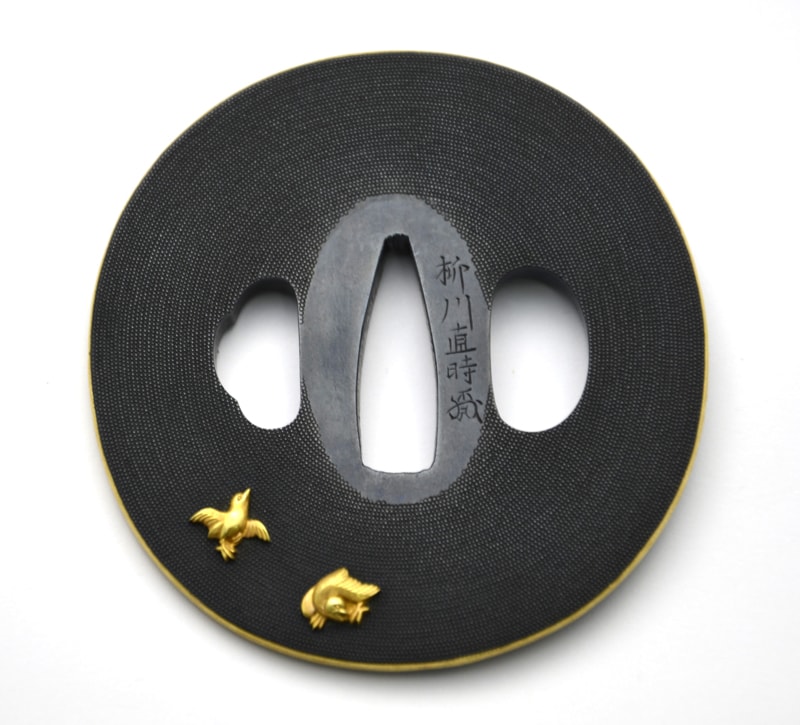
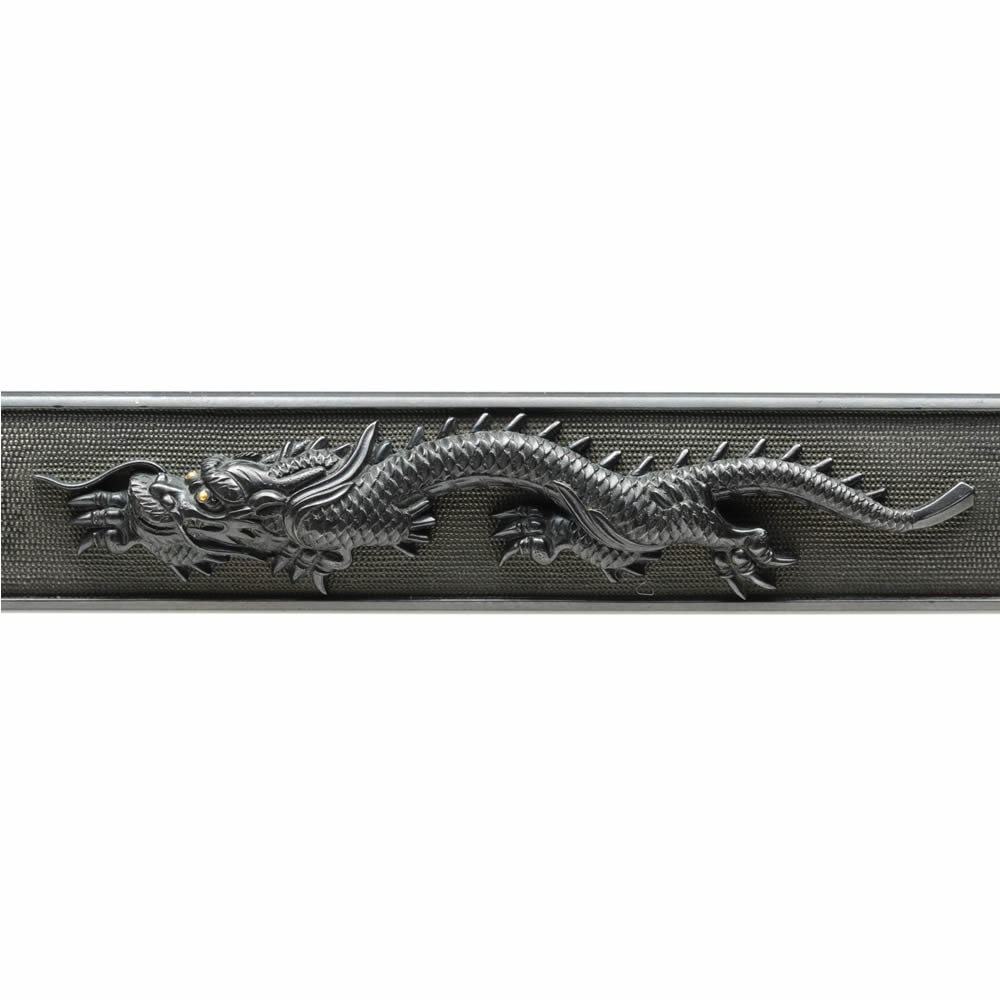
ProvinceMusashiEraLate Edo (born c. 1750)SchoolYokoya>YanagawaTraditionMachiboriGeneration3rd generation headTeacherNaomitsuSpecialtiesfuchi-kashira, kozuka, menukiTypeTosogu MakerCodeYAN003
Yanagawa Naoharu was the biological son of Naoyuki and the lineal grandson of the family founder, Naomasa, who had studied under Yokoya Somin and established the Yanagawa house as an independent line within the Yokoya school. Naoharu's father died suddenly soon after his birth, and he therefore trained under the patronage and guidance of Naomitsu, who served as both guardian and fourth-generation head. When Naomitsu retired during the Kansei era (1789--1801), Naoharu succeeded to the headship as the third-generation master of the Yanagawa house. He went on to foster such artists as his own son Naotsura, Kono Haruaki, and Suzuki Haruchika, thereby invigorating the world of metal carving in and enhancing the renown of the Yanagawa name.
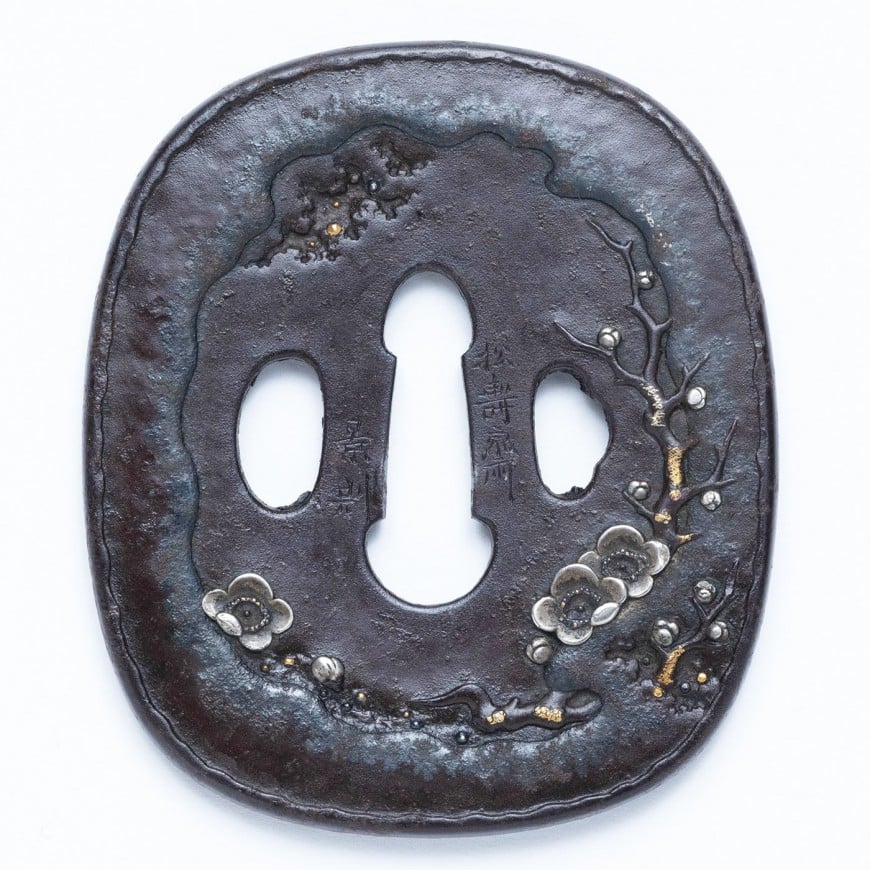
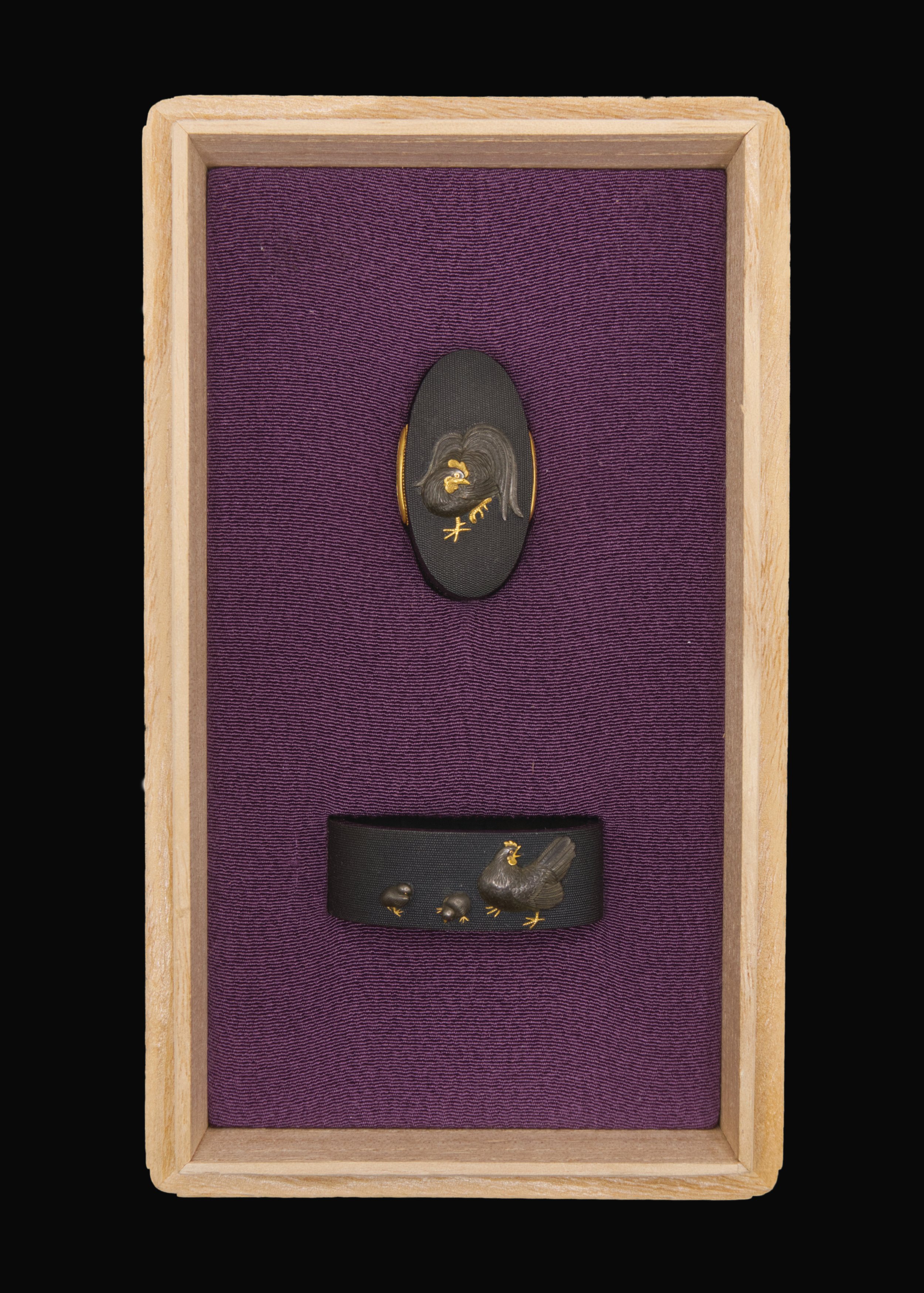
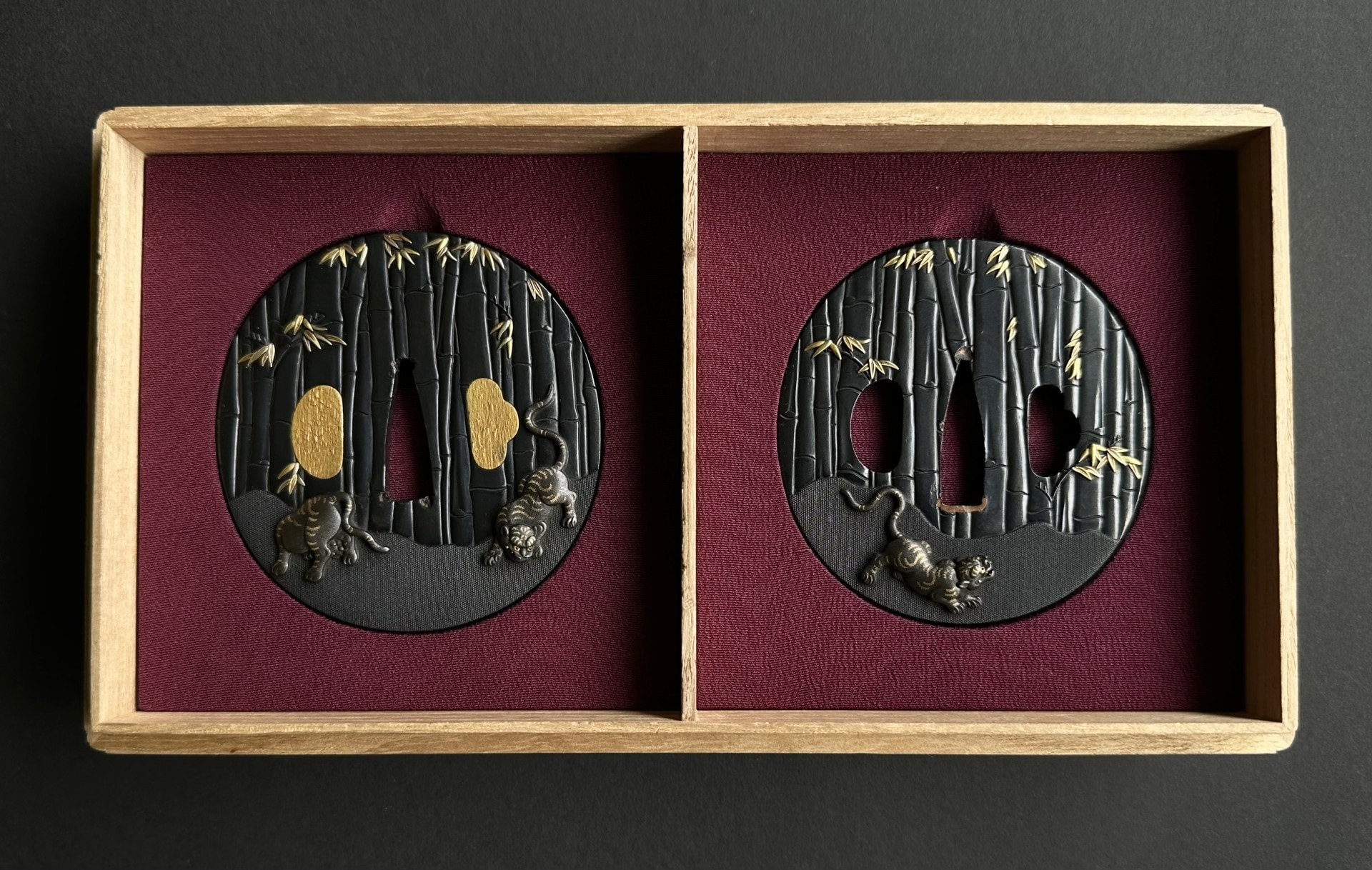
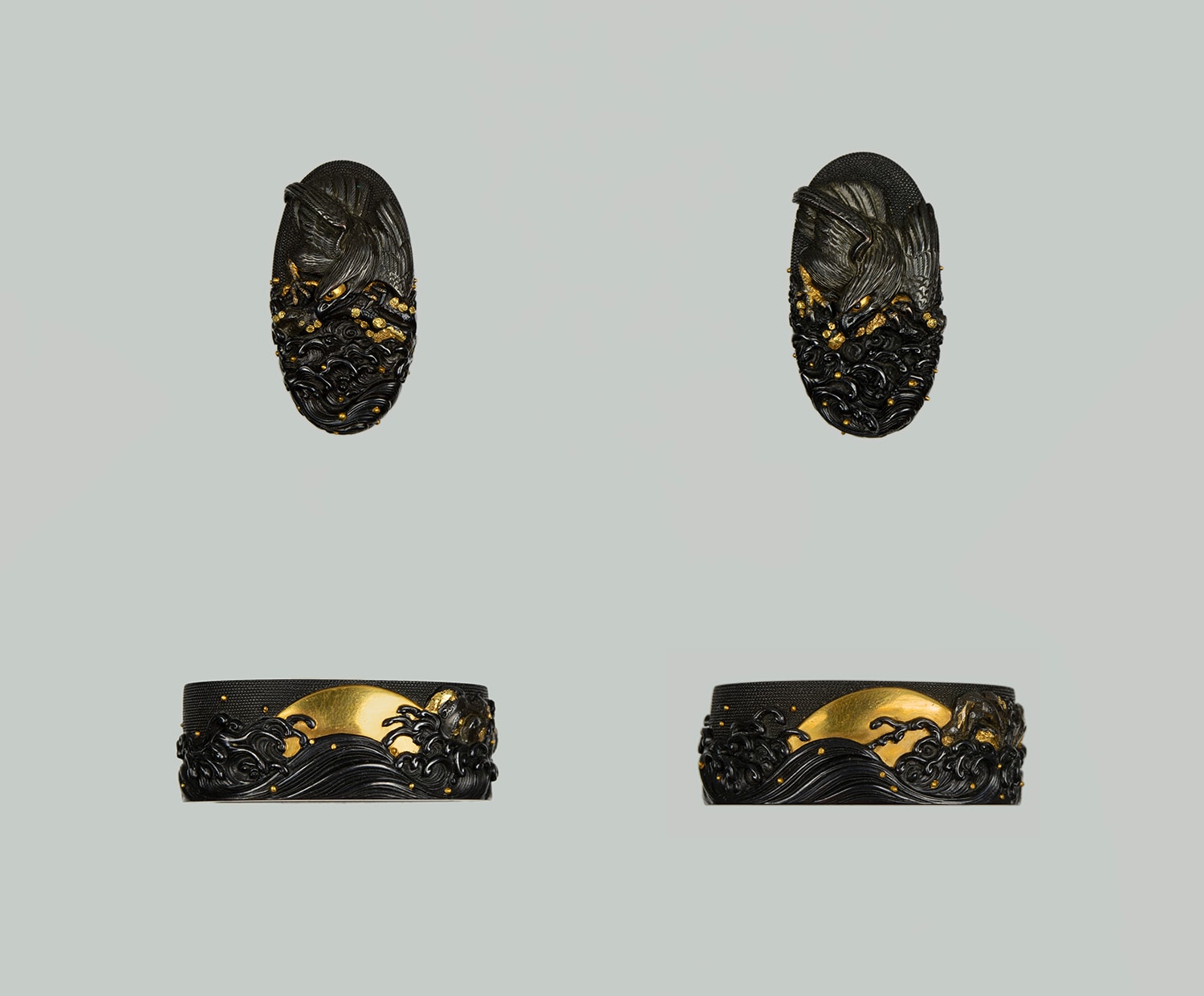
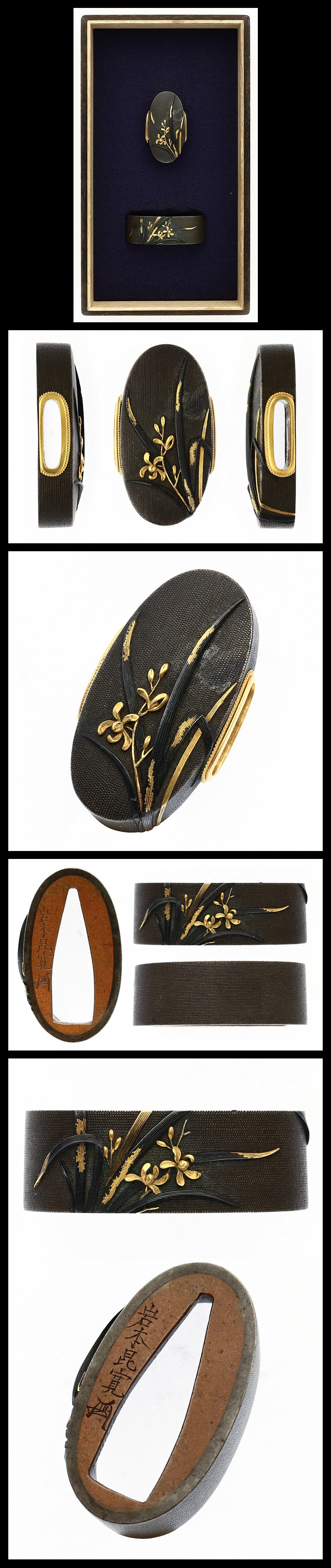
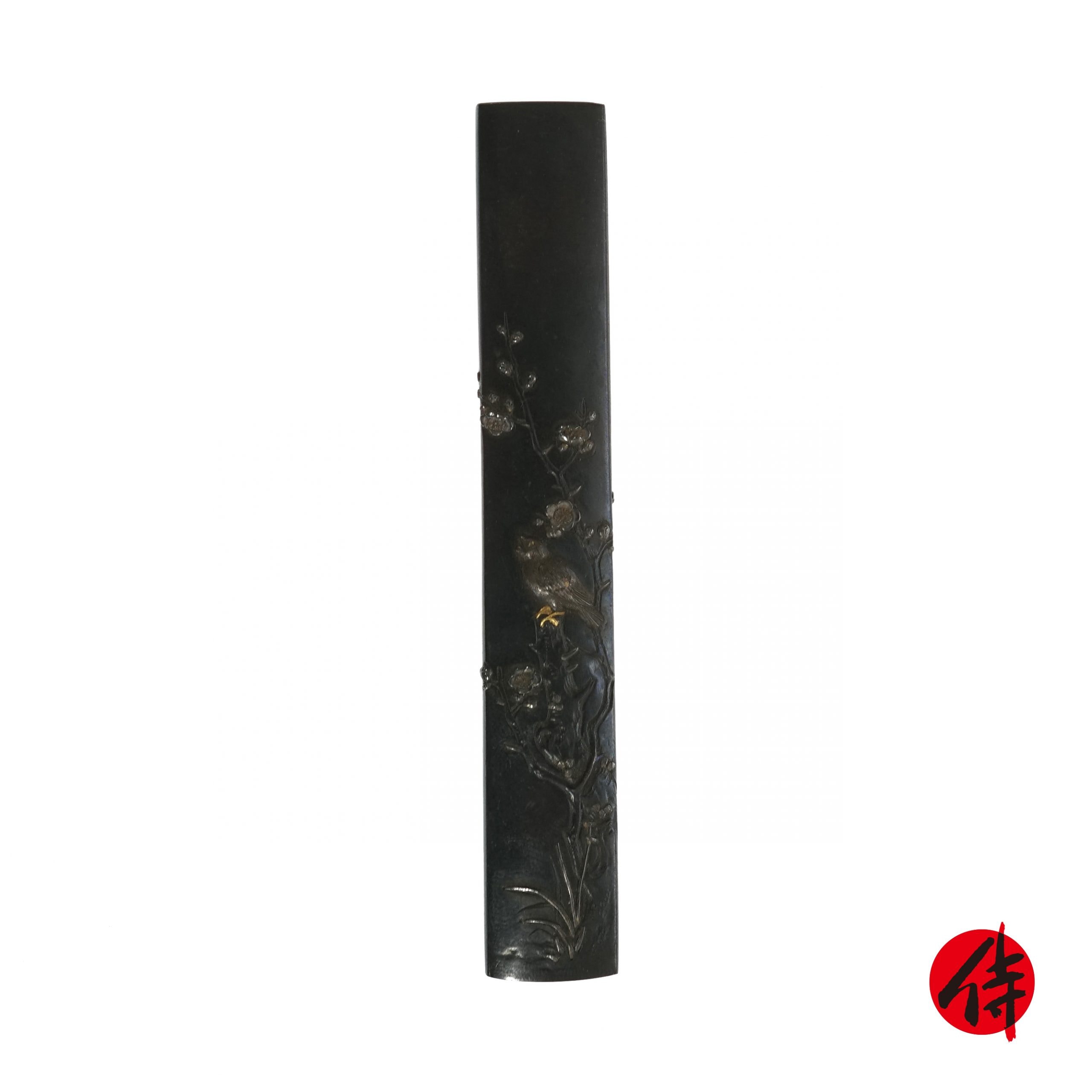
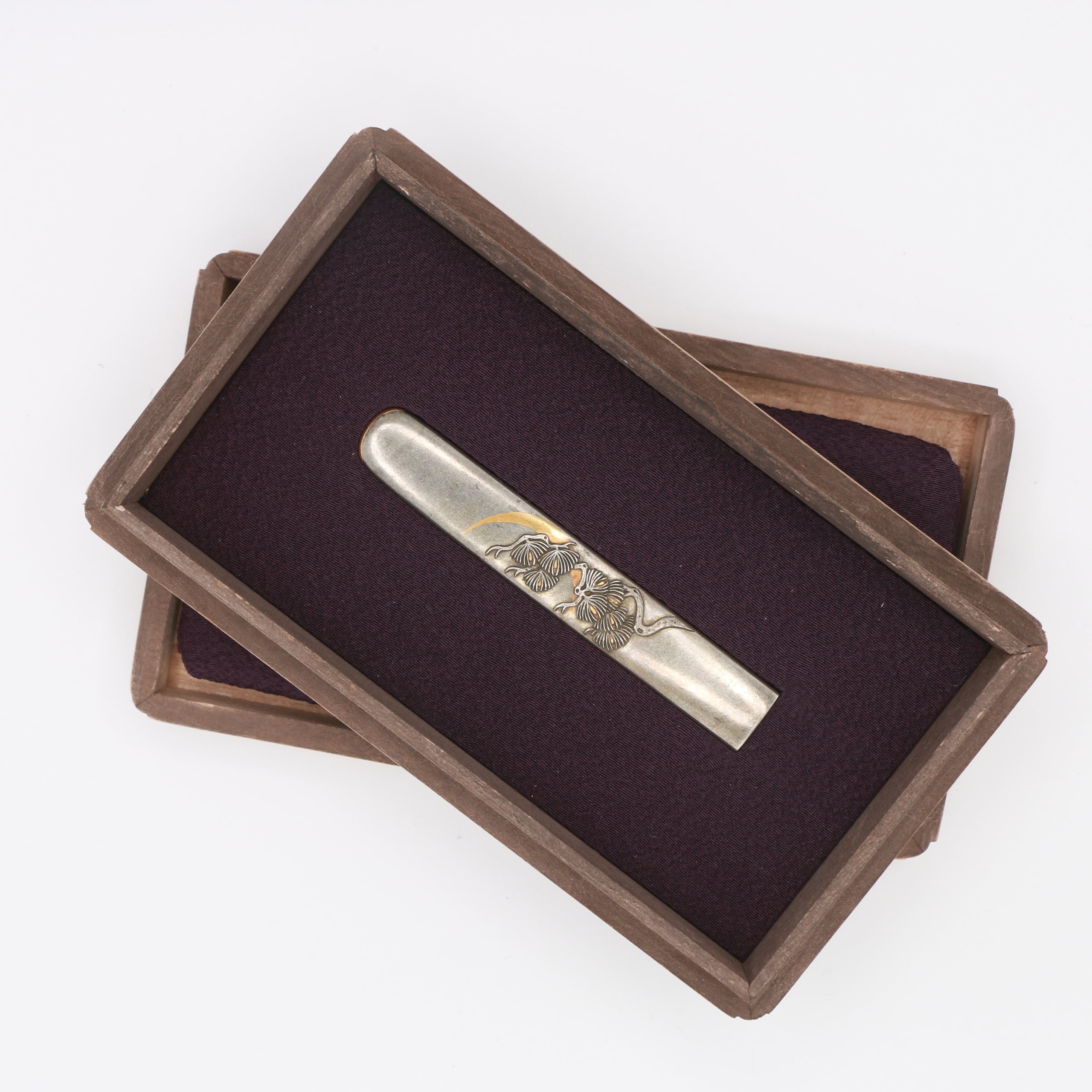
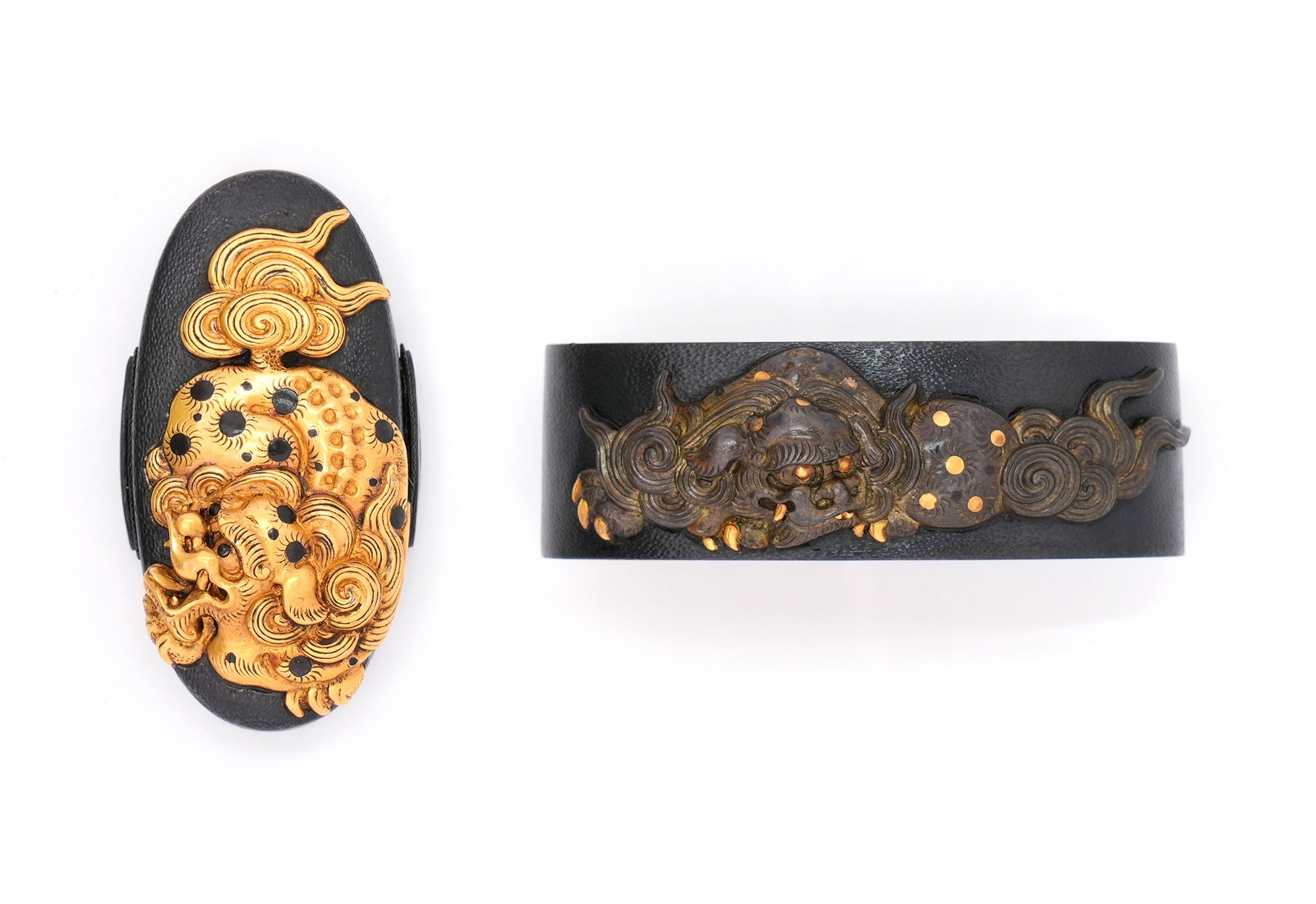
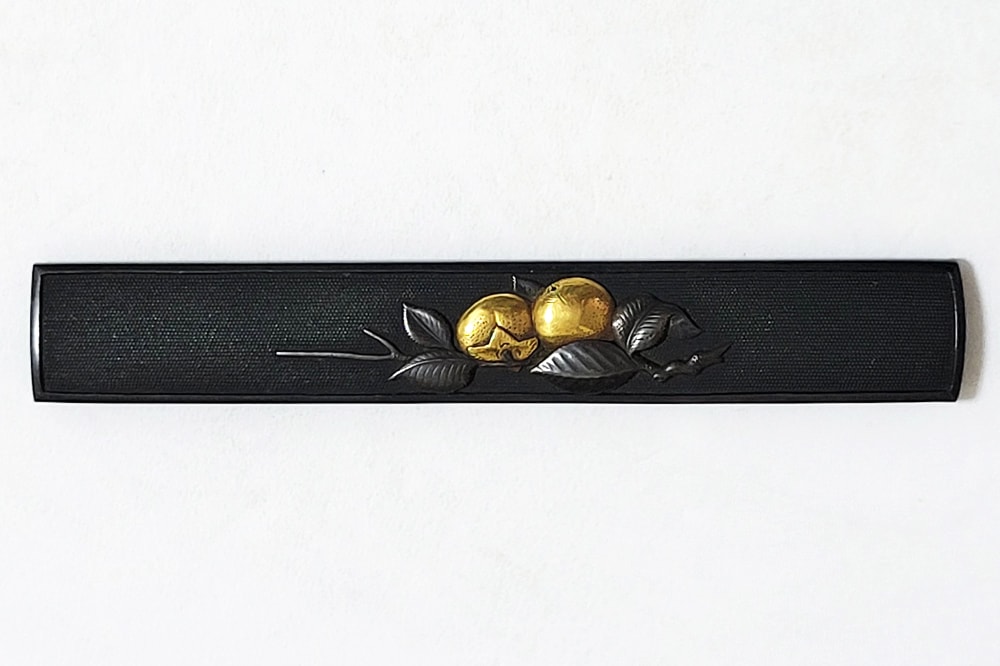
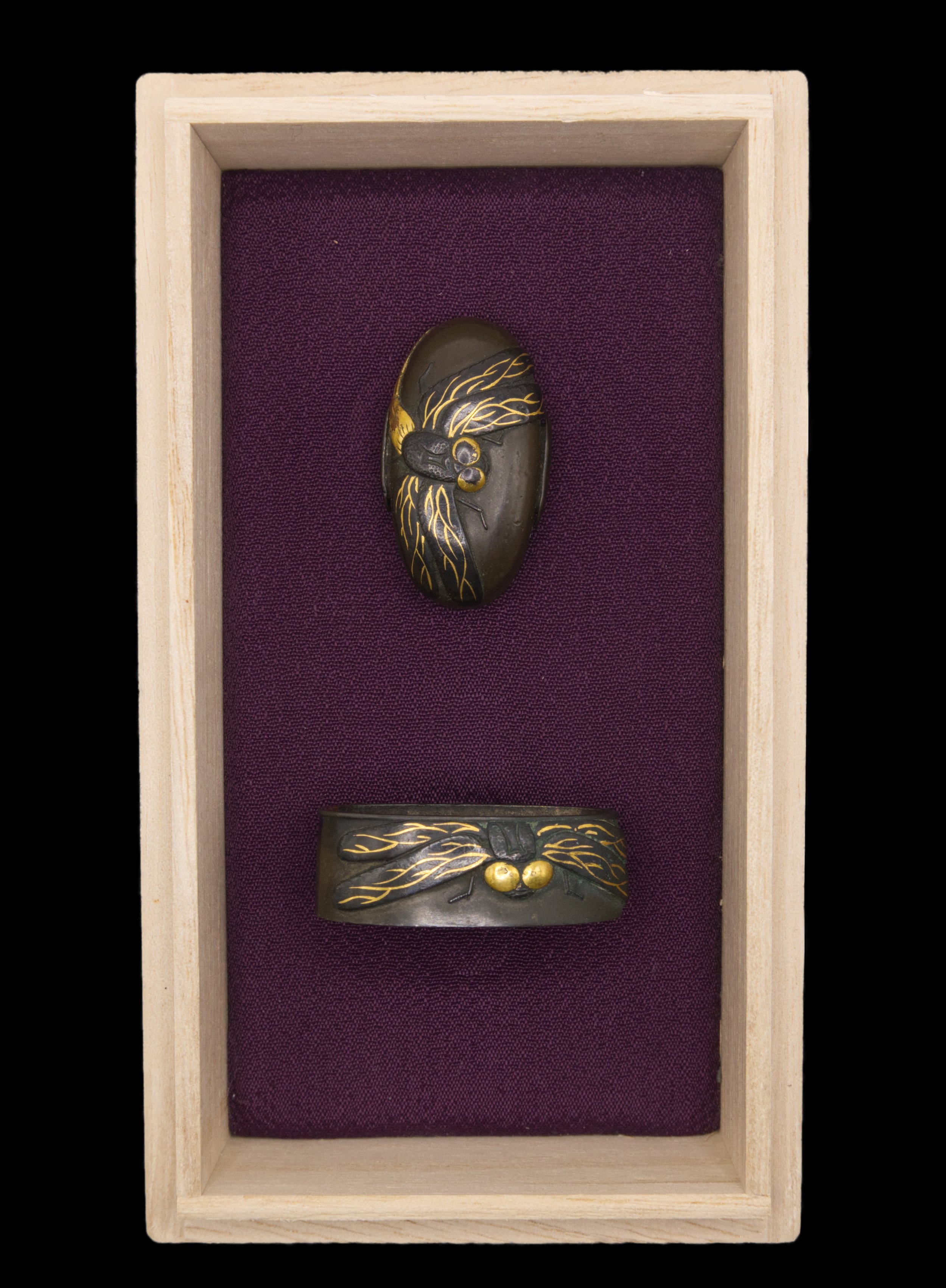
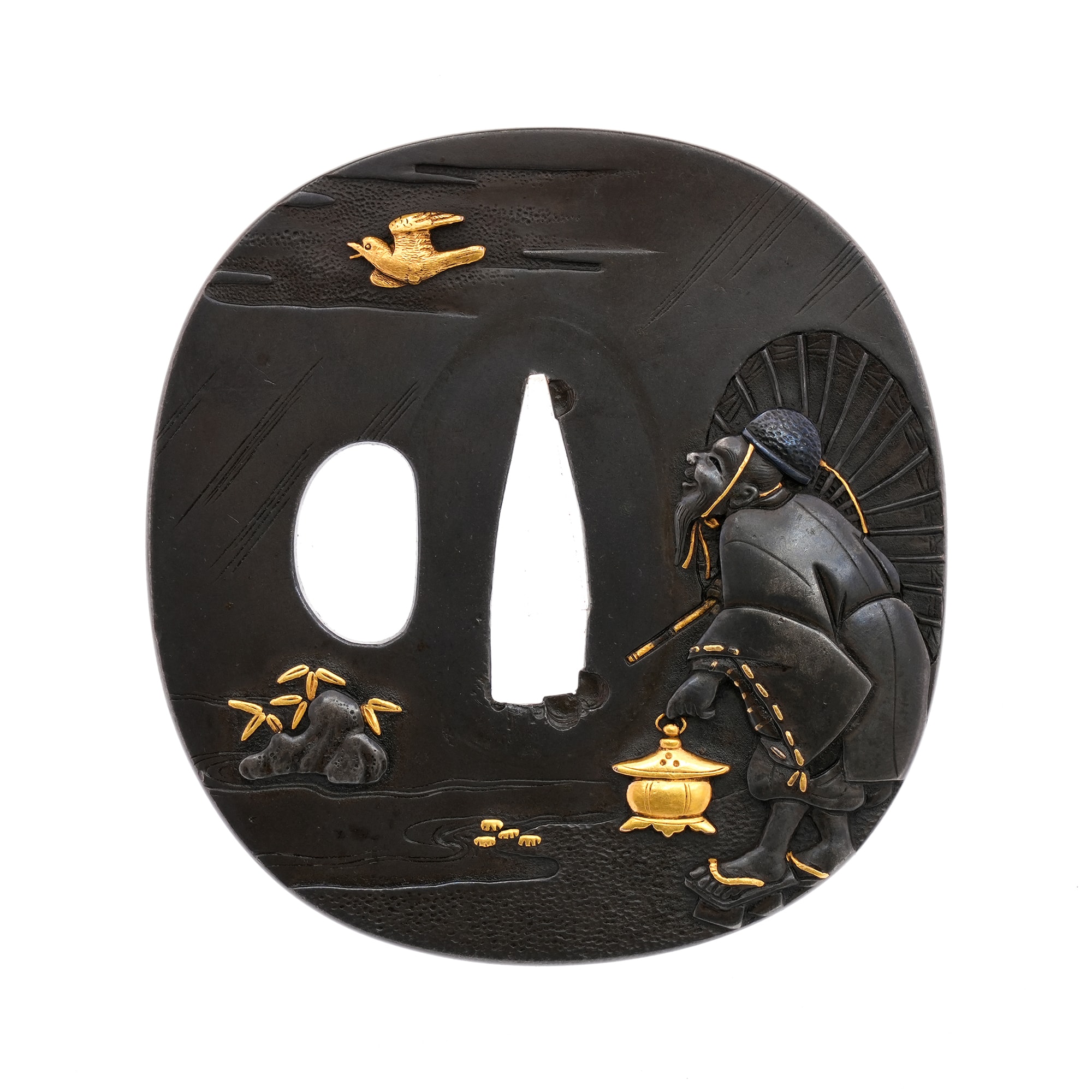
Naoharu's manner of work excelled particularly in and executed on grounds of or , inheriting the Yokoya-school hallmark of combining with high relief and polychrome inlay. His carving is characterized by ample, rich modeling (-dori) rendered with a lofty sense of dignity; the observes that his workmanship approaches that of Somin himself. While the Yanagawa atelier's hallmark subjects -- lions (shishi), horses, and tigers -- are well known, one of Naoharu's special points of interest is that, unlike most works of the Yanagawa main line, he also carved figural scenes with wit and elegance. His minute execution in miniature forms such as is described as astonishing, uniting meticulous detail with refinement rather than sacrificing dignity to technique.
The regards Naoharu as a master craftsman comparable in skill to the founder Naomasa, and in certain appraisals as surpassing him in technical ability. Although the Yanagawa school inherited the stylistic manner of the Yokoya school, many of Naoharu's works incorporate the Yanagawa house's own fresh and independent idiom. His finest pieces are consistently appraised as works produced with particular effort and resolve -- pieces that fully demonstrate his true merit and may be called successful masterpieces. Through the strength of both his artistry and his teaching, Naoharu secured the Yanagawa house as one of the foremost lineages within the broader Yokoya tradition.
Kantei
3 descriptive axes: material (the Yokoya-derived shakudo nanako ground, with an oborogin or suaka nanako variant, backed with an ura plate on the kozuka and fuchi) x technique (high relief carried in colour iro-e, with applied suemon and inlay, and on his tsuba a sukidashi-takabori and suemon-zogan in coloured metals) x themes (the inherited Yokoya animal repertoire of lion, horse and tiger, beside the figure and lucky-god subjects he carried into the house). As a school continuator his distinguishers are few: not the inherited house idiom but the figure subjects rare in the main house and the new ground the records grant him within the school style.
Yanagawa Naoharu is the third-generation head of the Yanagawa house, a branch of the Yokoya line of . The records call him the real son of Naotomo and the direct grandson of the house founder Naomasa; his father died while he was an infant, so the fellow-pupil Naomitsu took him under his guardianship and reared him, and when Naomitsu retired in the Kansei years Naoharu succeeded to the third-generation headship. He is rated a master second only to the founder Naomasa, and the records stress that besides his own skill he reared many pupils, sending out into the world a host of fitting-carvers including his own son Naotsura, Suzuki Haruchika and Kono Haruaki. His manner inherits the Yokoya method, the or ground worked in high relief with colour iro-e, and the house-repertoire lions, horse and tiger; within that inheritance the records single out the figure subjects rare in the Yanagawa main house as his notable point, and grant him a new ground of his own added to the school style. The corpus here is small, seven pieces, all .
Diagnostic discriminators
one setsumei (Juyo 28-197) states the discriminator outright, saying that while the lion, horse and tiger are of course his house specialities, the figure subjects rare in the Yanagawa main house are what may be called Naoharu's notable point (柳川本家では少ない、人物図を彫刻しているのが直春の見どころともいえよう); the explicit claim is single-source (n=1) and the self_rate is set to that 1/7, though the corpus corroborates it, since figure and lucky-god pieces (Ebisu, Fukurokuju, Jurojin, the paired lucky gods) make up three of the seven works; the comparand rate is set low but not zero because the founder's own corpus does carry occasional figures
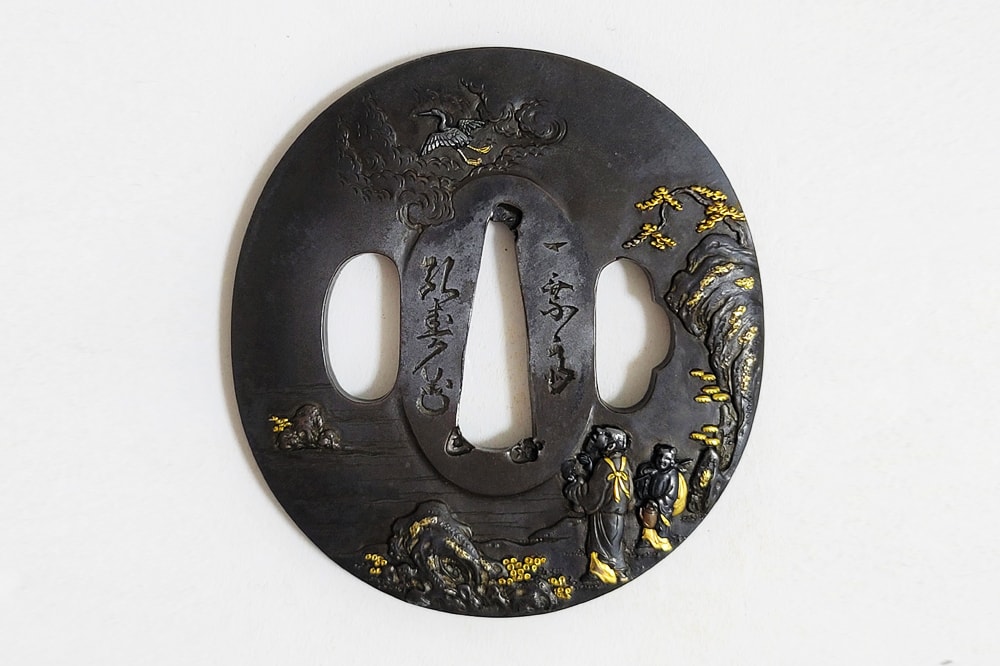
one setsumei (Juyo 63-174) draws the distinction: though the Yanagawa school follows the Yokoya manner, many pieces are seen that add a new ground of its own (柳川派は横谷派の作風を踏襲しているが、独自の新境地を加味した作品も多く見受ける), and this stone-bridge tsuba is judged a successful masterpiece worked with pains; the claim is single-source (n=1) and the wording credits the school broadly, so it is scoped here to the individual pieces where he adds to the inherited idiom rather than asserted of his whole oeuvre
Material (grounds)
The Yokoya-derived ground throughout: worked in fine above all, with an or variant noted, the and backed with an plate (ita-gane, on one piece a spliced backing), and the cut in . The continuity of ground with the founder Naomasa and the teacher Naomitsu is deliberate, the Yanagawa manner inheriting the Yokoya method.
Technique
High relief carried in colour iro-e and gold iro-e is his main hand, with applied and inlay, the in with placed-gold colour iro-e; on his he deploys a and a - in gold, silver, and copper-red. The records call his pieces painstaking and minute, the very acme of close-worked craft, and praise his keeping refinement together with that density.
Themes (the inherited Yokoya menagerie and his figure subjects)
Two registers. The first is the inherited Yokoya animal repertoire, the front-facing Yokoya lion (here a parent-and-cub Shakkyo stone-bridge scene), the running horse at the waterside, and the tiger, all the house specialities. The second, singled out as his notable point, is the figure-and-lucky-god subject rare in the Yanagawa main house: Ebisu landing a carp in witty good humour, Fukurokuju and Jurojin, the paired lucky gods on a , and the auspicious treasures.
The inherited Yokoya animal repertoire
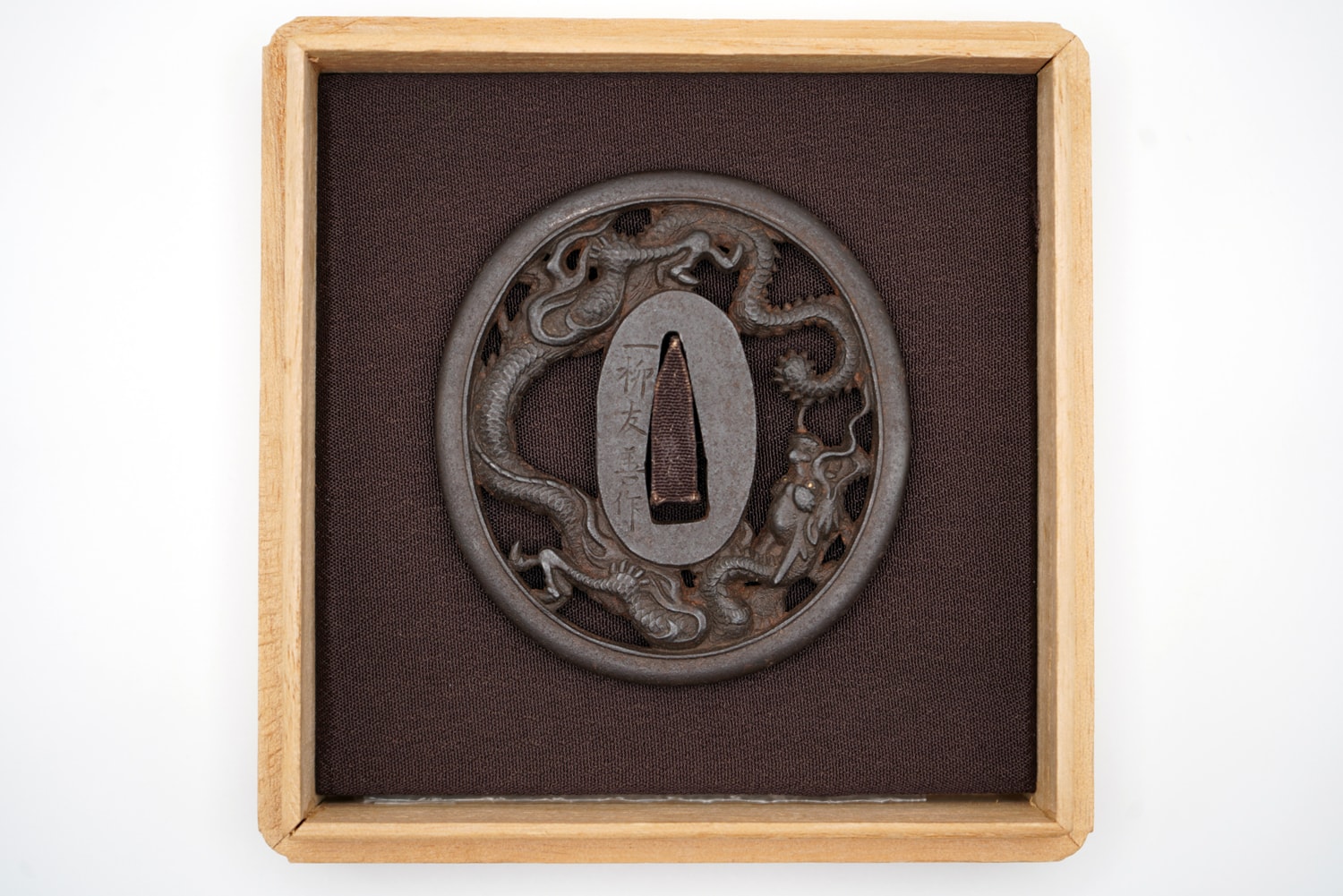
The Yokoya lion (called a Shakkyo parent-and-cub on the stone bridge in one ), the running waterside horse and the tiger, the house specialities, carried in the inherited high relief with colour iro-e and said to approach Somin's own work.
馬uma
Figures and lucky gods (his notable point)
The figure and lucky-god subjects the records call rare in the Yanagawa main house: Ebisu landing a carp in witty good humour, Fukurokuju and Jurojin, the paired lucky gods, and the treasures, rendered with refinement.
Full iconography
Signature chronology
Placement
Recorded signatures
Documentary note
He signs Yanagawa Naoharu with a throughout, no rank progression; on one the signature is preceded by the homage legend after a Somin design (以宗珉図), a commission inscription that the record says marks the piece as a copy of Somin, not a name of his own, and the of his three-piece sets carry the bare Yanagawa-Naoharu as a split (Yanagawa / Naoharu). The records agree he is the third-generation head of the house, the real son of Naotomo and direct grandson of the founder Naomasa, reared by the fellow-pupil Naomitsu after his father's early death and succeeding when Naomitsu retired in the Kansei years. One ( 43-162) gives a fuller five-generation genealogy that numbers the line differently, calling the first Masatsugu, the second Naomasa, the third Naotomo and Naomitsu the fourth-generation guardian; the dominant framing across the corpus is third-generation head, which is followed here, with the variant noted.
Scholarship
The records say his manner inherits the Yokoya method on the shakudo or oborogin nanako ground, carrying the house lions, horse and tiger, and they single out the figure subjects rare in the Yanagawa main house as his notable point.
Naoharu(直春) was a maker of Japanese sword fittings (tōsōgu) of the Yanagawa school in Musashi province, active during the Late Edo (born c. 1750) period.