NihontoWatch MonNihontoWatchBETA
MarketEncyclopedia
NihontoWatch Mon

NihontoWatchBETA

Market
Encyclopedia
Overview·Kantei·Designations·Provenance·Work Types·Signatures·Lineage·School
OverviewKanteiDesignationsProvenanceWork TypesSignaturesLineageSchool
  1. Schools
  2. Nara
  3. Hamano
  4. Shozui

Hamano Shozui

政随

Jūyō
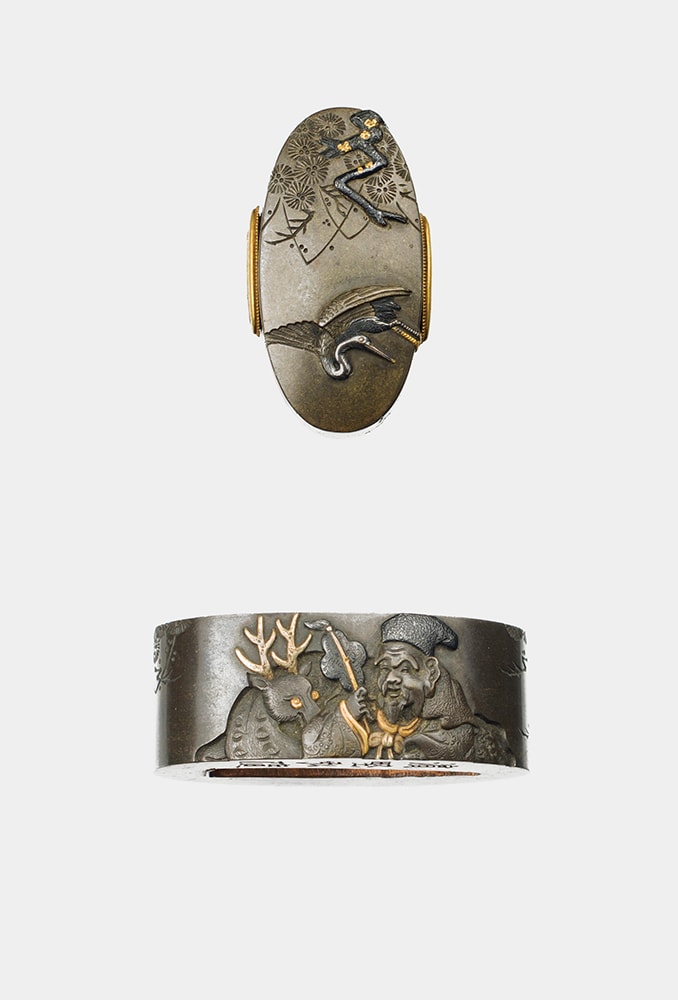
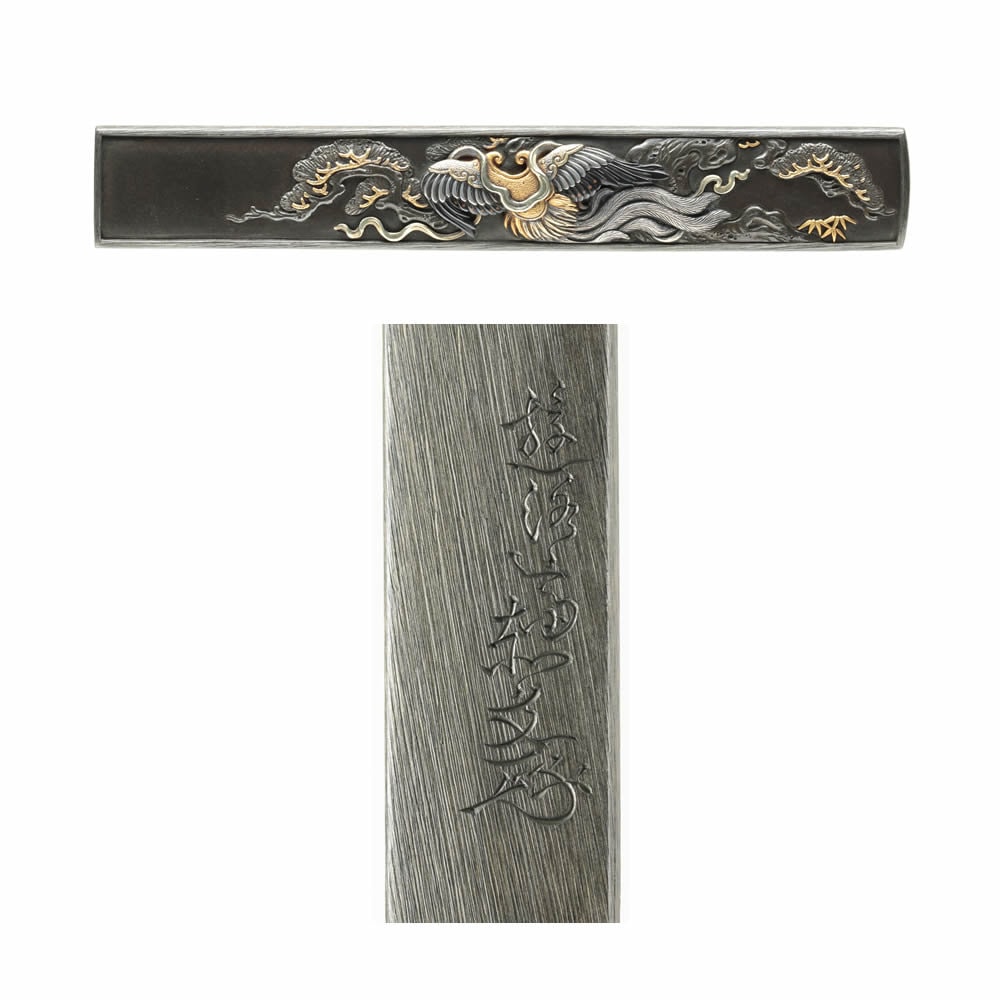
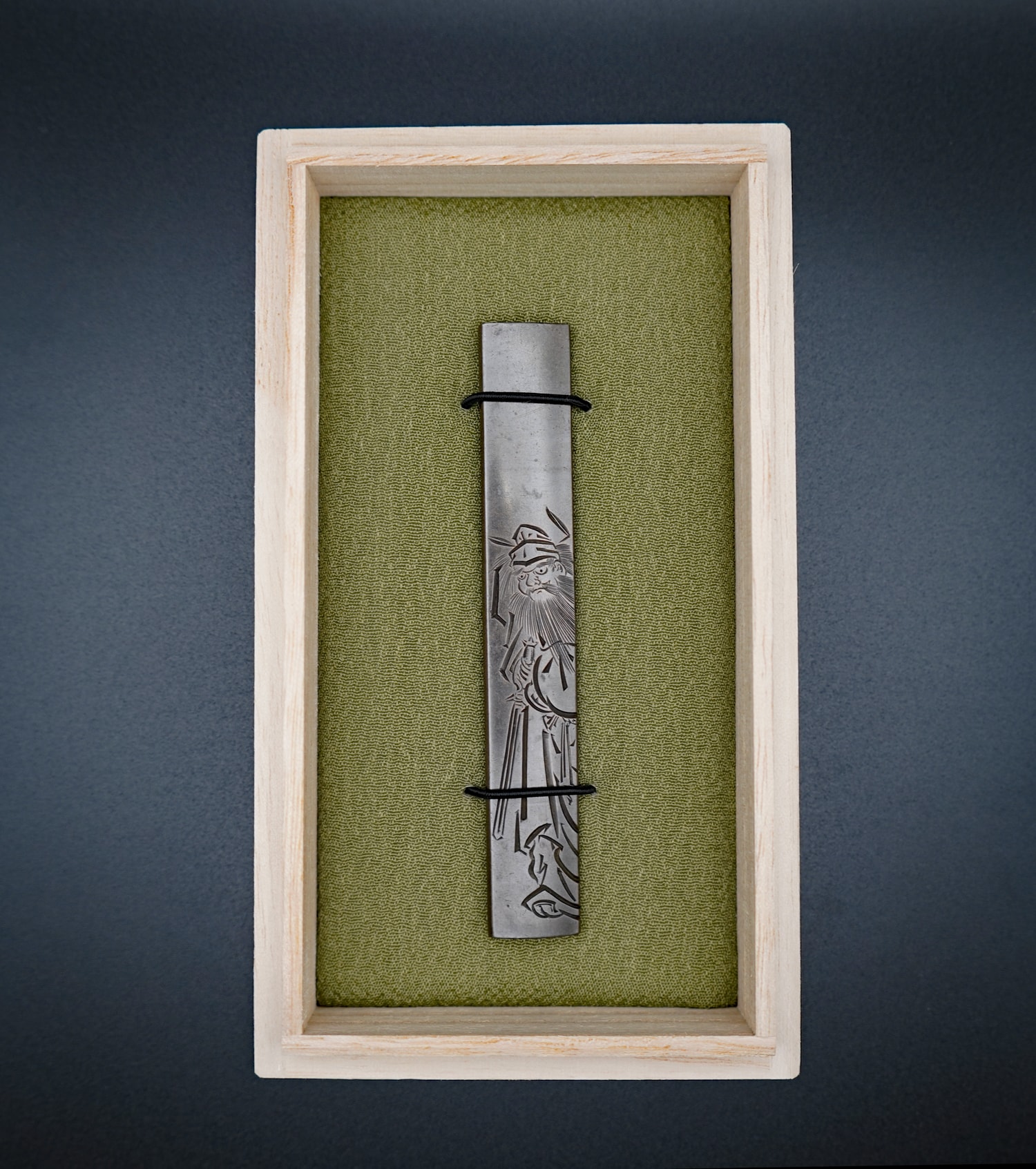
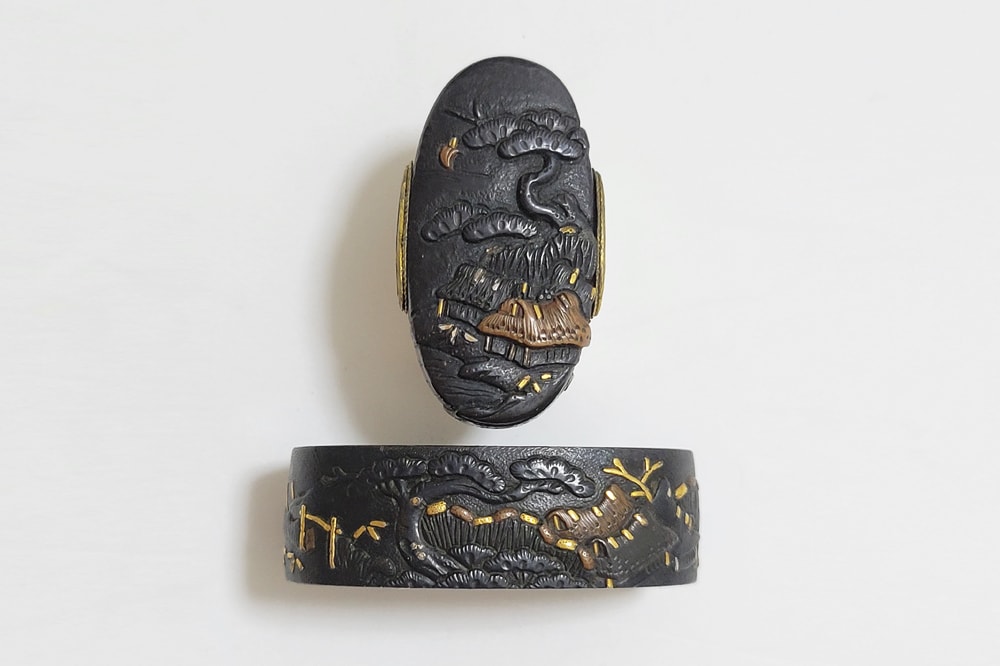
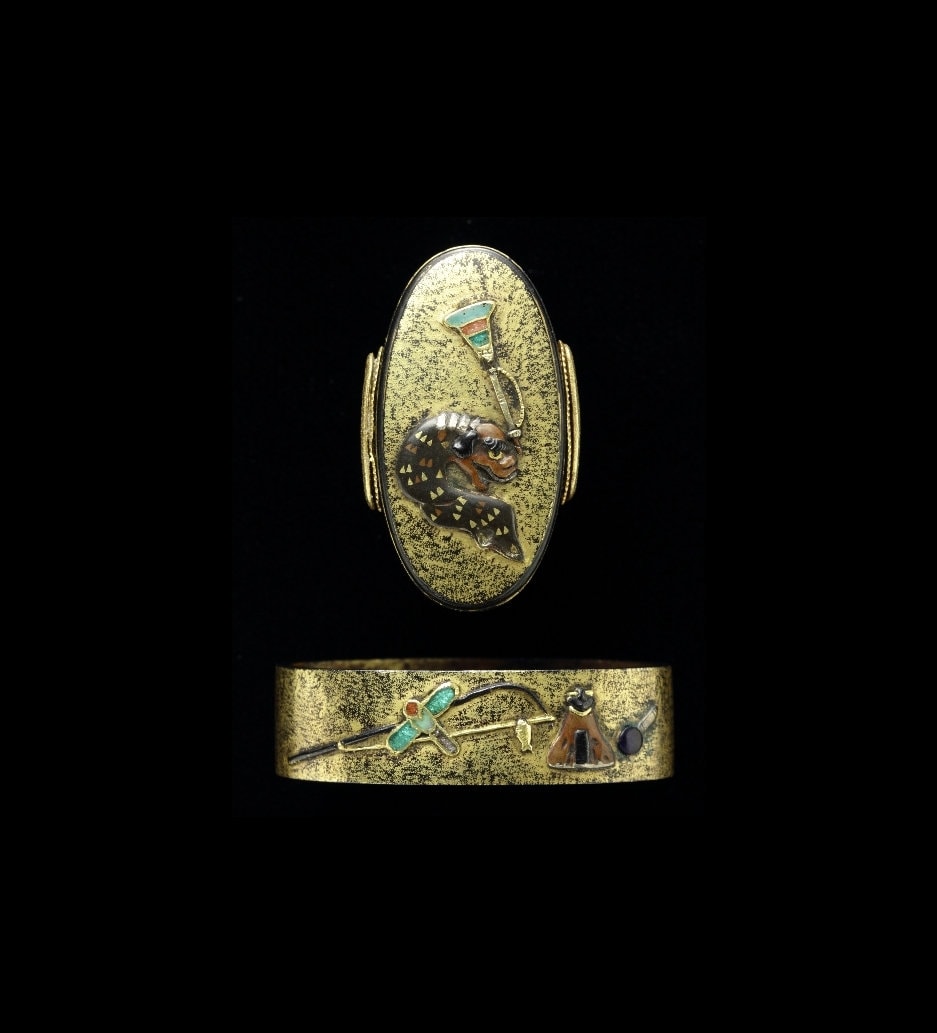
Vol. 60, No. 161 · Fuchi-Kashira

Hamano Shozui

政随

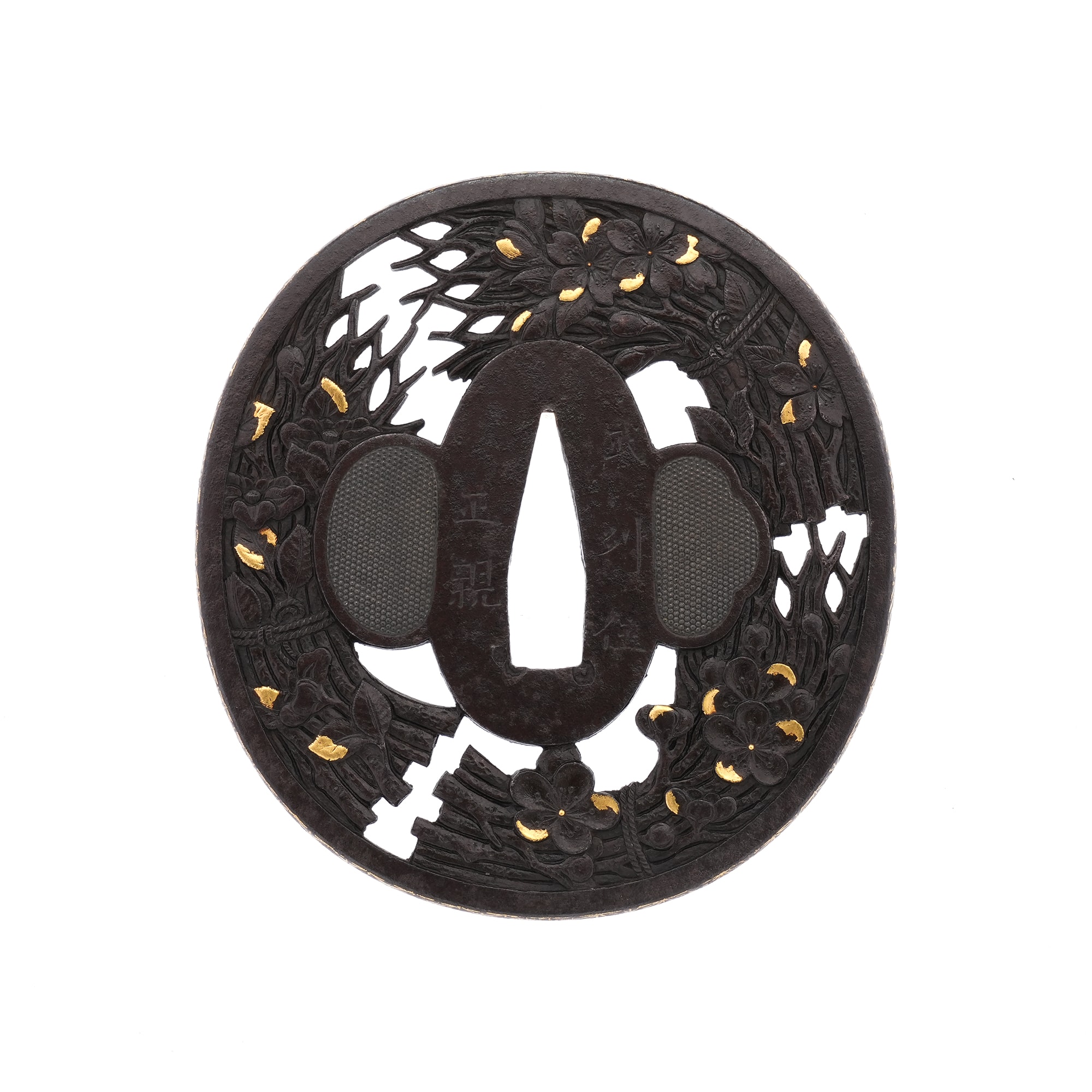
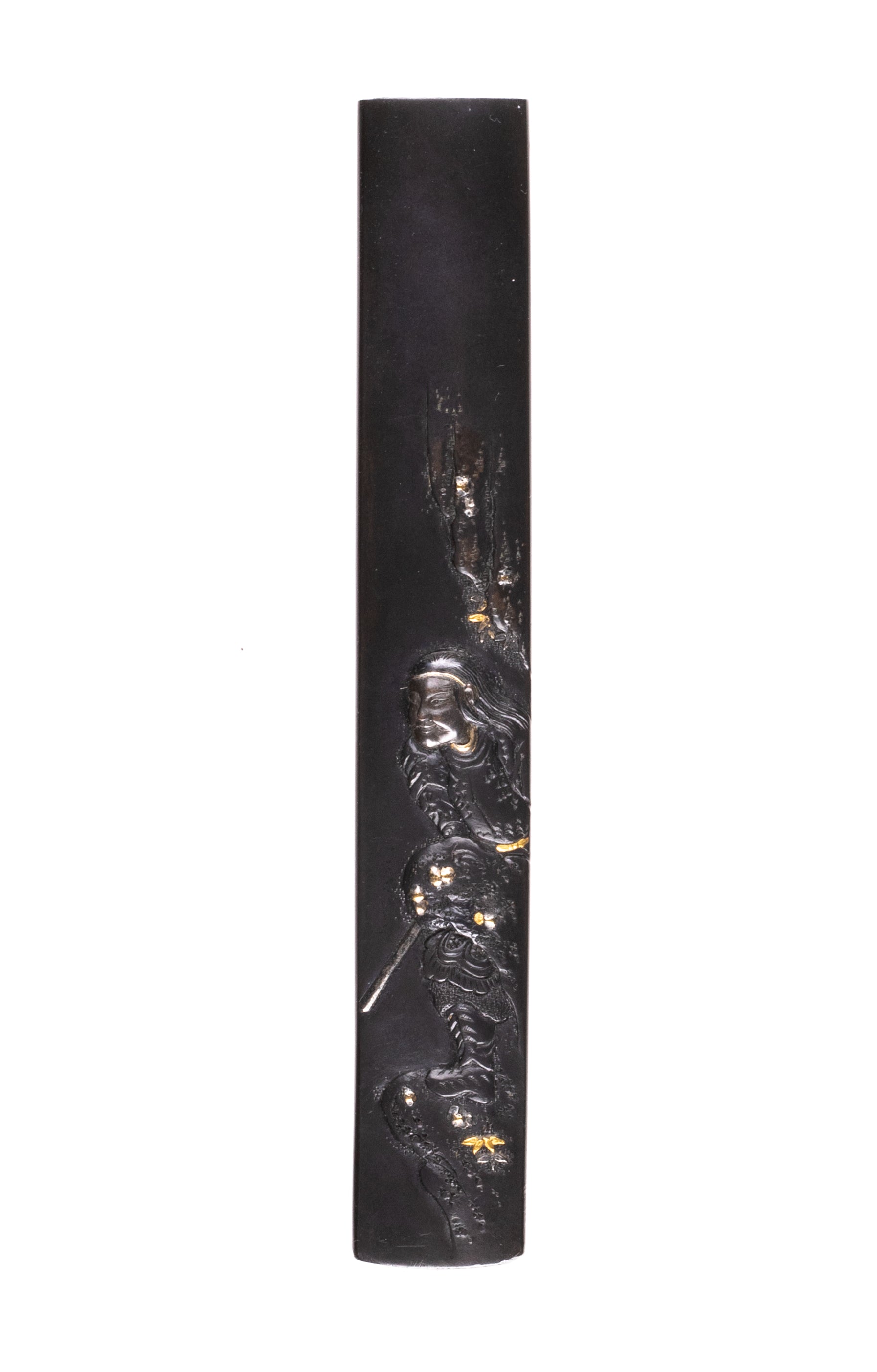
17 ranked works

ProvinceMusashiEraMid-Edo (1696–1769)SchoolNara>HamanoTraditionMachiboriTeacherNara Toshinaga (奈良利寿)Specialtiesfuchi-kashira, kozuka, menuki, kogai, tsubaTypeTosogu MakerCodeHAM001
1Jūyō Bijutsuhin
16Jūyō Tōken

Overview

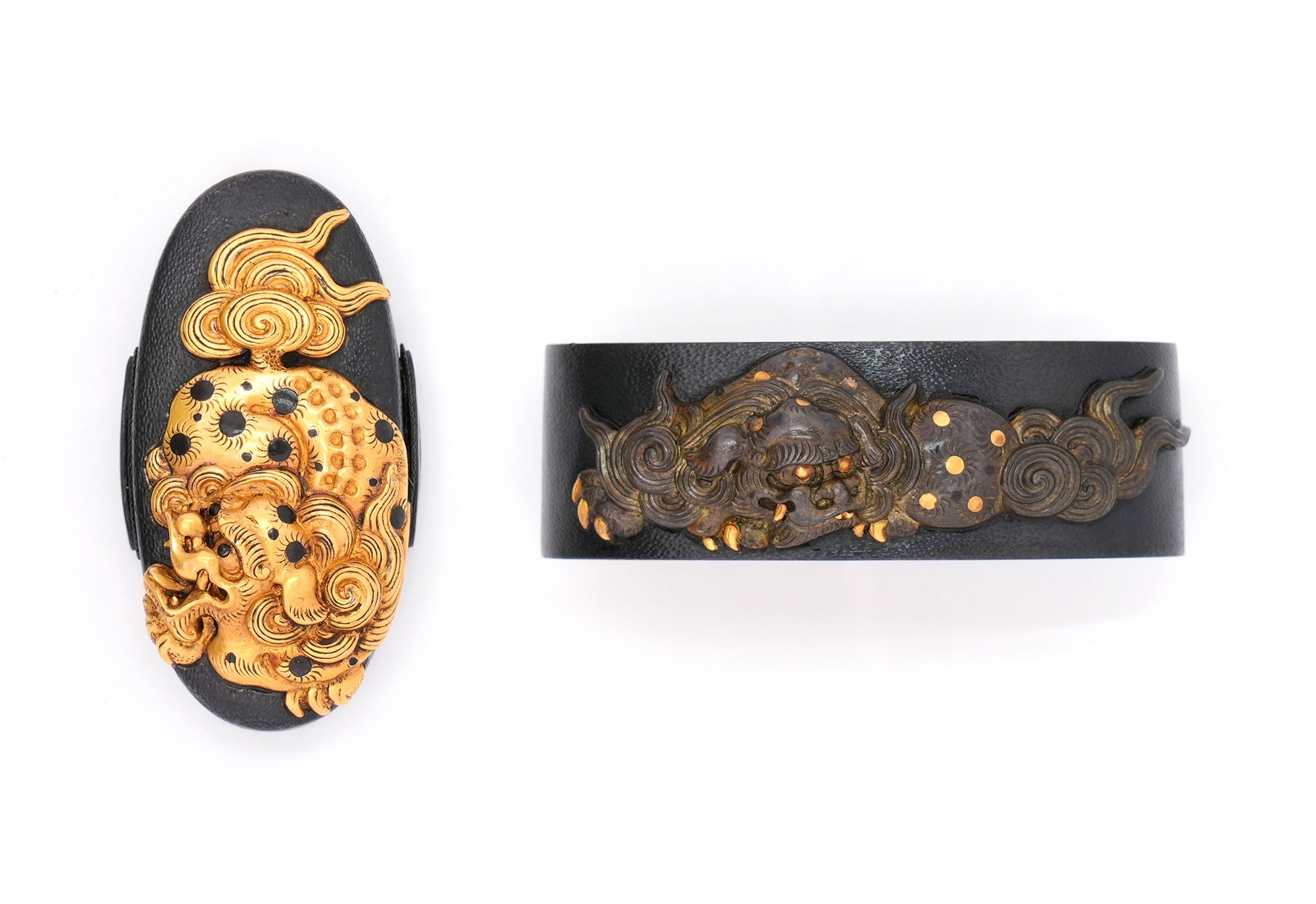
Hamano Masayuki was an outstanding talent among the disciples of Nara Toshihisa and was commonly known as Tarobei. He trained many pupils and established the Hamano school as one of the principal lineages of urban metalworkers (), thereby founding an independent tradition comparable in stature to the Yokoya school. As recorded in the Kinko Meifu, he "thundered through the world," gaining widespread fame as one of the "Four Heavenly Kings of Nara" (Nara Shitenno). He used numerous art names throughout his career, including Otsuryuken, Miboku, Kankei, Rifudo, Yukotei, Shuhosai, Hankeishi, Isshunan, and others. Among his followers, artists such as Kakusui, Naosui, and Masaryo are known as excellent craftsmen who carried forward the lineage.

Masayuki's technique was highly esteemed, and he excelled in every approach — whether in bold , nikiai-bori, nikubori, or . His manner is characterized, as the Kisho appraises it, by a preference for "the challenging," through which he reveals a bold spirit; his work is "brisk and forceful." While inheriting the style of his master Toshihisa and incorporating mannerisms associated with Joi and Yasuchika, he devised an individual sculptural approach, adding distinctive nikubori-like modeling to high-relief subjects. The Hamano school's characteristic manner — using vertically oriented compositions and placing the principal subject in a large, forceful arrangement realized through realism — was firmly transmitted within the lineage.

In his later years, Masayuki left many powerful works that can be called distinctly his own, making vigorous use of robust high relief. His late pieces, often signed with age statements recording his seventies, fully display what the describes as "the true essence of his art through the vigorous deployment of his powerful carving techniques." Works from this final period combine daring with attentiveness, their polychrome accents executed with great care, standing as eloquent testaments to his elevated technical skill and the enduring vitality of the tradition he founded.
Kantei

3 descriptive axes: material (a Nara-school ground palette, suaka prominent) x technique (bold high relief with iro-e and applied suemon, enriched by Joi-manner nikuai-bori) x themes (figures above all, set large). His load-bearing discriminators are the force of the carving and the nikuai-bori he takes from Joi.

Hamano Shozui the First (1696-1769), common name Tarobei, was a leading pupil of Nara Toshinaga and the founder of the Hamano school, one of the principal (townsman-carving) lines of , set against the Yokoya school of Somin. He is counted among the Four Heavenly Kings of the Nara school beside Toshinaga, Joi and Yasuchika, and the old records say his name thundered through the world. His defining quality is force: a bold, forceful high relief of figures set large and realistically across the plate, the teacher's Nara idiom enriched with Joi-manner nikuai-bori, which the connoisseur's record praises as liking the forceful, showing spirit, crisp and full of energy.

Diagnostic discriminators

the Soken Kisho characterises his manner as liking the forceful, showing spirit, crisp and full of energy; the force and boldness of the carving is the recurring point

his own carving adds the nikuai-bori of Joi to the high relief, a Nara-Sansaku idiom the setsumei single out as showing Joi temperament

Material (grounds)

A Nara-school palette of , , and -grey , often ishime-textured, with silver also used; is conspicuous in his grounds.

Technique

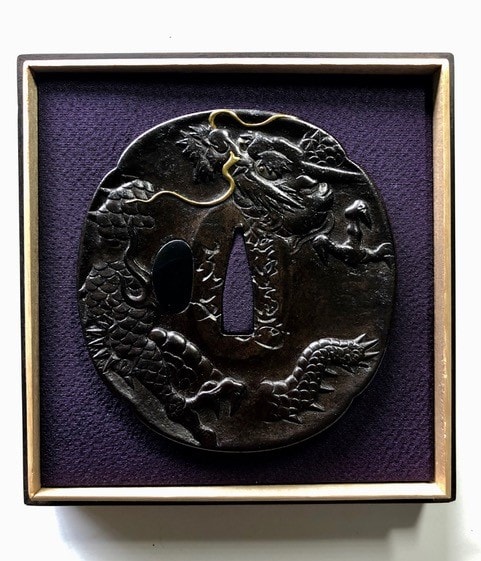
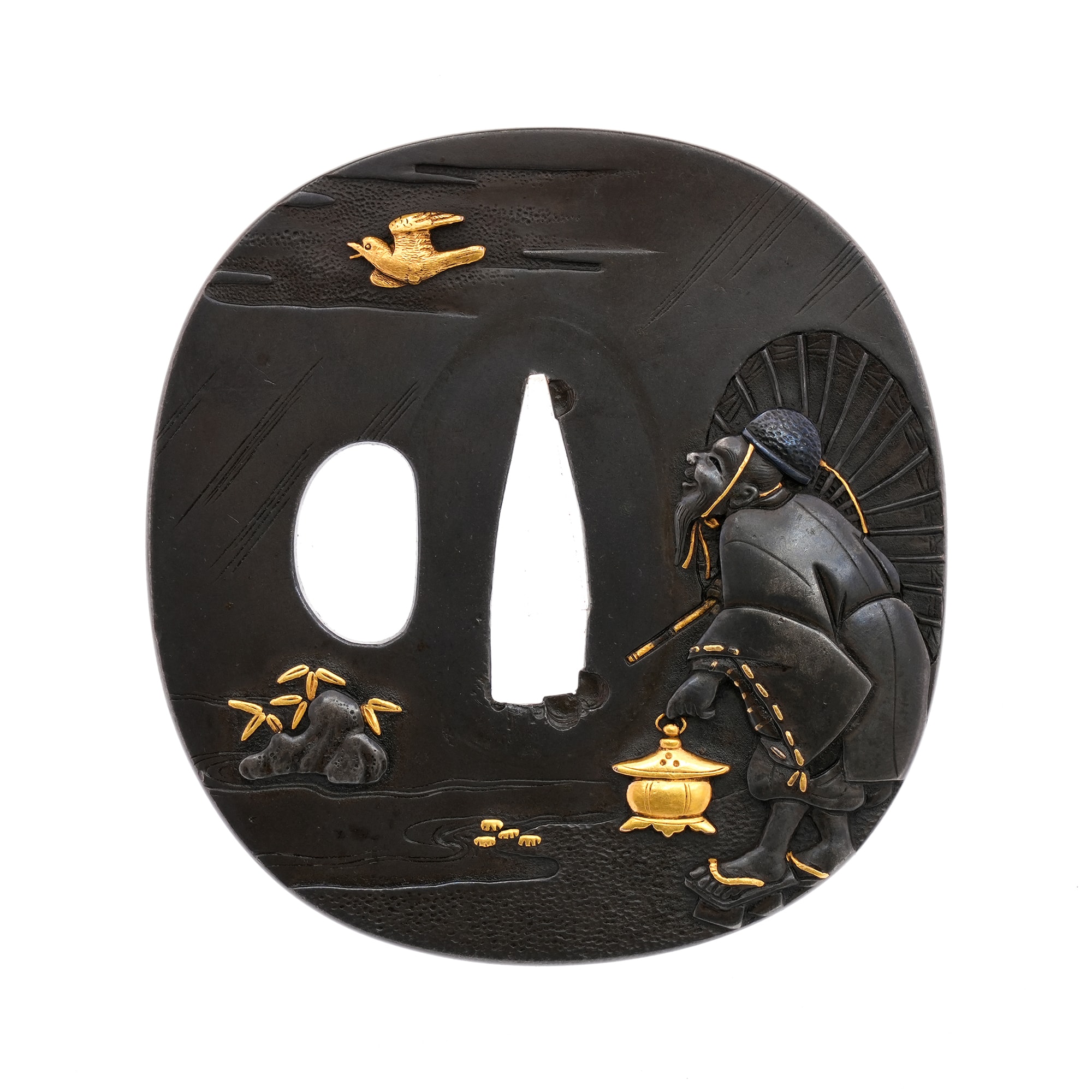
His hand is bold high relief and katabori, enriched with gold, silver, and iro-e and inlay with applied ; over the high relief he adds the nikuai-bori of Joi, and commands and katakiri besides.

Themes (figural)

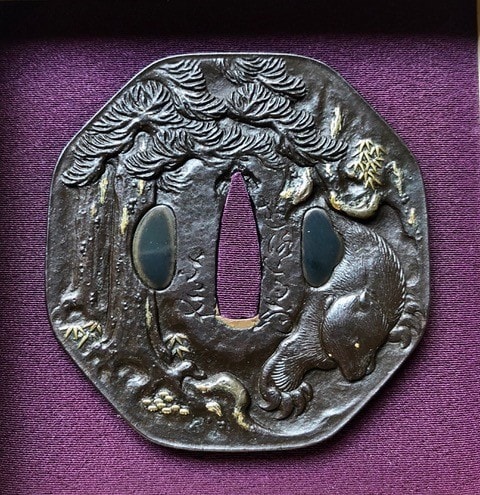
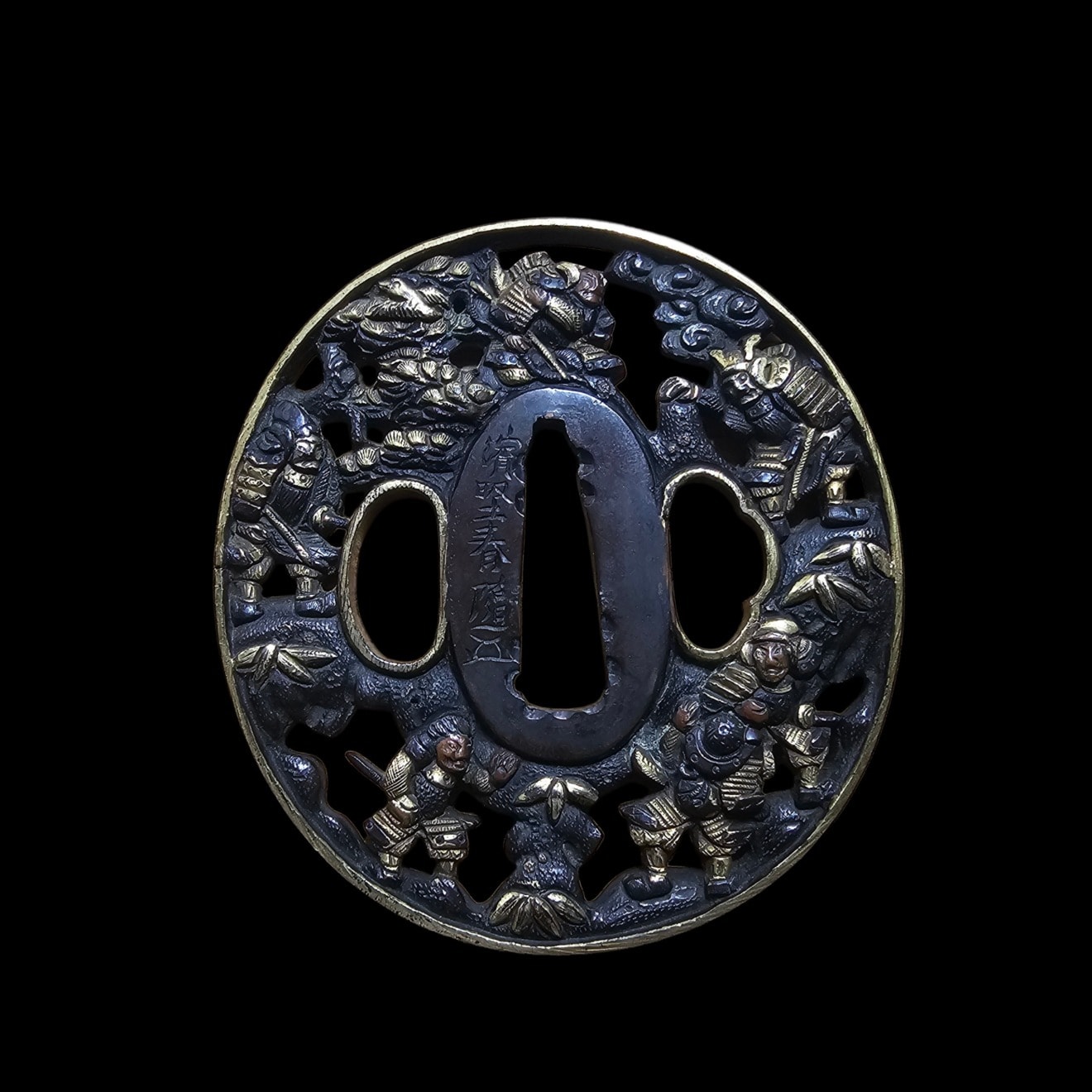
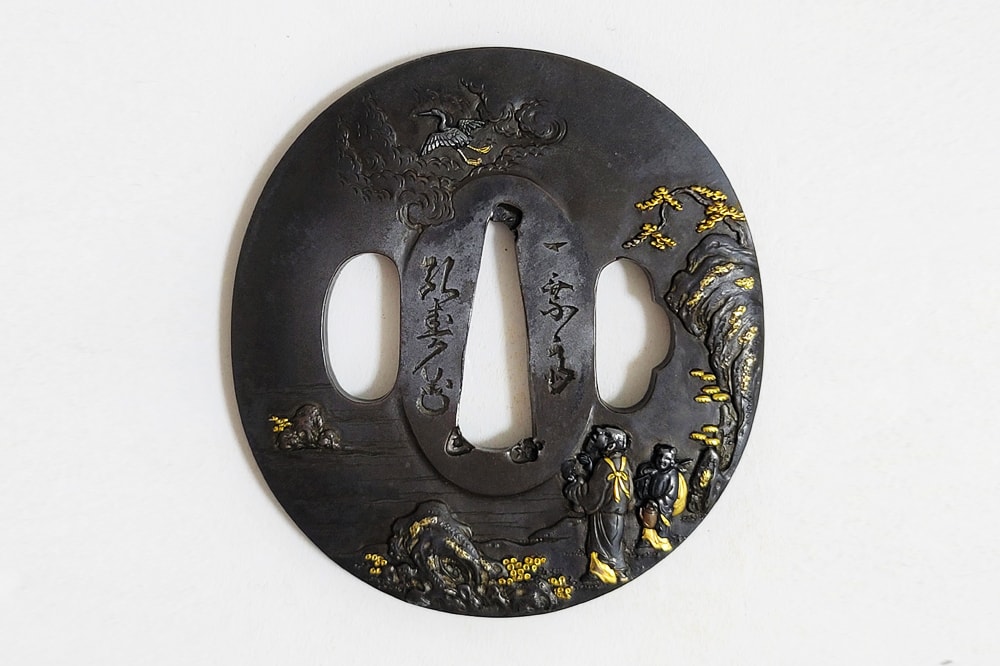
Figures above all, set large and forcefully: Nio guardians, immortals such as Gama-and-Tekkai, Idaten, Hanshan-and-Shide, the running Idaten; with naturalistic subjects, old pine with tethered ox, egret under the moon and gamecocks, treated with the realistic weight.

Figures, set large

Guardian kings and immortals set large across the plate in forceful high relief; Hanshan-and-Shide, Gama-and-Tekkai, the running Idaten.

Naturalistic subjectsless firmly established

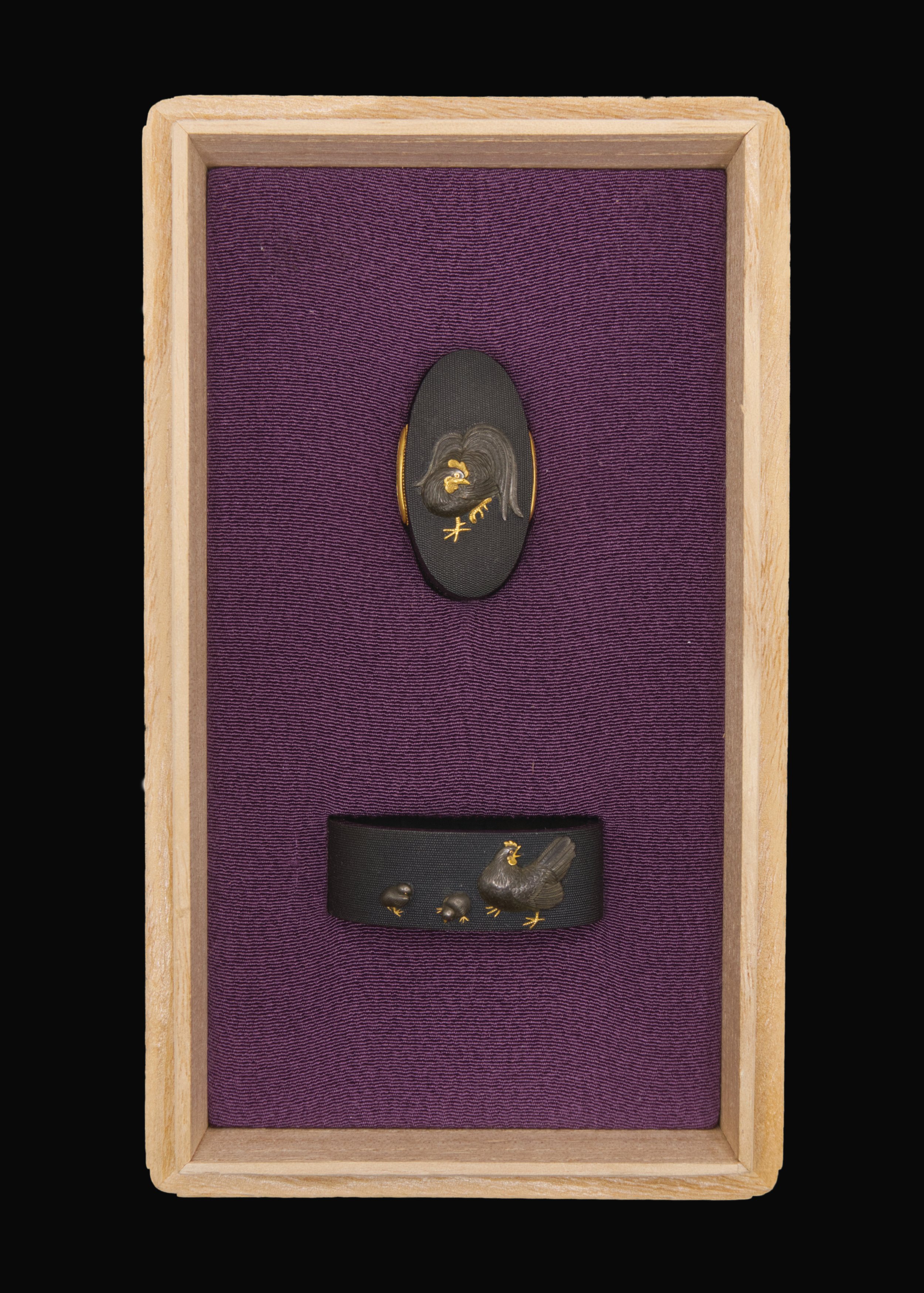
Old pine with a tethered ox, gamecocks with chrysanthemum, water and pine, given the realistic, weighty carving as his figures.

Full iconography

Signature chronology

Placement
Recorded signatures

Documentary note

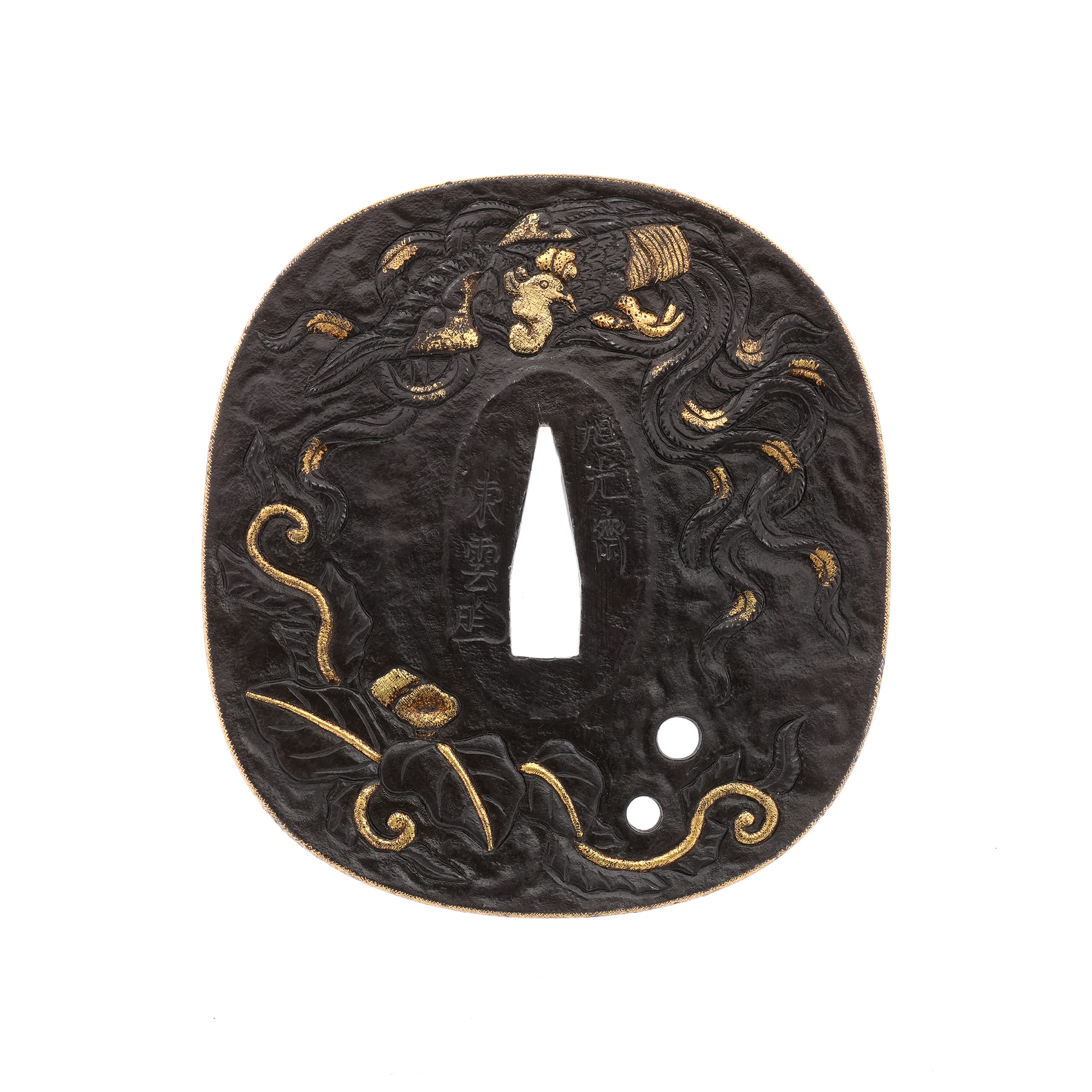
His own and most distinctive signature is the two characters Shozui (in the old orthography), commonly cut without a and often adding his age in years; he also signs with the go Otsuryuken and Miboku, and Kankei, among many alternate names (Reifudo, Yukotei and others). The Otsuryuken and Miboku go were inherited by the head of the line, so that the fourth-generation Masanobu also signs Otsuryuken-Miboku: pieces signed Miboku alone are not securely the first generation, and the itself attributes several Miboku works in this group to the fourth-generation Masanobu.

Scholarship

He founded the Hamano school, one of the principal machibori lines of Edo, set against the Yokoya school of Somin.

Designations

Kokuhō—
Jūyō Bunkazai—
Jūyō Bijutsuhin1
Gyobutsu—
Tokubetsu Jūyō—
Jūyō Tōken16

Elite Standing

0.08 across 17 designated works

Top 17% among makers

Provenance

1 documented provenance across certified works by Shozui

Provenance Standing

0 works held in elite collections across 1 documented provenances

Top 50% among makers

Raw score: 2.00 / 10

Work Types

Distribution across 17 ranked works

Other
744%
Tsuba
425%
Kozuka
213%
Menuki
213%
Fuchi-Kashira
16%

Signatures

Signature types across 17 ranked works

Currently Available

Lineage

Shozui
Students (2)
  1. 1.Noriyuki矩随4designated
  2. 2.Kaneyuki/Kenzui兼随

Hamano School

Other artisans of the Hamano school

  1. 1.Sekibun赤文3 for sale8designated
  2. 2.Noriyuki矩随4designated
  3. 3.Masataka政孝1designated
  4. 4.Noriyuki矩随 (Norinobu1 for sale1designated
  5. 5.Nobuyoshi信盧2 for sale2designated
  6. 6.Naoyuki直随2 for sale1designated
  7. 7.Masatsugu政次1 for sale1designated
  8. 8.Shomin勝眠1designated
  9. 9.Masayoshi政芳2designated
  10. 10.Masanobu政信1 for sale2designated

Shozui

Shozui(政随) was a maker of Japanese sword fittings (tōsōgu) of the Hamano school in Musashi province, active during the Mid-Edo (1696-1769) period.

The work follows the Machibori tradition.

Designated works by Shozui include 16 Jūyō.