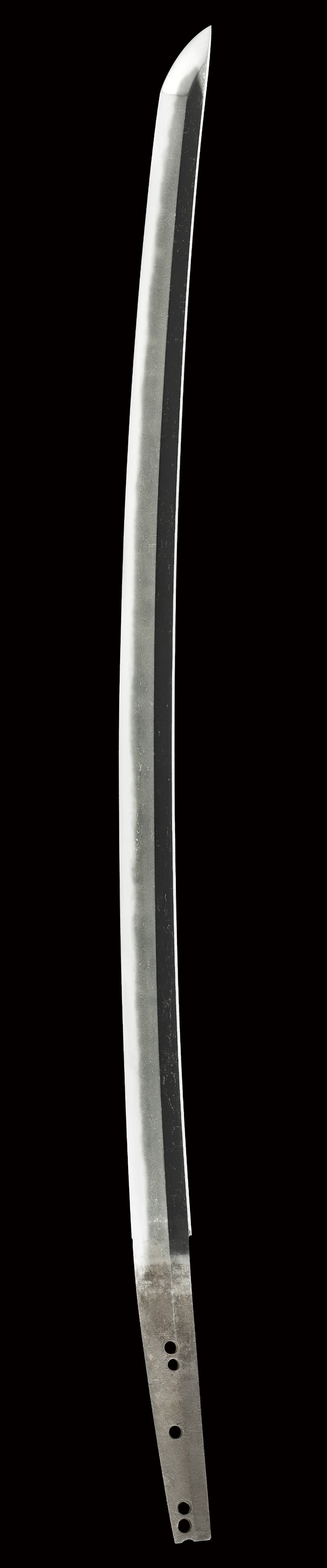
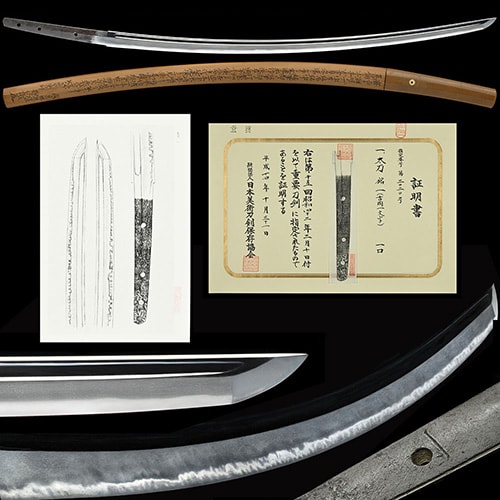
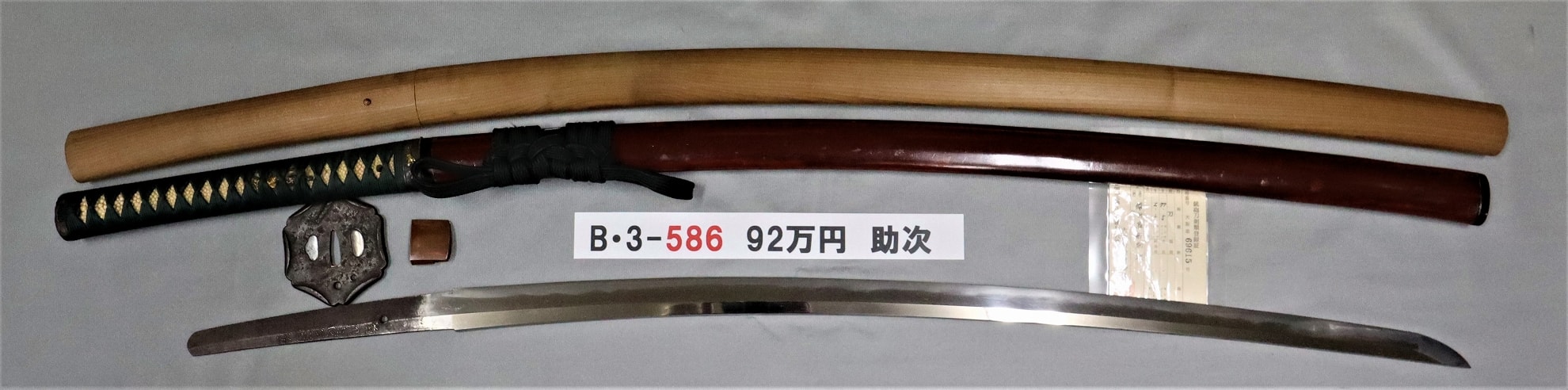
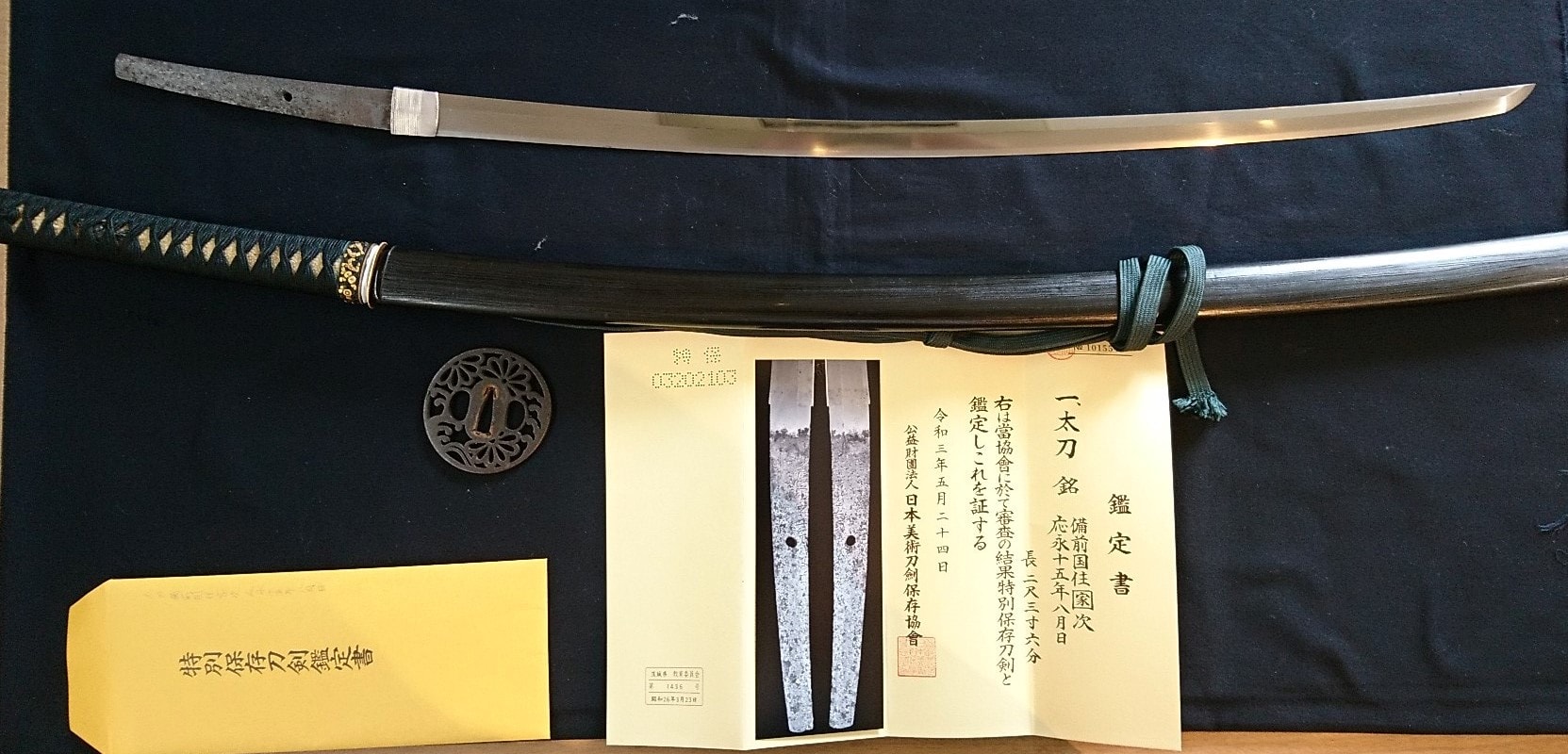
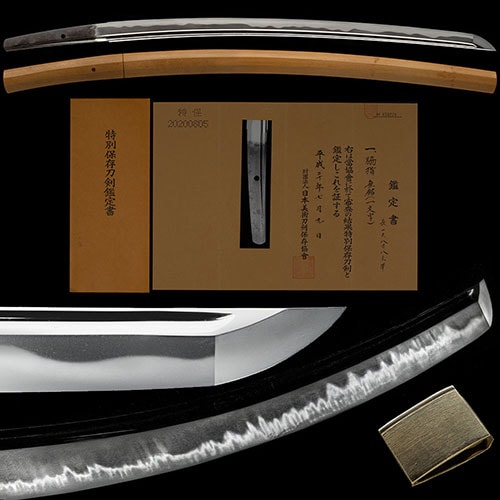
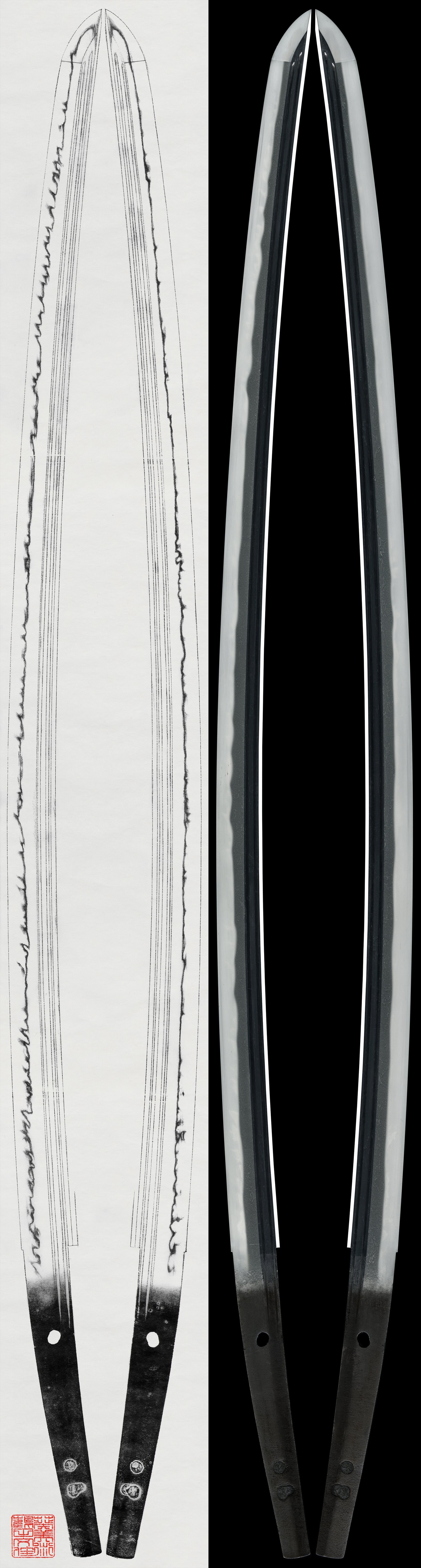
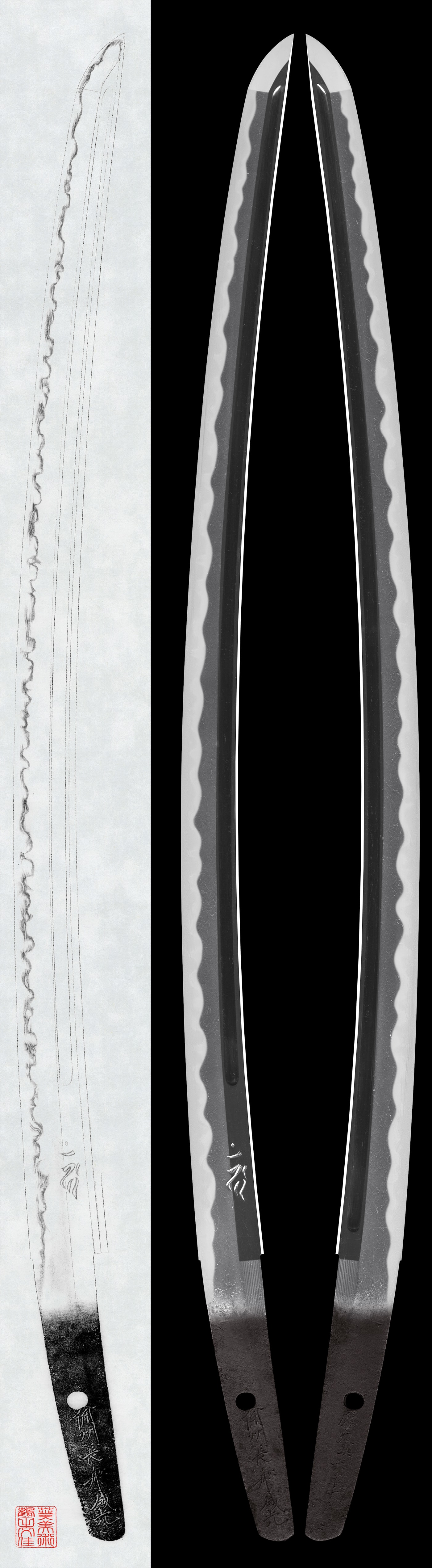
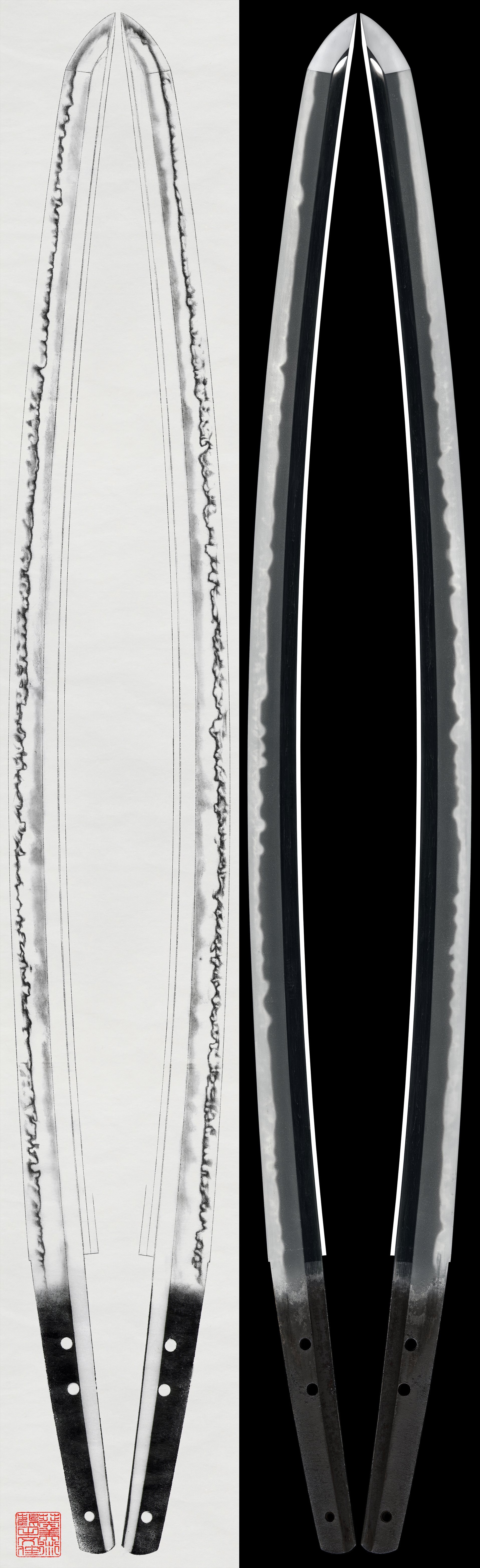
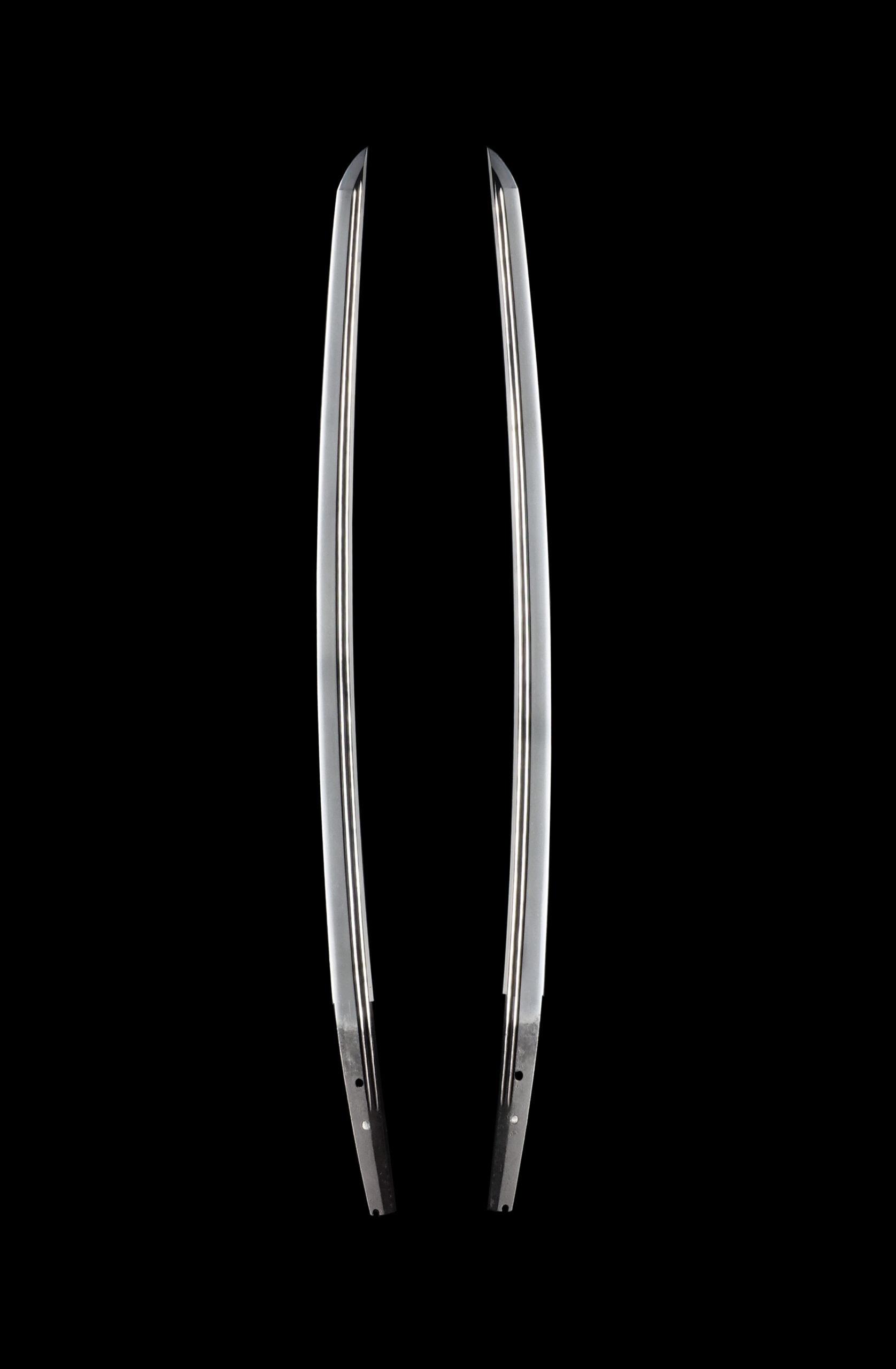
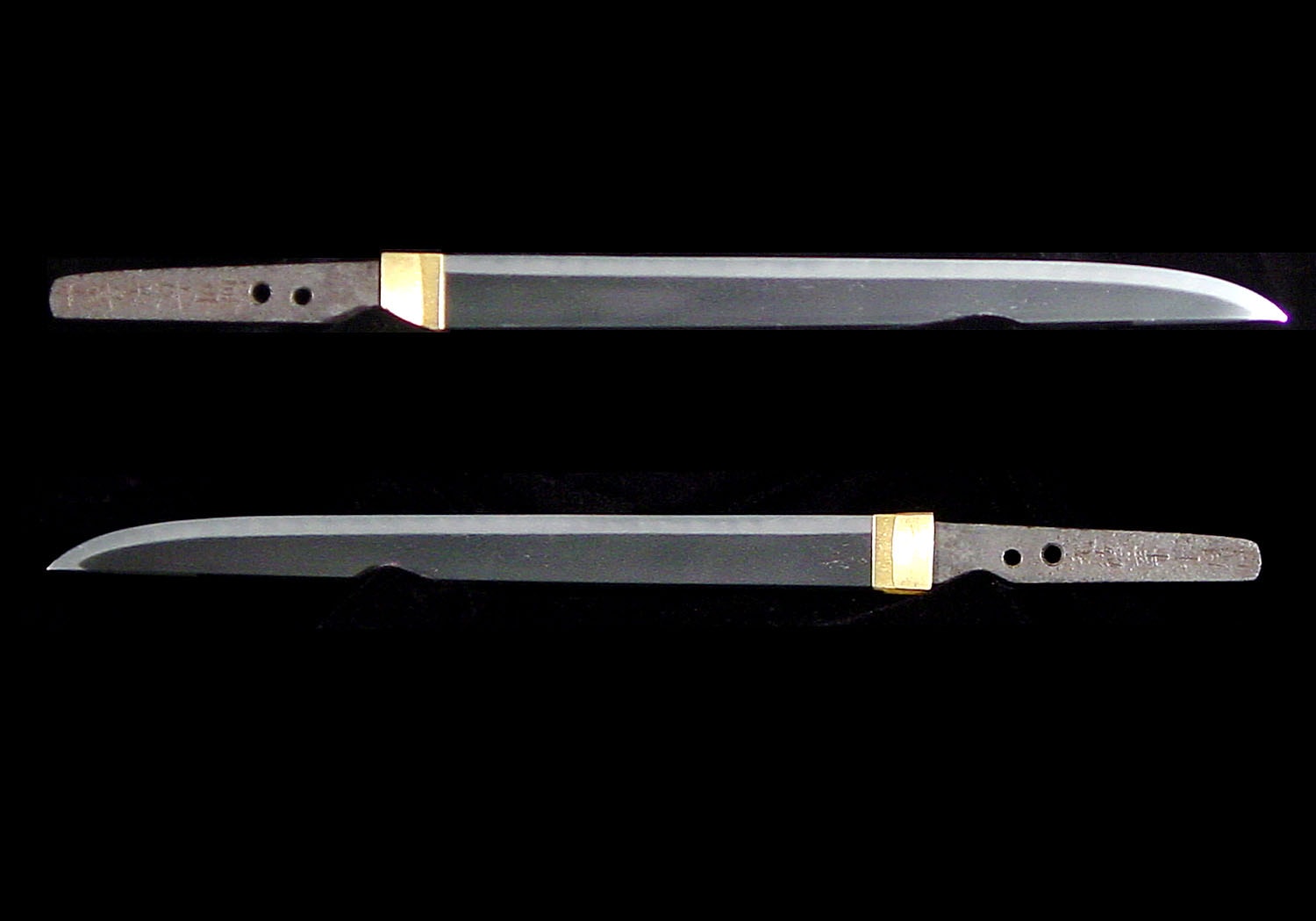
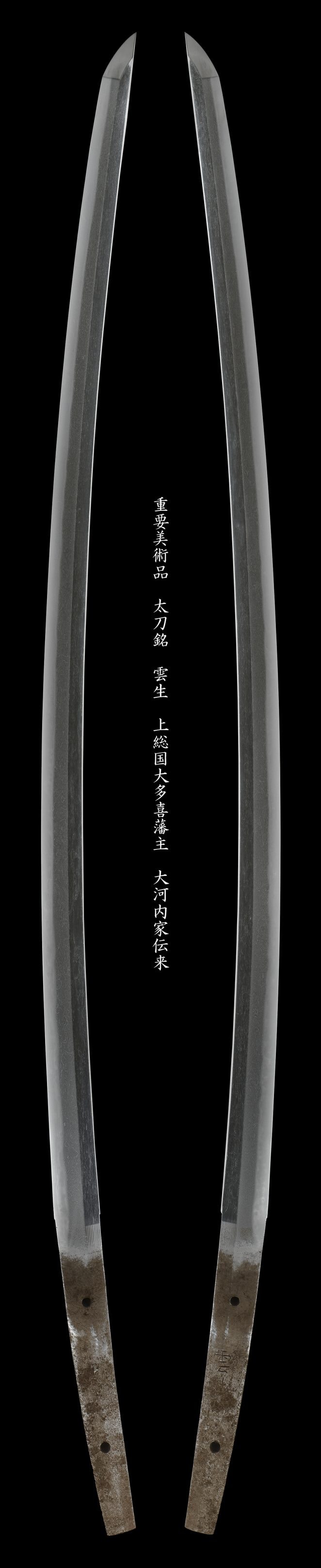
Sakon Shōgen Tsunetsugu is a smith of the late period whose identity is the problem before his blades are. The published sources fix his place through two facts: an extant clearly signed " no jū Sakon Shōgen Tsunetsugu," and a surviving blade carrying a Genkō 2 (1322) date, from which his period of activity is read at the very end of . Beyond that the record is sparse. Several smiths named Tsunetsugu worked across and in the age, the famous one being the Tsunetsugu said to have served as a to the retired sovereign Go-Toba, and a later Tsunetsugu bore the title Saemon-no-jō. The man who signs "Sakon Shōgen" is the hand, but the published sources caution that his lineage within is not clarified, that he was not of the main line, and that he probably came from a district close to the border, named in the breath as a maker like Bairai Tsuguyoshi.
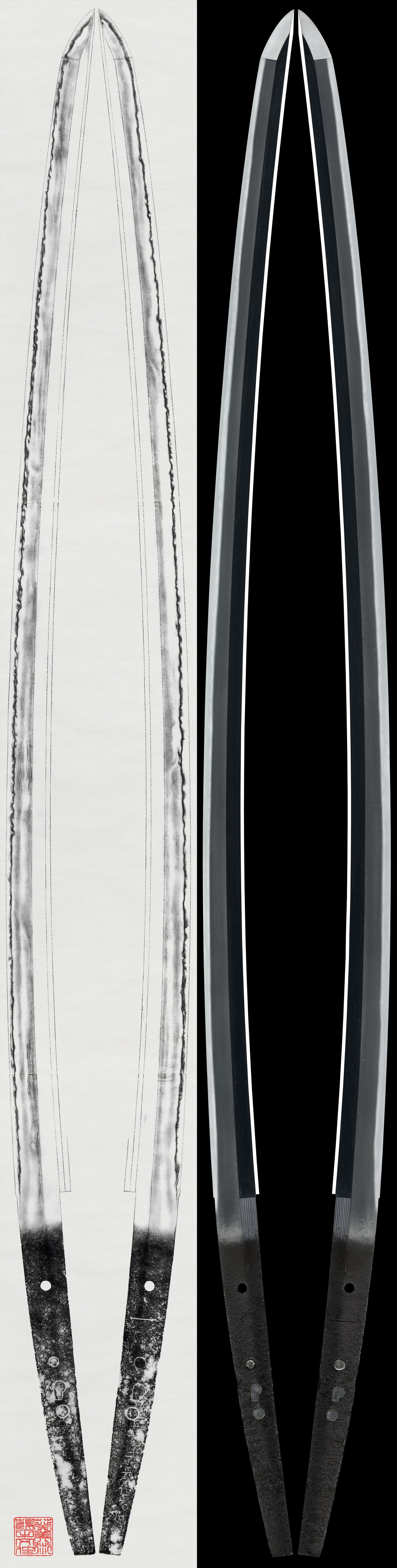
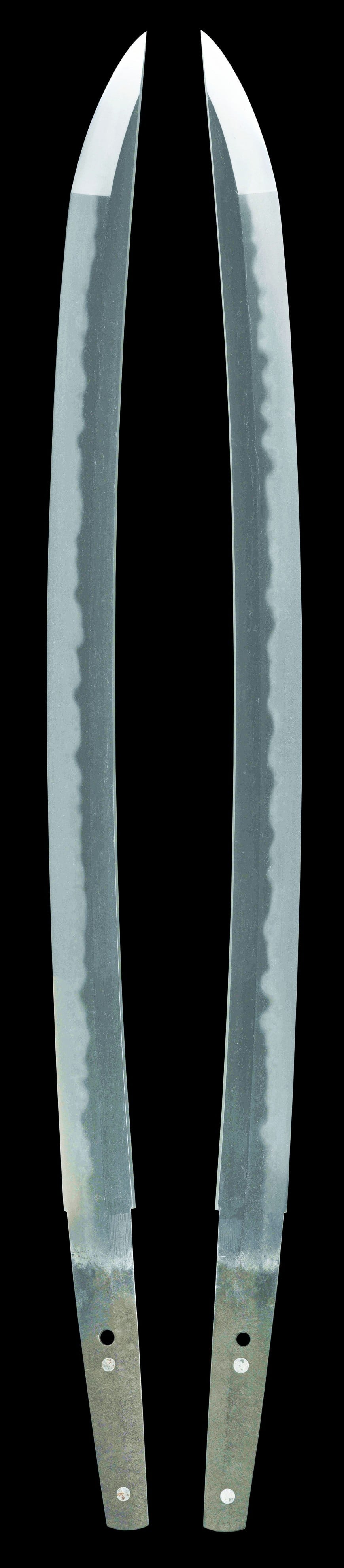
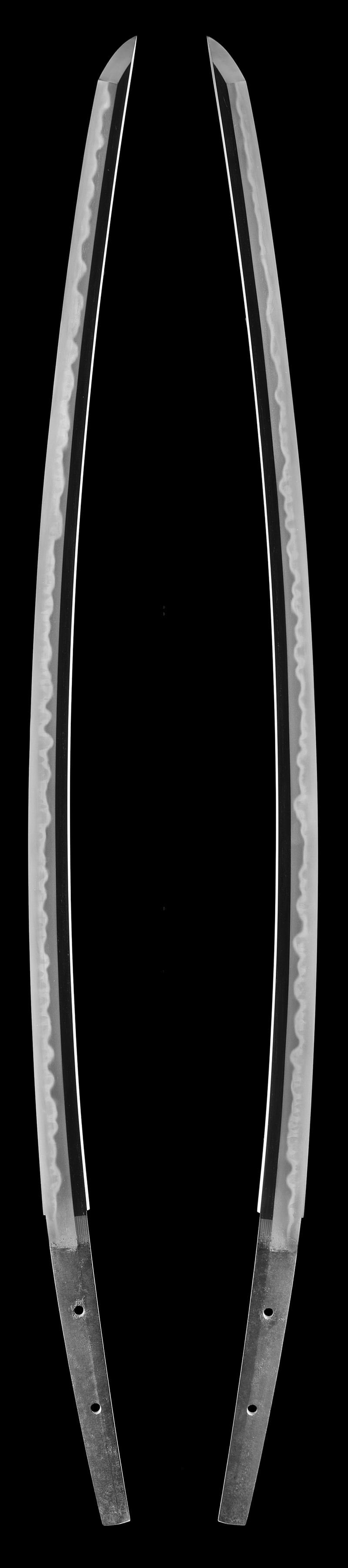
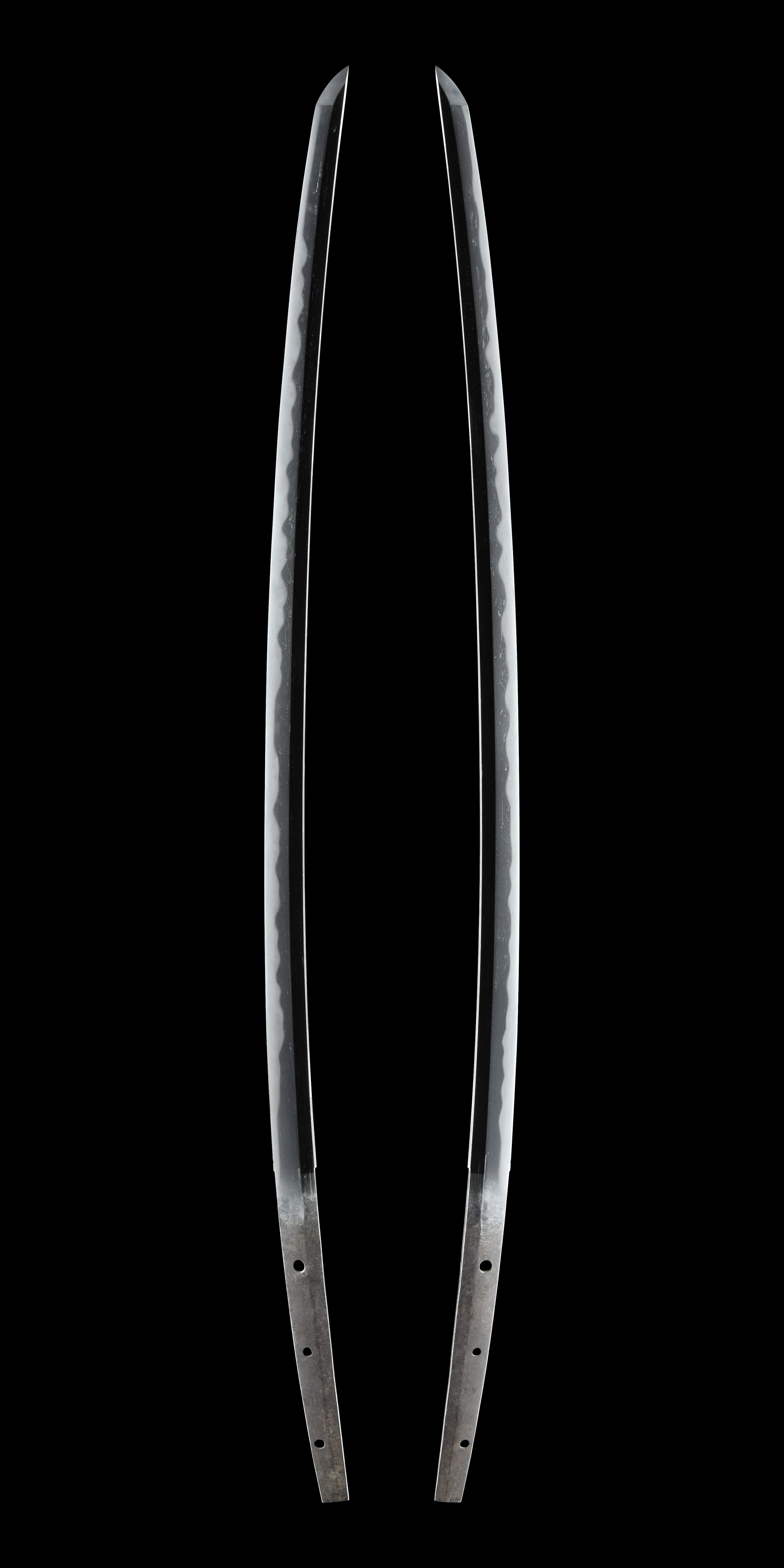
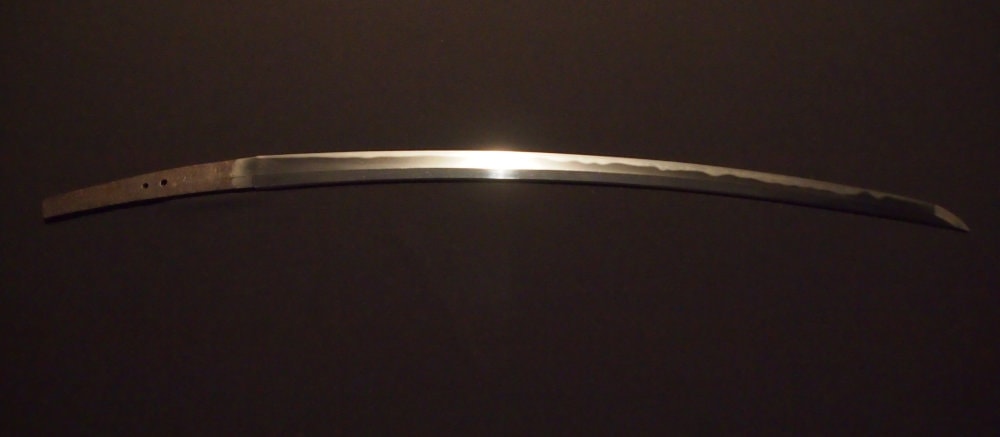
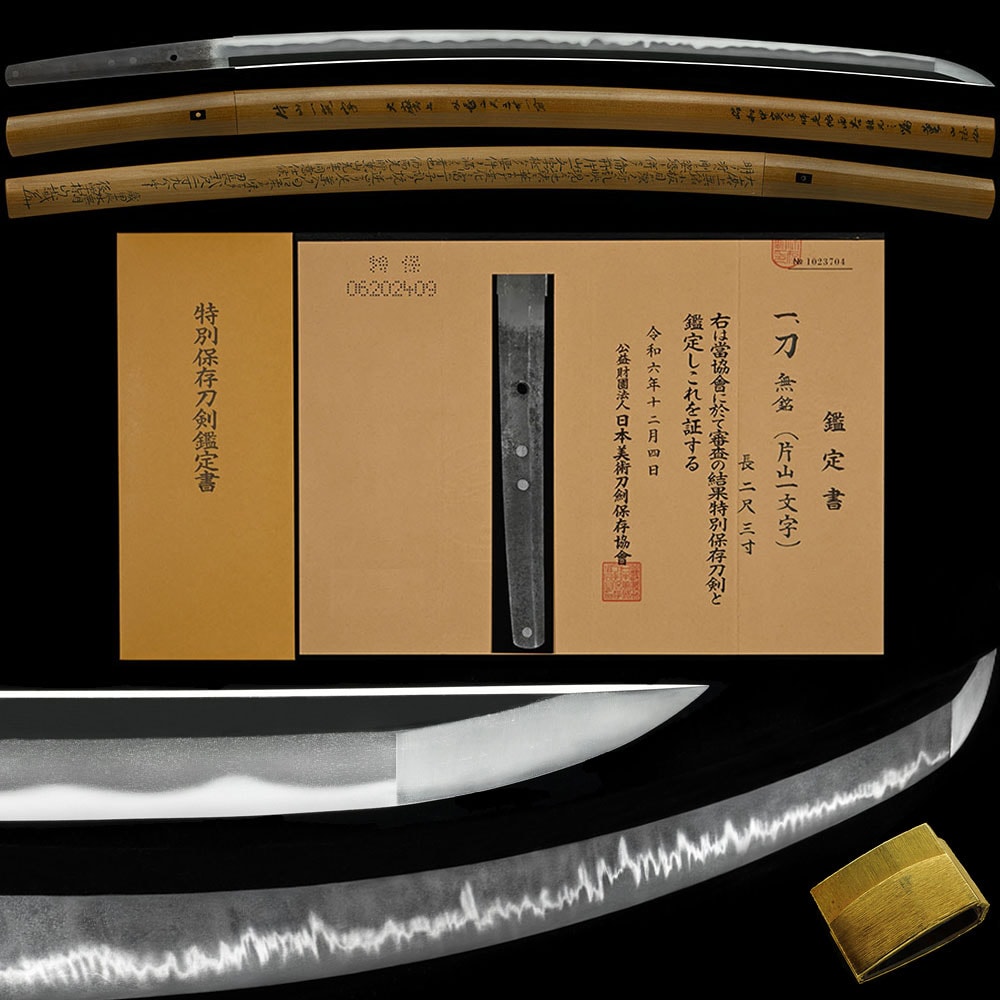
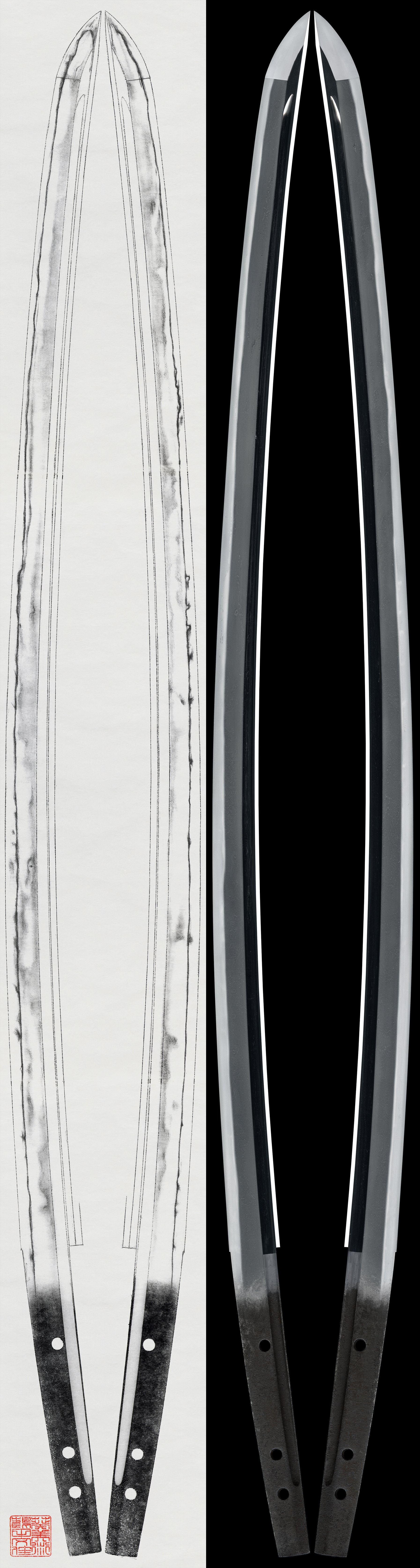
His hand divides into two recognized manners, as the published sources put it, into "works fundamentally based on , and works in which and stand out". The first is his core. Over a well-forged , at times a packed mixed with that stands a little, he tempers a -toned line, narrow on the smaller pieces and widening to a on his finest , into which run , small , abundant and . The is laid tight or a touch subdued, with adhering; on the best blades the gathers and grows moist in places. What the judges single out as the constant across both his manners is the one feature that holds his work together, that the interior of the temper takes richly, "the point that the is richly endowed with ", with fine and threading through it.
The is the surface that decides the question of school. lies finely dispersed over the , enter, and a clear stands on the steel, often with a mottled tendency and patches of . It is this bright, well-forged with its that separates him from the close-grained his blades were once taken for. The second manner sets the forging beneath a livelier edge: on a wide the base broadens and gathers and with a faint feeling; on a broad late- the temper takes and small , the widening toward the , falling into below the , the turning round. The published sources read this and as resembling contemporaneous work in certain respects, while noting elsewhere that the whole of his manner differs from the main line.
The central question around him is not style but attribution, and it shapes every entry. The published sources state plainly that "surviving signed works are few", and that besides his long signature he used a two-character , and that "in cases of two-character signatures he is sometimes confused with the school". His preference for is exactly what made the confusion easy, since the calm straight temper reads as . The point is sharpened by the history of connoisseurship itself: the published commentary records that "the clear distinction between Bitchū Aoe Tsunetsugu and Sakon Shōgen Tsunetsugu was only achieved in the modern era". A 2 (1662) by Kōon that once accompanied one of his still calls the blade Tsunetsugu, which the commentary keeps as a document of how "the appraisals of the house continued to exert a strong and lasting influence within the field".
What sets him apart, then, is read off his own blades rather than borrowed from a neighbor. His is a bright over a refined , carrying a -based edge whose interior is unusually -laden and threaded with , the personal tell that lifts him above a flat straight temper while keeping him distinct from the showy clove-flower of mainstream and from the orthodox line of his own day. He stands at the close of 's great age, a careful, individual hand working at the edge of the province, more often disguised as a smith by later owners than recognized as the master he was. On his shortened pieces the published sources note that owners filed away the three characters " no " above the character jū precisely to make the appear , even as the papers read it correctly as .
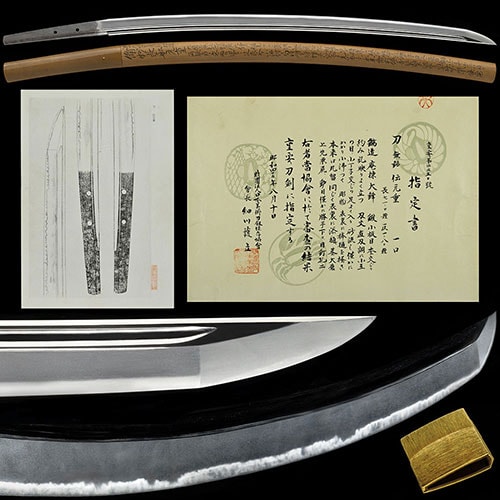
For the collector he is a rare late- name. Fujishiro grades him Jō-jō . He has no National Treasures and no Important Cultural Properties; his record runs instead through the modern designations, four blades reaching and seven , eleven in the two highest tiers in all, against the handful of signed works that survive. The published sources call his finest "an outstanding work by Tsunetsugu" and another "an outstanding blade by Sakon Shōgen Tsunetsugu, sound in both and ". His blades passed through houses, the Yamauchi of Tosa, the Arima and the Sakai among the recorded provenance, several preserved in their original mounts. Because signed Sakon Shōgen Tsunetsugu blades are so few, one comes to light only seldom, and most of those on record are held rather than traded; a or example from a private collection is a notable thing for a collector to encounter, valued as much for the riddle of its name as for the quiet excellence of its steel.