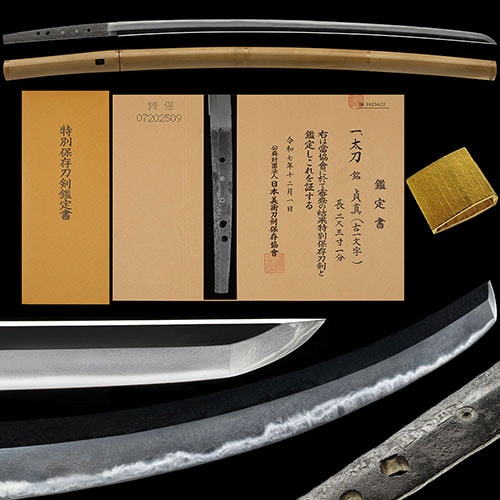
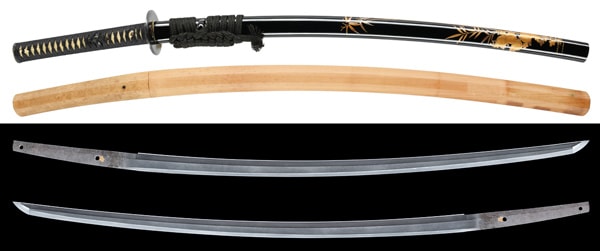
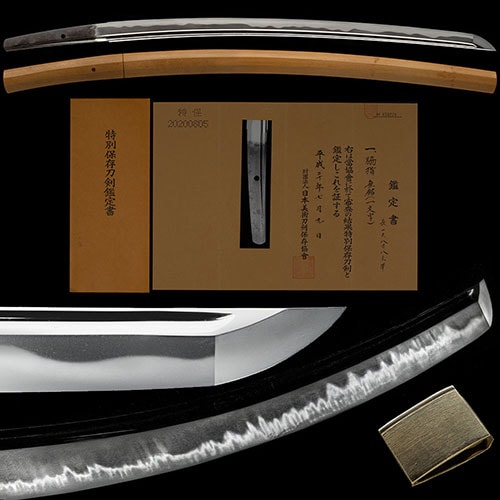
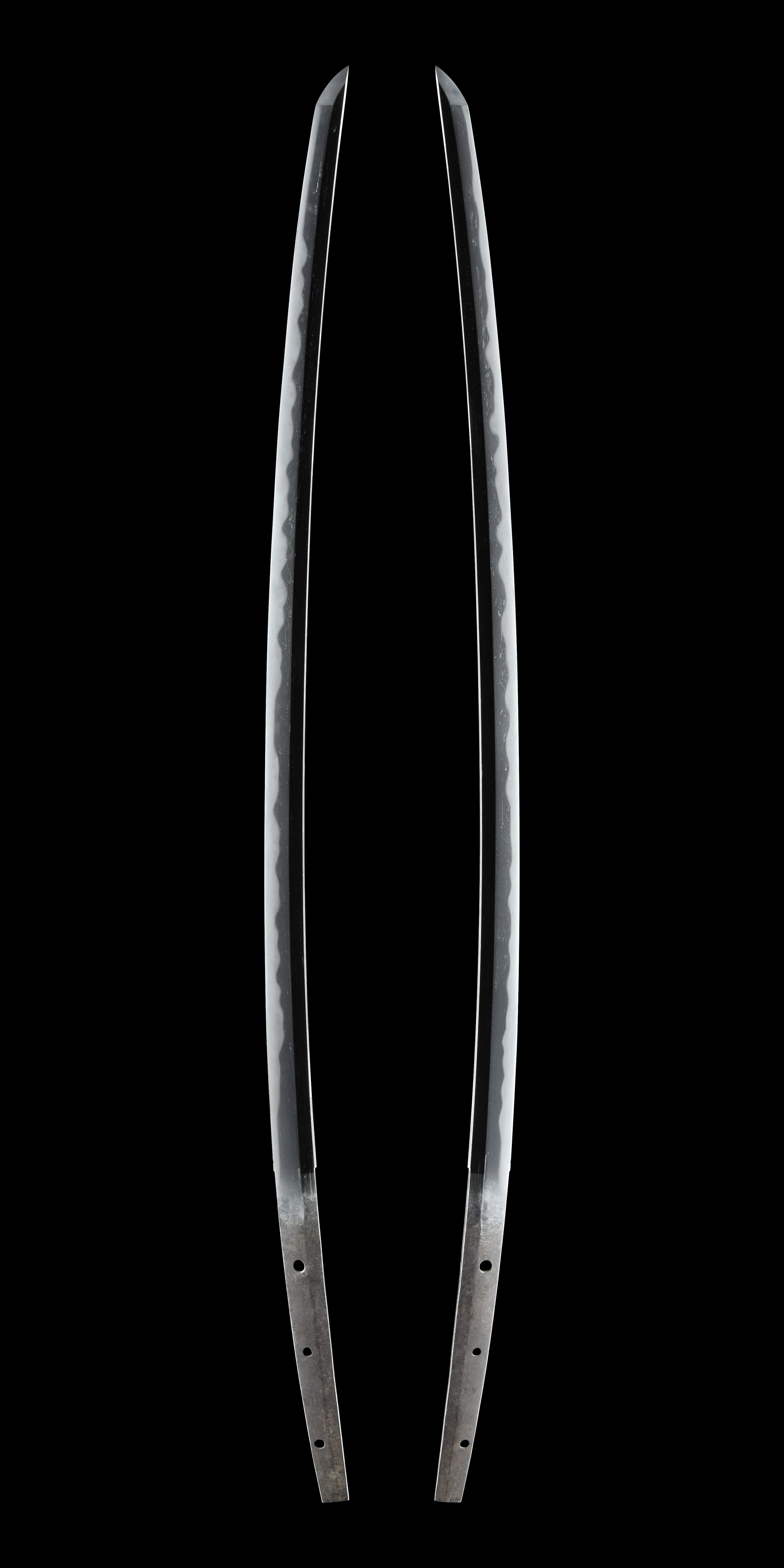
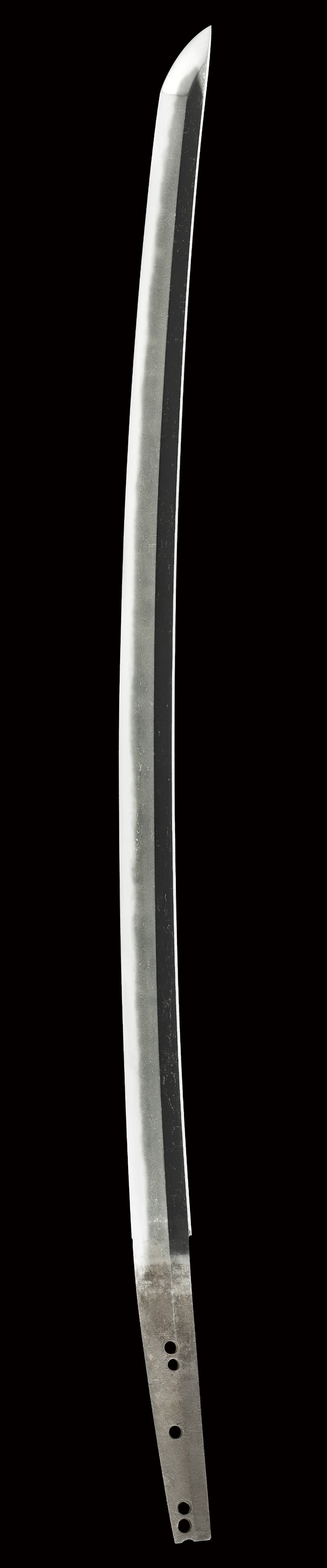
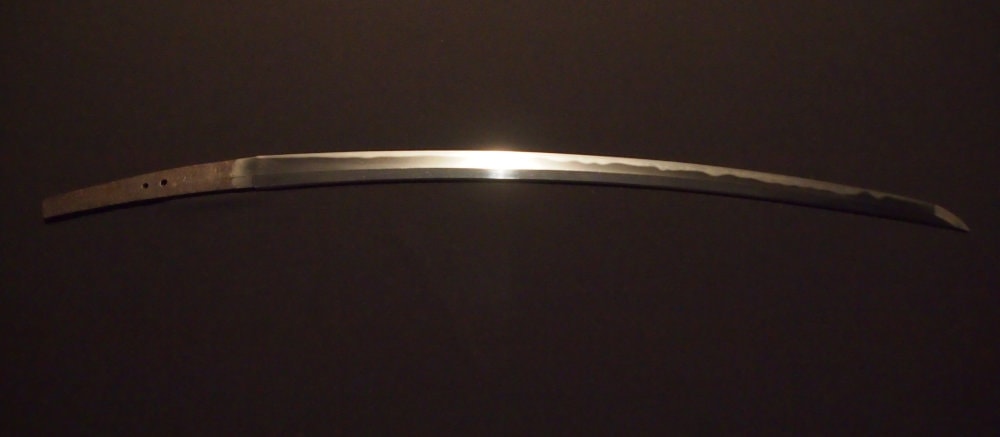
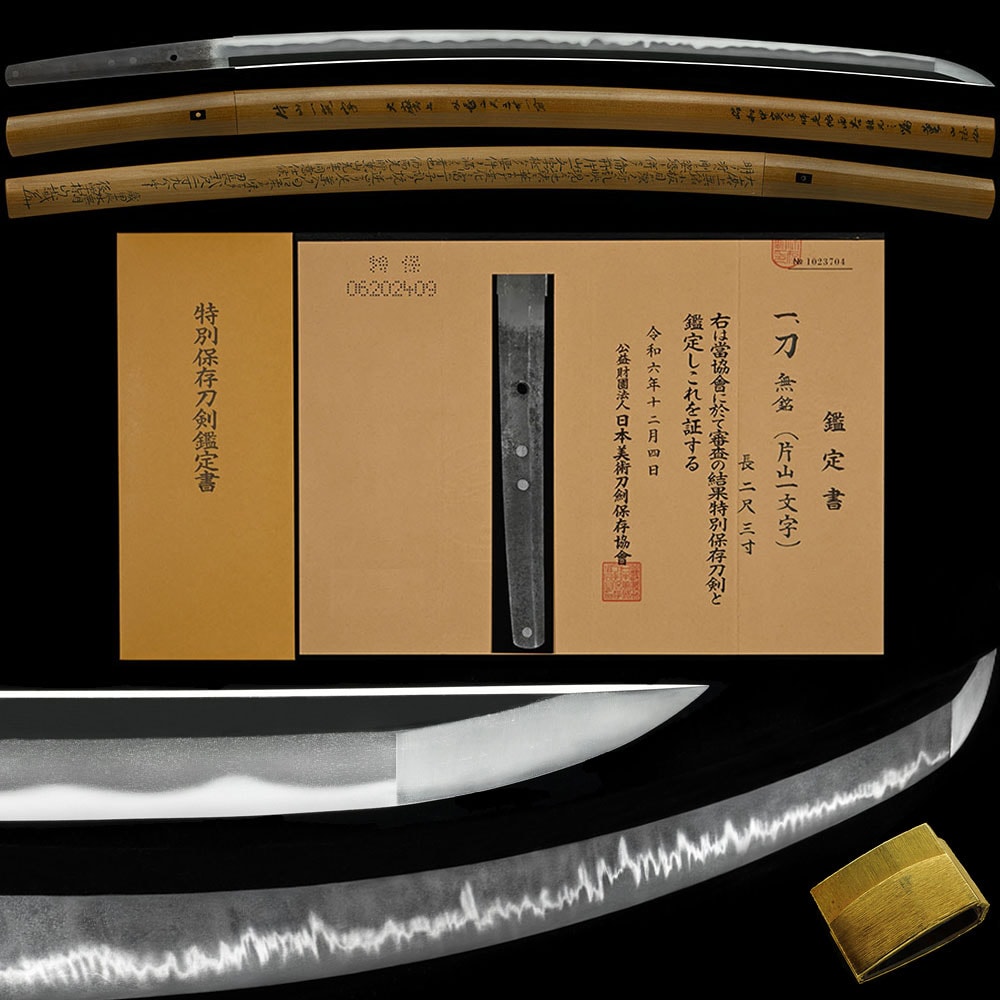
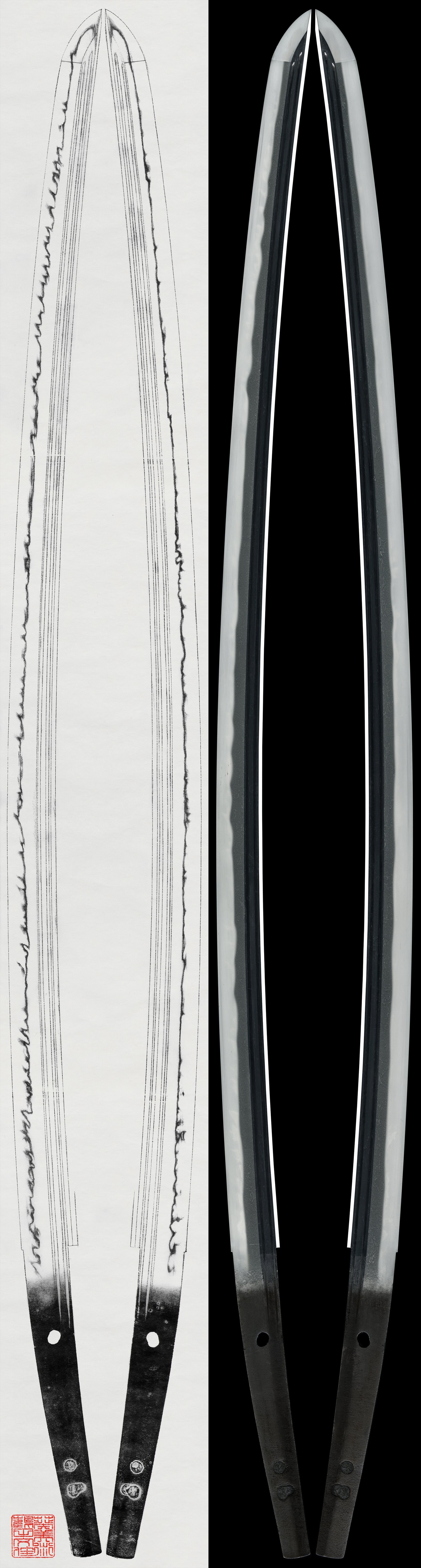
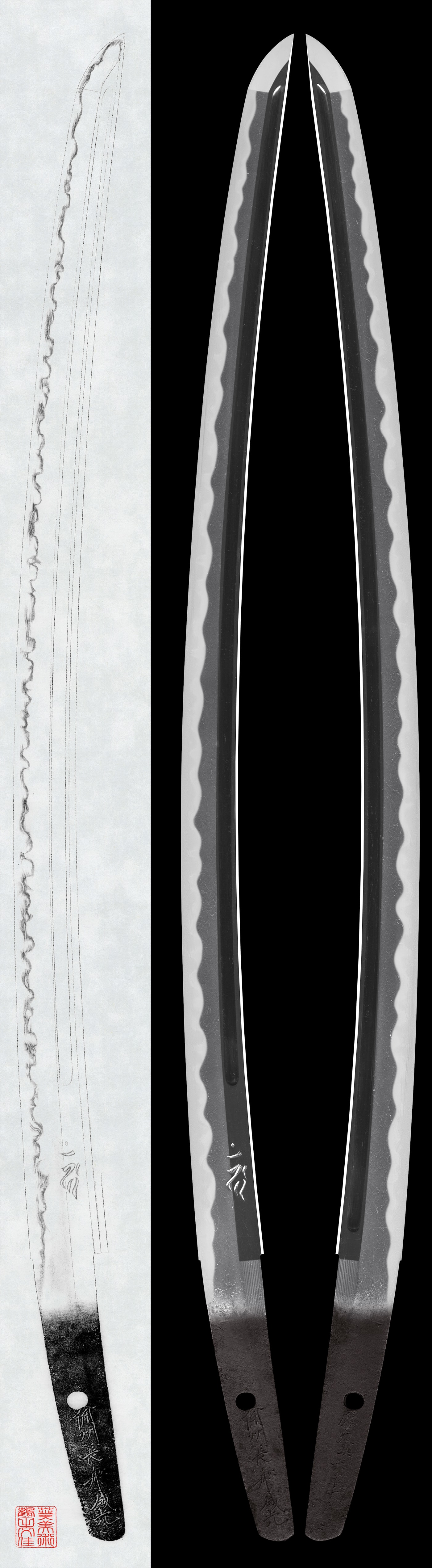
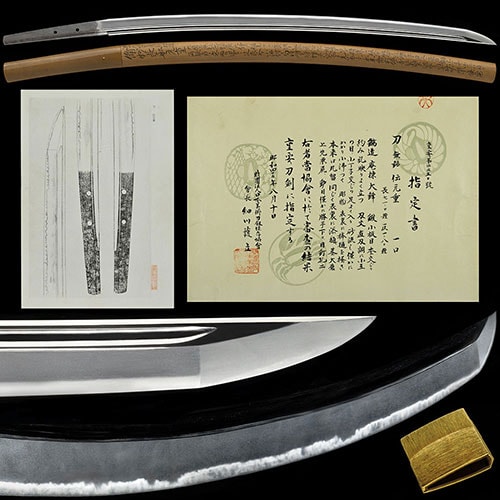
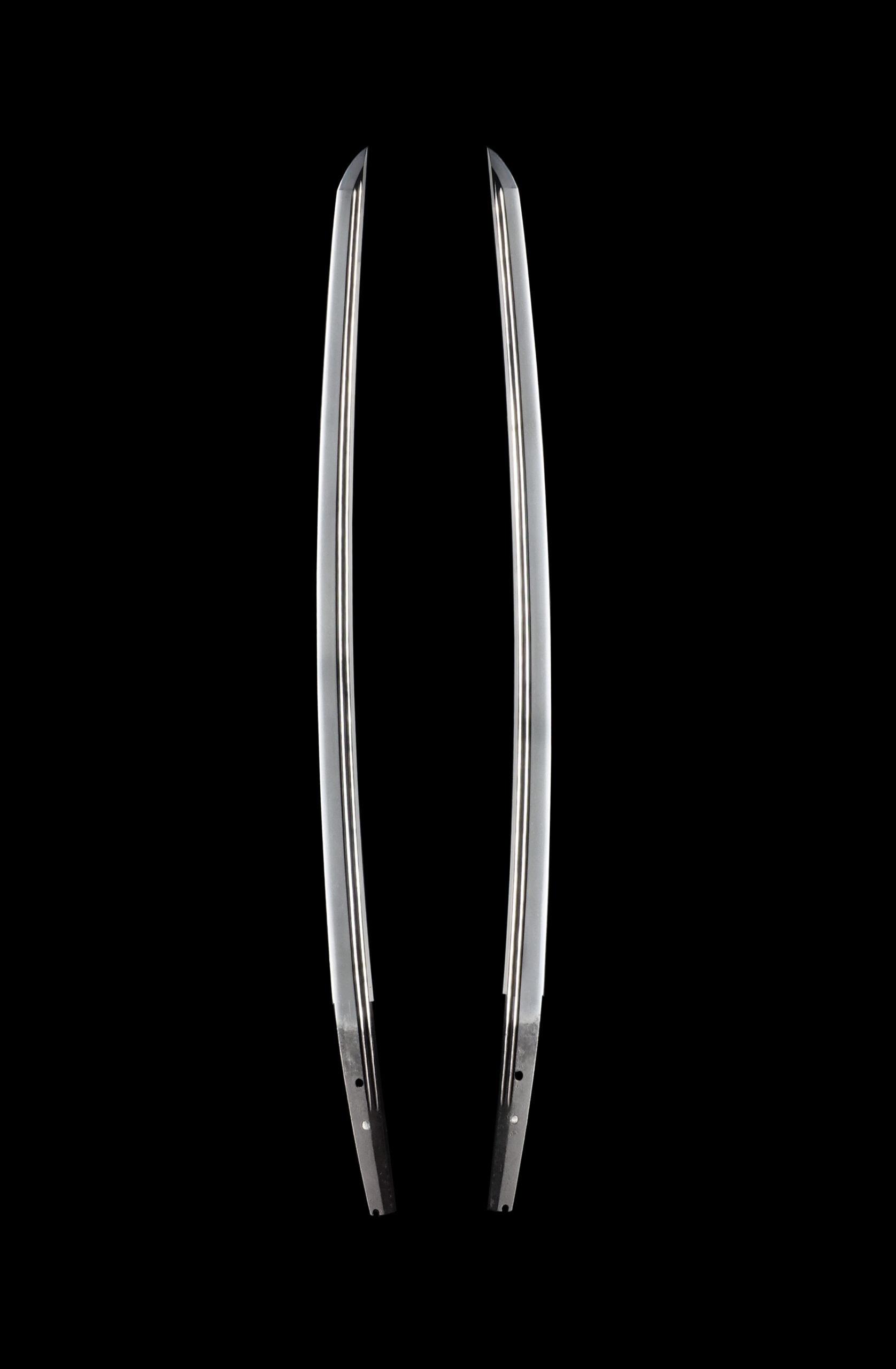
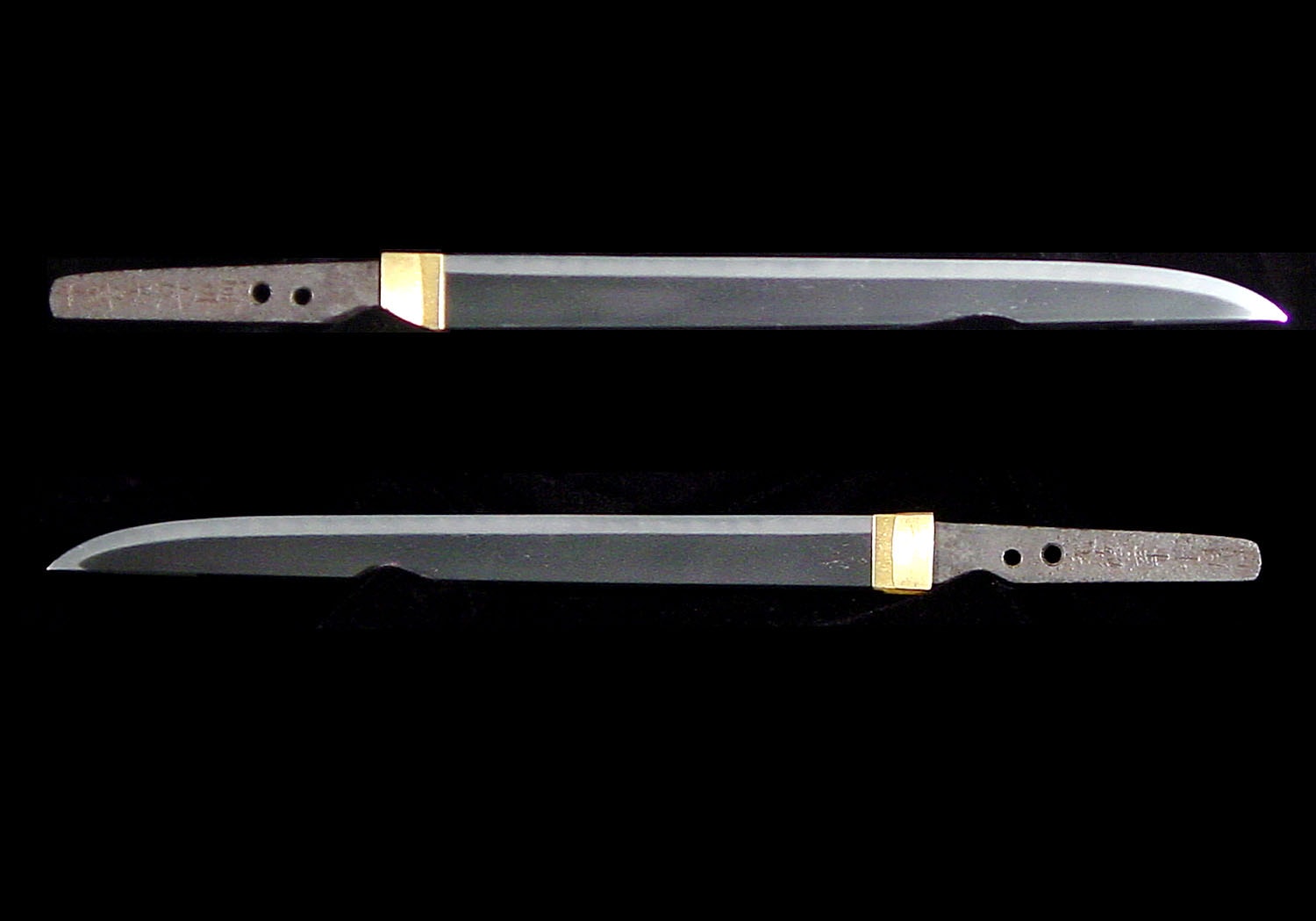
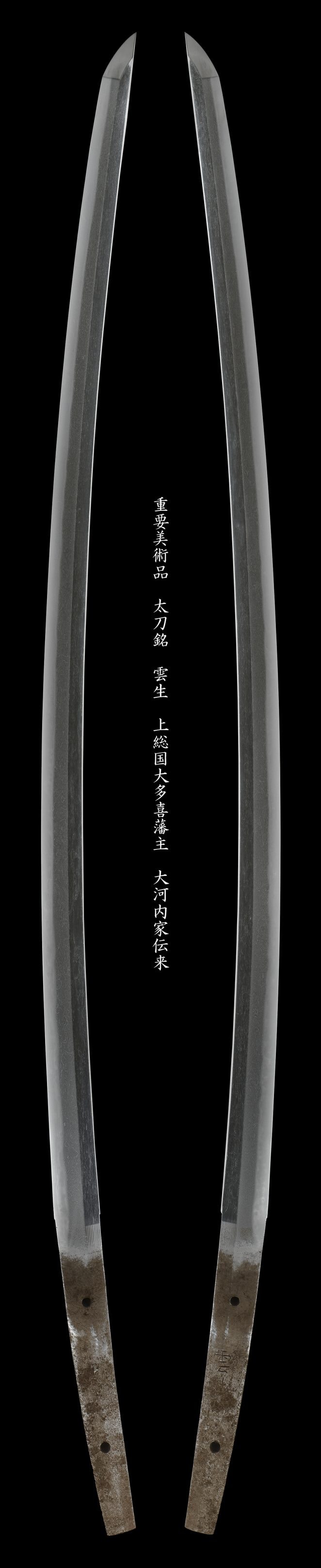
Sukenori (助則) was a swordsmith of the Ko- group active in Province during the early period, traditionally placed around the Jōkyū era (1222–1224). Reference works record him as the son of Fukuoka Sukemune. He is counted among the smiths appointed as imperial in the service of Emperor Go-Toba, a distinction shared with Sukenari — the only two Ko- smiths for whom extant blades bear the prefixed character "" above the individual name.
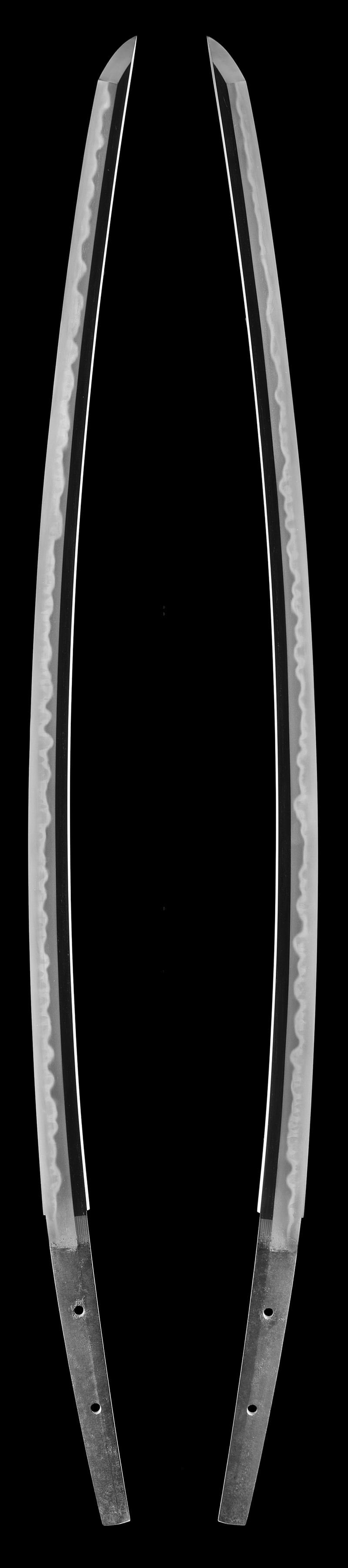
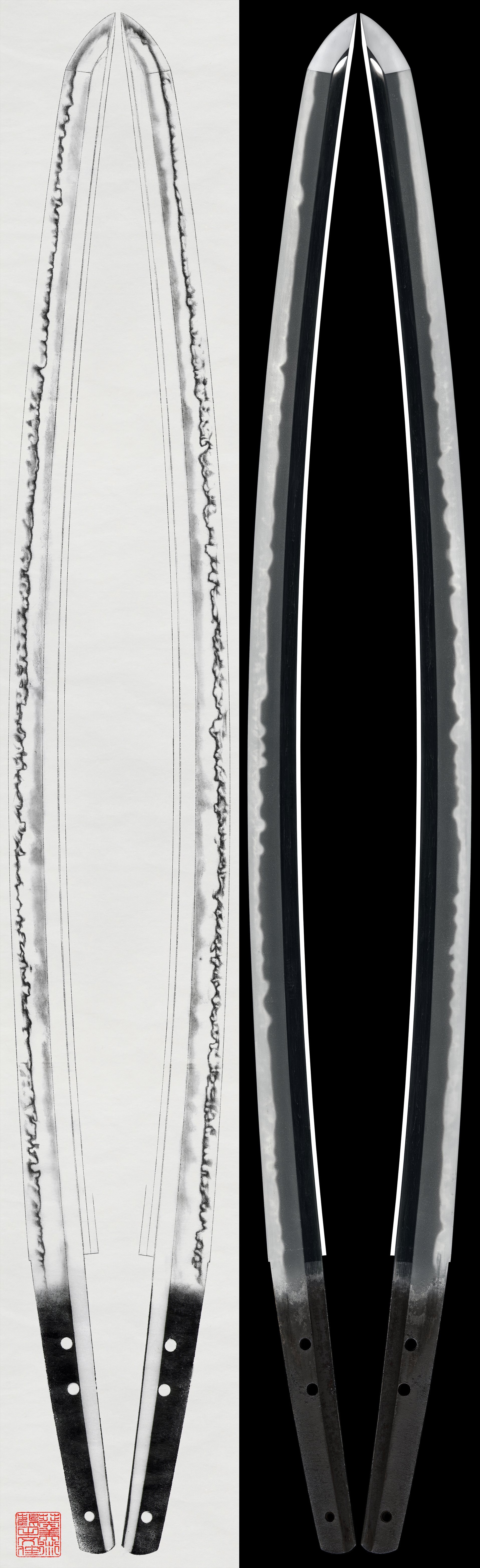
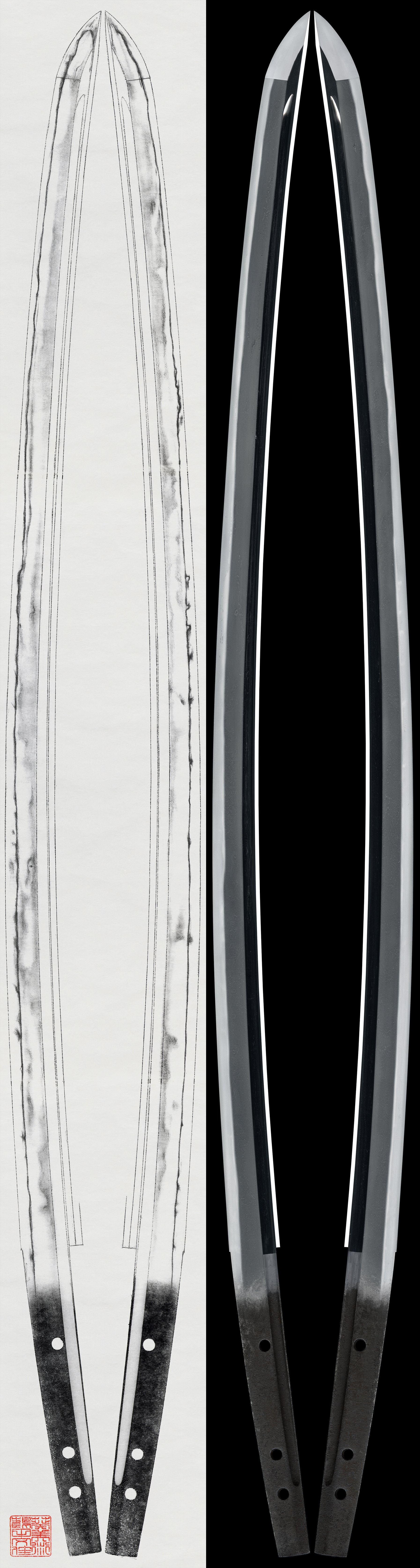
Sukenori's work represents the earlier phase of the Fukuoka school, before the flamboyant, large that would characterize the school's mid- flowering. His typically show a slender with , preserving a strong flavor in both and . The is , sometimes with a moist tendency, producing a clear in which appears distinctly. His ranges from -based compositions intermingled with and — described as archaic in feeling with thickly applied , , and gentle — to with plentiful and and a somewhat wide . The characterizes his earlier-mode work as possessing "a restrained, understated appeal," noting that the remains "gentle and faint" in contrast to more pronounced later examples.
Surviving signed works by Sukenori are exceptionally rare. The three blades bearing his name show minor differences in signature style, but expert opinion holds them to be by the hand, with the finest among them achieving "workmanship not inferior to Sukemune." His output constitutes valuable material for the study of the Ko- school and the transitional character of early swordsmithing, bridging the archaic idiom and the brilliant tradition that would follow.