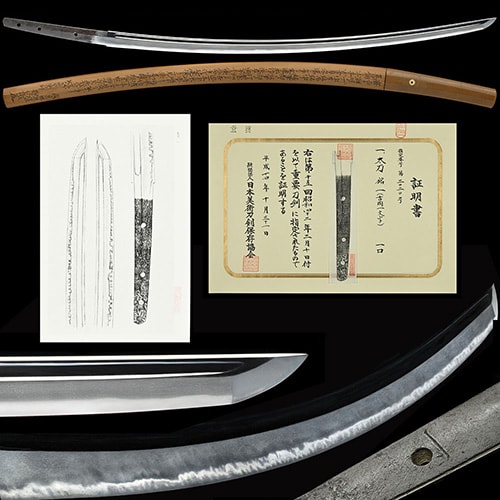
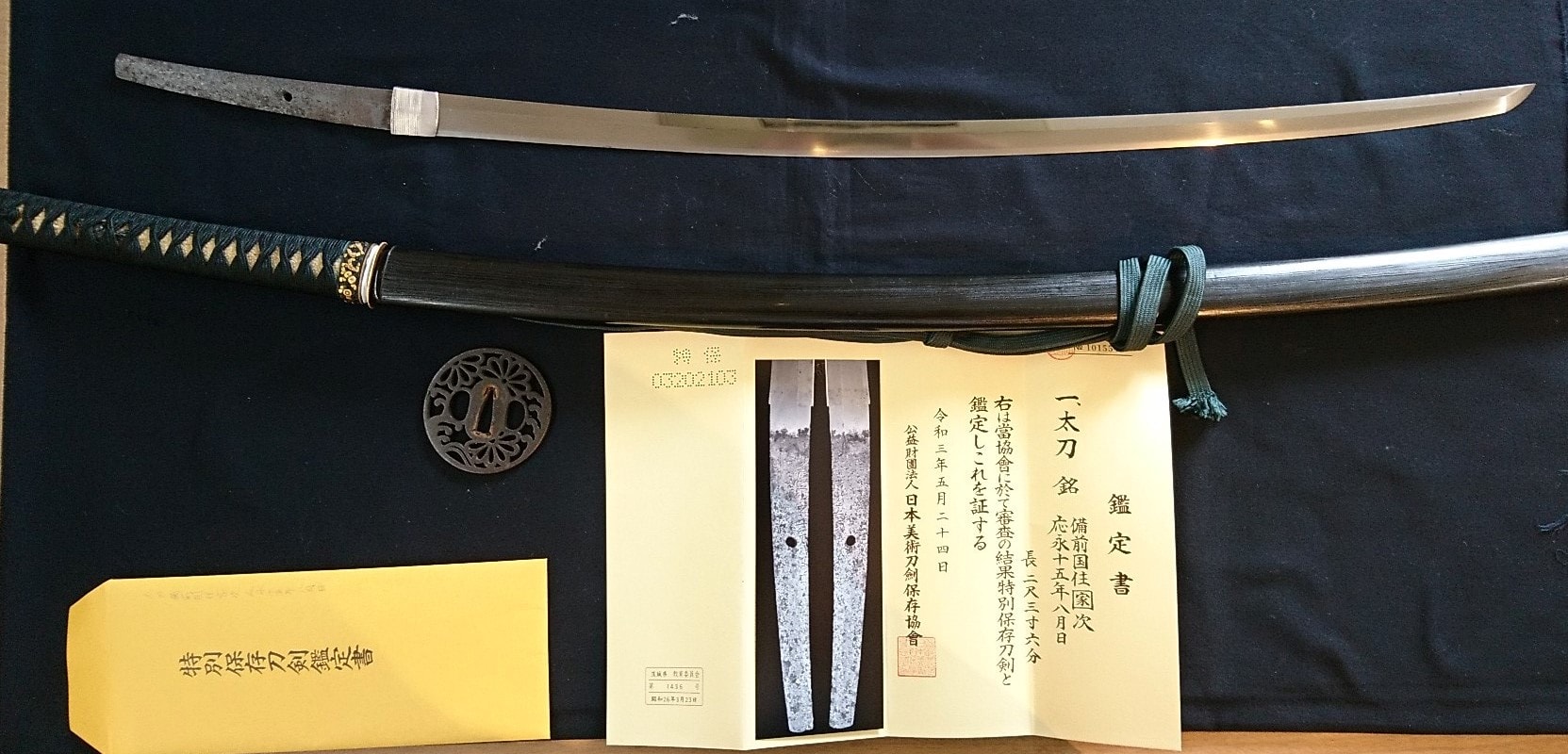
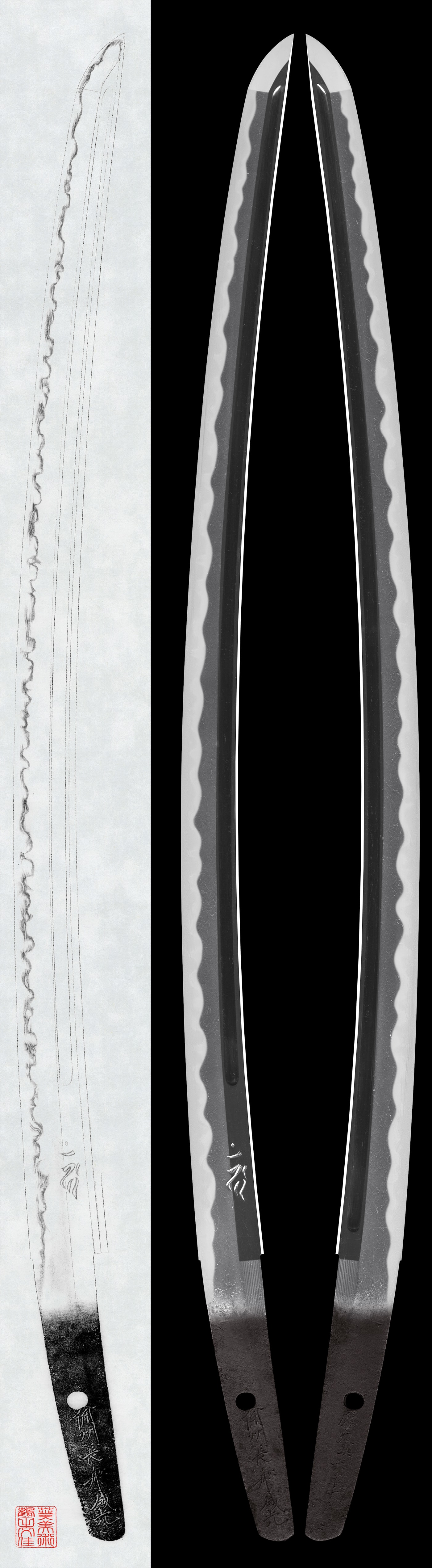
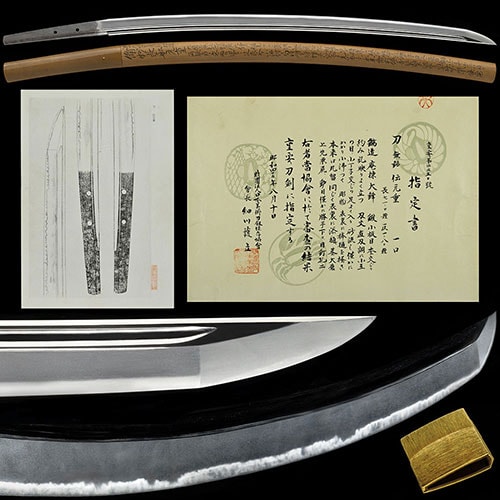
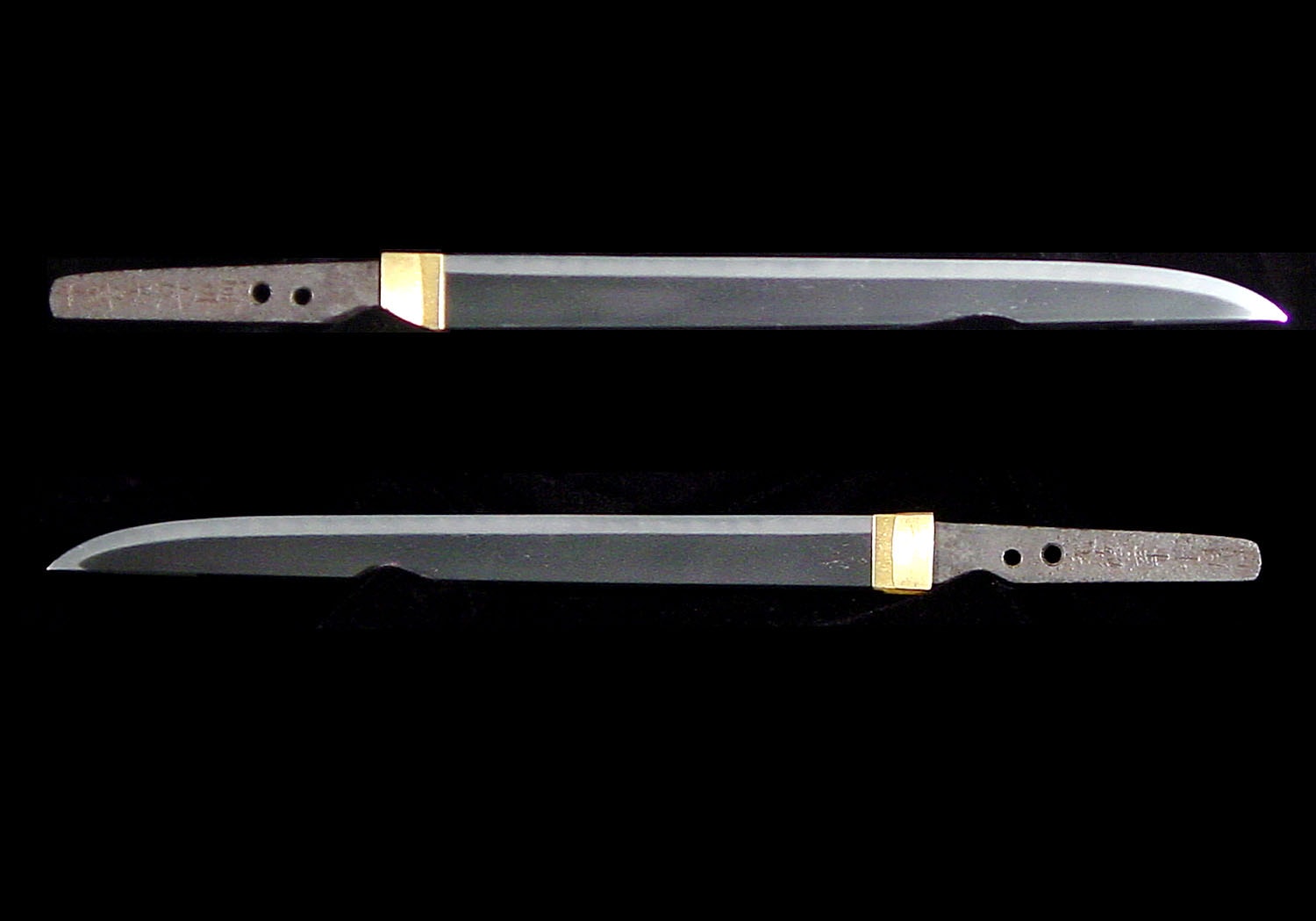
The name Sukehide appears across several lineages within Province, recorded among , Fukuoka , and Yoshioka smiths. According to the sword-signature reference compendia, the principal Sukehide of the Fukuoka group is identified as the son of Sukemori, active around the Kencho era (1249-1256) in the mid- period. A separate, earlier Sukehide is placed in the Tomonari lineage of around the Kenryaku era (1211-1214). The Yoshioka branch, which flourished from the end of the period into the period following after the Fukuoka , also produced smiths signing Sukehide; representative works from this branch are dated as late as Shohei 18 (1363). In their names, the Yoshioka smiths share the character as a common element, alongside such peers as Sukemitsu, Sukeyoshi, and Suketsugu.
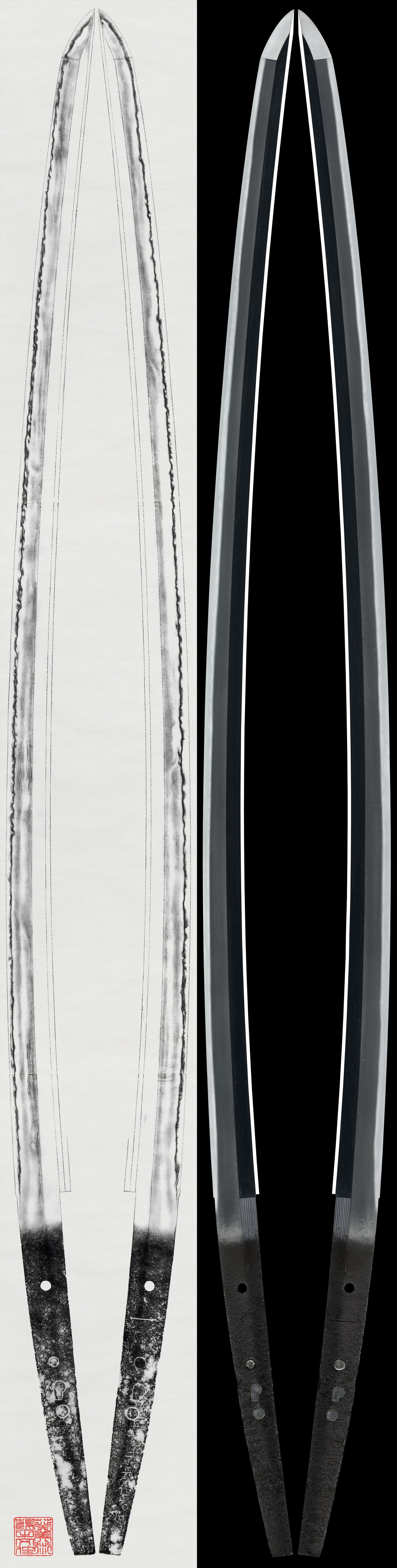
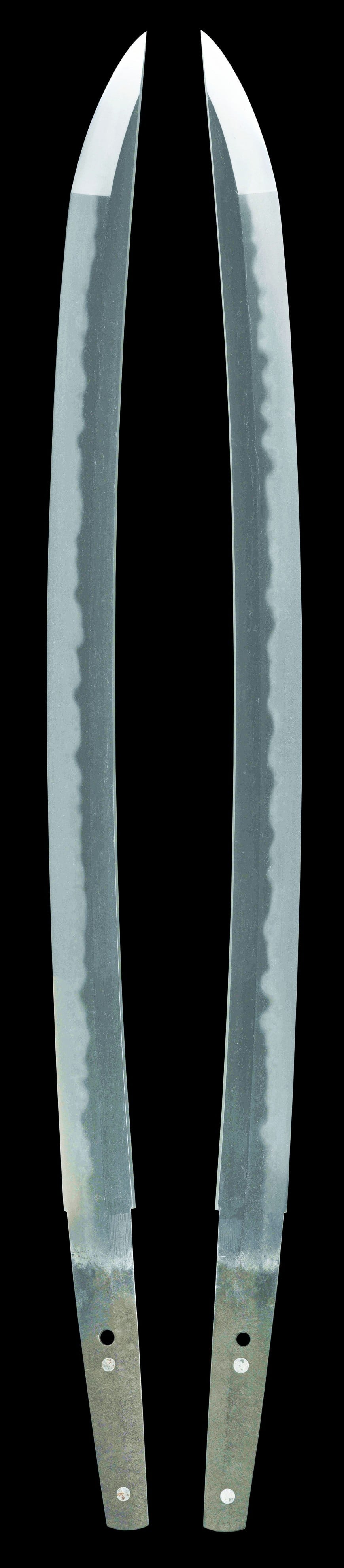
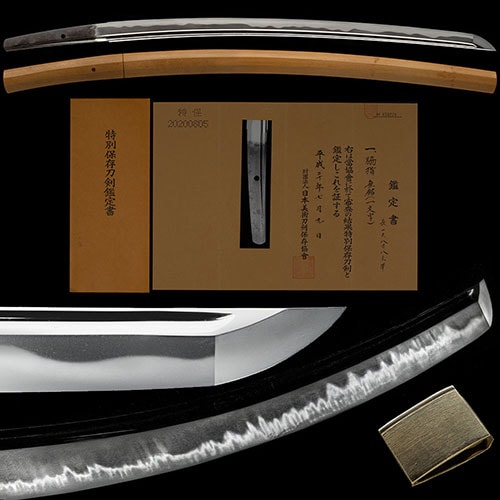
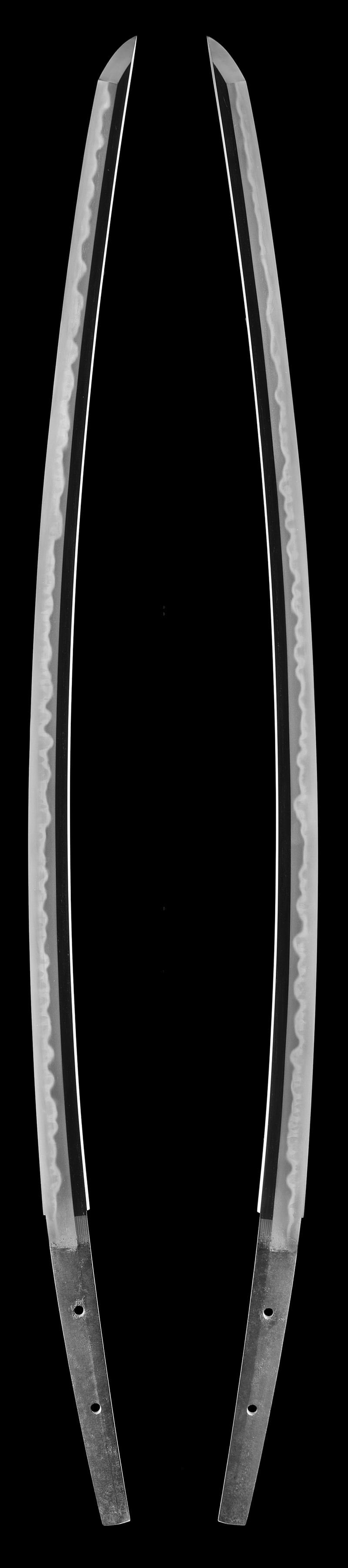
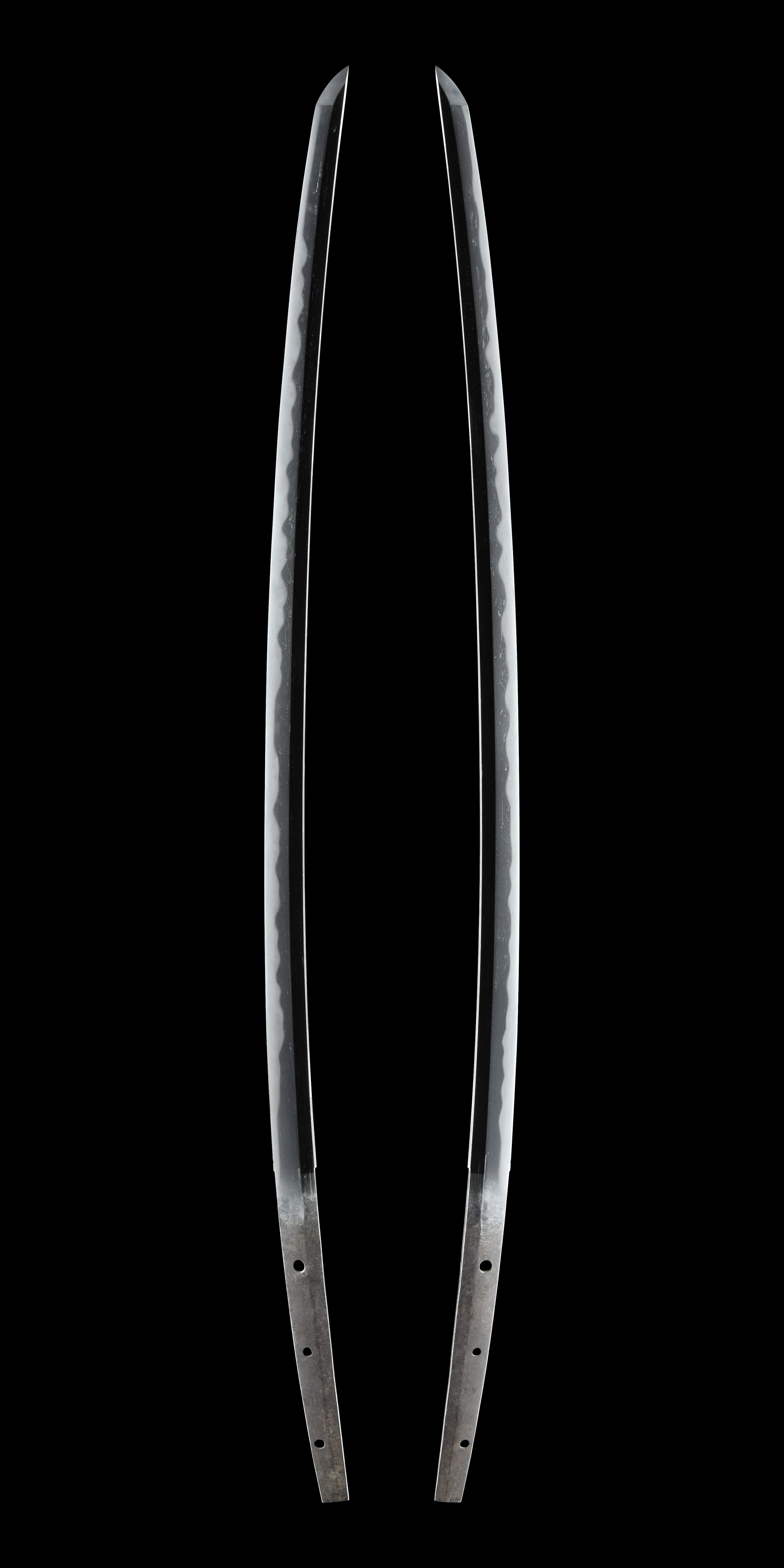
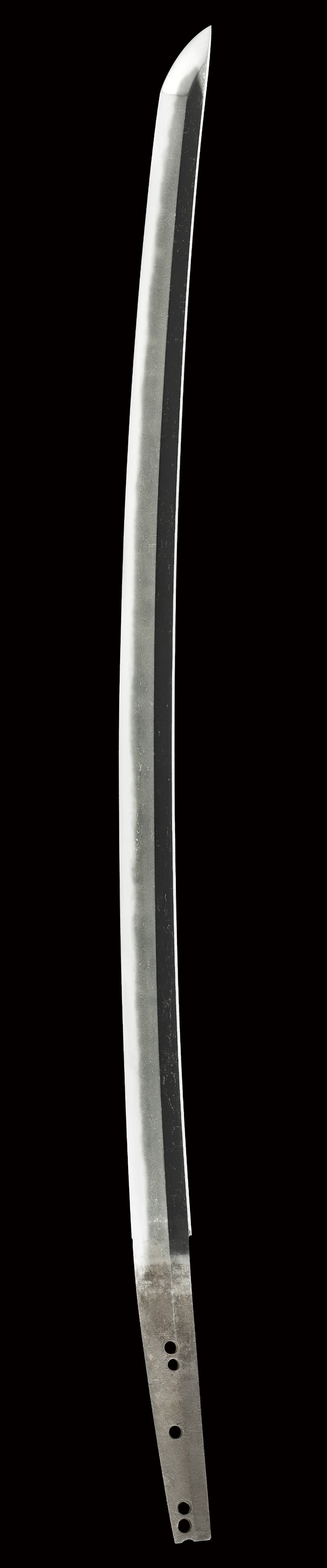
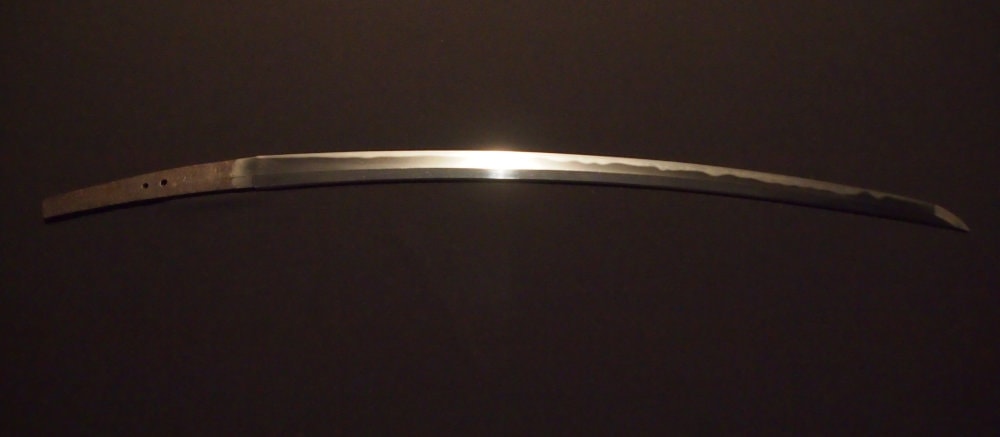
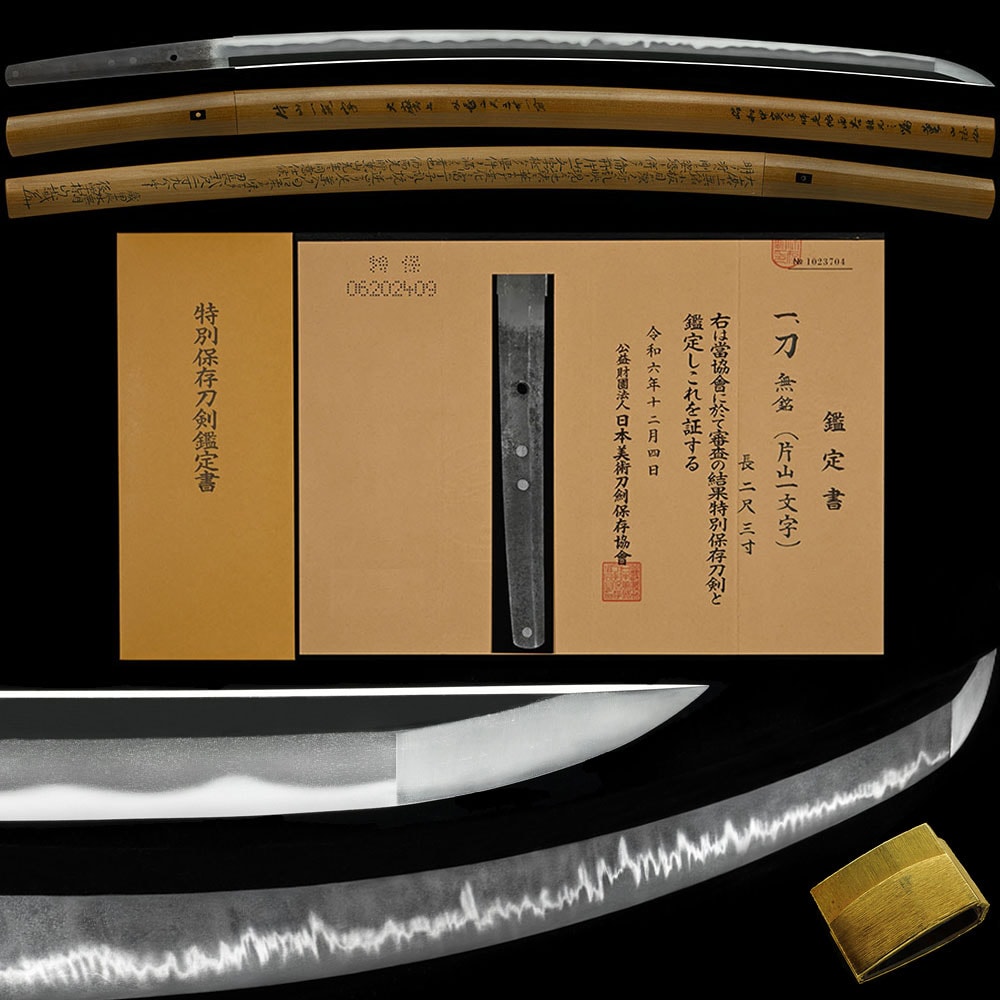
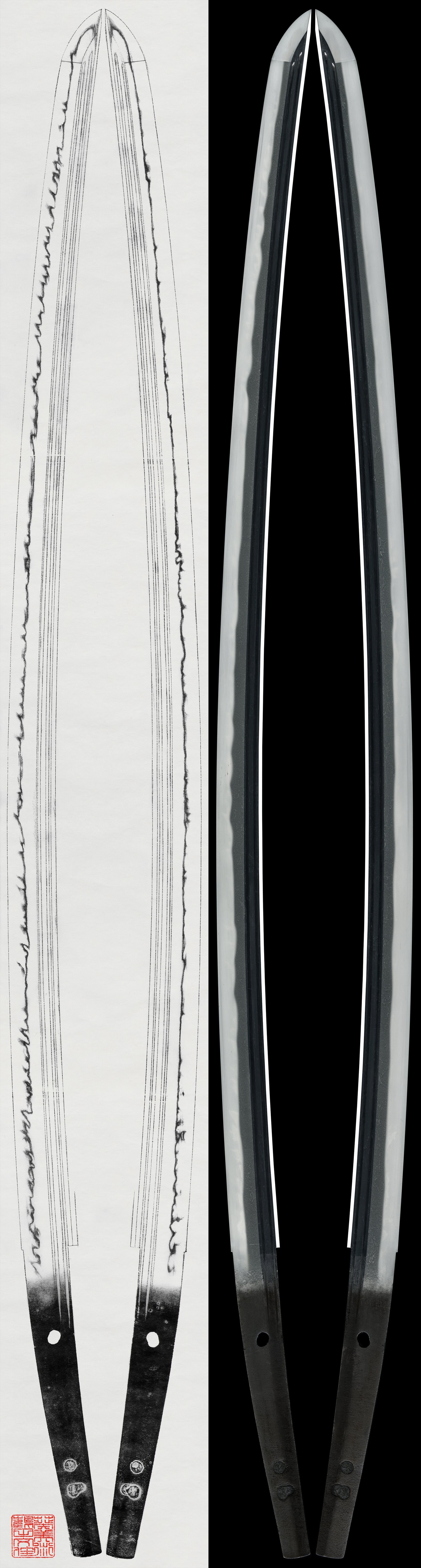
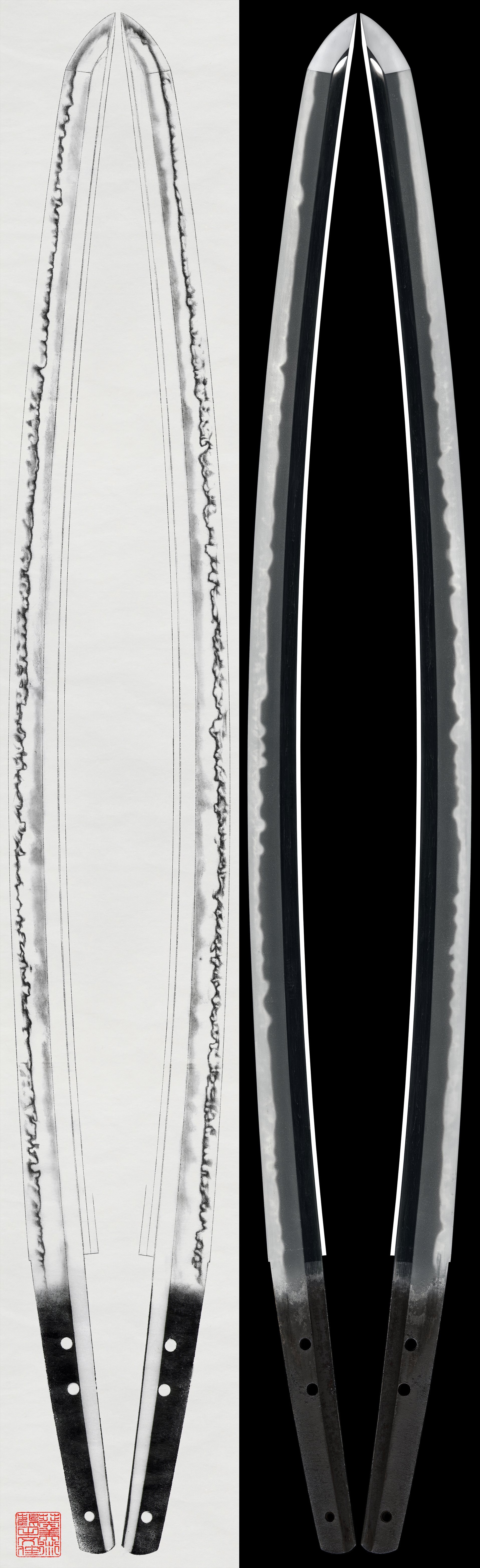
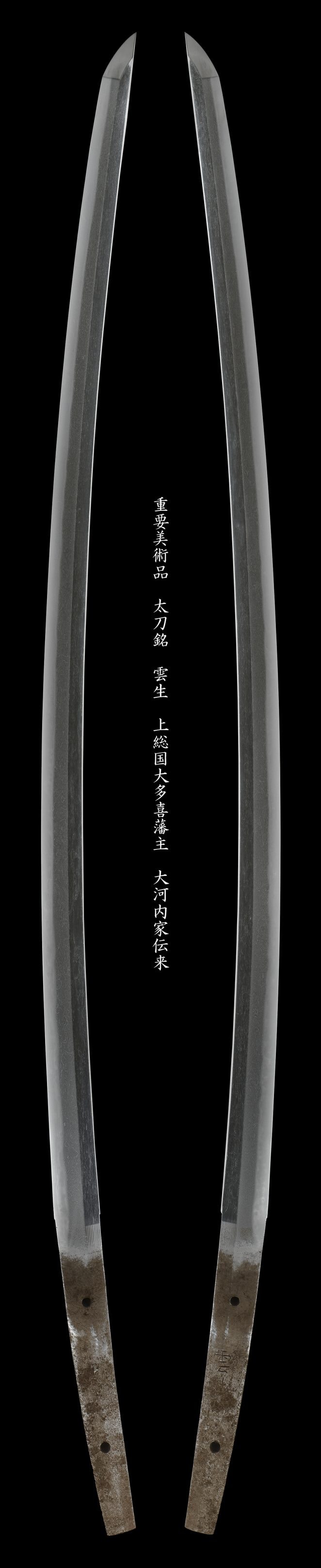
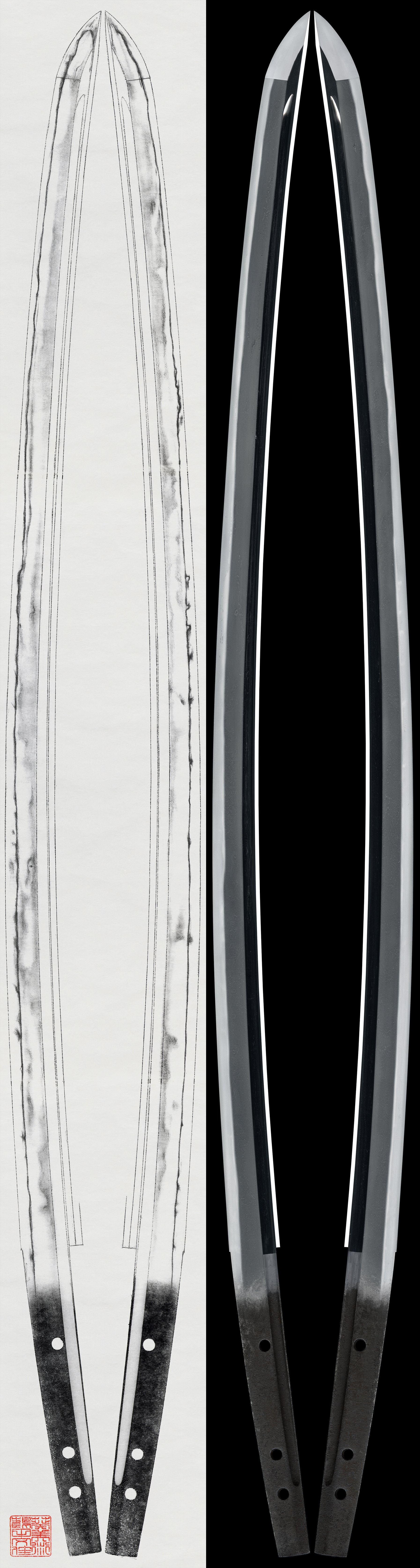
The Fukuoka works attributed to Sukehide exhibit mixed with , forged densely, with fine adhering in a thick layer and fine entering well. The stands out clearly, and or vivid appears distinctly in the . On certain the tempering takes the form of a quiet mixed with shallow and , producing a tight and bright — a serene temper that creates a striking contrast between and . Other works display a mixed with and , rendered in a manner that clearly expresses the style of the Fukuoka school at its peak. The Yoshioka works, by contrast, tend toward a somewhat smaller-scale workmanship in which stand out within the , accompanied by fine and , with appearing in varied forms.
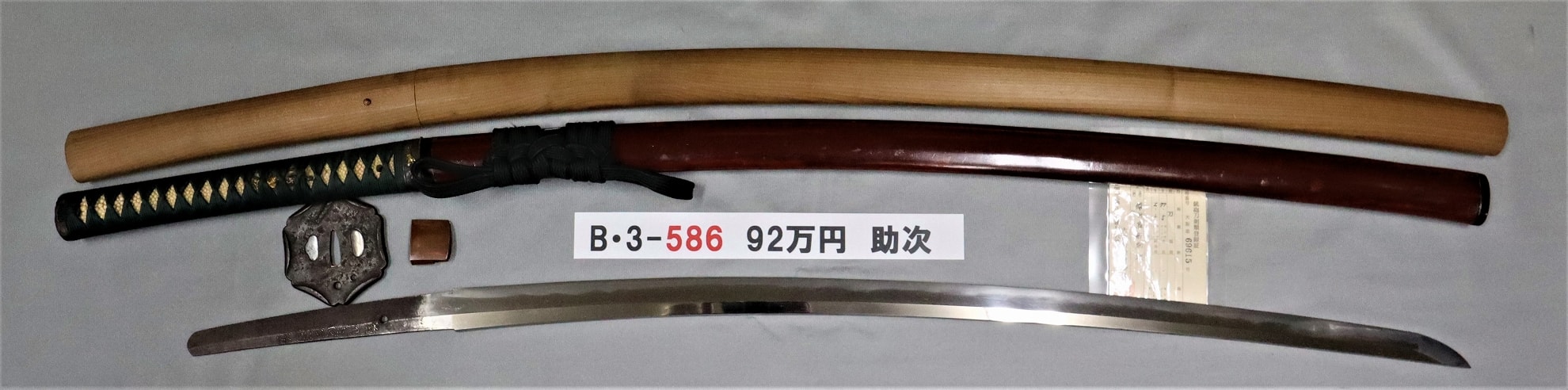
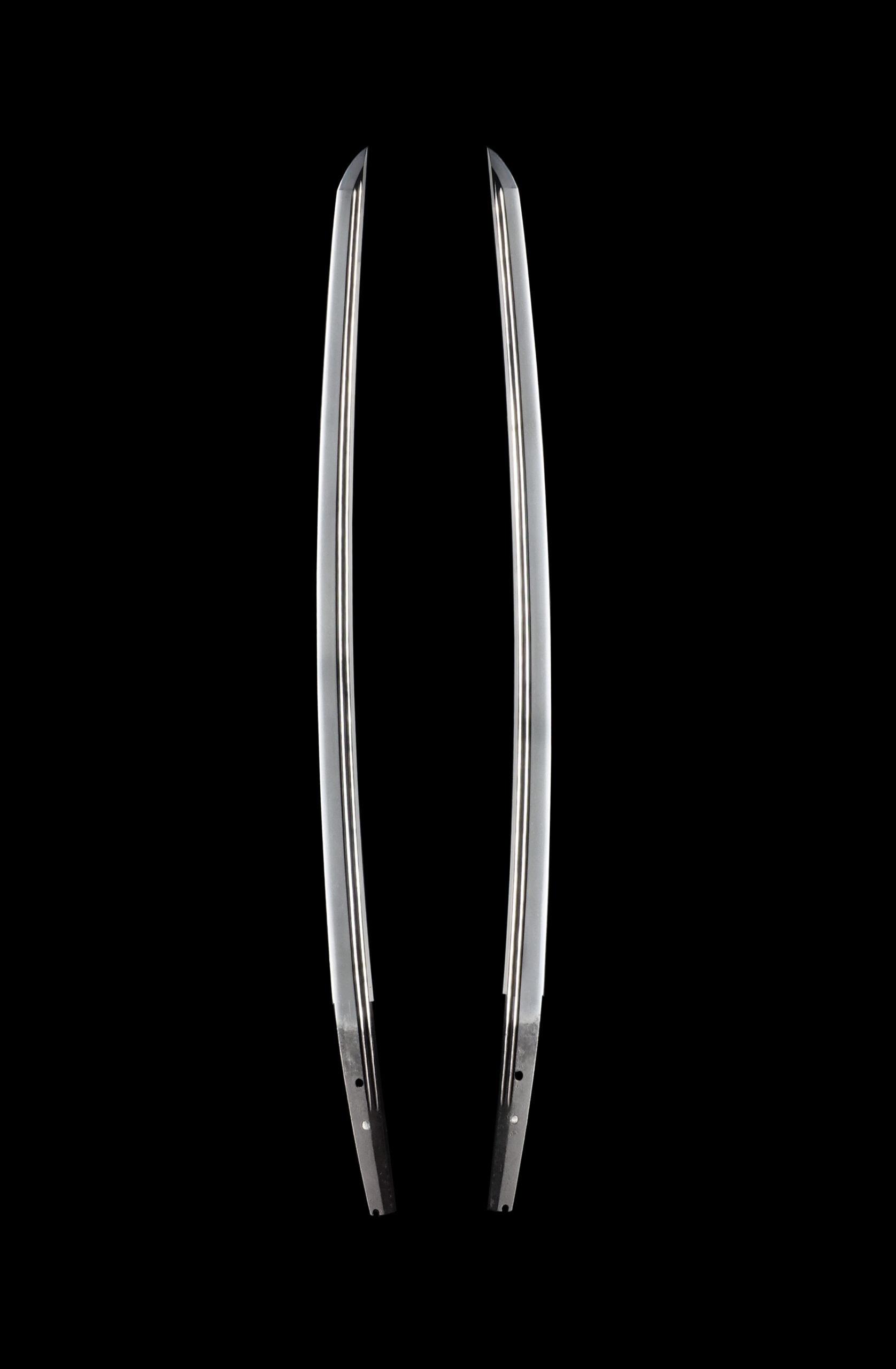
Since extant signed works by Sukehide are extremely rare, each blade constitutes outstanding source material for understanding his working range. The consistently notes that both and are — sound and well-preserved — and that the interplay between forging and tempering is particularly captivating. His , preserving original form and signature, are regarded as especially desirable, while dated Yoshioka examples provide valuable documentary evidence for the continuation of the tradition into the period. Across the full span of works bearing this name, the consistent quality of workmanship attests to the enduring vitality of the lineages from the early period through the fourteenth century.