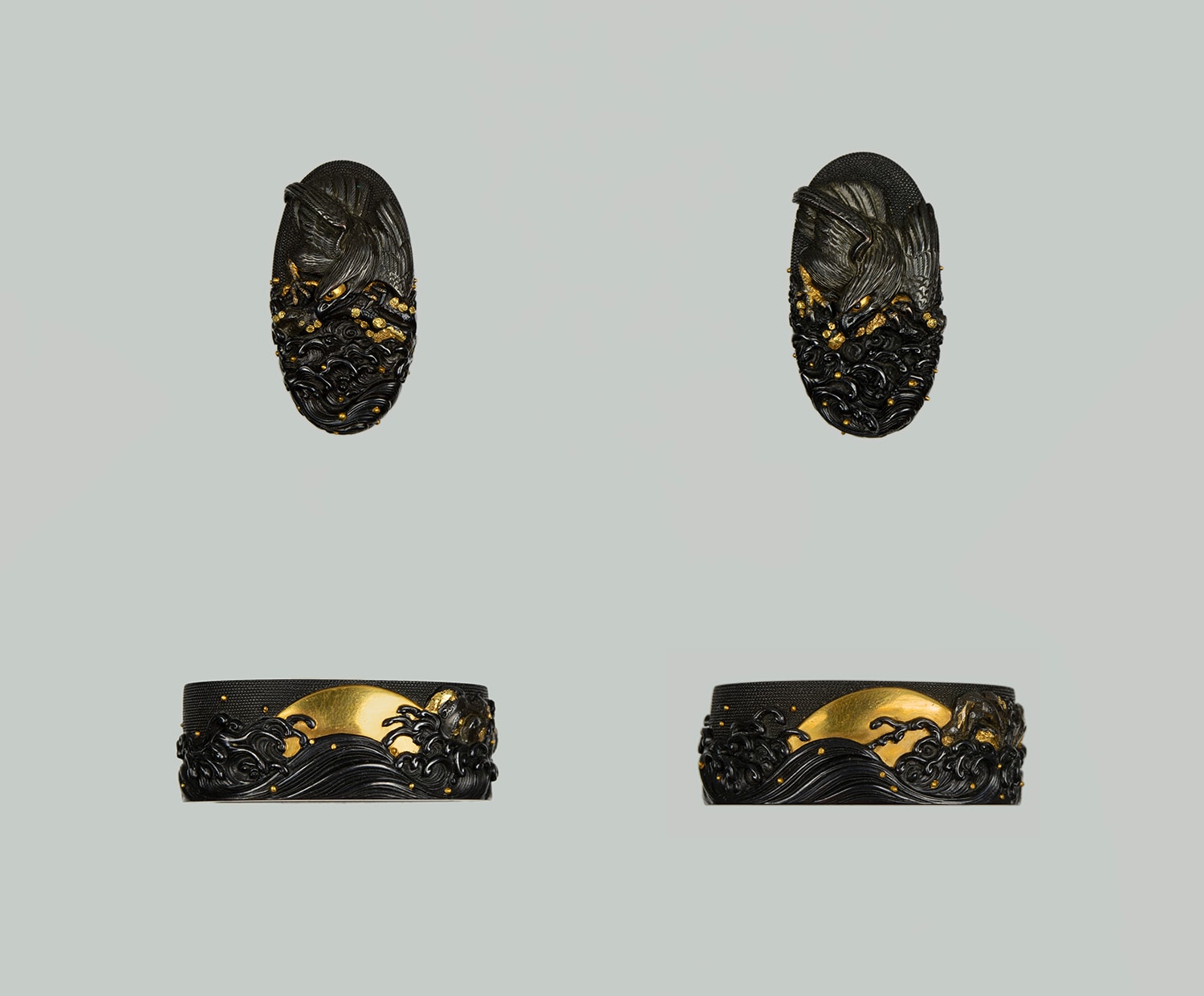
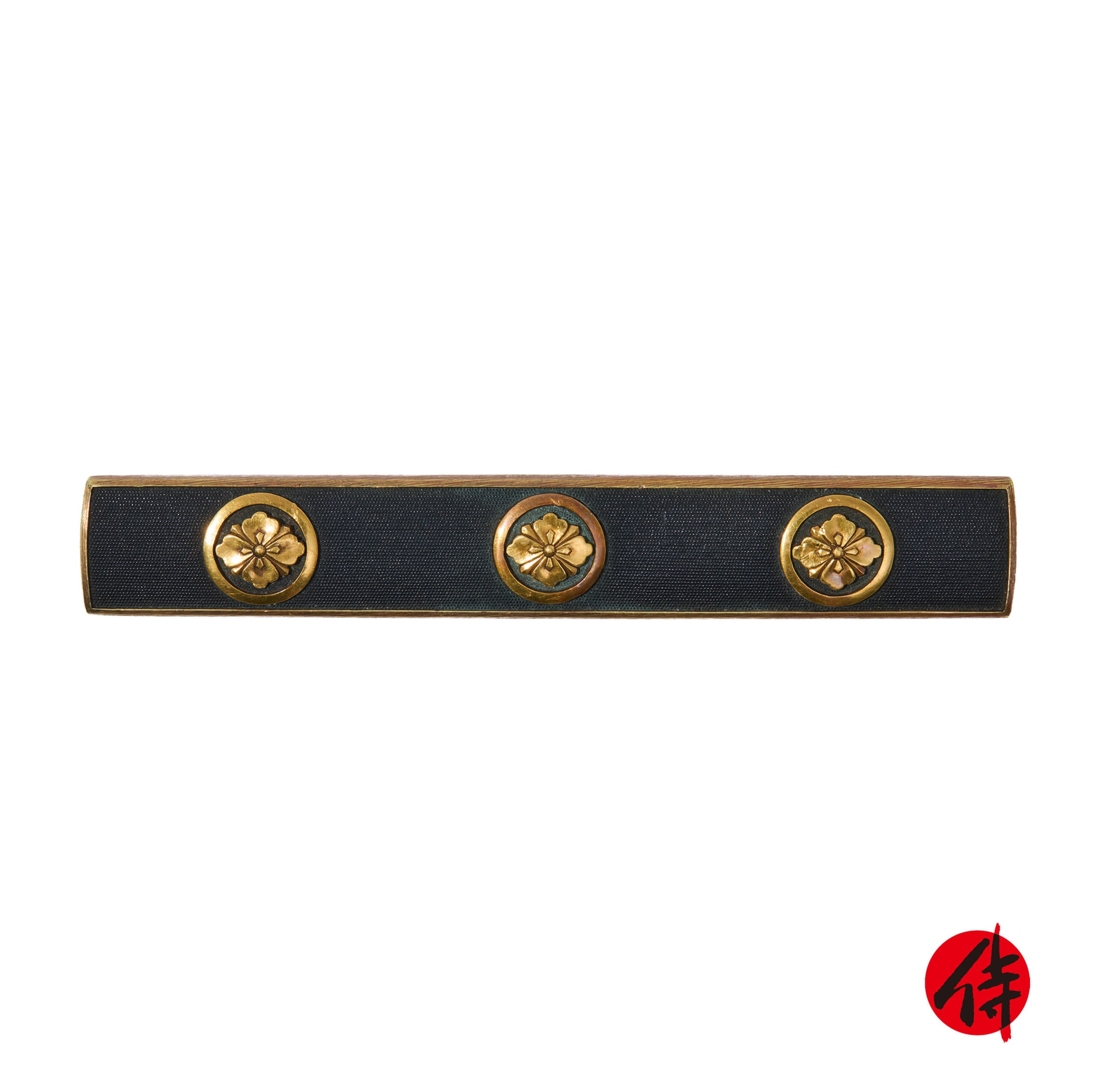
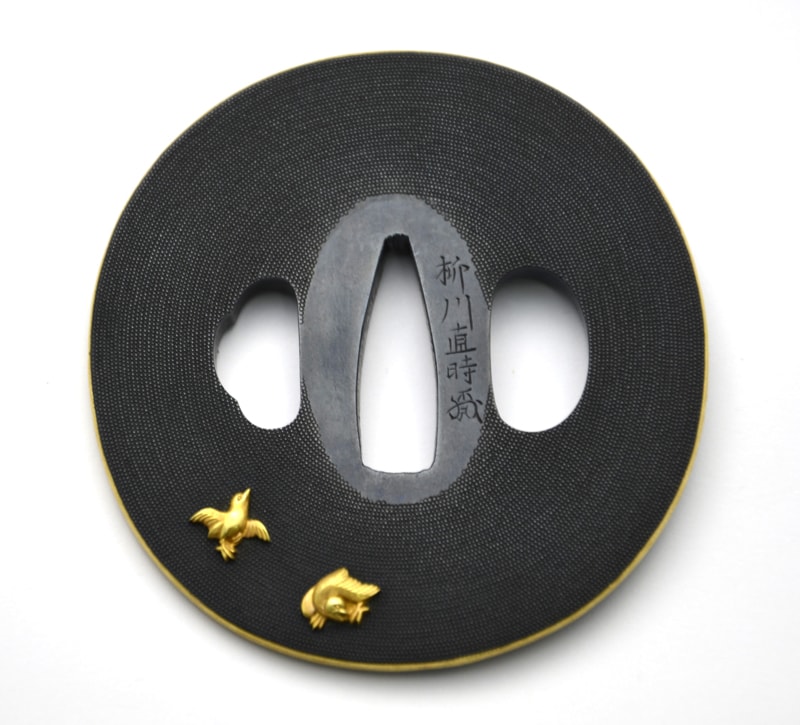
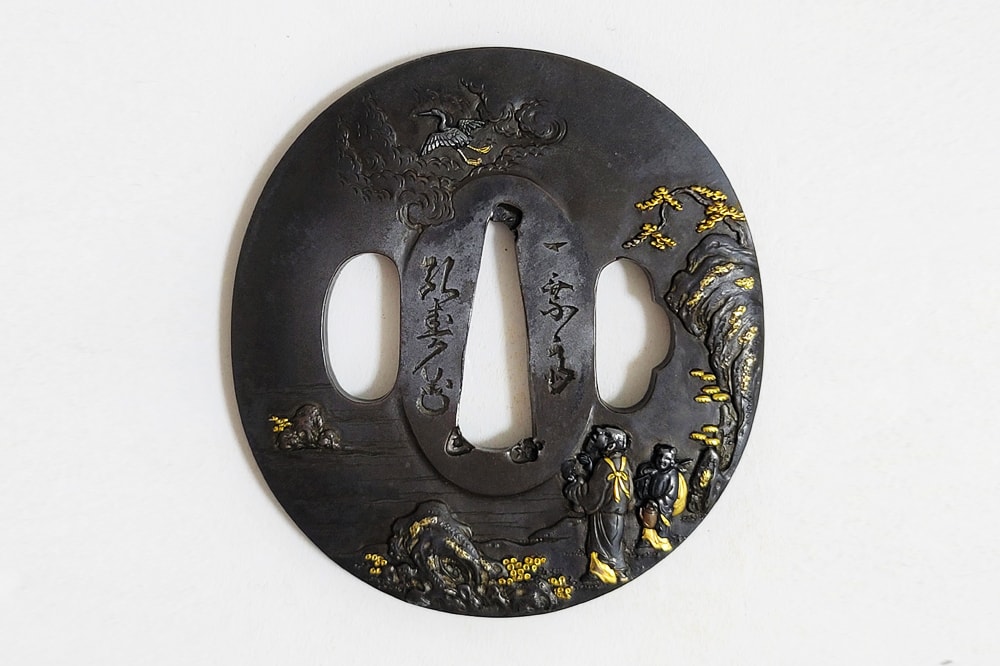
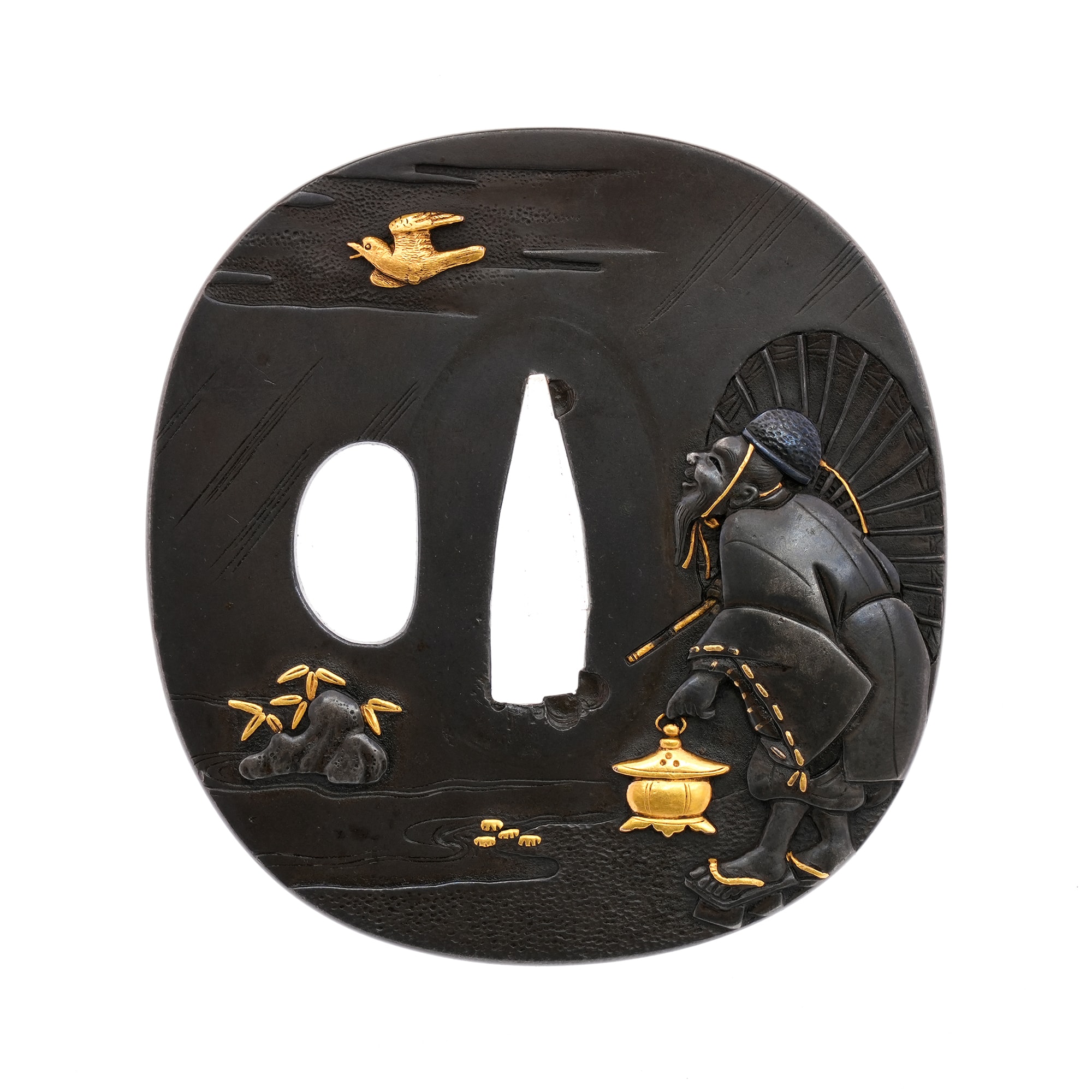
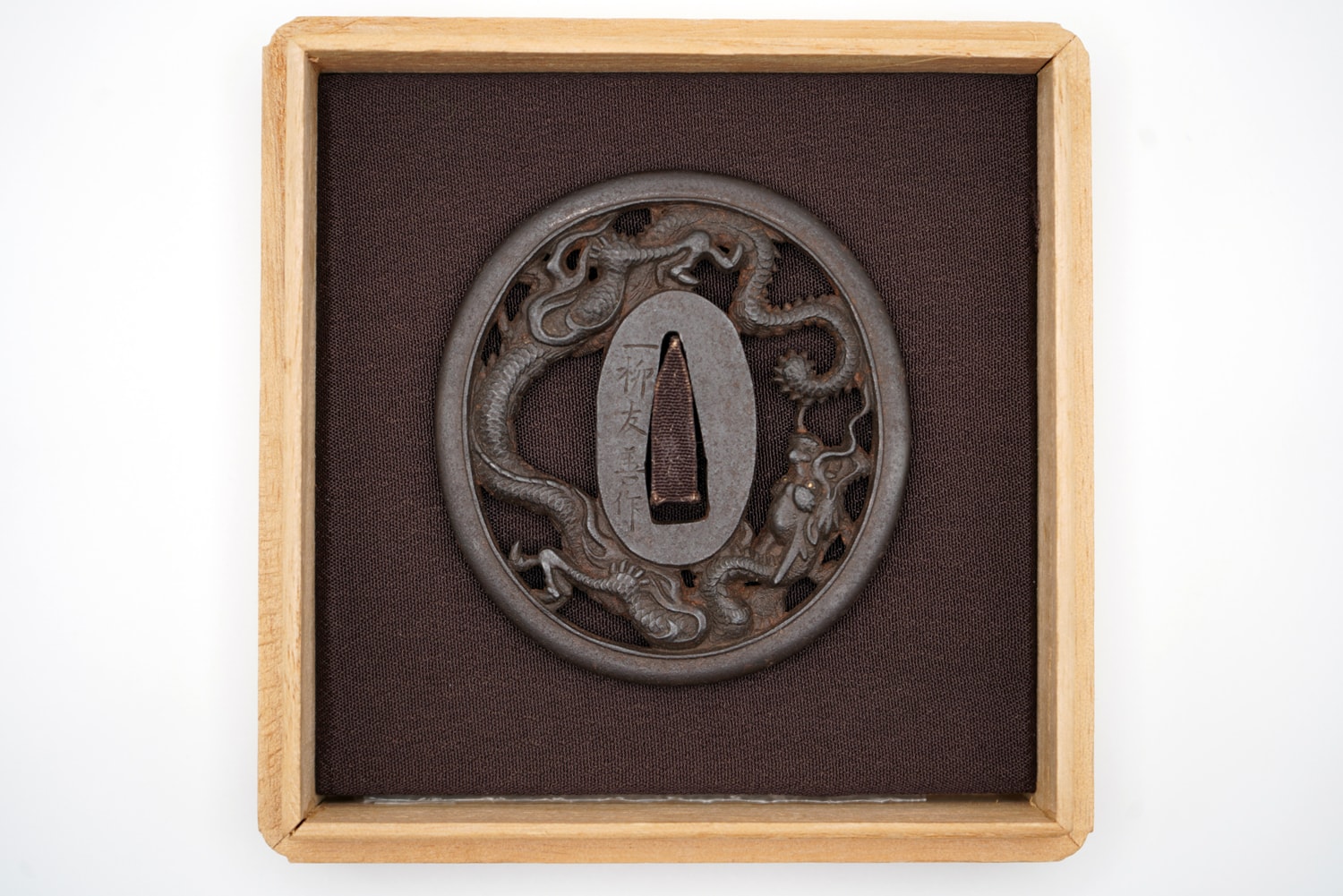
Yokoya Soyo was born in in Genroku 13 (1700), the second son of Yokoya Soju and younger brother of Eisei. Invited to become the adopted son of the celebrated Yokoya Somin, he succeeded to the family headship in Kyoho 18 (1733) at the age of thirty-four, following Somin's death, thereby preserving the distinguished Yokoya house name. In later years he took the art name Shokei. He should be distinguished from the first-generation Soyo (sometimes called "Sofu Soyo" or "Ko-Soyo"), who had studied under Goto Injo Mitsutomi, served as an official bakufu carver during the 'ei era, and founded the Yokoya lineage in . The second-generation Soyo stands as the direct artistic heir of Somin and an outstanding presence among the many metalworkers who emerged in what came to be called .
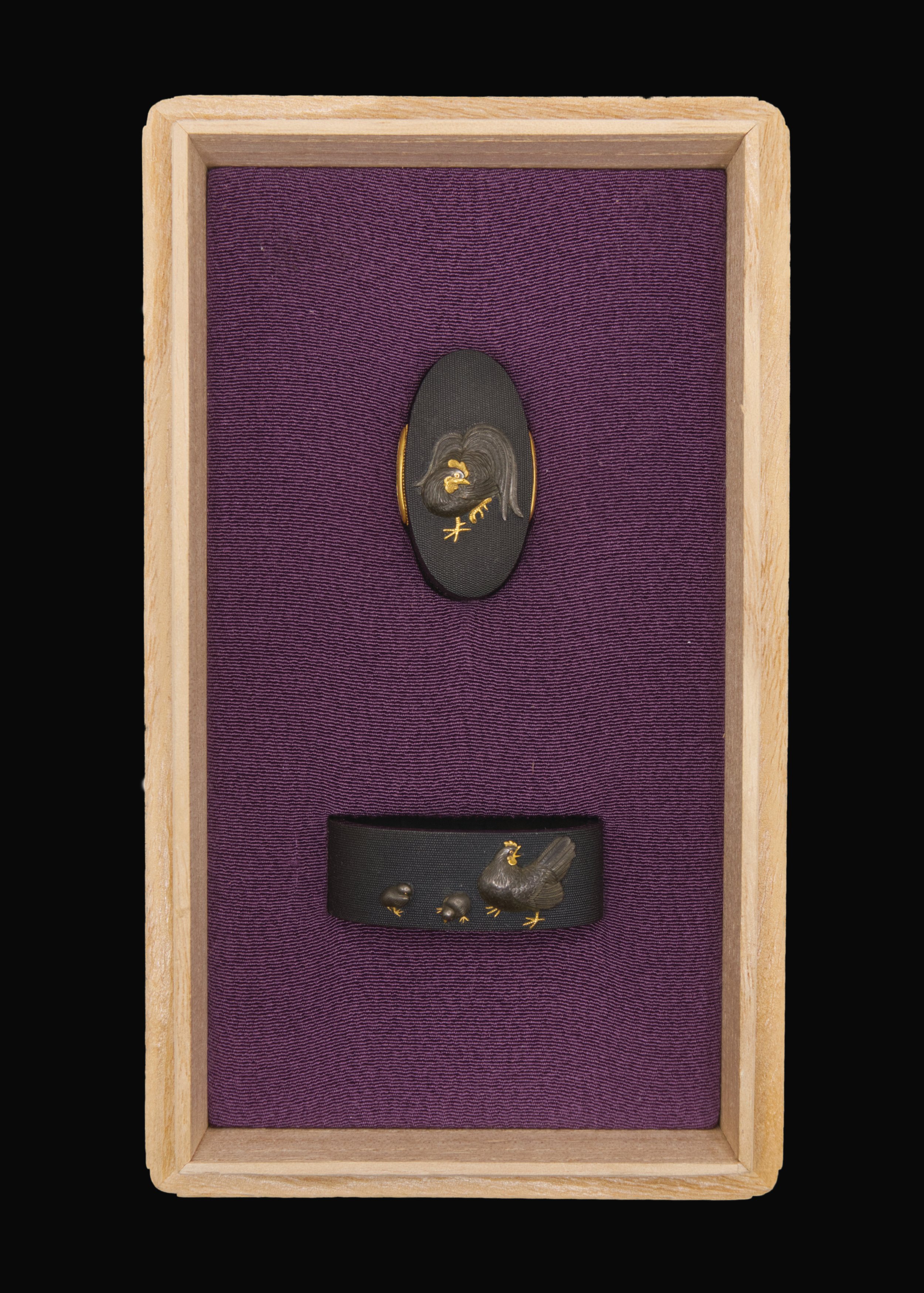
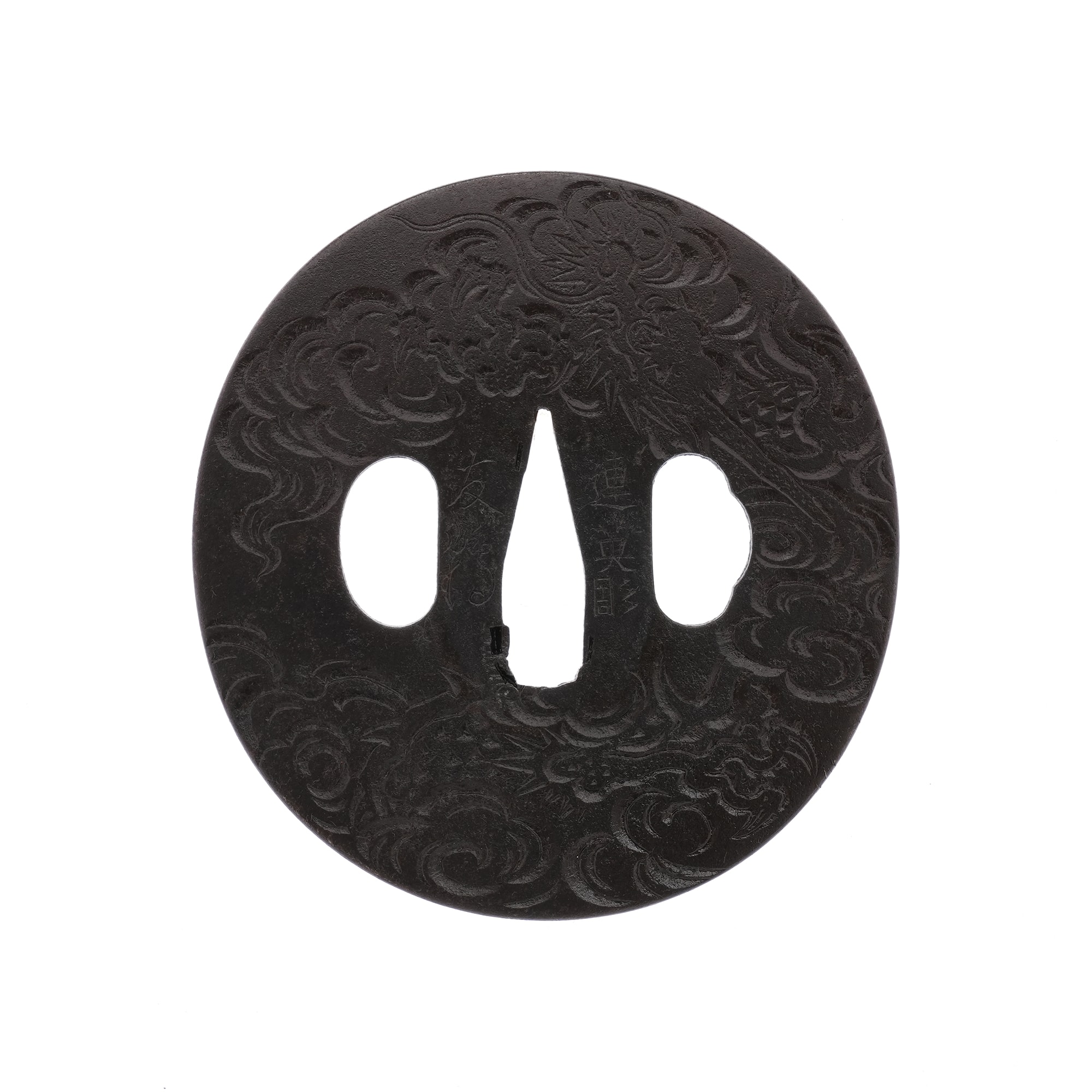
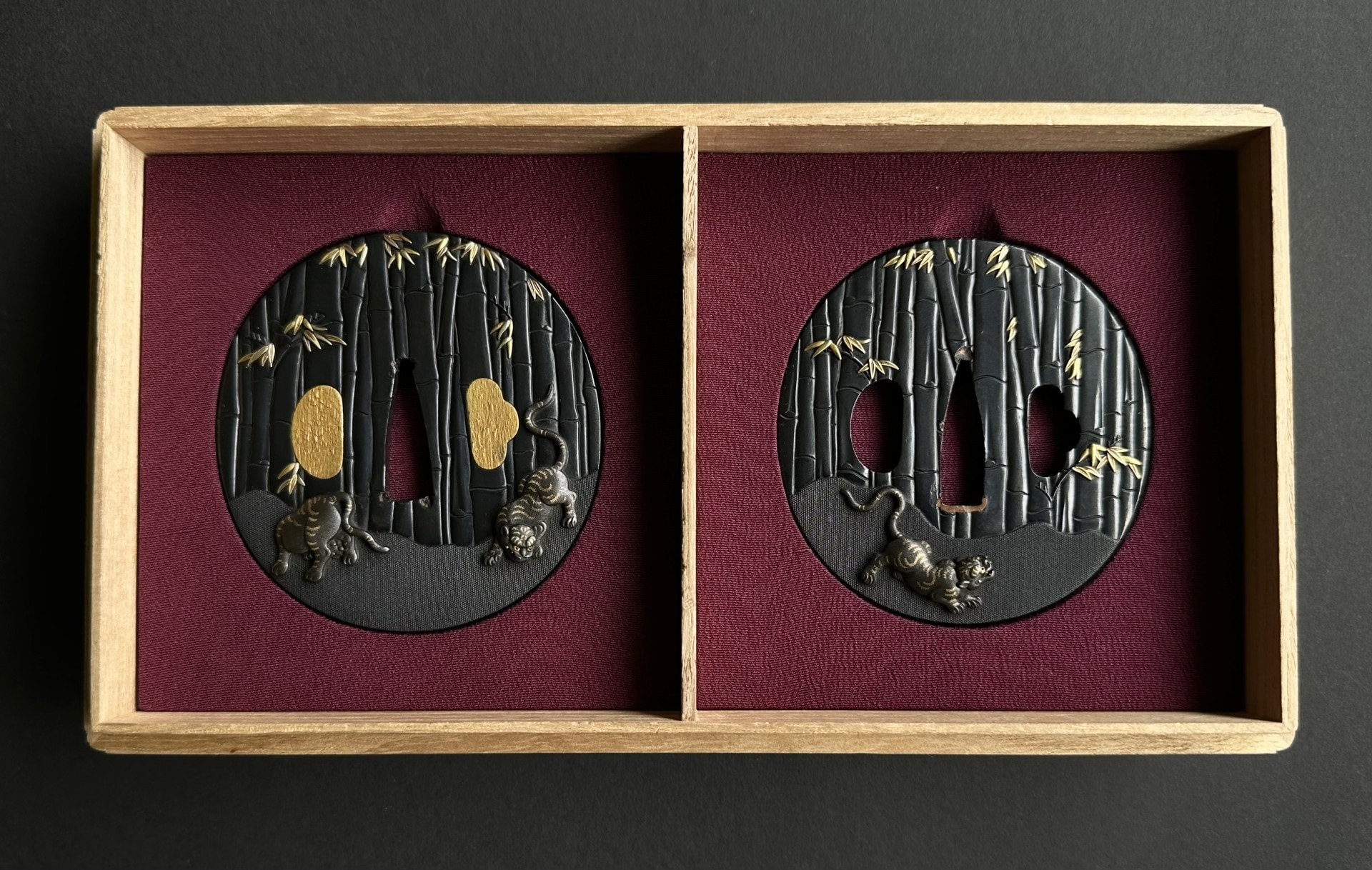
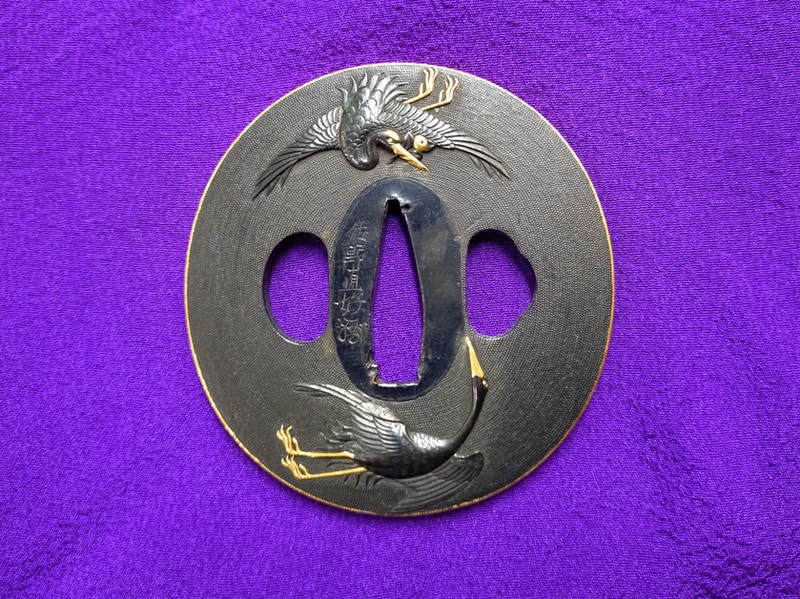
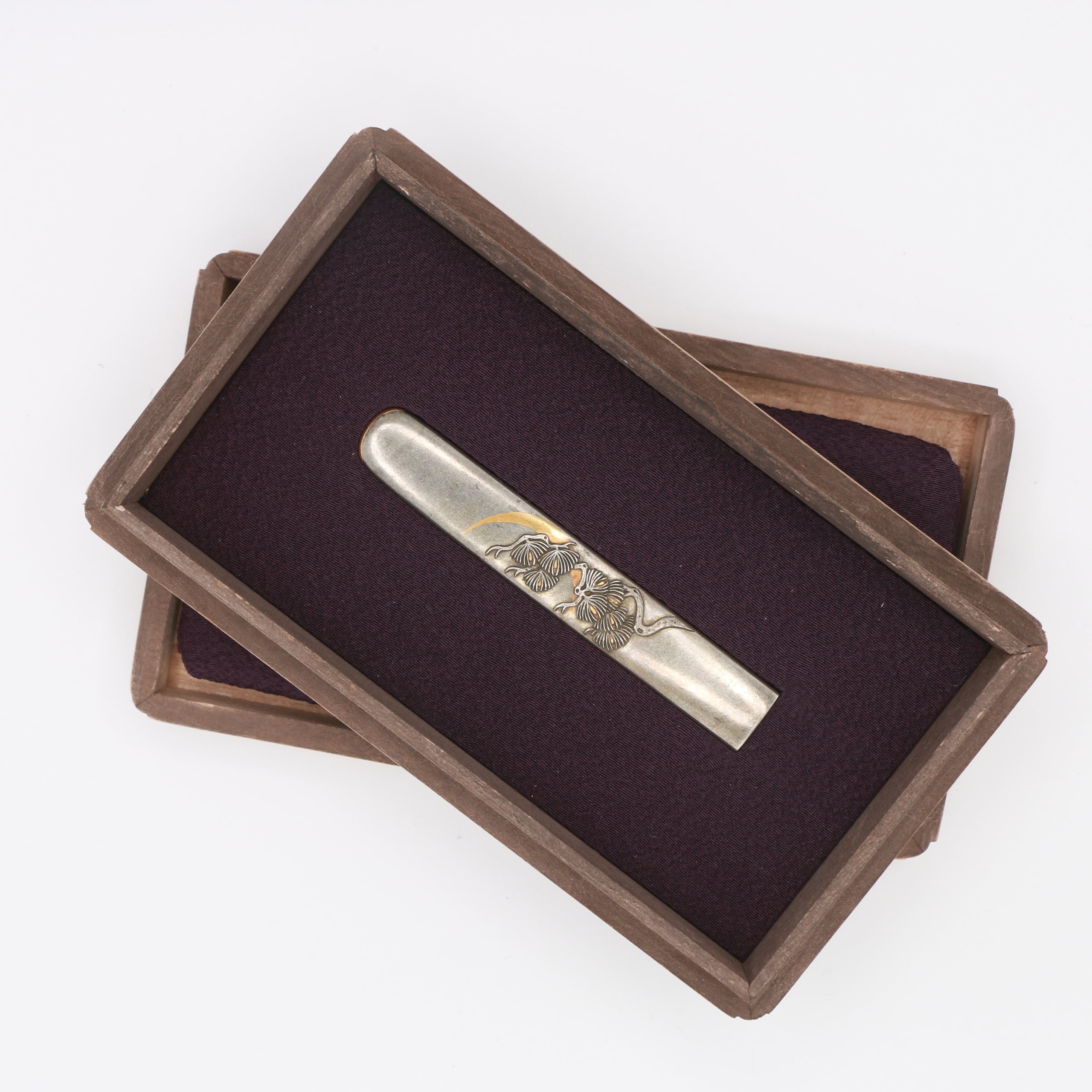
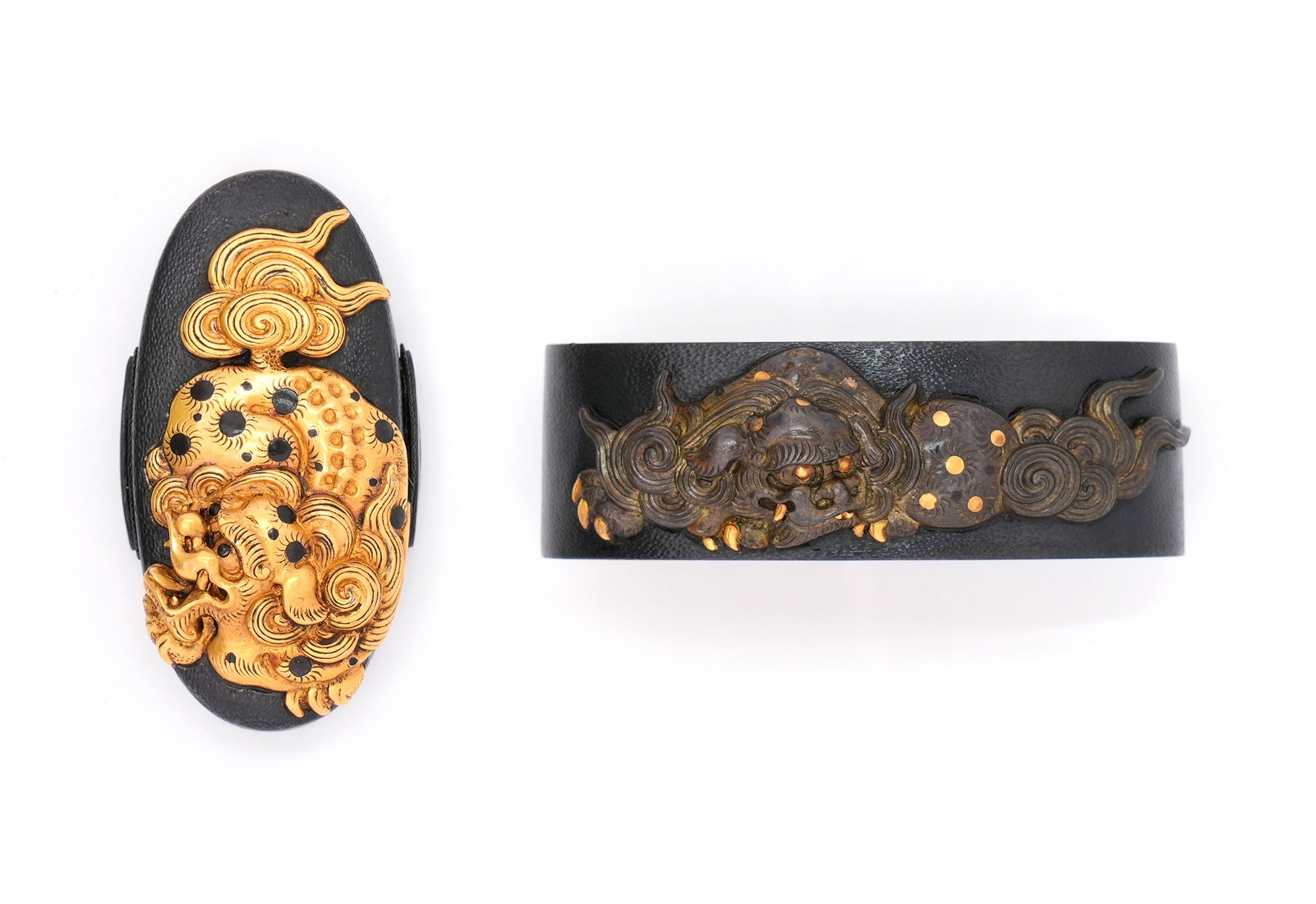
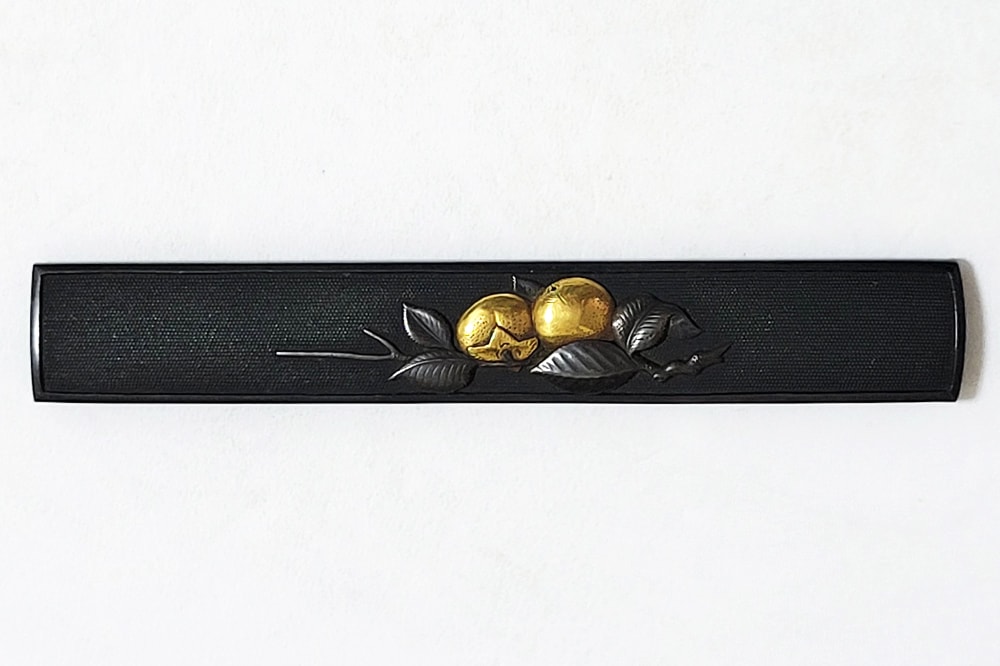
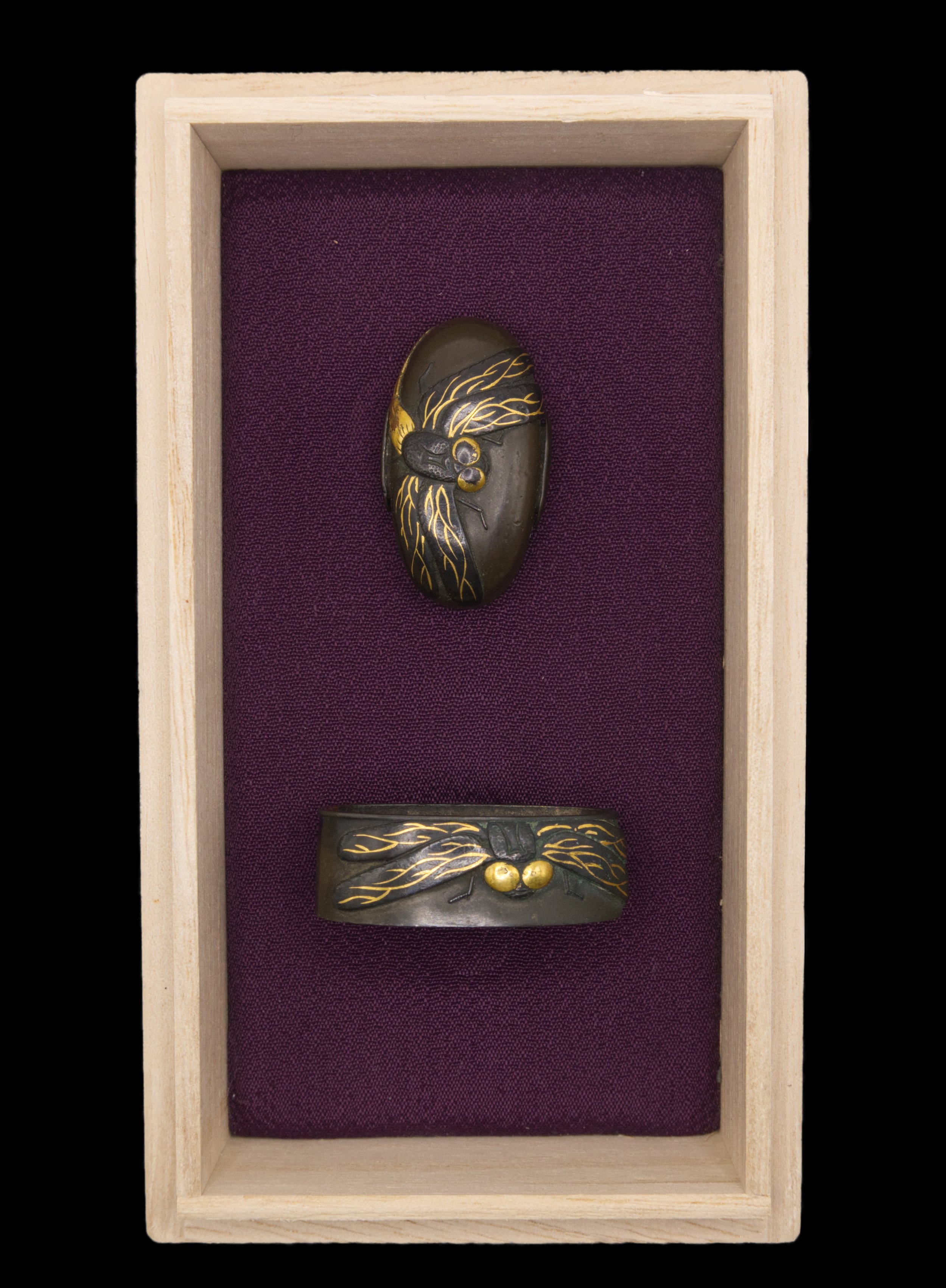
Soyo's oeuvre divides broadly into two modes. Many of his works are executed on polished grounds using — the single-edge "engraver's brush" carving that was a favored specialty inherited from Somin — in which he "demonstrates an excellent technique inherited from his master and adoptive father." By deftly alternating chisels of varying widths, he achieves compositions that combine bold, powerful with delicate linework. A smaller but no less distinguished body of work employs grounds with , inlay, and , producing "superb results that possess both the capability and the dignity expected of Somin's successor." His lions — the celebrated "Yokoya shishi" originating with Somin — are rendered with imposing presence and richly modeled high relief, while his horses display a naturalistic, sketch-from-nature quality. His signature is characteristically cut in vigorous script with .
The repeatedly affirm Soyo's place as a master who "clearly surpassed the rest" among metalworkers while faithfully continuing his teacher's manner. His works are described as "extremely rare," lending special value to surviving examples; fully coordinated matching sets (mitsudogu) are rarer still and regarded as representative masterpieces. Whether working in the restrained monochrome palette of polished or introducing touches of color through kinhira- rim accents and gold , his pieces consistently display "a high level of skill inherited from Somin" alongside an individuality all his own — a capacity, as the observes, for adding "the innovative freshness of " to the traditional Yokoya atelier vocabulary.